Engineered for immediate vertical space reclamation, built to withstand local seismic forces, and adapted for heavy-load industrial tooling.
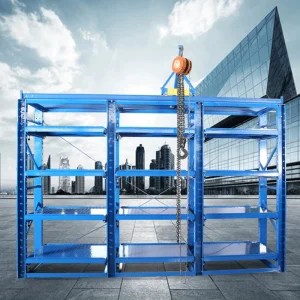
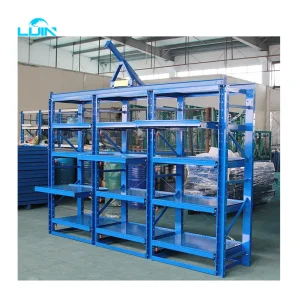
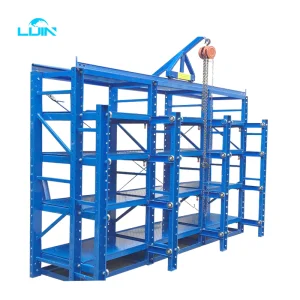
The San Francisco Bay Area, encompassing key manufacturing sectors from South San Francisco's biotechnology hubs to the East Bay's advanced automotive and robotics operations, faces unique logistical challenges. High industrial real estate prices—often averaging multiple times the national baseline cost per square foot—compel companies to maximize vertical capacity. Racking is no longer just a hardware acquisition; it is a critical spatial efficiency calculation.
Furthermore, structural compliance in California is heavily bounded by the California Building Code (CBC 2022) and the Rack Manufacturers Institute (RMI) standards. Racking systems deployed within Seismic Design Categories D, E, or F require robust structural calculations. Heavy-duty injection molds, metal-stamping dies, and high-precision aerospace tooling can weigh anywhere from 1,000 kg to over 5,000 kg per shelf. Storing these under high-seismic configurations demands specialized structural designs, including thickened baseplates, high-ductile steel formulations (such as Q355B grade alloy), and dynamic floor anchor structures.
Worldwide, industrial factories are transitioning from static, forklift-hazardous pallet racking to advanced roll-out drawer mould rack systems. This progression significantly mitigates structural impact hazards, cuts mold retrieval times by up to 60%, and safeguards operator safety. Innovations include:
Established in 2015, Shenzhen Lijin Storage Equipment Co., Ltd. is a global vanguard specializing in structural design, high-capacity fabrication, and international distribution of industrial mould racks, structural mezzanines, and cleanroom storage configurations.
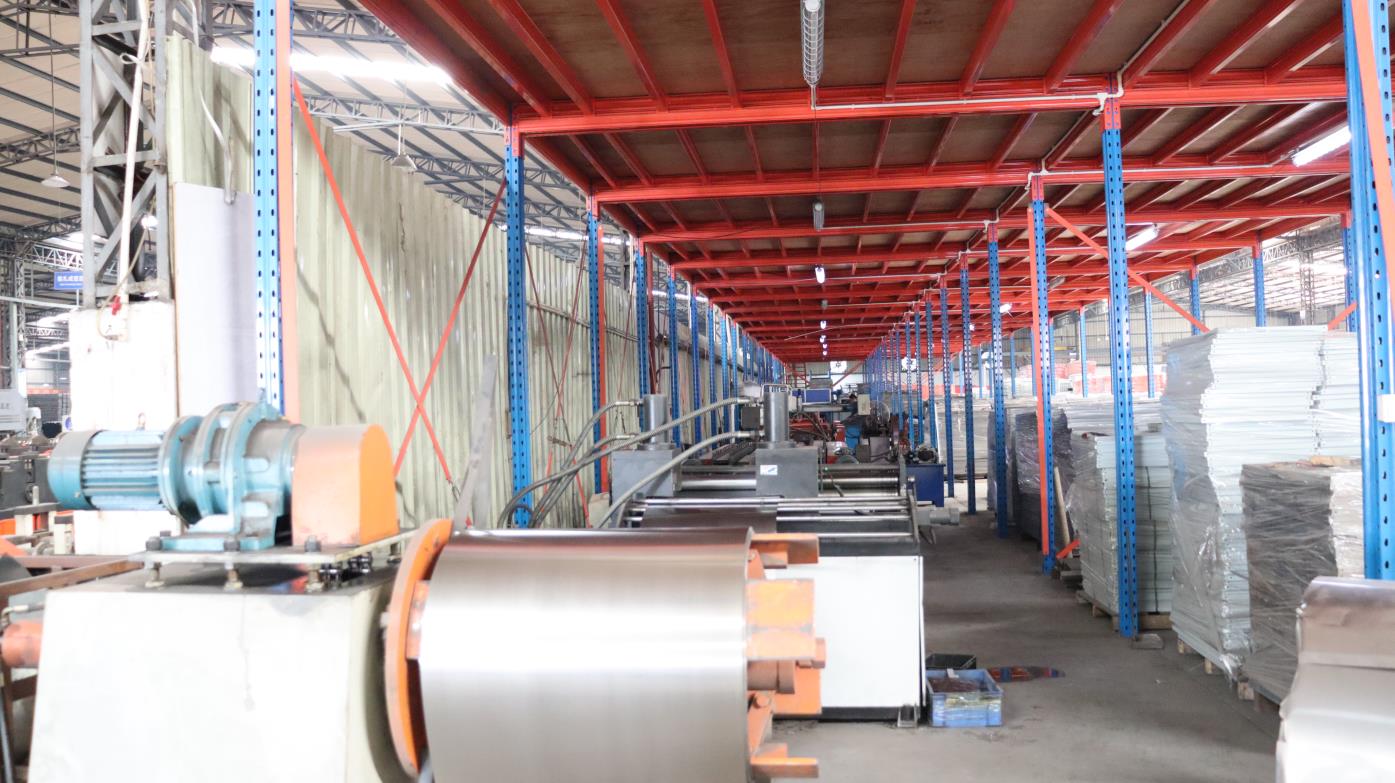
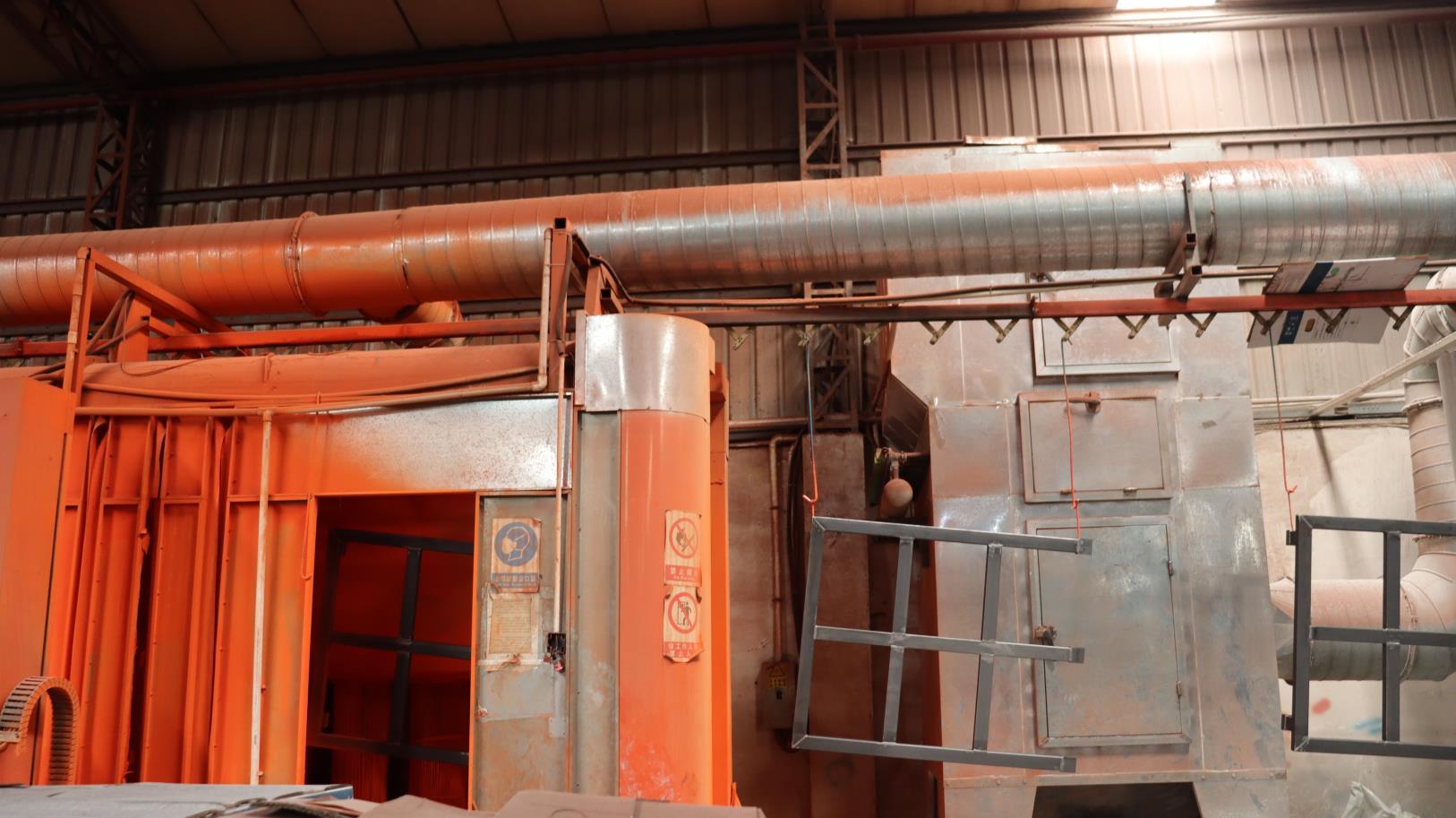
Spanning a state-of-the-art facility of 35,000 m², our engineering team targets safety, performance, and durability. Using advanced automated rolling lines, laser-cutting installations, and powder coating systems, we build racks that perform reliably in challenging operational settings.
Our plant utilizes automated machinery at each stage, ensuring consistent quality and strict alignment with ISO 9001 and ANSI structural criteria.
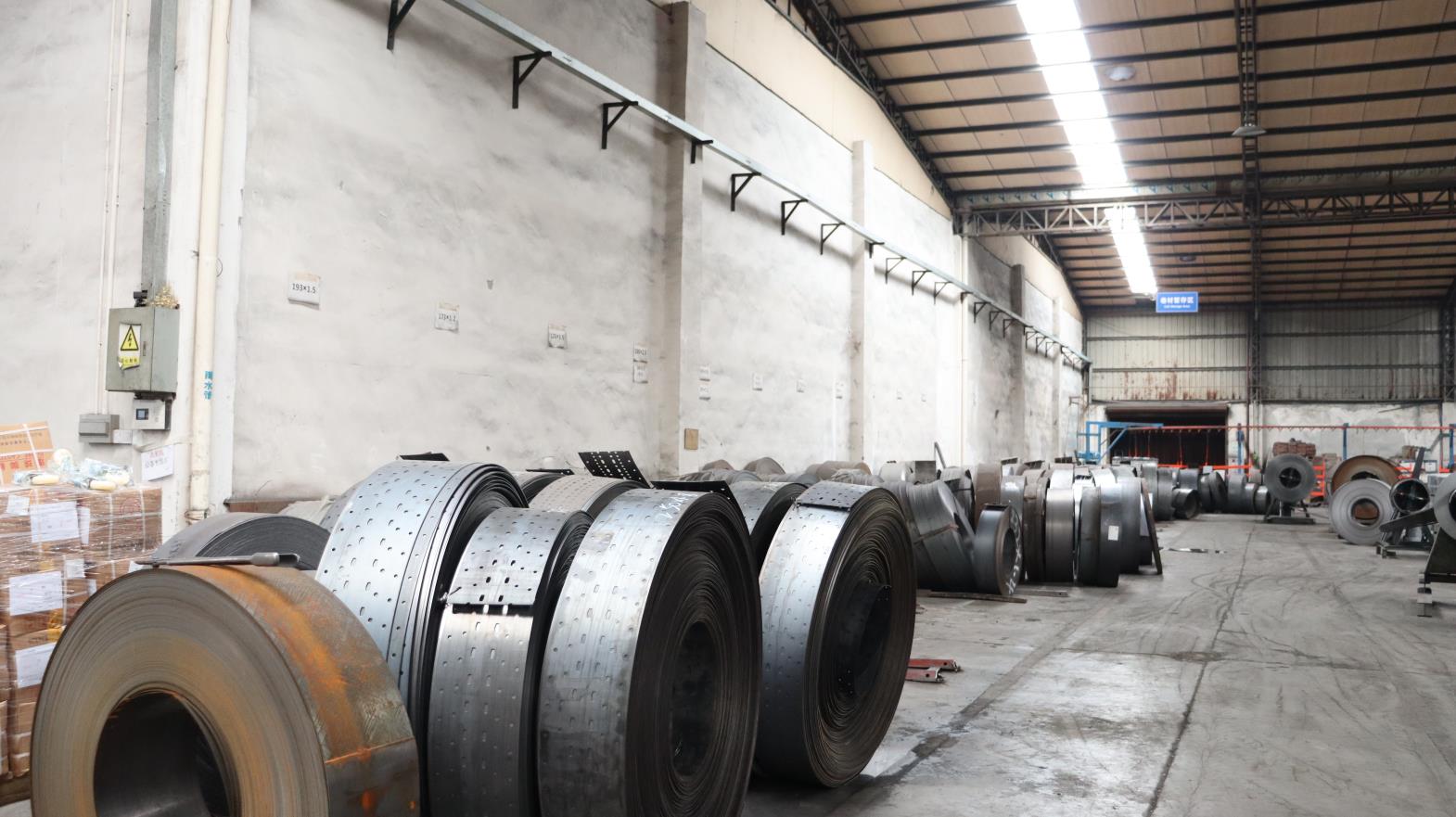
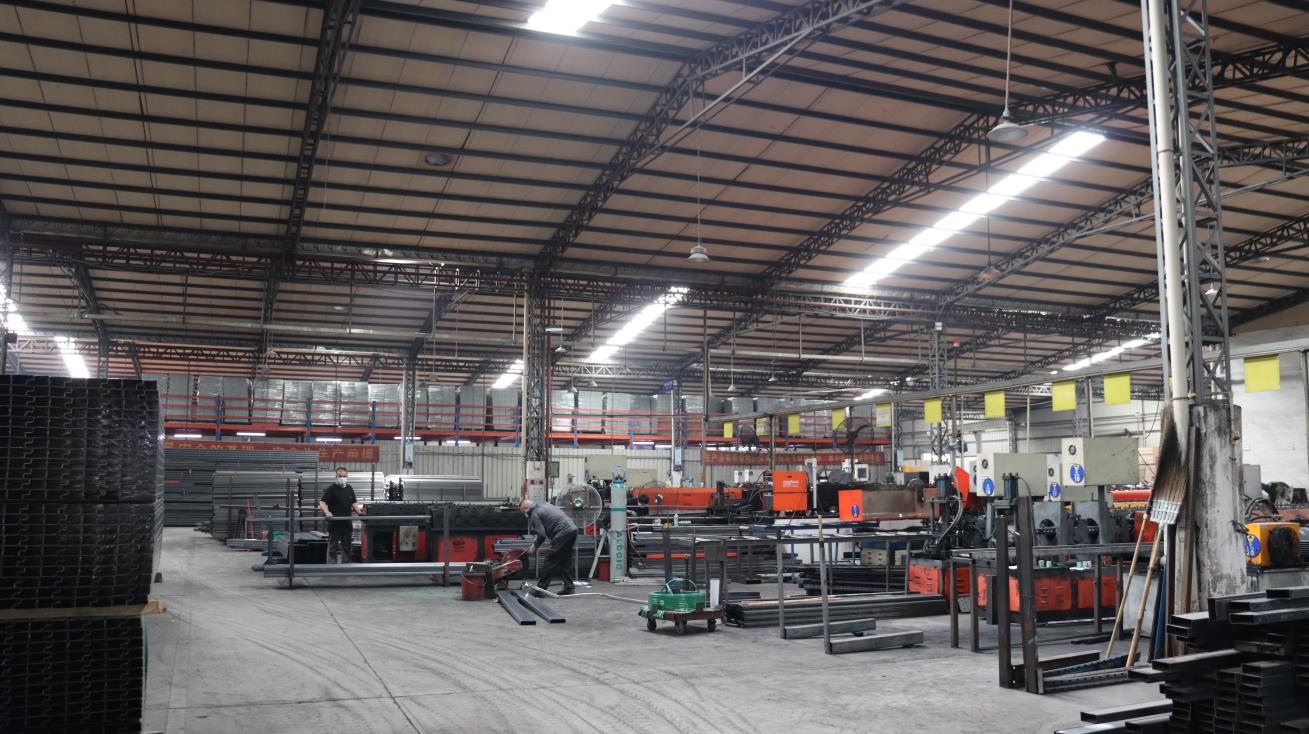
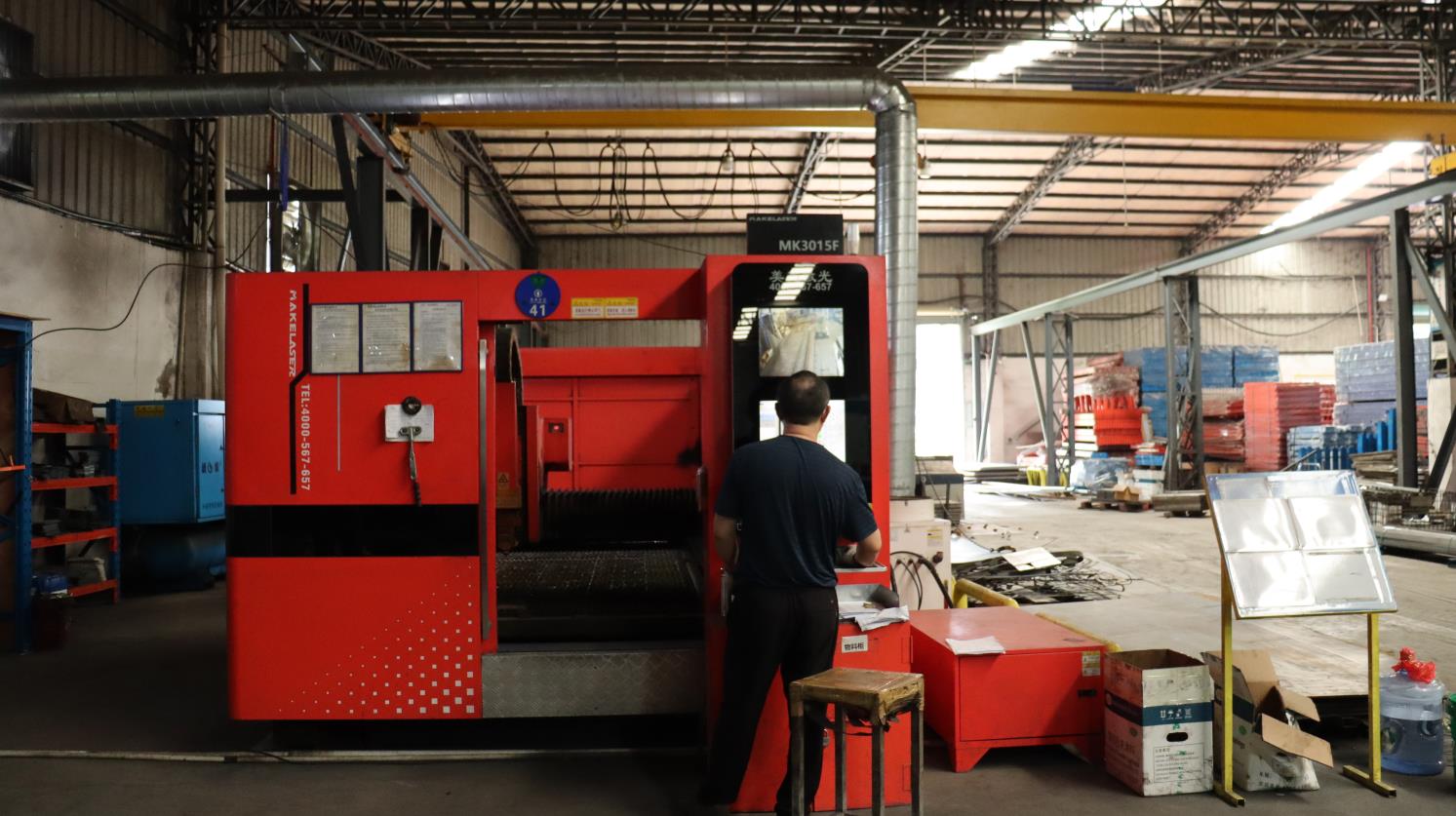
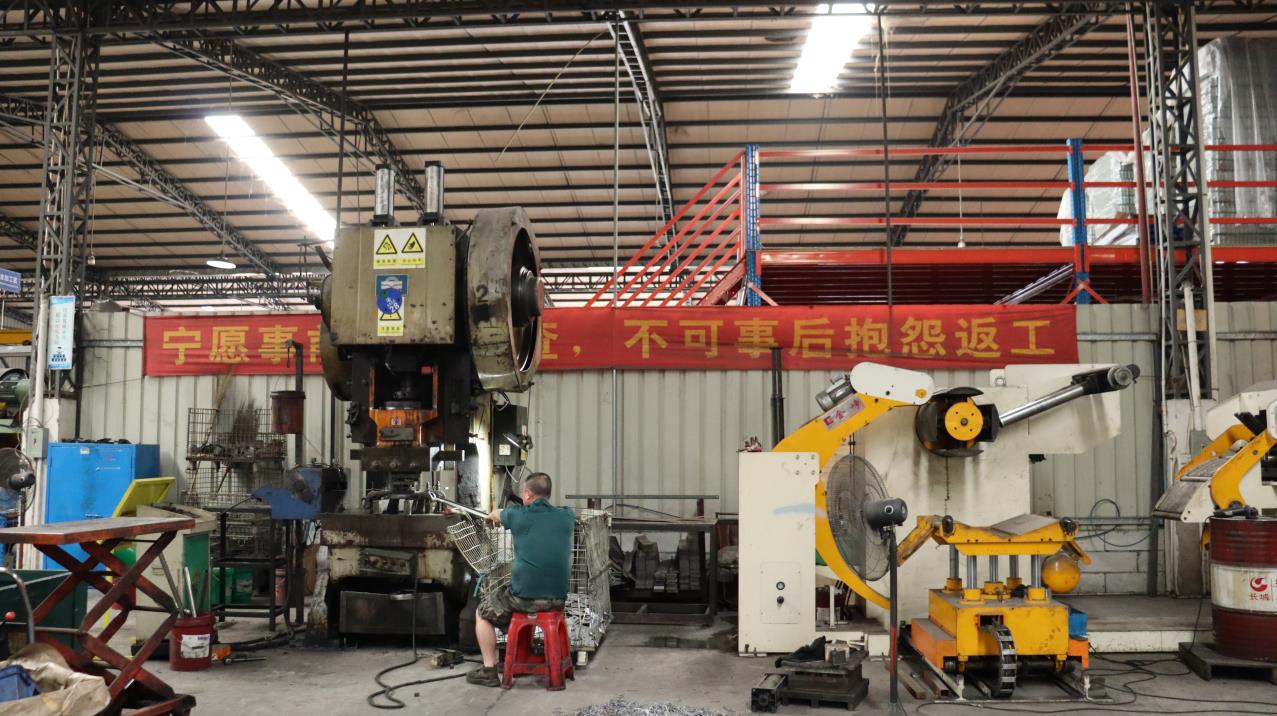
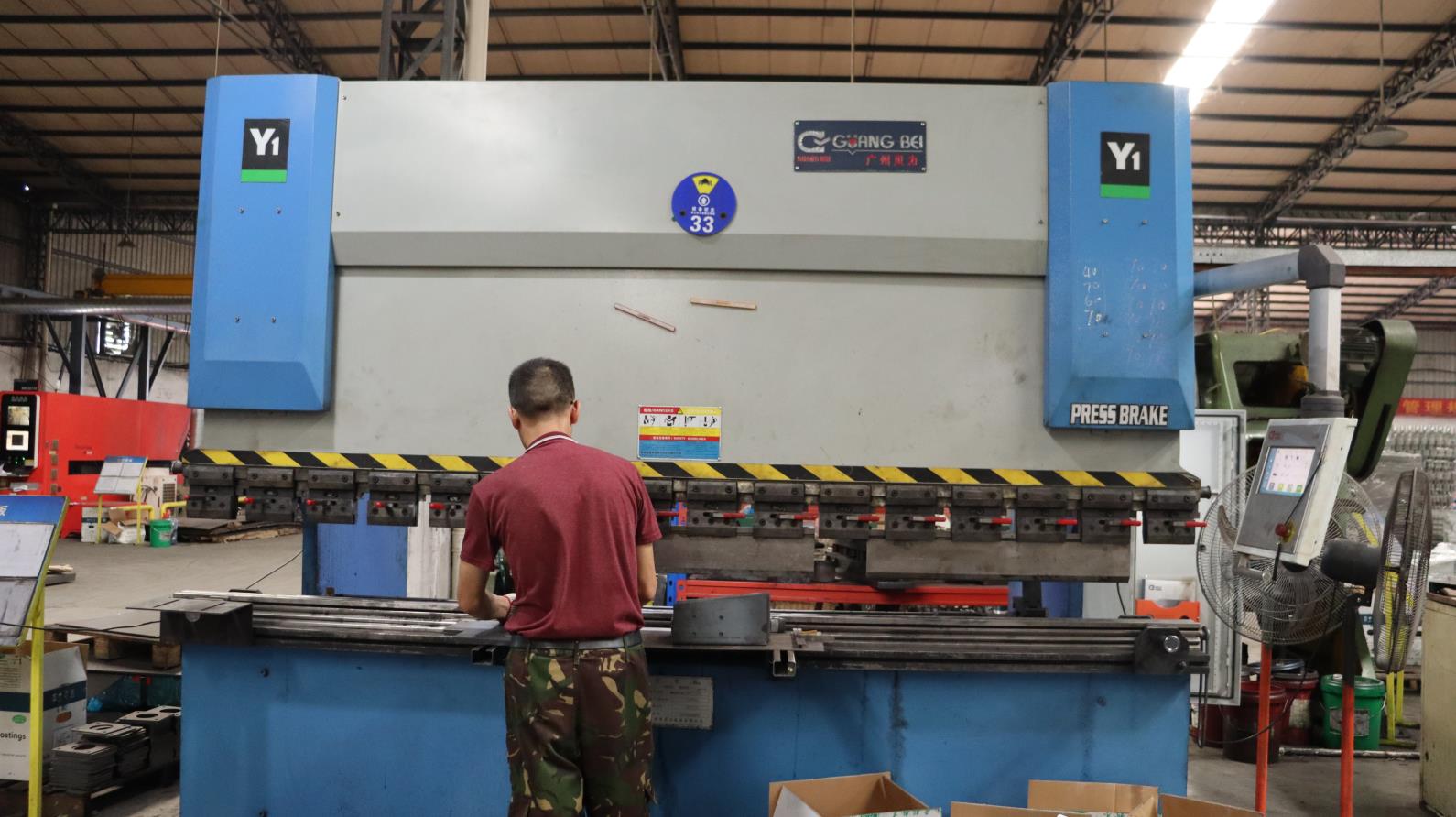
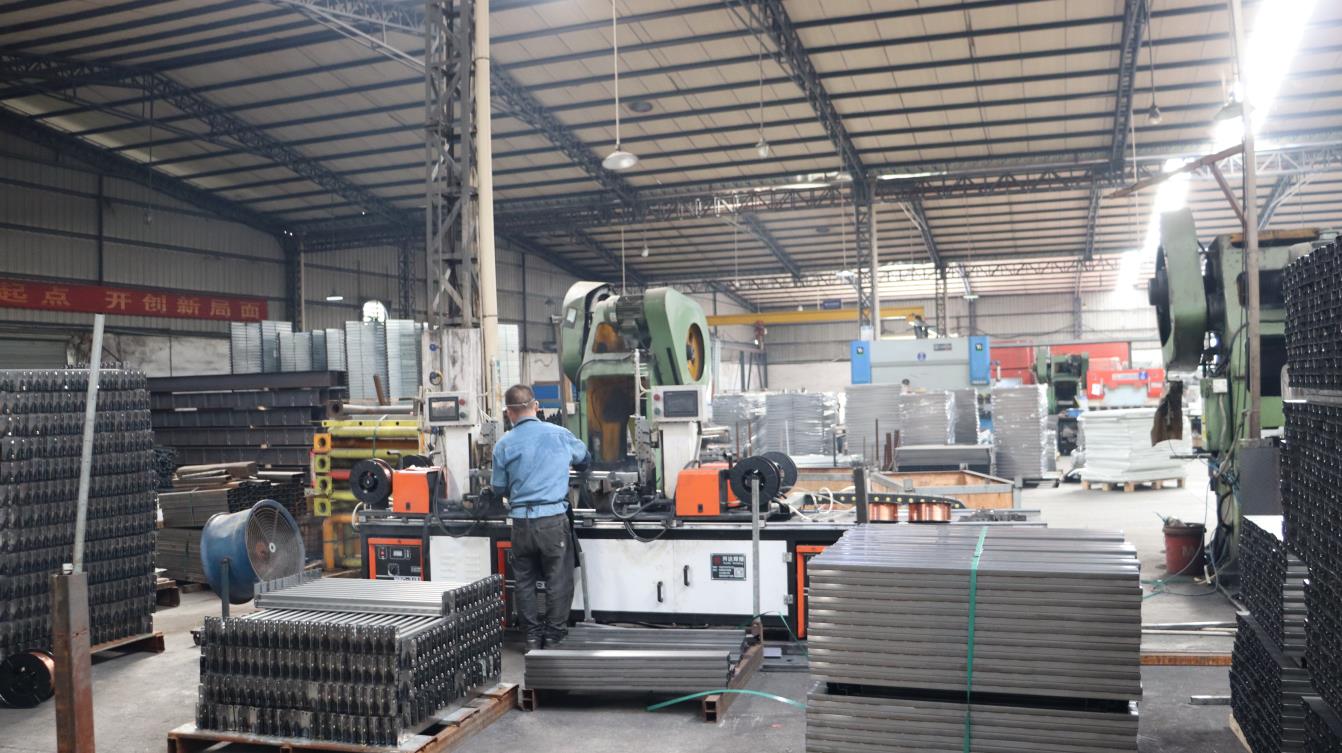
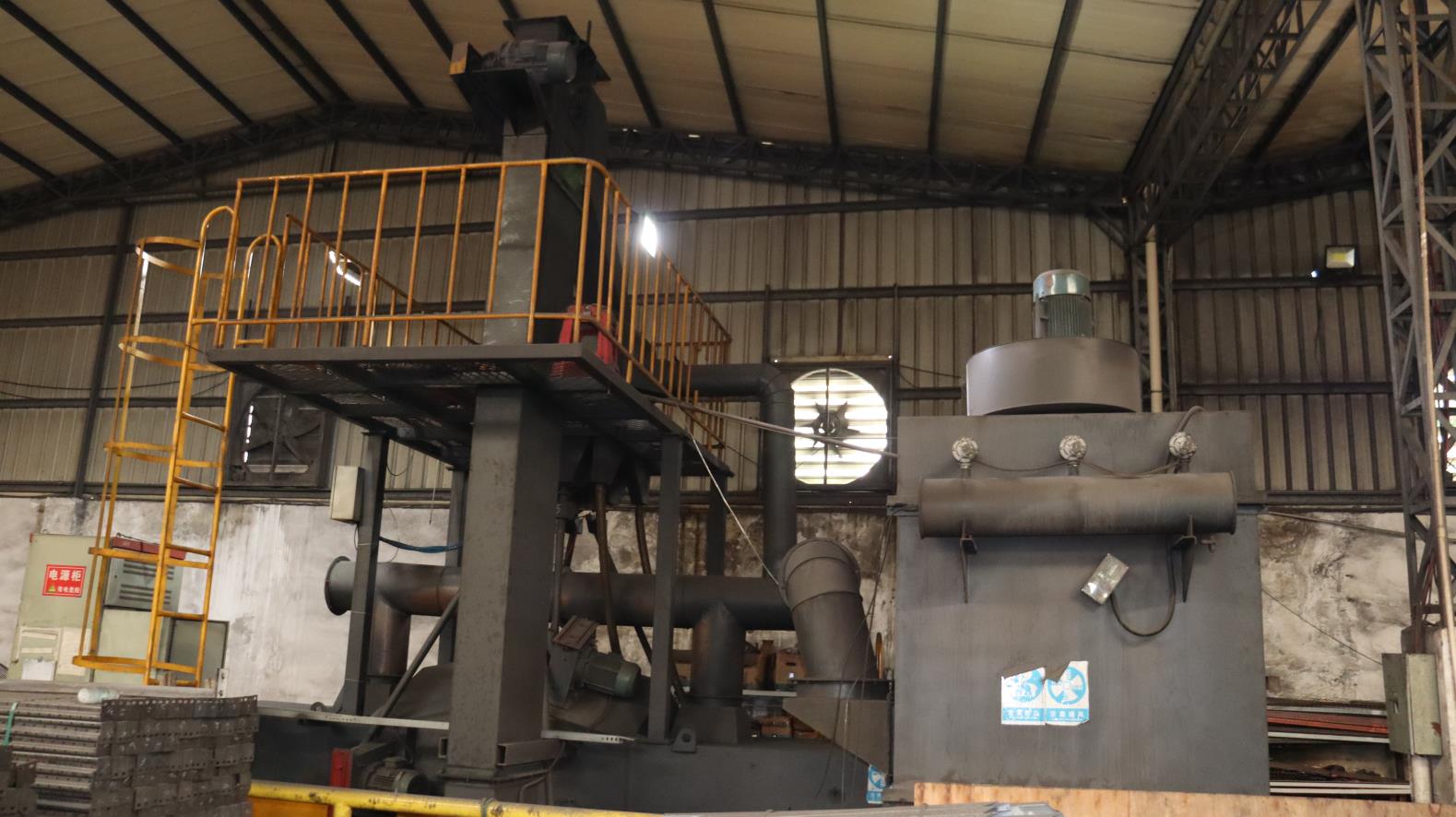
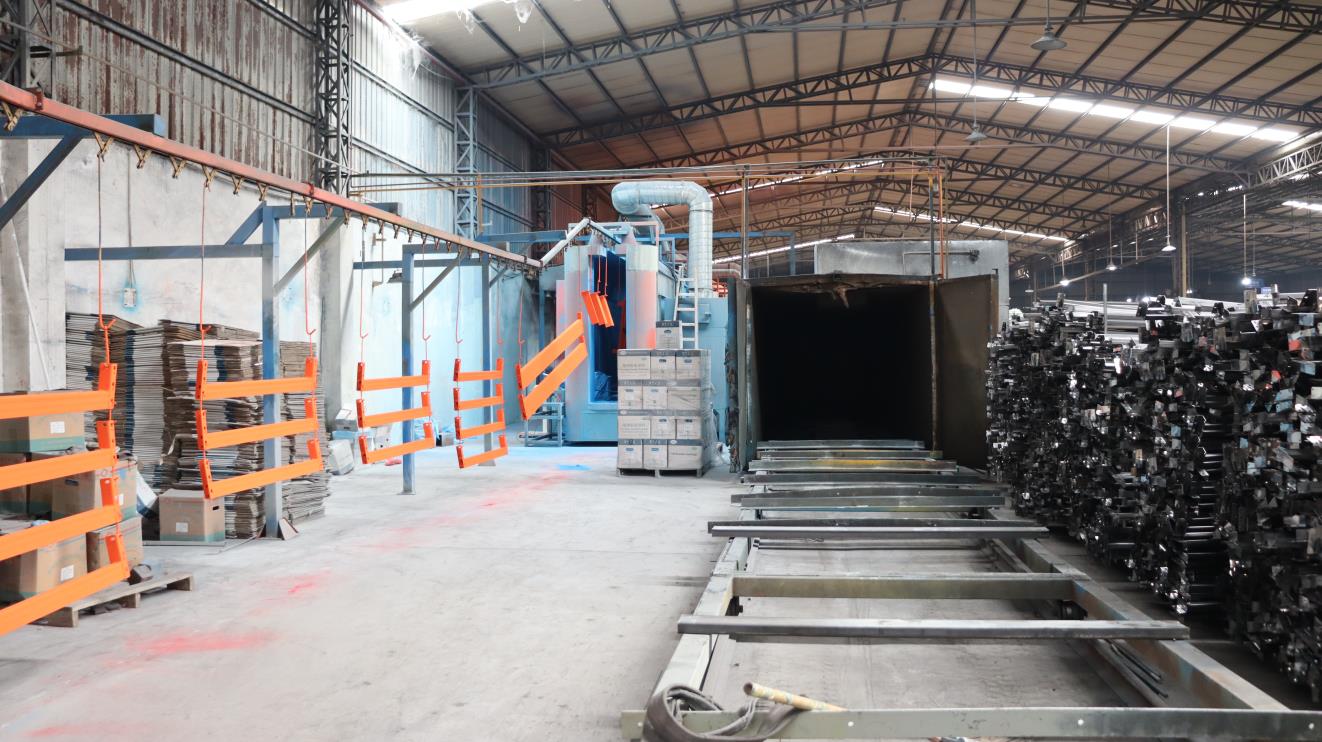
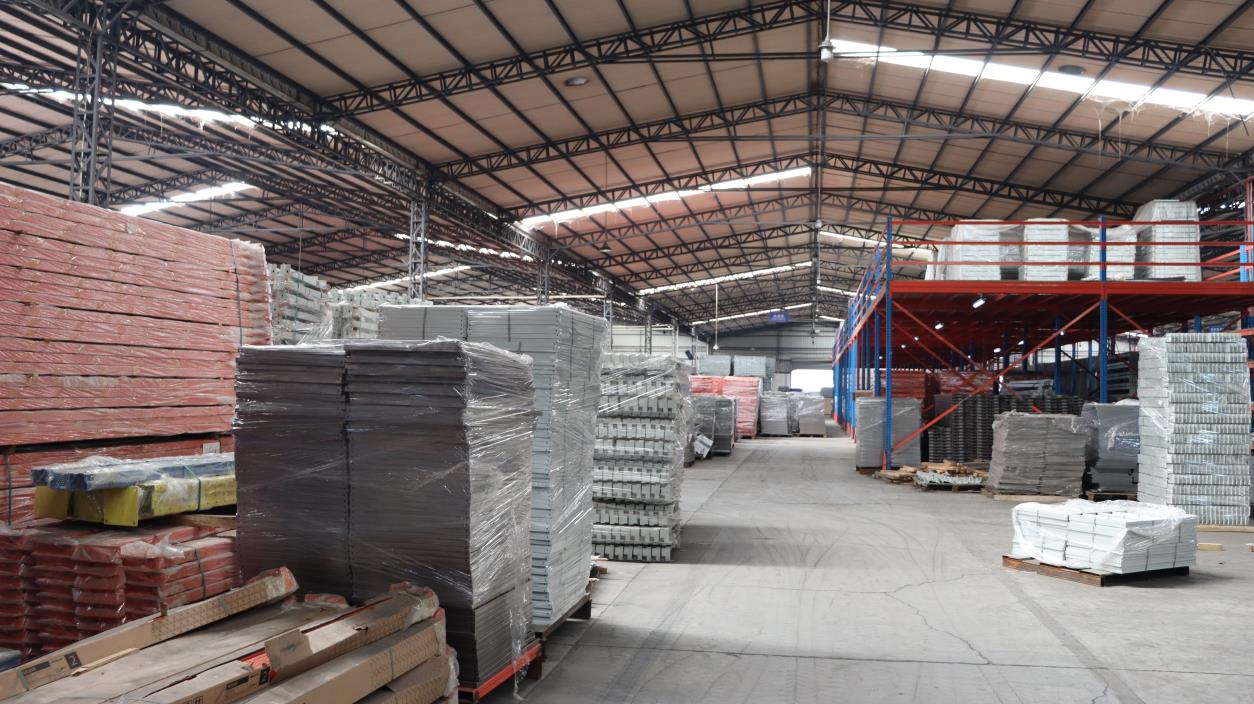
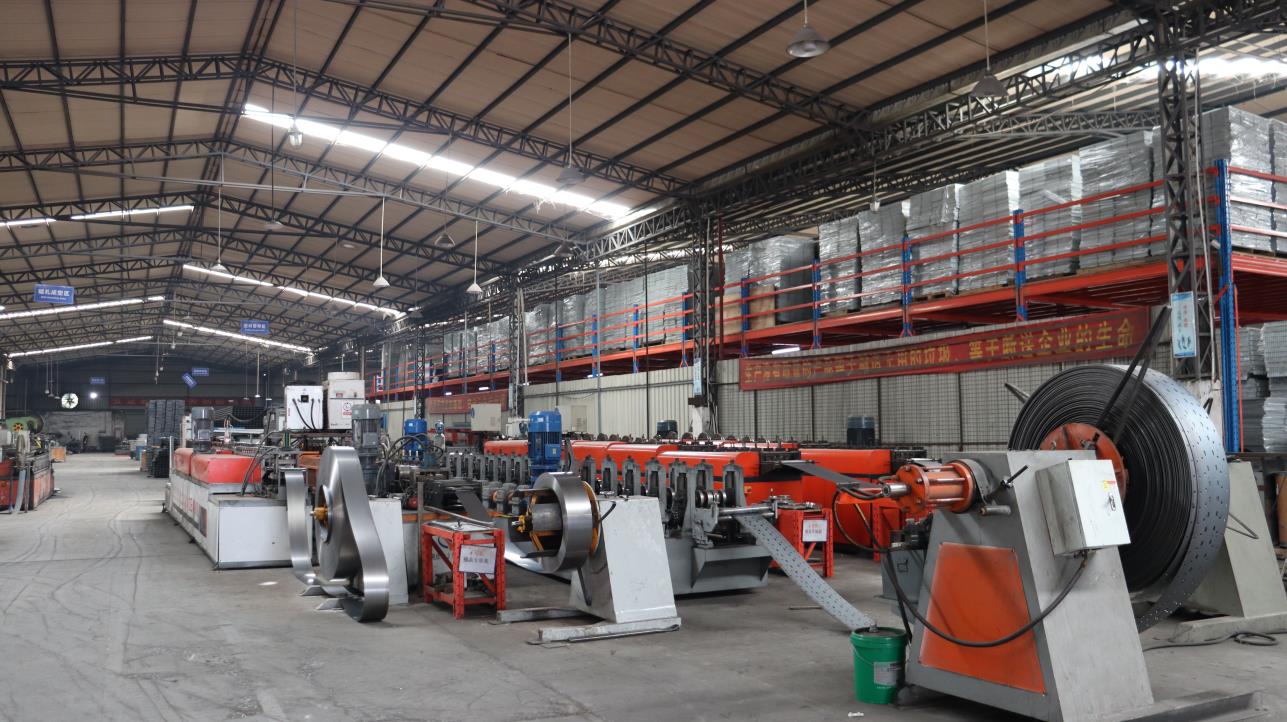
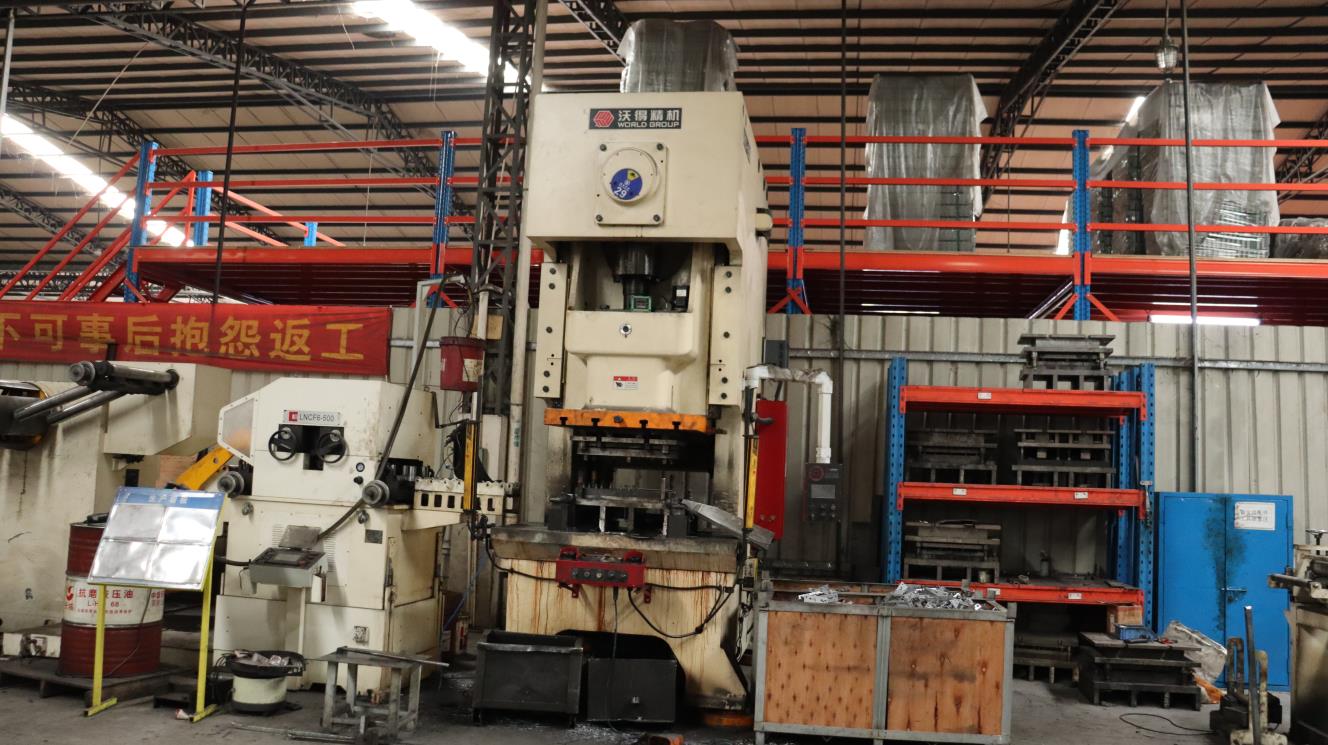
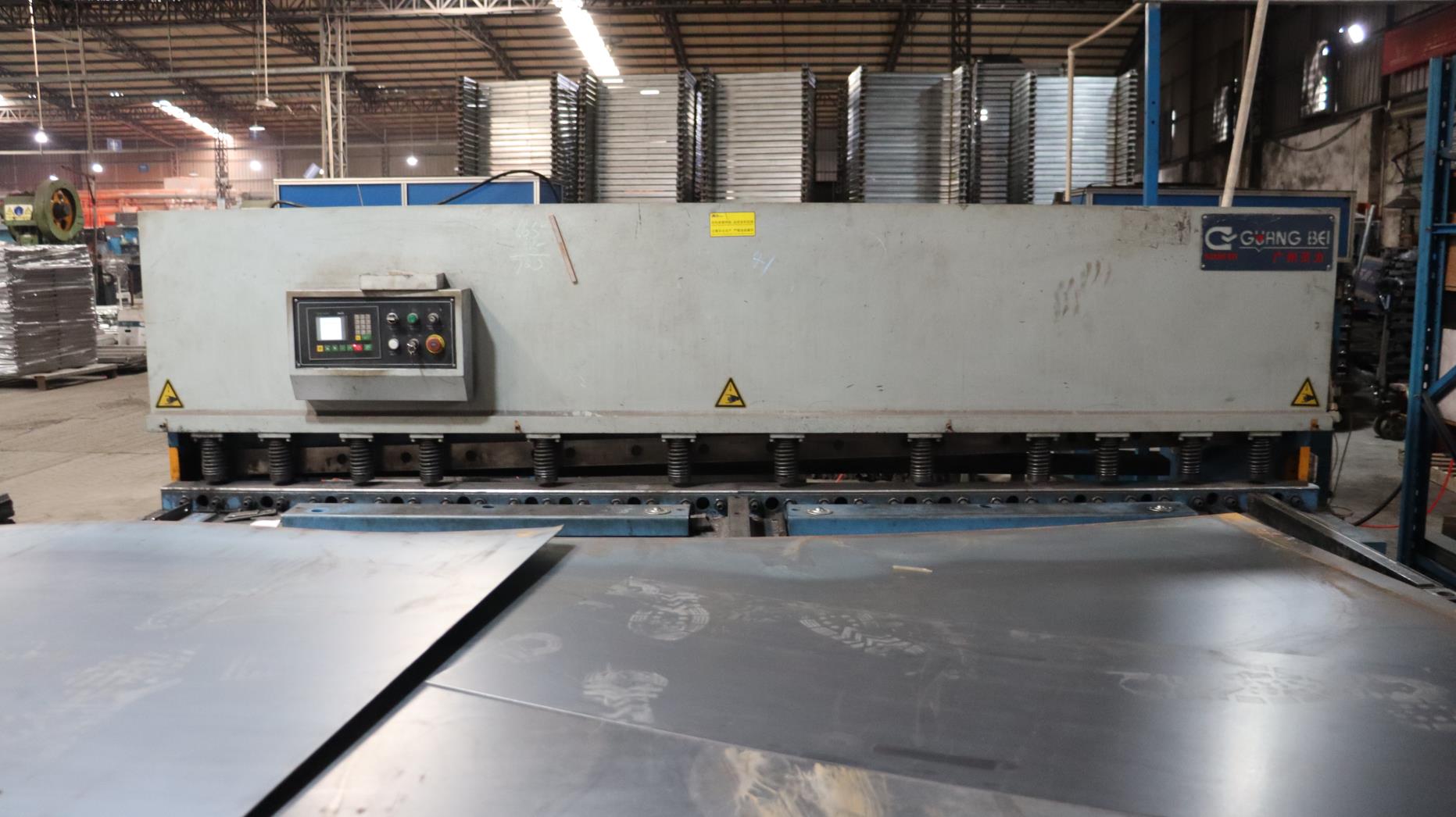
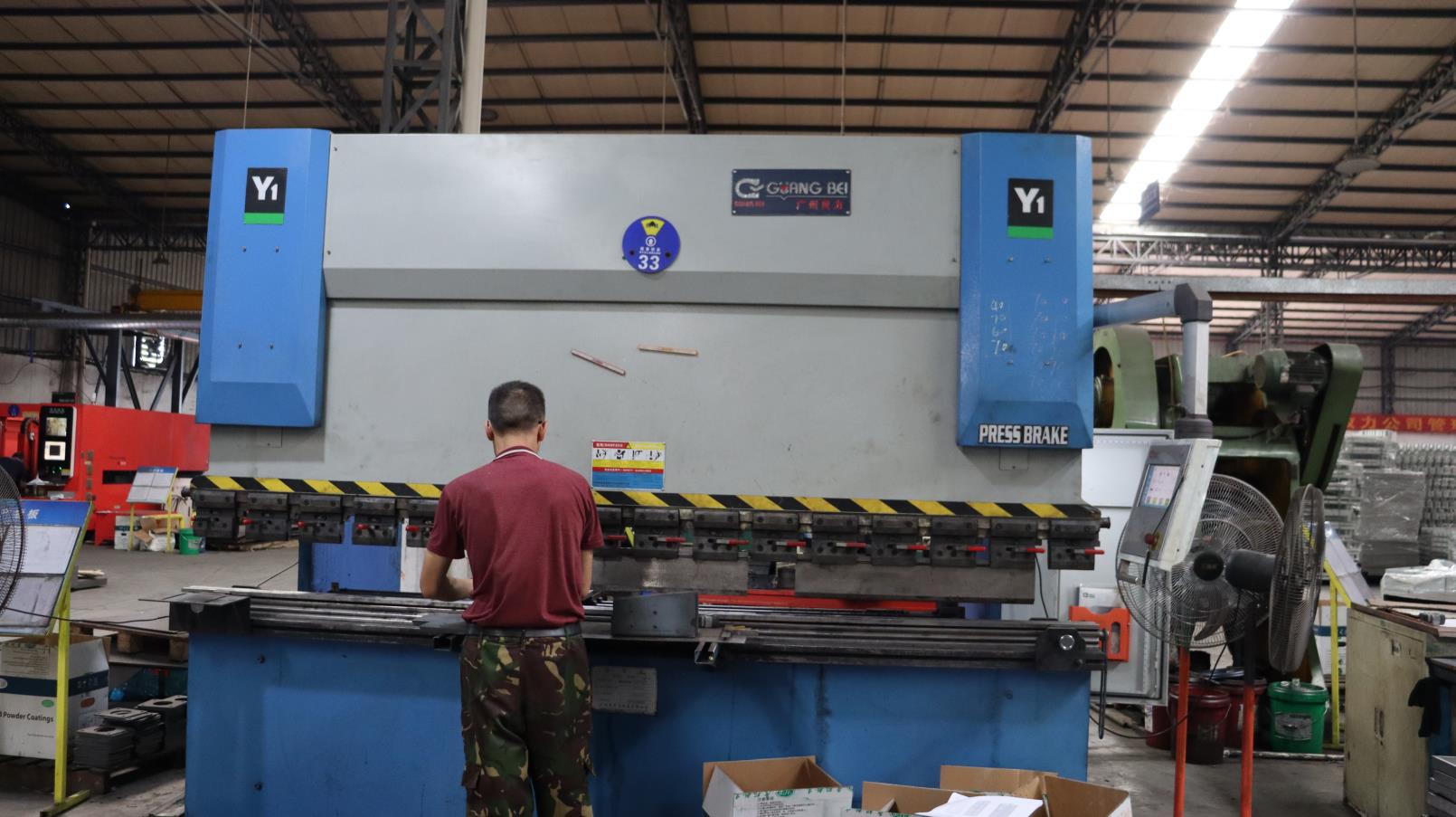
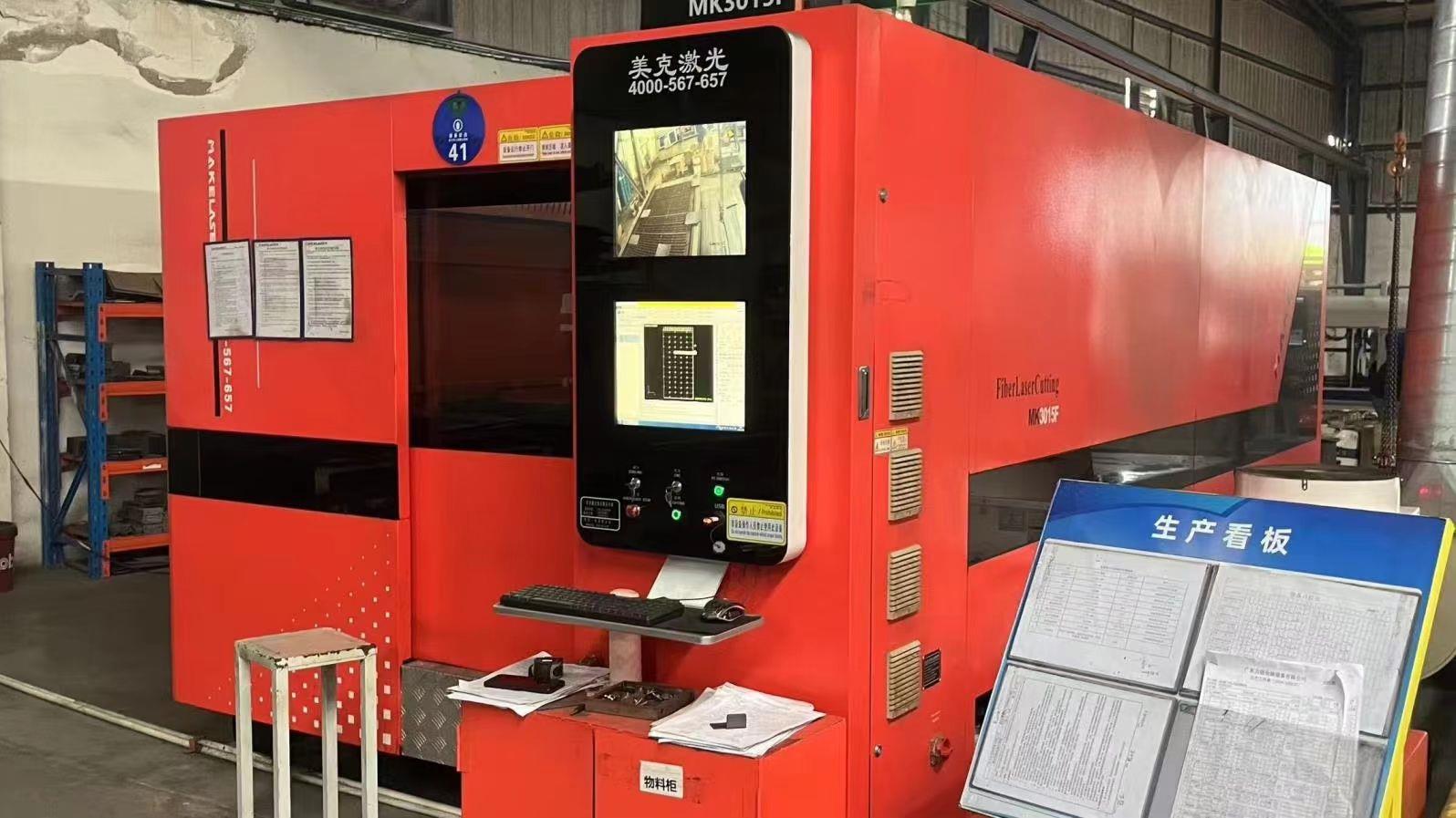
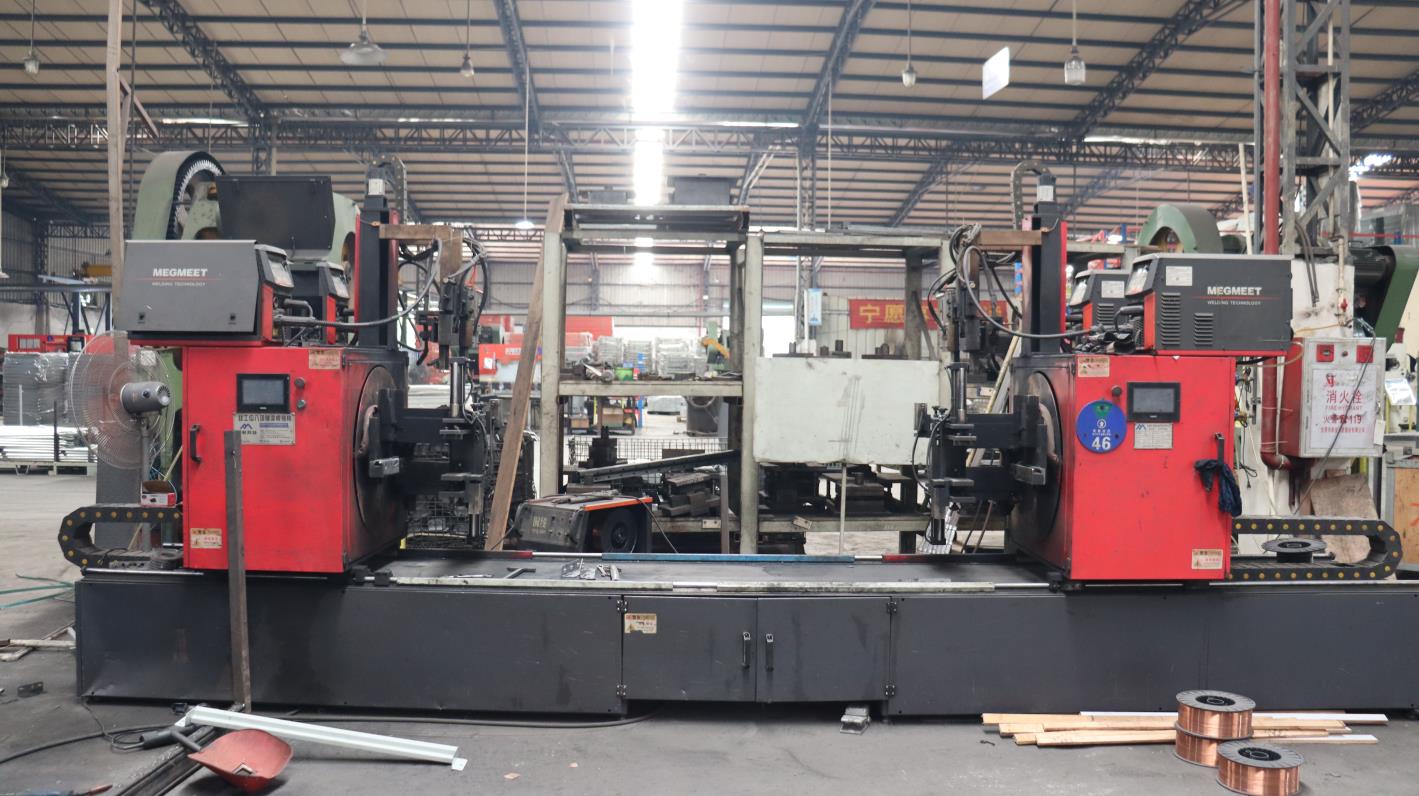
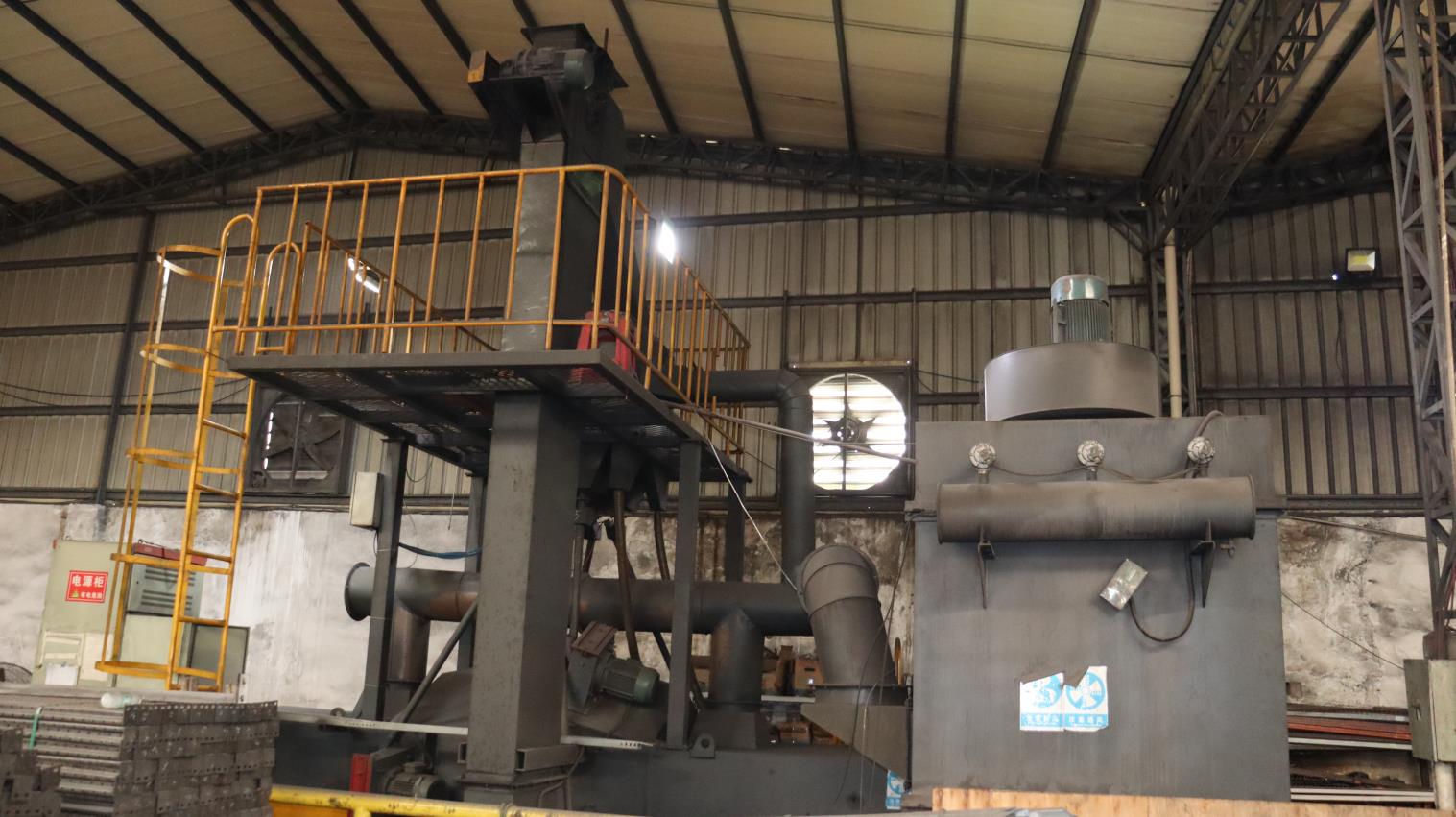
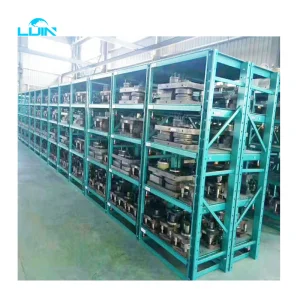
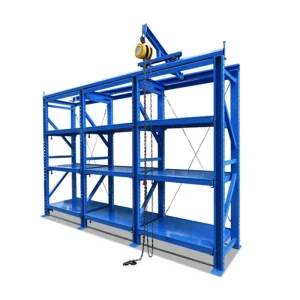
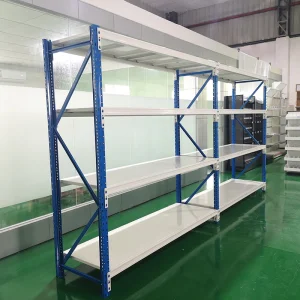
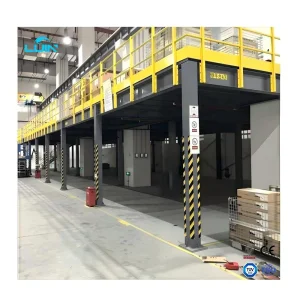
High-strength configurations customizable to meet specific factory floor loads, spatial layouts, and regional safety mandates.
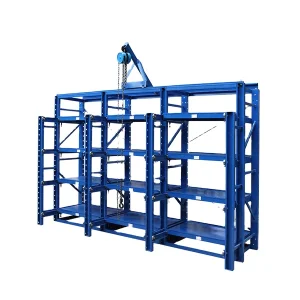
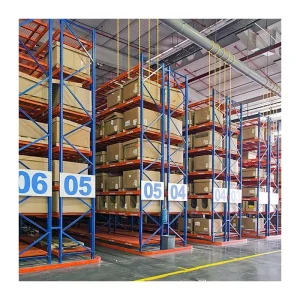
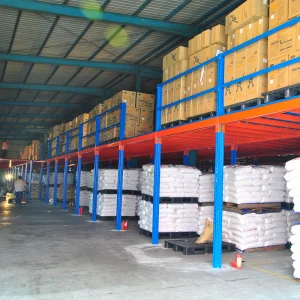
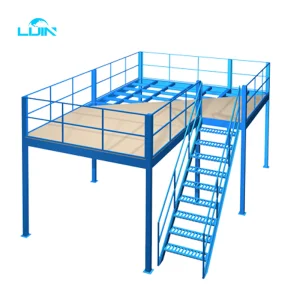
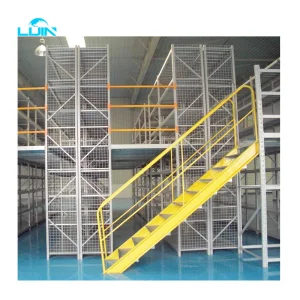
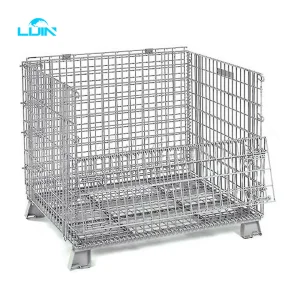
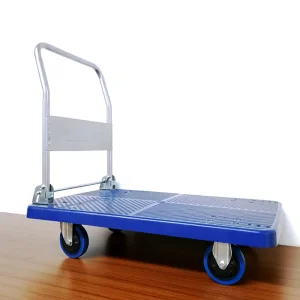
Ancillary warehouse logistics hardware designed for transit protection and platform utility within high-throughput factories.
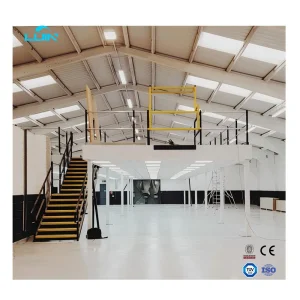
Deploying heavy storage structures in Northern California requires rigorous compliance checks. The USGS Seismic Design Maps classify the San Francisco Bay Area within zones that experience high spectral acceleration. Therefore, our standard export racks undergo structural calculation modifications before fabrication:
Our raw structural profiles are cold-formed from high-yield ASTM A1011 or Q355B structural carbon steel, providing high ductility for seismic applications. Standard powder coatings are replaced with chemical-resistant epoxies for cleanroom deployments in biotech manufacturing, minimizing volatile organic compounds (VOCs) and particulate shedding.
Furthermore, our roll-out drawer units are engineered with a safety factor of 1.5. This means a drawer rated for 2,000 kg is load-tested to 3,000 kg under static factory conditions before receiving quality control stamps. Dual structural safety catches prevent drawers from sliding completely off their runways during operation.
Answers to common structural, regulatory, and logistics questions from warehouse directors in San Francisco.
Consult with our engineering team to design custom, seismic-compliant heavy-duty storage configurations for your facility.
 Lijin Racking