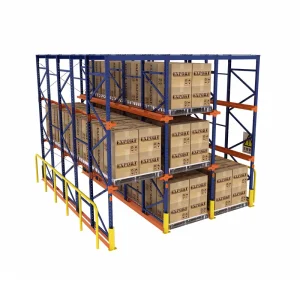
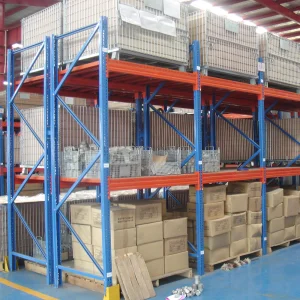
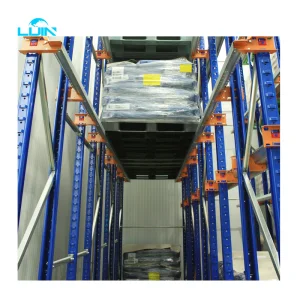
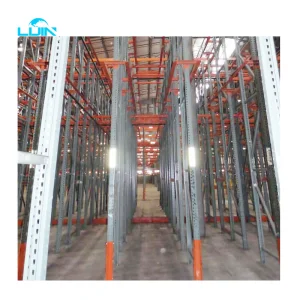
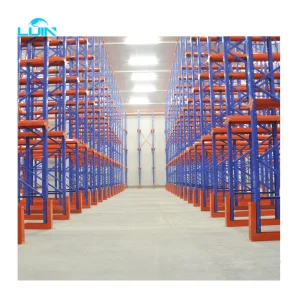
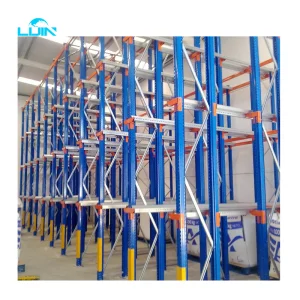
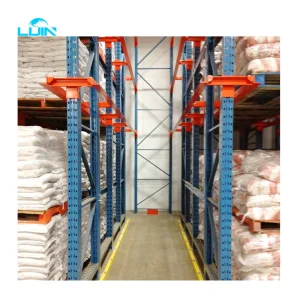
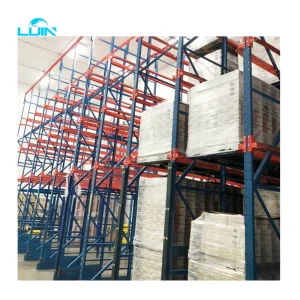
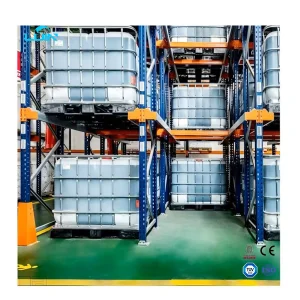
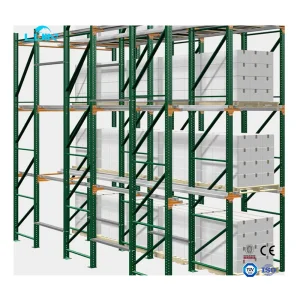
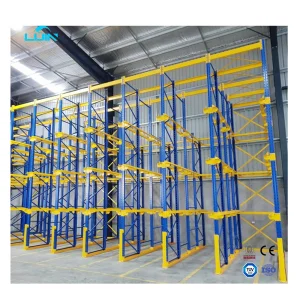
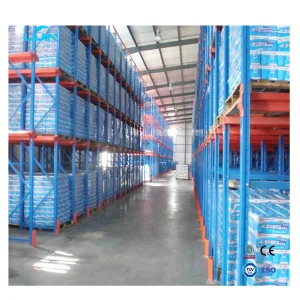
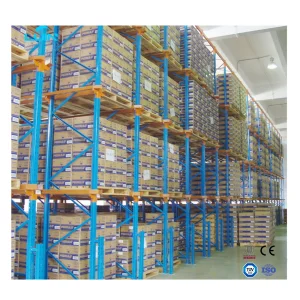
Drive-in racking represents one of the most cost-effective and space-efficient storage technologies in logistics. Engineered for high-density applications, these systems are designed to eliminate standard forklift access aisles, achieving floor area utilization of up to 75-80%.
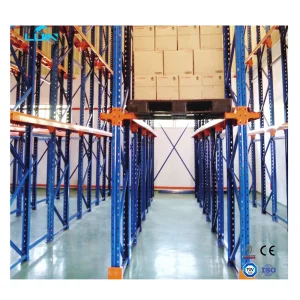
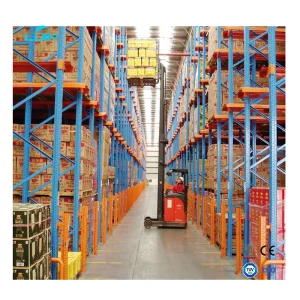
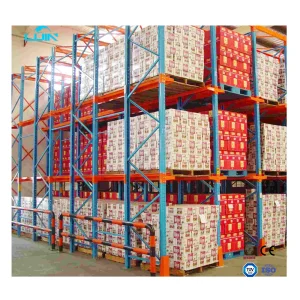
Unlike standard selective pallet racking systems, drive-in racking utilizes a Last-In, First-Out (LIFO) storage protocol. Forklifts physically enter the structural bay bays to deposit or retrieve pallets directly from the horizontal support rails. This continuous dynamic layout reduces travel paths, optimizes transit cycles, and minimizes forklift wear and tear. Structurally, the frames must handle not only vertical gravitational loads but also severe lateral displacement forces, dynamic impacts, and seismic stresses.
As experienced manufacturers, we analyze the structural physics of every system. From cold-formed upright profiles to customized heavy-duty baseplates, our configurations ensure maximum rigidity. A critical design feature is the transition between the upright frame and the cantilever rail arms. Our engineering team utilizes premium high-tensile steel grades (like Q355B structural steel) to ensure that the moment-resisting connections can withstand dynamic forklift impacts and load eccentricities without buckling.
Established in 2015, Shenzhen Lijin Storage Equipment Co., Ltd. is a leading enterprise specializing in the design, manufacturing, and global distribution of heavy-duty warehouse racking systems, automated storage solutions, and industrial shelving. Spanning a state-of-the-art facility of 35,000 m², we have developed into a trusted global supply chain partner with over 8 years of direct export experience and more than 12 years of deep industry expertise. Driven by innovation and quality, our global revenue reached USD 22 million last year.
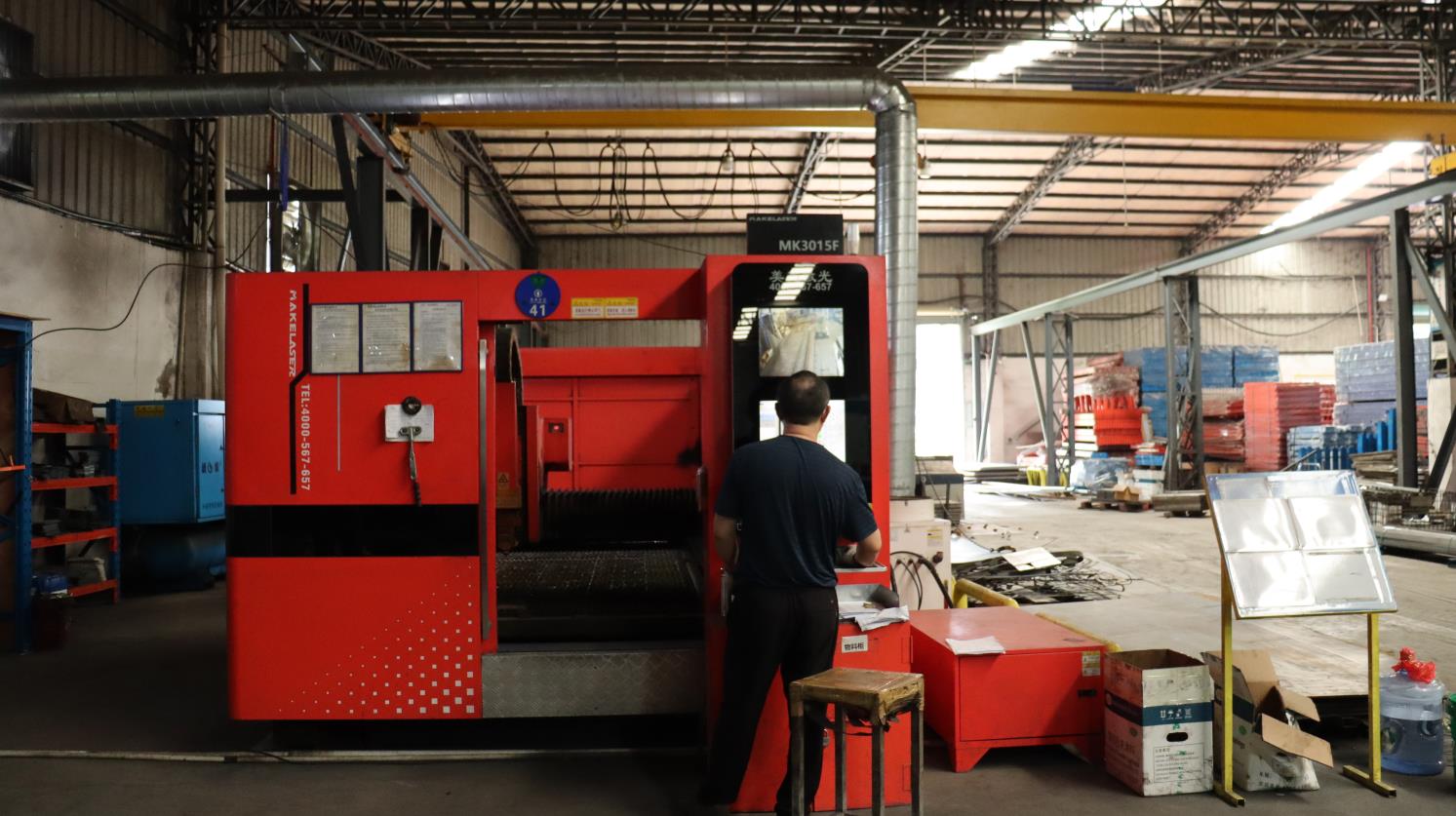
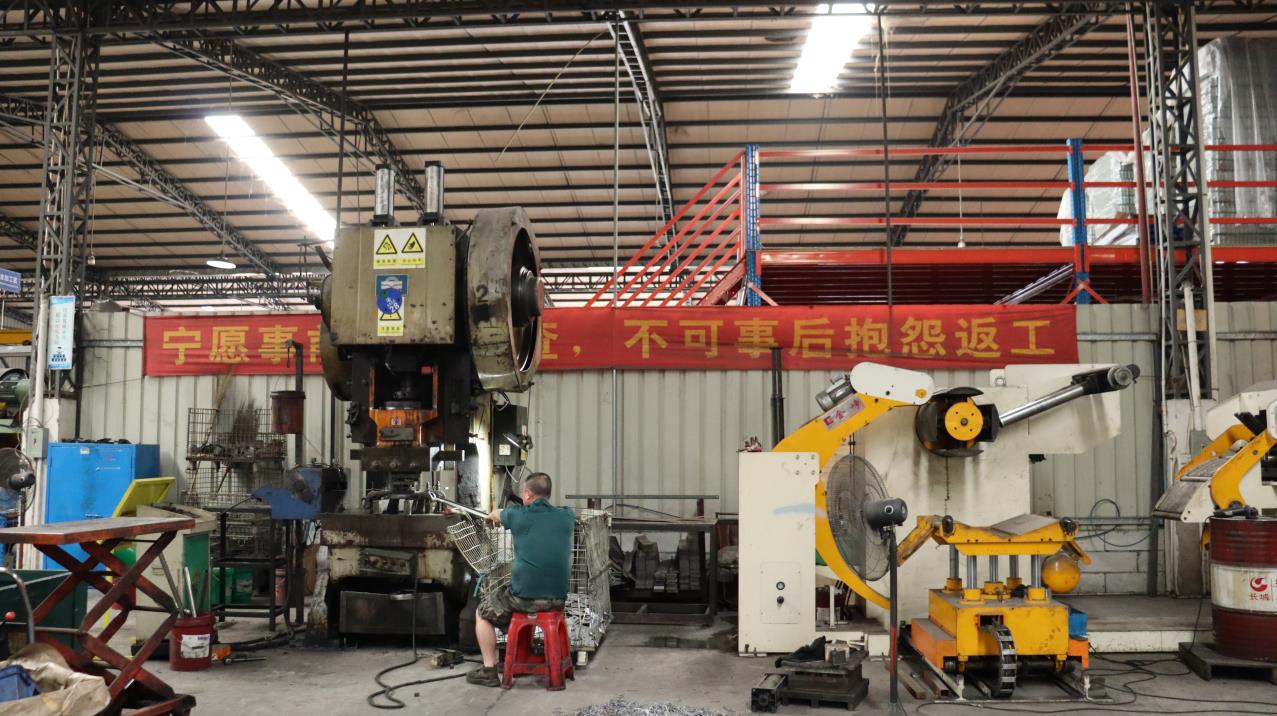
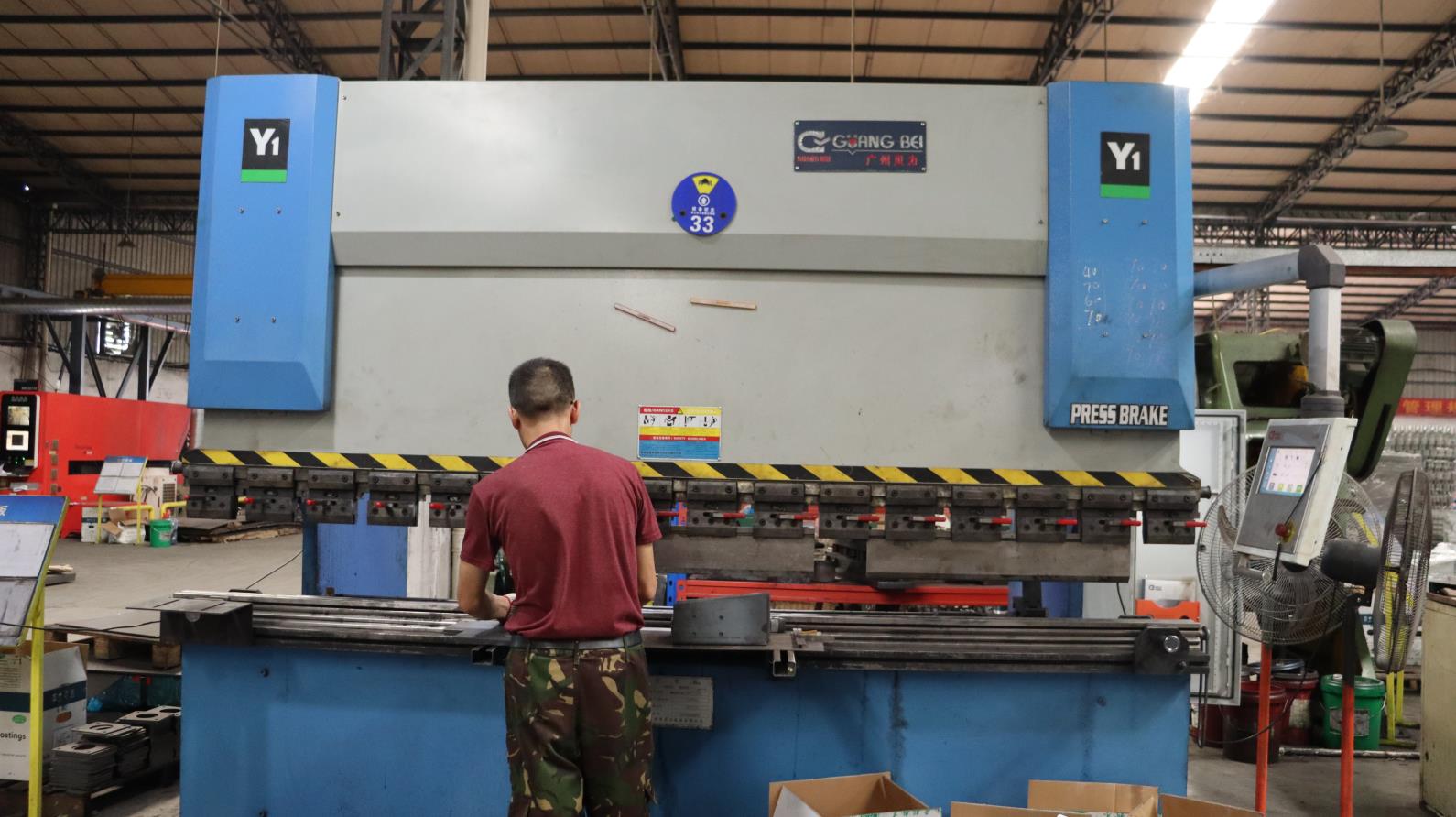
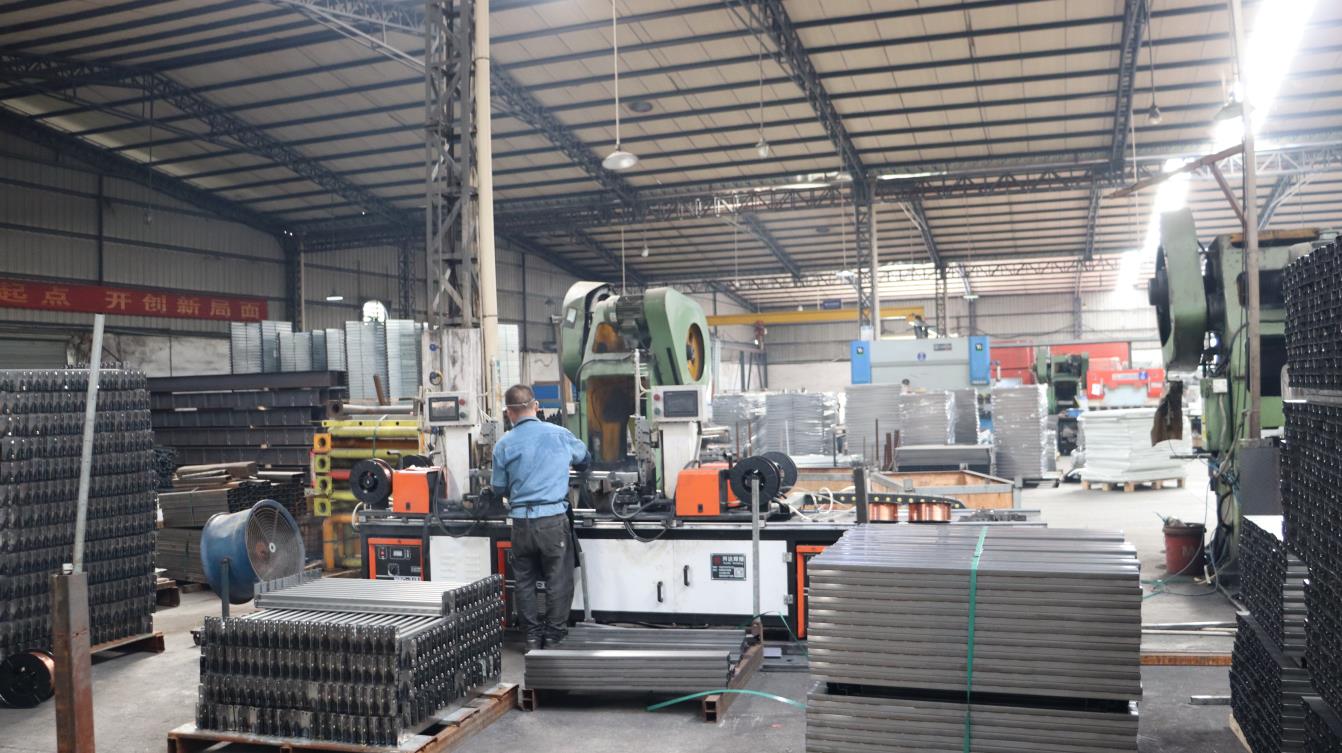
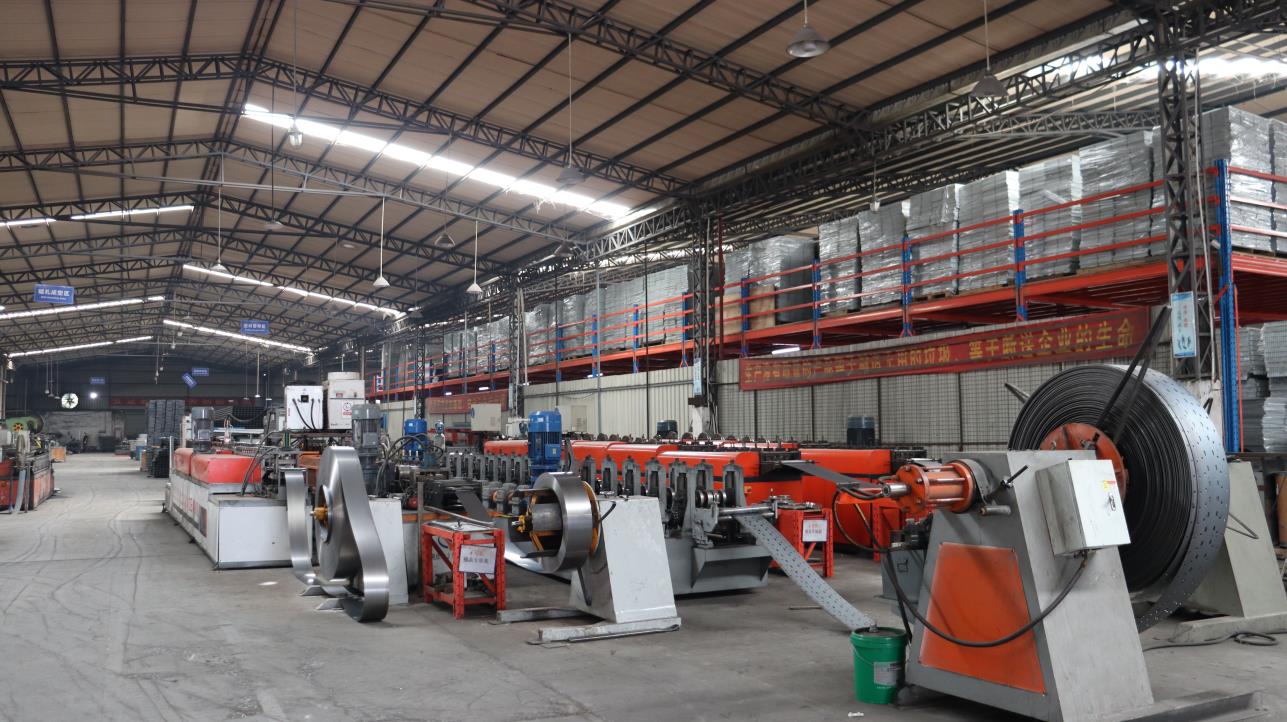
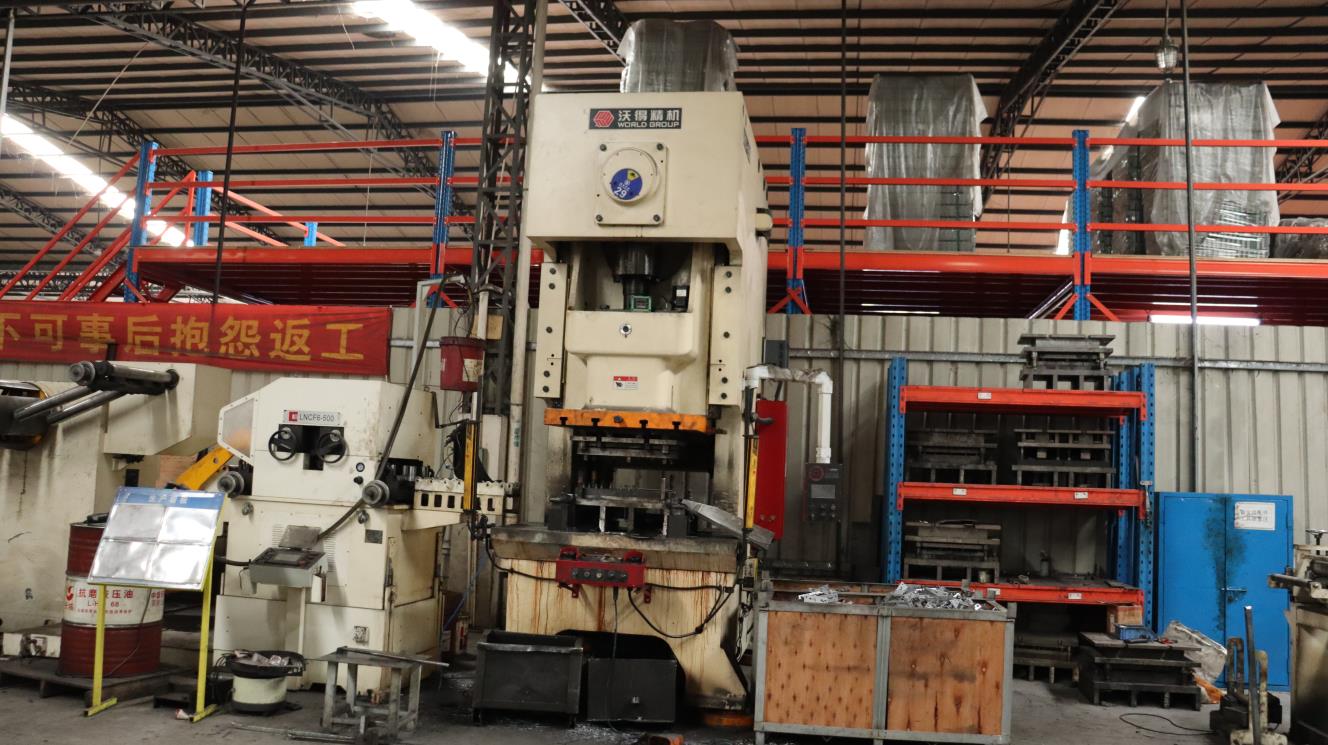
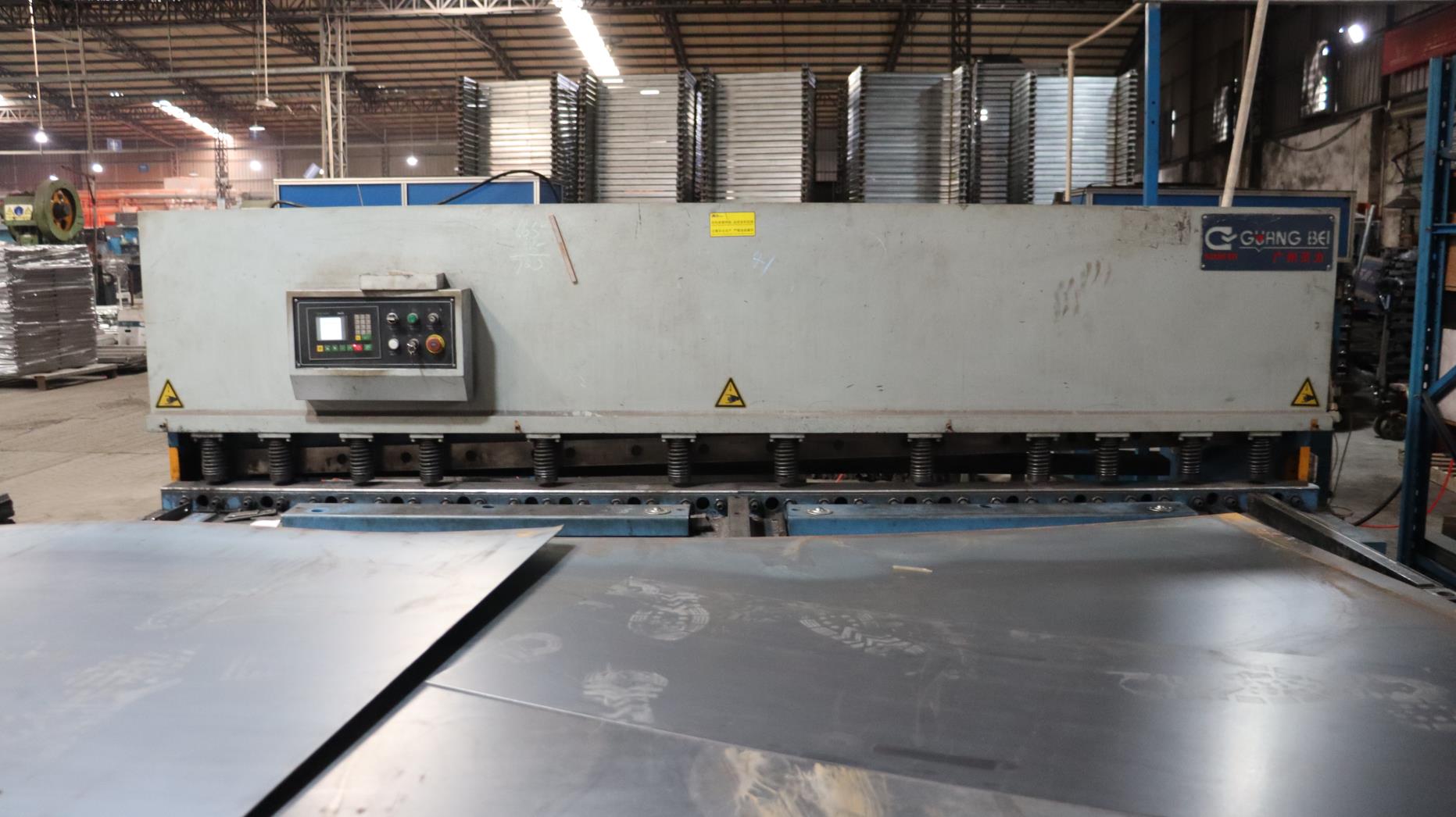
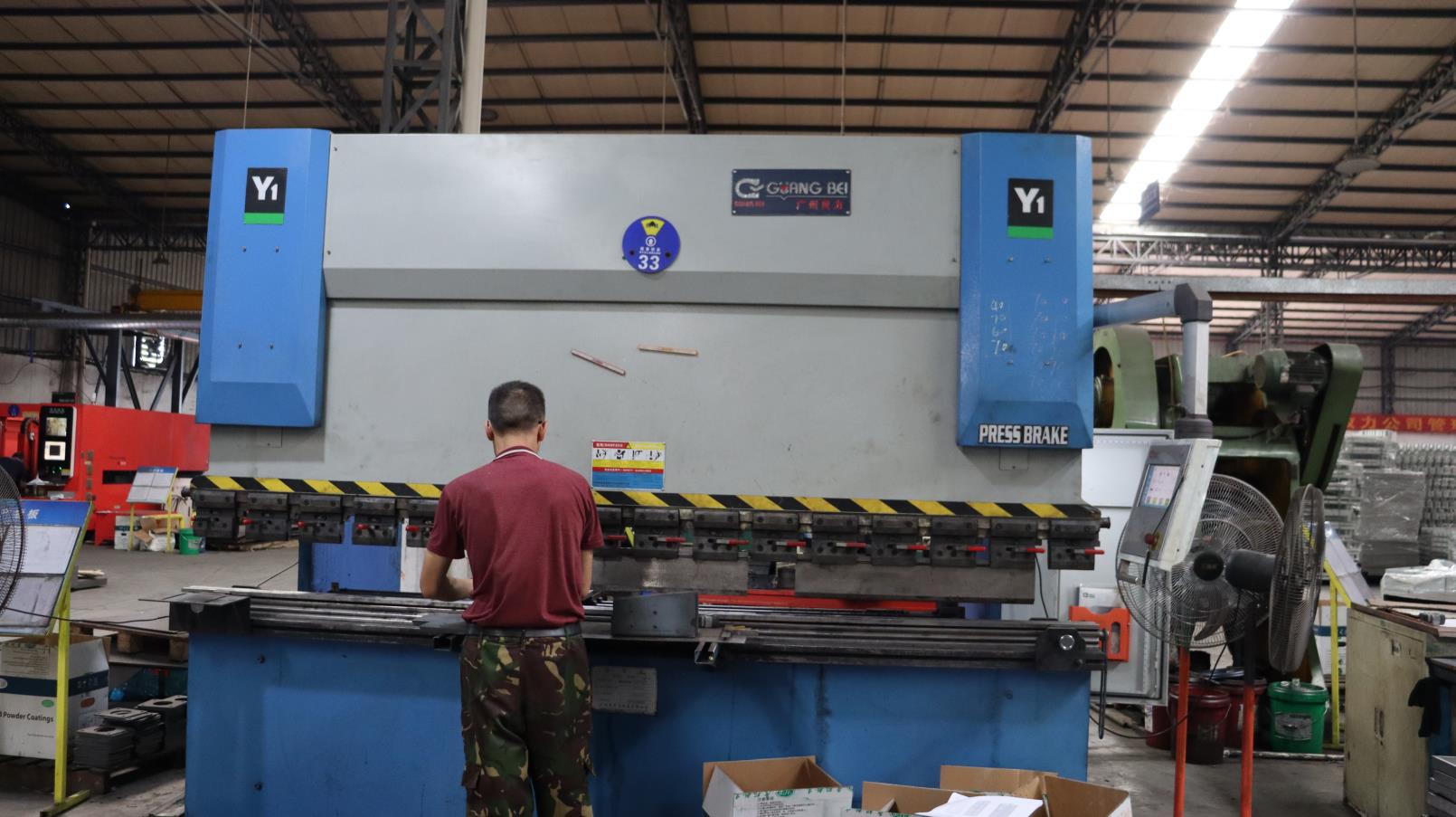
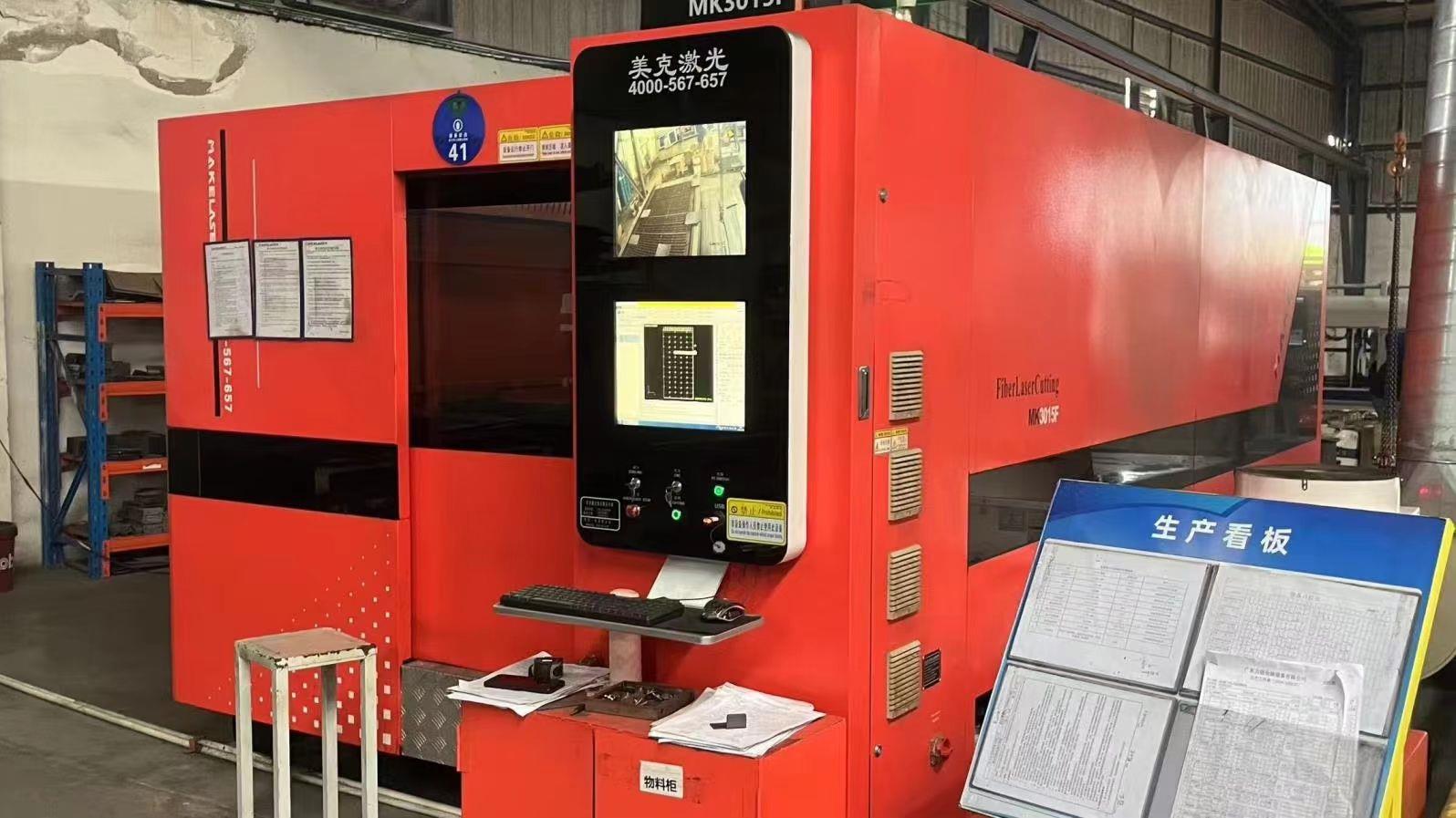
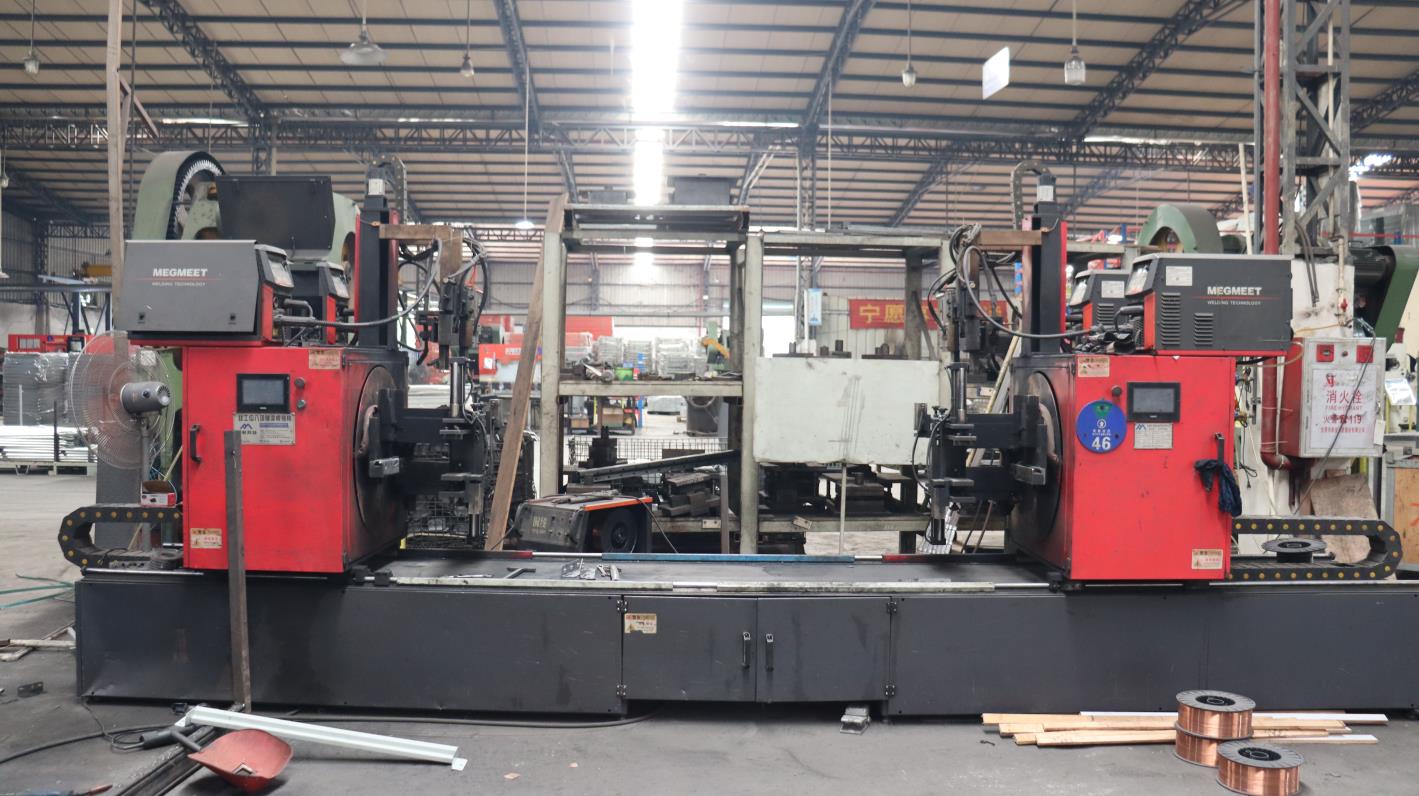
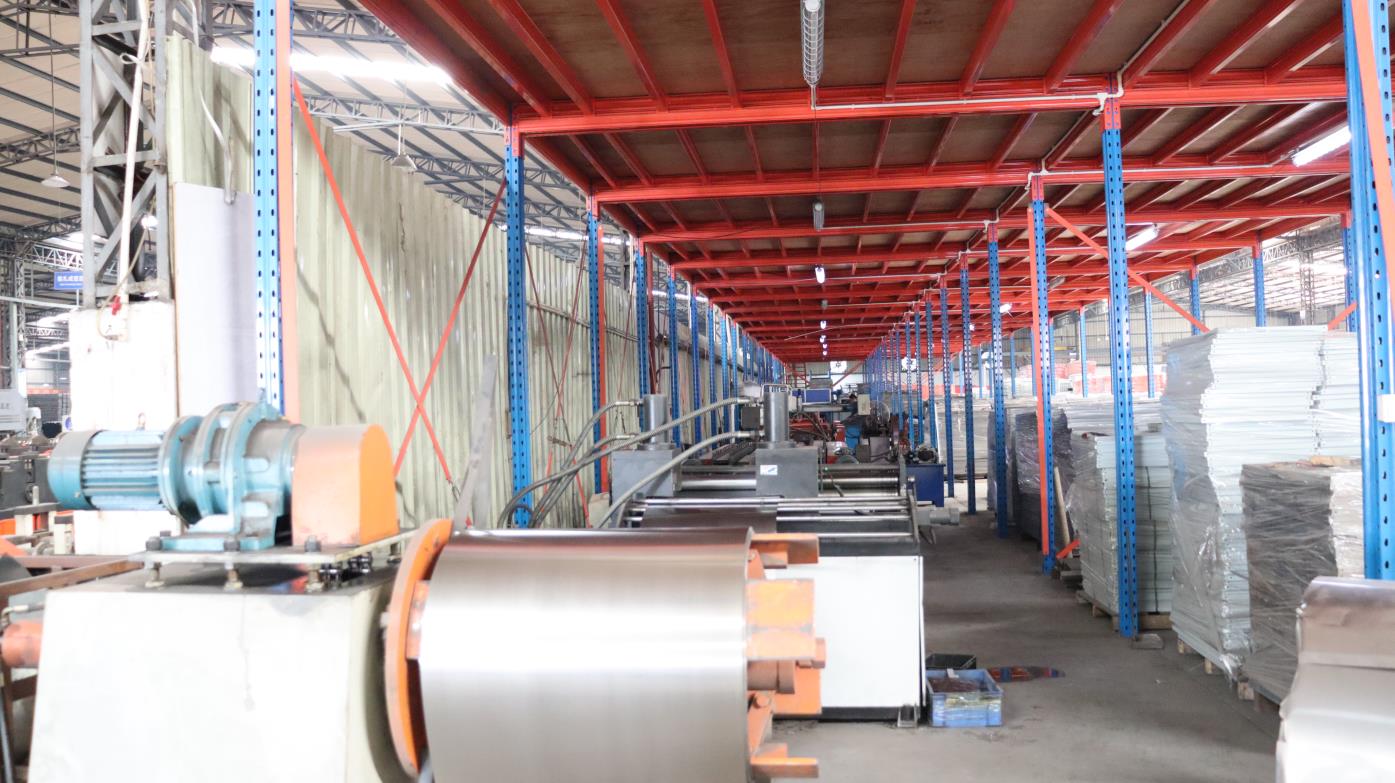
Our operational scale allows us to offer completely customized structural storage configurations. By deploying multi-stage automated roll forming lines and automated robot welding systems, we deliver unmatched component precision. We design custom solutions tailored to unique warehouse layouts, seismic requirements, and load capacity needs, constantly pushing the boundaries of high-density storage technology.
We enforce a rigorous, multi-stage quality control system including ultrasonic non-destructive testing, automated weld inspection, laser dimensional checking, and heavy-load endurance testing.
Backed by an in-house quality inspection team of 35 dedicated professionals, every batch meets international safety and structural standards, ensuring maximum load-bearing efficiency.
Heavy industrial storage infrastructure requires strictly audited engineering compliance to ensure workplace safety. Importing structural racking demands that products meet regional safety protocols. Shenzhen Lijin designs systems that satisfy globally recognized racking parameters:
Designed in strict compliance with the Rack Manufacturers Institute (RMI) ANSI MH16.1 specifications. We execute structural calculations for specific wind, seismic, and floor slab load requirements.
Engineered to conform with FEM 10.2.07 and EN 15512 / EN 15620 regulations, which detail the strict tolerances and safety limits required for high-rise warehouse configurations.
Fully meeting Australian Standard AS 4084-2012 (Steel Storage Racking) requirements for load capacity tests, structural deflection checks, and frame stiffness parameters.
Beyond manufacturing, we offer extensive localized support. Partnering with structural engineering networks in key markets (North America, Western Europe, and Southeast Asia) allows us to provide verified structural calculations and seismic evaluations. If your project is located in active seismic zones (such as Seismic Design Category D/E/F), we customize upright profiles using thicker structural gauges and oversized high-impact footplates. This level of local compliance ensures straightforward municipal building permits and reliable safety audits.
Sourcing heavy-duty industrial storage racks from Shenzhen Lijin gives global buyers a unique structural and logistical advantage. By manufacturing within China’s major industrial zones, we secure access to first-rate materials, highly efficient production equipment, and world-class shipping networks.
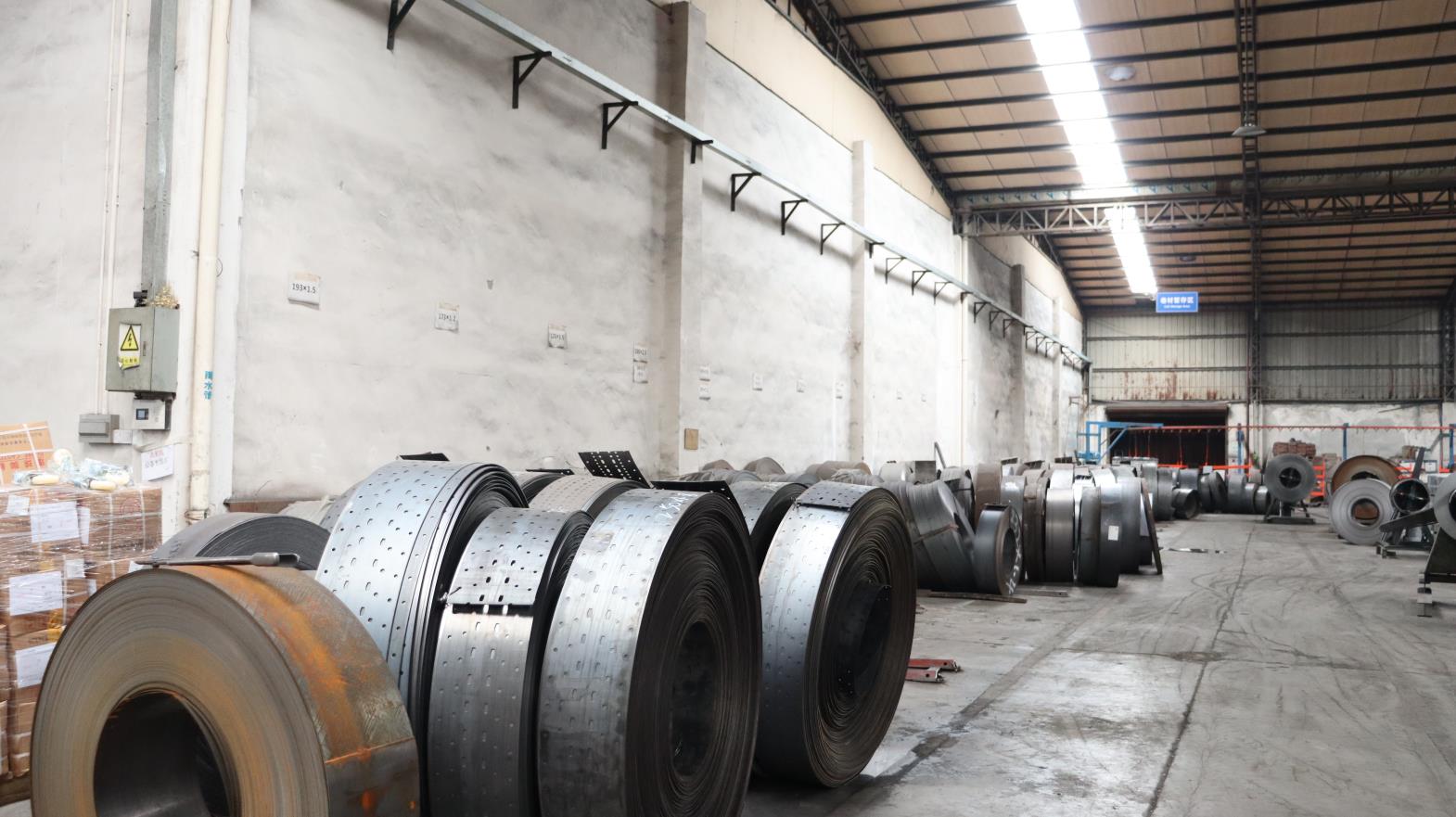
First, raw materials are sourced directly from China's leading state-owned steel conglomerates (such as BaoSteel and Shougang Group). We select certified Q235B and Q355B structural steel, ensuring consistent yield and tensile strength, uniform thickness, and minimal material flaws. This raw material consistency is essential when producing long cold-formed profiles, preventing twisting and bowing during roll forming.
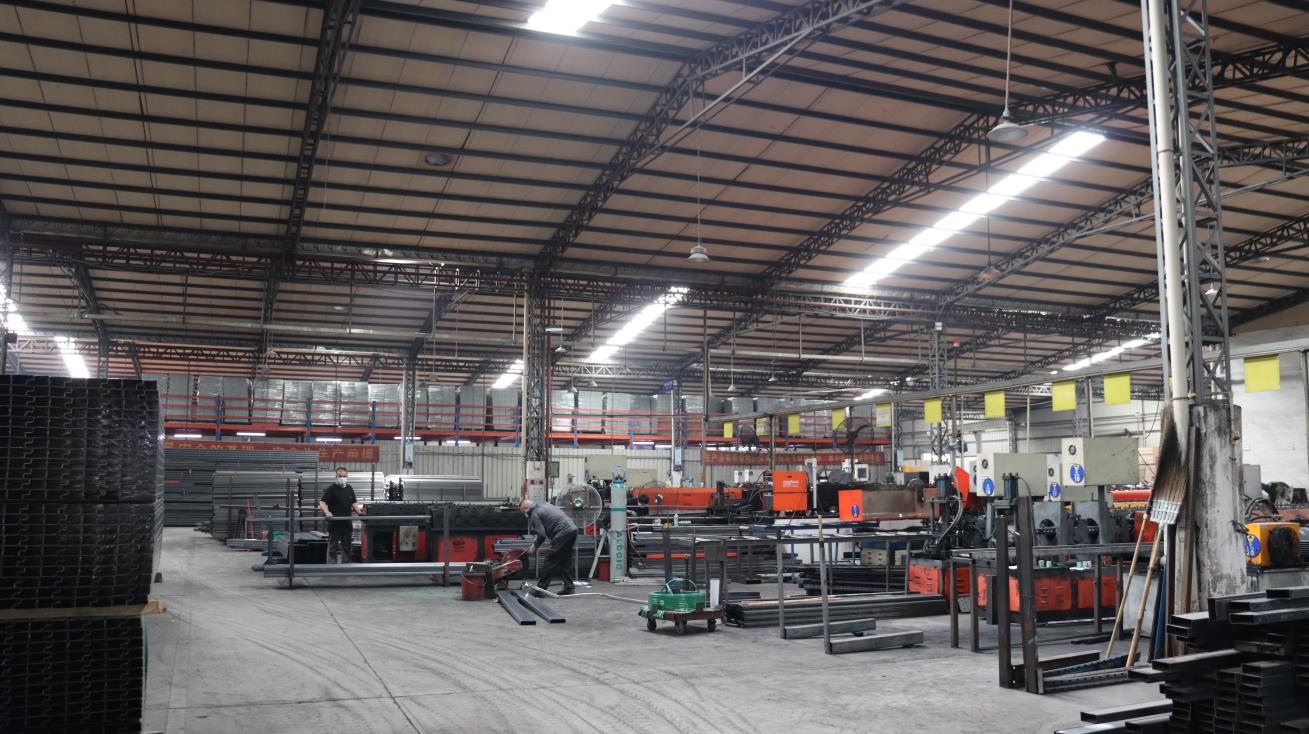
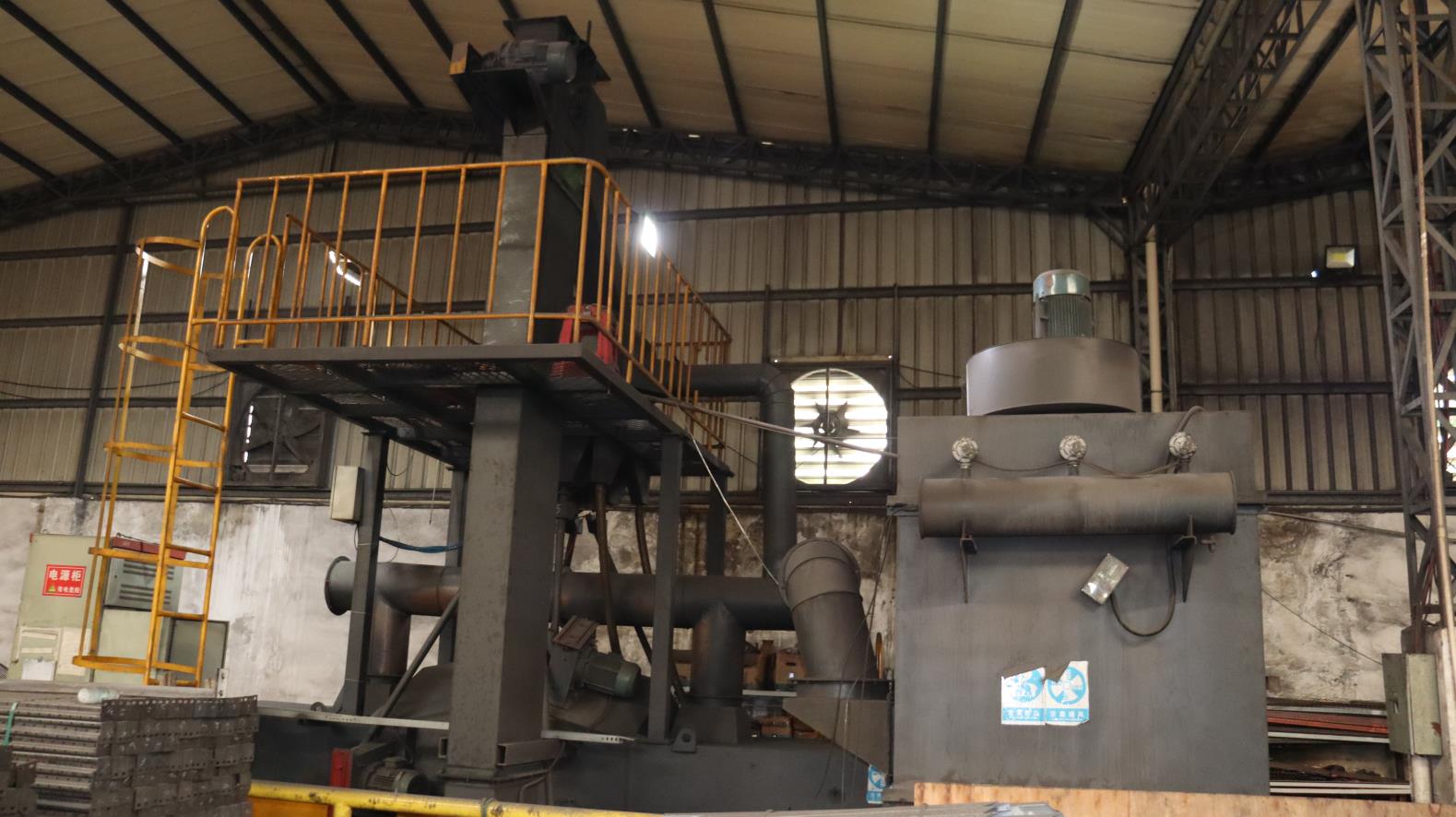
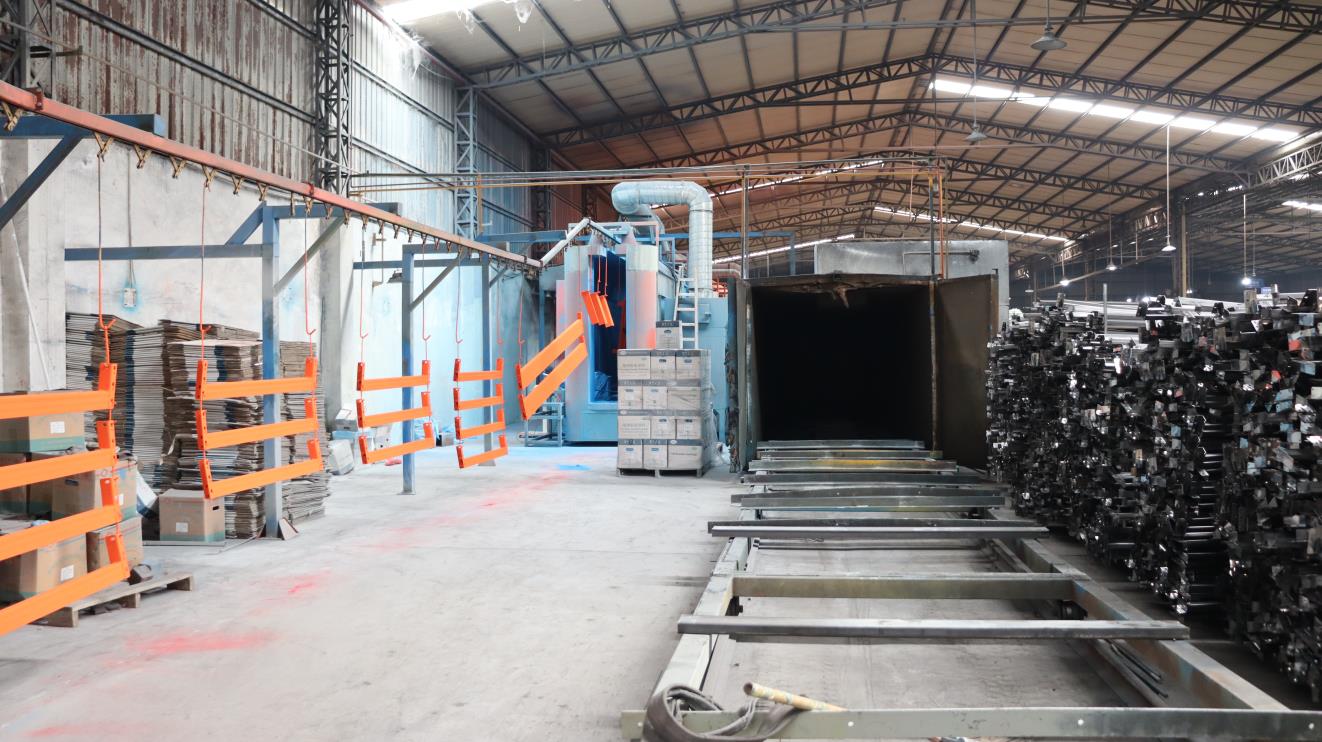
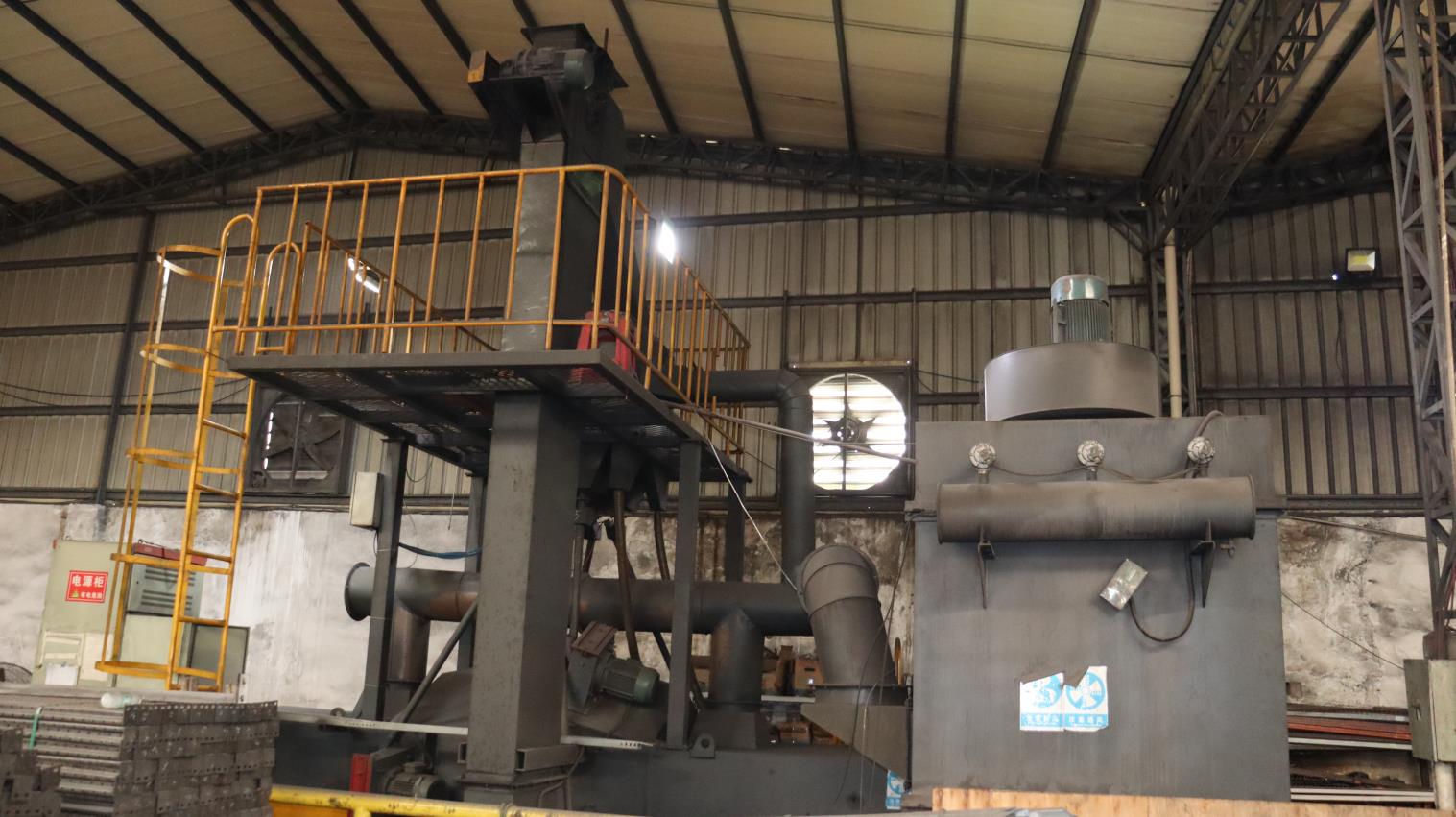
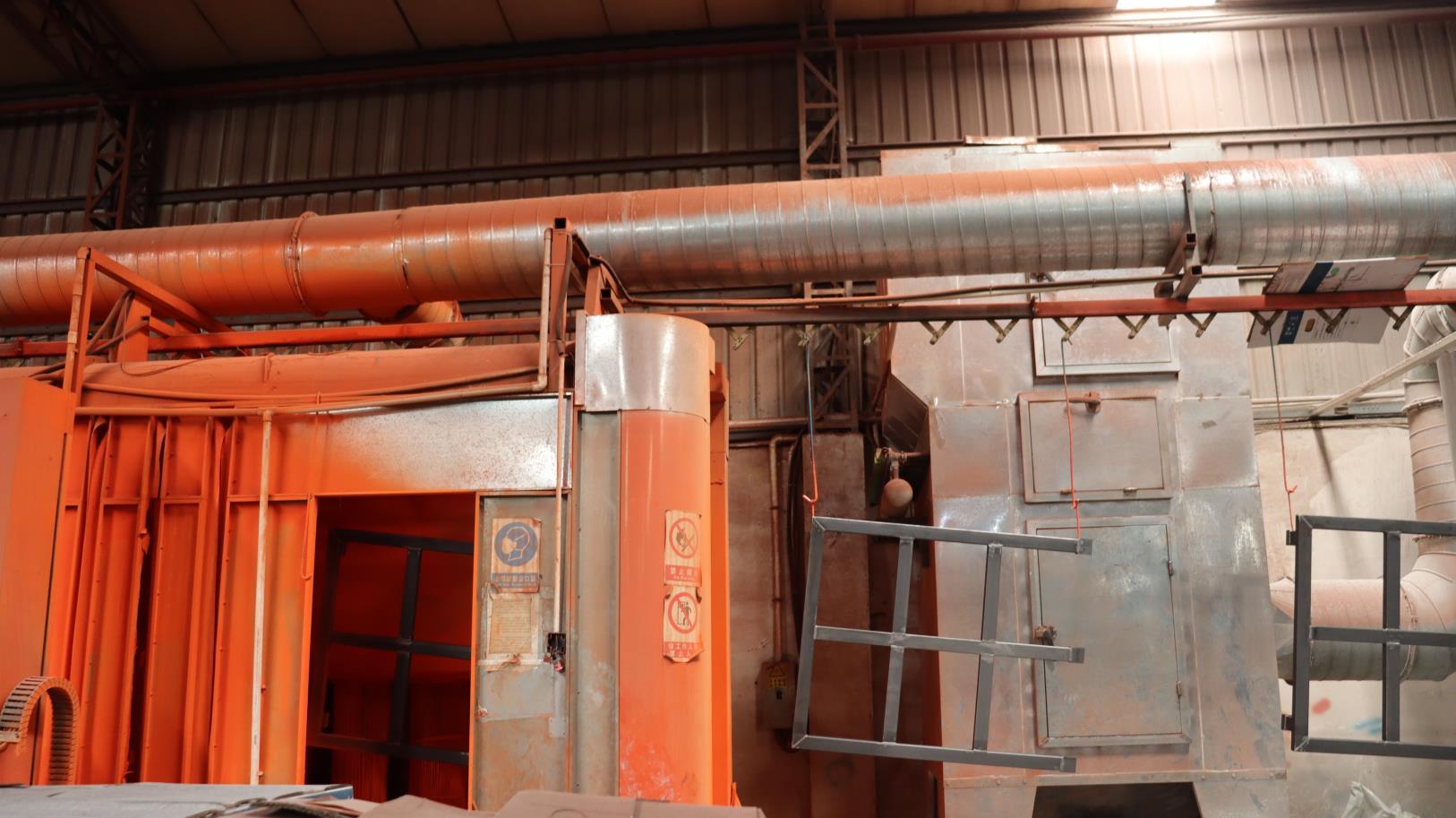
Second, manufacturing efficiency is powered by automated CNC machinery. Last year, our specialized R&D team launched 85 new products and dynamic storage configurations, focusing on automation and improved space optimization. Utilizing automated multi-station cold roll-forming lines, automated robotic welding systems, and fully integrated electrostatic powder coating plants, we can handle high-volume structural runs without compromising accuracy. The result is a highly reliable racking system that assembles smoothly on-site, saving valuable labor time and installation costs.
Procurement managers, warehouse operations directors, and 3PL leaders rely on drive-in racking to resolve density challenges across diverse industries. The ROI of high-density LIFO racking is particularly apparent in sectors with high storage costs or uniform SKU configurations.
Energy expenses in sub-zero freezers make volume efficiency critical. Drive-in systems increase cold storage density, minimizing empty airspace and lowering refrigeration costs. Hot-dip galvanized coating prevents rust in high-humidity settings.
FMCG operations dealing with high pallet volumes of identical SKUs benefit from LIFO drive-in racks. It reduces retrieval paths and ensures inventory is systematically loaded for regional distribution.
Industrial raw materials, chemical drums, and temperature-controlled medical ingredients are often stored in deep-lane configurations, saving valuable space in safety-monitored facilities.
Just-in-Time (JIT) manufacturing benefits from grouping identical automotive components. Large-scale bins and parts pallets are organized into dedicated drive-in bays for rapid access during assembly.
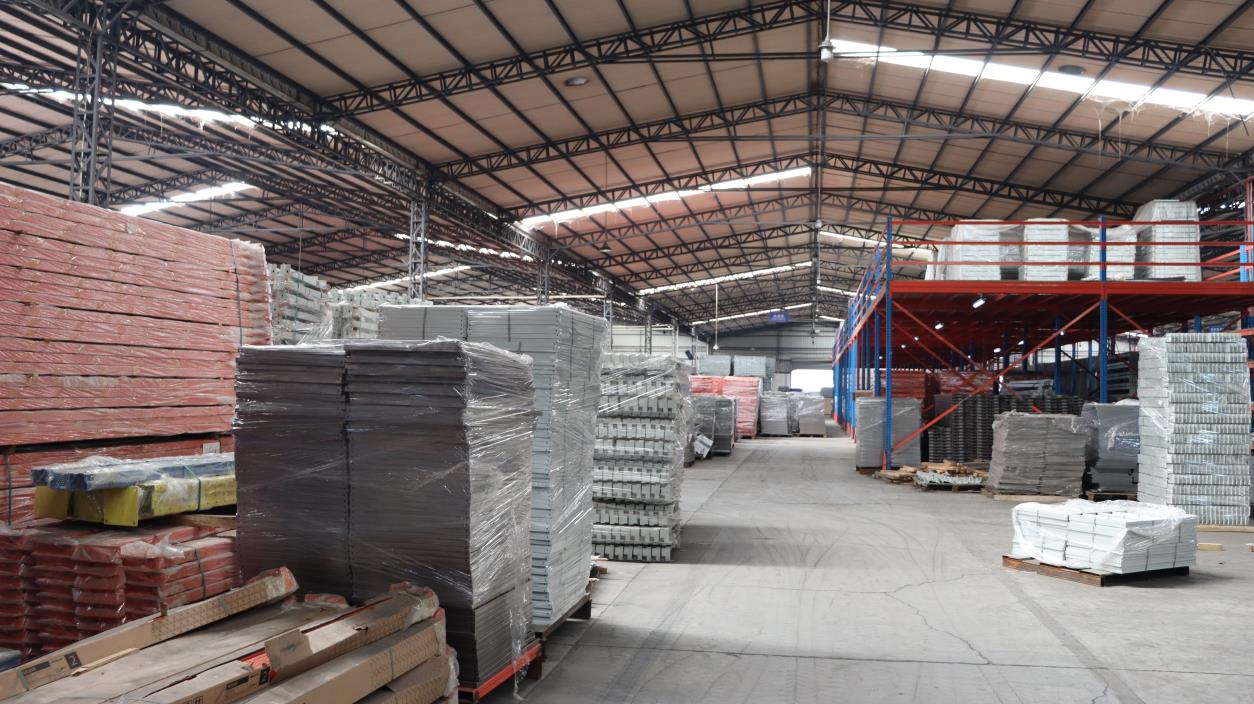
During procurement, global enterprises focus heavily on shipping space utilization, modular expandability, and long-term durability. We optimize packaging configurations to ensure upright frames, support rails, and bracing pack compactly into standard ocean containers. This careful logistics planning reduces maritime freight costs and prevents components from shifting or sustaining damage during transit. Furthermore, our systems are finished with durable, thermosetting powder coatings that resist impacts and abrasion, keeping the steel base protected through years of intensive forklift loading cycles.
The industrial storage industry is shifting toward smart warehouse ecosystems and enhanced safety designs. Although traditional drive-in racking is highly cost-effective, integrating technology is redefining safety and performance:
1. Semi-Automated Shuttle Systems: Traditional drive-in racks are increasingly configured to allow easy upgrades into Radio Shuttle Racking. Upgrading structural guide rails to accommodate robotic carriers allows shuttles to handle deep-lane pallet movements automatically. This protects frames from forklift impact and speeds up cycle times.
2. Multi-Tier High-Rise Storage: High real estate costs are driving facilities to build upward. Designing drive-in systems that extend beyond 10 meters requires structural steel components with higher stiffness and precision, which we achieve using advanced simulation modeling and FEA (Finite Element Analysis) software during design.
3. Advanced Guarding and Impact Defense: Impact damage from forklifts remains a key maintenance issue. Modern systems incorporate robust column guards, heavy-duty floor-mounted guide rails, and shock-absorbing baseplate designs to deflect forces away from critical load-bearing uprights, ensuring long-term structural integrity.
 Lijin Racking