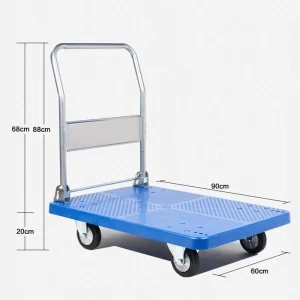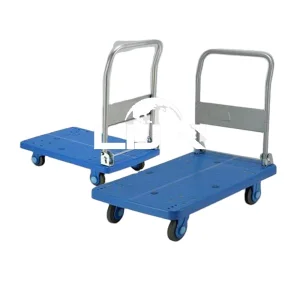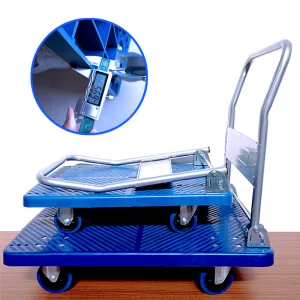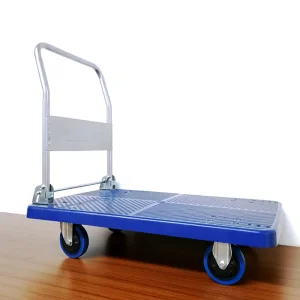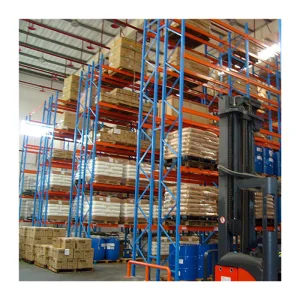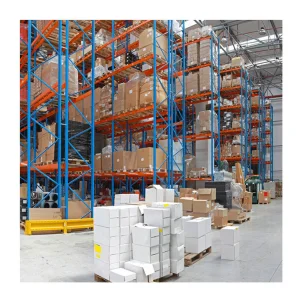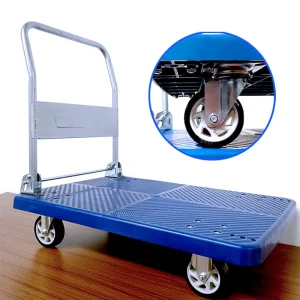
In the rapidly changing global supply chain landscape, the demand for efficient, durable, and space-saving logistics solutions is at an all-time high. Folding hand trolleys represent a critical component in last-mile delivery, warehouse operations, retail supply chains, and industrial manufacturing environments. By bridging the gap between large-scale storage and manual distribution, folding platform carts directly influence operational velocity and workplace ergonomics.
Modern manufacturers are facing a shift in buyer requirements. The focus is no longer just on load capacity; it has expanded to include lightweight durability, silent indoor mobility, structural recyclability, and ease of storage. Businesses across North America, Western Europe, and Southeast Asia are increasingly standardizing on 300kg and 400kg capacity configurations. These units allow a single operator to move heavy goods safely, reducing structural damage and manual strain in accordance with regional workplace health regulations.
| Application Sector | Typical Load Requirements | Critical Features Desired | Recommended Configuration |
|---|---|---|---|
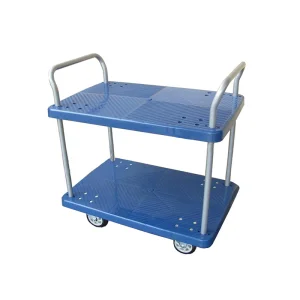
| 3PL & Last-Mile Delivery | 150kg – 300kg | Rapid folding, ultra-lightweight, non-marking TPR casters | Plastic platform folding trolley with mute casters |
| Heavy Industrial Manufacturing | 300kg – 500kg | Steel reinforcement, impact resistance, heavy duty brakes | Reinforced steel or I-beam support platform trolley |
| Chemical & Pharmaceutical Labs | 100kg – 250kg | Corrosion resistance, acid/alkali tolerance, easy decontamination | Stainless steel or chemical-resistant plastic cart |
| Commercial Retail & Supermarkets | 150kg – 300kg | Compact folding, silent bearings, ergonomic handles | Mute platform handcart with textured non-slip deck |
The durability of a folding hand trolley depends on the design and quality of its components. From the composition of the structural deck to the choice of caster bearings, every engineering choice directly affects the equipment's lifespan and performance under load.
Virgin PP copolymer resins are reinforced with structural grid patterns on the underside to prevent bowing. This design provides high tensile strength, impact absorption, and excellent resistance to chemicals, moisture, and extreme temperatures.
Constructed using Thermoplastic Rubber (TPR) or Polyurethane (PU) tread bonded to a reinforced core. Equipped with double-shielded precision ball bearings, these casters deliver low rolling resistance and silent operation while preventing floor marking.
Featuring seamless thick-walled structural steel tubing or reinforced aluminum handlebars. The folding hinge employs a heat-treated spring steel locking sleeve to ensure secure positioning under load and prevent premature wear over thousands of cycles.
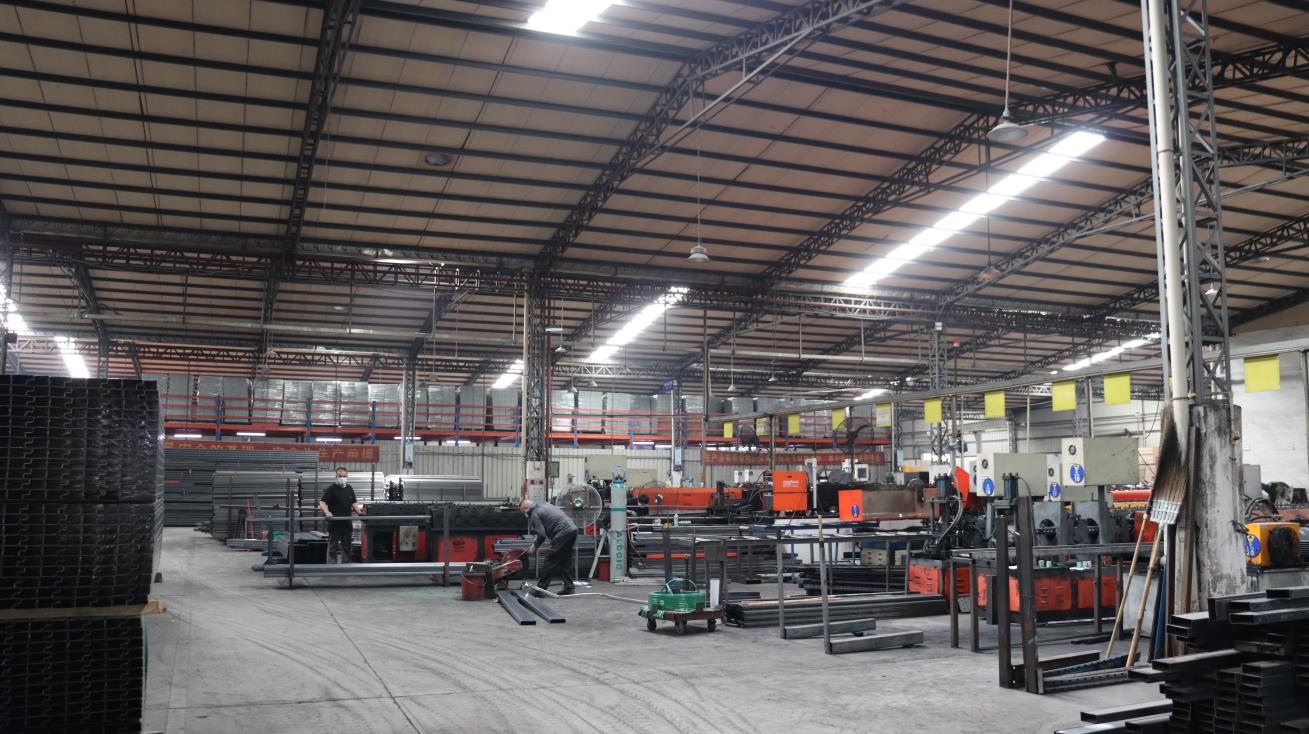
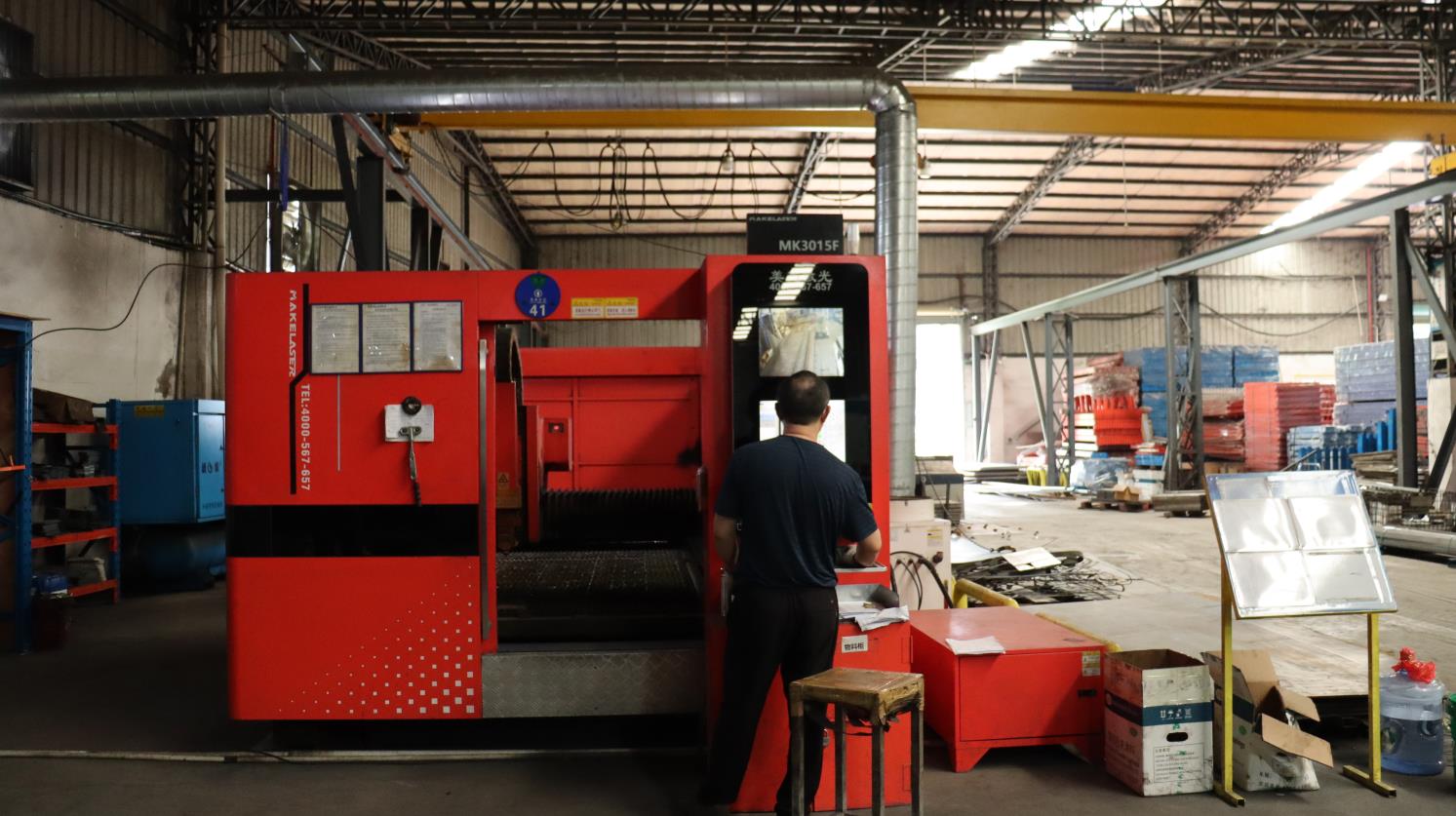
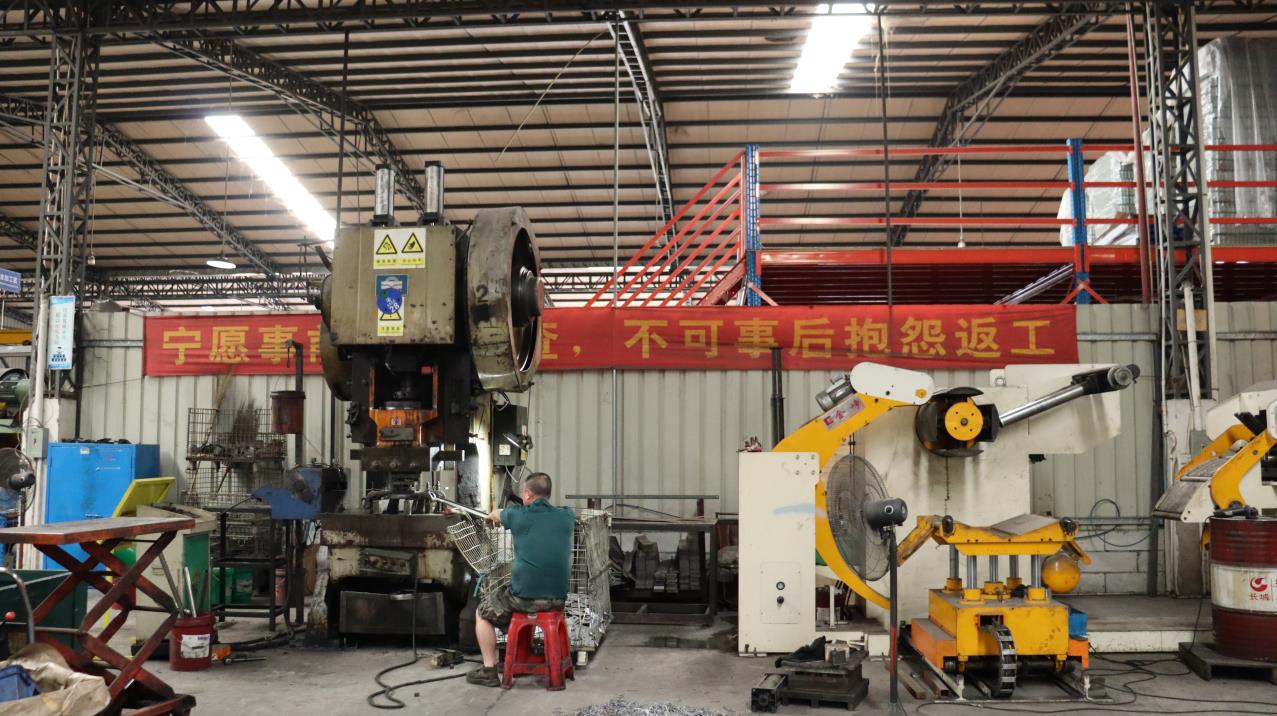
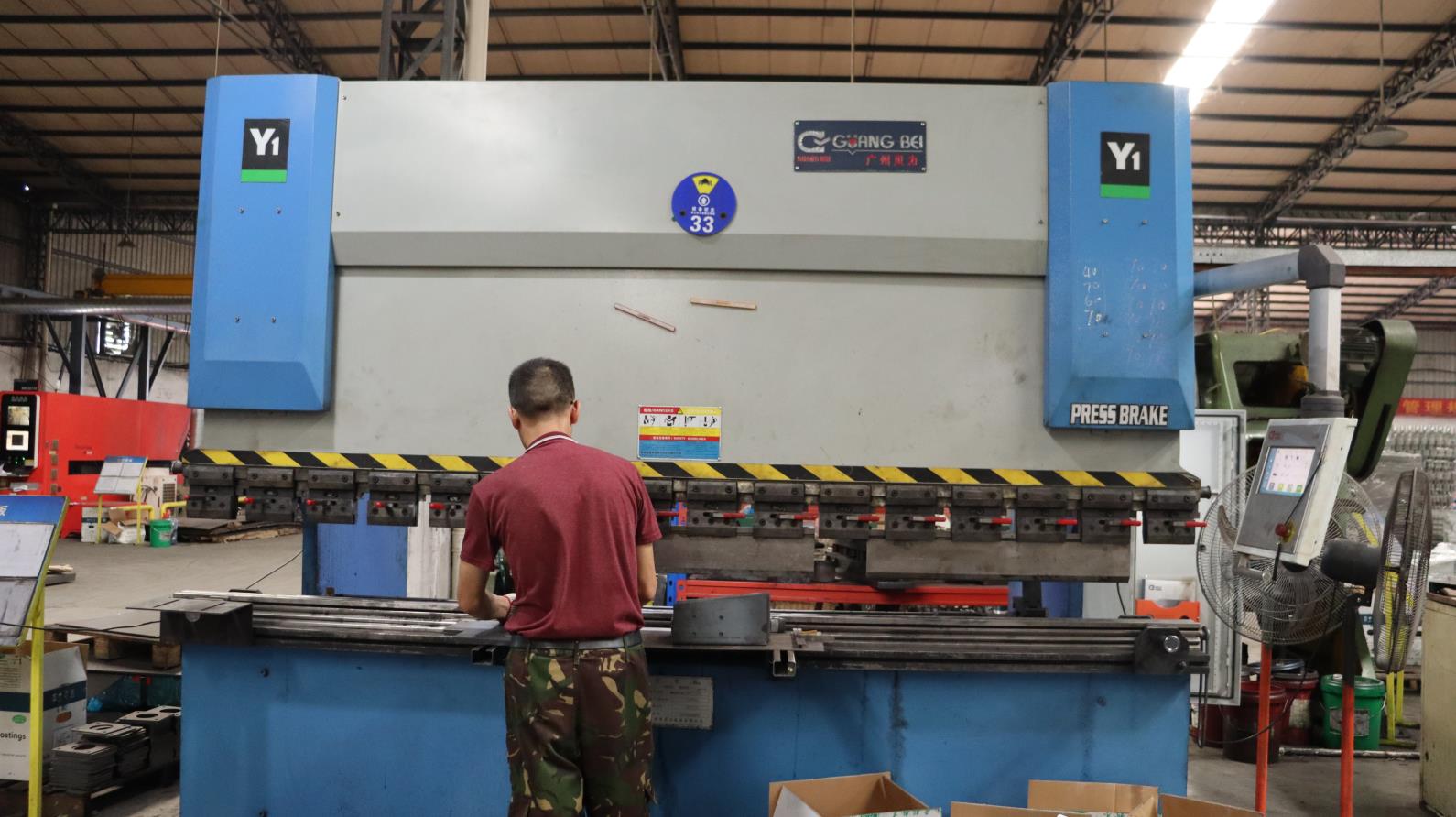
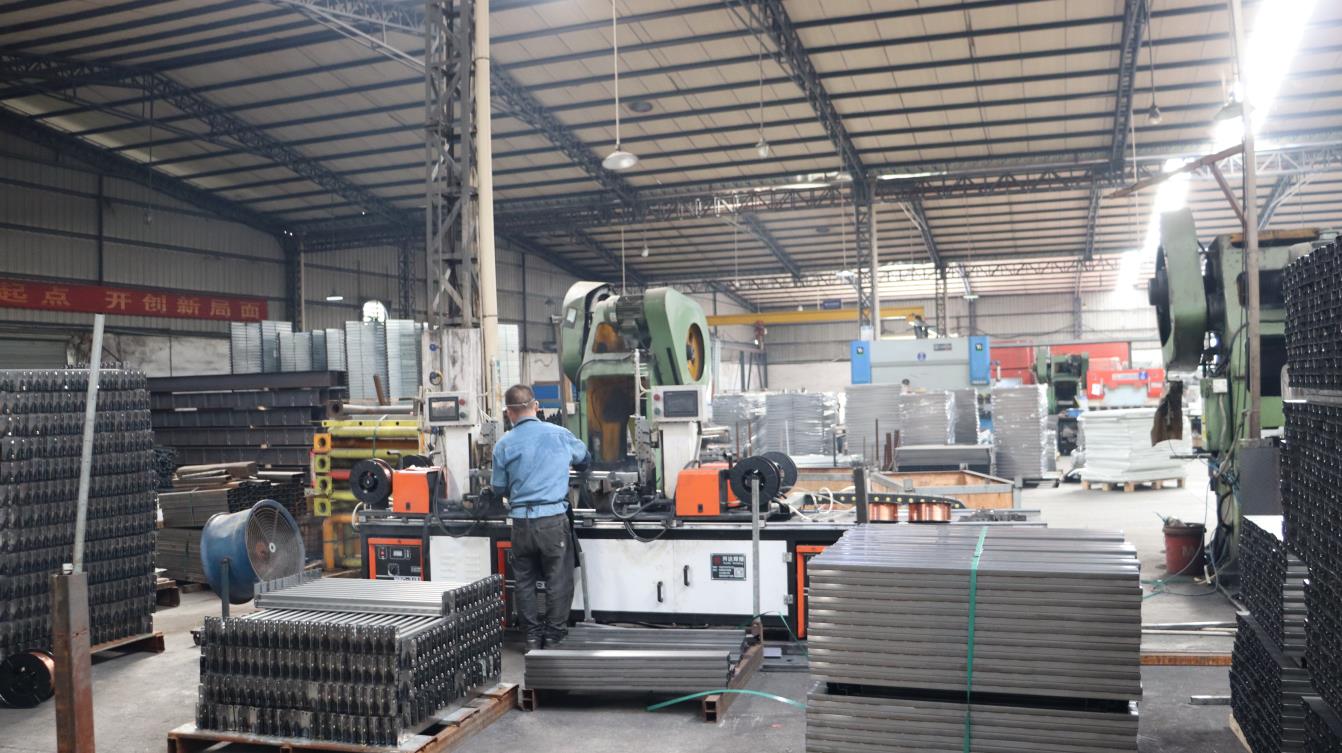
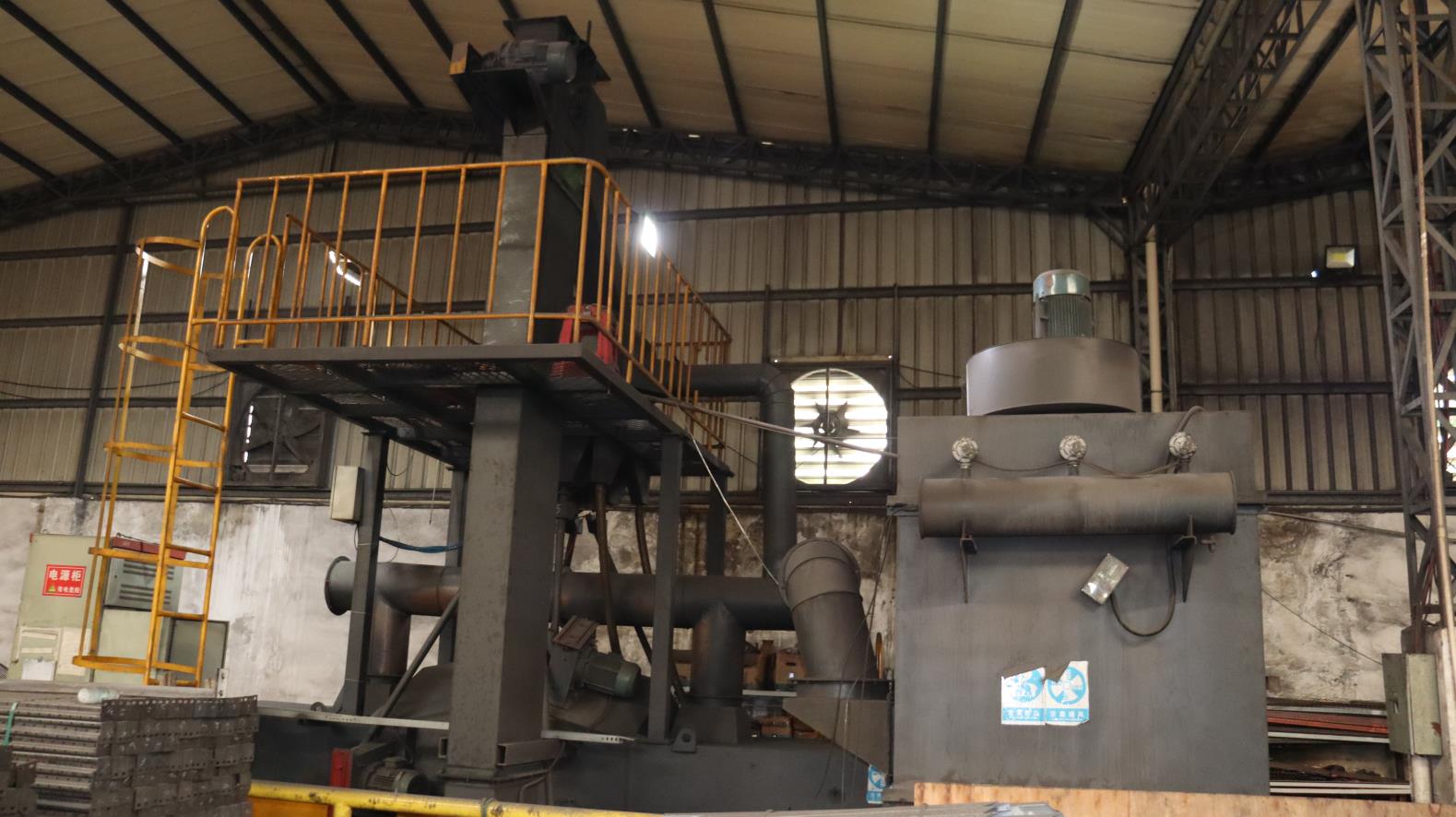
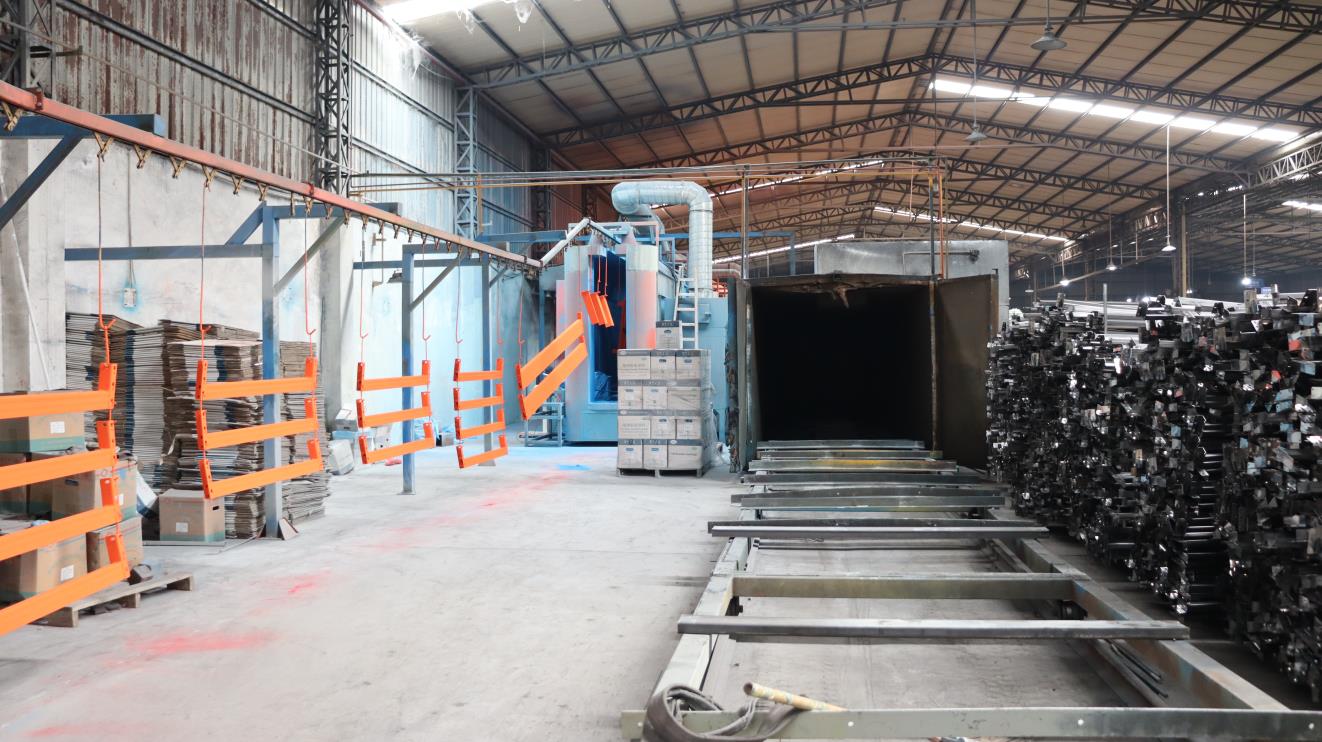
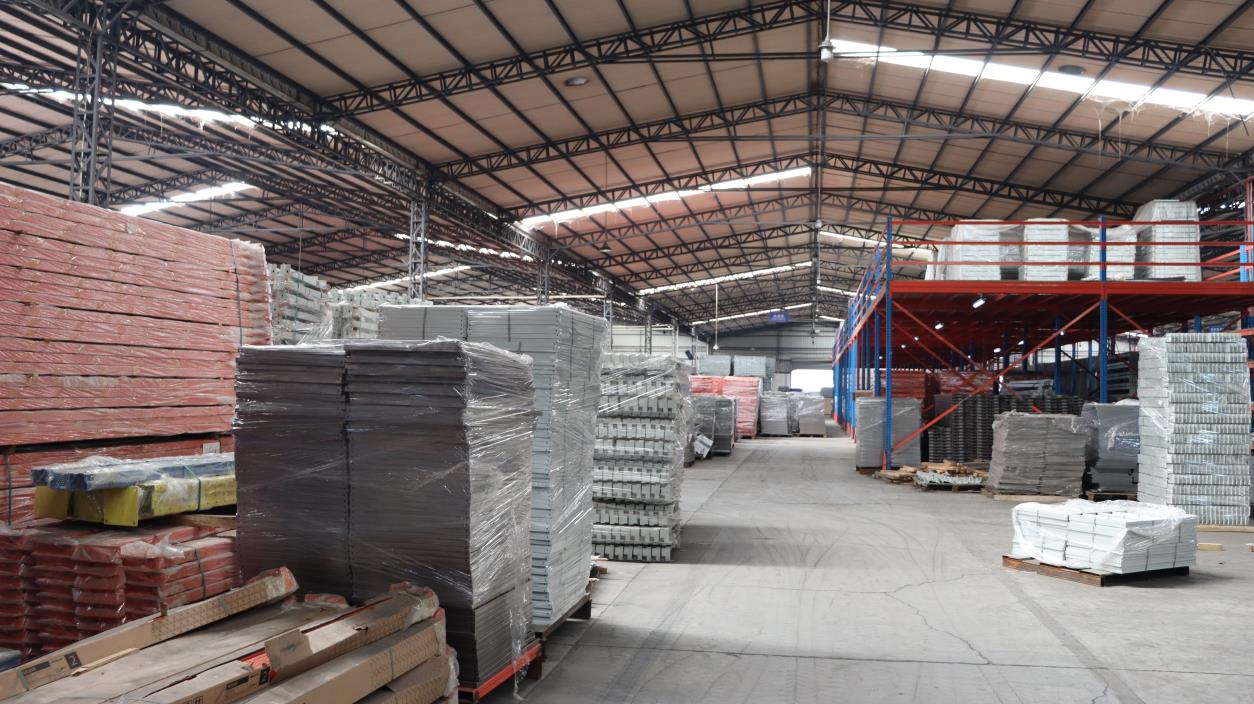
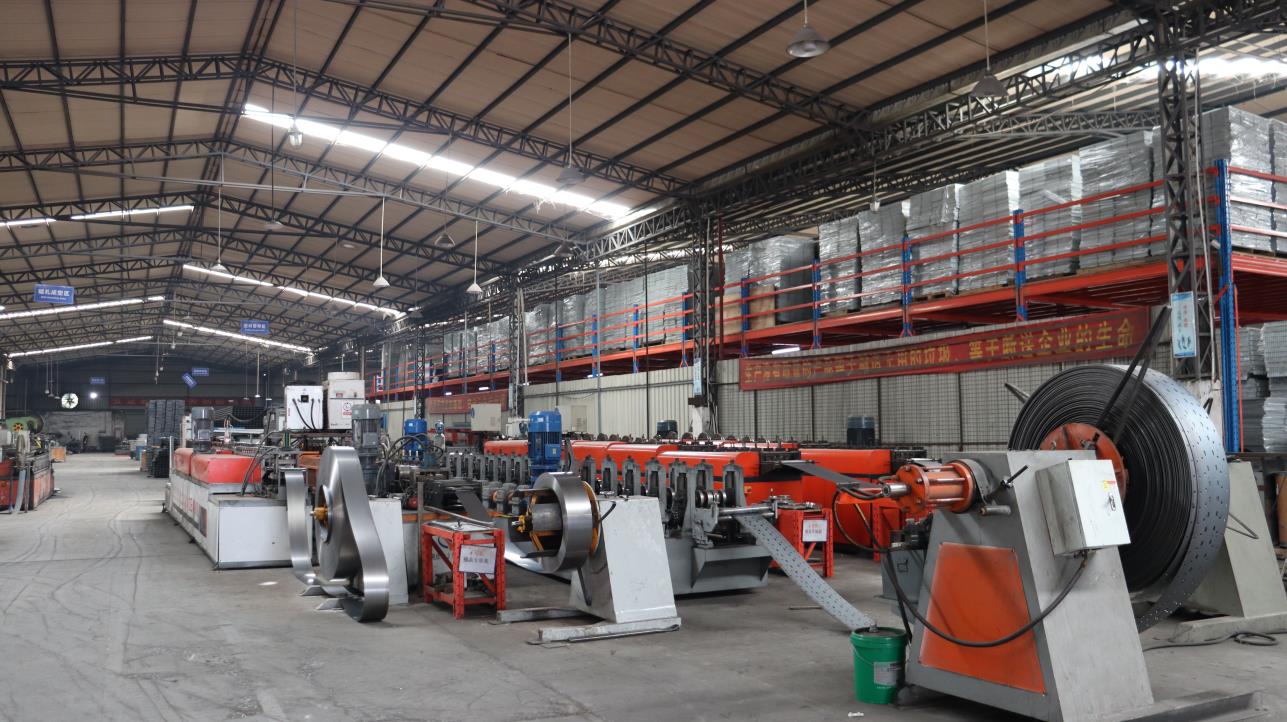
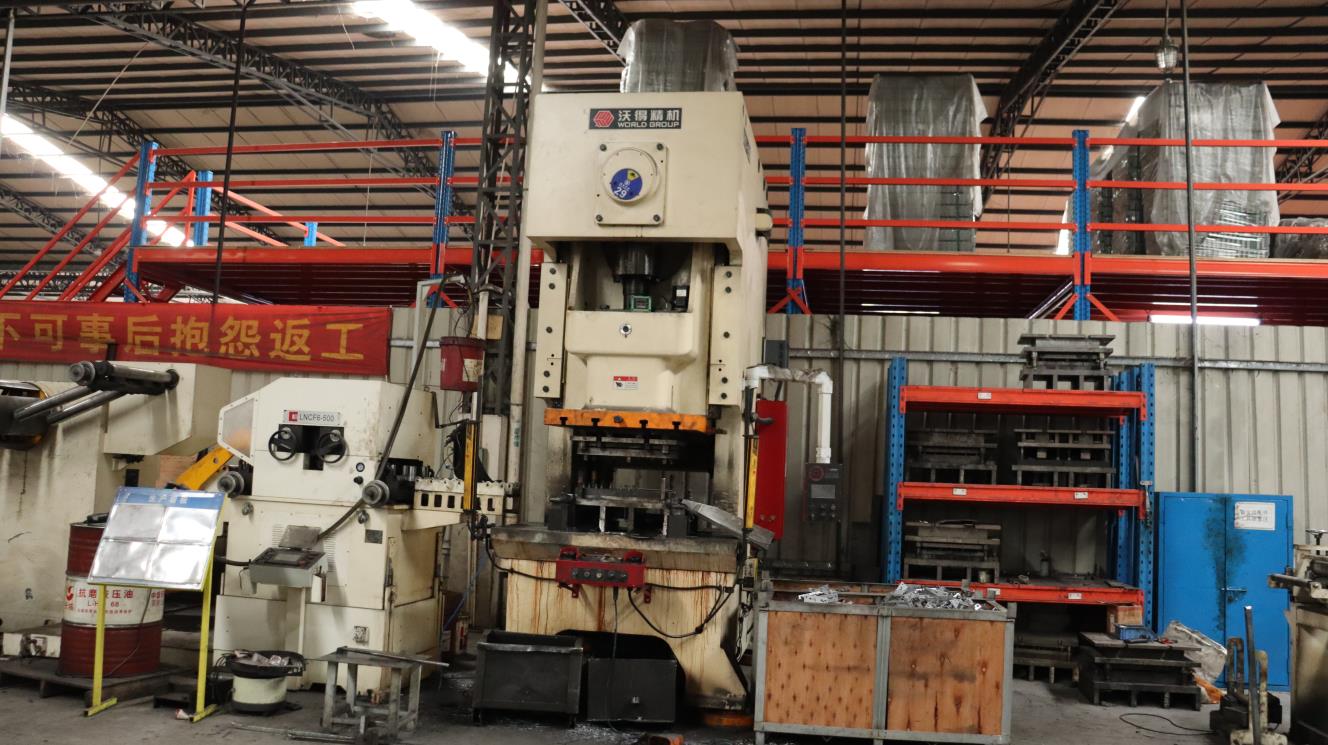
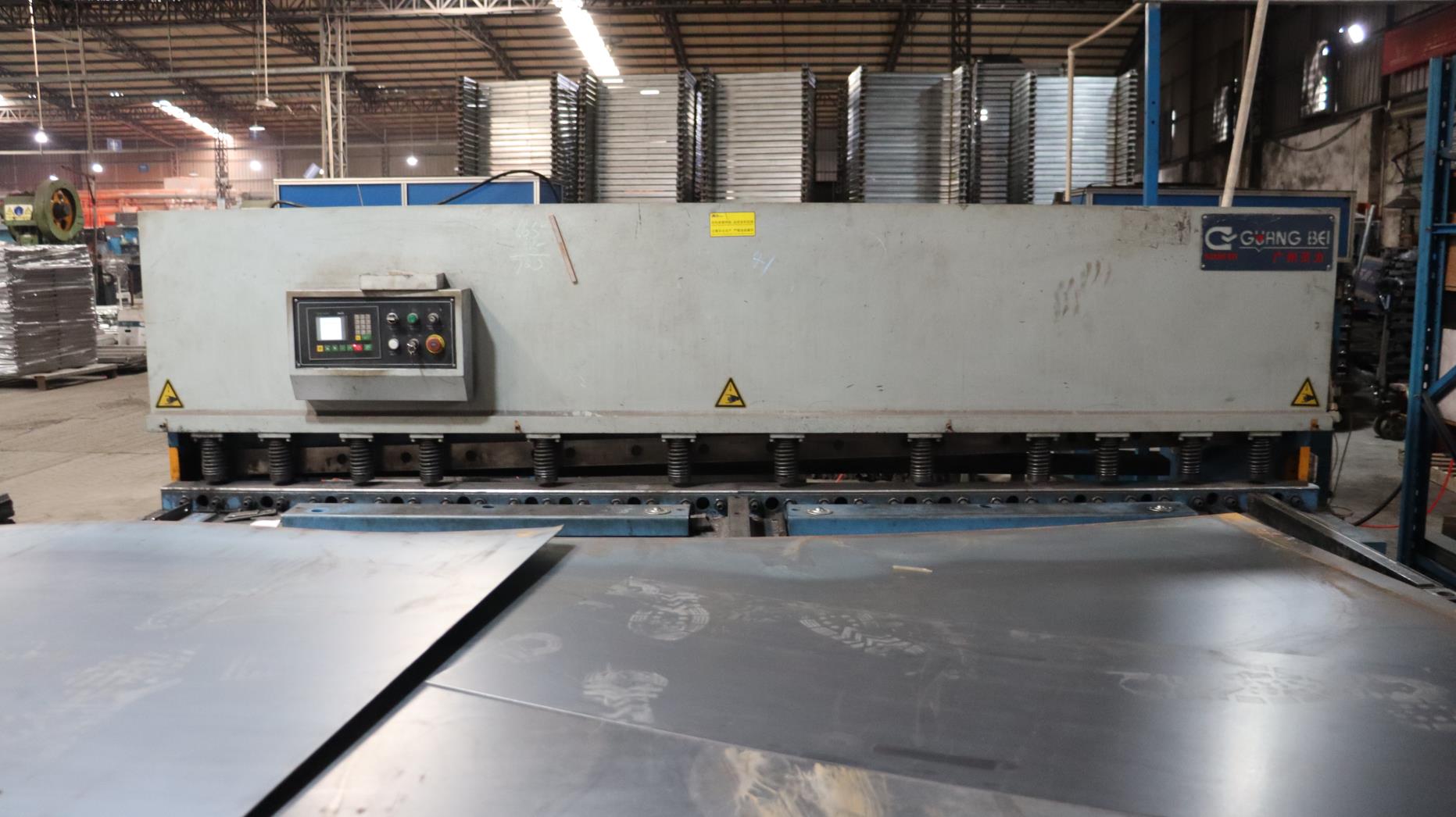
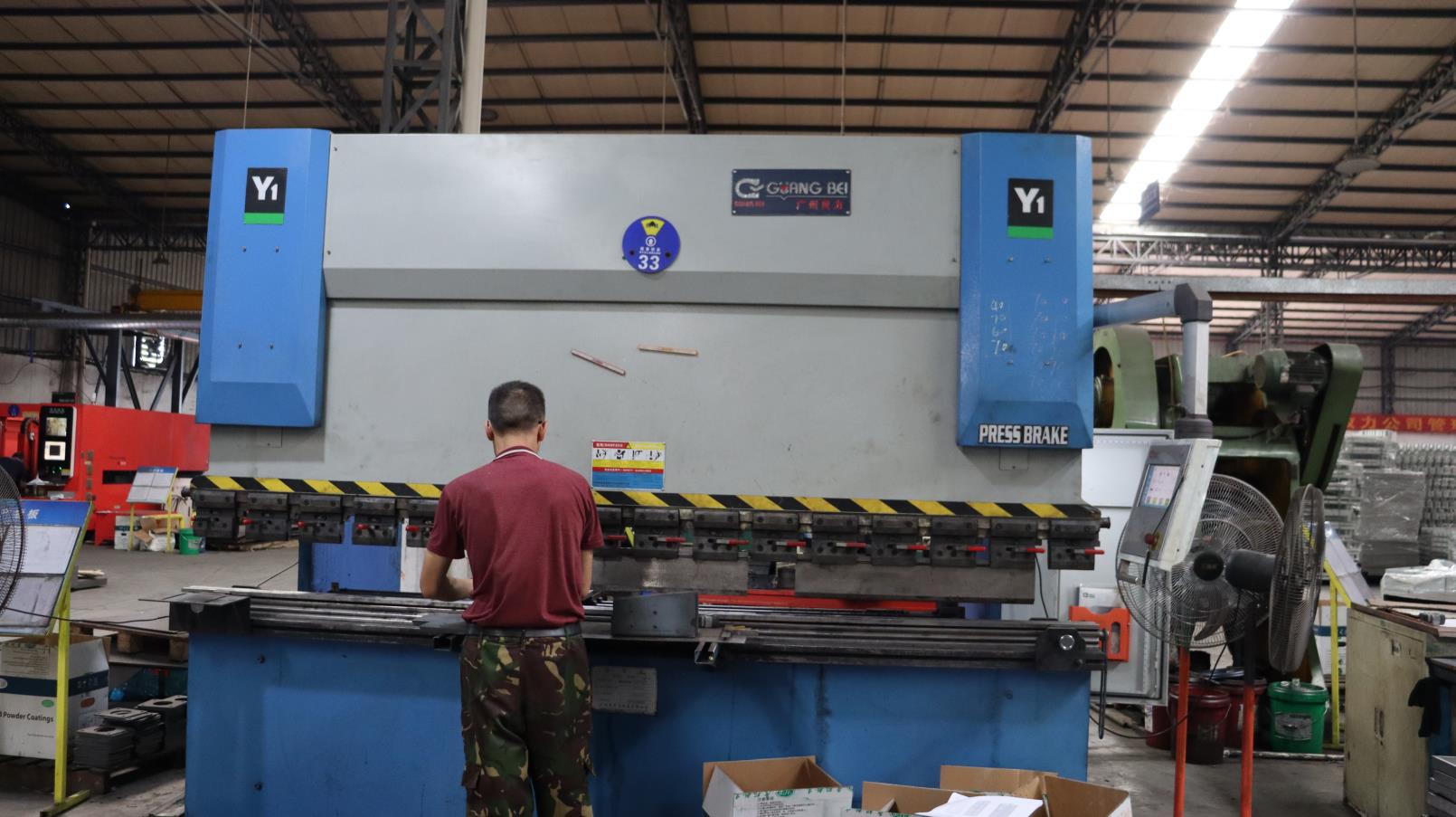
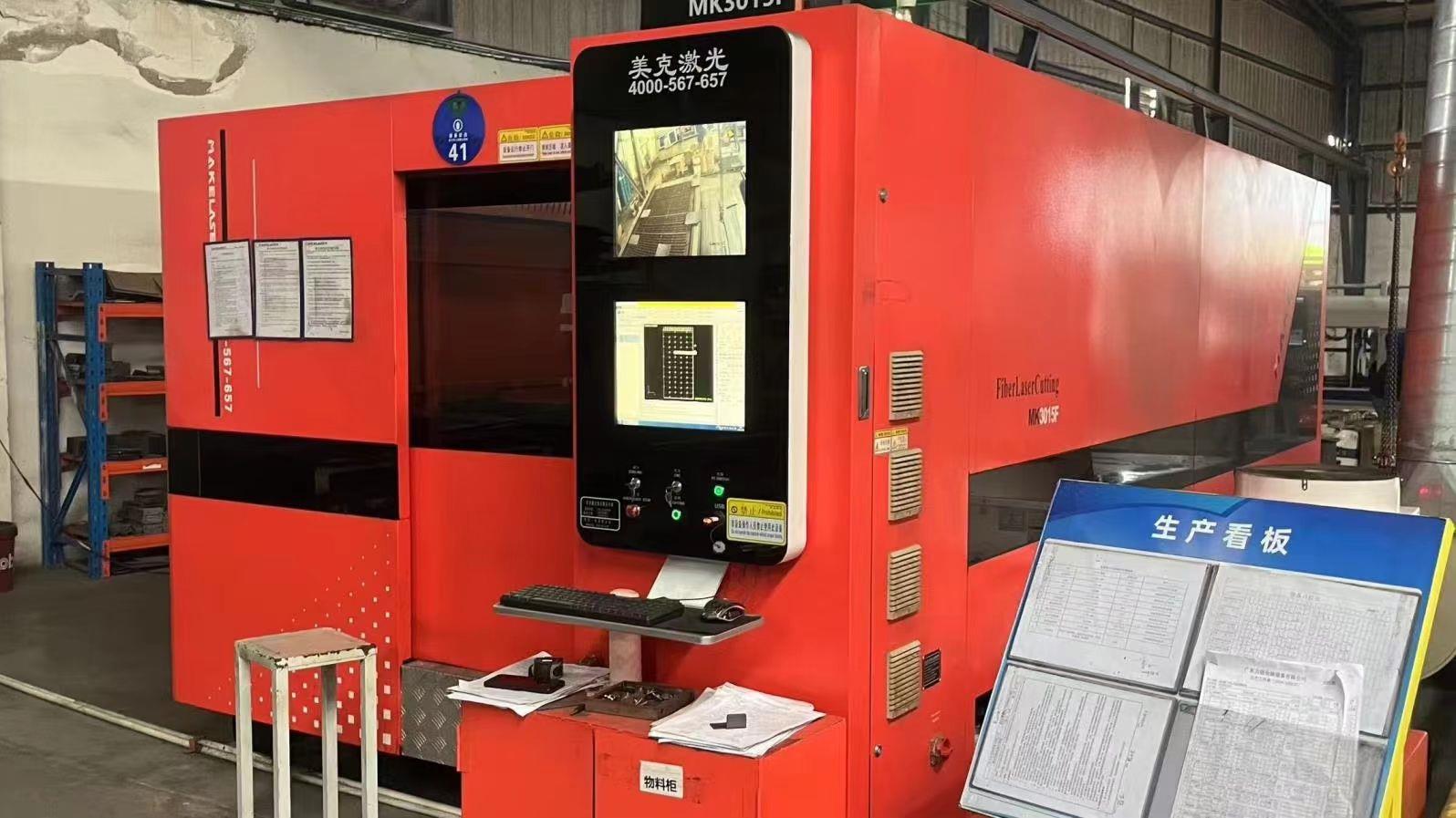
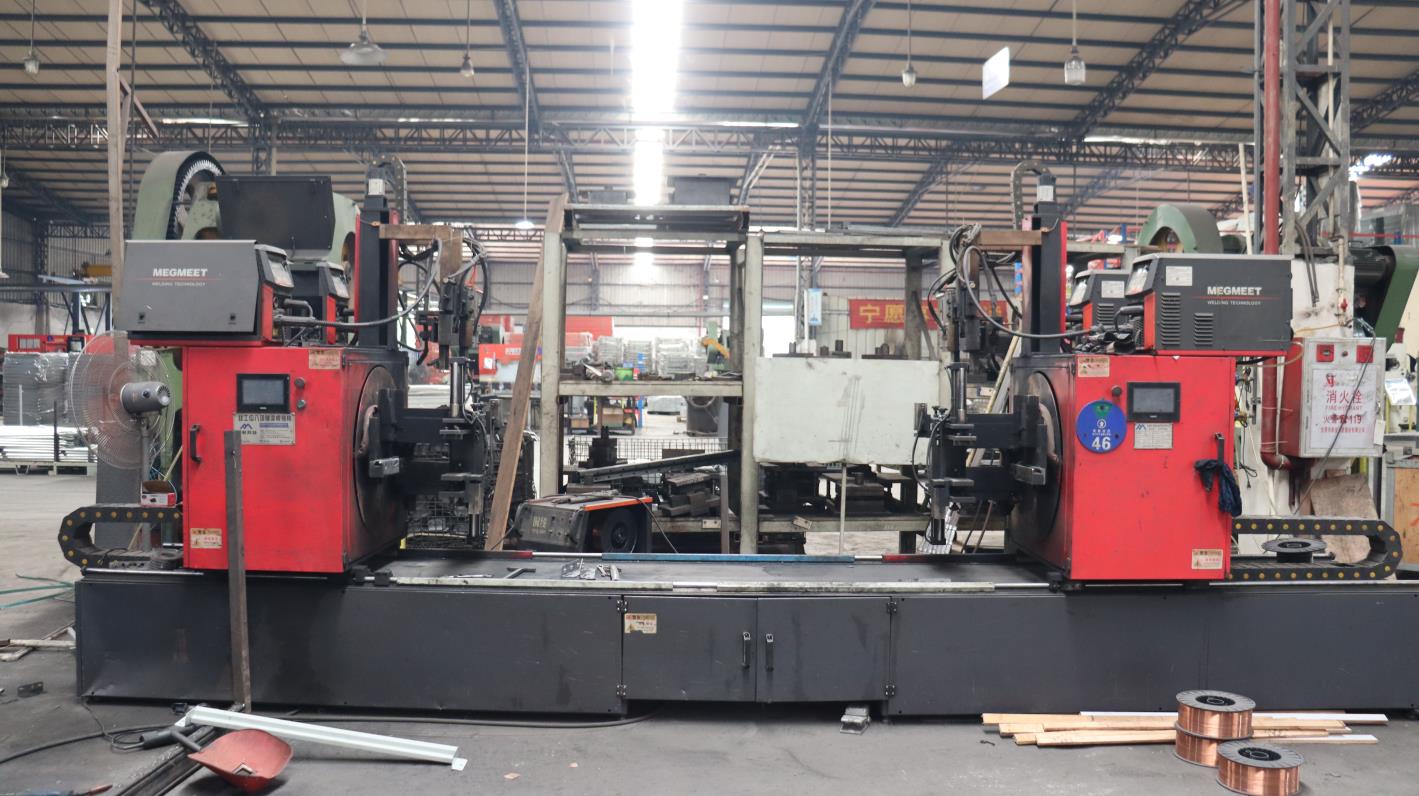
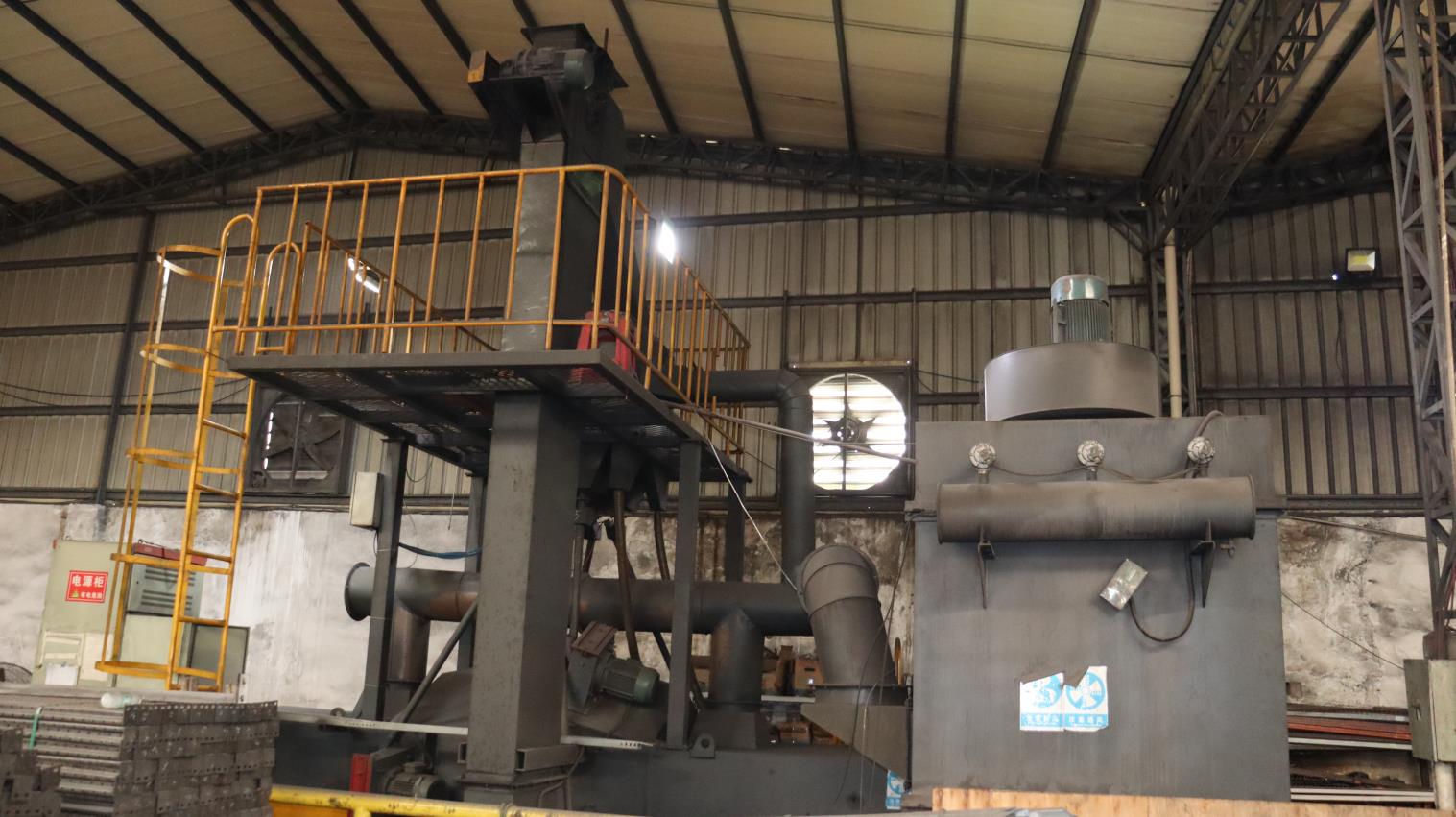
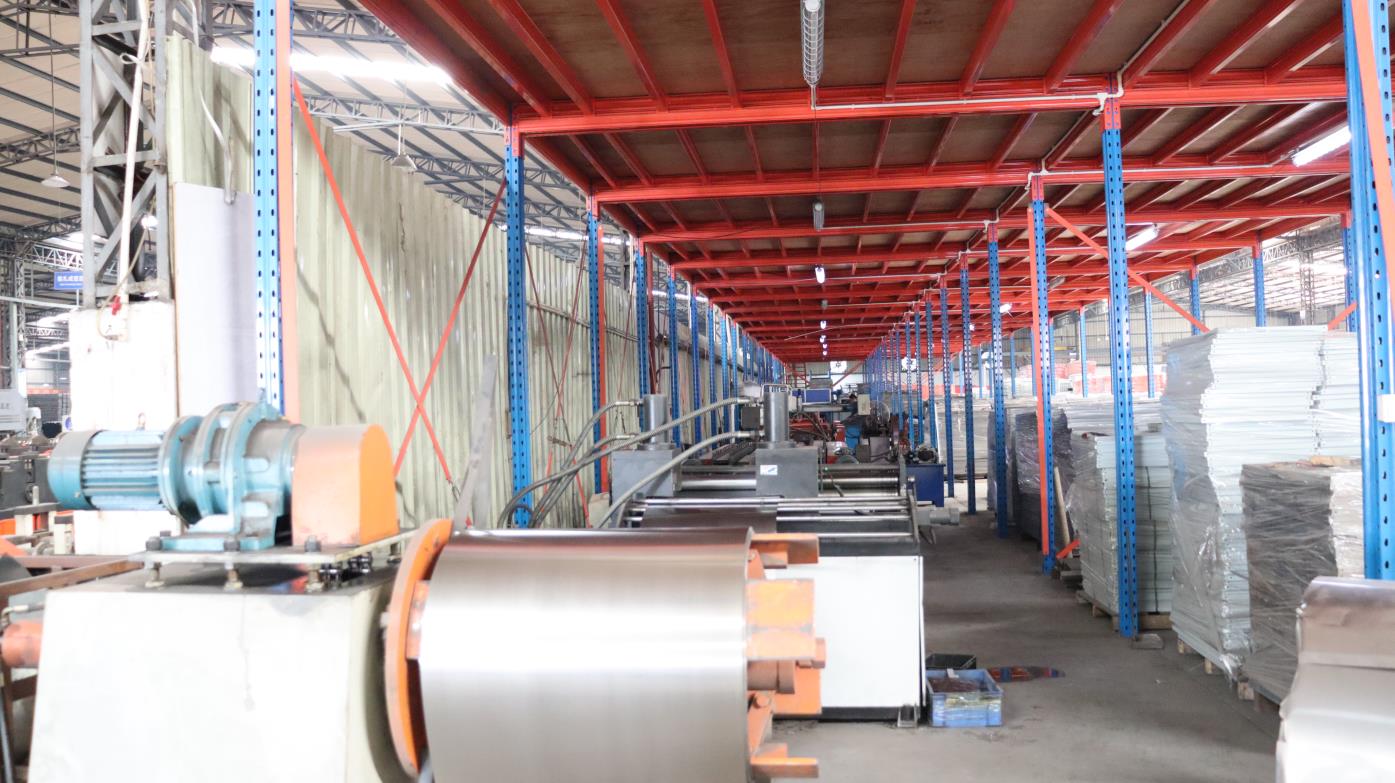
Established in 2015, Shenzhen Lijin Storage Equipment Co., Ltd. is a leading enterprise specializing in the design, manufacturing, and global distribution of heavy-duty warehouse racking systems, automated storage solutions, and industrial shelving. Spanning a state-of-the-art facility of 35,000 m², we have developed into a trusted global supply chain partner with over 8 years of direct export experience and more than 12 years of deep industry expertise. Driven by innovation and quality, our global revenue reached USD 22 million last year.
We enforce a rigorous, multi-stage quality control system—including ultrasonic non-destructive testing, automated weld inspection, laser dimensional checking, and heavy-load endurance testing. Backed by an in-house quality inspection team of 35 dedicated professionals, every batch meets international safety and structural standards, ensuring maximum load-bearing efficiency and long-term stability.
Backed by an experienced international trade background, our core markets span North America, Western Europe, Southeast Asia, and the Middle East. We maintain strong strategic relationships with over 850 supply chain partners globally. Our primary clients include large-scale logistics hubs, commercial distributors, third-party logistics (3PL) providers, and industrial equipment wholesalers.
Supported by a skilled team of 28 R&D engineers, Shenzhen Lijin delivers comprehensive OEM and ODM solutions tailored to unique warehouse layouts, seismic requirements, and capacity needs. Our engineering team launched over 85 new products and dynamic storage configurations last year, continuously setting new standards in space optimization and modern automated storage integration.
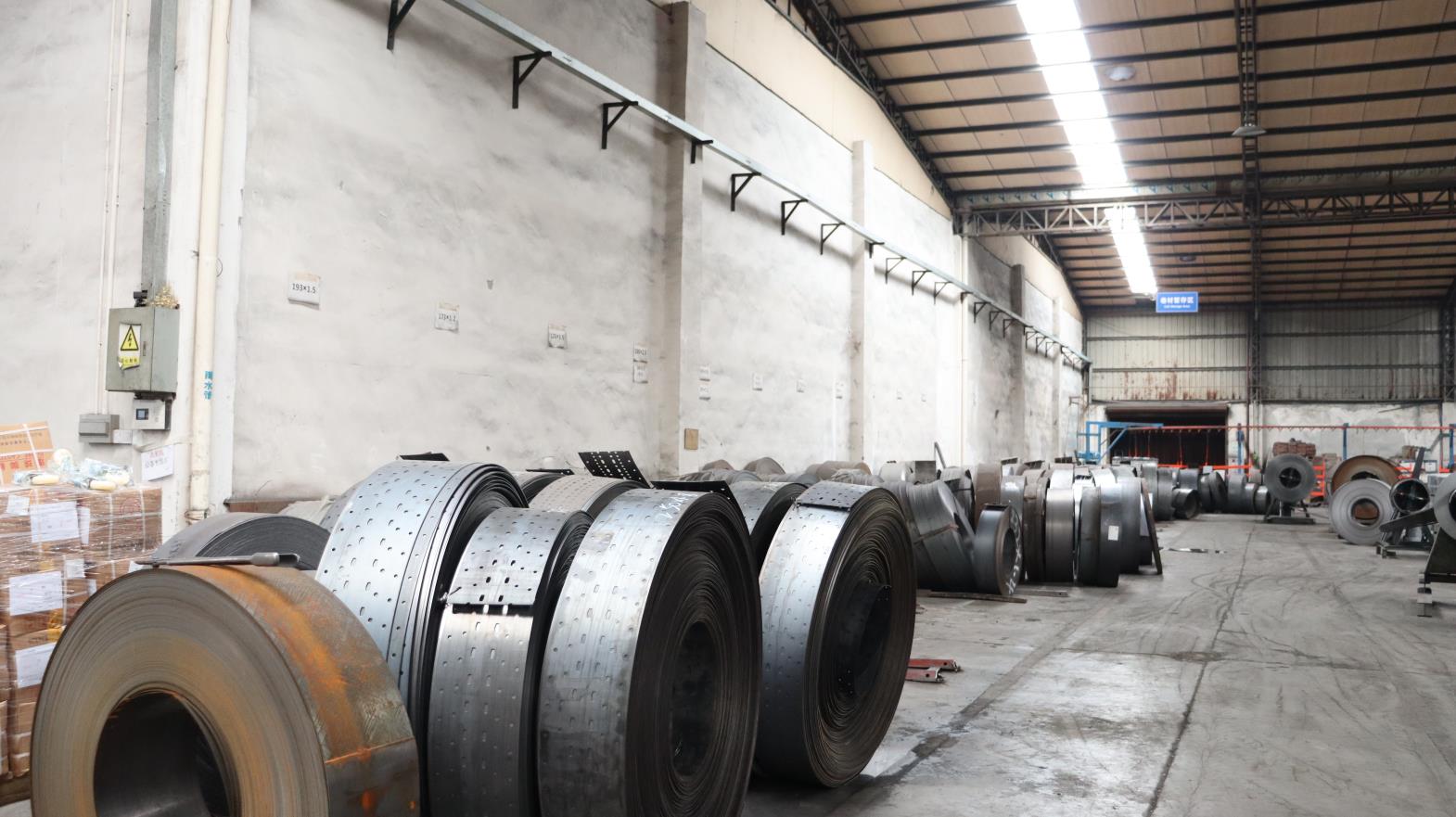
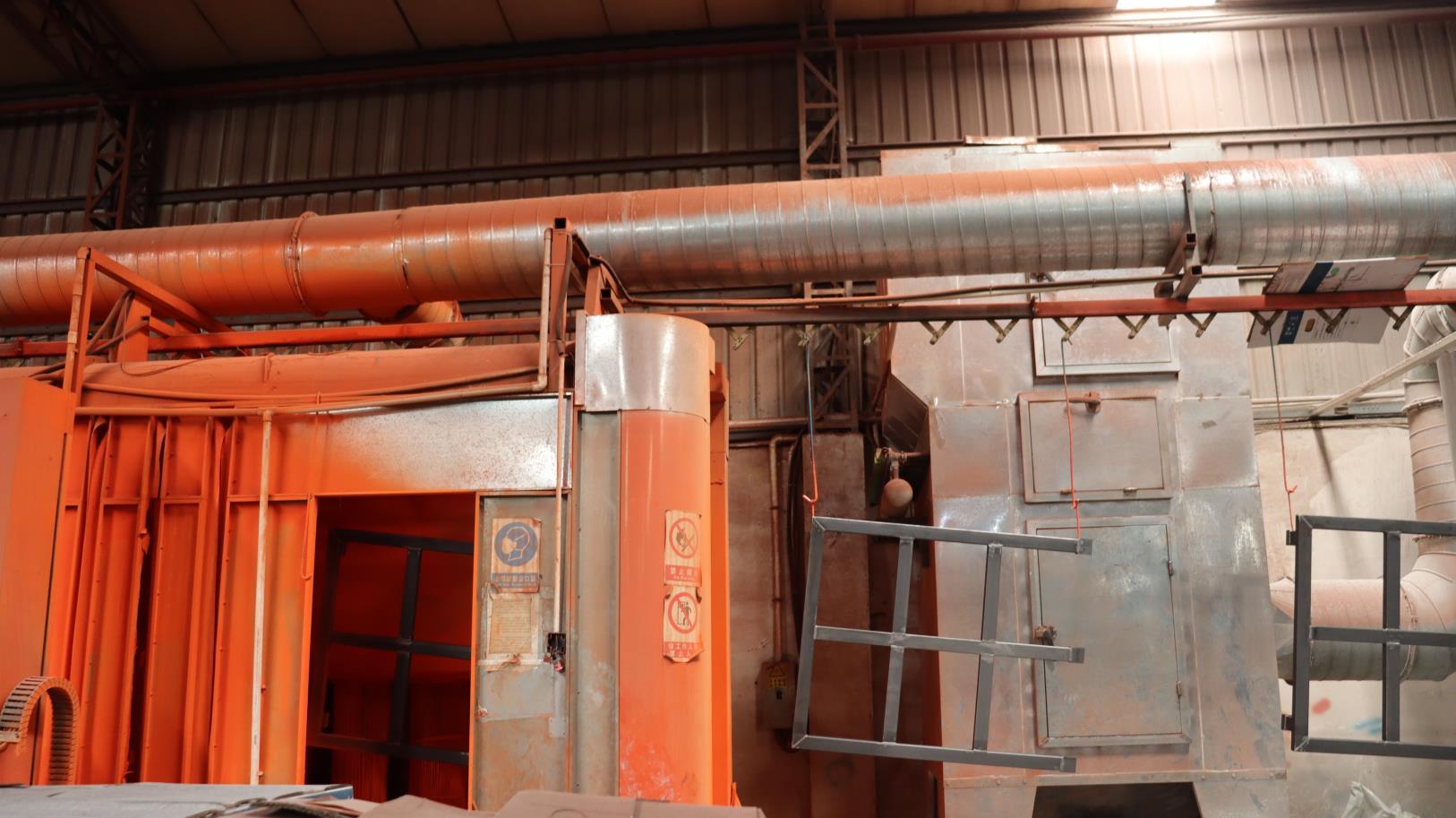
Material handling demands vary across industries. A folding hand trolley must adapt to different operational settings—from cleanrooms to heavy-duty warehouses—while maintaining structural integrity and ease of use.
In large-scale sorting hubs and 3PL depots, workers use 300kg platform trucks to move bulk packages from sorting lines to delivery docks. Foldable designs allow for quick storage inside transport vehicles, optimizing cargo space.
Supermarkets and retail stores rely on silent-wheeled platform carts for restocking shelves during opening hours. The non-marking, quiet wheels help keep the shopping environment quiet and prevent damage to decorative flooring.
Medical centers and chemical laboratories use plastic or stainless steel instruments trolleys. These materials resist harsh sanitizers, acids, and corrosion while meeting sanitation requirements in clinical environments.
When sourcing folding hand trolleys from manufacturers, corporate buyers and procurement officers must evaluate more than just the unit price. A complete Total Cost of Ownership (TCO) calculation includes the following factors:
Here are detailed technical answers to common questions about sourcing, load ratings, and maintaining folding hand trolleys.
 Lijin Racking