Precision-engineered heavy-duty storage racks and platform systems optimized for international warehousing.
How enterprise global procurement cycles coordinate structural warehouse updates to avoid Q4 peak shipping friction.
The annual September Purchasing Festival marks a critical operational threshold for global logistics organizations, distributors, and bulk manufacturing buyers. Strategically aligned with high-volume replenishment periods ahead of Q4 consumer surges, this period represents the optimal temporal window to procure heavy industrial warehouse storage systems. By finalizing custom structural designs and volume manufacturing runs in September, procurement executives can secure shipping capacity before peak ocean freight congestion, ensuring spatial expansion and safety system upgrades are live before the winter shipping rush.
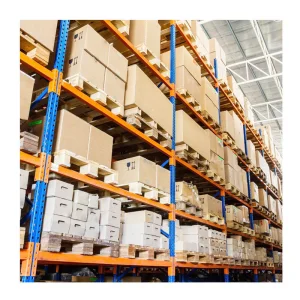
In modern industrial logistics, storage footprint optimization is no longer just a real estate concern; it is a vital competitive lever. With commercial warehouses operating near maximum capacities globally, maximizing vertical space utilization through heavy-duty industrial shelving, mezzanine structural steel configurations, and robust cantilever racking platforms has transitioned from standard operation to a critical growth strategy. Global procurement professionals utilize this seasonal festival to establish direct communication channels with accredited Tier-1 factories, capitalizing on optimized manufacturing lead times and customized structural design iterations.
Setting the standard in high-load structural steel racking systems and digital design workflow integration.
Established in 2015, Shenzhen Lijin Storage Equipment Co., Ltd. is a leading enterprise specializing in the design, manufacturing, and global distribution of heavy-duty warehouse racking systems, automated storage solutions, and industrial shelving. Spanning a state-of-the-art facility of 35,000 m², we have developed into a trusted global supply chain partner with over 8 years of direct export experience and more than 12 years of deep industry expertise. Driven by innovation and quality, our global revenue reached USD 22 million last year.
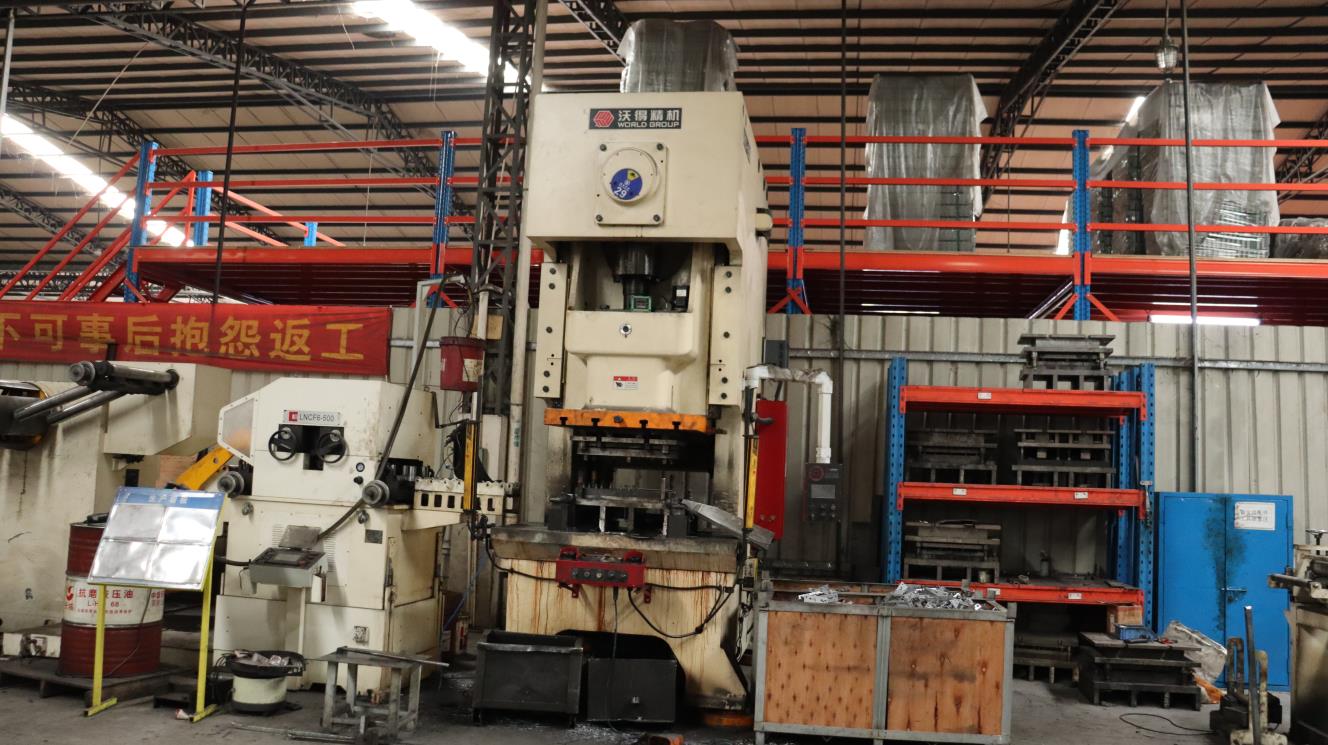
Our competitive advantage stems from the concentration of advanced manufacturing processes in our regional supply networks. China's industrial infrastructure allows Shenzhen Lijin to secure structural-grade steels like Q235B and Q355B with verified batch chemistry certificates. By integrating automated roll-forming and high-speed stamping operations, we bypass the efficiency bottlenecks that often delay local Western fabricators. This structural supply system enables us to maintain shorter lead times even when handling complex, multi-level structural mezzanine floors or bespoke heavy-duty cantilever racks designed for seismic zones.
We enforce a rigorous, multi-stage quality control system—including ultrasonic non-destructive testing, automated weld inspection, laser dimensional checking, and heavy-load endurance testing. Backed by an in-house quality inspection team of 35 dedicated professionals, every batch meets international safety and structural standards, ensuring maximum load-bearing efficiency and long-term stability.
Backed by an experienced international trade background, our core markets span North America, Western Europe, Southeast Asia, and the Middle East. We maintain strong strategic relationships with over 850 supply chain partners globally. Our primary clients include large-scale logistics hubs, commercial distributors, third-party logistics (3PL) providers, and industrial equipment wholesalers.
Supported by a skilled team of 28 R&D engineers, Shenzhen Lijin delivers comprehensive OEM and ODM solutions tailored to unique warehouse layouts, seismic requirements, and capacity needs. Our engineering team launched over 85 new products and dynamic storage configurations last year, continuously setting new standards in space optimization and modern automated storage integration.
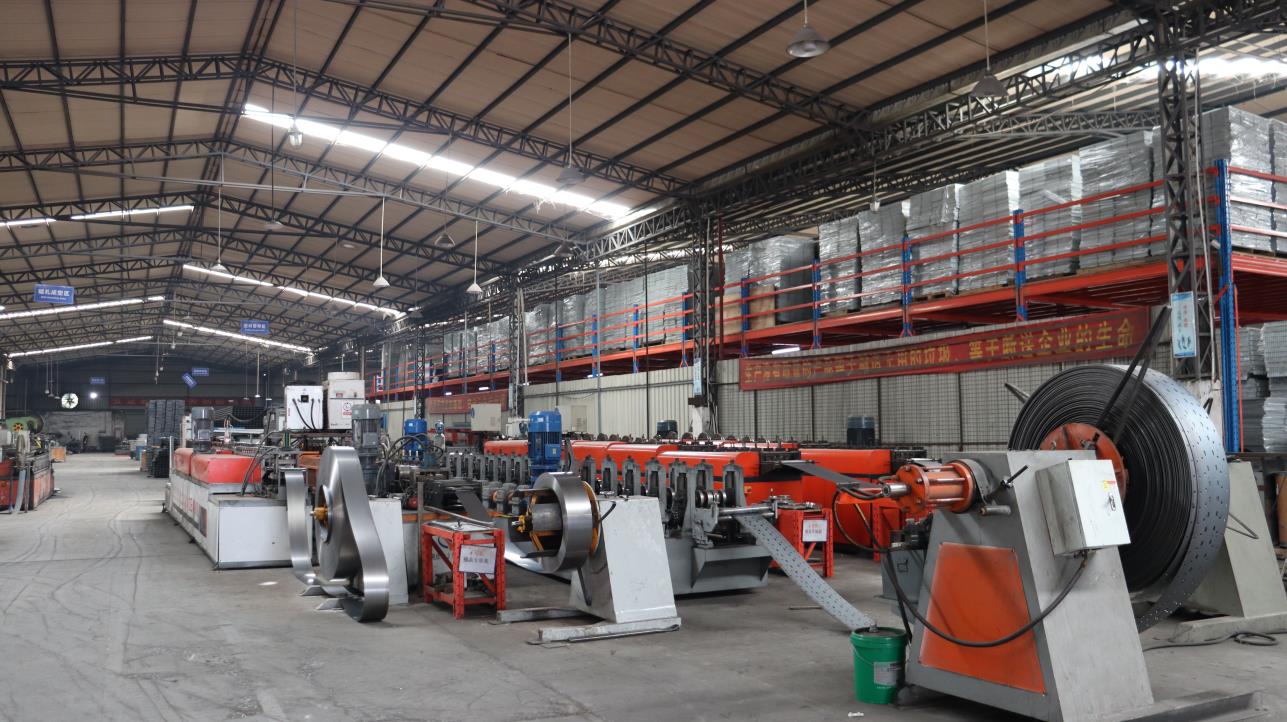
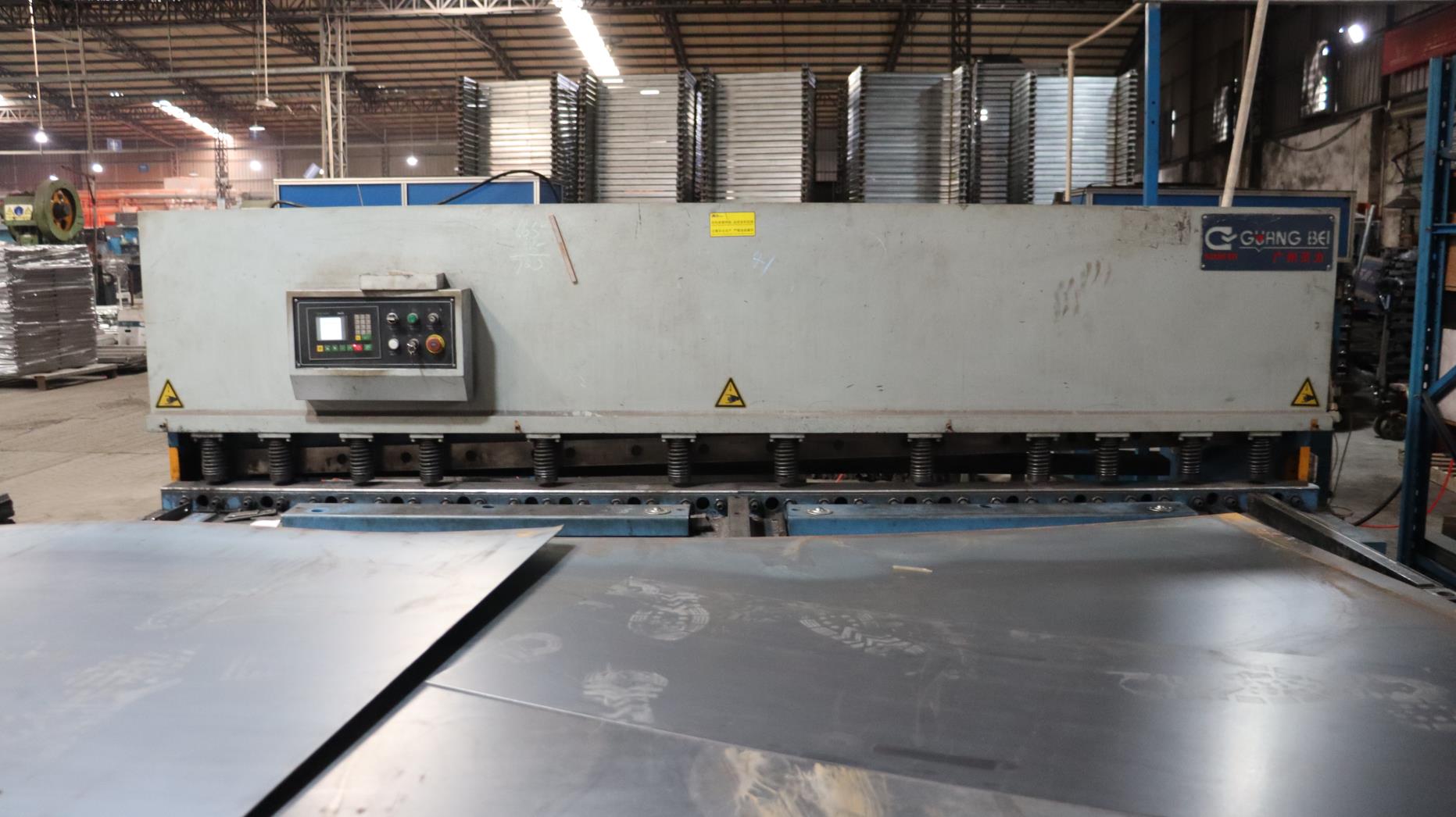
From certified coil reception to powder coating and quality inspection, trace our industrial fabrication process.
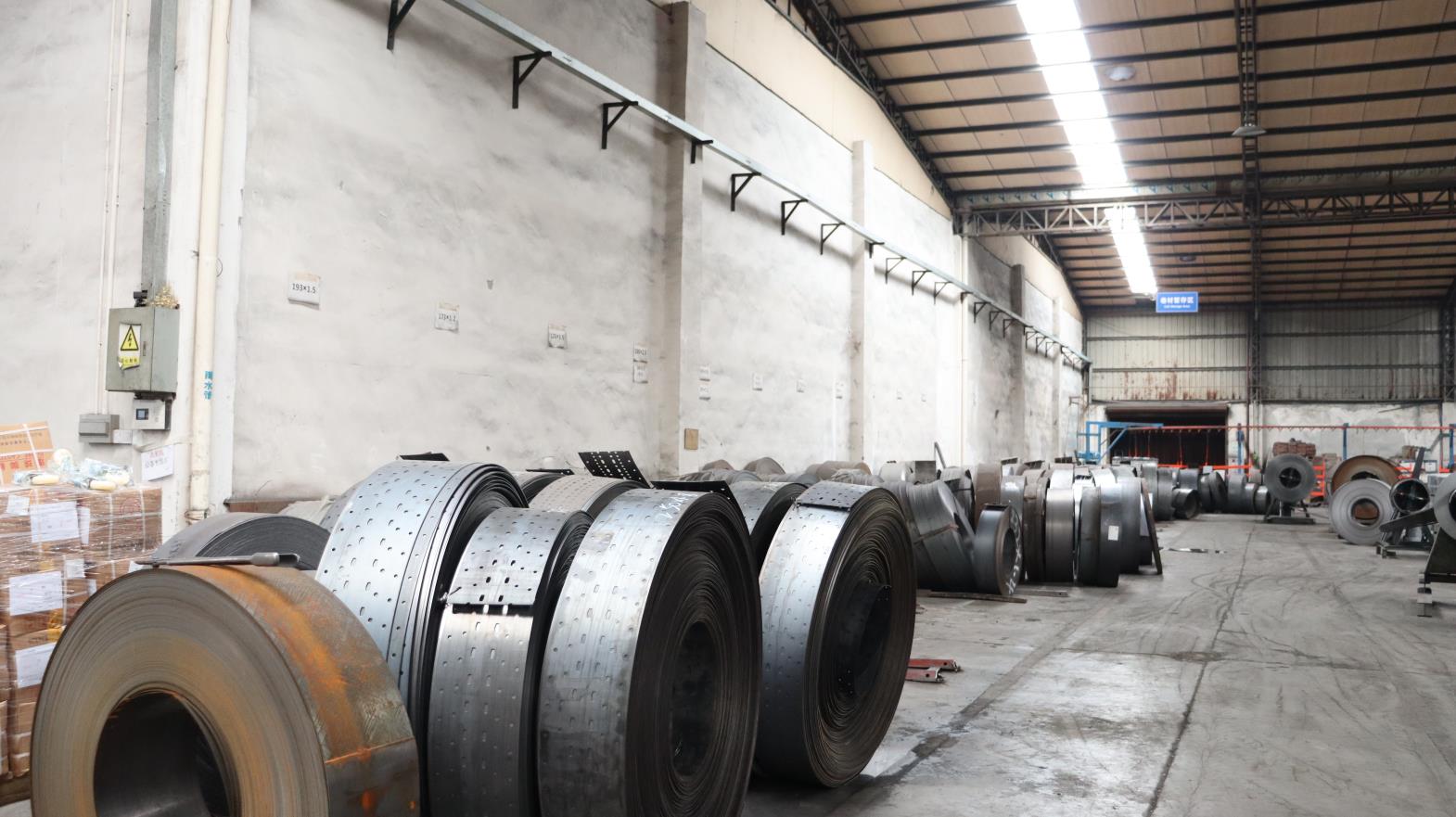
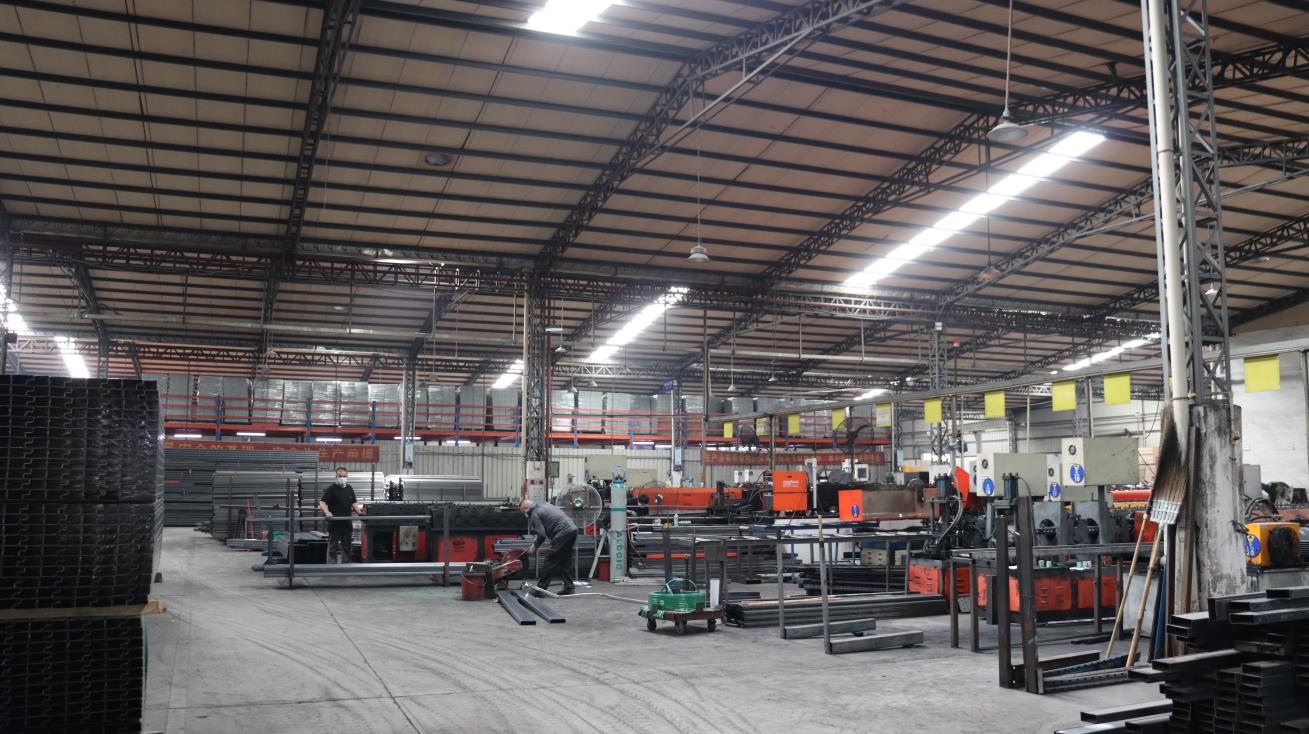
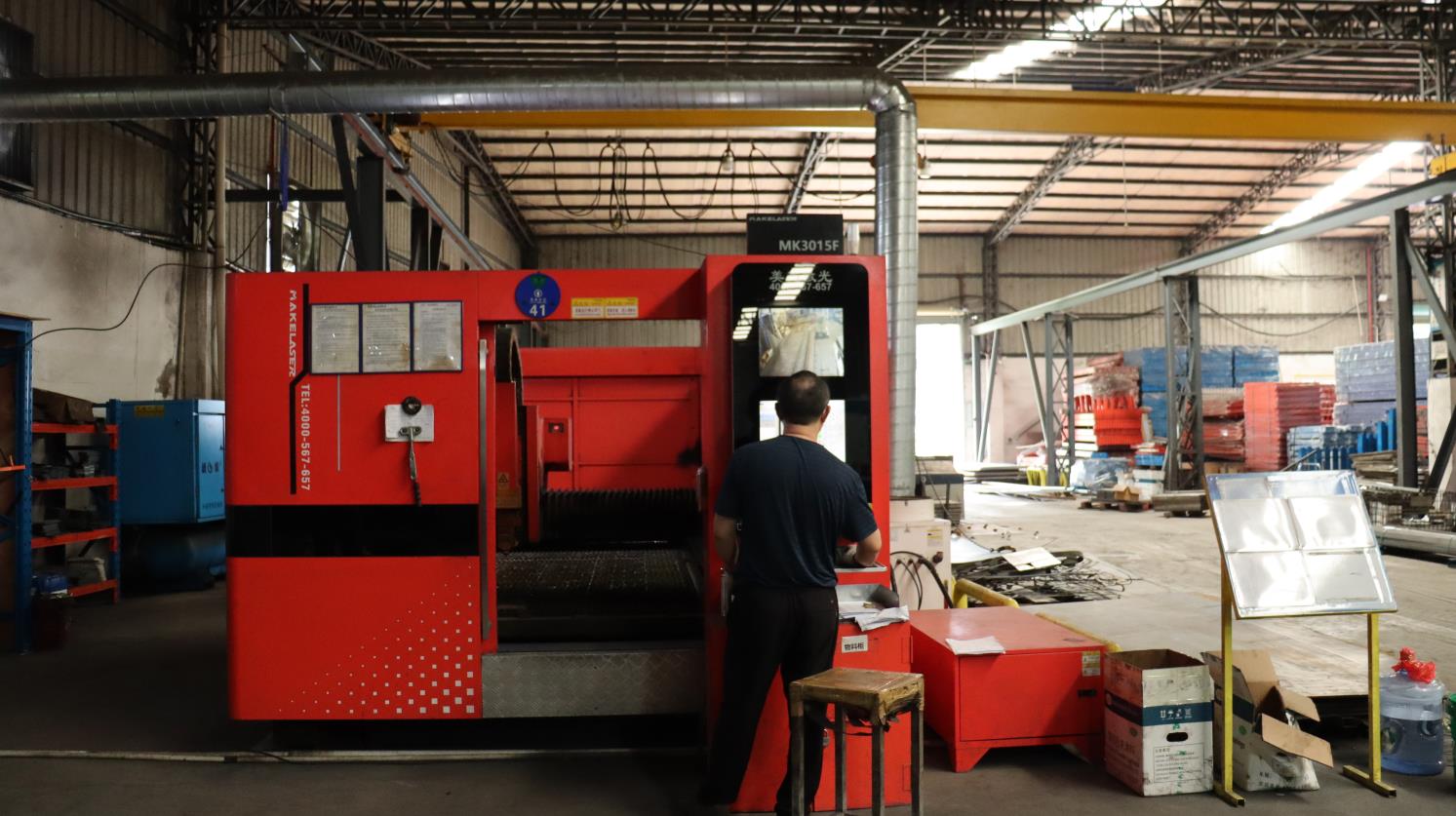
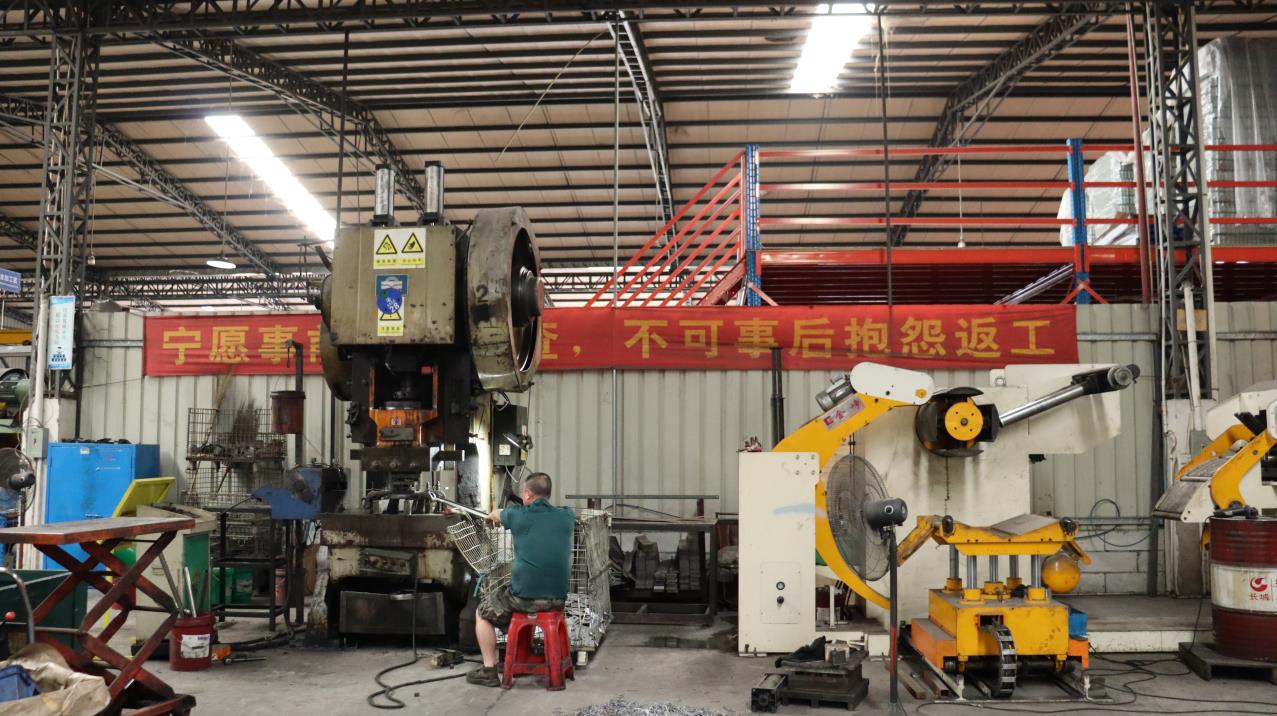
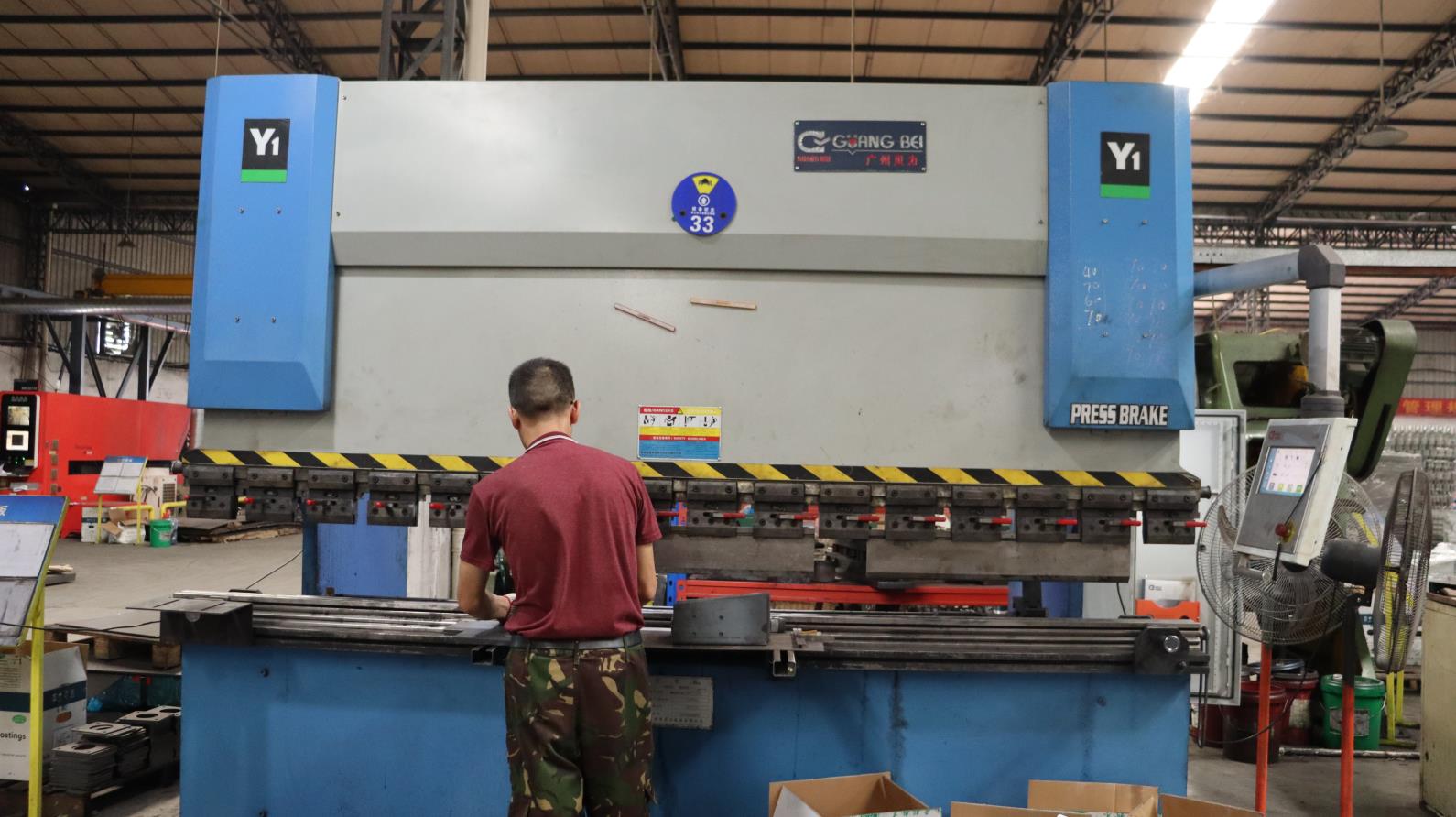
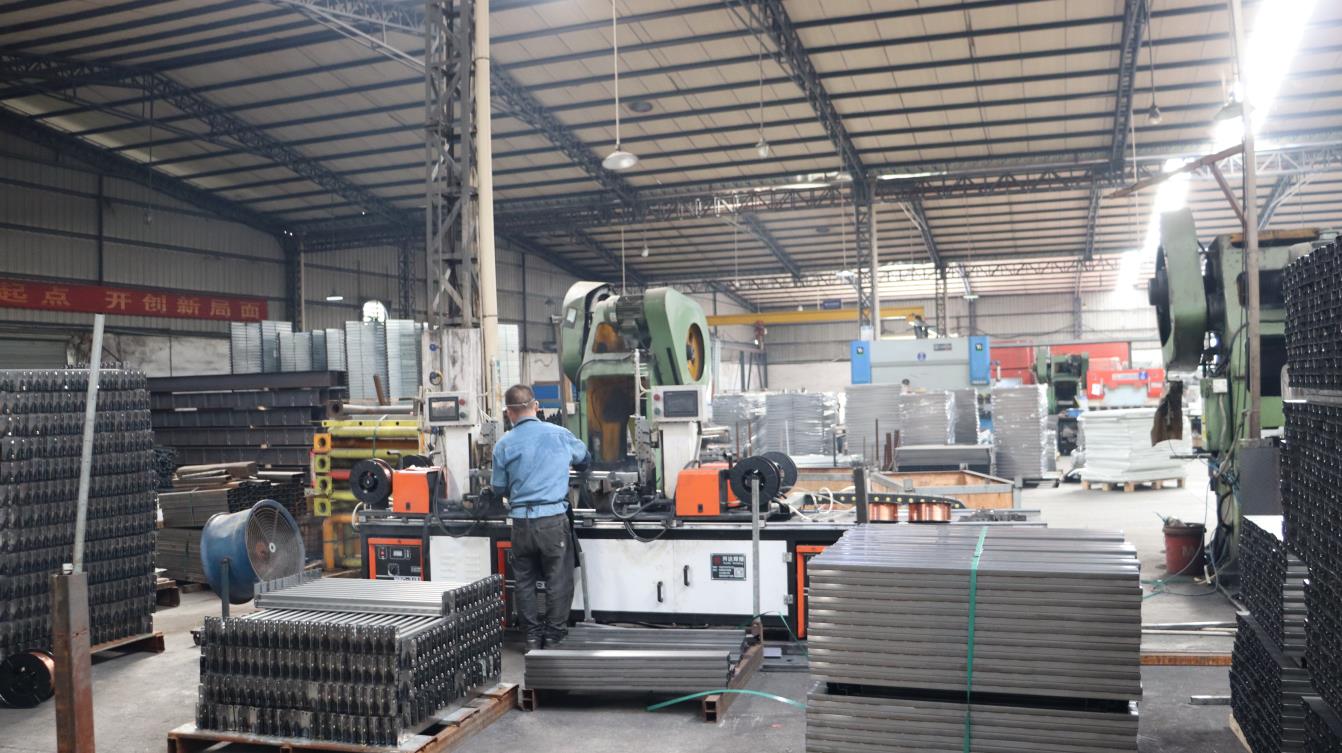
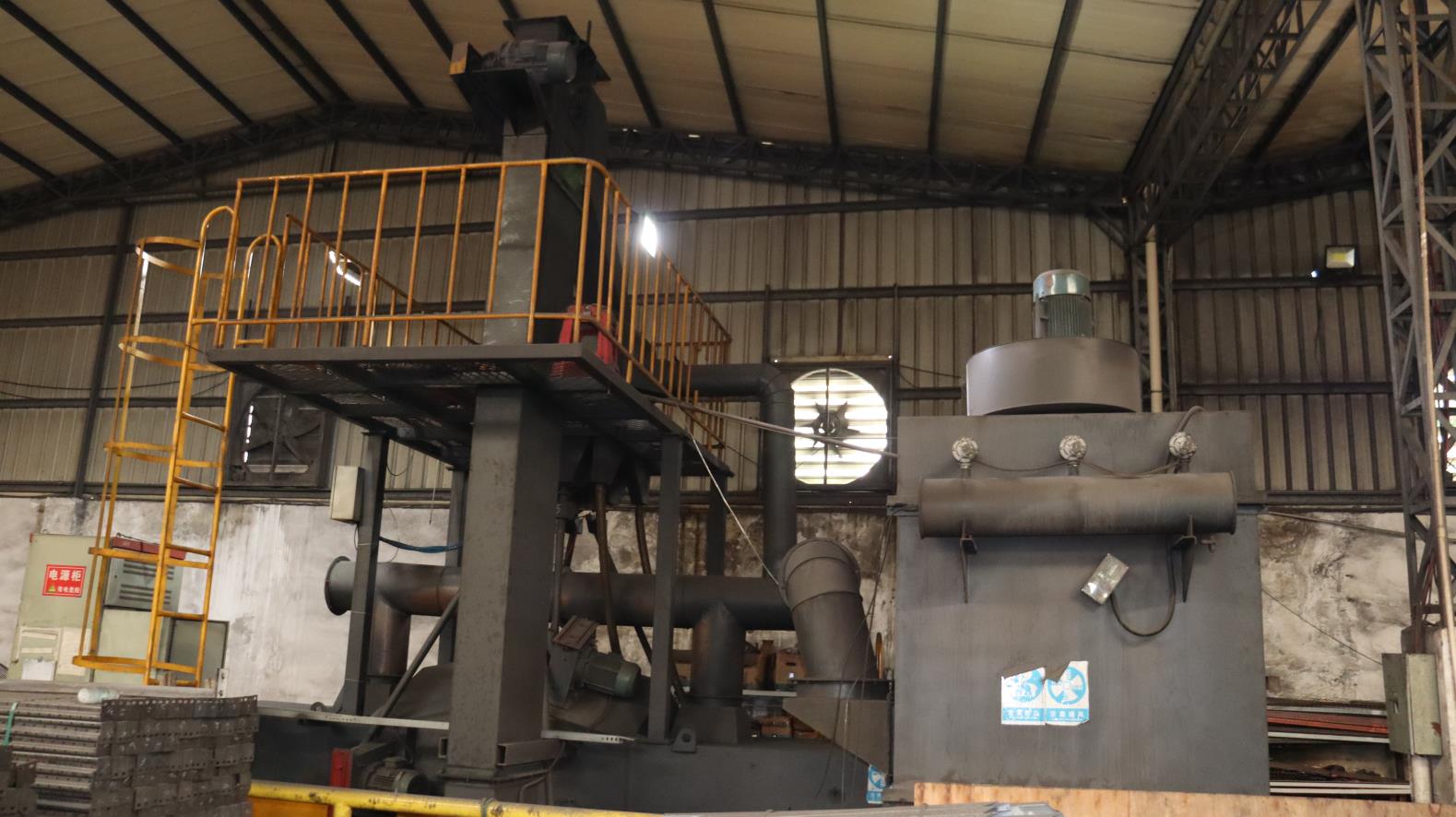
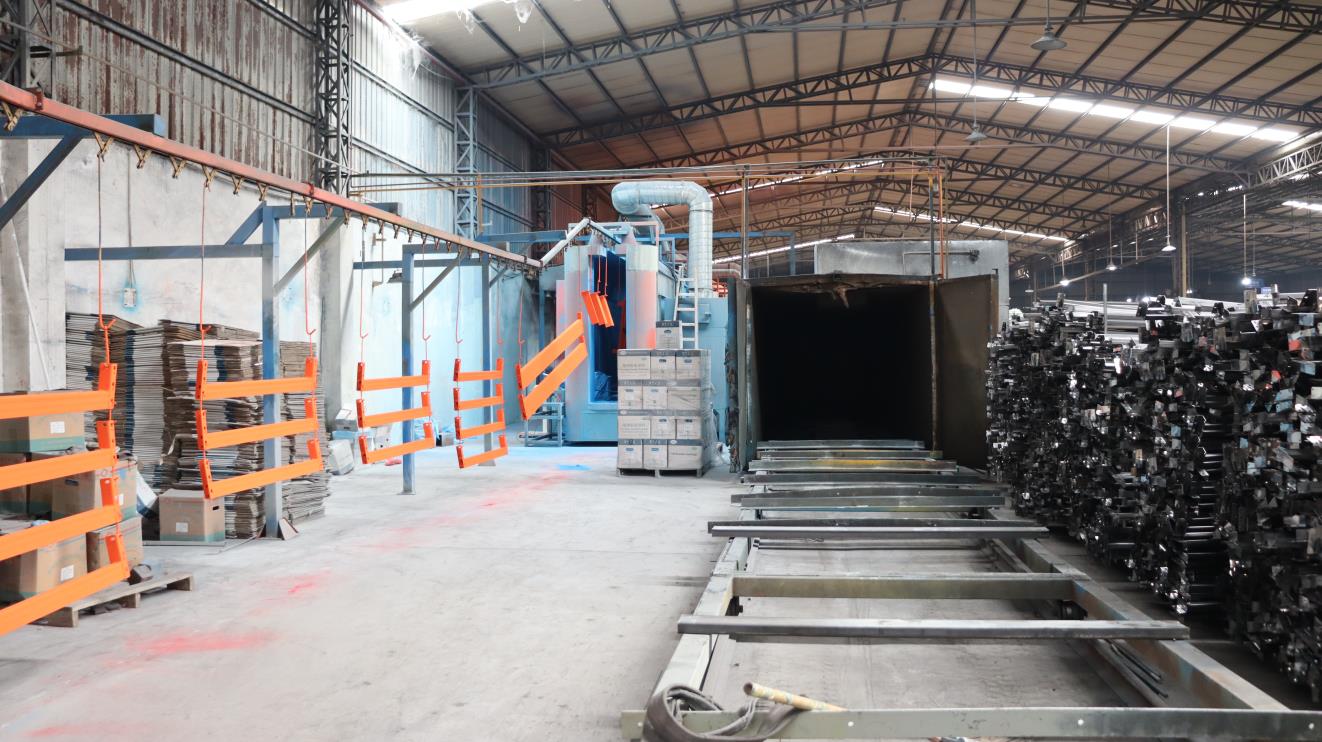
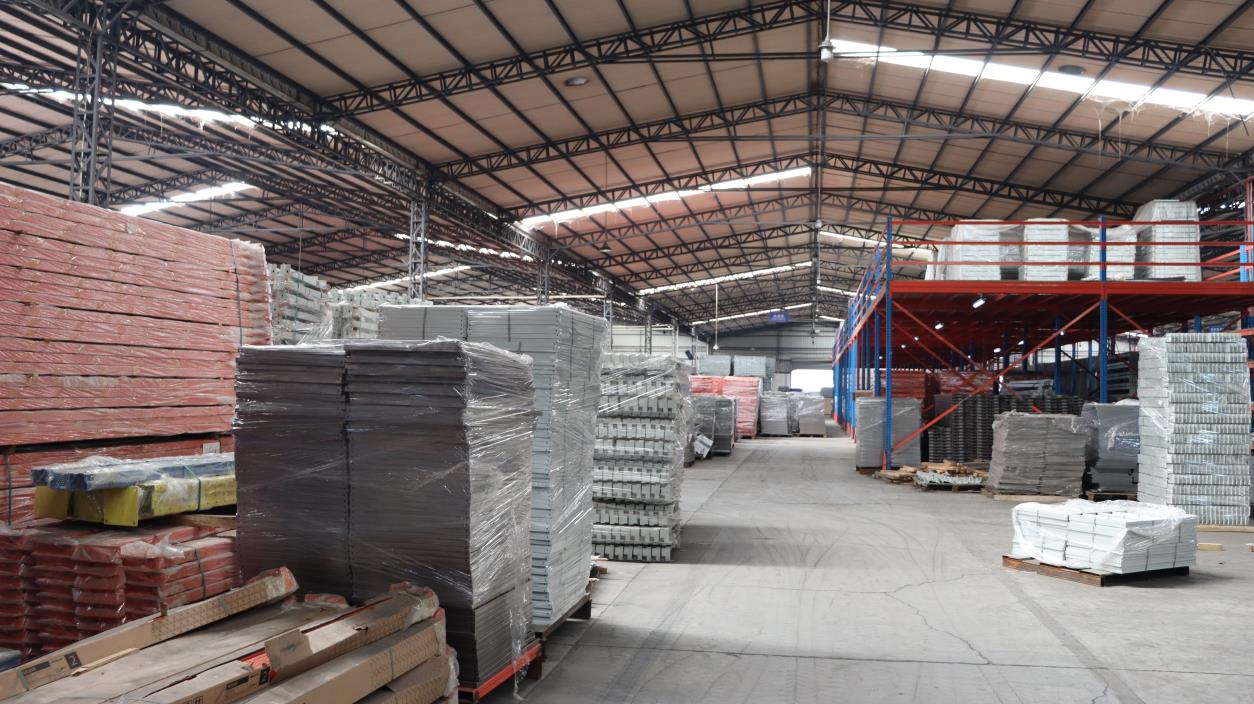
Our industrial capacity is driven by automated machinery systems that ensure repeatable dimensional tolerances.
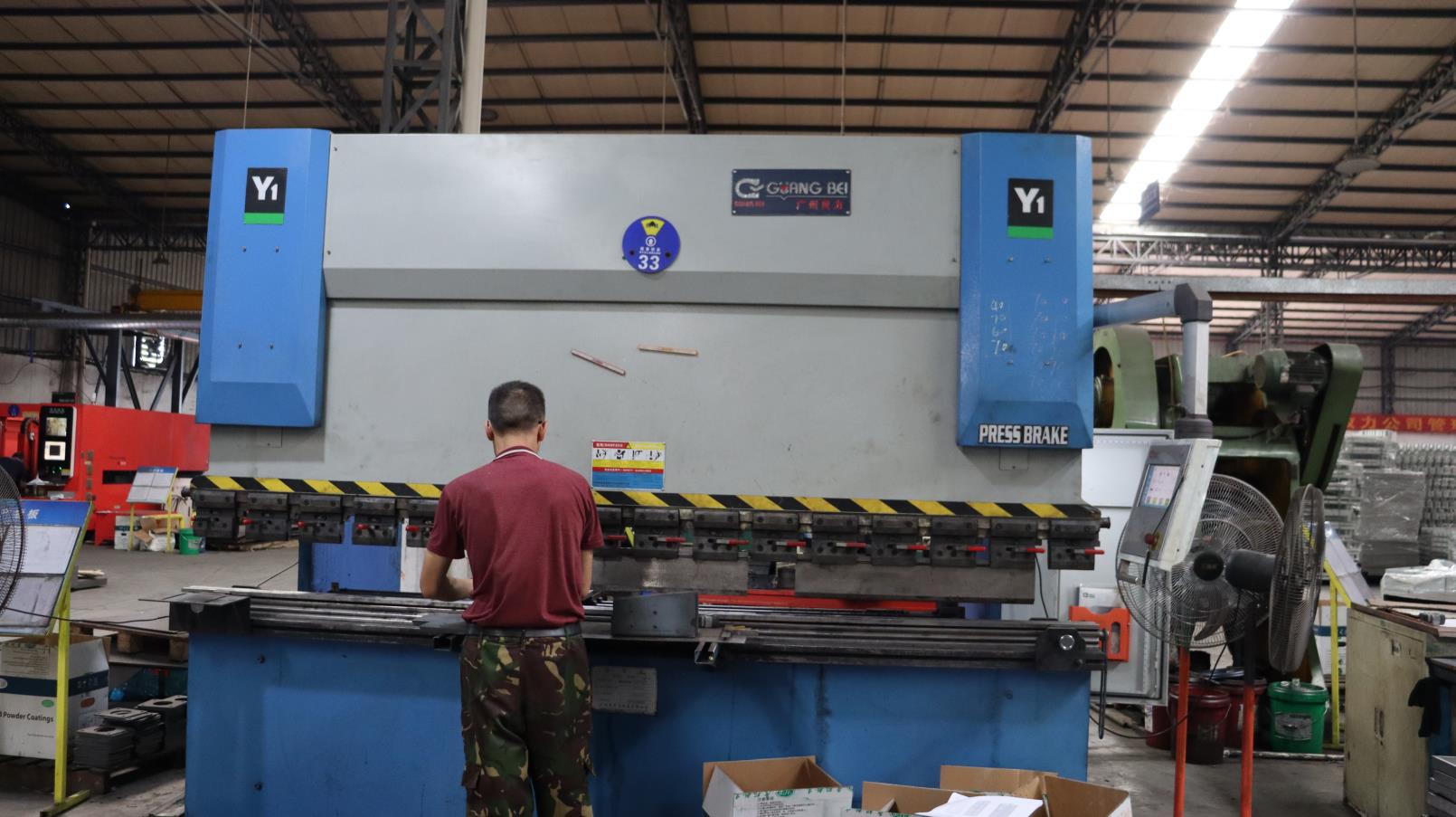
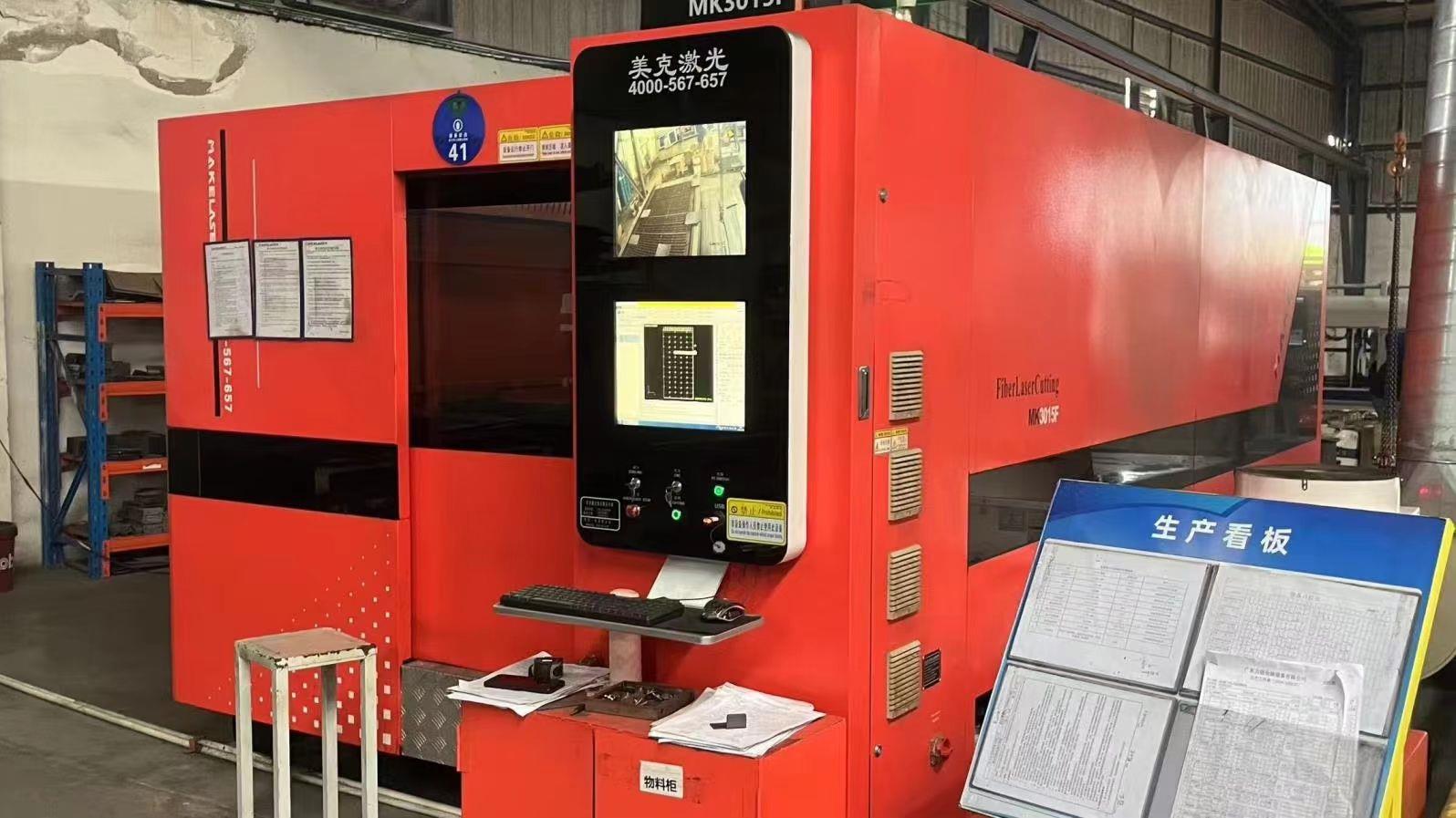
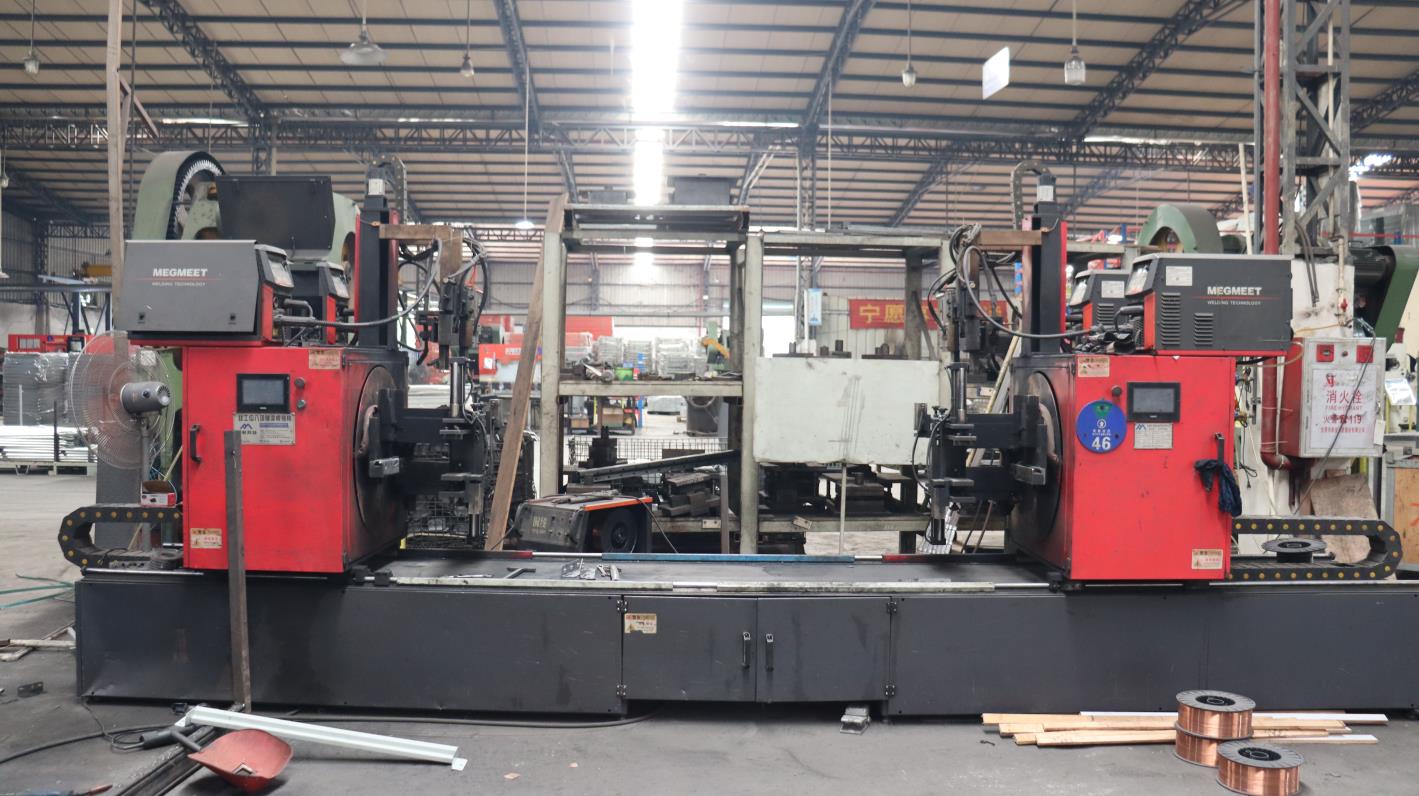
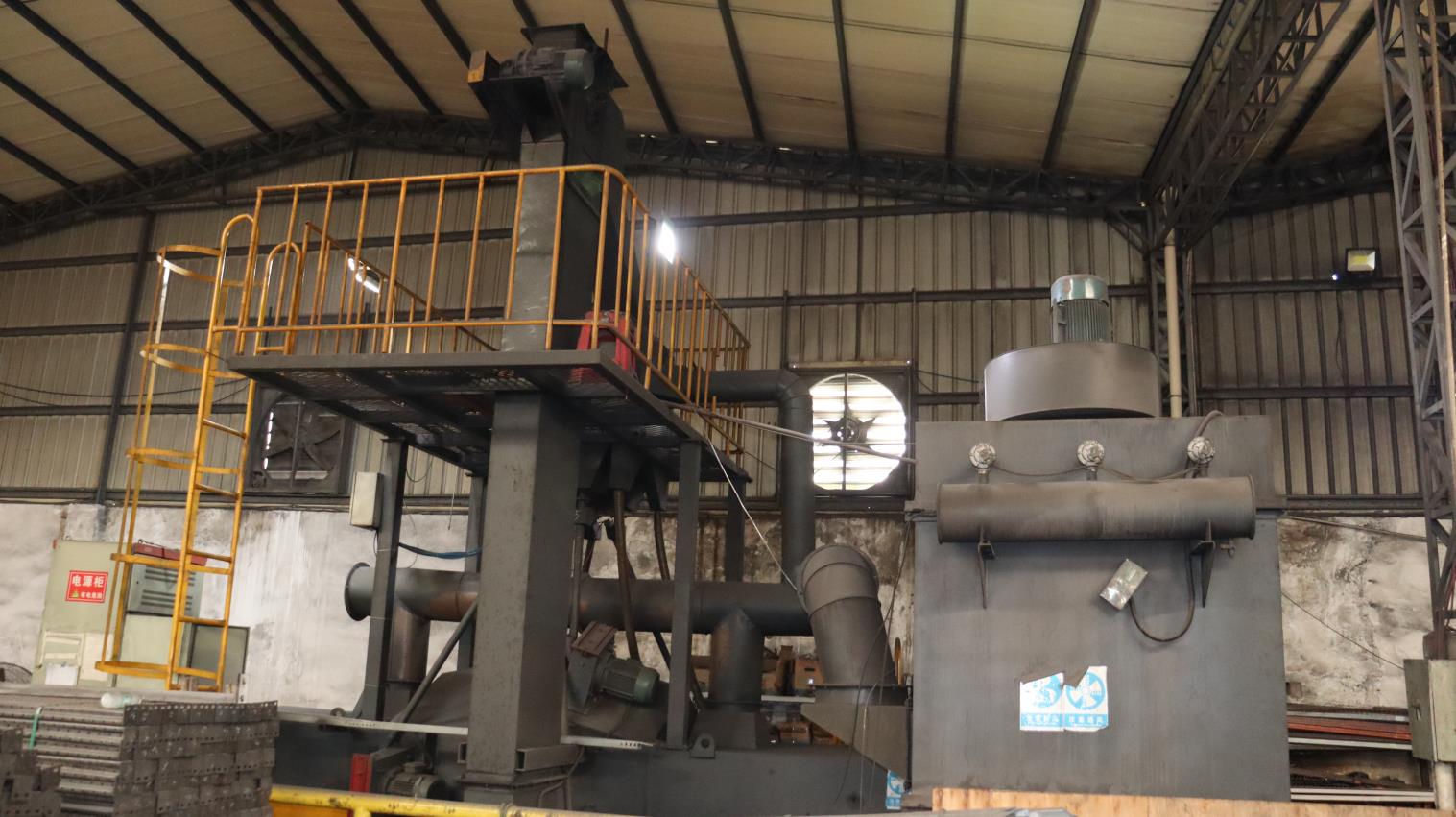
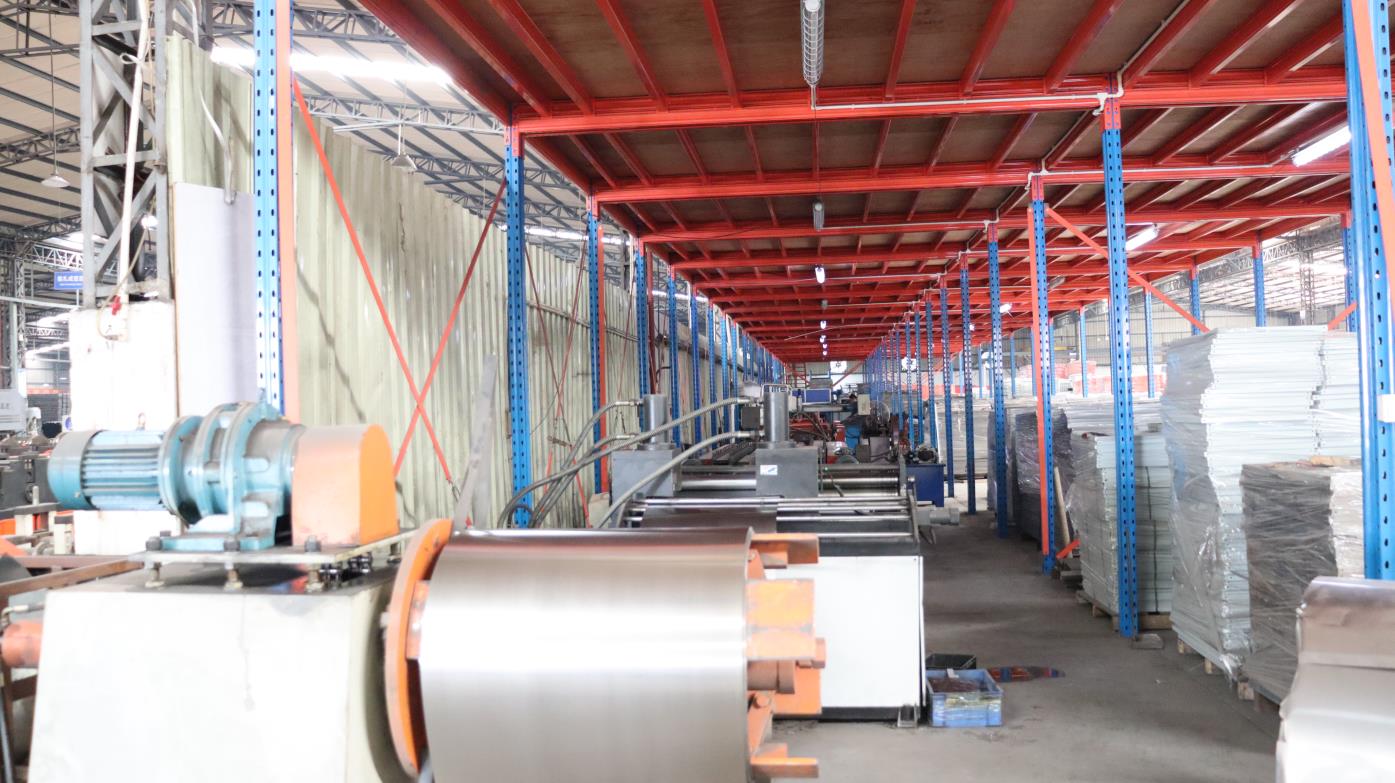
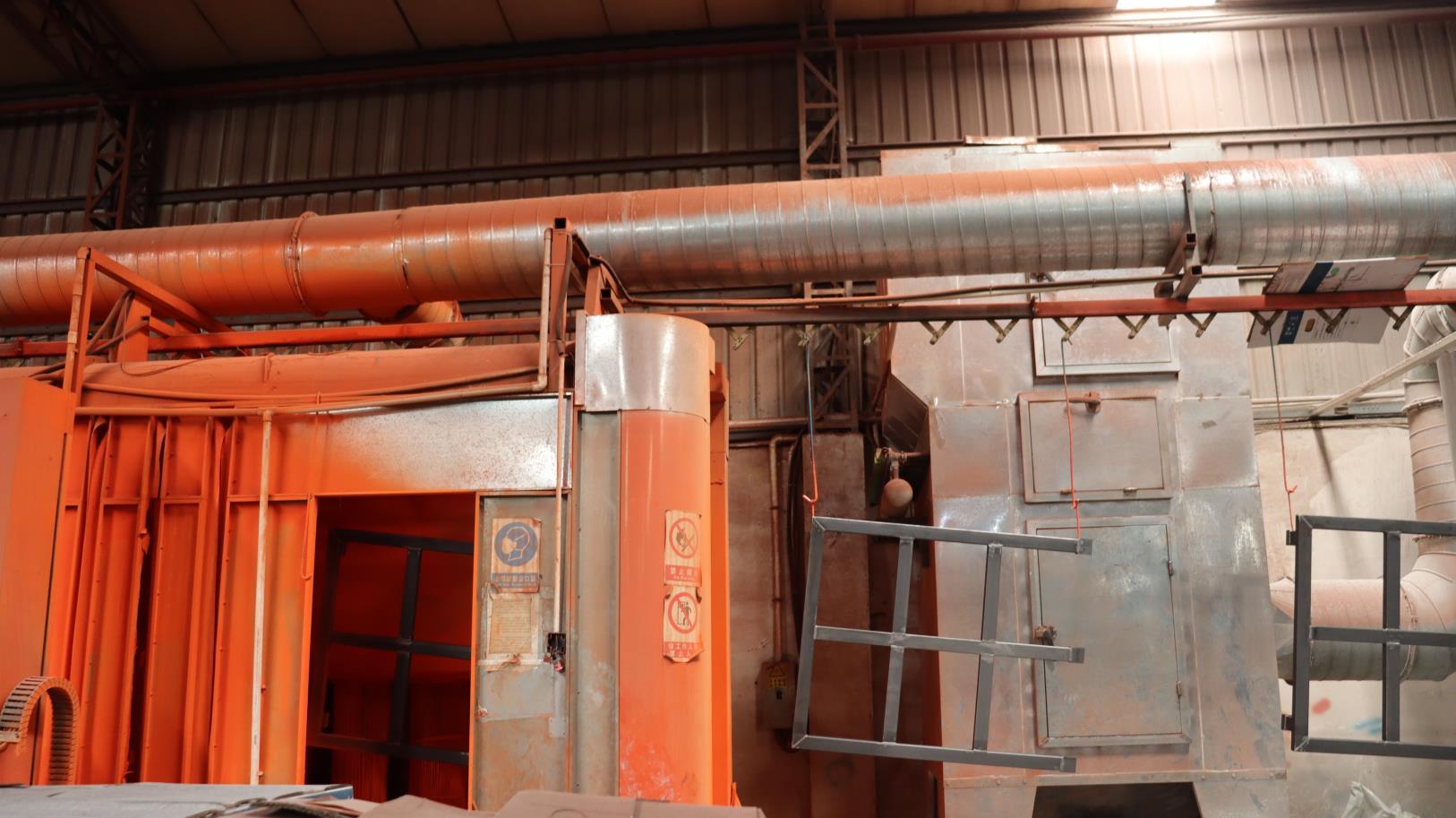
Analyzing custom structural warehouse developments tailored to local international regulations and environments.
Industrial storage configurations must adapt to the regulatory frameworks, warehouse designs, and environmental factors of their target installation locations. Shenzhen Lijin structures dynamic designs based on regional requirements:
High-level material characteristics, quality metrics, and performance limits of Lijin heavy-duty products.
| Racking Architecture Type | Material Standard (Steel Grade) | Standard Load Capacity Limit | Primary Compliance Frameworks | Recommended Industrial Context |
|---|---|---|---|---|
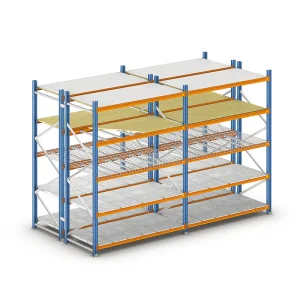
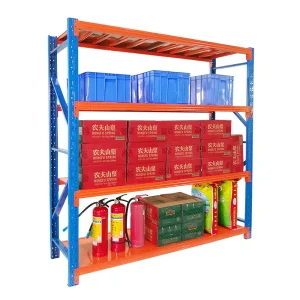
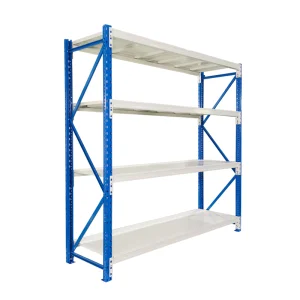
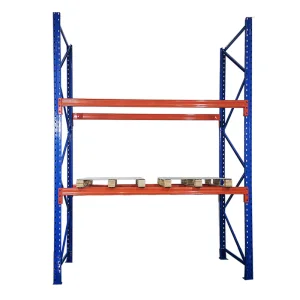
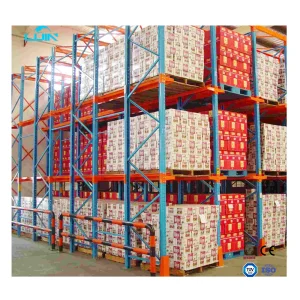
| Heavy-Duty Pallet Racking | Q235B / Q355B Hot-Rolled Carbon Steel | Up to 4,500 kg per storage layer | RMI (USA), AS4084 (AU), EN 15512 (EU) | 3PL Hubs, Wholesale Industrial Warehouses |
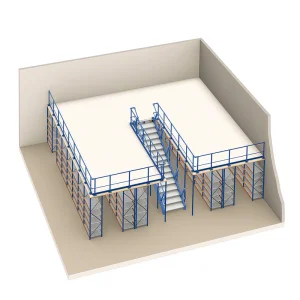
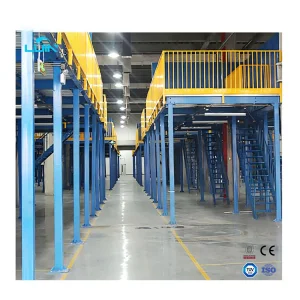
| Structural Mezzanine Systems | ASTM A36 / Q355B H-Beam Profiles | 300 kg to 1,500 kg per m² | International Building Code (IBC) | E-commerce Fulfilment, High-Bay Consolidation |
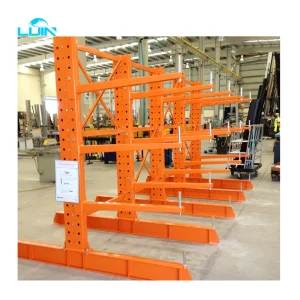
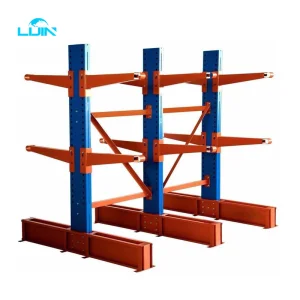
| Cantilever Storage Arrays | Heavy Wall Steel Tubing & H-Beams | 1,000 kg to 5,000 kg per structural arm | FEM 10.2.09 Industrial Standards | PVC Pipe, Extrusion profiles, Timber yards |
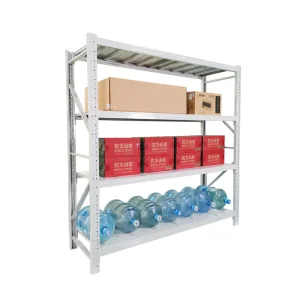
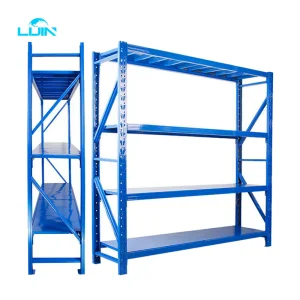
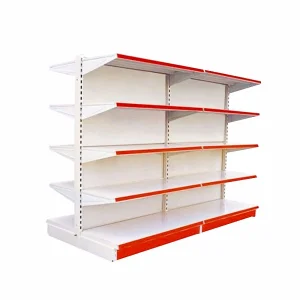
| Medium-Duty Shelving Units | Cold-Rolled Sheet Steel SPCC | 200 kg to 800 kg per shelf plane | ISO 9001 Quality System Guidelines | Automotive Parts Storage, Commercial Retail Back-room |
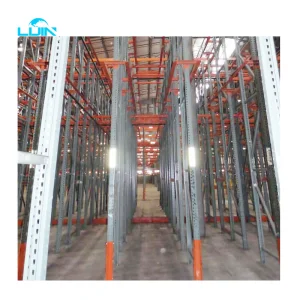
| Drive-In Storage Systems | High-Tensile Cold Formed Rails | Up to 1,500 kg per pallet position | RMI and FEM Standard Compliance | FMCG, Beverage and Temperature-controlled Cold Chain |
The shift from static shelving structures to integrated, dynamic, and automated warehousing systems.
The industrial storage sector is undergoing a significant shift driven by data analytics and automated material handling. Modern warehouses are moving away from standard static storage layouts toward designs that integrate seamlessly with Automated Storage and Retrieval Systems (AS/RS), autonomous mobile robots (AMRs), and automatic shuttle fleets. These technologies require manufacturing tolerances to be kept within sub-millimeter limits, as even minor deviations in vertical alignment or beam level can disrupt automated sensor arrays and conveyor paths.
Additionally, material selection processes are focusing more on sustainability and lifecycle circularity. Enterprise level buyers now demand clear declarations regarding carbon intensity during material sourcing, as well as powder coating processes free from volatile organic compounds (VOCs). Environmental considerations are becoming key factors alongside traditional structural strength assessments, influencing how major supply chain operations design and build their global logistics networks.
Professional answers detailing technical selection, compliance certificates, and load calculations.
Explore specialized storage solutions designed to optimize warehouse and distribution footprints.
 Lijin Racking