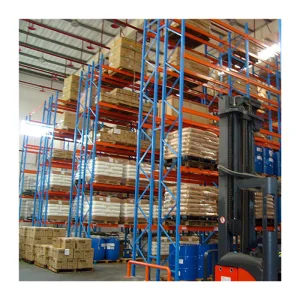
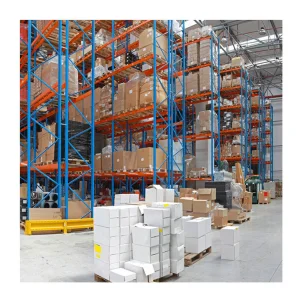
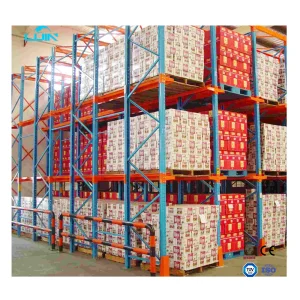
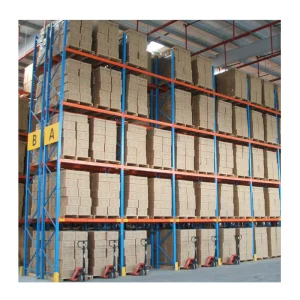
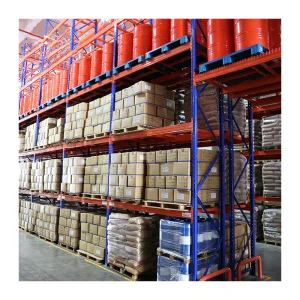
Discover our primary range of industrial shelving and heavy-duty structural racks optimized for global logistics networks.
A deep dive into structural design, gravity flow physics, and modern order fulfillment integration.
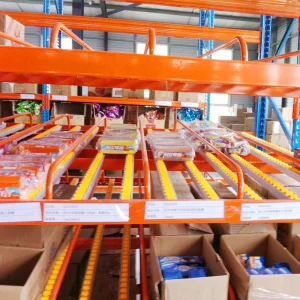
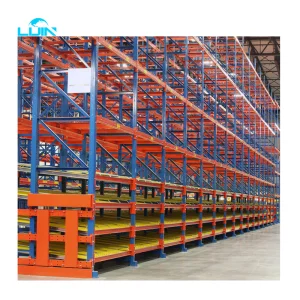
In modern high-velocity fulfillment centers, third-party logistics (3PL) facilities, and manufacturing assembly plants, space utilization and item accessibility are critical performance indices. Carton flow systems—also referred to as gravity flow shelving—represent a highly efficient, space-saving dynamic storage solution designed on the FIFO (First-In, First-Out) principle. By leveraging gravity-inclined roller tracks, packages, cartons, and plastic bins roll smoothly from the loading aisle to the picking face, minimizing travel times and maximizing workforce picking speeds.
The structural layout of a carton flow rack system consists of sloped roller lanes installed inside a heavy-duty steel rack frame. Standard parameters include a slope angle varying between 3.0° to 4.5° (approximately 5% to 8% grade) depending on the package material, carton footprint, and overall cargo weight. Heavy cartons require a shallower incline to avoid impact damage at the picking face, whereas lightweight plastic crates require a slightly steeper angle to overcome starting friction.
| System Type | Typical Slope Range | Load Capacity (UDL) | Applicable Storage Unit | Fulfillment Environment |
|---|---|---|---|---|
| Light-Duty Roller Track | 3.5° - 5.0° | Up to 150 kg/㎡ | Small Plastic Totes, Corrugated Boxes | Pharmaceuticals, Electronic Assembly |
| Standard Carton Flow | 3.0° - 4.5° | 150 - 500 kg/㎡ | Medium Corrugated Cases, Flat-Bottom Bins | FMCG, Food & Beverage Distribution |
| Heavy-Duty Skate Wheel / Roller | 2.5° - 4.0° | Over 500 kg/㎡ | Heavy Component Cases, Wooden Crates | Automotive Parts, Industrial Machinery |
Roller profiles are selected based on unit loads. High-density polyethylene (HDPE) rollers offer excellent corrosion resistance and quiet operations, making them ideal for temperature-controlled food distribution. For heavy industrial use, galvanized steel rollers with precision bearings provide maximum load support and withstand continuous structural shocks. Furthermore, the integration of impact trays at the loading side absorbs structural stress during heavy box drops, significantly extending the system's operational lifespan.
International procurement managers from multinational retail and industrial distribution sectors emphasize structural reliability and compliance when selecting carton flow manufacturers. Sourcing decisions are driven by rigid raw material specifications, weld integrity certifications, and surface treatment resilience.
Global specifications require certified high-grade structural steel (e.g., Q235B or Q355B equivalent to ASTM A1011). Electrostatic powder coating must meet or exceed a thickness of 60 to 80 microns, providing excellent chemical, impact, and abrasion resistance.
Global supply chains require scalable rack configurations. Manufacturers must produce boltless connector brackets and drop-in roller lanes, allowing fast adjustments to lane configurations as SKU dimensions change.
European Standard EN 15512 and FEM (Fédération Européenne de la Manutention) codes govern rack stability. Furthermore, custom structural calculations are required for installations in high-seismic zones to ensure worker safety under maximum dynamic load conditions.
Carton flow racking is not a standalone system; it is a foundational component of complex logistics networks. By integrating carton flow lanes within pick-to-light, put-to-light, or conveyor-supported picking tunnels, companies can significantly reduce processing cycles per line item.
A premier global manufacturer driving innovation in warehouse storage solutions since 2015.
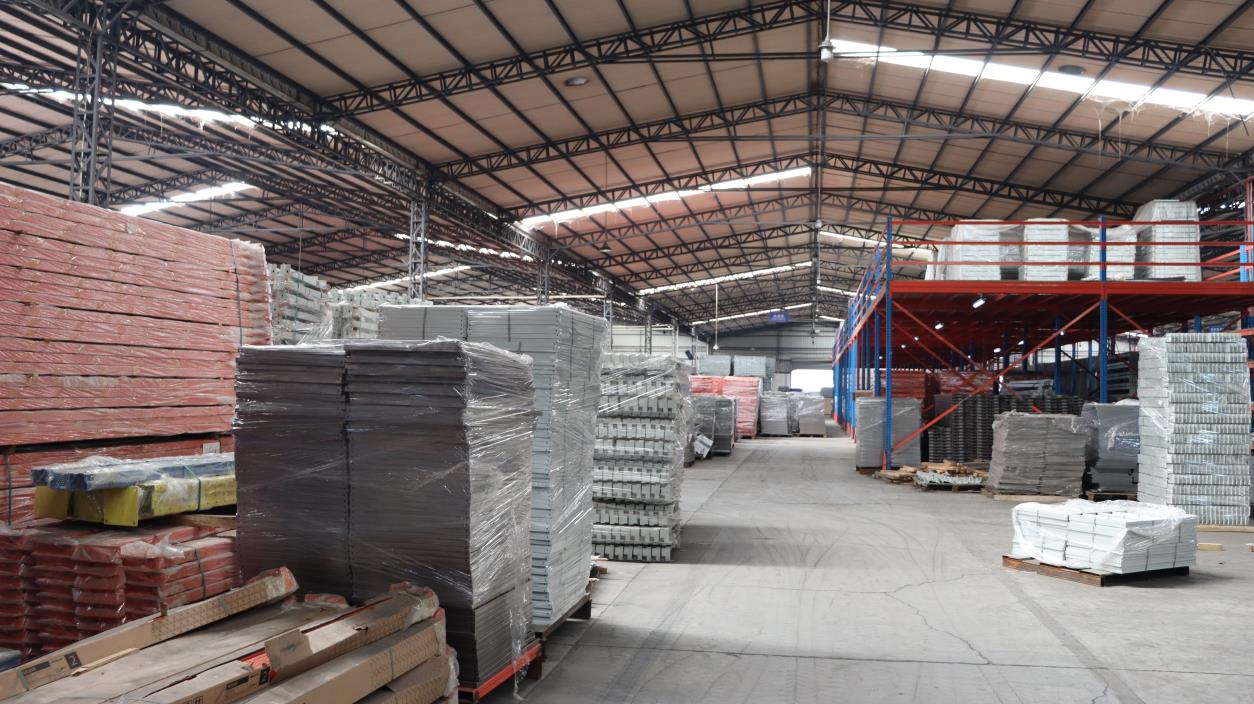
Established in 2015, Shenzhen Lijin Storage Equipment Co., Ltd. is a leading enterprise specializing in the design, manufacturing, and global distribution of heavy-duty warehouse racking systems, automated storage solutions, and industrial shelving. Spanning a state-of-the-art facility of 35,000 m², we have developed into a trusted global supply chain partner with over 8 years of direct export experience and more than 12 years of deep industry expertise. Driven by innovation and quality, our global revenue reached USD 22 million last year.
We enforce a rigorous, multi-stage quality control system—including ultrasonic non-destructive testing, automated weld inspection, laser dimensional checking, and heavy-load endurance testing. Backed by an in-house quality inspection team of 35 dedicated professionals, every batch meets international safety and structural standards, ensuring maximum load-bearing efficiency and long-term stability.
Supported by a skilled team of 28 R&D engineers, Shenzhen Lijin storage solutions delivers comprehensive OEM and ODM designs tailored to unique warehouse layouts, seismic requirements, and load capacities. Our engineering team launched over 85 new products and dynamic storage configurations last year, continuously setting new standards in space optimization and modern automated storage integration.
Backed by an experienced international trade background, our core markets span North America, Western Europe, Southeast Asia, and the Middle East. We maintain strong strategic relationships with over 850 supply chain partners globally. Our primary clients include large-scale logistics hubs, commercial distributors, third-party logistics (3PL) providers, and industrial equipment wholesalers.
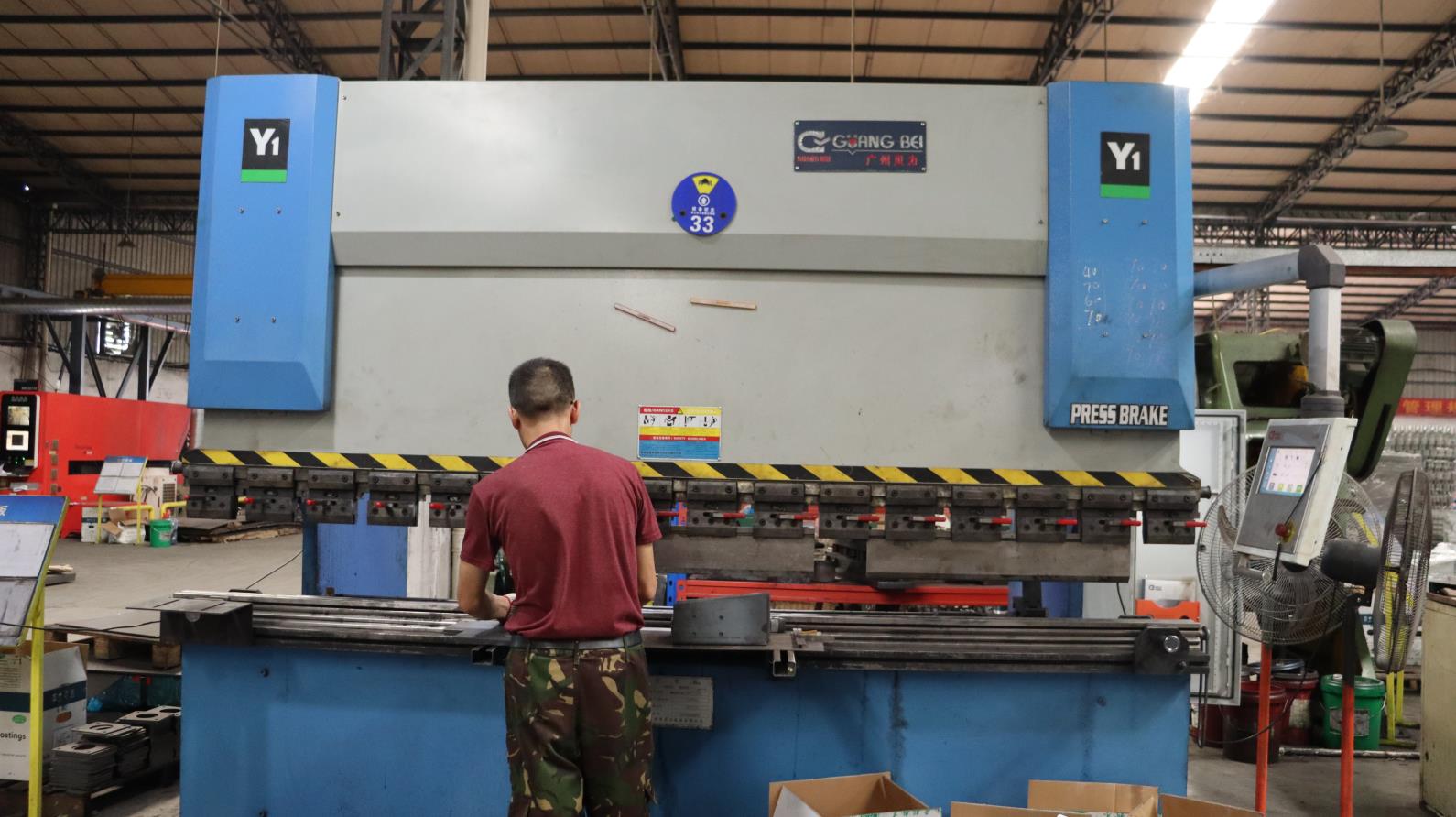
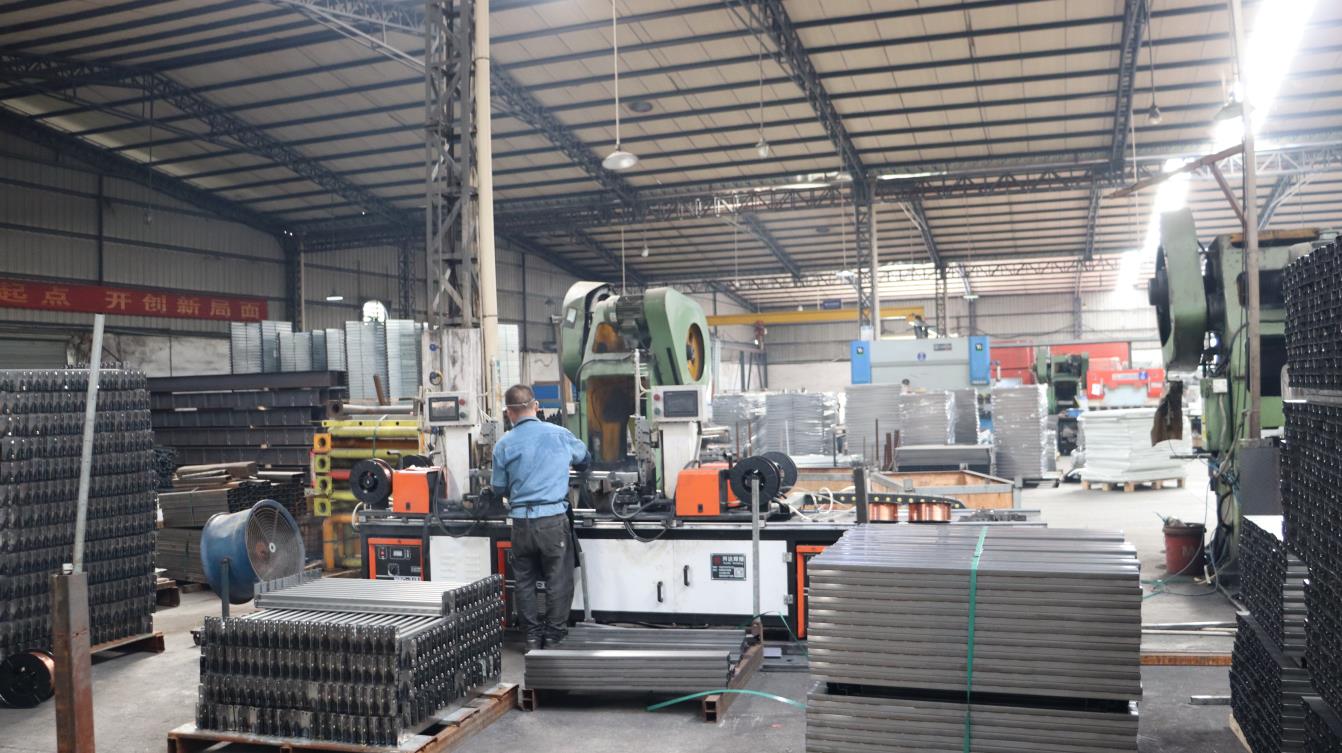
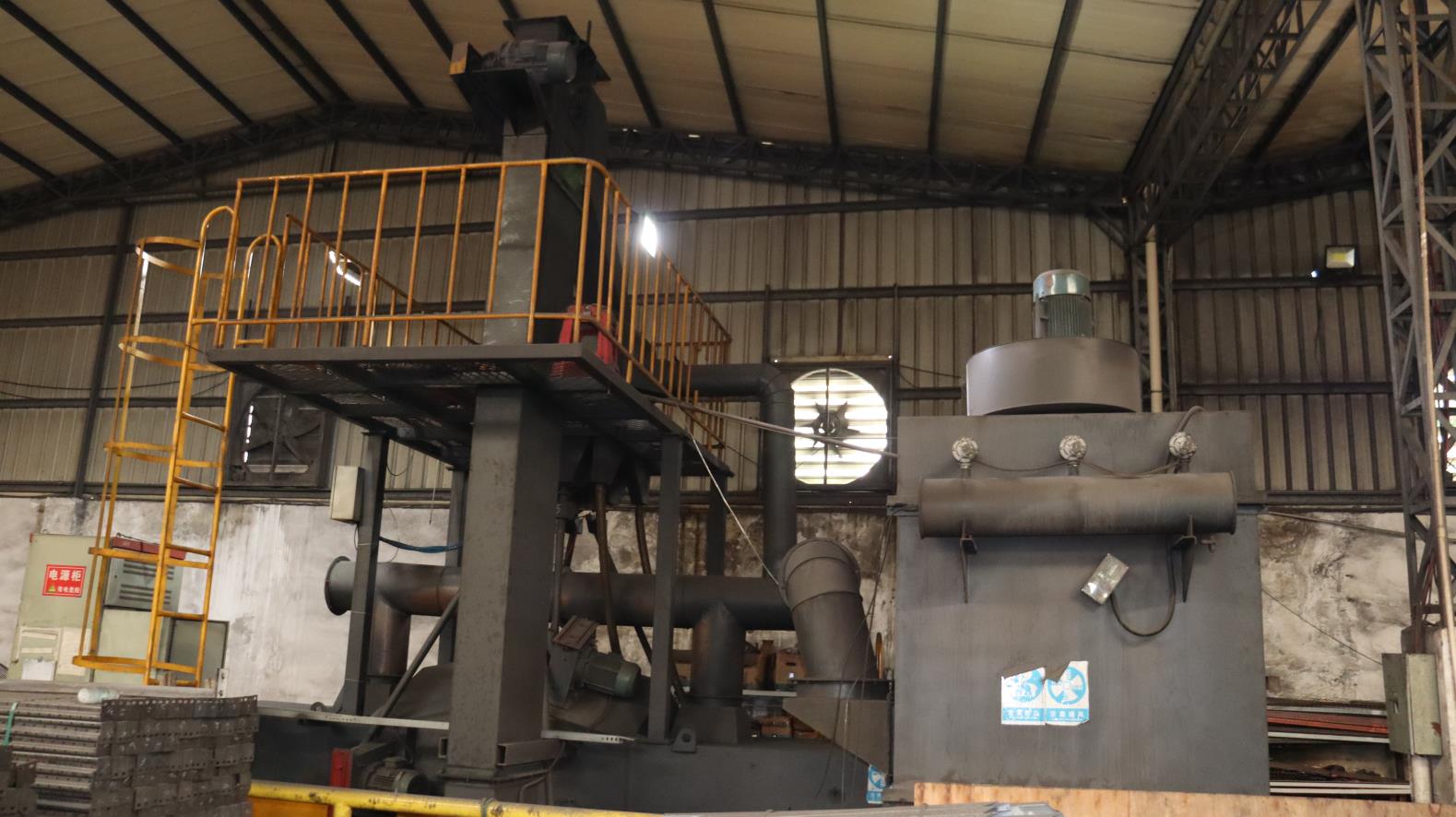
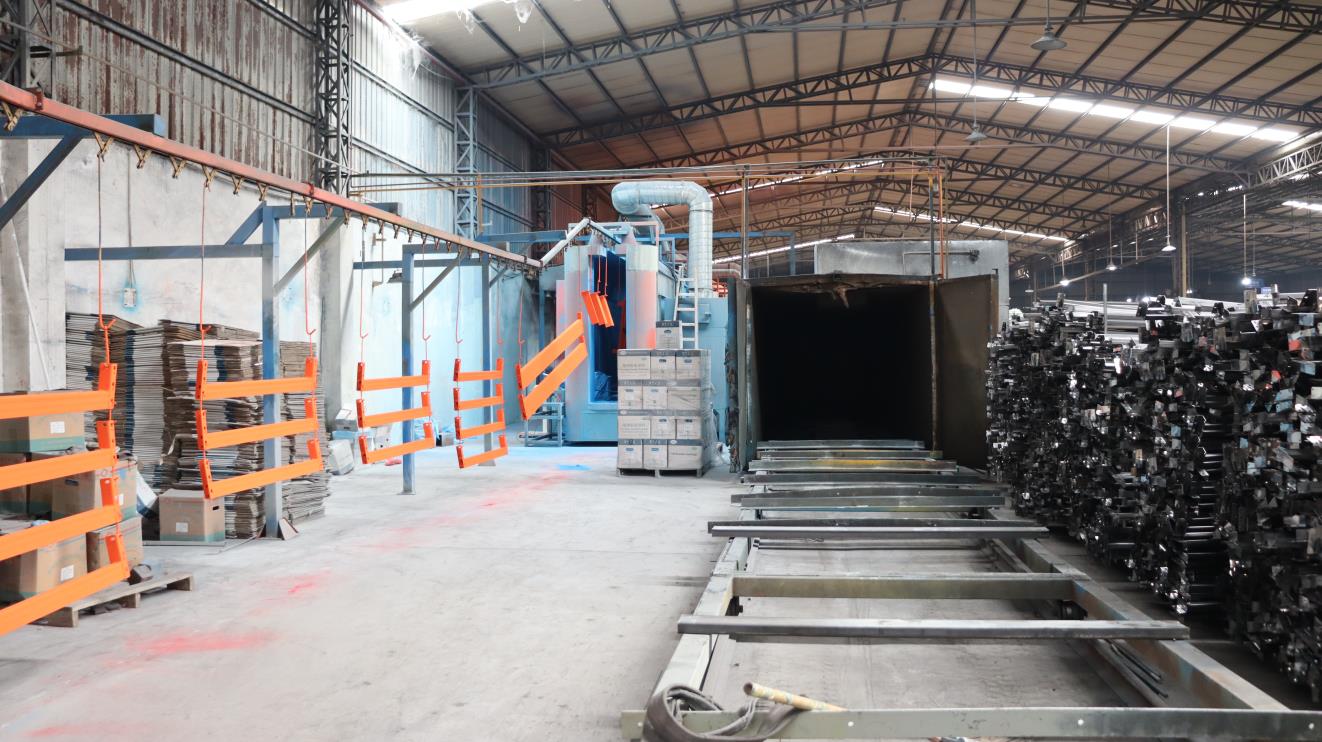
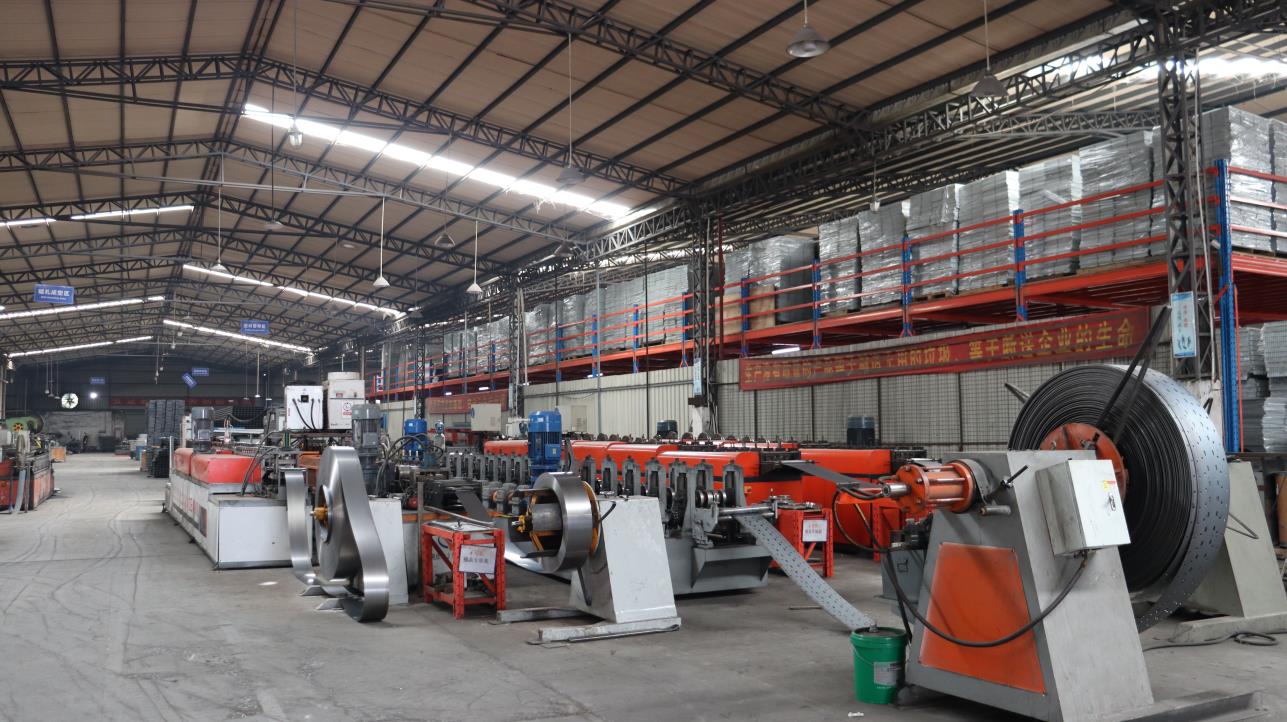
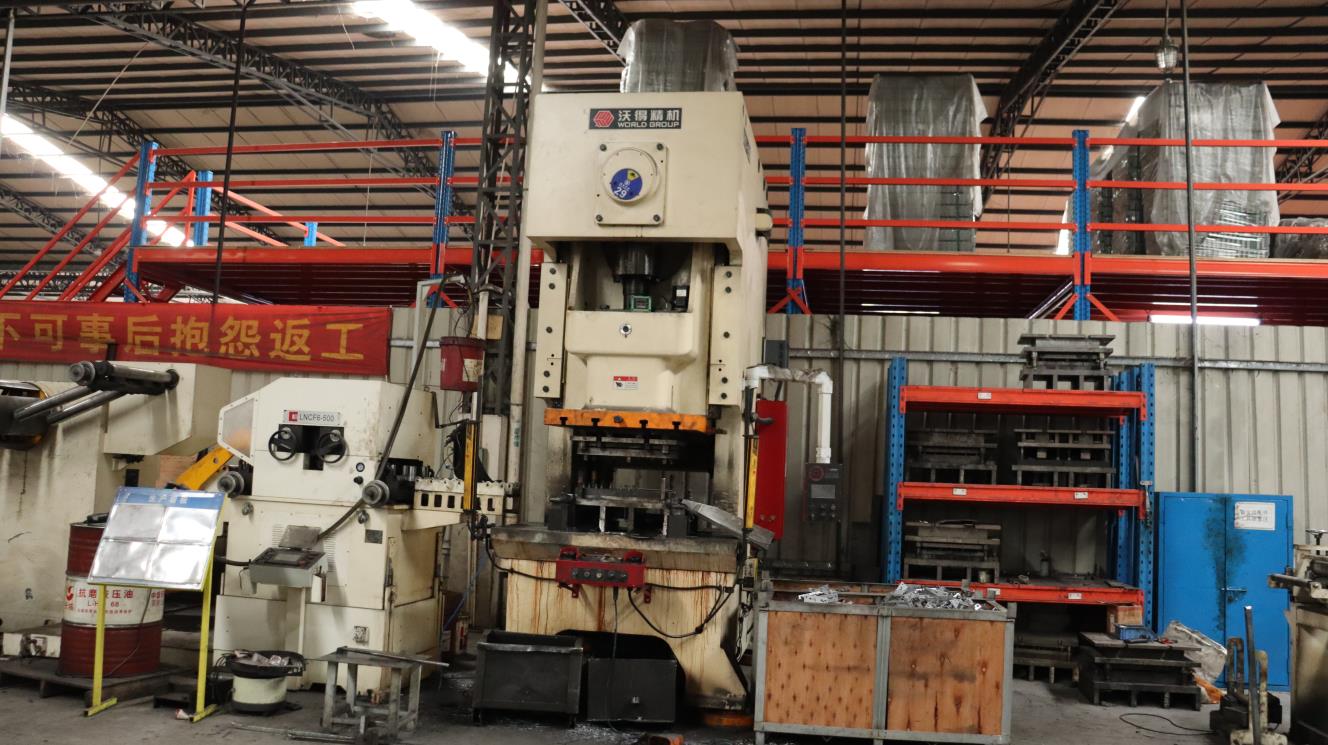
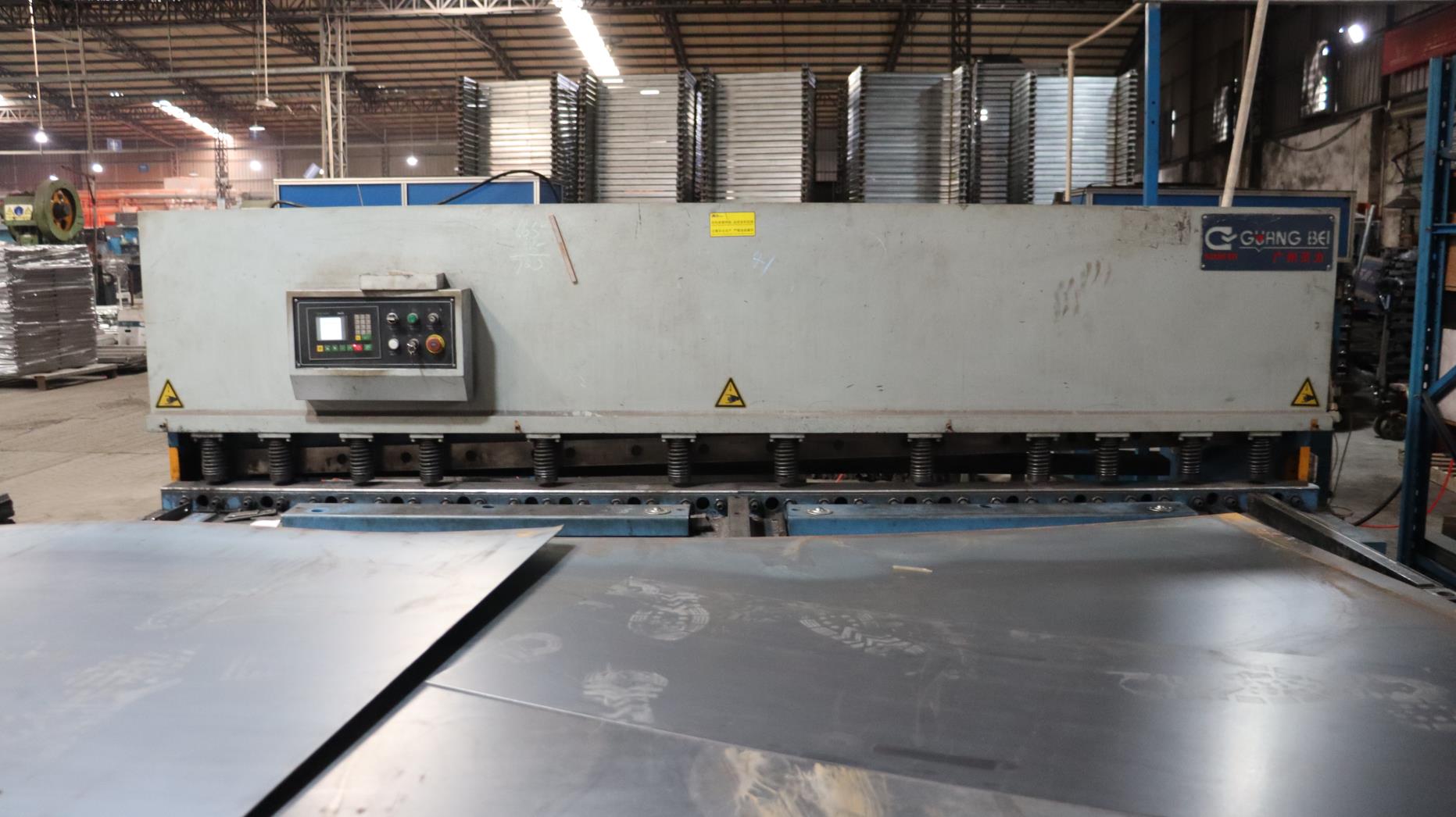
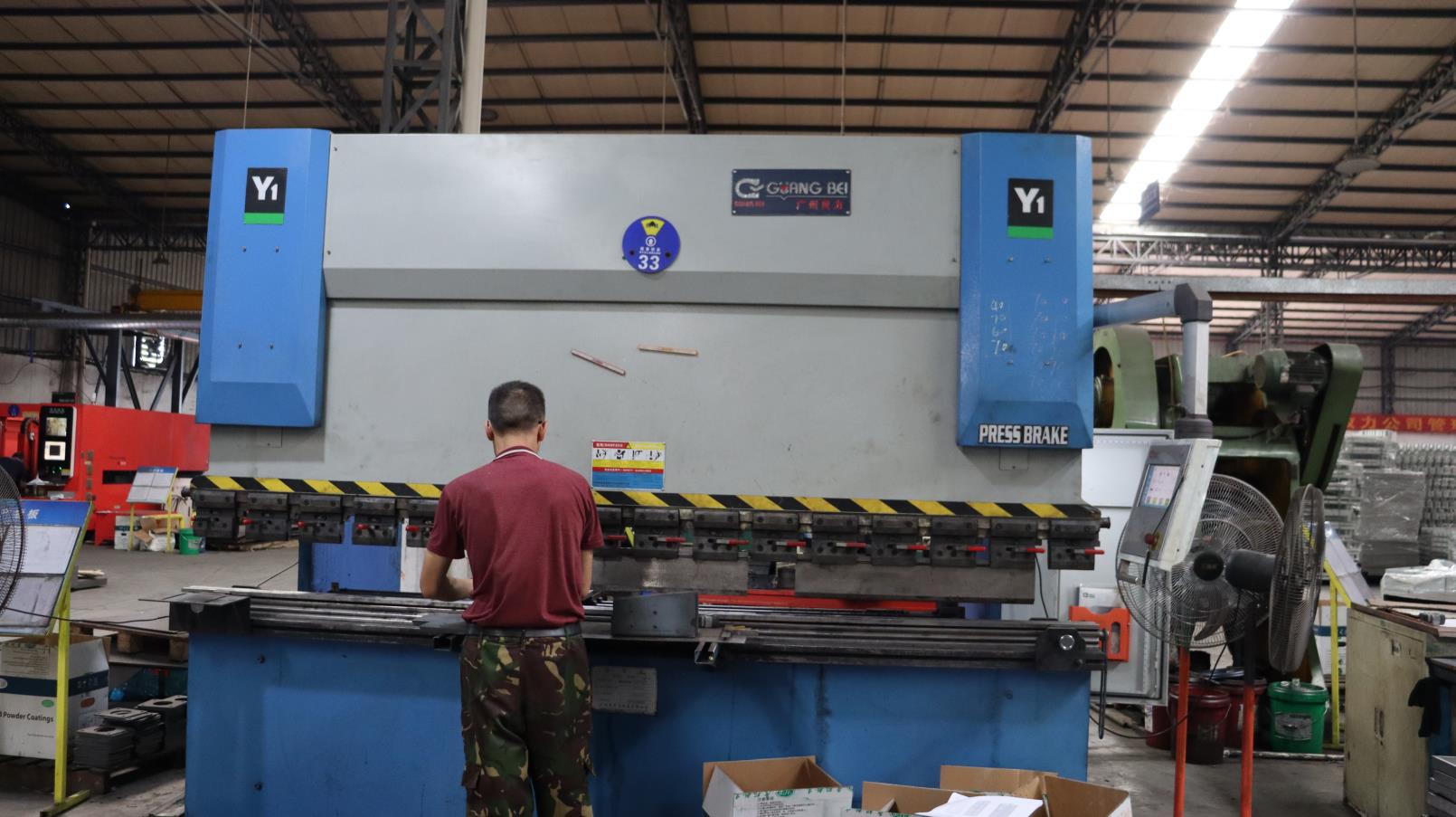
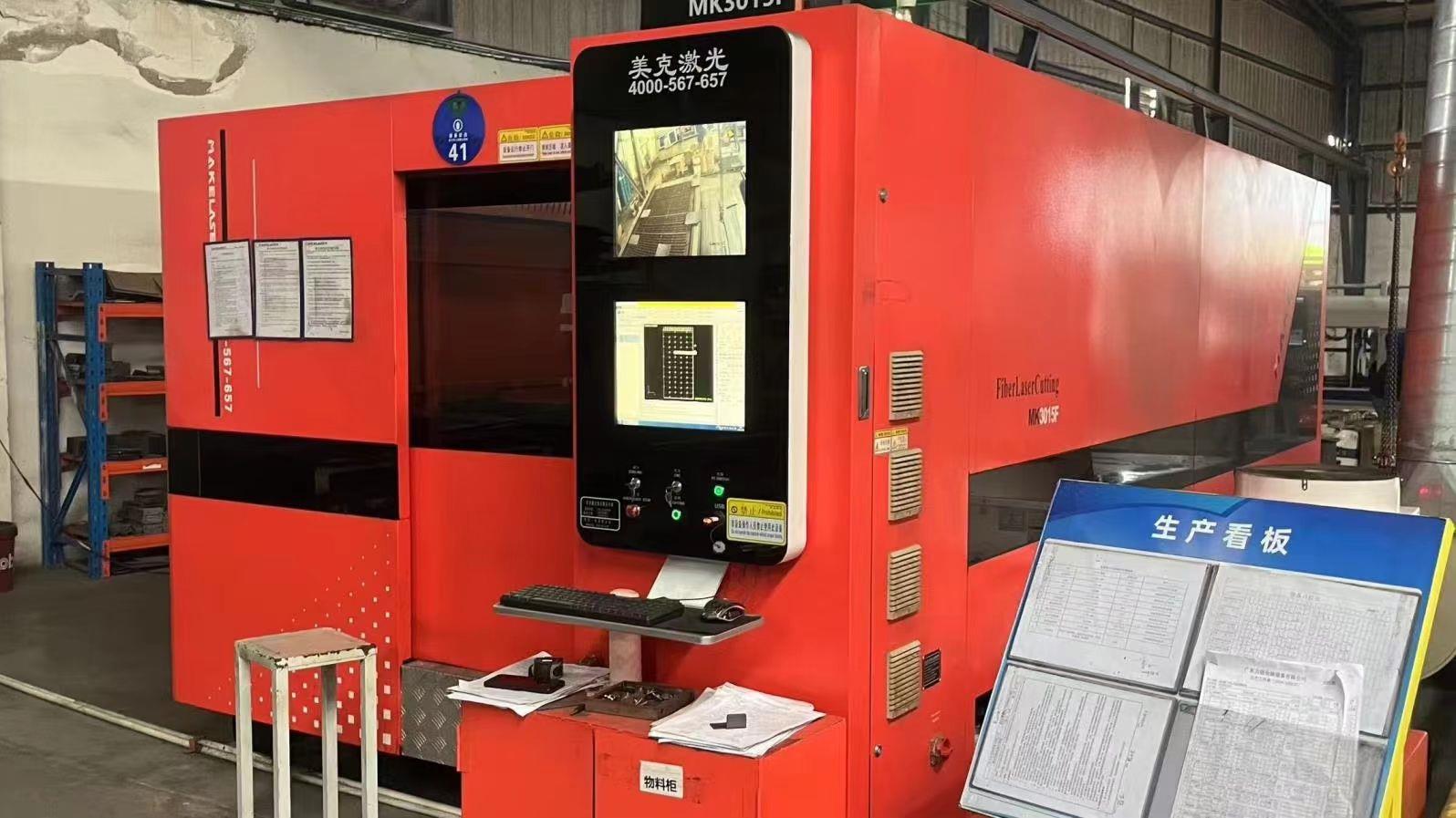
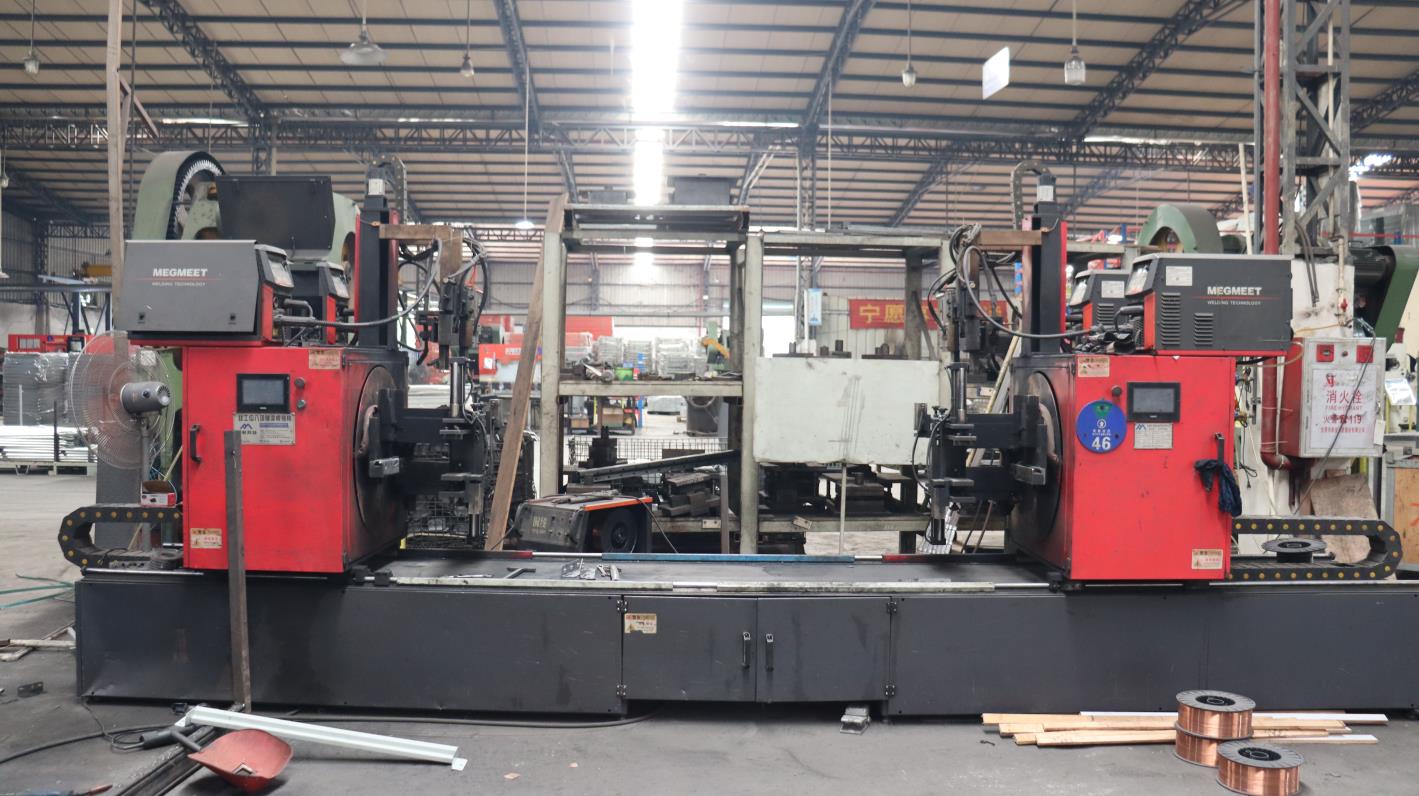
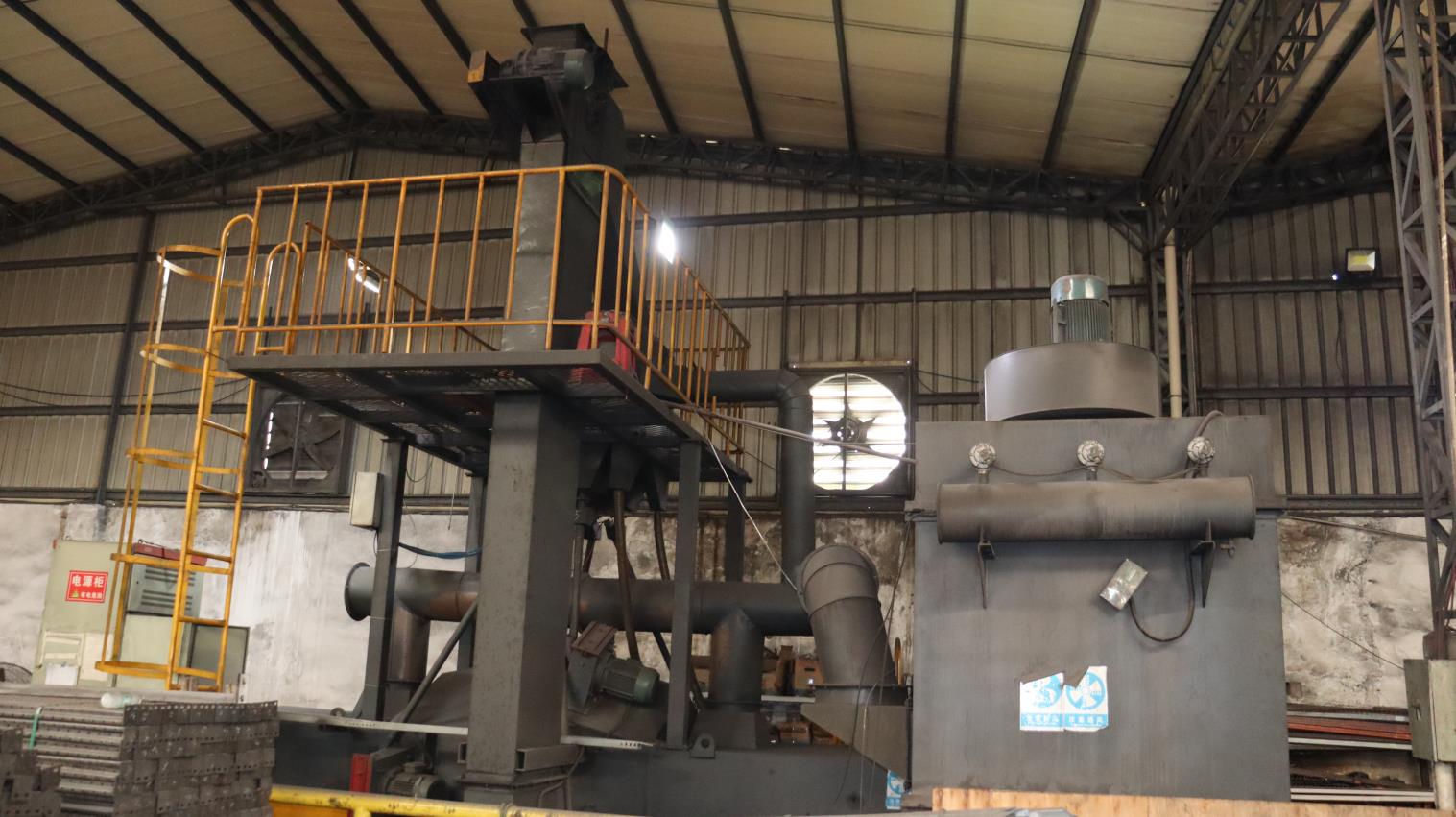
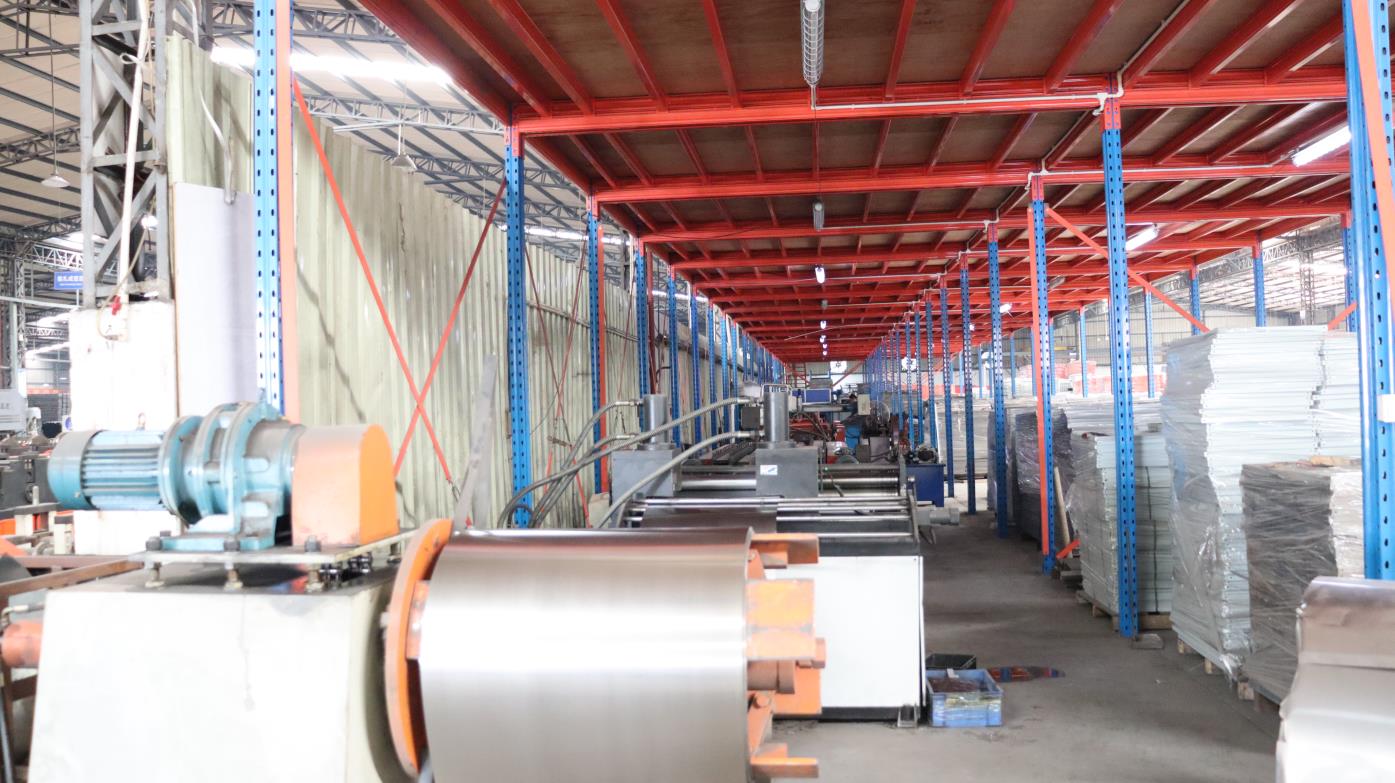
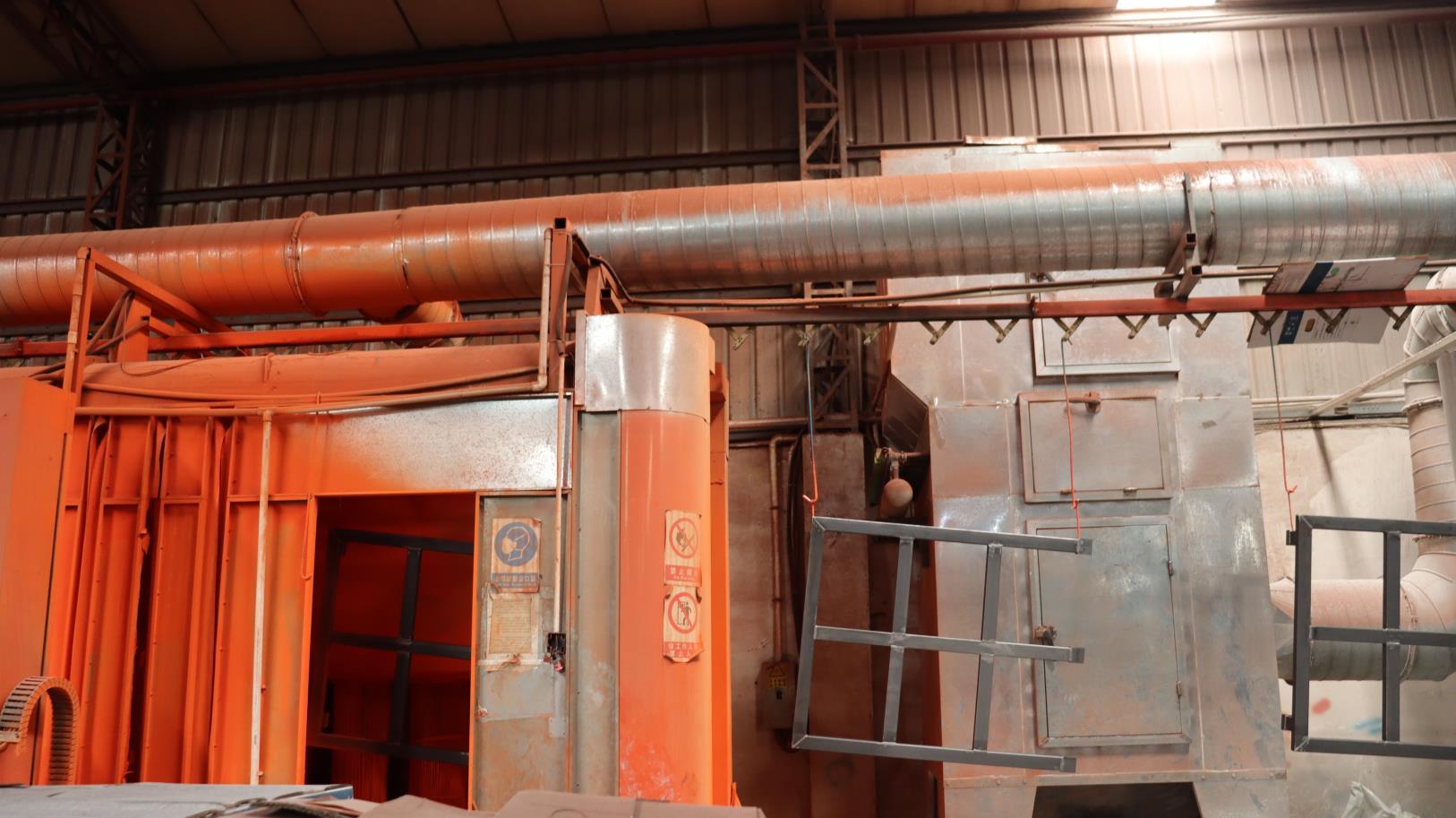
Undergoing strict industrial processing stages utilizing advanced rolling and fabricating machinery.
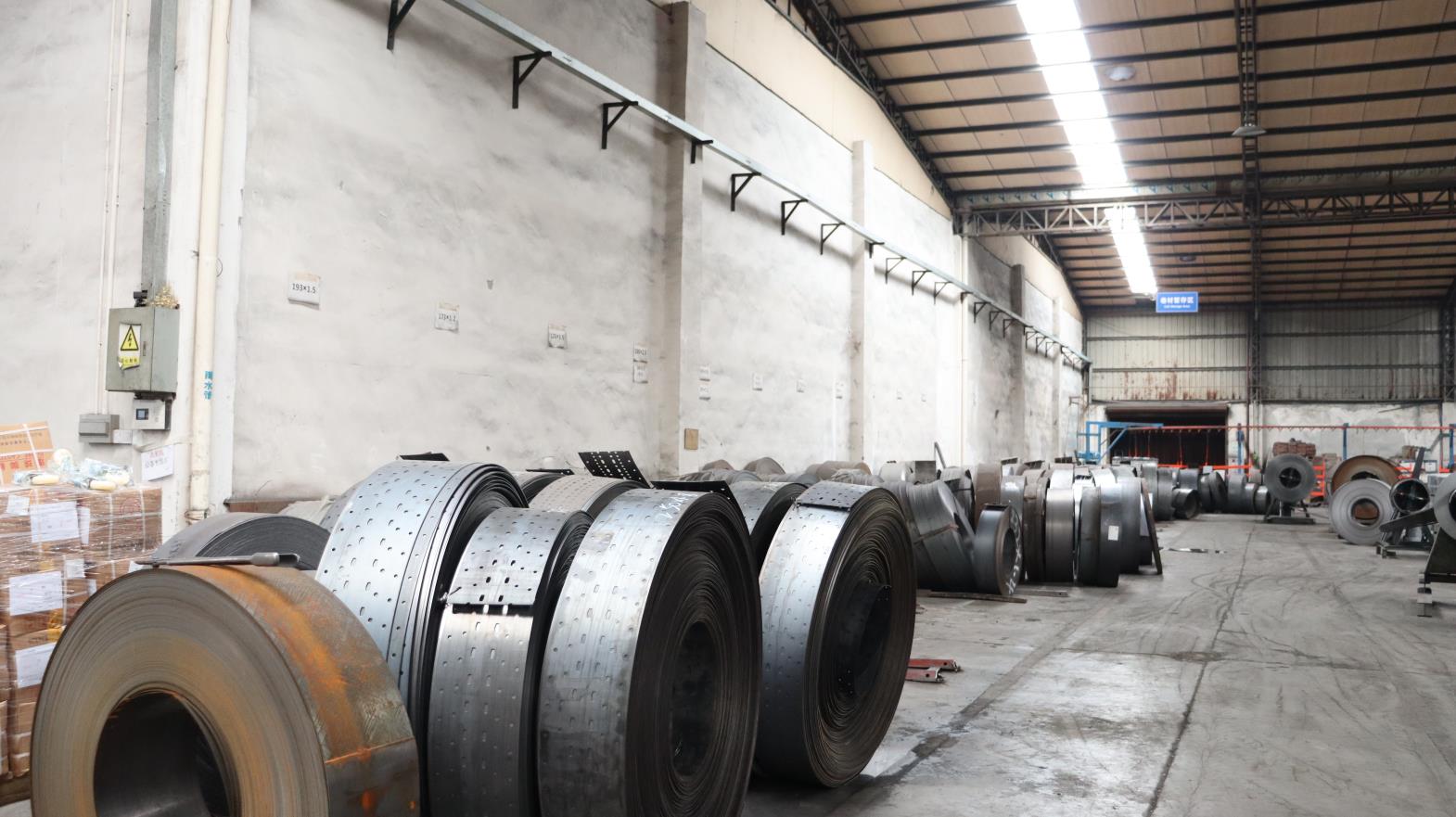
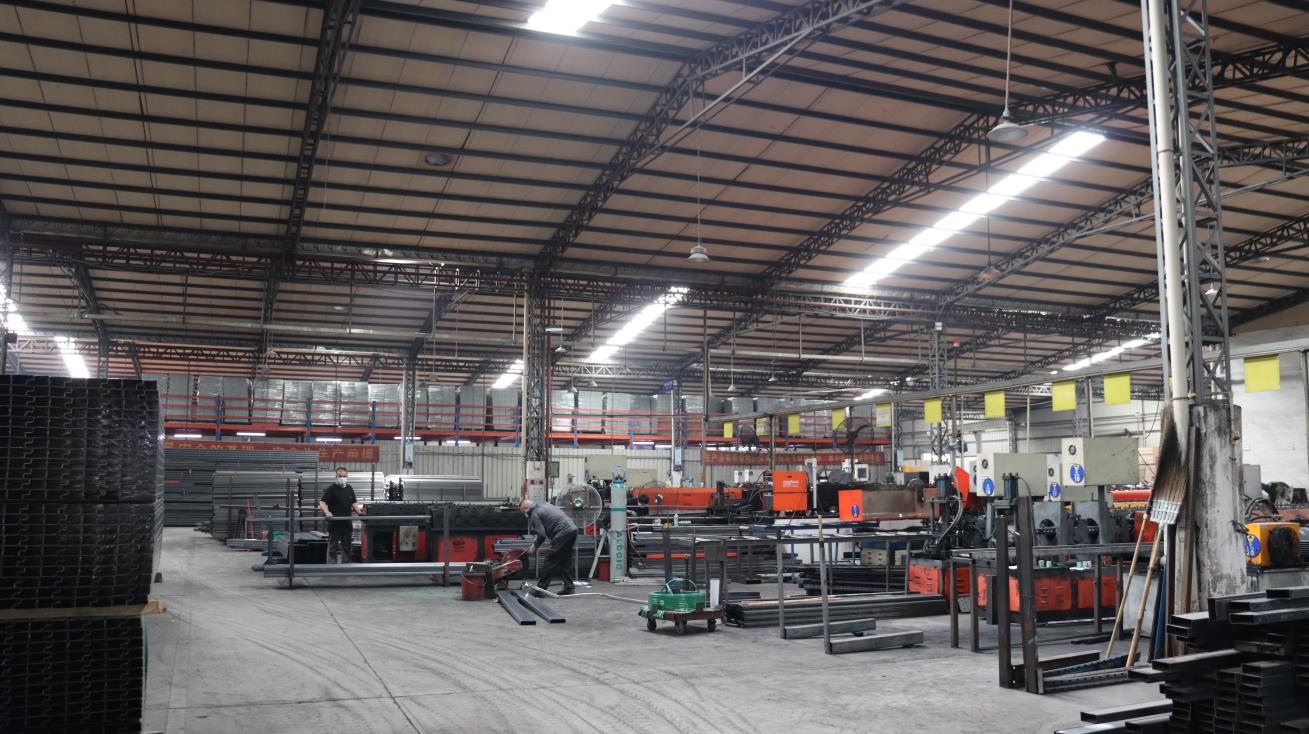
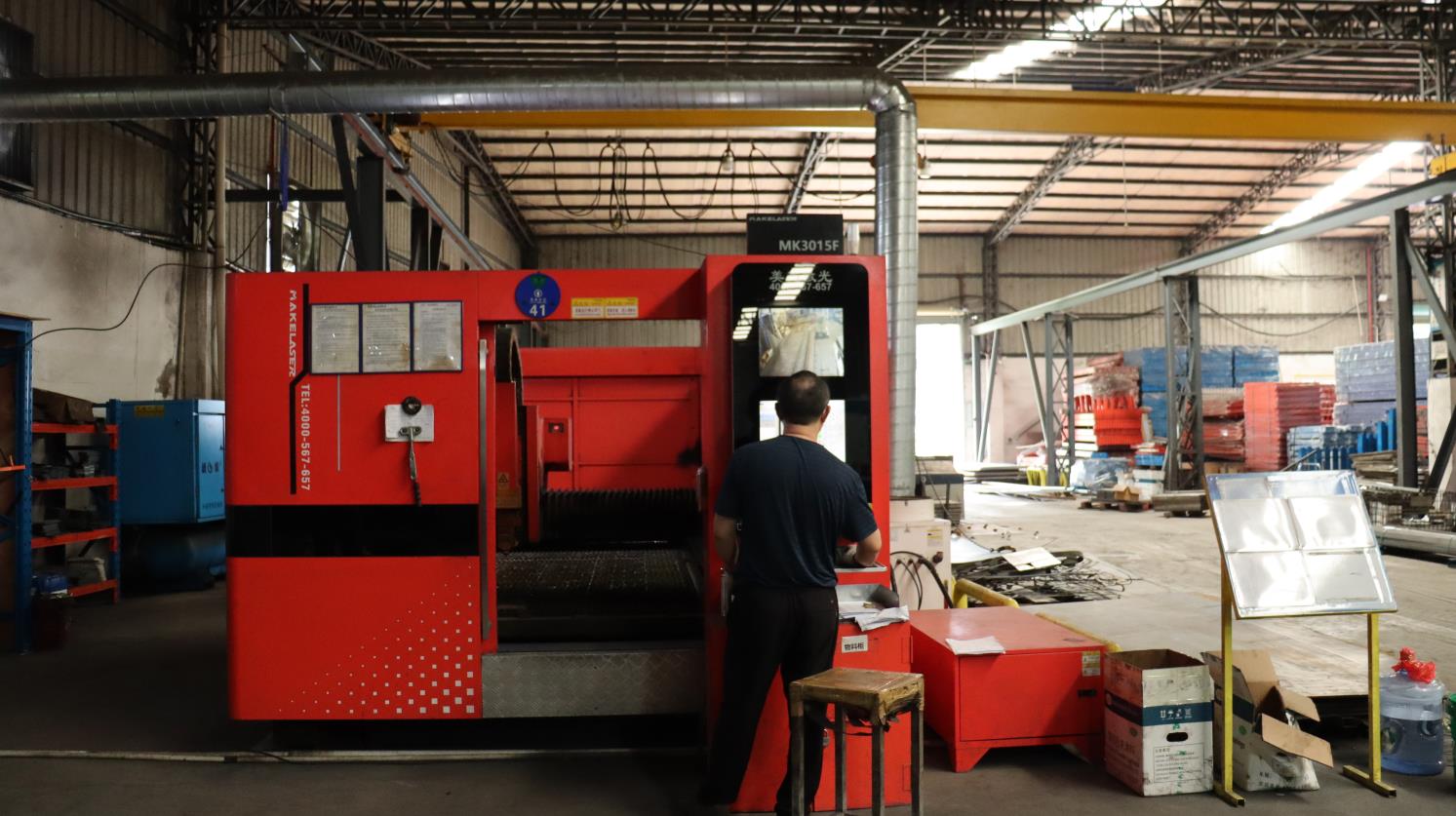
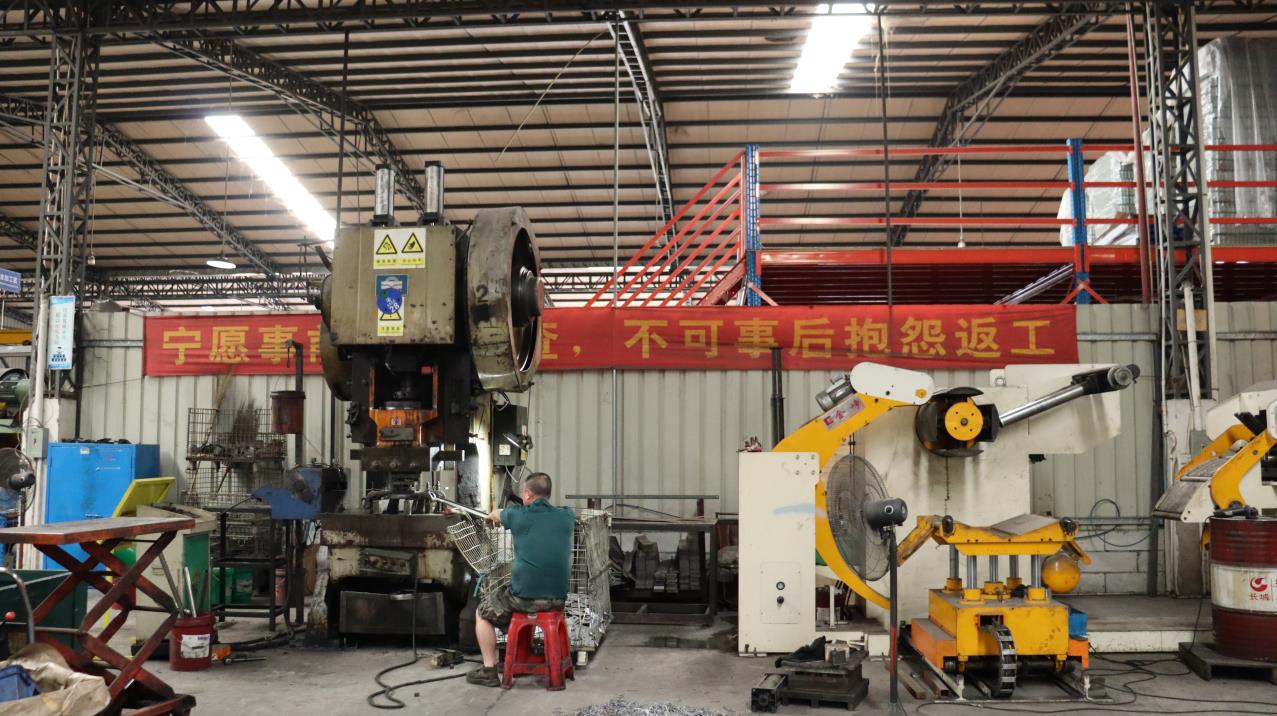
How high-density gravity flow racks are adapting to automated distribution landscapes.
As warehousing transitions towards hyper-automation, carton flow components are undergoing substantial engineering modifications. The modern design paradigm emphasizes seamless integration with Autonomous Mobile Robots (AMRs) and automated storage/retrieval systems (AS/RS). To accommodate robotic arms or AGV pickers, carton flow shelves require higher precision manufacturing tolerances, reducing flow deflection and positioning discrepancies to less than ±1.5mm.
Another major trend is the integration of digital twin simulation models. By analyzing SKU velocity data, warehouse management software dynamically adjusts the slotting profile. Racks can be pre-configured with variable slopes using digital incline indicators, ensuring rapid and safe adjustments during seasonal shifts. Sourcing specialists are increasingly focusing on lifecycle calculations, specifying low-friction polymer compositions for roller lanes to extend replacement intervals beyond 10 years, drastically lowering operational expenditures (OPEX).
Expert technical insights regarding carton flow systems procurement, installation, and engineering.
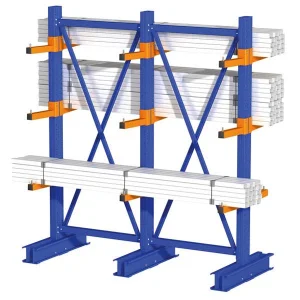
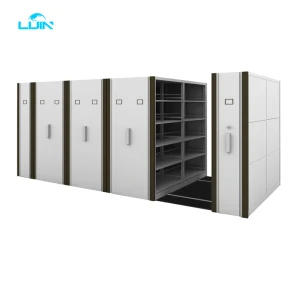
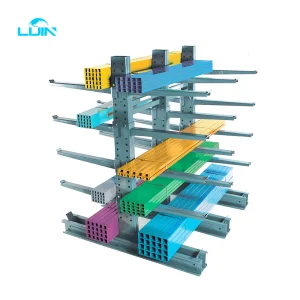
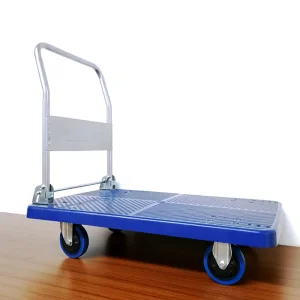
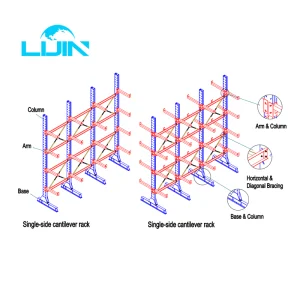
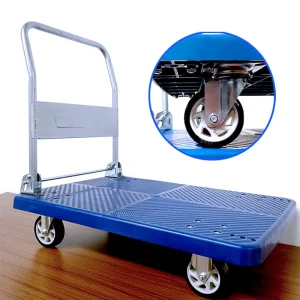
Explore our expanded collection of structural pallet systems, cantilever setups, and specialized logistics trolleys.
 Lijin Racking