Engineered to maximize volumetric workspace efficiency, decrease freight footprint, and improve logistical agility across manufacturing nodes.
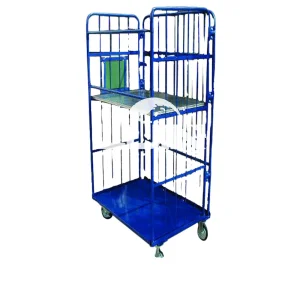
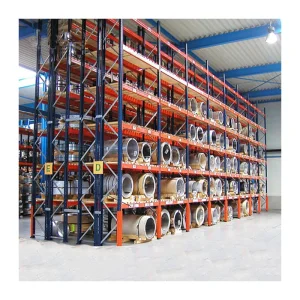
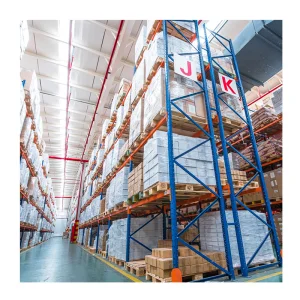
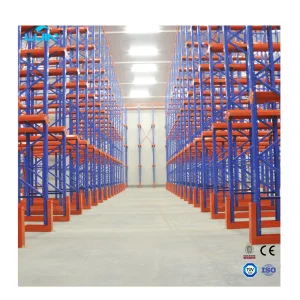
In the era of hyper-optimized supply chains, the global material handling framework is transitioning away from rigid, legacy storage infrastructure toward dynamic, highly configurable, and foldable racking systems. Modern manufacturers, third-party logistics (3PL) providers, and multi-channel fulfillment centers operate under volatile storage metrics. Rigid, welded structures, while functional under uniform loads, represent a heavy spatial liability when seasonal shifts occur or production volumes fluctuate.
As dynamic space utilization becomes a key metric of profitability, global enterprises are demanding structural solutions that can be scaled up or collapsed down inside of minutes. This transition is not merely a preference for modularity—it is driven by high real estate lease index values, strict regulatory constraints surrounding seismic layout reconfigurations, and a pressing economic mandate to reduce reverse-logistics freight costs. Empty rigid racking shipped across continents or stored inside distribution floor layouts is wasted capital. The integration of foldable wire mesh containers, collapsible roll-forming shelves, and portable stacking racks directly mitigates these overhead margins.
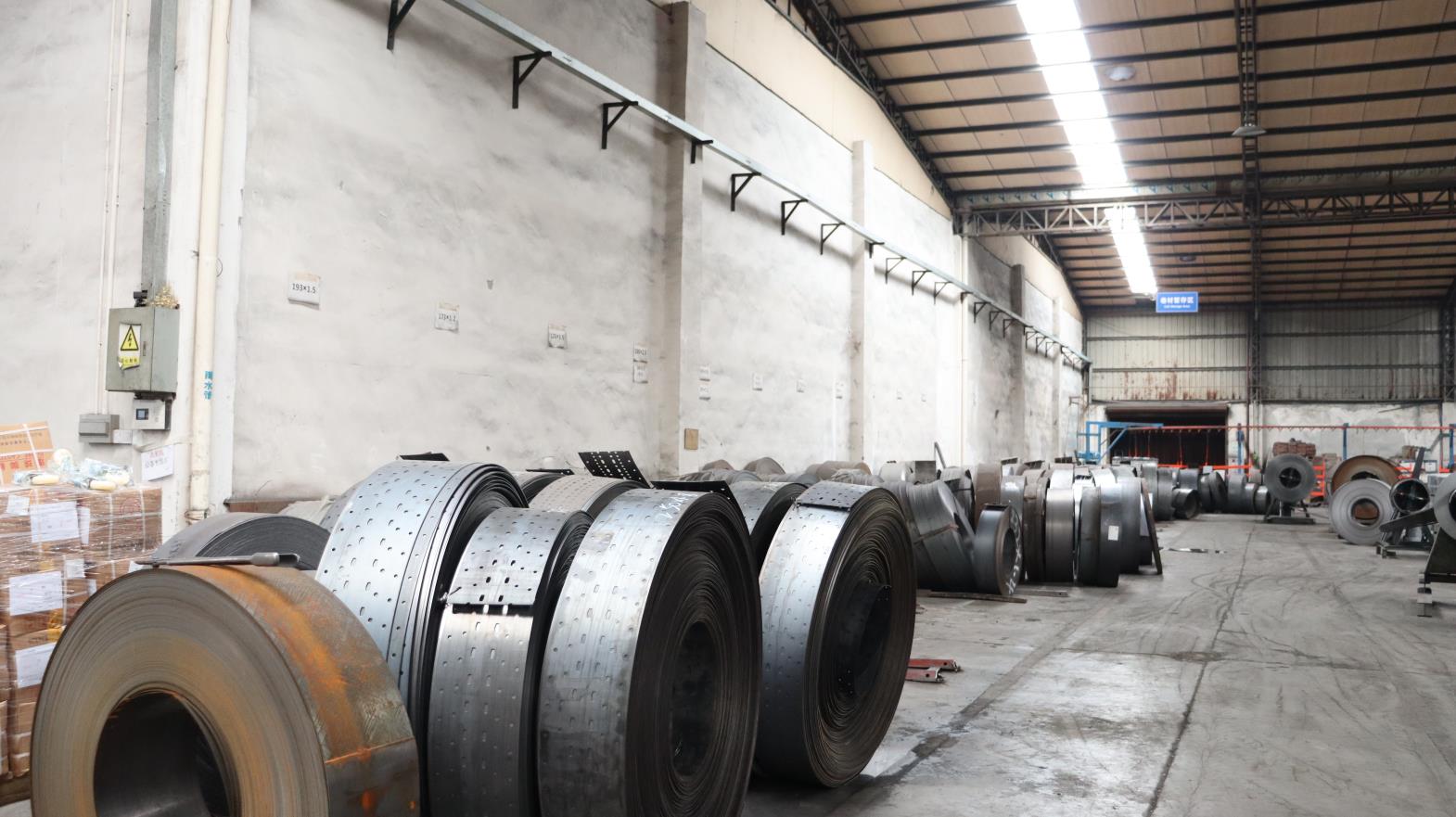
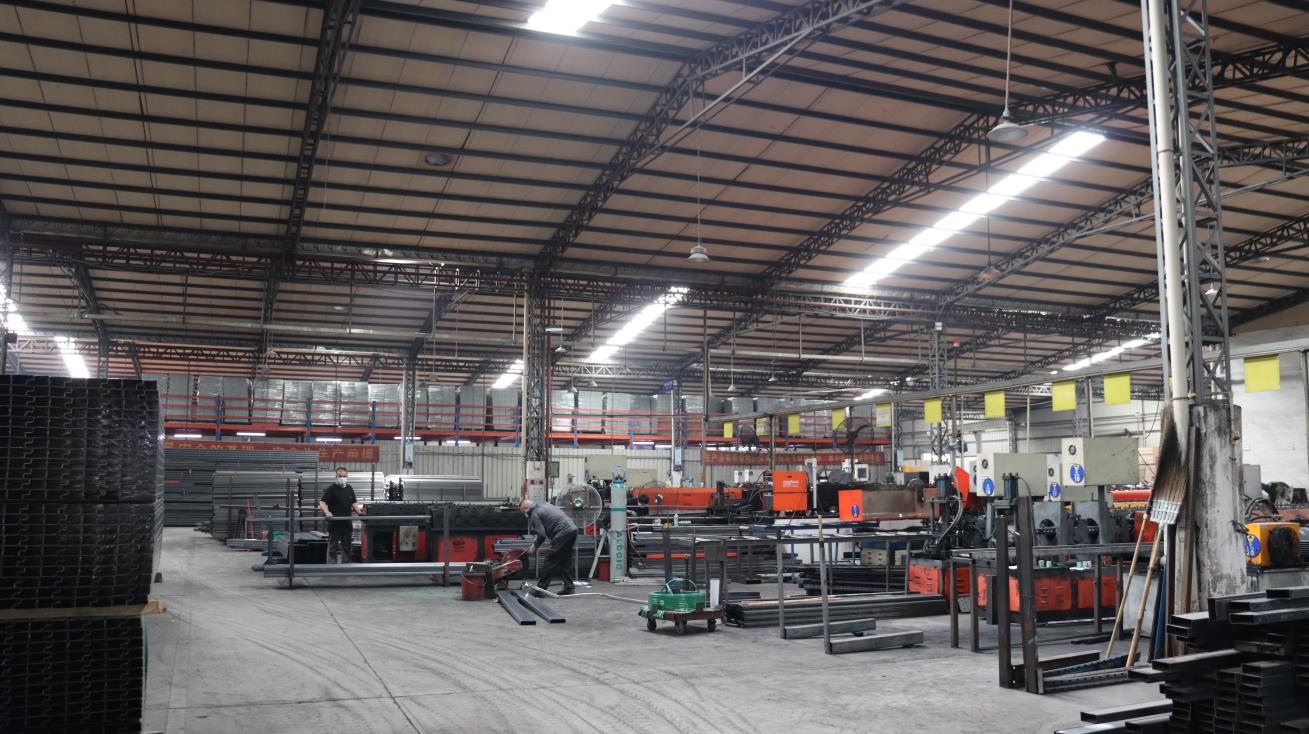
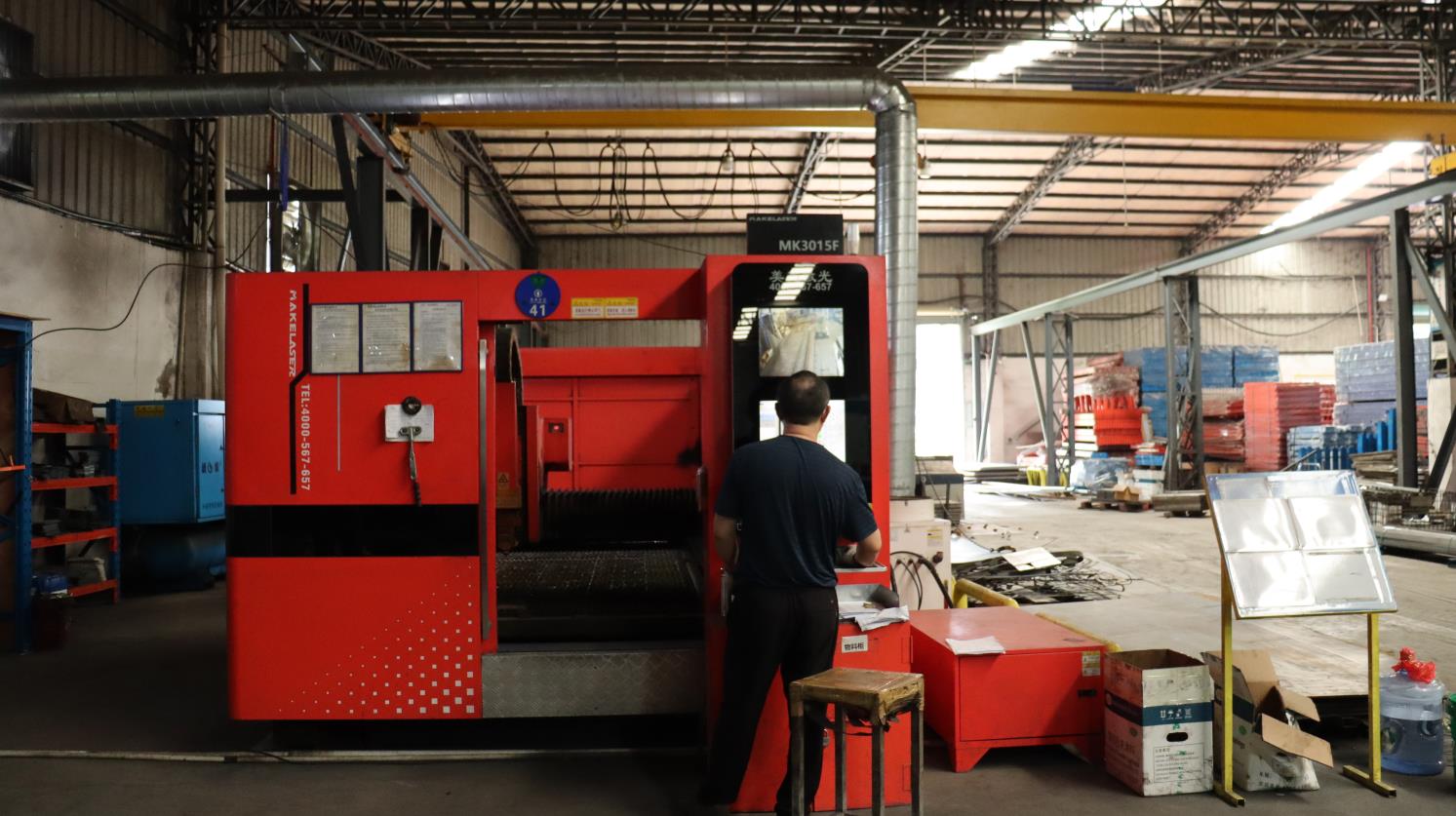
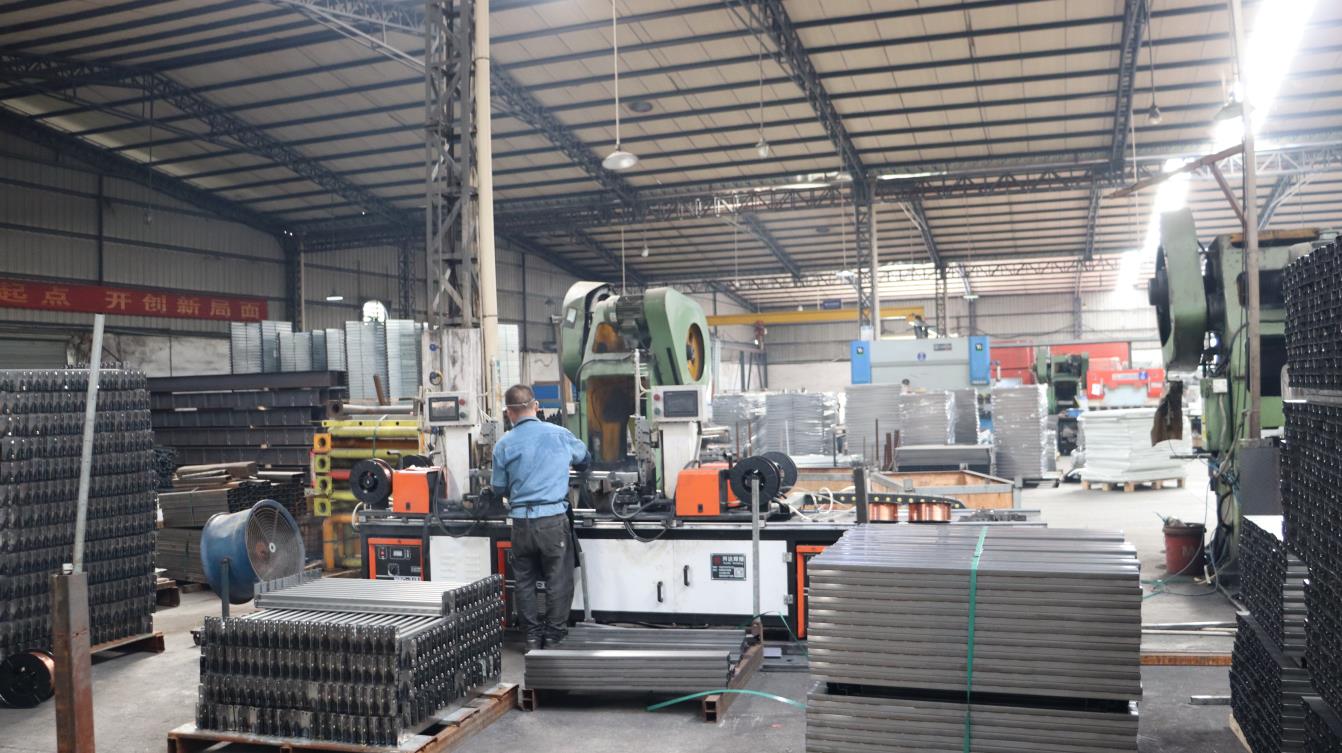
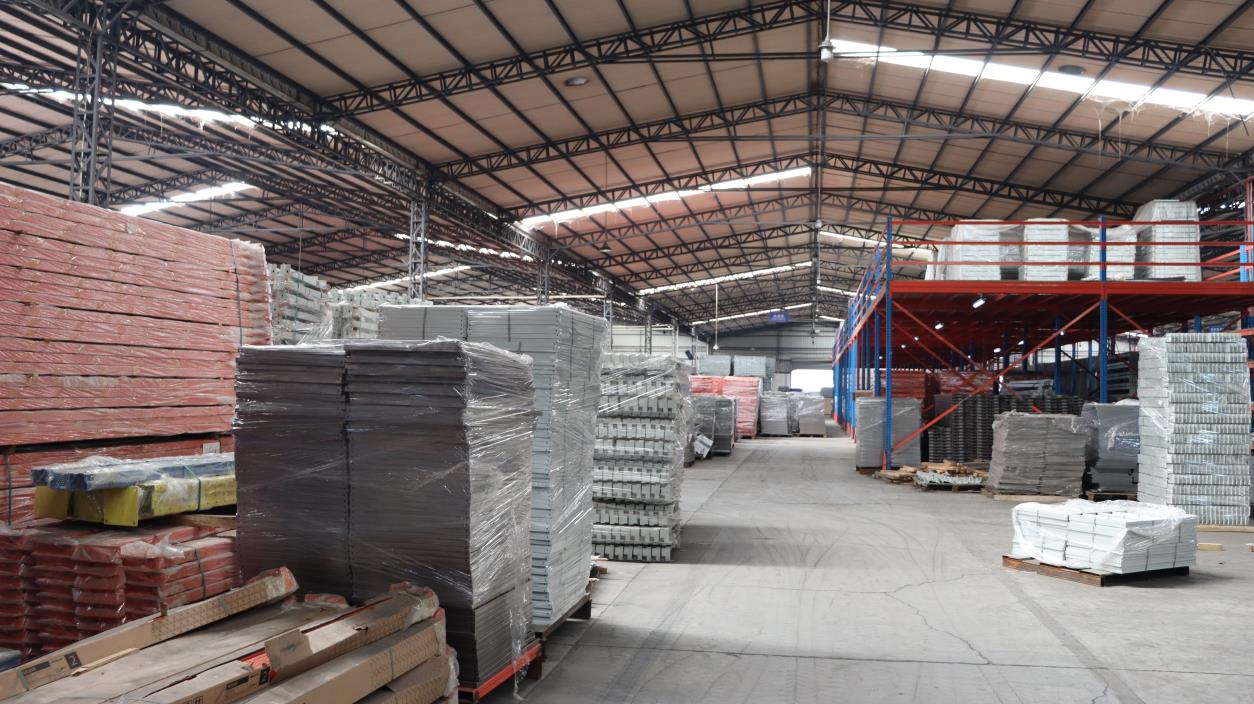
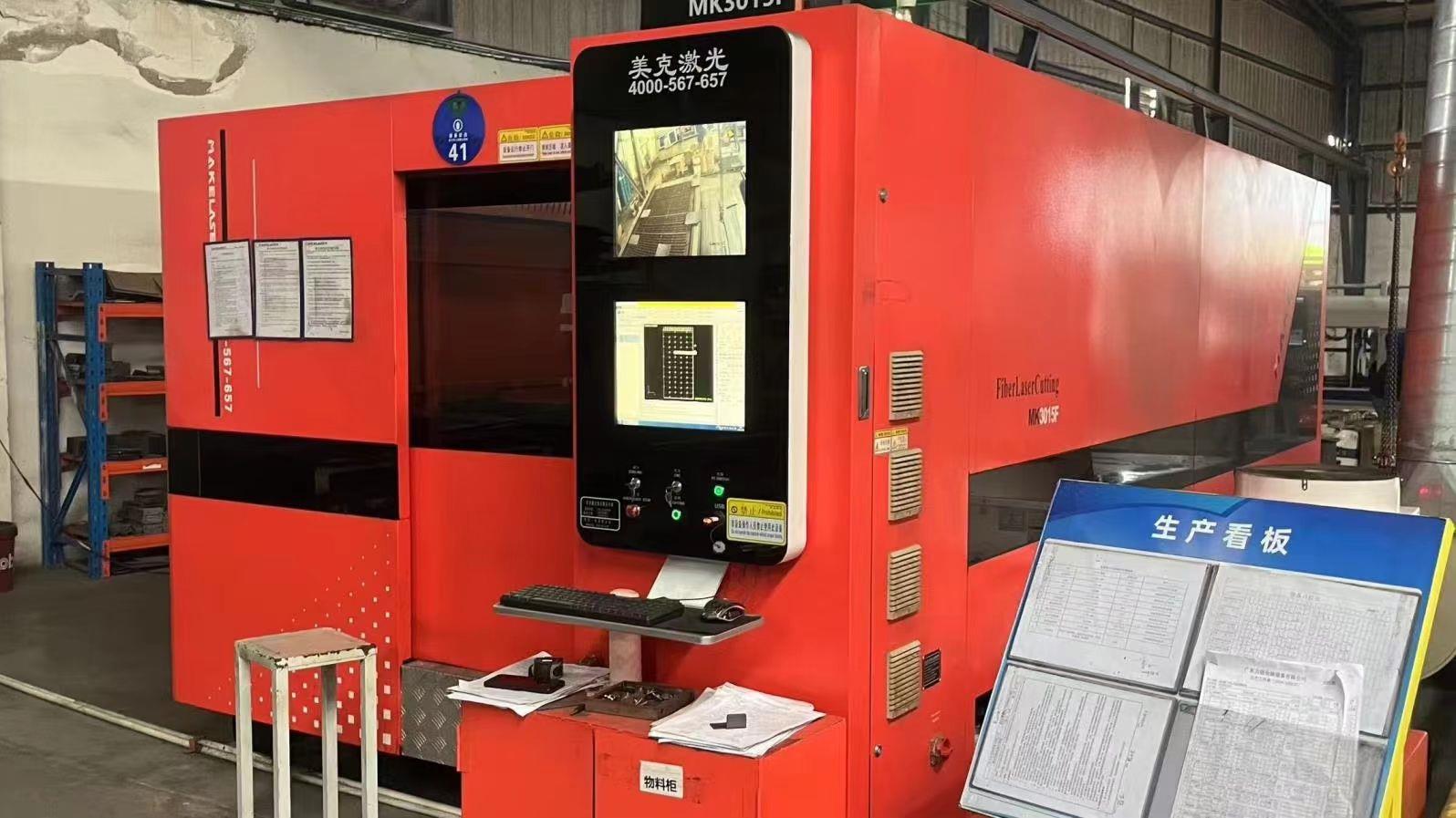
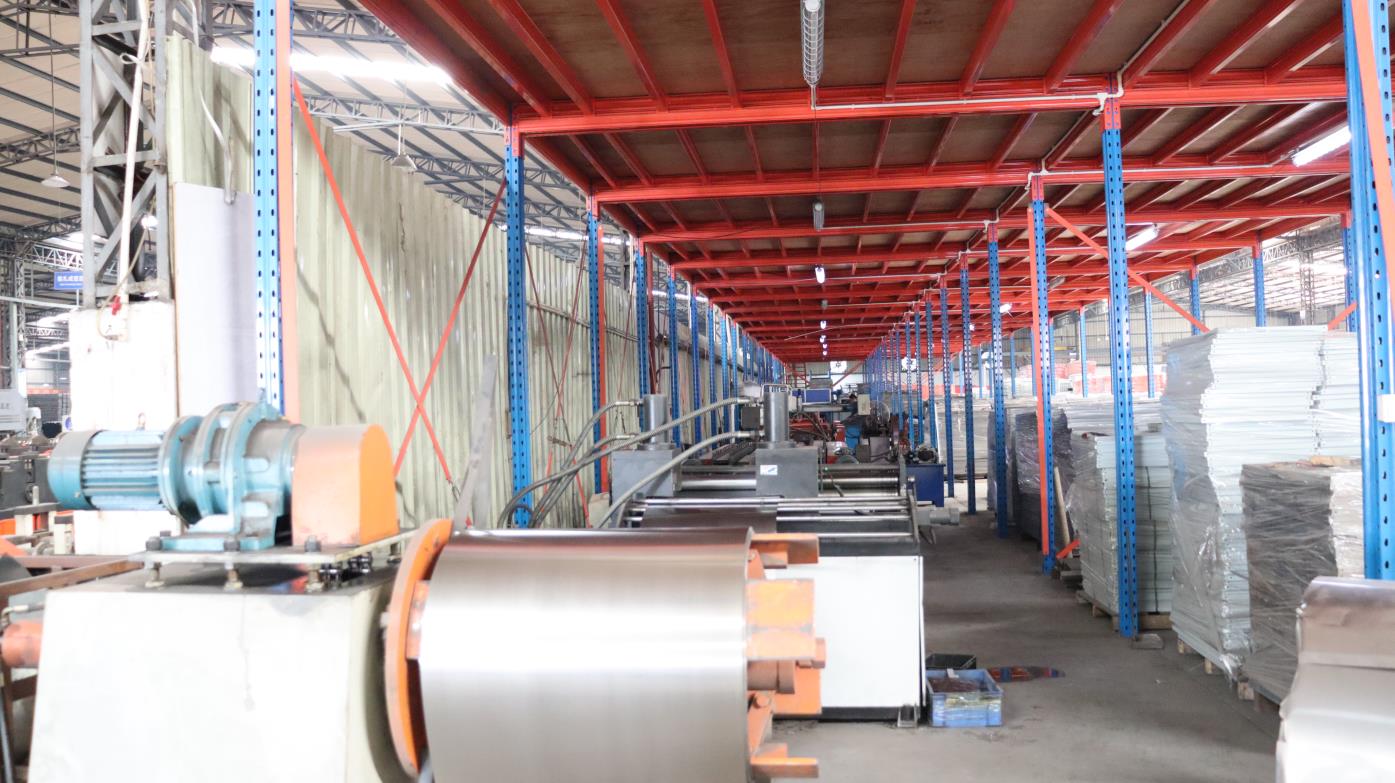
Scale and precision form the foundation of our production infrastructure. Located in a specialized manufacturing hub, our state-of-the-art 35,000 square meter factory is configured for continuous heavy-gauge metallurgical forming, precision laser cutting, and automated coating lines. Operating with a core workforce and managed by an advanced ERP system, we synchronize every phase from cold-rolled steel intake to final international shipping configurations.
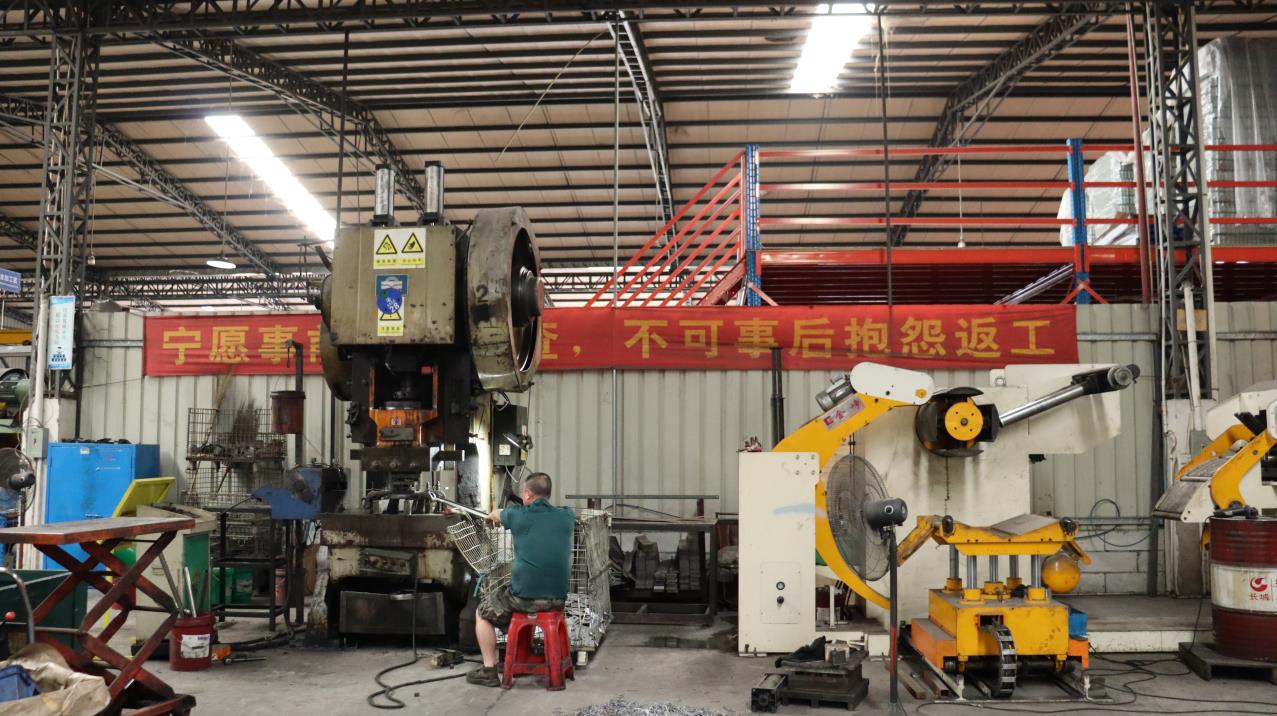
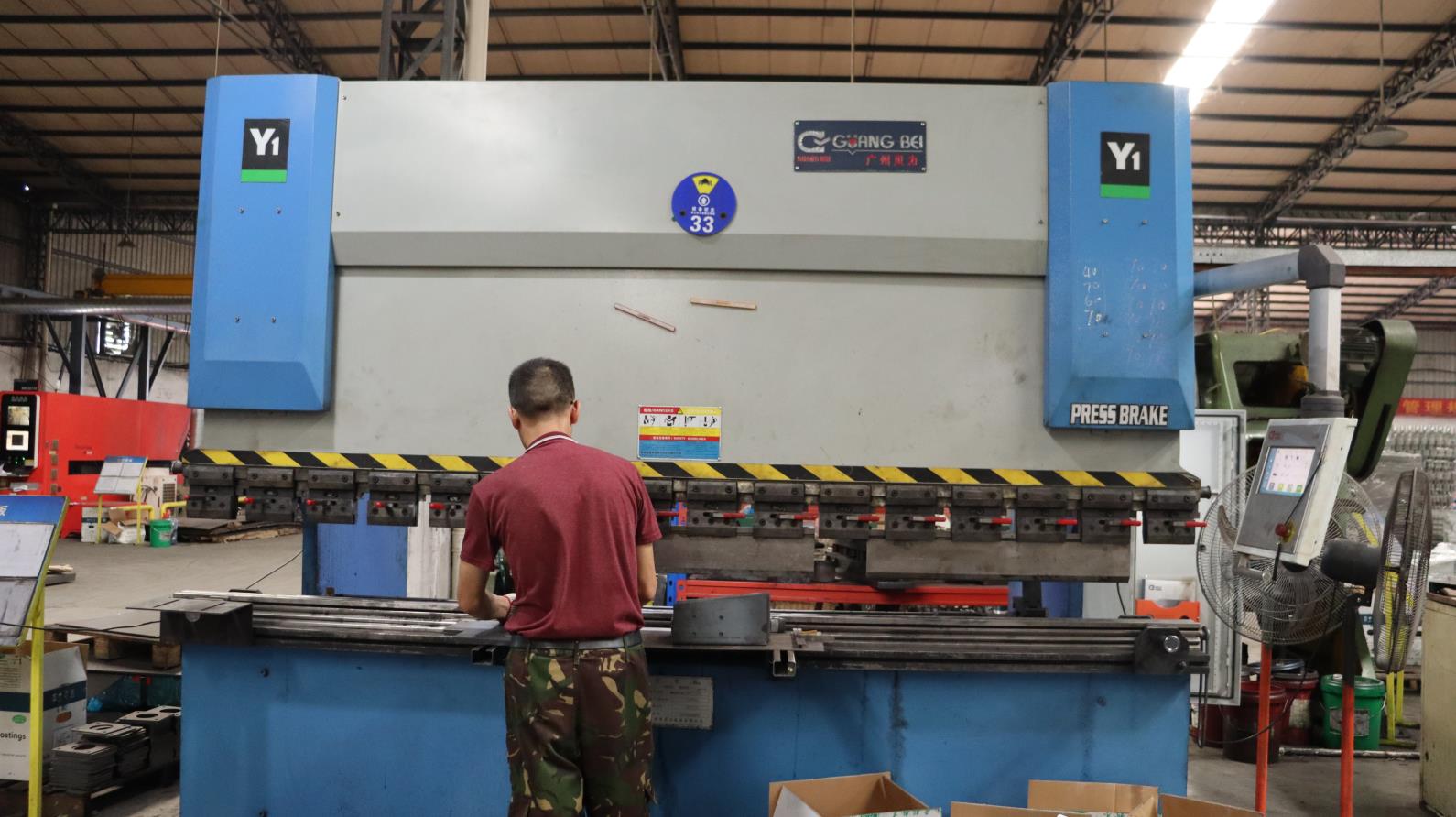
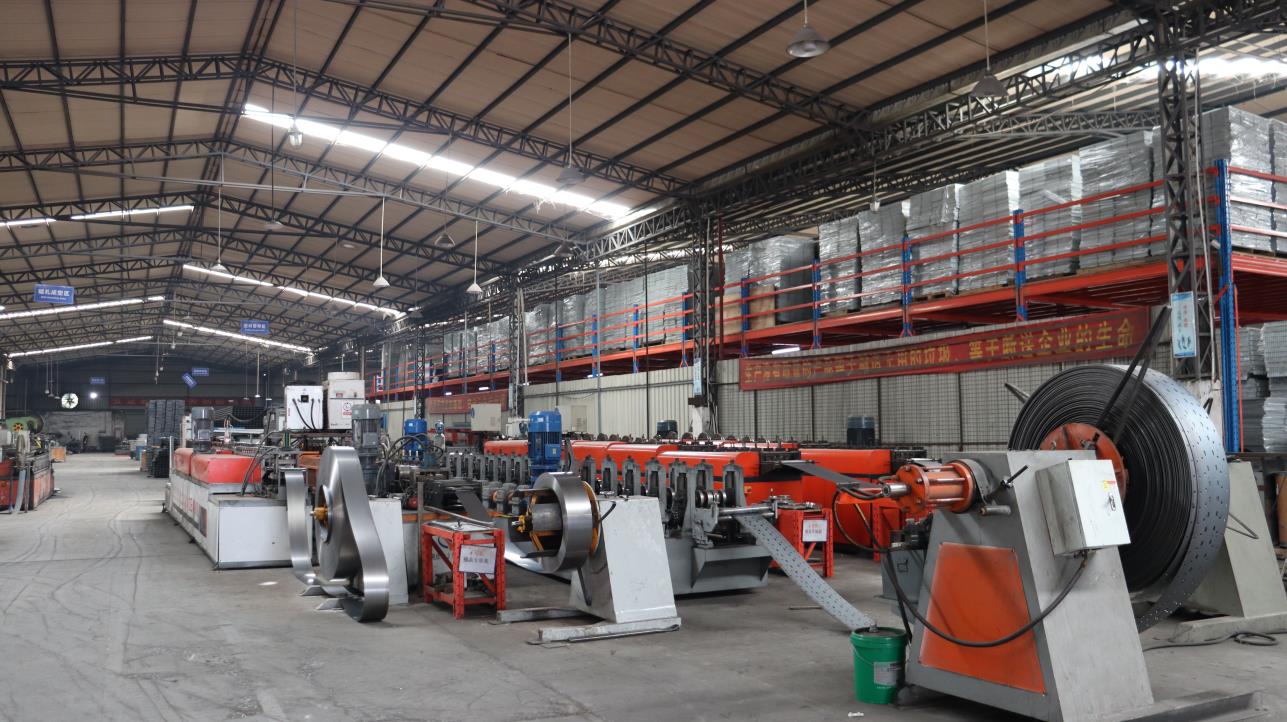
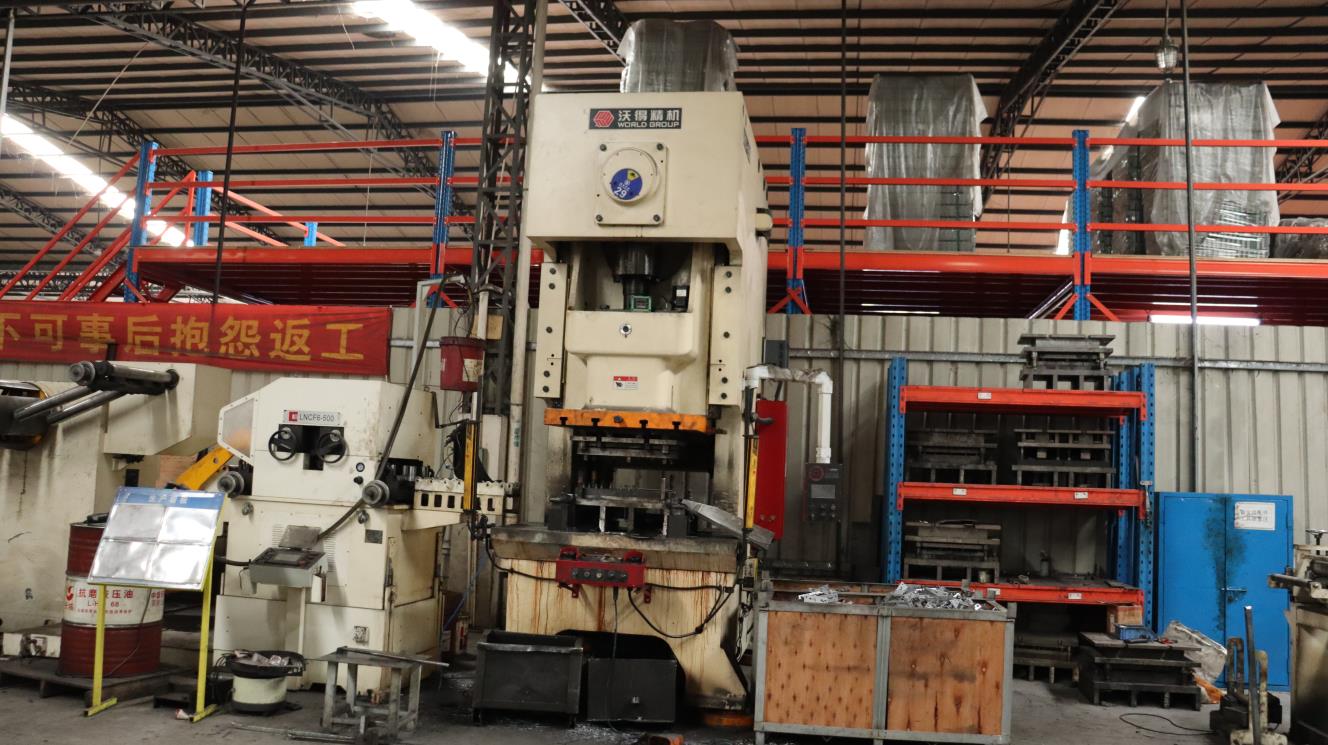
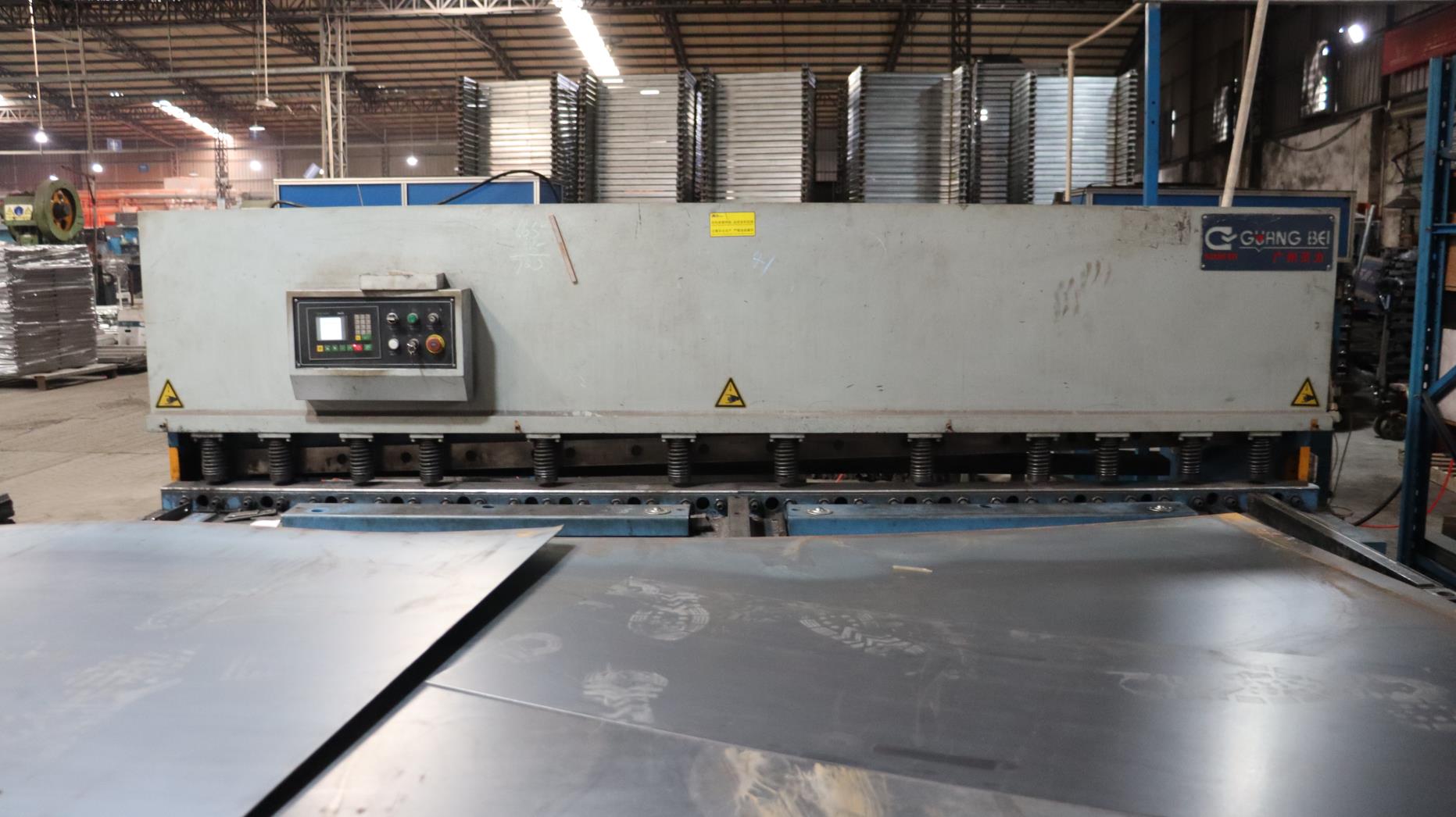
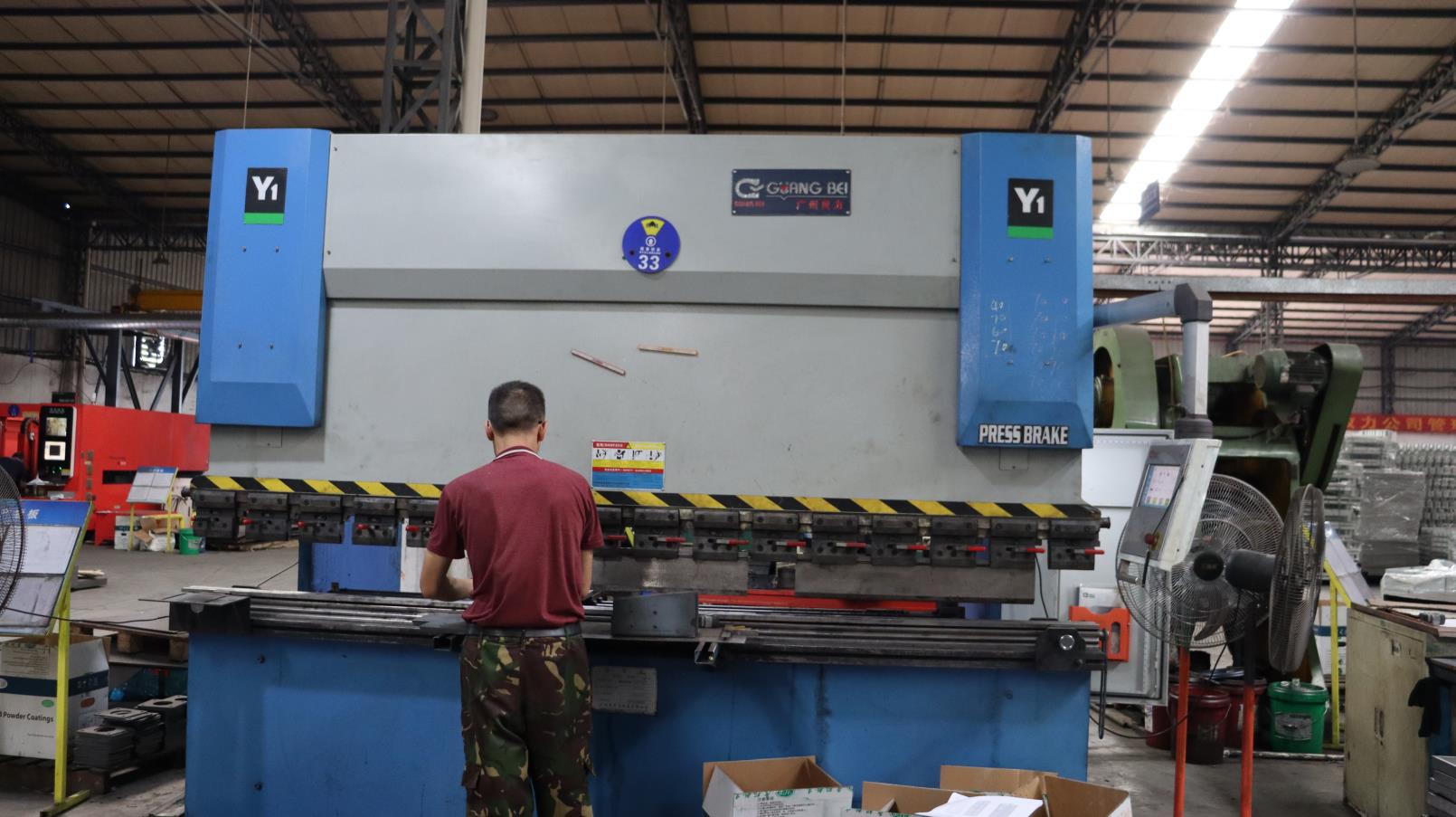
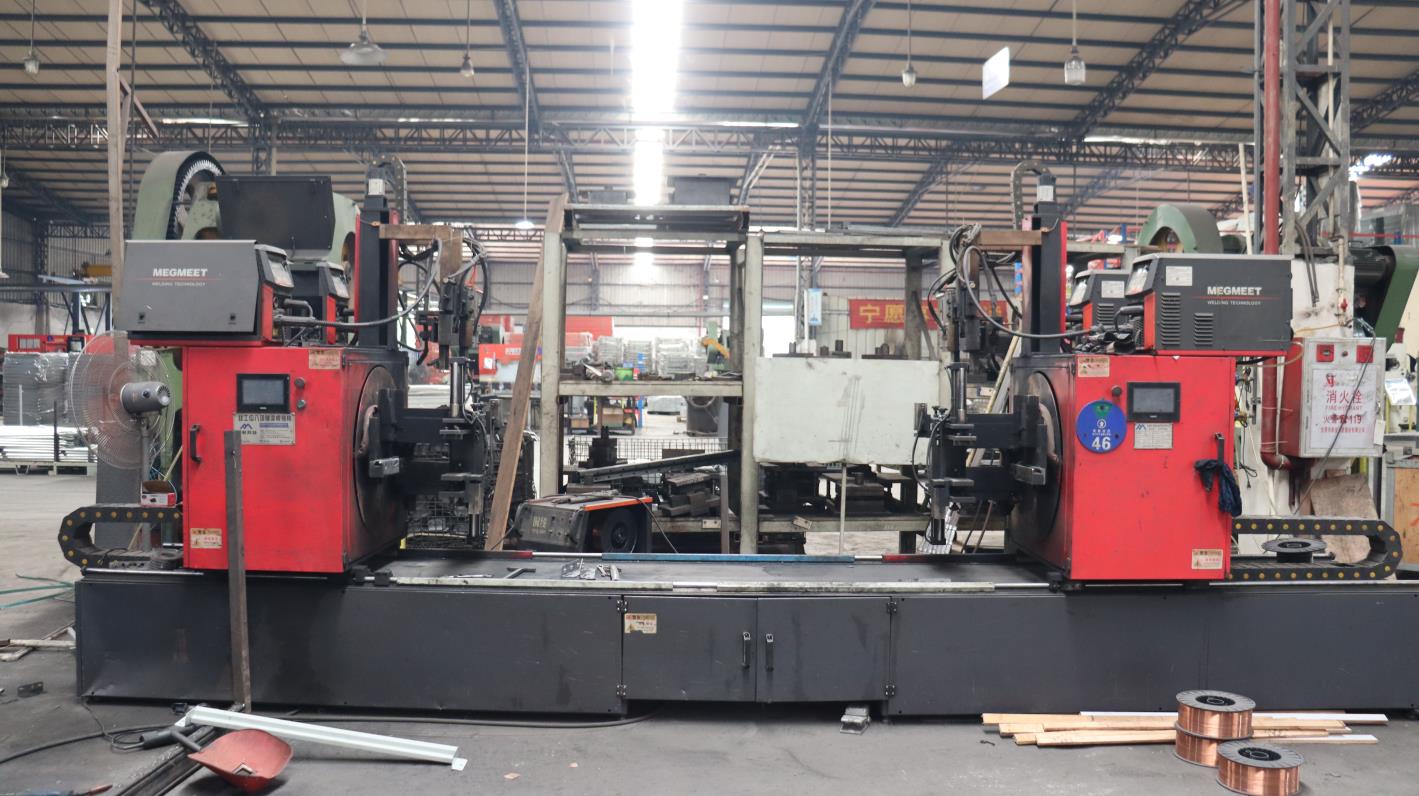
Our facility features high-speed roll forming lines, multi-station automatic punch presses, and multi-axis CNC bending systems that maintain tight dimensional tolerances across complex, modular racking assemblies.
A dedicated quality control team of 35 inspectors conducts rigorous tests, including weld penetration inspections, coating thickness checks, and finite element structural load testing.
Led by 28 structural engineers, our R&D division introduced over 85 customized configurations last year alone, focusing on advanced collapsible mechanisms and seismic load reduction.
Our commercial activity extends beyond product delivery to include site survey modeling, engineering drawings, load certification documentation, and localized logistics support. By utilizing structural analysis software, we simulate complex stress profiles and environmental factors, ensuring each product performs reliably in highly regulated workspaces across North America, Western Europe, Southeast Asia, and the Middle East.
Under heavy load cycles, the performance of foldable and collapsible structural profiles depends on raw material selection and joint integrity. Shenzhen Lijin manufactures its racking lines using premium Q235 and Q355 carbon steel. Known for high yield strength and ductile adaptability, this structural steel ensures consistent load-bearing performance under continuous tension.
| Steel Grade Standard | Yield Strength (N/mm²) | Tensile Strength (N/mm²) | Elongation Capacity (%) | Key Application Profile |
|---|---|---|---|---|
| Q235 (GB/T 700) | ≥ 235 MPa | 370 - 500 MPa | ≥ 26% | Folding storage cages, light-to-medium dynamic rolling shelving. |
| Q355 (GB/T 1591) | ≥ 355 MPa | 470 - 630 MPa | ≥ 22% | Heavy-duty warehouse pallet uprights, cantilevers, high-rise dynamic racking. |
| AISI 1020 (Carbon Steel) | ≥ 295 MPa | 390 MPa | ≥ 15% | Specialized joint collars, high-wear structural hinge pins, connection hardware. |
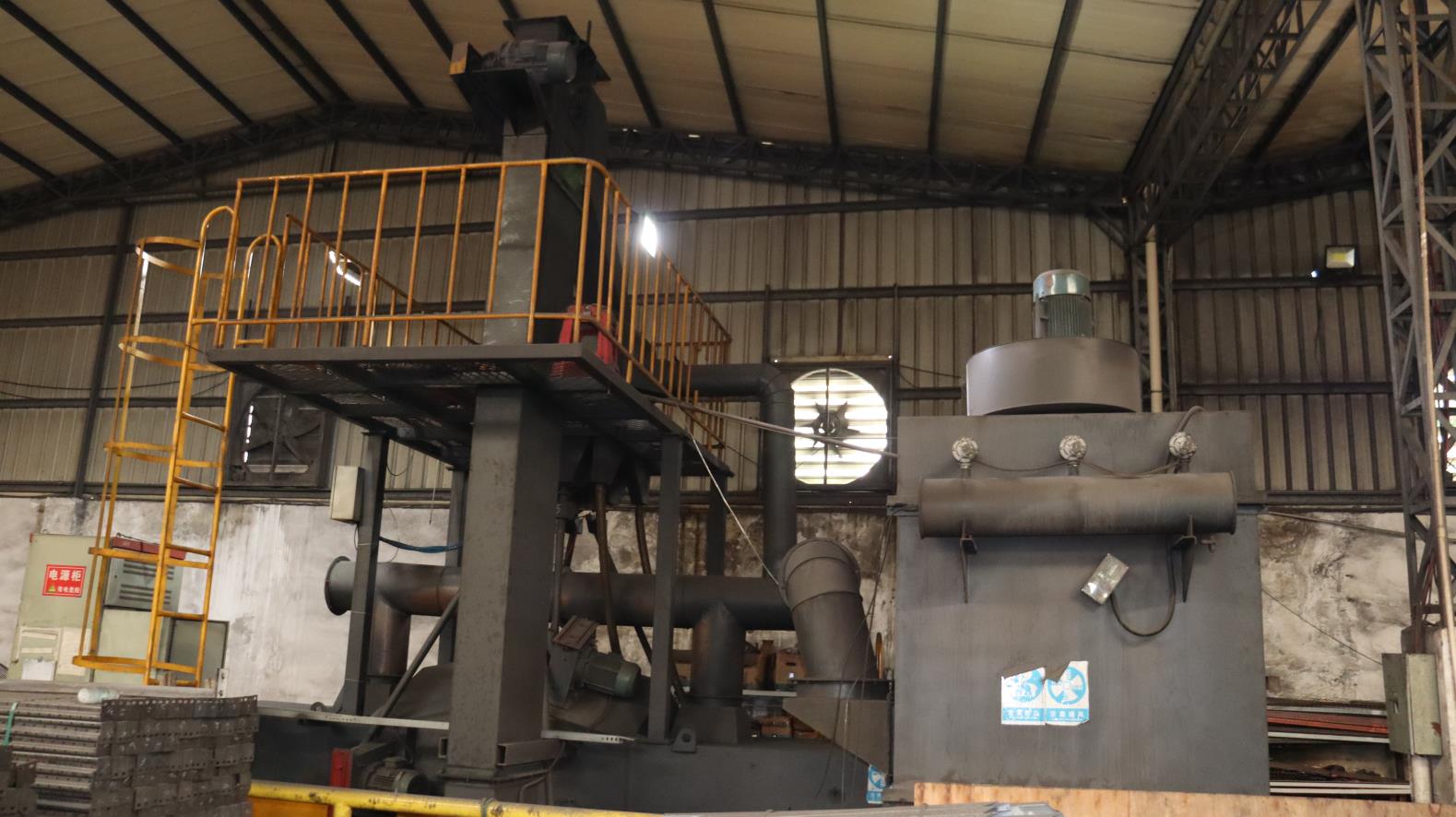
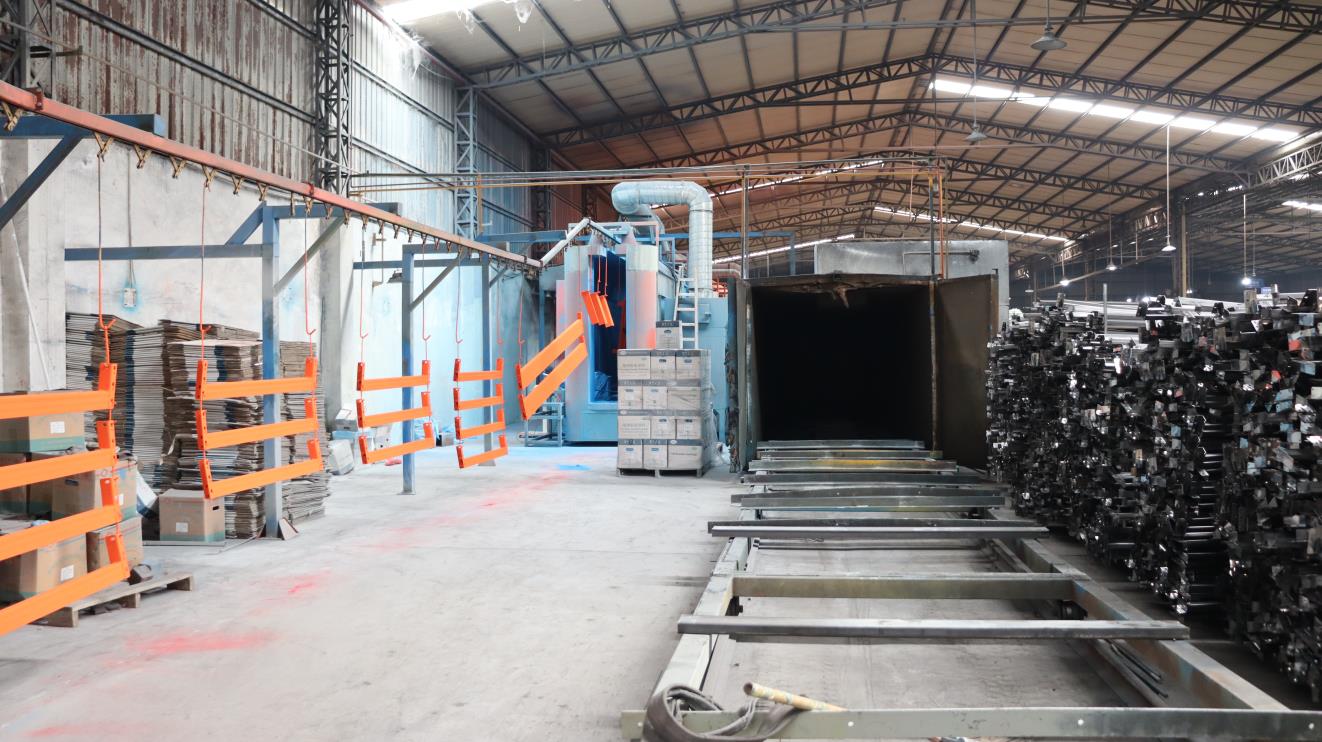
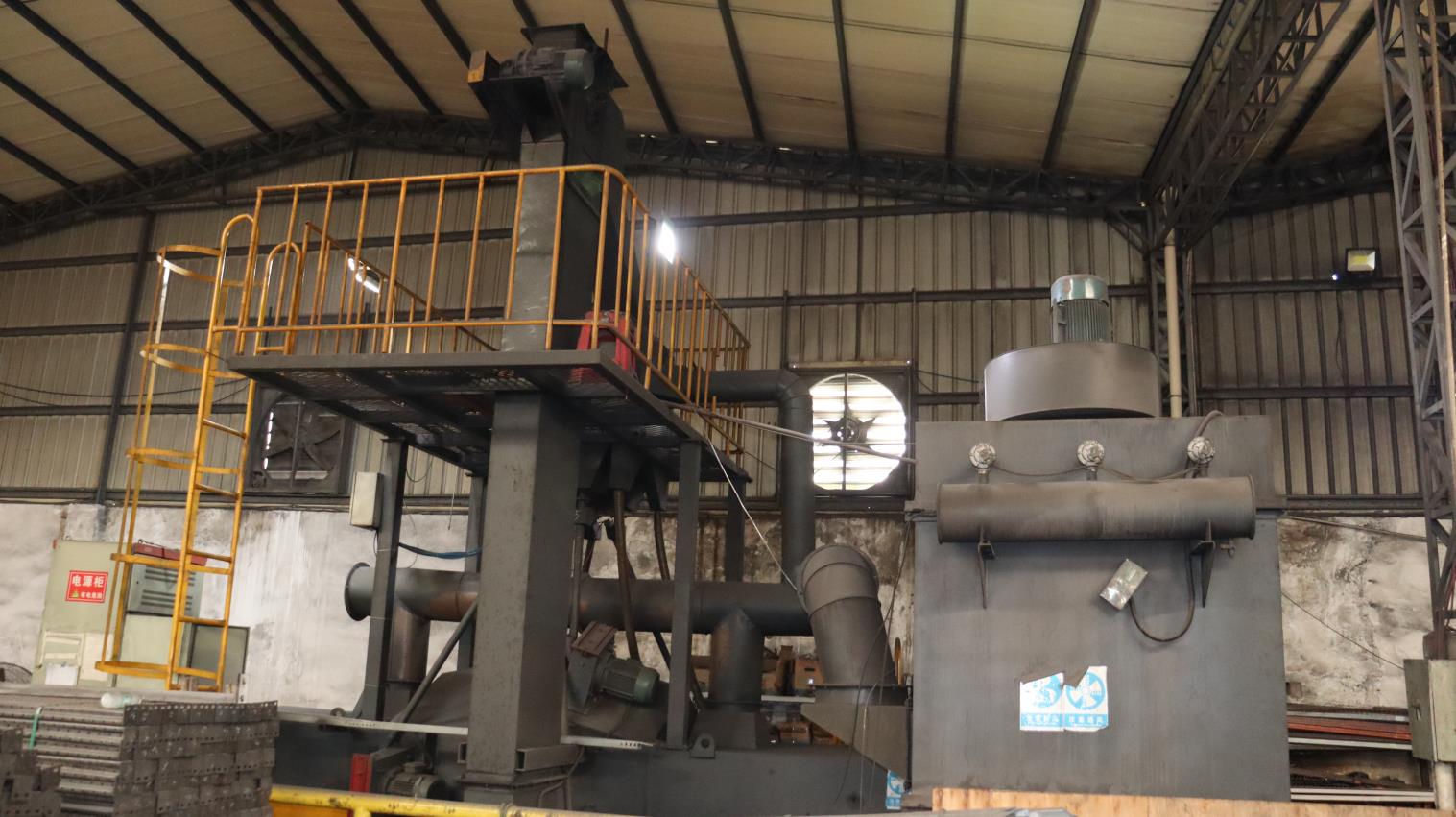
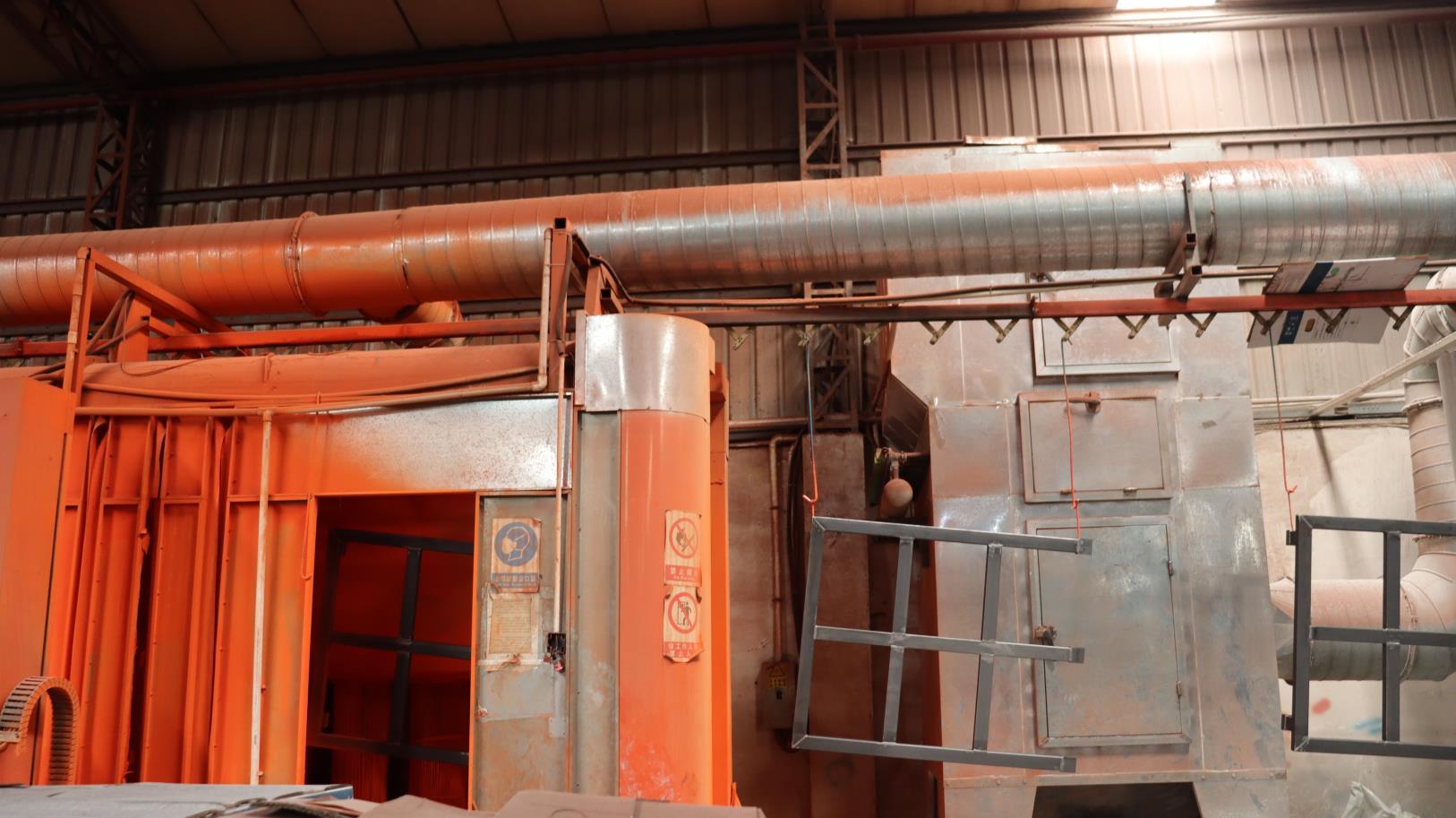
To prevent degradation in temperature-controlled cold storage or humid industrial environments, all components undergo pre-treatment cleaning, hot-dip phosphating, and an electrostatic epoxy powder coating process (thickness: 60-80 microns). This finish provides superior resistance to corrosion, chemical contact, and surface abrasion.
A sequential overview of our production stages, blending raw material processing with automated roll-forming and robotic welding setups.
Procurement requirements vary by sector and geography. Through active partnerships with our distributors and end users, we have identified key operational criteria per market segment:
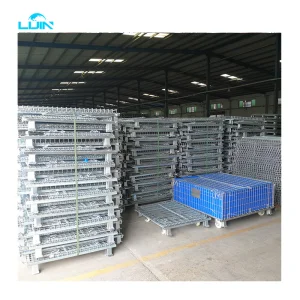
Requires interchangeable structural assemblies and modular stacking boxes. Core metric is rapid teardown turnaround. Collapsing storage units back to 15% of their working height allows operators to optimize warehouse space for high-density outbound shipping cycles.
Focuses on high dynamic load ratings, standardized forklift indexing channels, and impact-resistant hinge pins. Foldable stacking steel racks protect complex sub-assemblies during intra-plant transport and fold down flat for economical return freight.
Demands compliance with regional safety codes (such as RMI/ANSI specifications in North America and FEM guidelines in Europe). Solutions must feature anti-collapse locks, secure footplate anchoring, and clear load-rating placards.
Shenzhen Lijin supports international partners by offering custom design modifications. We adjust raw tubing thickness, add safety locks, and design custom heavy-duty base wheels to meet specific regional industrial regulations.
The future of industrial storage is connected and automated. The integration of Autonomous Mobile Robots (AMRs) and Automated Guided Vehicles (AGVs) requires racking systems to maintain precise physical spacing and structural alignment. Variances in alignment can disrupt automated retrieval systems.
To support high-density automated systems, Shenzhen Lijin is developing precision-tolerance folding components and automated storage configurations. By engineering joints that lock securely into place, we minimize structural deflection under load. Additionally, our designs are optimized for sensor-tracked picking corridors, allowing AGVs to navigate securely between uprights.
Reliability is verified through testing and certification. Our internal QA department monitors raw materials and structural performance to ensure all components comply with international standards. We perform tensile tests on steel plates and weld durability testing on critical joints to verify overall stability.
Our products are certified to conform to European CE directives for machinery safety and structural loading. We also use computerized modeling to design and test configurations for high-risk seismic zones, ensuring stability in complex operating environments.
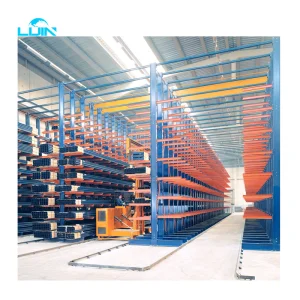
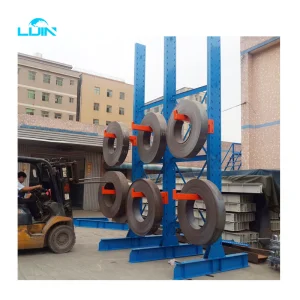
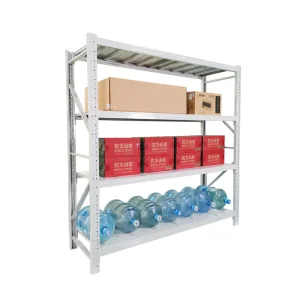
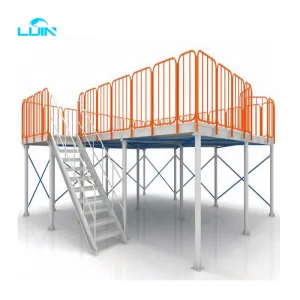
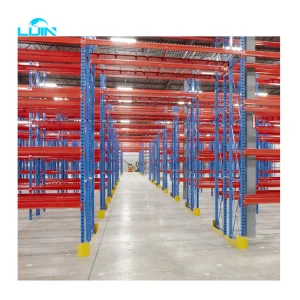
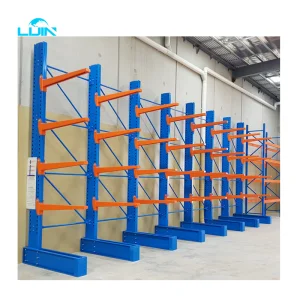
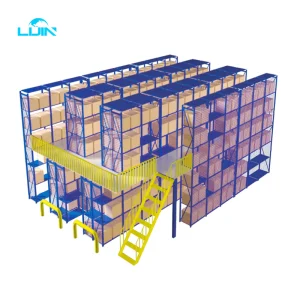
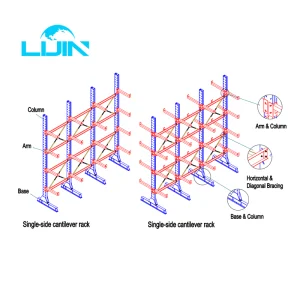
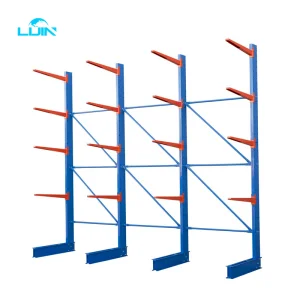
Heavy-duty pallet configurations, structural mezzanines, and custom cantilever storage systems designed for high-density applications.
 Lijin Racking