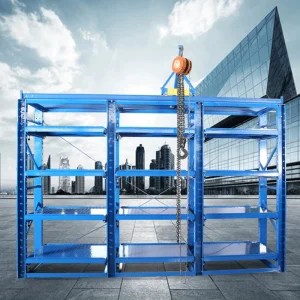
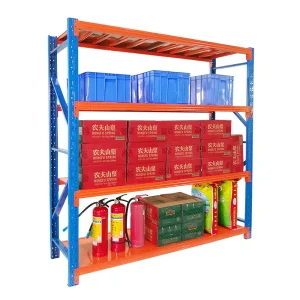
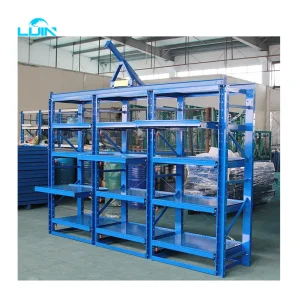
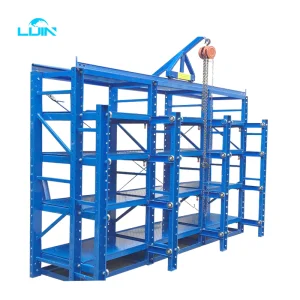
Engineered for high-capacity warehouse efficiency, our heavy-duty mould racking provides secure, sliding-shelf access to industrial dies and machinery tooling.
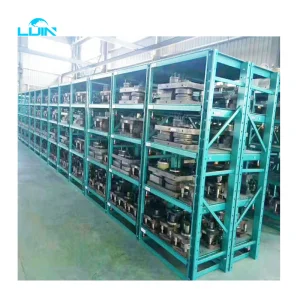
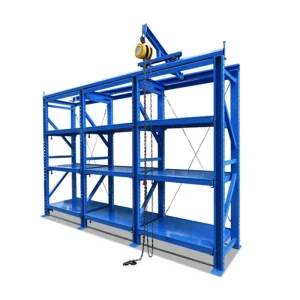
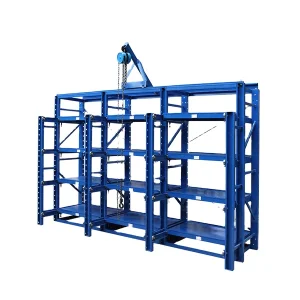
Evaluating the tectonic shift toward vertical optimization and safety margins in advanced manufacturing.
In modern industrial facilities, the floor area value continues to rise exponentially. Manufacturing entities—particularly those operating in high-precision automotive stamping, plastic injection molding, and aerospace forging—encounter a universal constraint: the storage, retrieval, and structural management of massive molds. Molds, often weighing between 500 kg and over 5,000 kg, present severe physical hazards if stored incorrectly, and create significant process downtime if access is slow or uncoordinated.
Semantic Search Focus: The transition from standard heavy-duty industrial shelving to specialized drawer-style die racks is no longer merely an option for dynamic storage—it is a critical safety and efficiency standard. Standard static racks require overhead cranes to navigate complex maneuvers, whereas slide-out drawer-type racking allows direct vertical overhead hoisting without disturbing adjacent units, cutting tooling replacement times by up to 65%.
As heavy machinery sectors across North America, Western Europe, and APAC deploy automated inventory control, exporters must adapt. Modern tooling requires intelligent racking solutions that integrate structural engineering with space constraints. The transition toward high-density vertical configurations has forced manufacturers to prioritize verified material grades, structural certifications, and robust mechanical locking mechanisms.
Global procurement teams now evaluate partners based on comprehensive engineering validation rather than basic unit cost. A failure in structural calculation for a 15-ton rack column can lead to total operational shutdown. Consequently, selecting a factory with advanced finite element analysis (FEA) testing and dynamic load certifications has become the standard for multinational supply chains.
When injection mold machines wait for a crane operator to extract a multi-ton cavity mold from deep within static racking, productivity drops. Efficient factories calculate setup times (SMED - Single-Minute Exchange of Die) as a core KPI. By deploying 100% full-extension slide-out drawer racks, logistics coordinators can prep the next mold while the current run is active, enabling rapid changeover and achieving optimal lean manufacturing metrics.
A trusted global leader in structural engineering, safety-validated industrial storage, and custom logistics solutions.
Established Year
Manufacturing Facility
Annual Revenue
R&D Engineers
Established in 2015, Shenzhen Lijin Storage Equipment Co., Ltd. is a leading enterprise specializing in the design, manufacturing, and global distribution of heavy-duty warehouse racking systems, automated storage solutions, and industrial shelving. Spanning a state-of-the-art facility of 35,000 m², we have developed into a trusted global supply chain partner with over 8 years of direct export experience and more than 12 years of deep industry expertise. Driven by innovation and quality, our global revenue reached USD 22 million last year.
Supported by a skilled team of 28 R&D engineers, Shenzhen Lijin delivers comprehensive OEM and ODM solutions tailored to unique warehouse layouts, seismic requirements, and capacity needs. Our engineering team launched over 85 new products and dynamic storage configurations last year, continuously setting new standards in space optimization and modern automated storage integration.
We enforce a rigorous, multi-stage quality control system—including ultrasonic non-destructive testing, automated weld inspection, laser dimensional checking, and heavy-load endurance testing. Backed by an in-house quality inspection team of 35 dedicated professionals, every batch meets international safety and structural standards, ensuring maximum load-bearing efficiency and long-term stability.
Backed by an experienced international trade background, our core markets span North America, Western Europe, Southeast Asia, and the Middle East. We maintain strong strategic relationships with over 850 supply chain partners globally. Our primary clients include large-scale logistics hubs, commercial distributors, third-party logistics (3PL) providers, and industrial equipment wholesalers.
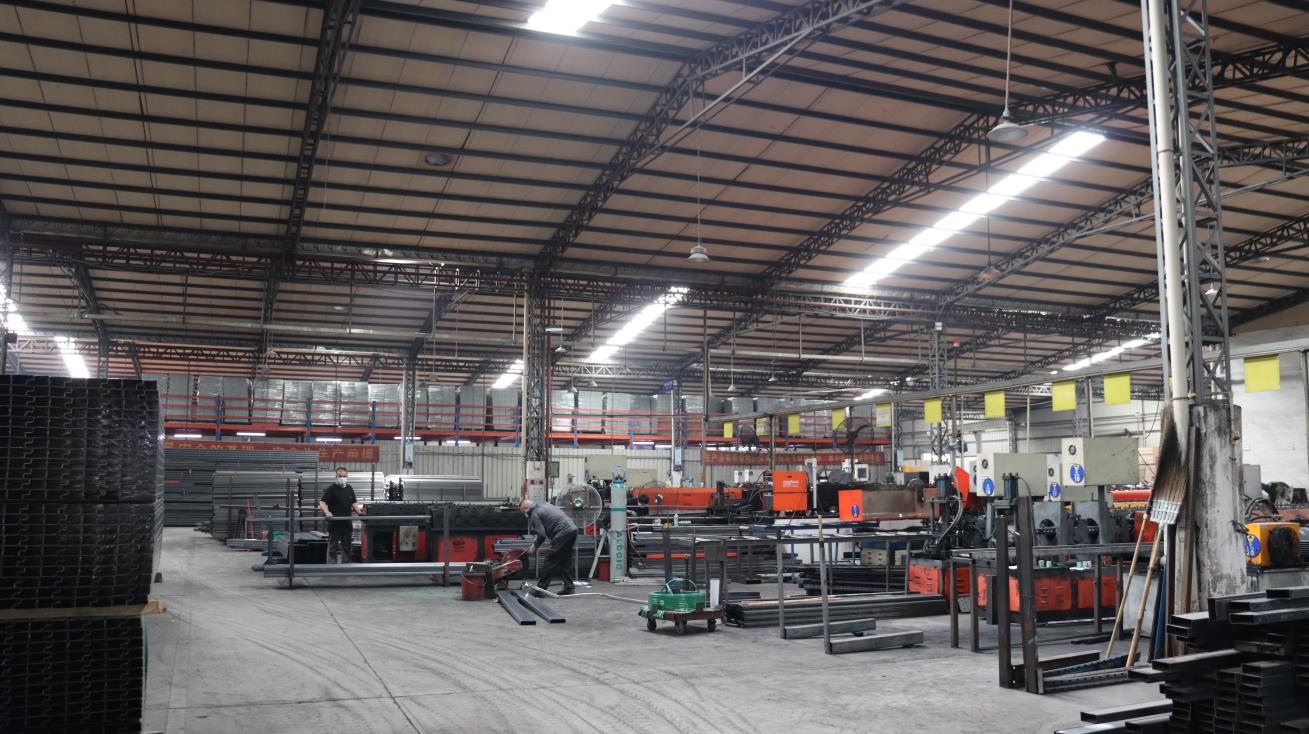
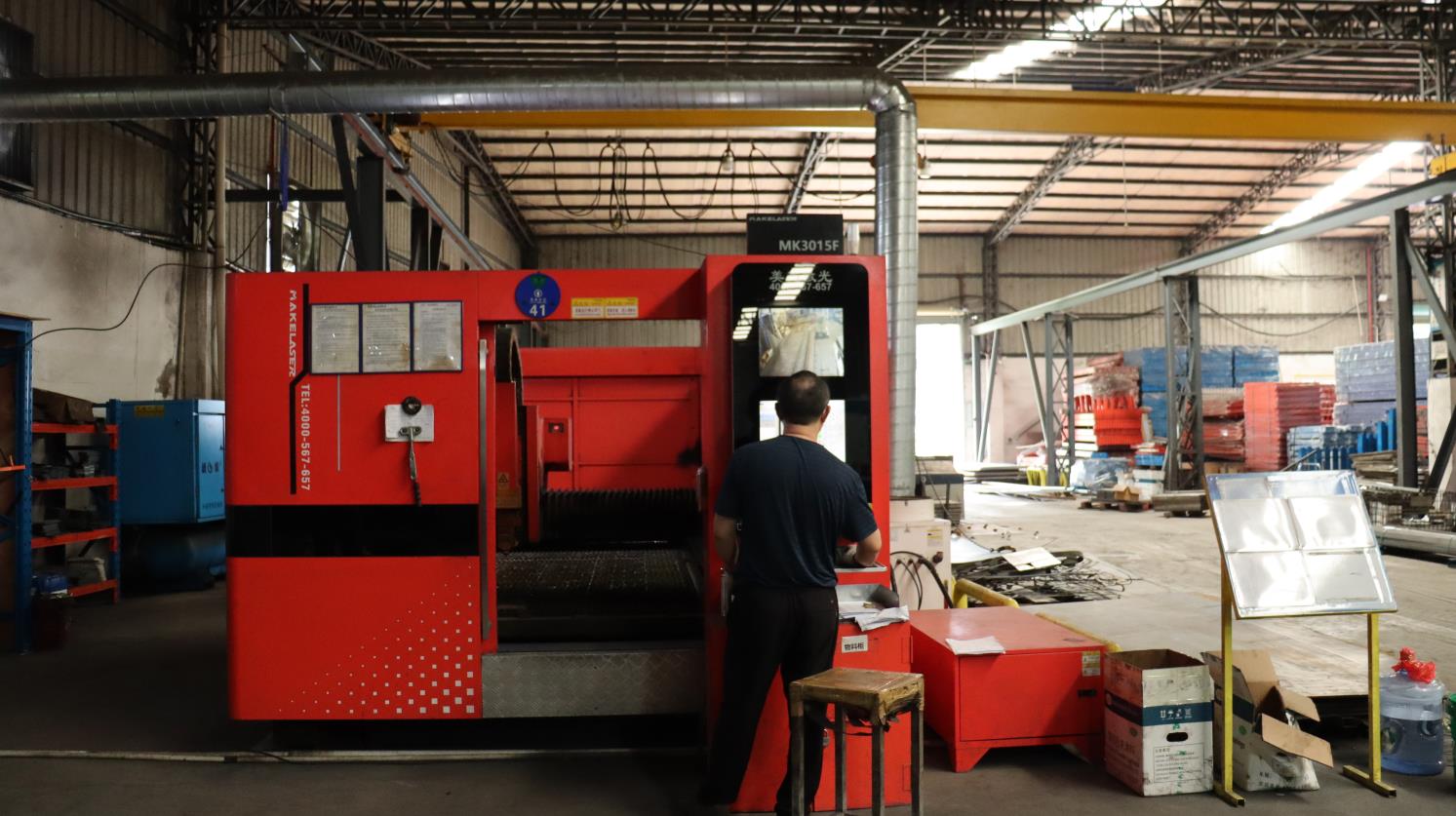
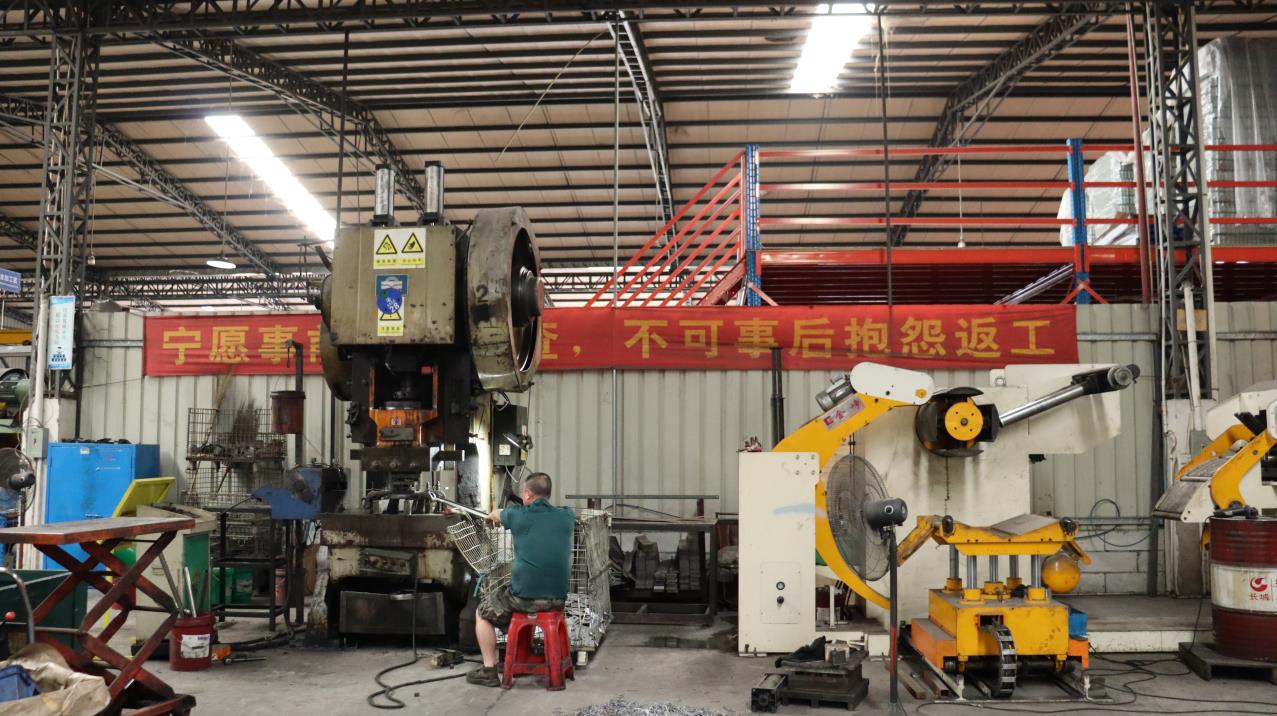
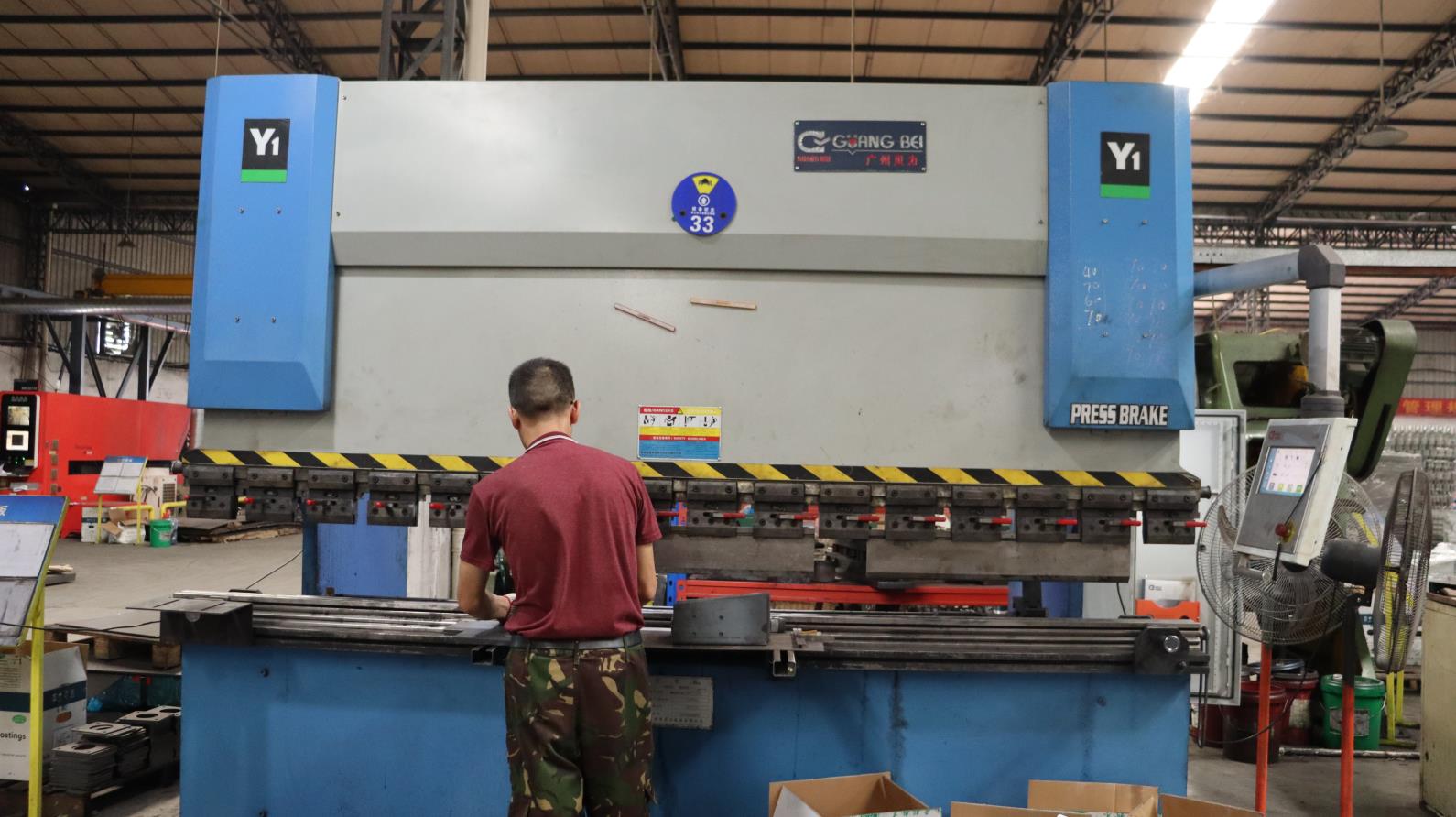
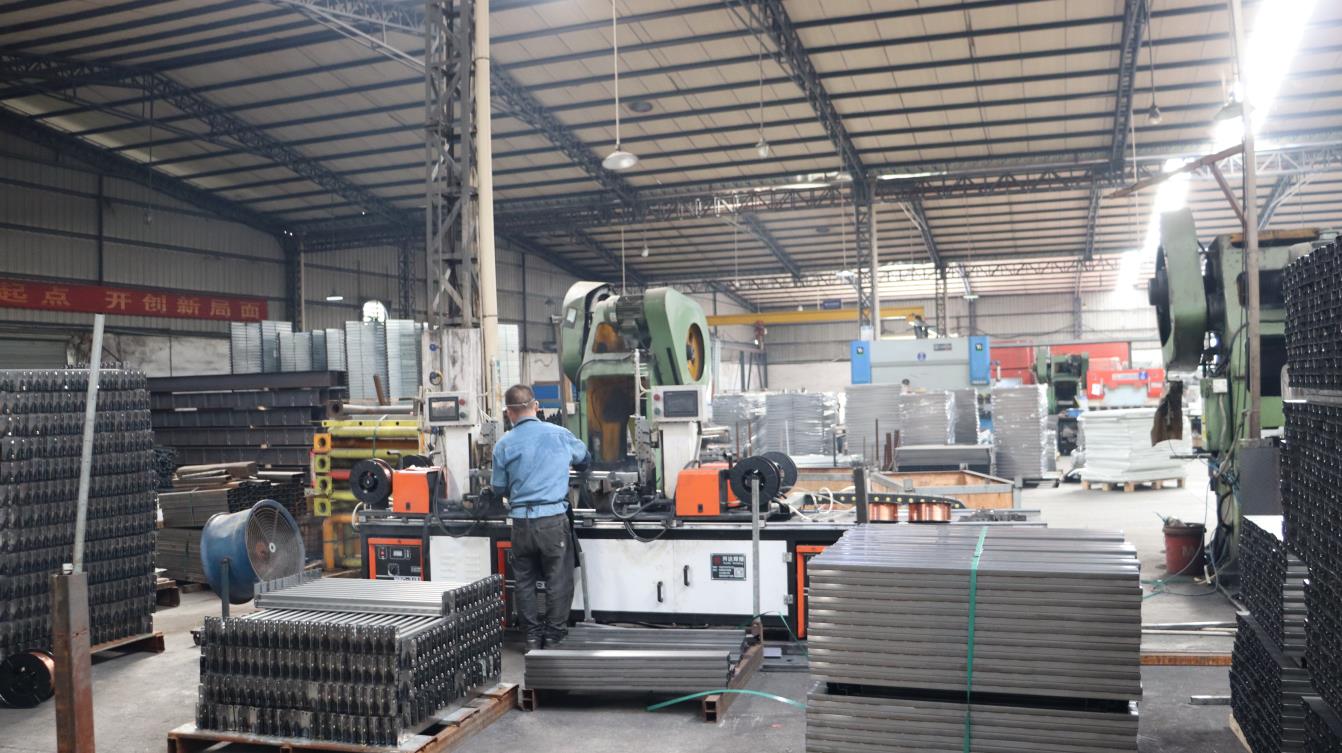
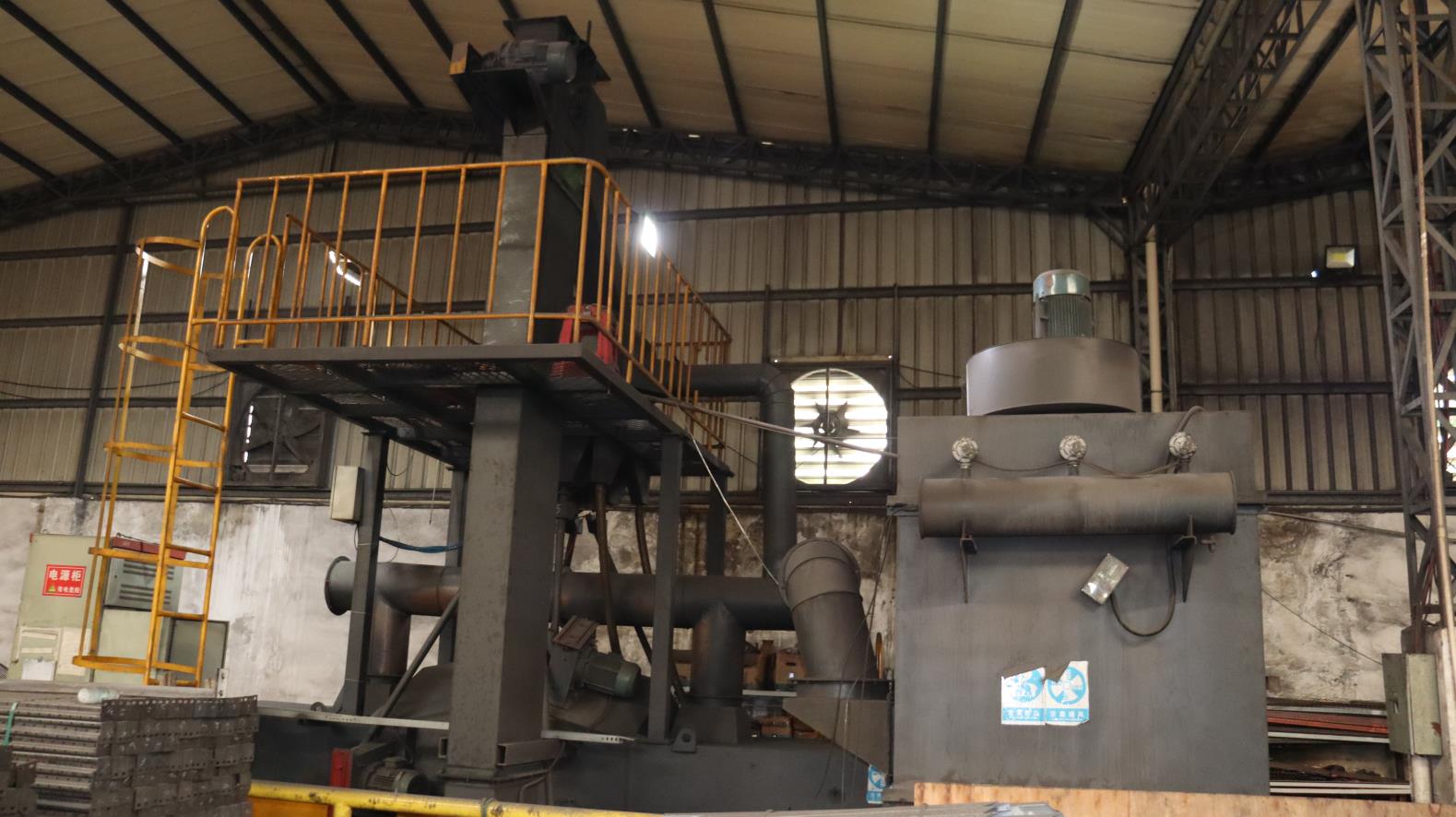
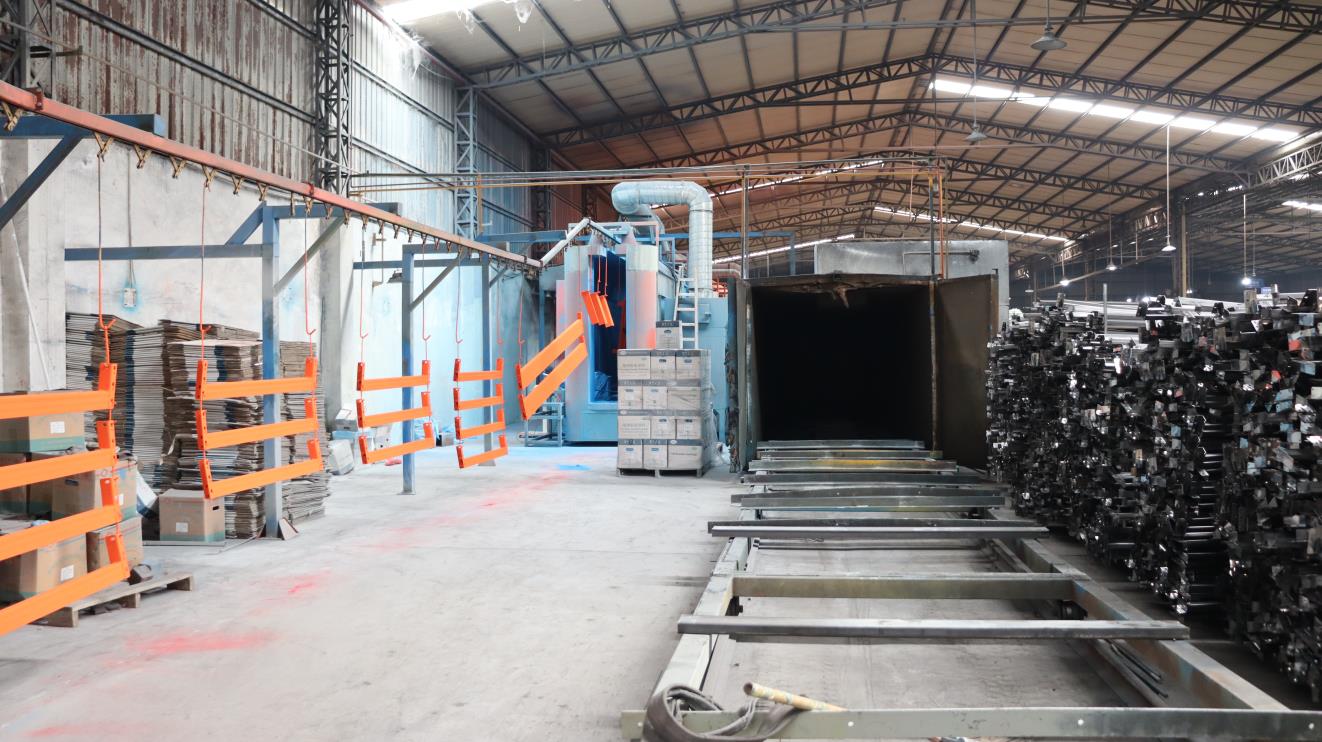
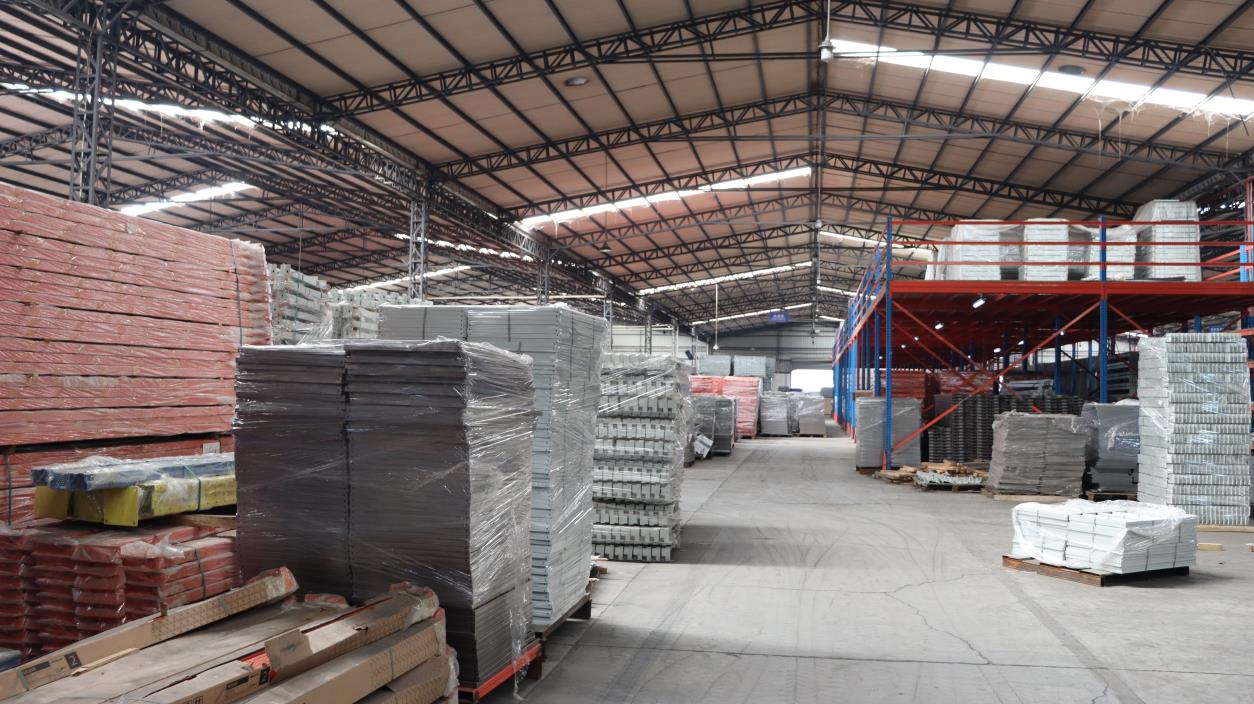
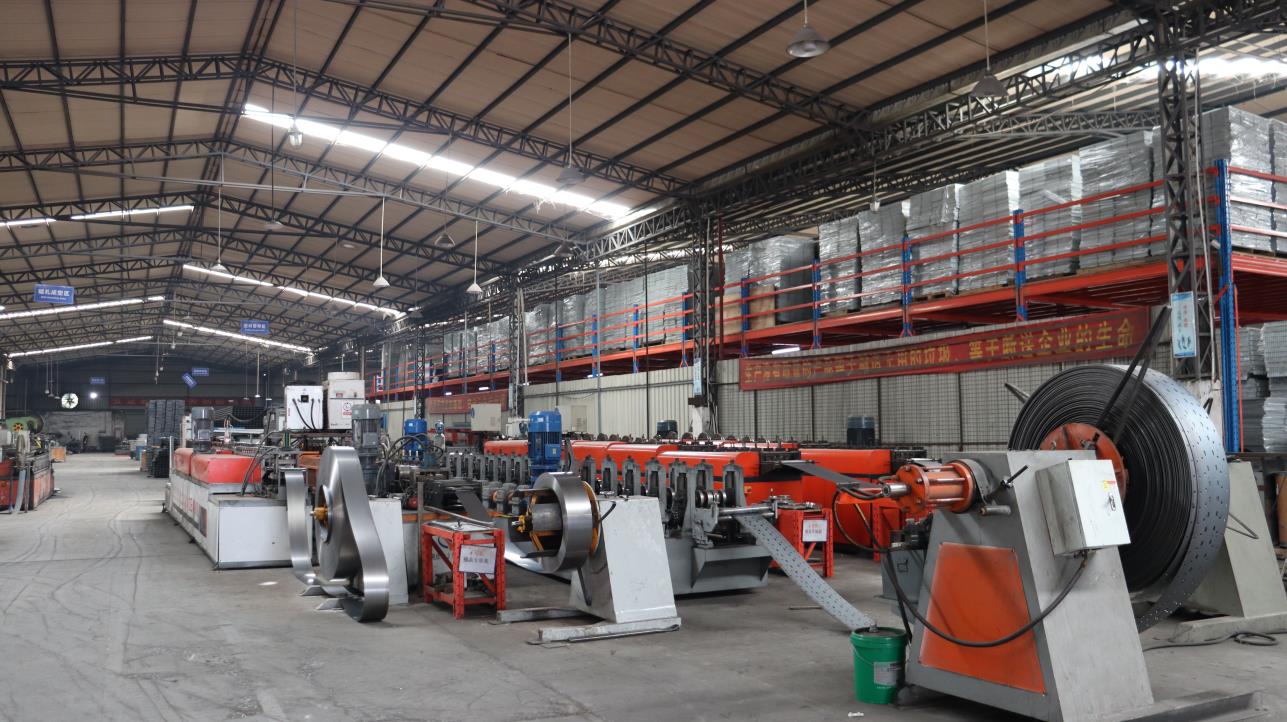
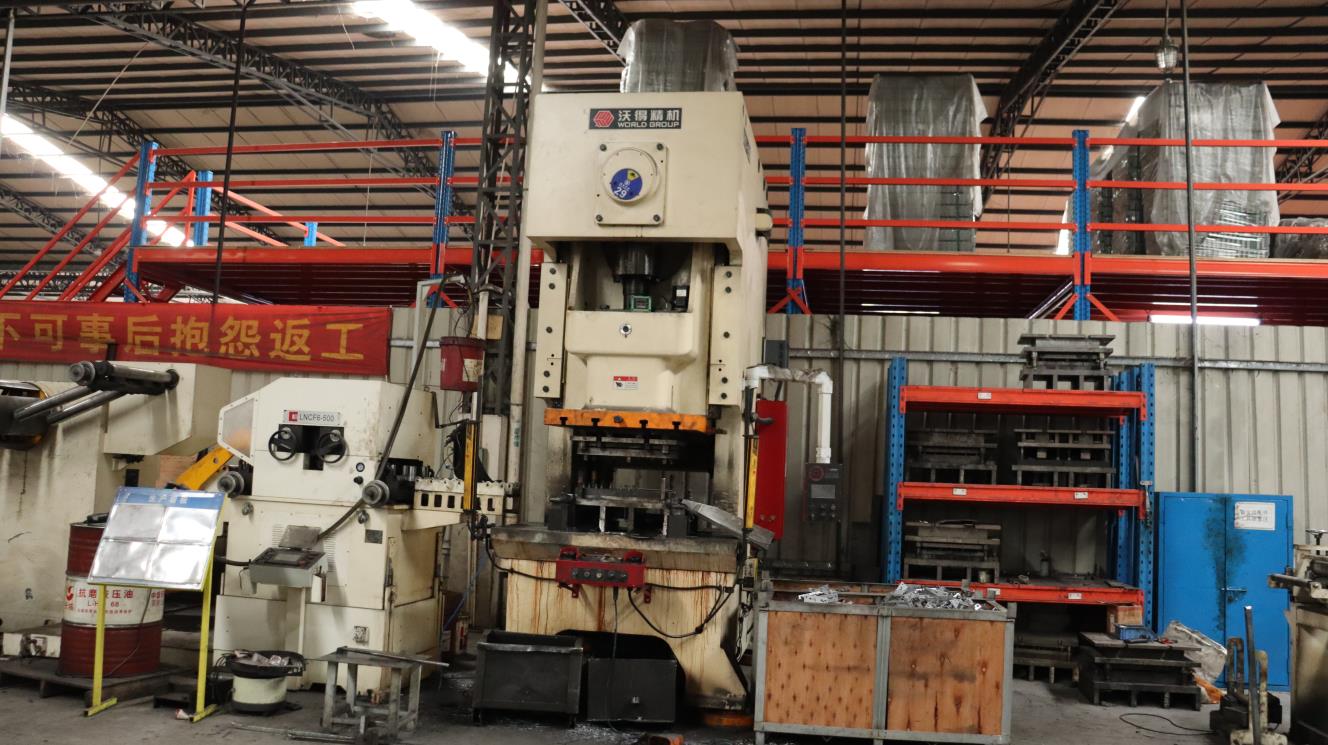
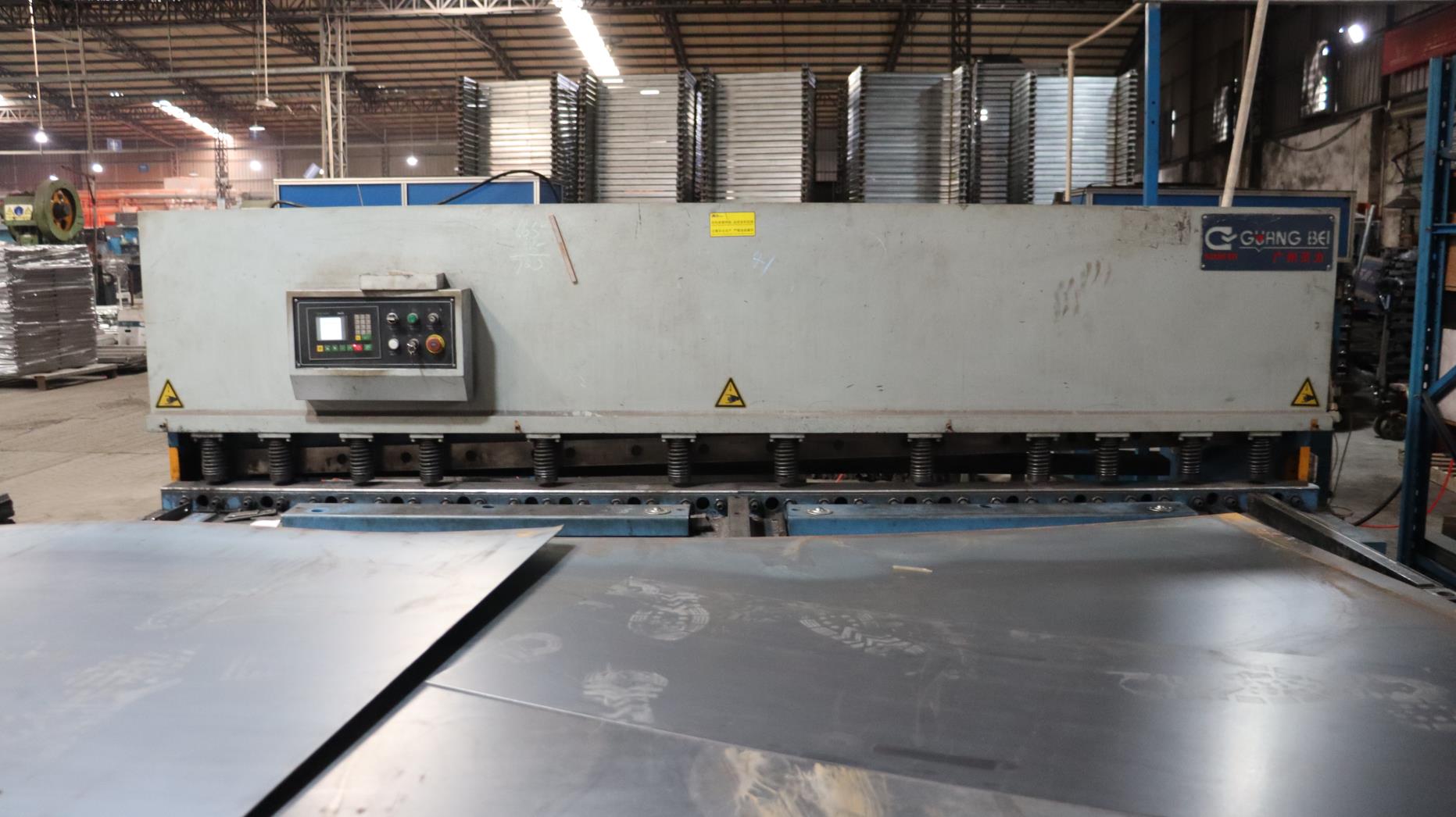
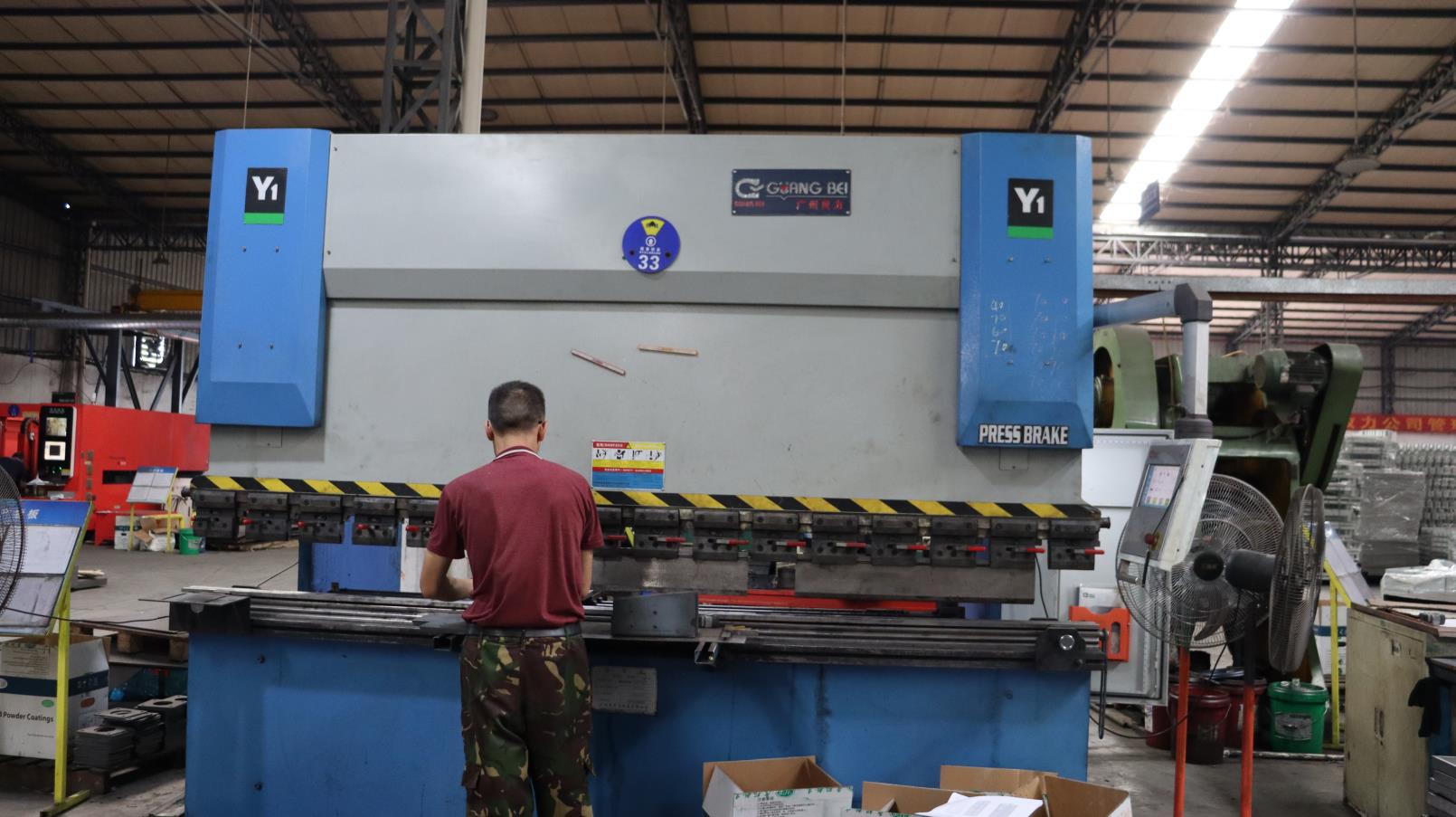
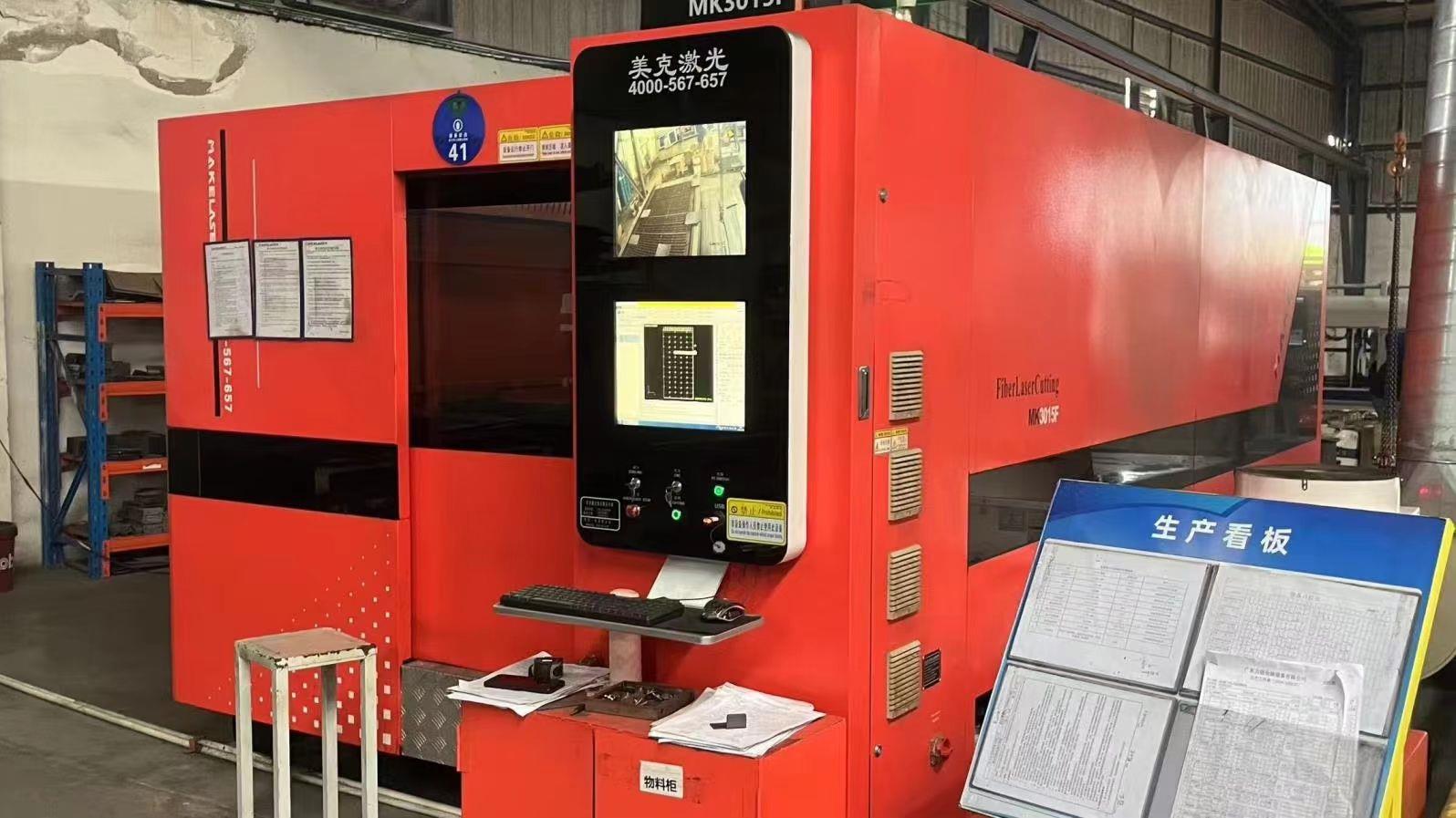
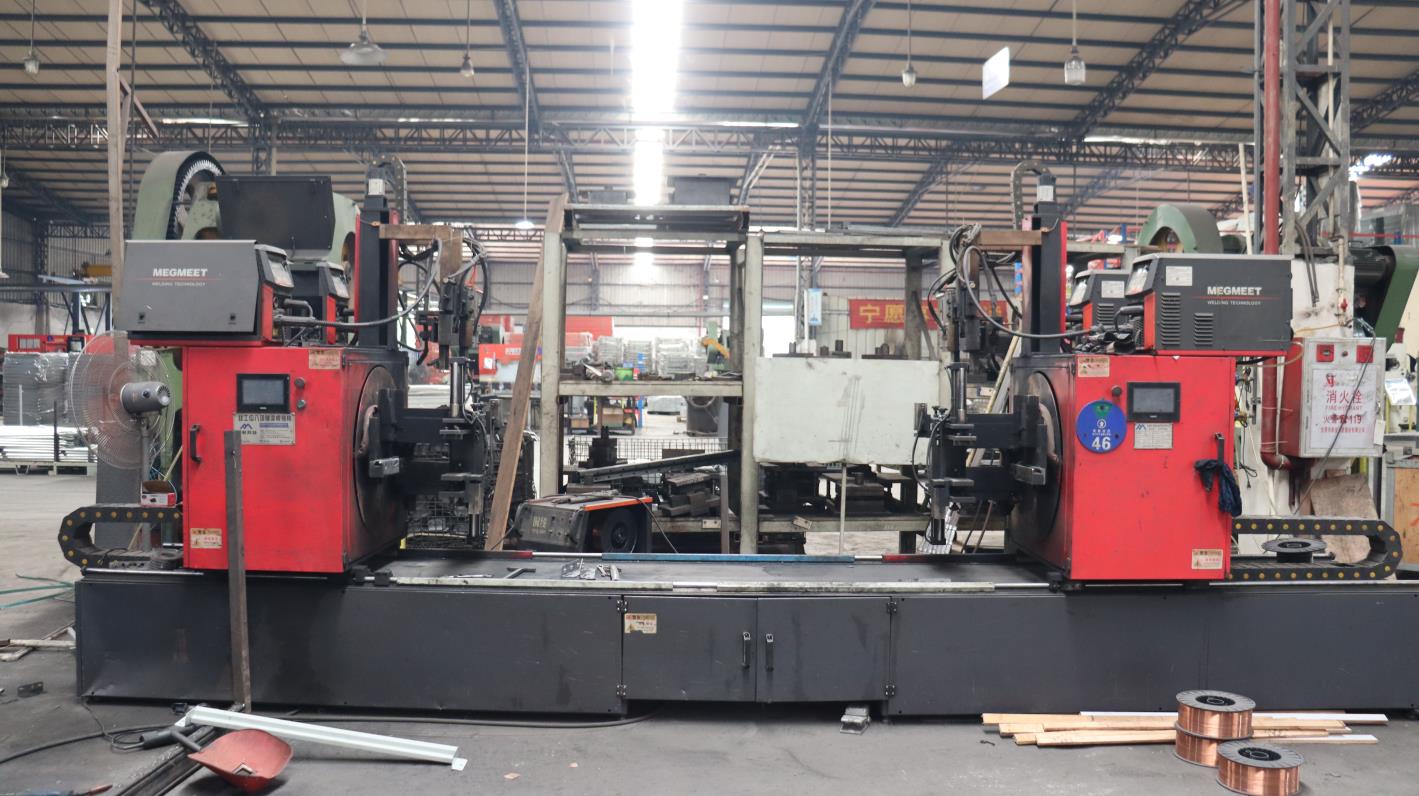
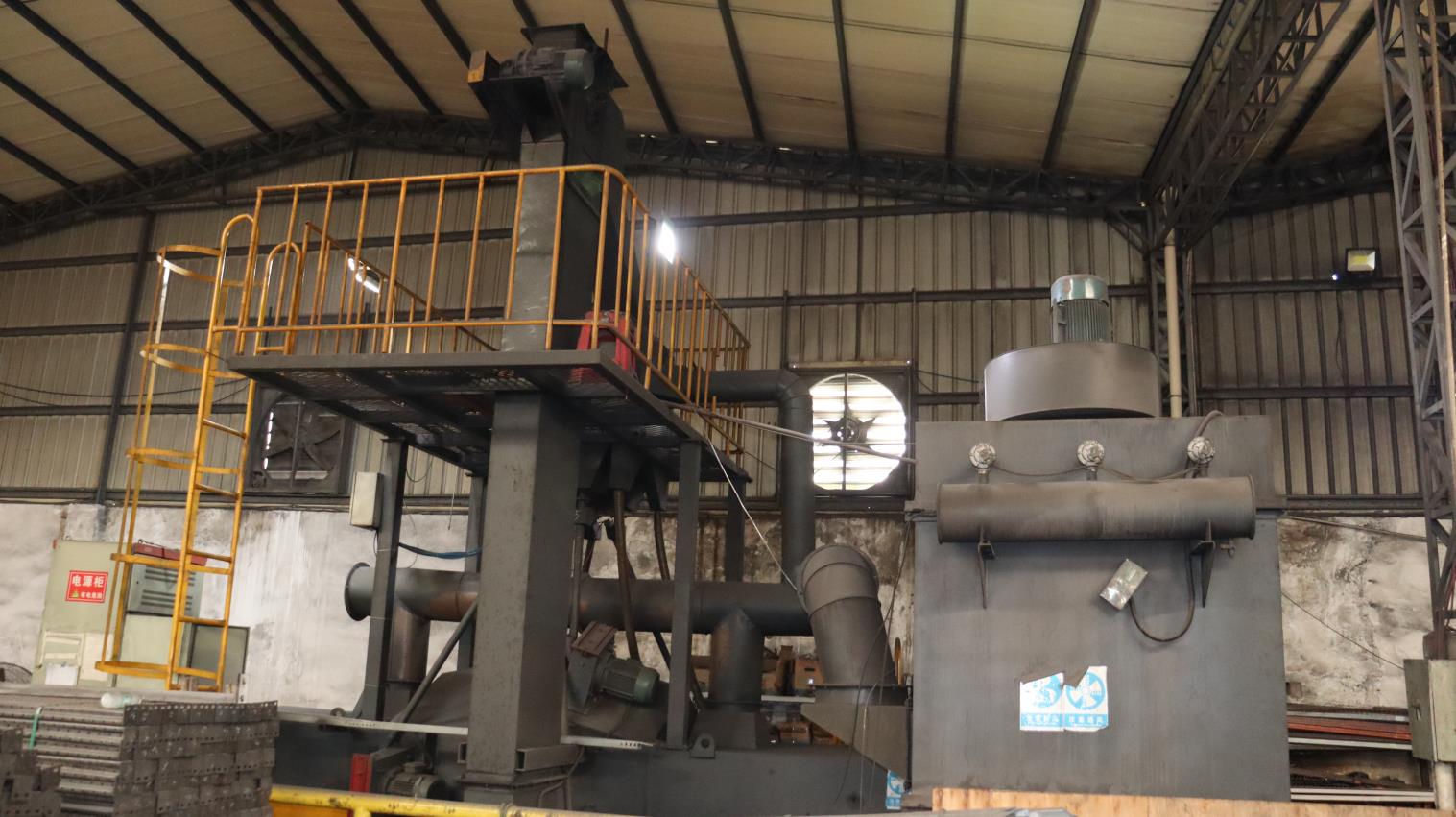
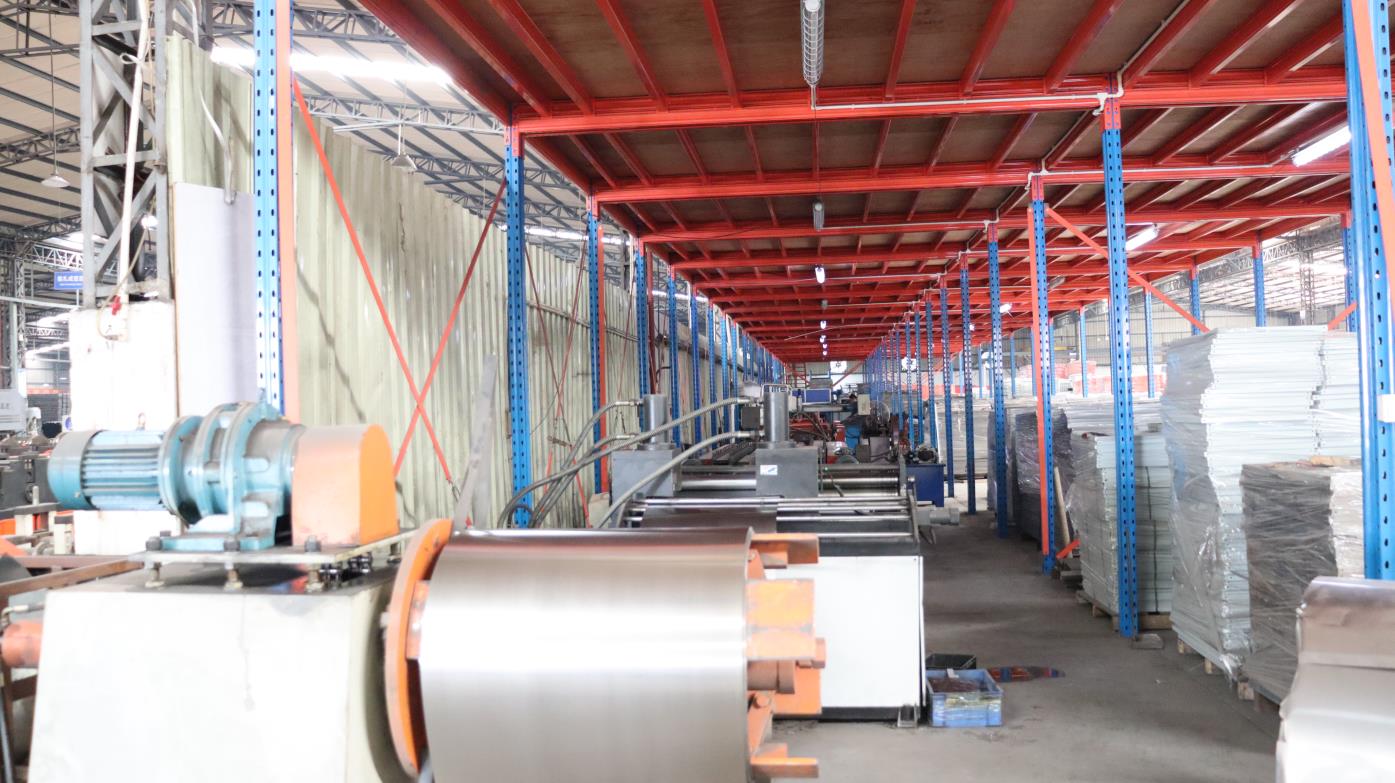
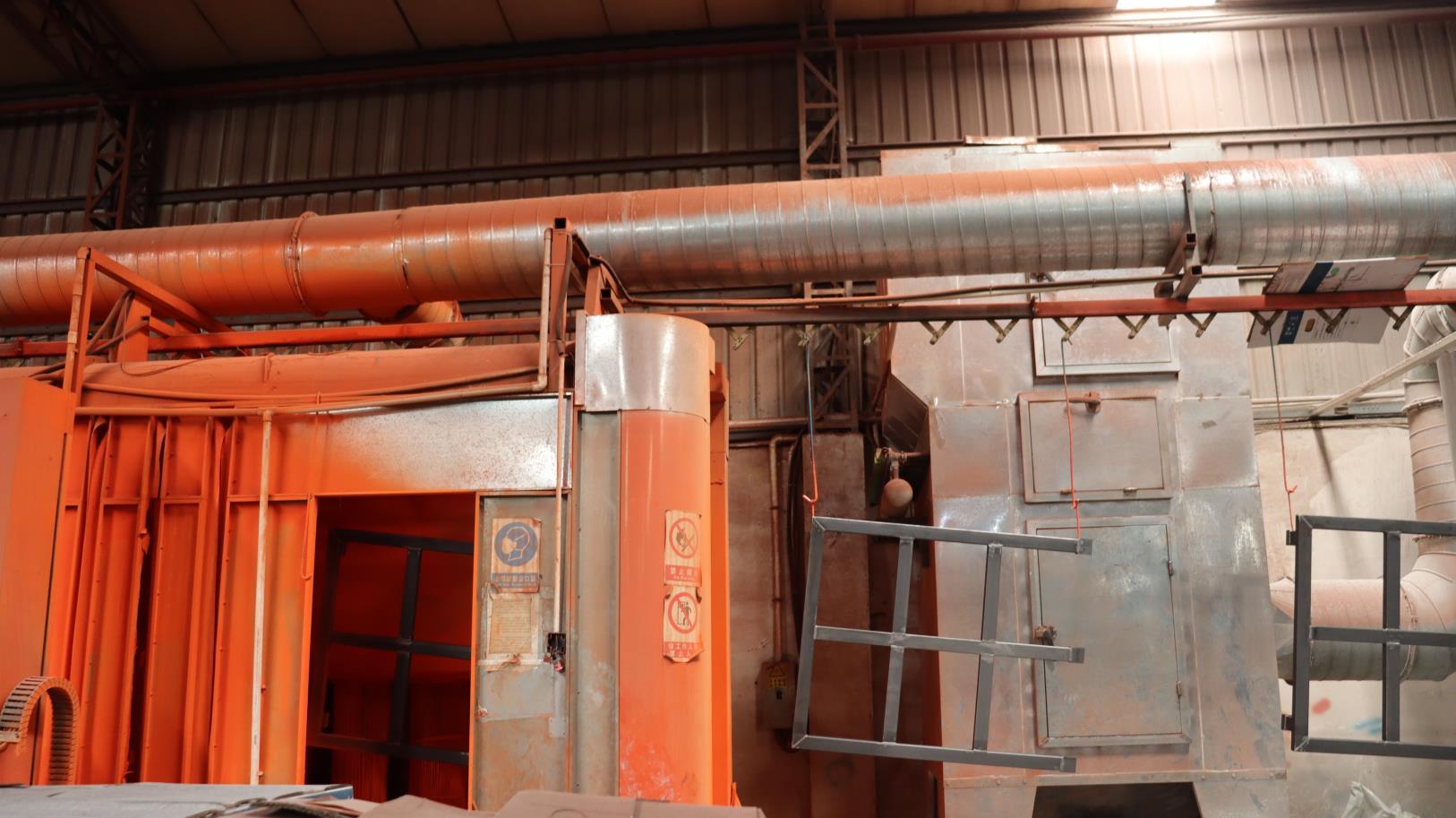
A comprehensive overview of our automated fabrication lines, welding precision, and powder-coating processes.
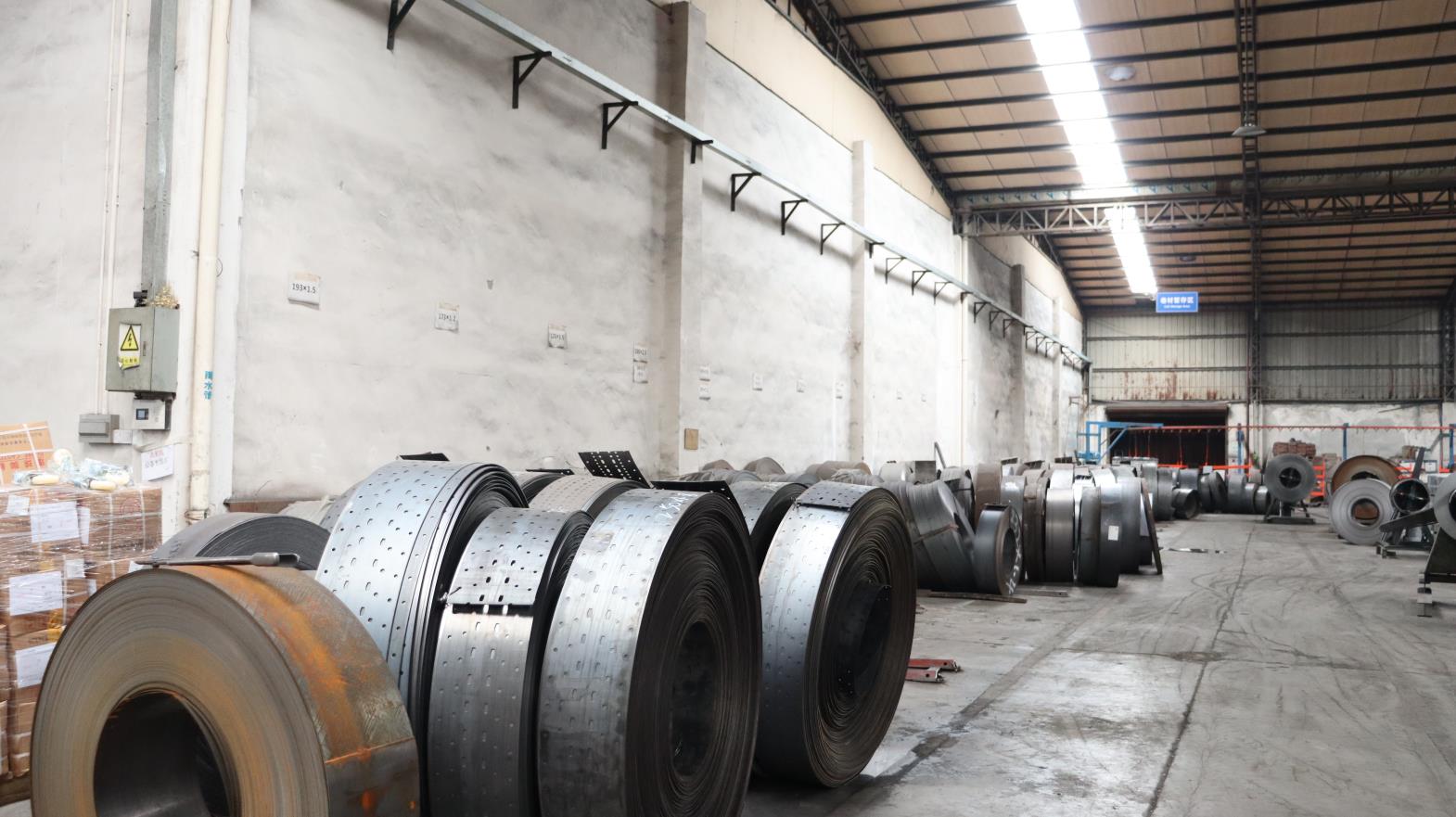
A detailed technical review of mechanical integrity, material grades, and safety features.
To safely support massive industrial dies, structural engineers must evaluate steel grades and design limits. Most heavy-duty mould racks are built from structural Q235B or Q345B steel, which are chosen for their optimal yield strength and ductility. The critical engineering challenges are dynamic deflection and eccentric loading when drawers are extended.
Our engineering teams utilize Finite Element Analysis (FEA) to simulate extreme load distributions, ensuring the design preserves a safety factor of at least 1.5 under maximum drawer extension. This engineering approach prevents structure deformation and frame twisting, ensuring stable long-term performance.
Beyond steel grades, the roll-forming process determines the structural profile's load capacity. By shaping the upright frames with multi-stage cold-roll formers, we create complex column geometries that increase resistance to torsional buckling. This geometry maintains structural strength even under heavy vertical loads, maximizing safety and durability.
A critical component of this structural integrity is the connection system. Our engineers utilize precision heavy-duty hook connectors with safety lock pins. This design prevents accidental beam dislodgement from lift trucks or crane interventions, securing the system under daily operational strains.
Features structural steel ball-bearing rollers allowing 50% to 100% horizontal extension. Provides smooth operation even when loaded to maximum capacity.
Our advanced designs feature a mechanical interlocking system that allows only one drawer per bay to be pulled out at a time, eliminating tipping risks.
High-temperature baked electrostatic powder coatings provide chemical and physical resistance in harsh industrial environments.
How our strategic location, automated production, and localized engineering help reduce costs and optimize global logistics.
Our facility in Shenzhen sits in one of the world's most advanced manufacturing hubs. By optimizing material transport from nearby raw steel mills, we minimize transportation delays. Integrating high-speed CNC punch presses, automated laser cutting, and robotic welding stations enables us to manufacture heavy-duty racking with consistent structural accuracy at scale.
This automated capacity helps reduce overall production lead times. By utilizing standardized tooling fixtures, we can run continuous roll-forming operations, keeping client orders moving without typical scheduling delays. This logistical model helps reduce manufacturing lead times to just 15-20 days, even for custom orders.
Different industrial markets require distinct structural standards. In North America, racking calculations must comply with RMI (Rack Manufacturers Institute) and AISC design codes. In Europe, designs follow the FEM 10.2.02 standards, which focus heavily on limit state design, load configurations, and dynamic impact resistance. Our engineering team designs custom upright frames and bracing patterns tailored to each region's specific requirements.
For installations in high-seismic zones, such as the US West Coast or parts of Southeast Asia, we increase post dimensions, use thicker baseplates, and install heavier floor anchor bolts. Our custom dynamic calculations ensure these storage structures remain stable and secure even during minor seismic disturbances.
Exploring automated storage systems, connected tracking technologies, and essential safety certifications.
When selecting an industrial racking supplier, procurement teams must evaluate verified performance metrics over simple cost figures. Consider these essential technical criteria:
Modern warehousing is shifting away from manual operations. Industrial die storage is evolving to include digital tracking and automation:
Detailed engineering, manufacturing, and shipping information for procurement managers and logistics directors.
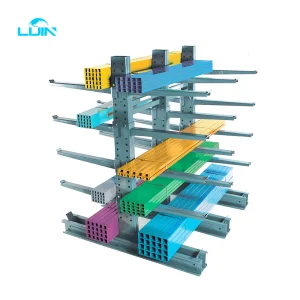
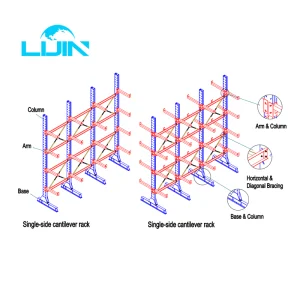
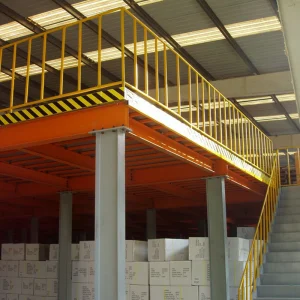
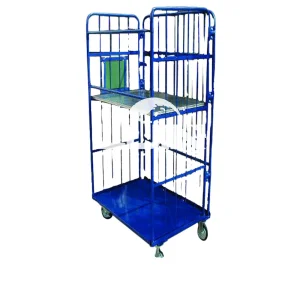
From flexible mezzanines and cantilevers to specialized material carts, we provide durable solutions for modern industrial storage.
 Lijin Racking