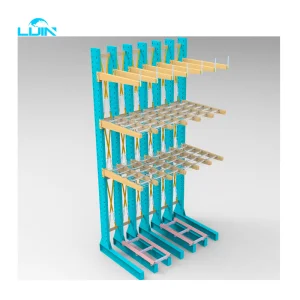
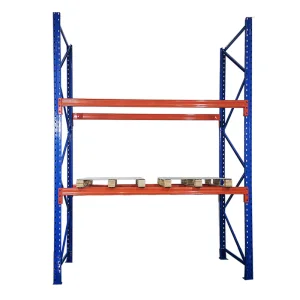
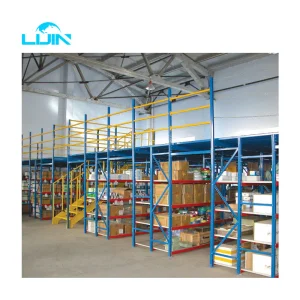
Explore our premium B2B product range, combining advanced robotic fabrication, cold-rolled steel design, and high-load capacity architecture.
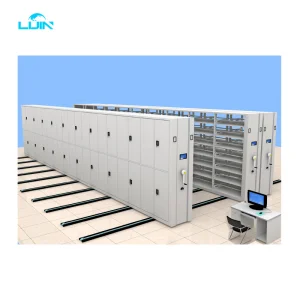
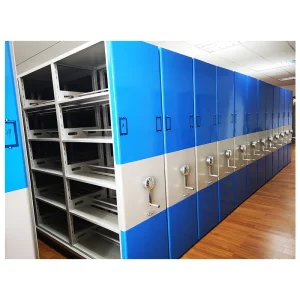
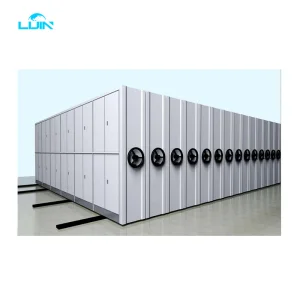
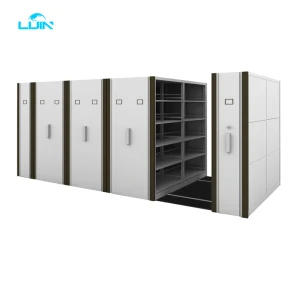
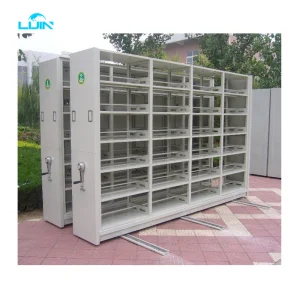
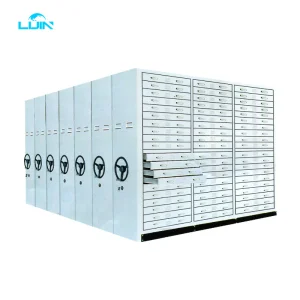
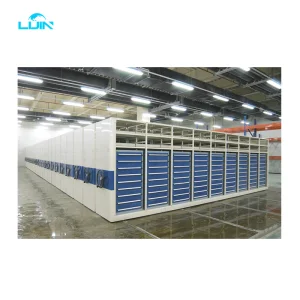
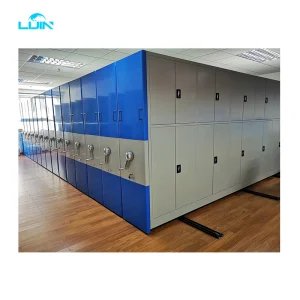
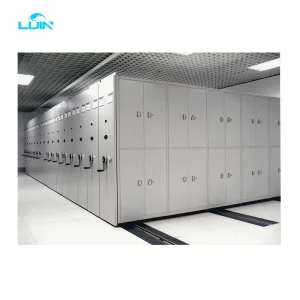
In modern corporate offices, industrial hubs, and logistical centers, space is a high-cost asset. Standard static filing configurations waste up to 50% to 60% of floor space on permanent, underutilized access aisles. High-density movable filing cabinet systems solve this issue by placing shelves or cabinets on floor-guided track assemblies, reducing multiple access corridors to a single, relocatable aisle. For procurement directors, architects, and facilities planners, choosing a robust movable filing configuration involves deep evaluation of mechanical gear mechanisms, steel grades, track tolerances, and built-in safety features.
These systems must handle substantial live loads. Paper documents, corporate records, legal archives, medical charts, and industrial parts have exceptionally high weight-to-volume ratios. Standard installations require shelf weight capacities ranging from 80 kg to 150 kg per shelf level, translating to several metric tons per carriage row. Because of this concentrated load, specifying materials like Q235B cold-rolled steel is crucial. This high-tensile material maintains long-term structural integrity without bending or warping, ensuring smooth operation over decades.
To help engineering teams choose the right storage solutions, the table below highlights standard design parameters for commercial and heavy-duty movable cabinet setups.
| System Parameter | Standard Office Specification | Industrial/Heavy-Duty Specification |
|---|---|---|
| Material Composition | Premium cold-rolled steel sheet (SPCC/Q235B) | High-strength structural steel profiles (Q355B) |
| Bay Load Capacity | 400 kg – 600 kg per bay | 1,200 kg – 4,500 kg per bay (pallet scale) |
| Drive Mechanism | Manual crank / Mechanical multi-gear drive | Automated smart electric (PLC controlled) |
| Track Construction | Solid cold-drawn steel, flush or surface mount | Industrial floor-anchored steel tracks with guidance flanges |
| Safety Mechanisms | Manual lock, anti-tilt floor devices | Infrared safety curtains, emergency stops, mechanical limits |
| Finish & Protection | Electrostatic thermosetting powder coating | Galvanized components or heavy industrial epoxy finish |
Enterprise procurement teams look at storage options through a lens of total cost of ownership (TCO) and long-term space savings. When a business outgrows its archive facilities, the costs of relocating or renting new space are far higher than investing in high-density movable storage. Our engineering research shows that a standard 1,000 m² archive room can fit the same capacity into just 450 m² when converted to a track-guided compactor setup. This frees up the remaining 550 m² for high-value operations or revenue-generating activities.
Additionally, modern global businesses require designs that are easy to ship and assemble. Large welded structures are difficult to transport and handle in tight office elevators or underground archive rooms. That is why our modern mechanical compactor systems feature a modular, boltless knock-down design. This simplifies overseas shipping in standard sea containers and makes on-site installation quick and efficient.
The global storage market is rapidly transitioning from manual mechanical systems to automated smart compactors. The newest generations feature computerized PLC microprocessors, touch-screen operation panels, and automated aisle access. With a single click or RFID card swipe, the system automatically opens the required aisle, protecting workers with modern obstacle sensors and mechanical fail-safes. Incorporating RFID tags and warehouse management system (WMS) integration allows these systems to find and retrieve files automatically, saving time and reducing retrieval errors.
A leading global supplier and manufacturer of premium industrial racking and automated high-density storage platforms.
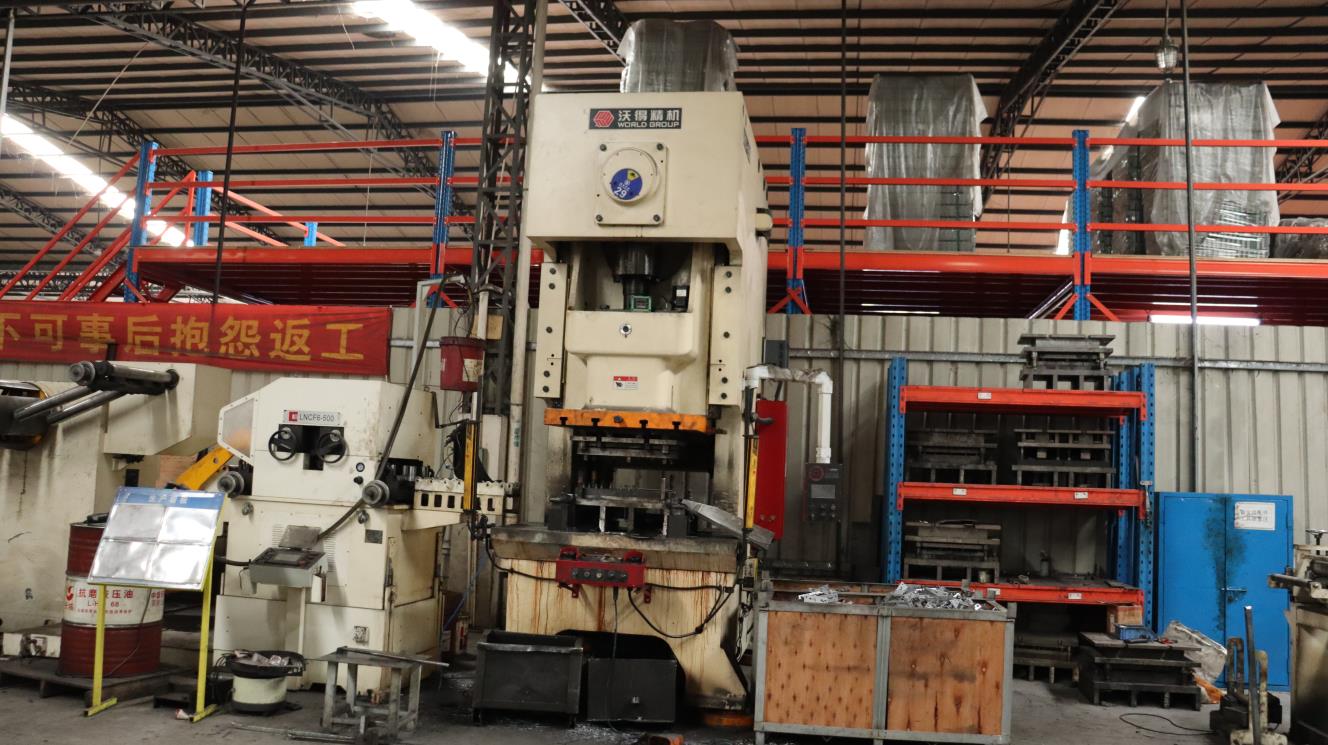
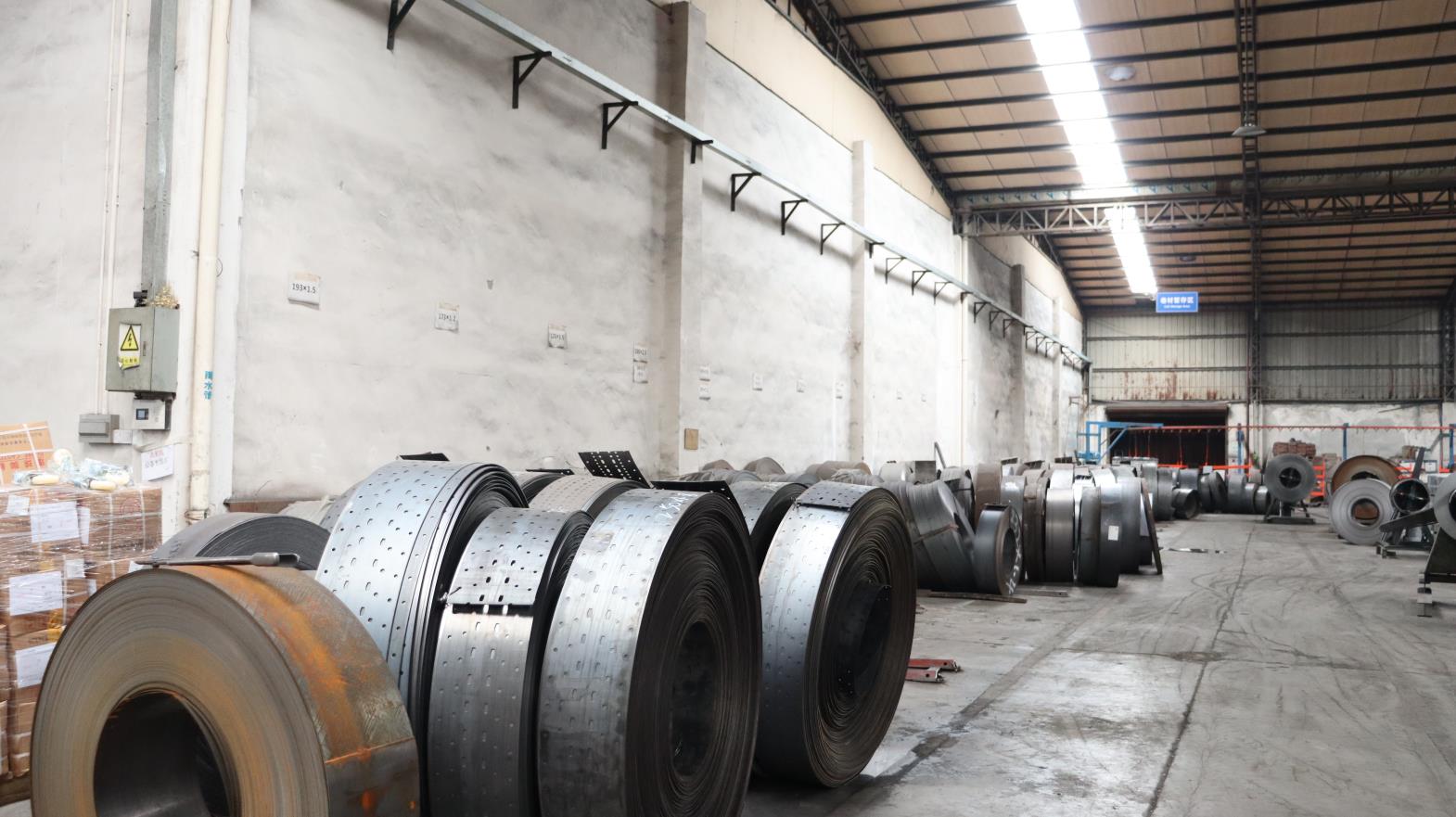
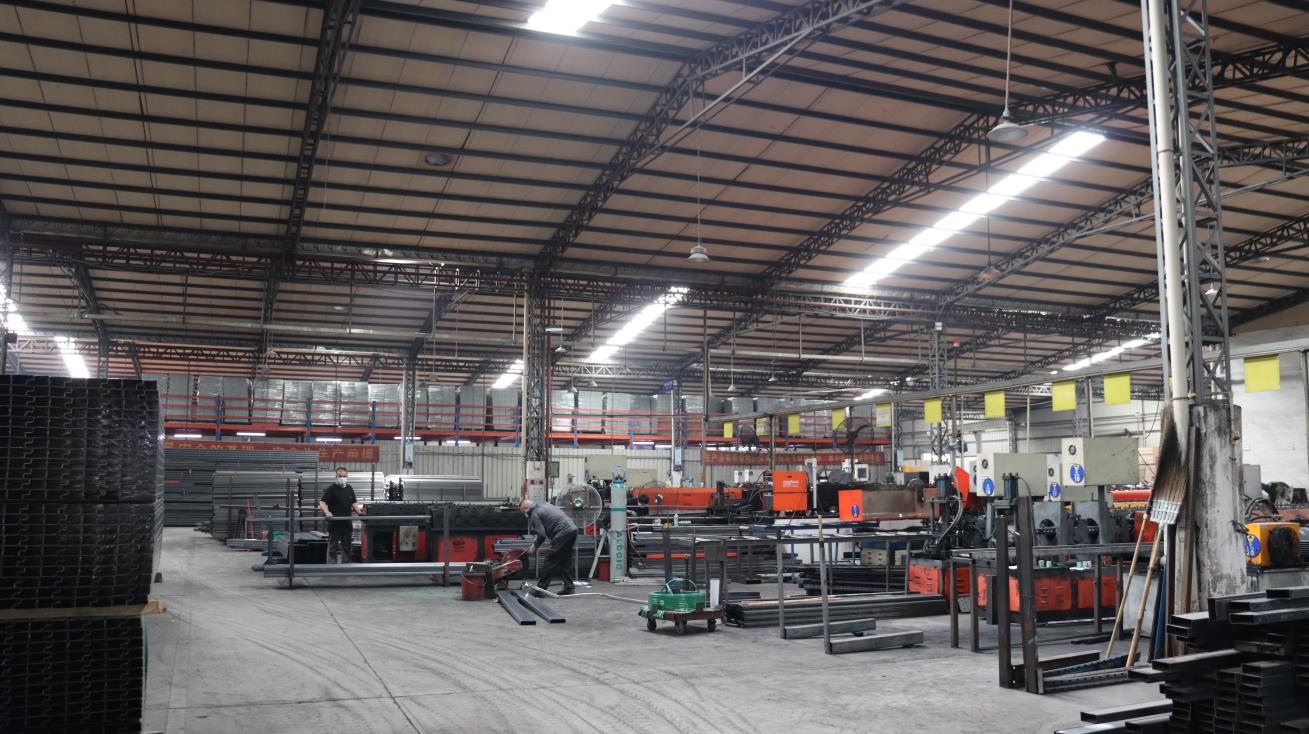
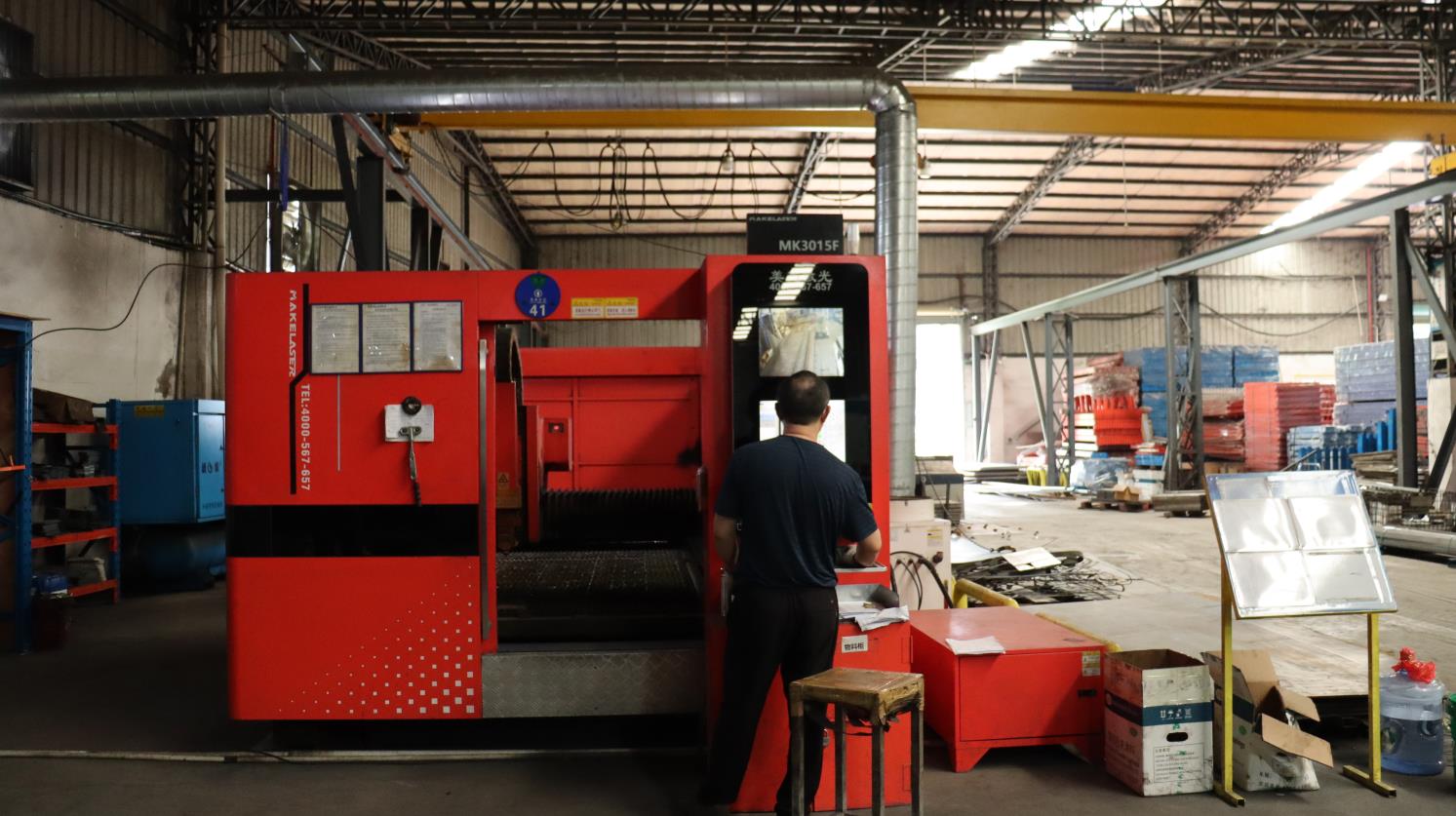
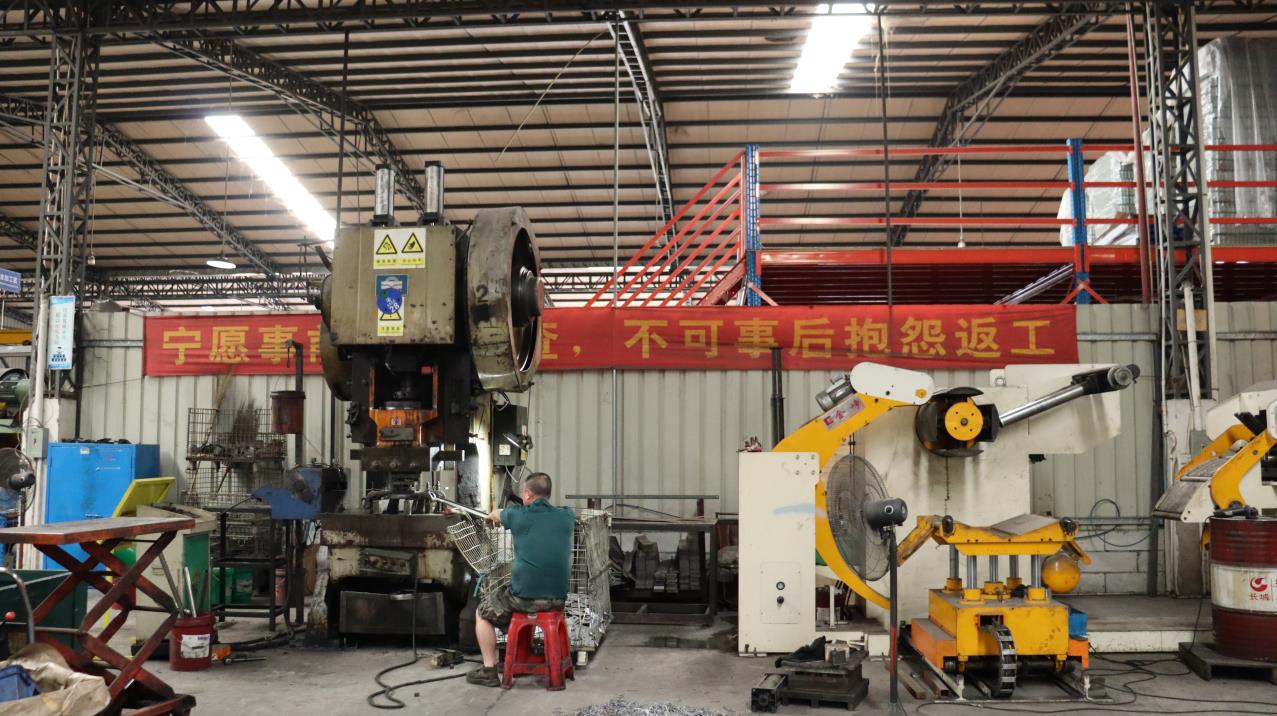
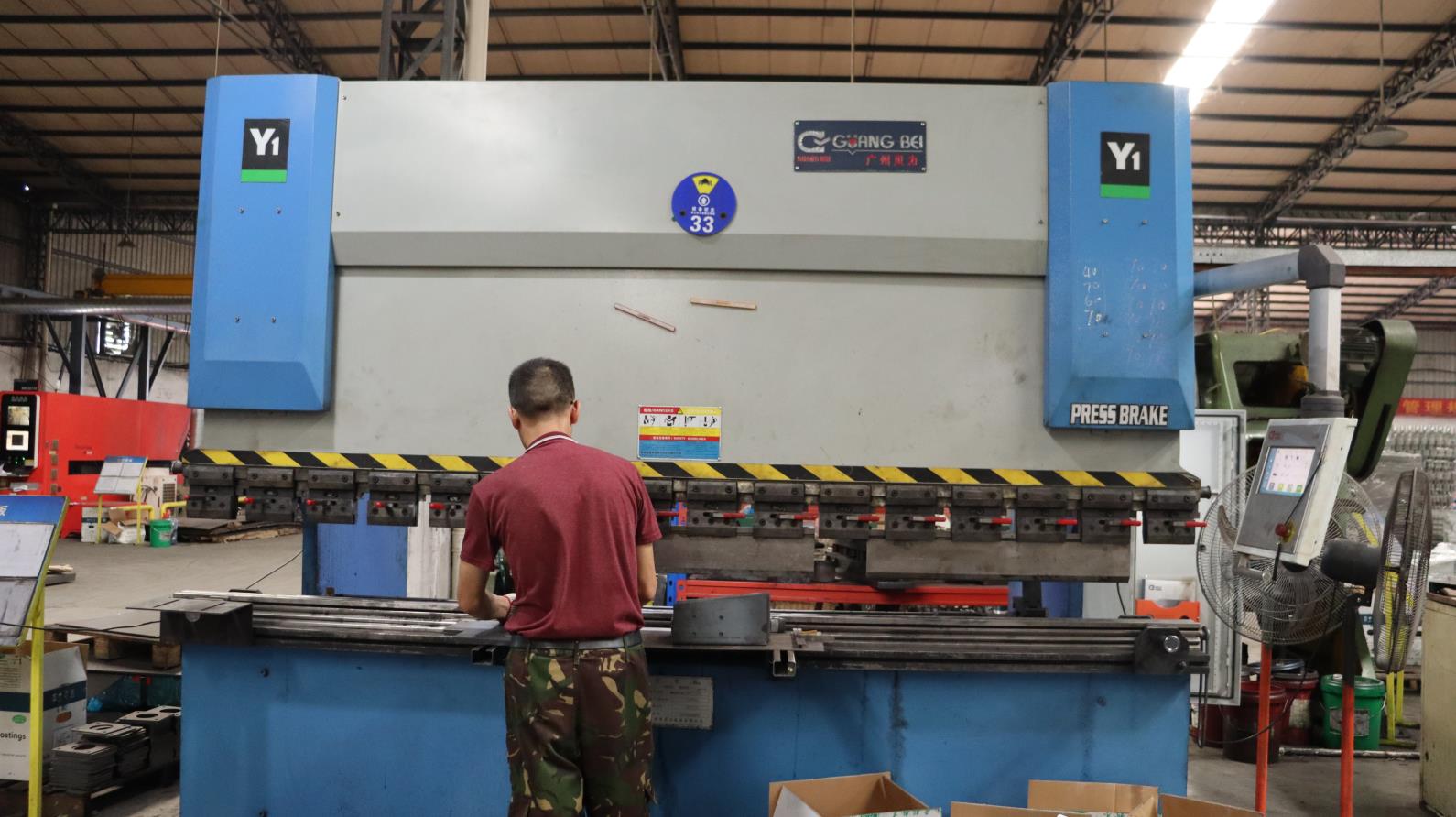
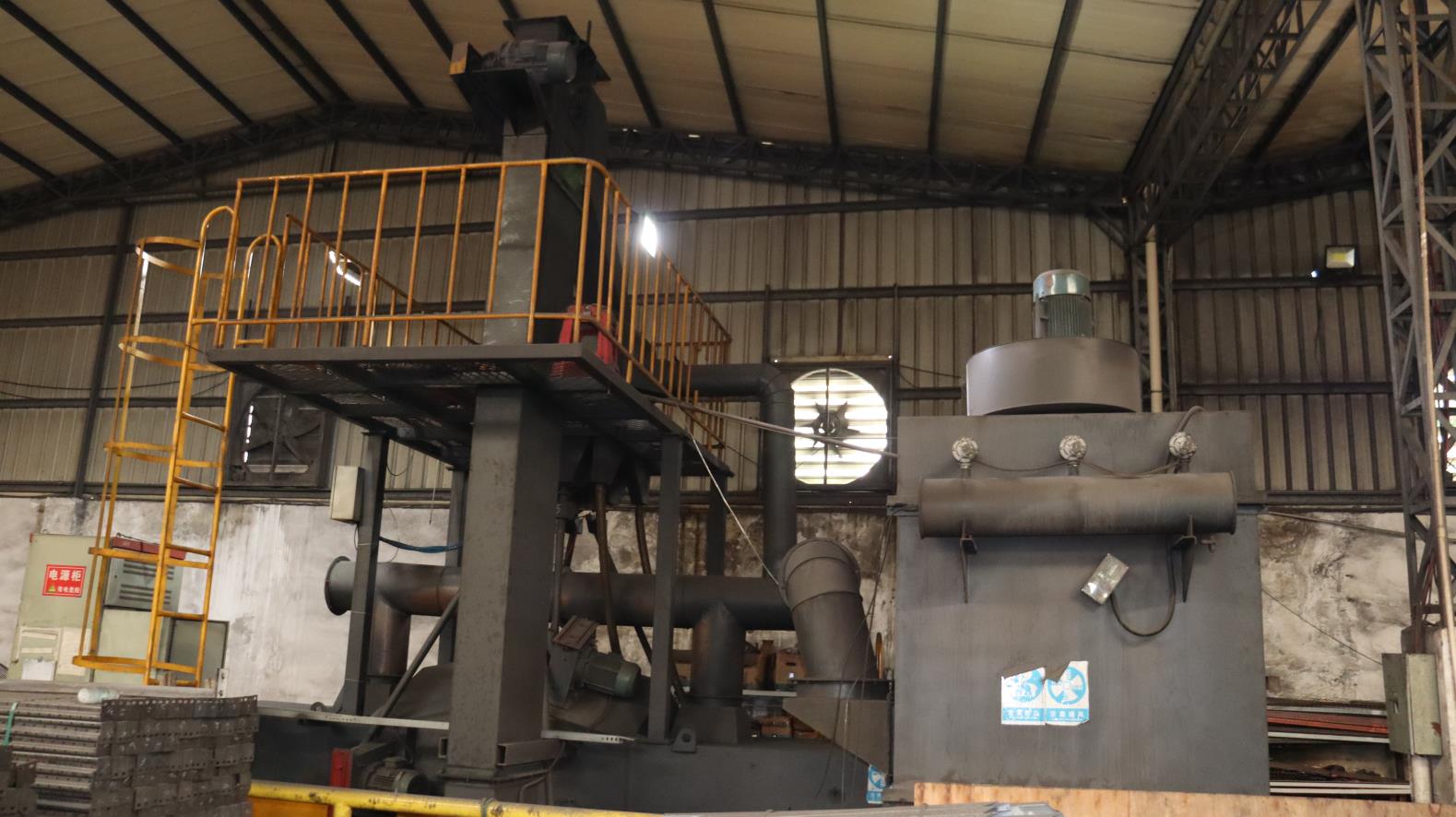
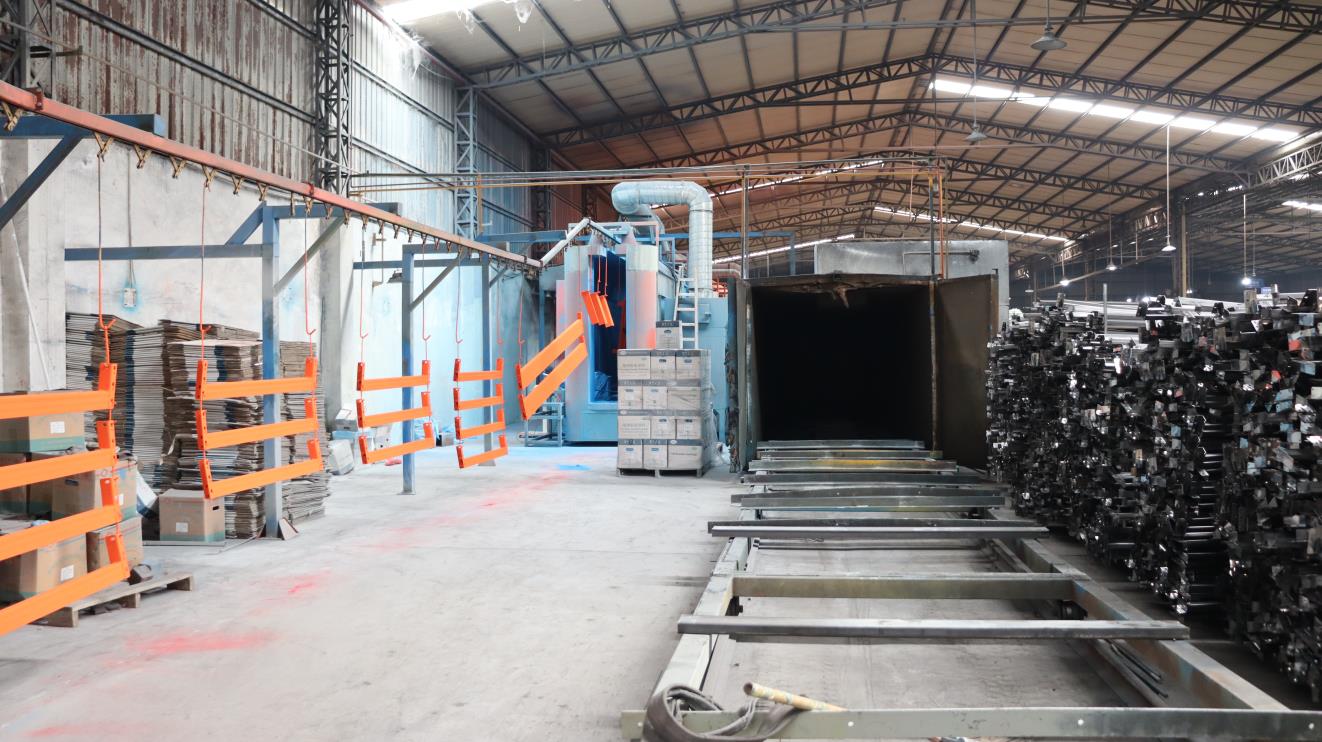
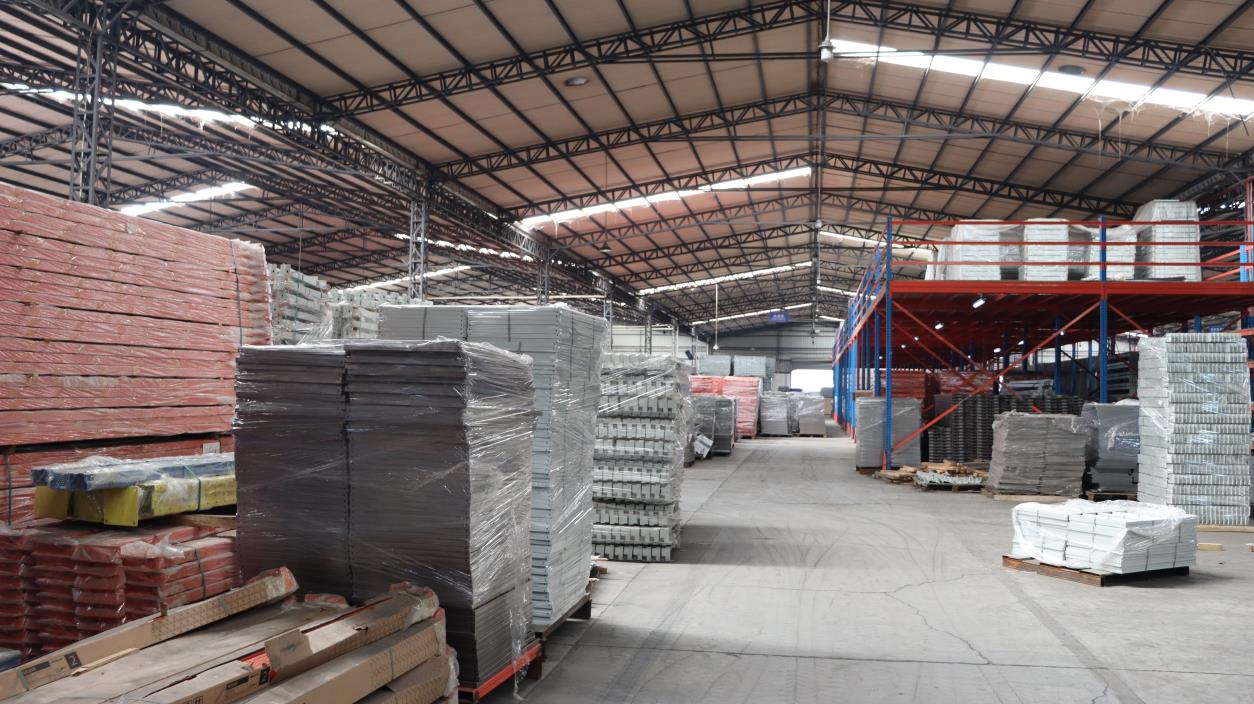
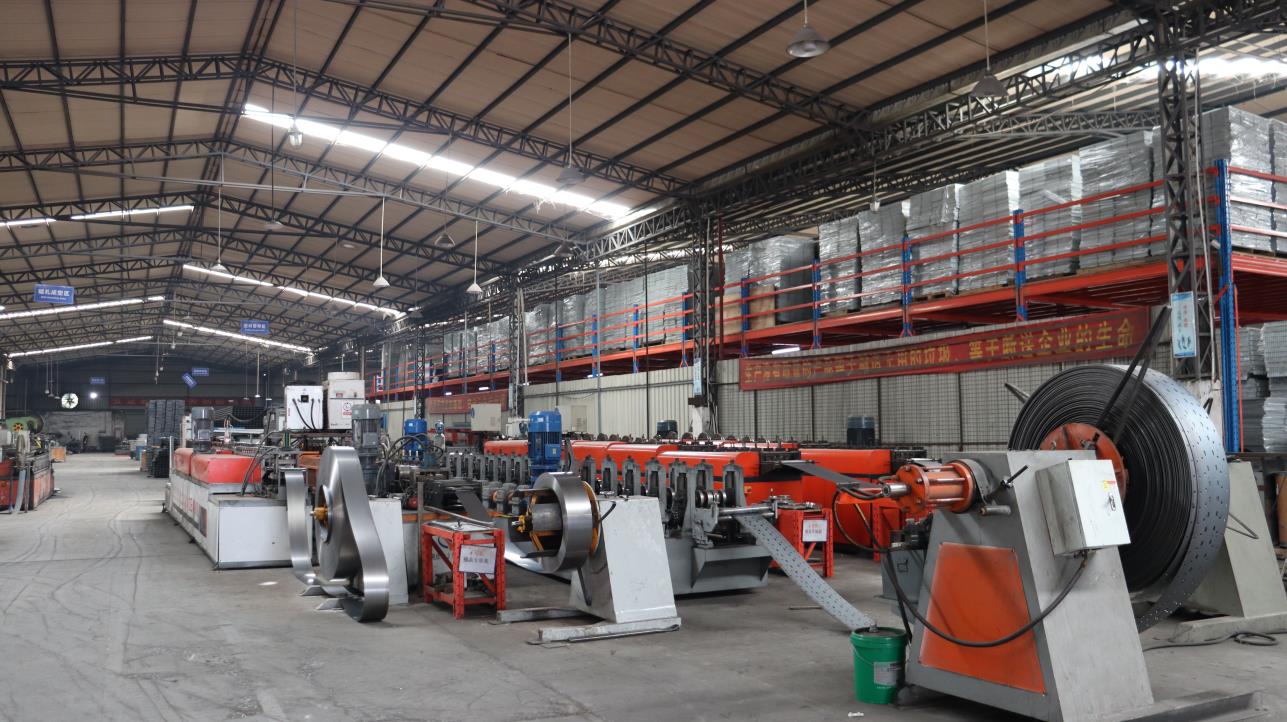
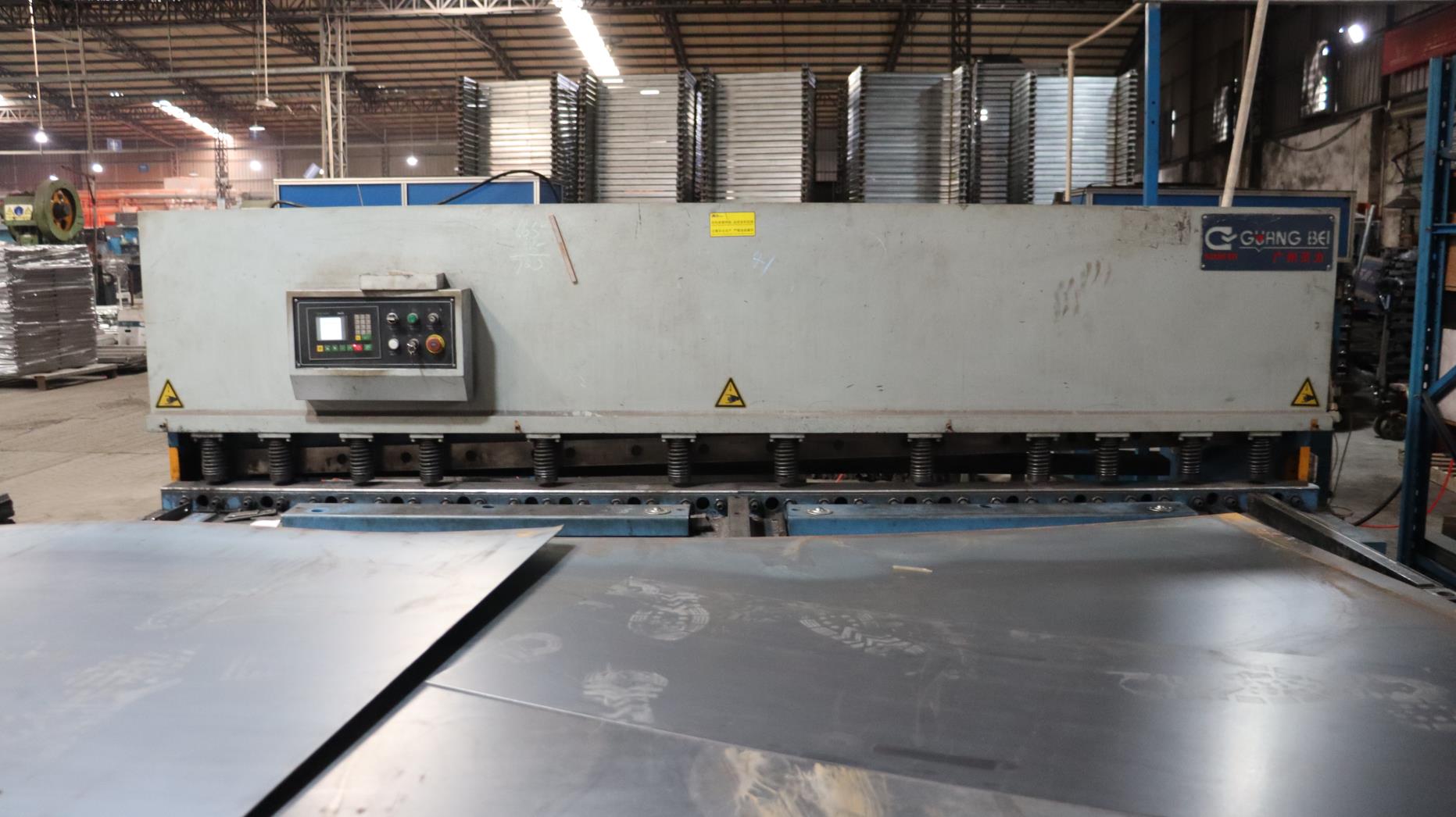
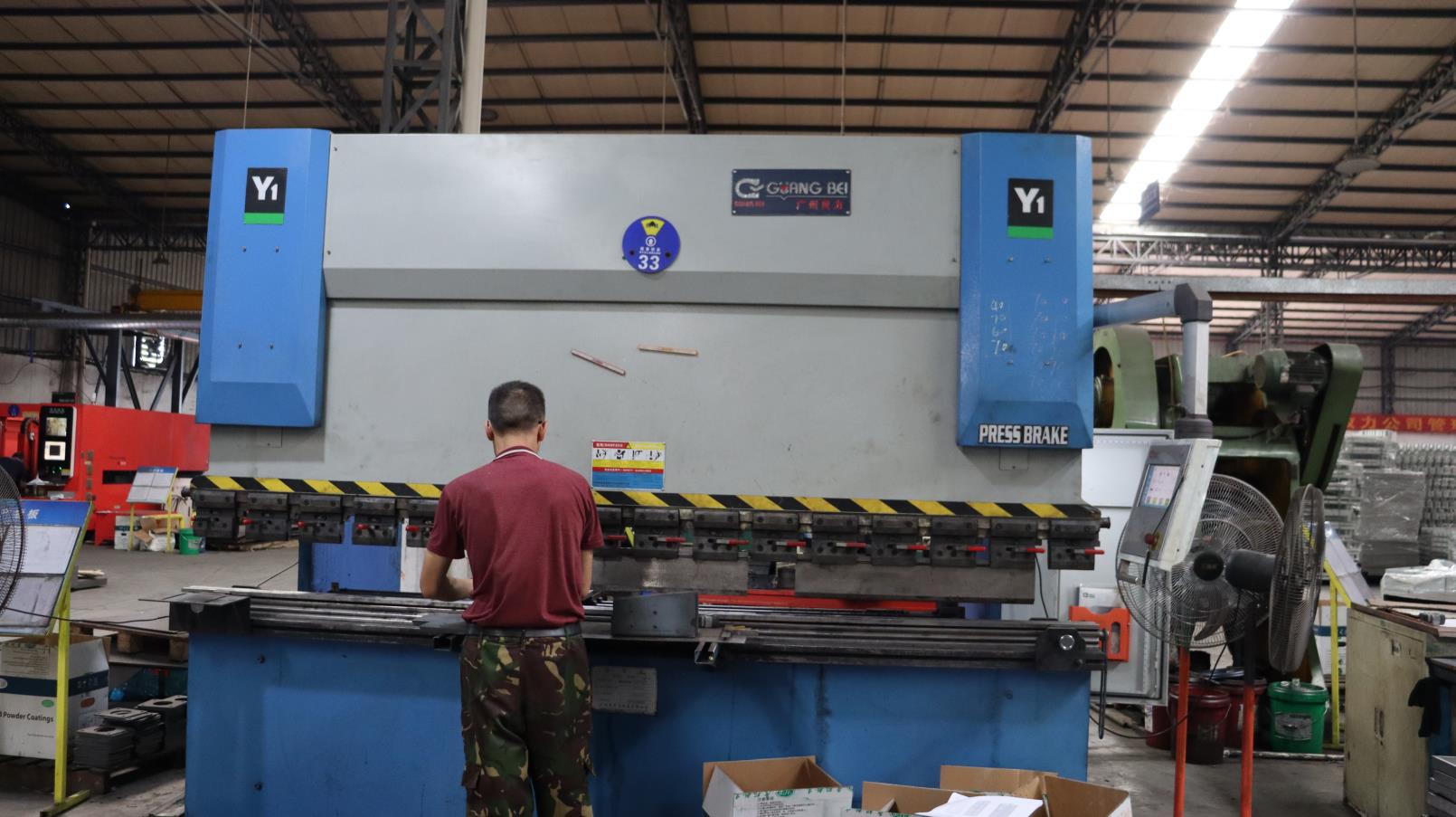
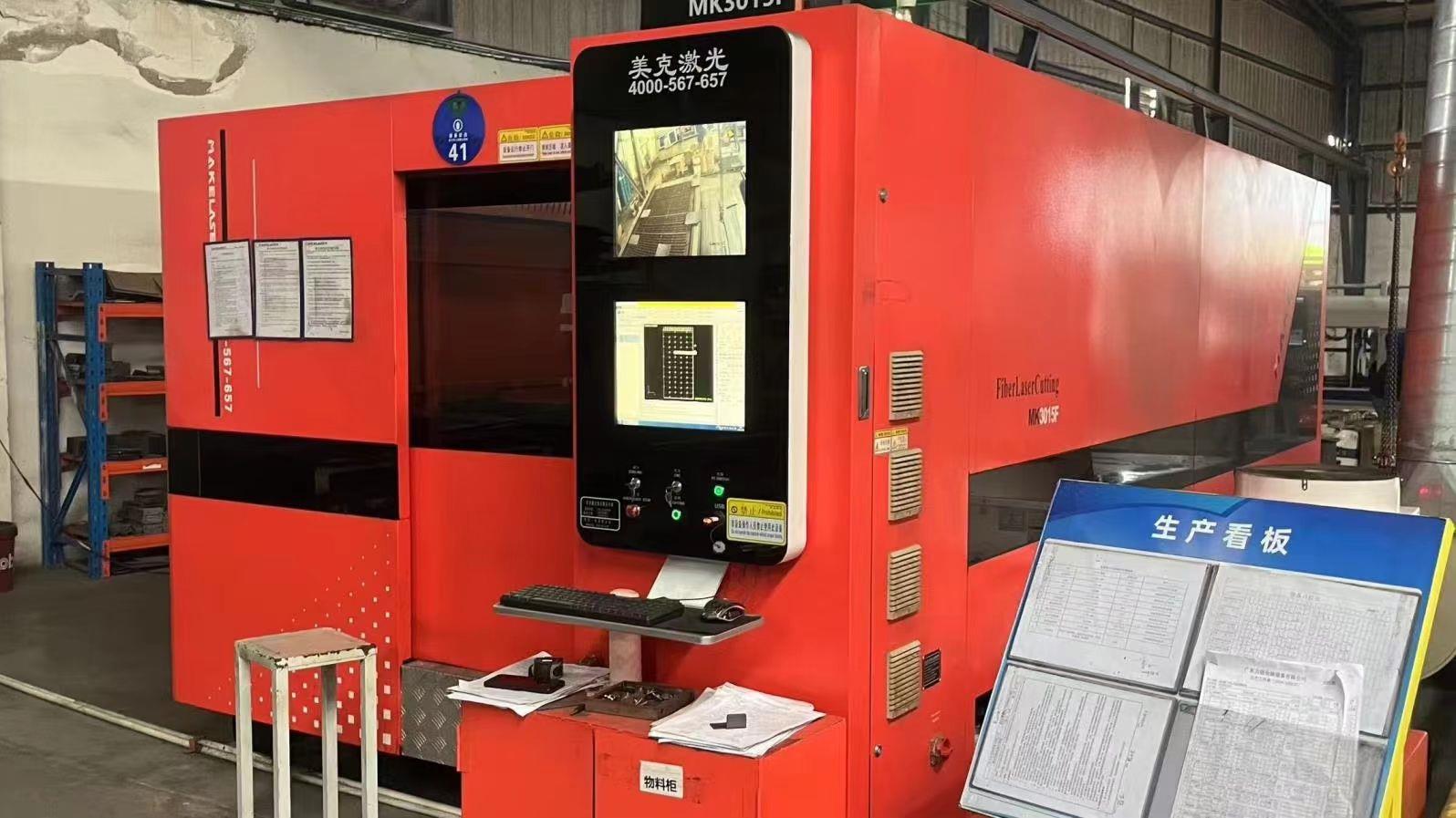
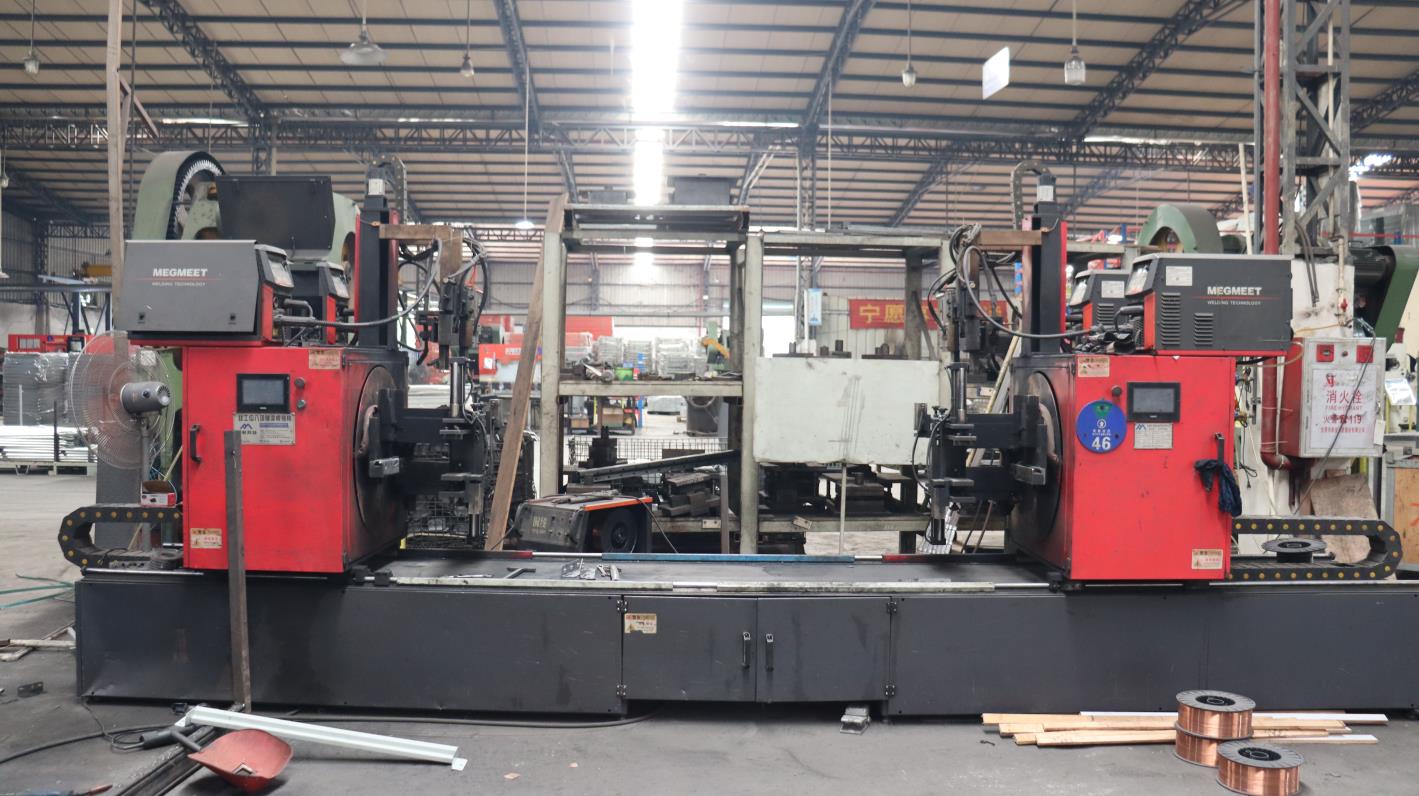
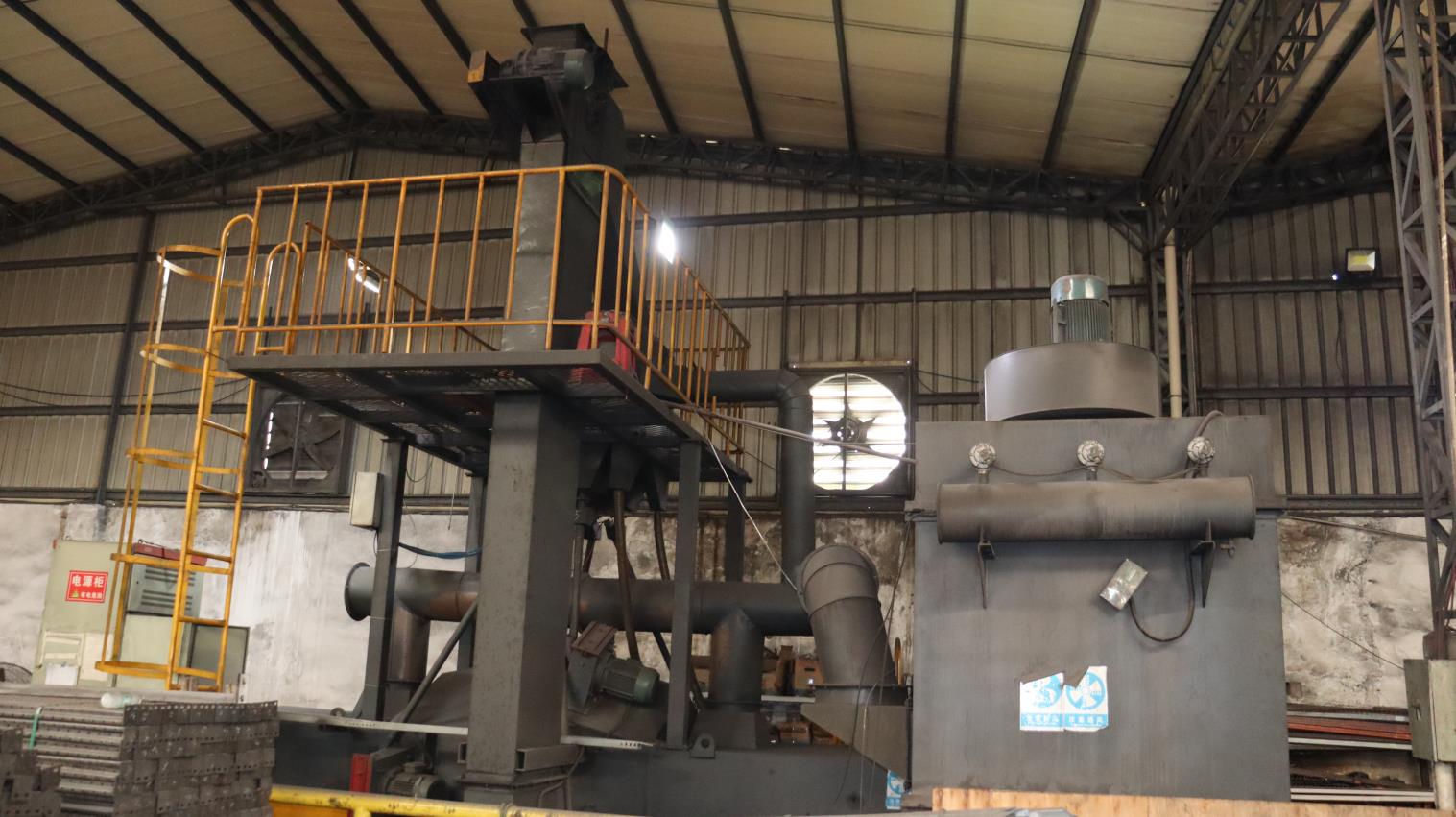
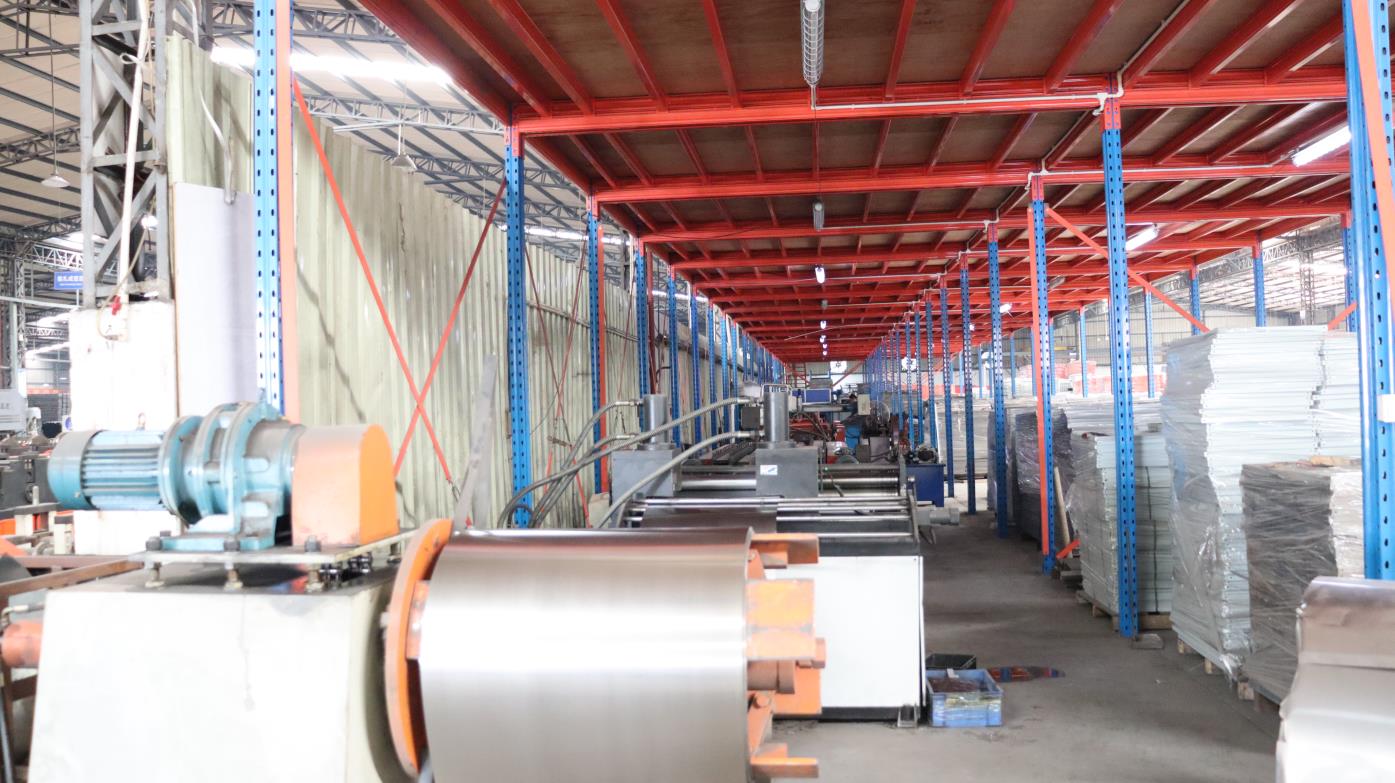
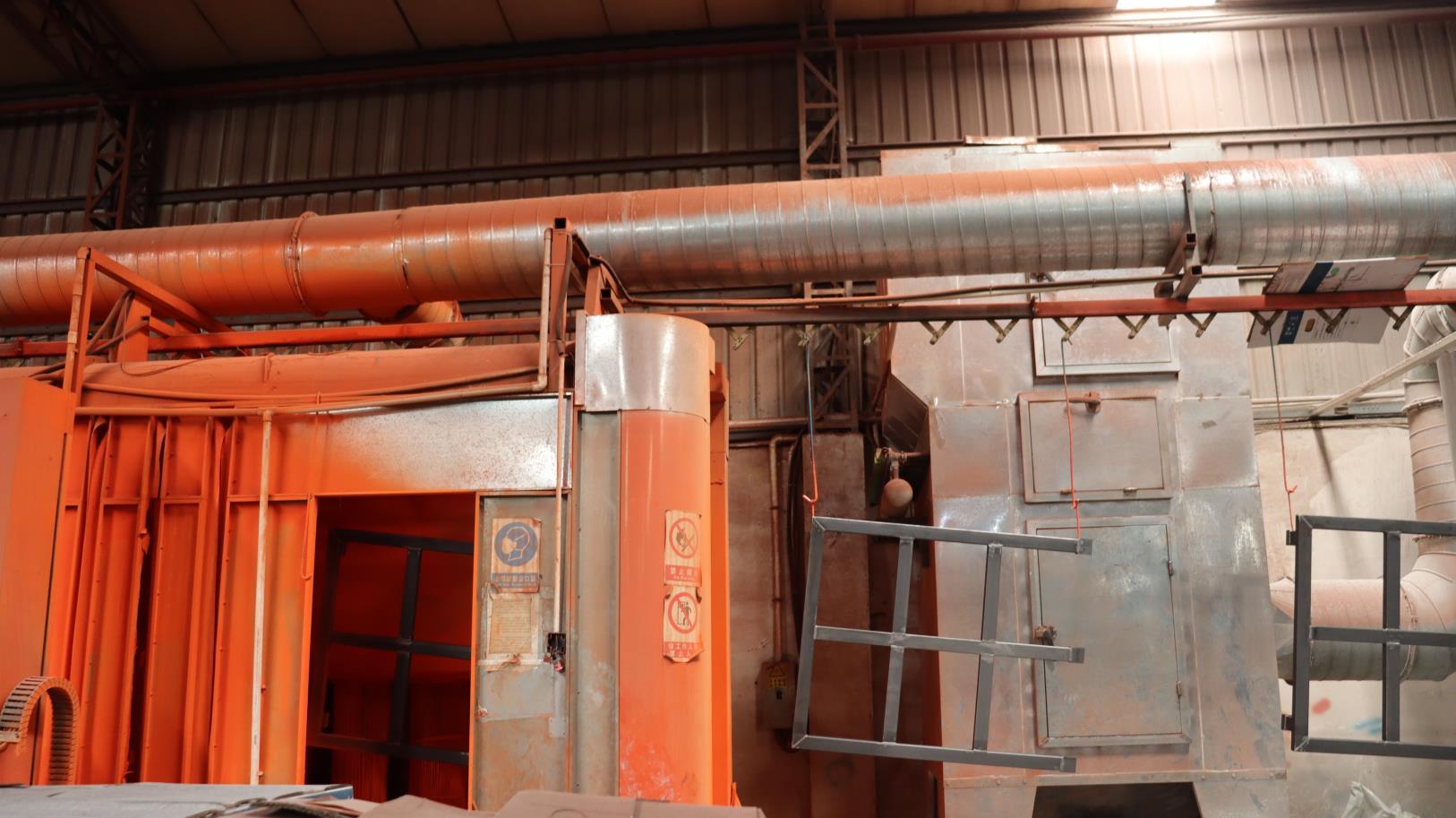
Shenzhen Lijin Storage Equipment Co., Ltd. is a major manufacturer specializing in heavy-duty warehouse racking and high-density storage compactors. Spanning 35,000 square meters of production space, we operate advanced fabrication lines equipped with precision laser cutters, automatic shearing setups, robotic welding systems, and fully automated powder coating lines. Our team of 35 quality control specialists ensures all raw materials and finished products meet strict global standards.
By using premium Q235B steel plate, our storage systems provide reliable load ratings, high structural integrity, and long service lives. We perform thorough tests at every step of production, including ultrasonic weld inspections, dimensional laser checks, and dynamic load testing. This guarantees that every shelving unit we supply stands up to demanding industrial environments.

Deploying heavy-duty mobile shelving requires careful attention to regional building codes, accessibility standards, and safety mandates. In North America and Western Europe, installations must comply with local guidelines. Track profiles must be recessed or equipped with shallow ramps to ensure accessibility for individuals with mobility challenges. Floor structures must also be designed to support the concentrated weight loads of mobile shelving, preventing damage to the building foundation over time.
In seismic zones, mobile storage systems require specific engineering safeguards. High-density carriages can experience side-to-side forces during seismic events, potentially causing tipping. To prevent this, our systems include anti-tip brackets that lock the carriages to the floor tracks, along with overhead stabilizers and dynamic braking mechanisms. These features keep the units securely on the tracks and protect stored materials during ground movement.
High-density movable filing systems serve critical functions across diverse industries, each requiring specific configurations to optimize workflow and safety:
Essential technical questions answered by our engineering team to help you make informed procurement decisions.
Movable filing systems concentrate weight onto narrow track paths. Standard office spaces generally require floor reinforcements to support high-density configurations, as typical live load capacities are around 2.5 to 5.0 kPa. For heavy industrial archives, we recommend consulting a structural engineer to ensure the floor slab can safely support concentrated track loads, which can reach 10 to 15 kN/m² depending on configuration height.
Mechanical-assist systems use a manual hand crank connected to a gear reduction mechanism, allowing users to move heavy carriages easily. Smart electric compactors use electric motors controlled by a microprocessor, enabling users to open aisles via touchscreens, push buttons, or software interfaces. Electric systems also offer enhanced safety sensors, automated fire-safety spacing, and integration with warehouse management software.
Yes, many standard static shelving configurations can be mounted onto movable carriages. The existing shelving is bolted to a steel mobile base assembly, which runs along the floor tracks. Our engineering team can analyze your current shelving specifications to design matching mobile bases, saving on new material costs.
We operate under ISO 9001 and ISO 14001 quality management guidelines. Our manufacturing process uses automated laser cutting and CNC roll forming to maintain tight tolerances, ensuring tracks are perfectly straight. Our quality team performs ultrasonic weld testing and regular load-to-destruction tests on structural components to guarantee long-term performance.
All steel components go through a multi-stage pre-treatment wash, including phosphate cleaning, followed by a durable electrostatic thermosetting powder coat. This creates a hard, scratch-resistant surface. For high-humidity environments, we offer galvanized steel options to provide enhanced rust and corrosion protection.
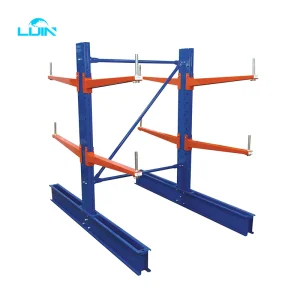
Discover our range of heavy-duty industrial storage racks, mezzanine systems, and warehouse steel platforms designed for large-scale operations.
 Lijin Racking