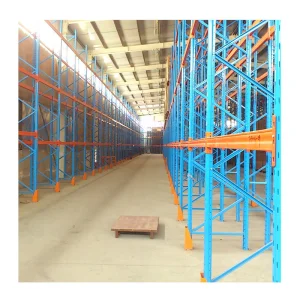
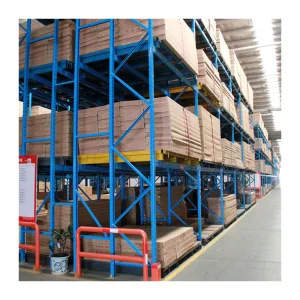
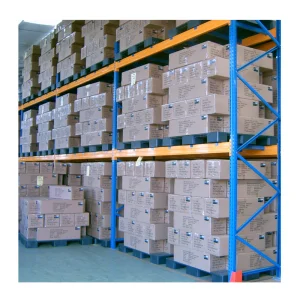
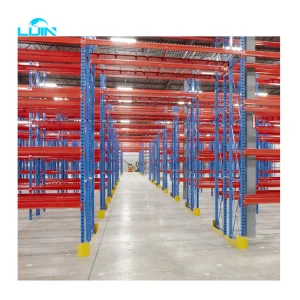
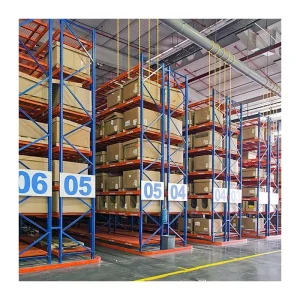
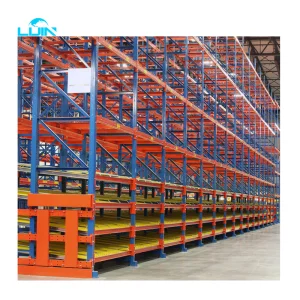
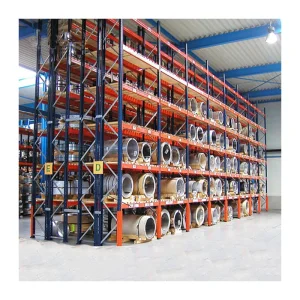
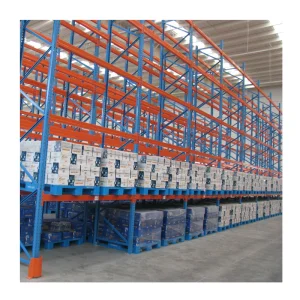
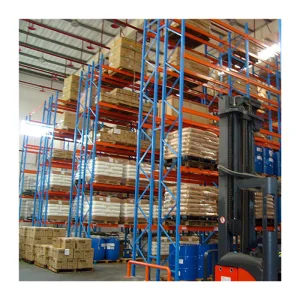
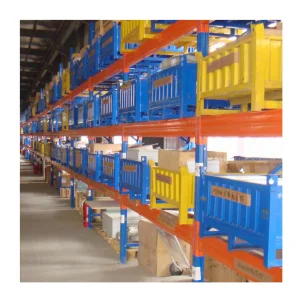
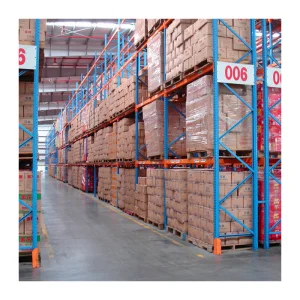
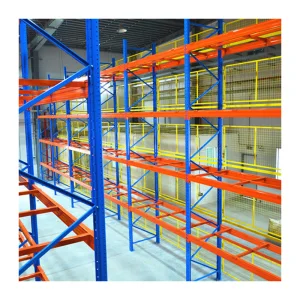
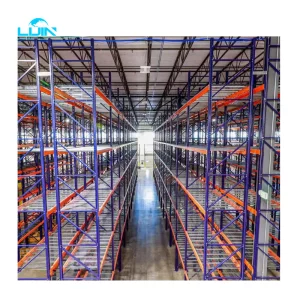
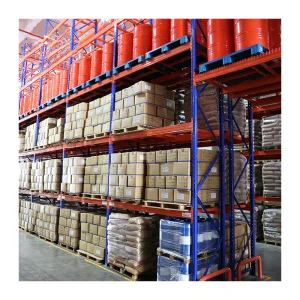
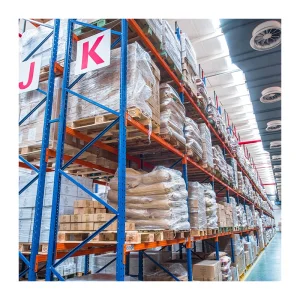
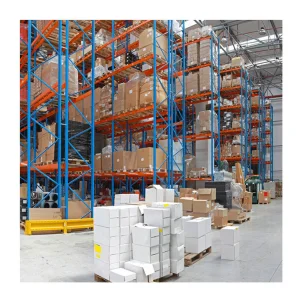
Engineered to handle extreme loads, providing maximizing vertical density, warehouse efficiency, and operational safety compliance globally.
Shenzhen Lijin Storage Equipment Co., Ltd. represents the absolute frontier of heavy-duty industrial storage rack engineering, integrating robust raw material processing with modern logistic layouts.
Spanning a state-of-the-art facility of 35,000 m², we engineer space optimization layouts integrating automated systems and traditional high-density frames. Driven by design innovation, our global revenue reached USD 22 million last year, serving logistics nodes worldwide.
We enforce a rigorous, multi-stage quality control system—including ultrasonic non-destructive testing, automated weld inspection, laser dimensional checking, and heavy-load endurance testing. Backed by an in-house quality inspection team of 35 dedicated professionals, every batch meets safety regulations.
Our core export markets span North America, Western Europe, Southeast Asia, and the Middle East. We maintain strong strategic relationships with over 850 supply chain partners globally, including industrial wholesalers, 3PL providers, and major distribution hubs.
How the evolution of modern distribution networks drives the demand for heavy-duty structural steel solutions.
The global supply chain landscape is undergoing a monumental paradigm shift. With the explosive growth of rapid e-commerce fulfillment, third-party logistics (3PL) specialization, and automated material handling configurations, standard static warehouse systems no longer suffice. Industrial storage systems are required to handle heavier unit loads per square meter while offering complete modular adaptability.
As structural steel prices and spatial constraints climb globally, maximizing "cube utilization" has emerged as the definitive KPI for logistics directors. Our heavy-duty racking configurations, built using premium cold-formed Q235 and high-strength Q355 structural steel grades, directly address this industry pressure. By engineering robust racking capable of safe high-bay storage reaching over 12 meters in height, we ensure that modern industrial facilities reduce real estate footprints while maintaining safety factors.
Furthermore, structural resilience is key. Geographies prone to high-seismic activity require advanced calculations (such as RMI and FEM 10.2.02 standards) to resist dynamic force loading. The modern warehouse is not merely a place of storage, but a dynamic, structural machine engineered to perform seamlessly under pressure.
From structural steel coils to finished epoxy powder-coated uprights. Follow our comprehensive quality-assured steps.
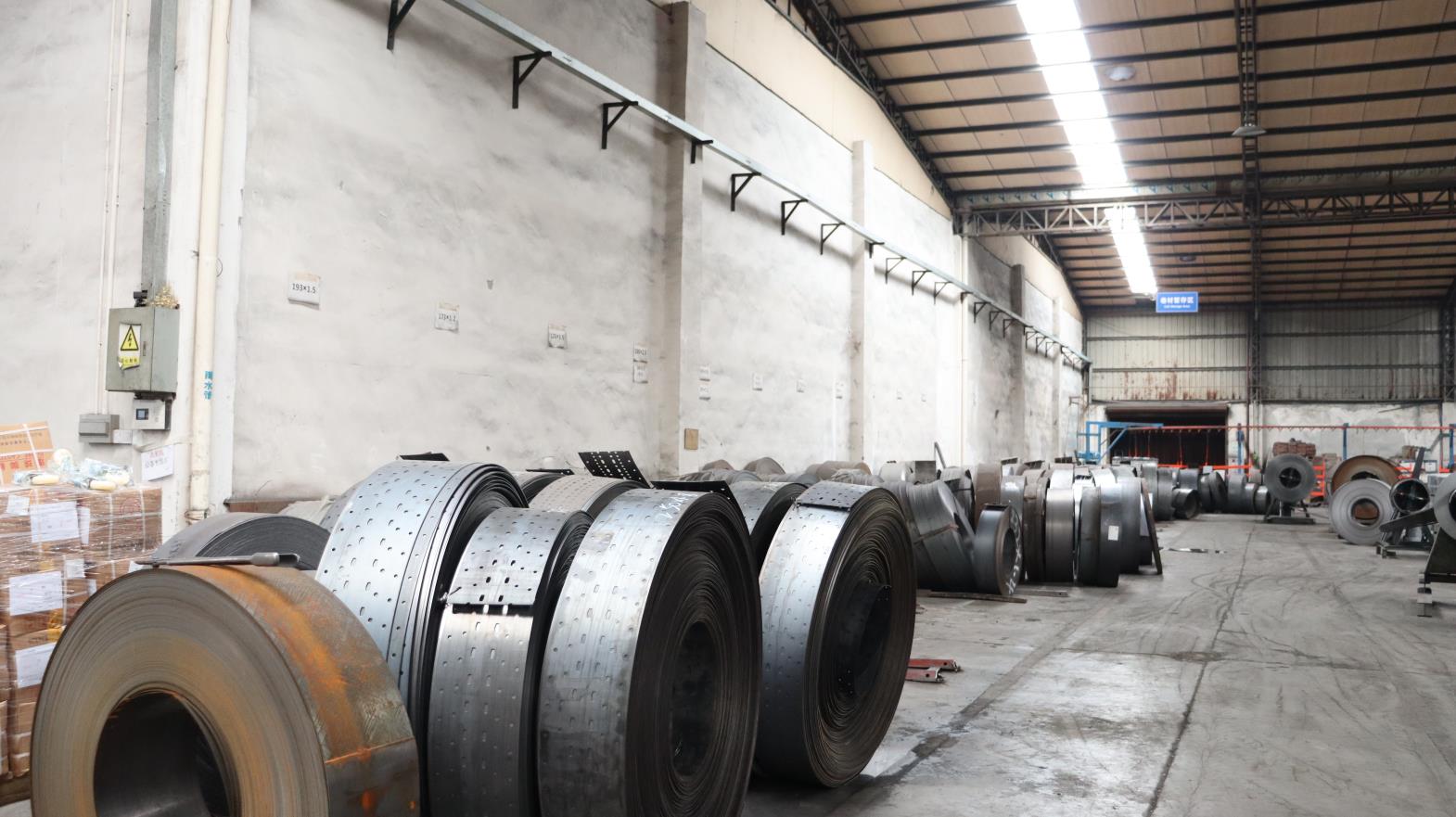
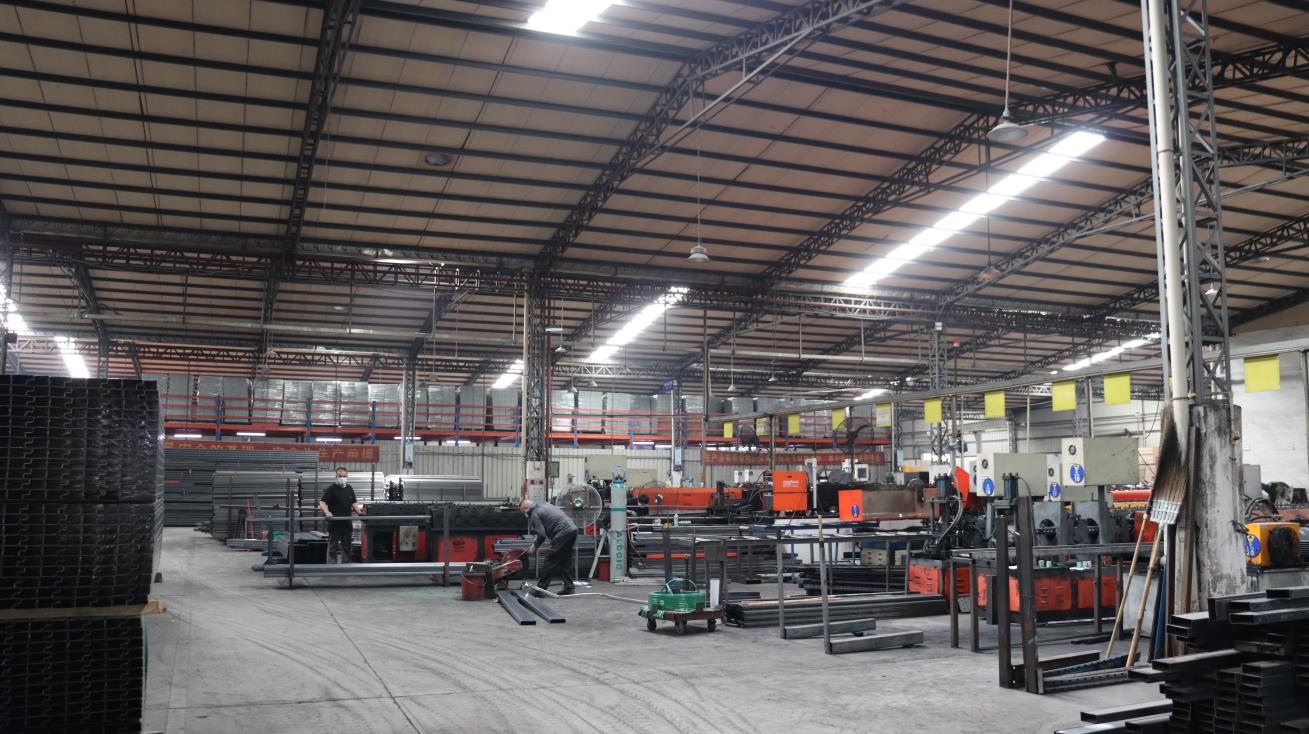
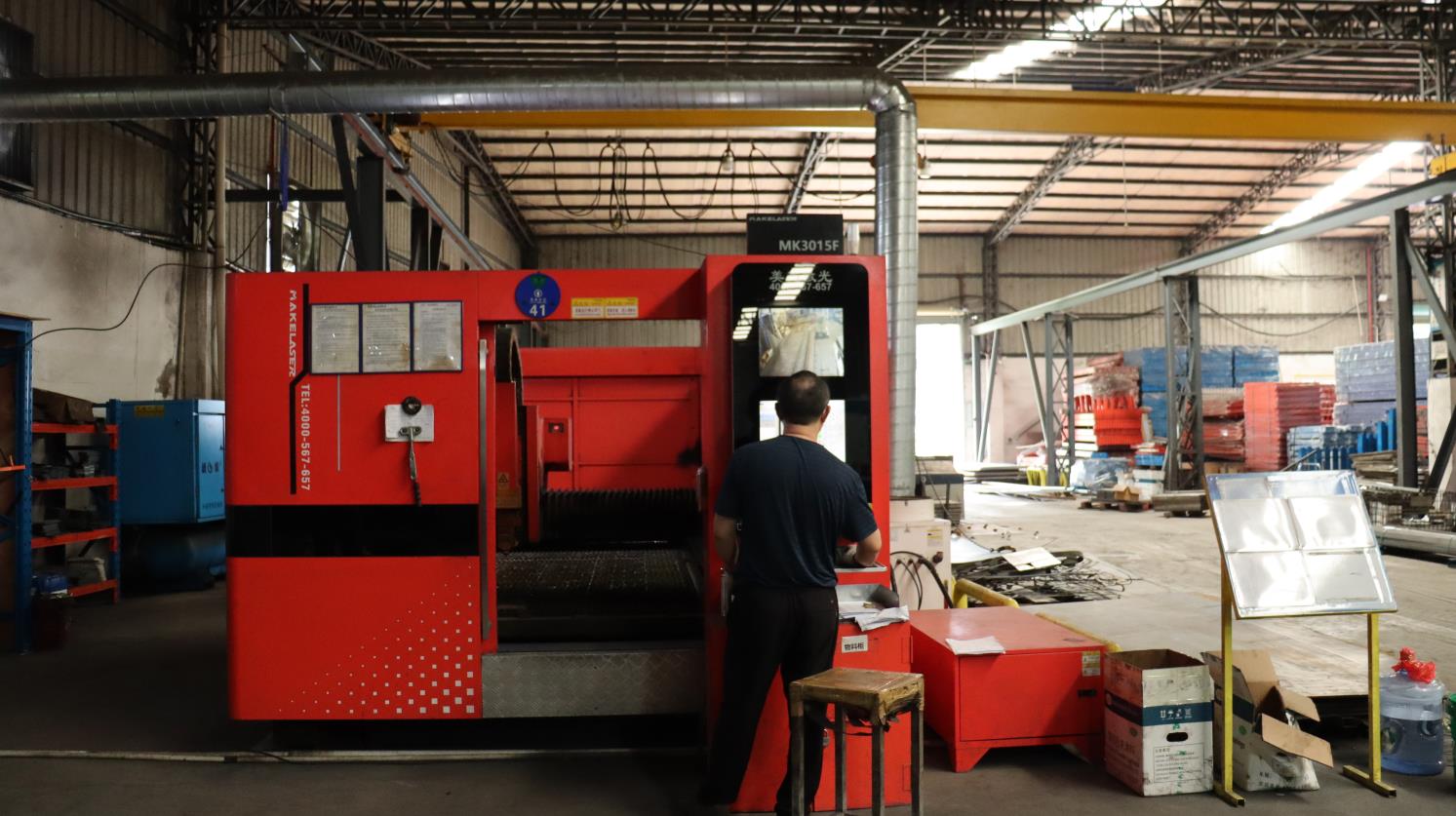
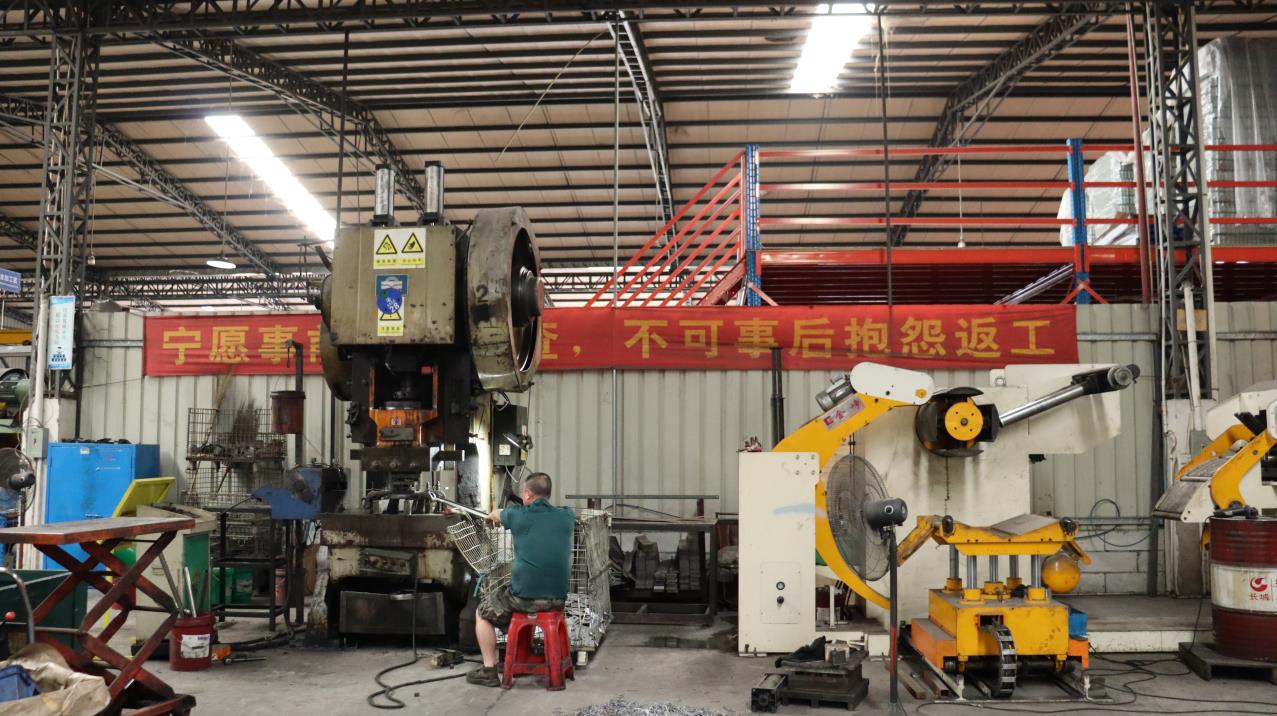
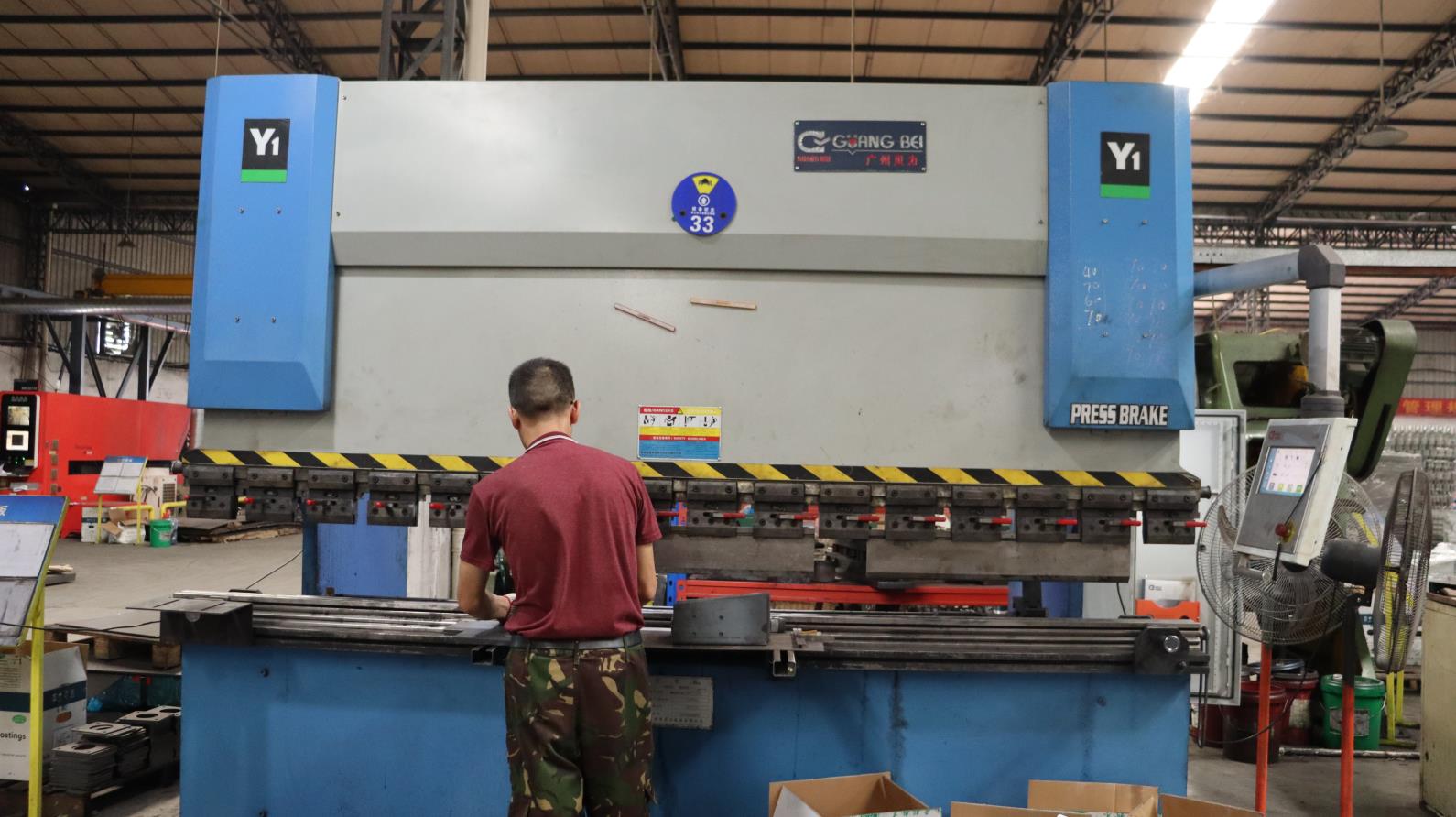
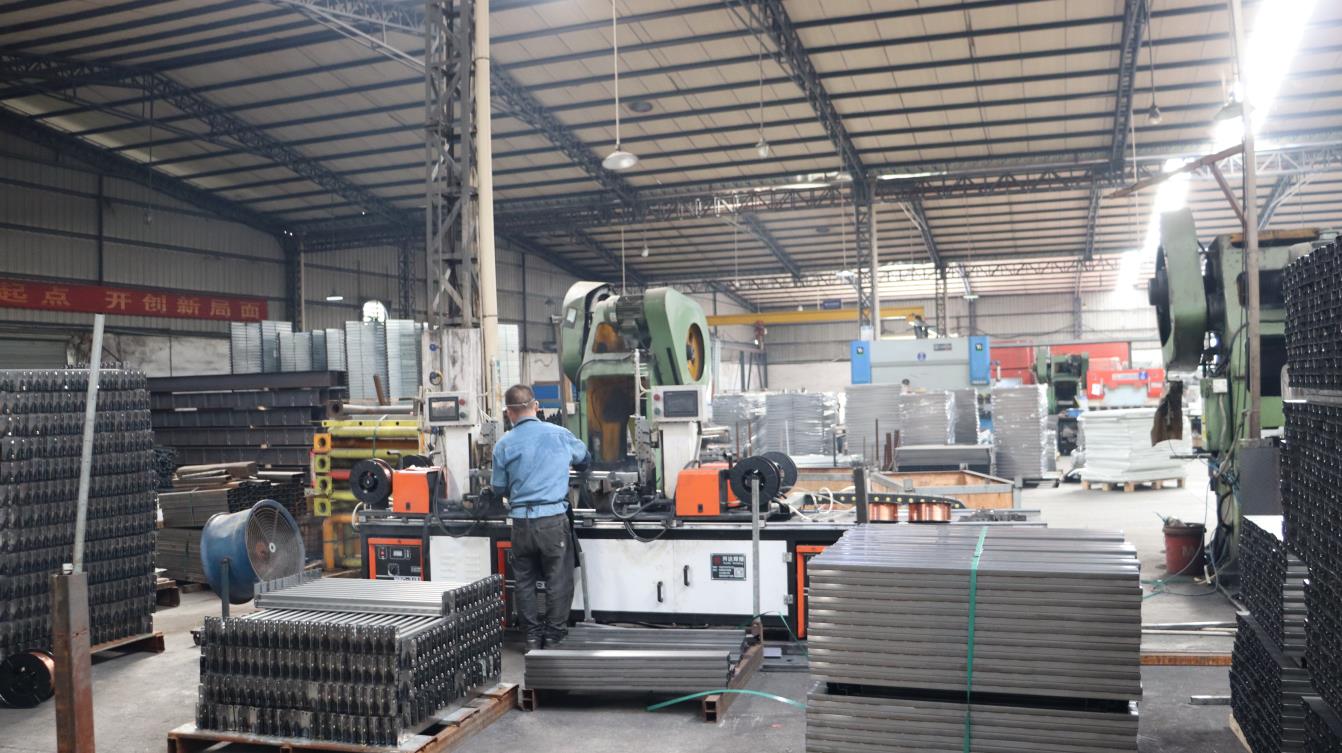
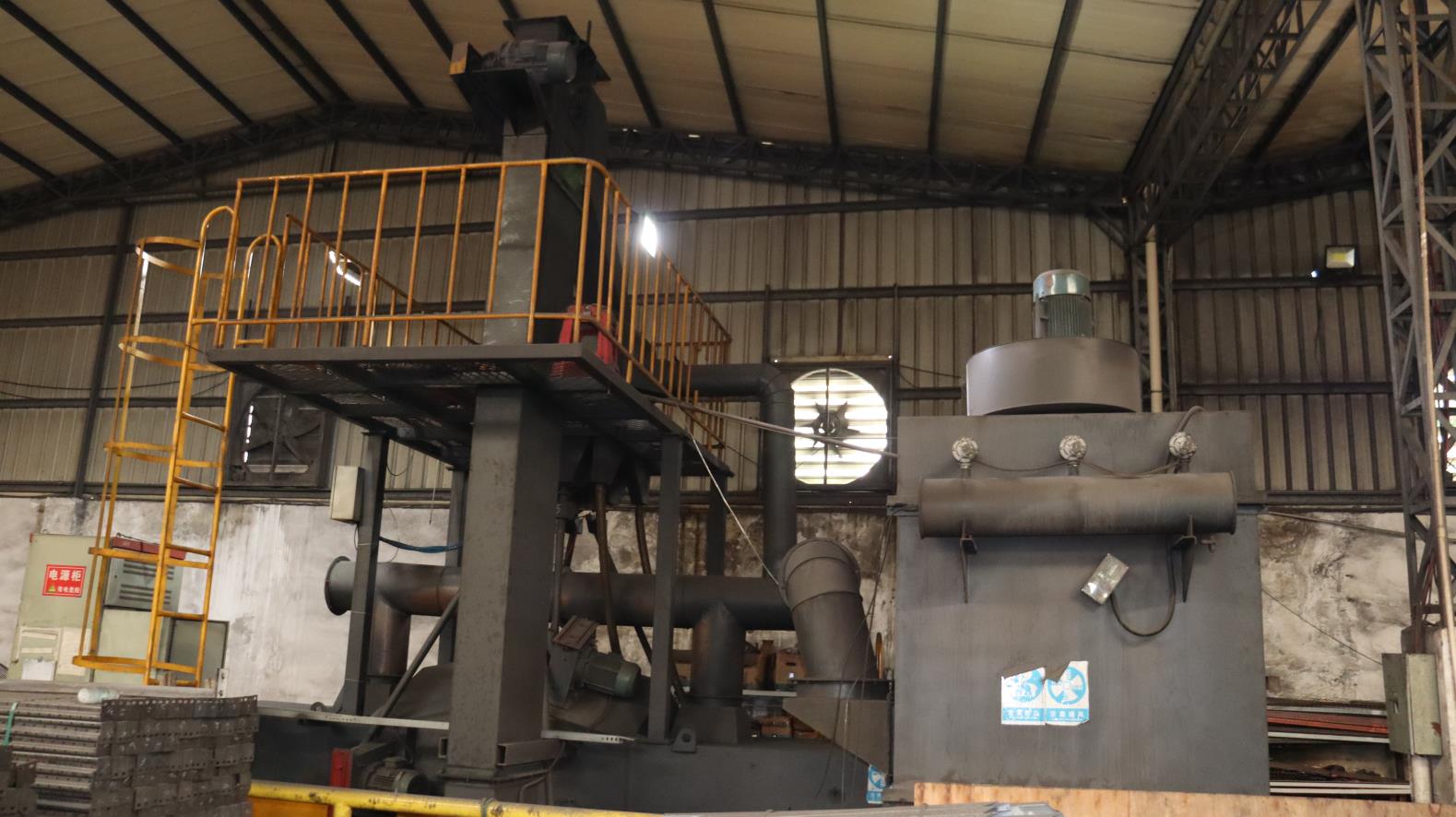
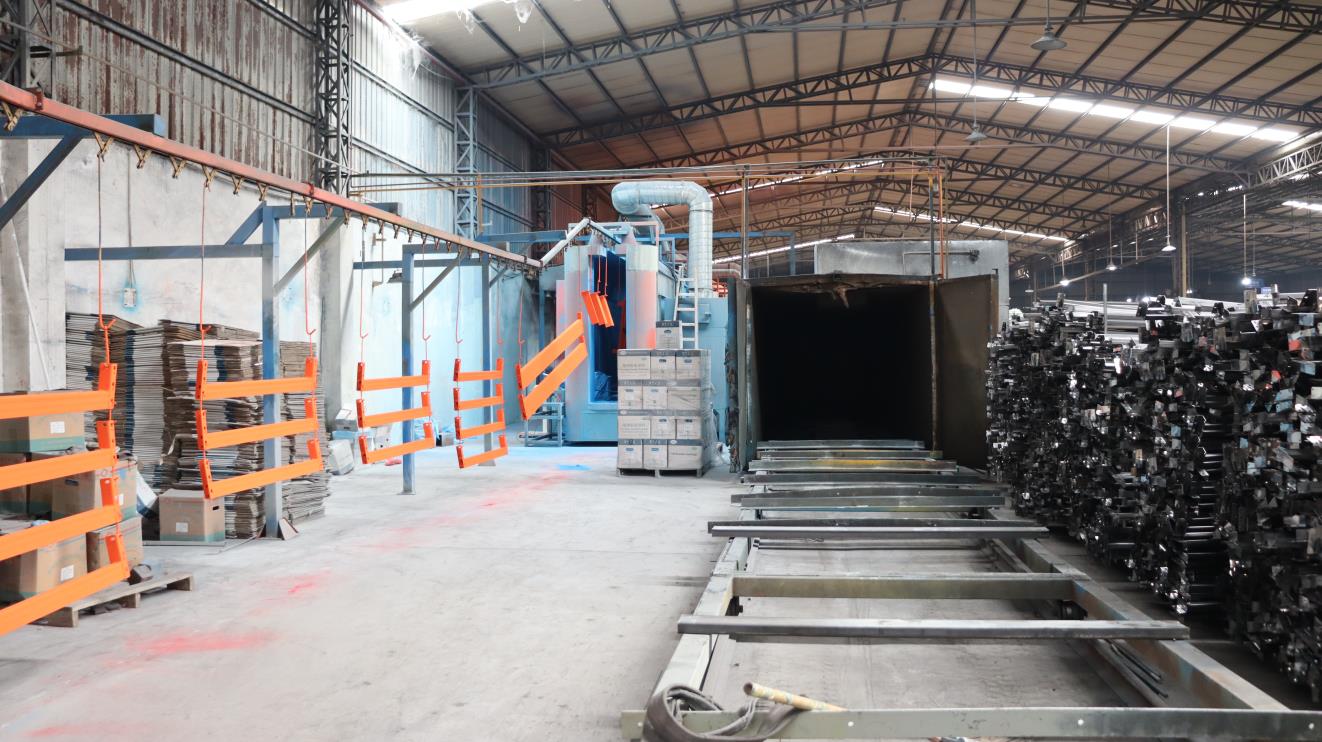
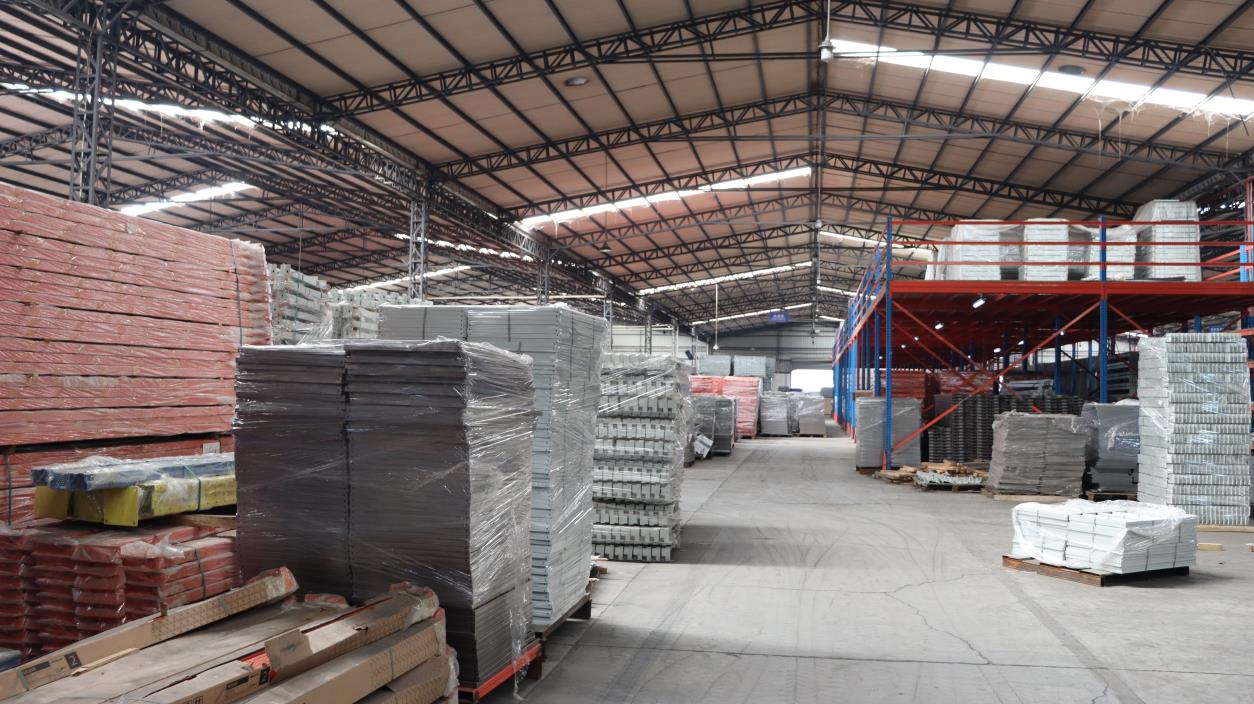
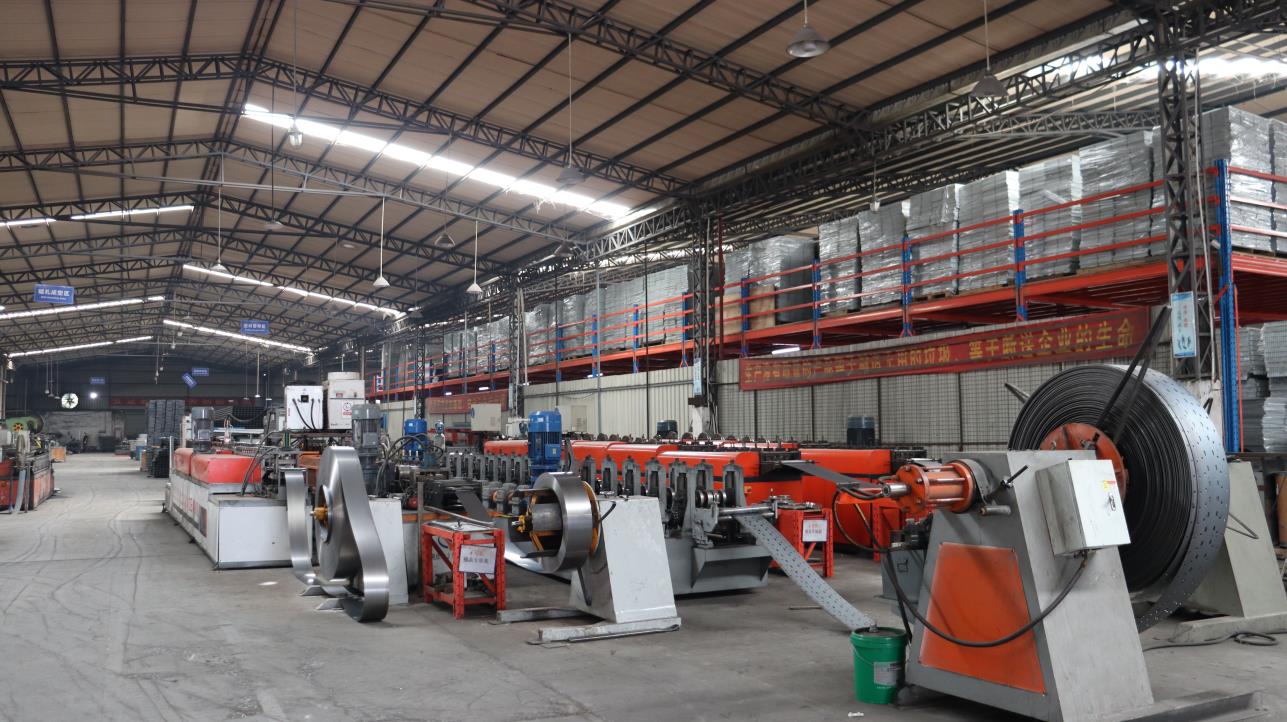
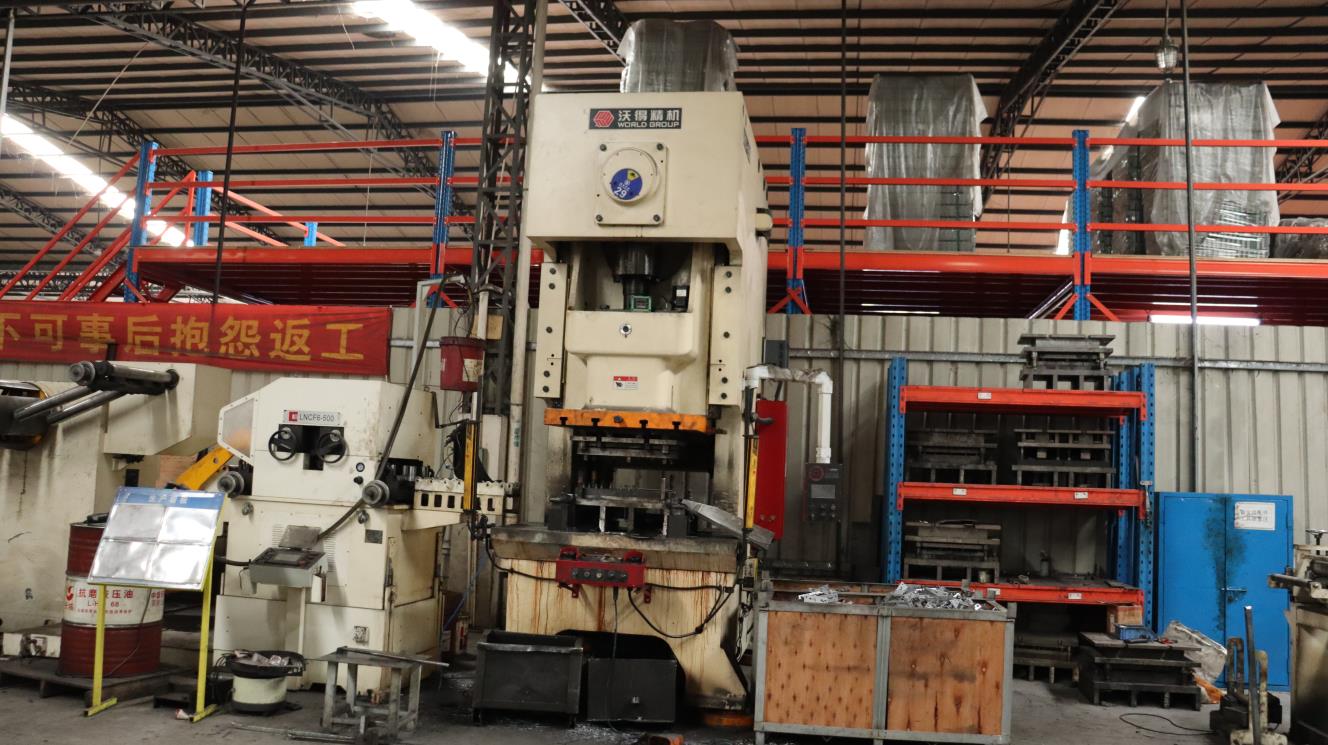
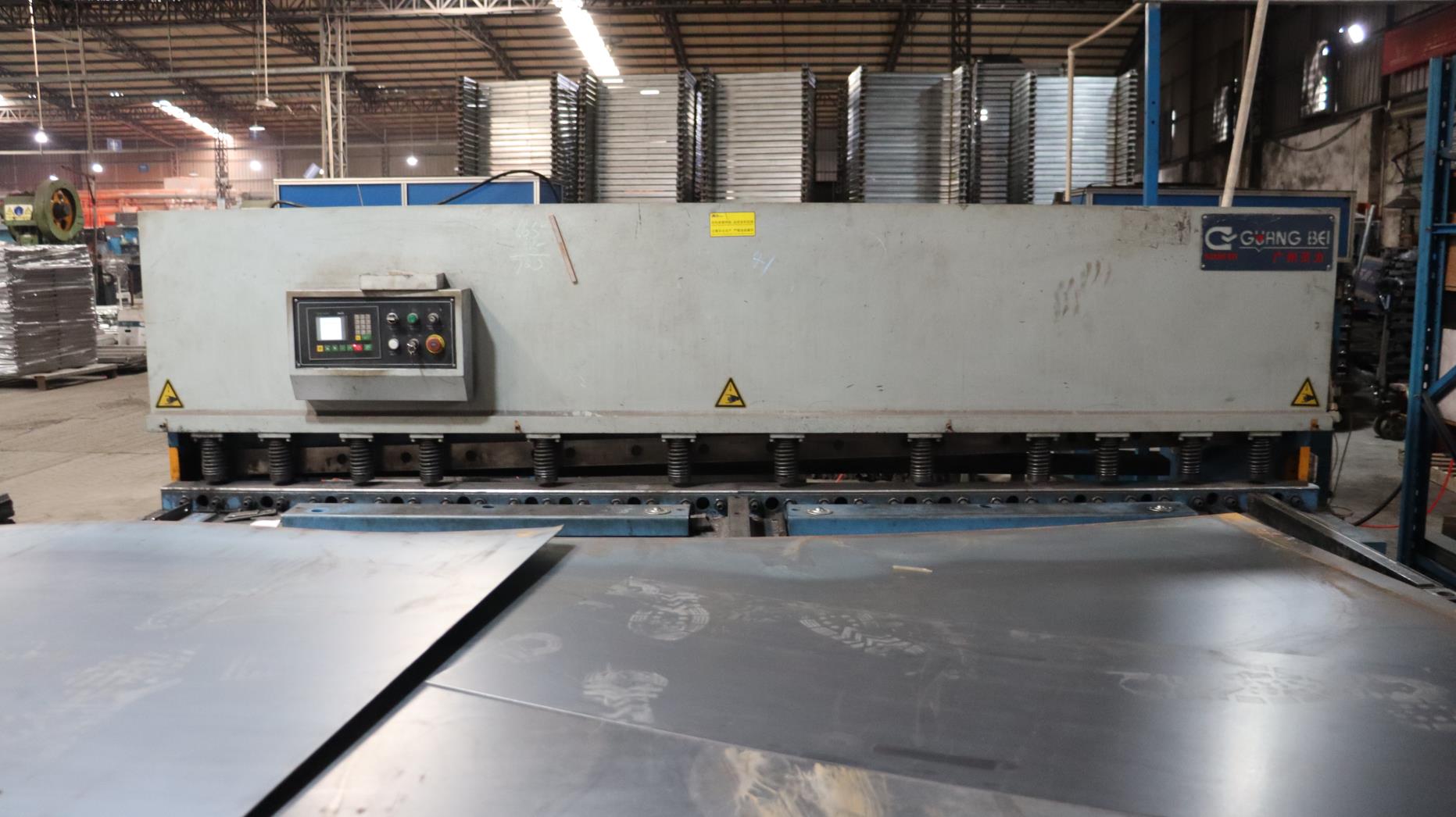
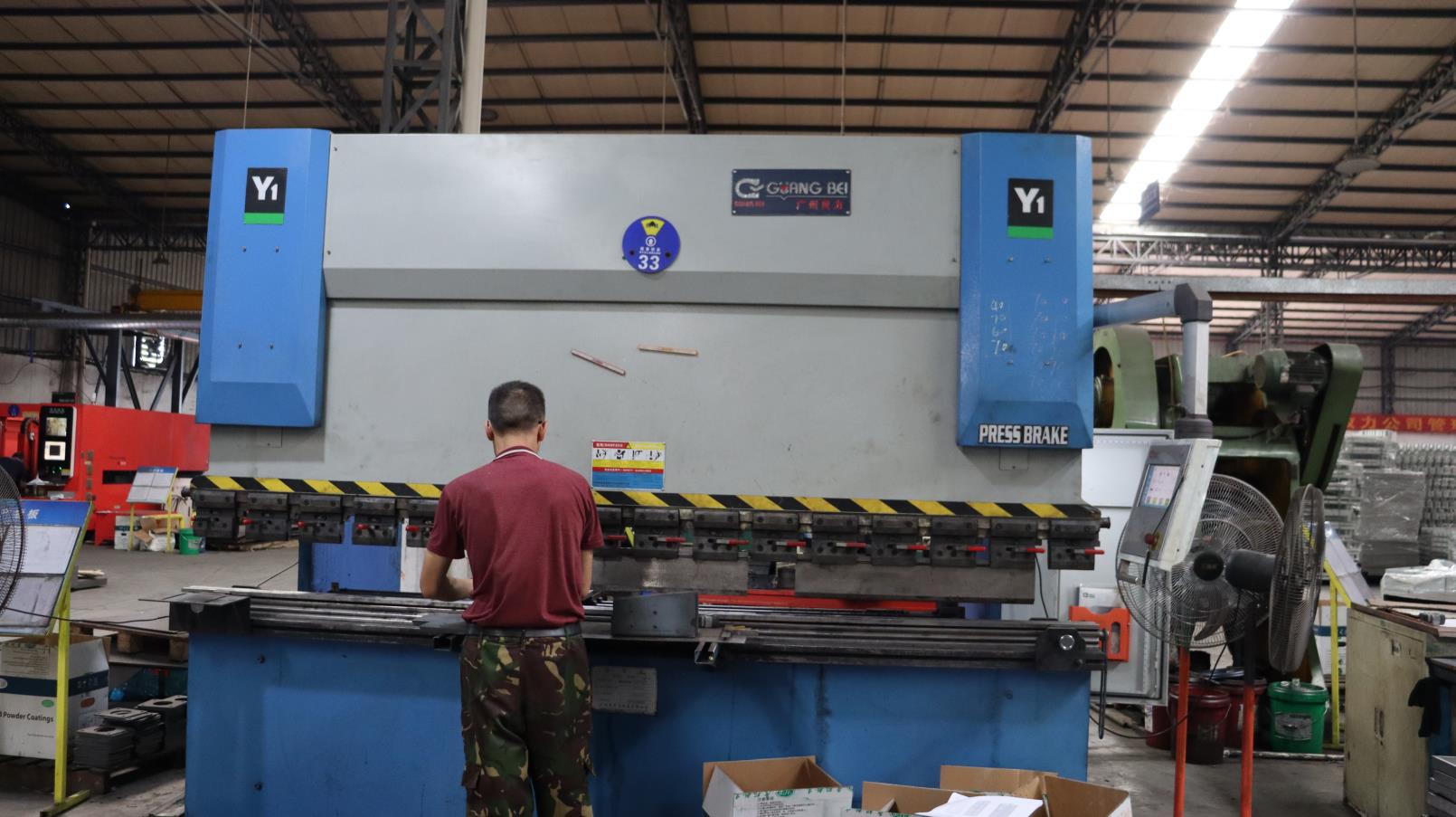
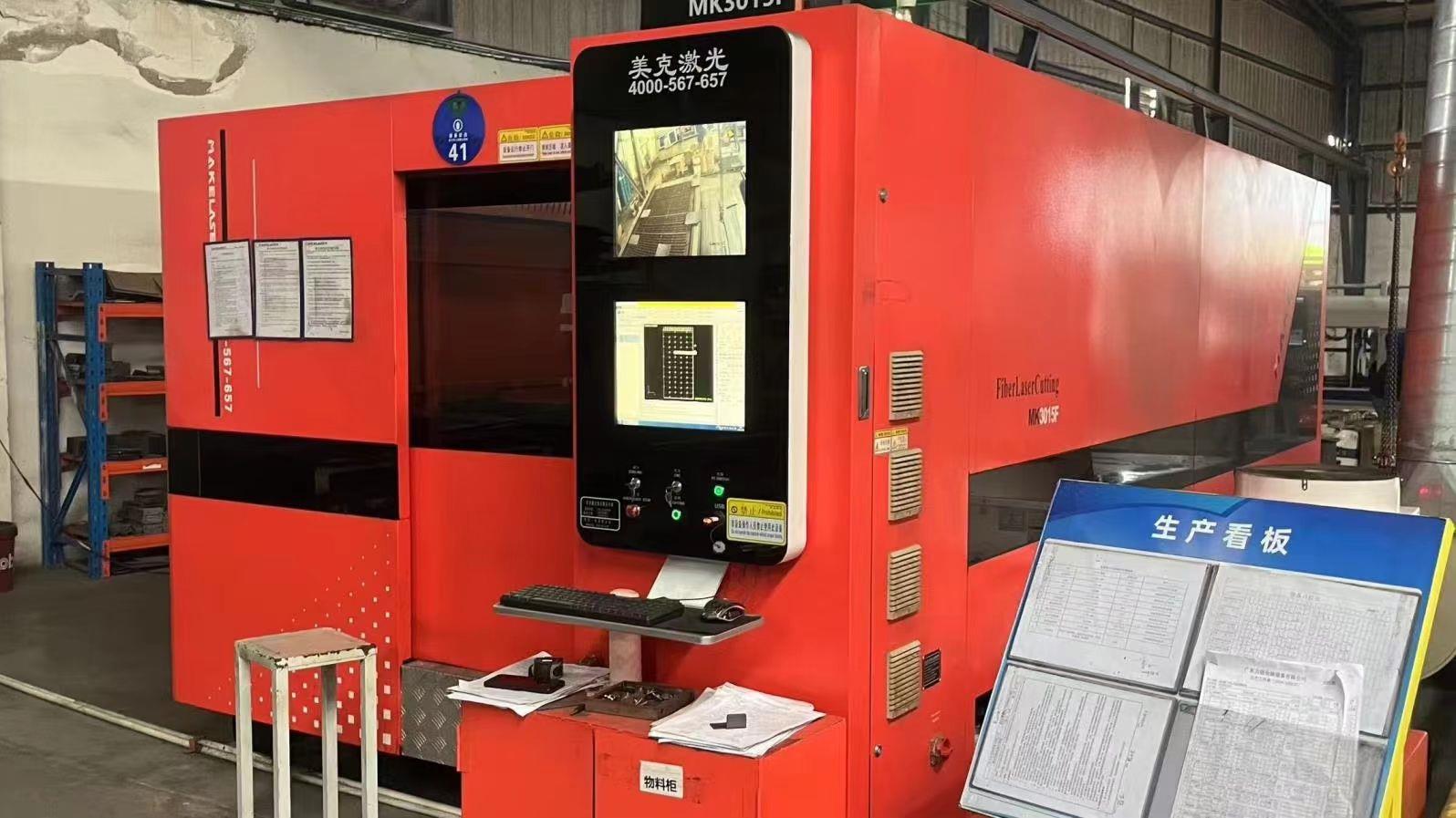
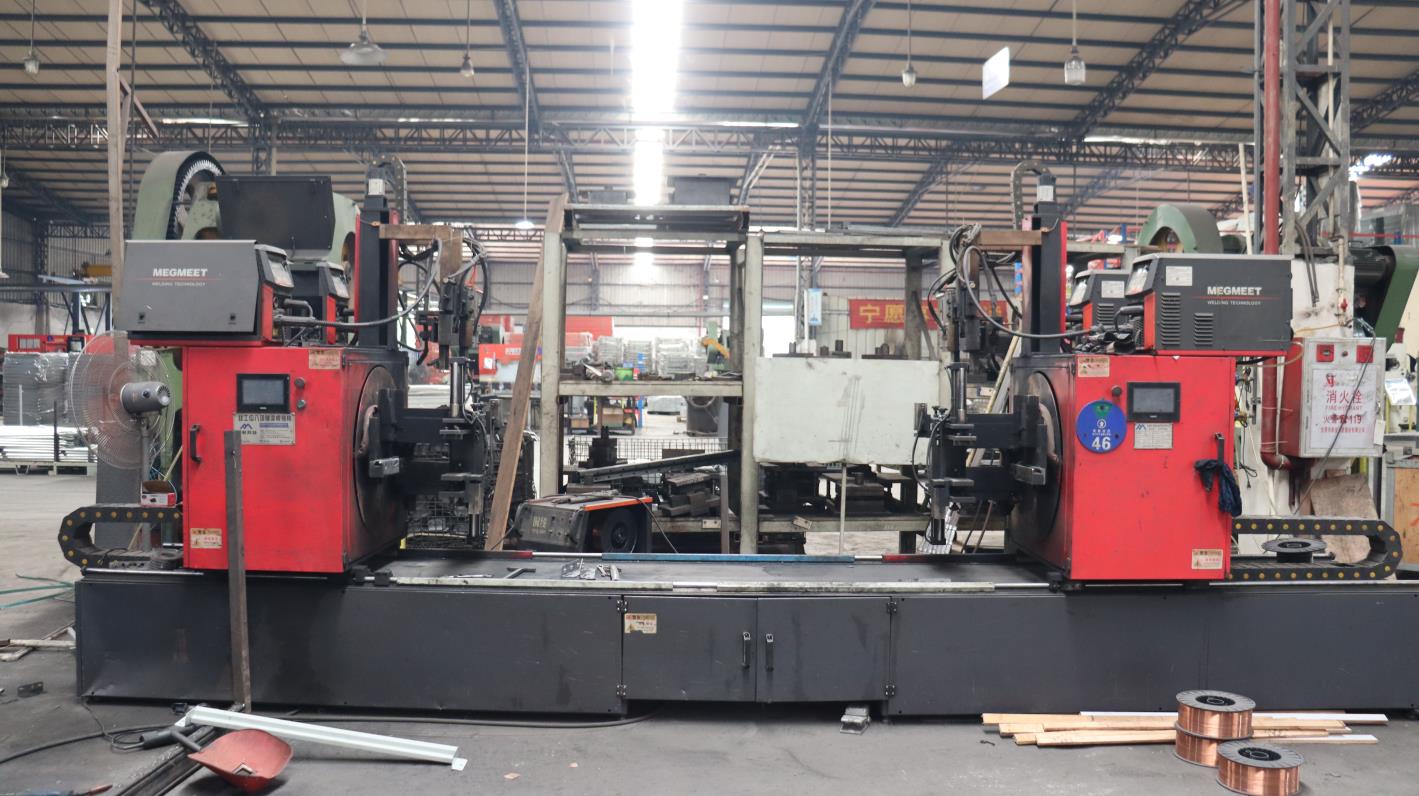
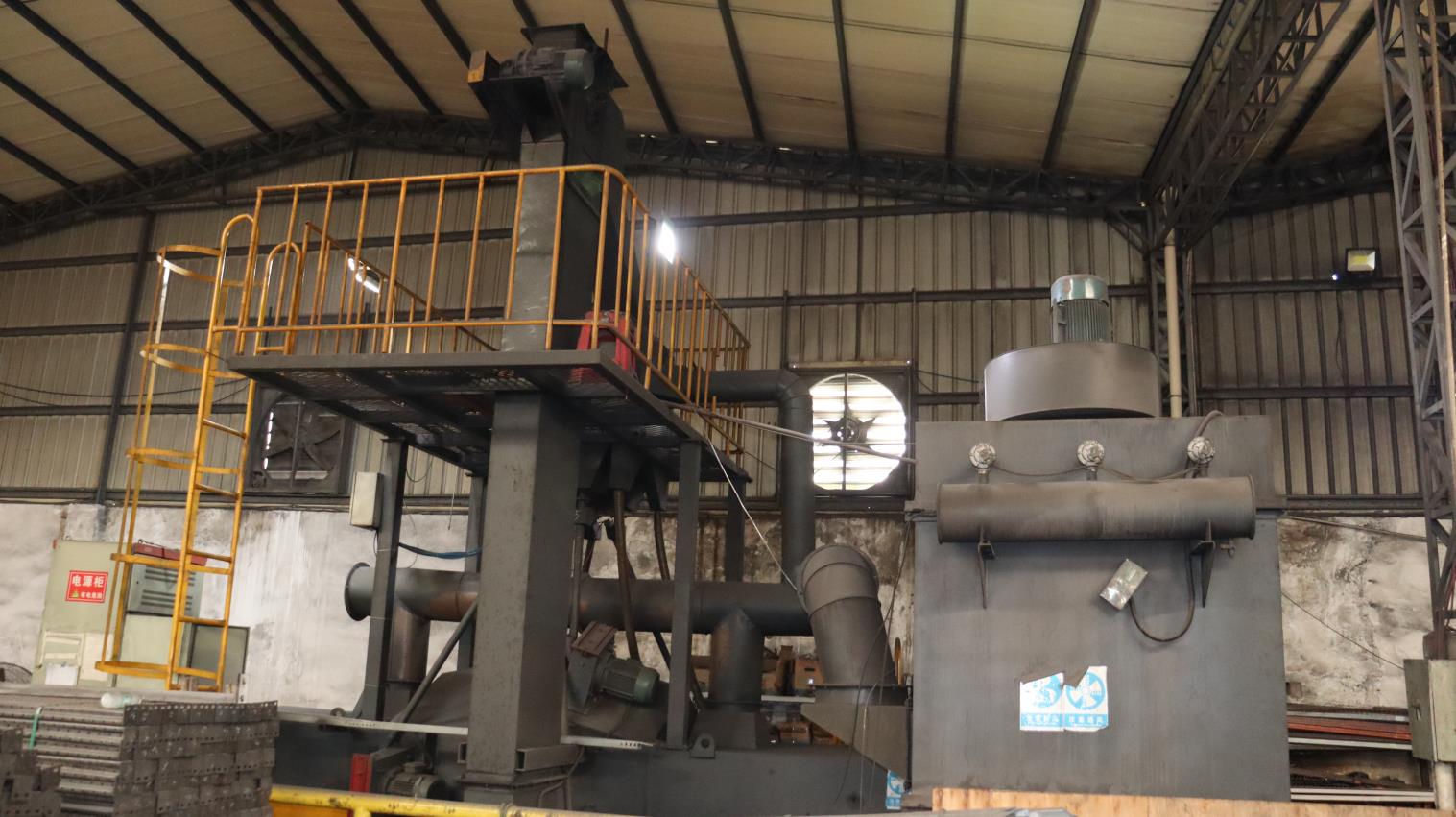
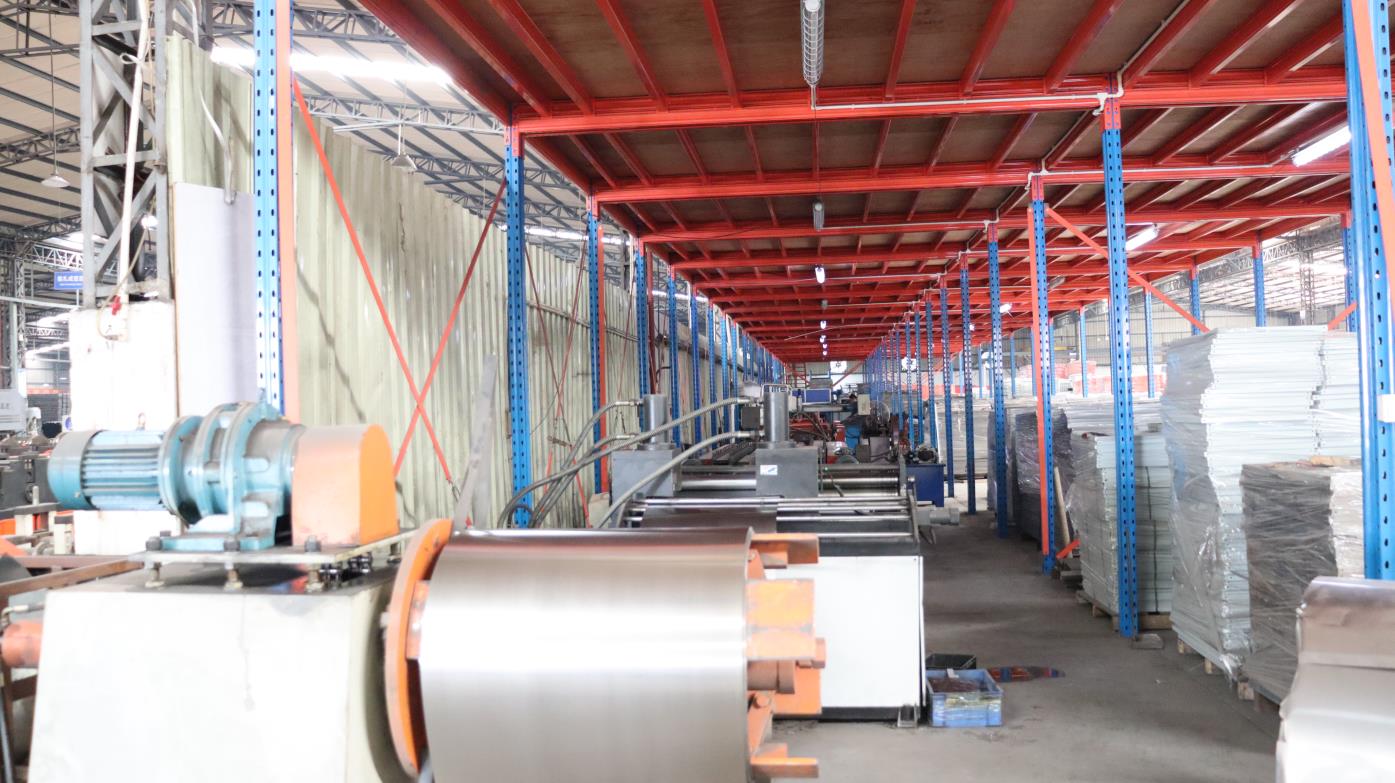
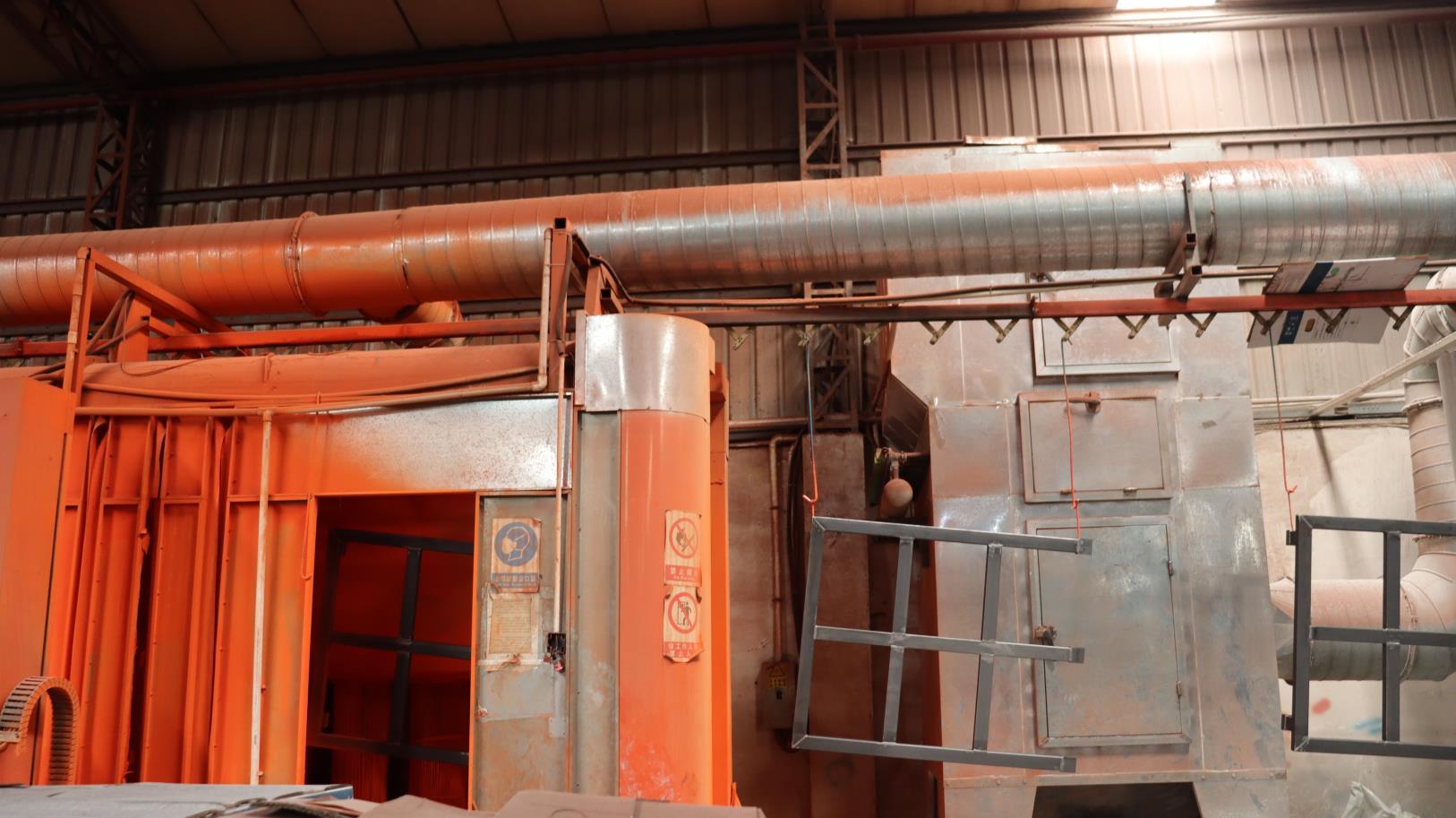
Ensuring absolute engineering reliability and structural integrity for multinational distribution operations.
Our raw Q235 and high-tensile Q355 structural steel grades are fully certified according to ISO 9001 and CE frameworks. Whether complying with AS 4084 steel standards for the Oceania region, or meeting the strict RMI (Rack Manufacturers Institute) and ANSI standards in North America, we conduct extensive coupon test protocols for mechanical strength, elasticity, and yield limits.
In seismic-active zones, our engineering department performs detailed finite element method (FEM) analysis. Using 3D simulation tools, we structure reinforced heavy-duty floor plates, oversized structural upright columns, and robust frame diagonal bracing networks to ensure the system withstands dynamic forces and protects nearby warehouse personnel.
From deep-freeze storage to automotive manufacturing parts buffers. Our racking solutions adapt to your environment.
Optimized for temperatures as low as -30°C. We apply specialized low-temperature powder coatings or hot-dip galvanized finishes to prevent steel embrittlement and surface peeling under extreme thermal shifts.
Adjustable pitch configurations permit immediate reconfiguration. Interchangeable structural box and step beams allow operators to quickly adjust vertical beam levels for varying SKU heights and pallet weights.
Designed to support massive load profiles, including die molds, raw iron plates, and heavy machinery parts. Our systems use drop-in structural wire decking or heavy wooden supports to handle concentrated weight profiles securely.
The convergence of static steel structures with advanced internet of things and dynamic retrieval technology.
As warehouses progress toward autonomous operation, heavy-duty racking system design must integrate with advanced positioning arrays. Our R&D team is actively engineering solutions for AS/RS (Automated Storage and Retrieval Systems) integration, characterized by ultra-low tolerances. While standard forklift installations accept a 5-10mm deviation, crane-guided shuttle systems demand accuracy within 1-2mm across 15-meter heights.
To support this evolution, Shenzhen Lijin is pioneering "Smart Rack" technologies, which embed strain gauges and real-time load cell monitoring within load-bearing support beams. These IoT sensors communicate dynamic stress, overloading, and deflection parameters directly to the facility's WMS (Warehouse Management System). By providing early fatigue detection and collision warning diagnostics, operations can execute predictive maintenance schedules, avoiding structural accidents.
Finally, sustainability is a driving force. Our automated production line utilizes zero-VOC eco-friendly powder coating technologies. Additionally, we are exploring circular steel sourcing partnerships to decrease the embodied carbon index of our structural components, helping global clients reach their carbon reduction targets.
Detailed technical guidance to help you make informed decisions regarding warehouse safety, layout planning, and load design.
Q235 and Q355 are major Chinese structural steel grades. Q235 steel has a yield strength of 235 MPa and is widely used for standard heavy-duty warehouse projects. Q355 structural steel features a yield strength of 355 MPa, allowing engineers to specify thinner profiles to carry equivalent loads or design ultra-high storage bays with superior seismic load capacities.
UDL calculations rely on distributing the weight of the palletized load equally across the length of the pair of beam levels. Our team utilizes finite element structural calculations to determine deflection limits, ensuring they do not exceed 1/200th of the span distance (as per RMI and FEM guidelines). This ensures safety factors of 1.5 to 1.8 times the stated maximum weight capacity.
For corrosive, cold chain, or outdoor applications, we deploy two primary corrosion protection protocols. First, our fully automated electrostatic powder-coating line applies a thick, uniform layer of epoxy powder that is thermoset at high temperatures to resist impact and moisture. Second, we provide hot-dip galvanized coating, where structural steel is submerged in molten zinc, offering sacrificial galvanic protection ideal for extreme humidity.
To safeguard structural frames against forklift impacts, we supply and recommend heavy-duty column protectors, U-shaped guard rails, and end-of-aisle structural barriers. These are secured directly to the concrete floor slab to absorb kinetic impacts, ensuring safety forces are not transferred directly to the load-bearing upright structures.
Yes, our engineering department consists of 28 dedicated R&D specialists. We utilize CAD and SolidWorks to design custom upright configurations, special beam sizes, and custom-colored paint profiles to match specific architectural footprints and operational workflows. We provide structural drawings and calculation reports to support regional permit approvals.
Explore our complete product catalog designed for specialized heavy-material configurations and high-performance warehousing.
 Lijin Racking