Engineered to maximize footprint efficiency, improve warehouse throughput, and streamline First-In, First-Out (FIFO) material handling operations.
Global warehousing is undergoing a fundamental structural transition. As land costs rise and demands for operational throughput become tighter, traditional static racking systems are proving insufficient. Modern supply chain managers are shifting to dynamic systems like Pallet Flow Storage (also known as gravity flow racking).
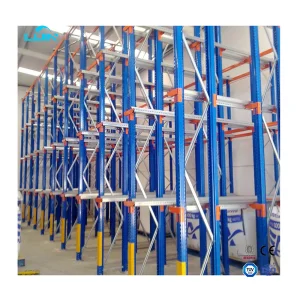
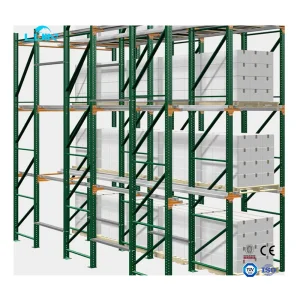
By leveraging gravity, dynamic pallet flow systems maximize storage density by using a First-In, First-Out (FIFO) setup. Racks are configured with inclined roller tracks, allowing pallets placed at the loading face to roll smoothly down to the unloading face. This cuts down on the need for internal forklifts, reduces energy use, and eliminates unnecessary aisles.
Technological improvements in speed controllers, entry guides, and automatic braking mechanisms have made these systems safer and more reliable. Today's pallet flow solutions are no longer just storage units; they are key parts of warehouse automation, bridging the gap between manual handling and fully automated storage and retrieval systems (ASRS).
When purchasing industrial racking, global sourcing agents look beyond basic dimensions and price points. Today's industrial buyers prioritize long-term stability, safety compliance, and customizability.
Procurement departments in North America and Western Europe require adherence to strict standards like RMI (Rack Manufacturers Institute) and EN 15512 codes. Material certificates showing the use of high-strength structural steel (like Q235B or Q355B) are essential to prevent structural failures.
Every warehouse configuration is unique. Buyers expect customizable track pitches, variable roller widths, specialized deceleration wheels, and customizable loading entries to match the weight profiles of their goods.
Whether in cold-chain logistics or chemical processing facilities, systems must withstand challenging environments. This demands high-quality surface treatments, such as hot-dip galvanizing and electrostatic powder coating, to resist moisture and chemicals.
Experienced warehouse operators look beyond the initial purchase price. They evaluate durability, maintenance costs, and assembly simplicity. A gravity flow rack made from high-grade structural steel and equipped with reliable flow rollers reduces downtime, saving money over the system's life cycle.
Shenzhen Lijin Storage Equipment Co., Ltd. sits at the heart of China's advanced industrial manufacturing corridor, combining efficient production with deep logistics expertise.
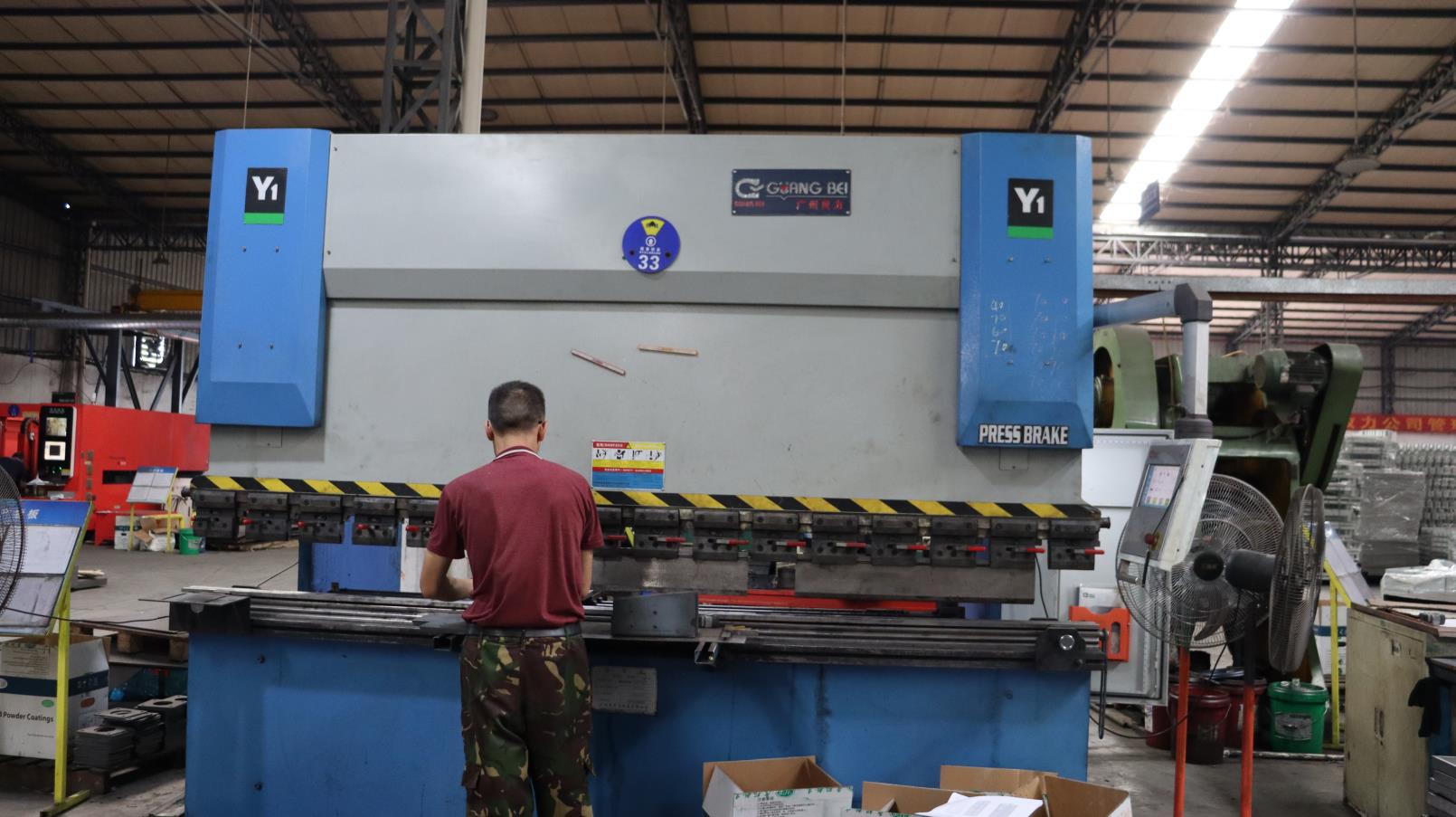
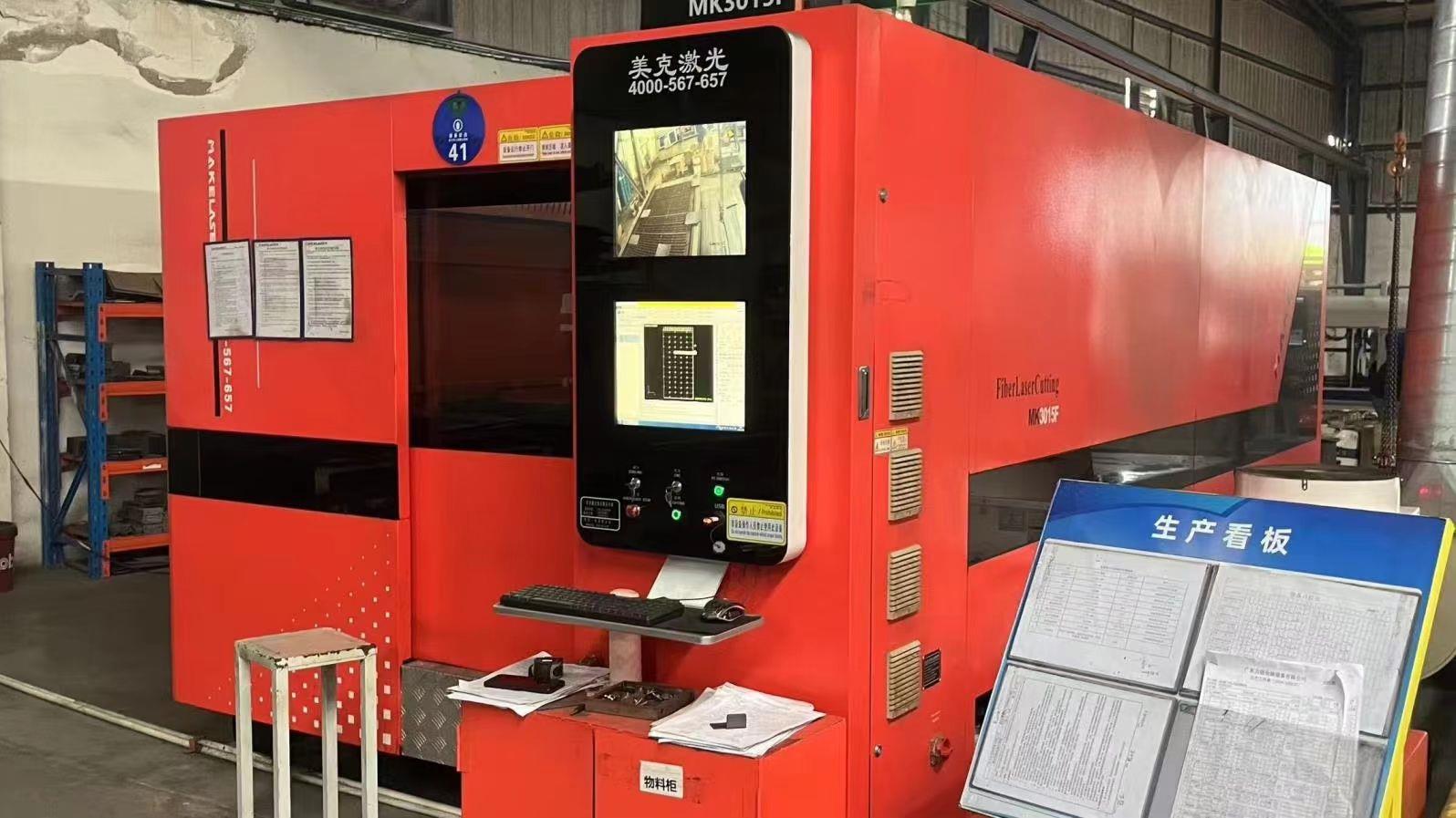
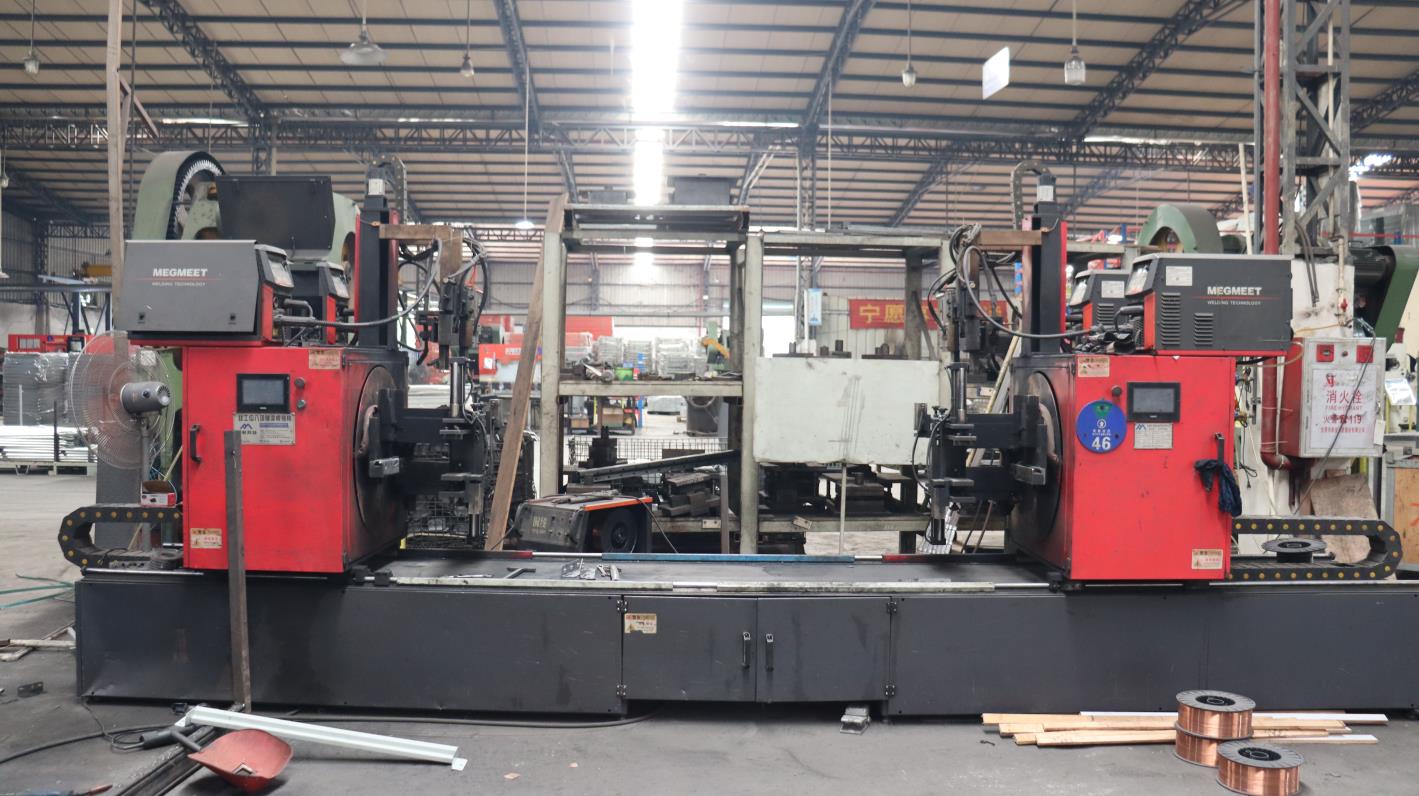
Our 35,000 m² facility runs on modern production lines, including roll-forming lines, laser cutters, and automated robotic welders. This technological setup allows us to keep production tolerances tight, ensuring every beam, upright frame, and roller rail fits together perfectly when assembled on-site.
Operating out of Shenzhen gives us access to a robust raw material and component supply chain. This helps us manage shipping logistics and production schedules, ensuring reliable delivery timelines for large projects overseas.
Our engineering team can turn custom ODM designs into clear structural drawings in days. This design capability, paired with efficient manufacturing, helps global distributors scale their systems quickly and keep projects on track.
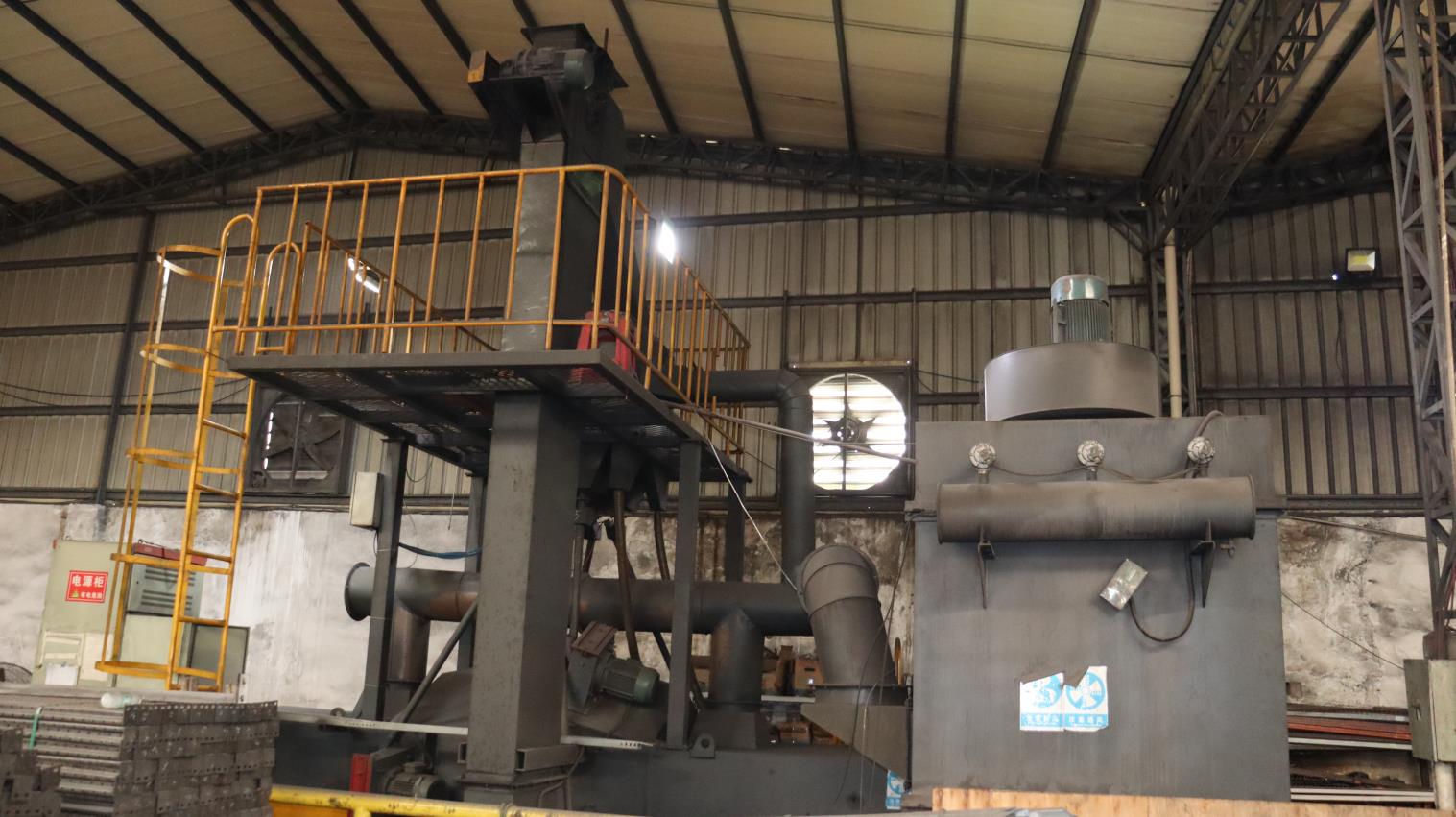
A step-by-step look at our production and quality control processes at Shenzhen Lijin.
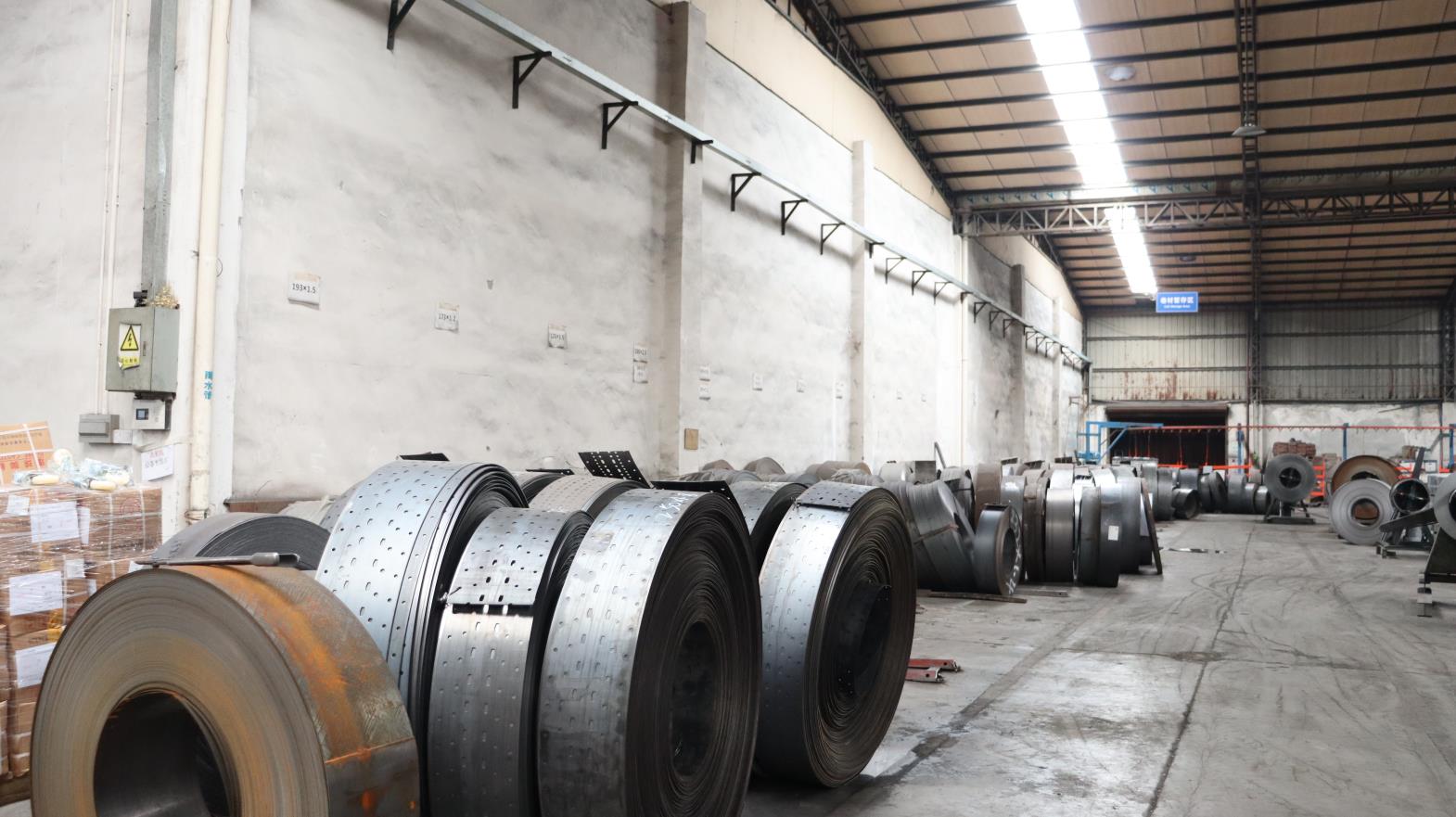
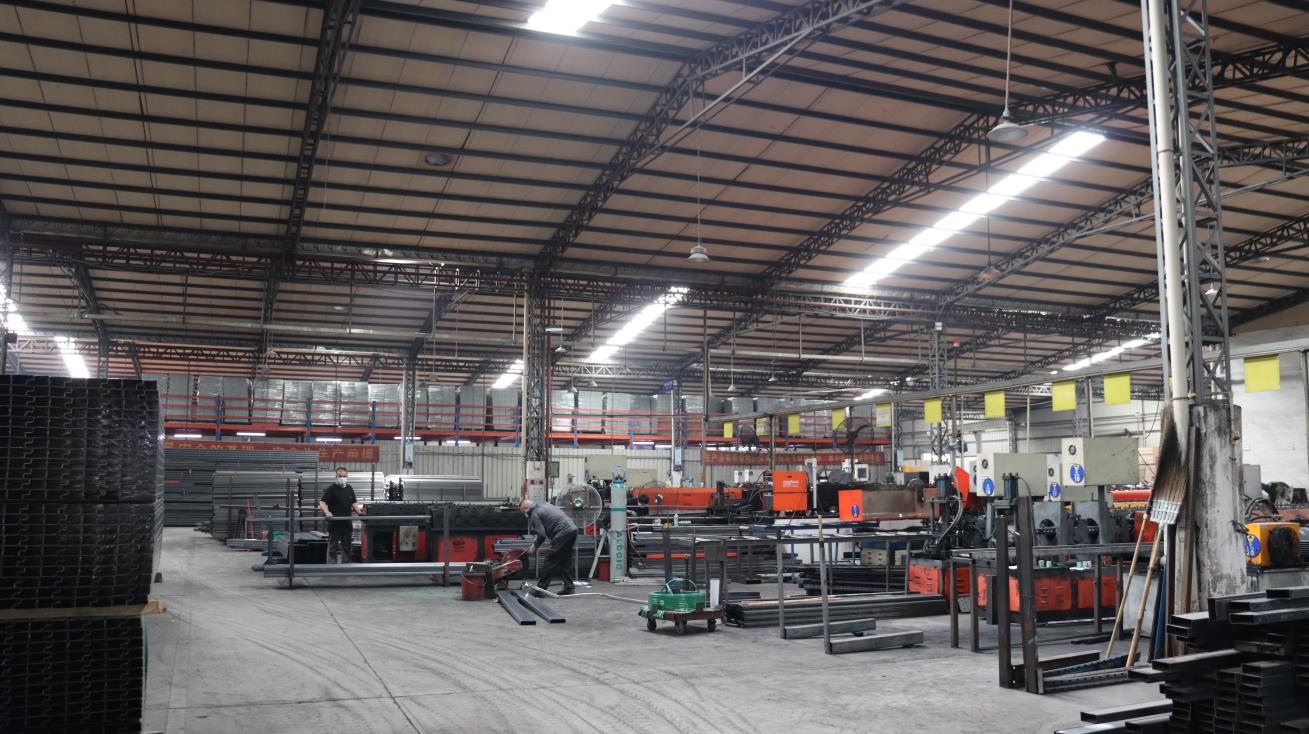
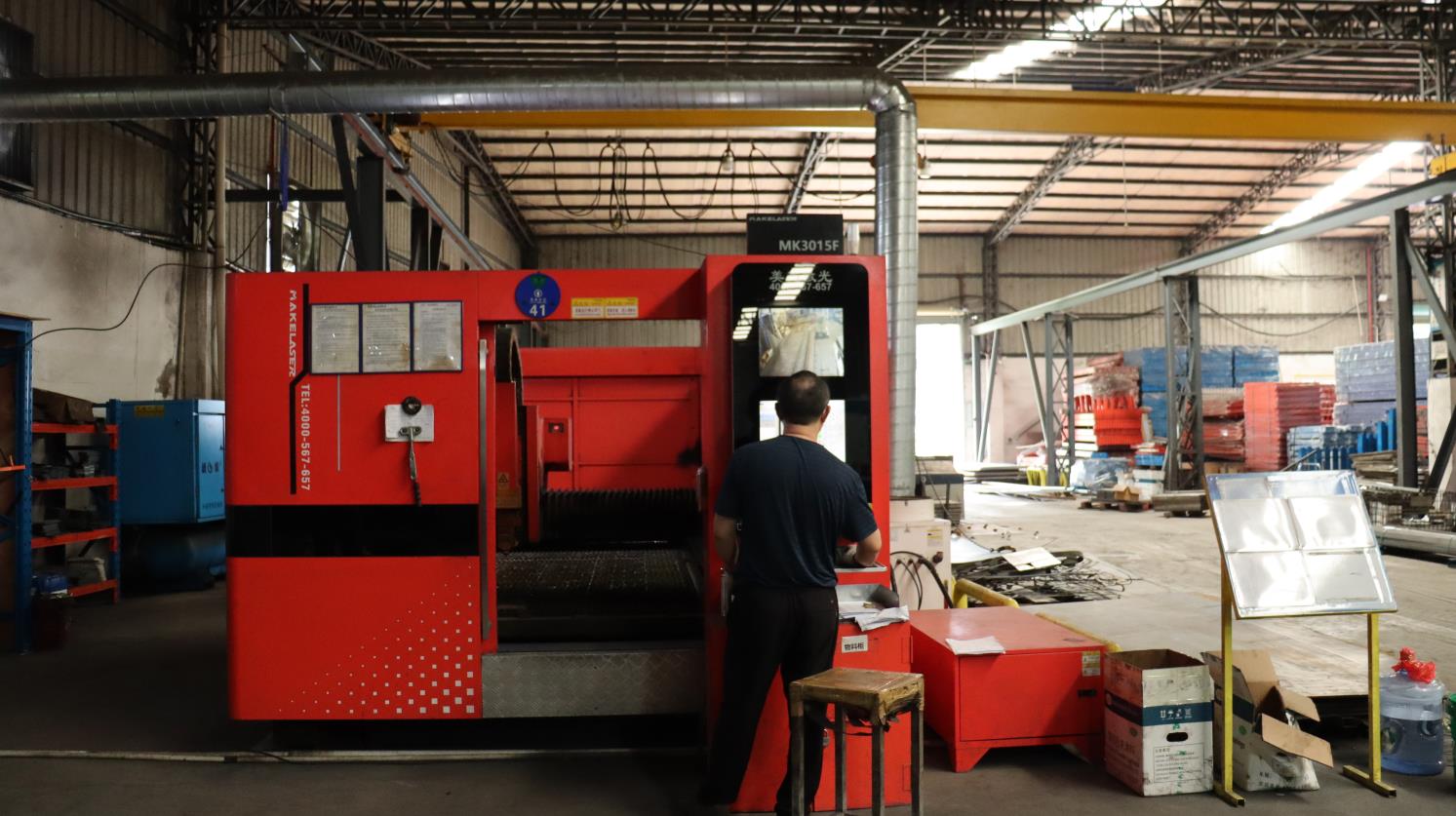
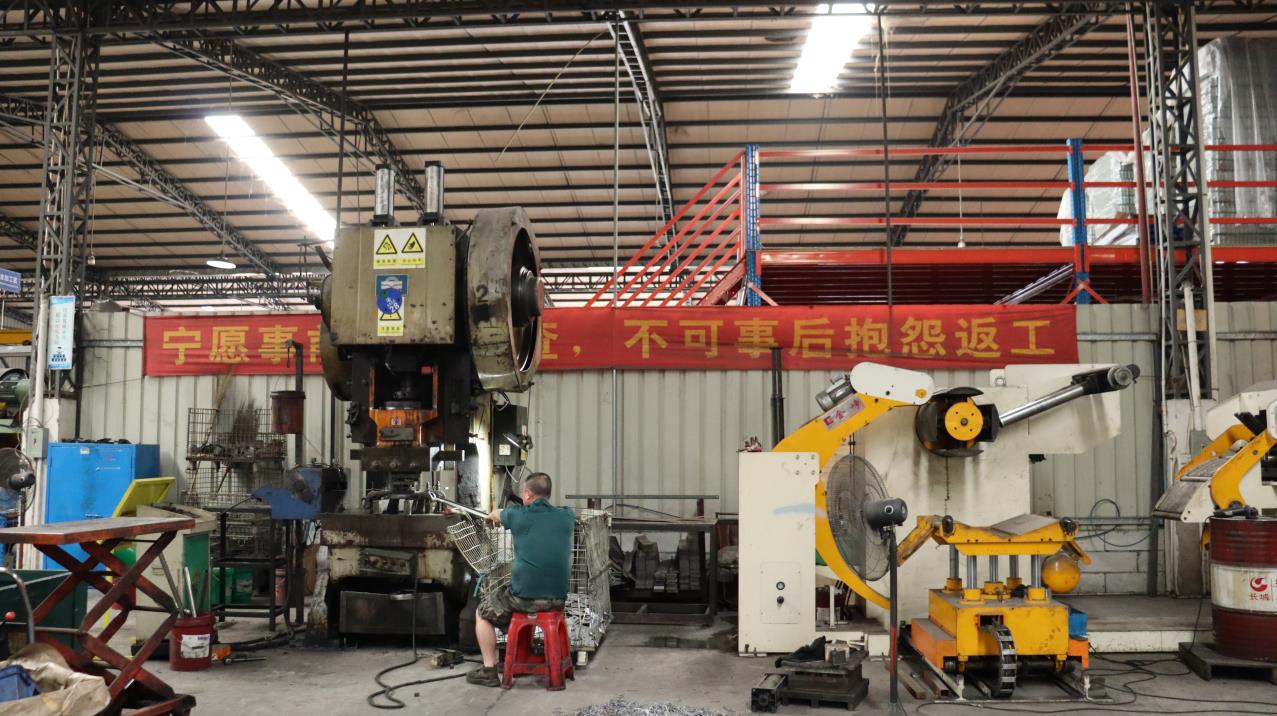
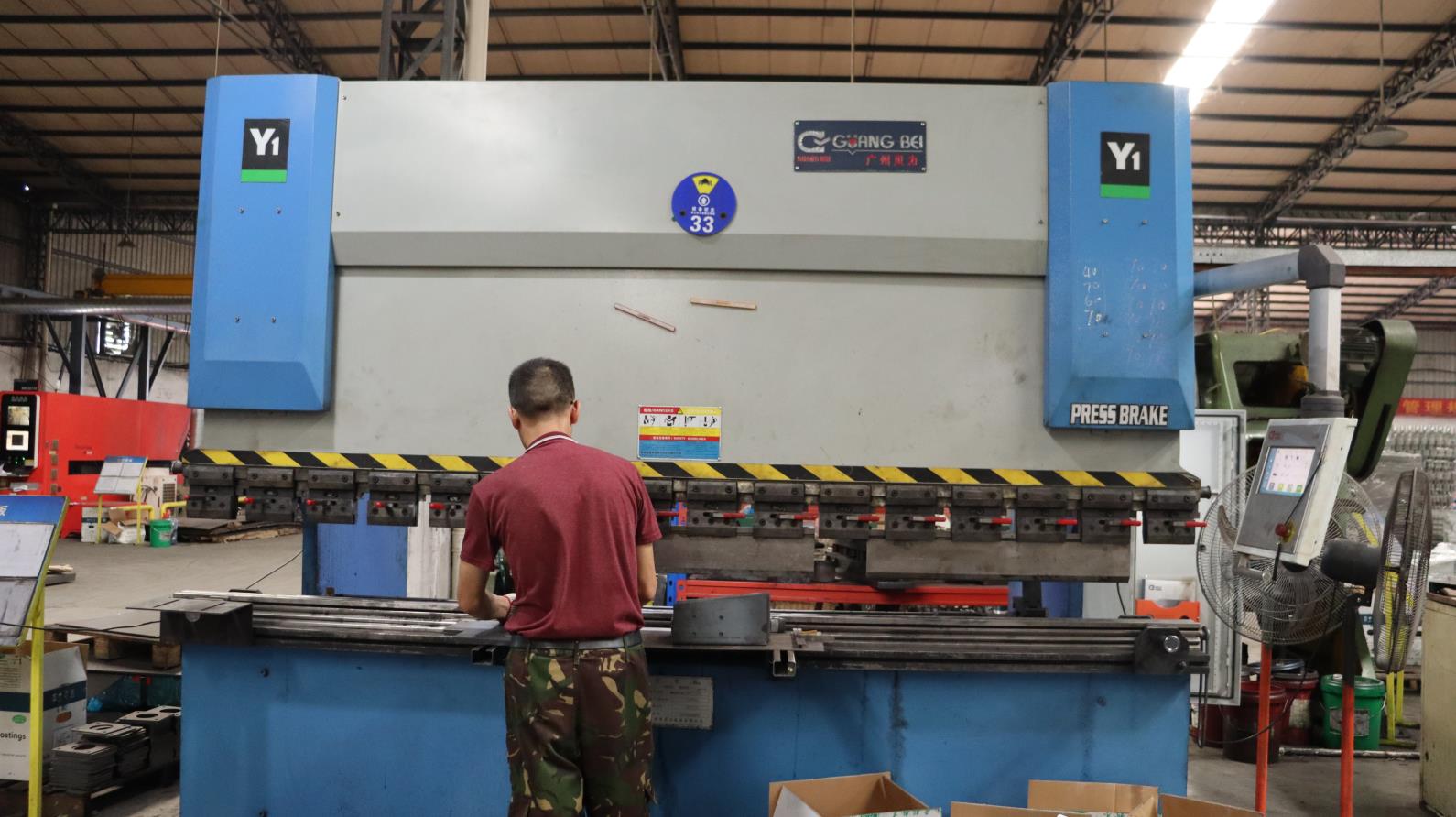
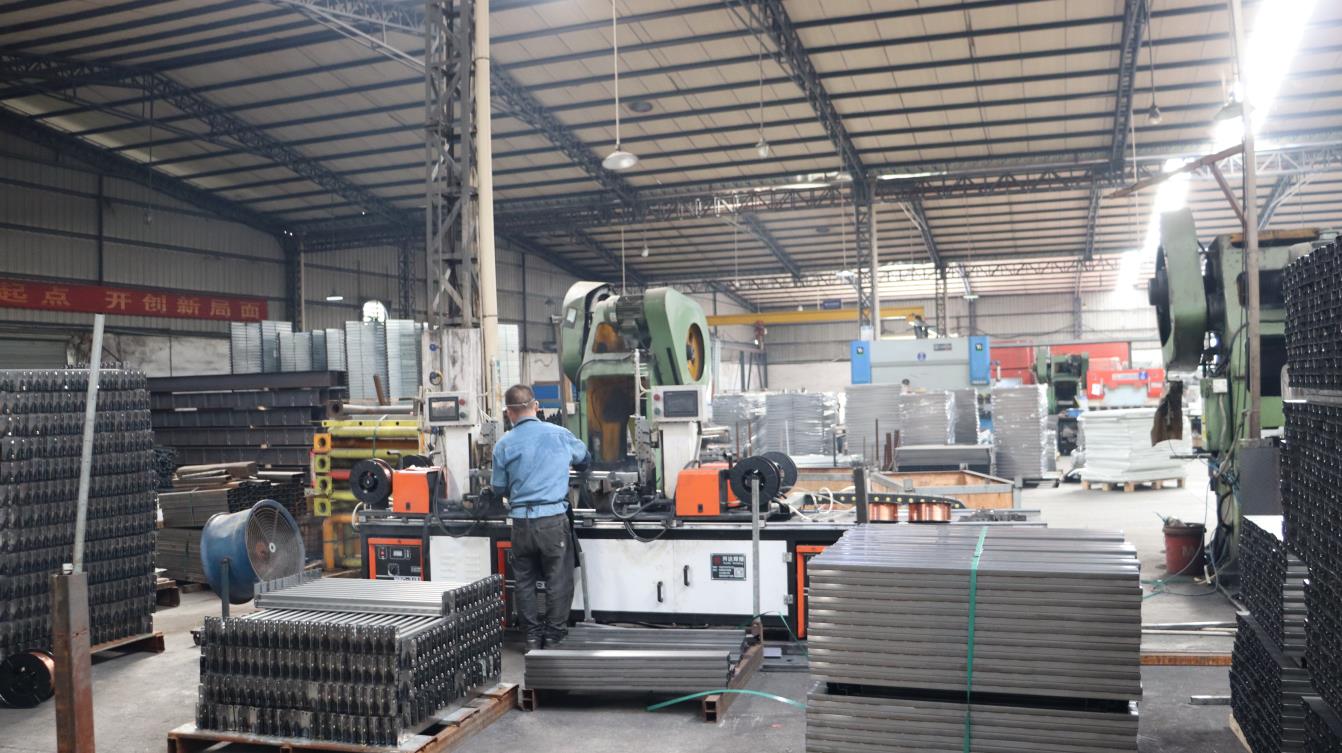
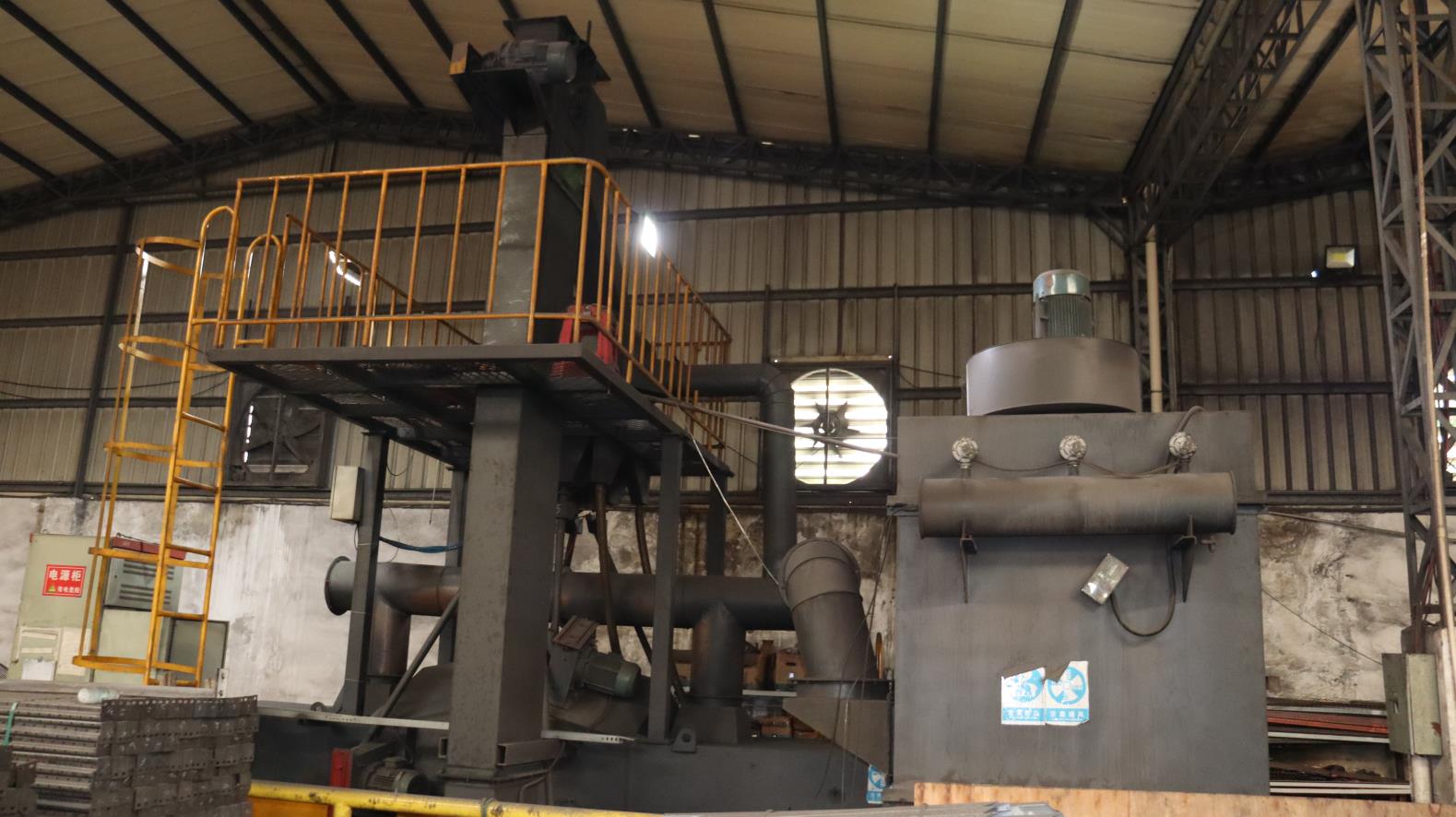
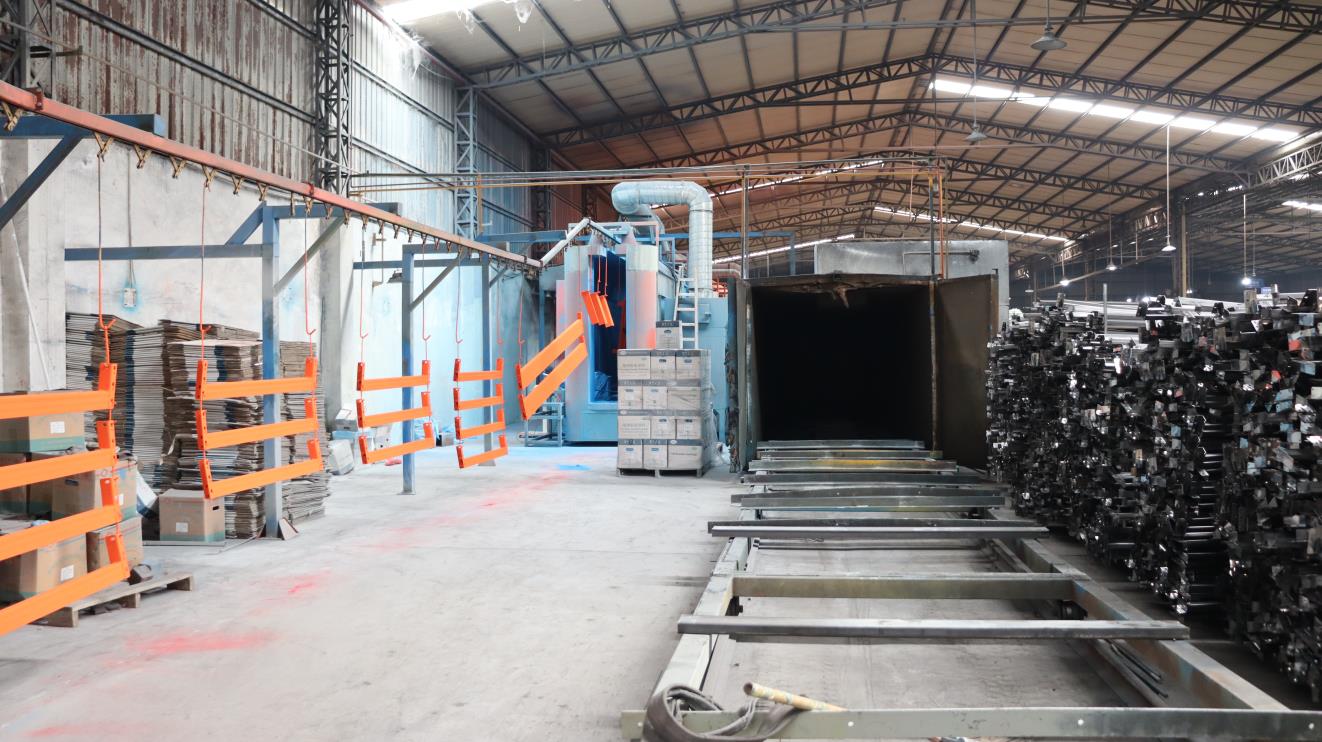
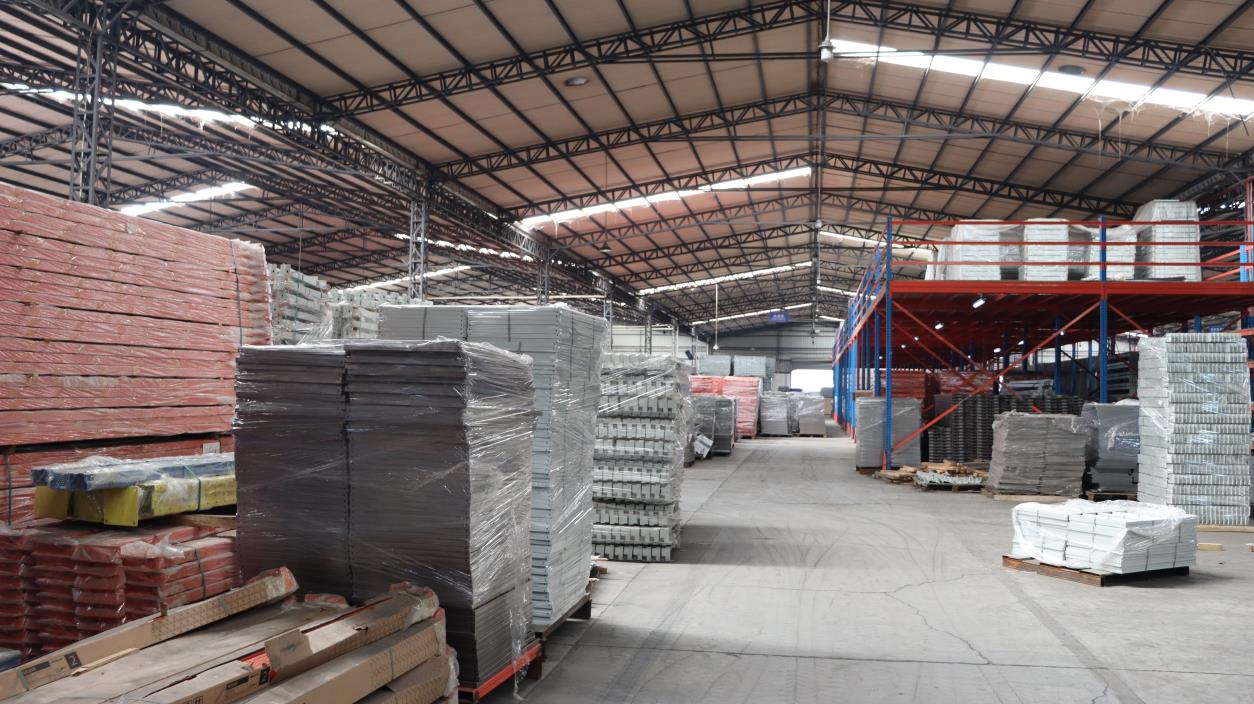
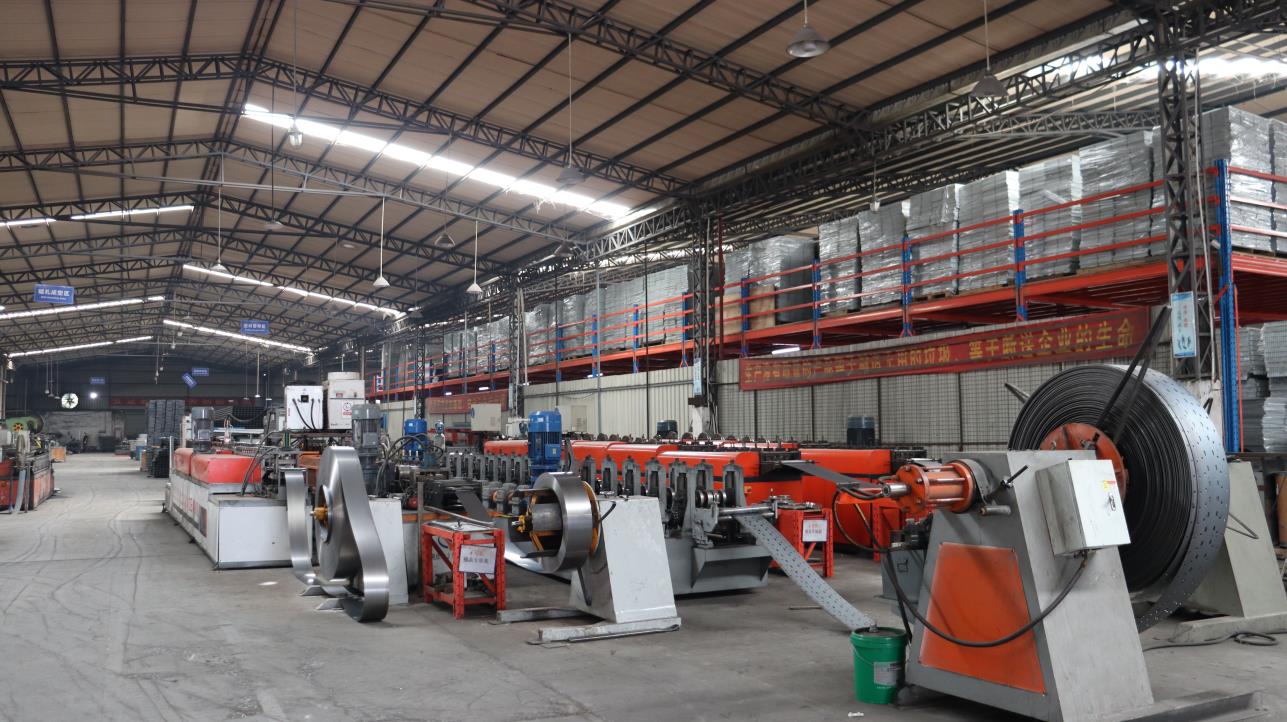
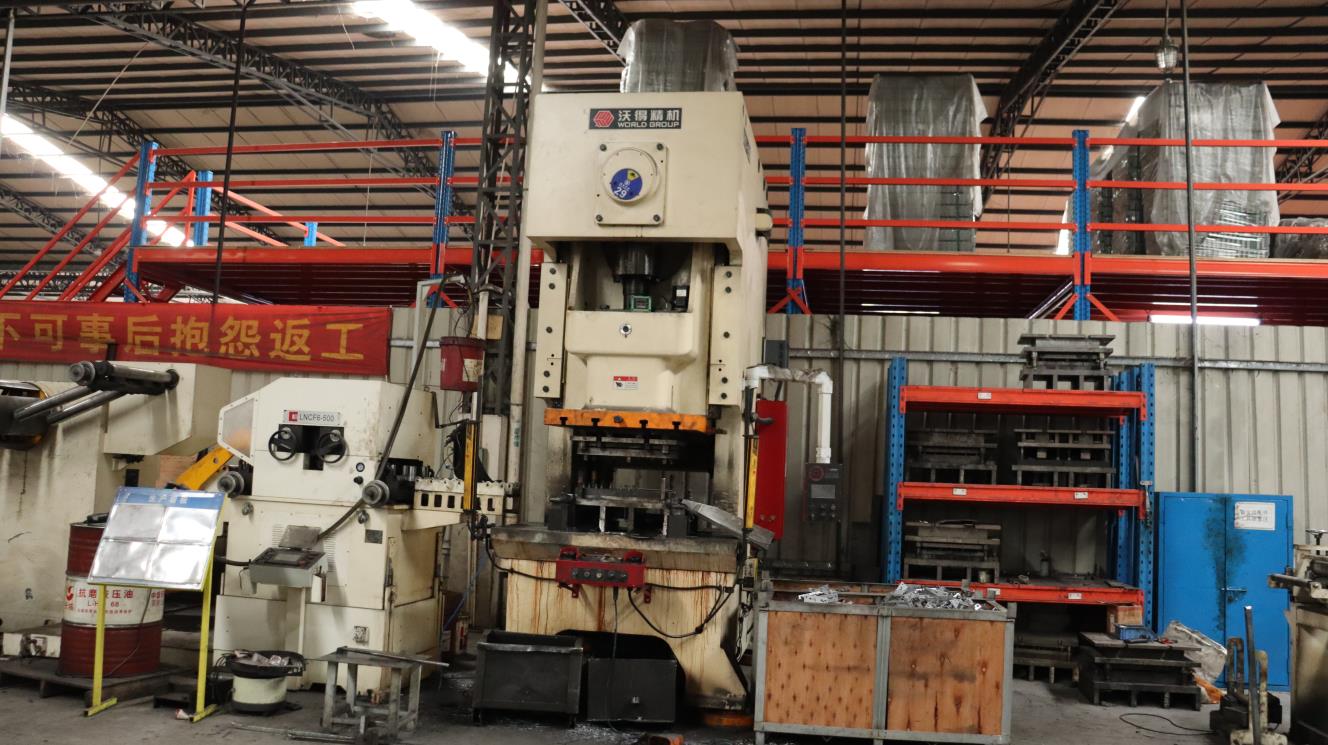
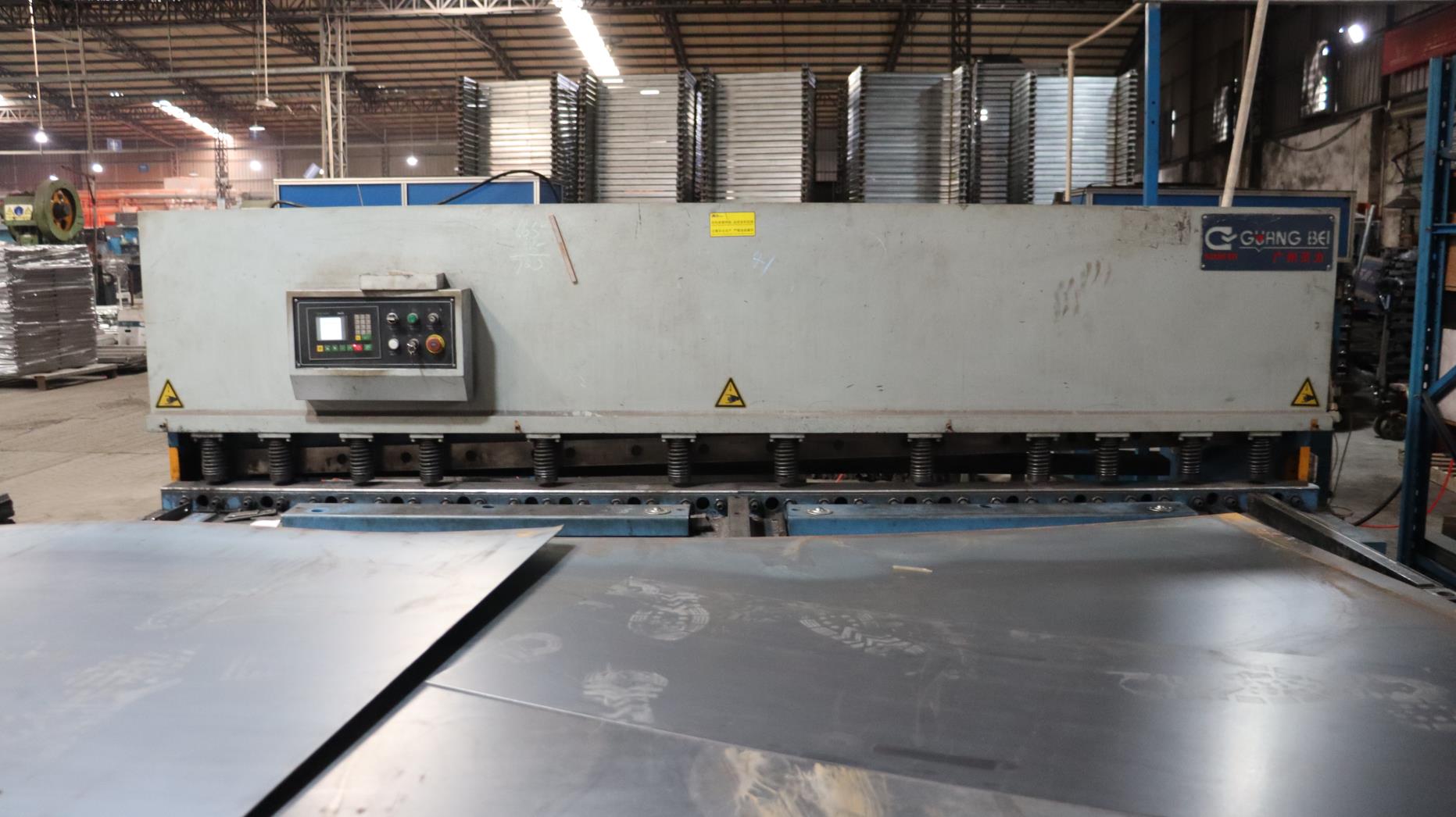
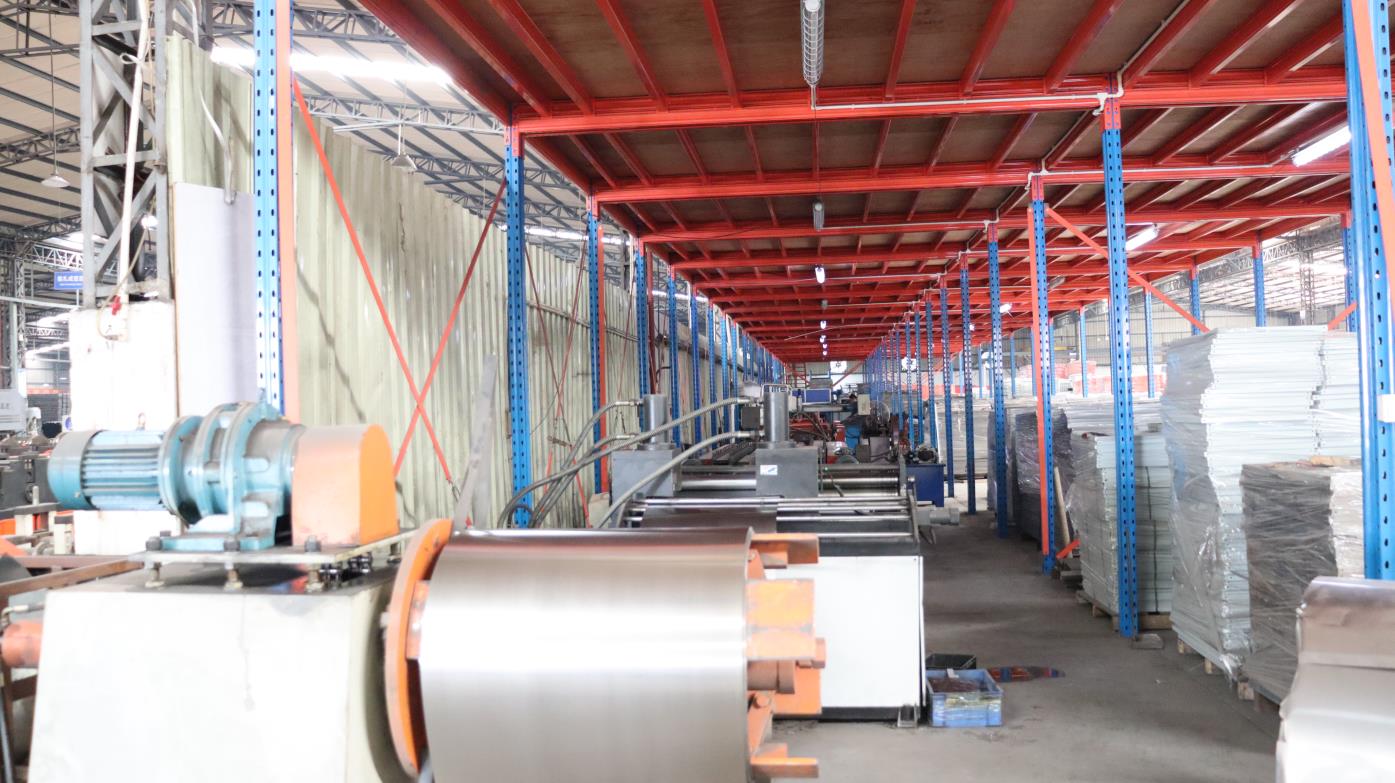
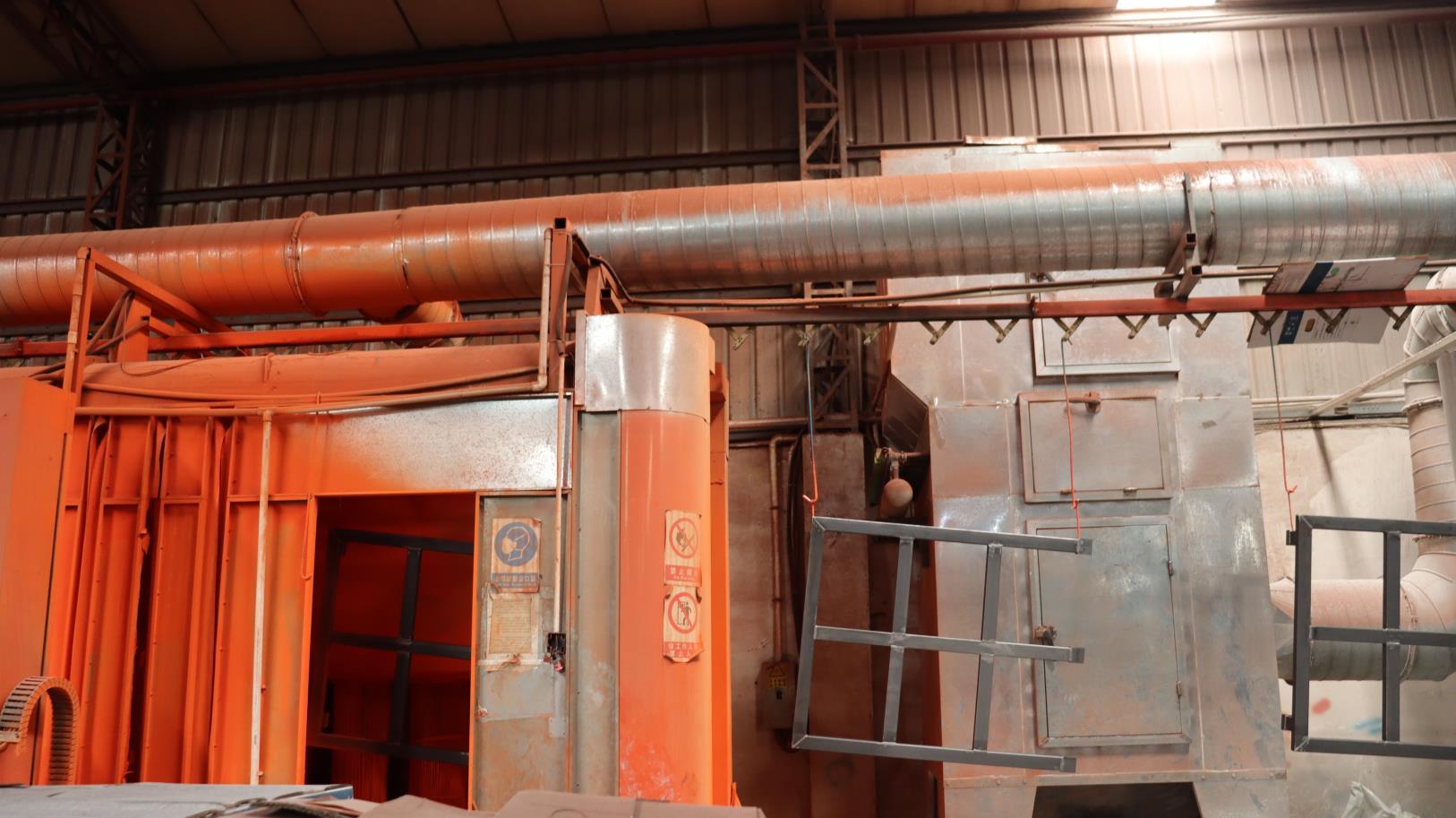
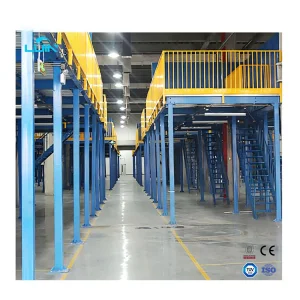
Different industries require unique structural designs. Below is a breakdown of how our pallet flow storage and mezzanine systems are configured for various industrial settings:
In temperature-controlled facilities, space optimization translates directly to energy savings. Our galvanized dynamic pallet flow systems operate reliably down to -30°C. By using low-temperature lubricants on rollers and high-ductility steel, the racks remain structurally sound and moving parts flow smoothly without seizing.
For inventory with strict shelf lives, FIFO management is critical. Pallet flow racks provide a reliable gravity-driven path that ensures older stock is picked first, helping reduce food waste and streamlining logistics.
Heavy auto parts require high-load capacity shelving. Shenzhen Lijin designs custom systems capable of supporting over 4.5 tons per layer. These configurations withstand constant loading cycles, providing structural stability on active manufacturing floors.
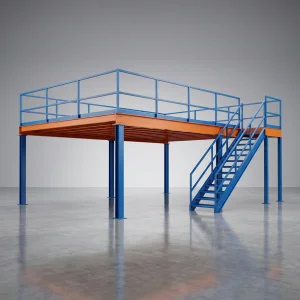
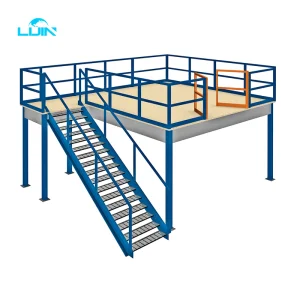
Third-party logistics providers must quickly adapt to changing client storage needs. Combining steel mezzanines with dynamic flow lanes helps utilize overhead space, increasing pick faces and maximizing storage density.
Technical answers to common questions about pallet flow storage, structural integrity, and custom manufacturing.
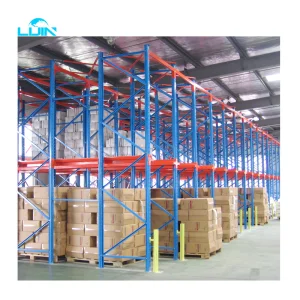
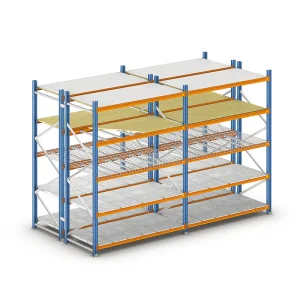
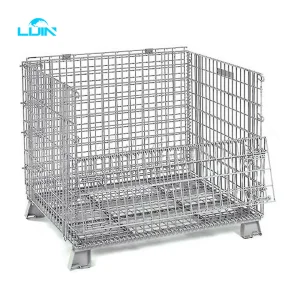
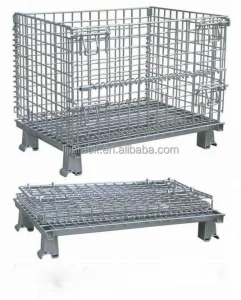
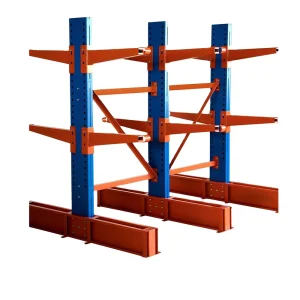
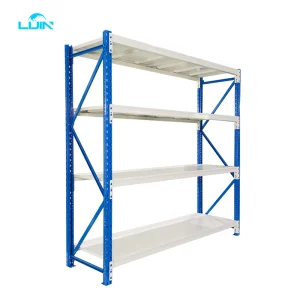
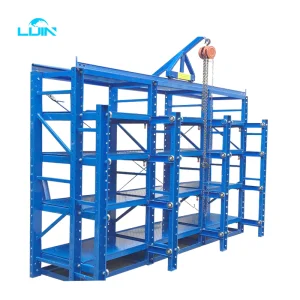
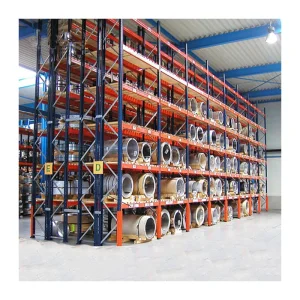
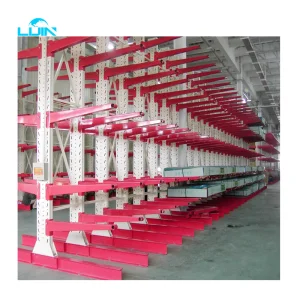
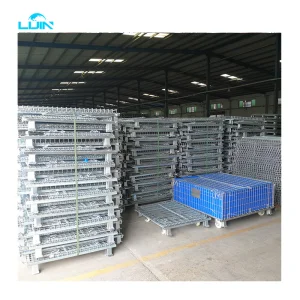
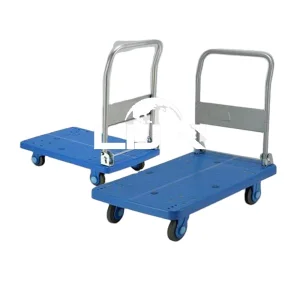
Complete your warehouse configuration with our selection of industrial steel platforms, heavy-duty racking, and modular wire containers.
 Lijin Racking