Explore our leading selections of heavy-duty racking configurations designed to maximize space and efficiency.
Navigating the complexity of modern industrial storage requirements through modular and dynamic engineering.
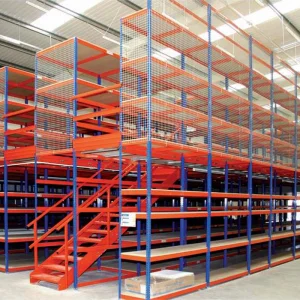
In the contemporary landscape of global logistics, warehousing, and supply chain management, adaptability has shifted from a competitive benefit to a survival absolute. The dramatic surge in e-commerce, omni-channel retail distribution models, and dynamic production lines has triggered a massive overhaul of spatial strategies. Flexible shelving systems—encompassing modular structural racks, cantilever components, adjustable steel decks, and integrated mezzanine platforms—serve as the foundation of modern high-density warehouses.
According to industrial storage whitepapers, traditional fixed racking systems often fail to meet today's rapid turnover needs. Storing diverse product shapes, varying weight configurations, and fluctuating inventory runs requires racking systems that can adapt swiftly without requiring expensive reconstruction or structural replacements. This is where customized, high-tolerance flexible racking bridges the operational gap.
“Modern warehousing operations are evolving towards automation and variable inventory formats. Dynamic, flexible steel racking systems are key to achieving up to 40% higher space utilization rates compared to conventional static configurations.”
Across key industrial markets—specifically in North America, Western Europe, and parts of Asia—companies are facing skyrocketing warehousing rent and structural building limitations. In response, engineering managers are choosing to retrofit existing facilities with high-capacity flexible shelves instead of building new sites. Through precise calculations of dynamic loading, seismic resistance, and material endurance, modern flexible systems can adapt to both light-duty storage and multi-tier heavy storage demands.
Transform horizontal floor spaces into optimized vertical storage paths, effectively reducing the overall cost per square meter of warehousing operations.
Configure and reconfigure bay spacing, beam levels, and load capacities dynamically to match product lifecycles and seasonal demands.
Seamlessly integrate shelving frameworks with automated warehouse solutions, such as Automated Guided Vehicles (AGV), crane-loaded systems, and conveyor lines.
A trusted global supply chain partner delivering certified industrial-grade storage solutions.
Established in 2015, Shenzhen Lijin Storage Equipment Co., Ltd. is a leading enterprise specializing in the design, manufacturing, and global distribution of heavy-duty warehouse racking systems, automated storage solutions, and industrial shelving. Spanning a state-of-the-art facility of 35,000 m², we have developed into a trusted global supply chain partner with over 8 years of direct export experience and more than 12 years of deep industry expertise. Driven by innovation and quality, our global revenue reached USD 22 million last year.
We enforce a rigorous, multi-stage quality control system—including ultrasonic non-destructive testing, automated weld inspection, laser dimensional checking, and heavy-load endurance testing. Backed by an in-house quality inspection team of 35 dedicated professionals, every batch meets international safety and structural standards, ensuring maximum load-bearing efficiency and long-term stability.
Supported by a skilled team of 28 R&D engineers, Shenzhen Lijin delivers comprehensive OEM and ODM solutions tailored to unique warehouse layouts, seismic requirements, and capacity needs. Our engineering team launched over 85 new products and dynamic storage configurations last year, continuously setting new standards in space optimization and modern automated storage integration.
How Lijin delivers structural reliability and high throughput efficiency through precision engineering.
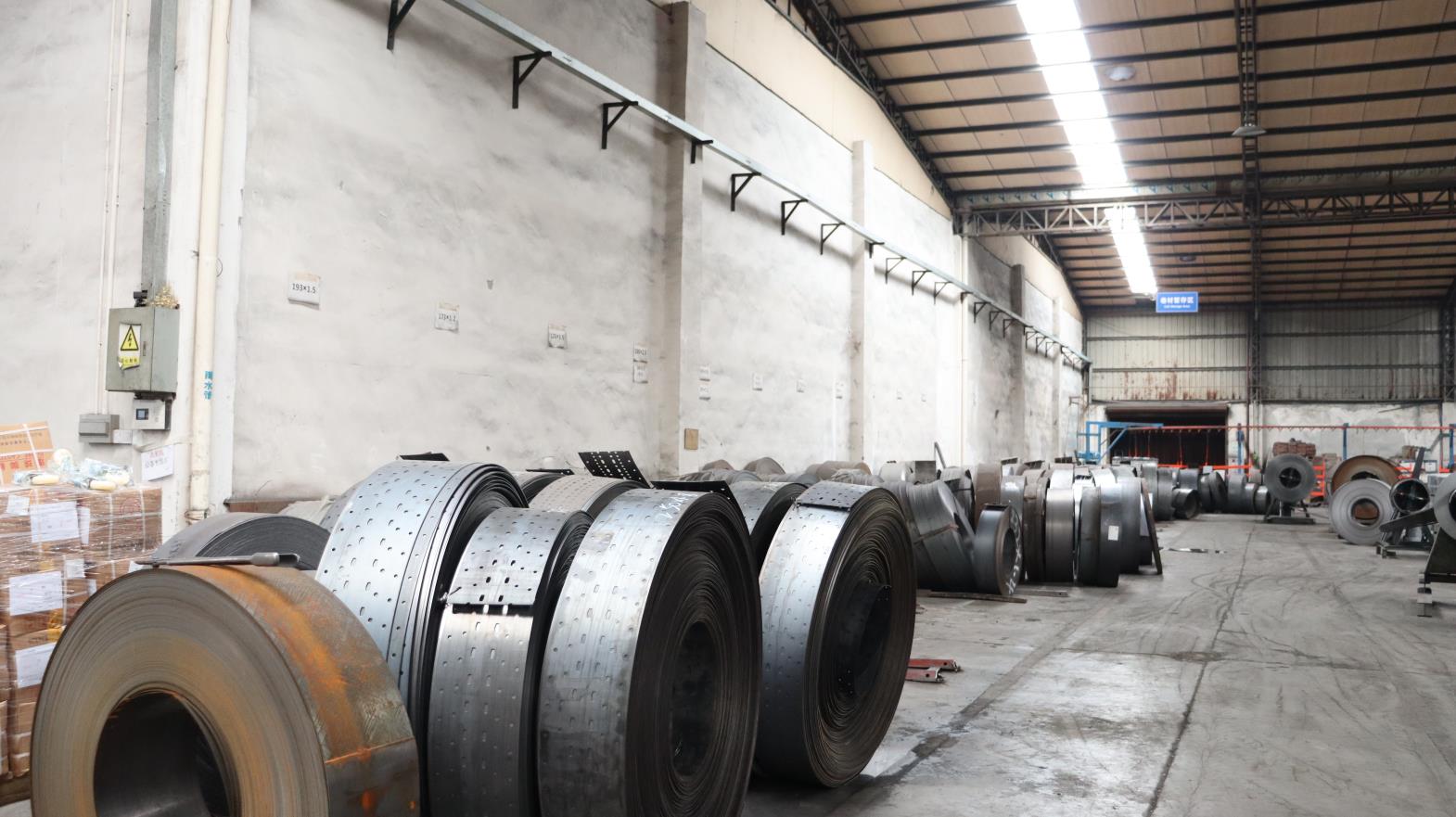
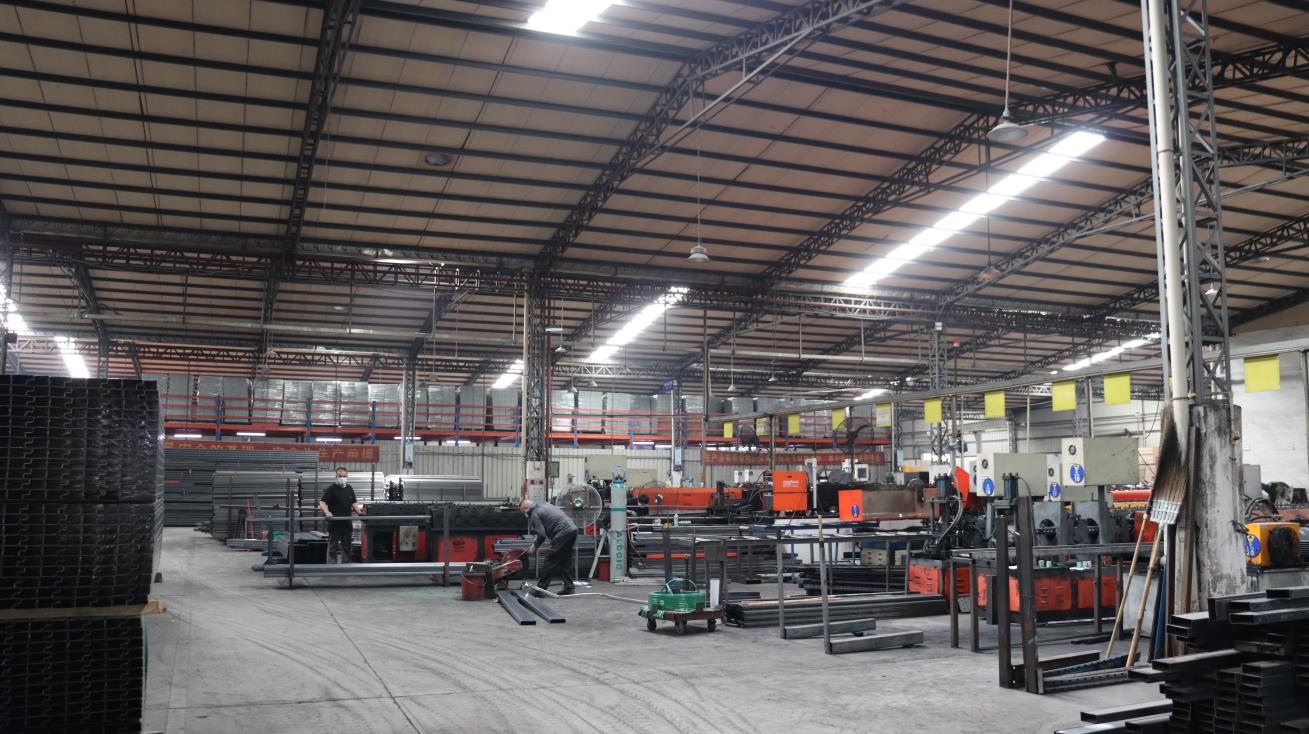
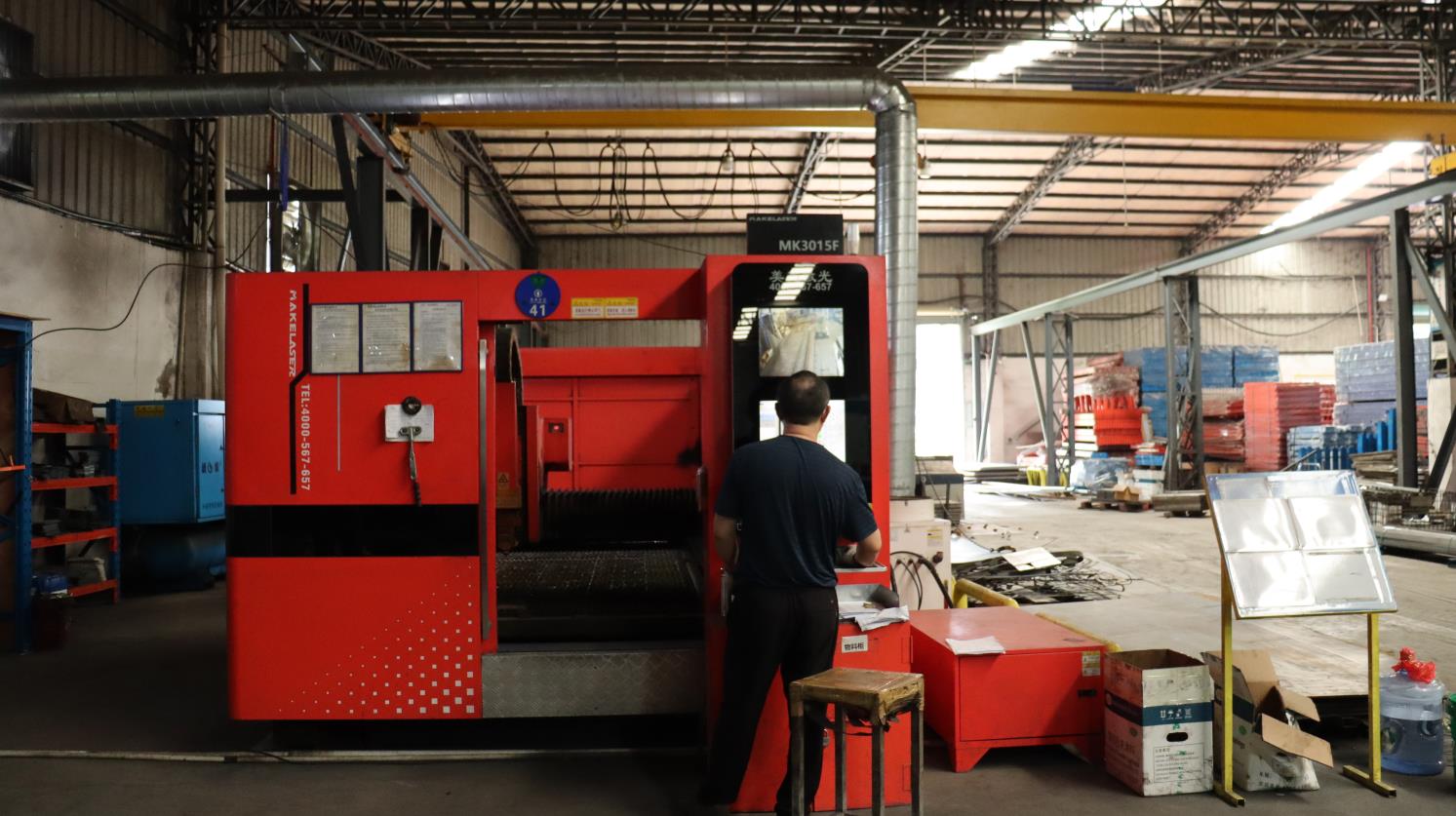
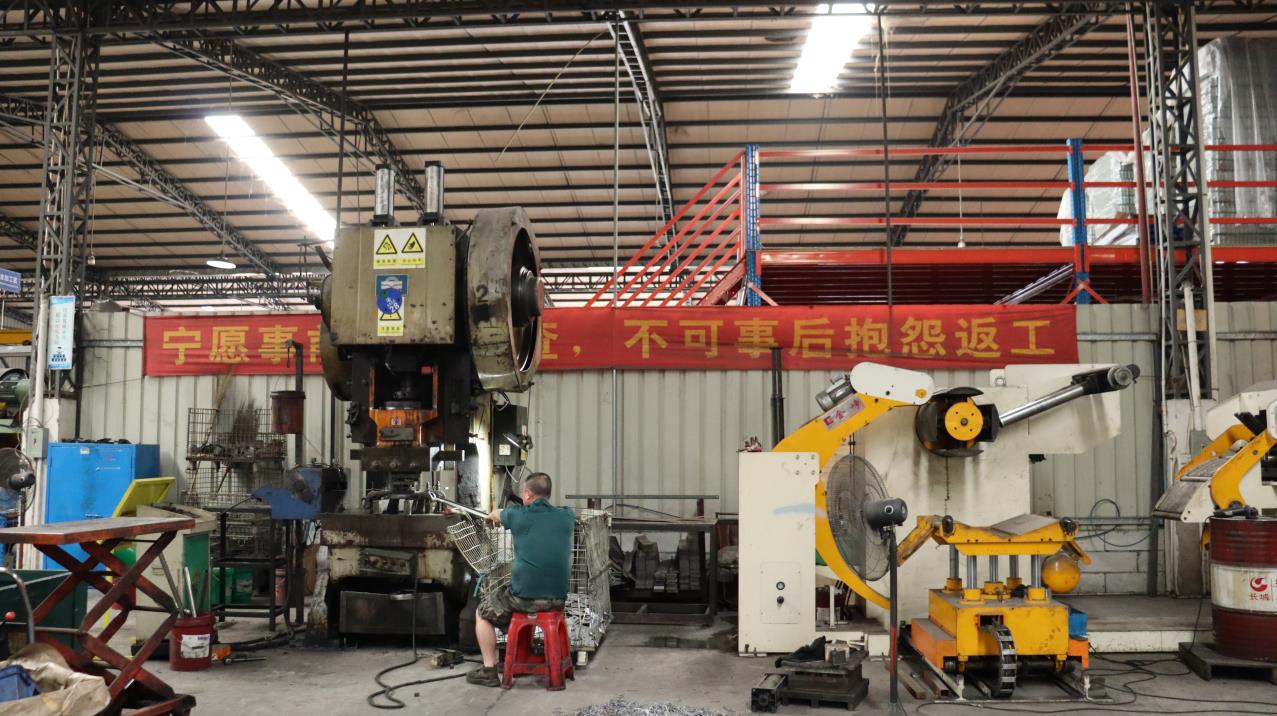
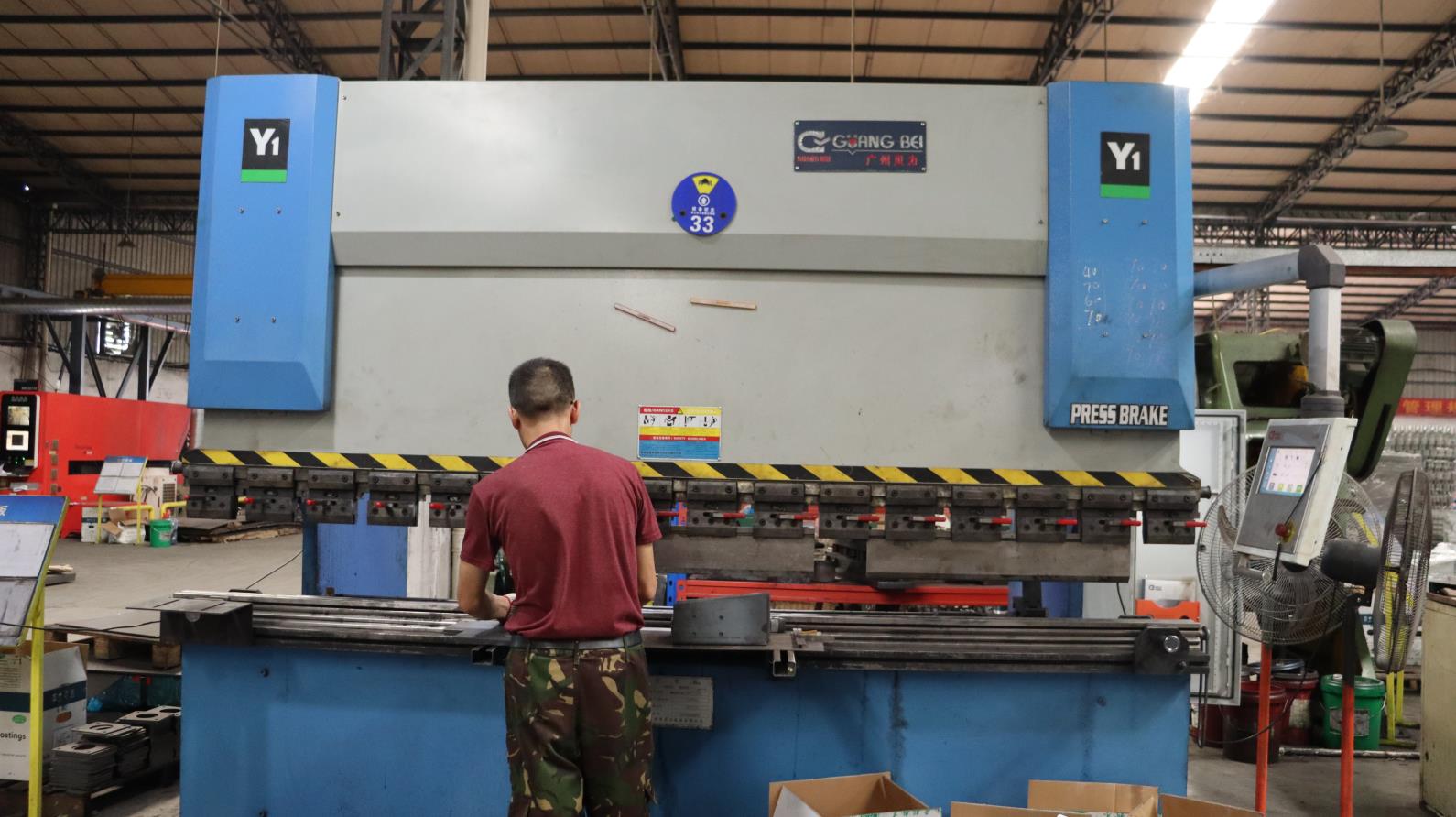
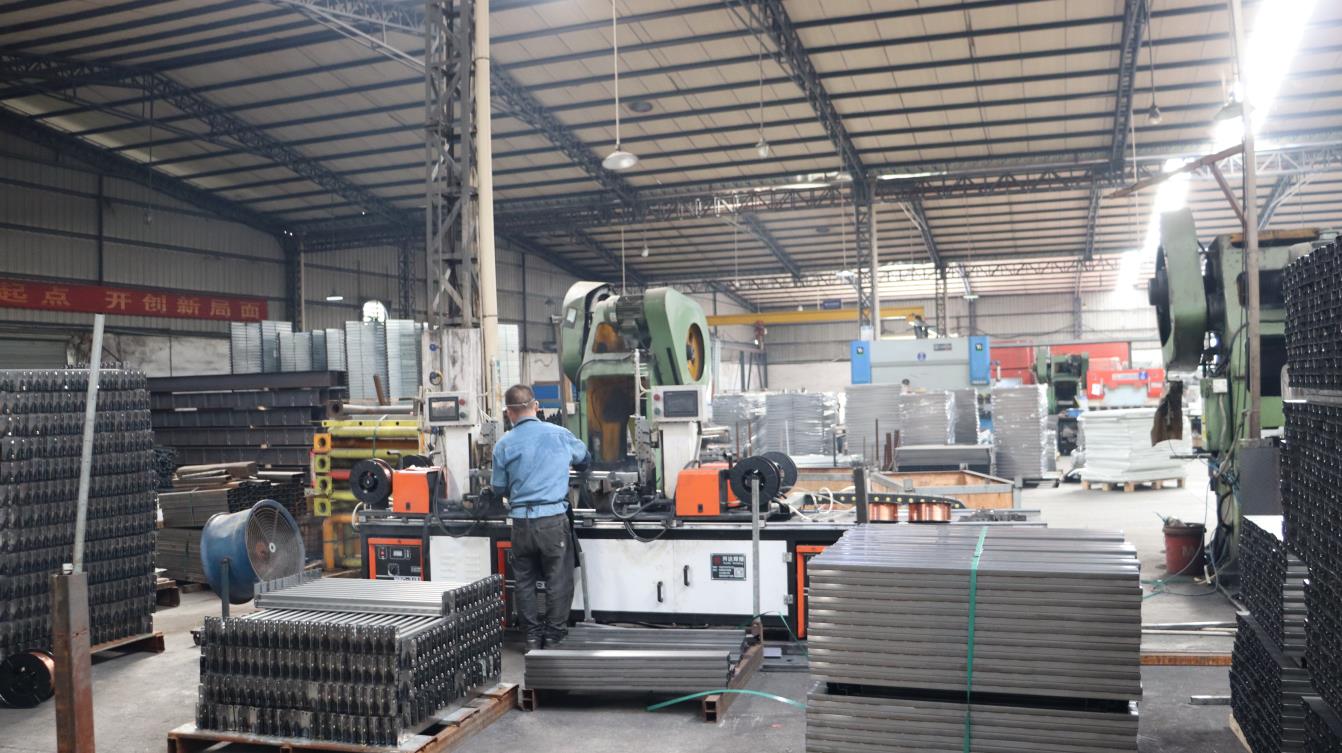
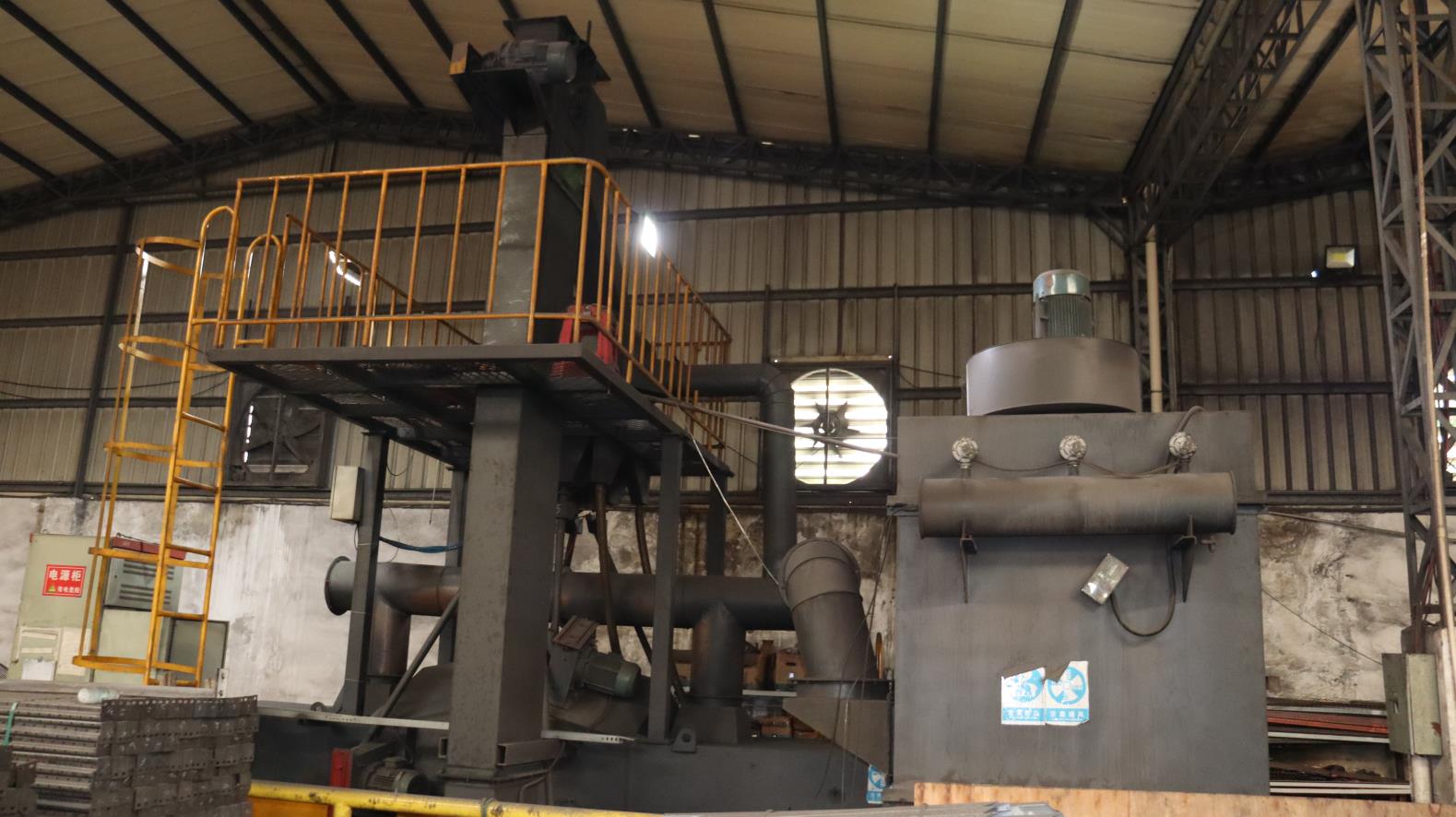
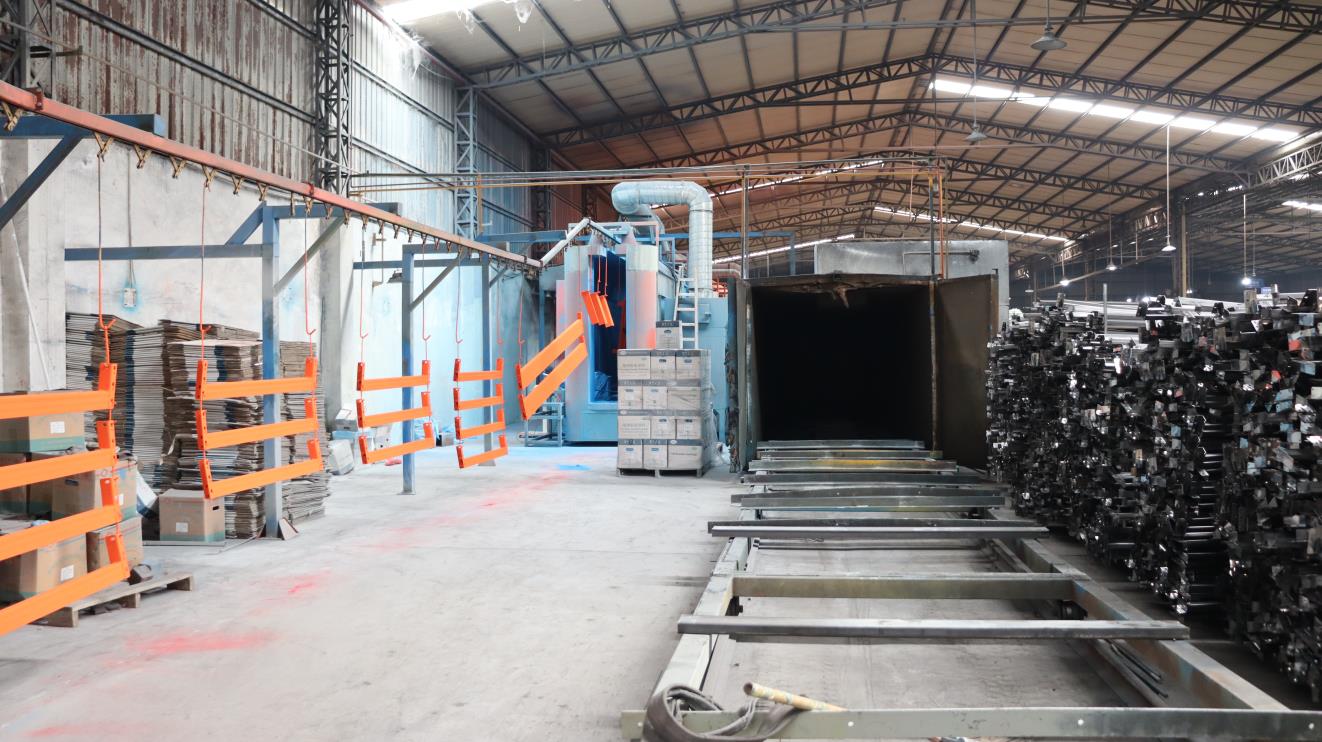
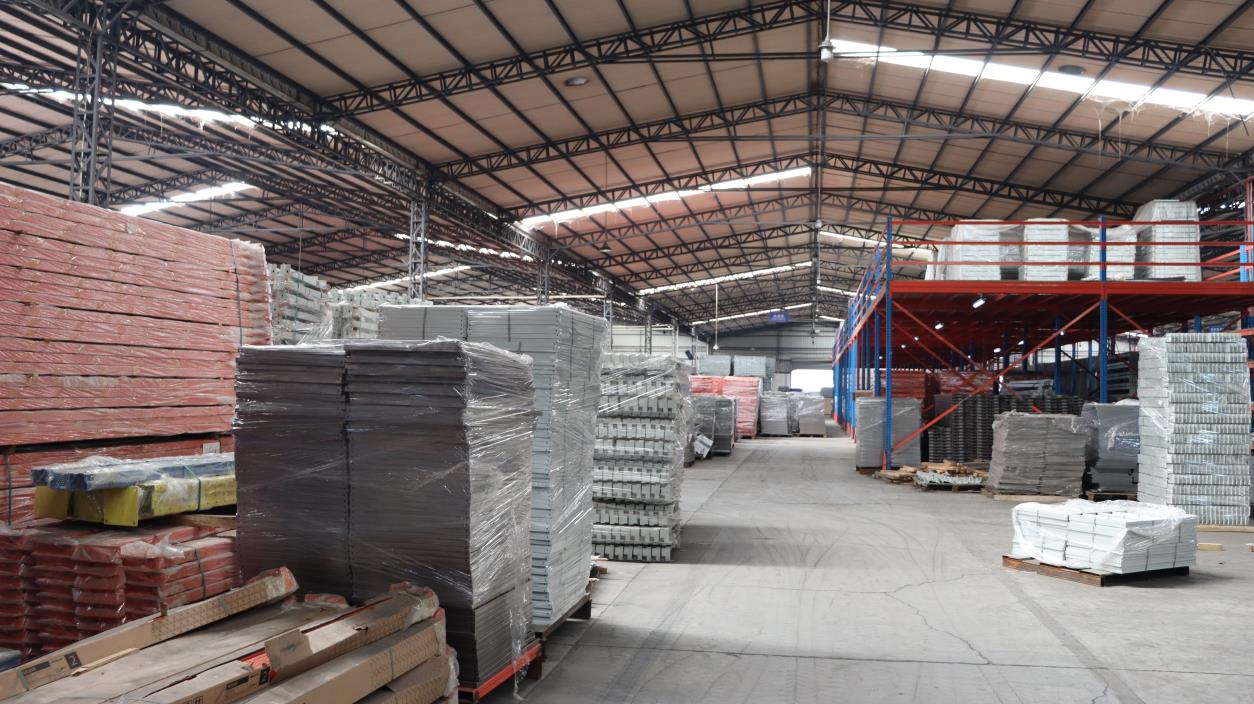
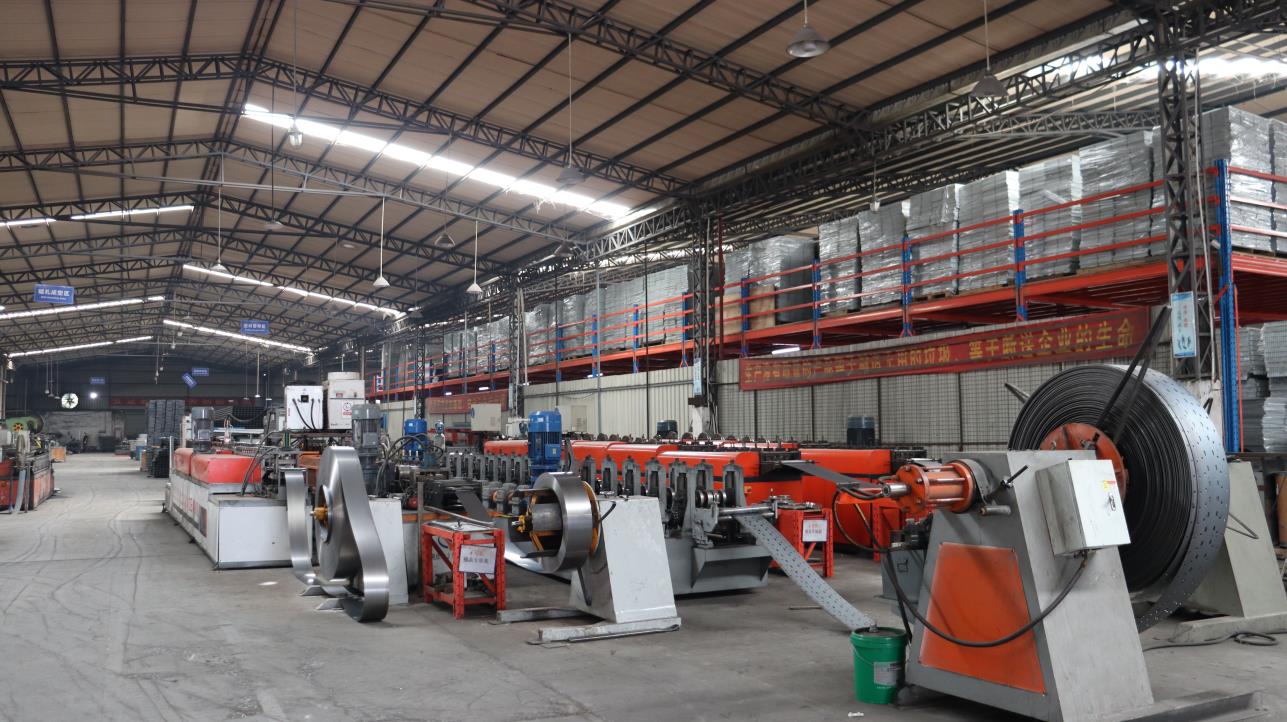
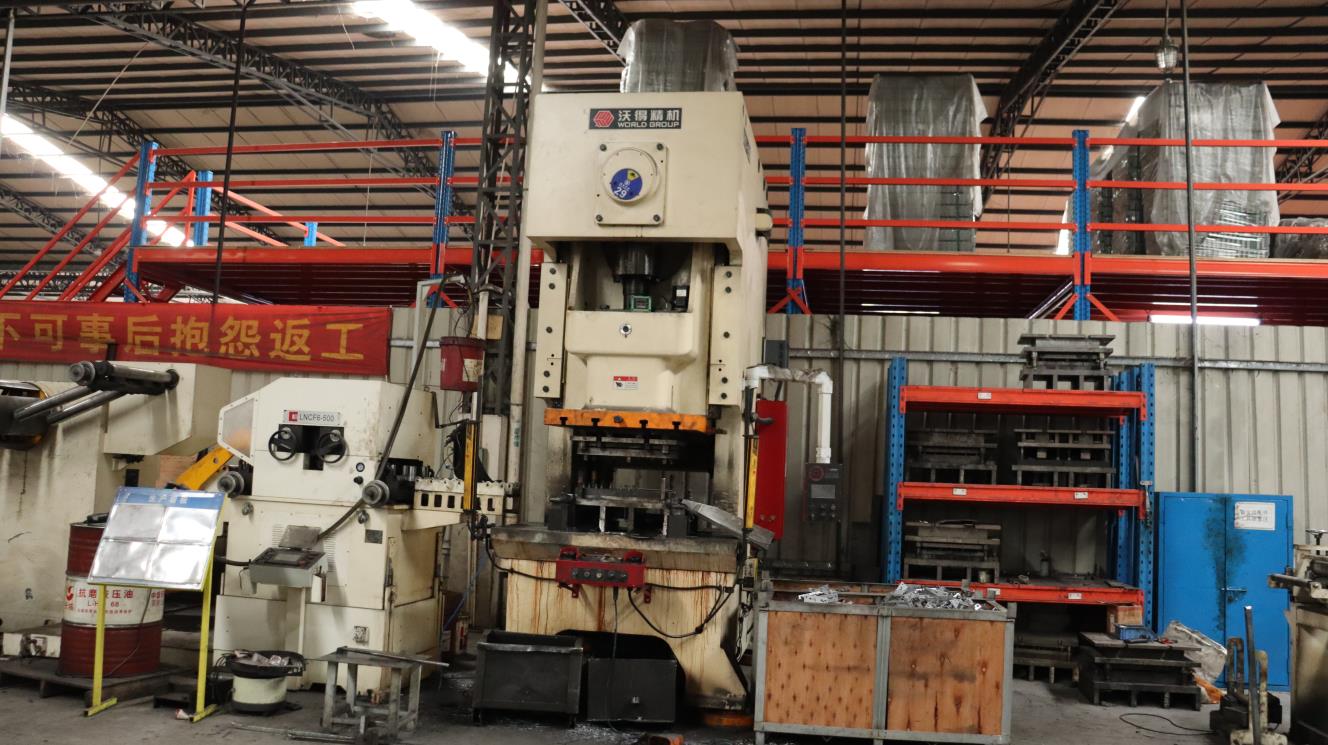
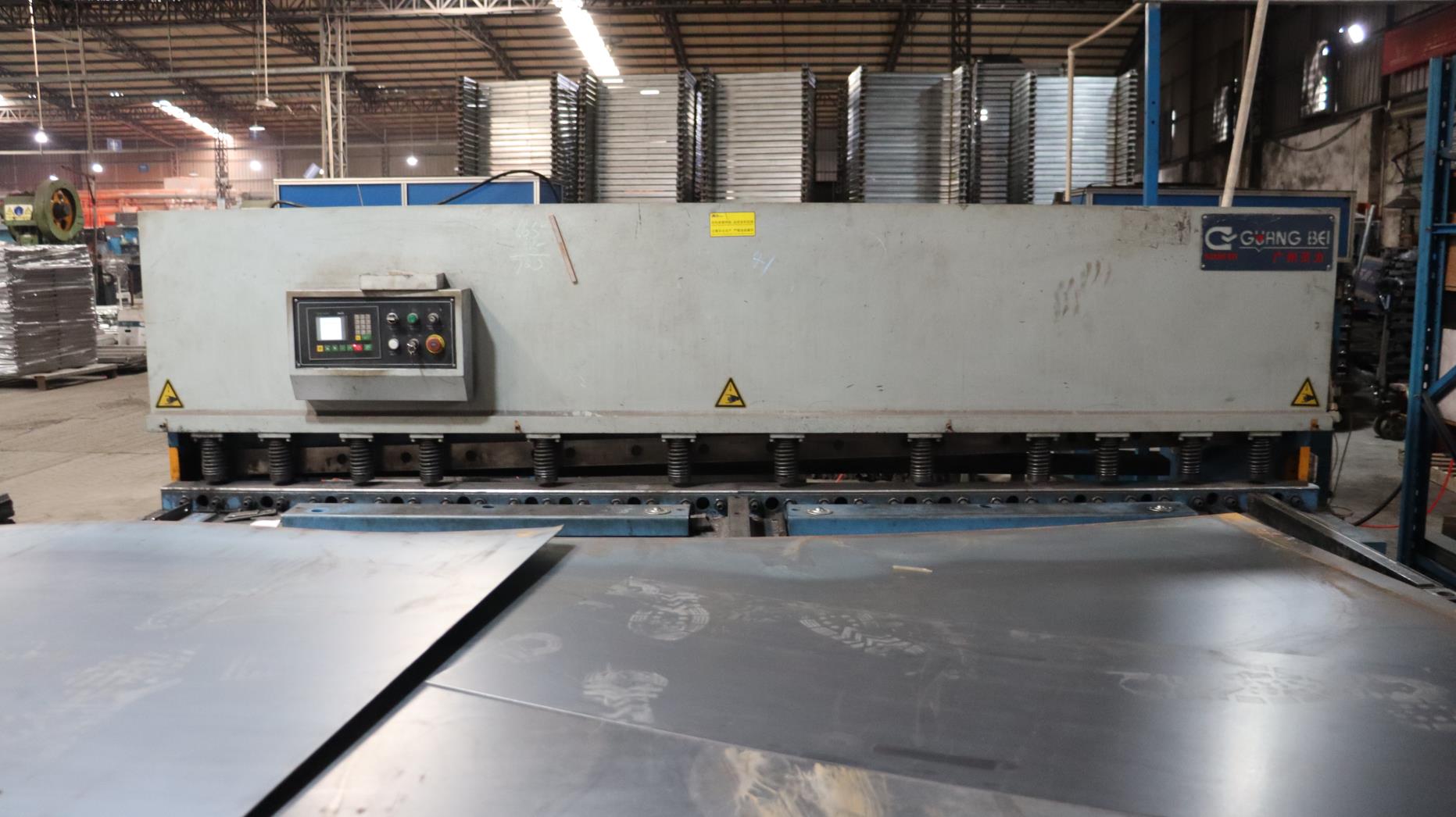
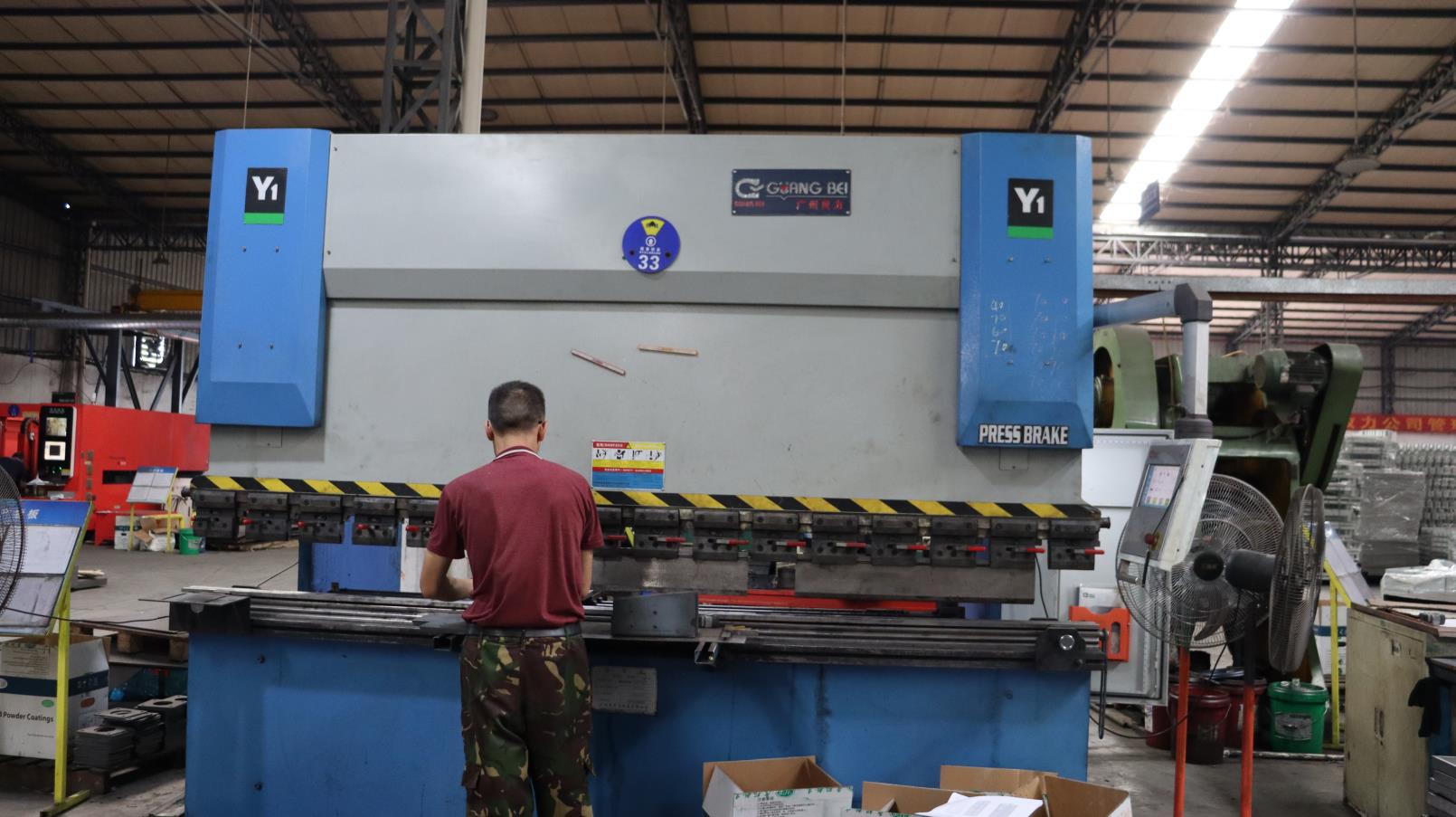
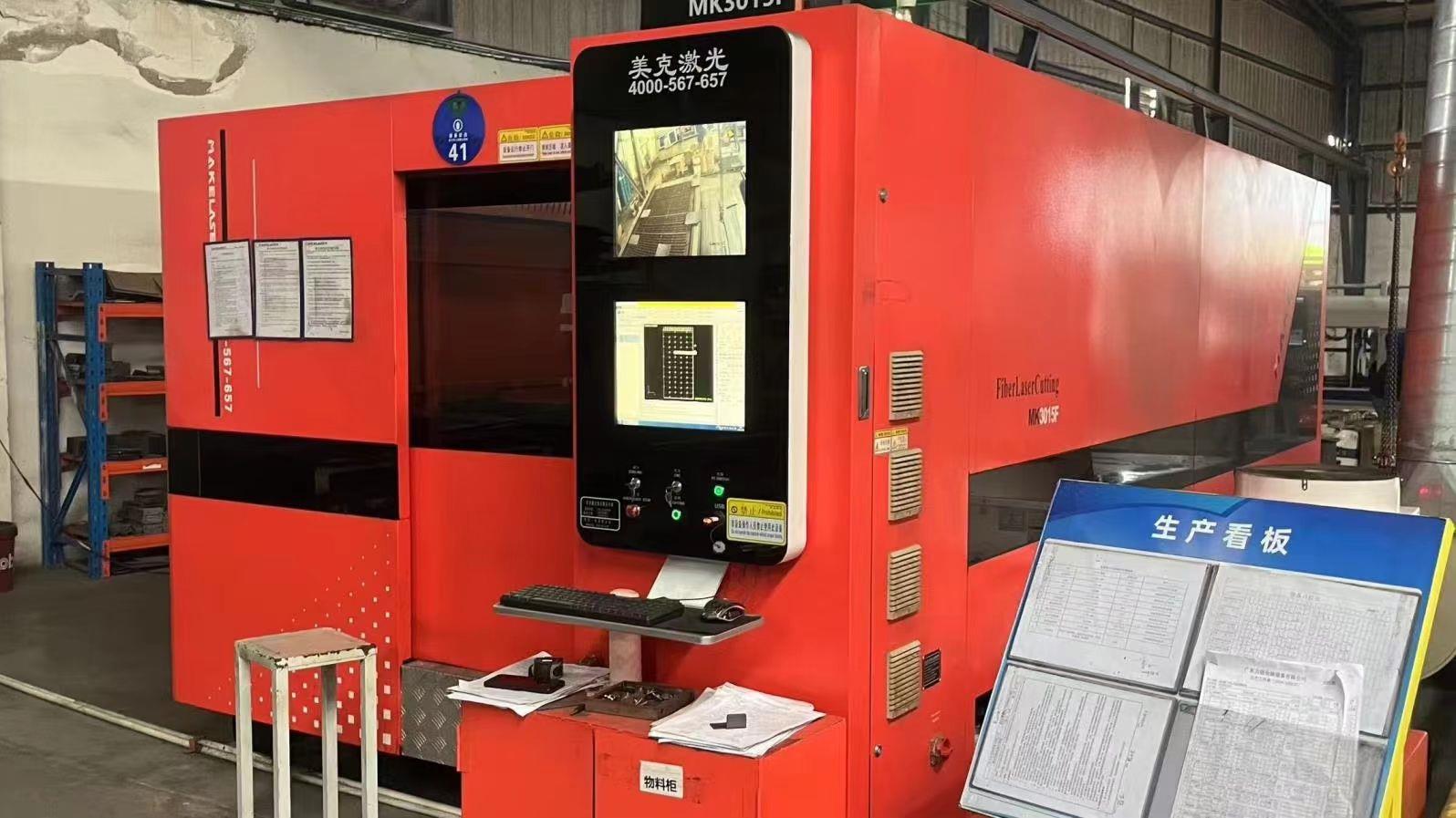
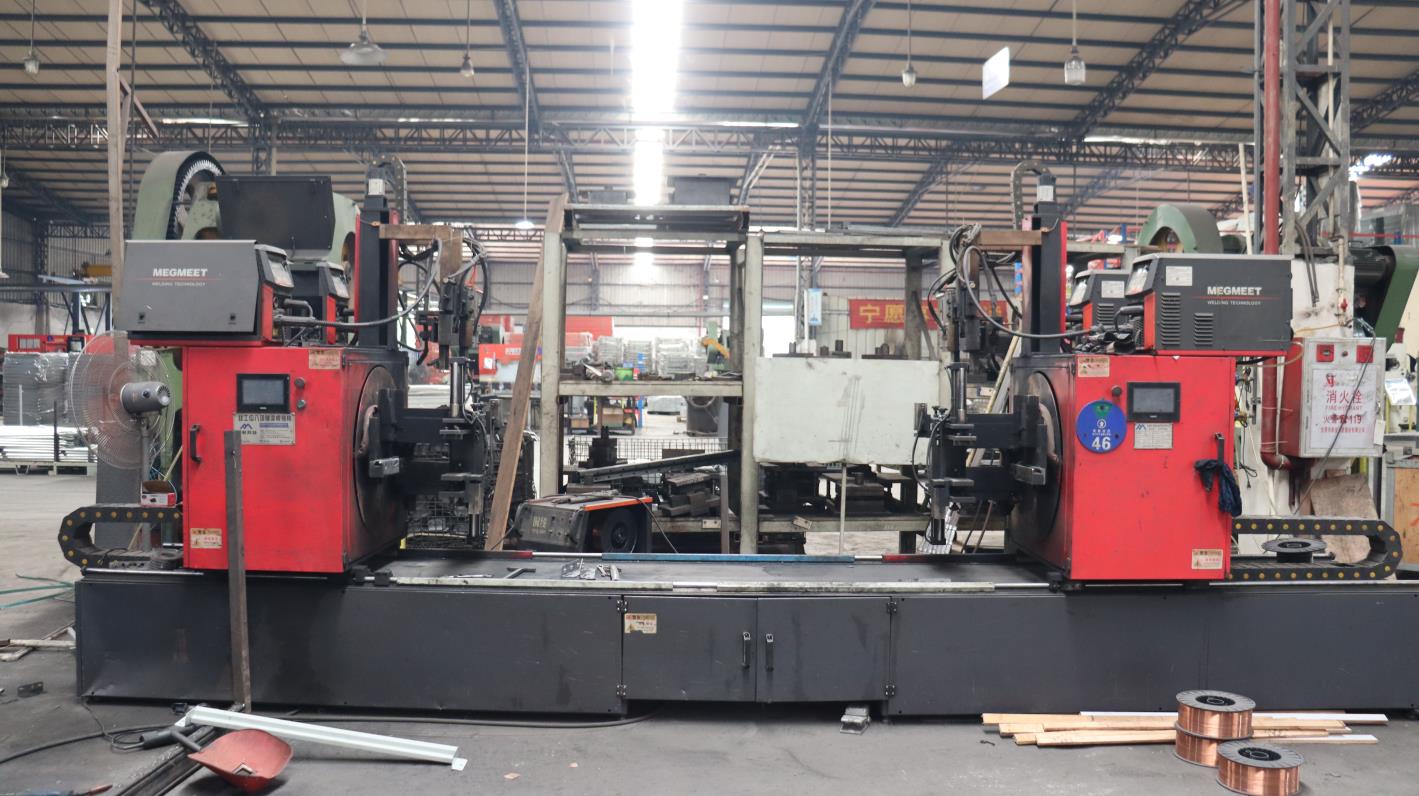
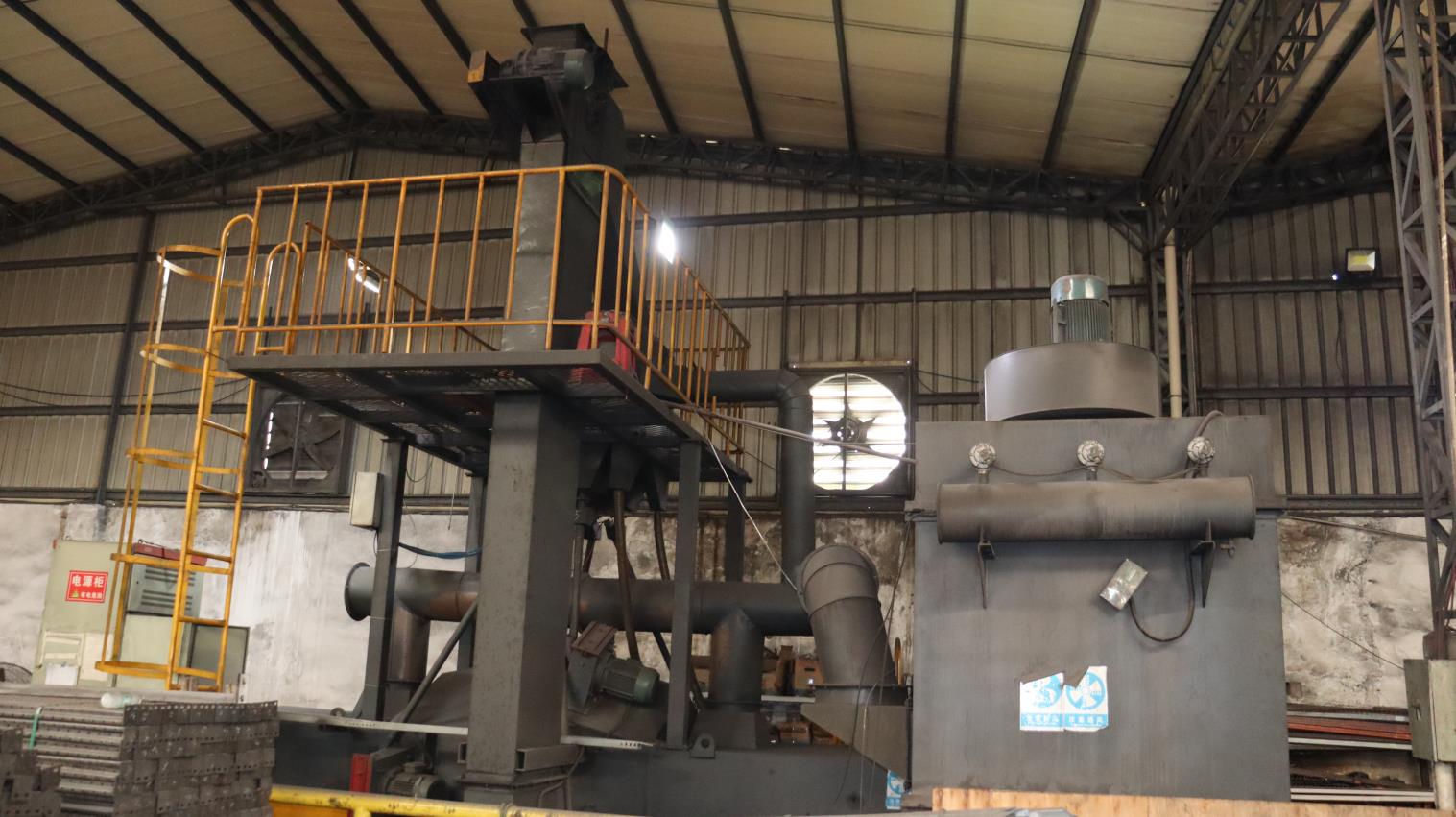
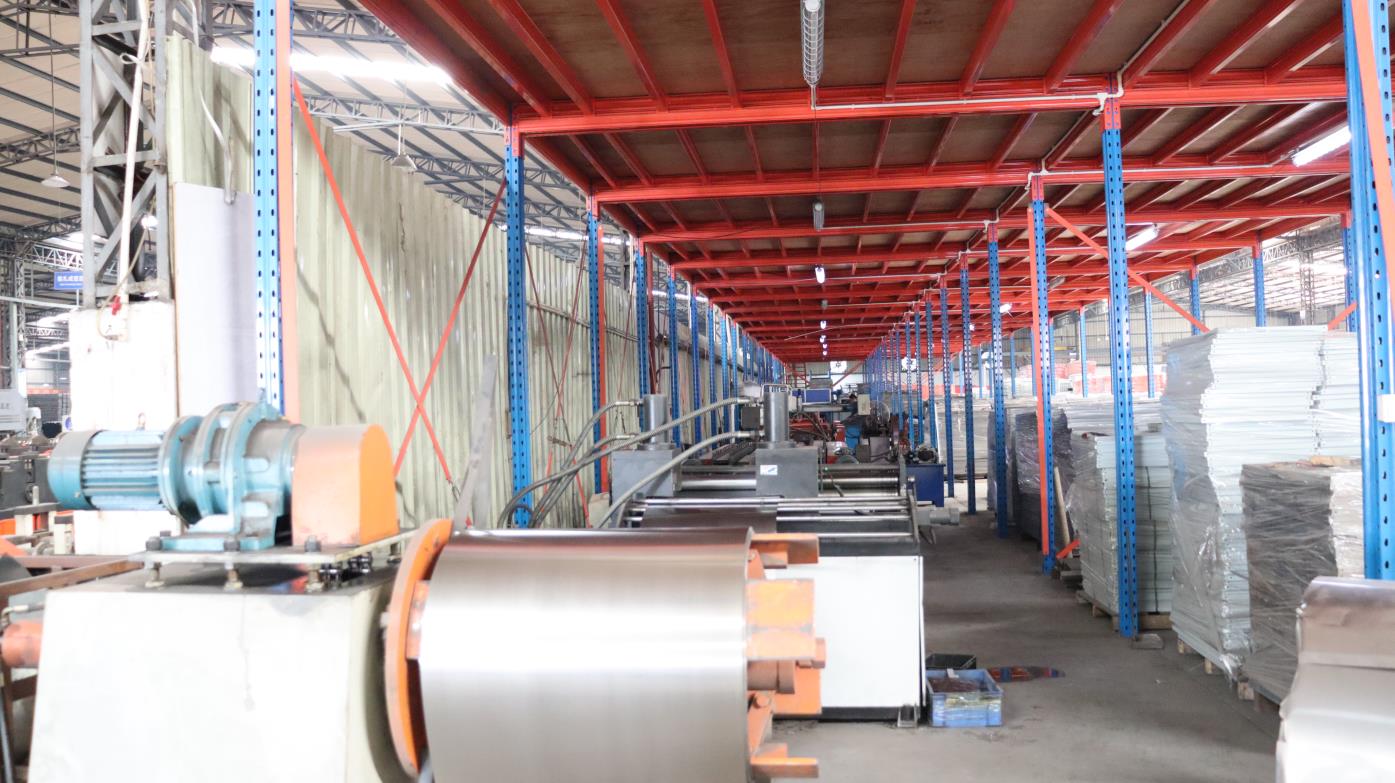
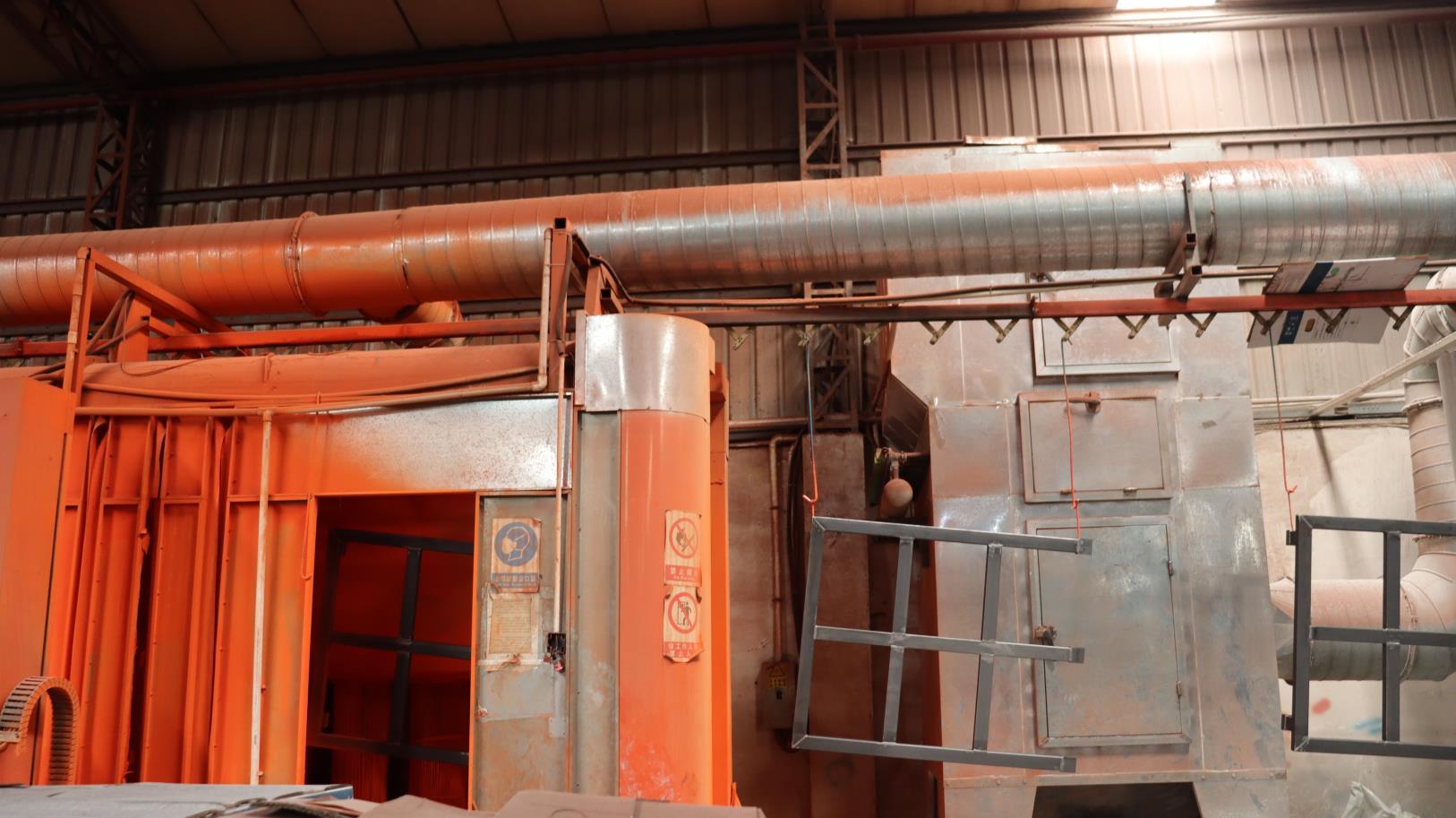
Combining raw material access, integrated supply chains, and advanced fabrication technology.
Sourcing large-scale steel structures demands both low costs and top-tier mechanical performance. China's industrial racking manufacturers, especially those situated in major manufacturing hubs like Shenzhen, offer a strong combination of advantages that are difficult to match elsewhere:
| Evaluation Criteria | China Top Manufacturers (e.g. Lijin) | Regional Distributors | Localized Western Manufacturers |
|---|---|---|---|
| Direct Unit Manufacturing Costs | Highly Competitive (Direct factory rates) | Marked up by 40% to 80% | Higher material & labor costs |
| Customization Scale (OEM/ODM) | Fully Flexible (28+ R&D Engineers) | Limited to standard stock sizes | High engineering fees for changes |
| Lead Times (Large Volume) | Rapid (20-30 days production run) | Depends on local warehouse stock | Often 8-12 weeks due to capacity limits |
| Compliance Certification | CE, ISO9001, FEM, AS4084 Standard compliance | Varies depending on source | Usually compliant with local codes |
Engineering robust structures tailored for different climates, spaces, and operational needs.
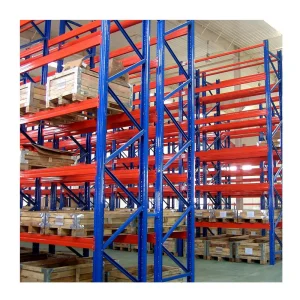
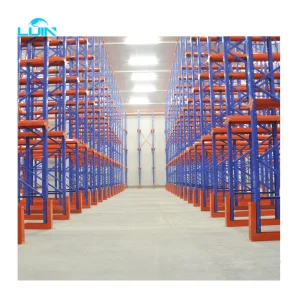
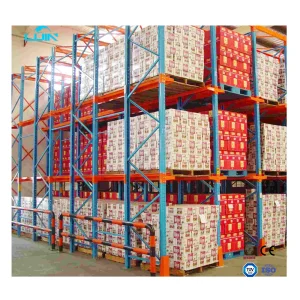
Utilizing low-temperature resistant powder coatings and hot-dip galvanized structural profiles to prevent rust in environments down to -30°C. Heavy-duty drive-in and pallet flow configurations are key to maximizing cold room density.
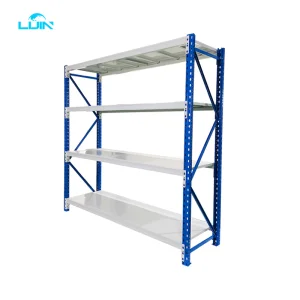
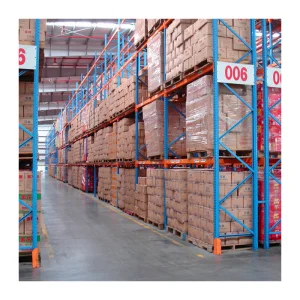
For third-party logistics centers managing varied inventory types, our modular medium-duty and pallet racking systems allow shelf heights to be adjusted in 50mm or 75mm increments, enabling rapid adjustments to handle shifting client inventory profiles.
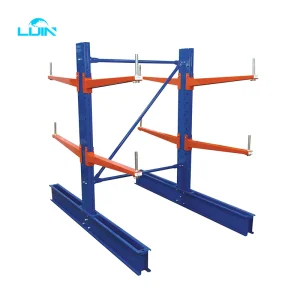
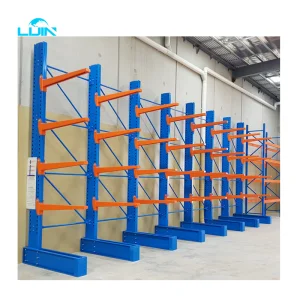
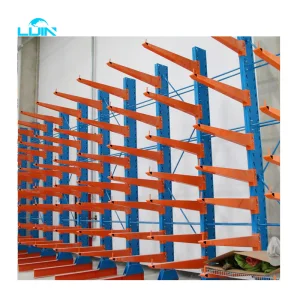
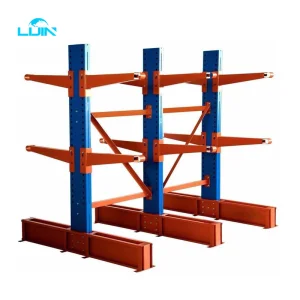
Designed for storing bulky, heavy items like steel coils, long pipes, and raw sheet stock. Our heavy-duty structural cantilever systems feature load-balanced arms to eliminate front columns, ensuring unobstructed crane and forklift access.
Essential factors procurement departments evaluate when selecting high-reliability steel racking manufacturers.
When procurement managers purchase industrial shelving from overseas suppliers, they must look beyond the initial FOB price. To minimize risk, their evaluations should address several key technical and logistics checkpoints:
Verify that the manufacturer uses certified structural steel with complete trace reports. Racking systems should comply with major international design standards, such as the European standard FEM 10.2.02 (Racking Design Code), the US RMI Specification, and the Australian AS 4084 code.
For facilities dealing with high humidity, temperature swings, or chemical exposure, the durability of the powder coating is critical. A high-quality electrostatic powder coating, cured under controlled temperatures, prevents corrosion, scratches, and eventual structural degradation.
Racking arrays must be designed with site-specific seismic and load calculations. Manufacturers must supply detailed structural data sheets outlining maximum uniform load profiles, safe load limits, and deflections under pressure.
Get answers to common technical, logistics, and quality questions about our flexible shelving solutions.
Browse our additional industrial-grade configurations for high-capacity, space-optimized storage.
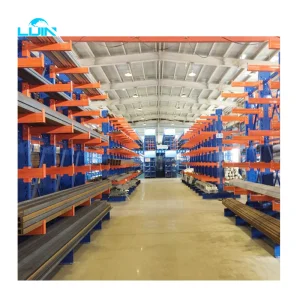
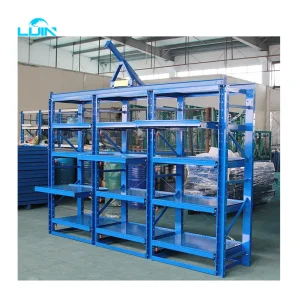
 Lijin Racking