Lijin Racking
1. Introduction: The Strategic Nexus of Sydney's Logistics Boom & China's Supply Chain Strength
The Sydney industrial property and logistics market has entered an era of unprecedented transformation. As the dominant gateway for Australian trade, Greater Sydney—spanning from the Port Botany maritime terminals to the rapidly expanding Western Sydney Employment Area (WSEA)—demands highly optimized infrastructure to support massive freight throughput. In particular, developments surrounding the upcoming Western Sydney International (Nancy-Bird Walton) Airport and logistics nodes in Kemps Creek, Eastern Creek, and Erskine Park have triggered a major shift toward high-density warehousing.
Industrial land in Sydney is among the most expensive in the Southern Hemisphere. For local business owners, third-party logistics (3PL) providers, cold chain operators, and manufacturing companies, the primary objective is clear: maximizing vertical volumetric space utilization to mitigate soaring floor-space lease rates. During the annual September Purchasing Festival, global manufacturers present structural racking and automation configurations engineered to meet these precise challenges, balancing cost-efficiency with compliance.
2. Sydney's Local Commercial & Industrial Status
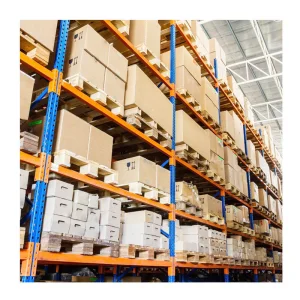
Sydney’s industrial footprint is experiencing a geographic re-balancing. While traditional inner-south and inner-west hubs (such as Alexandria and Silverwater) are transitioning toward premium last-mile micro-fulfillment centers, heavy logistics and bulk warehousing are consolidating in Western Sydney. This regional expansion is characterized by large-scale footprint requirements ranging from 10,000 to over 50,000 square meters, designed to accommodate complex pick-and-pack lines, automated guided vehicles (AGVs), and high-bay pallet structures.
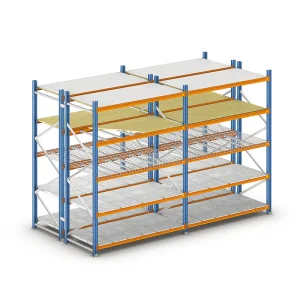
Furthermore, supply chain resilience has become a board-level priority for Australian enterprises. Recent global disruptions highlighted the vulnerability of relying on "just-in-time" inventory models. Sydney businesses are shifting back to "just-in-case" inventory, necessitating warehouse layouts with higher load capacities, wider seismic tolerances, and versatile selective or drive-in pallet systems. The demand is not merely for steel shelves, but for integrated engineering solutions that comply with local regulatory frameworks, such as the Australian Standard AS4084-2012 (Steel Storage Racking).
3. Understanding the September Purchasing Festival Advantage
The September Purchasing Festival is a critical window for procurement managers across Australia. This period aligns with strategic corporate procurement cycles preparing for the upcoming peak retail season (Black Friday, Cyber Monday, and Christmas) and the first-half planning of the subsequent calendar year. Importers and procurement directors targeting the Sydney market can leverage this time to secure favorable pricing, prioritize factory production lines, and arrange scheduled ocean freight to Port Botany.
By engaging directly with manufacturers during this festival, Australian enterprises bypass secondary intermediaries, obtaining customized CAD designs and load calculation documentation. This direct pathway reduces procurement lead times, allowing for shipping, customs clearance, and local installation to conclude before the peak holiday shutdown period.
4. The Structural Edge: Why China-Based Factories Excel in Racking Production
The manufacturing of structural steel and roll-formed racking is a highly specialized sector where China maintains global leadership. The production of industrial-grade racks requires a convergence of raw material quality, automated manufacturing consistency, and advanced structural coatings.
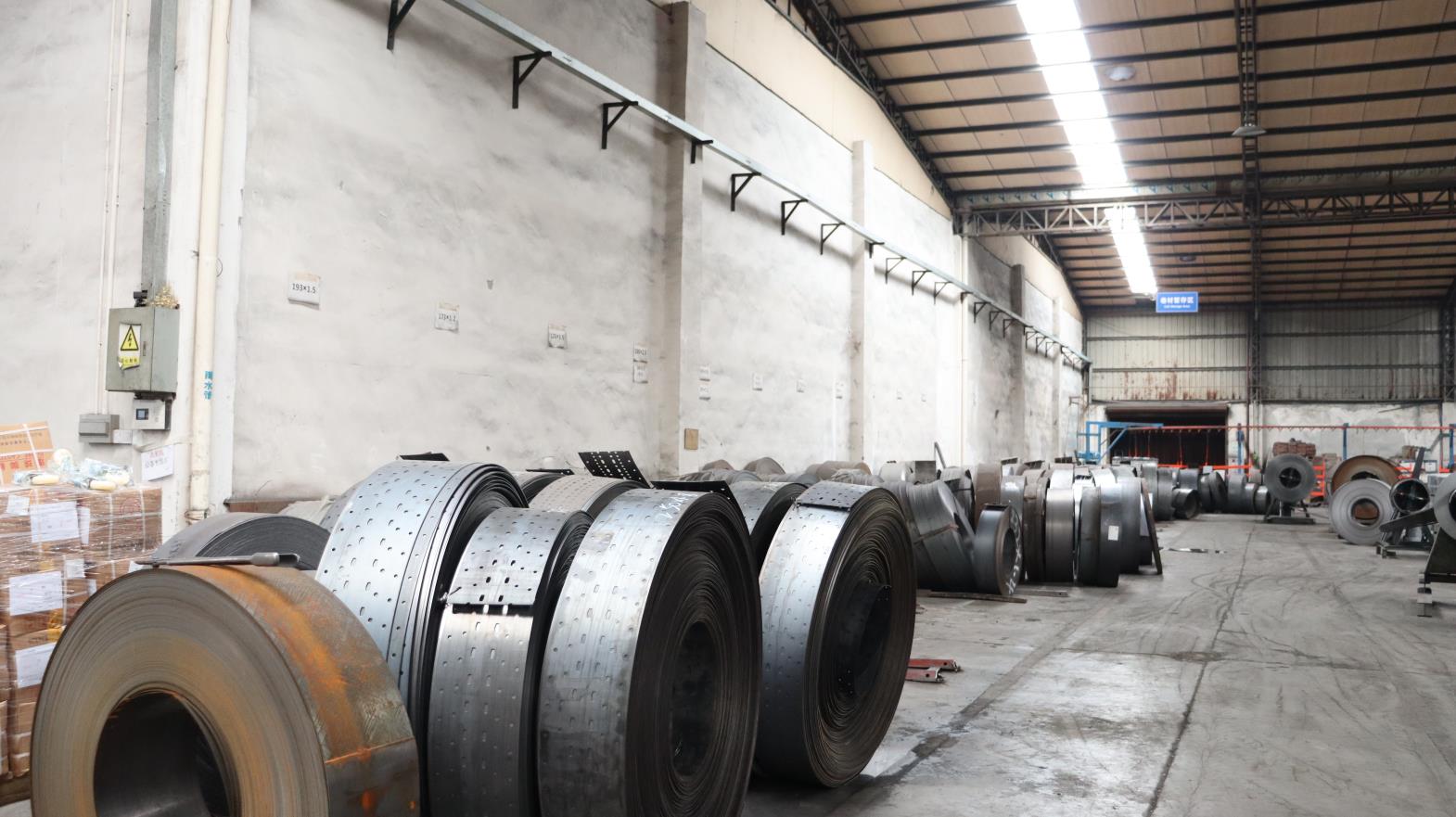
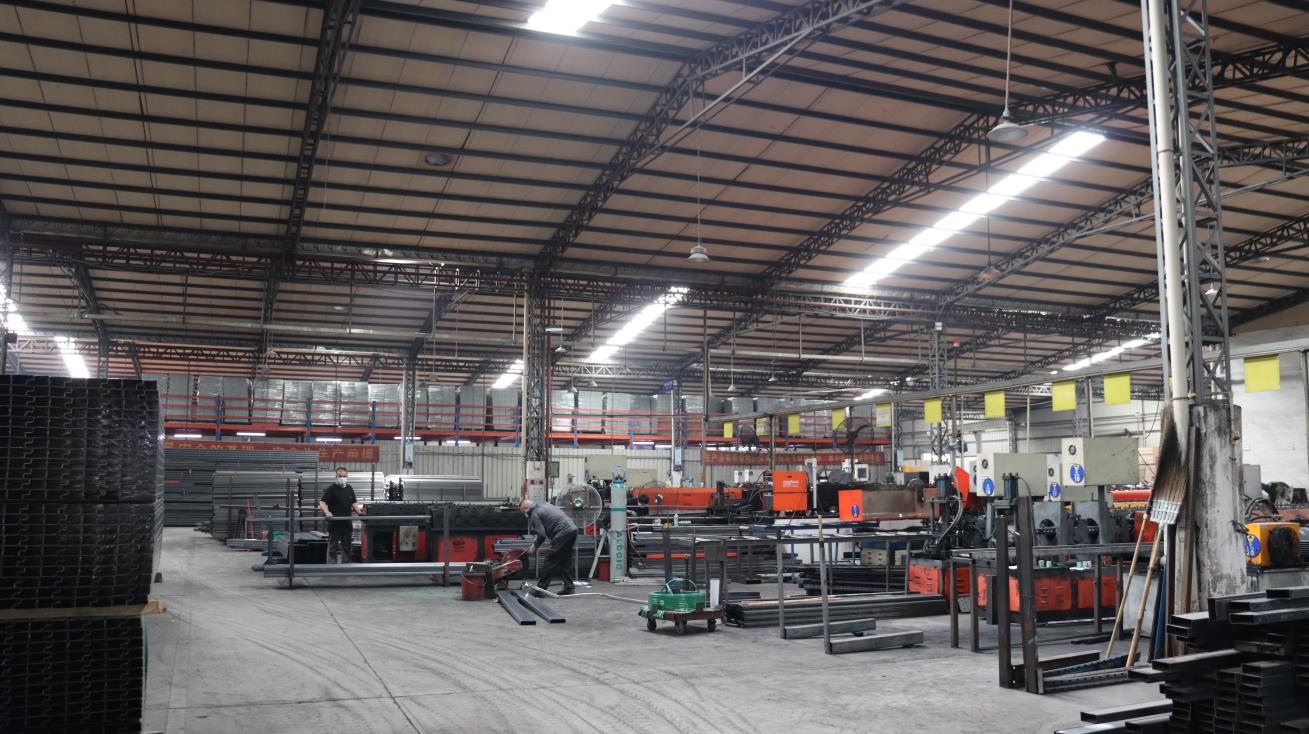
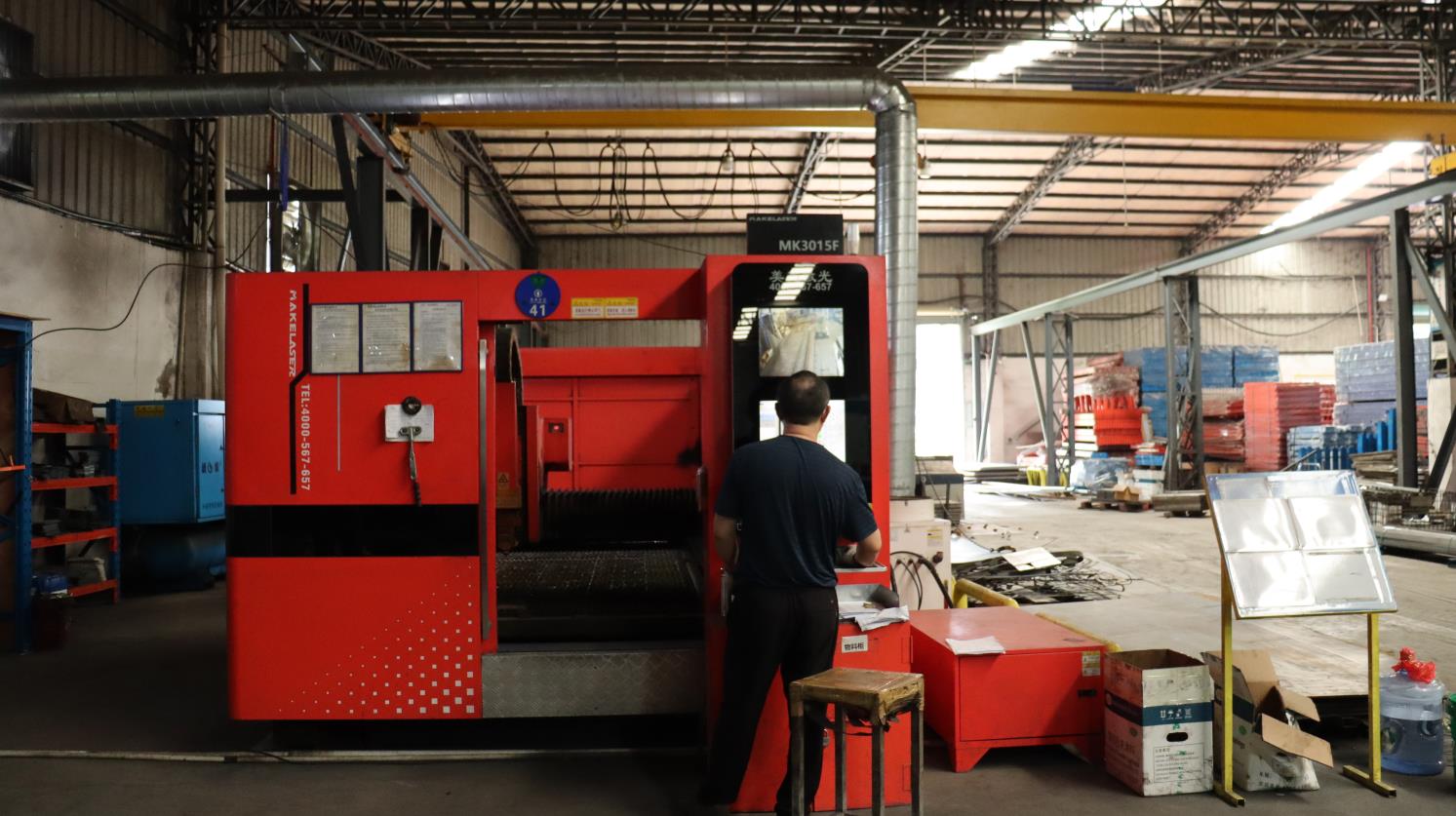
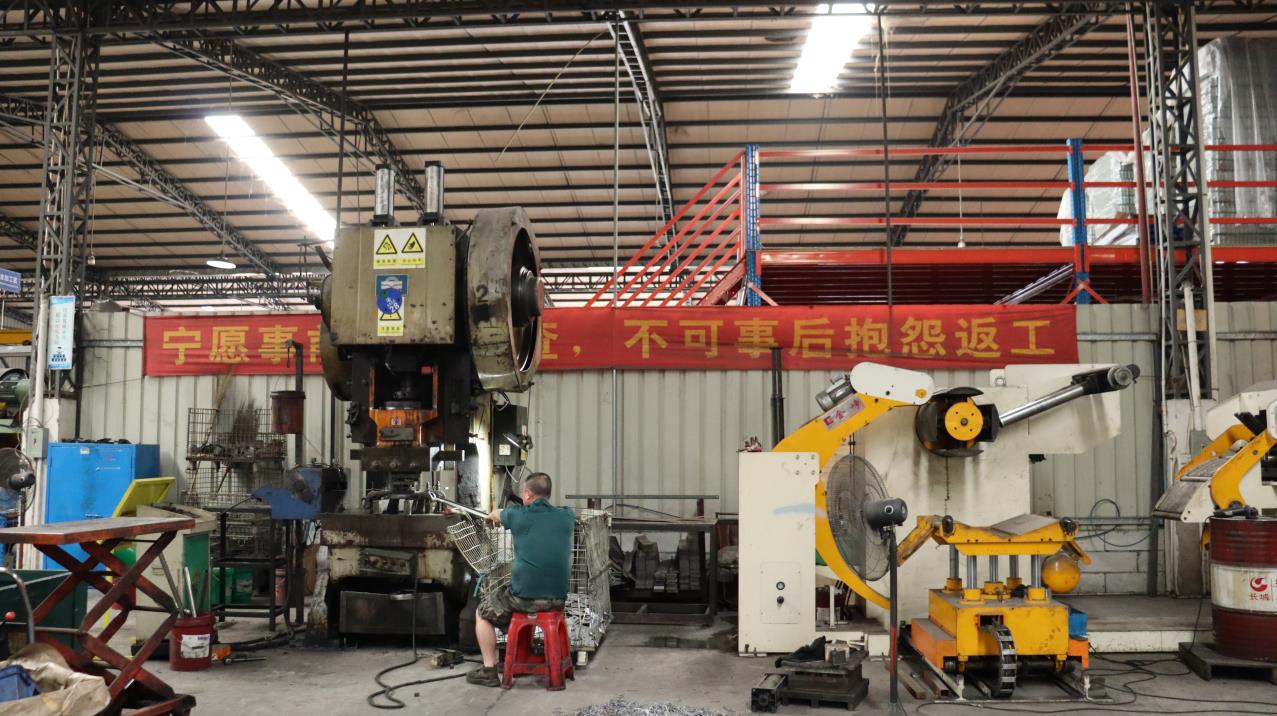
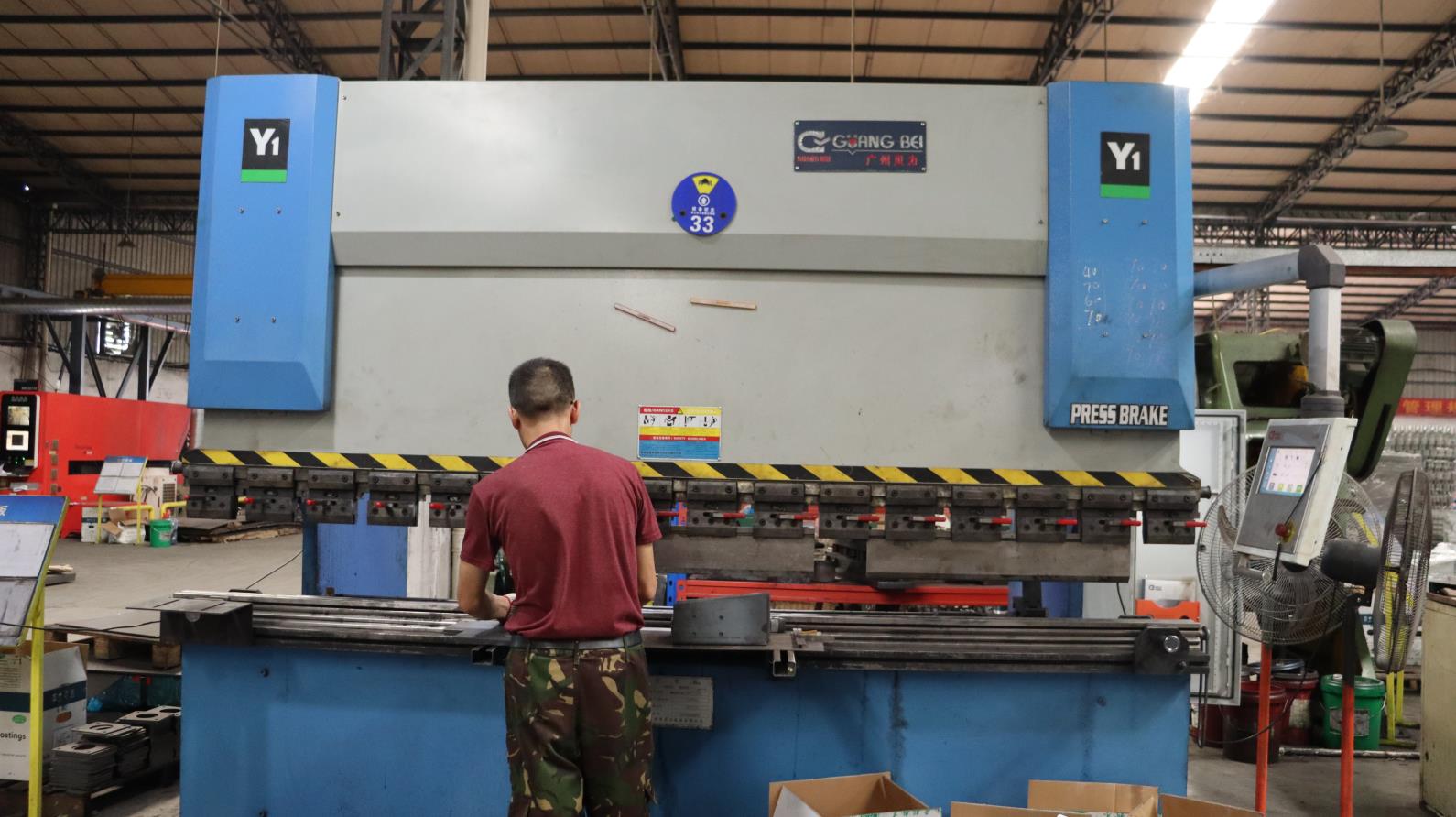
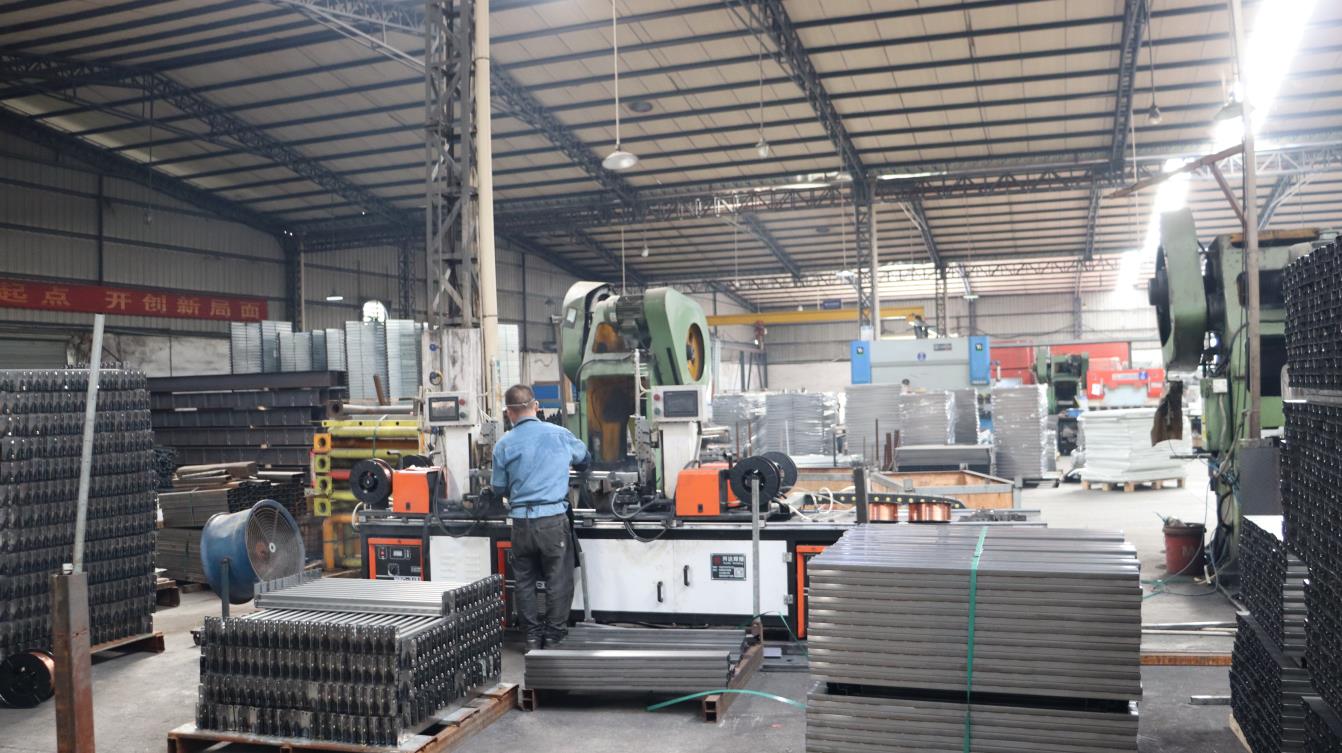
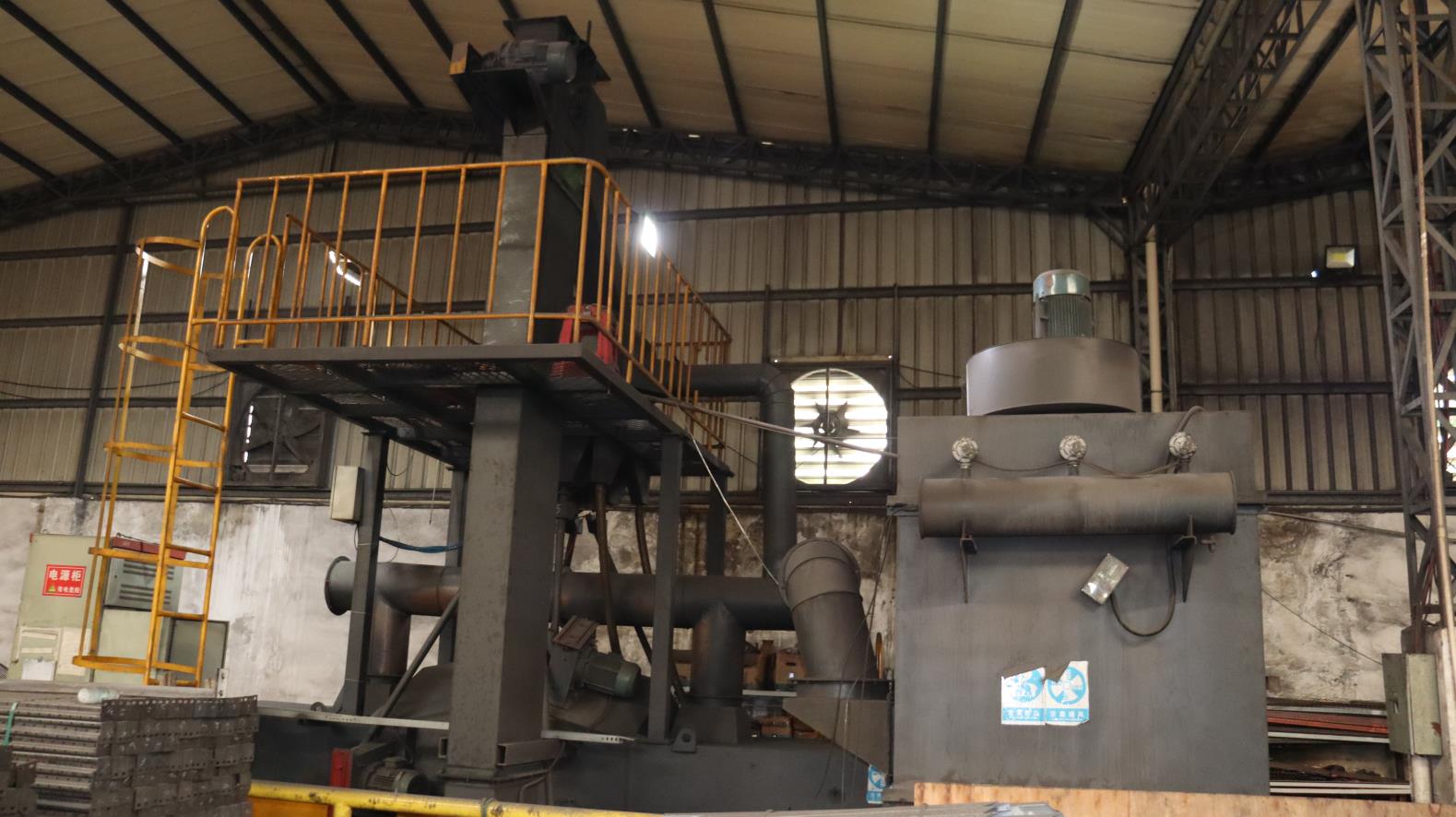
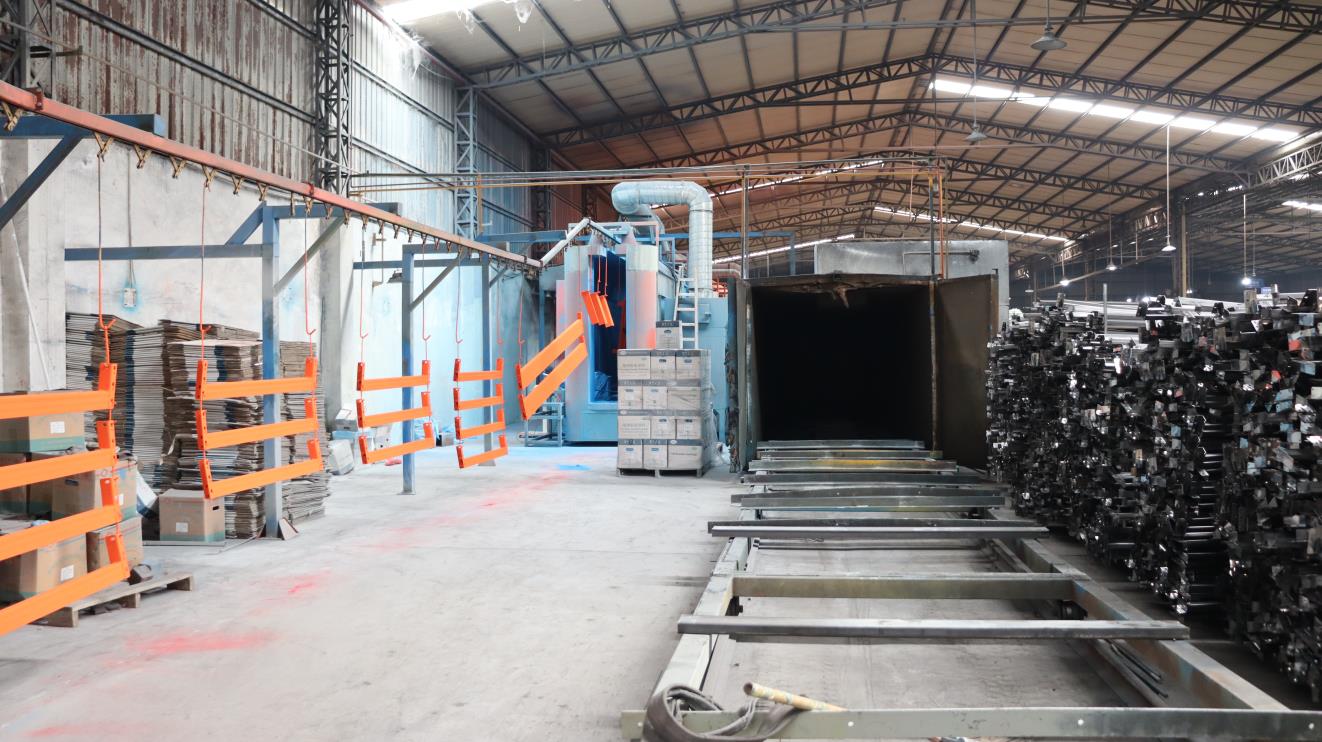
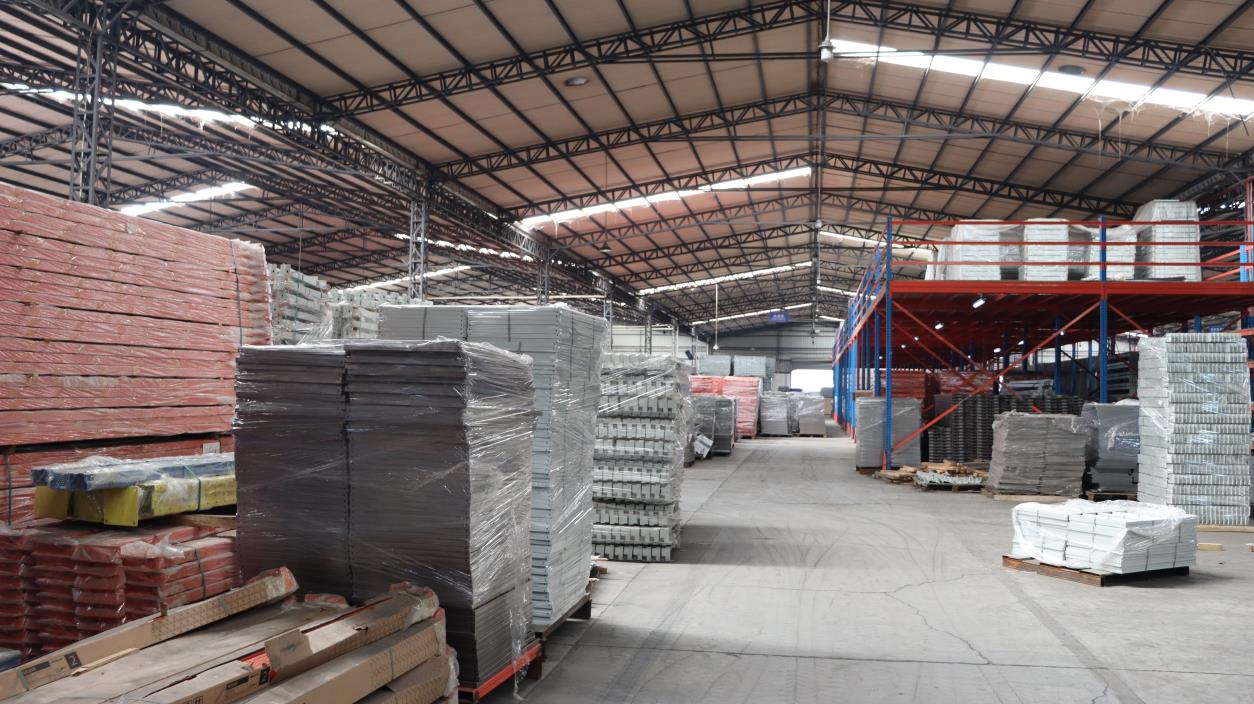
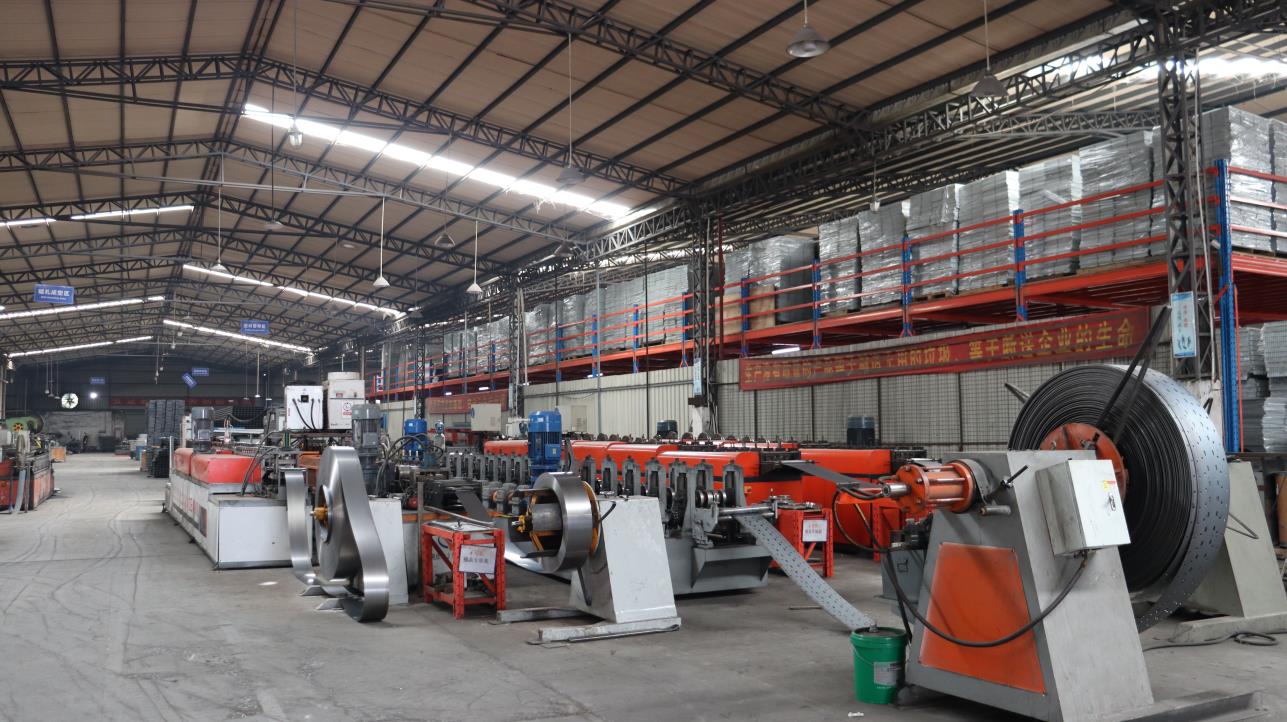
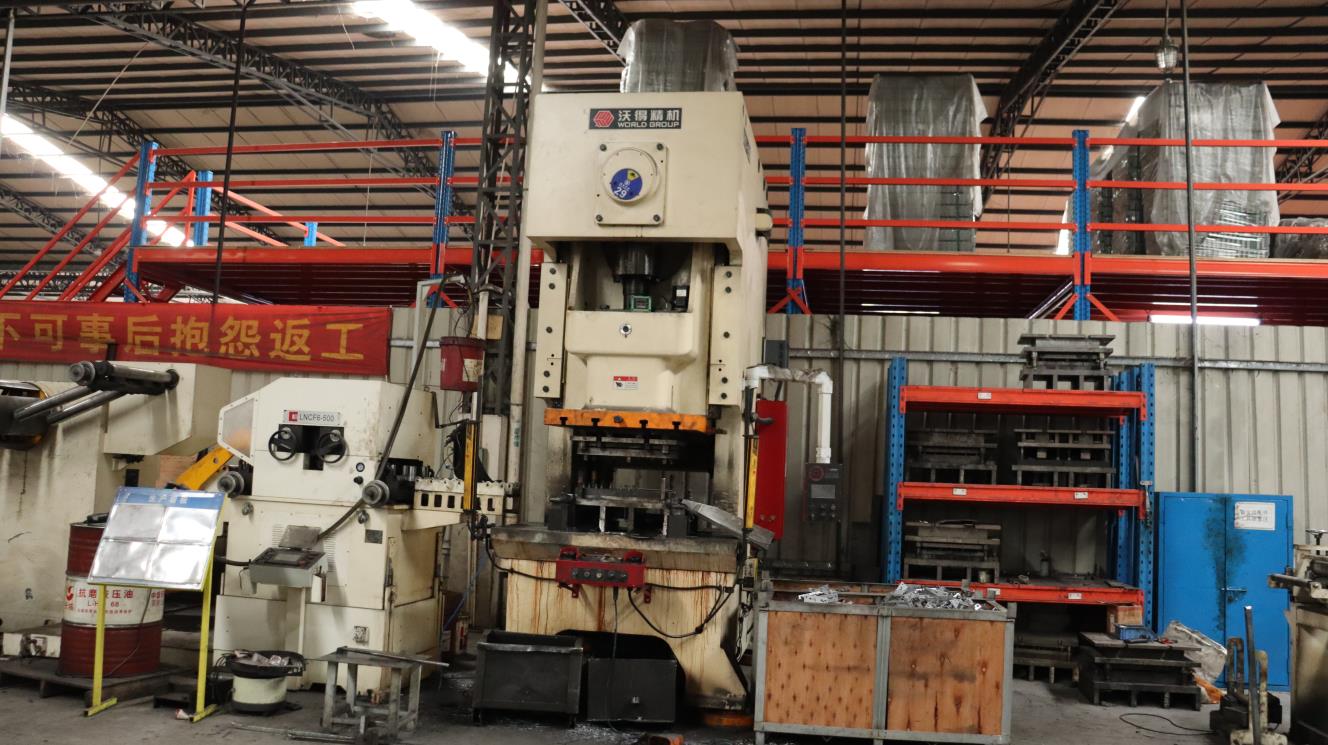
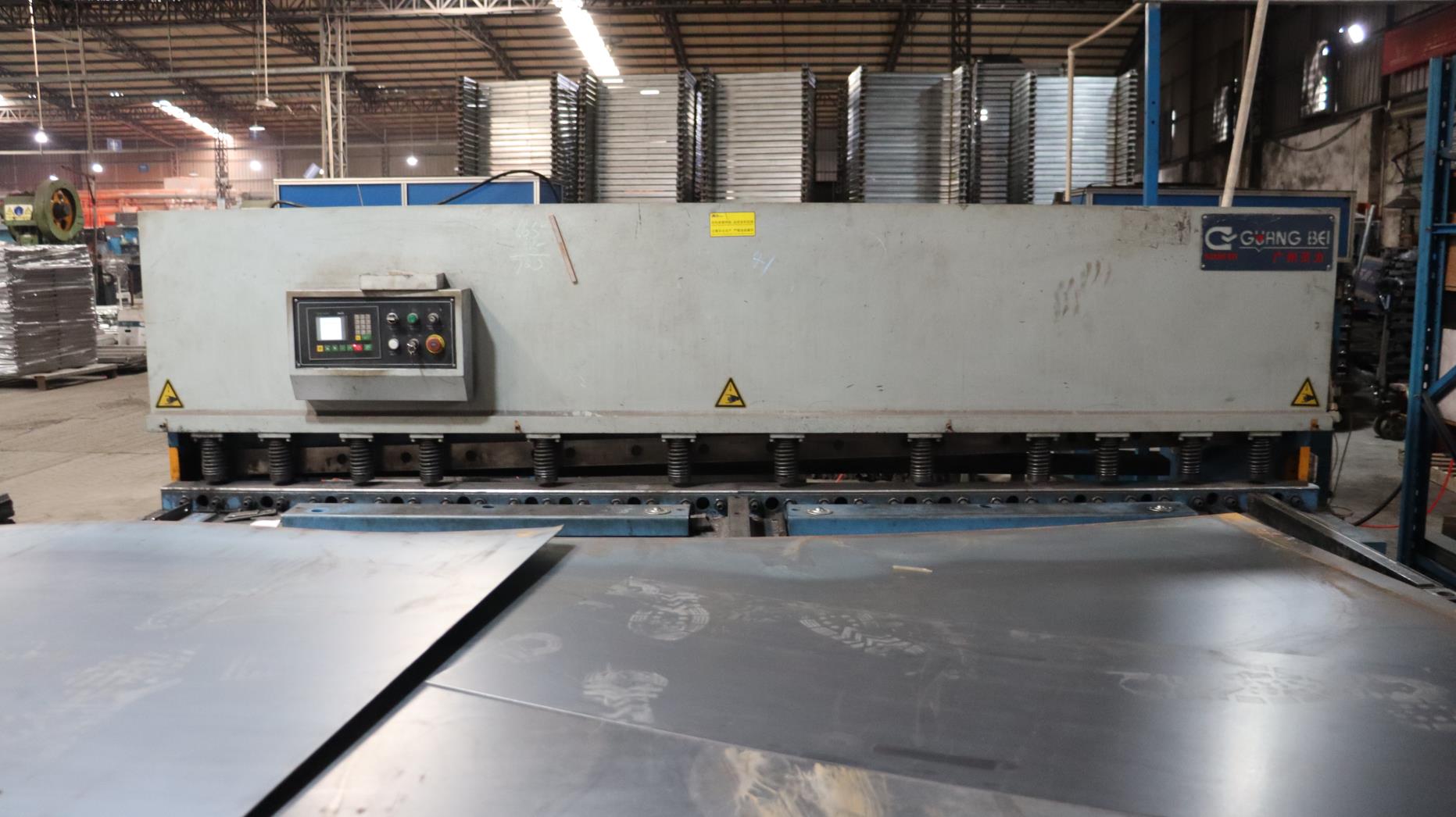
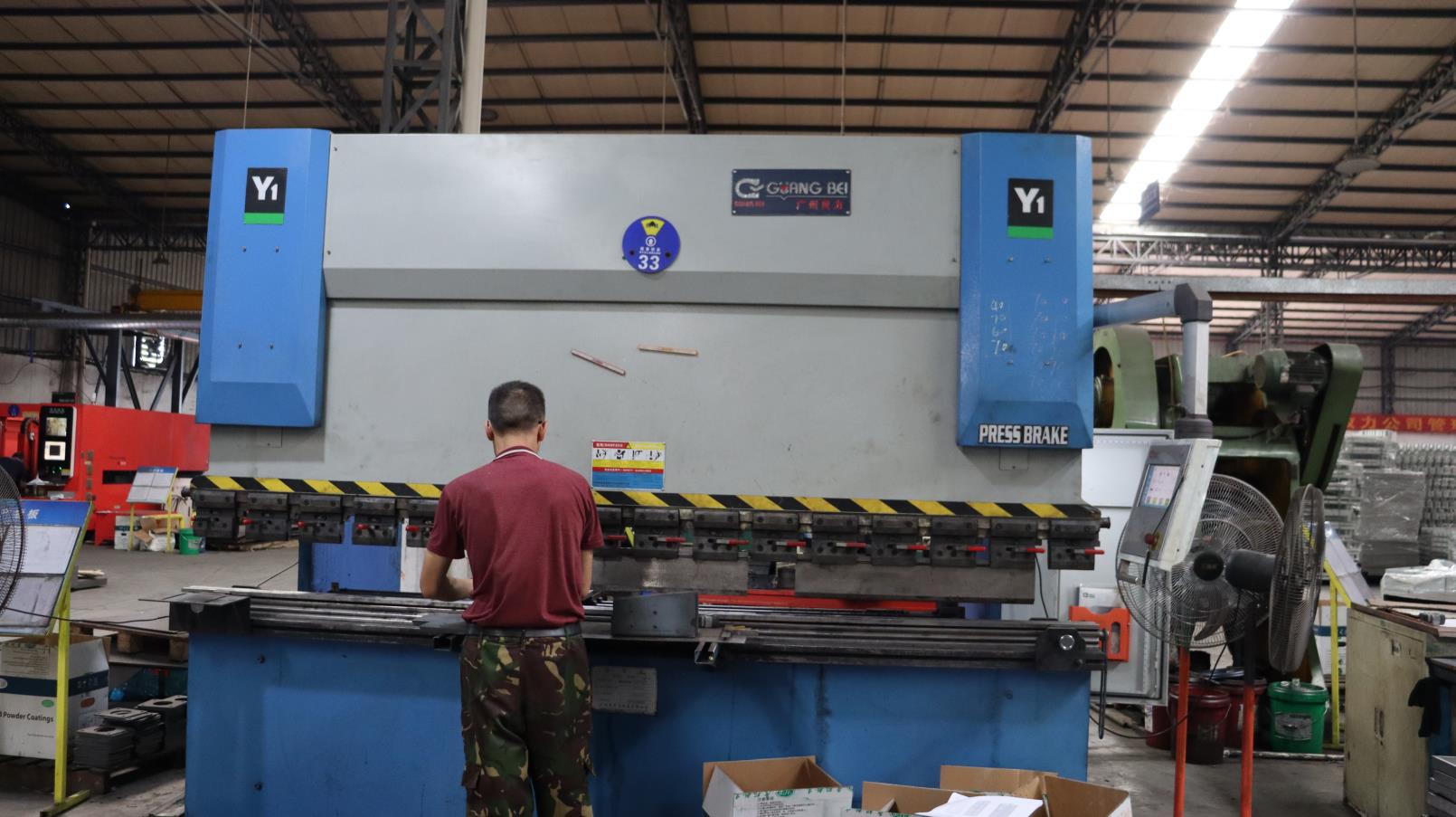
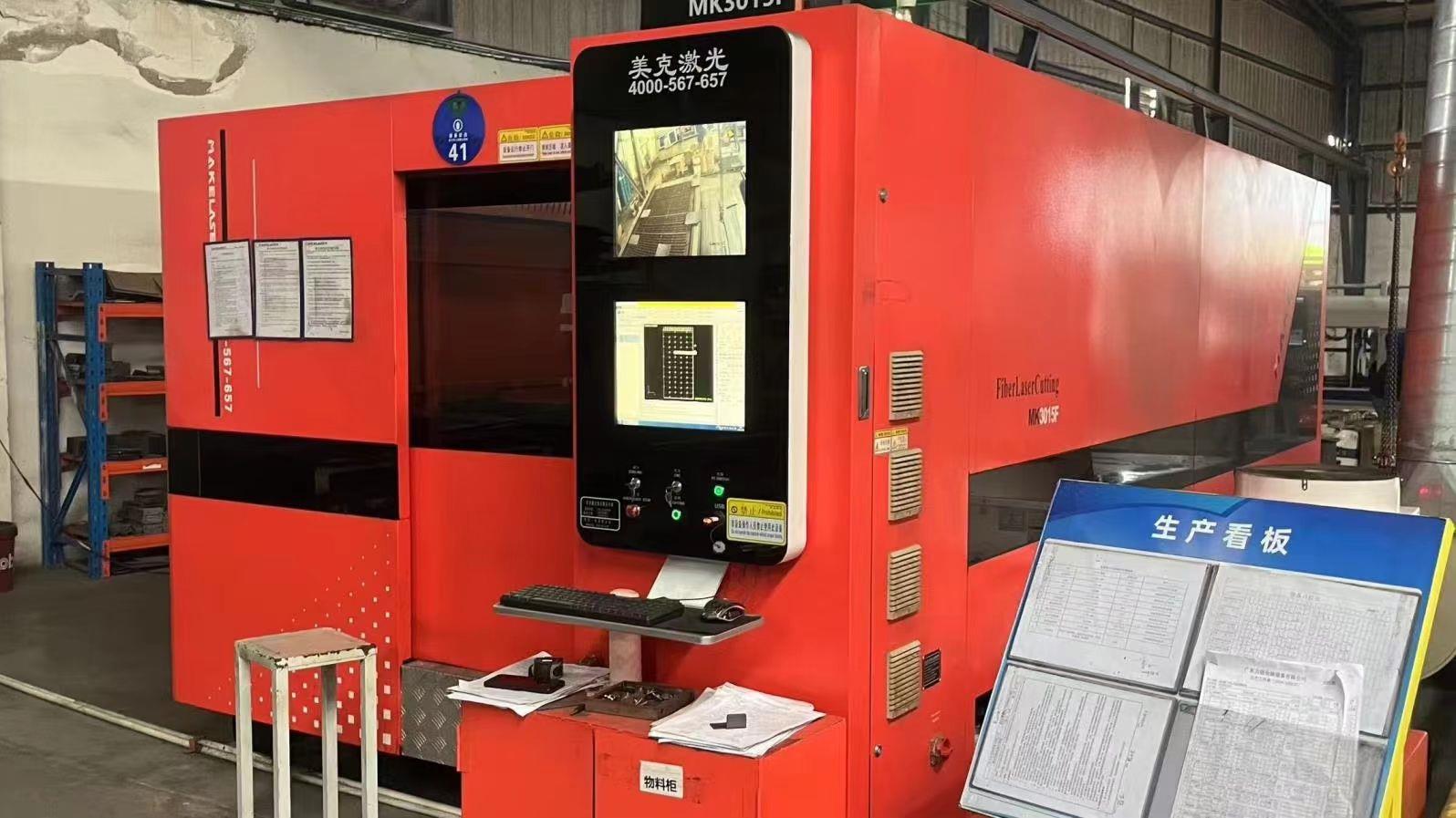
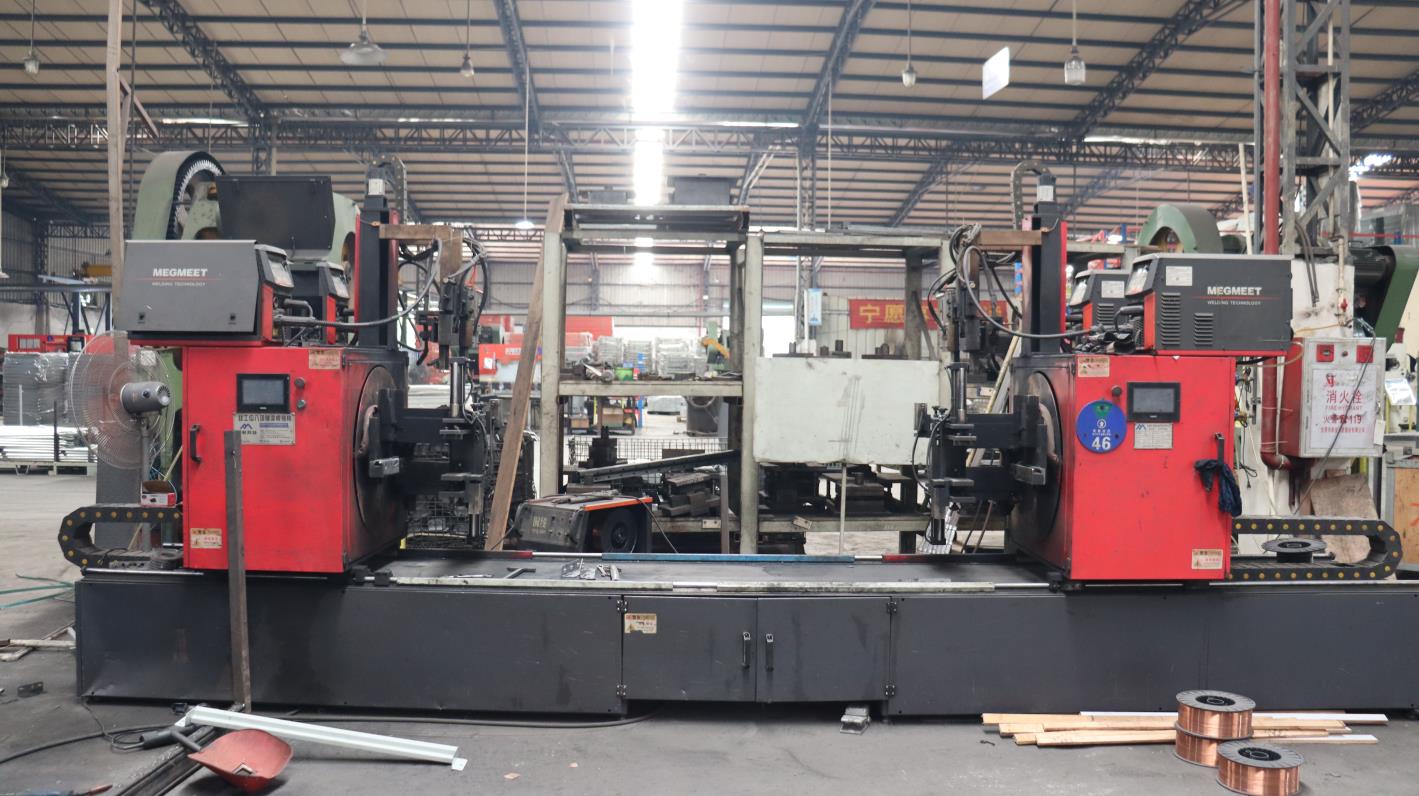
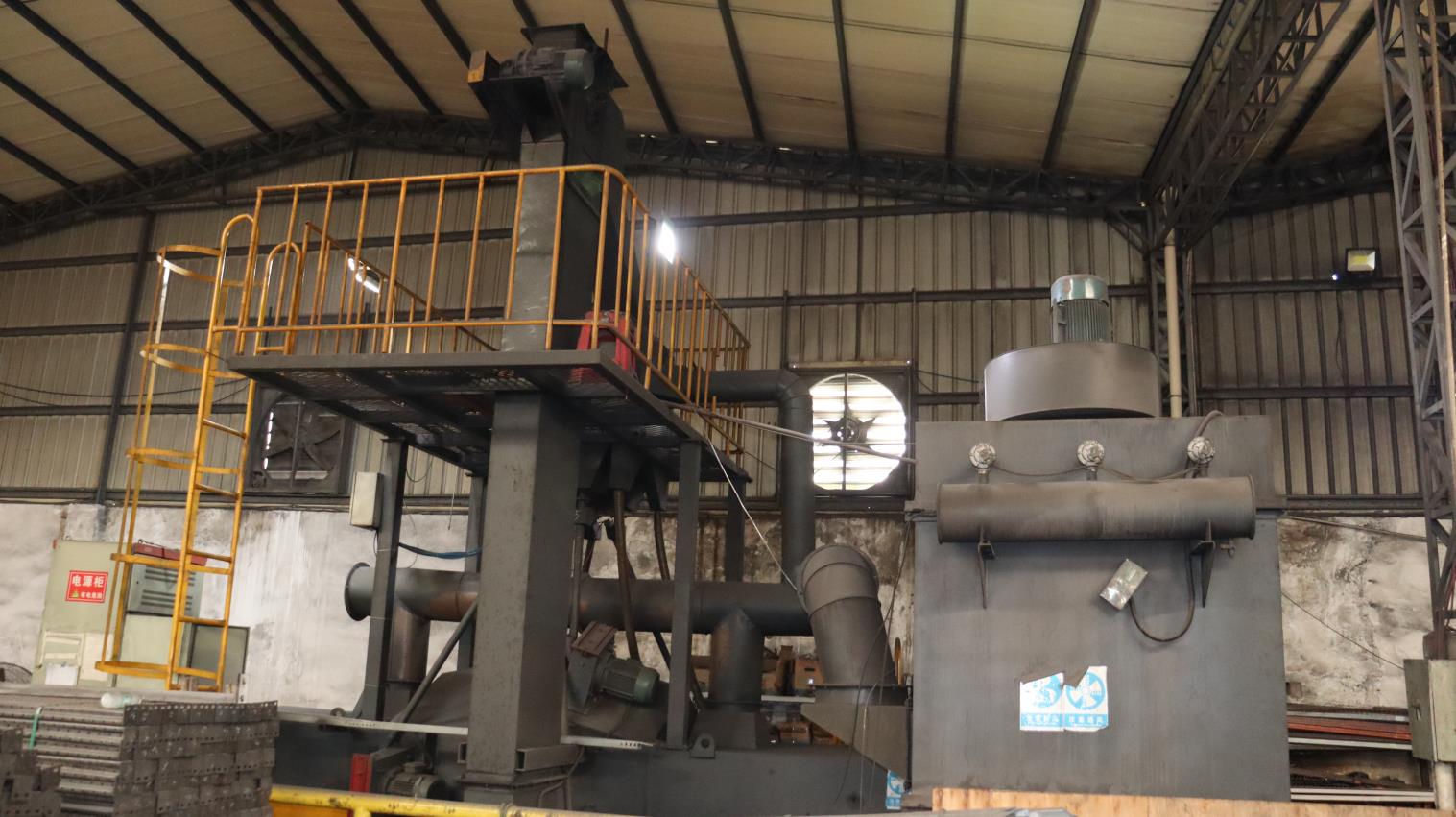
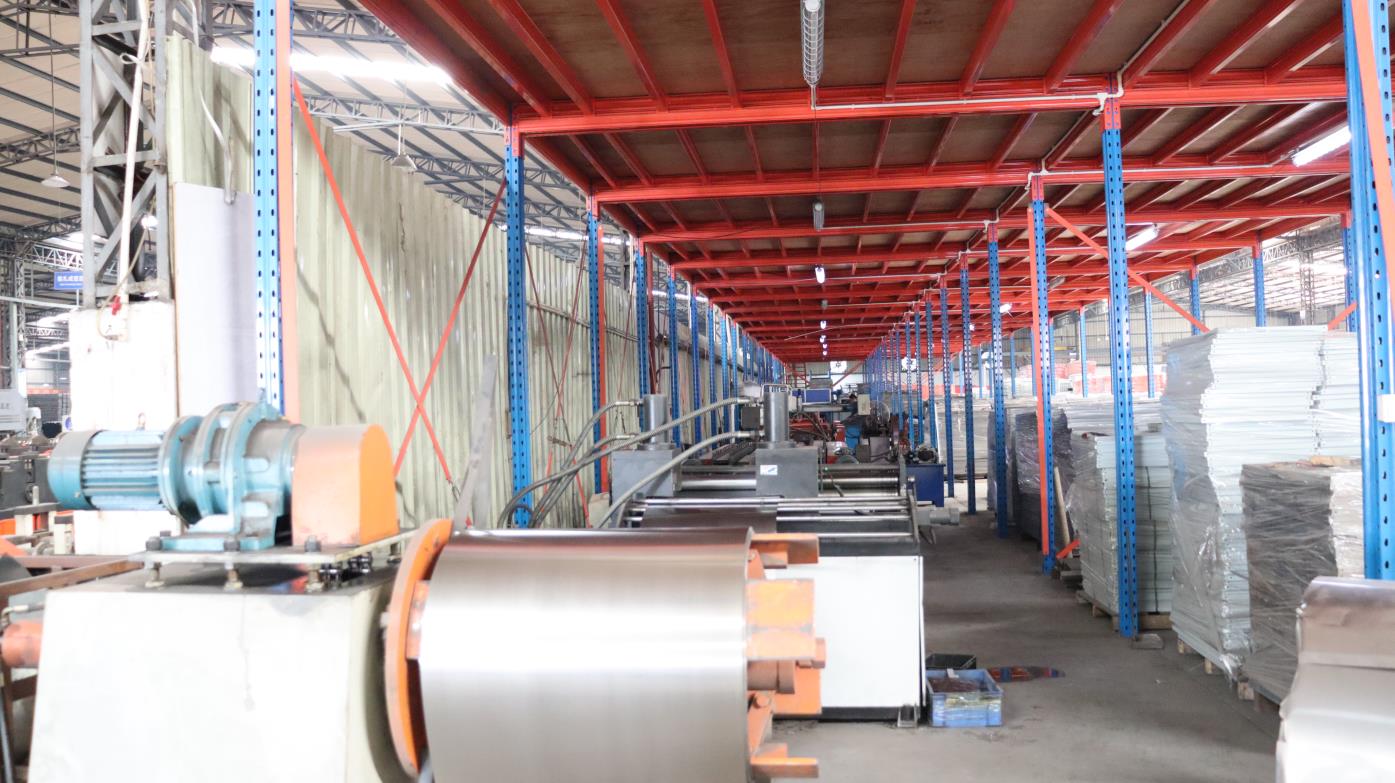
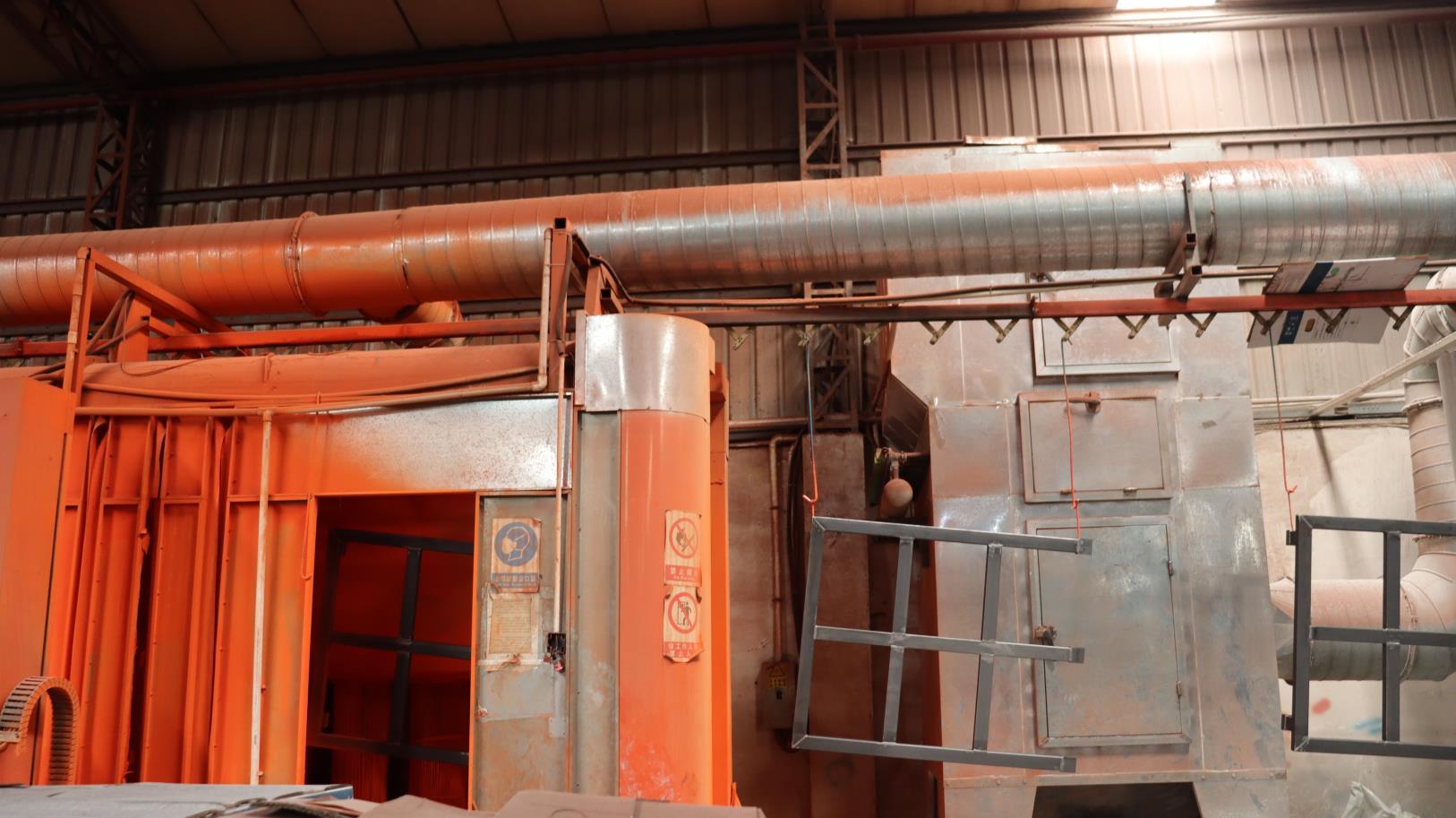
China's primary metallurgical advantage lies in the direct supply chain of high-tensile hot-rolled coil (primarily Q235B and Q355B grade steels), which are the global standard for industrial racking. Advanced facilities in China, such as Shenzhen Lijin's 35,000 square meter plant, deploy automated roll-forming lines, robotic welding stations, and automated electrostatic powder coating lines. This high level of automation guarantees that structural uprights, box beams, and bracing elements meet strict dimensional tolerances (within fractions of a millimeter). Consistent weld penetration and paint thickness are critical to preventing structural fatigue and oxidation under heavy loads in humid maritime environments like Sydney.
5. Compliance and Standards: The Critical AS4084-2012 Framework for Australia
For any warehouse manager in New South Wales (NSW), compliance is non-negotiable. SafeWork NSW enforces strict guidelines regarding warehouse racking safety. The primary governing standard is AS4084-2012 (Steel Storage Racking), which applies to adjustable static pallet racking made from cold-formed steel.
Selecting a manufacturer who understands this standard is essential. Compliance requires specific structural checks, including structural analysis for seismic design actions (under AS1170.4), wind loading (if applicable for external racks under AS1170.2), and strict safety factors for steel deflection and yield strength. Shenzhen Lijin’s engineering department, backed by 28 R&D professionals, utilizes finite element analysis (FEA) to simulate load distribution patterns. This ensures that every beam configuration, baseplate thickness, and floor anchor meets or exceeds the required safety parameters for the Sydney market.
Need an AS4084-Compliant Storage Layout for Your Sydney Warehouse?
Get in touch with our engineering team today for a free custom CAD layout and load capacity configuration tailored to Australian standards.
Send Inquiry Now6. Localized Application Scenarios & Macro-Industry Solutions in Sydney
Industrial storage solutions are not one-size-fits-all. Different sectors in the Sydney metro region require tailored warehouse configurations:
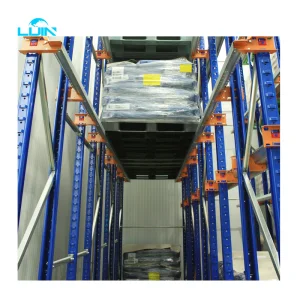
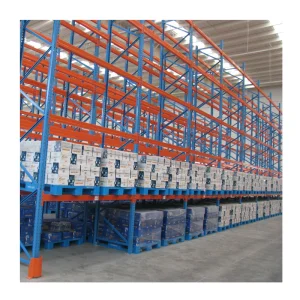
- Cold Chain & Food Logistics (e.g., Sydney Markets, Flemington): Requires high-density storage configurations like Drive-In Racking or Double-Deep Pallet Racking. These systems minimize the cooling footprint, maximizing energy efficiency while maintaining cold storage temperatures. Materials must also feature high-quality corrosion-resistant powder coatings or hot-dip galvanization to withstand condensation.
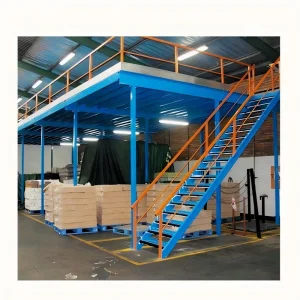
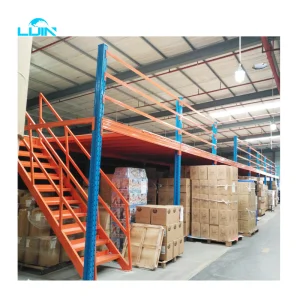
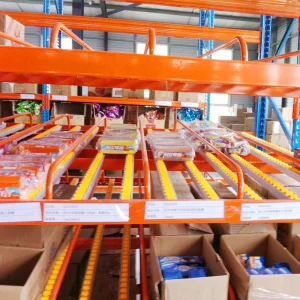
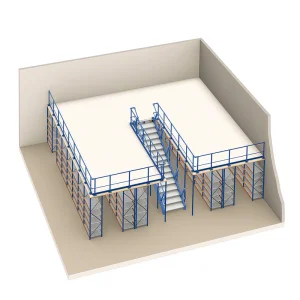
- E-Commerce Fulfillment Centers (e.g., Eastern Creek Hubs): Require agile, multi-tier mezzanine floors and Carton Flow Racks. These systems support fast manual picking and sorted bins, facilitating rapid turnover of high-volume SKUs.
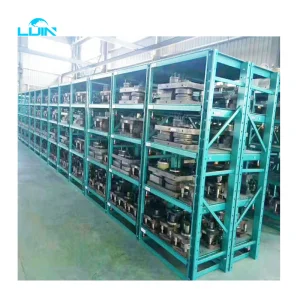
- Heavy Machinery & Automotive Parts (e.g., Smithfield Industrial Estate): Require heavy-duty cantilever racking for long, heavy, or awkwardly shaped items (like steel pipes, timber, and automotive chassis components), as well as heavy-duty mold and tool storage racks.