Engineered for high-load reliability, extreme-density logistics hubs, and robust structural safety across Australia's commercial landscapes.
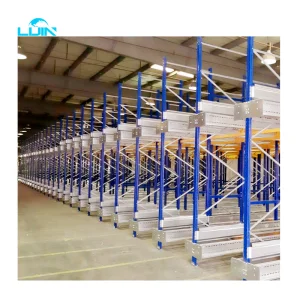
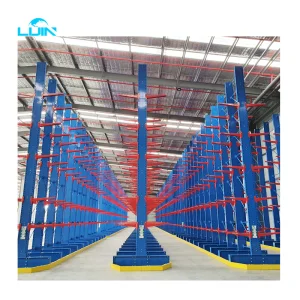
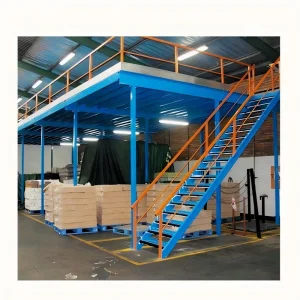
Navigating land scarcity, labor logistics, and structural safety codes (AS 4084) with automated high-density storage technologies.
Engineered explicitly to comply with the stringent Australian Standard AS 4084 for steel storage racking safety and structural integrity.
Maximizes volumetric capacity compared to selective pallet racking systems by eliminating wasted forklift access aisles.
Shuttle speeds up to 1.5 m/s dramatically reduce pallet cycle times, keeping pace with demanding 3PL distribution networks.
Sub-zero operational integrity down to -30°C, ideal for Australia's expanding frozen foods and agricultural export sectors.
The Australian warehousing sector is experiencing a significant structural shift. In key logistics hubs across Sydney, Melbourne, Brisbane, and Adelaide, prime industrial land prices have reached historic highs while vacancy rates hover near record lows. Traditional selective pallet racking, while flexible, fails to utilize the vertical volume of modern warehouses, leading to inefficient footprints. Furthermore, rising labor costs and the physical safety risks associated with intensive forklift maneuvers within narrow aisles have created an urgent demand for automated, high-density alternatives.
To address these challenges, Radio Shuttle Racking Systems have emerged as the premier solution for Australian enterprises. By operating as a semi-automated, deep-lane storage system, the radio shuttle cart transports pallets within the racking structure via a remote control or integrated Warehouse Control System (WCS). This eliminates the need for forklift trucks to enter the storage lanes, boosting operational efficiency, reducing product damage, and improving workplace safety.
Globally, logistics networks are shifting toward hybrid automation models. Unlike fully automated ASRS crane systems, which require substantial capital investment and lengthy installation times, Radio Shuttle Racking represents a highly scalable and cost-effective automation pathway. The system allows operators to run both FIFO (First-In, First-Out) and LIFO (Last-In, First-Out) inventory flows, making it versatile enough to handle bulk storage, FMCG distribution, and seasonal product cycles. By pairing high-grade structural steel configurations with smart shuttle technology, operators can achieve up to an 85% increase in total warehouse storage capacity.
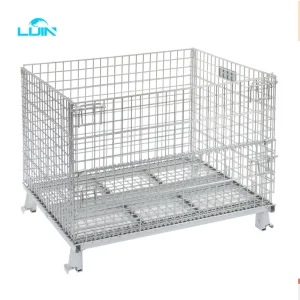
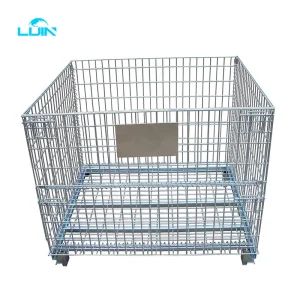
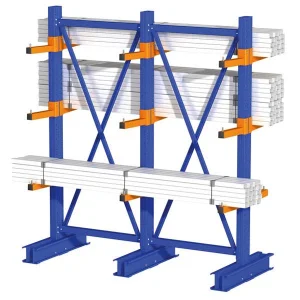
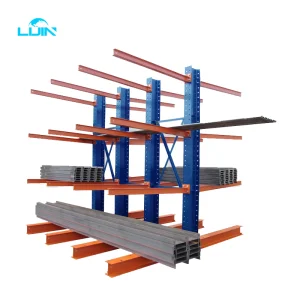
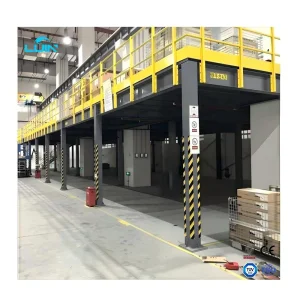
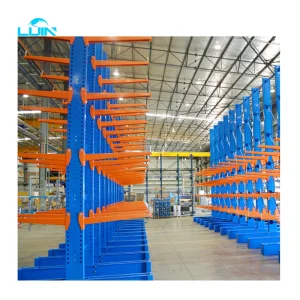
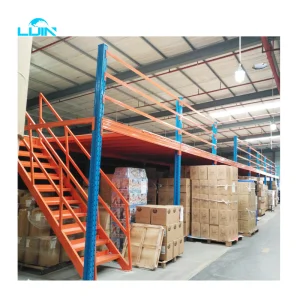
Expand storage capabilities with heavy-duty structural platforms, selective double-sided cantilevers, and wire mesh safety enclosures.
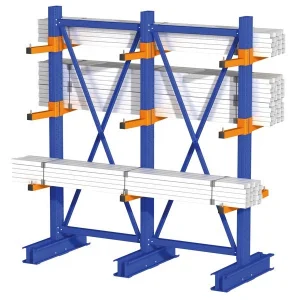
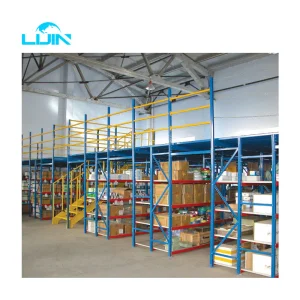
Premium structural steel configurations optimized for high mechanical strength and seismic resilience.
For industrial structures operating in Australia, adherence to structural engineering standards is a legal and operational necessity. Structural failures in high-density warehousing present severe safety risks and liabilities. Consequently, every racking component must be engineered to withstand static, dynamic, and environmental loads (including seismic activity in specific geological zones).
Our Radio Shuttle Racking systems comply with the latest AS 4084.1:2023 (Steel Storage Racking – Design) and AS 4084.2:2023 (Steel Storage Racking – Operation and Maintenance) standards. We utilize high-yield, cold-rolled structural steel profiles (Grade Q235B and Q345B, corresponding to international equivalents like AS/NZS 3678 Grade 250 and 350). The vertical upright frames are optimized using advanced Finite Element Analysis (FEA) to ensure load distribution across complex floor slabs.
| Technical Parameters | Specification Details / Standard Metrics | Australian Compliance Status |
|---|---|---|
| Load Capacity Range | 500 kg to 1,500 kg per pallet position | Fully Certified under AS 4084-2023 |
| Shuttle Traveling Speed | Maximum 1.5 m/s (unloaded) / 0.8 m/s (loaded) | Variable control with soft-start acceleration |
| Battery Technology | Lithium-Iron Phosphate (LiFePO4) - Quick Charge | CE / MSDS Certified for safety |
| Cold Storage Application | Operations down to -30°C | Pre-treated steel & low-temp lubricants |
| Steel Grade & Treatment | High-tensile Q345B Steel; Epoxy Powder Coated (>80μm) | Corrosion resistant under AS 2331 |
| Shuttle Control System | Wireless Remote / WCS (Warehouse Control System) API | Meets ACMA telecommunications standards |
Modern radio shuttle carts operate within lanes with minimal manual supervision. To prevent collisions, derailment, or load shifting, each shuttle is fitted with state-of-the-art sensory arrays:
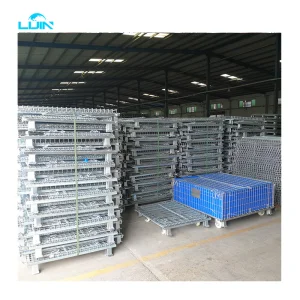
A look inside our 35,000 m² production facility, utilizing advanced automated machinery to deliver structural racking products globally.
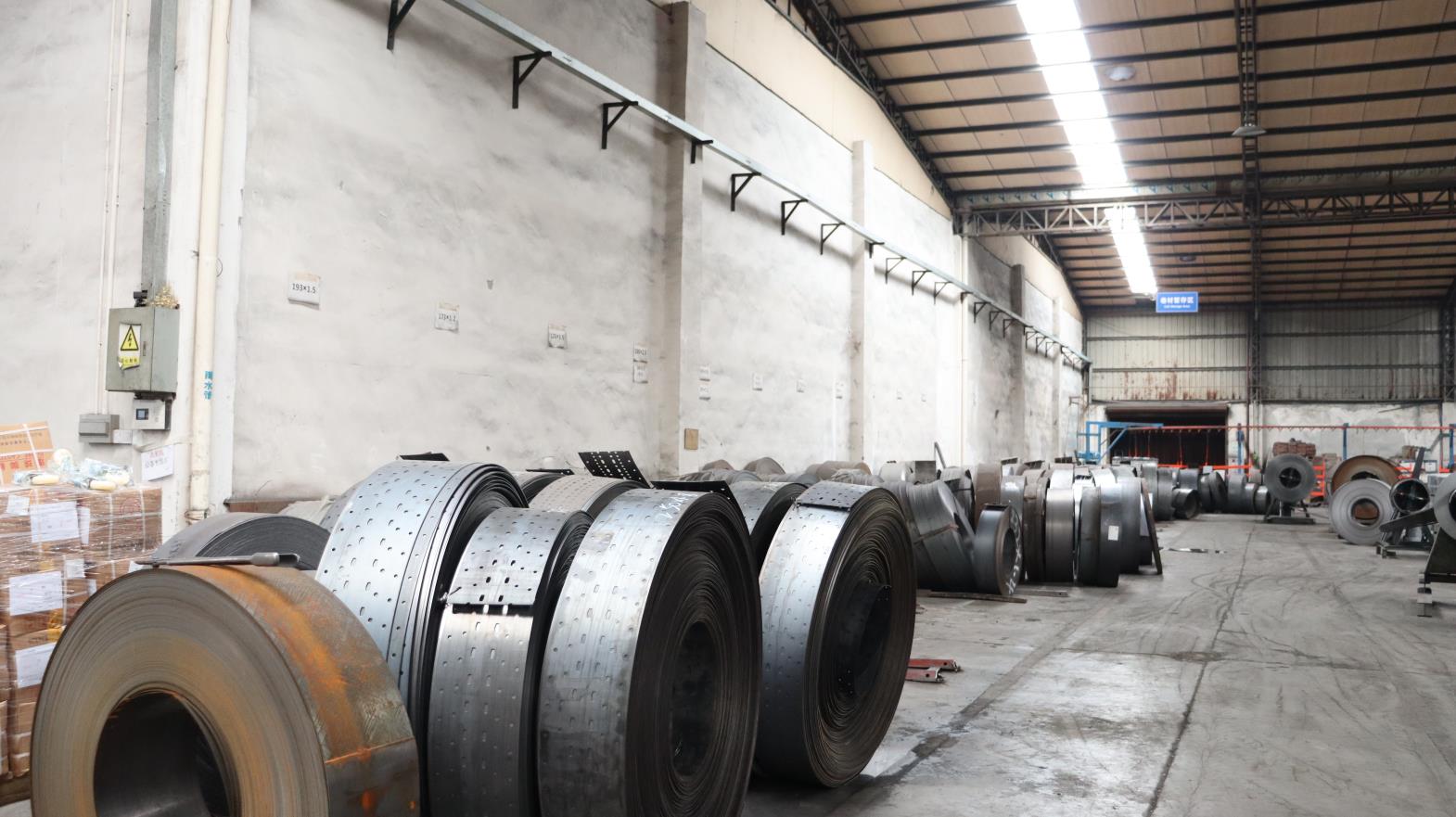
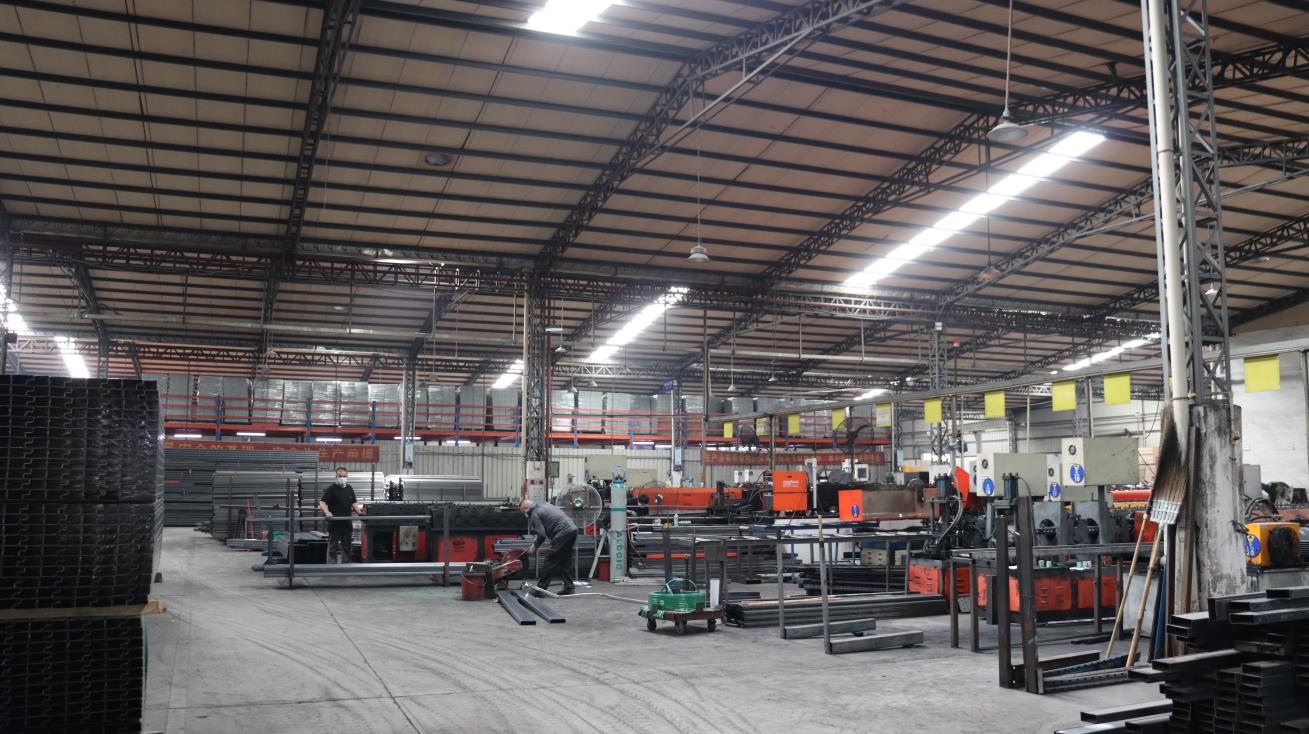
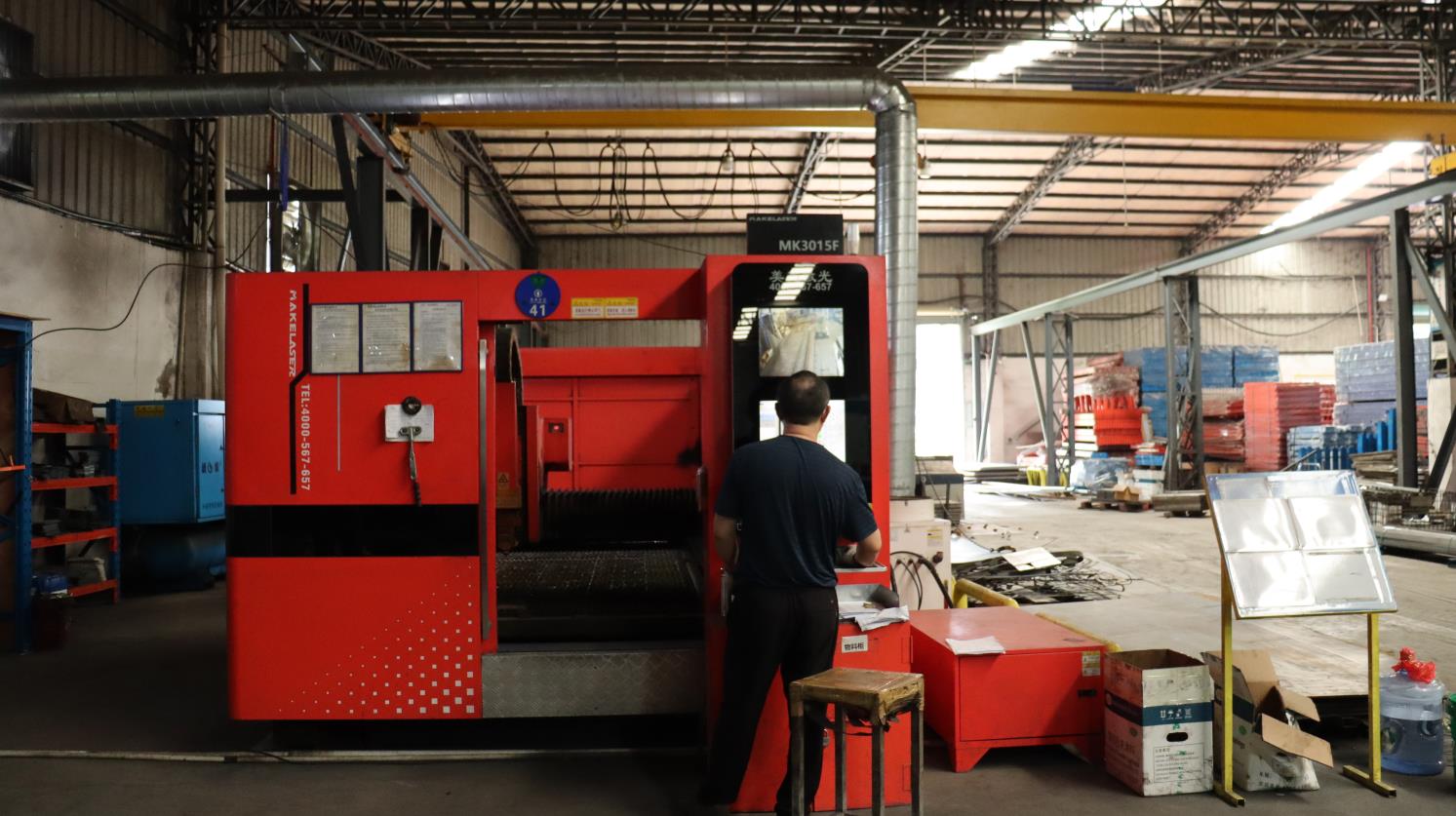
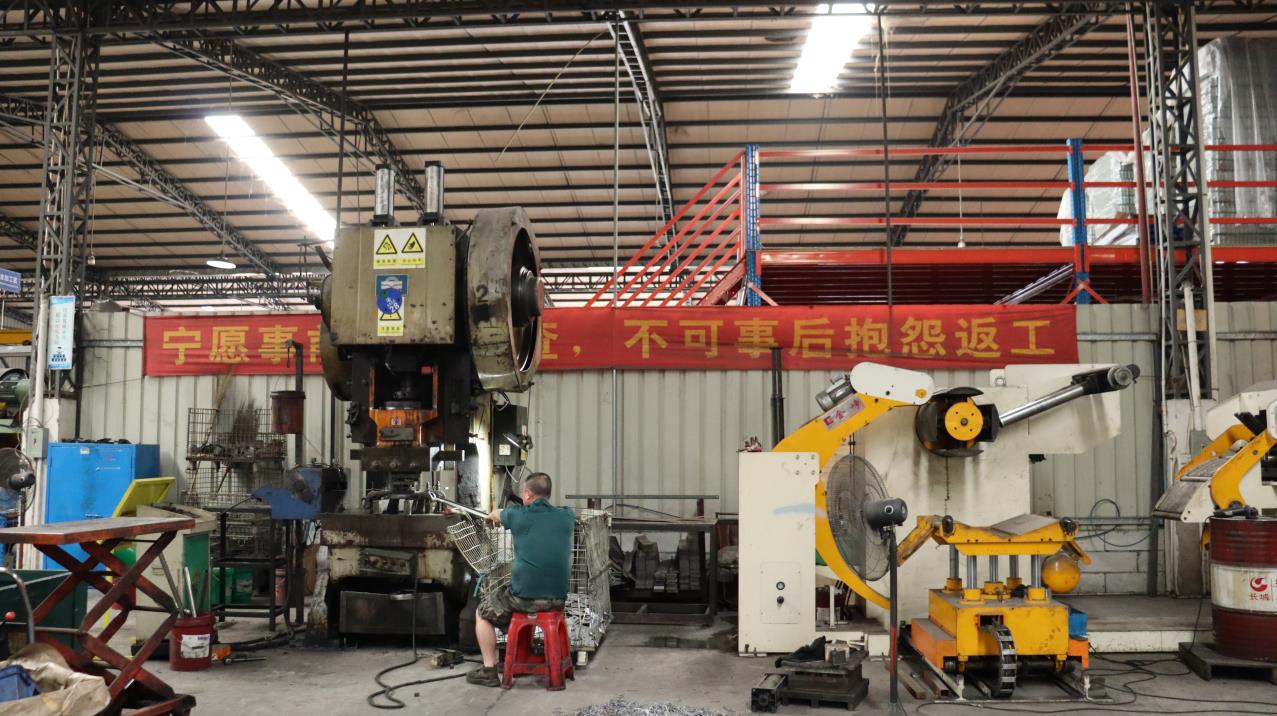
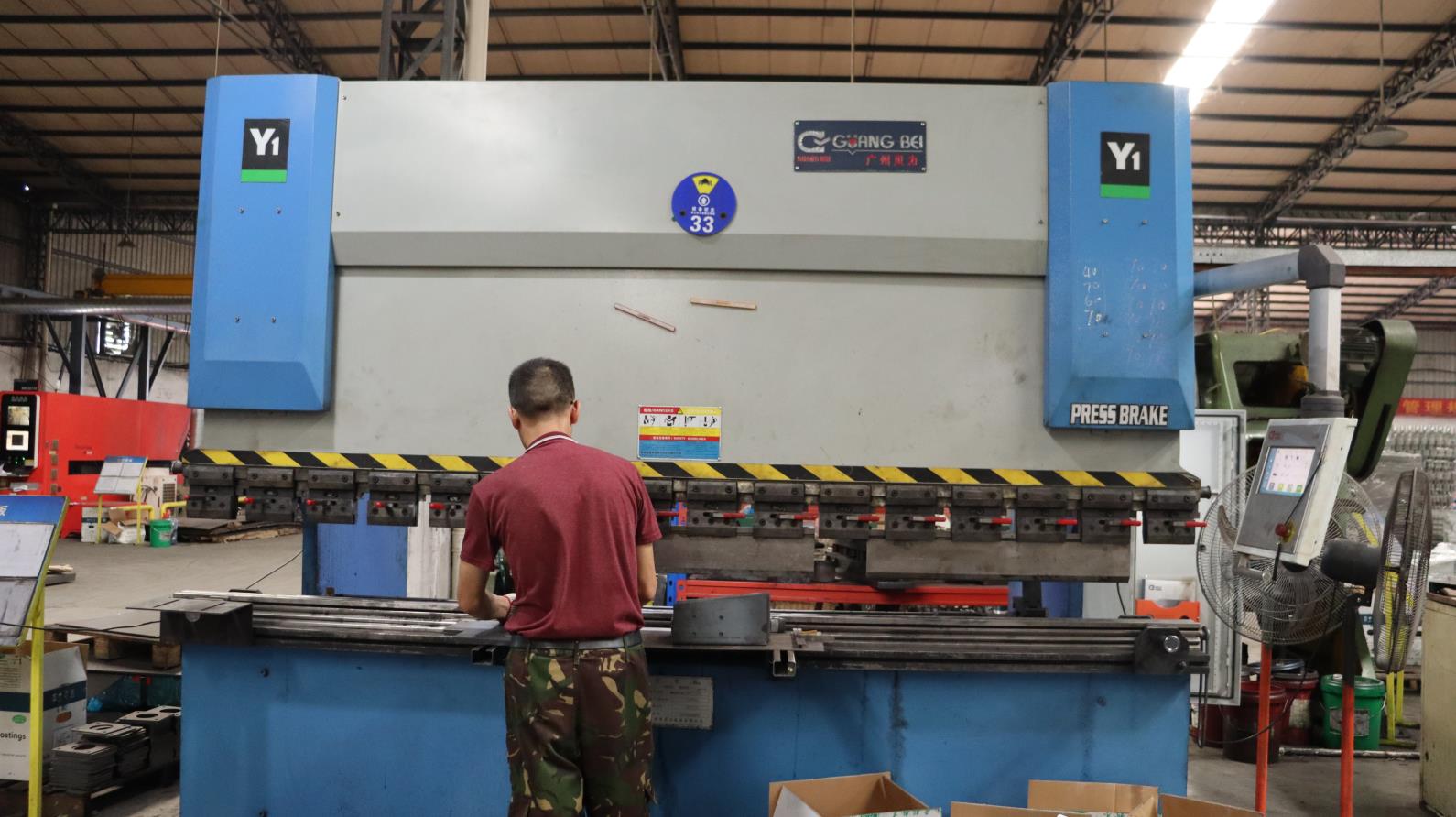
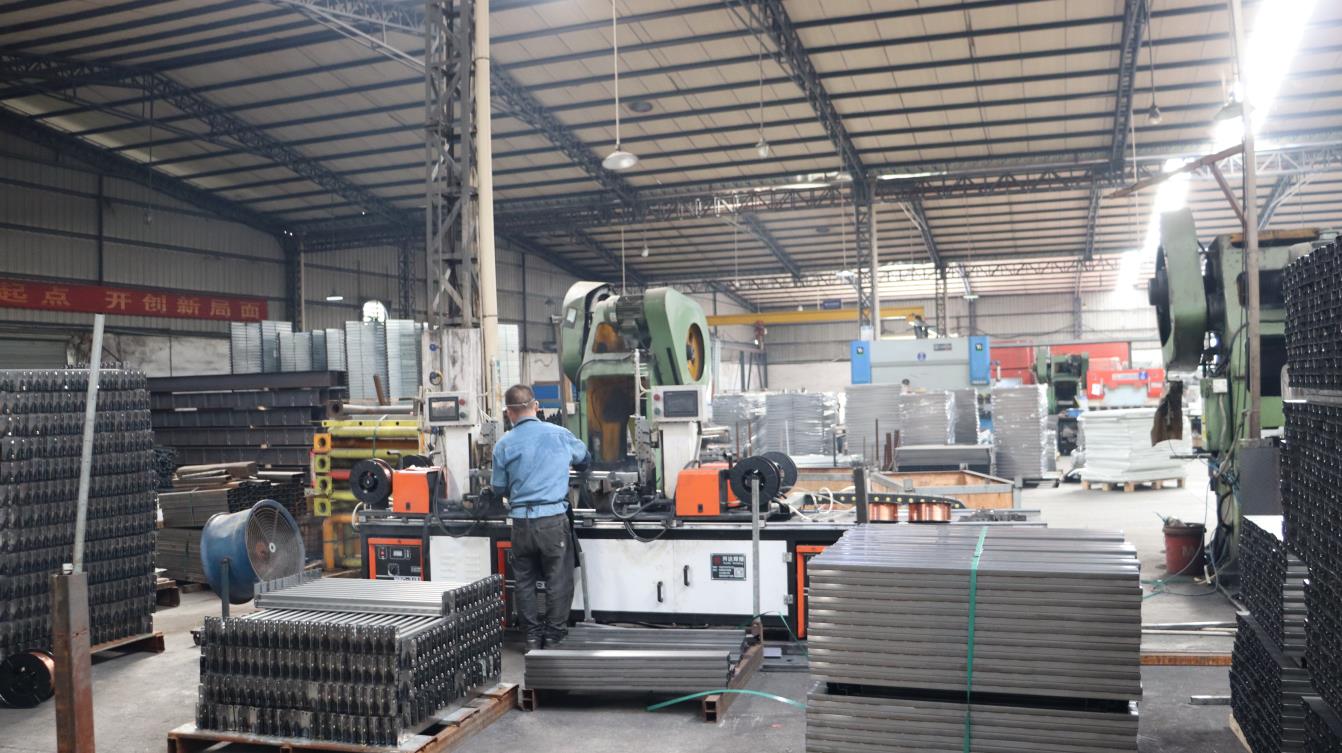
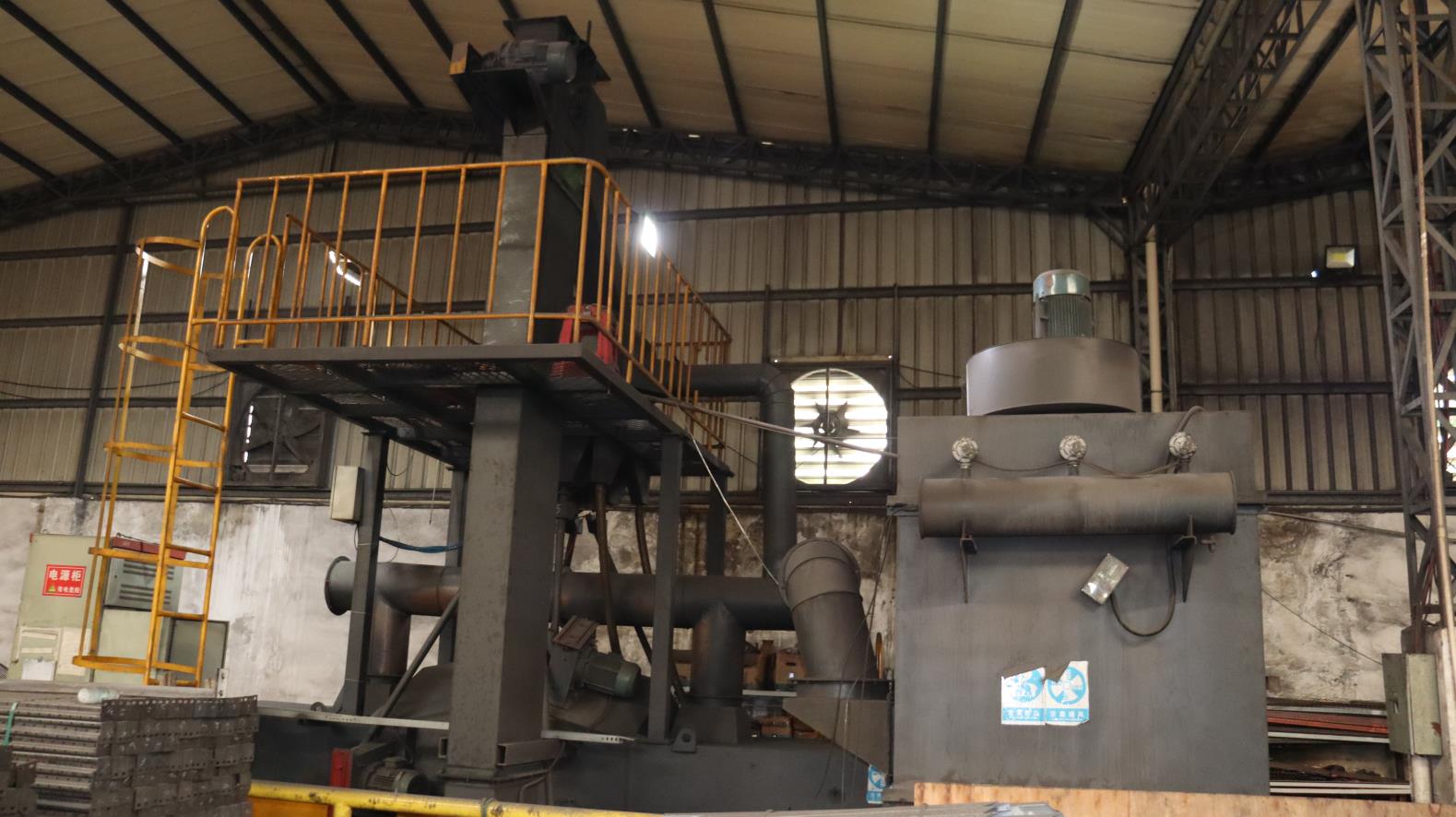
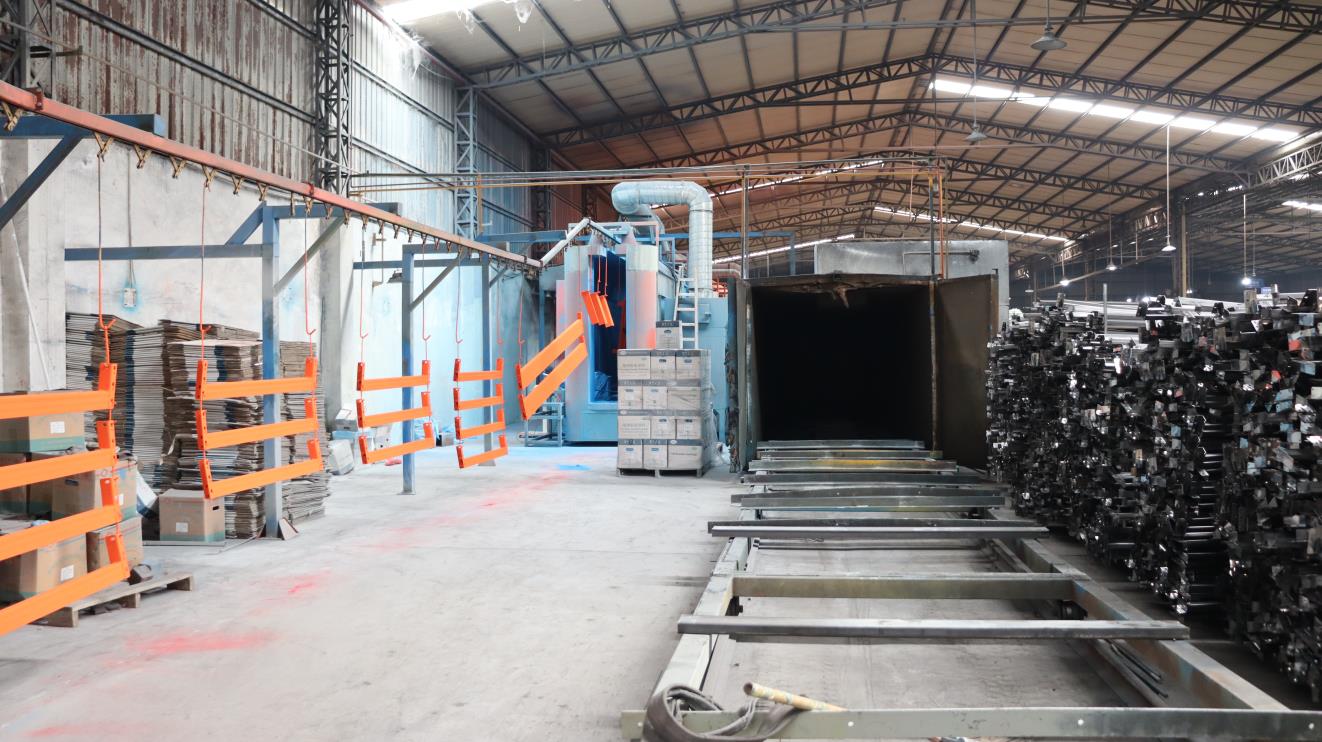
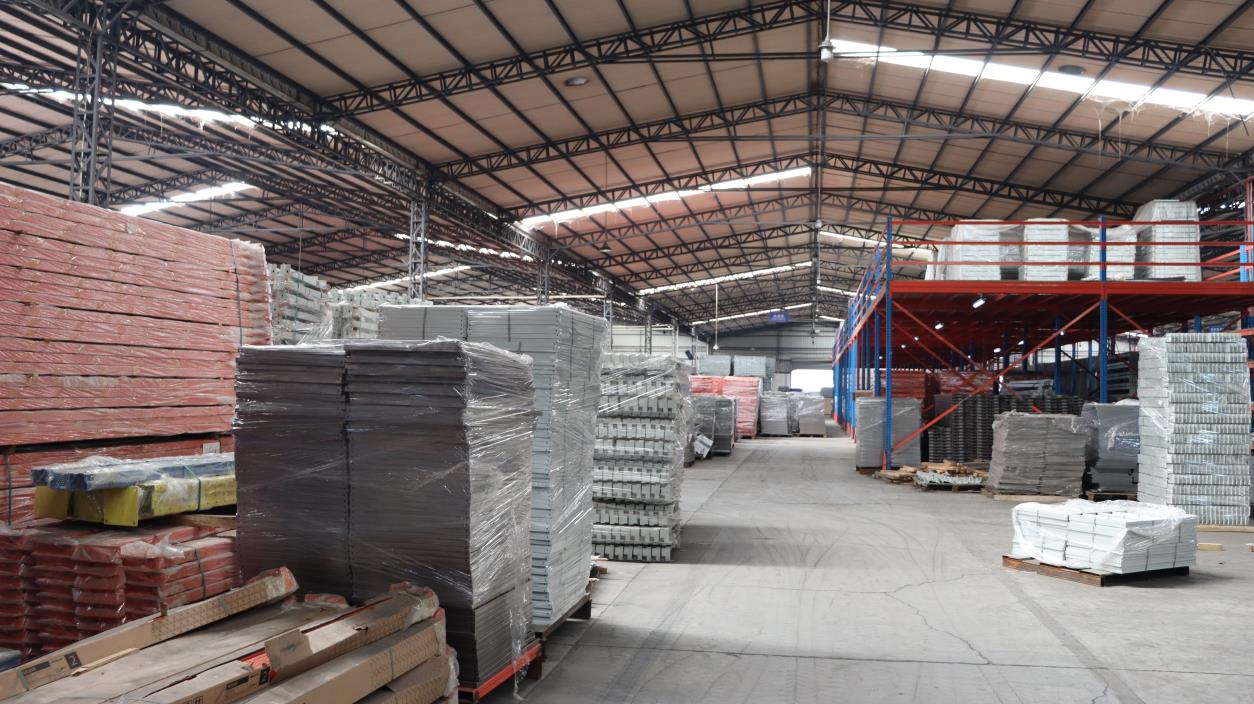
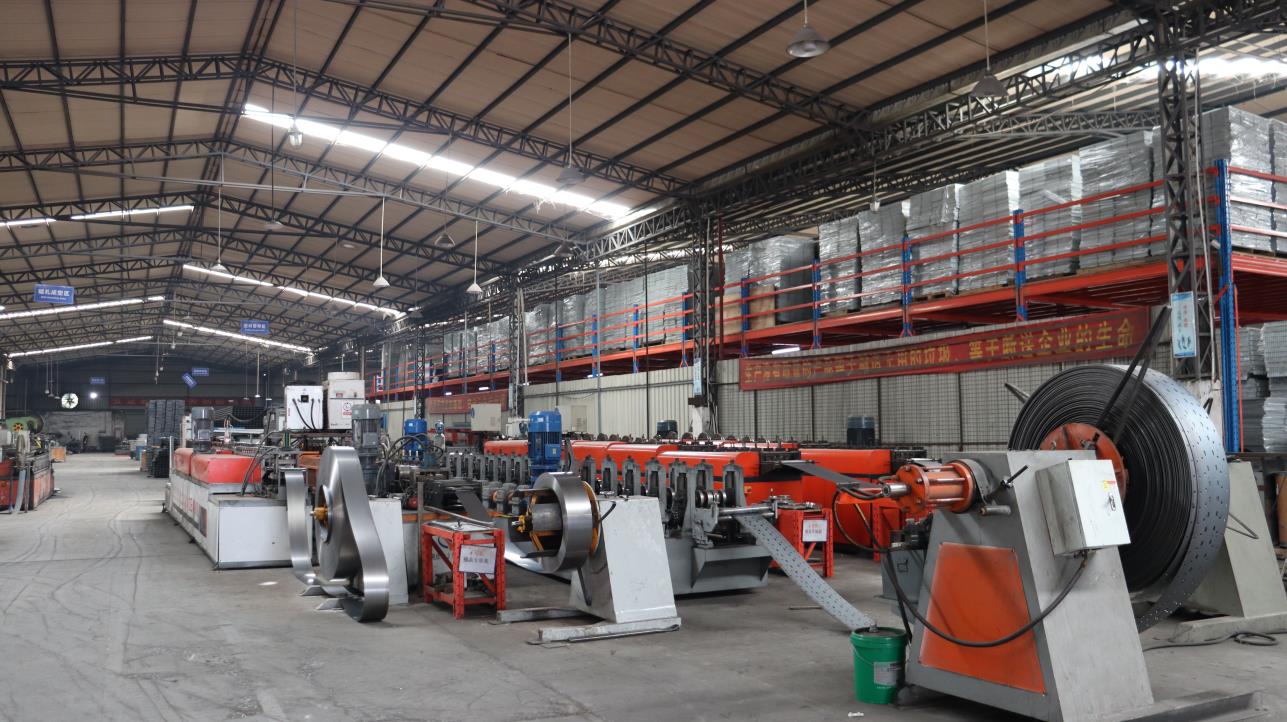
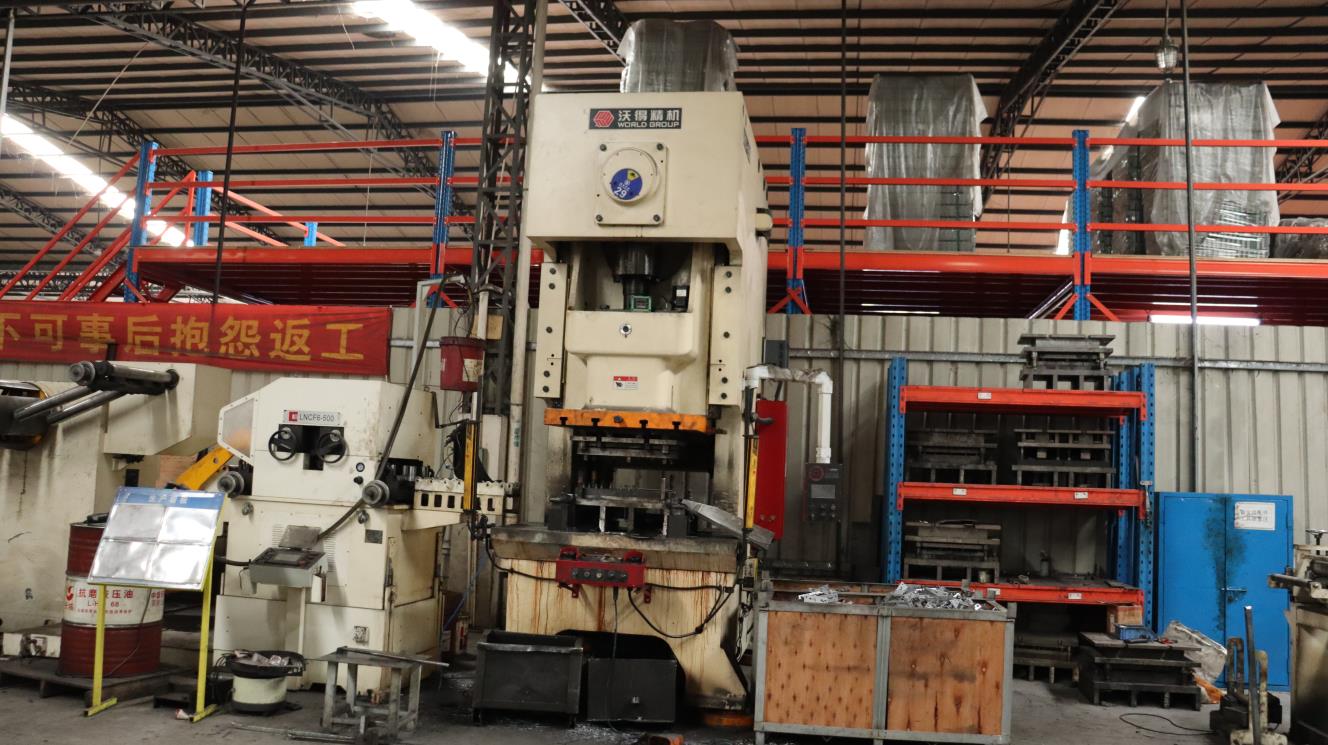
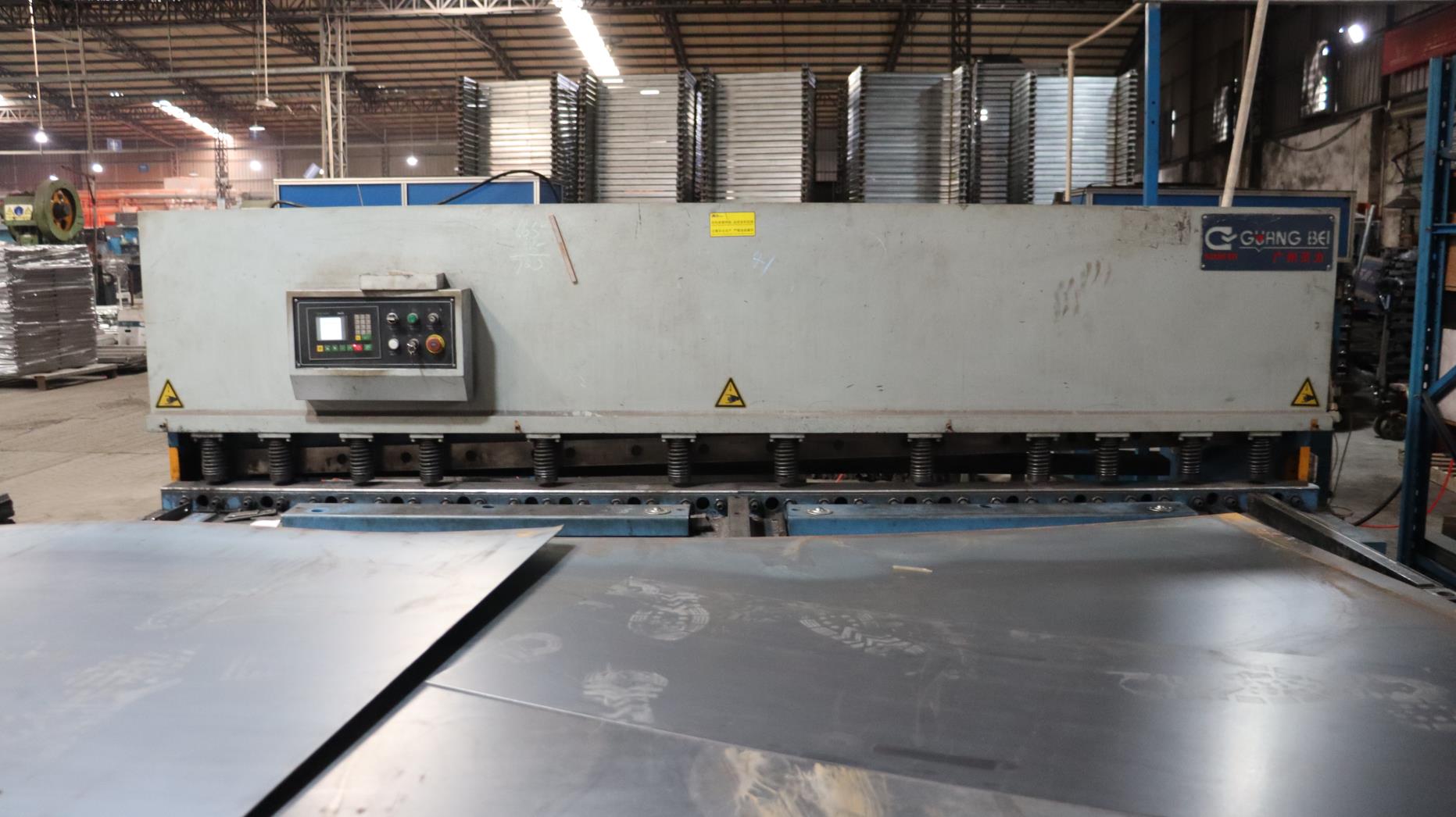
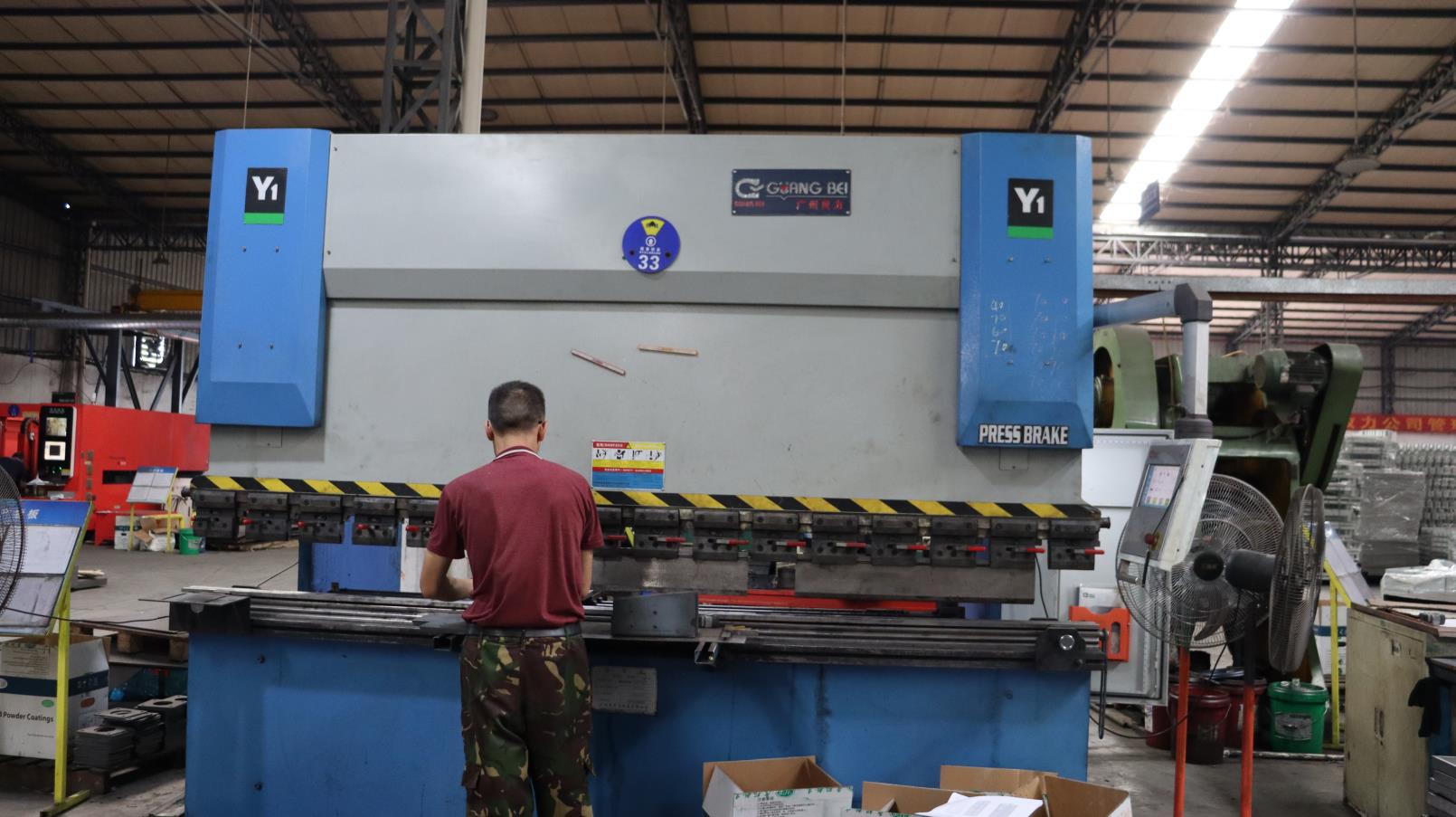
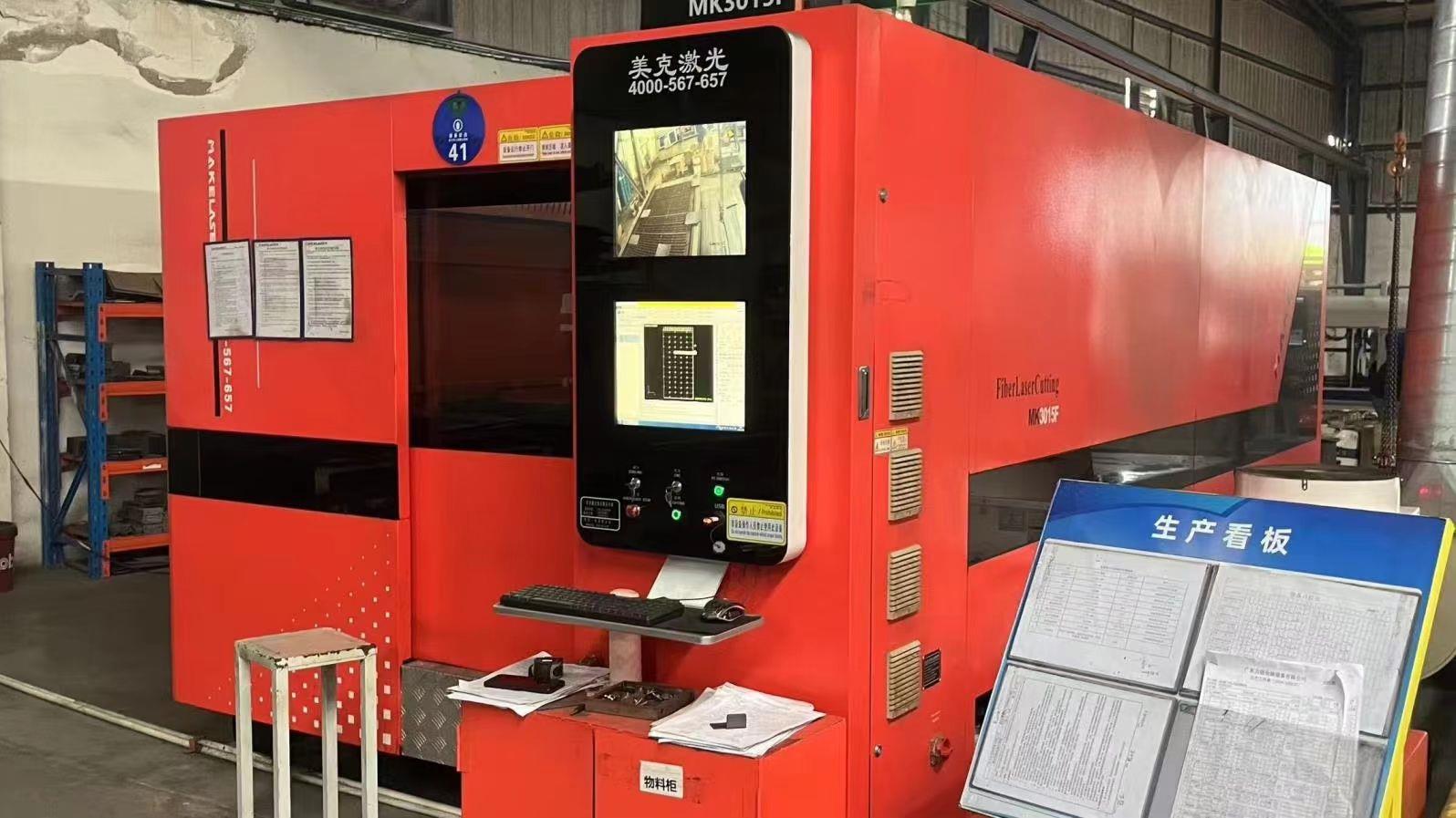
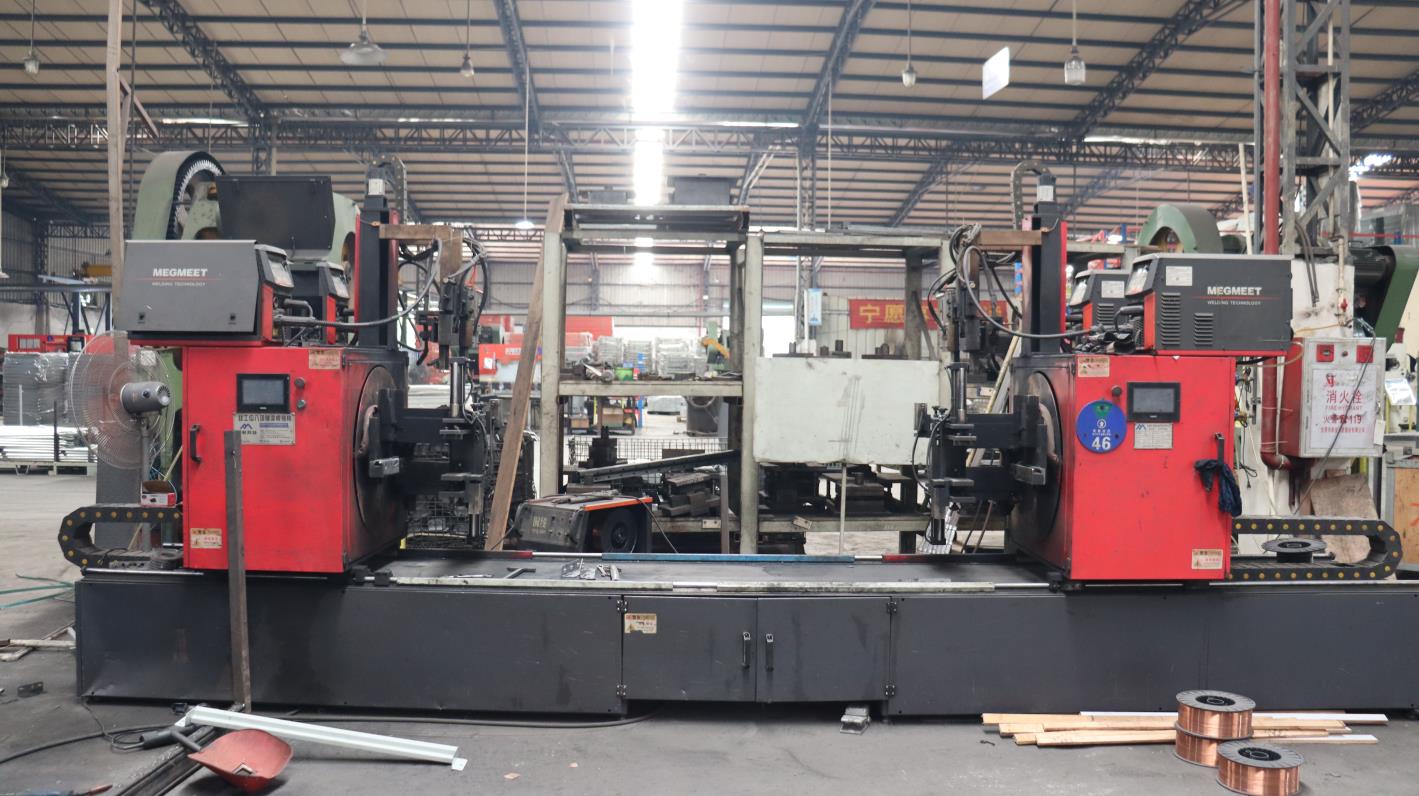
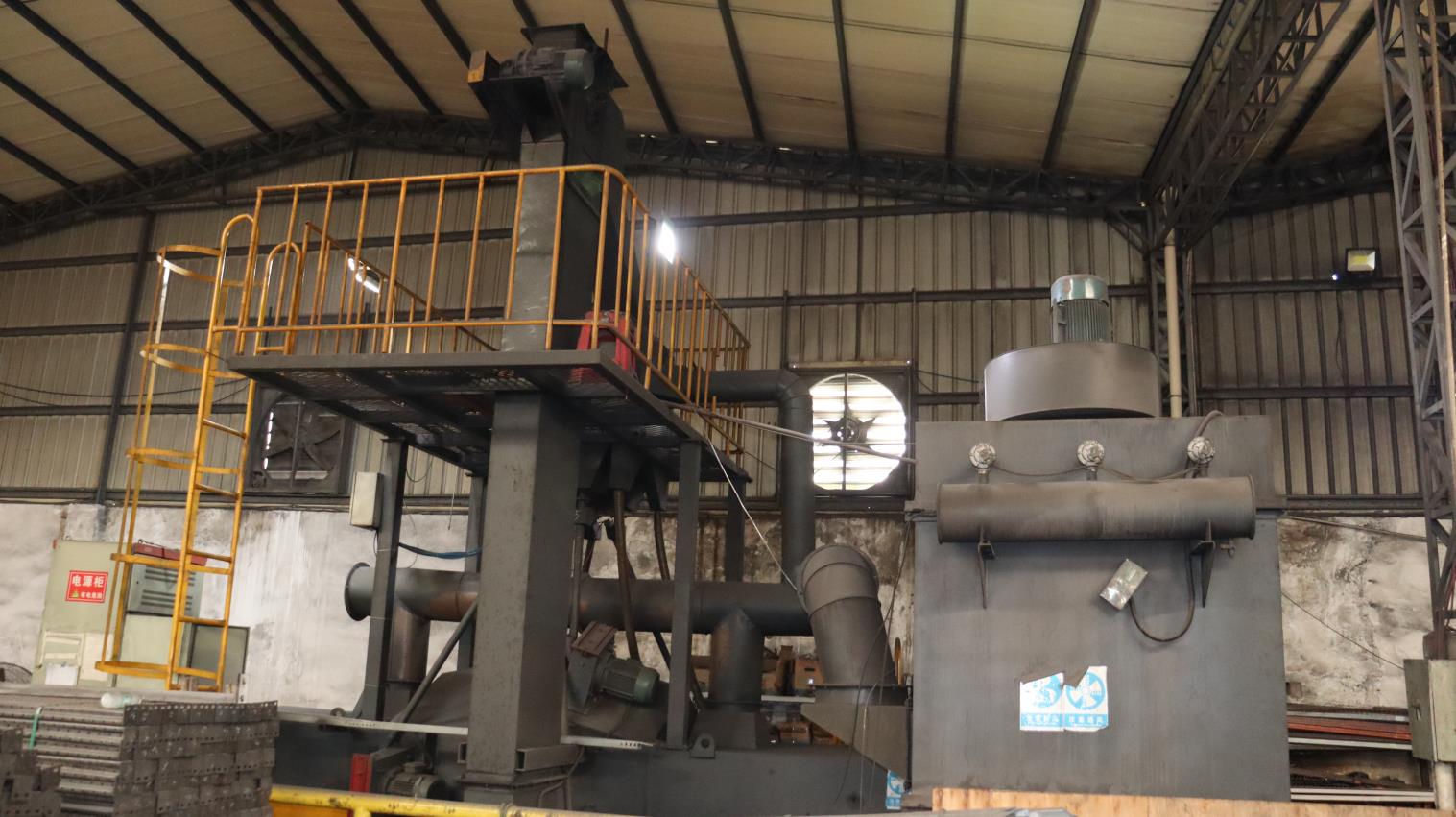
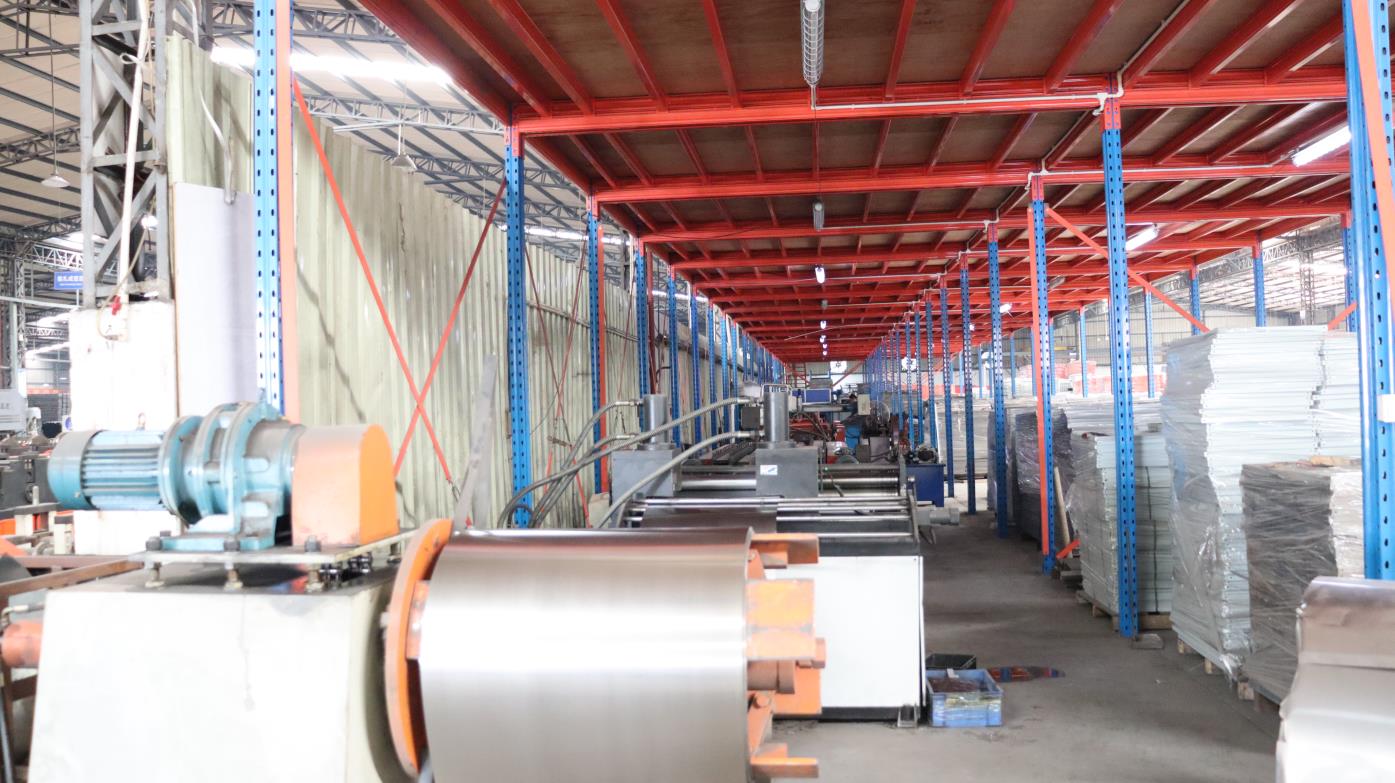
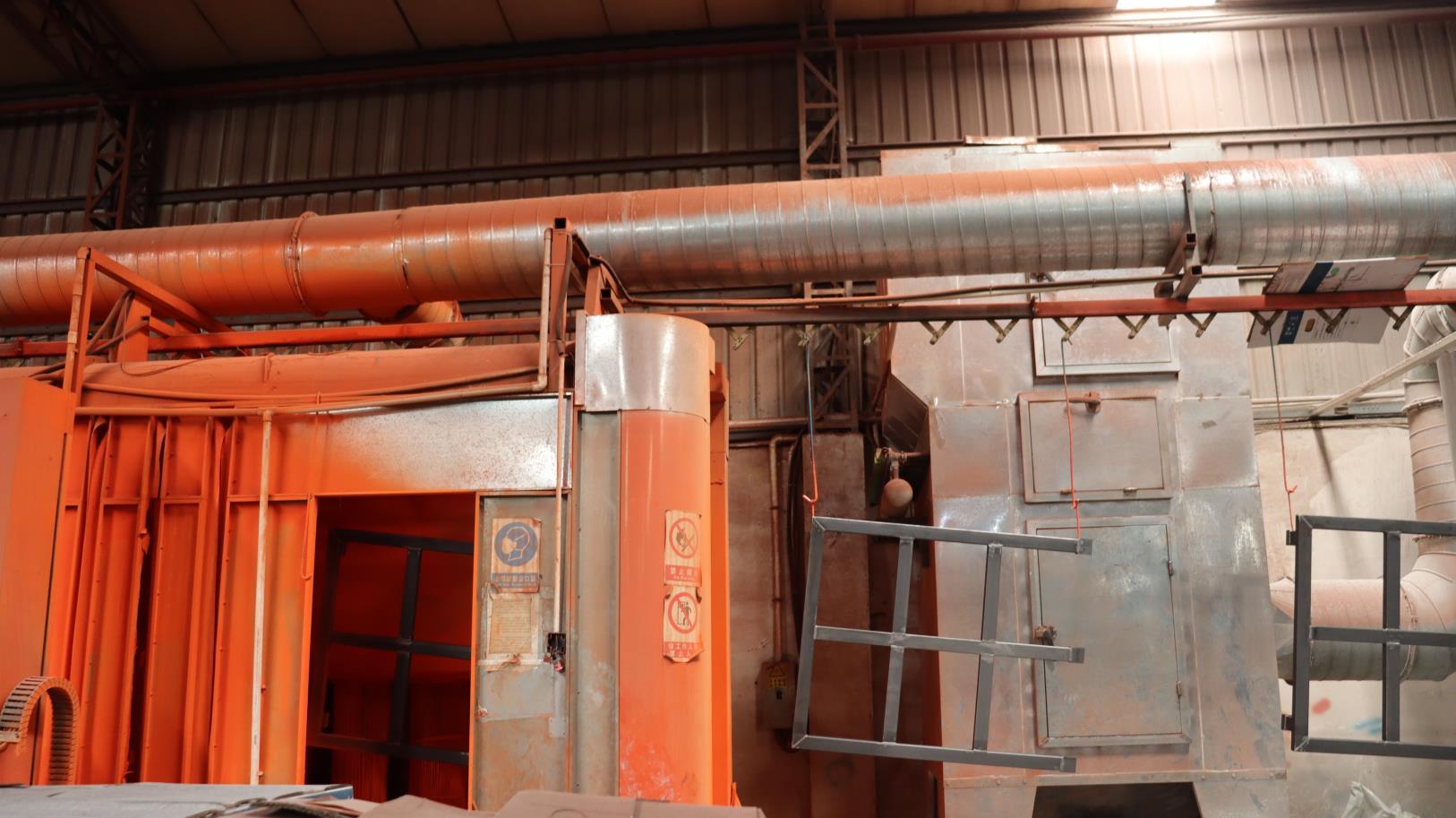
To ensure structural integrity and meet the strict standards required by major insurance providers in Australia, we implement rigorous Quality Control (QC) processes at every manufacturing step. Our dedicated team of 35 QC professionals utilizes Ultrasonic Non-Destructive Testing to check structural welds, and precise laser checking systems to verify channel tolerances. This prevents structural issues and ensures smooth operation of the shuttle carts along the rack profile lanes.
A trusted global supply chain partner specializing in automated space-optimization racking technologies.
Established in 2015, Shenzhen Lijin Storage Equipment Co., Ltd. is a leading enterprise specializing in the design, manufacturing, and global distribution of heavy-duty warehouse racking systems, automated storage solutions, and industrial shelving. Spanning a state-of-the-art facility of 35,000 m², we have developed into a trusted global supply chain partner with over 8 years of direct export experience and more than 12 years of deep industry expertise. Driven by innovation and quality, our global revenue reached USD 22 million last year.
We enforce a rigorous, multi-stage quality control system—including ultrasonic non-destructive testing, automated weld inspection, laser dimensional checking, and heavy-load endurance testing. Backed by an in-house quality inspection team of 35 dedicated professionals, every batch meets international safety and structural standards, ensuring maximum load-bearing efficiency and long-term stability.
Backed by an experienced international trade background, our core markets span North America, Western Europe, Southeast Asia, and the Middle East. We maintain strong strategic relationships with over 850 supply chain partners globally. Our primary clients include large-scale logistics hubs, commercial distributors, third-party logistics (3PL) providers, and industrial equipment wholesalers.
Supported by a skilled team of 28 R&D engineers, Shenzhen Lijin delivers comprehensive OEM and ODM solutions tailored to unique warehouse layouts, seismic requirements, and capacity needs. Our engineering team launched over 85 new products and dynamic storage configurations last year, continuously setting new standards in space optimization and modern automated storage integration.
Critical operational, technical, and structural insights for warehouse operators and engineering procurement managers.
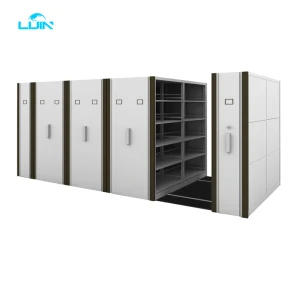
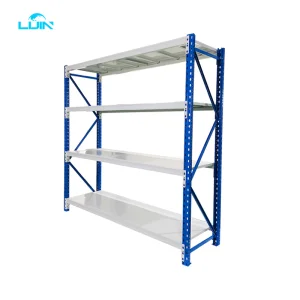
Explore our wider range of storage systems, platforms, and heavy-duty organizers engineered for reliable and safe industrial operations.
 Lijin Racking