The Greater Moscow area (including Moscow Oblast) is the absolute epicenter of Russian supply chain operations. Driven by the explosive growth of e-commerce channels (such as Wildberries, Ozon, and Yandex Market) and structural shifts in food retailing and cold chain warehousing, logistics operators are facing massive demand for high-capacity warehouse floorspace. Key logistics hubs—spanning from Domodedovo and Vnukovo to Podolsk and Dmitrov—are running at near-zero vacancy rates. With urbanization pushing real estate acquisition and lease prices higher, the focus has shifted away from traditional racking toward modern space-optimizing configurations.
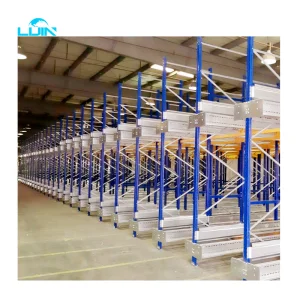
This is where Radio Shuttle Racking systems prove transformational. Traditional warehouse designs rely heavily on selective rack setups, which require extensive aisle widths for forklifts. In Moscow’s climate-controlled facilities—where refrigeration, thermal insulation, and heating represent massive, recurring operating expenditures—maximizing volumetric efficiency is critical. Modern radio shuttle systems reduce operational footprints by up to 50% compared to selective racking, effectively doubling total pallet capacity within the same square footage. As a result, exporters from China with strong R&D and supply chain integration, such as Shenzhen Lijin, have become vital partners for local integrators and developers.
| Racking Strategy | Space Utilization Ratio | Operational Speed | Cold Chain Energy Efficiency | Seismic & Heavy Safety |
|---|---|---|---|---|
| Radio Shuttle Racking (Lijin System) | Up to 85% | High (Automated Shuttle Carriage) | Excellent (Minimizes refrigerated space loss) | Highly Stable (Direct multi-point bracing) |
| Selective Pallet Racking | 40% - 50% | Moderate (Manual forklift travel) | Poor (Large volume of open air) | Standard compliance required |
| Drive-In Pallet Racking | 60% - 70% | Slow (Forklifts must enter racks) | Moderate | Highly vulnerable to forklift collisions |
On a global scale, the logistics industry is actively undergoing a transition from manual pallet retrieval to automated and semi-automated material handling. Radio Shuttle systems represent the logical middle step between low-efficiency manual setups and fully automated ASRS (Automated Storage and Retrieval Systems) that require millions of dollars in capital expenditure. The global market is growing at a compound annual rate (CAGR) of over 9.2%, propelled by rising labor costs, strict occupational safety requirements, and the necessity to implement FIFO (First-In, First-Out) or LIFO (Last-In, First-Out) tracking configurations dynamically.
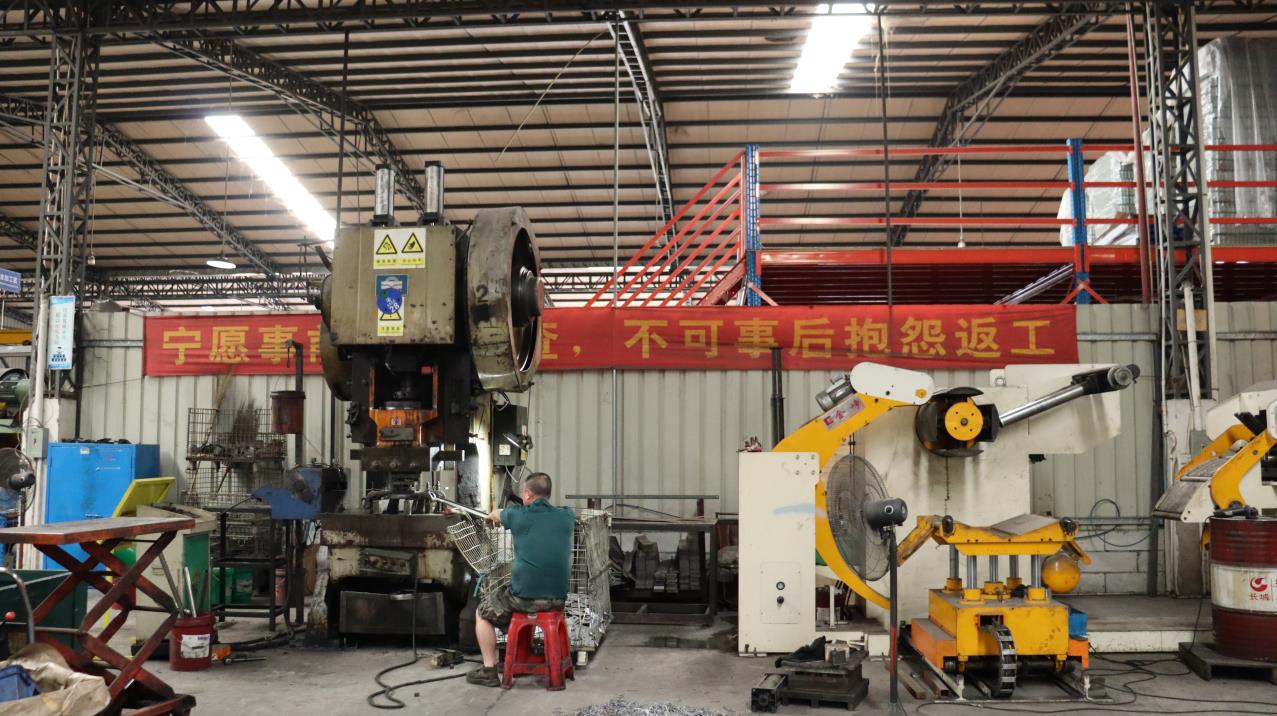
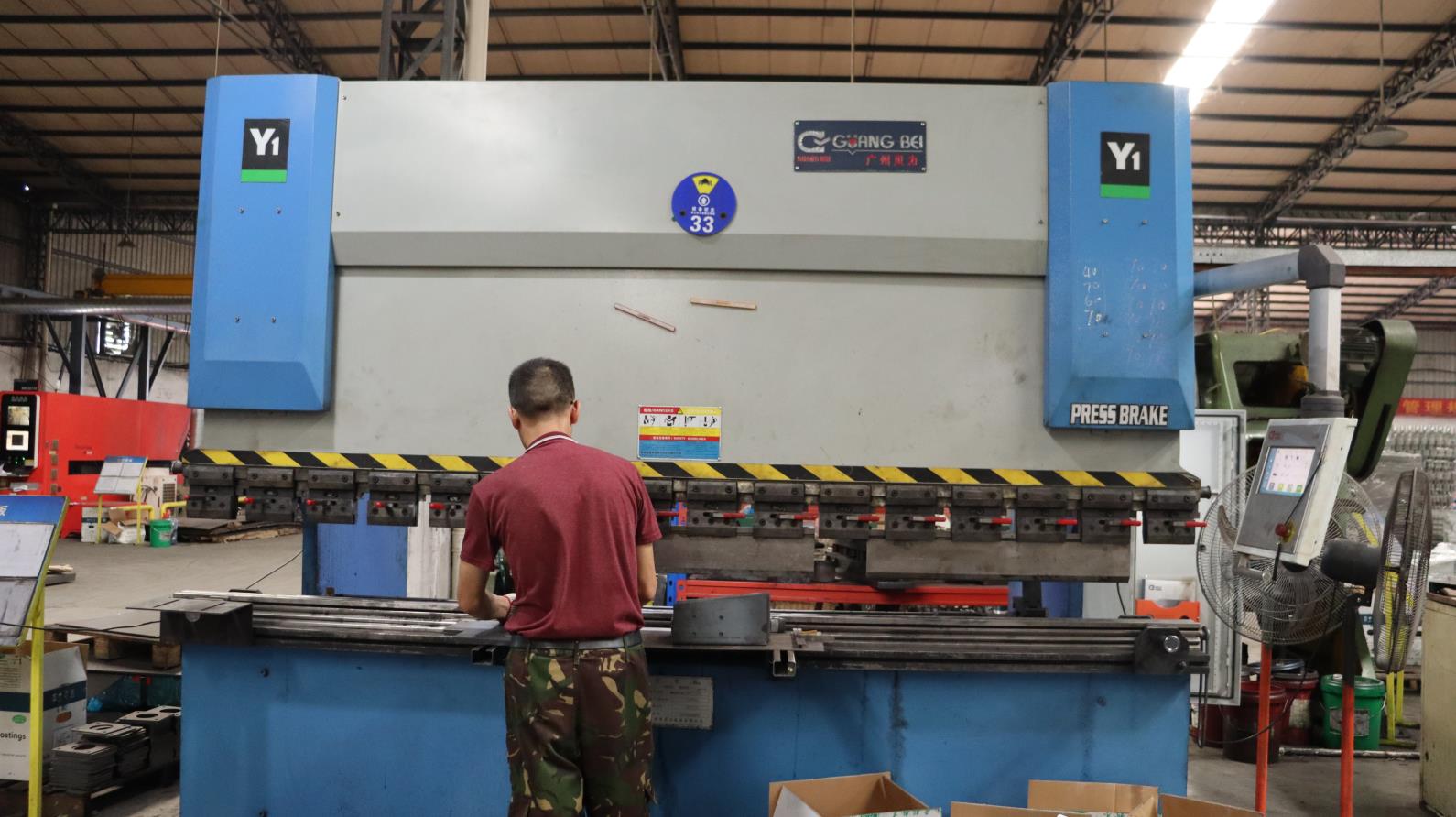
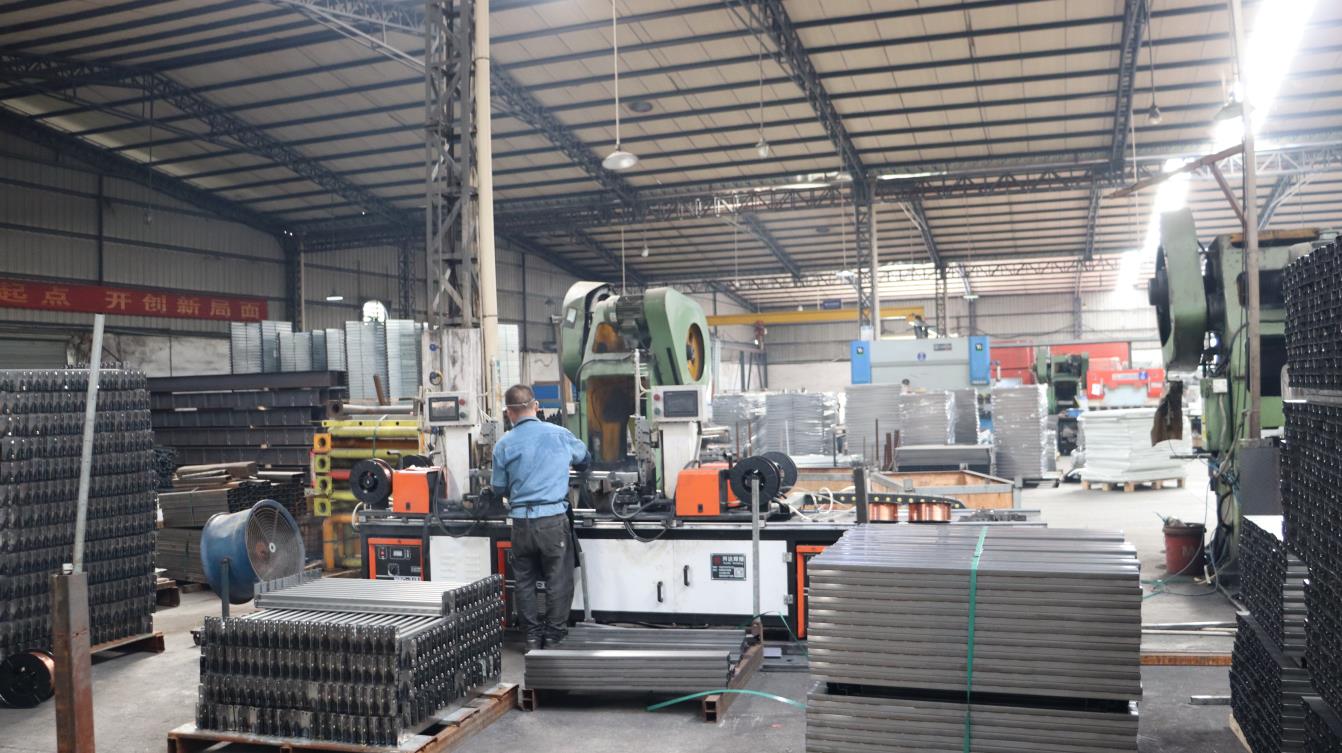
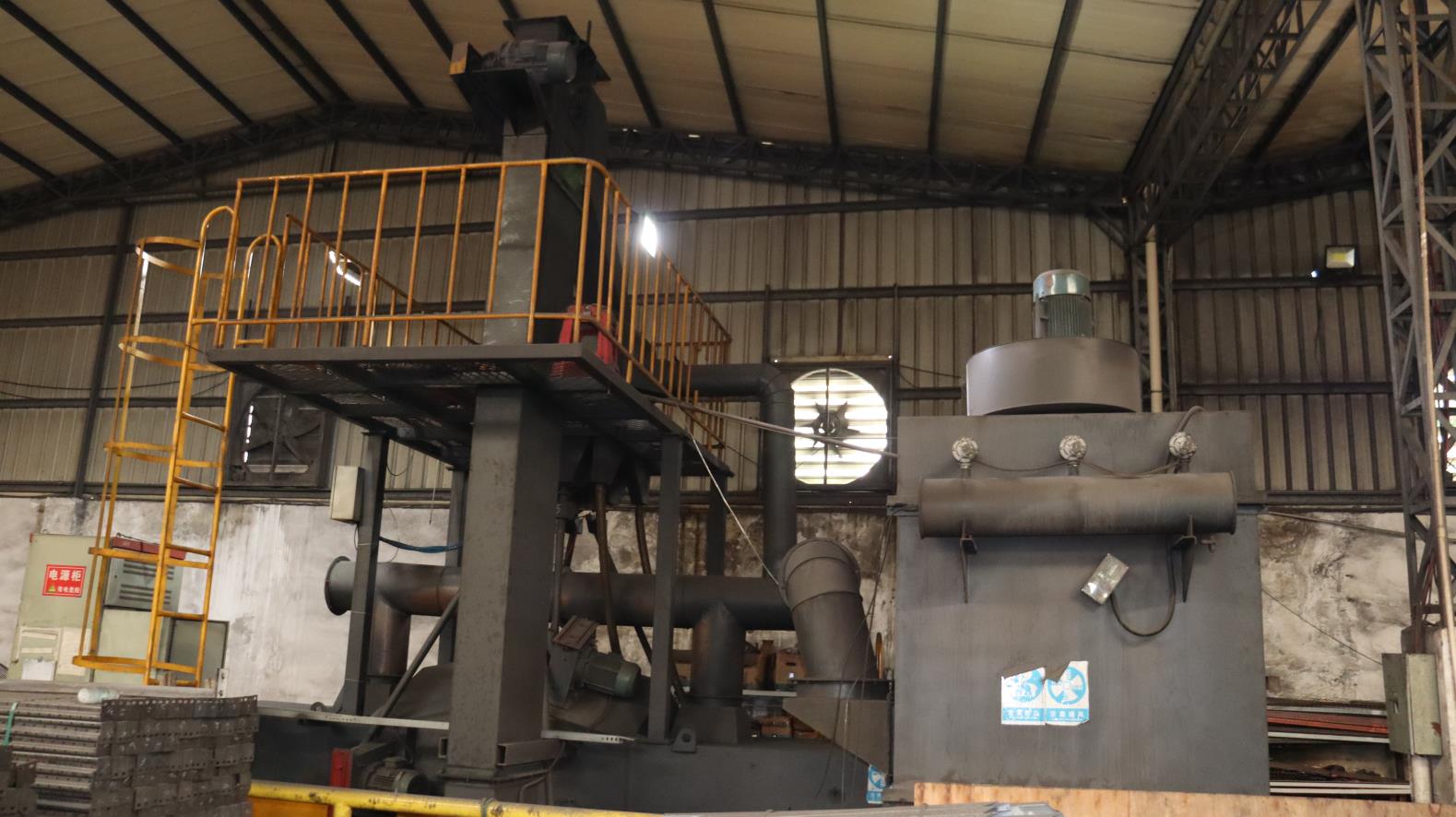
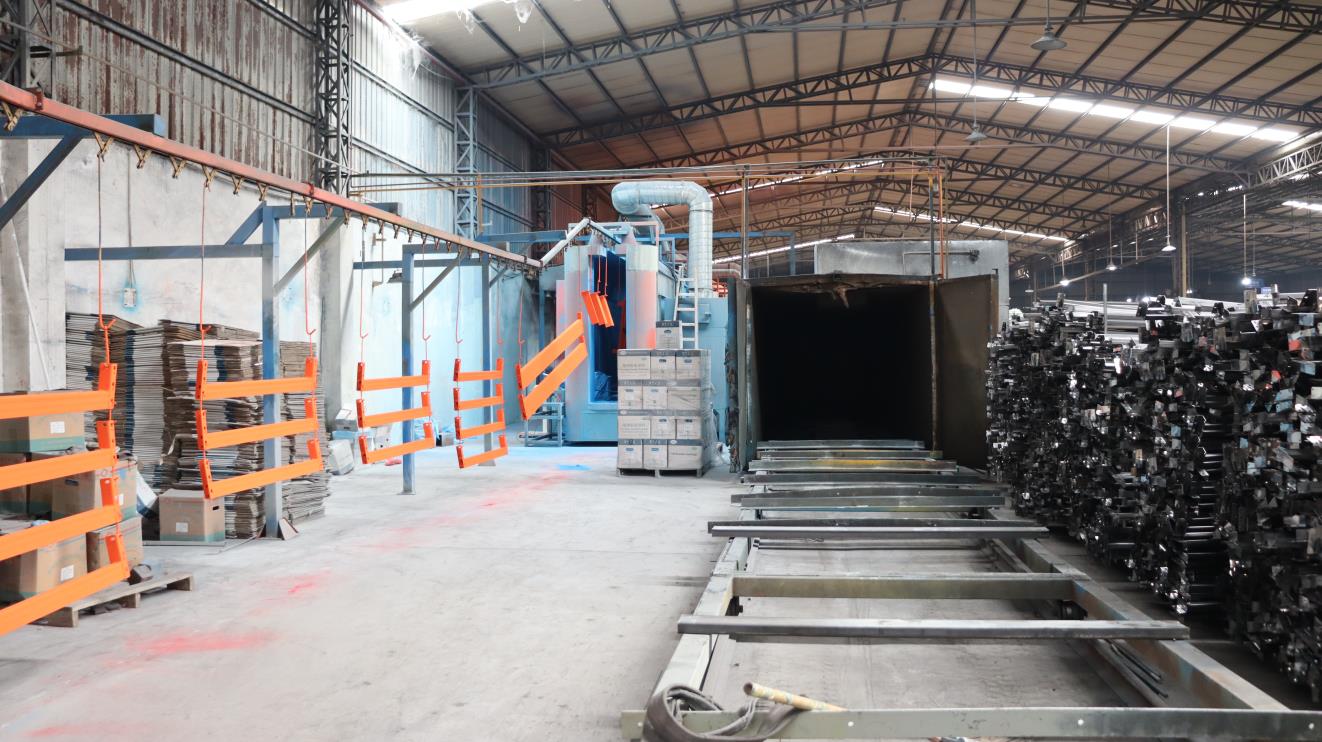
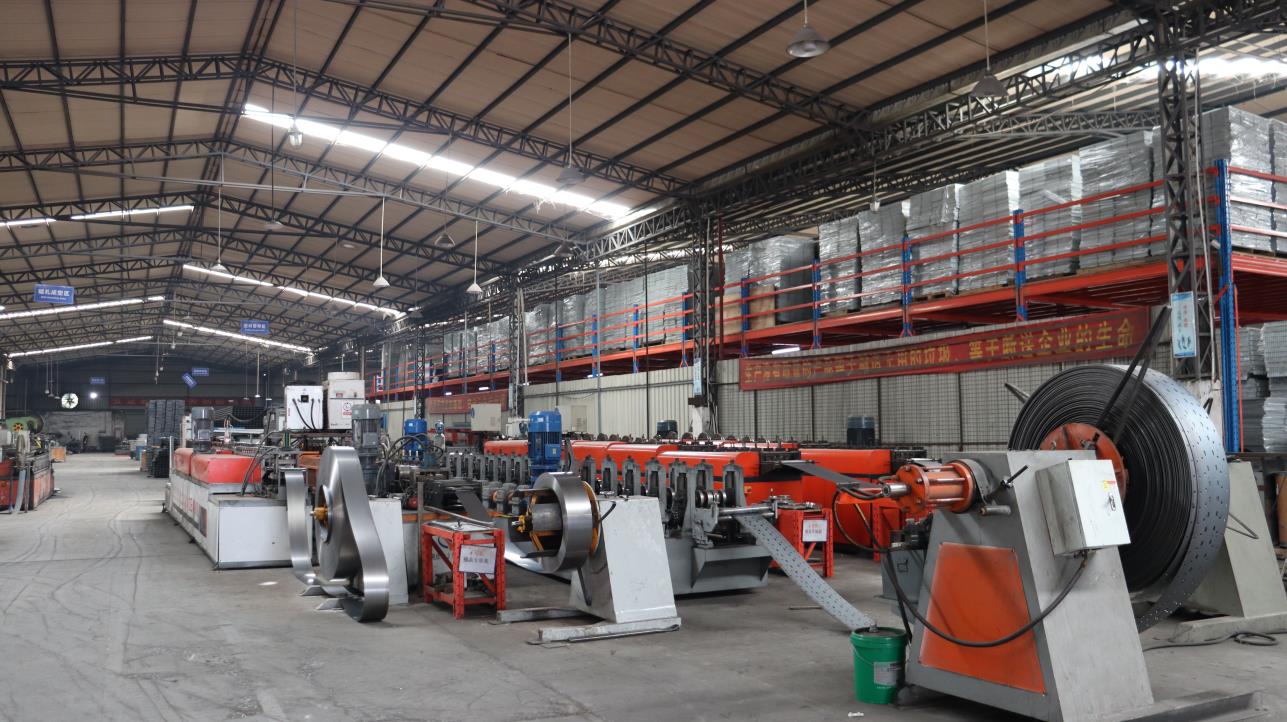
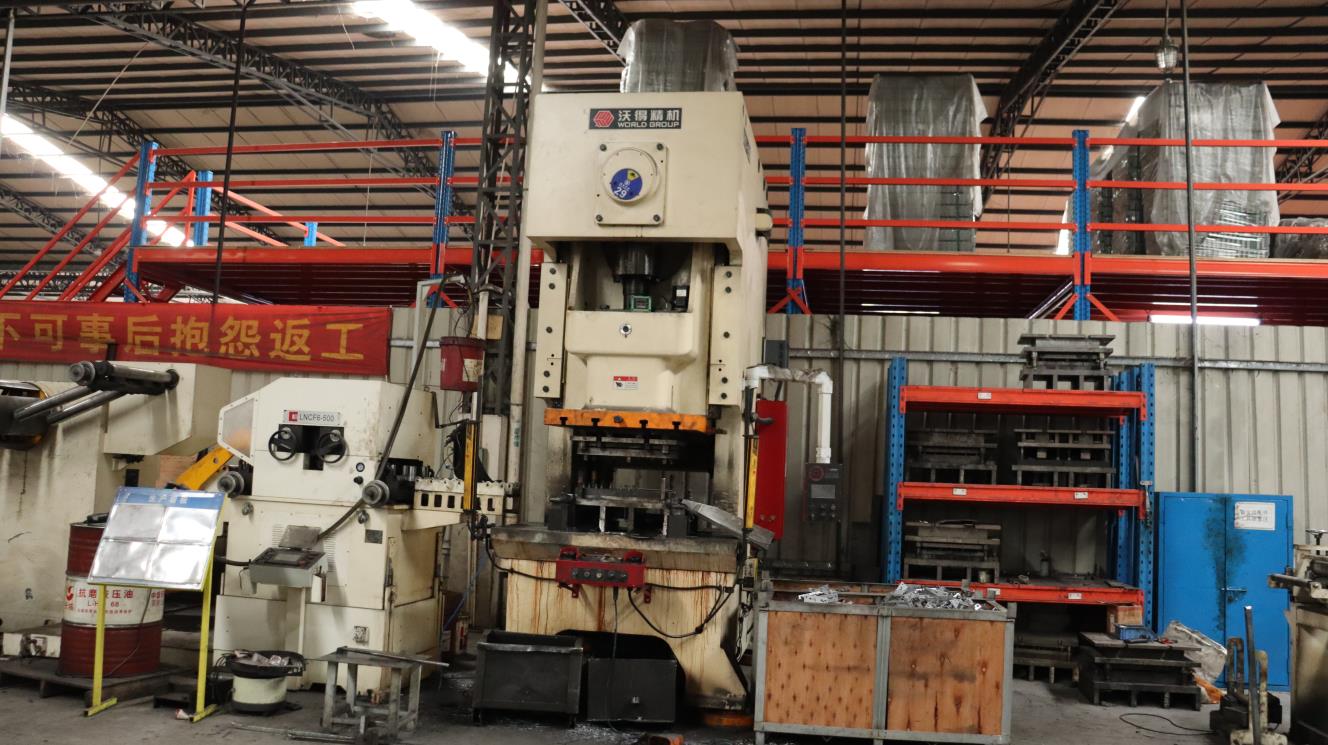
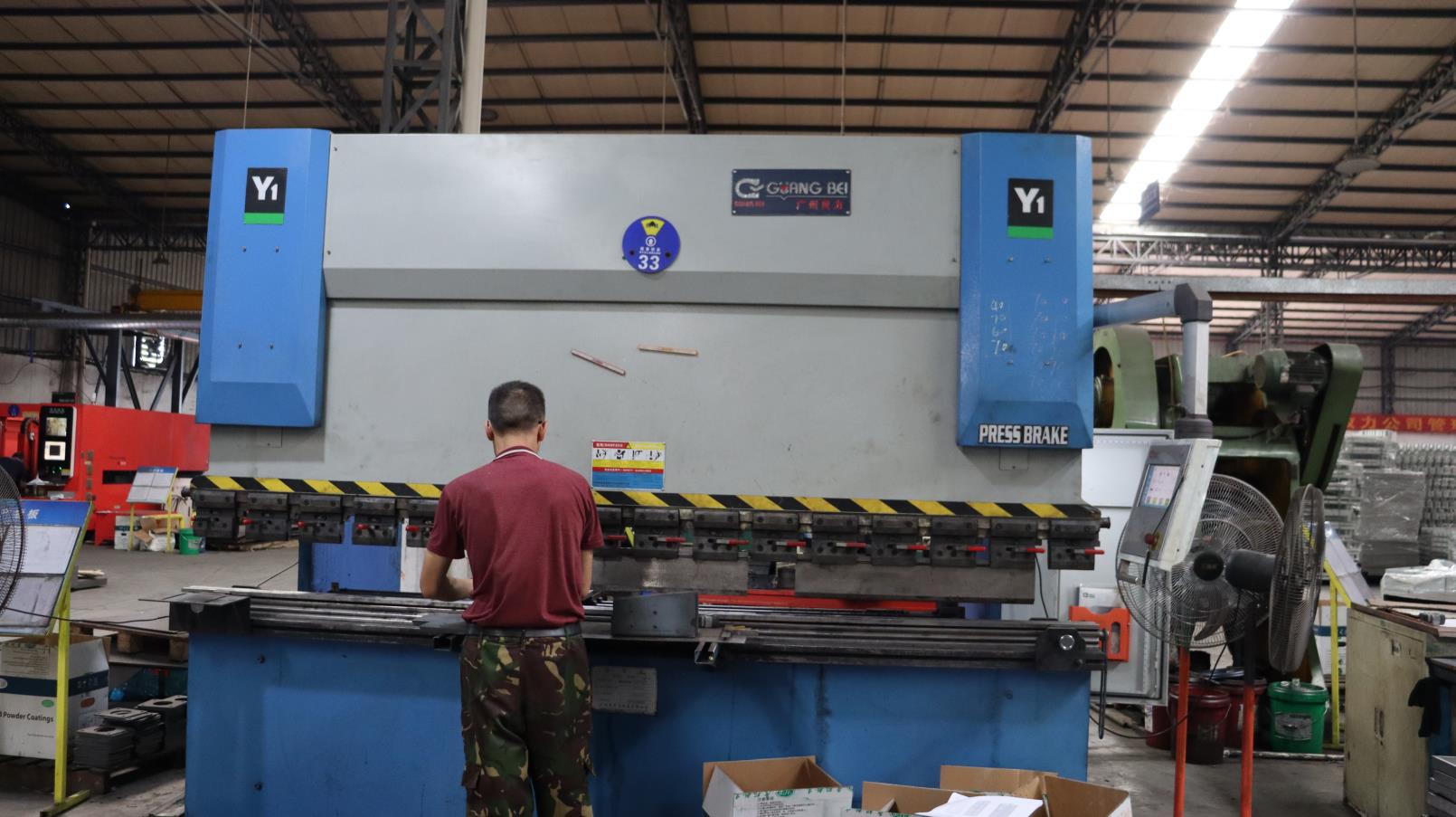
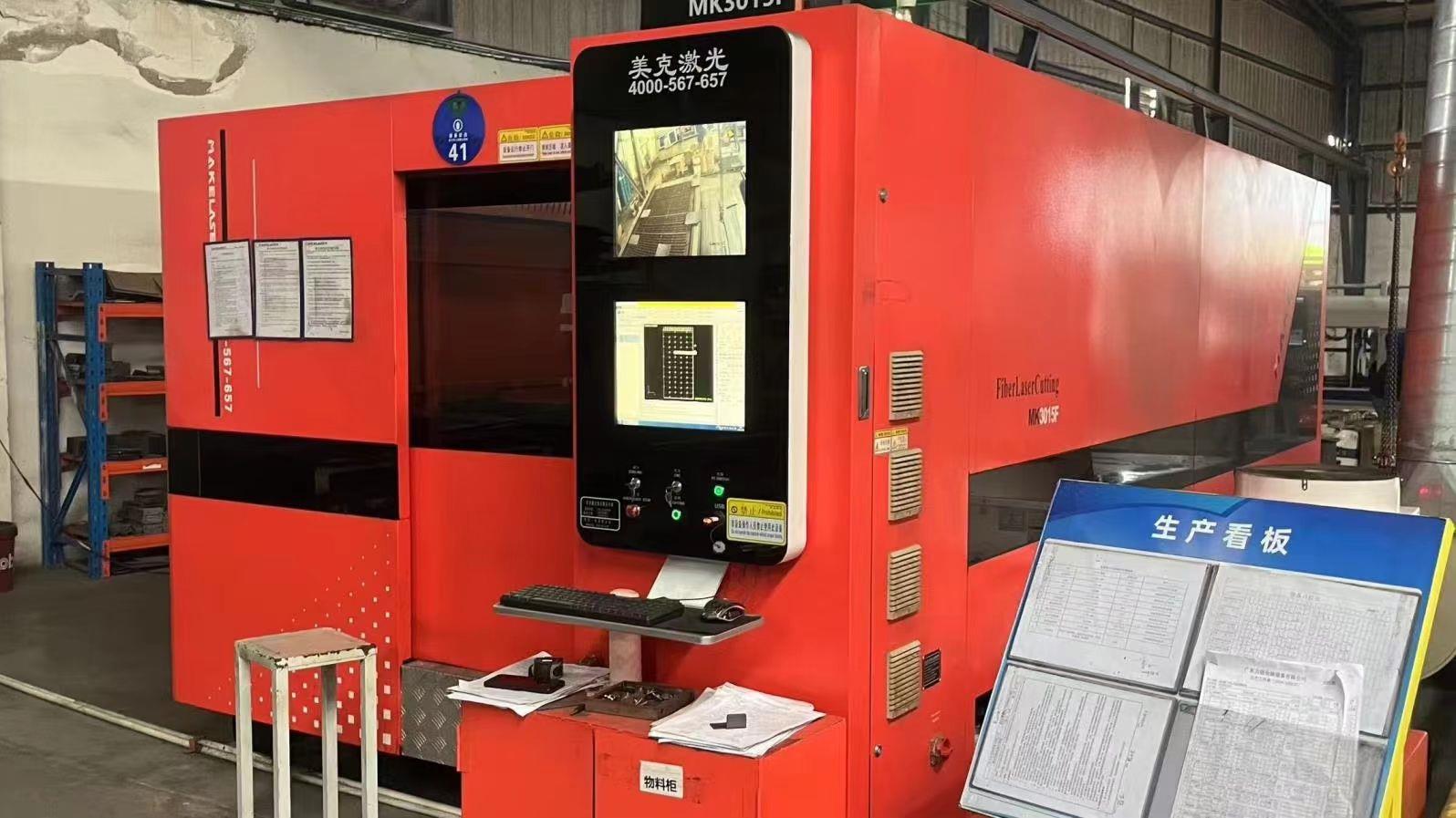
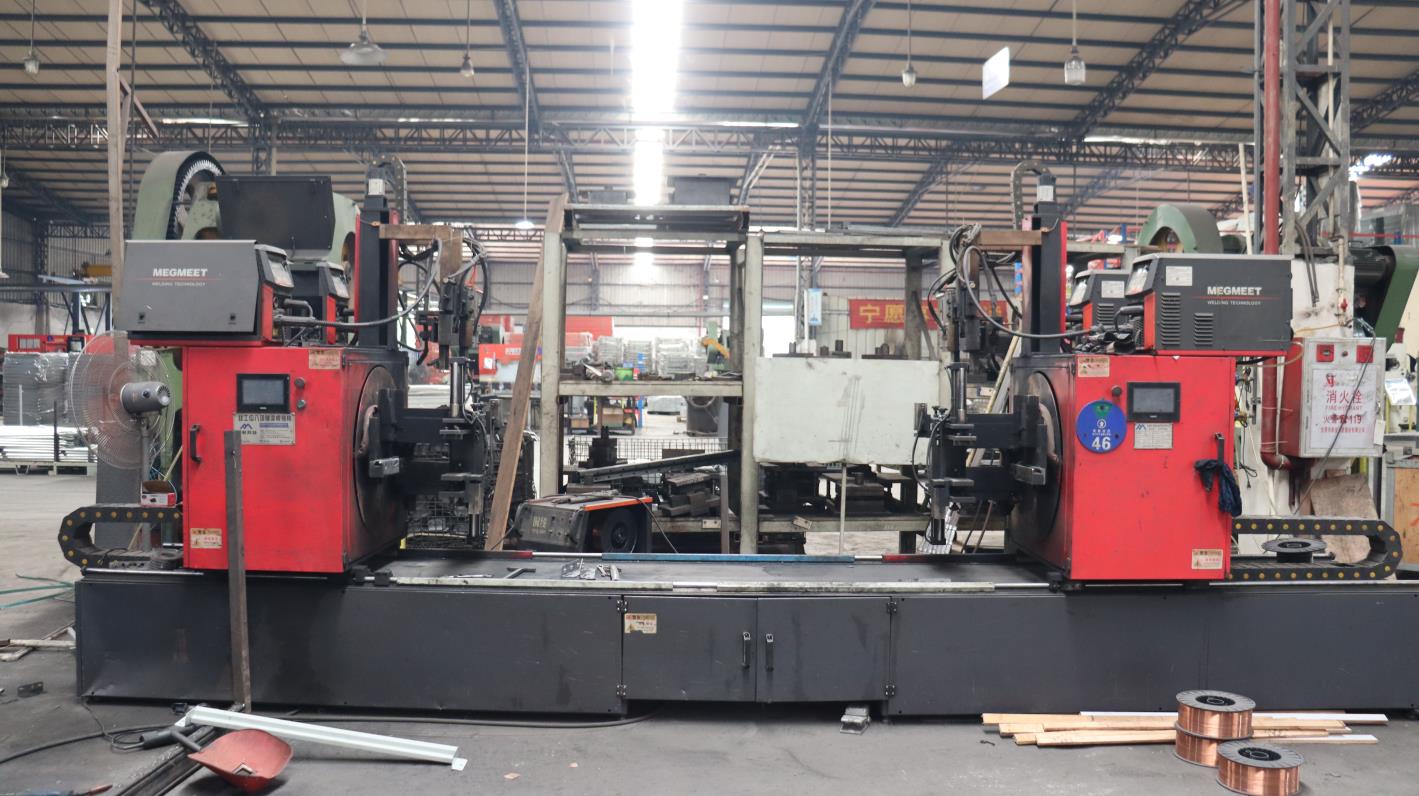
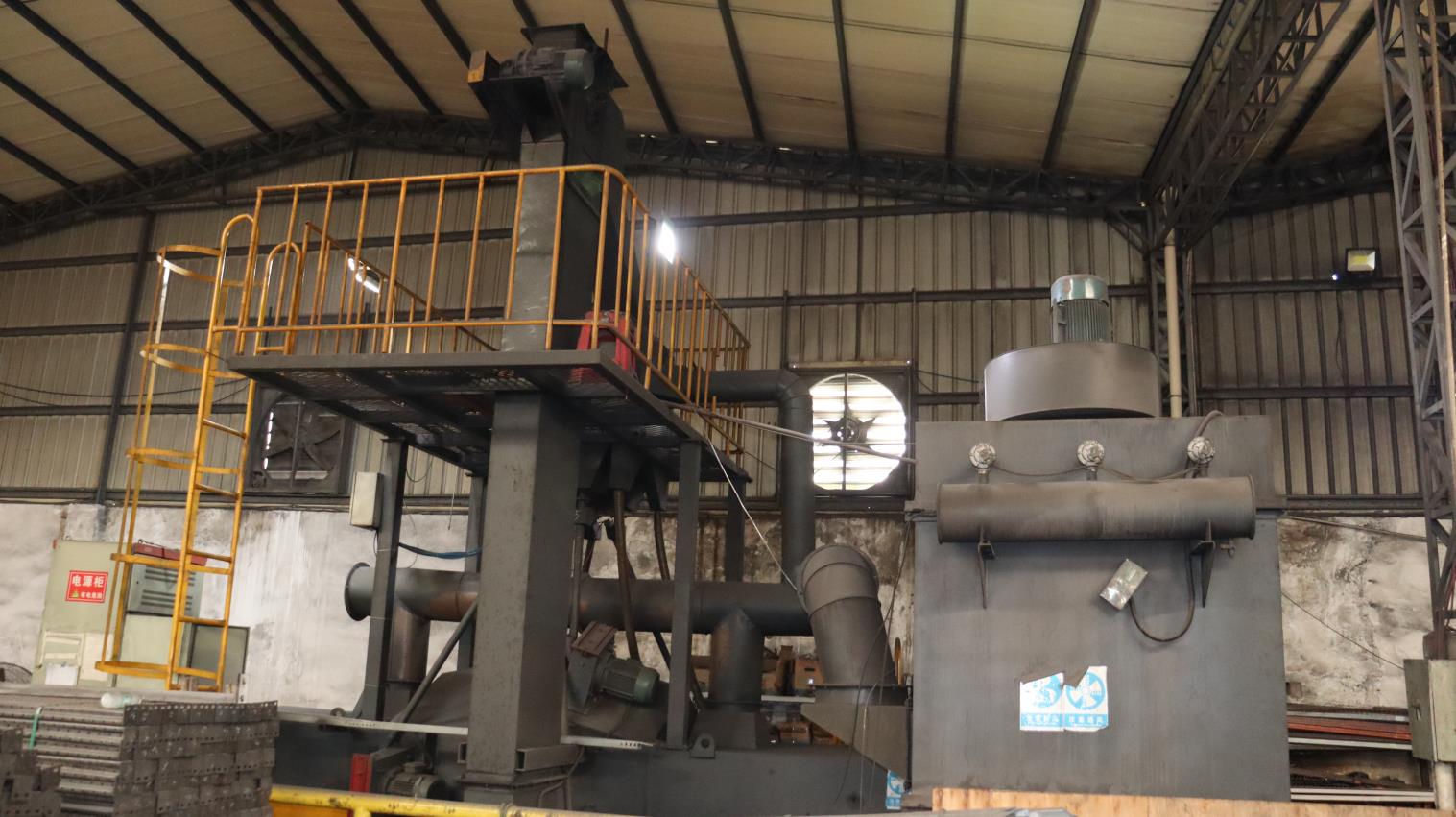
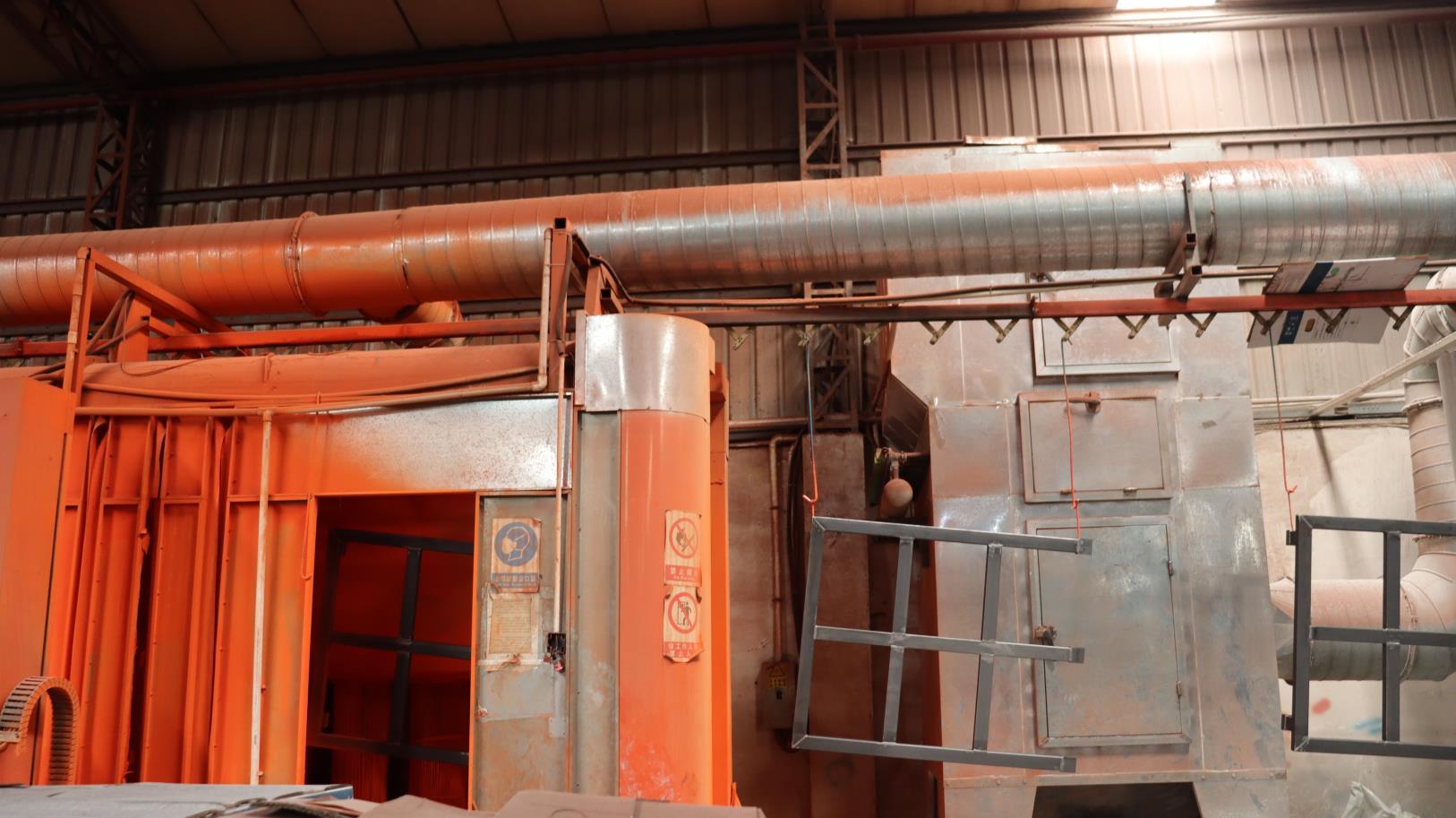
For exporters targeting the Moscow market, this technical shift requires strict adherence to localized engineering and environmental parameters. Sub-zero logistics applications demand premium grades of structural steel (typically Q235B and Q345B) processed with cold-resistant finishes, and shuttle carriage batteries capable of operating at temperatures down to -25°C without performance degradation. Heavy-duty manufacturing practices, including automated robotic welding, ultrasonic weld inspection, and high-spec powder coating, ensure that structural integrity is maintained over decades of intense operational cycles.
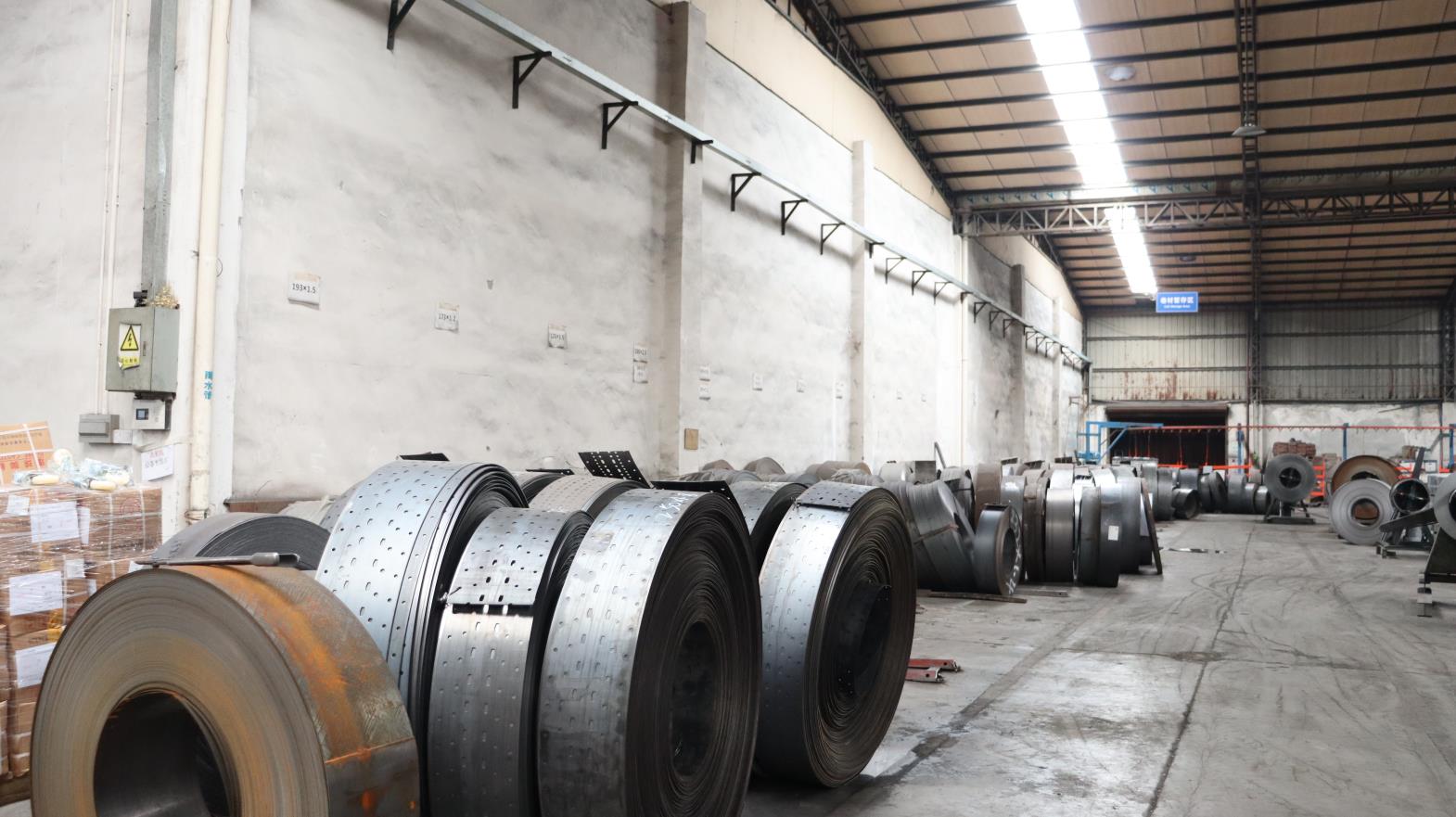
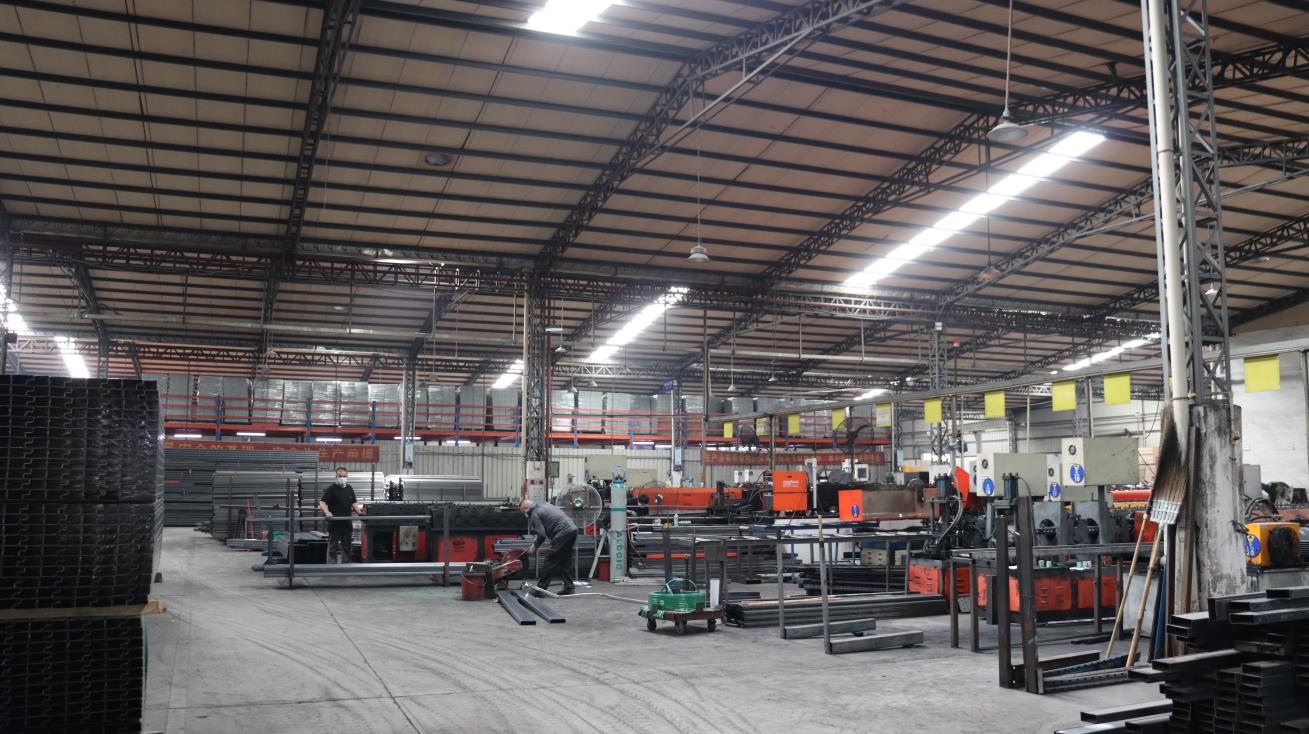
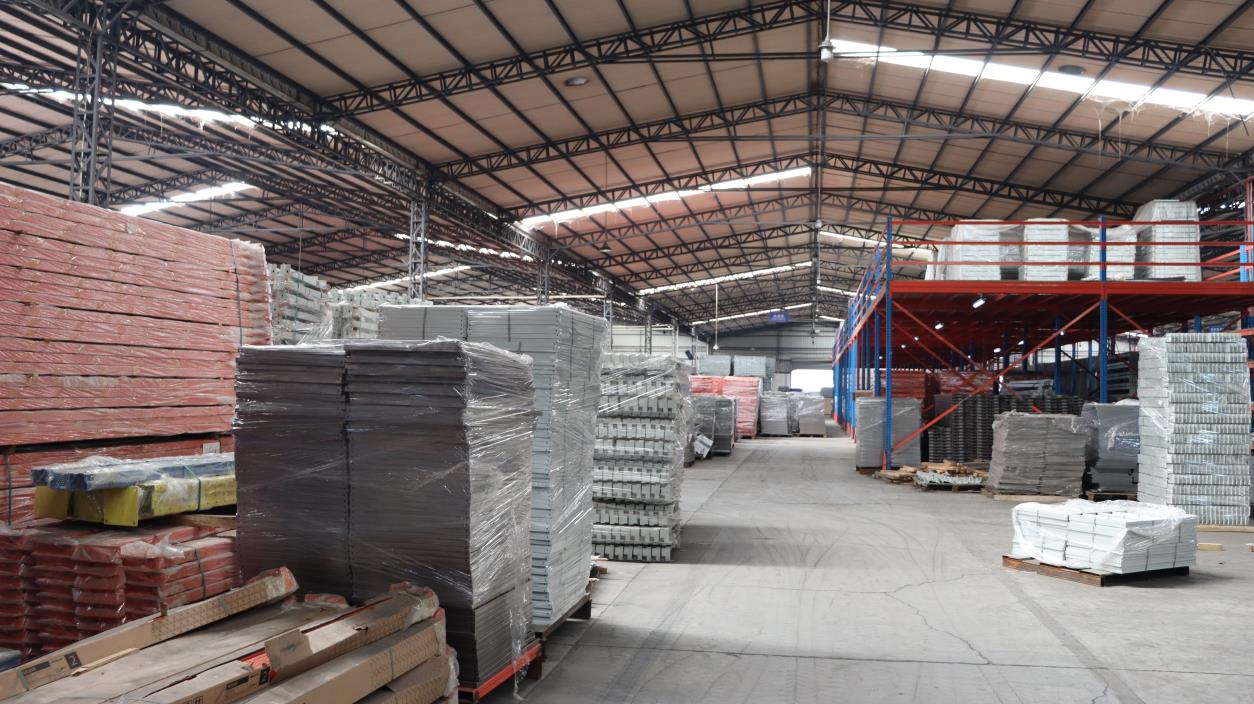
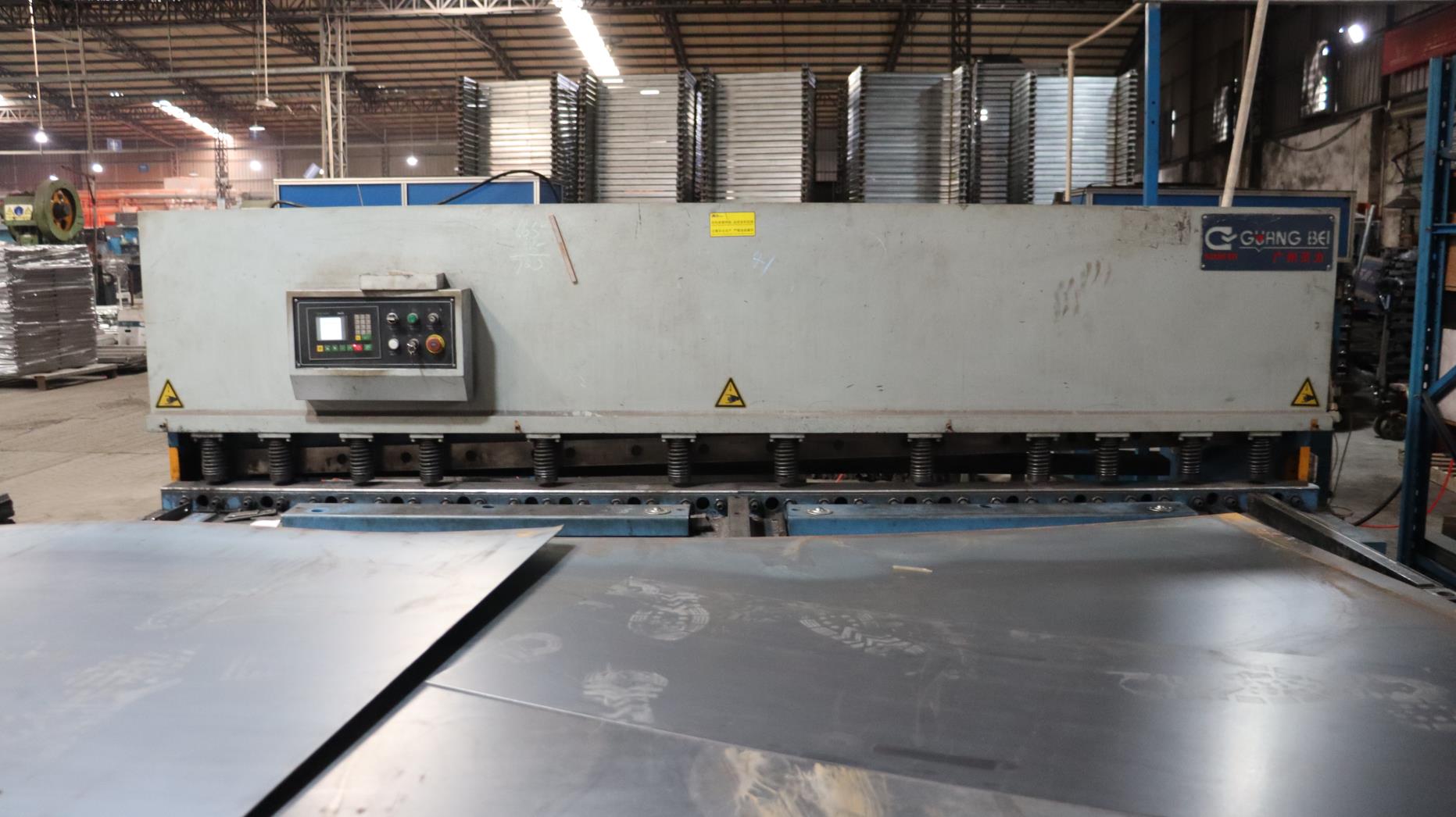
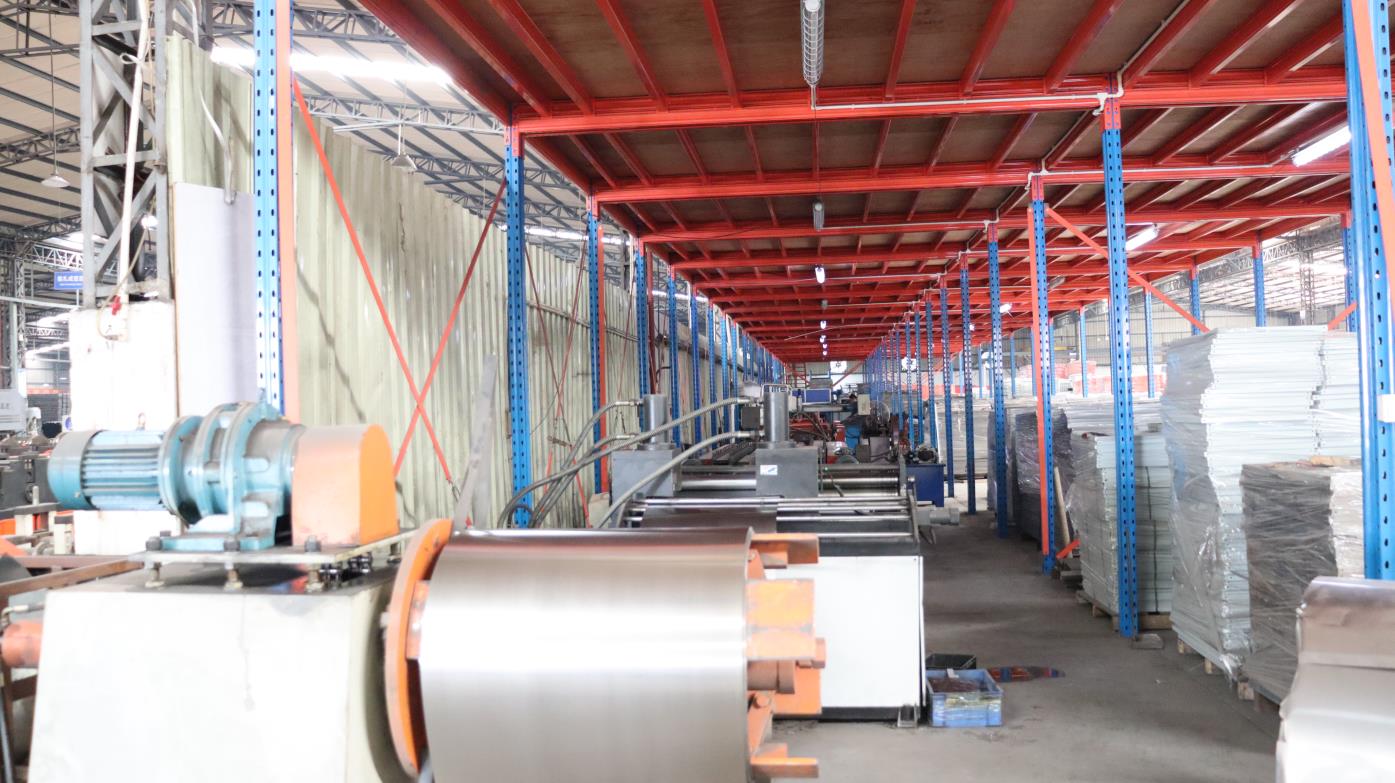
Established in 2015, Shenzhen Lijin Storage Equipment Co., Ltd. is a leading enterprise specializing in the design, manufacturing, and global distribution of heavy-duty warehouse racking systems, automated storage solutions, and industrial shelving. Spanning a state-of-the-art facility of 35,000 m², we have developed into a trusted global supply chain partner with over 8 years of direct export experience and more than 12 years of deep industry expertise. Driven by innovation and quality, our global revenue reached USD 22 million last year.
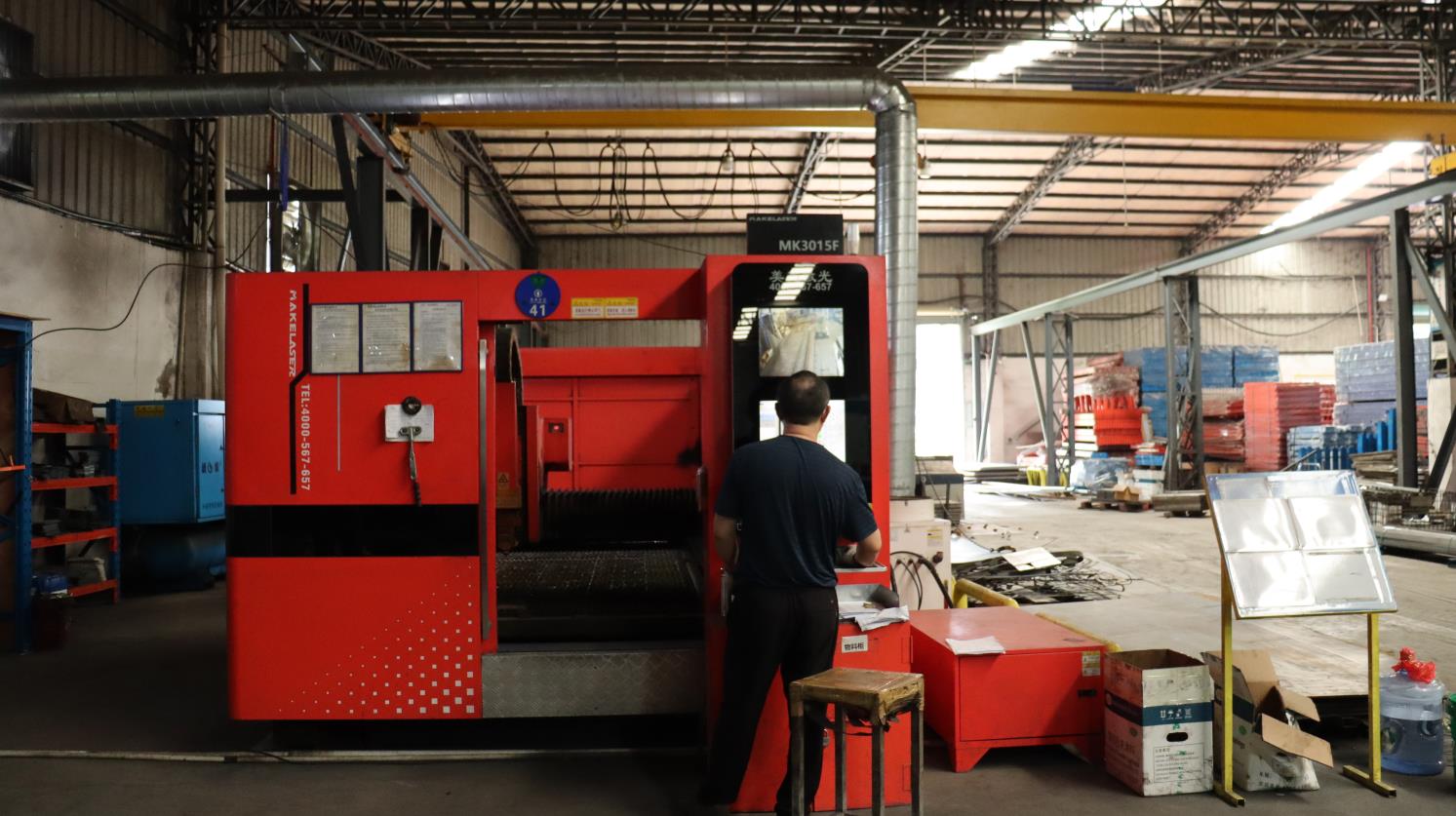
We enforce a rigorous, multi-stage quality control system—including ultrasonic non-destructive testing, automated weld inspection, laser dimensional checking, and heavy-load endurance testing. Backed by an in-house quality inspection team of 35 dedicated professionals, every batch meets international safety and structural standards, ensuring maximum load-bearing efficiency and long-term stability.
Backed by an experienced international trade background, our core markets span North America, Western Europe, Southeast Asia, and the Middle East. We maintain strong strategic relationships with over 850 supply chain partners globally. Our primary clients include large-scale logistics hubs, commercial distributors, third-party logistics (3PL) providers, and industrial equipment wholesalers.
Supported by a skilled team of 28 R&D engineers, Shenzhen Lijin delivers comprehensive OEM and ODM solutions tailored to unique warehouse layouts, seismic requirements, and capacity needs. Our engineering team launched over 85 new products and dynamic storage configurations last year, continuously setting new standards in space optimization and modern automated storage integration.
Cold chain facilities represent some of the highest operational costs in the Moscow region. Traditional aisles consume massive amounts of refrigerated space. By replacing standard layouts with Lijin's Radio Shuttle Racking, operators compress stored products into compact, dense blocks. Intelligent, low-temperature lithium-ion batteries power the shuttle carts, maintaining operational efficiency at sub-zero temperatures, which directly translates to significant energy cost savings.
High-volume consumer goods demand fast turnover and highly organized inventory control. The radio shuttle framework allows operators to switch effortlessly between LIFO (Last-in, First-out) and FIFO (First-in, First-out) models depending on seasonal demand. With automated cart travel inside the racks, the cycle times for pallet retrieval are slashed, protecting structural profiles from accidental collision damage by forklifts.
Pharmaceutical supply chains require strict batch segregation and immaculate sanitary environments. Since shuttle racking systems limit the need for forklifts to enter storage lanes, dust and exhaust generation inside storage lanes are reduced to zero, keeping high-value pharmaceutical batches clean and meeting localized safety standards.
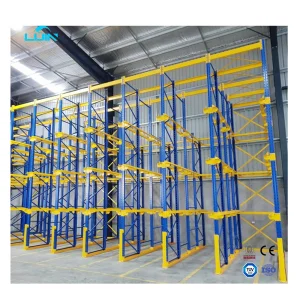
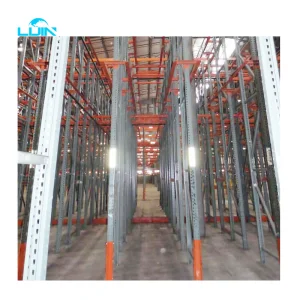
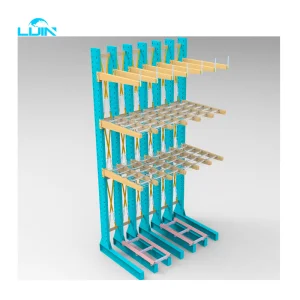
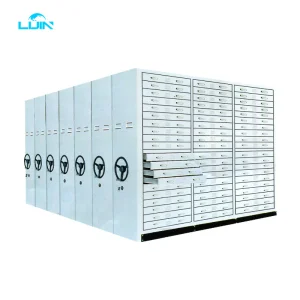
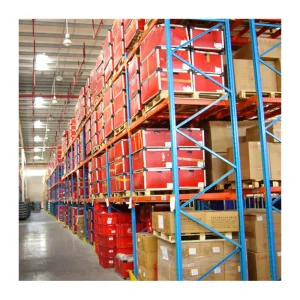
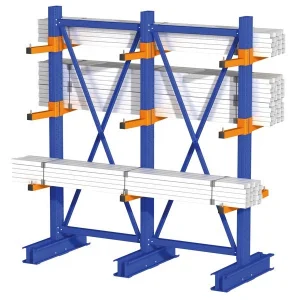
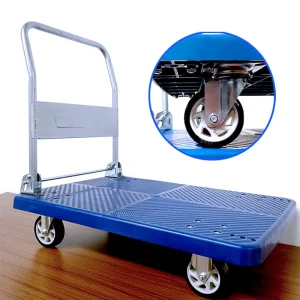
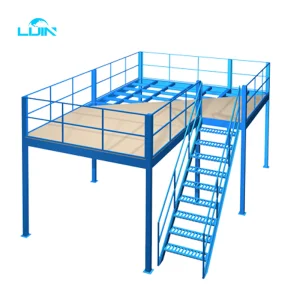
The warehousing landscape is shifting rapidly from isolated semi-automated units to fully integrated ecosystems. Our technological roadmap for radio shuttle technology focuses on compatibility with modern ERP, WCS (Warehouse Control Systems), and WMS (Warehouse Management Systems) software. The future standard is the transition from 2-way shuttle solutions to 4-way shuttle technology, allowing carts to move both longitudinally and laterally. This evolution drastically reduces retrieval bottleneck issues and optimizes resource allocation across multi-depth configurations.
Furthermore, safety integrations are becoming more advanced. Modern shuttles now utilize dynamic obstacle avoidance, laser distance radar sensors, and integrated weight checkers to prevent structural overloading. Structural components, such as rail alignment guides, are manufactured with strict tolerance margins (+/- 1.5mm over 10 meters) to avoid structural strain. At Shenzhen Lijin, our commitment to this high level of engineering precision ensures our Moscow and global clients receive a secure, stable, and future-proof logistics platform.
 Lijin Racking