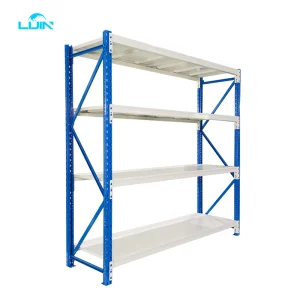
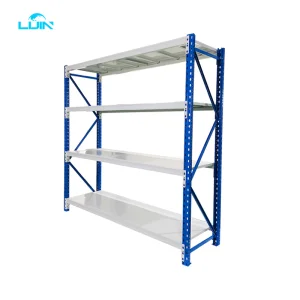
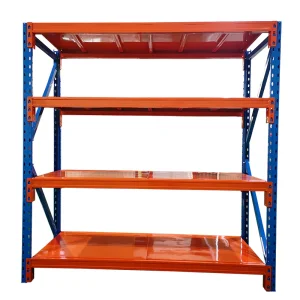
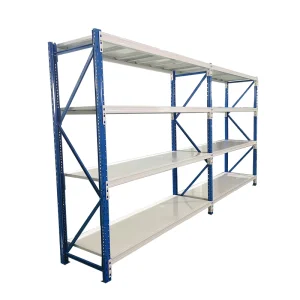
Engineered for immediate deployment, offering optimized weight distribution, boltless adjustable configurations, and maximum height utilization.
Navigating Victoria's logistics expansion, supply chain density, and modern structural safety standards.
Melbourne’s warehousing sector has experienced unprecedented development, fueled by rapid e-commerce expansion, third-party logistics (3PL) maturity, and the expansion of the Outer Western and South-Eastern industrial corridors (such as Truganina, Derrimut, and Dandenong South). Modern logistics operations require spaces that maximize volumetric capacity while maintaining extreme structural agility. The days of low-density floor storage have been replaced by advanced vertical cubic-space engineering.
In the Melbourne market, space optimization is directly tied to business viability. Rising land values and industrial rental rates in Victoria make medium-duty racking systems critical infrastructure. Racks configured for 300kg to 800kg Uniformly Distributed Loads (UDL) bridge the gap between heavy structural pallet racking and light-duty commercial shelving. They provide the precise capacity required by automotive suppliers, e-commerce fulfillment hubs, assembly plants, and pharmaceutical distribution networks, offering unmatched versatility without the capital expenditure of heavy-duty systems.
Furthermore, Australia's seismic regulations and strict Workplace Health and Safety (WHS) laws require storage structures that guarantee worker safety. In Victoria, structural engineers require compliance with AS 4084:2023. This standard dictates strict physical testing, design methodology, and routine inspections of steel storage racking. Global exporters must therefore supply high-strength materials, precise beam and upright calculations, and robust floor anchoring systems to operate in the local market.
Deconstructing structural engineering, material parameters, and high-performance safety configurations.
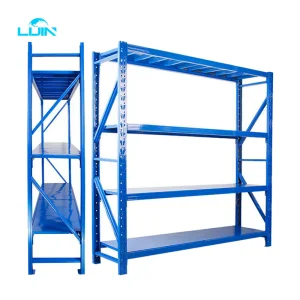
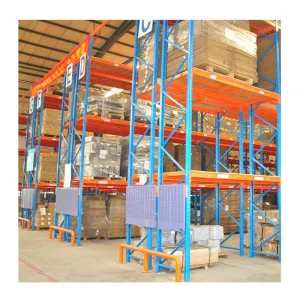
A reliable medium-duty racking system is built on precision engineering and high-quality steel. We utilize high-strength, cold-rolled carbon steel, conforming to Q235B standards, which balances yield strength and ductility. The physical structure of these racking systems consists of upright frames, horizontal/diagonal bracing, load-bearing step-beams or box-beams, and safety locking mechanism clips.
| Engineering Attribute | Standard Specification (Medium-Duty) | Safety Margin / Compliance Requirement |
|---|---|---|
| Steel Grade | Q235B / Cold-Rolled Carbon Steel | GB/T 1591, equivalent to AS/NZS 3678 |
| Upright Section | 60mm x 50mm / 80mm x 60mm (Thickness: 1.5mm - 2.0mm) | Optimized profile geometry to handle compressive loads |
| Beam Types | P-shape Step Beams / Box Beams (Thickness: 1.5mm) | Includes dual locking safety pins per beam interface |
| UDL Load Capacity | 300 kg to 800 kg per level | Safety Factor of 1.5 minimum based on limit state design |
| Surface Treatment | Electrostatic Epoxy-Polyester Powder Coating (80-120μm) | Adherence test ISO 2409; Corrosion protection |
| Compliance Standards | EN 15512, AS 4084.1-2023, FEM 10.2.02 | Structural integrity verification via external lab tests |
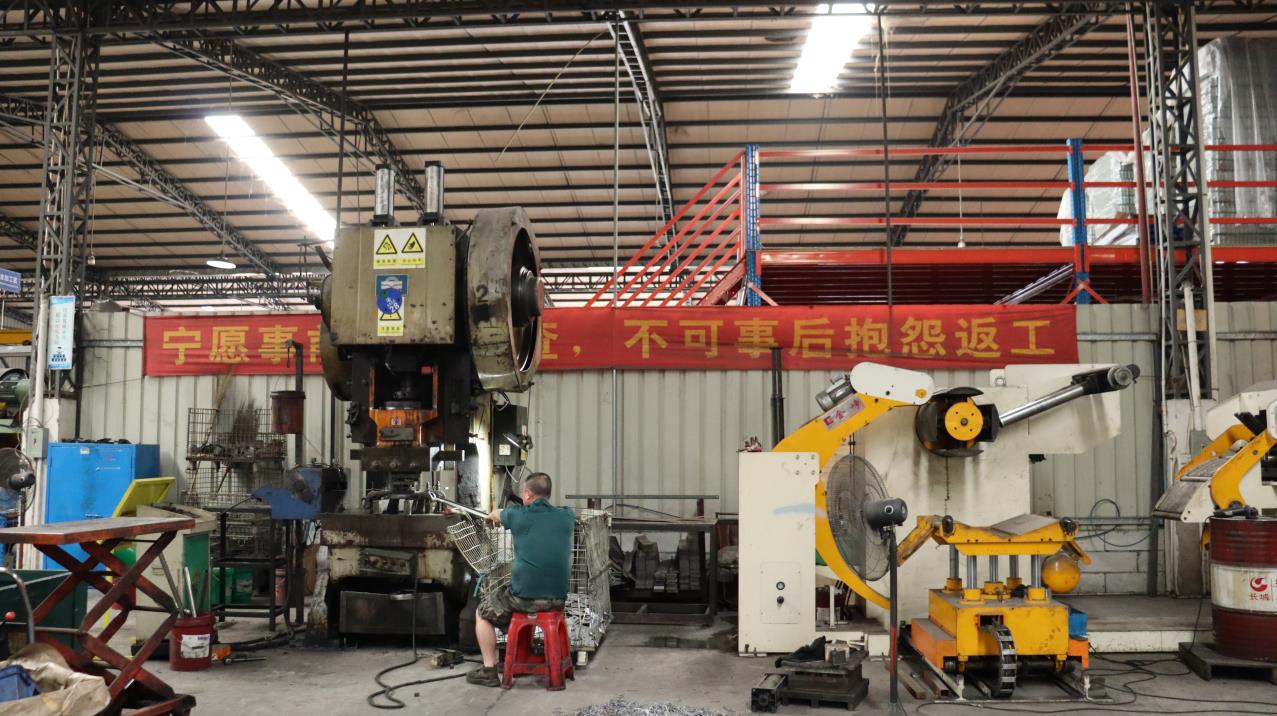
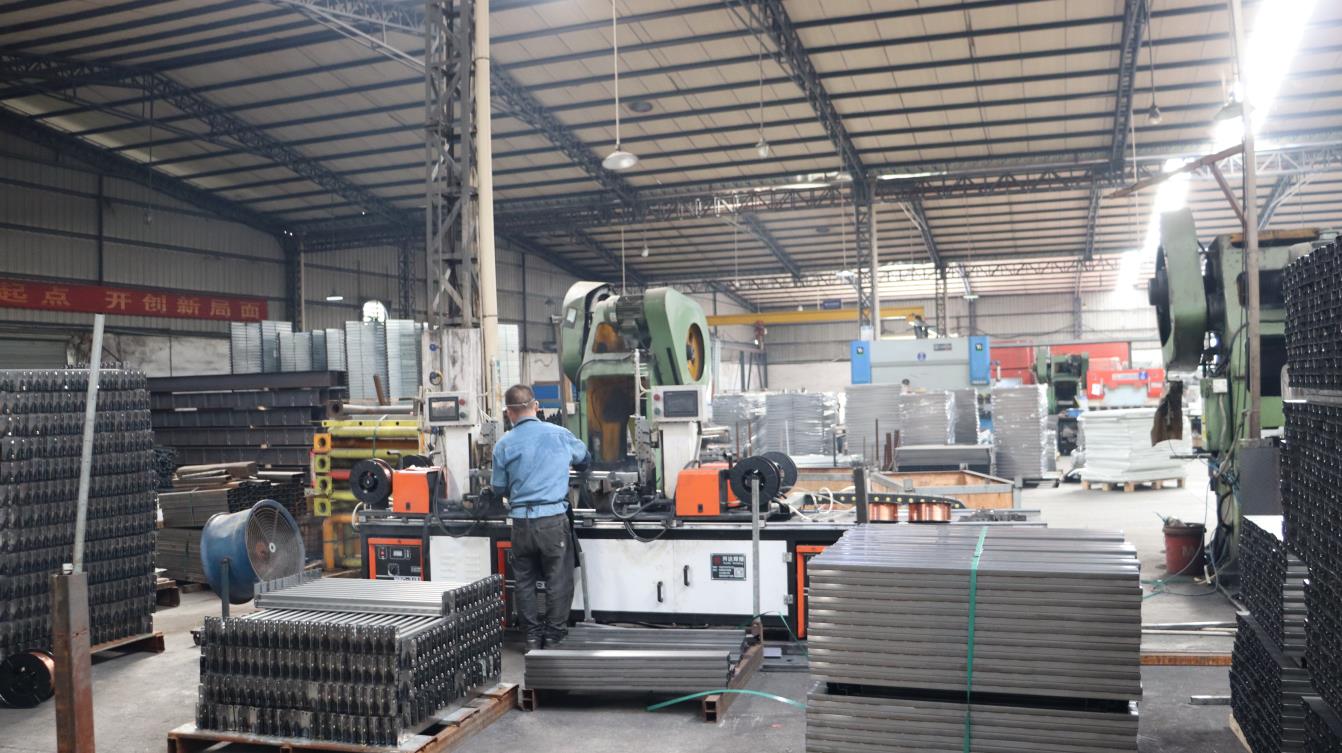
Uprights are manufactured using continuous multi-stage roll-forming machines. This ensures consistency in the profile shape and hole pitching (usually 50mm pitch increments), allowing users to adjust shelf levels as storage profiles evolve. High-quality medium-duty systems feature connector brackets with 3 or 4 claw connections that wedge into the upright slots, minimizing sway and increasing rigidity. These features prevent structural collapse under load and protect inventory from damage.
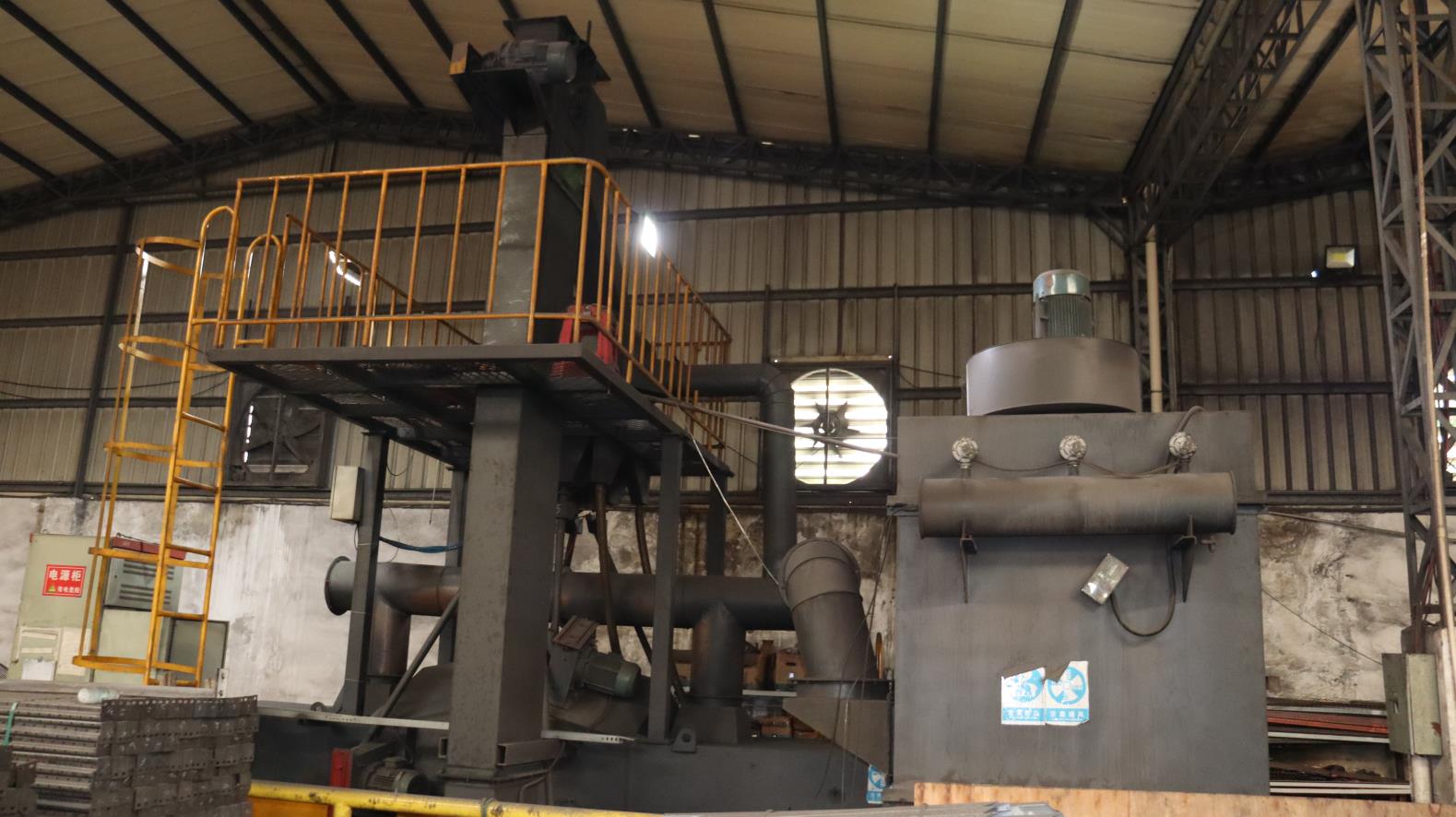
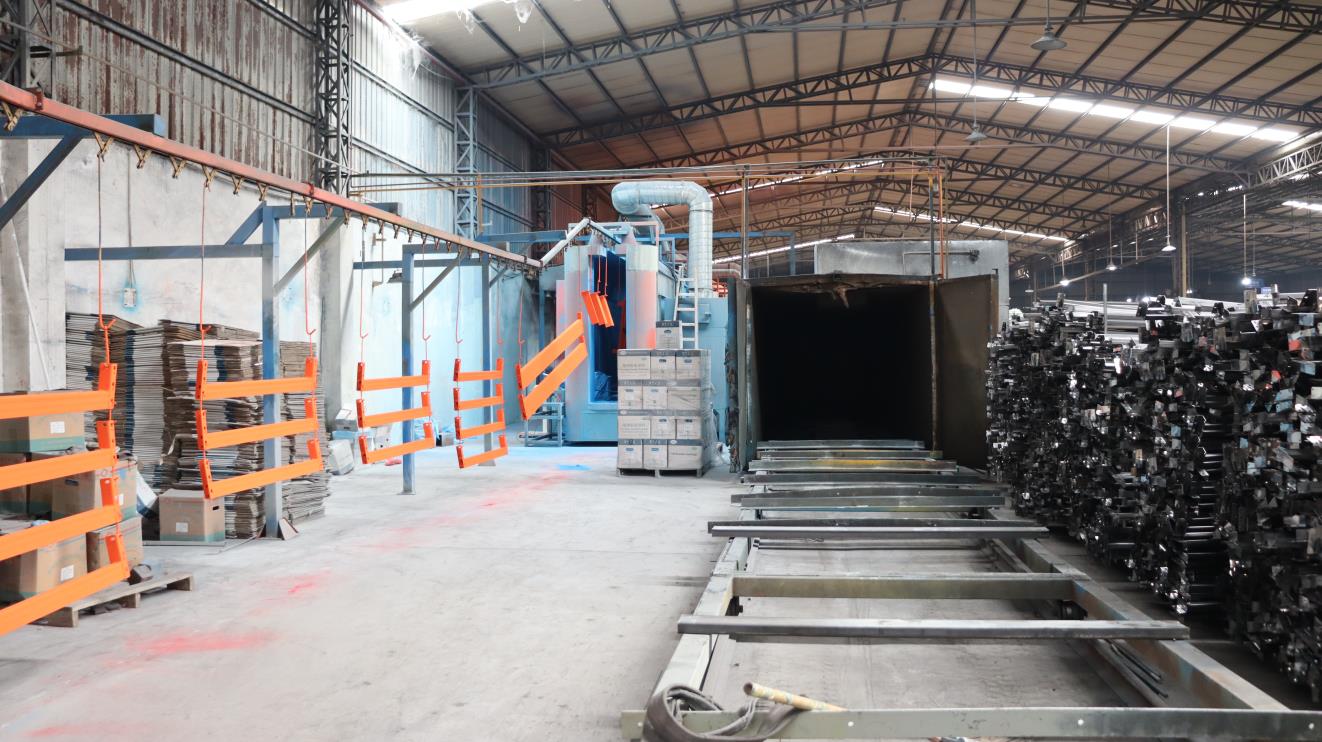
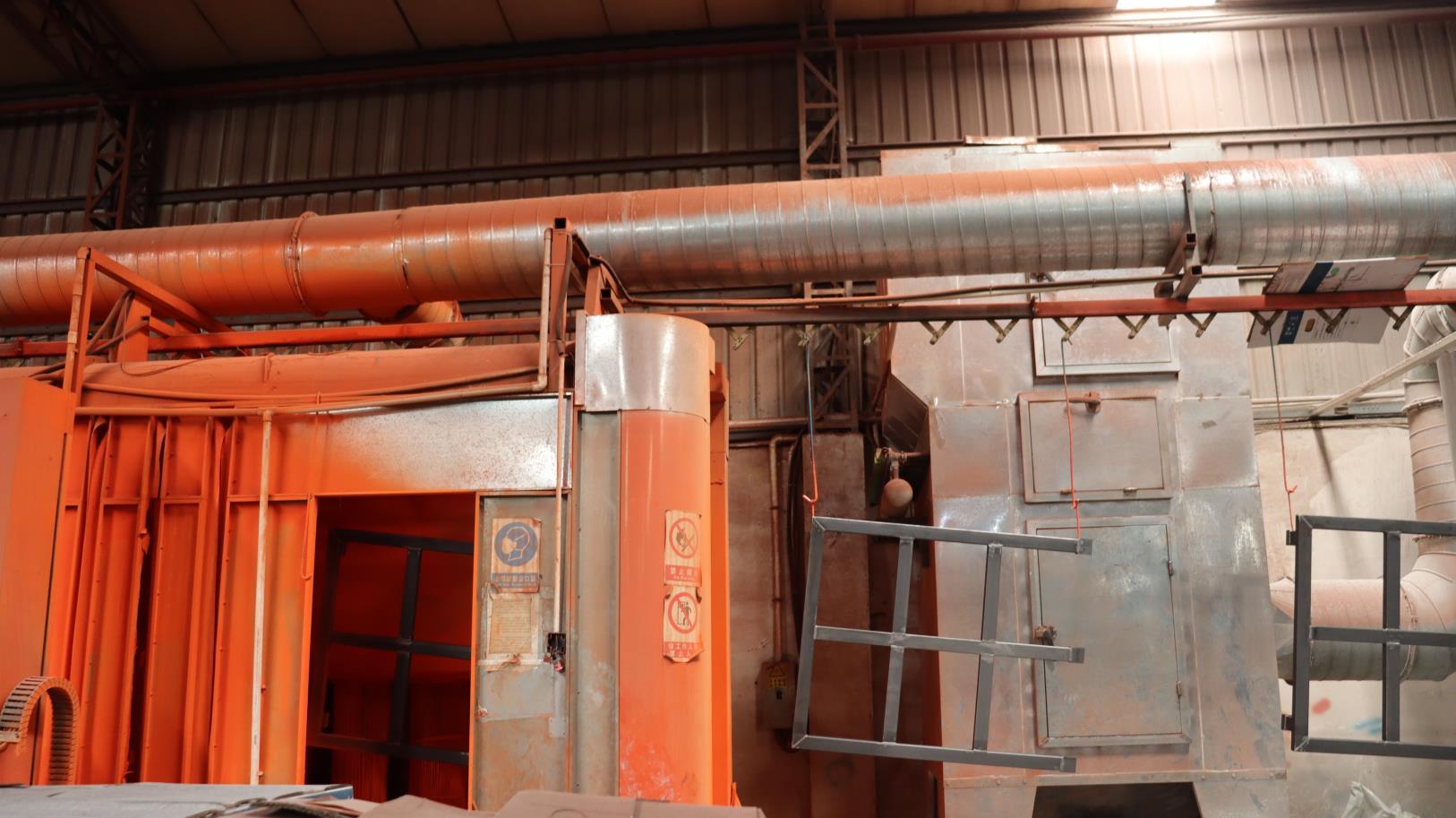
To withstand the coastal humidity and variable weather conditions of Victoria, all metal parts undergo a 7-stage pre-treatment wash (including hot alkaline degreasing and zinc phosphate conversion coatings) before electrostatic powder painting. This guarantees excellent resistance to scratches, chemical spills, and oxidation, extending the service life of the racks past 10 years of intensive use.
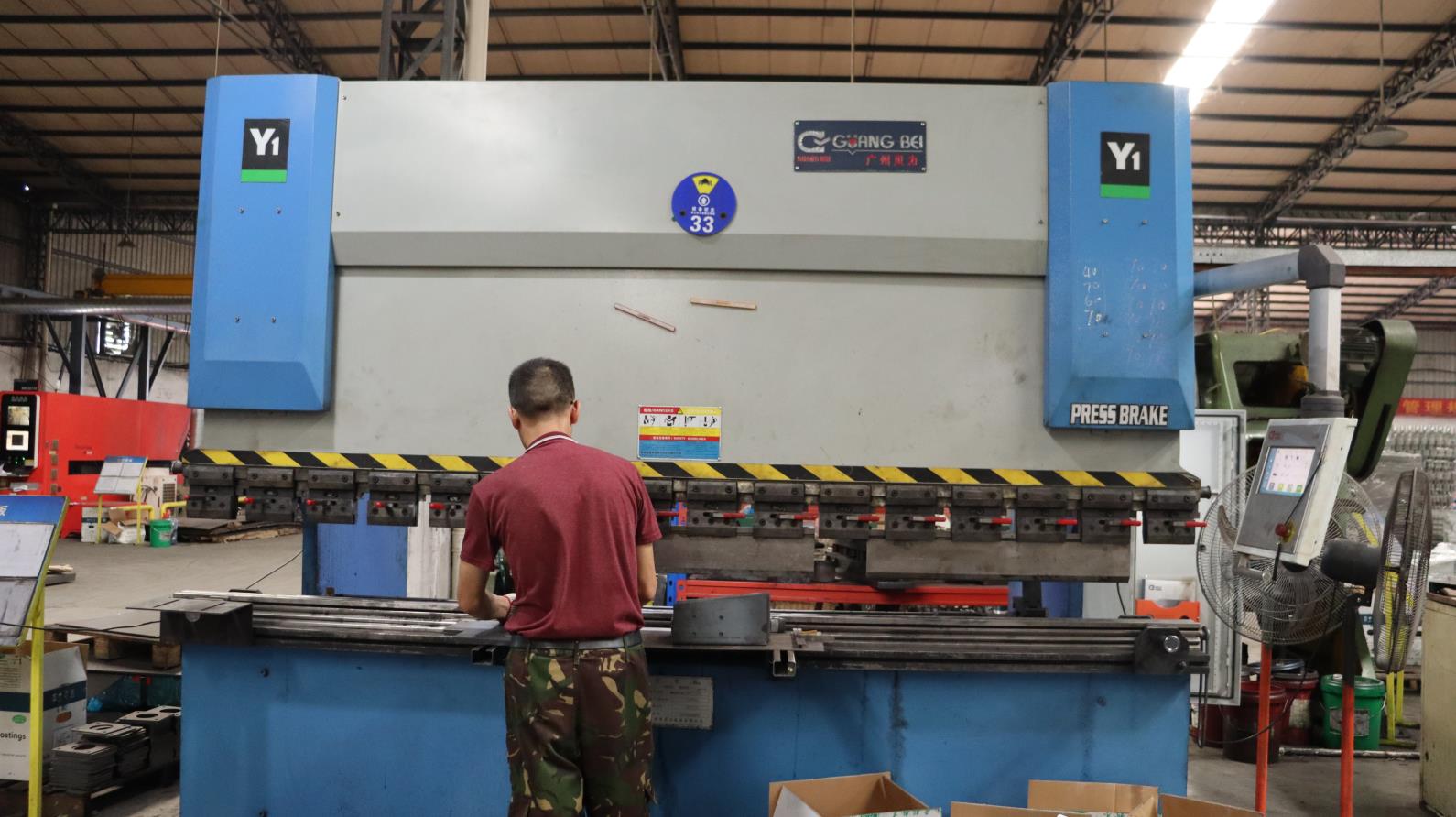
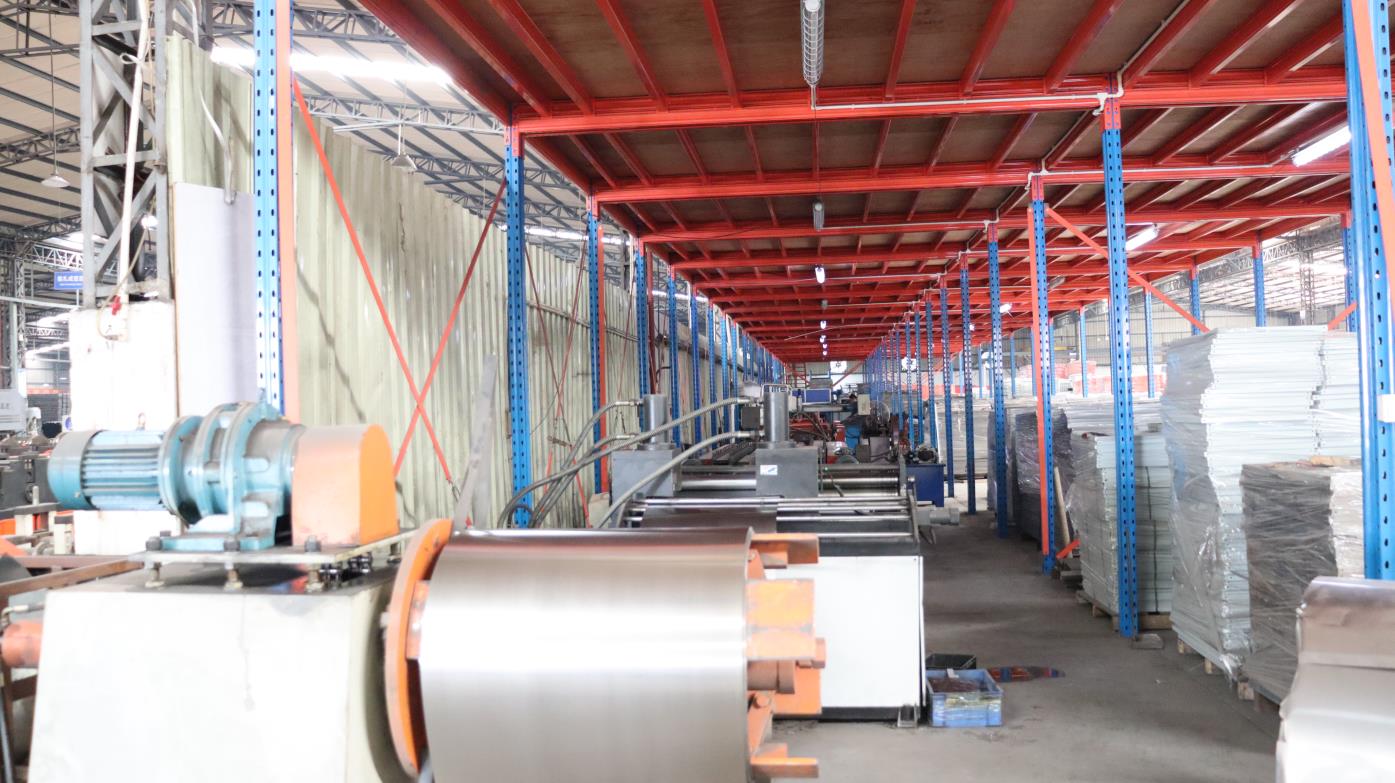
Discover the engineering capacity and manufacturing scale of Shenzhen Lijin Storage Equipment Co., Ltd.
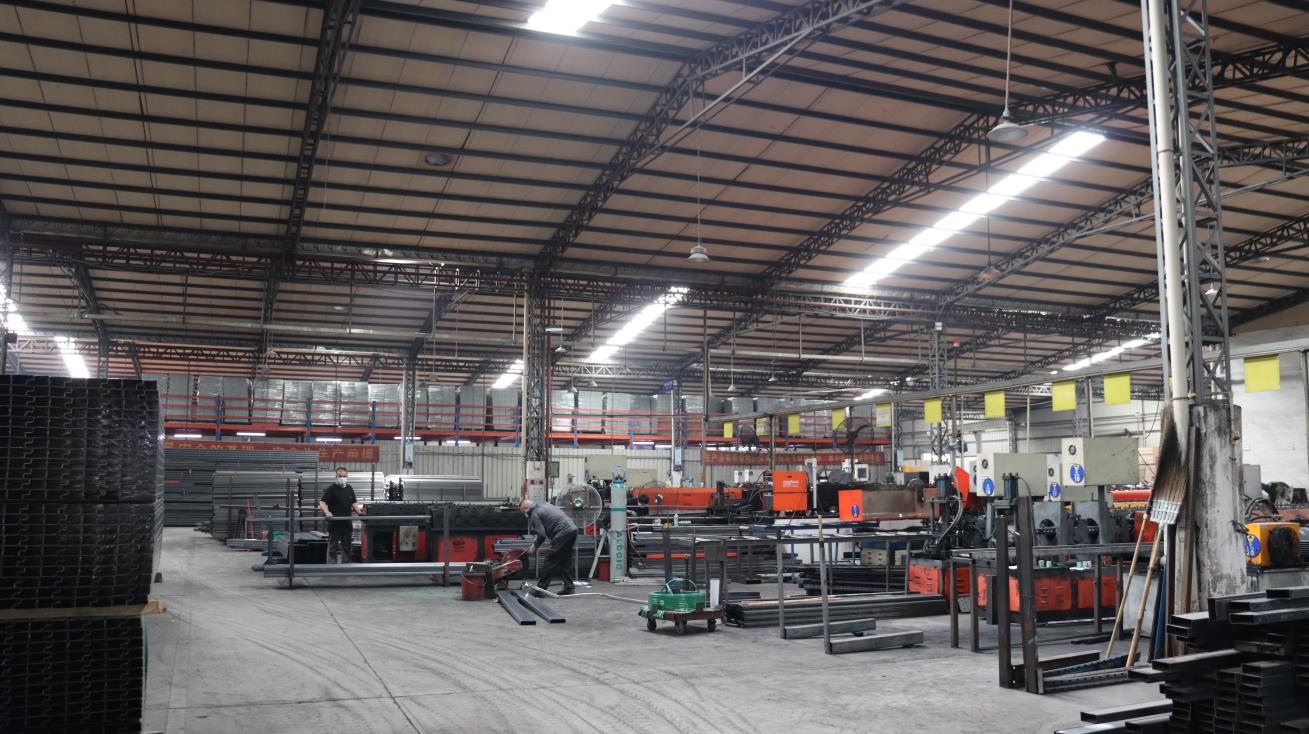
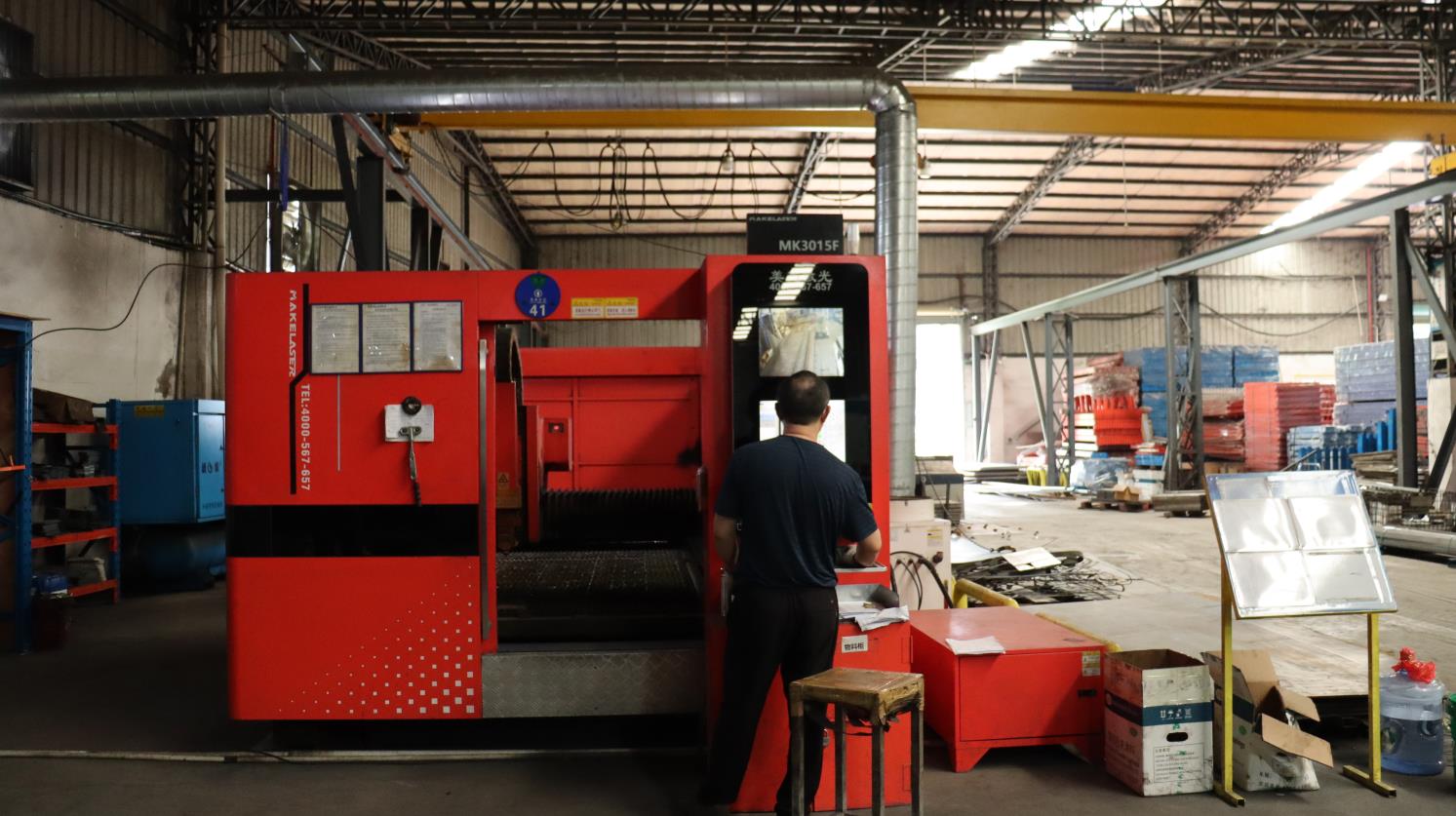
Established in 2015, Shenzhen Lijin Storage Equipment Co., Ltd. is a leading enterprise specializing in the design, manufacturing, and global distribution of heavy-duty warehouse racking systems, automated storage solutions, and industrial shelving. Driven by innovation, reliability, and strict compliance, we operate a state-of-the-art facility supporting OEM and ODM customization for logistics hubs, 3PL networks, and retail markets worldwide.
Request Factory Audit Reports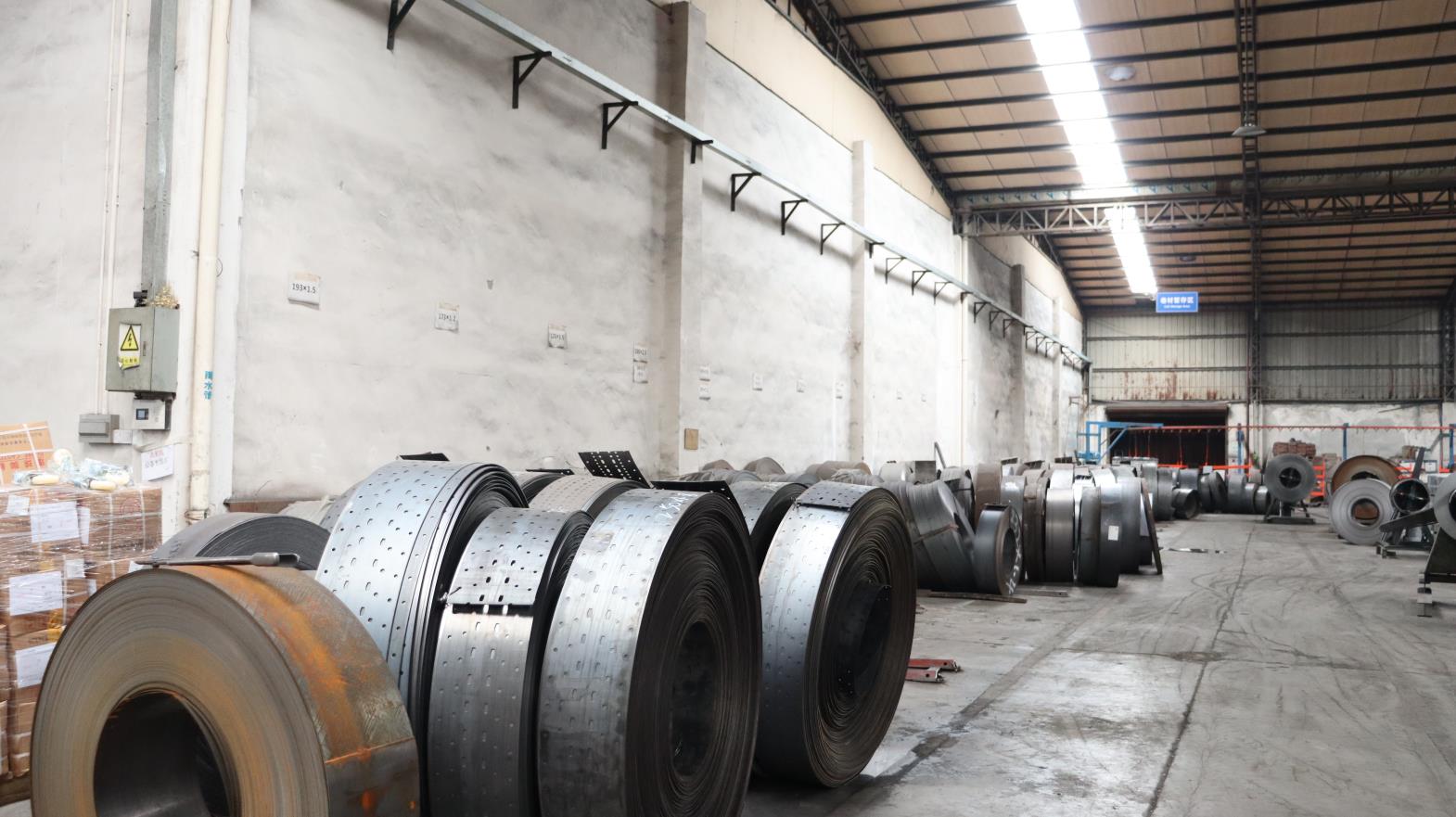
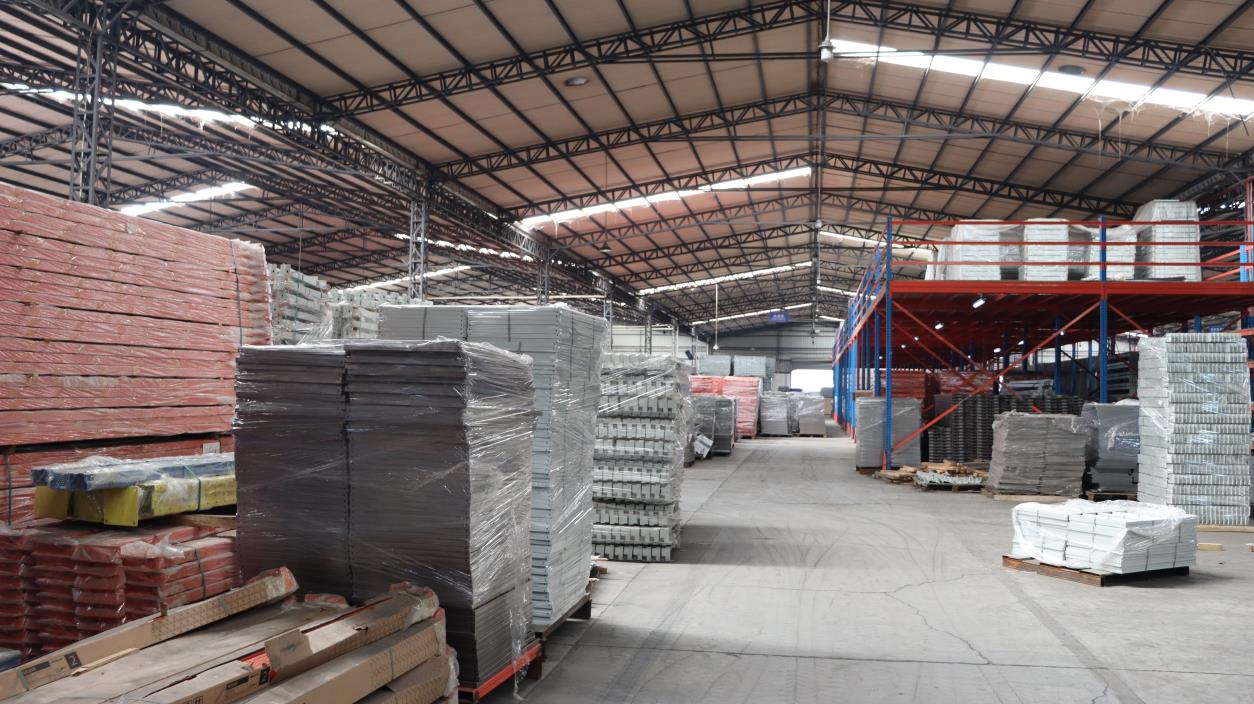
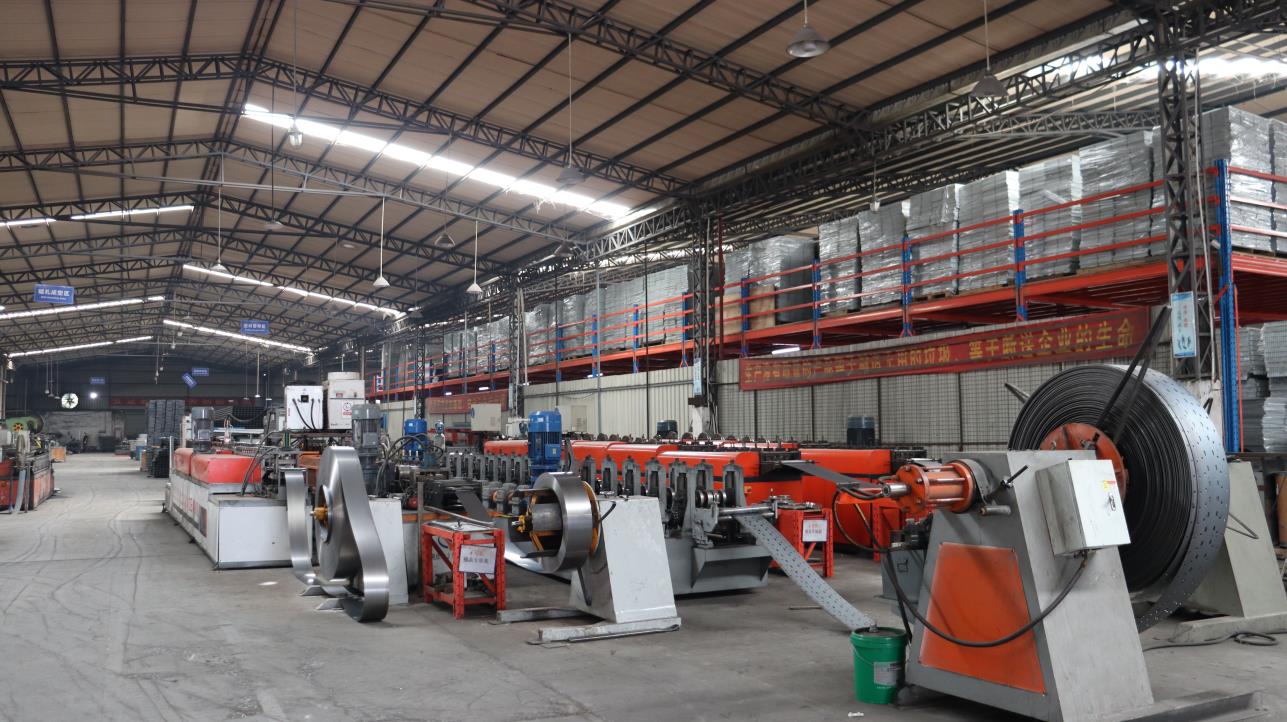
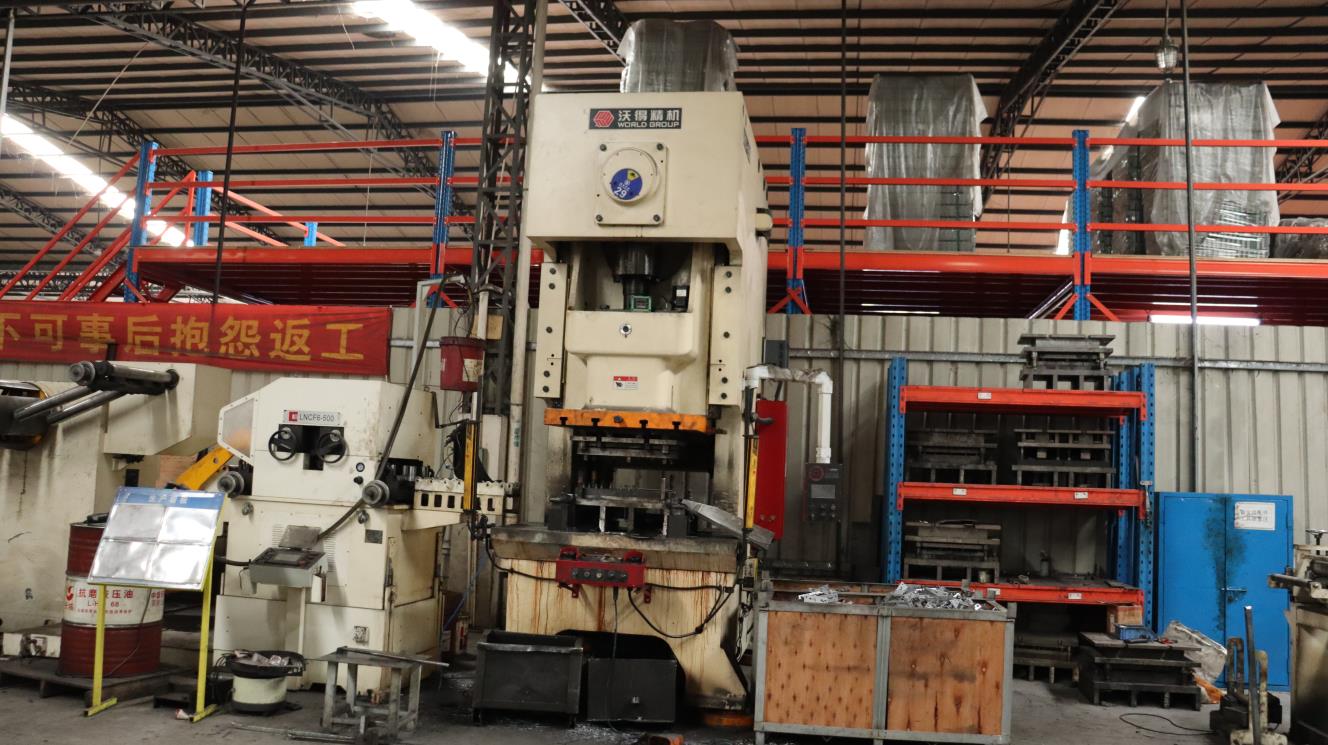
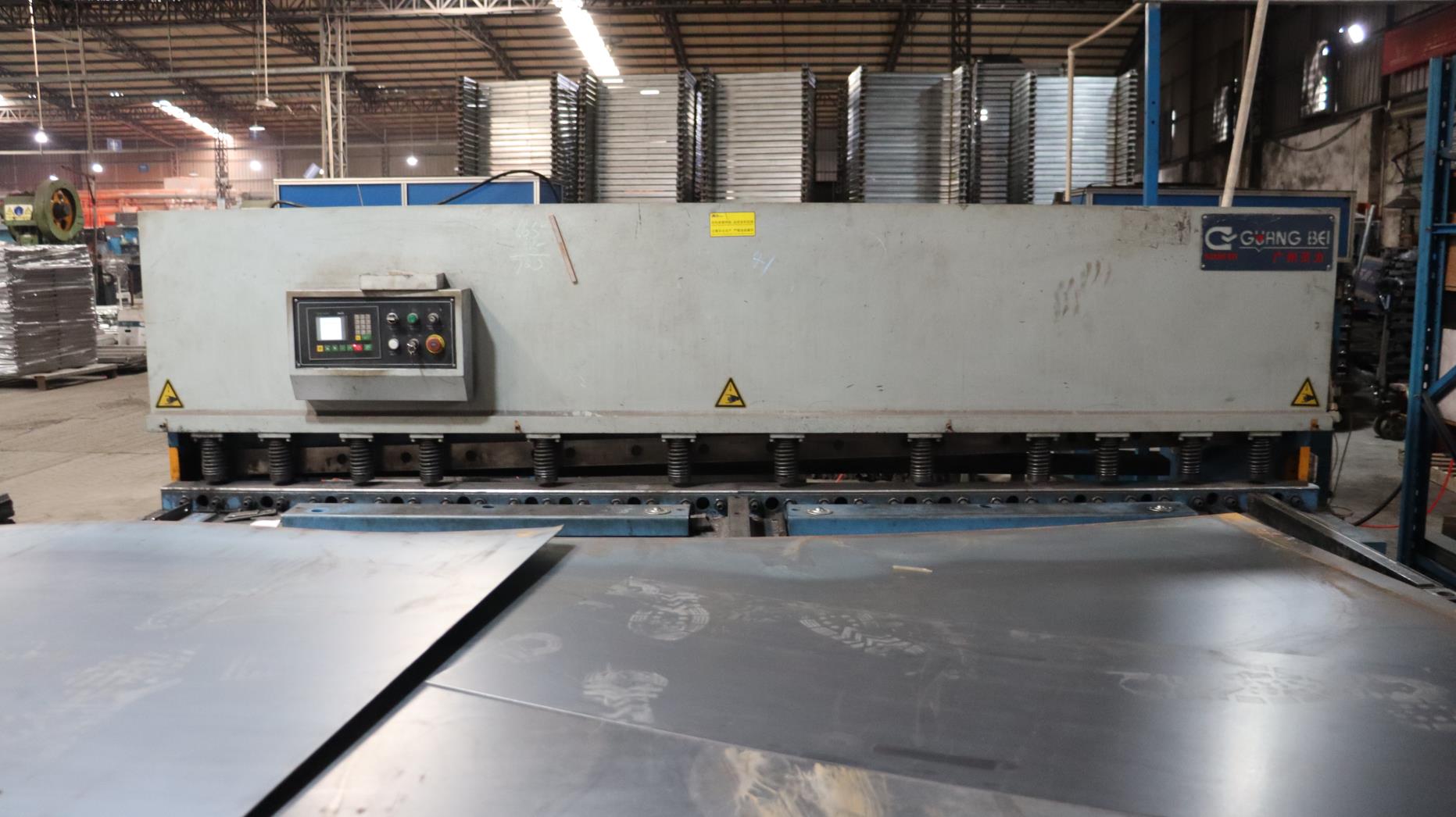
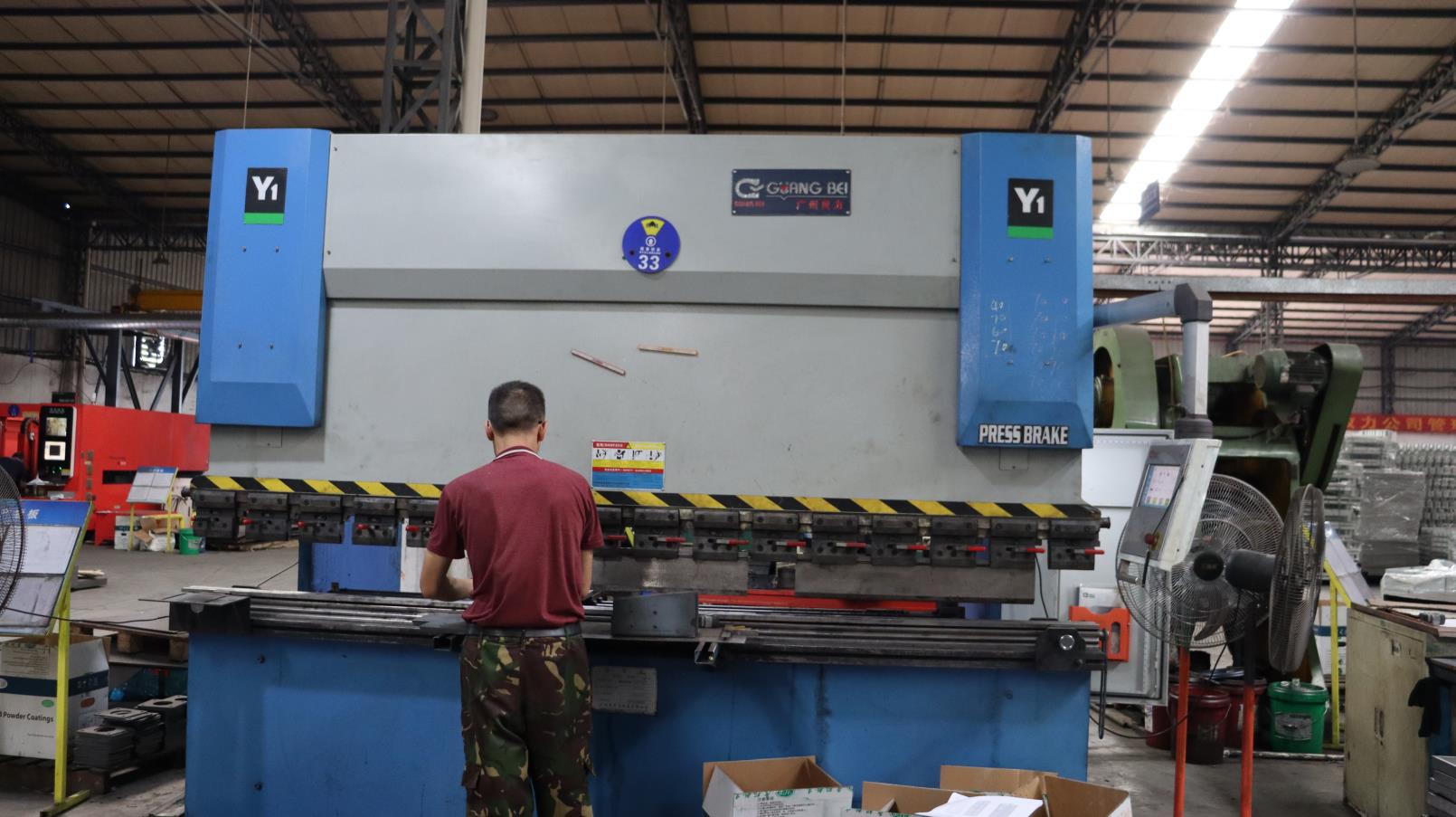
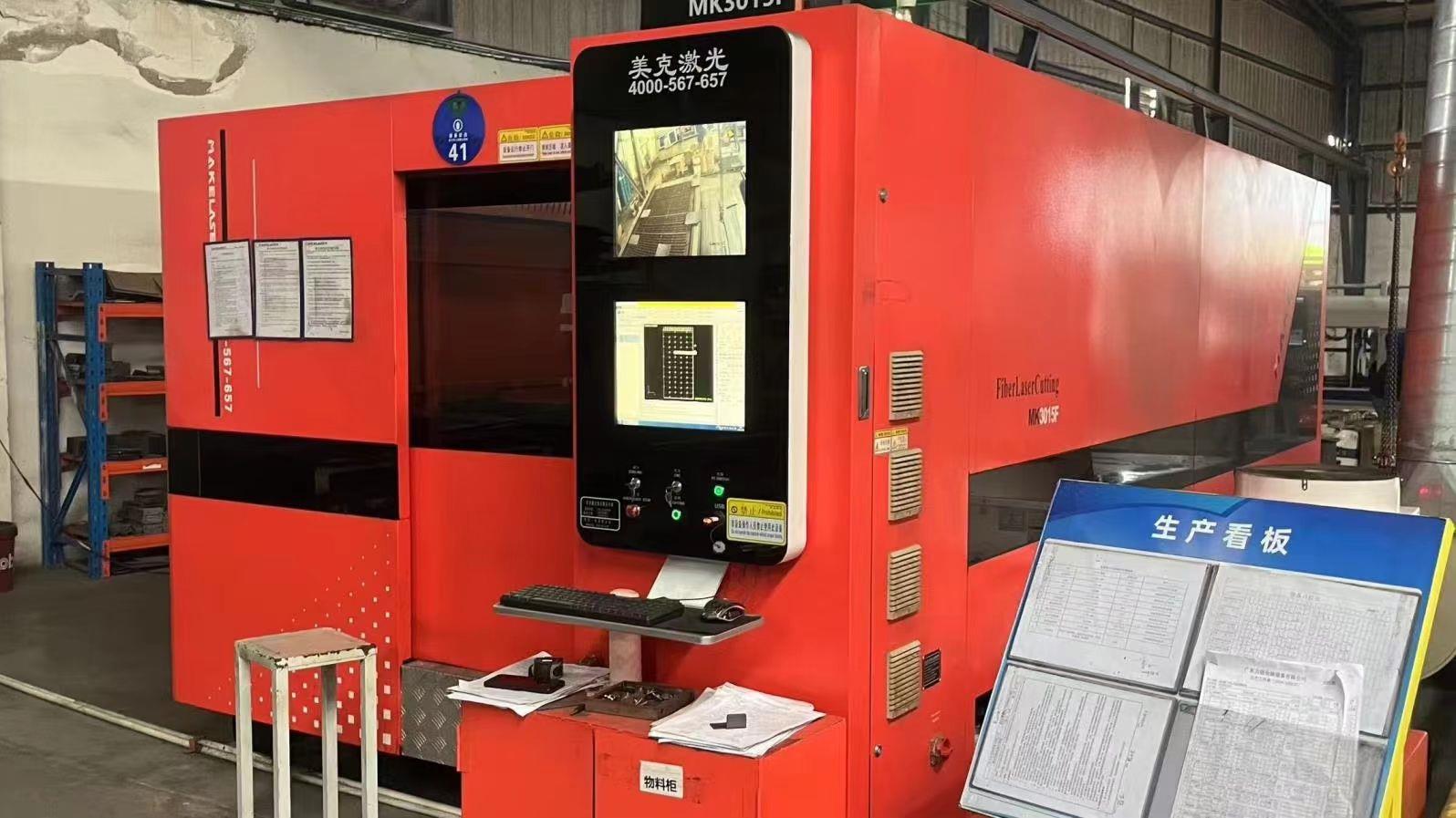
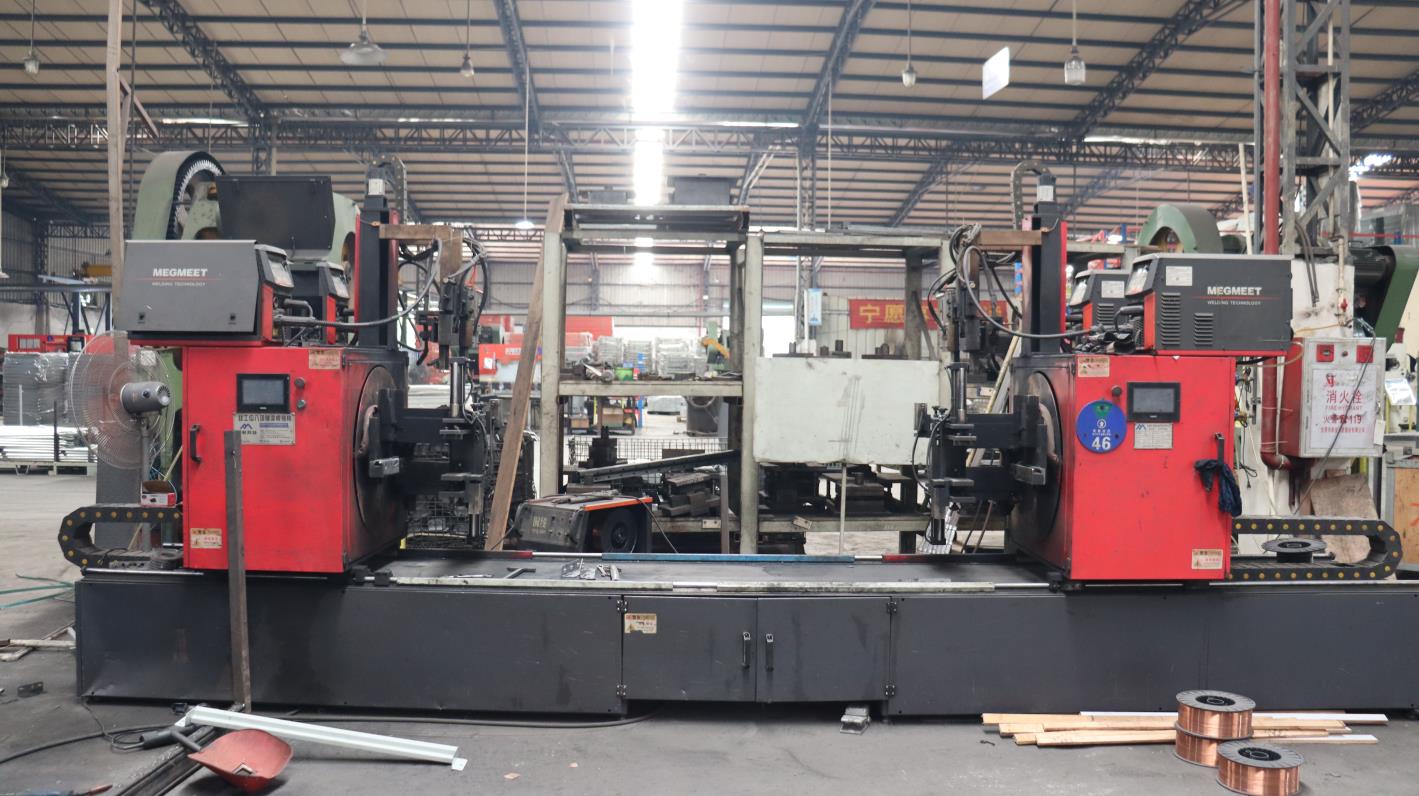
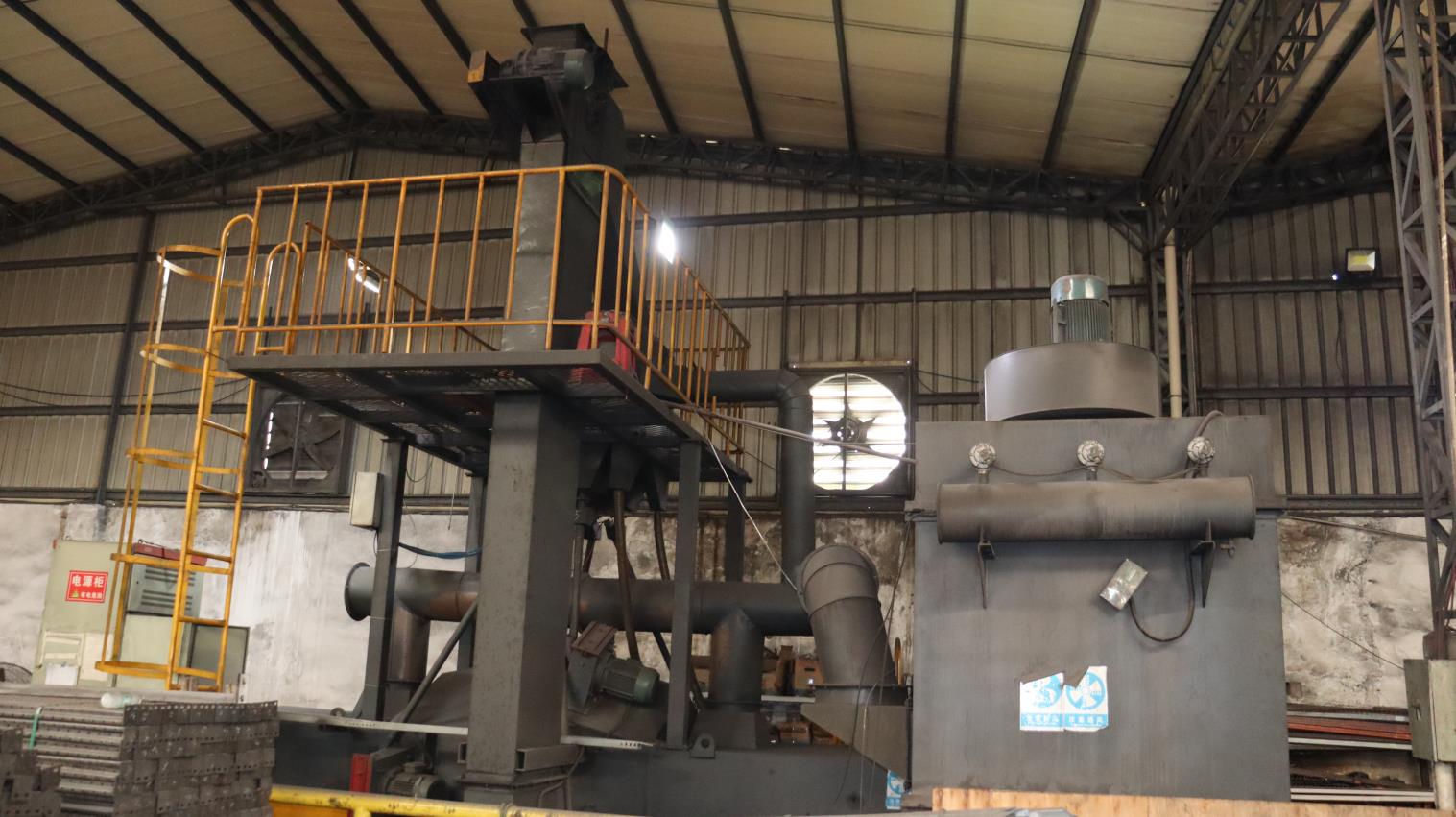
Optimized storage strategies designed specifically for modern commercial, cold-chain, and retail distribution systems.
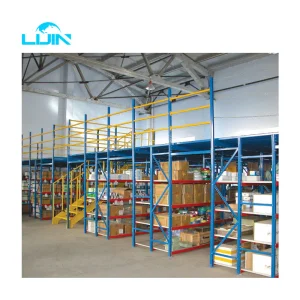
E-commerce centers in Victoria face challenges from fast inventory turnover and dynamic SKU profiles. Our medium-duty racking systems support multi-tier storage configurations and integrated walkways. This layout maximizes vertical cubic space, creating dense hand-picking areas. Integrating dynamic shelf dividers and plastic pick bins optimizes picking routes, reducing order cycle times.
Cold storage facilities in Melbourne represent significant capital investments with high operating costs per square meter. Standard steel structures can degrade in low-temperature environments. We manufacture cold-resistant steel grades treated with specialized epoxy coatings. This prevents brittleness at temperatures down to -30°C and resists rust caused by condensation cycles, maintaining structural integrity over decades of operation.
Unpackaged metal components, engine blocks, and vehicle suspension components require durable, high-impact storage solutions. Steel mesh decks and steel shelf support bars reinforce the beam structures. This design safely accommodates concentrated weight profiles, preventing local deflection while supporting simple SKU classification.
Mitigating corporate liability through professional safety compliance and structural engineering certification.
Australia has strict standards for warehouse safety. Businesses operating within the Port of Melbourne trade zones must comply with AS 4084.1-2023 (which outlines structural requirements for storage racking) and AS 4084.2-2023 (which covers operational safety and maintenance regulations). Importing non-compliant equipment from suppliers unfamiliar with these standards exposes businesses to significant operational and legal liabilities, including safety improvement notices, heavy fines, and operational delays.
As a seasoned global exporter, Shenzhen Lijin ensures every medium-duty racking component aligns with Australian engineering requirements:
We work with registered structural engineers in Victoria to provide complete engineering layouts and sign-offs. This makes local planning approvals and safety certifications straightforward for warehouse managers.
Combining automated manufacturing, bulk material procurement, and optimized logistics routing.
Working directly with an advanced manufacturing facility in Shenzhen offers substantial advantages over local distributors. The primary benefits include raw material economies of scale, precision quality control, and custom engineering capabilities. Because we purchase raw steel coils directly from major state mills, we are shielded from localized material inflation. This cost advantage is passed directly to our customers.
Our Factory 4.0 facility features automated production systems, including robot-assisted welding cells, automatic powder-coating lines, and CNC profile bending machines. Automating these processes ensures dimensional tolerance control down to ±0.1mm. This level of precision is critical for the stability of large-scale rack systems, ensuring structural integrity during assembly and high-density load cycles.
Our facility's location in Shenzhen provides direct access to major global shipping networks. We coordinate shipping logistics from Shenzhen Port directly to the Port of Melbourne. By optimizing container packaging and container utilization, we minimize ocean freight costs. Our export documentation team manages customs paperwork, helping clients prevent unexpected delays at Australian Customs.
A practical resource for project managers and procurement officers coordinating industrial storage projects.
When executing a storage project, procurement officers must balance structural specifications, shipping costs, and assembly timelines. To simplify this process, we recommend the following procurement checklist:
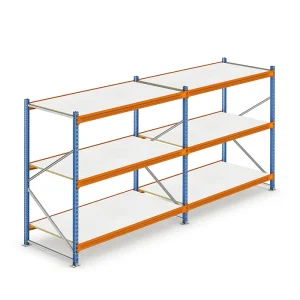
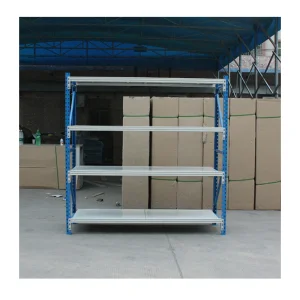
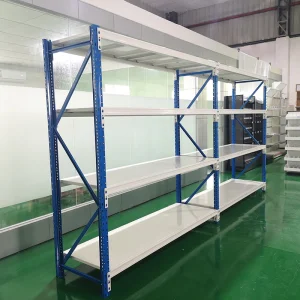
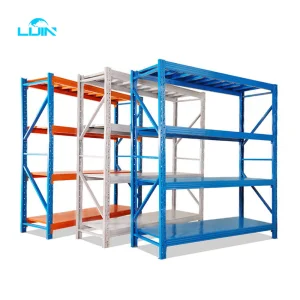
Discover our full range of structural racking, customizable platforms, and high-capacity storage configurations.
Frequently asked questions regarding compliance, structural configurations, load capacities, and supply chain logistics.
Connect with our technical design team to discuss your warehouse layout, required load capacities, and custom racking specifications. Receive a detailed, AS 4084-compliant structural quote.
 Lijin Racking