Precision-engineered heavy-duty storage configurations optimized for the harsh ambient conditions and logistical requirements of the Sultanate of Oman.
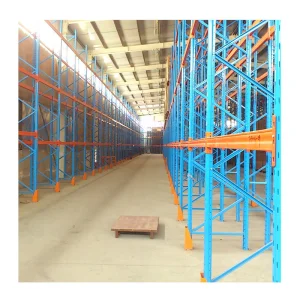
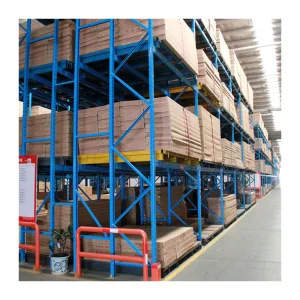
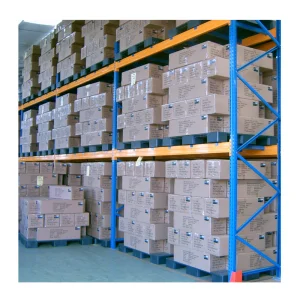
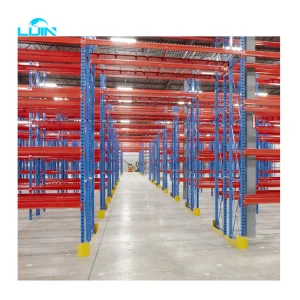
The Sultanate of Oman is undergoing a rapid, structural diversification program under the banner of Oman Vision 2040. Central to this roadmap is the positioning of Oman as a global logistics gateway bridging Asia, the GCC, and East Africa. With massive capital injection into the Sohar Port and Freezone, the Salalah Free Zone, and the emerging Duqm Special Economic Zone (SEZAD), warehousing demand has transitioned from low-tech storage to sophisticated, high-bay fulfillment hubs. This structural shift requires international-standard heavy-duty industrial racking configurations engineered for load reliability, safety, and maximum volume utilization.
Unlike standard temperate climates, industrial storage infrastructure in Oman faces unique operational environments that demand specific metallurgy and coating processes. Warehouses located in coastal logistics zones like Sohar and Salalah encounter ambient humidity ranges exceeding 85% combined with elevated salt-mist levels. Uninsulated structures can reach internal temperatures up to 50°C during summer peaks.
Standard storage systems exposed to these conditions are prone to swift paint peeling, microscopic steel oxidization, and load-bearing fatigue. Therefore, heavy-duty racking systems designed for Oman must undergo specialized surface pre-treatments, electrostatic epoxy powder coating, or hot-dip galvanization processes. Engineers must also calculate thermal expansion coefficients inside structures to avoid beam misalignment and connection shear failure.
Connecting the Muscat, Sohar, and Salalah industrial zones with high-capacity pallet flow and selective heavy-duty racks to expedite cross-border GCC freight.
Custom structural design adapting to seismic zones in northern Oman, ensuring compliance with FEM 10.2.02 and European structural design guidelines.
Advanced engineering margins built to withstand rapid expansion and contraction cycle stresses caused by Oman's intense daytime-to-nighttime temperature shifts.
On a global scale, supply chains are optimizing for height rather than footprint. With industrial land prices escalating, smart logistics operators are installing racking systems reaching heights of up to 30 meters. This trend is accompanied by the integration of Automated Storage and Retrieval Systems (AS/RS), shuttle operations, and vertical lift modules. For industrial logistics companies in Oman, transitioning to heavy-duty, high-bay pallet racking is the most direct path to reducing per-pallet operational storage costs and preparing for eventual automated automation upgrades.
Engineering superiority, global distribution networks, and structural compliance certified for Middle East industrial installations.
State-of-the-Art Factory Facility
Annual Supply Chain Revenue
Dedicated QC Inspection Team
In-House R&D Engineering Team
Established in 2015, Shenzhen Lijin Storage Equipment Co., Ltd. is a leading enterprise specializing in the design, manufacturing, and global distribution of heavy-duty warehouse racking systems, automated storage solutions, and industrial shelving. Spanning a state-of-the-art facility of 35,000 m², we have developed into a trusted global supply chain partner with over 8 years of direct export experience and more than 12 years of deep industry expertise. Driven by innovation and quality, our global revenue reached USD 22 million last year.
Our global footprint spans across North America, Western Europe, Southeast Asia, and the Middle East. Through our localized supply chain logistics networks, we maintain strong strategic relationships with over 850 supply chain partners globally. Our primary clients include large-scale logistics hubs, commercial distributors, third-party logistics (3PL) providers, and industrial equipment wholesalers looking for premium racking configurations engineered for lasting stability under complex industrial loads.
How raw certified steel profiles are processed, shaped, welded, coated, and inspected inside Lijin's advanced fabrication facility.
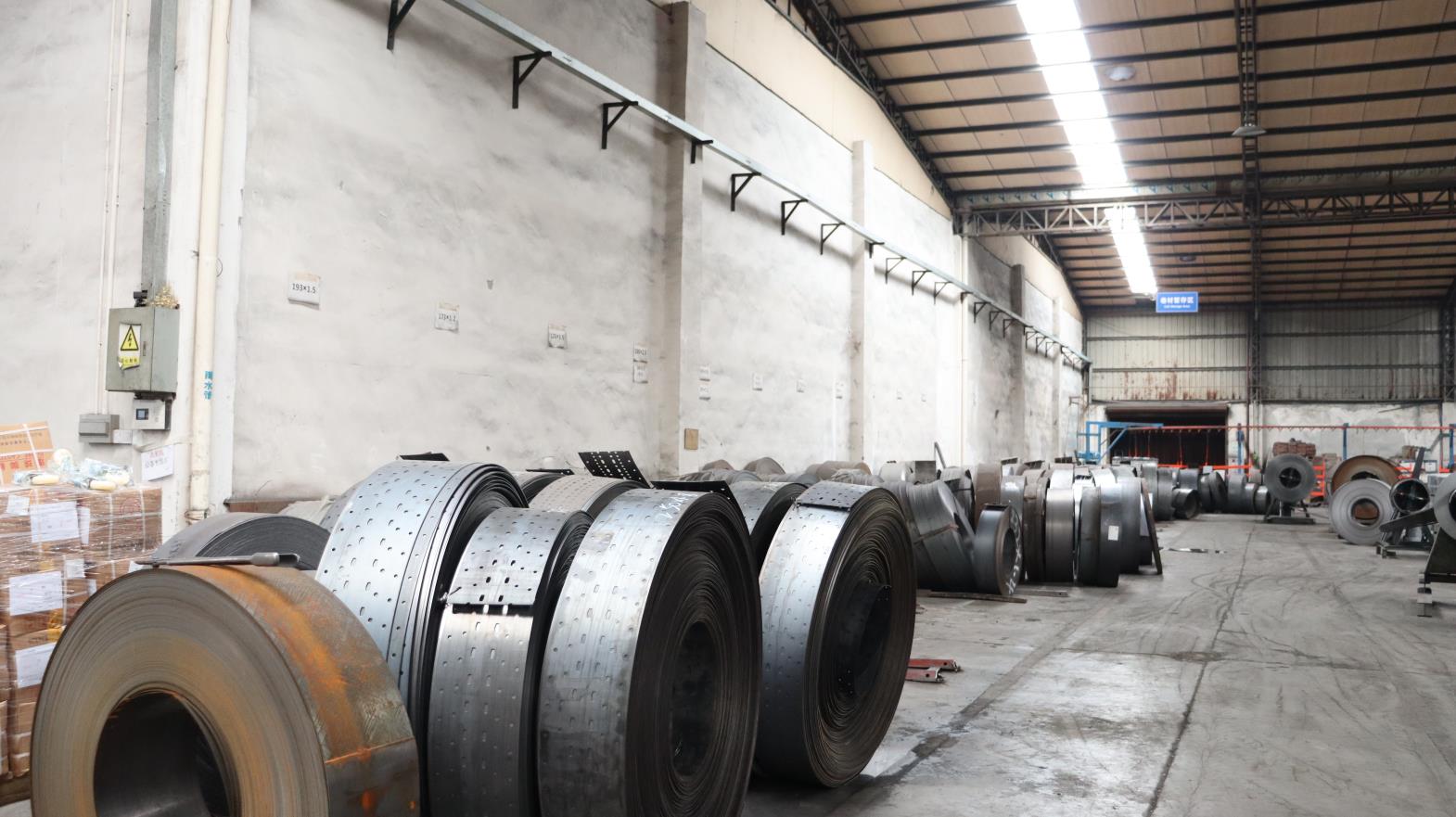
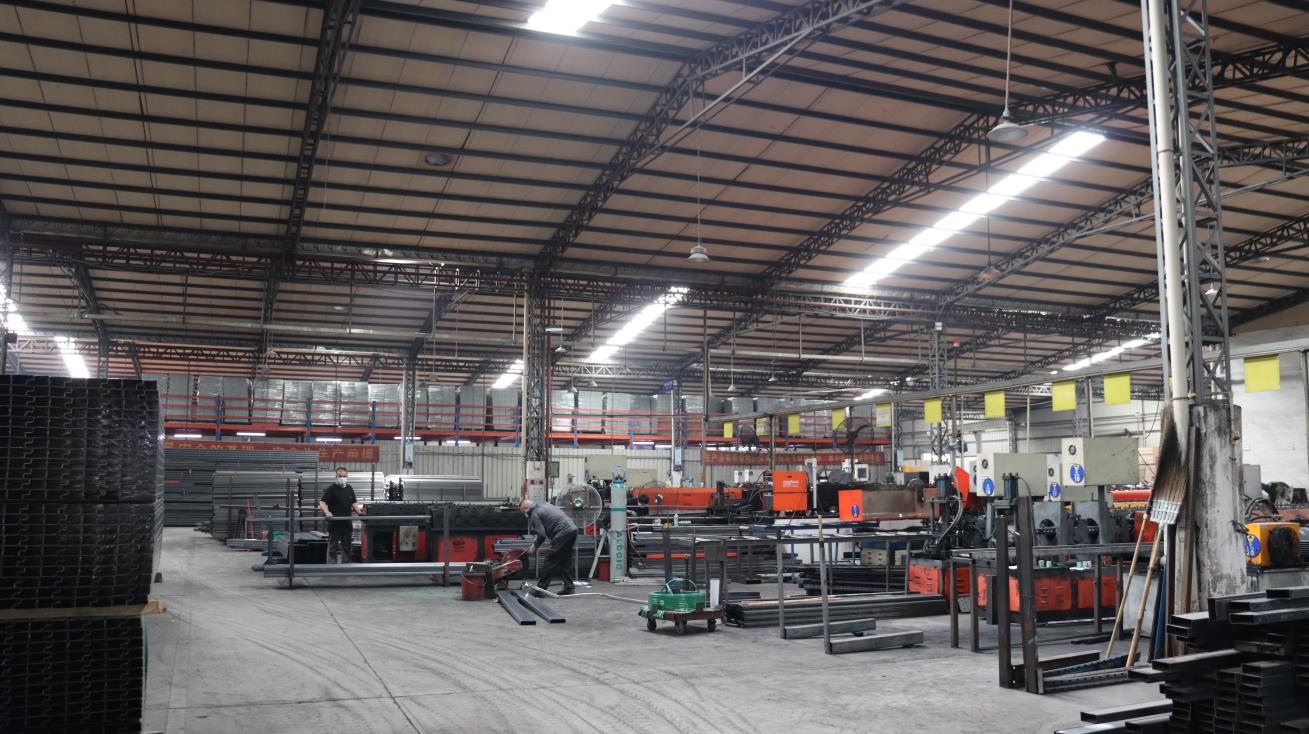
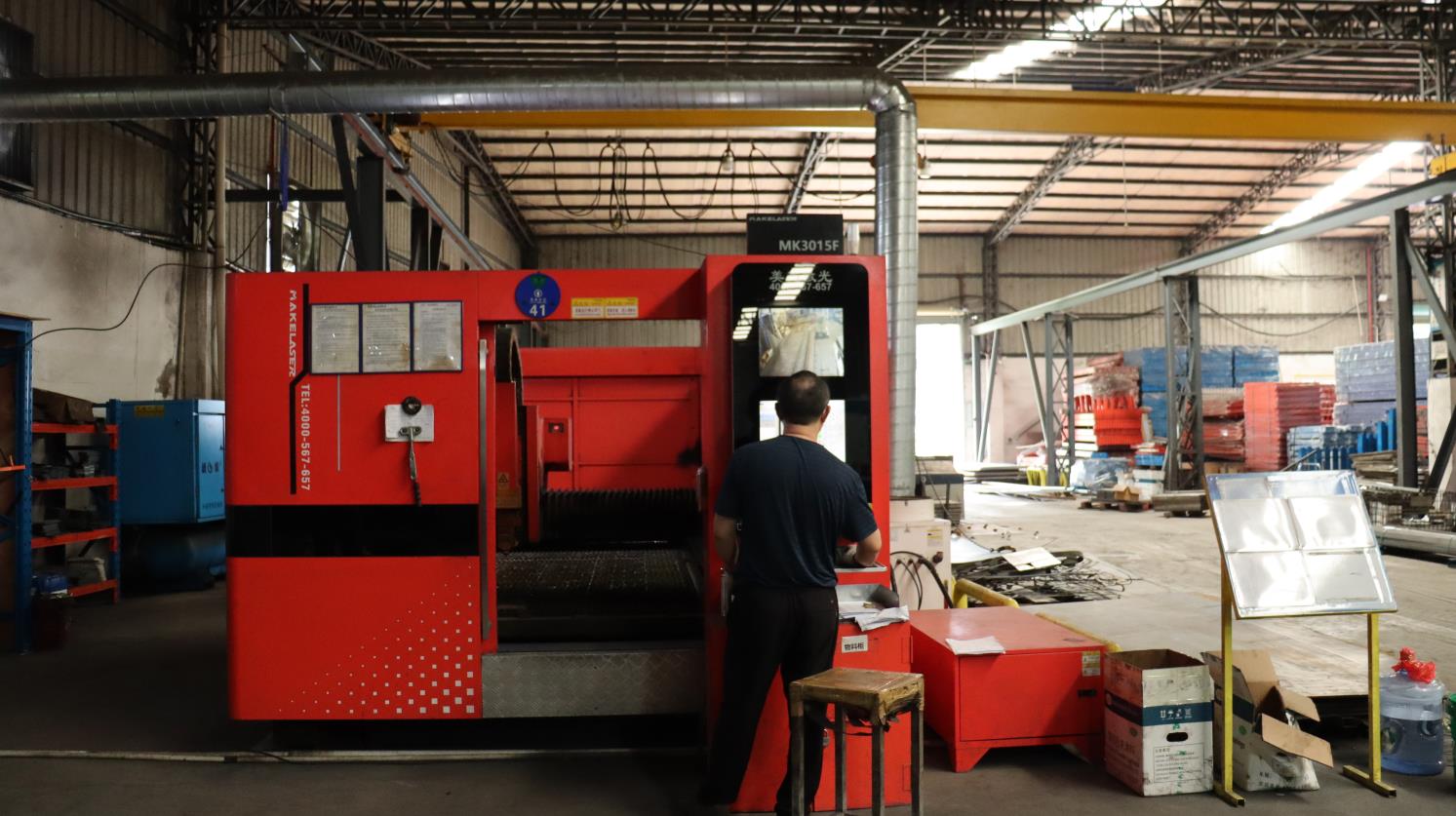
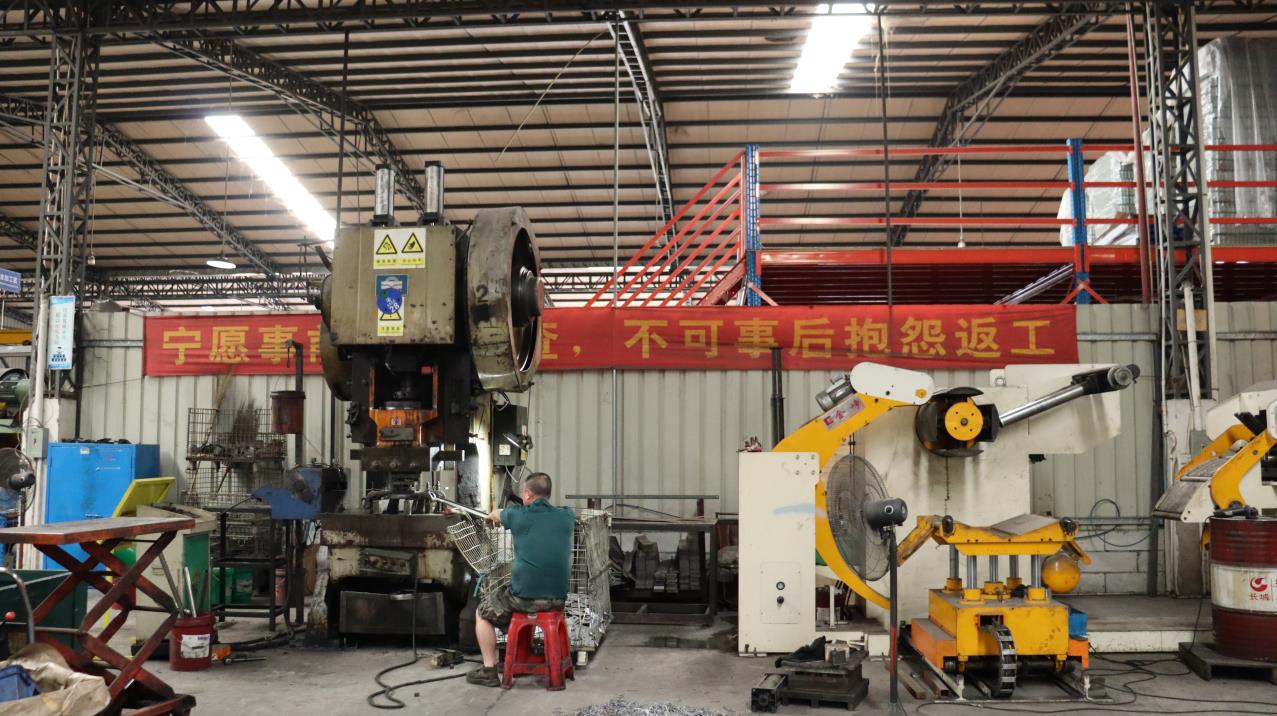
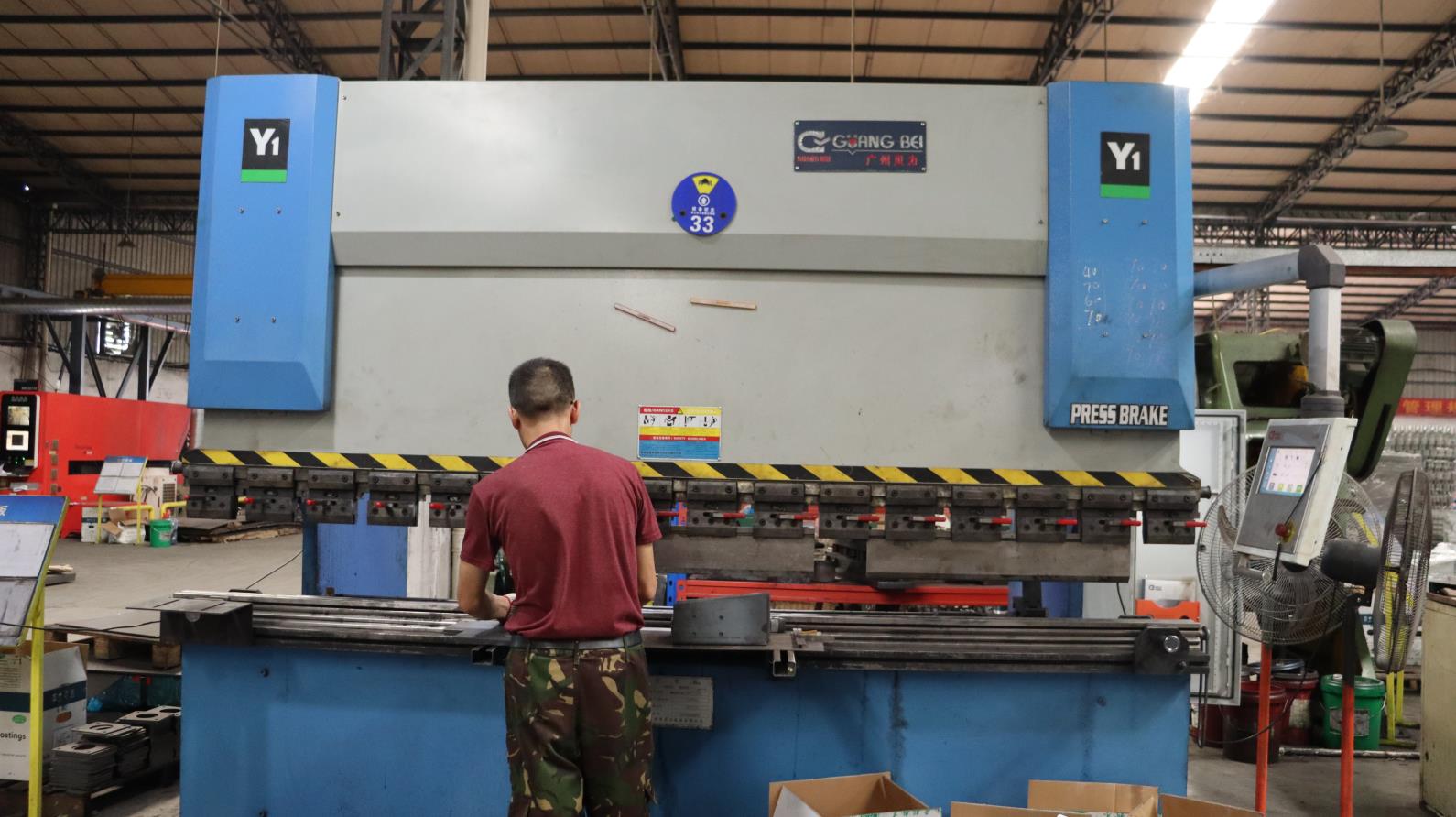
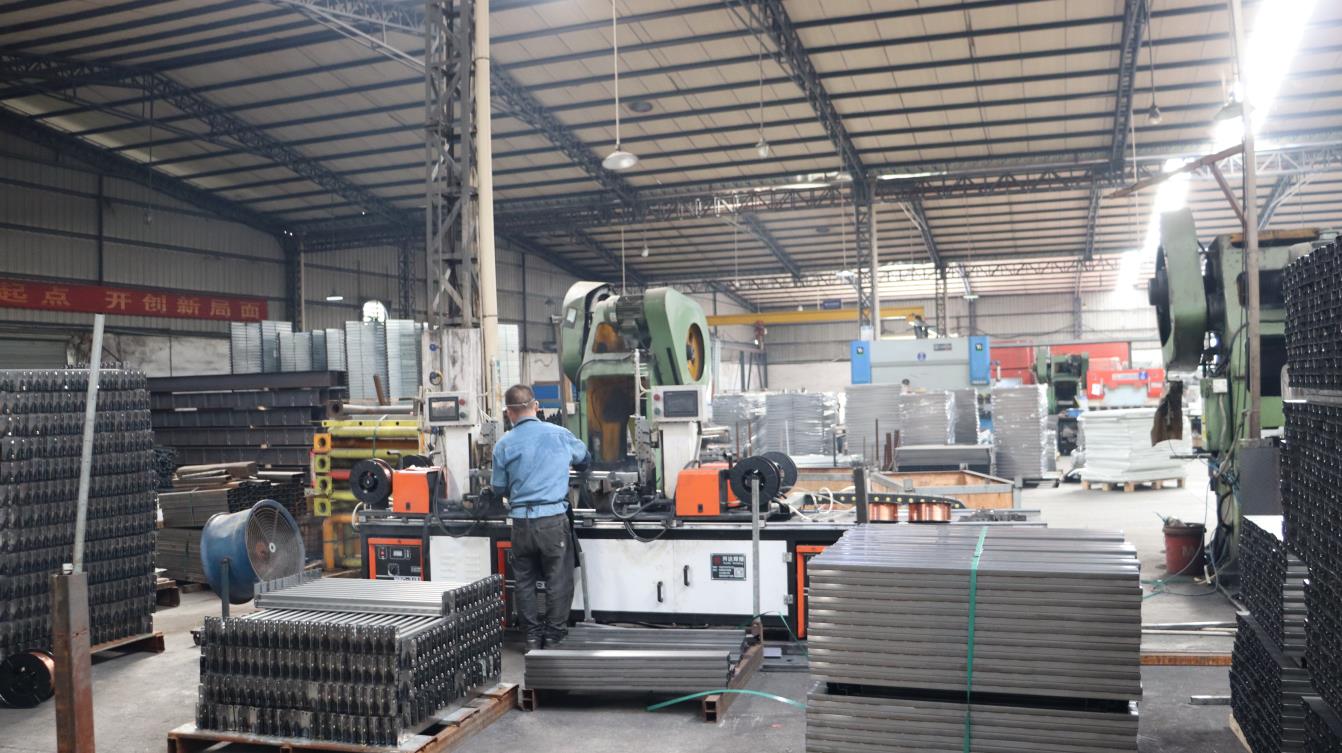
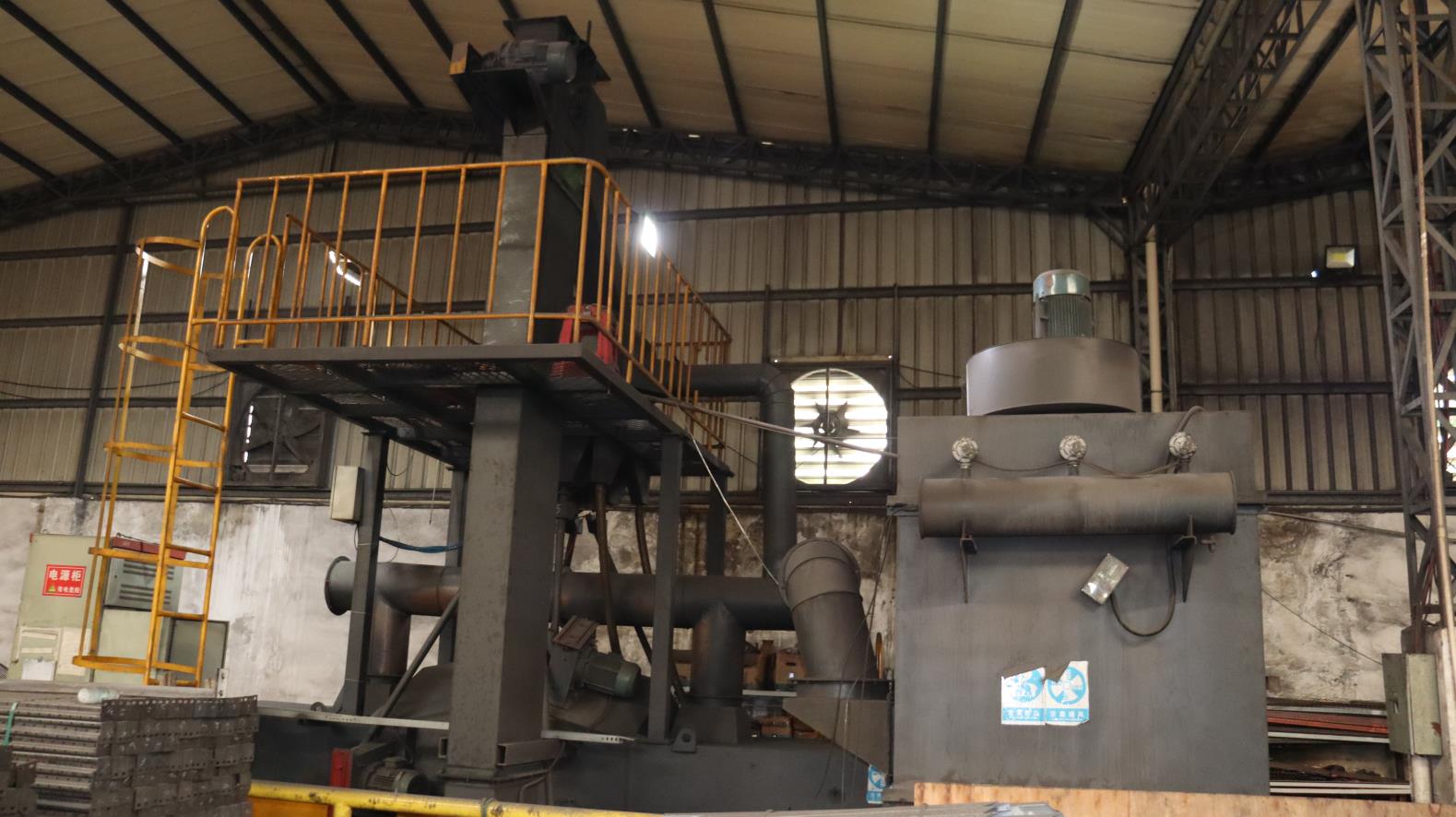
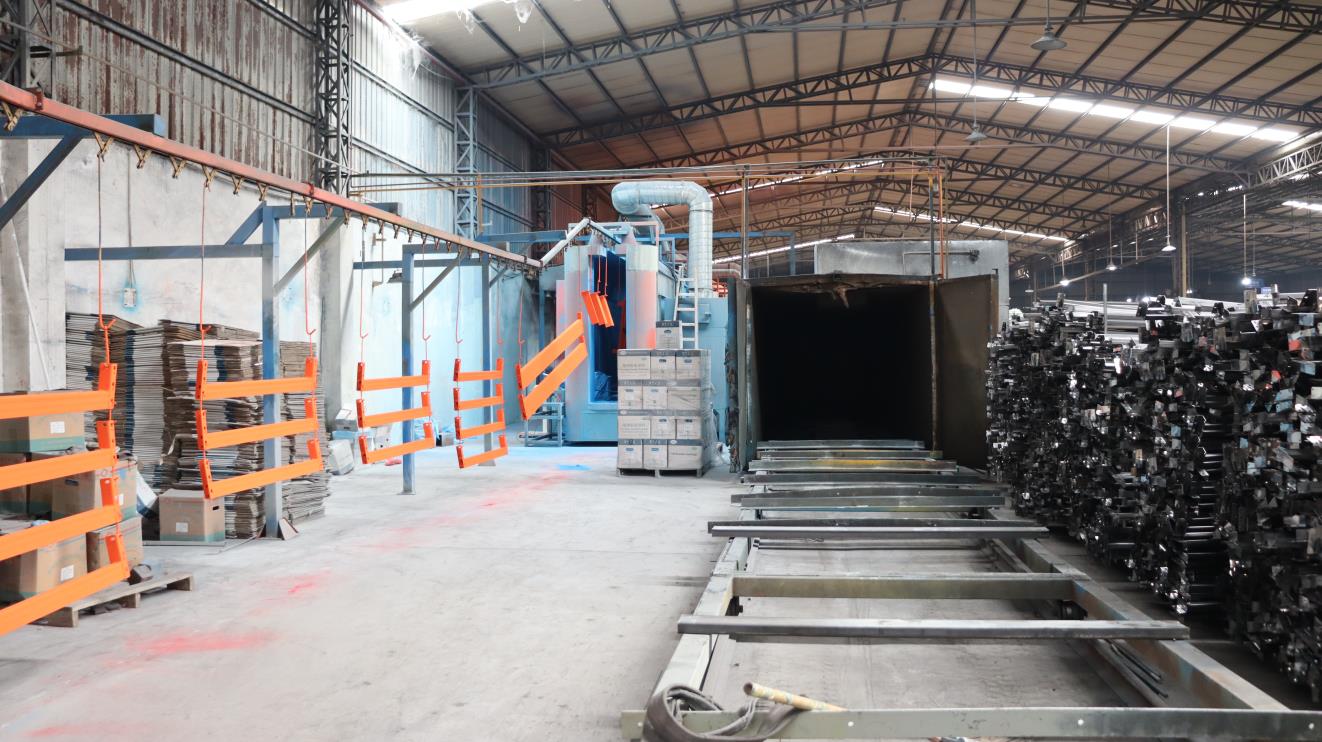
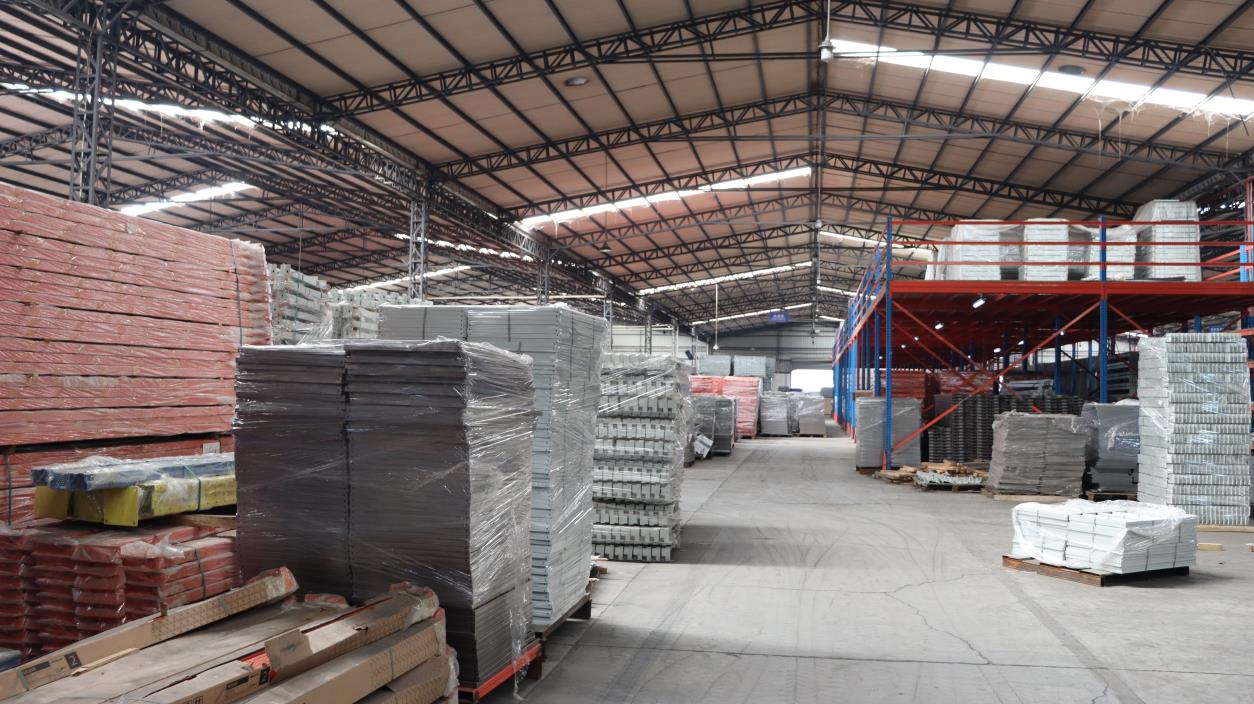
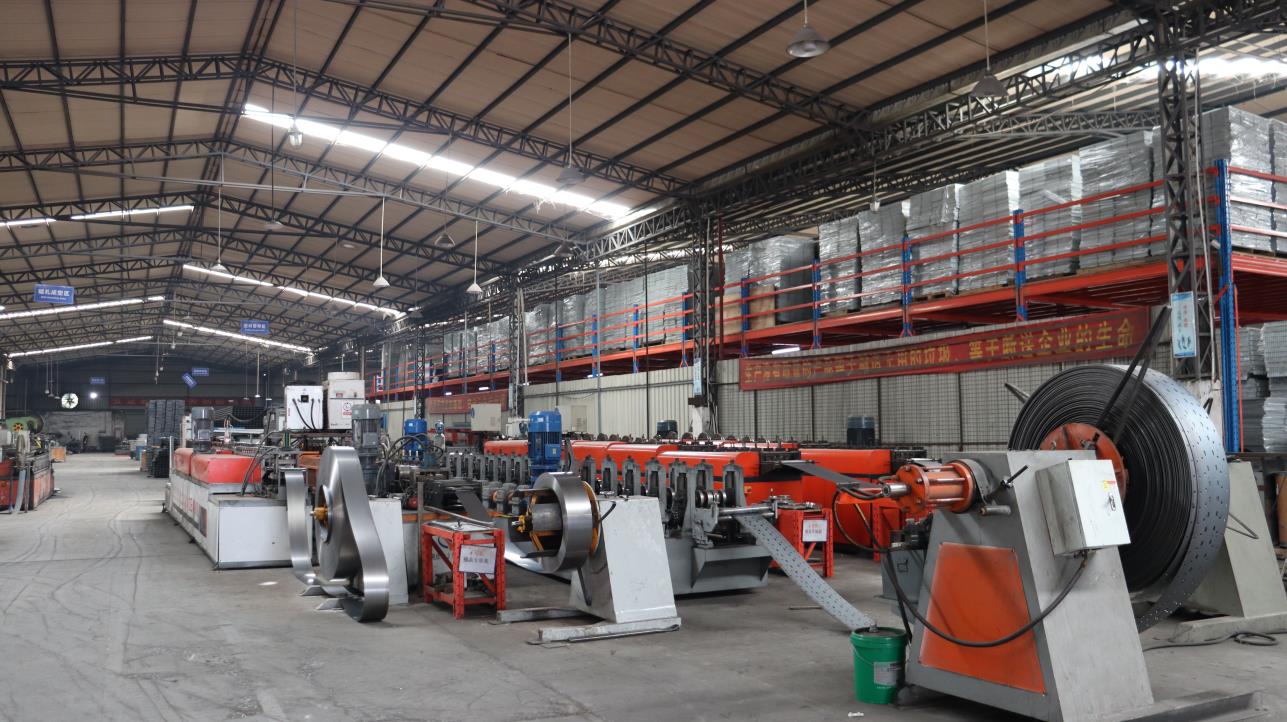
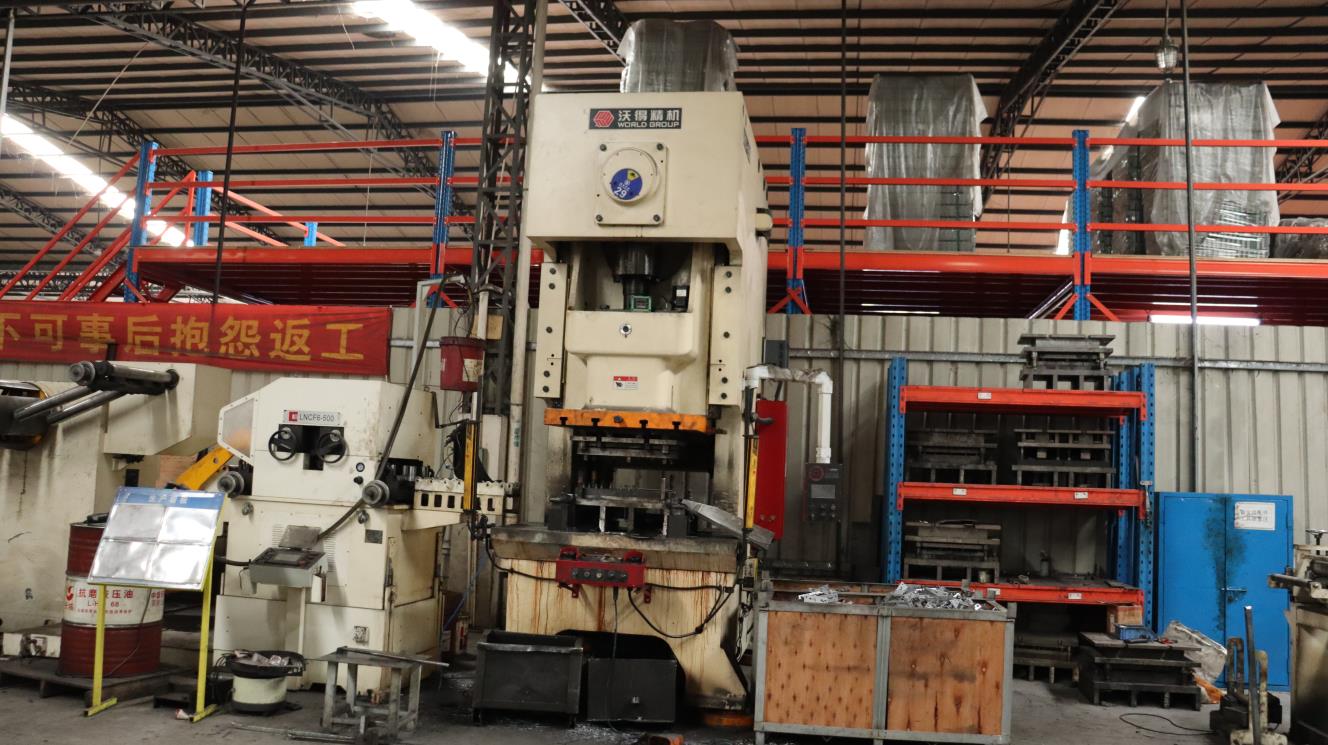
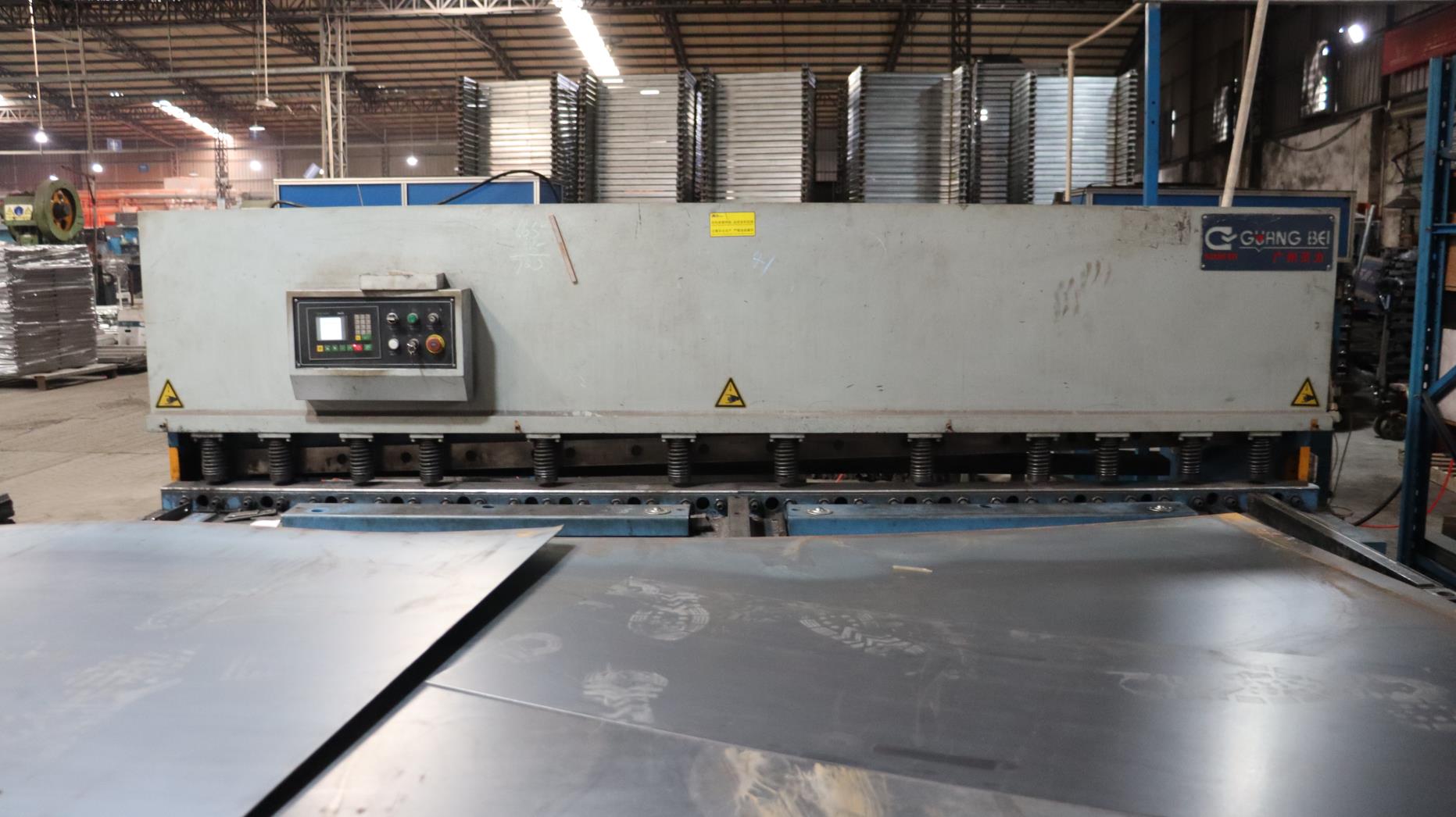
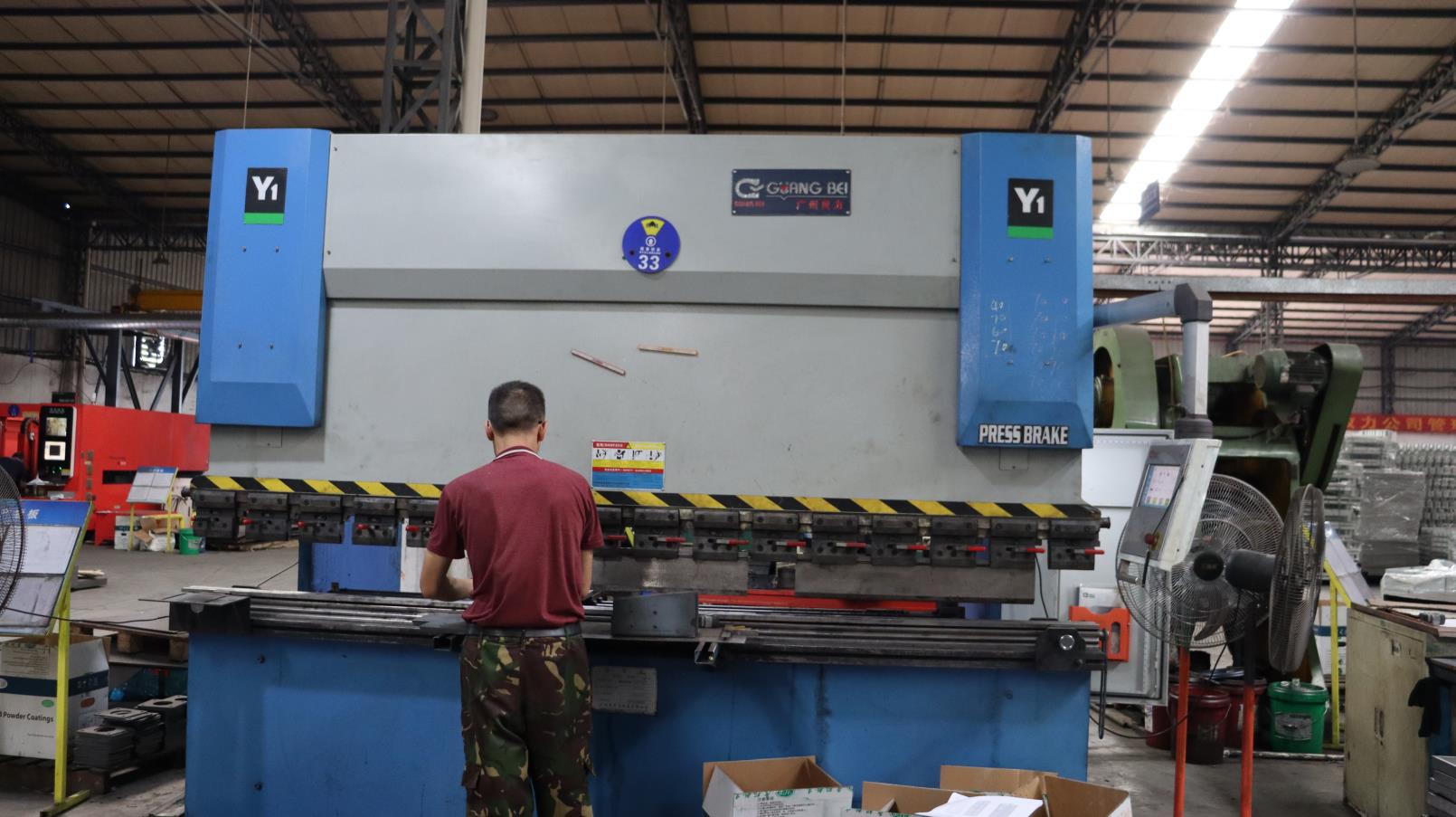
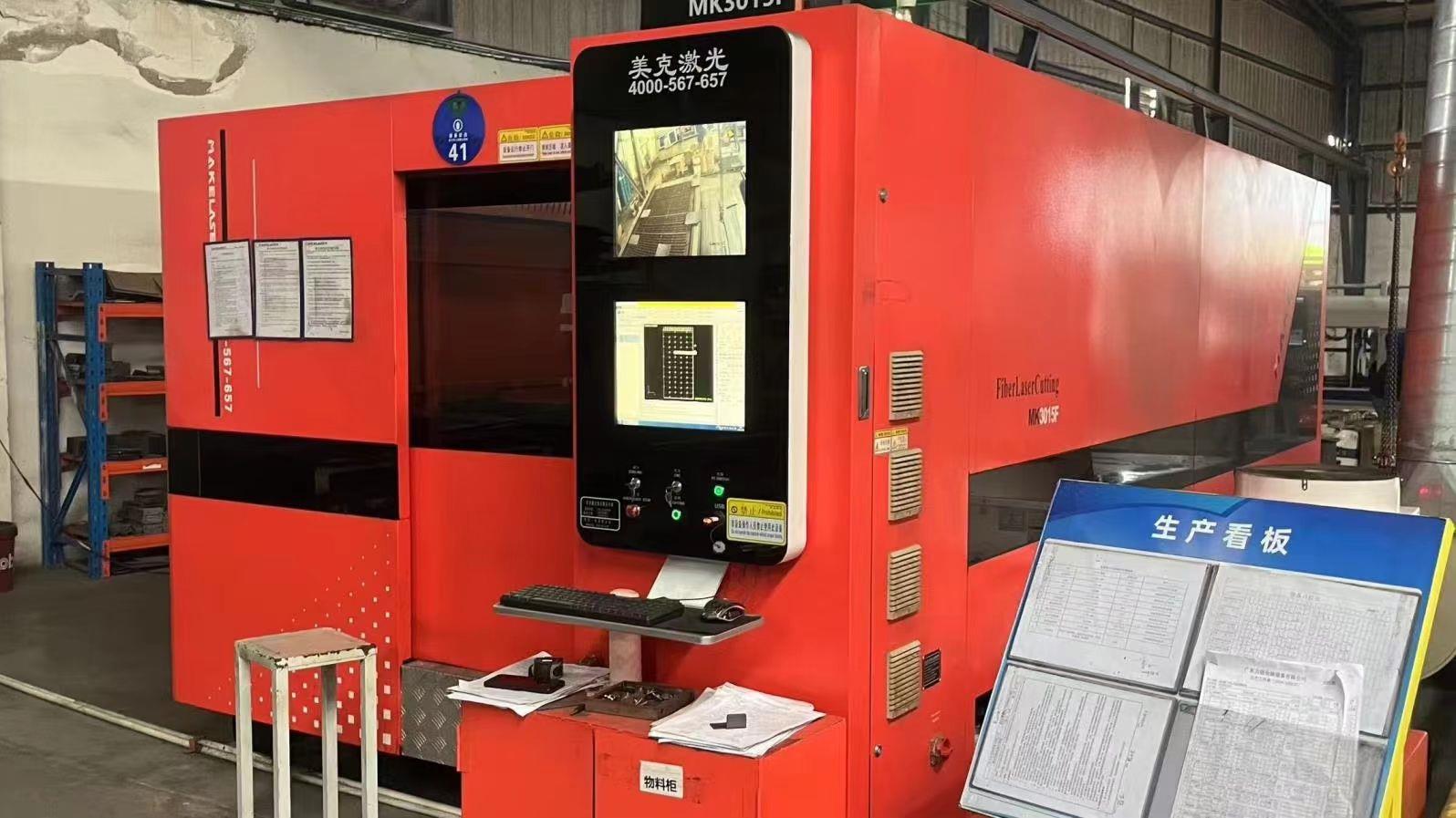
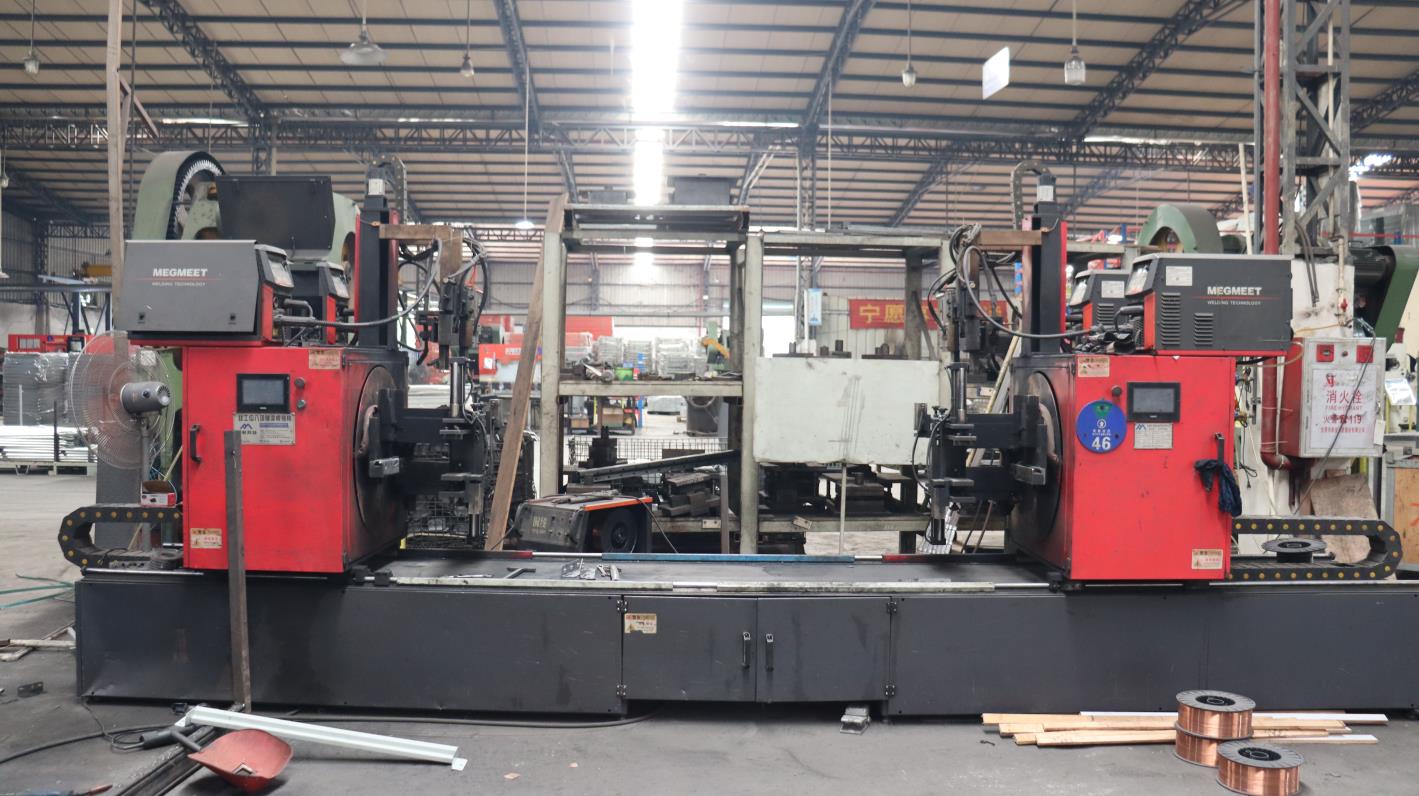
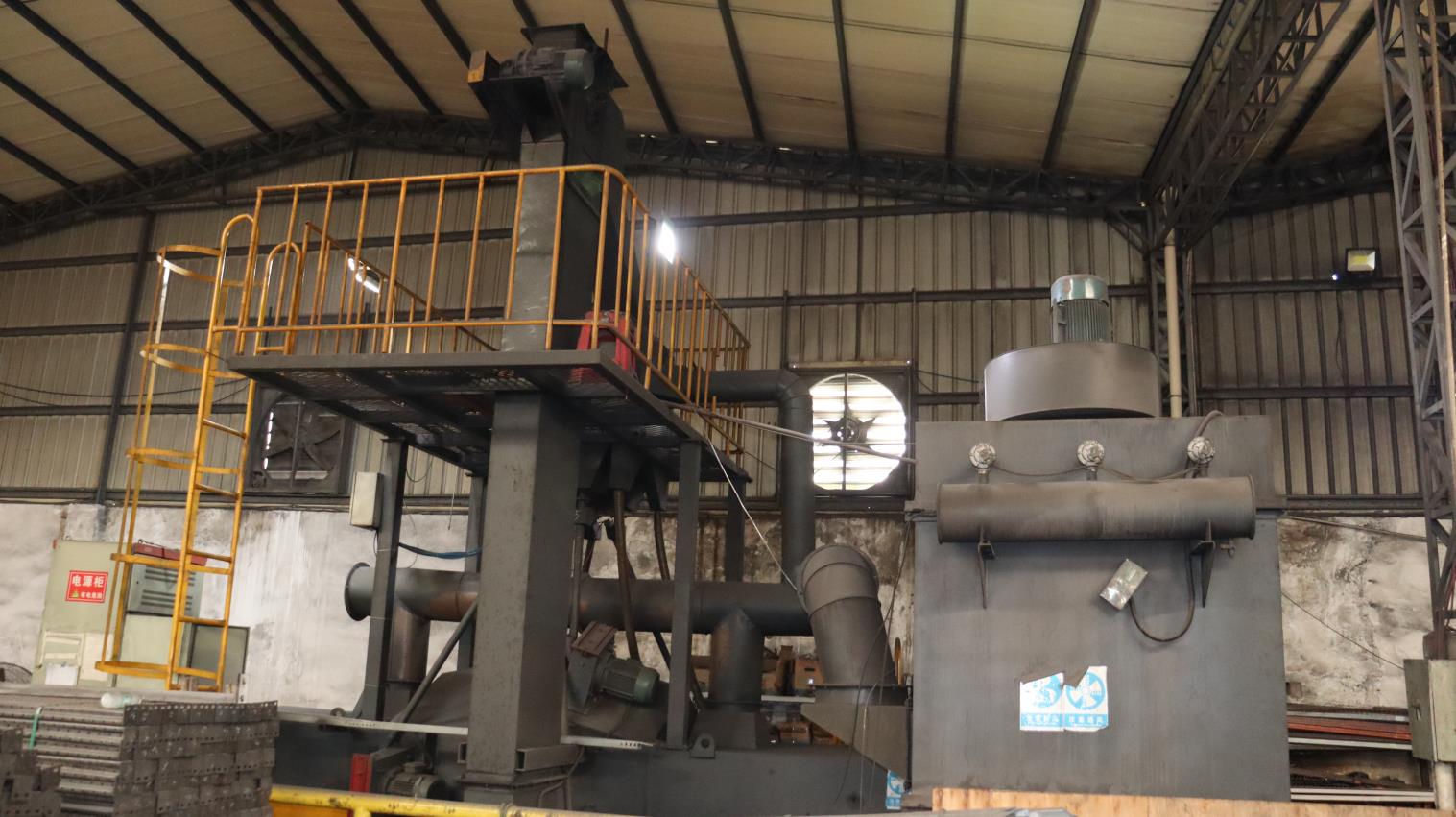
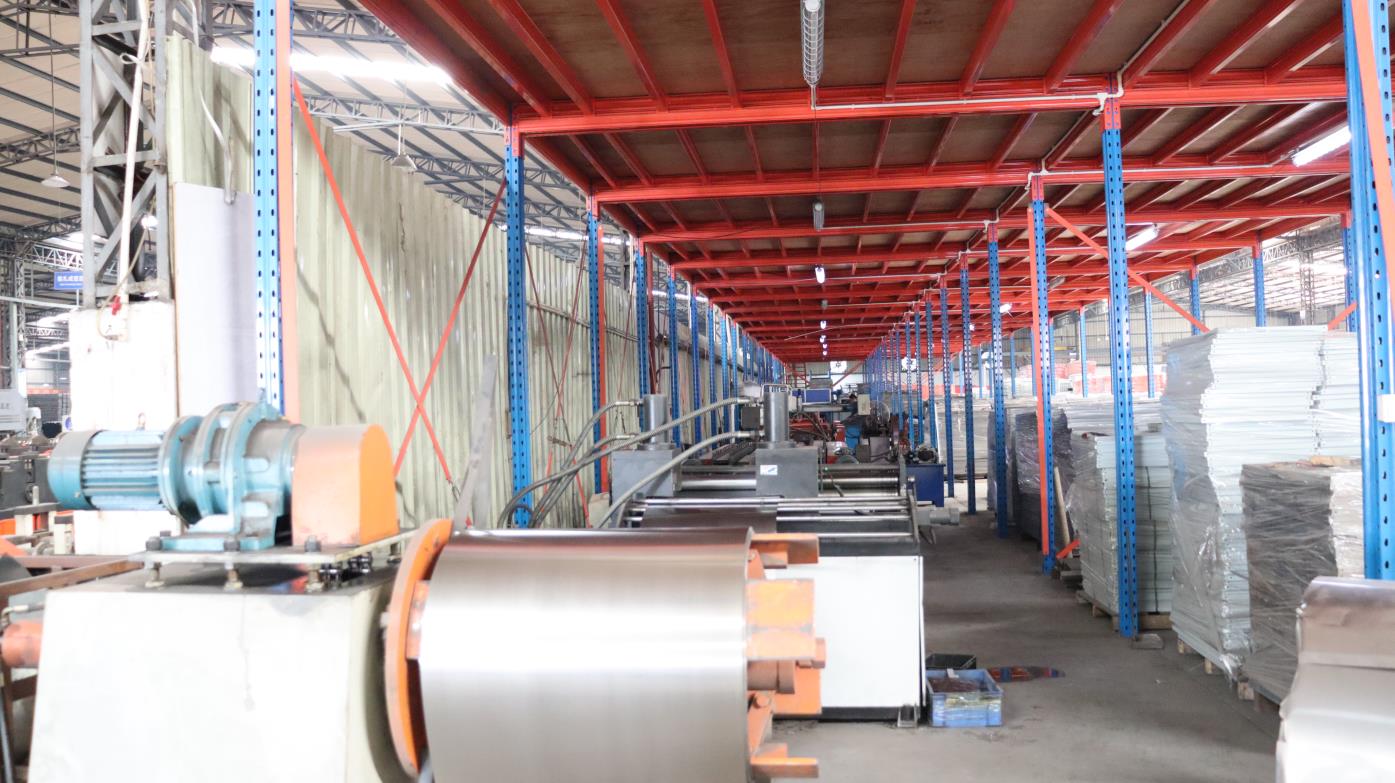
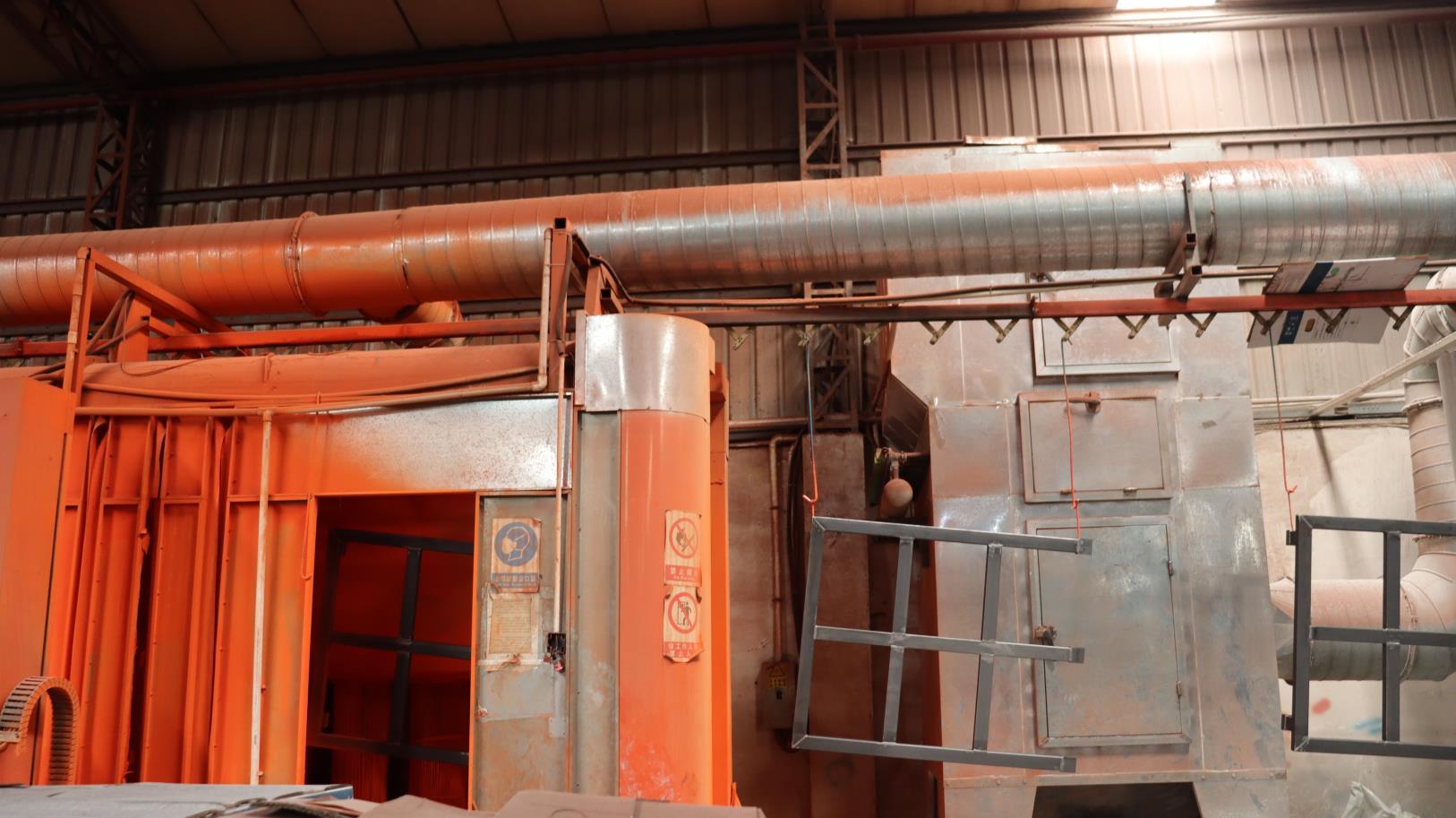
Procurement directors in Muscat, Sohar, and Duqm face a persistent choice: source locally from small-scale fabricators or import from integrated, high-capacity factories in China. The operational advantages of importing heavy-duty steel pallet racks from a highly automated factory like Shenzhen Lijin are significant:
To ensure structural integrity under maximum load capacity, every production batch at Lijin undergoes a rigid multi-stage QA protocol. This includes ultrasonic weld flaw detection, profile thickness calibration using digital laser micrometers, cross-cut adhesion tests for powder coatings, and physical load deflection tests up to 1.5 times the rated load capacity. This standard of quality control ensures zero deformation when racks are assembled in Omani seismic zones.
Explore our wider catalog of heavy-duty, selective, drive-in, and adjustable steel racking solutions configured for industrial performance.
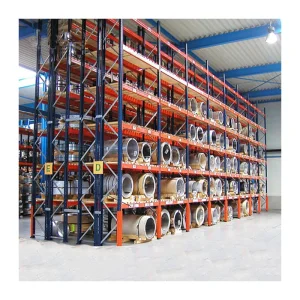
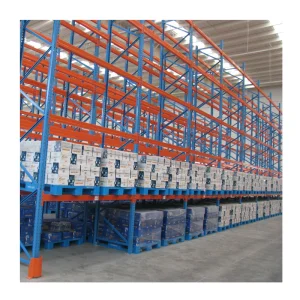
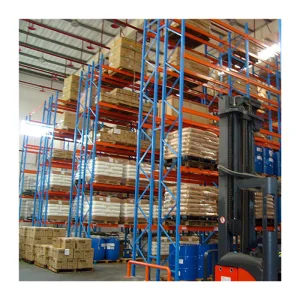
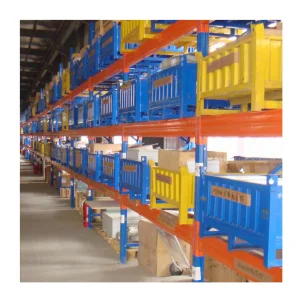
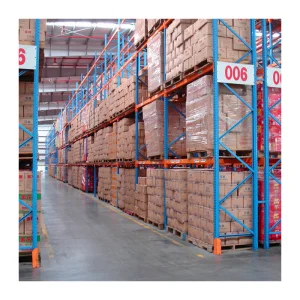
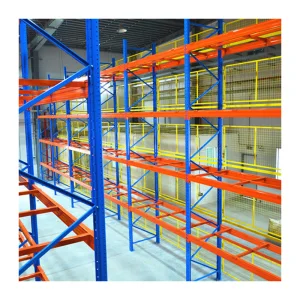
When selecting racking structures for industrial applications in the Gulf, engineering standard compliance prevents costly systemic failures. Buyers should evaluate suppliers against these key engineering metrics:
Heavy-duty racks rely on cold-formed structural steel profiles. For standard loads (up to 1,000kg UDL per level), Q235B steel offers excellent ductility and processing stability. For high-bay warehouses or dynamic loads exceeding 1,500kg per level, Q355B structural steel is recommended due to its higher yield strength (355 MPa), which allows for thinner profile gauges while maintaining the required structural safety factors.
Under maximum design load, racking beam deflection must not exceed 1/200th of the span length (L/200). For a 2700mm beam, this limits elastic deflection to 13.5mm. Excessive deflection stresses structural upright joints, increasing the risk of progressive collapse during forklift pallet placement.
Our automated electrostatic powder coating lines apply a 60 to 80-micron layer of high-density thermosetting epoxy-polyester powder. Before coating, the steel undergoes a 7-stage chemical pre-treatment (including degreasing, acid pickling, and phosphating) to ensure long-term paint adhesion. For highly corrosive coastal environments or cold storage operations, hot-dip galvanized finishes (ASTM A123 compliant, zinc coating thickness > 80 microns) provide enhanced protection against moisture and salt-mist oxidation.
Northern parts of Oman, particularly around Muscat and the Al Hajar mountains, are situated near active seismic fault lines. Racking frames installed in these regions must feature heavy-duty baseplates secured with mechanical anchor bolts. Calculations must incorporate seismic load coefficients ($S_d$) to ensure lateral stability during minor tectonic events.
Expert answers to common engineering, logistics, and installation questions regarding heavy-duty racking systems imported into Oman.
Partner with Shenzhen Lijin for engineered, cost-effective, and code-compliant heavy-duty storage configurations tailored for the Sultanate of Oman.
Send Inquiry Now Lijin Racking