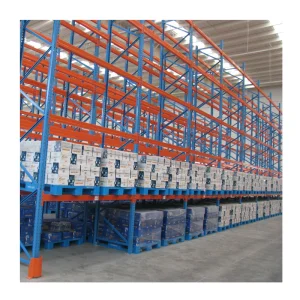
Pre-engineered heavy-duty configurations certified for rapid deployment and high structural load capacities.
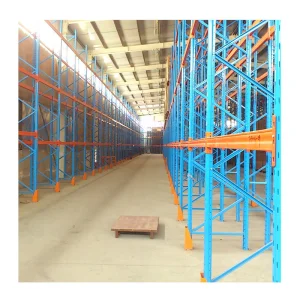
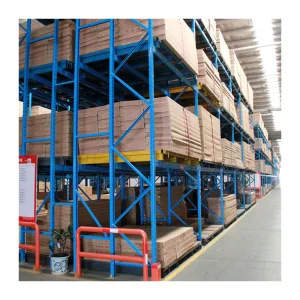
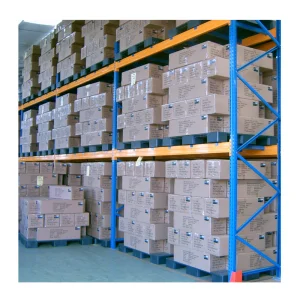
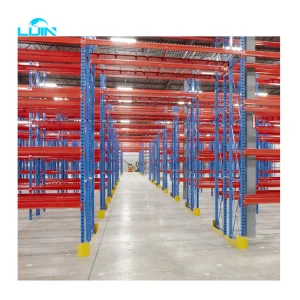
Japan’s logistics sector is undergoing a profound transformation. Driven by land scarcity, high real-estate costs in metropolitan hubs like Tokyo Bay and Osaka, and the pressing "2024 Logistics Crisis" (labor shortages stemming from driver overtime caps), warehouses must optimize every cubic meter of vertical space.
Unlike standard global markets, designing storage racking for Japan requires deep structural expertise. The geographical footprint of the Kanto and Kansai plains sits directly over highly active tectonic plates. Heavy-duty racking systems must not only bear significant static weight but also withstand massive dynamic shear forces generated during high-magnitude seismic events.
Additionally, Japan's booming food processing and cold chain logistics sectors require heavy-duty configurations designed specifically for low-temperature environments (down to -30°C). This necessitates specialized low-temperature impact-resistant steel alloys and multi-layered anti-corrosion protective finishes to prevent structural embrittlement and rust.
How we engineer heavy-duty racks to meet strict Japanese safety guidelines under severe earthquake conditions.
We utilize advanced Finite Element Method (FEM) software to run static and dynamic simulated loads. Our engineers model seismic accelerations corresponding to Great East Japan Earthquake levels to verify structural elasticity and structural damping coefficients.
All vertical uprights and horizontal support beams are manufactured from verified structural steel (equivalent to SS400 or SM490 grades). The raw material provides optimal yield strength and tensile ductility, preventing brittle failures.
We deploy oversized, high-thickness footplates secured with premium chemical anchor bolts. This configuration increases energy dissipation and reduces localized shear stress on the concrete warehouse subfloor during tremors.
As a premier manufacturing partner, Shenzhen Lijin Storage Equipment Co., Ltd. bridges the gap between high-precision customization and cost efficiency.
By leveraging China's advanced industrial steel supply chain, we secure premium raw materials at competitive rates. Our 35,000 square meter ISO 9001-certified factory in Shenzhen utilizes advanced automation lines, minimizing labor-induced manufacturing tolerances. This allows us to offer Japanese distributors, 3PL providers, and general contractors structural solutions that match local quality standards at a highly competitive total cost of ownership (TCO).
We maintain an in-house quality assurance team of 35 dedicated inspectors. Every batch of heavy-duty beams undergoes ultrasonic weld testing, coating thickness inspections, and deflection stress testing before export. Combined with our 8+ years of direct export experience to high-barrier regions, we manage shipping, customs documentation, and logistics directly to major Japanese ports like Tokyo, Yokohama, Kobe, and Nagoya.
For projects requiring custom spacing, irregular bay sizes, or specific paint configurations, our R&D department (comprising 28 engineers) designs bespoke systems. Last year alone, we launched over 85 new product configurations, including highly specialized cold-storage frames and automated rack-supported warehouse structures.
Our raw Q235 steel yields 235MPa strength. The manufacturing process incorporates automatic steel punching, cold roll forming, robotic CO2 shielded welding, and static powder coating. This ensures consistent dimensions, uniform load distribution, and strict compliance with global FEM and EN structural design principles.
A comprehensive view of our integrated production processes, raw material controls, and heavy industrial machinery inside our 35,000 m² factory.
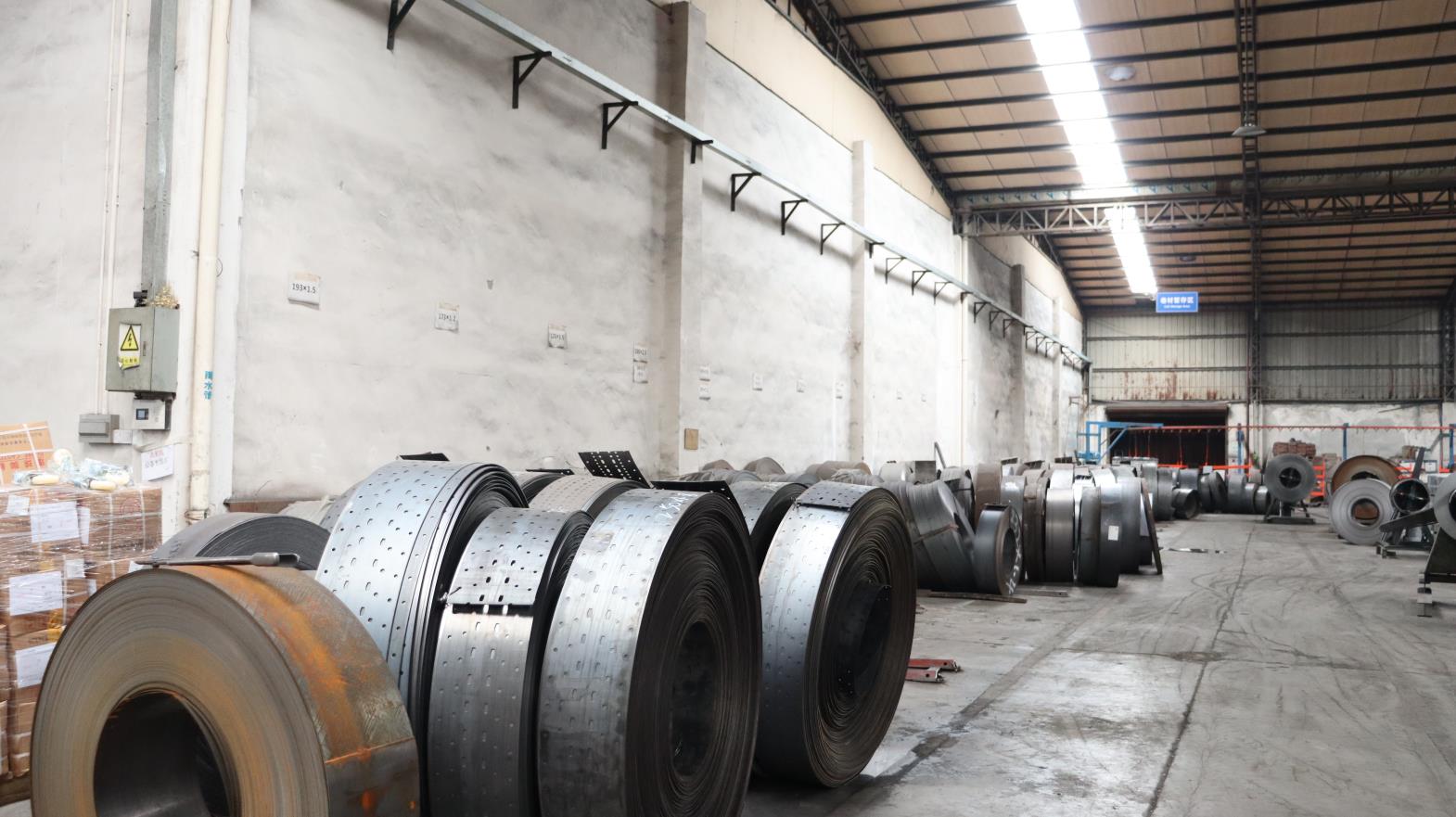
Raw Material Control
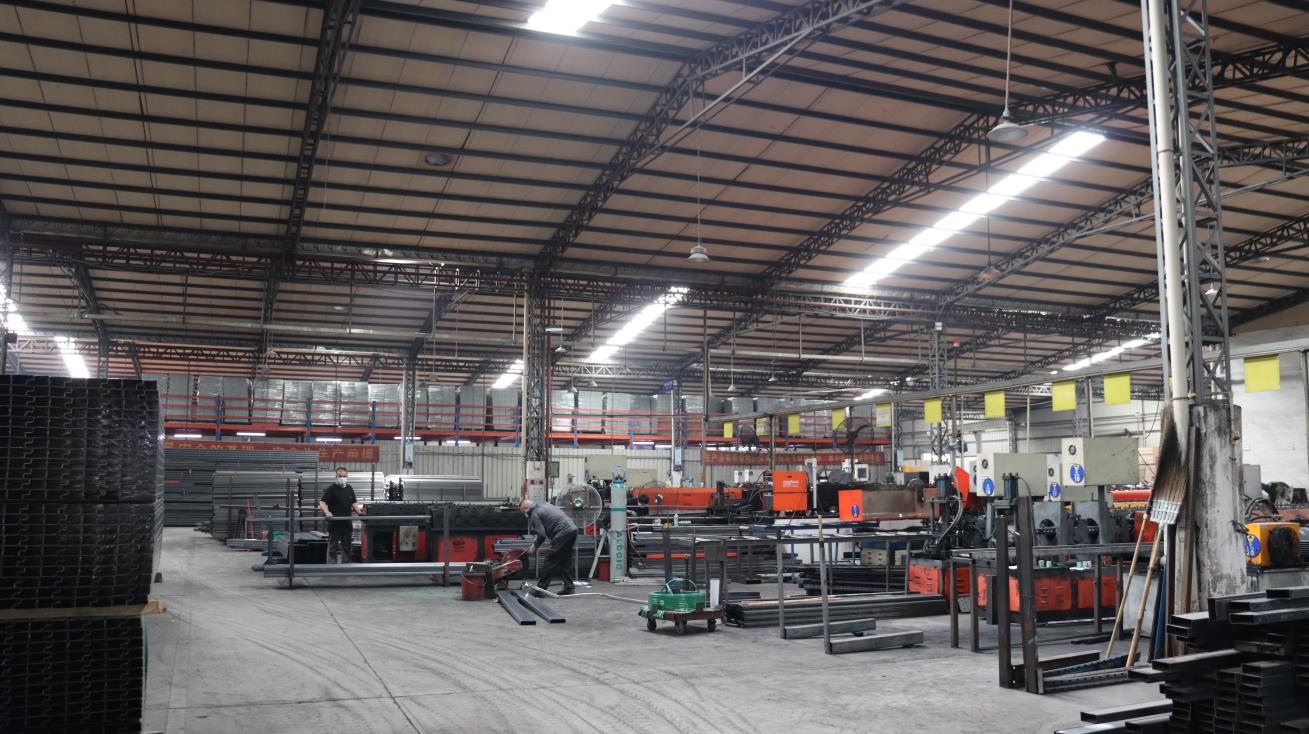
Precision Roll Forming
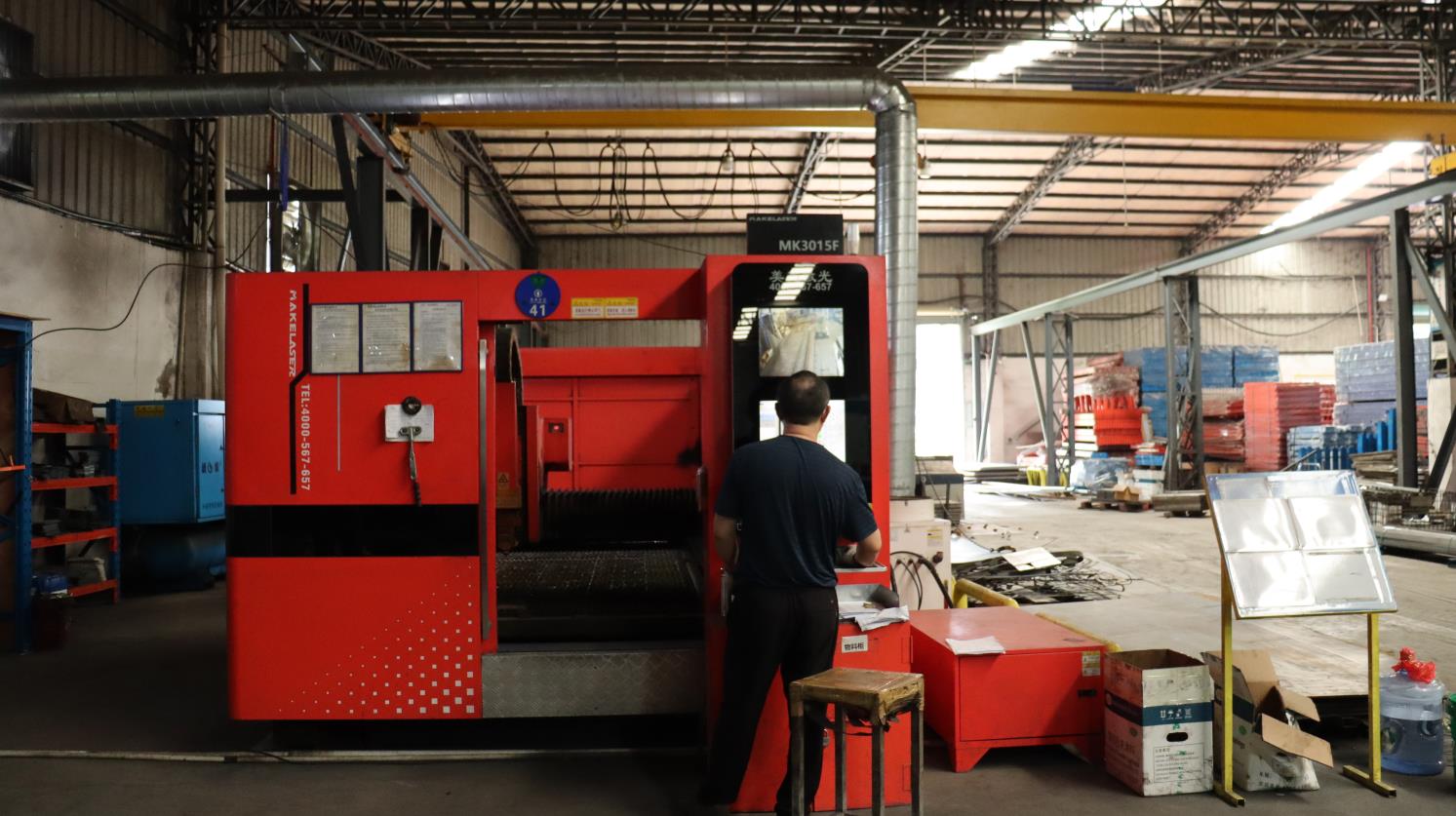
Automated Cutting
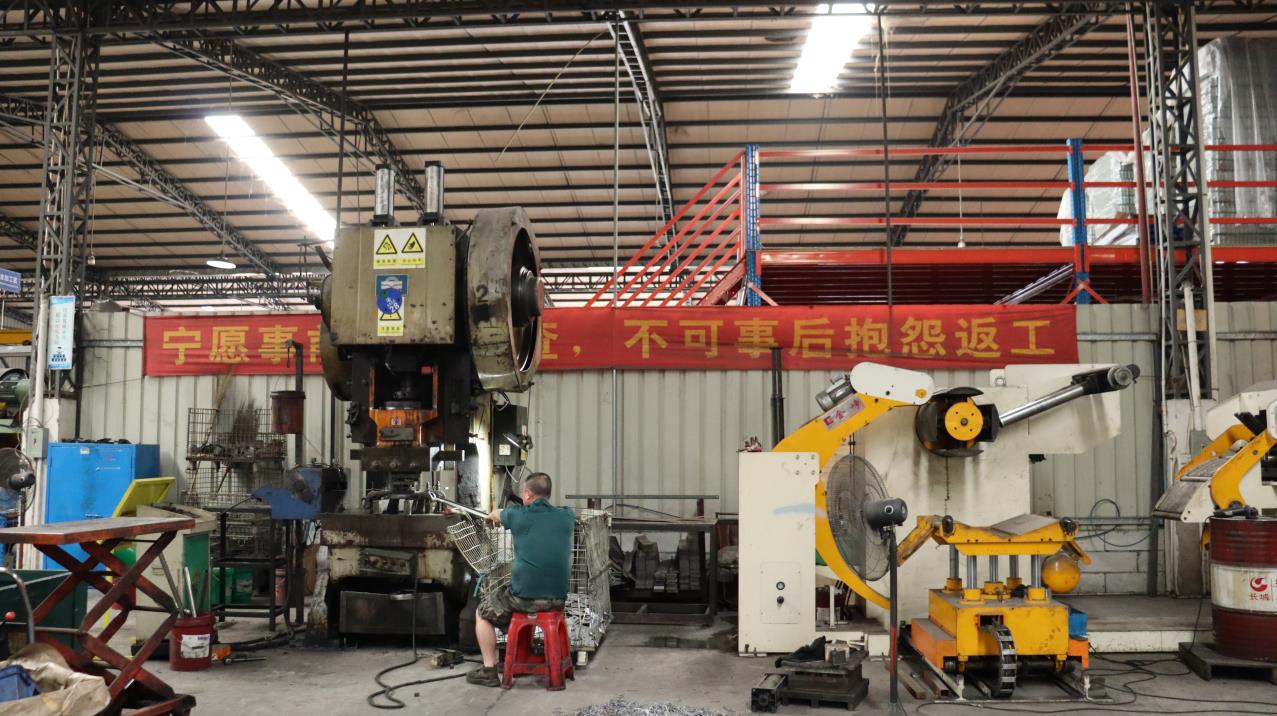
Hydraulic Stamping
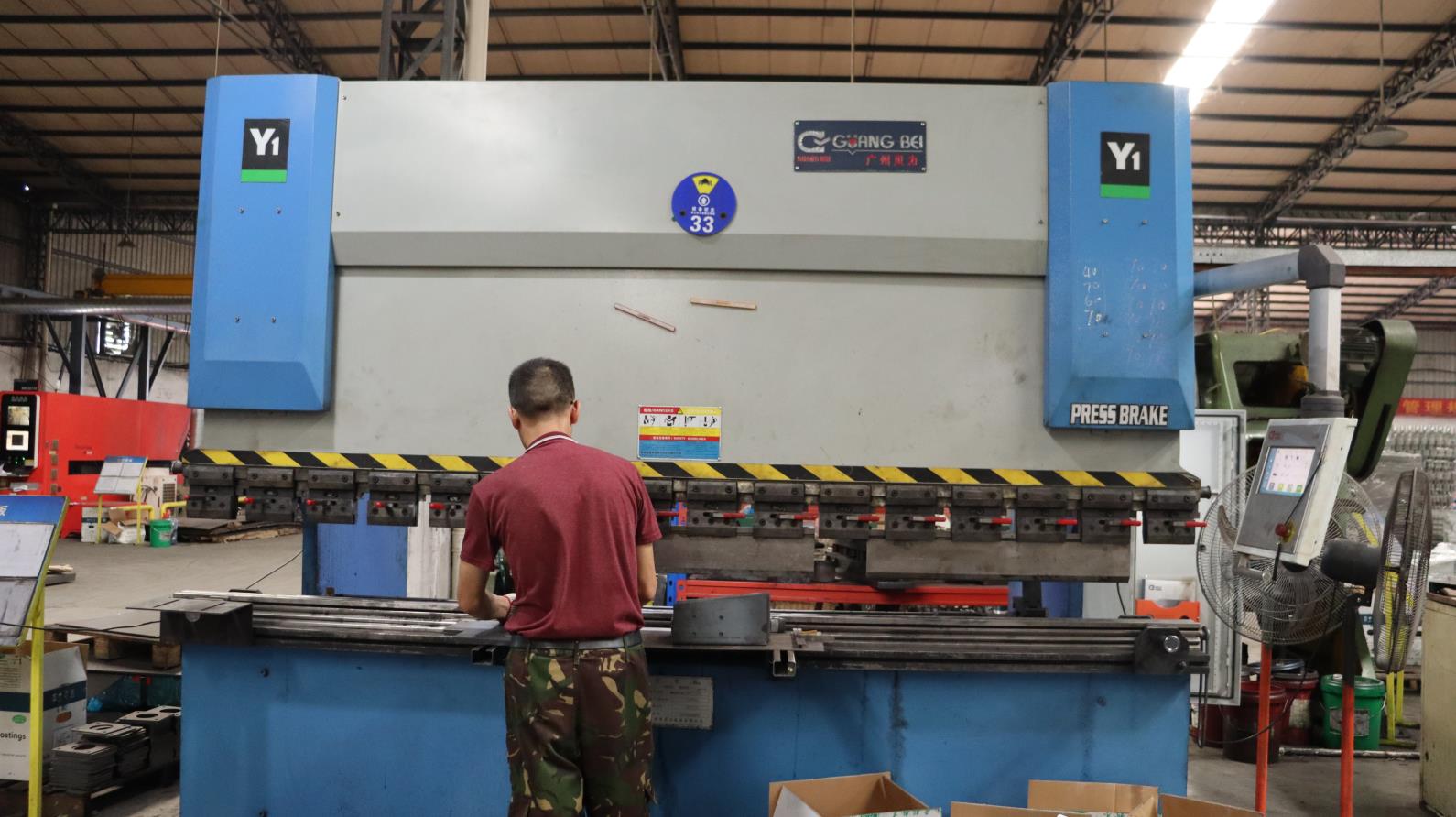
Heavy-Duty Bending
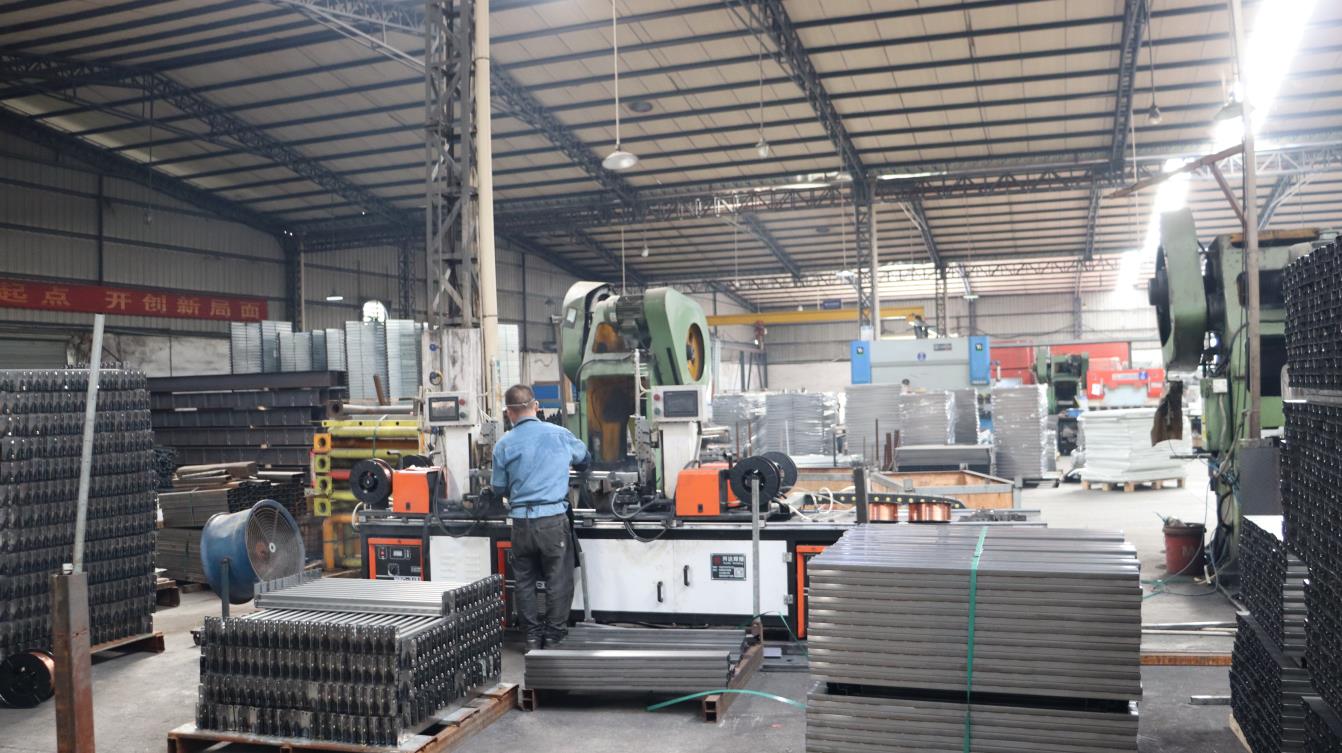
Robotic Welder Line
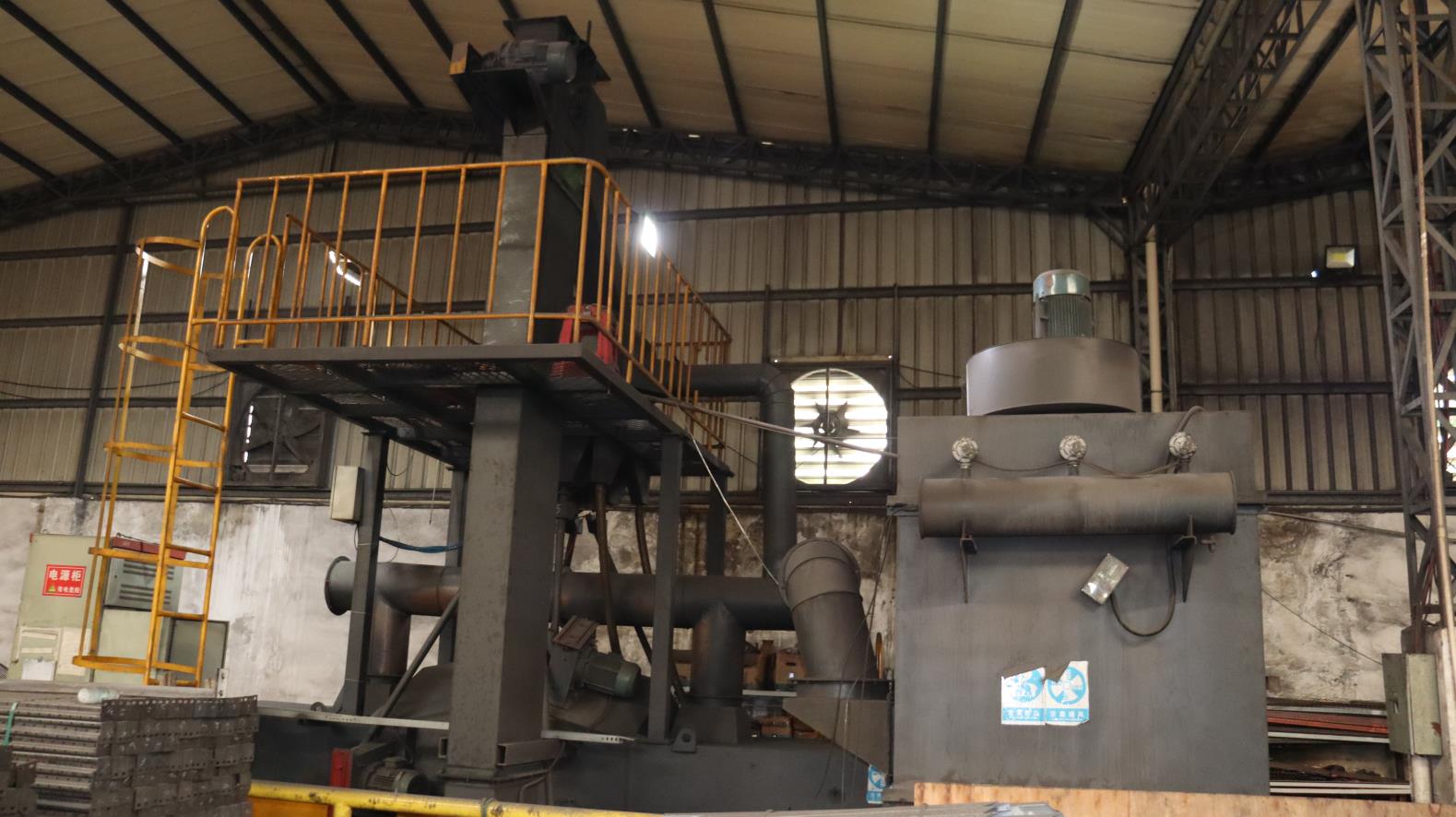
Structural Grinding
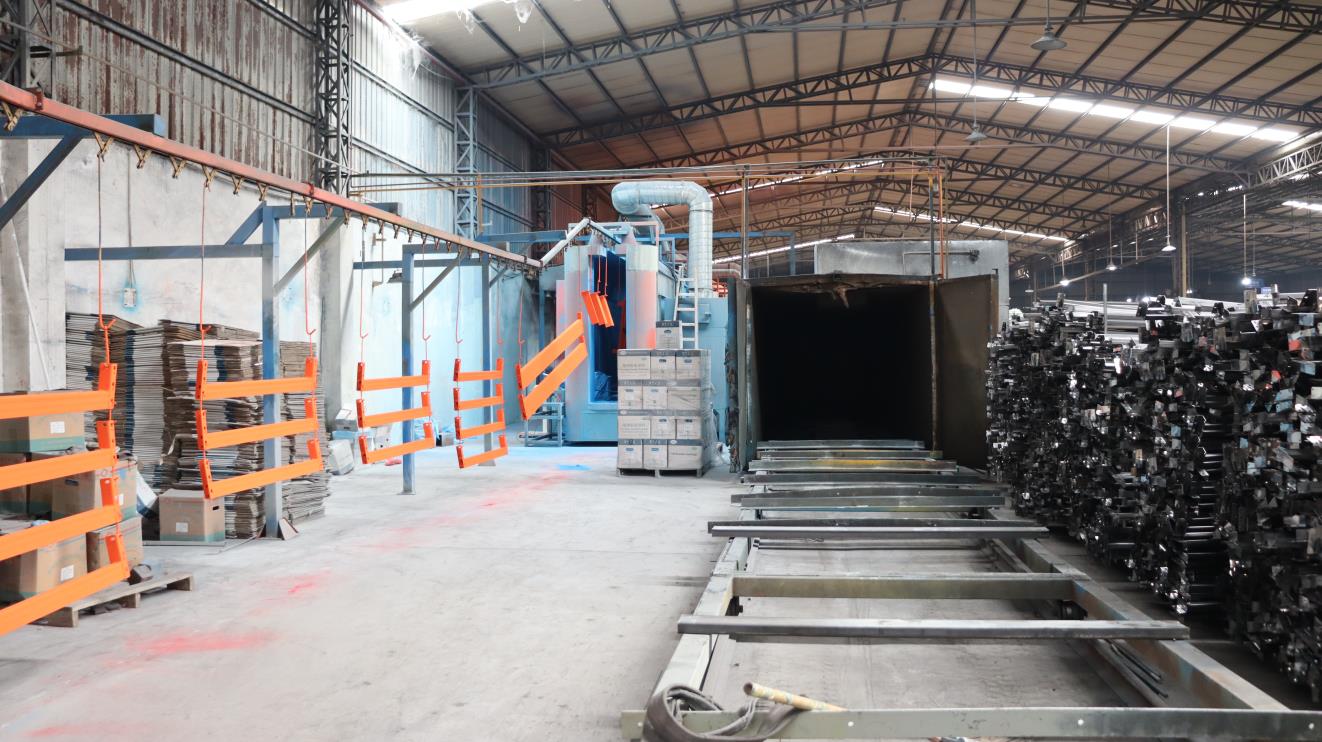
Electrostatic Coating
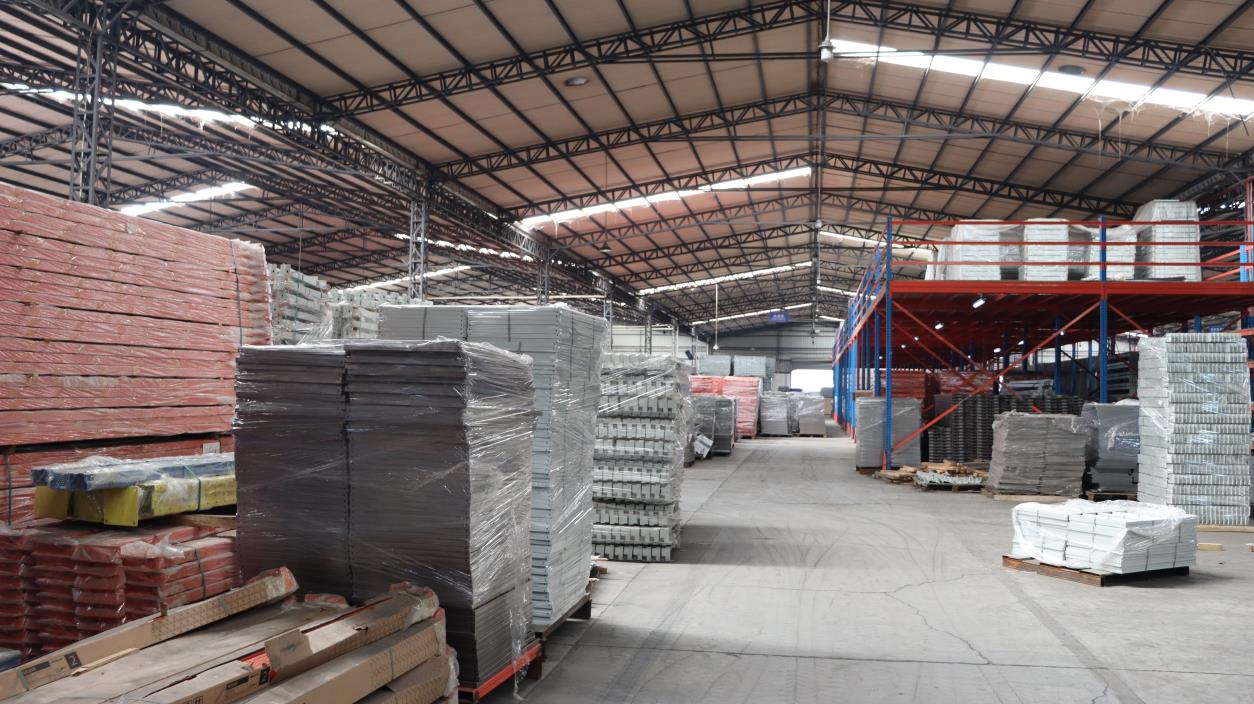
Finished Product Stock
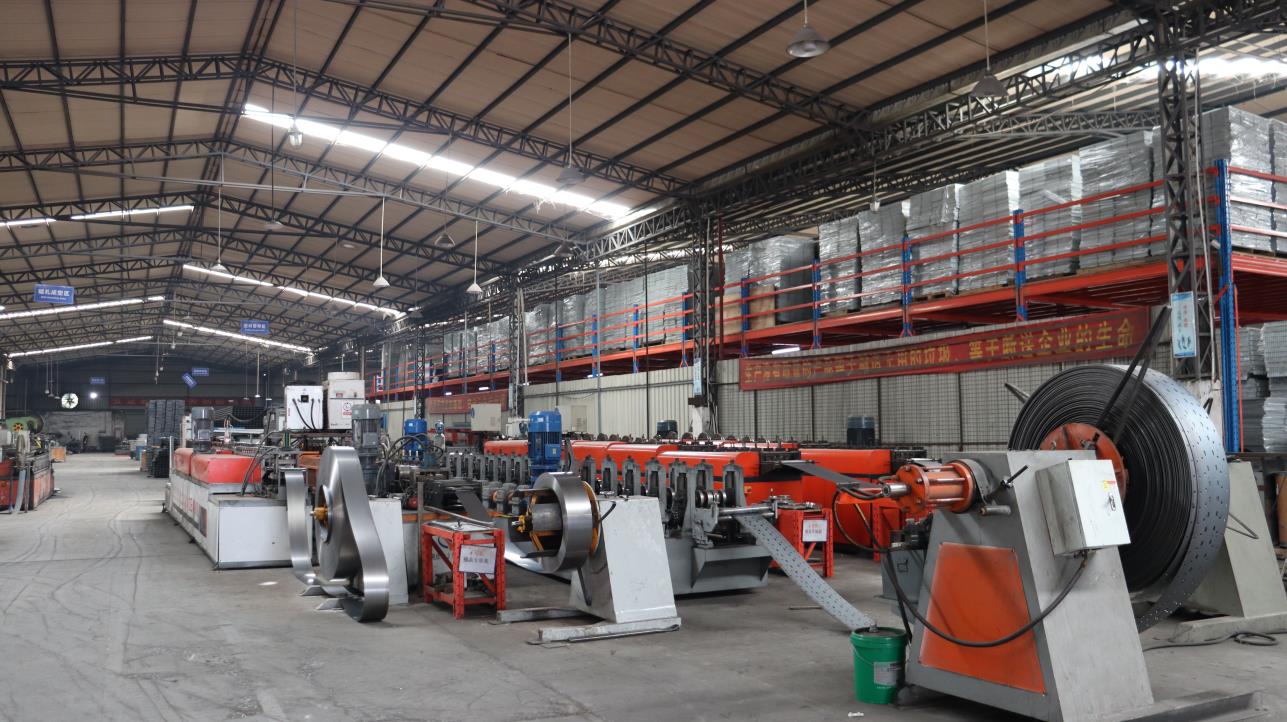
Multi-Station Roll Machine
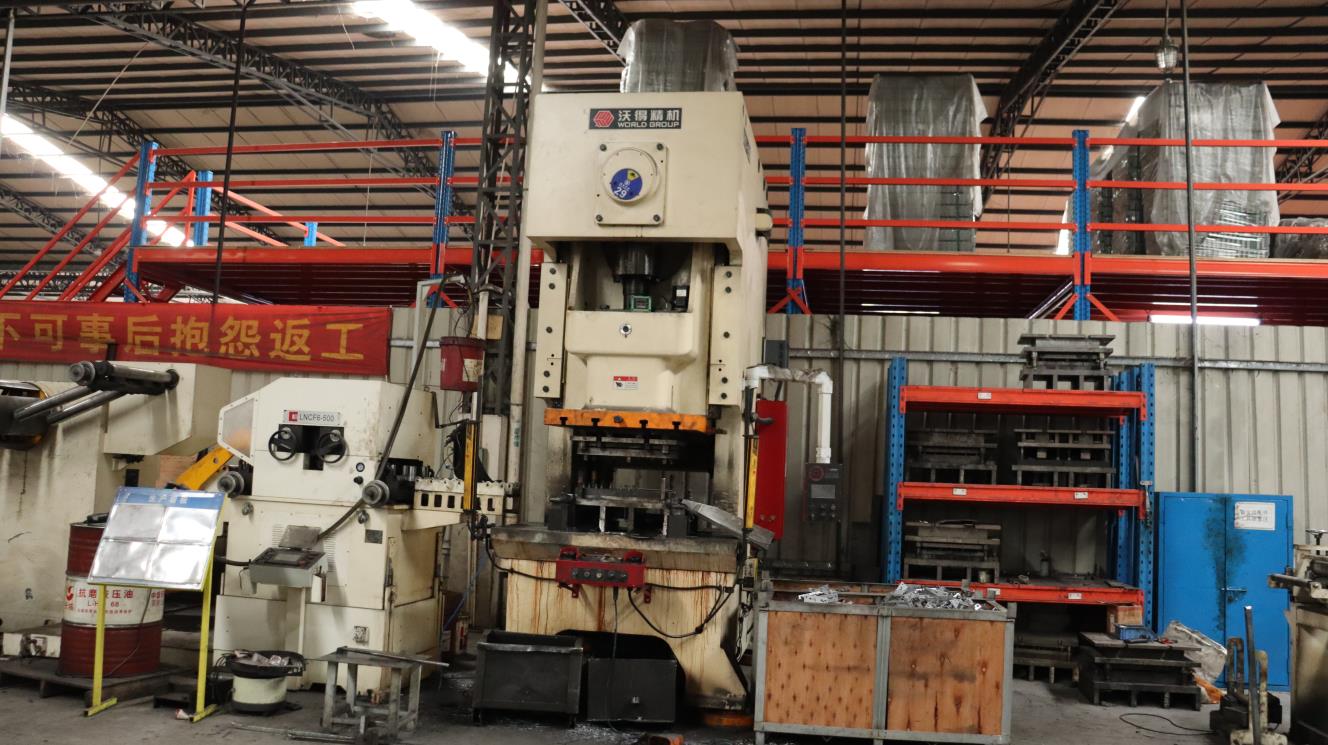
High-Speed Punch Press
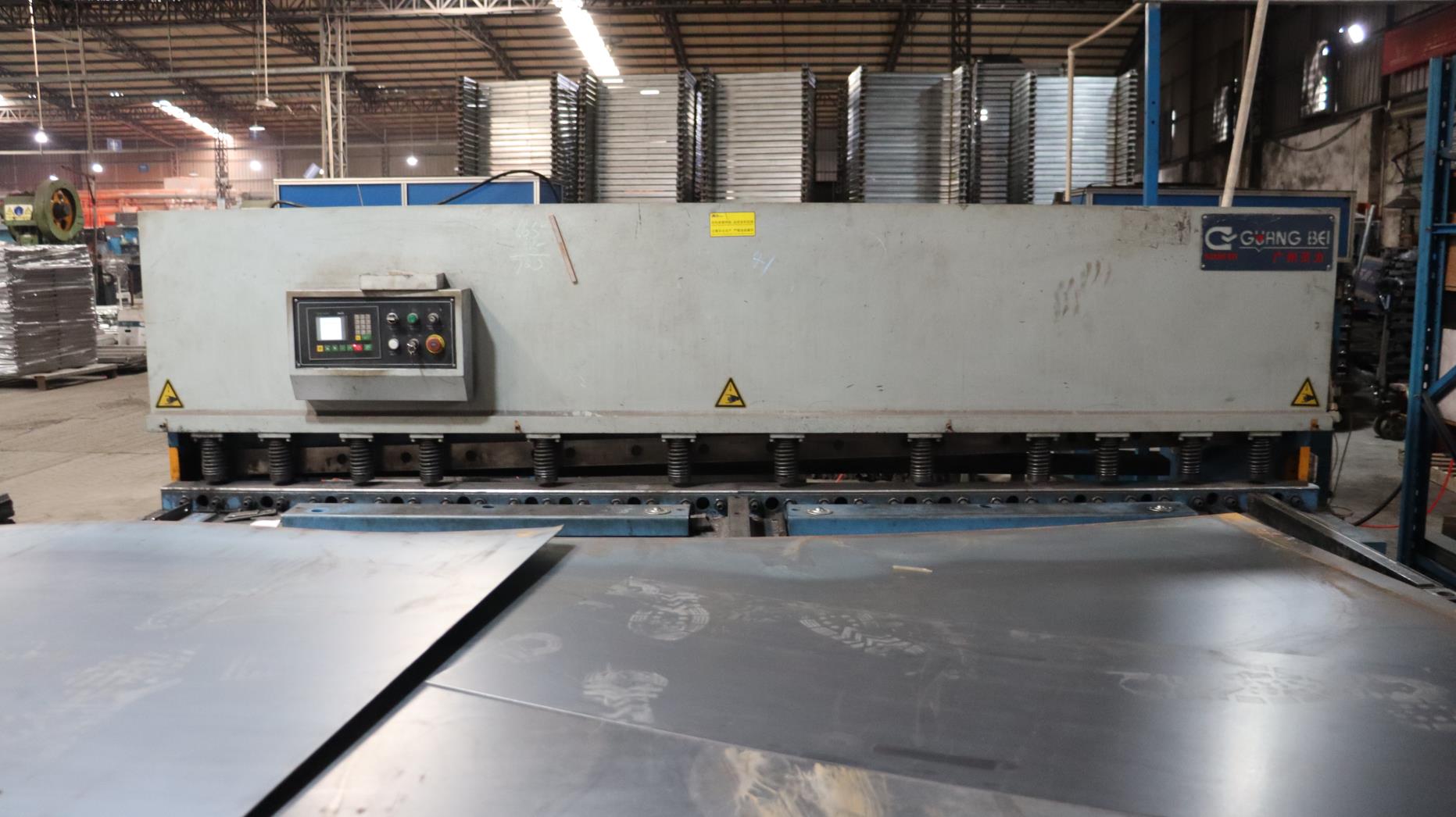
CNC Shear Center
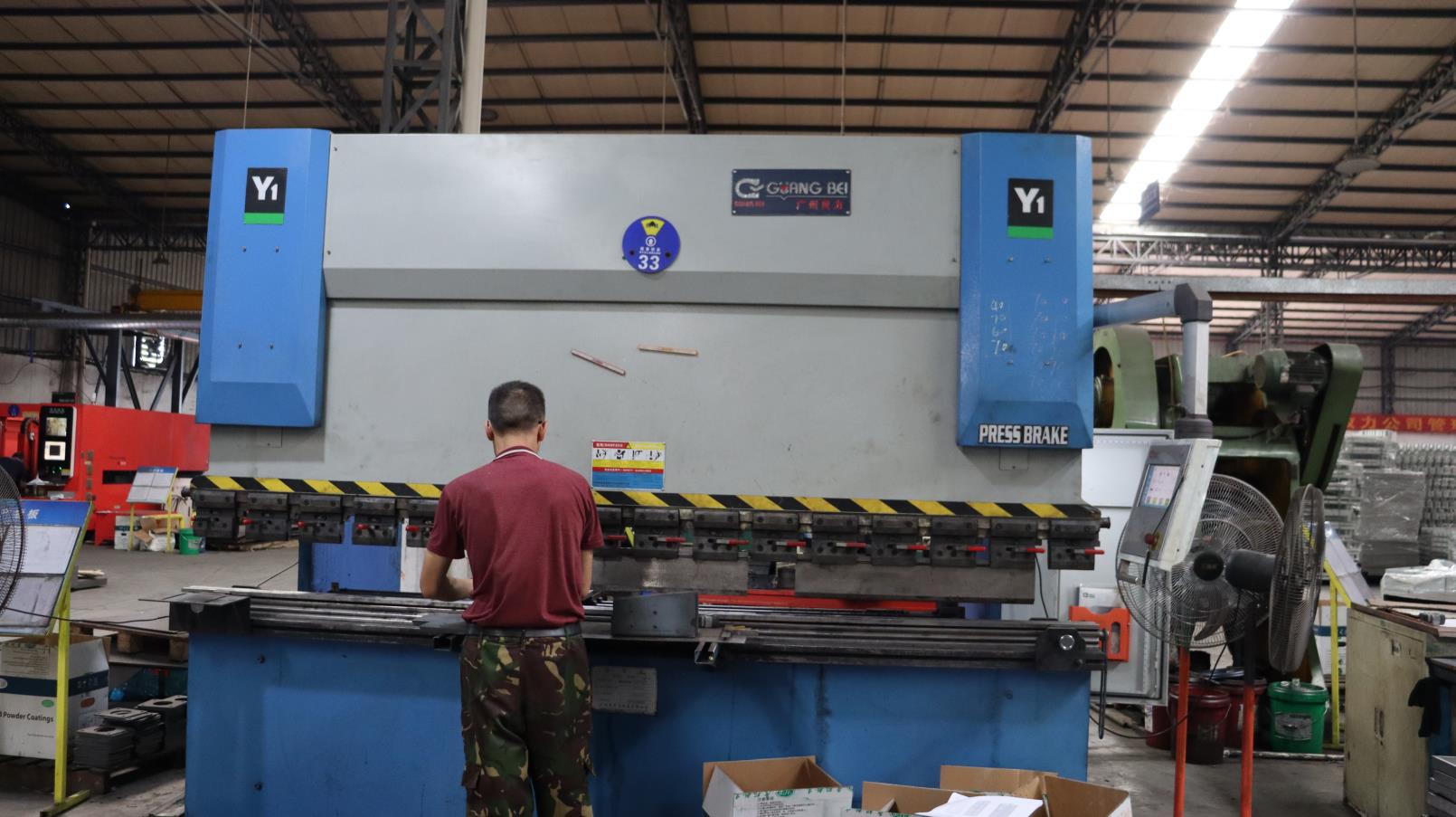
CNC Press Brake
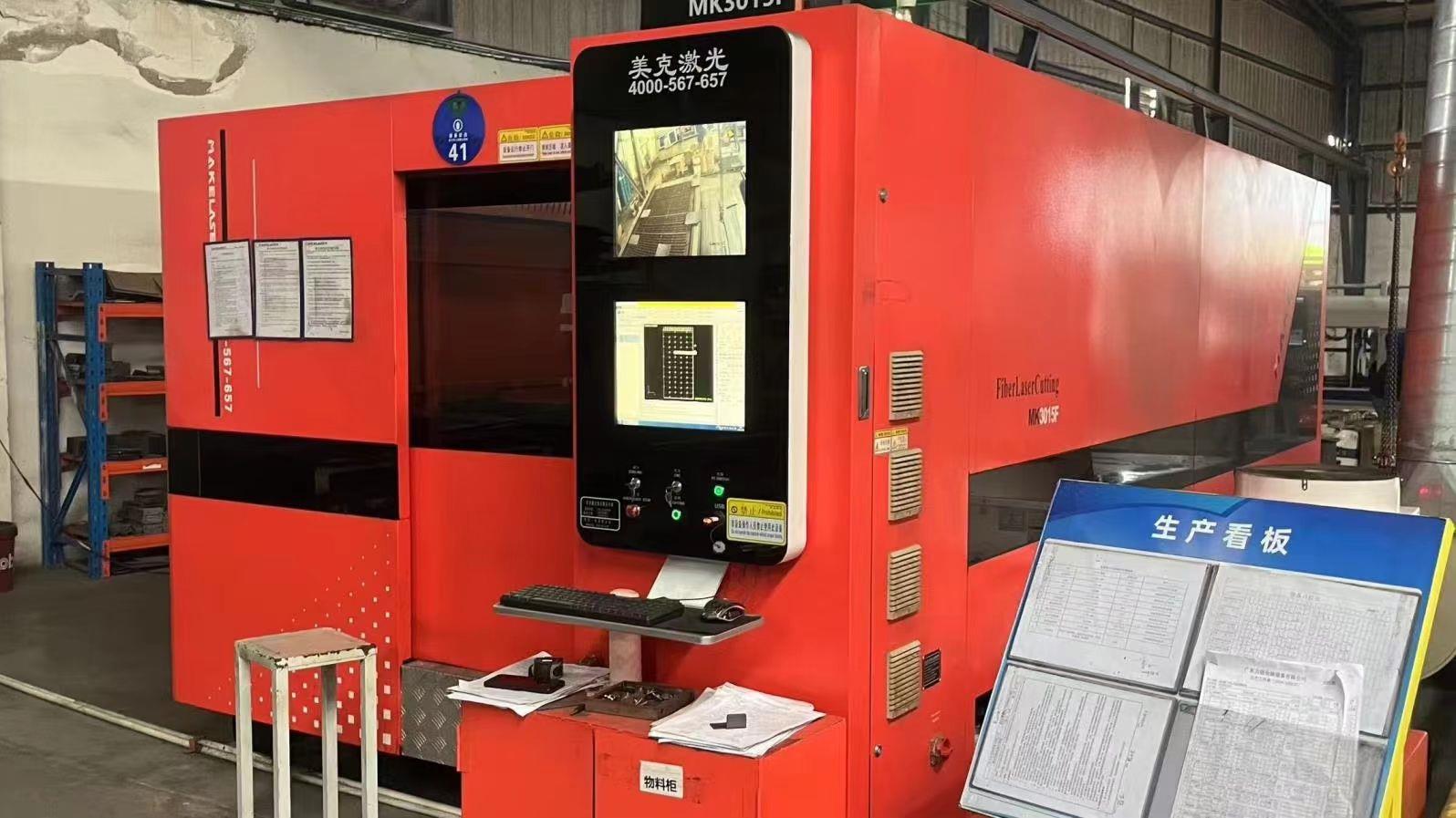
Precision Fiber Laser
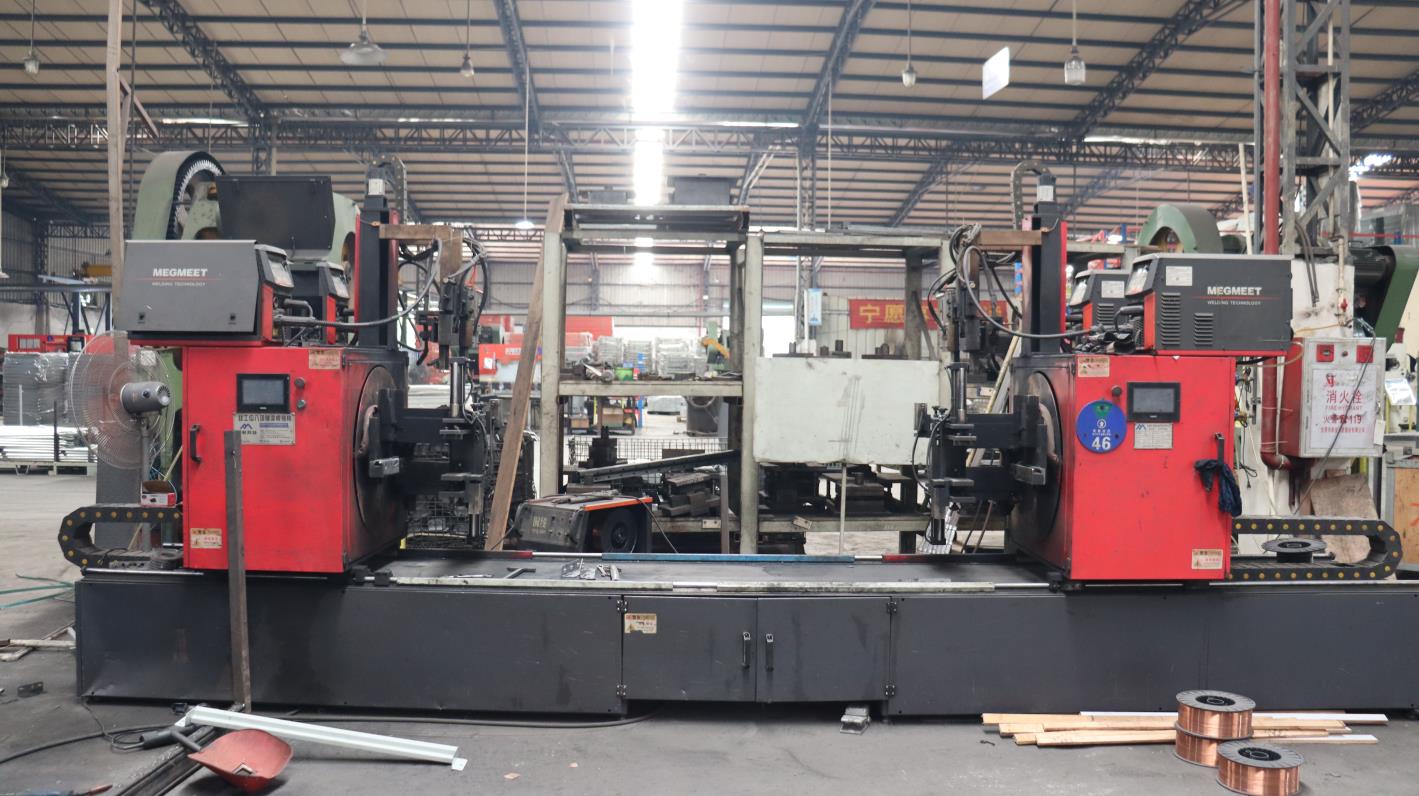
Intelligent Welder
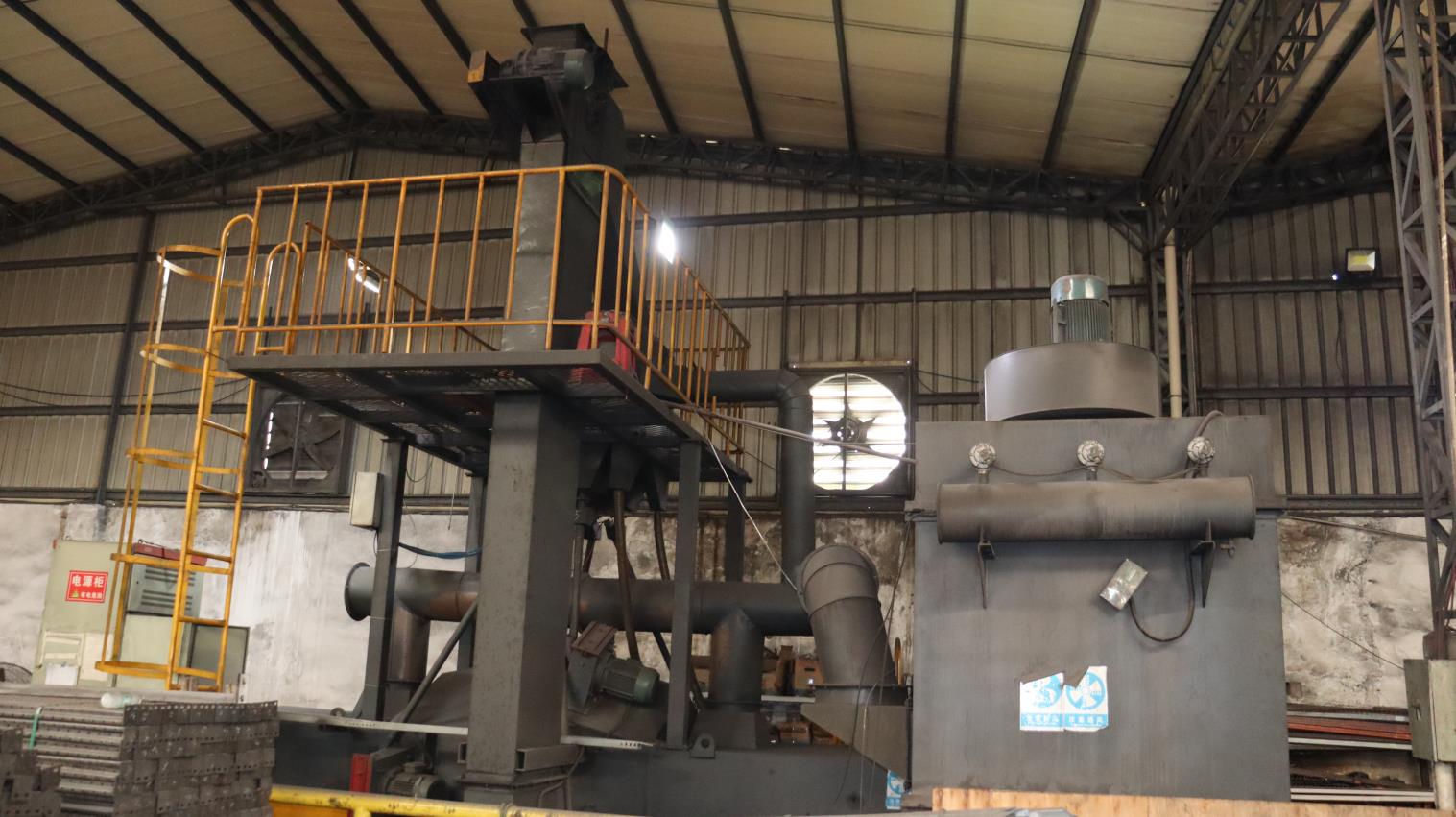
Buffing System
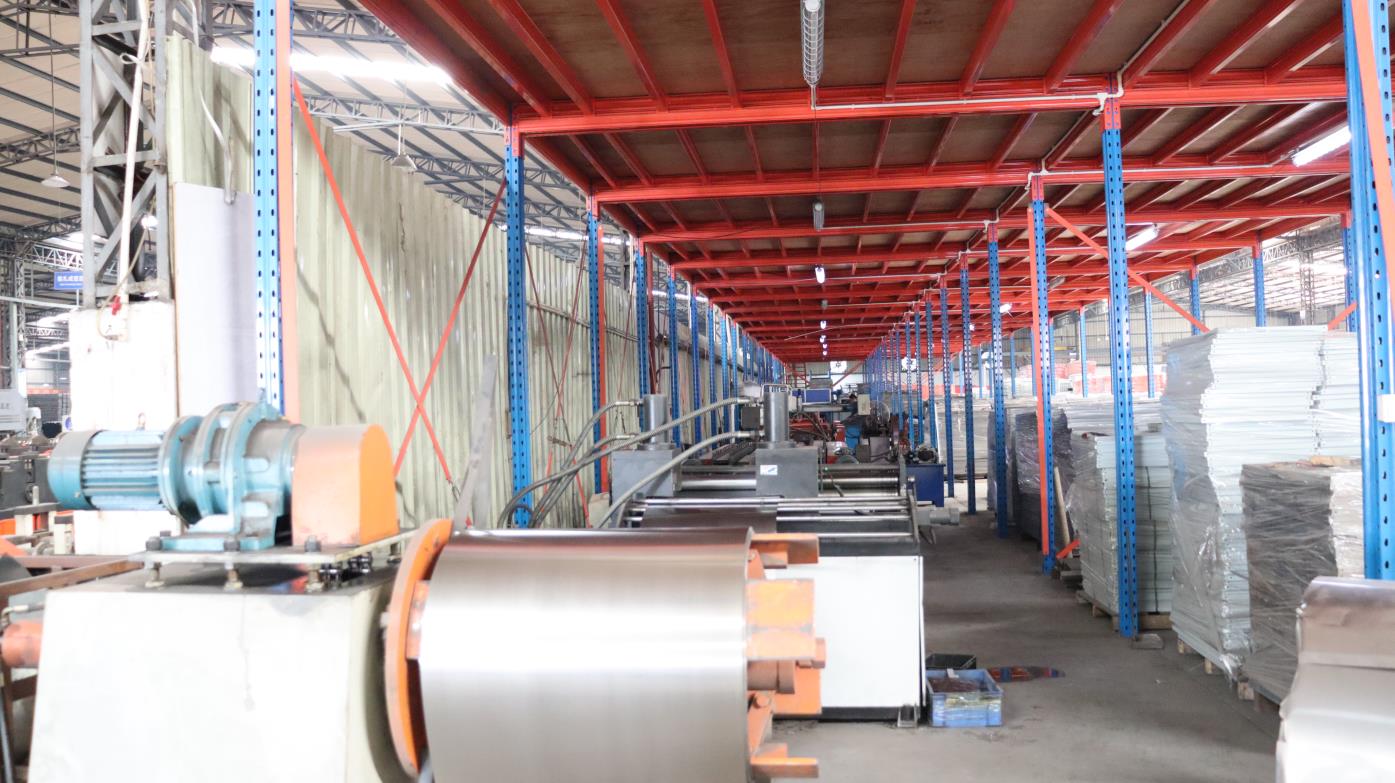
High-Speed Frame Line
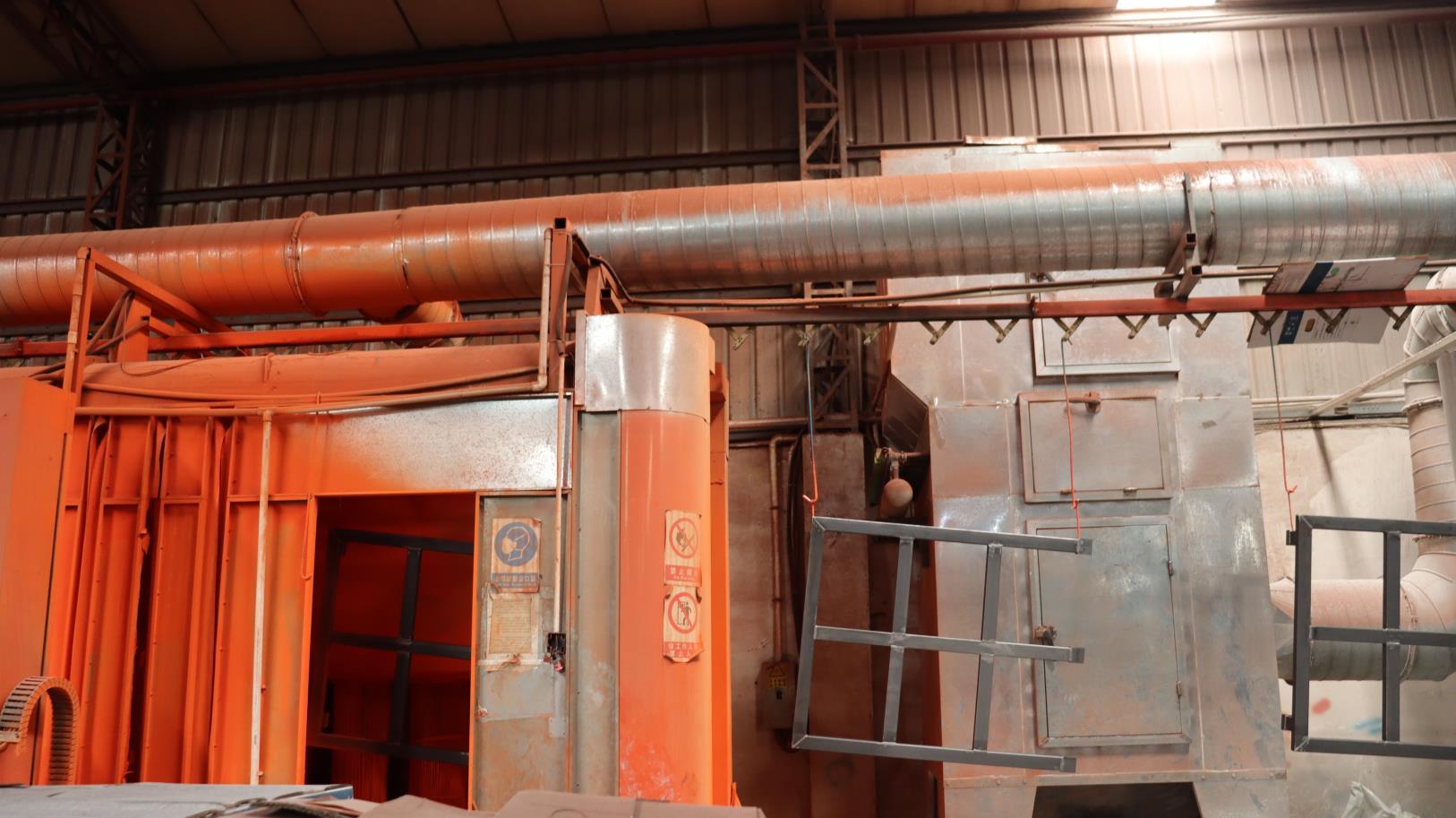
Coating & Curing Line
Heavy-duty warehouse installations tailored to complex distribution channels, strict regulations, and climate zones.
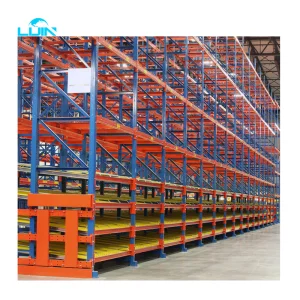
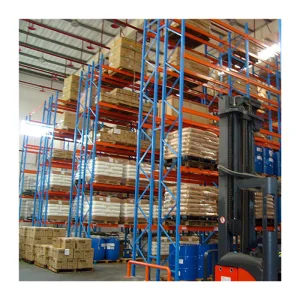
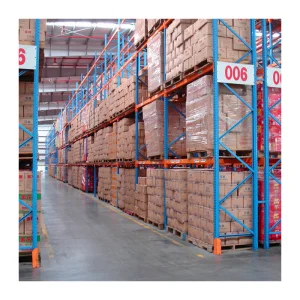
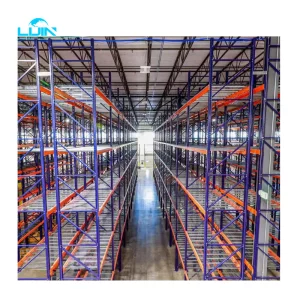
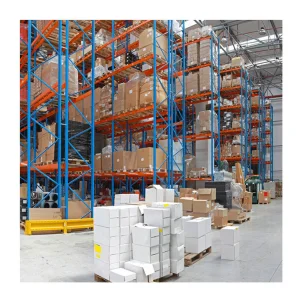
Due to high land value and rapid shipping turnarounds, warehouses utilize high-bay pallet racking systems. By using narrow aisle configurations (VNA), throughput speed is maximized while storage density is increased by up to 60%.
Optimization: Max vertical height & deflection controlMarine seafood and agricultural produce require sub-zero storage. Standard steel can become brittle under extreme cold. Our racks are manufactured with specified steel grades and multi-stage powder coats to prevent rust from condensation cycle changes.
Optimization: Low-temp performance & anti-rust coatIn zones prone to high seismic frequency, racking systems utilize thick upright columns, double-welded base plates, dynamic cross-bracings, and mechanical/chemical floor anchor connections to absorb kinetic energy during ground movements.
Optimization: Structural ductility & dynamic dampening
Modern Japanese warehousing is moving toward smart, automated storage systems. Our design roadmap aligns directly with this automation trend.
We are expanding the development of racking components engineered specifically for AS/RS stacker cranes, Radio Shuttle platforms, and AMR (Autonomous Mobile Robot) integrations. Dynamic storage structures require extremely low tolerances: beam level variances must be kept within ±1.5mm across the span of the rack structure. This guarantees that automated sensors and forks can safely retrieve pallets without system errors.
Additionally, we are testing IoT-enabled load sensors integrated into critical beam components. These sensors track real-time deflection data and structural health, providing early warnings for load imbalances or structural impact damage.
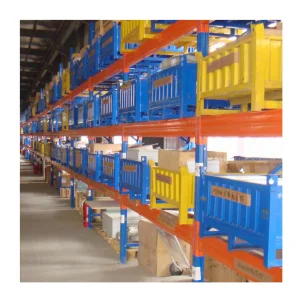
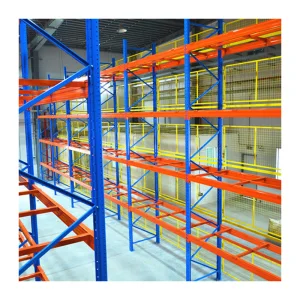
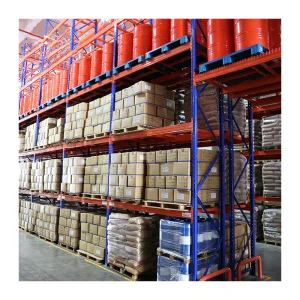
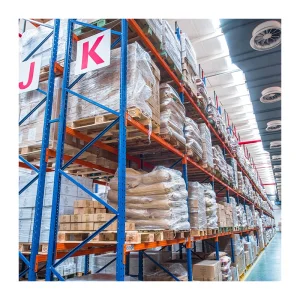
Explore our heavy-duty configurations, customized shelves, and industrial beam systems designed to optimize space utilization.
Navigating import customs, compliance checks, and structural certifications in Japan can be complex. We make this process simple.
Lijin provides full documentation for Japanese municipal building reviews, including detailed material test certificates, load calculation papers, and CAD drawing plans. We work closely with domestic shipping lines to manage the customs clearance process at major Japanese ports, delivering directly to construction sites.
Through our established partnerships with local Japanese general contractors and installation crews, we ensure that on-site assembly, anchoring, and alignment checks are executed to local standards. This minimizes delays, ensures high safety on-site, and simplifies municipal building approval processes.
Structural Verification: We verify layouts against site seismic requirements before manufacturing starts.
Customs Clearance Support: Complete custom compliance handling to prevent delays at the border.
Technical Documentation: Detailed manuals, load charts, and assembly guides in English/Japanese.
Technical details, compliance standards, and order logistics for Japanese buyers purchasing heavy-duty racking.
Our engineering team conducts structural analysis based on local seismic conditions. We use high-yield Q235 structural steel, double-weld the connection plates, and increase the thickness of the baseplates. Dynamic seismic analysis is run through software to ensure the racking matches the local building codes (*Taishin* engineering standards).
For cold rooms and deep freeze installations down to -30°C, we specify high-quality structural steel that maintains ductility at low temperatures. We use a thick, multi-stage electrostatic powder coat finish to protect the steel frames from the condensation cycles typical of cold storage operations.
Manufacturing typically takes 20 to 30 days from layout approval, depending on the project size. Shipping from Shenzhen to major Japanese ports (Tokyo, Yokohama, Osaka, Nagoya) takes approximately 5 to 7 days, providing quick turnaround times for regional installations.
Yes. We design systems to match standard Japanese T11 pallets (1,100mm x 1,100mm) as well as custom international shipping pallet dimensions. Our engineers customize bay widths, upright depths, and shelf spacing to match your specific warehouse dimensions and forklift specifications.
 Lijin Racking