Engineered for high density, optimal structural integrity, and maximum spatial efficiency in Chicago's logistics corridors.
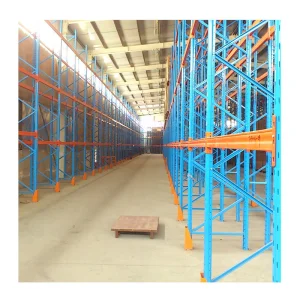
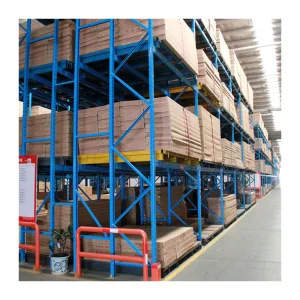
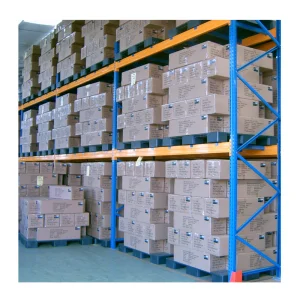
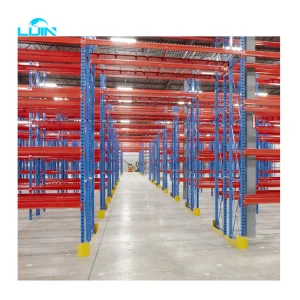
The Chicago metropolitan area, specifically the O'Hare and I-80 corridors, forms the absolute nerve center of North American logistics. Serving as the primary inland port of the United States, Chicago handles over 25% of the nation’s rail freight and boasts a logistics network connecting domestic manufacturers, international ports, and massive 3PL storage networks.
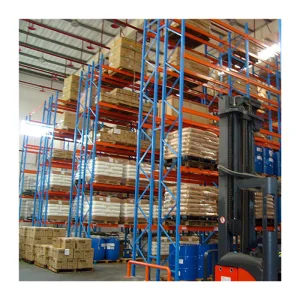
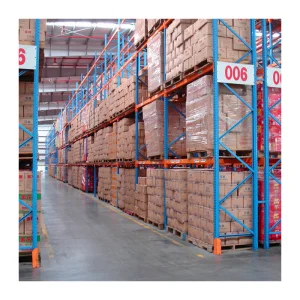
This immense logistics density generates a relentless demand for heavy-duty structural and roll-formed warehouse storage systems. Due to escalating urban land prices, logistics companies are choosing to build upward rather than outward, driving the growth of high-bay racking designs (heights exceeding 40 feet) that demand specialized engineering designs to withstand seismic actions, heavy dynamic loading, and continuous high-throughput operations.
Unlike less active logistics corridors, racking systems deployed in Cook, Will, and DuPage counties must strictly adhere to IBC (International Building Code) regulations alongside RMI (Rack Manufacturers Institute) standards. The local soil classifications and structural load-bearing parameters require exact steel plate chemistry (such as Q235 or high-strength Q355 structural grades) and certified welding standards to pass municipal structural inspections.
As raw material costs fluctuate globally, procuring industrial racking presents a strategic choice: sourcing locally in the Midwestern US with higher initial margins or partnering directly with high-capacity international fabricators and exporters like Shenzhen Lijin Storage Equipment Co., Ltd.
By leveraging an export partner, Chicago industrial warehouse operators, rack distributors, and integrators achieve significant cost efficiencies while maintaining absolute compliance with US safety regulations. Operating out of a state-of-the-art 35,000 m² facility, Lijin integrates advanced automated cold-roll forming, robotic welding, and inline powder coating systems to supply international standard racking systems at wholesale pricing. With over 8 years of direct export experience and $22 million in annual revenue, we bridge the gap between heavy structural engineering and overseas logistical efficiency.
The reliability of a heavy-duty rack depends entirely on the metallurgical quality of the steel and the geometry of the structural sections. At Shenzhen Lijin, we focus on raw material standards, ensuring that cold-rolled coils are manufactured to precise yield points. The use of premium Q235 structural steel (with yield strength equivalent to ASTM A36) guarantees optimal ductility and load-bearing performance under extreme stress conditions.
| Steel Grade Reference | Yield Strength (MPa) | Tensile Strength (MPa) | Equivalent Standards | Recommended Applications |
|---|---|---|---|---|
| Q235 Steel | 235 Min. | 370 - 500 | ASTM A36 / EN S235JR | Selective Pallet Racking, Drive-In, Push-Back Systems |
| Q355 Steel | 355 Min. | 470 - 630 | ASTM A572 Gr50 / EN S355JR | Very Narrow Aisle (VNA), AS/RS Rack-Supported Silos |
Chicago's geographic location near the Great Lakes exposes industrial facilities to severe temperature swings and high humidity. In unconditioned warehouses, cold-storage zones, or logistics hubs, standard racking steel is highly susceptible to oxidation. Our structural elements undergo a multi-stage pretreatment process followed by an electrostatic powder coating or hot-dip galvanization. This ensures a scratch-resistant, non-porous layer that prevents rust and extends the service life of the racking system beyond 15 years.
The industrial warehousing market is quickly transitioning from traditional static storage to dynamic, automated operations. We are actively developing customized solutions for:
A transparent look at our fully integrated, automated manufacturing workflow, ensuring every upright, beam, and connector is built to international standards.
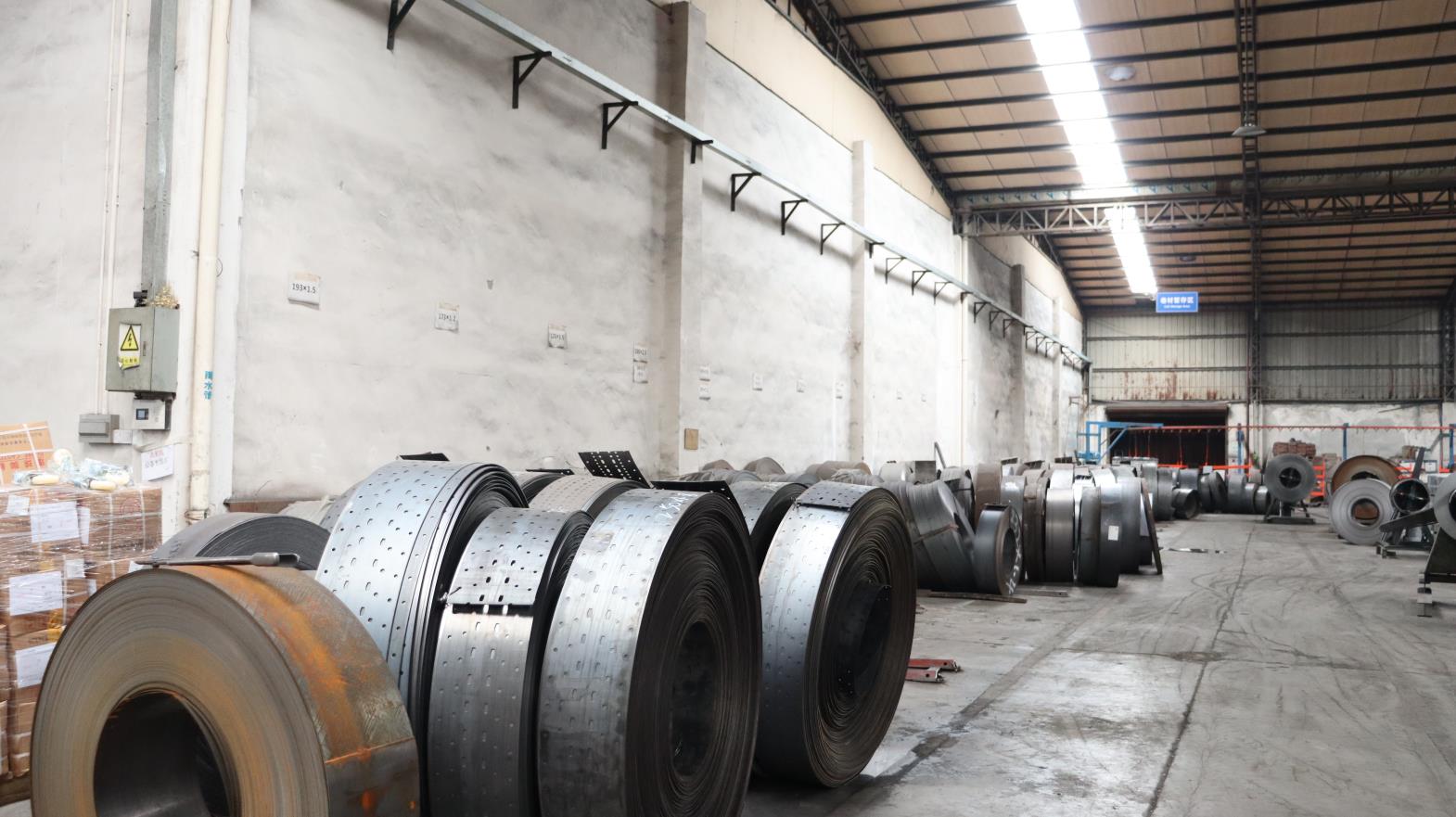
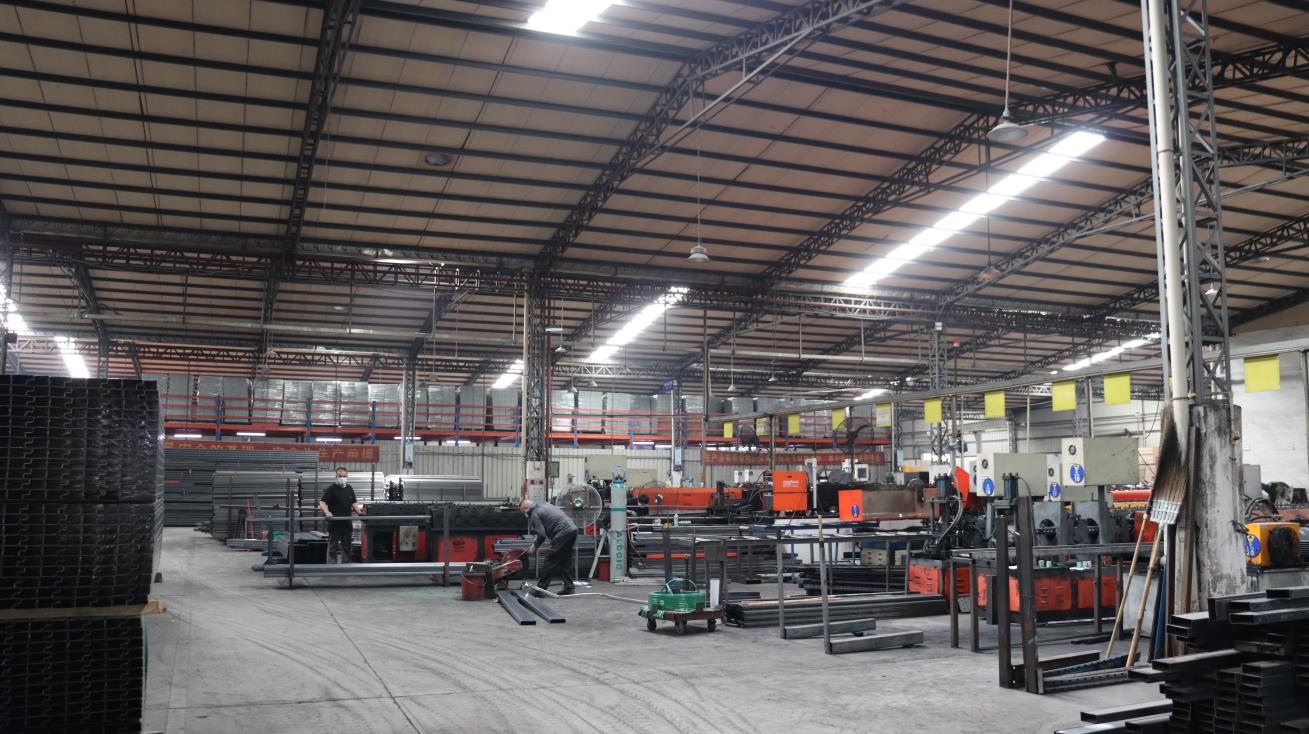
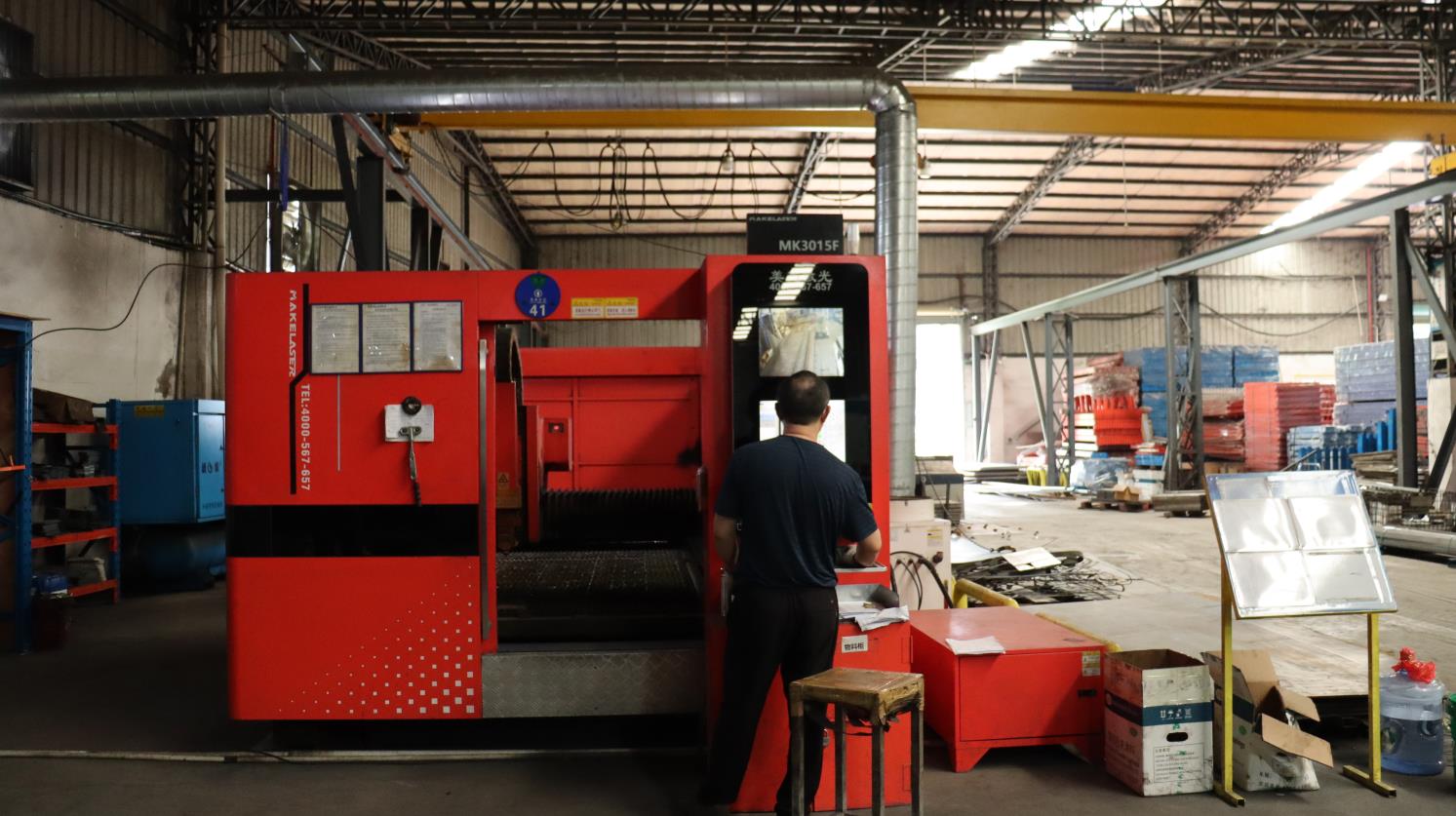
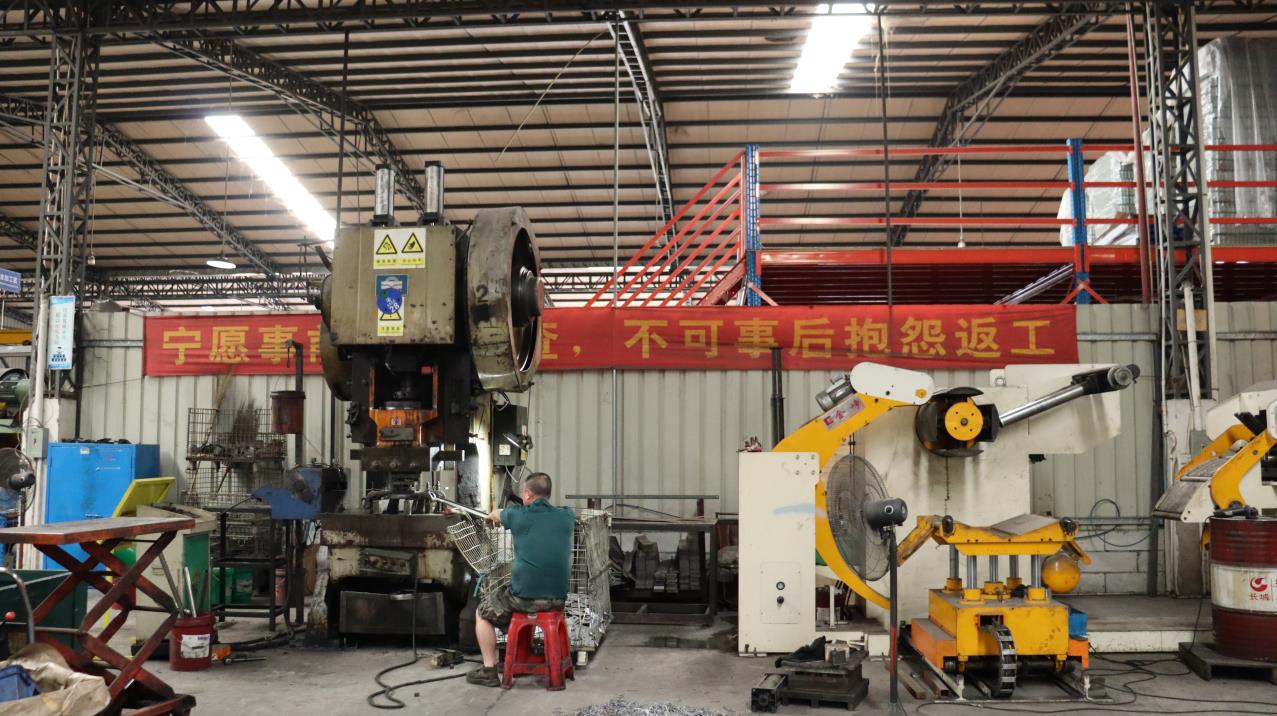
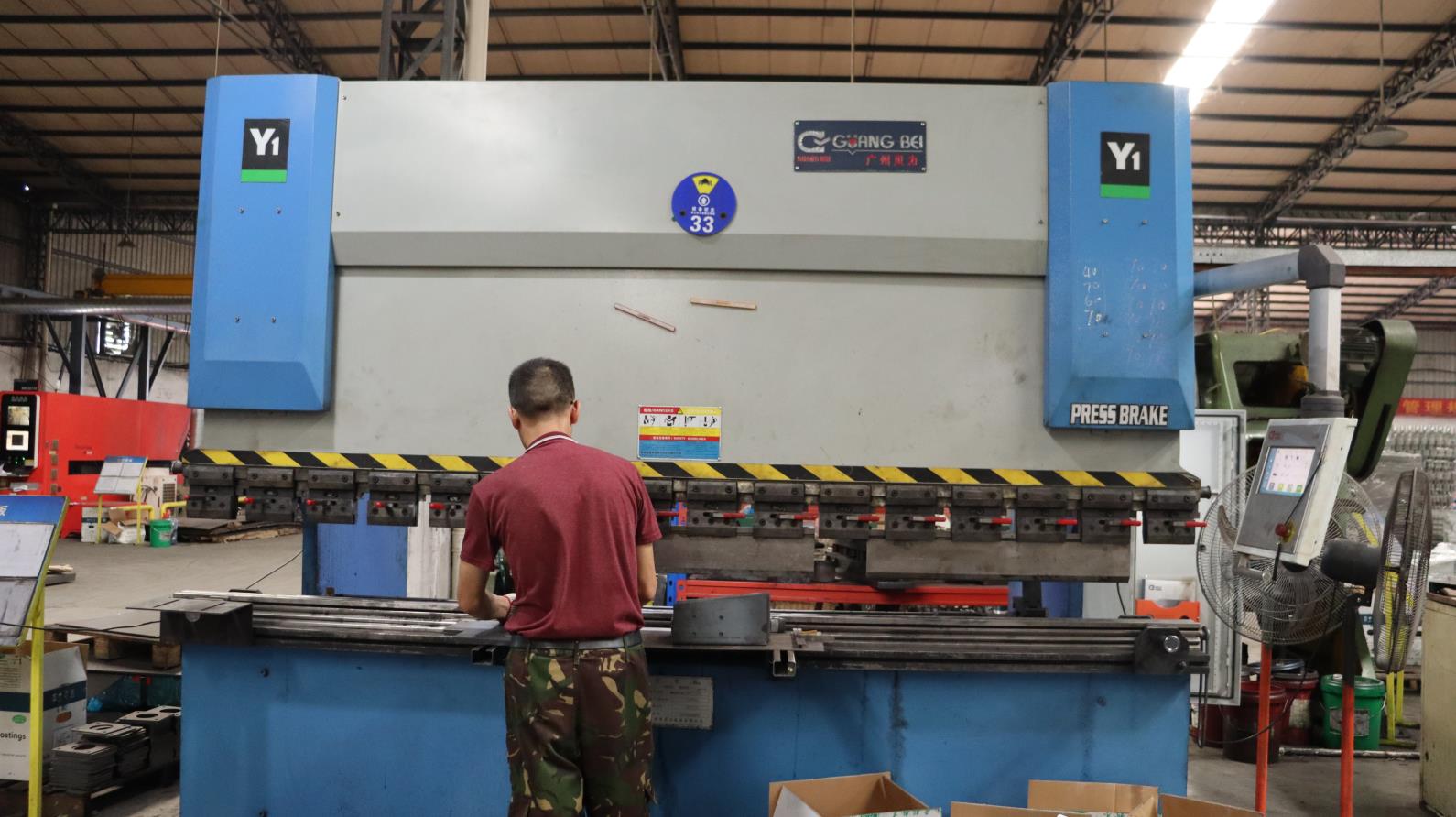
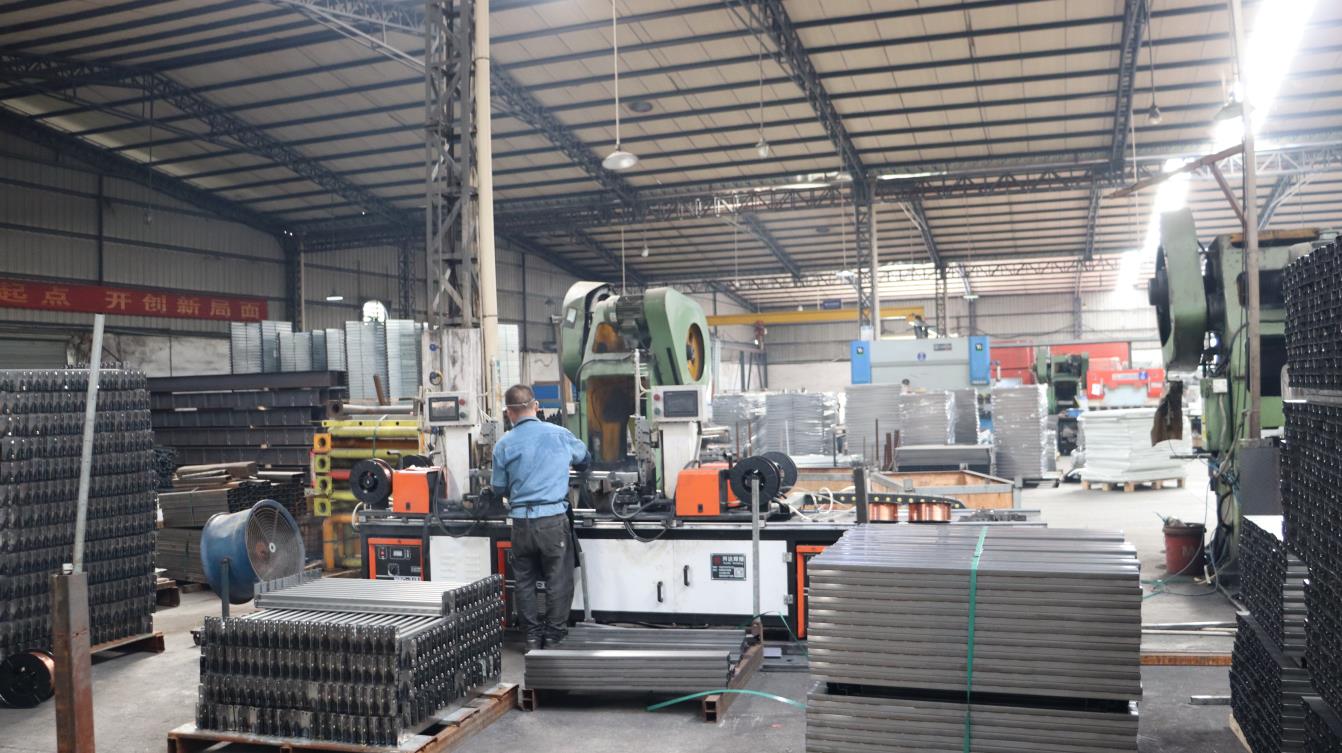
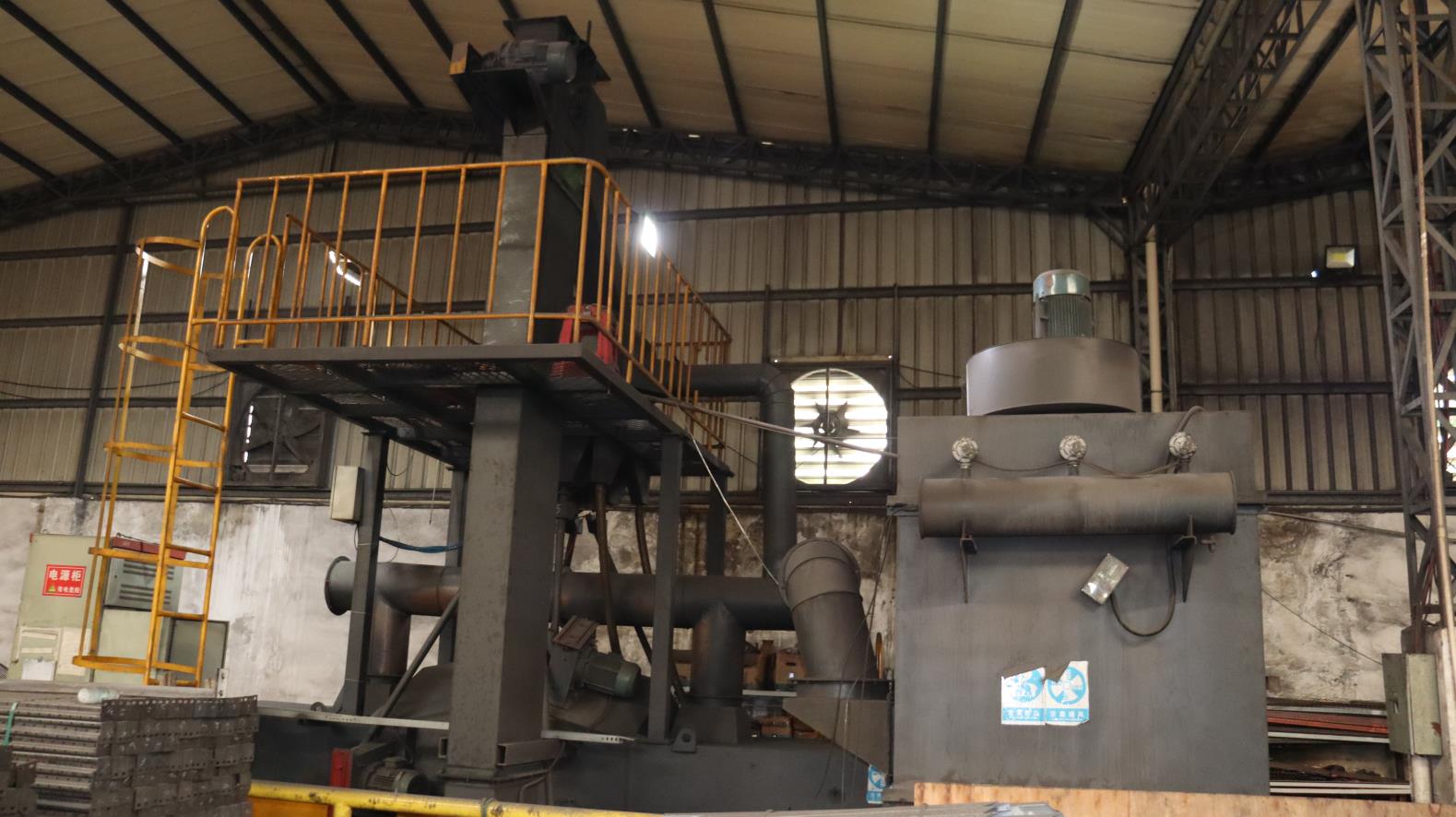
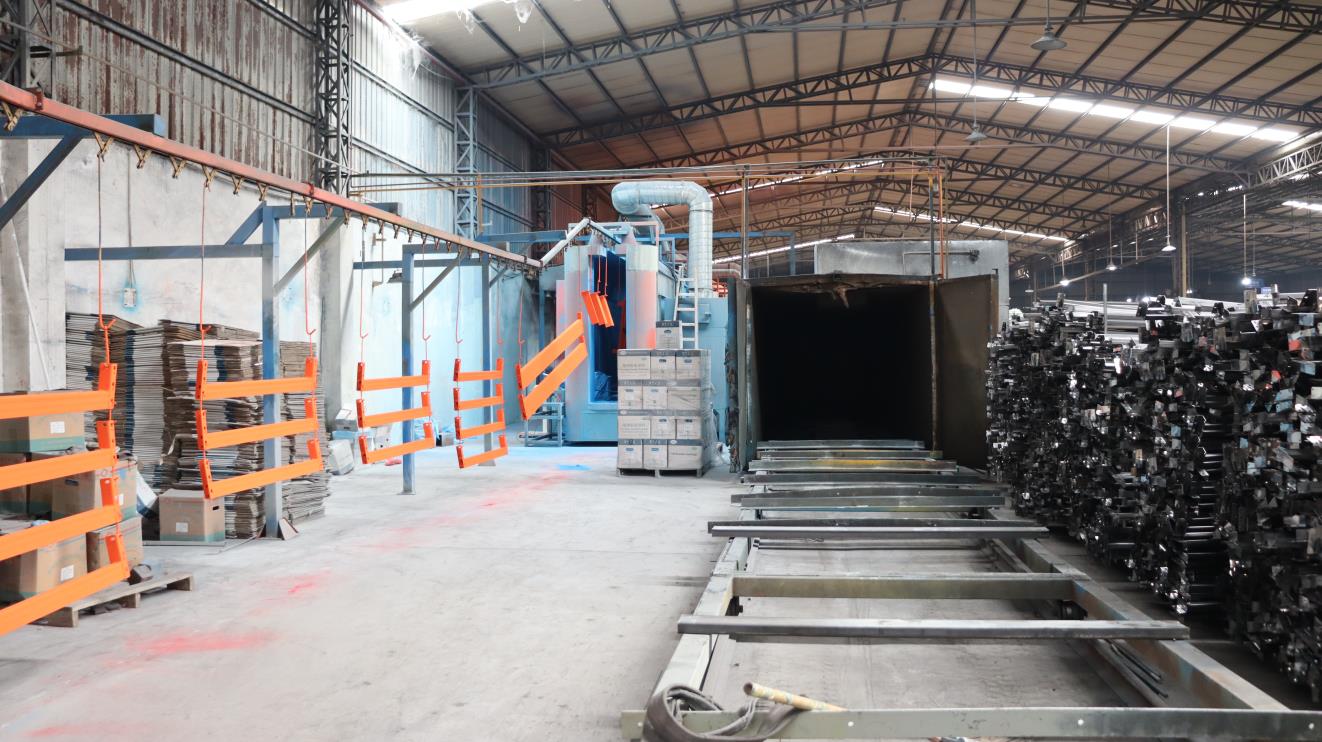
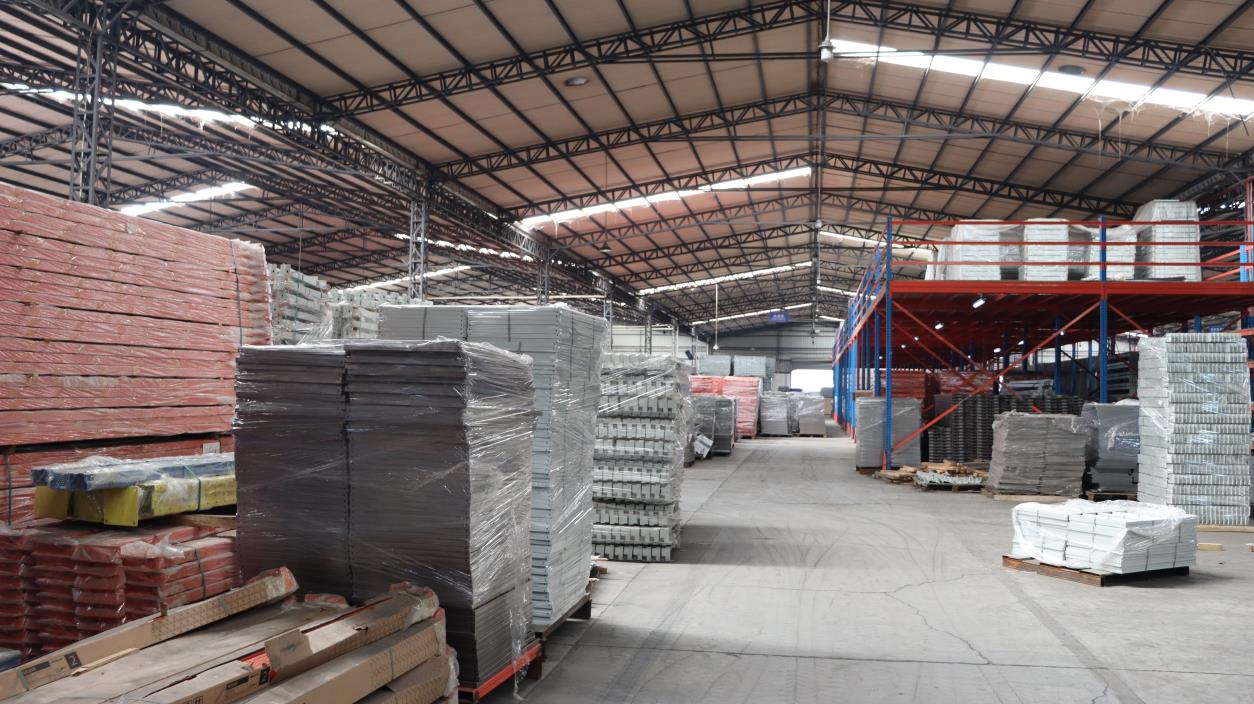
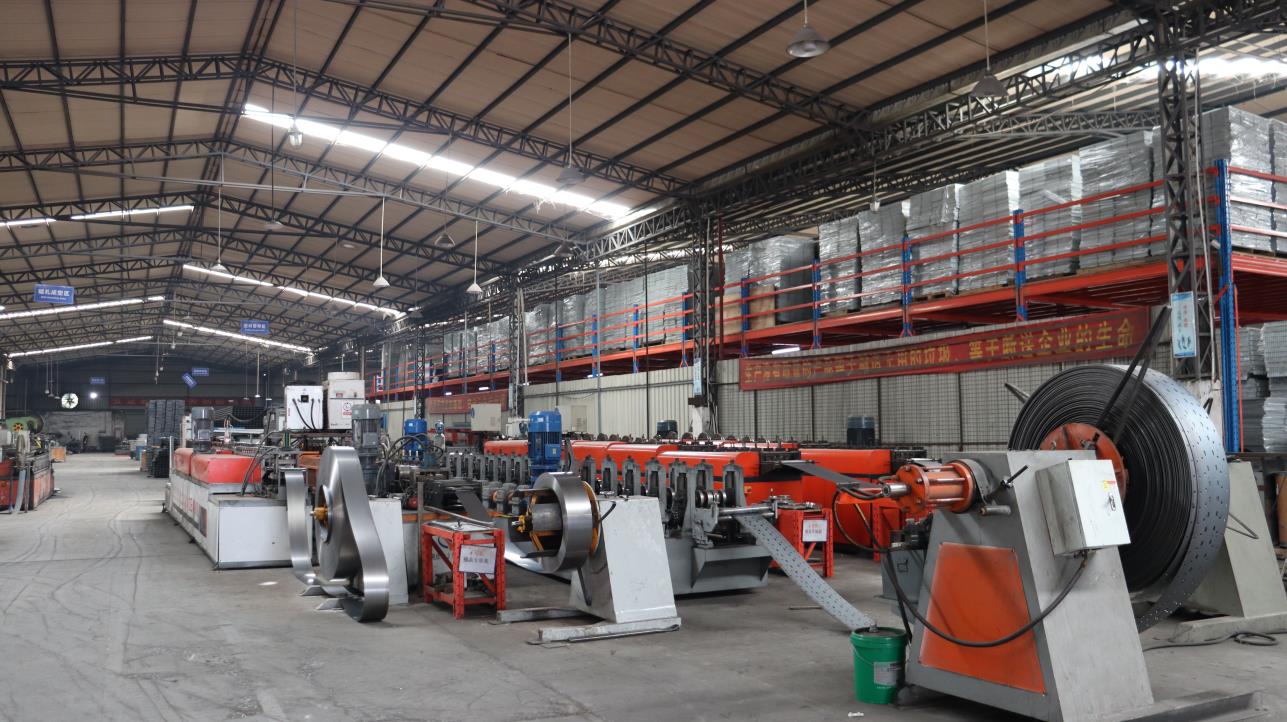
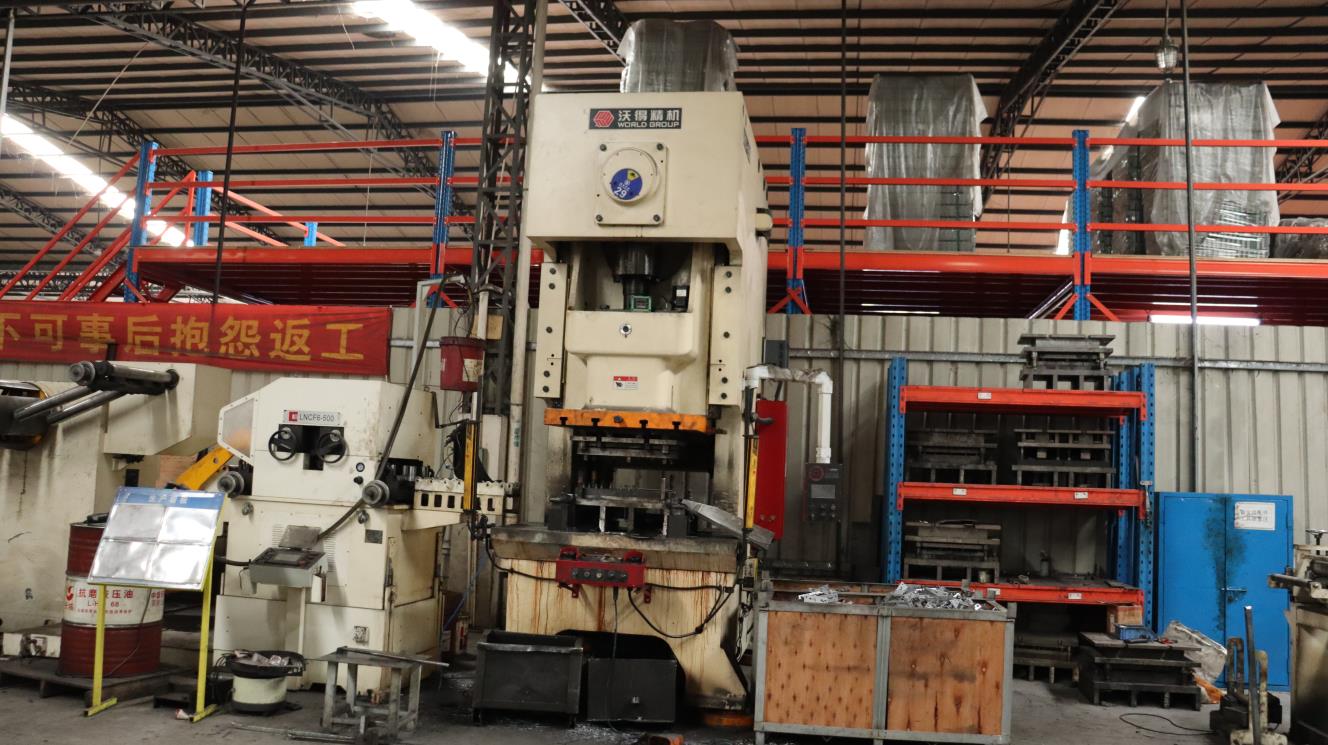
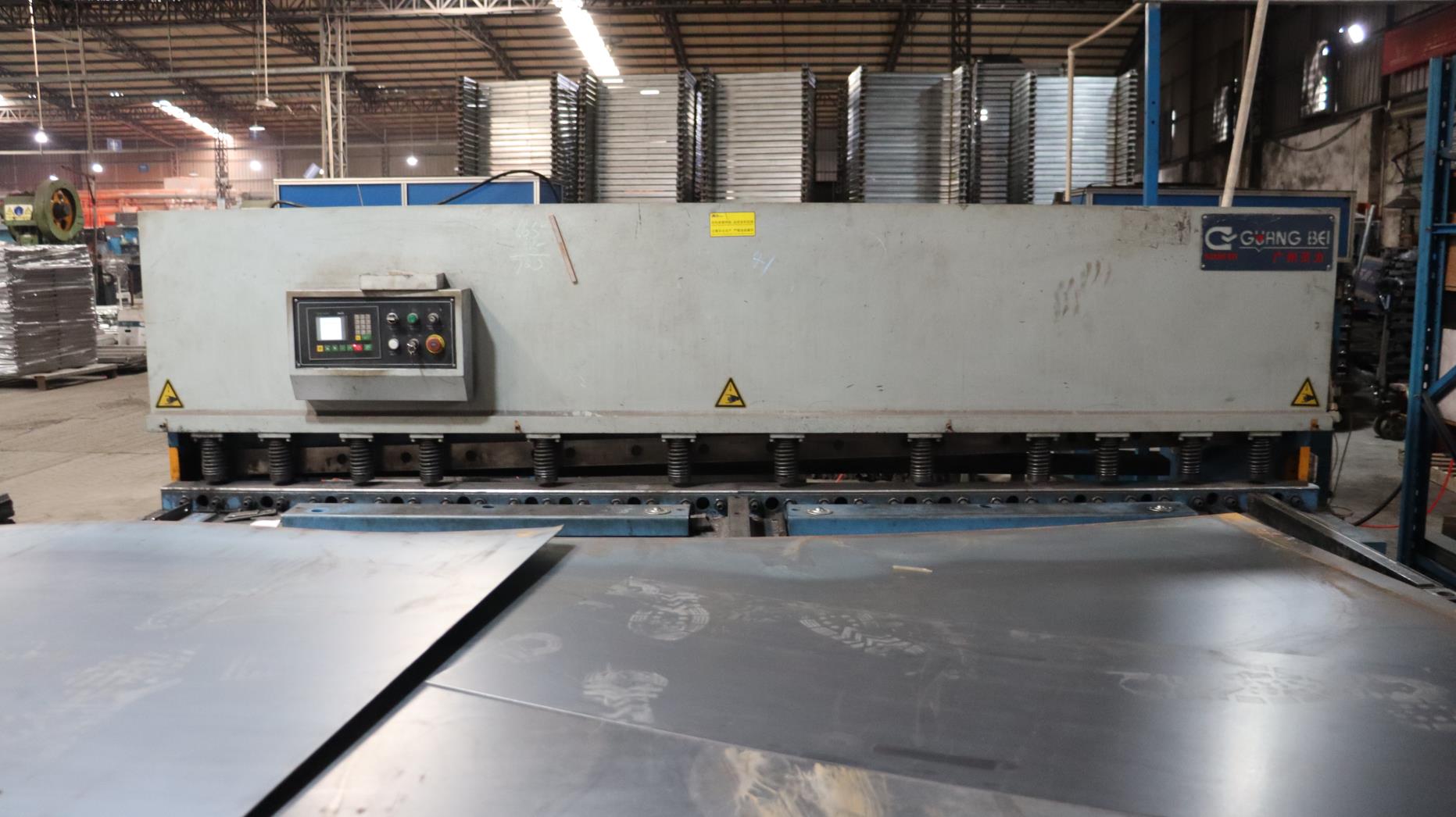
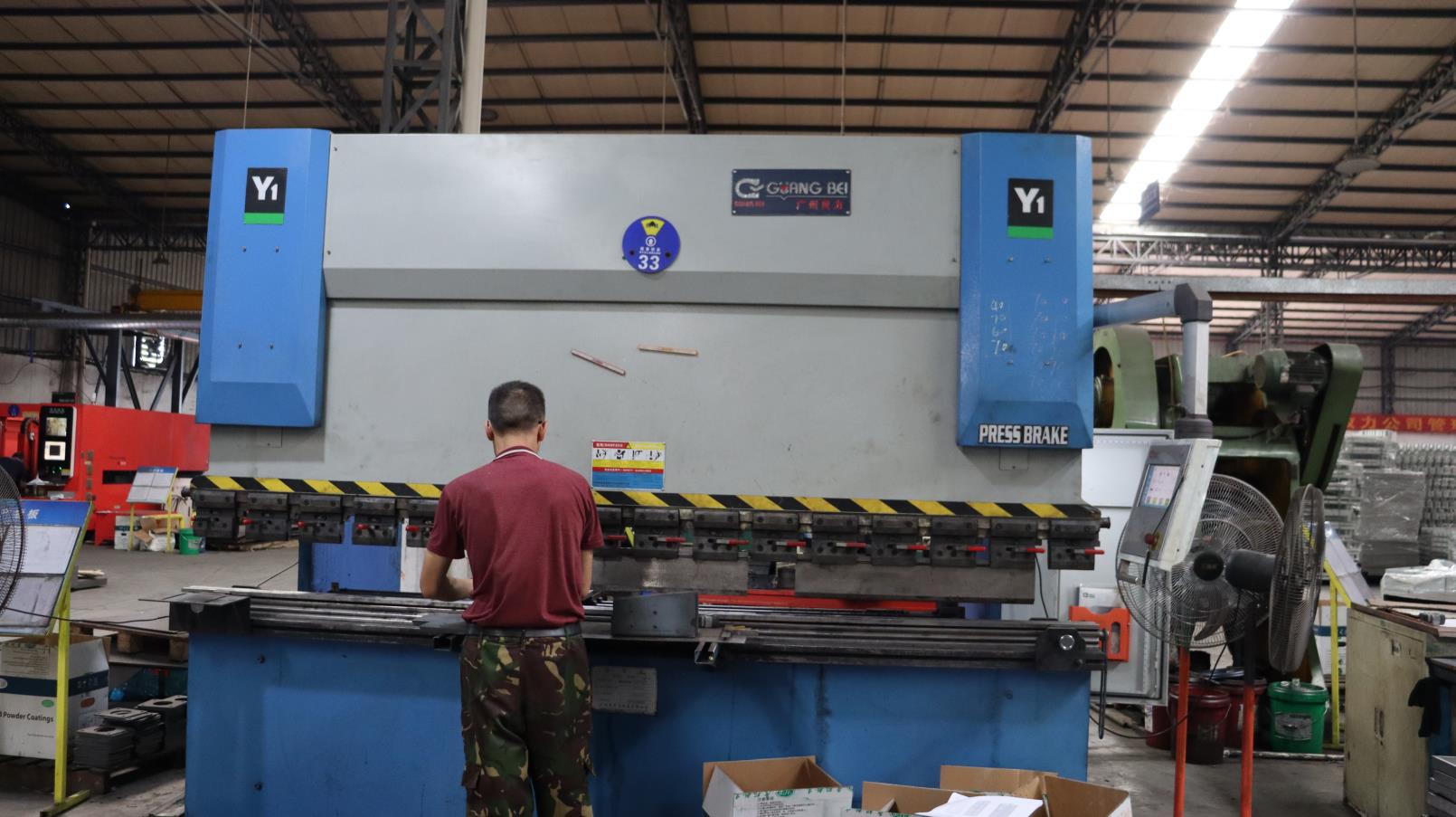
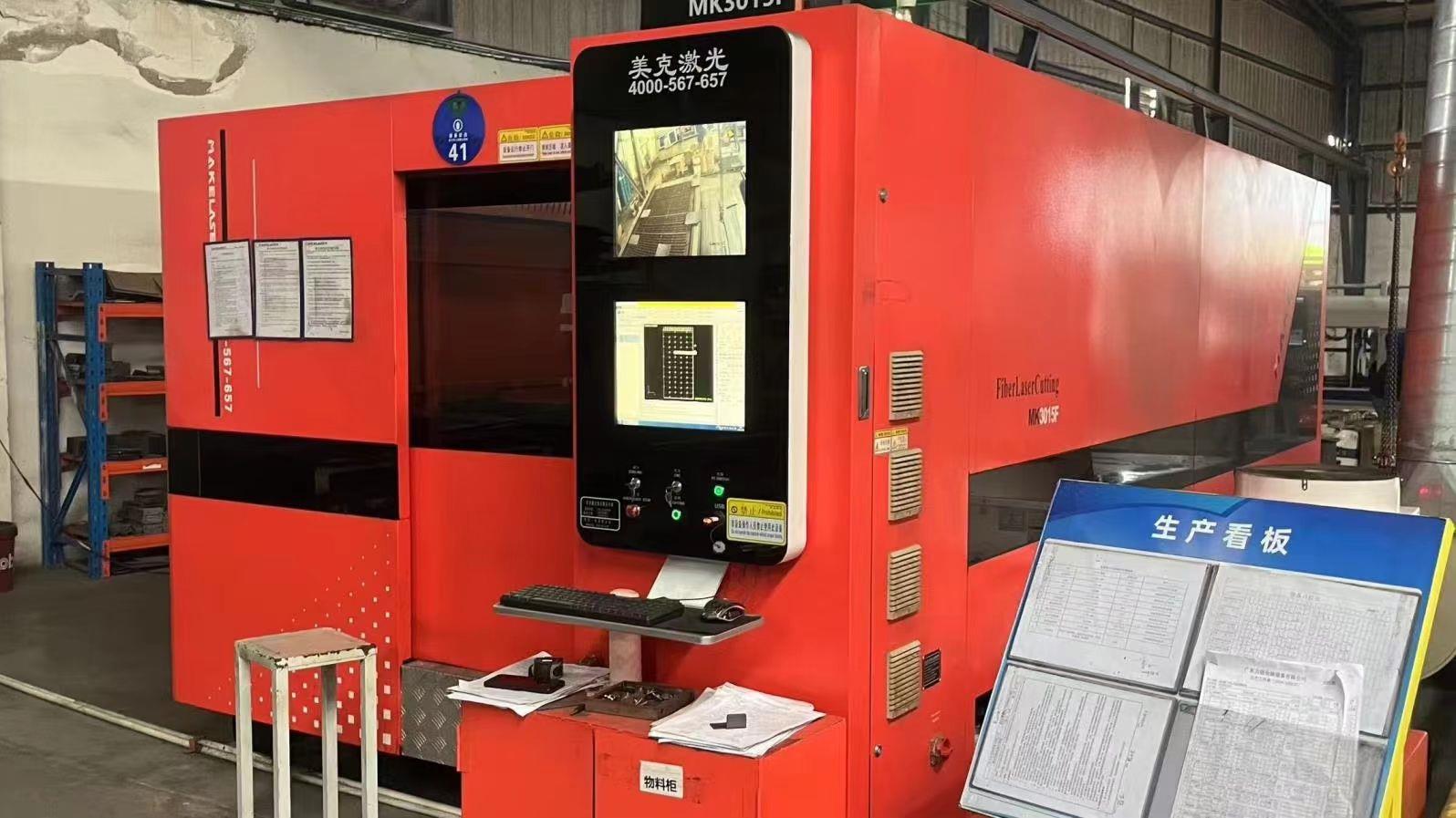
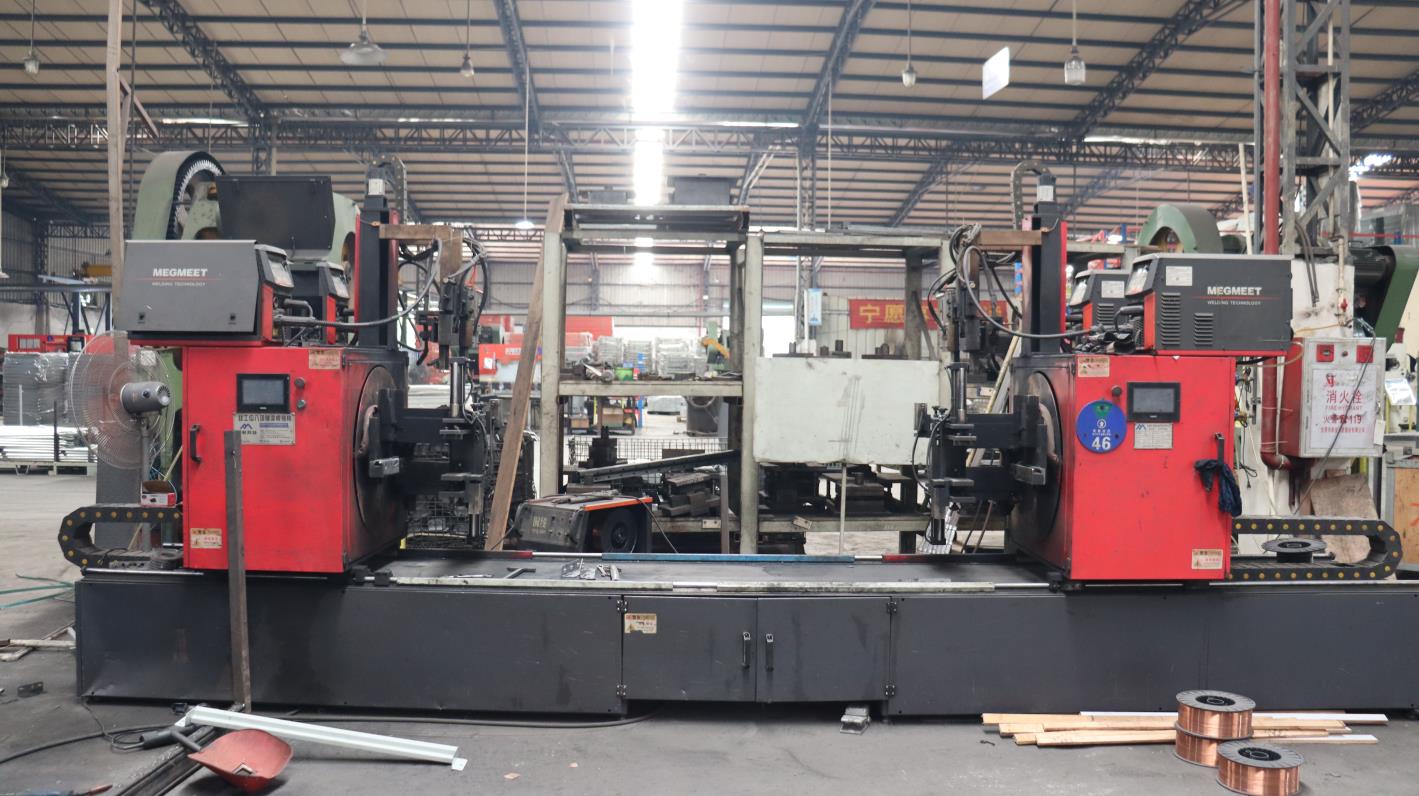
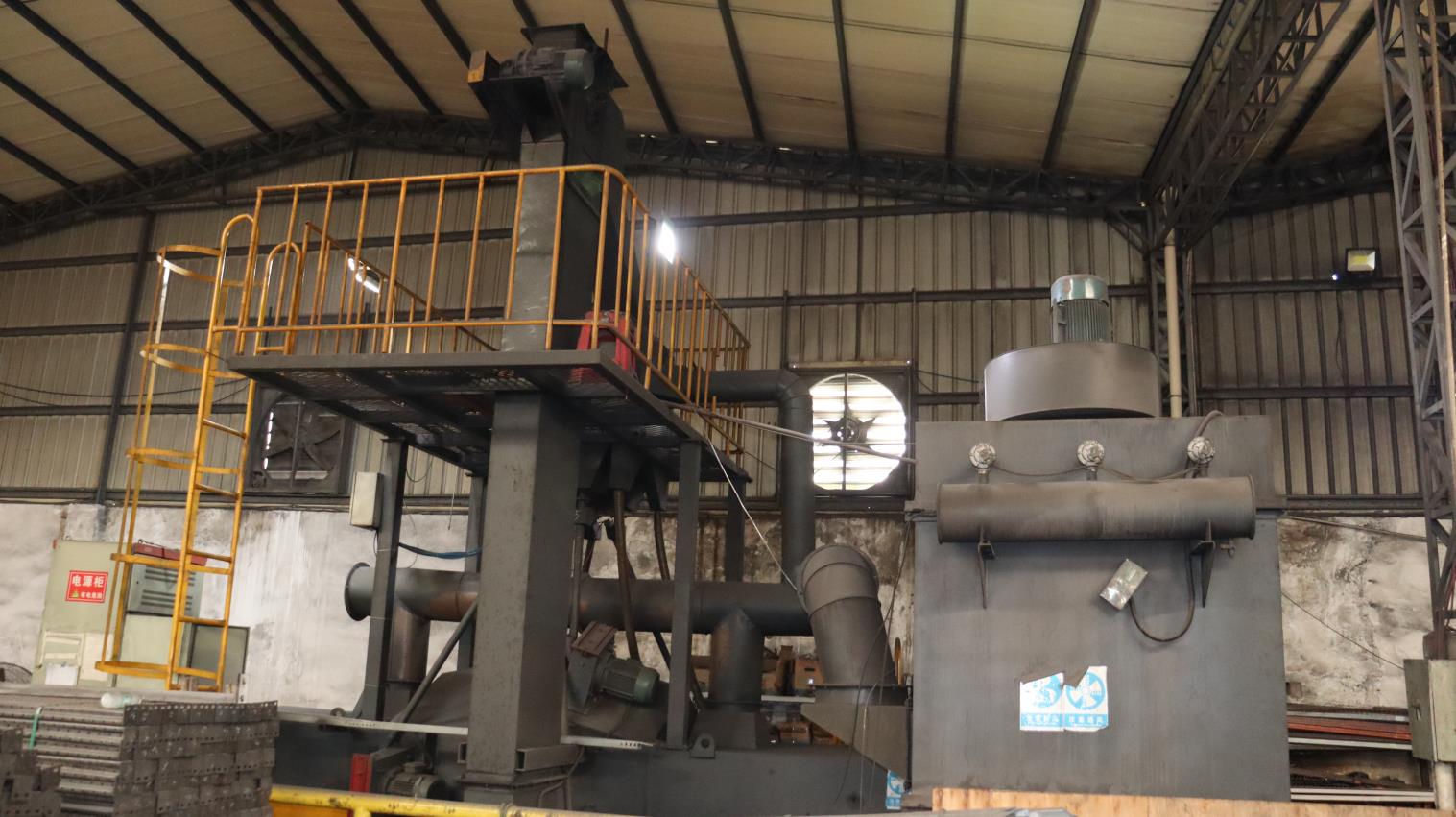
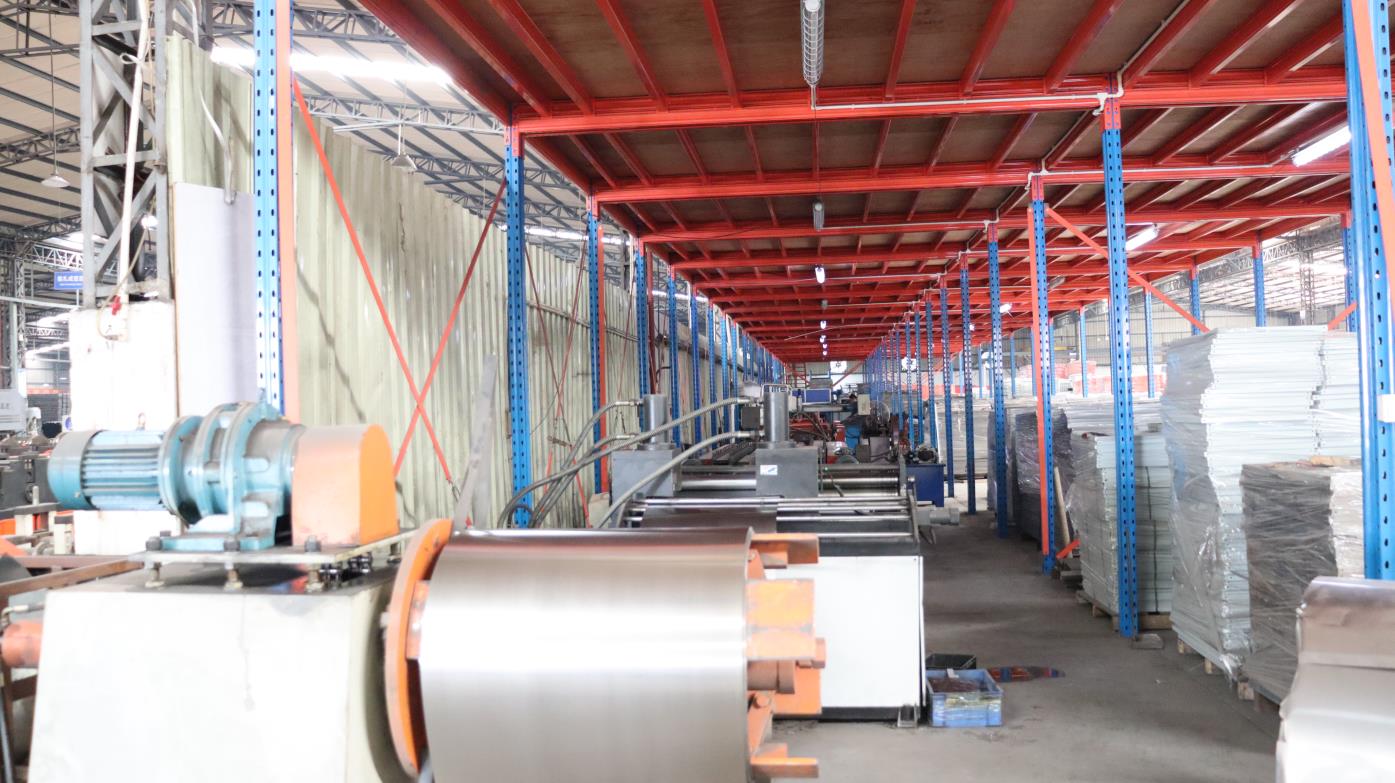
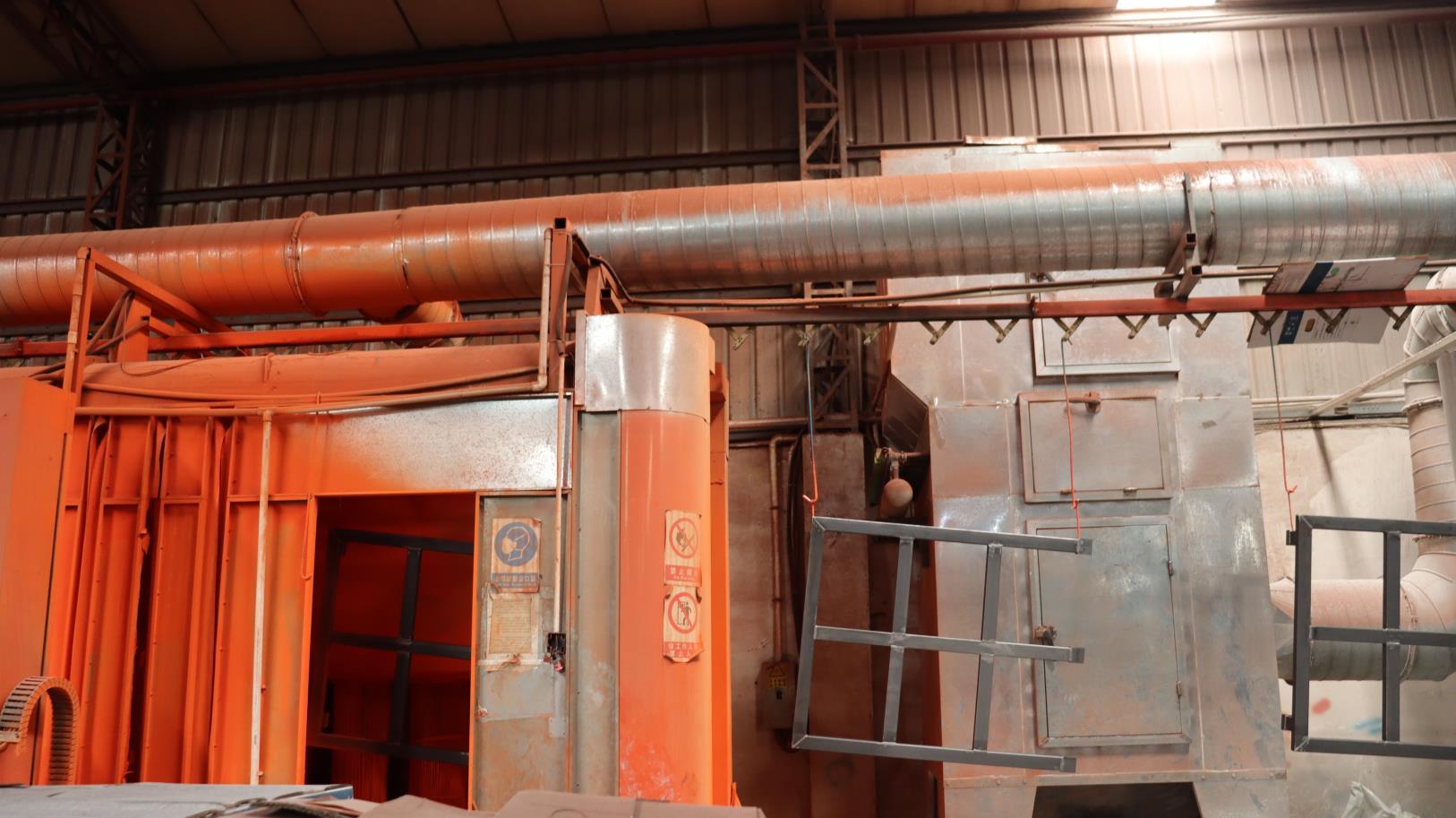
When off-the-shelf racking cannot satisfy high structural demands or custom warehouse heights, our engineering team designs bespoke solutions tailored to your operational specifications.
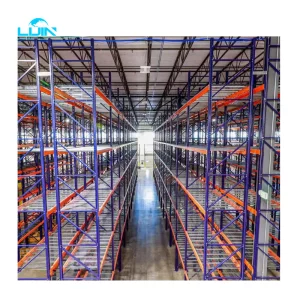
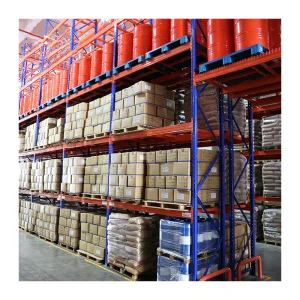
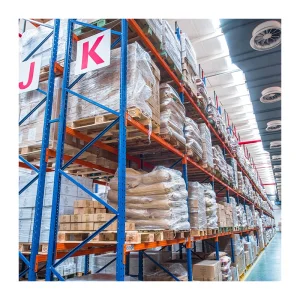
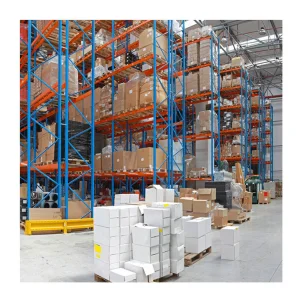
Operational safety and spatial efficiency require storage systems tailored to the specific properties of stored inventories. Across the US Midwest and global supply chain hubs, we implement modular storage architectures:
Chicago serves as a major hub for food logistics, demanding high-density storage that stands up to sub-zero temperatures. Condensation cycles can quickly compromise paint coatings. Our drive-in structural steel racking and hot-dip galvanized selective systems are engineered specifically to prevent structural failure in cold environments, optimizing cooling air flow while maintaining heavy load limits.
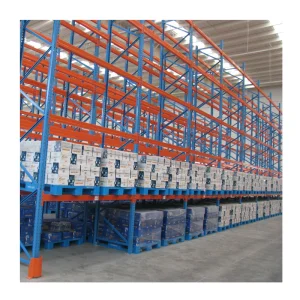
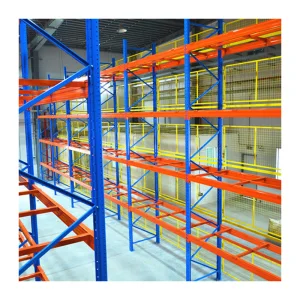
For high-velocity order fulfillment, speed and adjustability are critical. Teardrop pallet racking remains the standard for North American operations because it allows quick beam relocation without tools. We design selective racks equipped with heavy-duty wire decking to accommodate mixed pallet sizes and support carton-flow configurations for split-case picking operations.
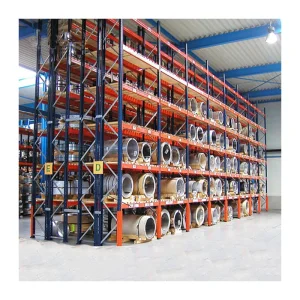
Machinery and raw metal storage demand high capacity. Utilizing structural-channel uprights bolted together with high-tensile grade-5 bolts, our heavy-duty configurations support up to 30,000 lbs. per bay. This structural-profile design resists forklift impact damage, reducing repair and downtime costs in heavy manufacturing environments.
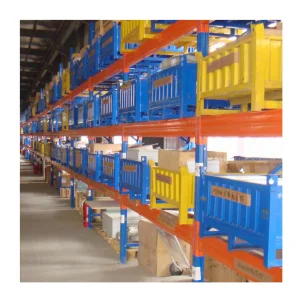
For massive retail cross-docks, optimizing dock space is crucial. Push-back and gravity flow systems provide high-density LIFO/FIFO product rotation, cutting down on transit times and reducing forklift requirements. Our heavy-duty roll-formed assemblies are built to withstand high cycle rates and heavy daily warehouse traffic.
In-depth insights covering structural compliance, procurement processes, freight logistics, and design standards.
Explore our complete range of certified heavy-duty storage configurations, engineered for durability and reliability in high-capacity warehouse applications.
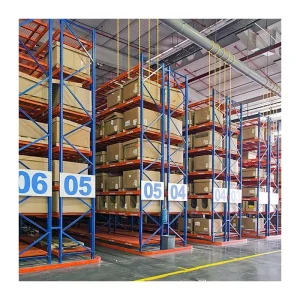
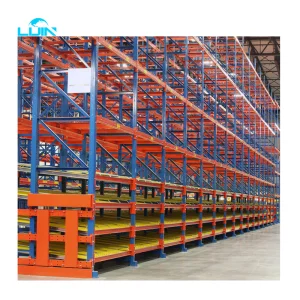
 Lijin Racking