Engineered to handle extreme loads, these warehouse systems comply with local SS638:2018 racking guidelines for maximum structural resilience in high-bay logistics operations.
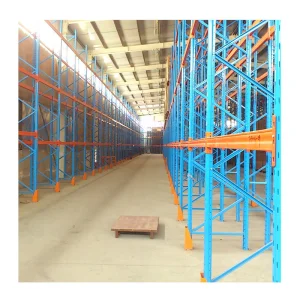
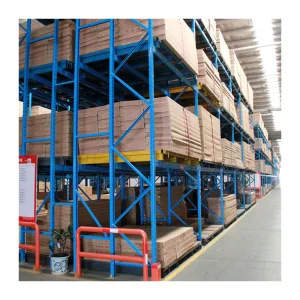
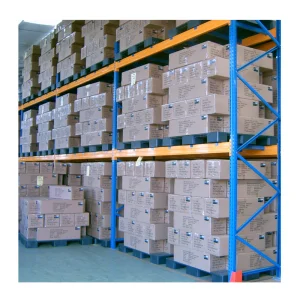
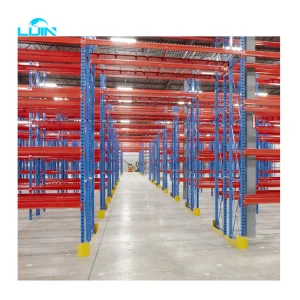
As the prime logistics gateway of Southeast Asia, Singapore hosts the world's most sophisticated supply chain operations. With key infrastructural hubs like the Tuas Mega Port scaling toward a capacity of 65 million TEUs and the Changi Cargo Complex managing critical global freight routes, industrial land allocation is highly optimized and commands premium rates. Industrial operators in sectors such as 3PL, e-commerce fulfillment, cold storage, and manufacturing cannot afford horizontal layout redundancies. Storage solutions must scale vertically.
However, scaling vertical storage in Singapore introduces severe regulatory checks. Any pallet racking system exceeding 4 meters in height is classified as a structural installation by the Building and Construction Authority (BCA), requiring rigorous certification and Professional Engineer (PE) design endorsement. Furthermore, warehouses are required to comply strictly with the SS638:2018 Code of Practice for Racking Design (formerly SS567) to ensure safety against seismic vibrations originating from the Sunda Plate and adjacent fault lines.
Understanding this complex landscape, Shenzhen Lijin Storage Equipment Co., Ltd. provides customized structural racking configurations using Q235 and Q355 high-tensile steel. Each system is engineered to handle seismic load combinations, wind forces (where applicable), and extreme static deflection constraints (L/200 and L/300) to clear BCA inspections smoothly.
In a global marketplace marked by supply chain variability, smart procurement managers utilize structural racking as a tool to drive bottom-line margin expansion.
As SG automation initiatives gain traction under the MTI Smart Logistics roadmap, standard static pallet racking must seamlessly interface with Automated Storage and Retrieval Systems (ASRS). Racking structures require ultra-tight tolerance limits (±2.0mm) to allow cranes, robotic shuttles, and AGVs to operate without structural interference or collision risk.
Singapore's ambient climate features constant relative humidity levels above 80%, accelerating oxidation on low-grade metals. Multi-national corporations now mandate electrophoretic powder coatings or hot-dip galvanized steel (meeting ISO 1461 standards) to protect raw material frames from structural corrosion and degradation over time.
Heavy-duty logistics require loading margins ranging from 1000kg to 3500kg Uniformly Distributed Load (UDL) per beam level. Using lower-gauge steel profiles increases the risk of sagging (deflection), which triggers warehouse safety shutdowns, costly compliance audits, and potential inventory loss.
Shenzhen Lijin Storage Equipment Co., Ltd. is a premier manufacturing enterprise specializing in high-capacity pallet racking, automated space-optimizing solutions, and industrial shelving structures.
Leveraging over 8 years of direct export experience and 12 years of core industry manufacturing knowledge, Lijin has built a global distribution network supplying industrial wholesalers, large-scale third-party logistics providers (3PLs), and distribution centers across North America, Western Europe, Southeast Asia, and the Middle East.
Our quality control workflow covers raw material certification, ultrasonic weld-seam testing, precise laser dimension analysis, and end-of-line load testing. This rigorous system guarantees that every structural frame meets international standards (such as EN, FEM, and SS638) before leaving the factory.
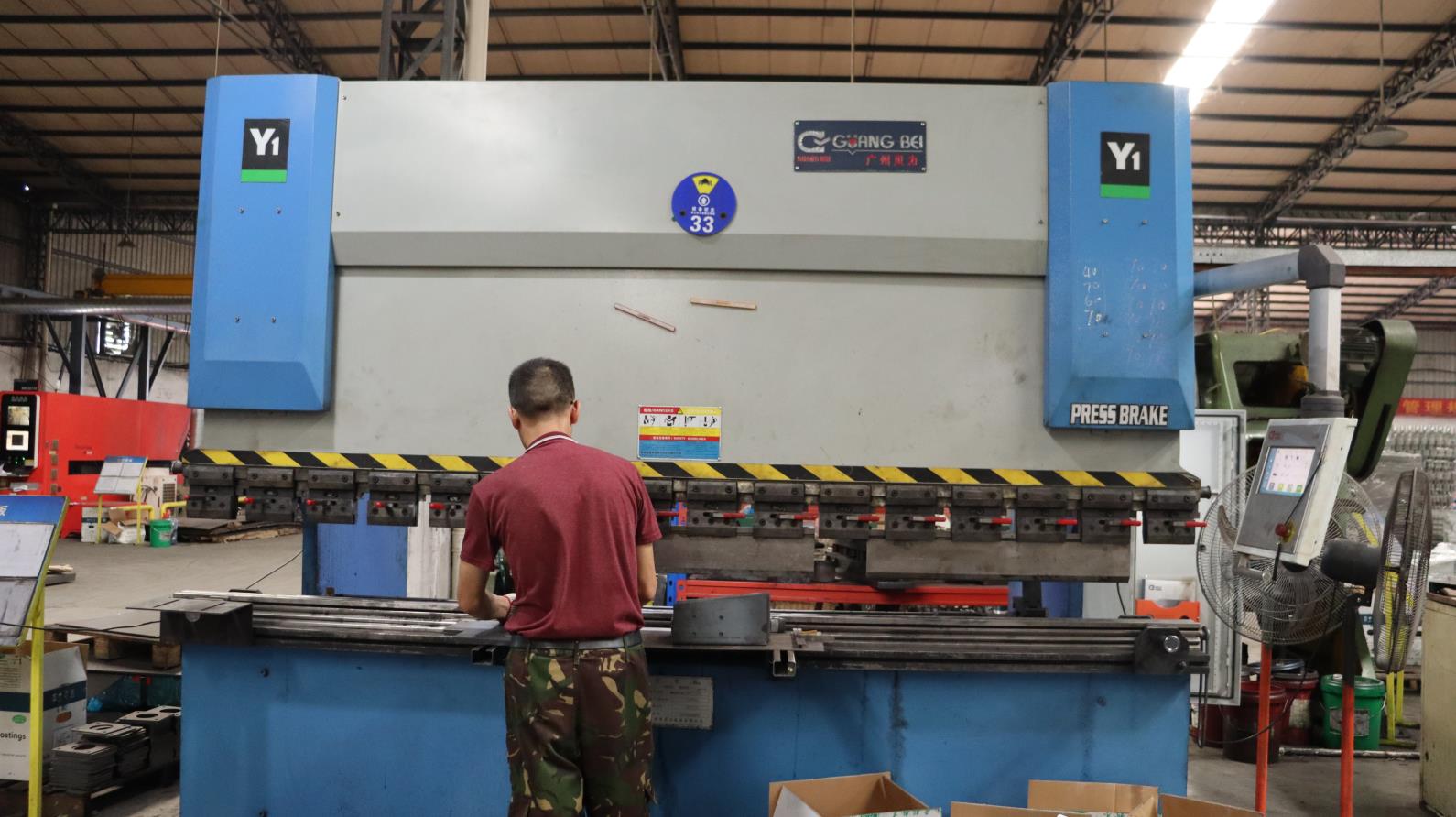
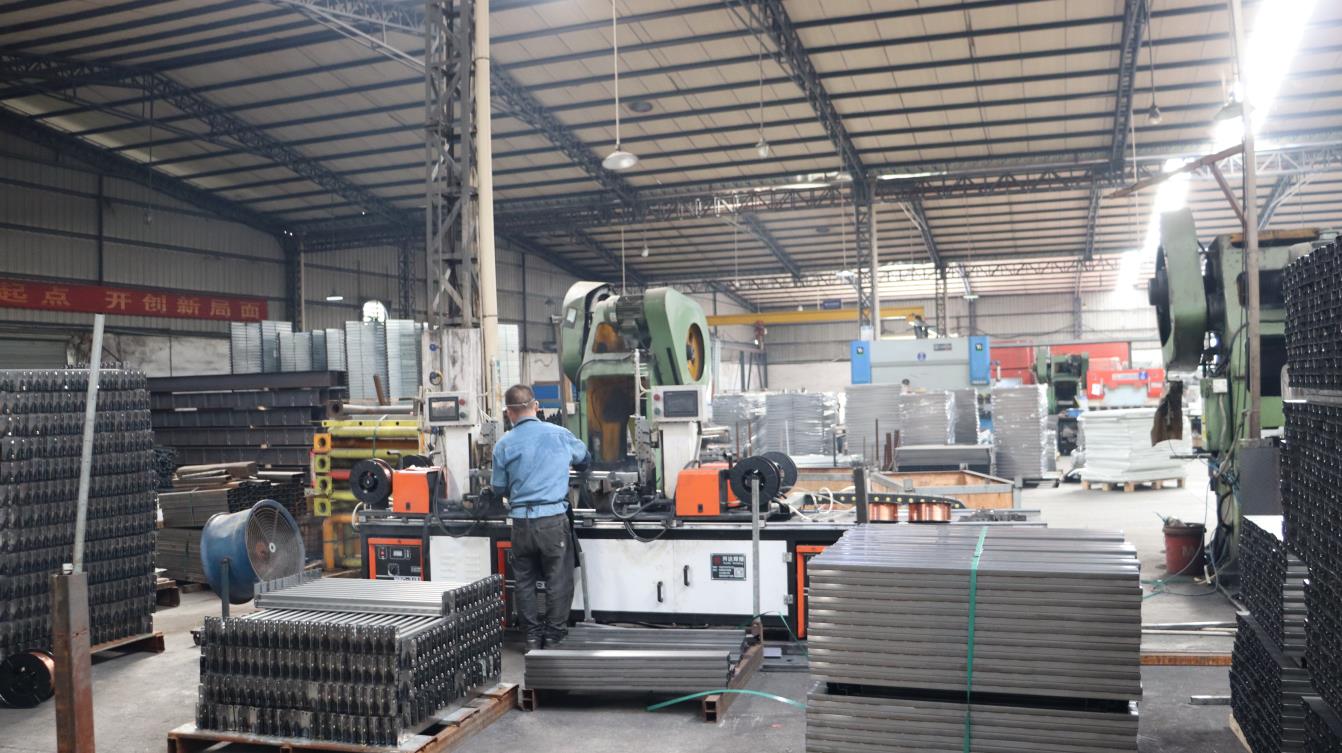
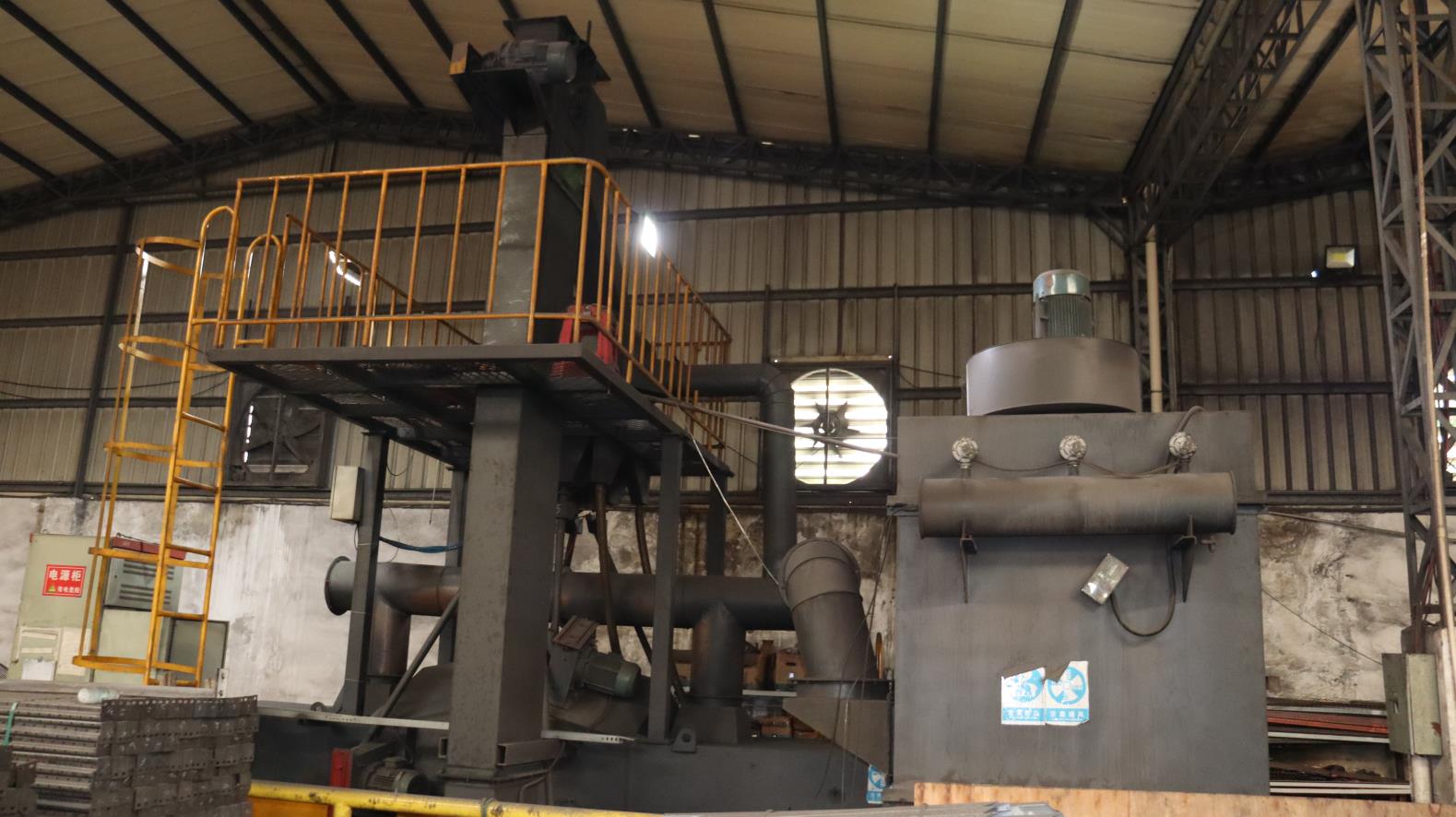
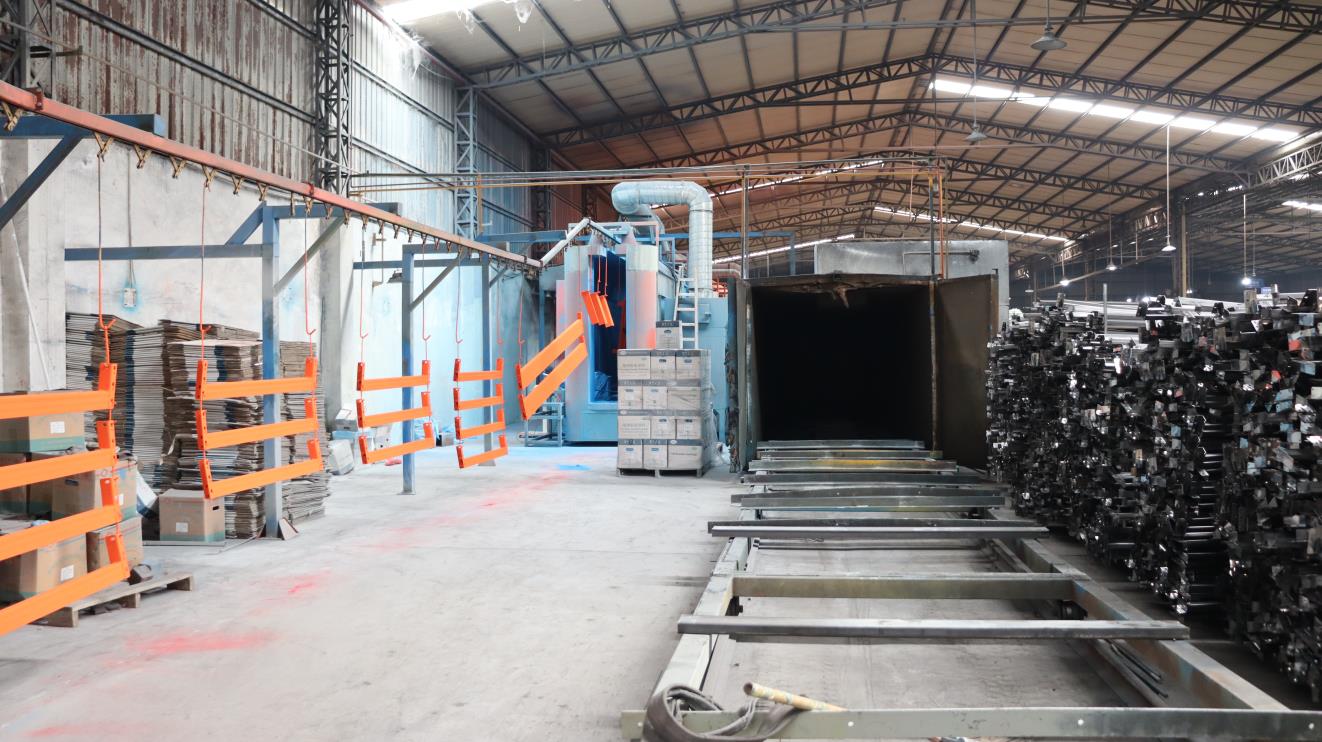
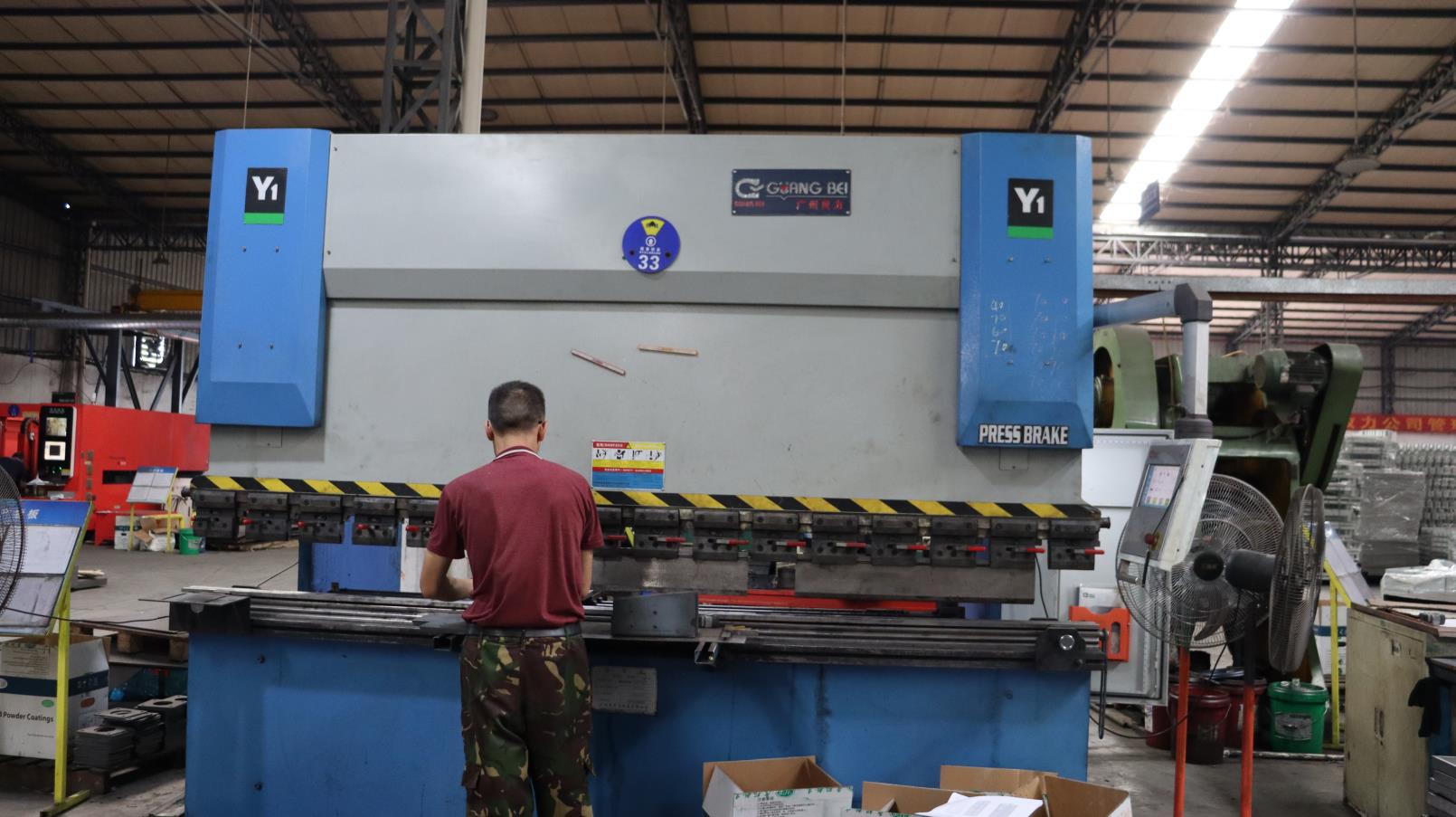
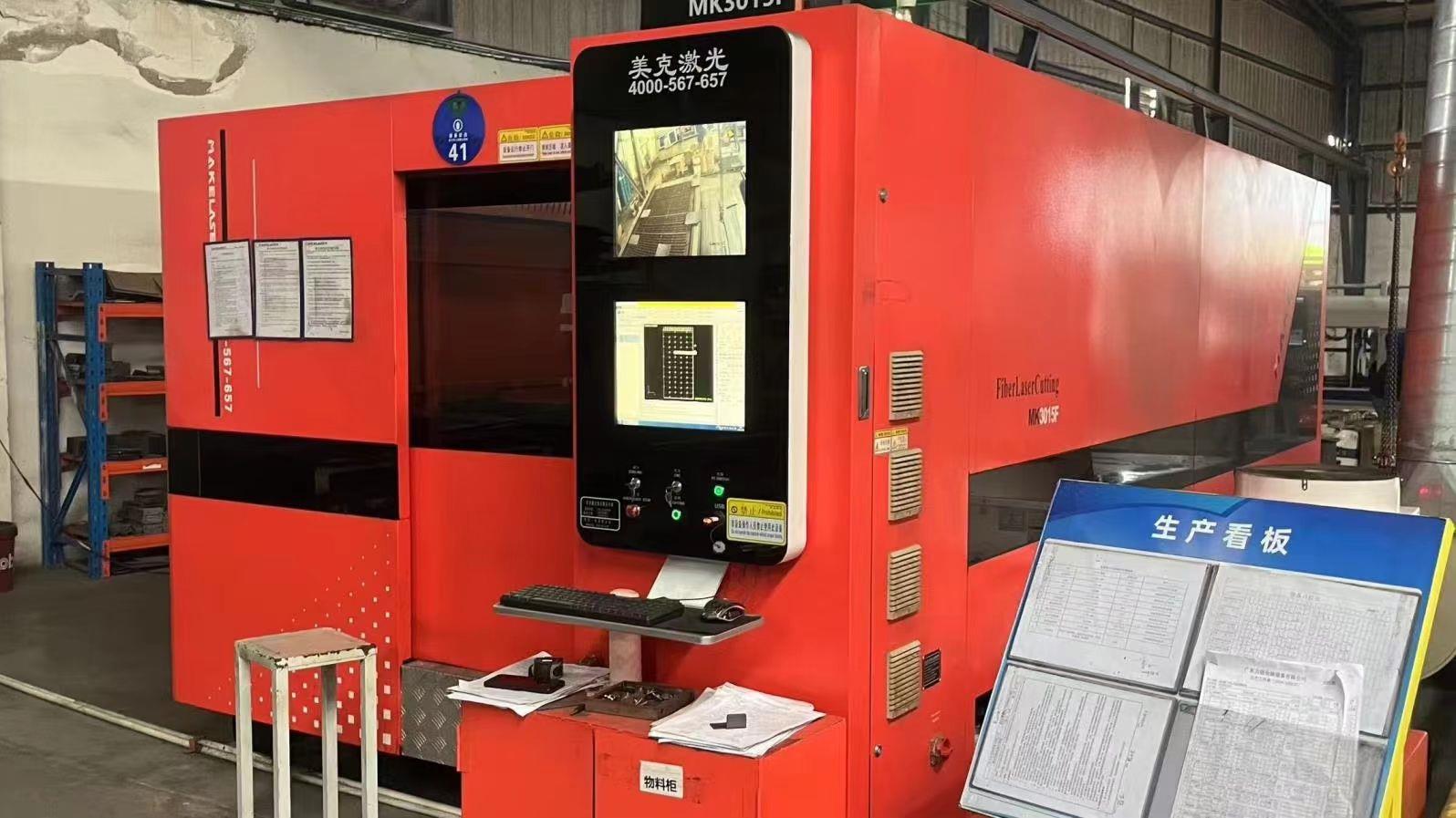
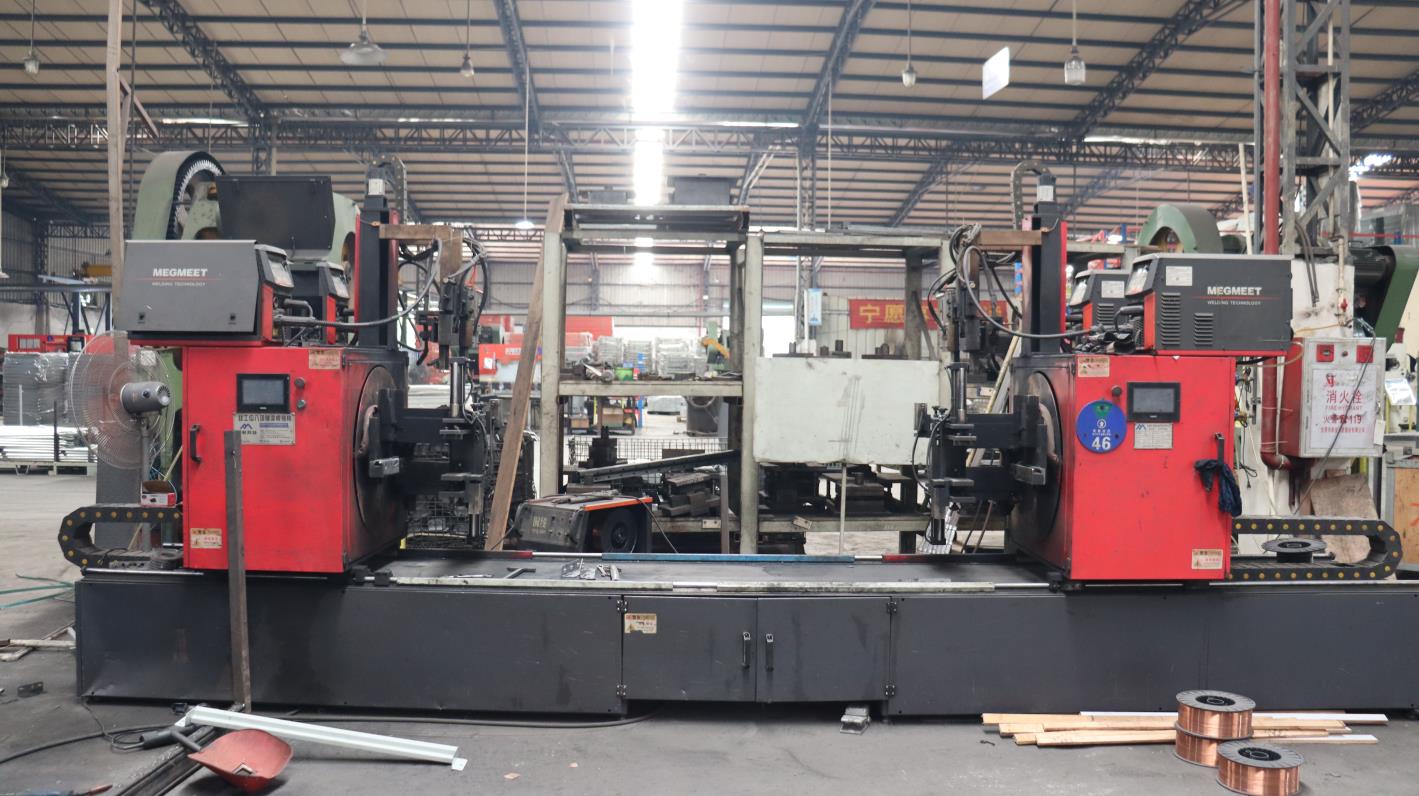
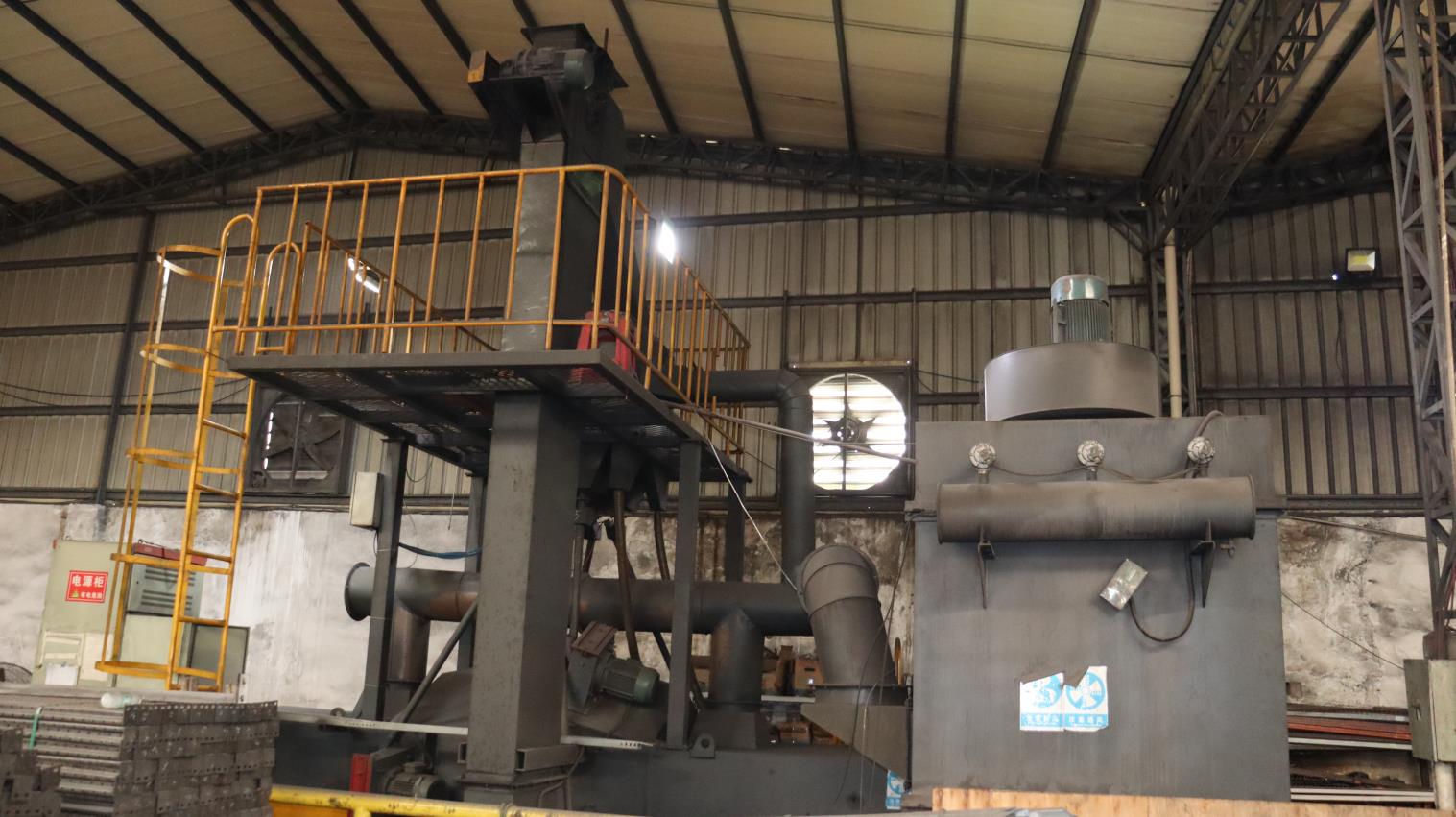
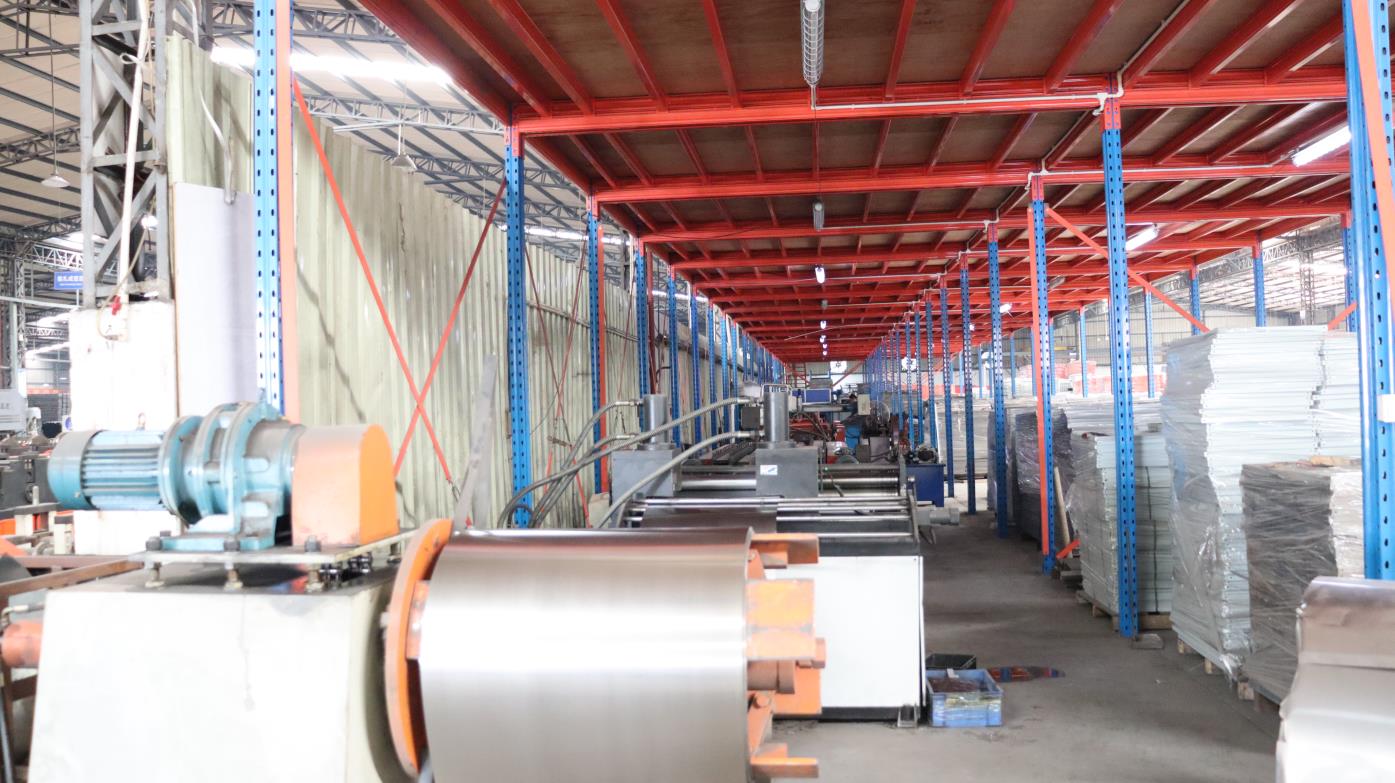
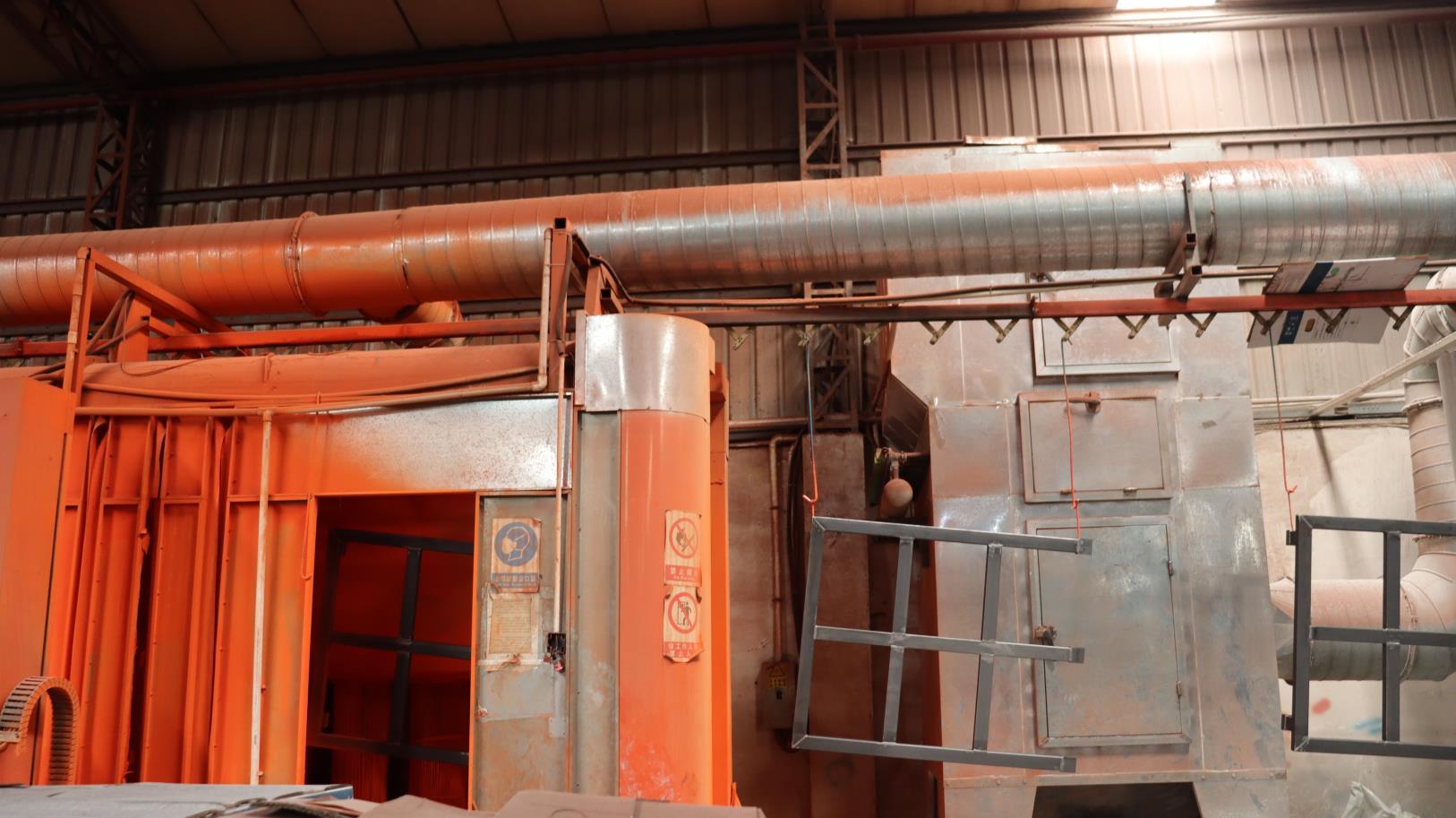
Our facility runs high-precision automated production lines, ensuring consistent dimensions, load-bearing capacities, and surface finishes for our structural storage products.
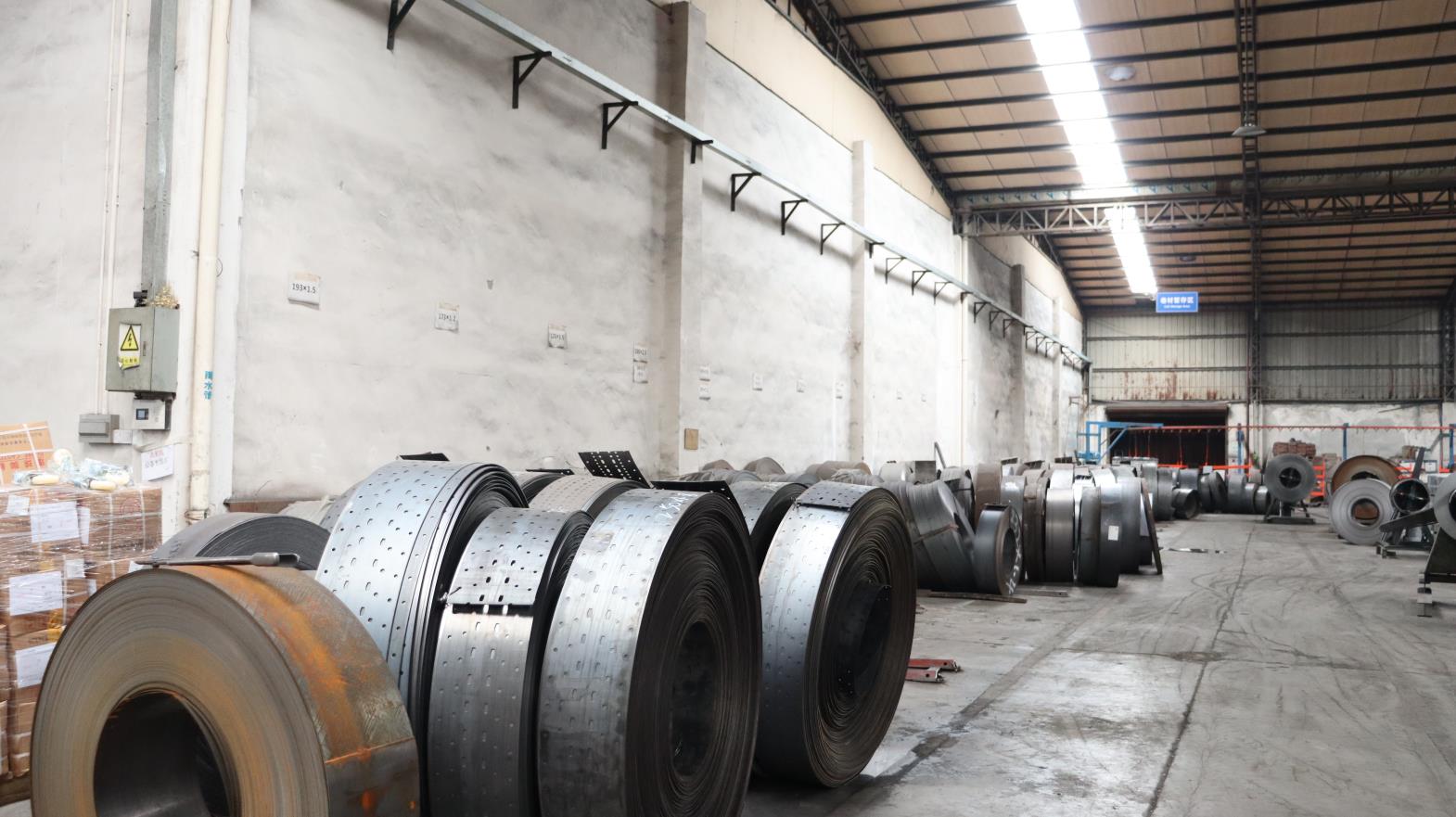
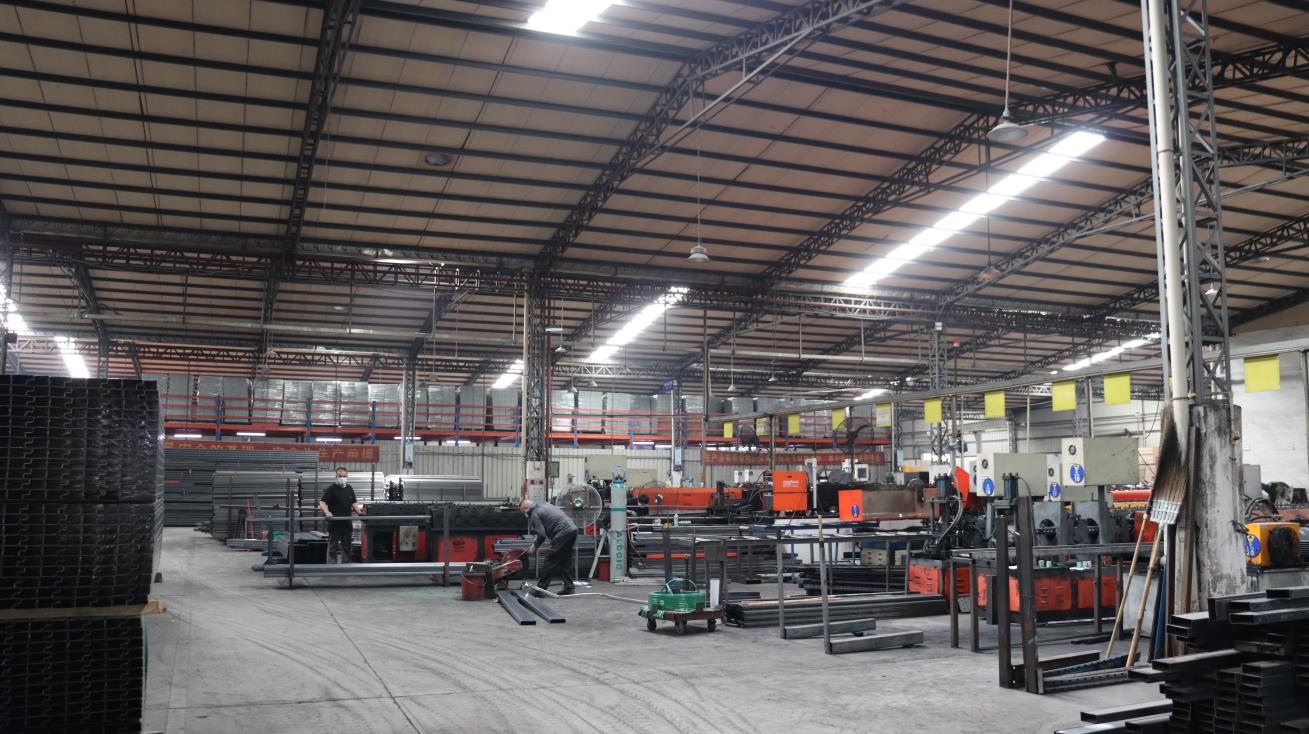
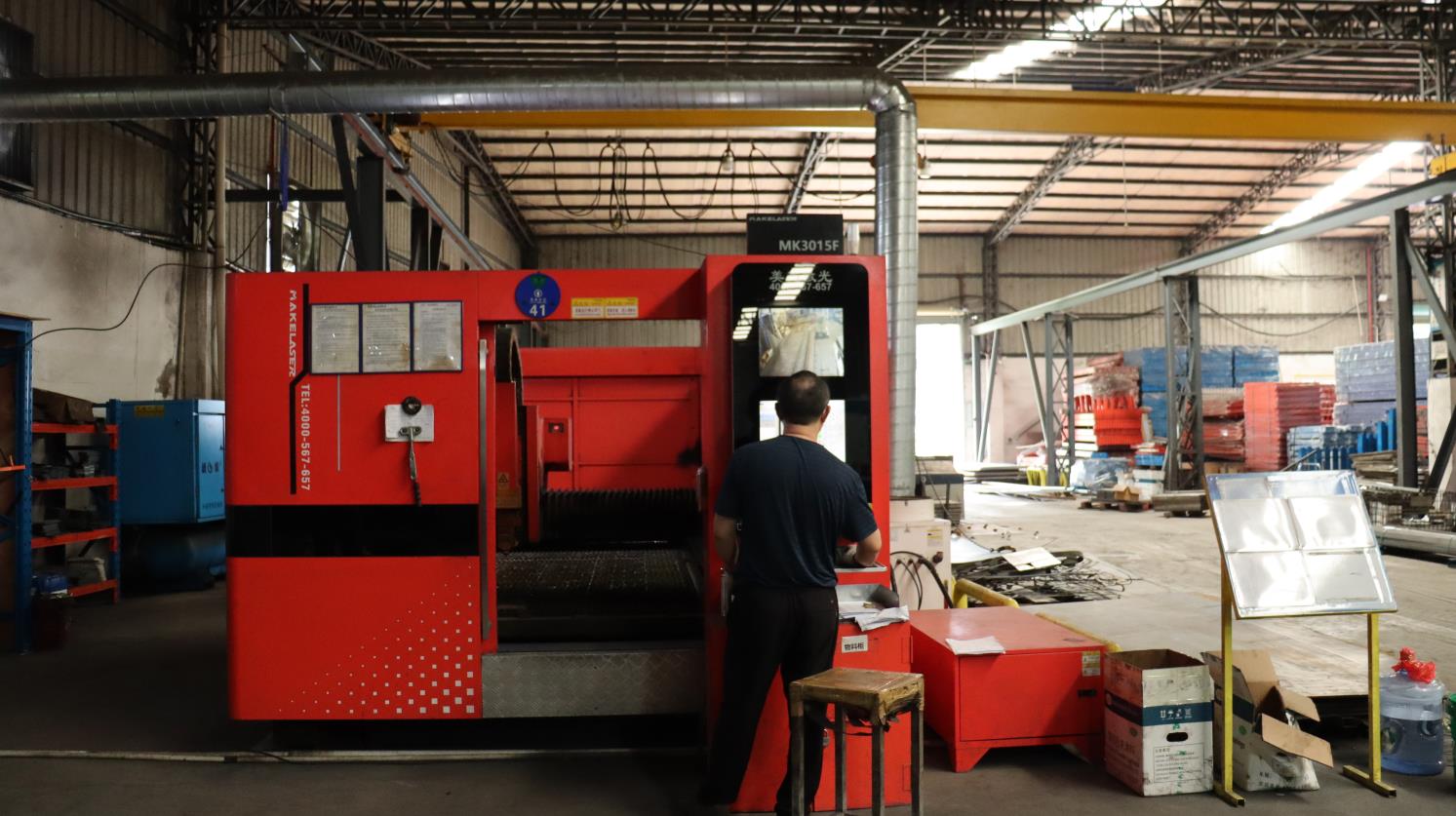
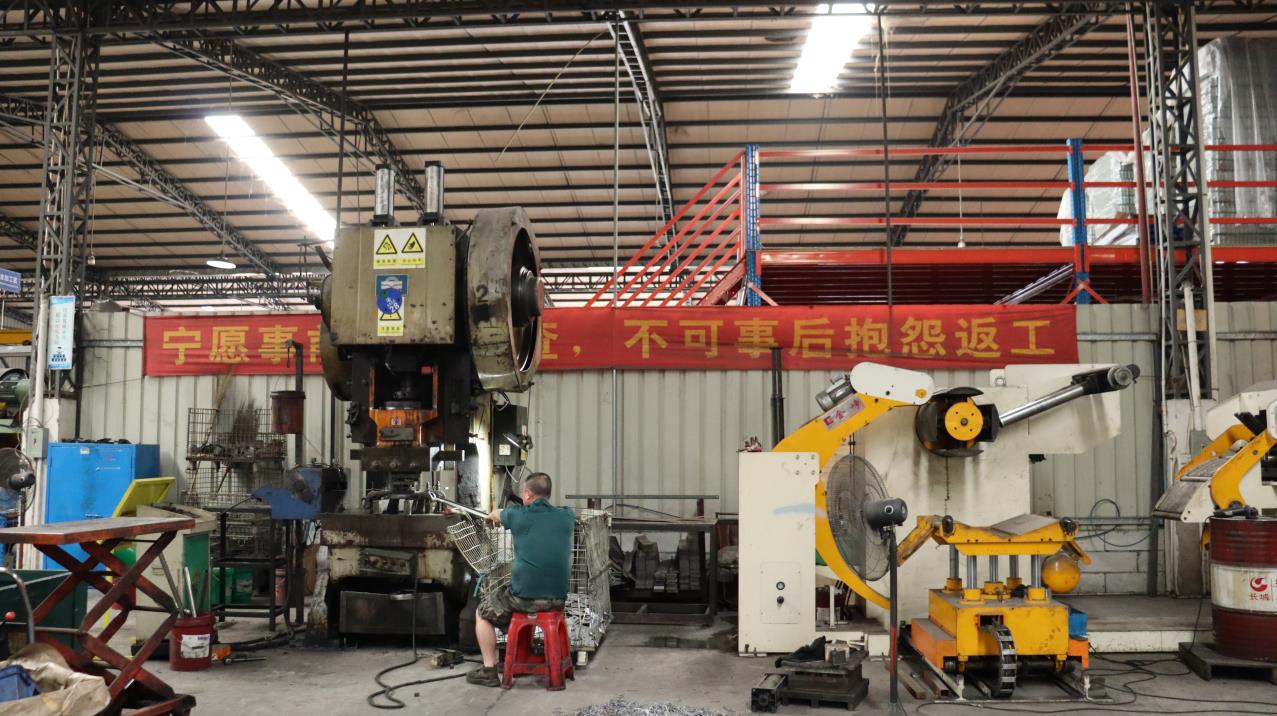
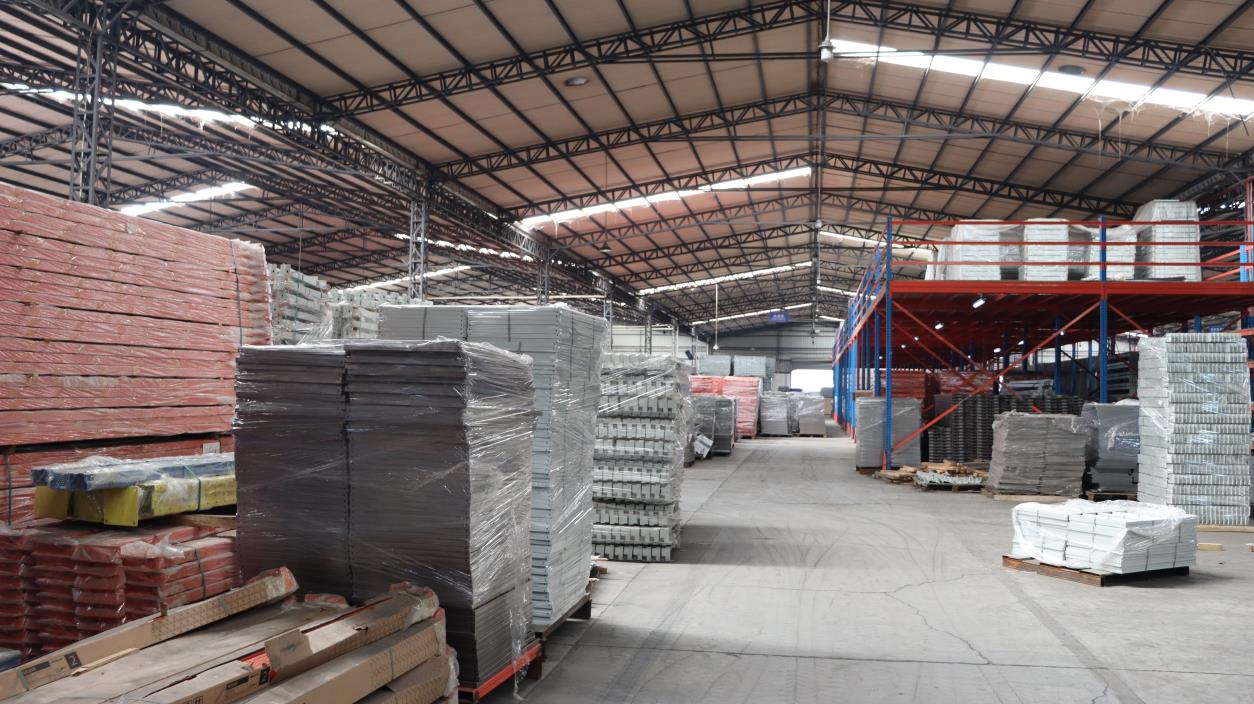
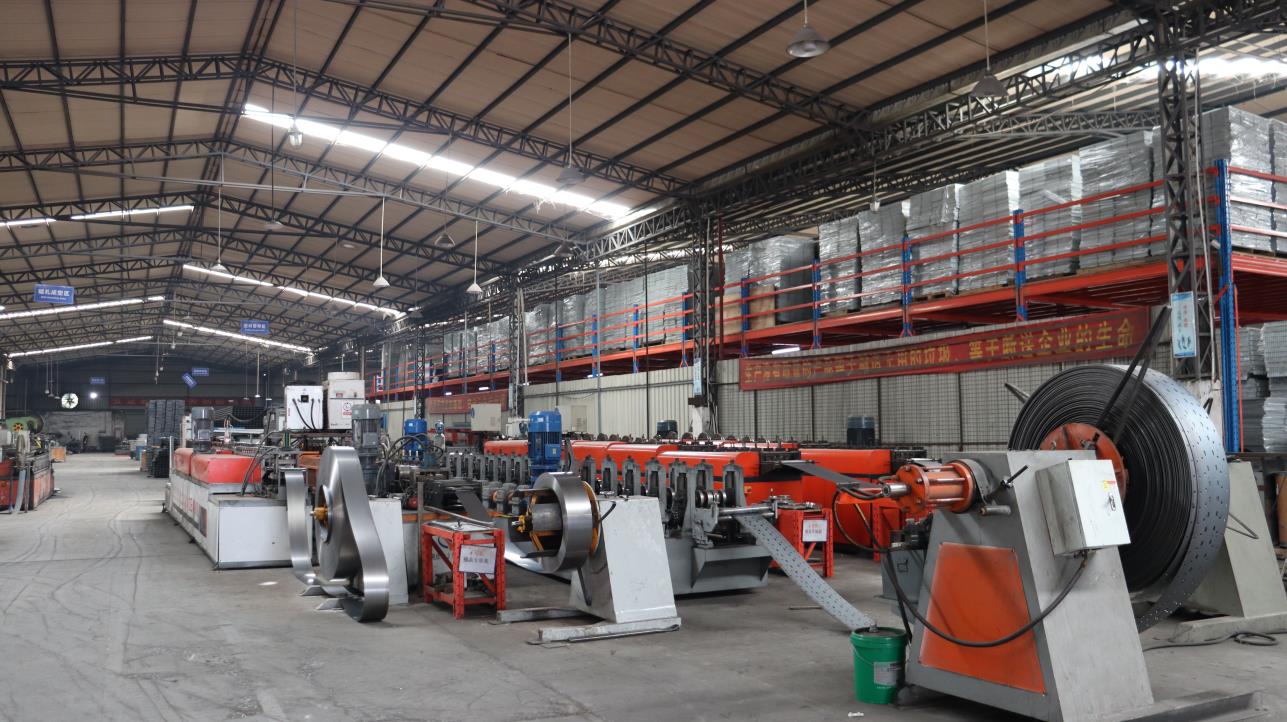
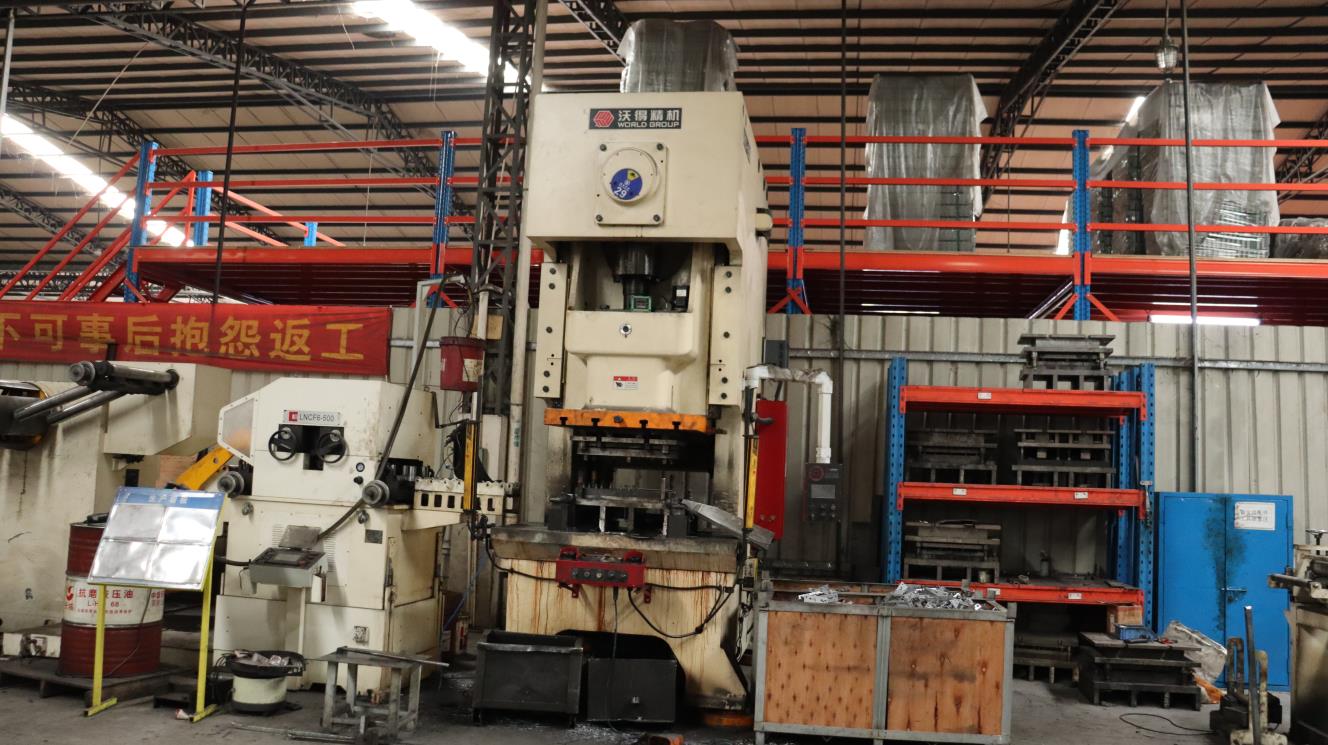
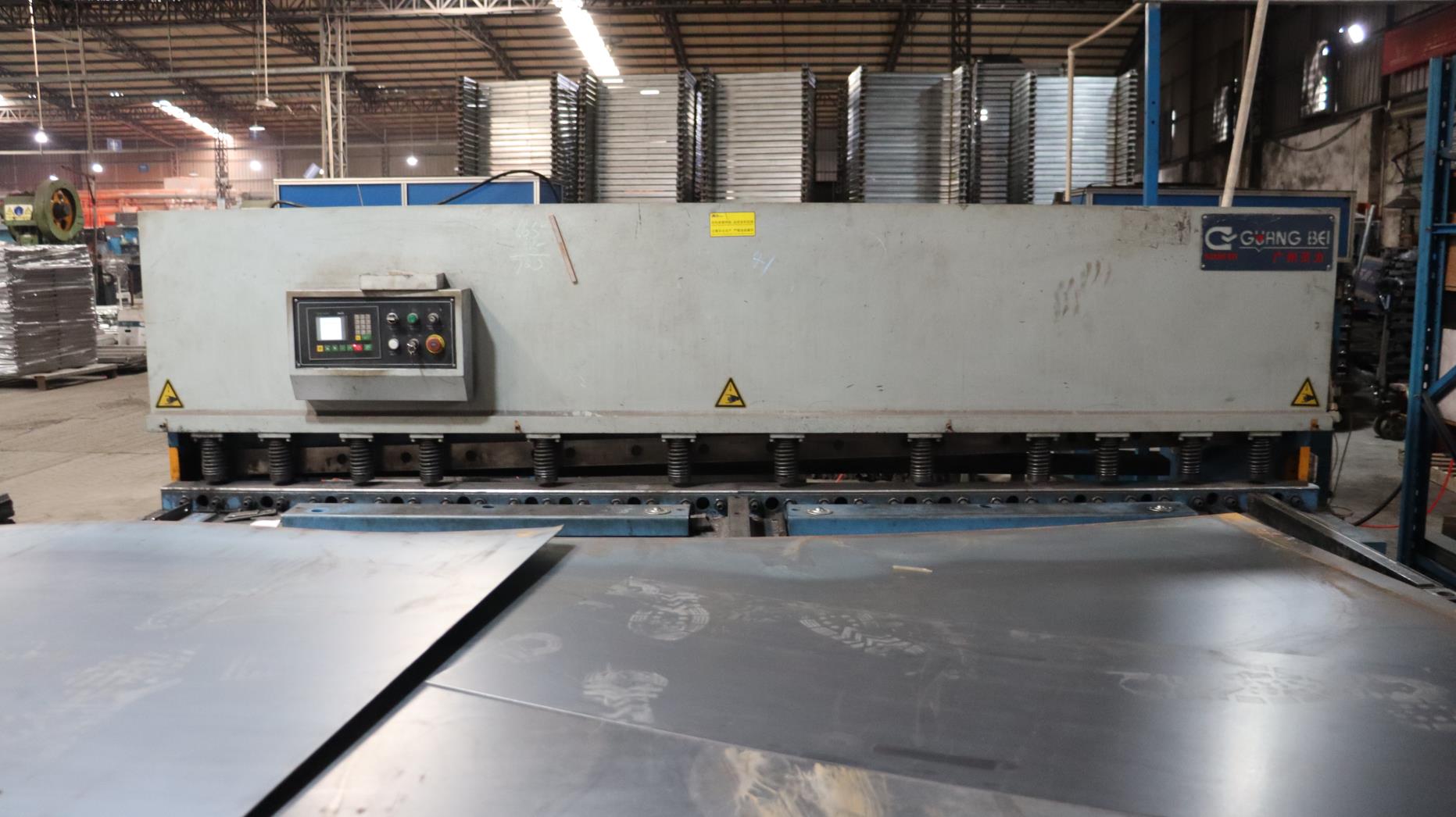
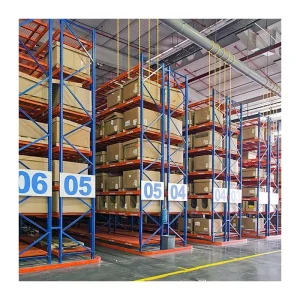
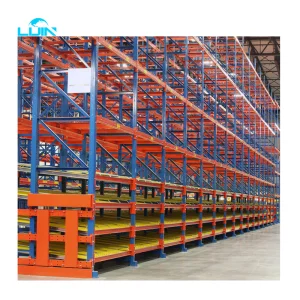
These dynamic racking options optimize storage layout, allowing material handlers to maximize space efficiency across varied inventory types.
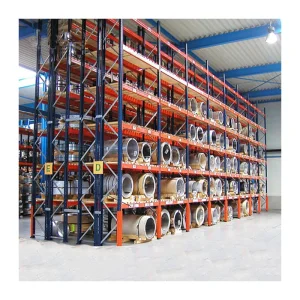
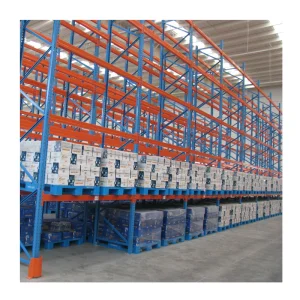
Every racking structure manufactured by Lijin is engineered using structural-grade steel profiles. We analyze load limits under finite element models (FEA) to confirm stability and load-bearing safety.
Under peak load conditions, structural beam deflection is a critical indicator of material fatigue and structural limit states. According to EN 15512 and regional WSH guidelines, vertical deflection must not exceed L/200 of the clear span length under maximum UDL capacity.
Lijin's engineers design using Q235 and Q355 hot-rolled structural steel, ensuring structural integrity and preventing catastrophic buckling or joint shear failures, even under continuous heavy pallet handling.
Despite Singapore's low direct seismic risk, BCA guidelines enforce design checks for seismic loading patterns, especially on vertical racking arrays that exceed 4 meters in height.
Our configurations include dynamic seismic baseplate anchorage, reinforced upright bracing, and custom frame designs. These features distribute energy loads safely down to the concrete slab, reducing structural risk during seismic activity.
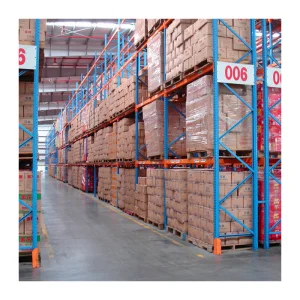
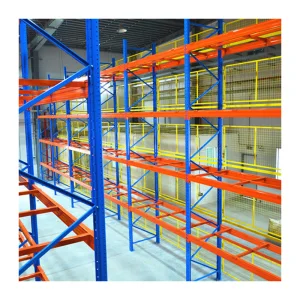
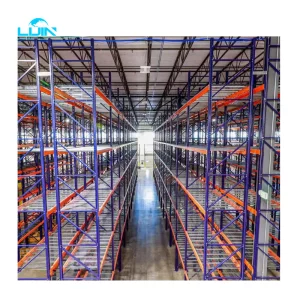
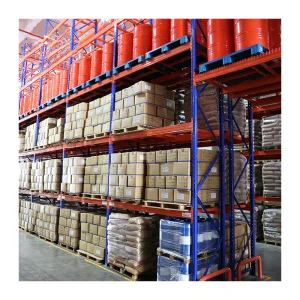
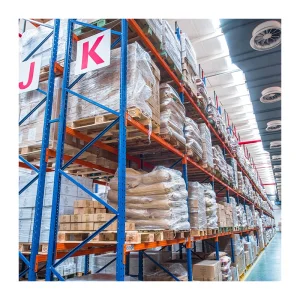
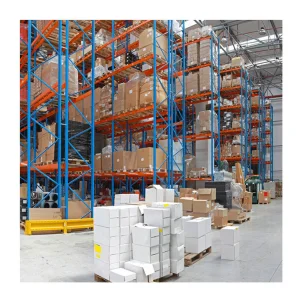
Our complete collection of heavy-duty industrial shelving, adjustable beam racks, and high-density warehouse storage systems engineered for global supply chains.
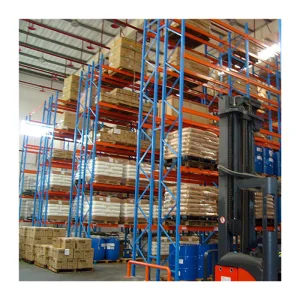
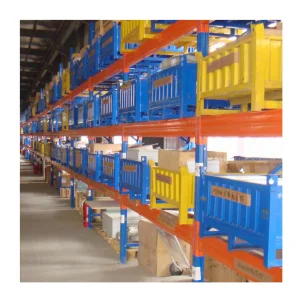
Technical guidance and compliance advice for warehouse operators, procurement managers, and facility engineers.
 Lijin Racking