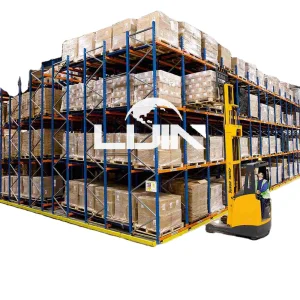
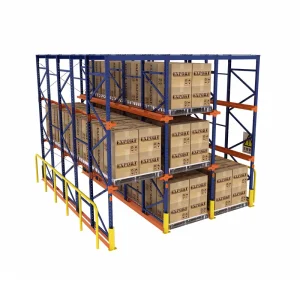
Engineered to maximize space utilization, streamline inventory flow, and dramatically reduce operational overhead.
Serbia has established itself as the core transport and logistics gateway of the Balkan region. Intersected by Pan-European Transport Corridors VII (the Danube River) and X, the country has witnessed unprecedented inflows of Foreign Direct Investment (FDI) spanning the automotive, food processing, pharmaceutical, and consumer goods sectors. Modern industrial parks around Belgrade, Novi Sad, Kragujevac, and Niš are expanding rapidly, driving an urgent need for high-density warehouse storage systems that optimize spatial footprint while accelerating SKU throughput.
Traditional warehouse racking systems can no longer keep up with the soaring land and utility costs across the Balkan peninsula. This is especially true for temperature-controlled facilities in the agricultural hubs of Vojvodina, where cooling energy costs represent a significant percentage of overhead. Gravity Flow Racking Systems emerge as the ultimate solution for cold storage operations, offering a high-density, energy-free dynamic storage design that operates strictly on the First-In, First-Out (FIFO) principle.
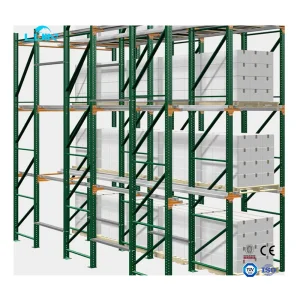
Unlike standard static selective racking that requires dedicated aisles for every pallet line, a gravity racking system works on inclined roller tracks. When a pallet is unloaded from the pick face, the subsequent pallet automatically rolls forward. This consolidates storage space by up to 60%, drastically reducing the footprint that requires heating or cooling in agricultural processing plants across Serbia.
Gravity racking relies on gravity flow lanes configured at a precise slope (typically 3% to 4%). Heavy-duty pallets are loaded on the charging side and travel down the lane on high-precision steel rollers. To ensure safe operation and prevent runaway loads, the system integrates mechanical speed controllers (brake rollers) placed at calculated intervals, along with structural end-stops and separation mechanisms at the picking face.
Before purchasing warehousing hardware for your operations in Serbia, it is critical to compare how gravity flow stacks up against other high-density configurations:
| Parameters | Gravity Flow Racking | Selective Pallet Racking | Drive-In Racking | Radio Shuttle Racking |
|---|---|---|---|---|
| Storage Density | Very High (up to 85%) | Low (around 40%) | High (up to 75%) | Ultra-High (up to 90%) |
| Access Principle | FIFO (First-In, First-Out) | FIFO / LIFO | LIFO (Last-In, First-Out) | FIFO / LIFO |
| Operating Speed | Fast (dedicated faces) | Moderate | Slow (forklifts enter lane) | Very Fast (automated shuttle) |
| Forklift Wear & Damage | Zero (forklift stays in aisle) | Minimal | High (frequent rack impacts) | Zero (shuttle does travel) |
| Initial Investment Cost | Medium-High | Low | Medium | High (requires electronics) |
In today's integrated global supply chains, purchasing directors and engineering leads demand more than off-the-shelf metal racking. Structural integrity, compliance with EN 15512 and FEM 10.2.02 standards, structural calculations for local seismic activity (the Balkan region features moderate-to-high seismic risk zones), and surface coating endurance are primary requirements.
Shenzhen Lijin Storage Equipment Co., Ltd. addresses these international specifications by leveraging a specialized R&D team of 28 design engineers. Last year alone, our engineers developed 85+ customized dynamic storage solutions, integrating safety elements such as:
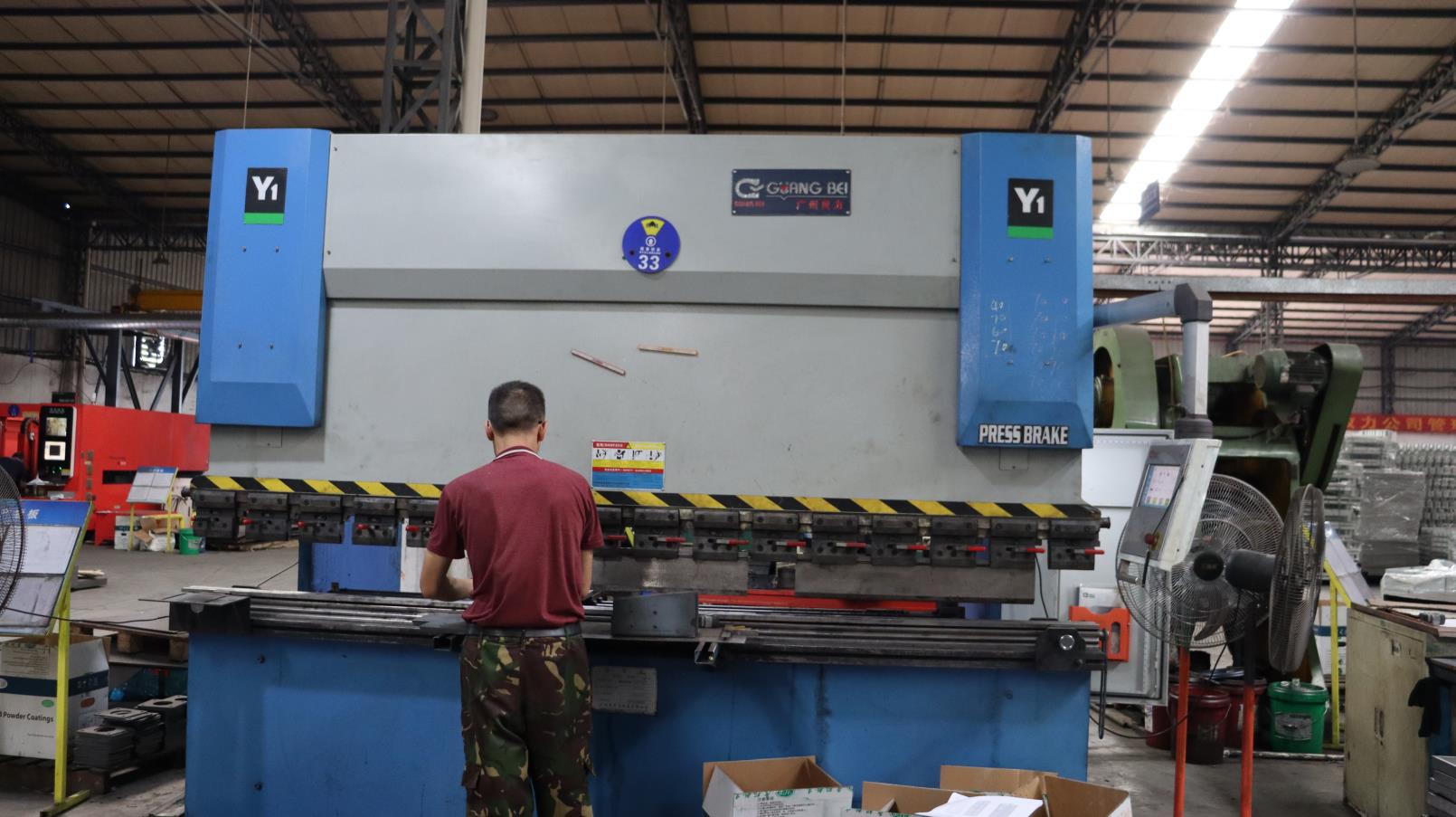
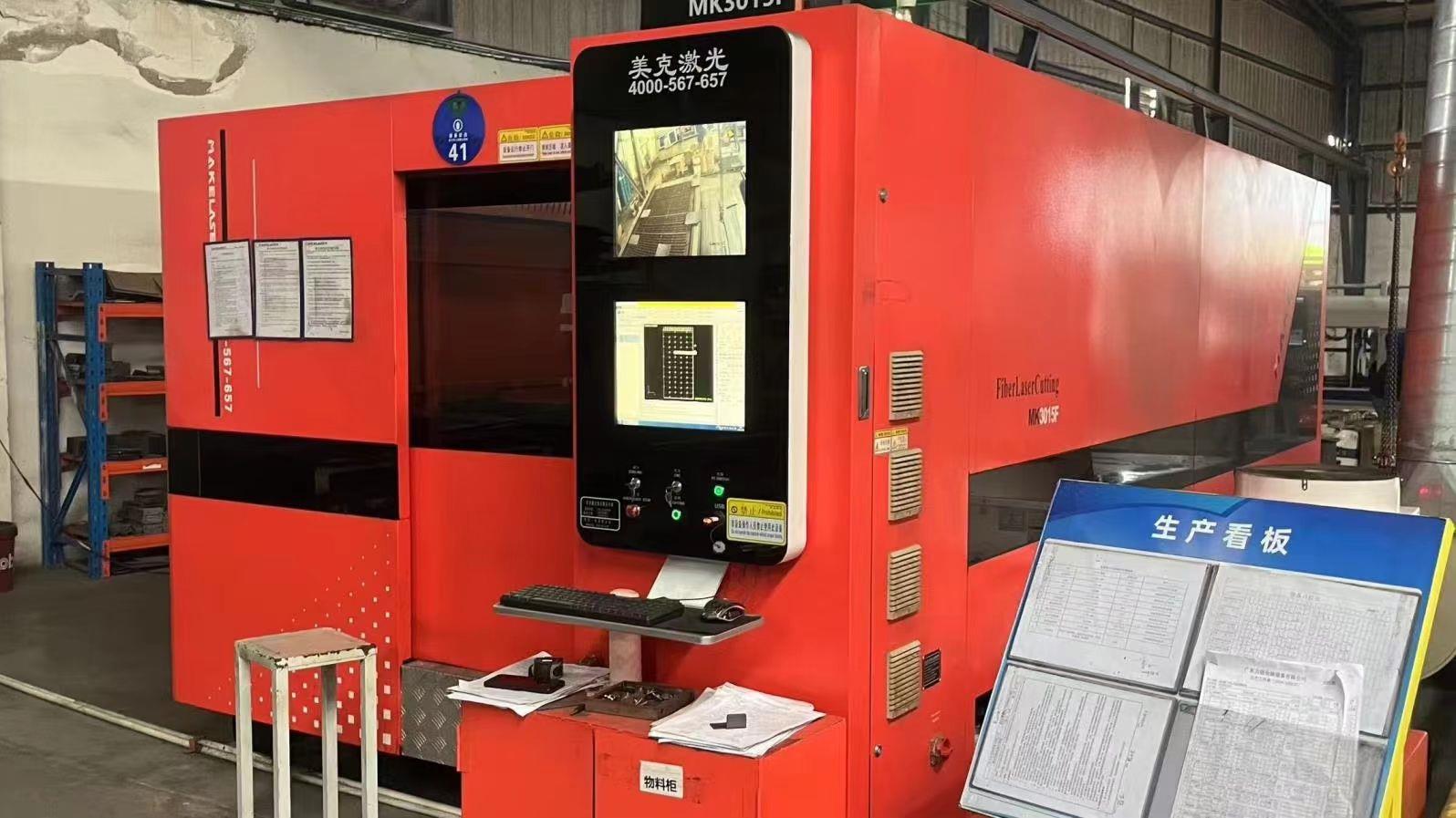
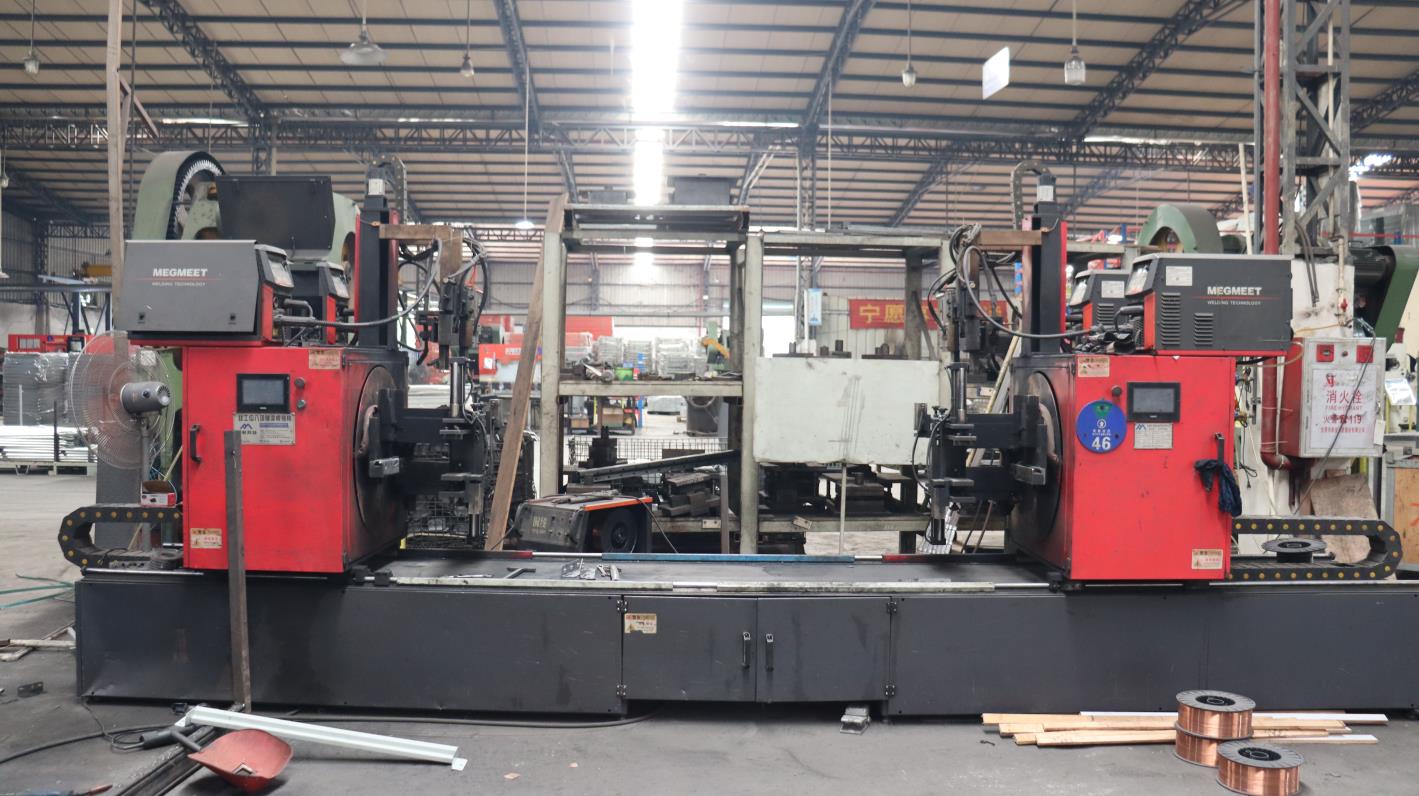
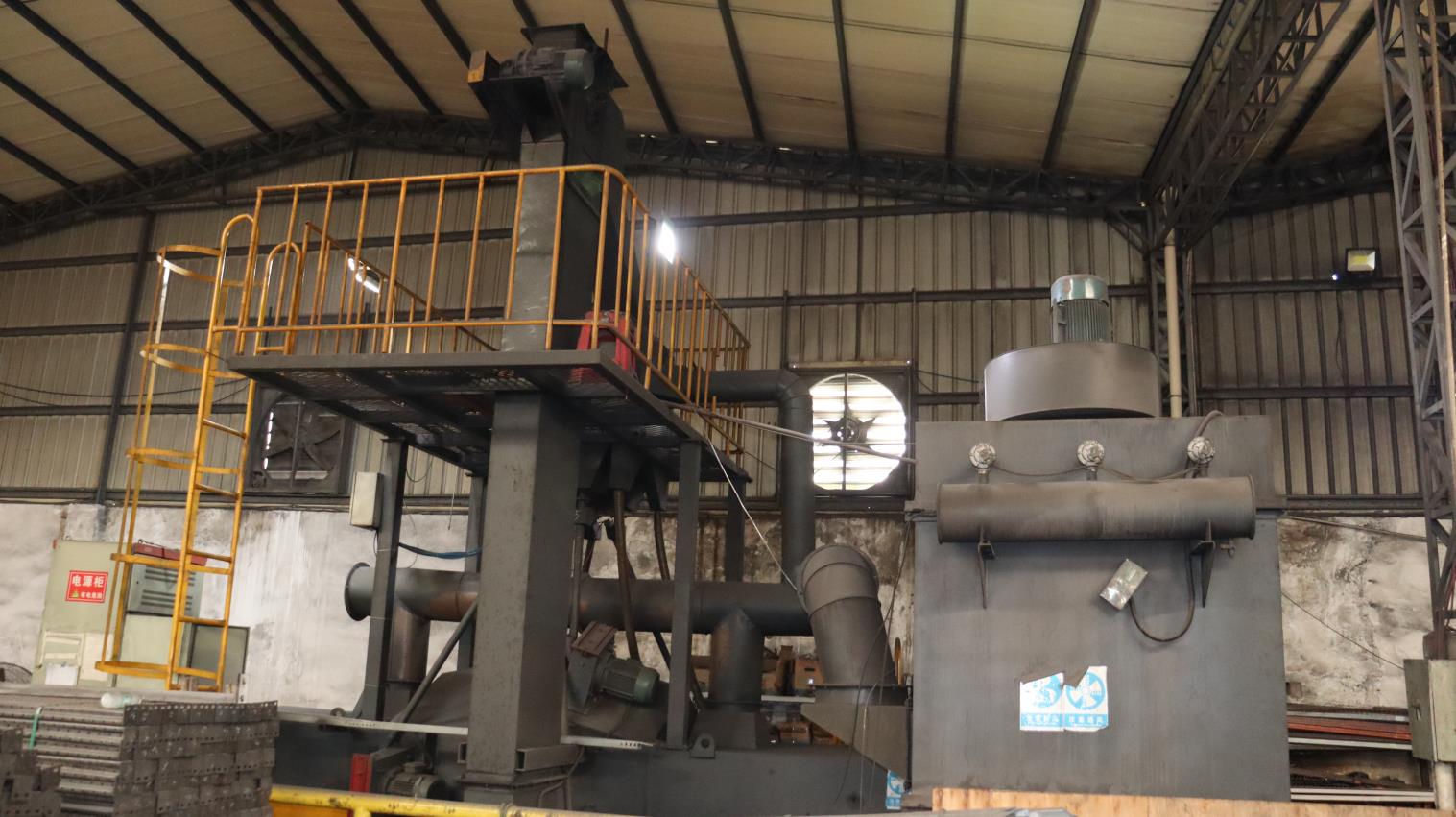
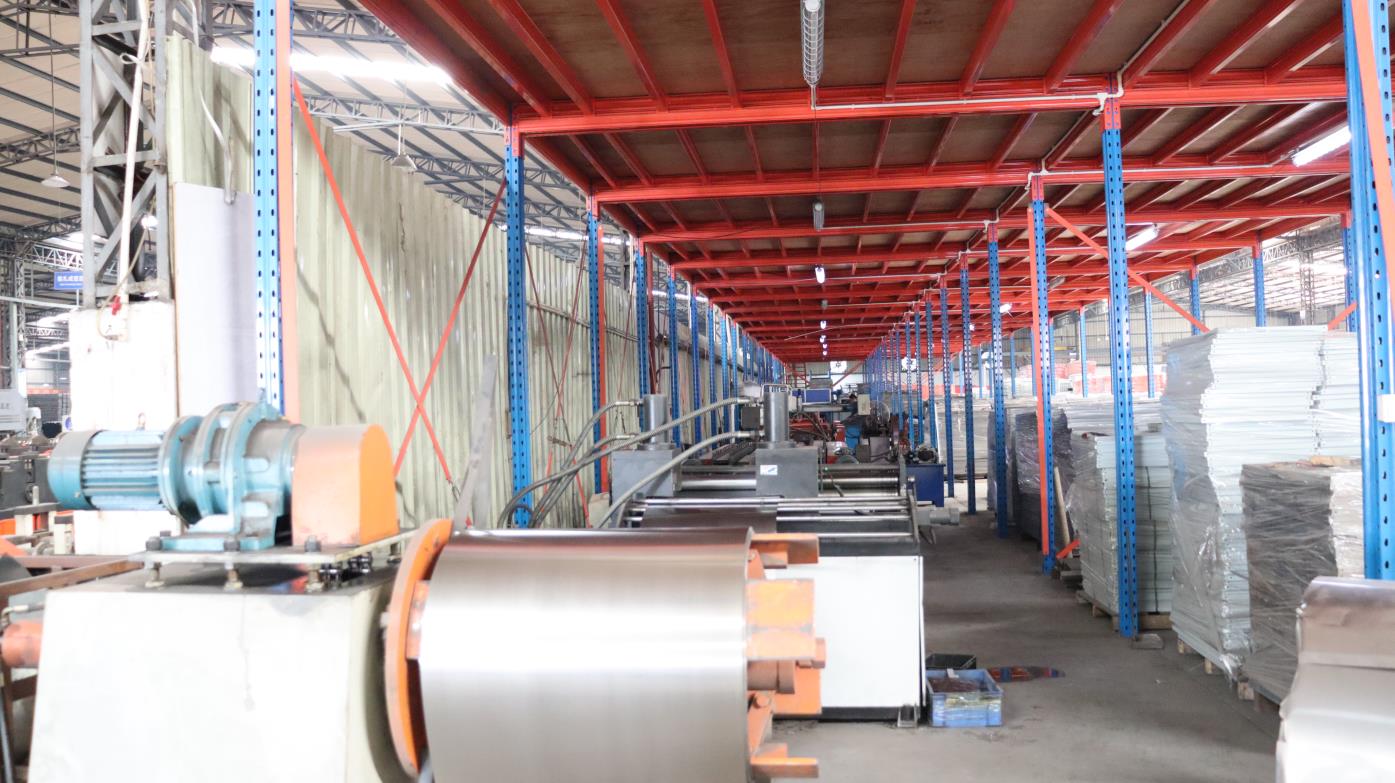
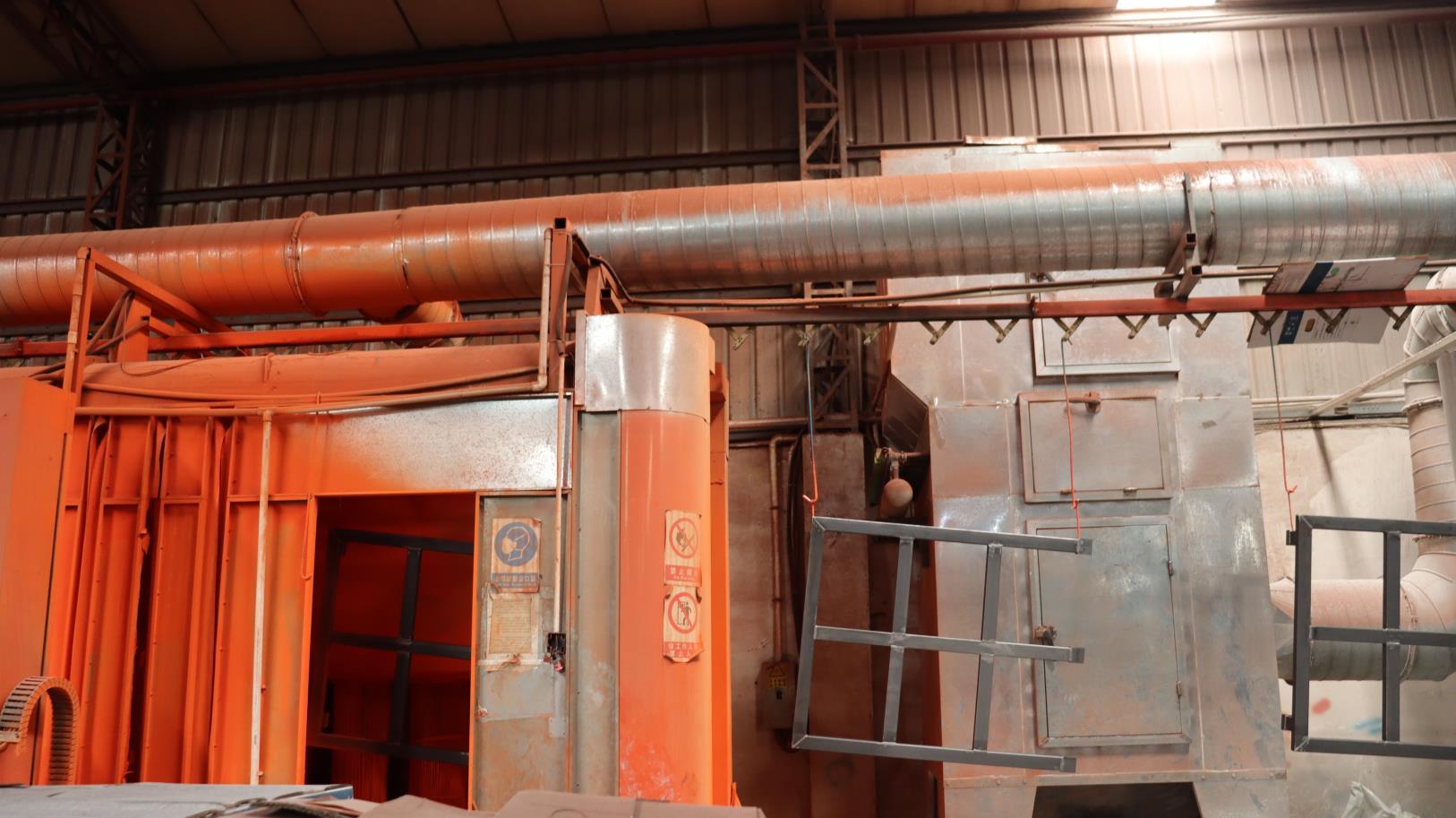
A behind-the-scenes look at our 35,000 m² state-of-the-art production plant, from raw steel selection to final dispatch.
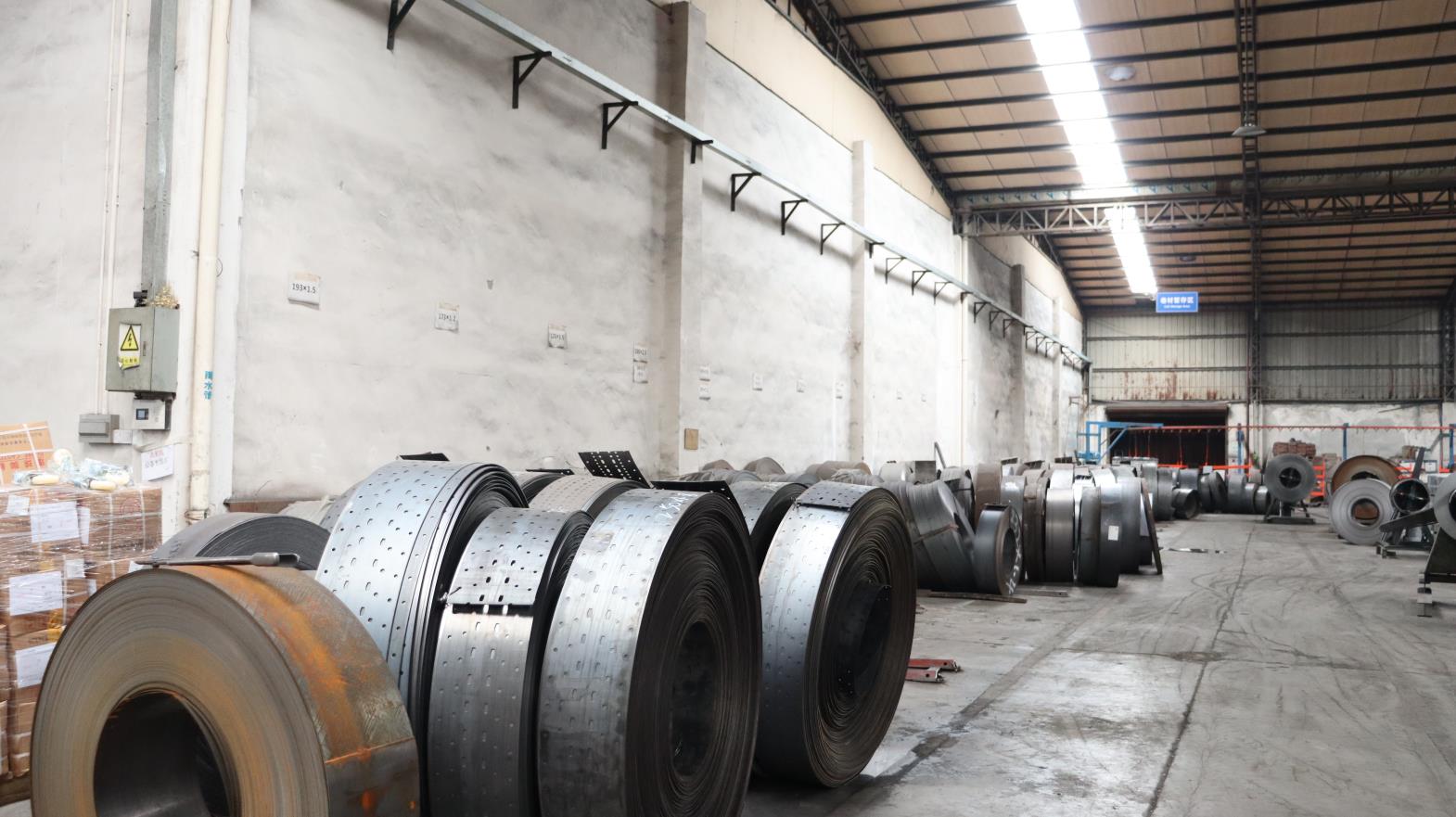
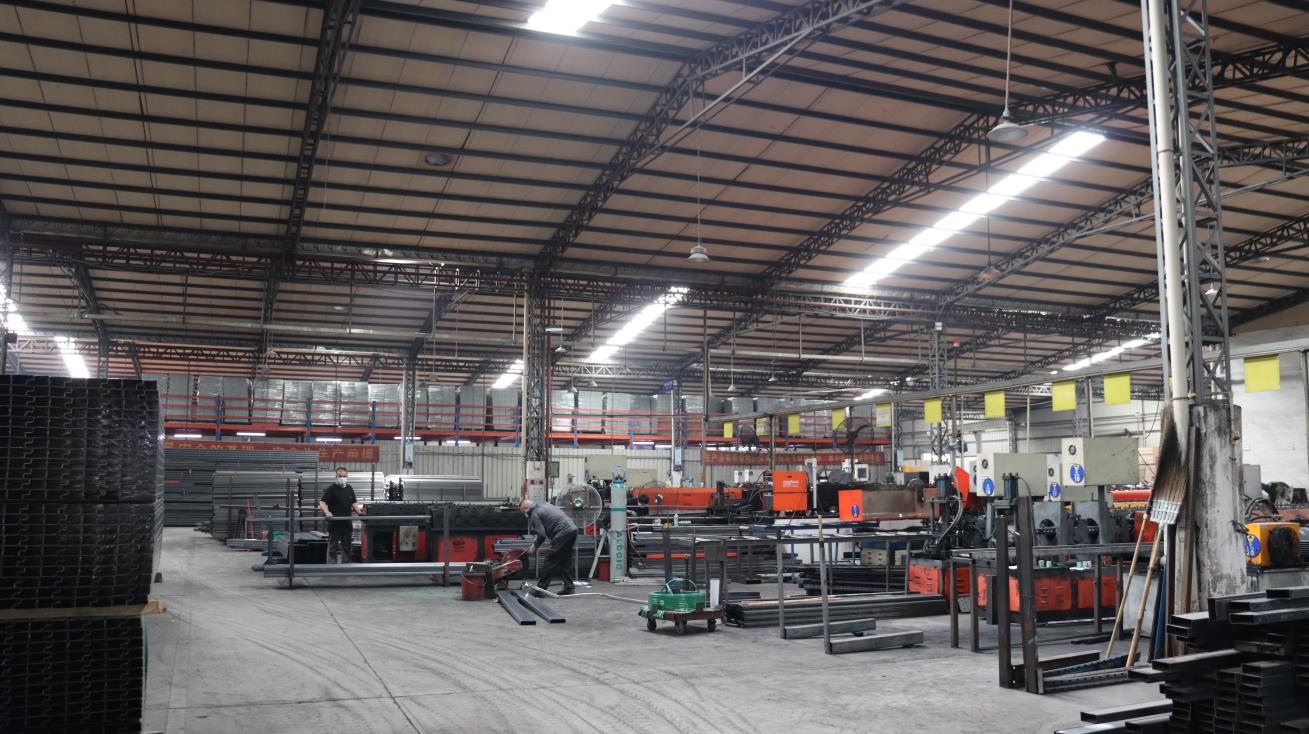
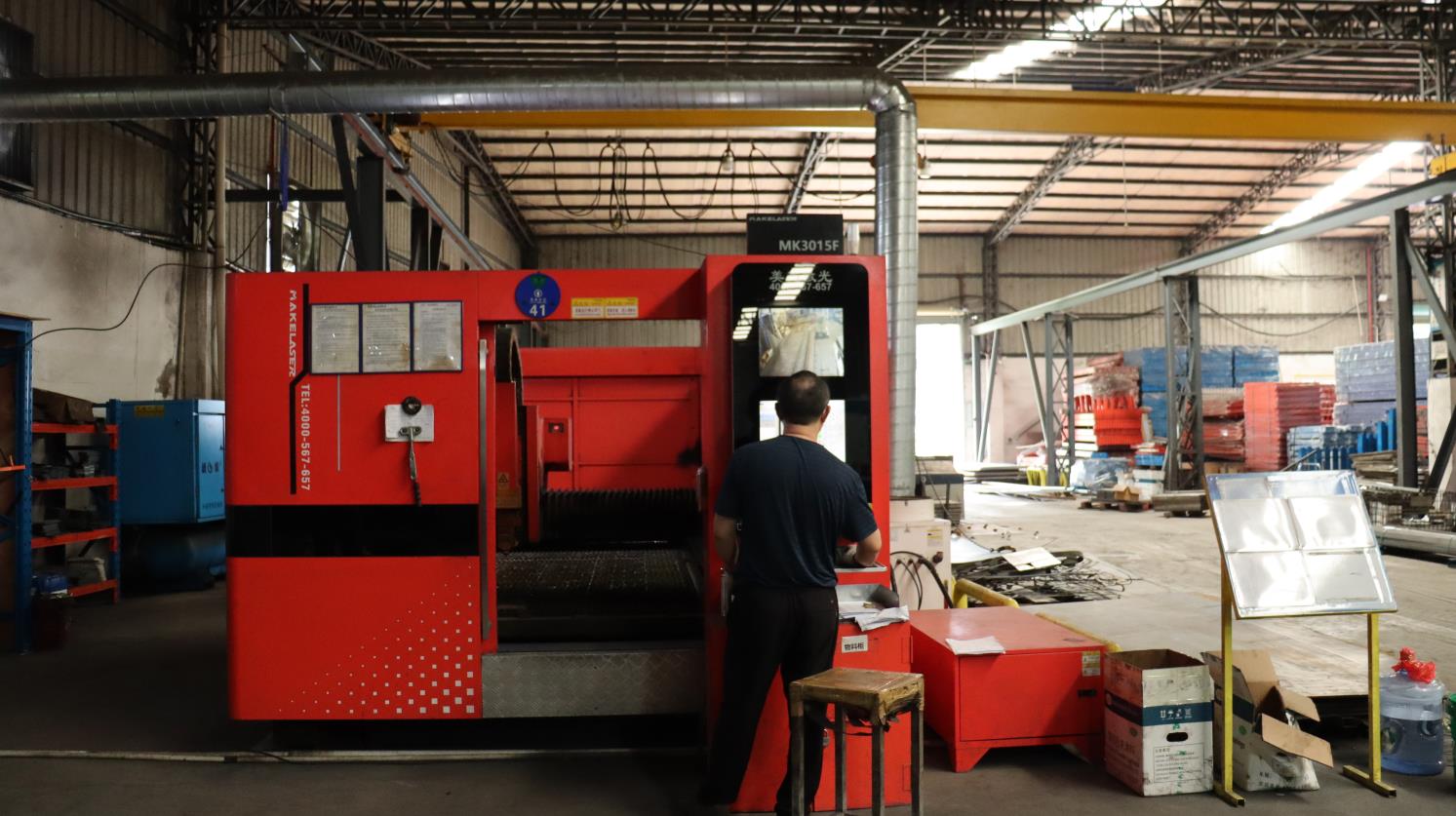
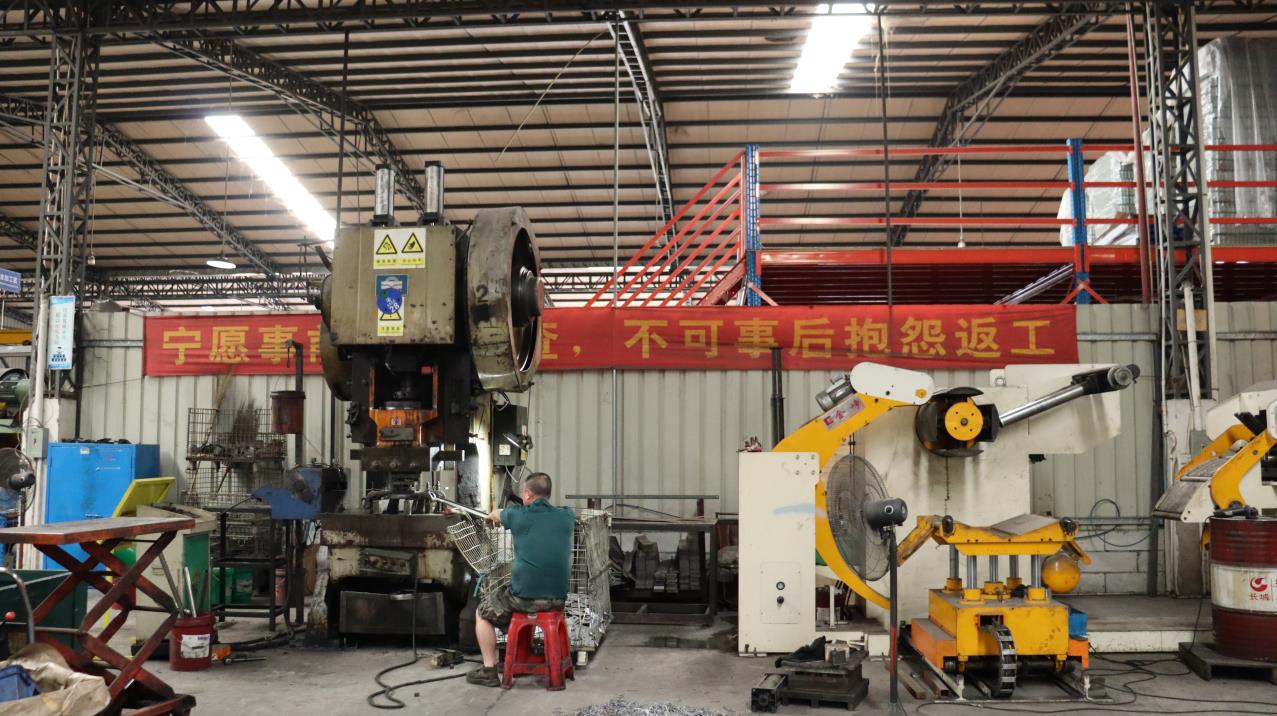
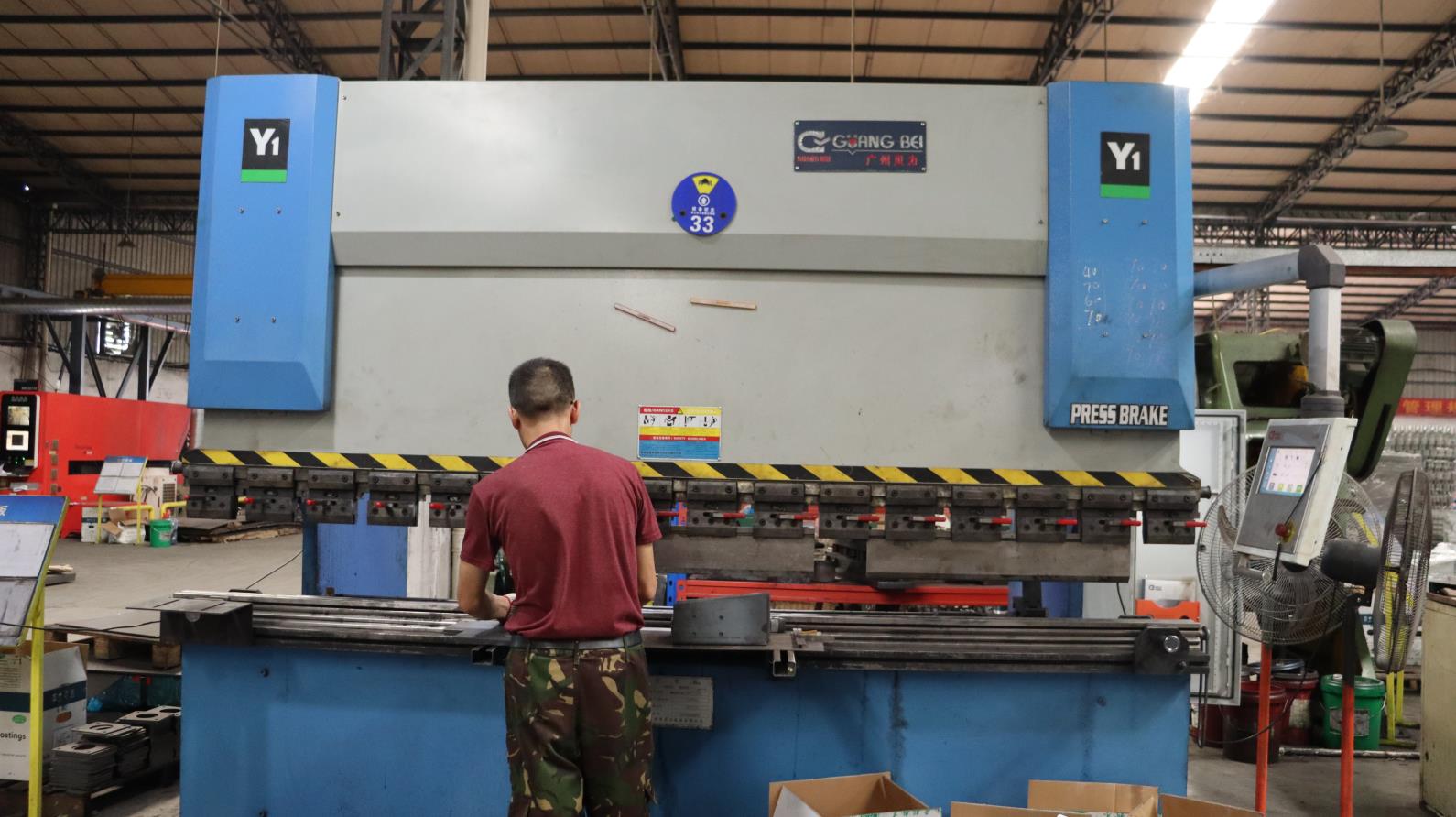
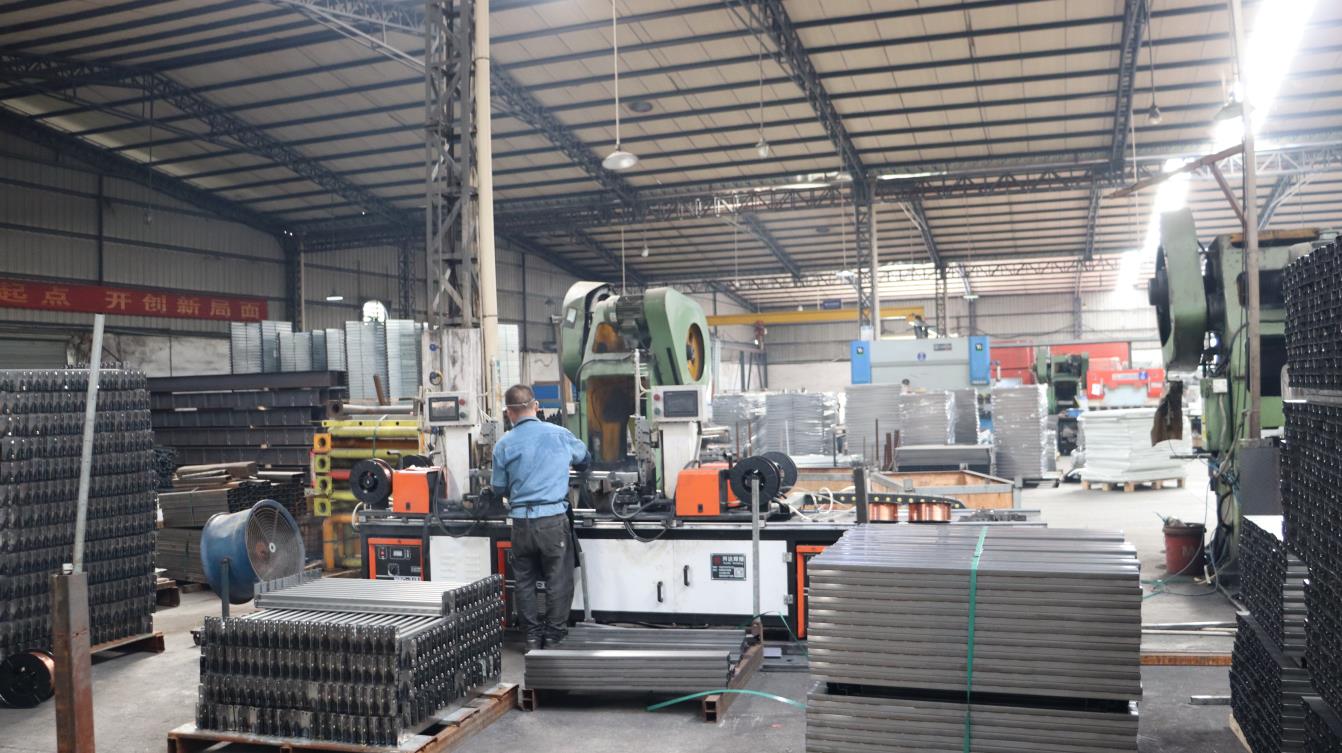
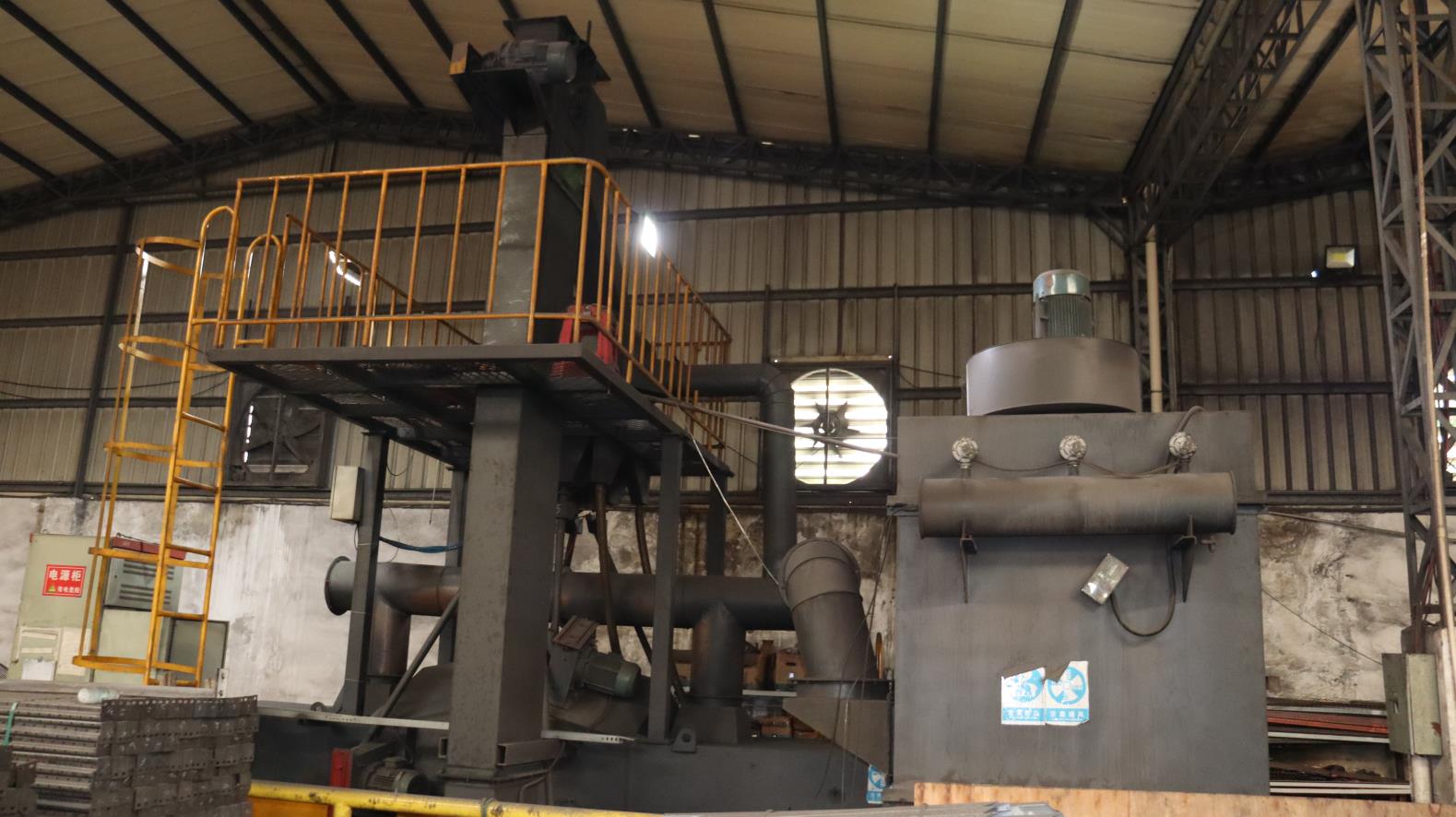
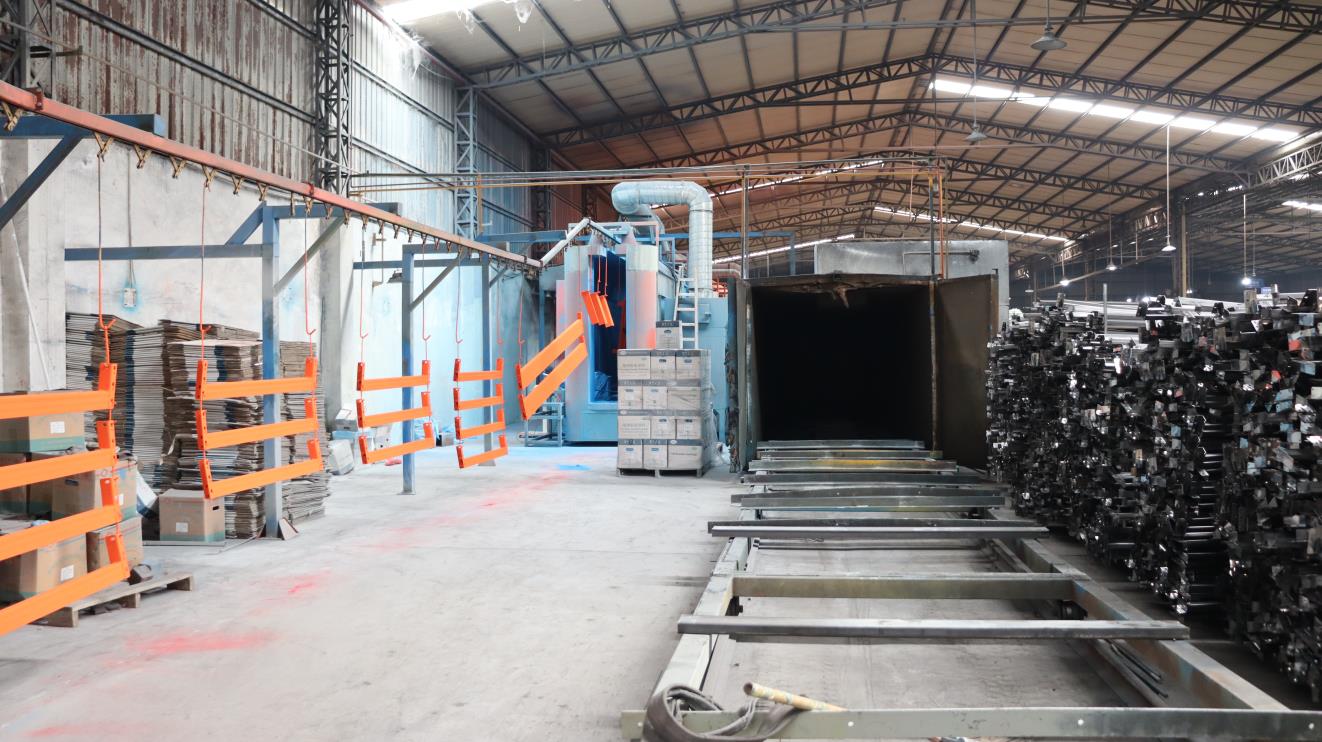
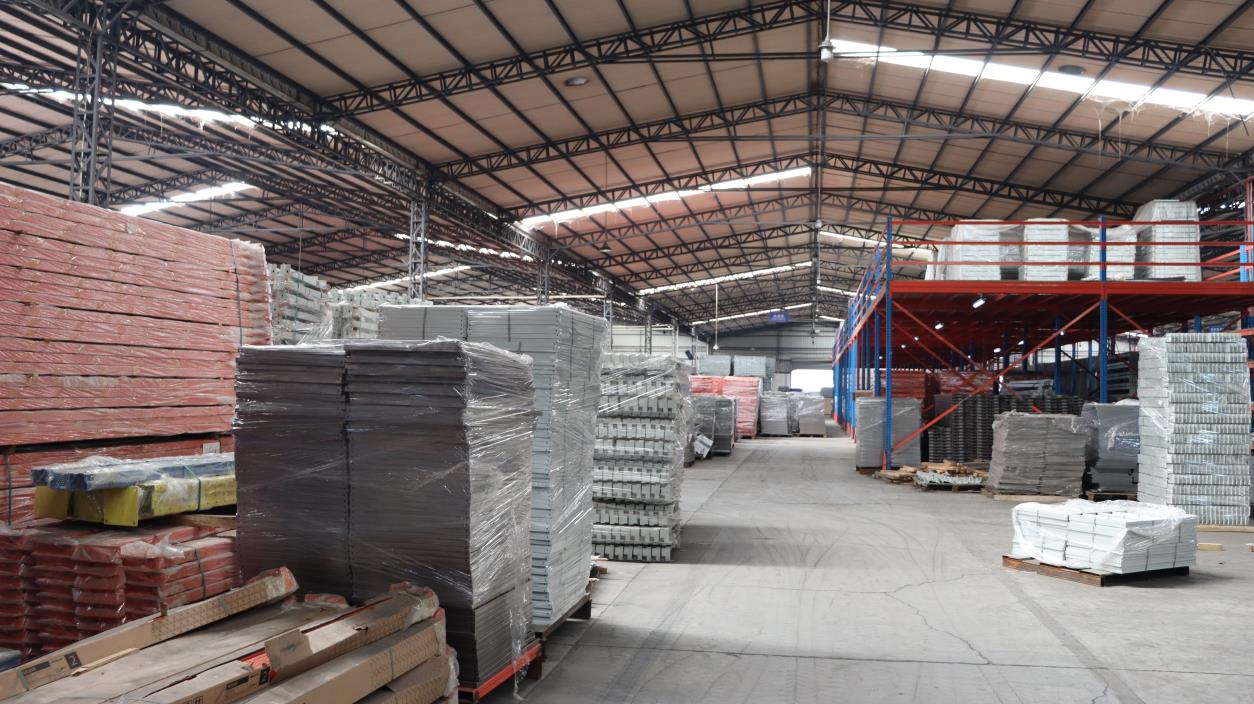
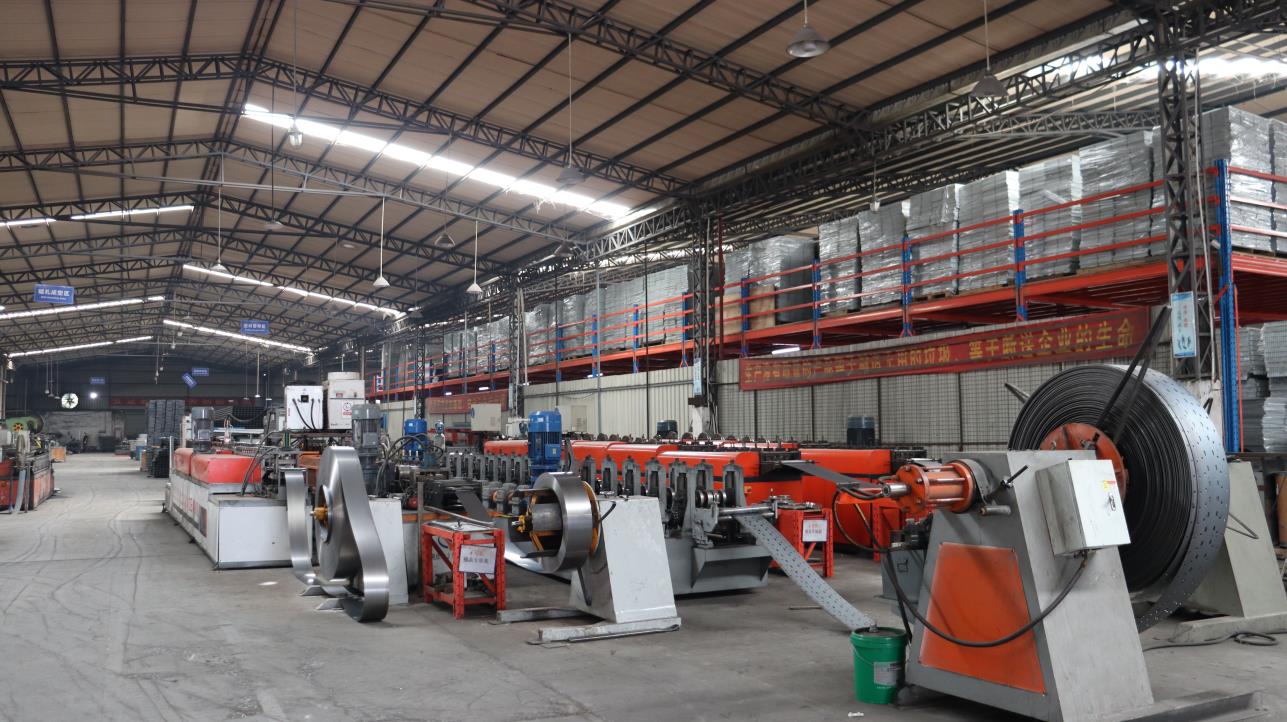
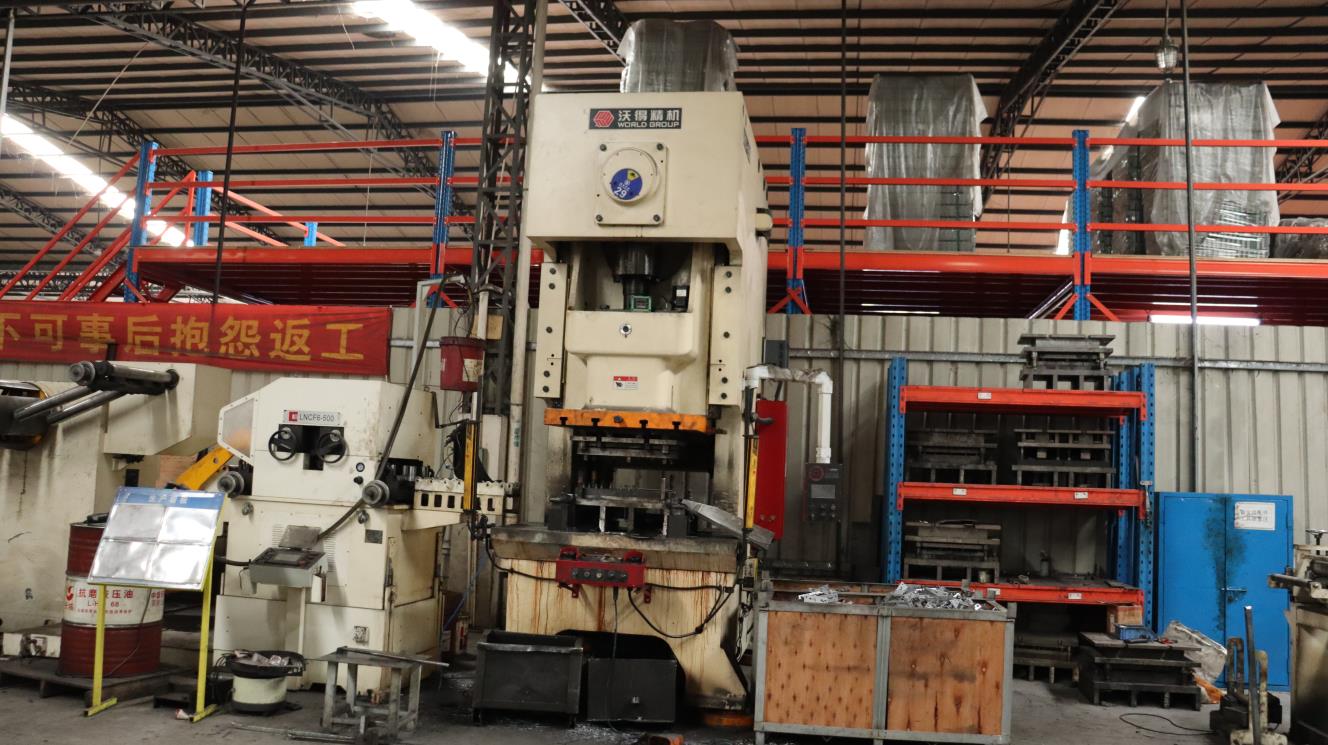
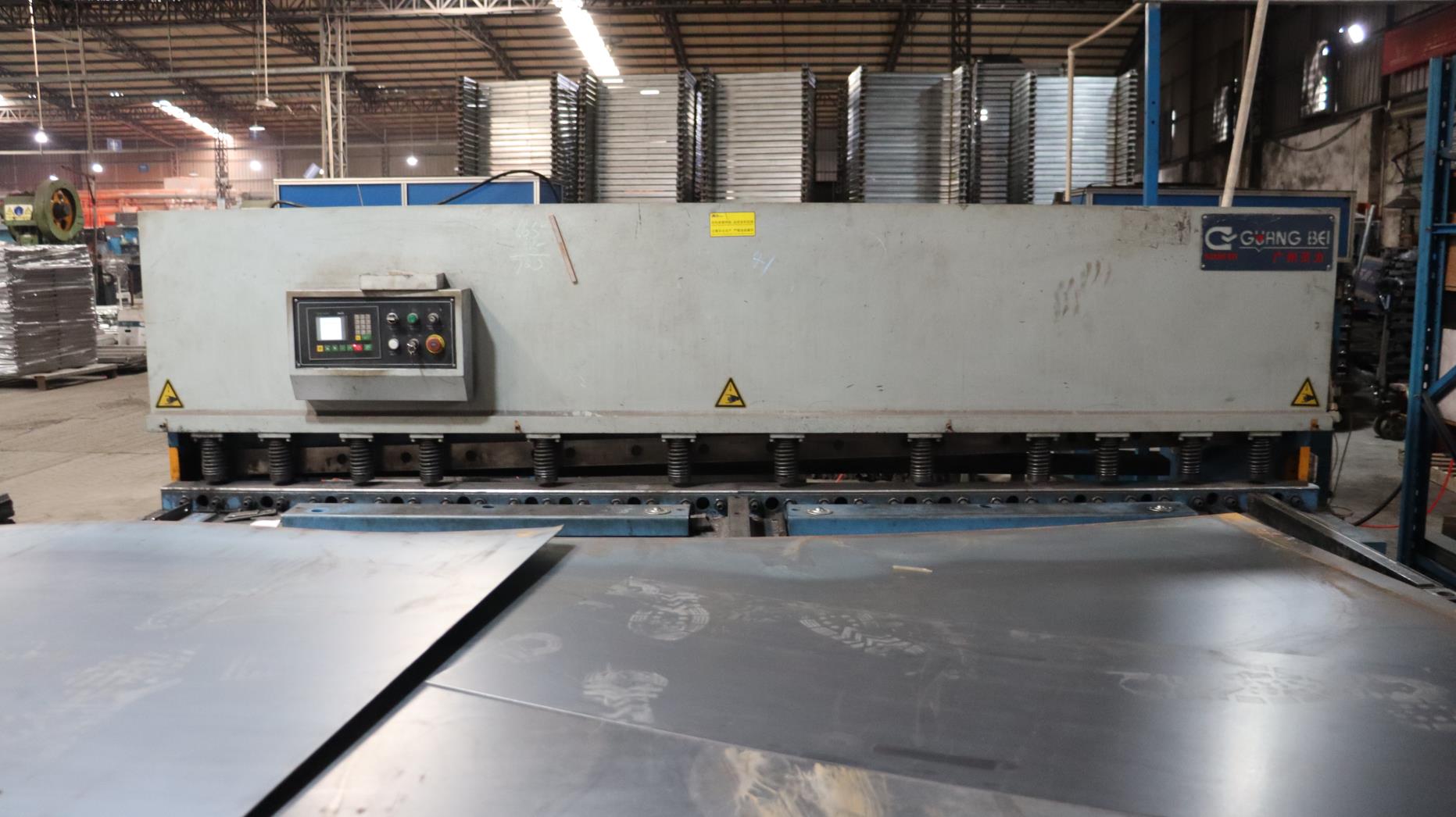
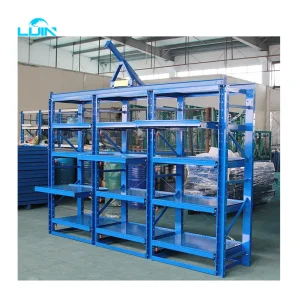
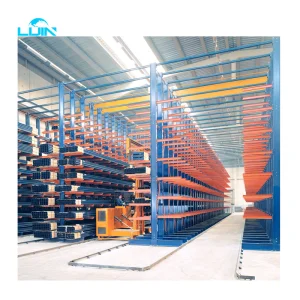
Fully adaptable designs matching Serbian industrial code requirements.
Partnering directly with a premier Chinese racking factory like Shenzhen Lijin Storage Equipment Co., Ltd. offers significant commercial and structural advantages for developers and third-party logistics (3PL) providers in Serbia:
The Balkan Peninsula presents unique geographical and geological challenges. Racking designs for this area must factor in seismic activities to comply with the European Eurocode 8 standards (EN 1998). Shenzhen Lijin's structural engineers utilize advanced finite element analysis (FEA) software to model frame responses under seismic loads, ensuring safety and compliance for installations in high-load warehouses across Serbia.
Technical details, shipping logistics, and compliance parameters for purchasing managers.
 Lijin Racking