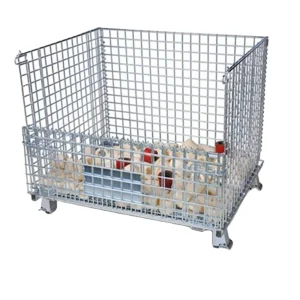
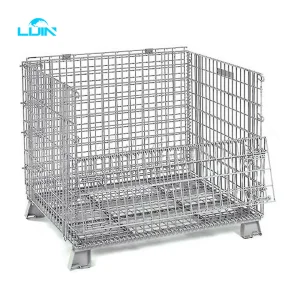
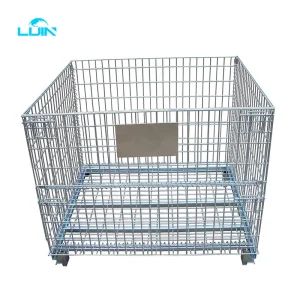
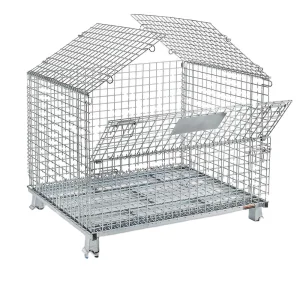
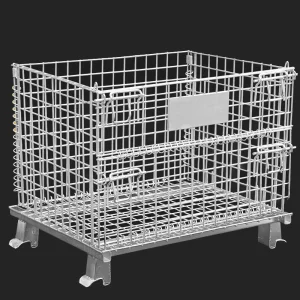
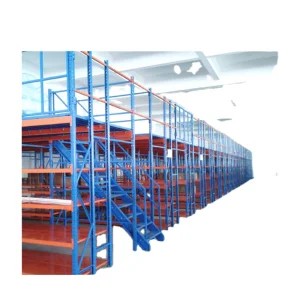
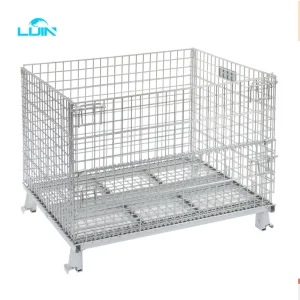
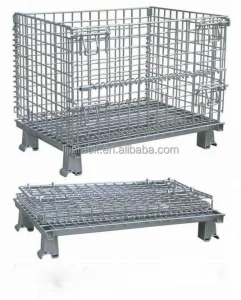
Highly durable, collapsible mesh containers designed to maximize storage efficiency and streamline logistics processes.
Production Facility
Annual Global Revenue
Industry Leadership
Supply Chain Partners
The Greater Boston Area—stretching from the Route 128 high-technology corridor to the logistics hubs flanking the Port of Boston's Conley Terminal—is experiencing a profound transformation in material handling and warehouse space utilization. As land values escalate and modern distribution facilities seek to optimize footprint height, traditional pallet storage systems are hitting physical and economical limits.
Boston's diverse economic sectors demand bespoke material handling strategies. In the thriving pharmaceutical and biotechnology hubs of Cambridge and South Boston, storage equipment must meet strict sanitation, anti-corrosion, and humidity-resistance standards. In contrast, manufacturing and automotive distribution networks across Worcester and Middlesex counties require rugged, high-load configurations capable of managing heavy castings, machinery, and parts.
Shenzhen Lijin's heavy-duty folding wire mesh cages address these local constraints. By deploying high-tensile Q235 steel mesh structures with hot-dip galvanized finishes, Boston-based warehouses can ensure robust, clean, and fire-safe operations that comply with stringent local OSHA and NFPA safety frameworks.
In municipal Boston warehouse structures, fire safety codes strictly regulate solid wood shelf spaces due to visual blockages and barrier issues for overhead sprinkler systems. Open-mesh wire containers allow up to 70% light and water permeability, dramatically lowering localized fire hazards and qualifying facilities for lower insurance premiums.
Globally, material handling is transitioning rapidly toward automated storage and retrieval systems (AS/RS), autonomous mobile robots (AMRs), and circular logistics configurations. These technologies require standardized, precise container footprints.
Traditional wooden crates and cardboard packaging are being phased out in favor of recyclable, collapsible steel cages. Wire mesh cages offer a 4:1 collapse ratio, enabling massive savings during return logistics. In the modern circular economy, reducing the volume of empty return transport translates directly into lower greenhouse gas emissions and operational cost reductions.
Additionally, the integration of heavy-duty wheels, customized drop gates, and forklift guide pockets turns static storage units into dynamic logistics vectors. This transition is essential for e-commerce micro-fulfillment centers where velocity, accuracy, and space optimization dictate commercial survival.
For New England warehouse procurement officers, purchasing storage equipment is not merely a capital expense; it is a long-term operational investment. Assessing the Total Cost of Ownership (TCO) involves examining metallurgical chemistry, surface finishing thickness, and structural integrity.
Cheap, non-compliant steel mesh containers often experience wire-joint shearing under high static loads, leading to catastrophic storage rack failures. Shenzhen Lijin structures are engineered using Q235 structural steel with automated multi-point resistance welding. This achieves superior load-bearing safety ratios of up to 2.0x, ensuring that a cage rated for 1500 kg safely handles its cargo without dangerous deflection.
Furthermore, our specialized corrosion-resistant surface coatings are tested under ASTM B117 salt spray guidelines for up to 96 hours. This ensures that our units operate seamlessly within coastal New England maritime warehouses without developing structural rust.
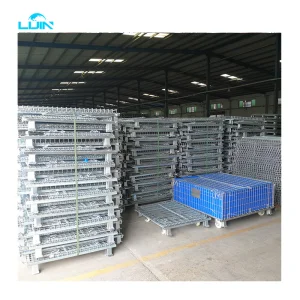
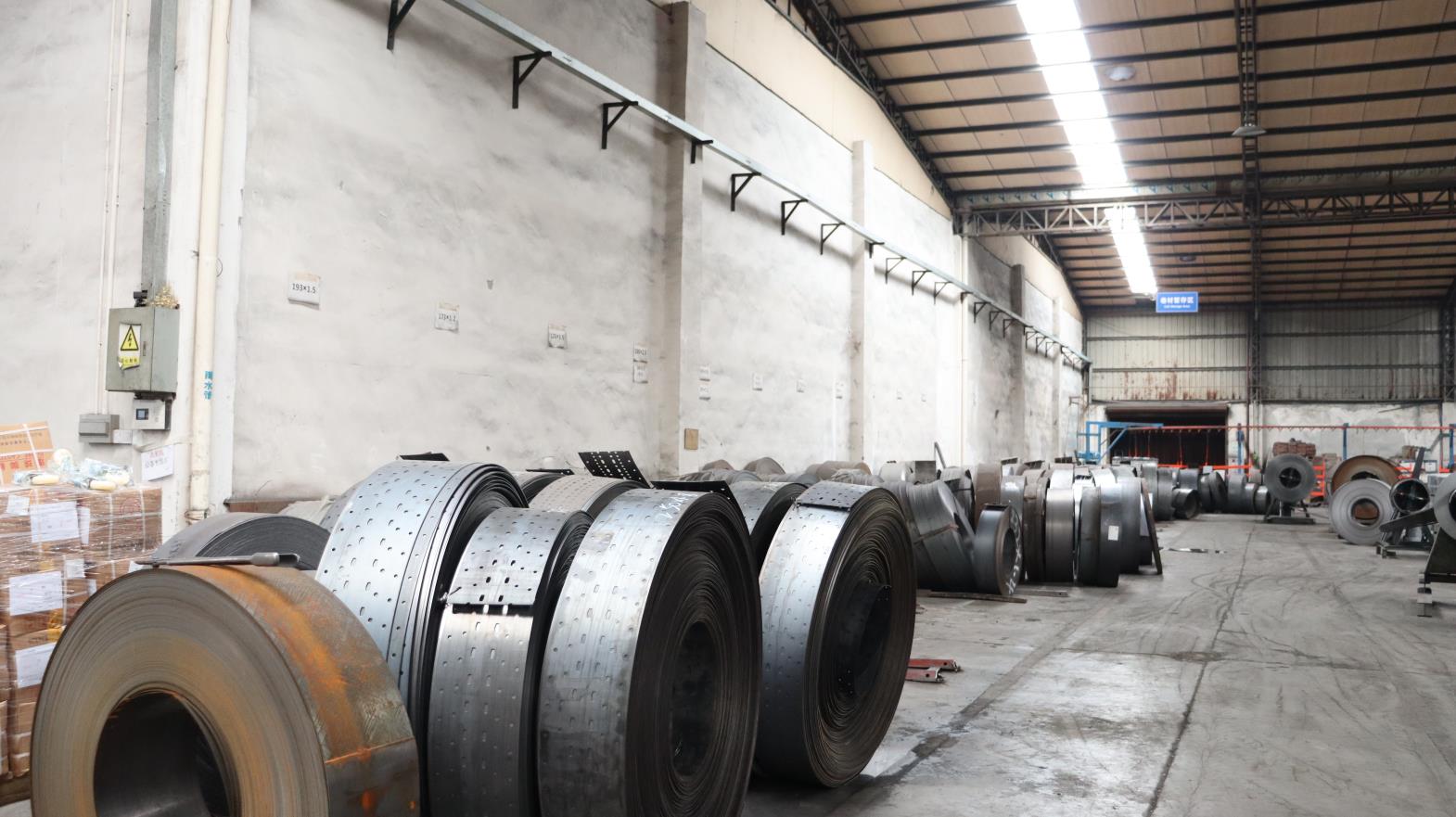
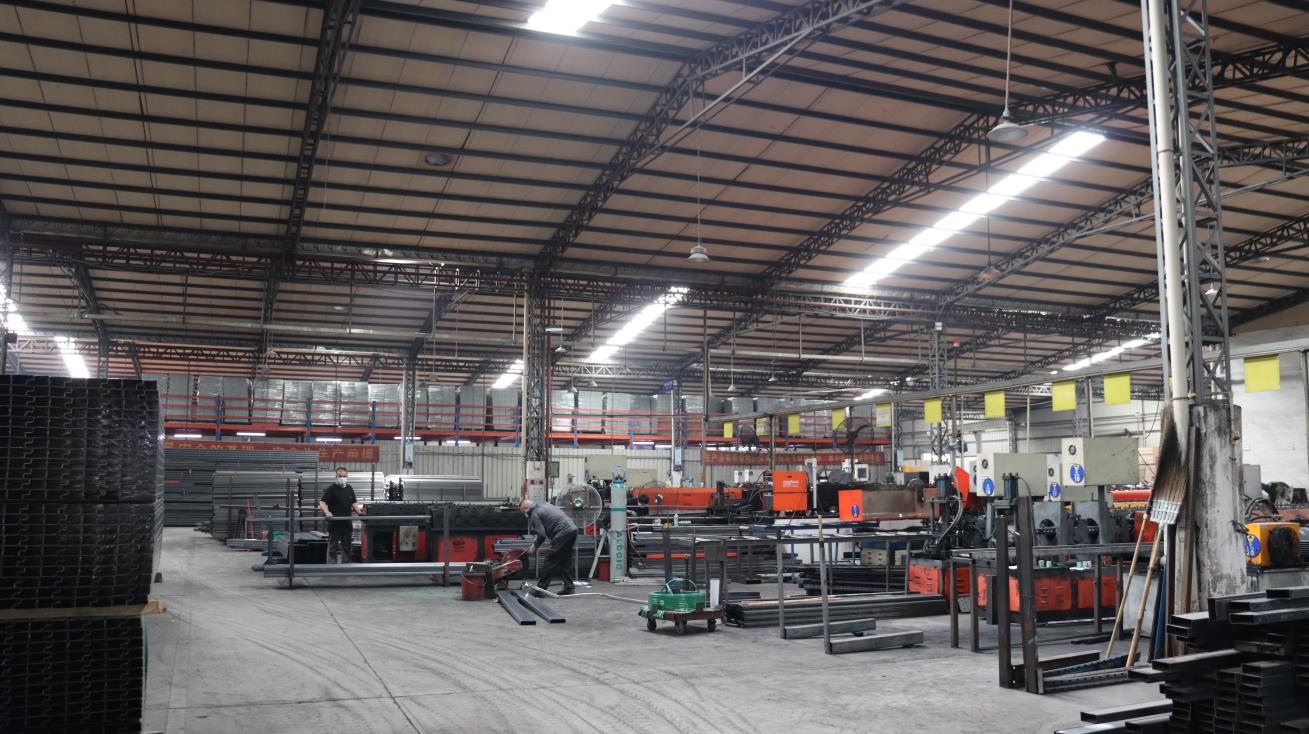
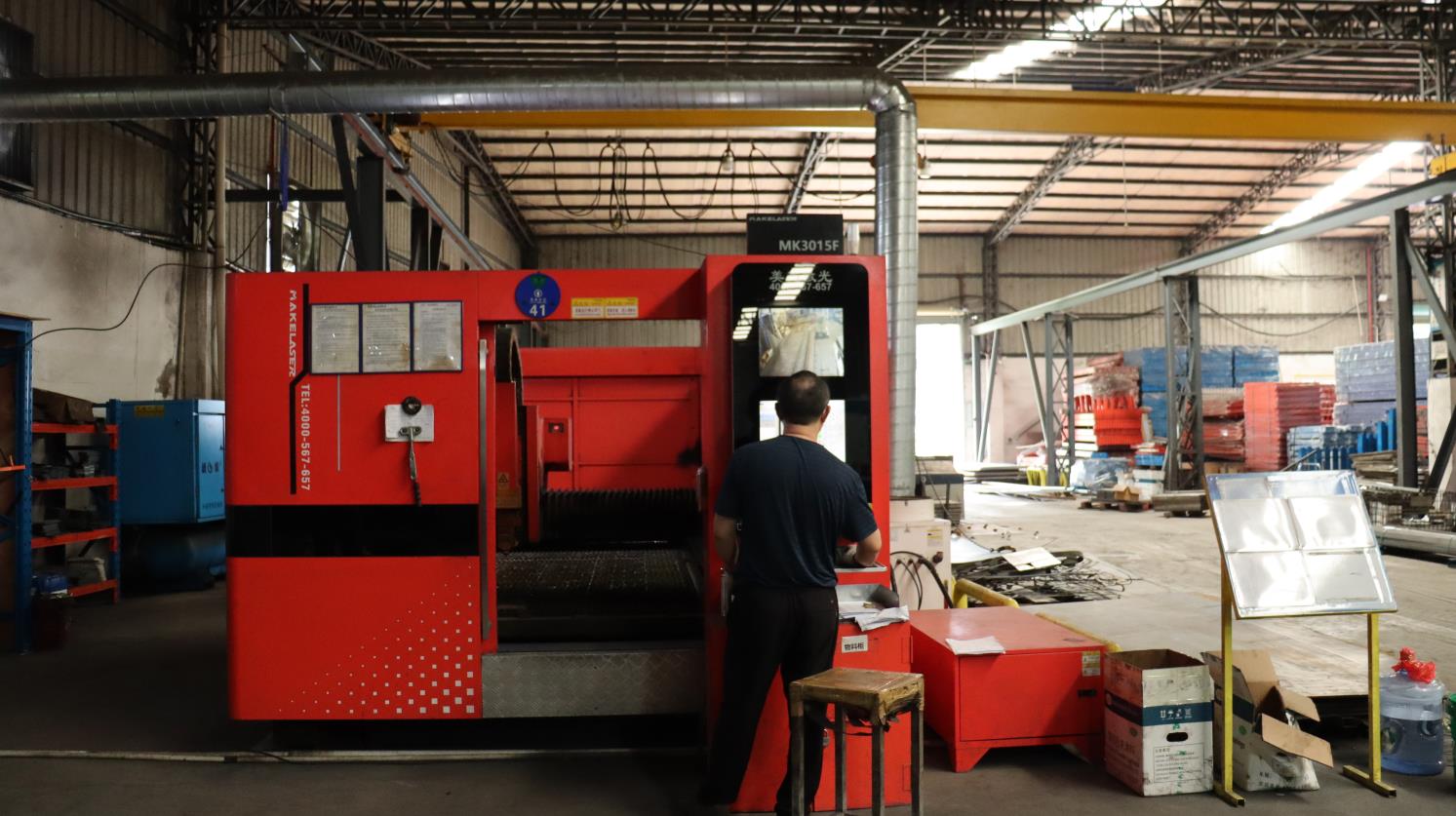
Shenzhen Lijin Storage Equipment Co., Ltd. represents the cutting edge of Chinese Industry 4.0 manufacturing. Based in a 35,000 square meter, state-of-the-art facility, we seamlessly combine advanced robotics with high-speed automated forming and welding lines to produce superior material handling solutions.
Our factory processes raw steel through a series of precision stages. From heavy duty roll-forming, computerized laser cutting, stamping, bending, and robotic welding, to automatic electrostatic powder coating, we monitor every step. This integrated pipeline ensures dimensional precision with tolerances of less than 0.5 mm, a key requirement for automated storage systems.
By leveraging Shenzhen's advanced shipping infrastructure, we optimize logistics routes from our factory floor directly to Boston's Conley Terminal. This streamlined supply chain minimizes transport overheads, allowing us to pass significant cost savings to our US clients without sacrificing structural quality or shipping deadlines.
A glimpse into our Industry 4.0 manufacturing plant, where raw materials are transformed into precision-engineered storage equipment.
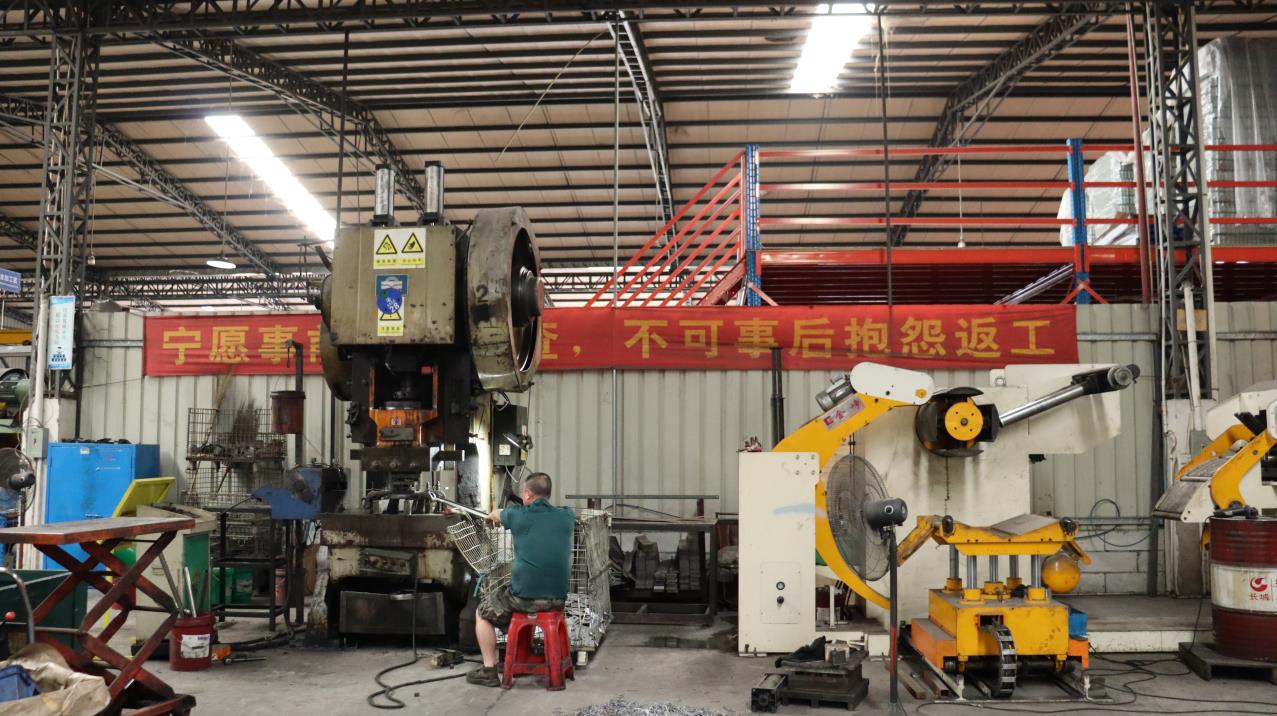
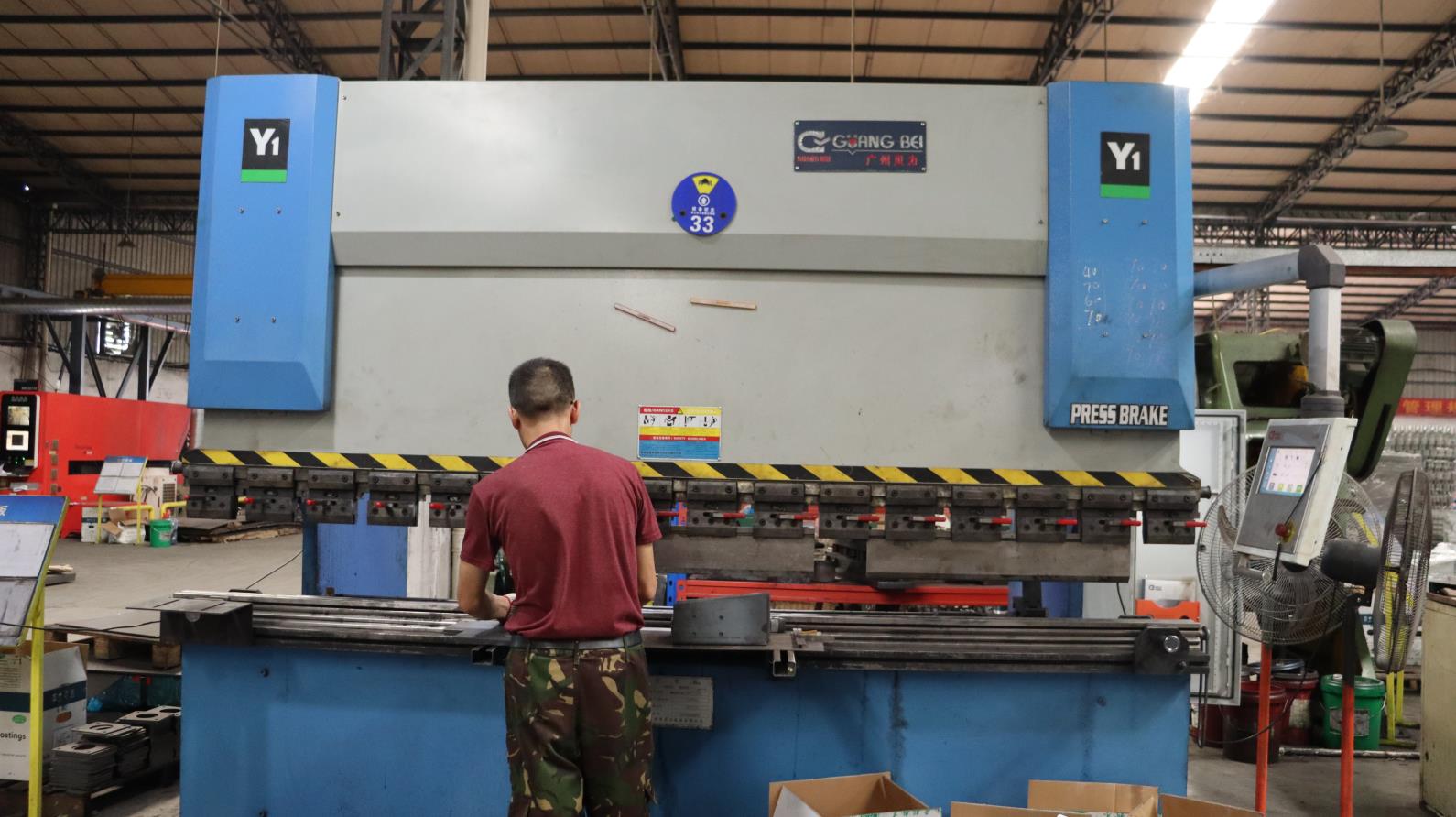
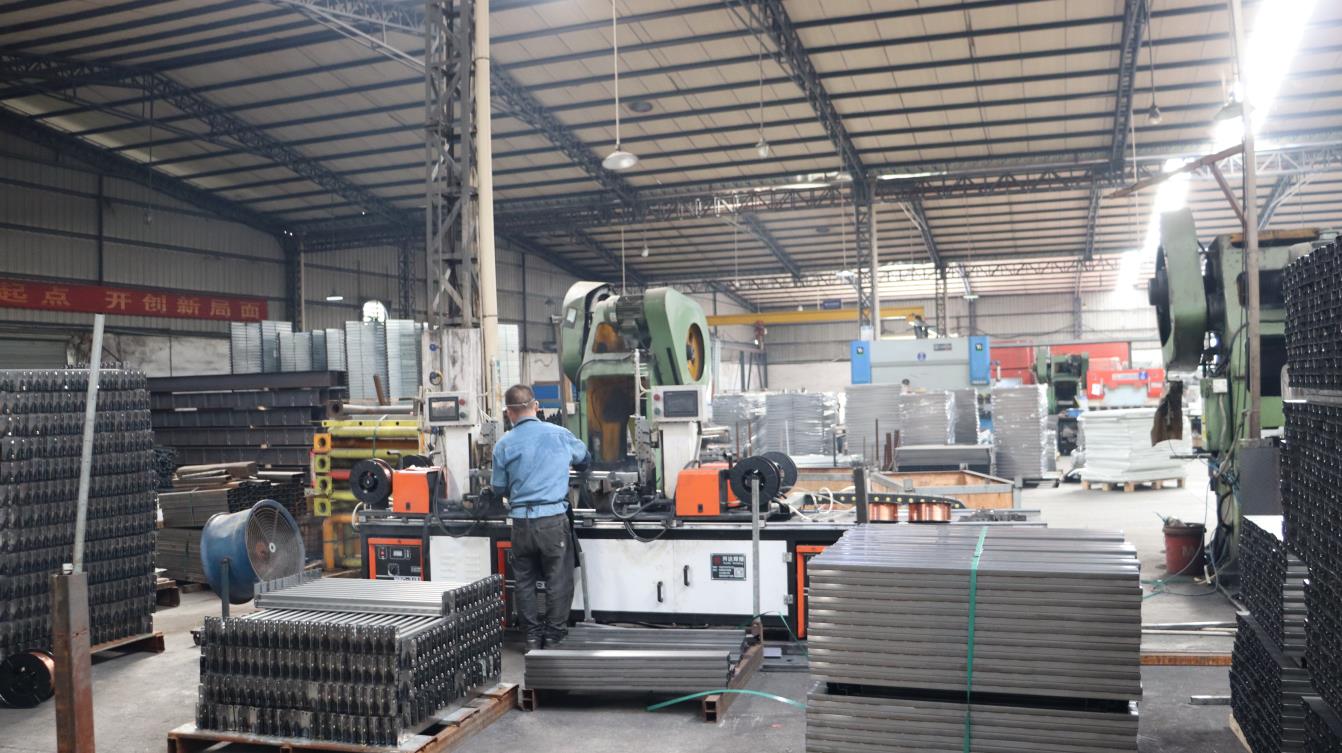
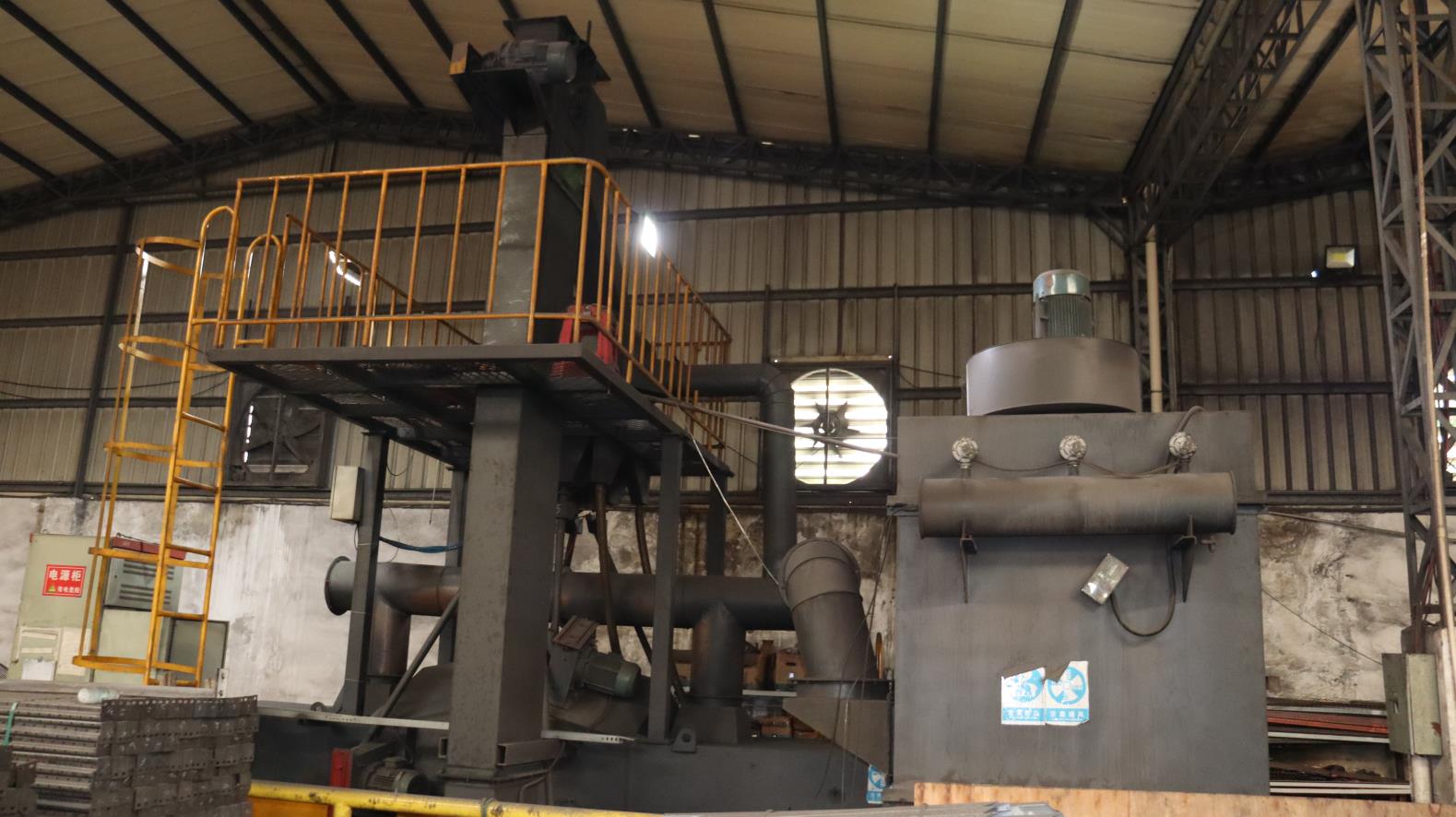
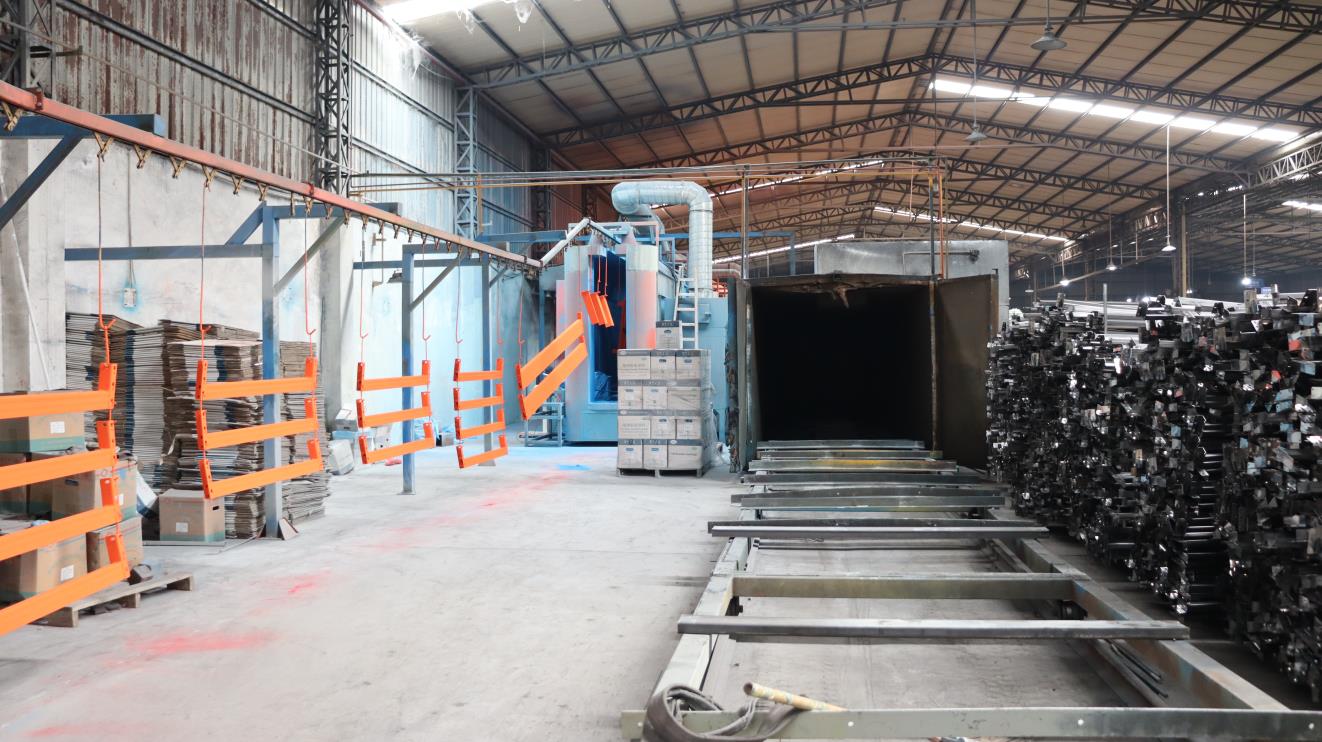
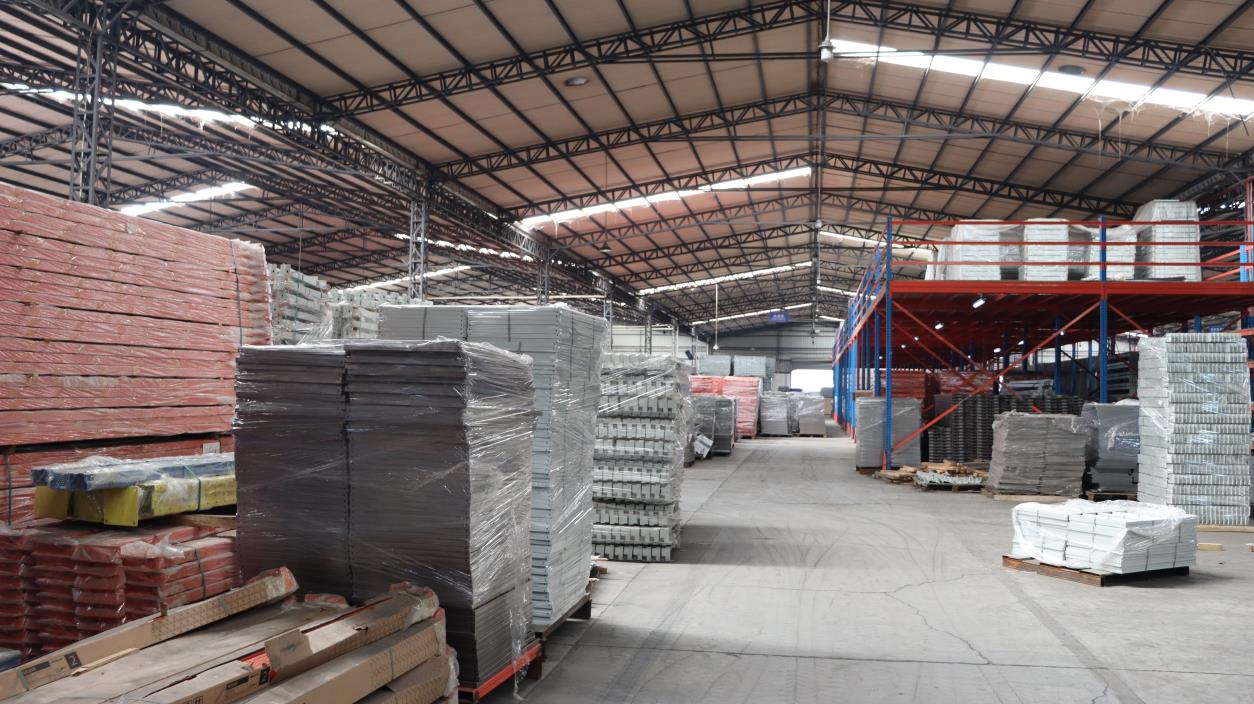
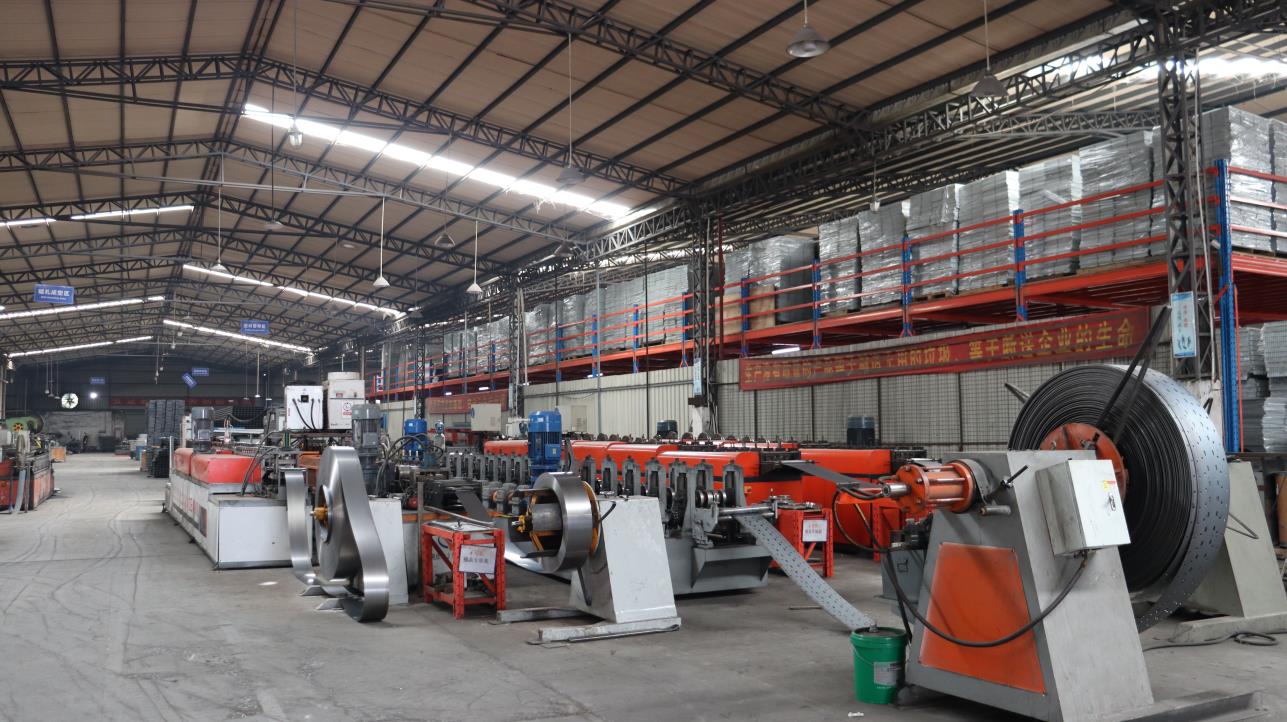
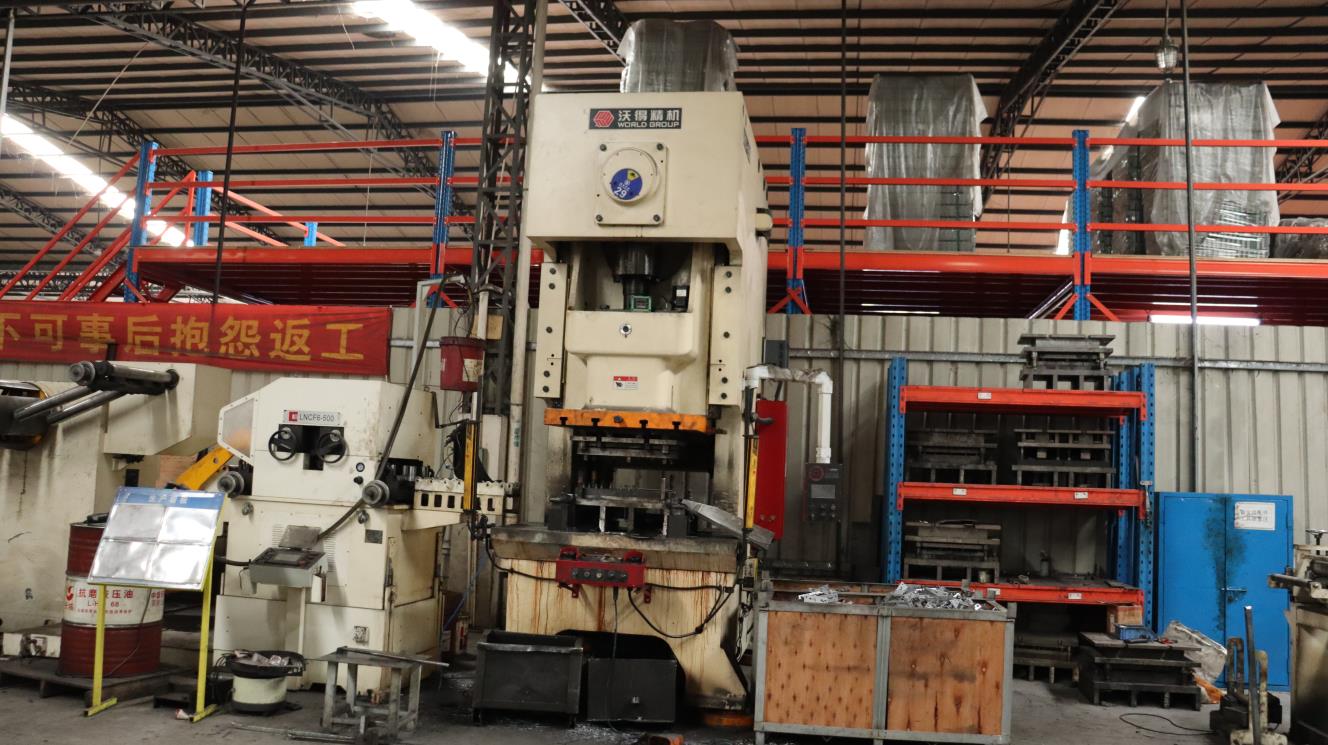
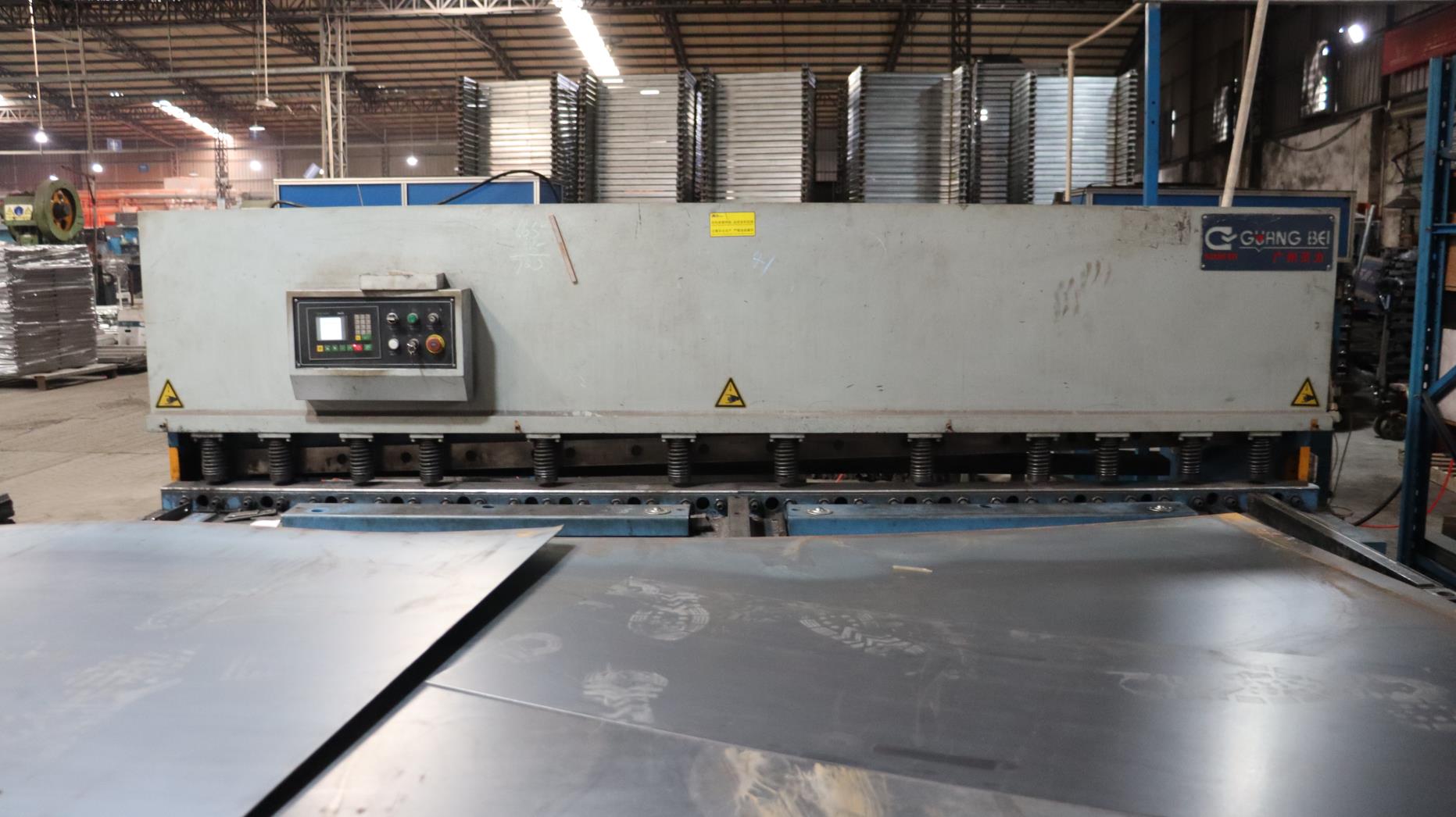
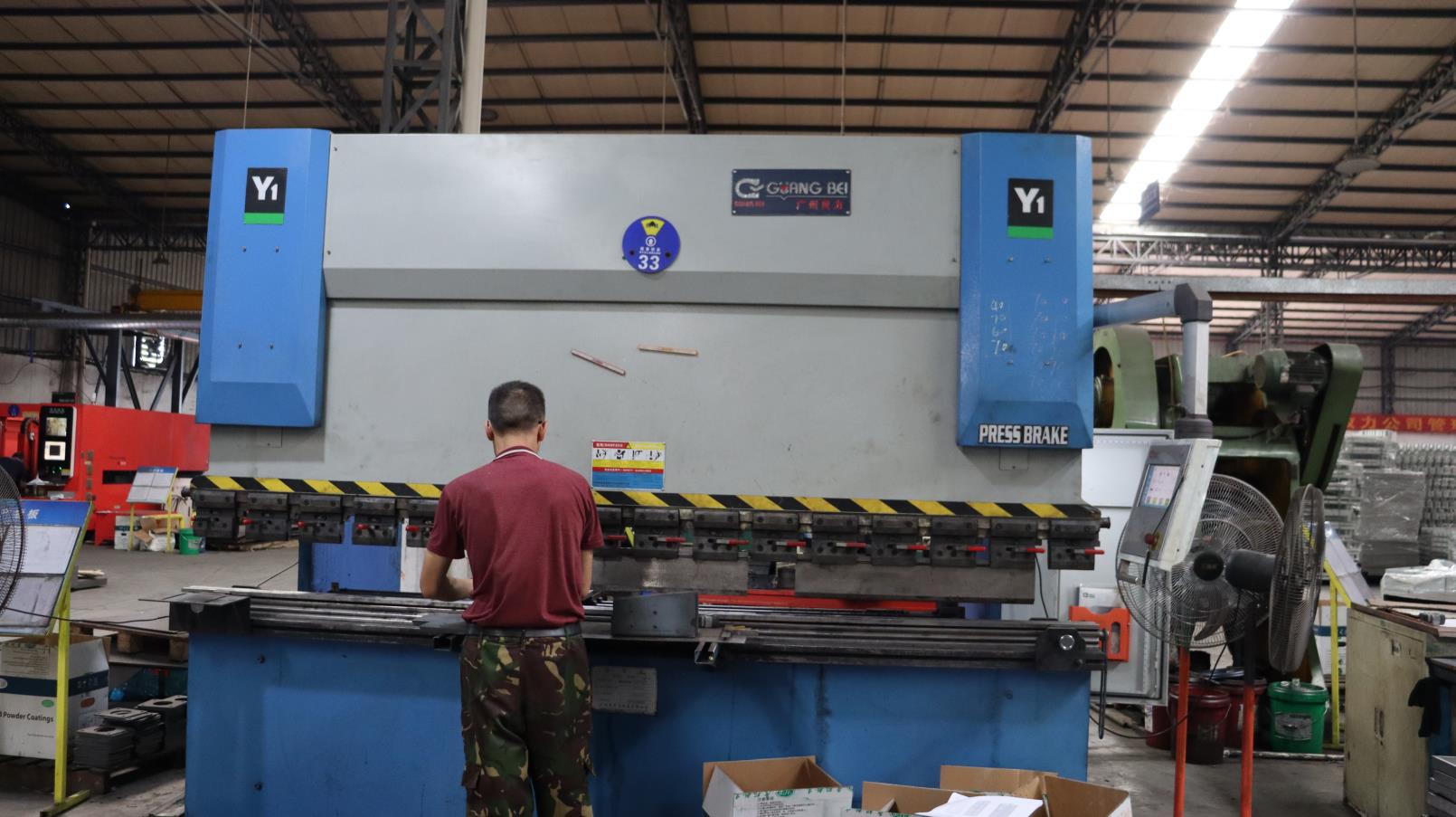
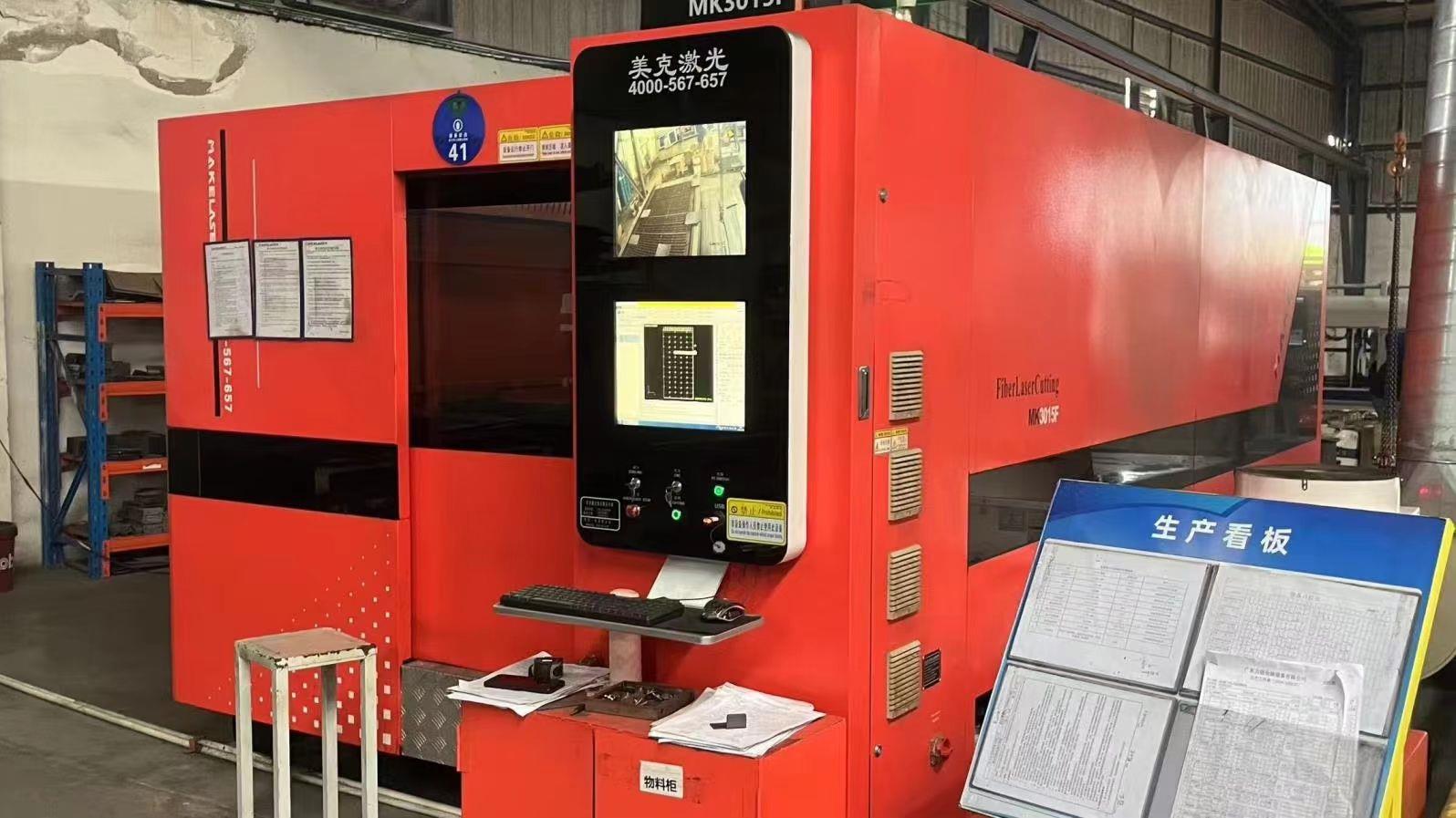
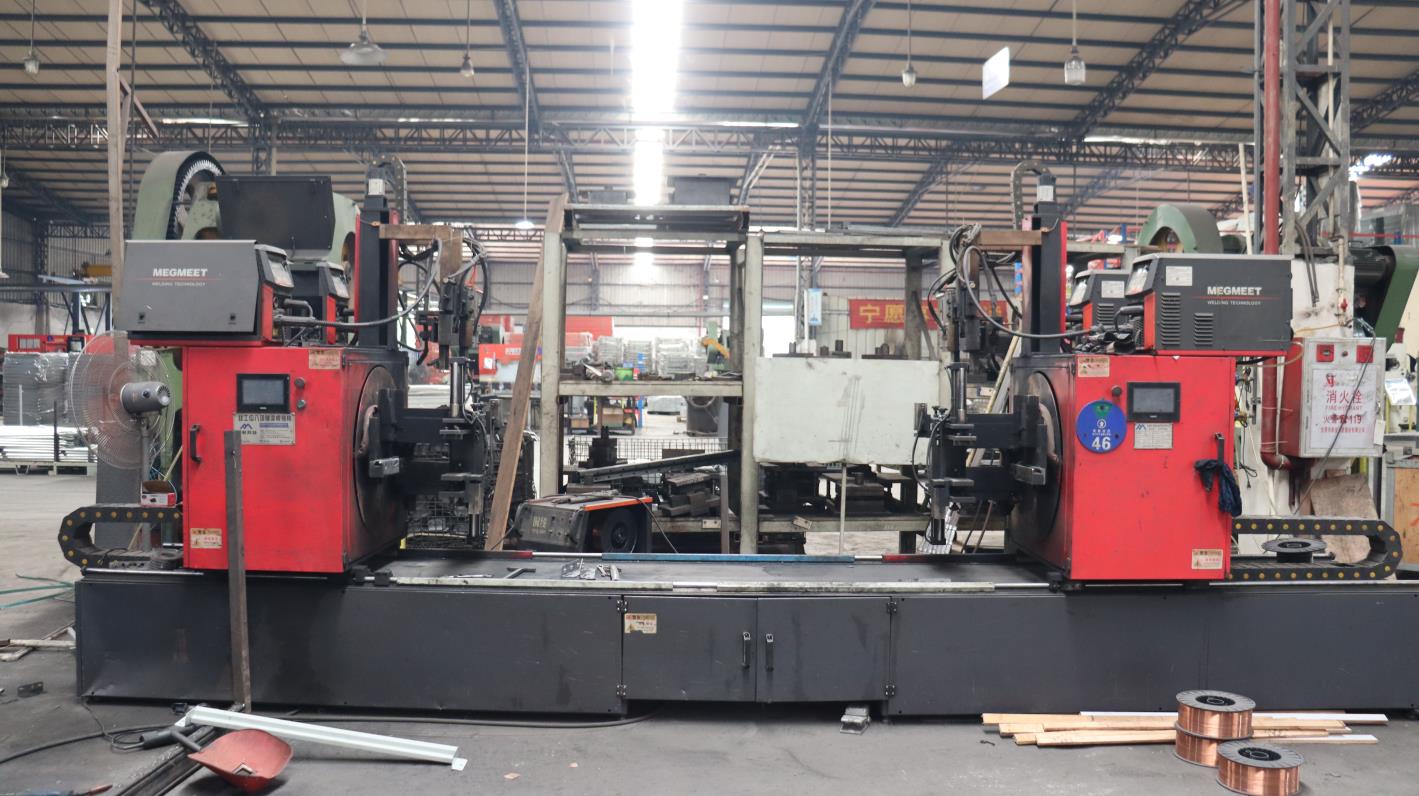
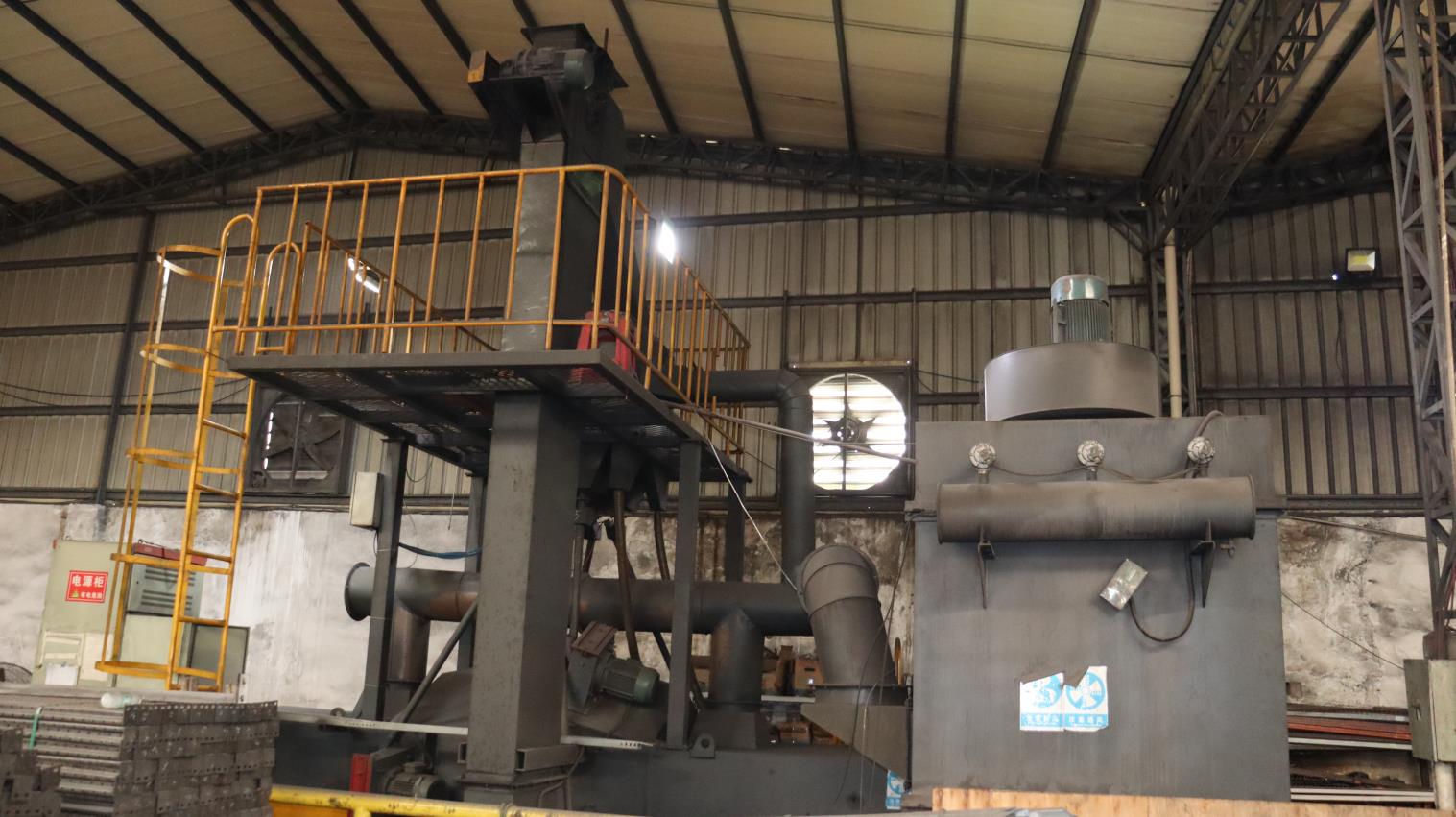
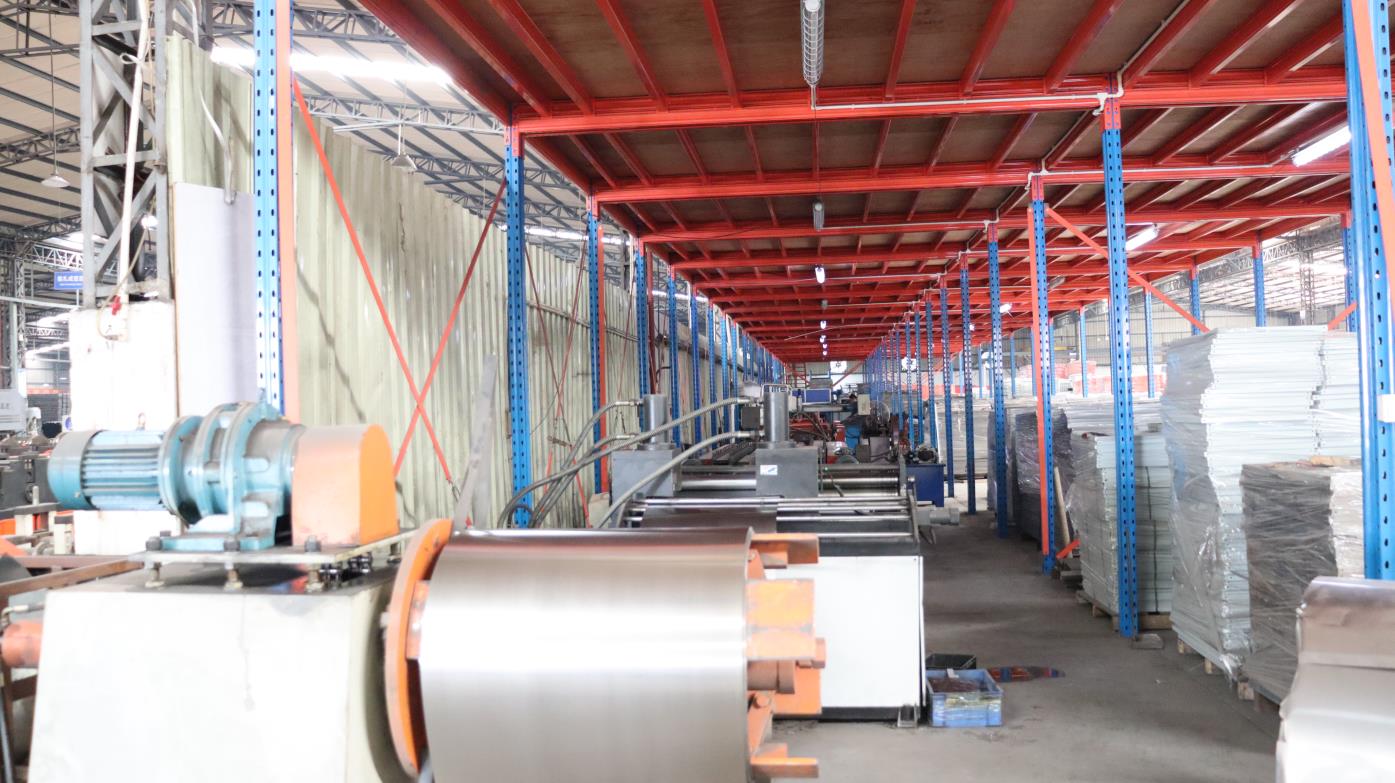
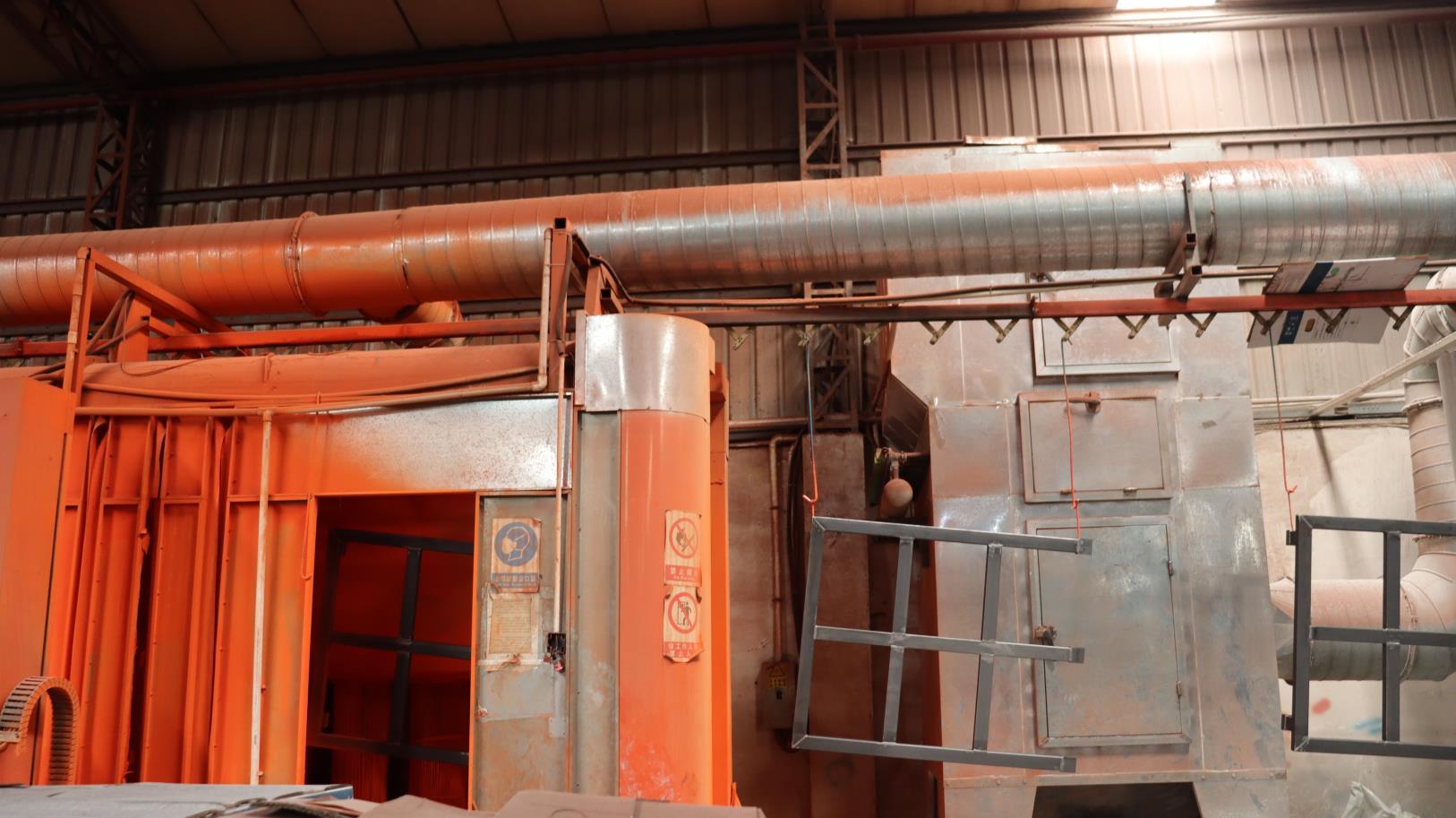
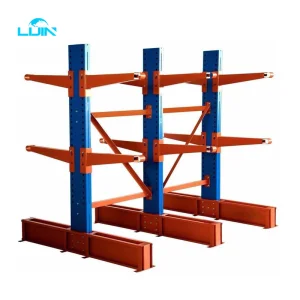
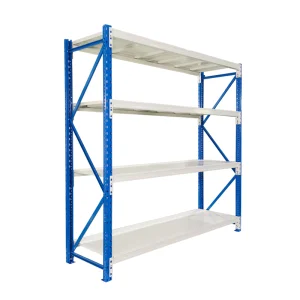
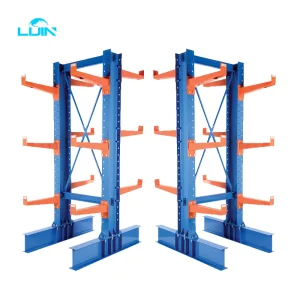
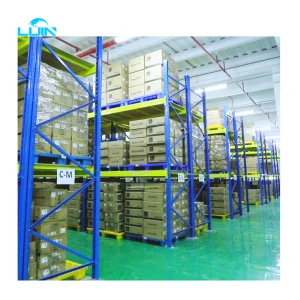
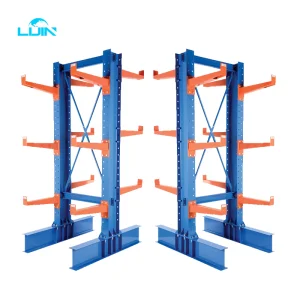
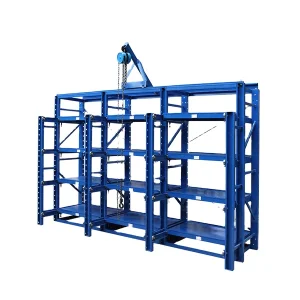
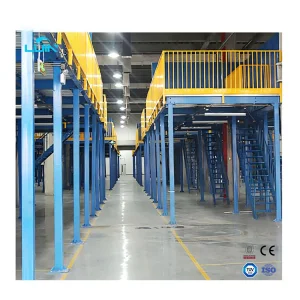
Heavy-duty industrial infrastructure designed to support wire cages, pallets, and specialized materials.
Expert technical answers to common queries regarding load ratings, material chemistry, and installation logistics.
Explore our range of storage solutions, from heavy-duty mesh boxes to customized racking systems.
Get in touch with our design engineers for a custom layout plan and a detailed quote tailored to your warehouse dimensions and load-bearing requirements.
Send Inquiry Now Lijin Racking