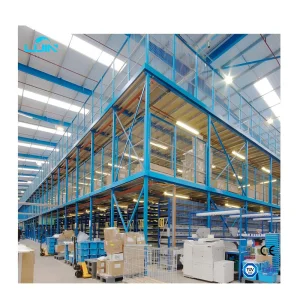
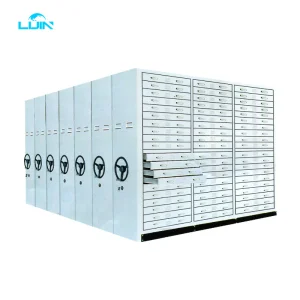
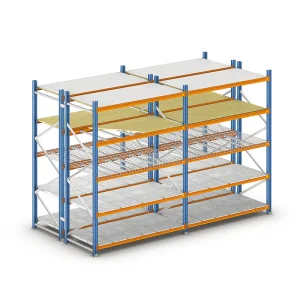
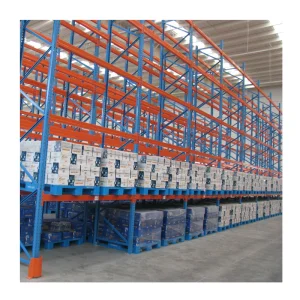
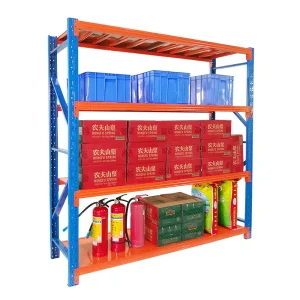
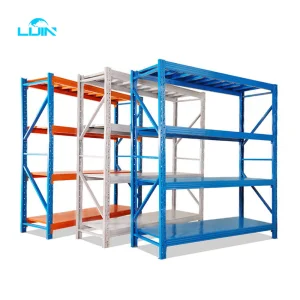
High-capacity structural steel racking systems engineered to international load safety specifications
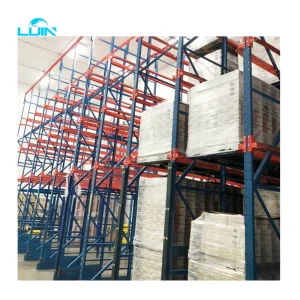
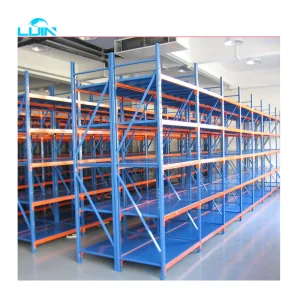
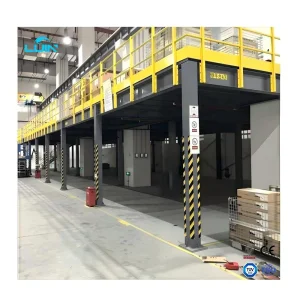
Analyzing macro-level shifts in logistics infrastructure, intermodal transport systems, and automated supply chains.
Logistics nodes are transitioning from static, single-deep racks to complex high-density, multi-directional configurations like structural drive-in and dynamic flow racking to combat rising industrial land rates.
Transport racks are no longer standalone steel platforms. High-precision alignment, millimetric manufacturing tolerances, and compliance with AS/RS crane and AMR load distributions are now mandatory standards.
As liability structures tighten globally, manufacturers must design according to RMI, EN 15512, and AS4084 guidelines, requiring complete Finite Element Analysis (FEA) to verify stress, strain, and seismic resilience.
Deciphering structural safety limits, dynamic loading dynamics, and precision manufacturing of industrial transport racks.
When purchasing industrial storage solutions, evaluating static capacity alone is no longer sufficient. Transport racks undergo extreme, variable stress cycles during transport, staging, and material movement. Accelerations and impact loadings from forklifts introduce dynamic load stresses that can compromise structural integrity.
For premium logistics applications, our R&D engineers focus heavily on Finite Element Analysis (FEA). FEA simulation allows us to analyze loading behaviors under extreme operating conditions. We maintain a high safety factor (typically 1.5 to 1.8) on all structural components using high-tensile Q235B and Q345B grade carbon steel. This prevents permanent deformation and guarantees long-term durability.
According to regional compliance standards like the Rack Manufacturers Institute (RMI) guidelines, the maximum vertical deflection of racking beams under full safe load conditions must not exceed L/200 (1/200th of the span length). At Shenzhen Lijin, we configure heavy-duty options to L/300 to facilitate maximum compatibility with robotic storage systems.
Modern procurement managers must prioritize total lifetime value (LTV) rather than upfront unit costs. High-integrity rack coatings, structural welding quality, and component traceabilities are vital parameters. Low-quality racking solutions present significant collision risks, corrosion wear in cold environments, and assembly misalignments.
From raw material verification to automatic finishing: tracking our 18 core manufacturing steps
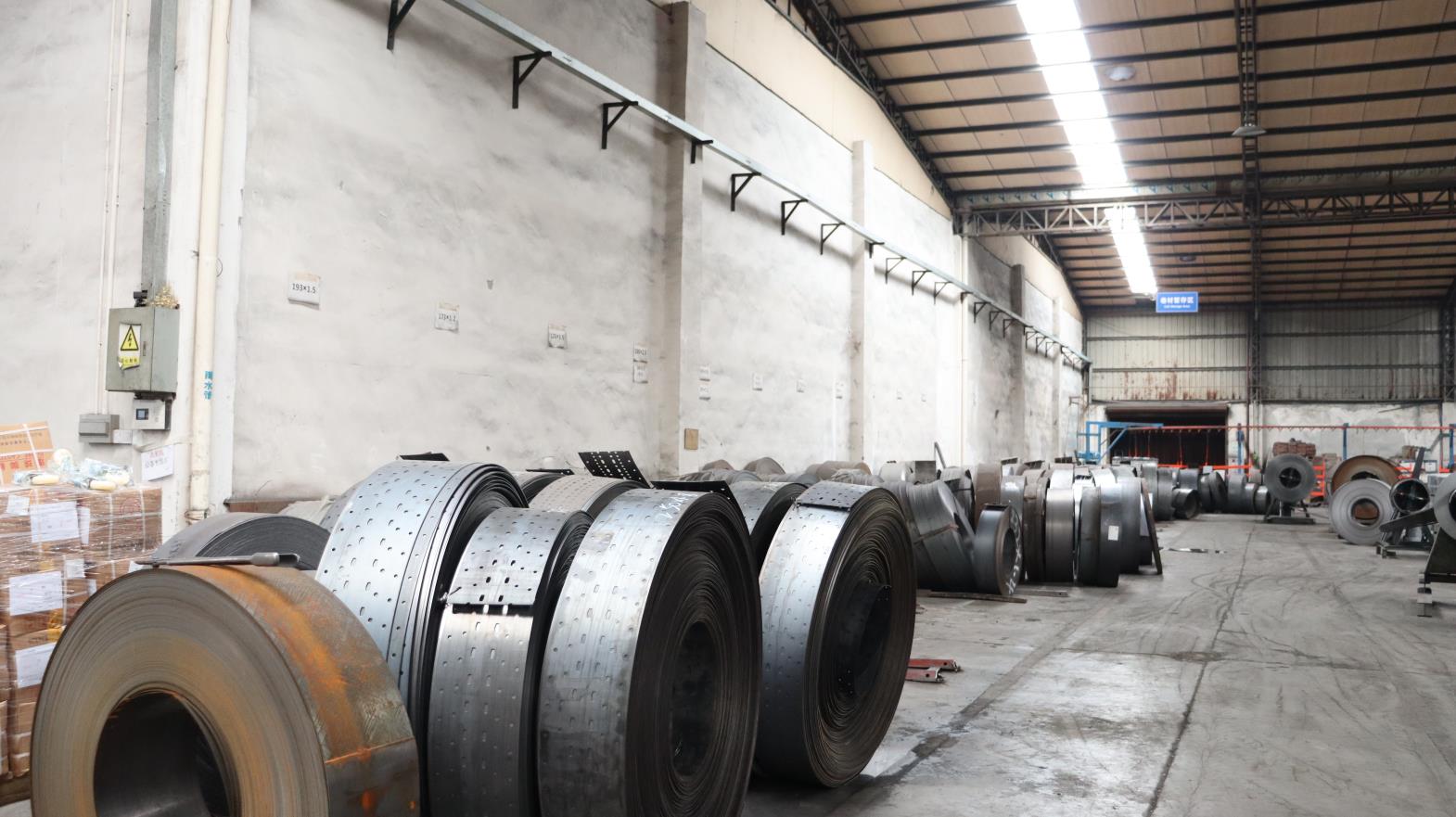
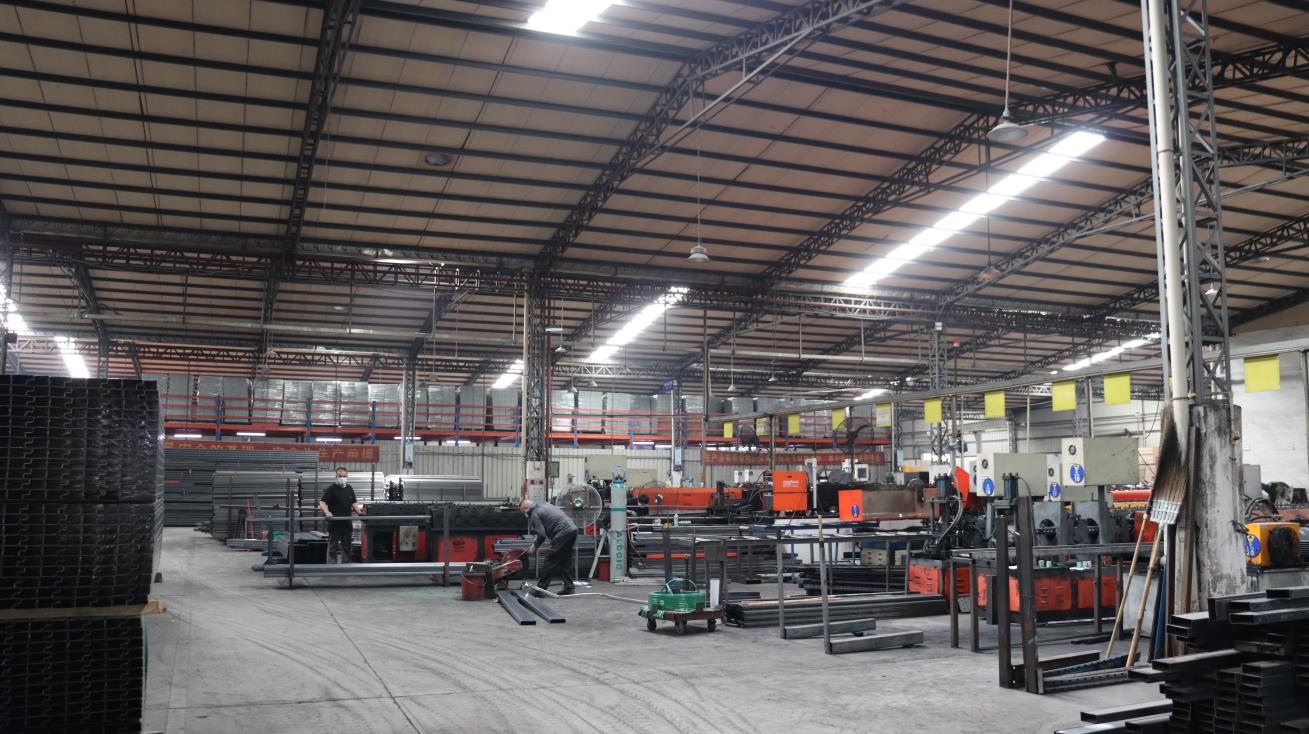
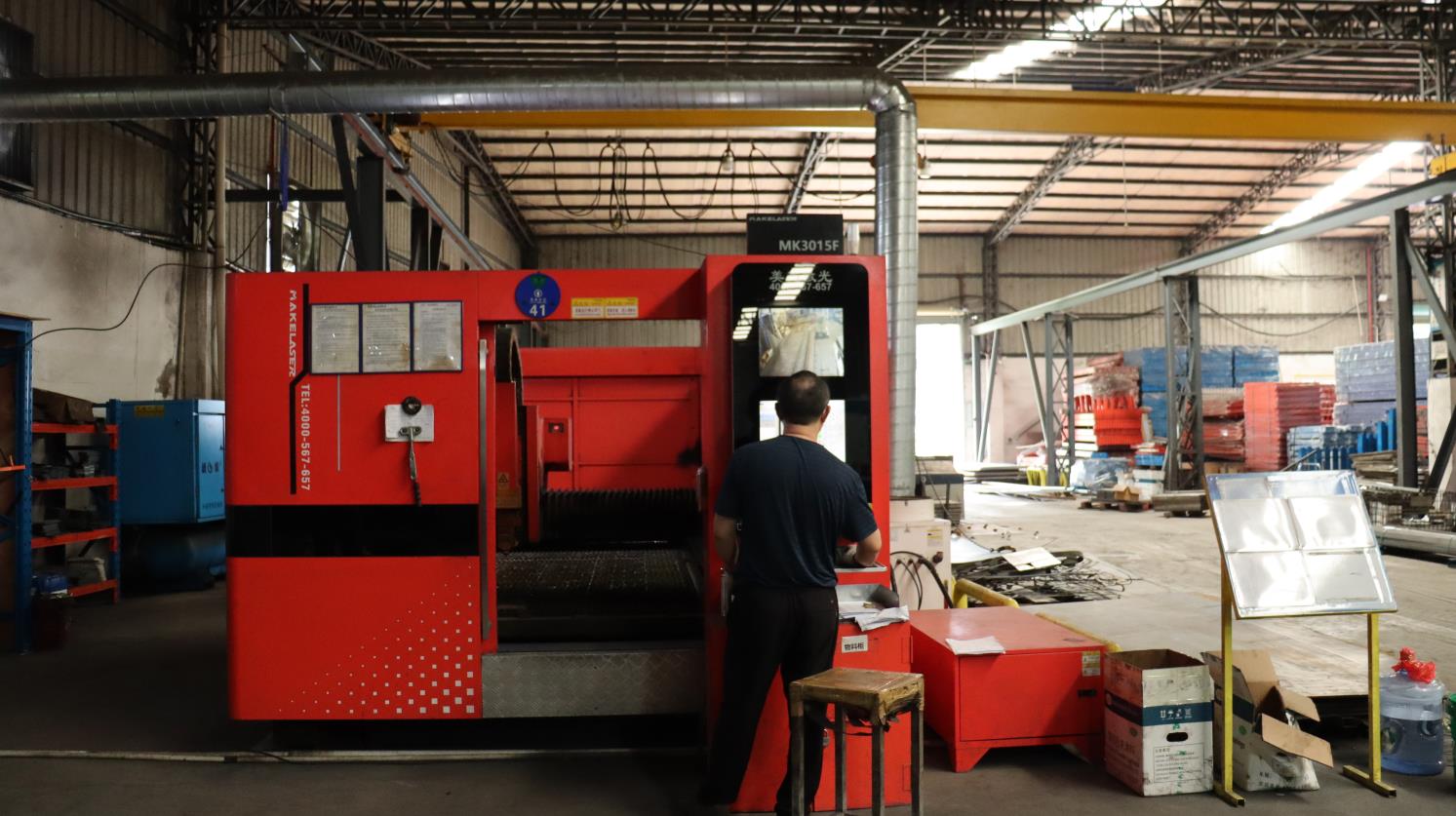
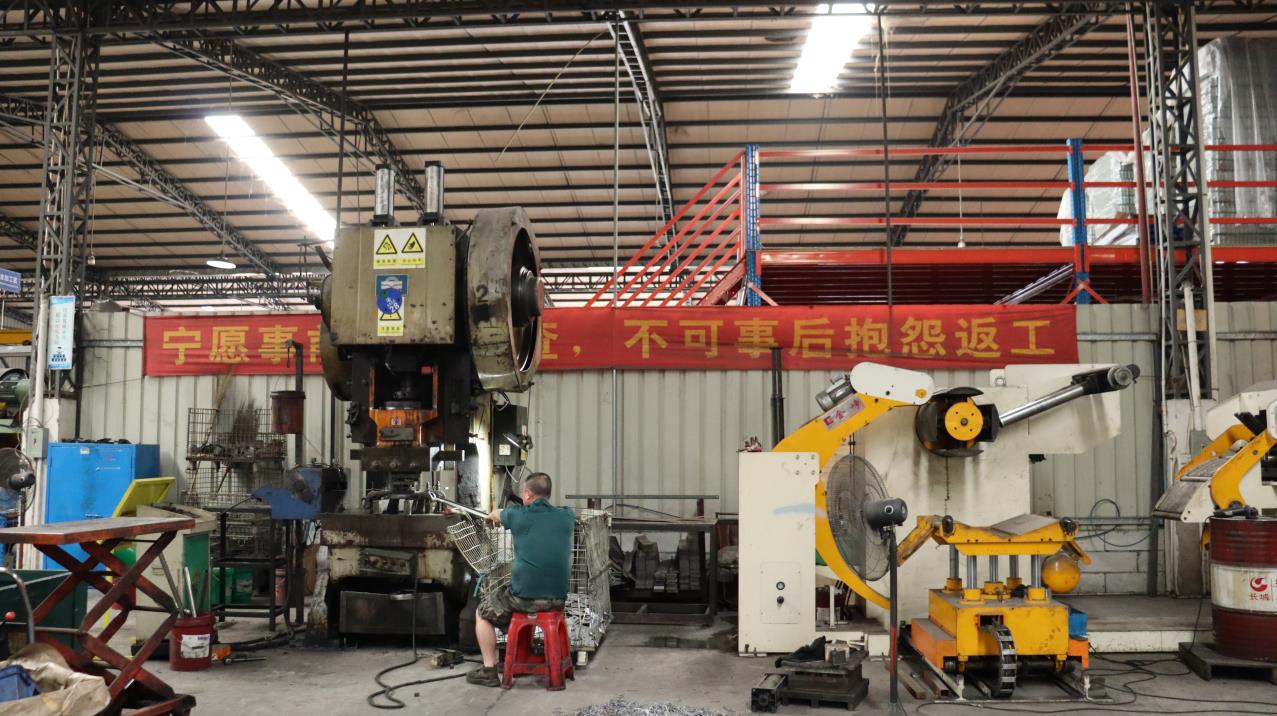
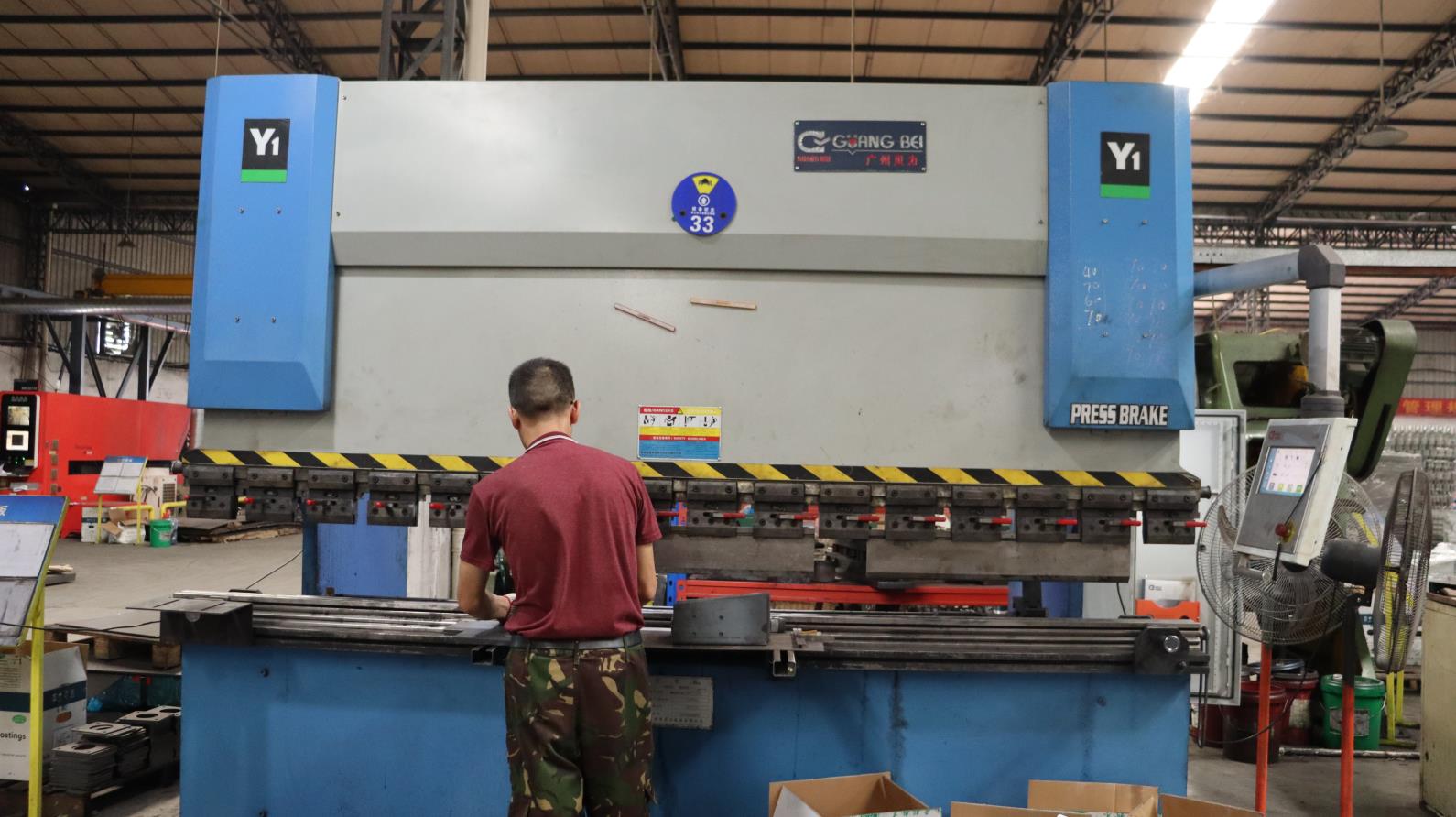
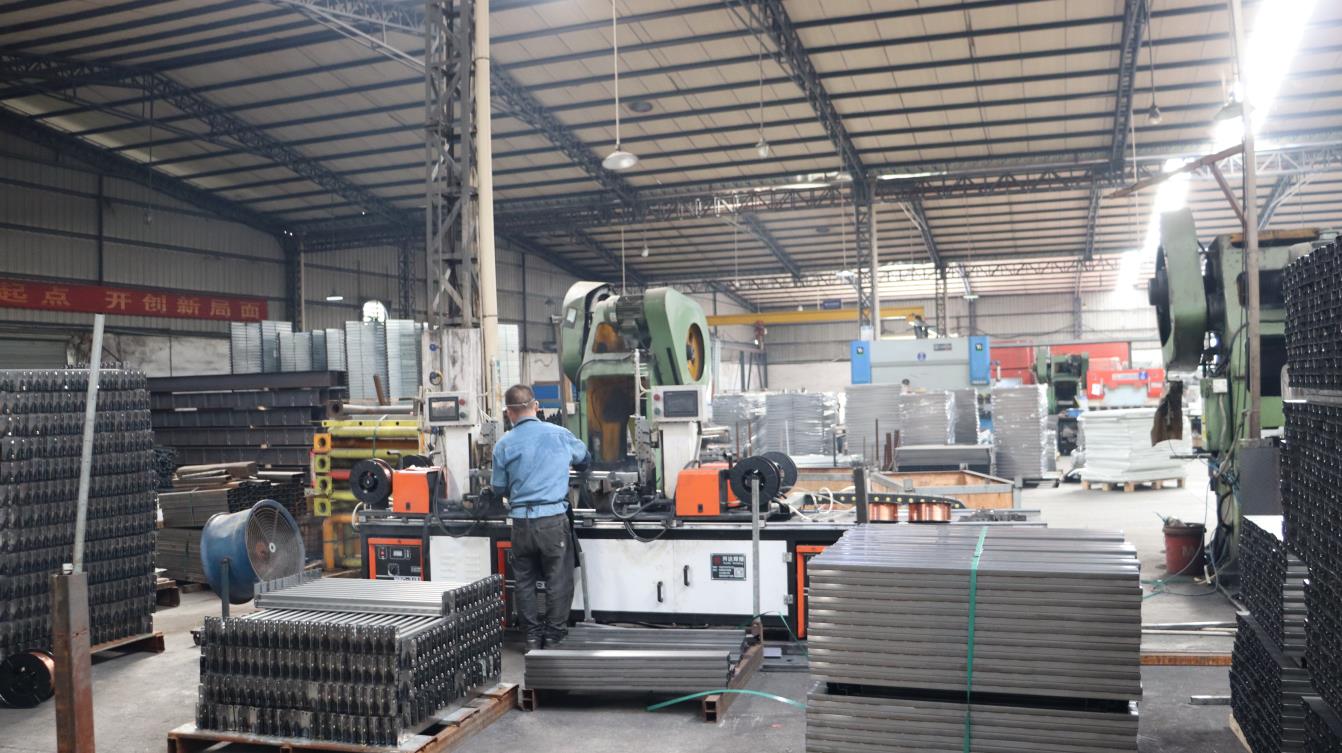
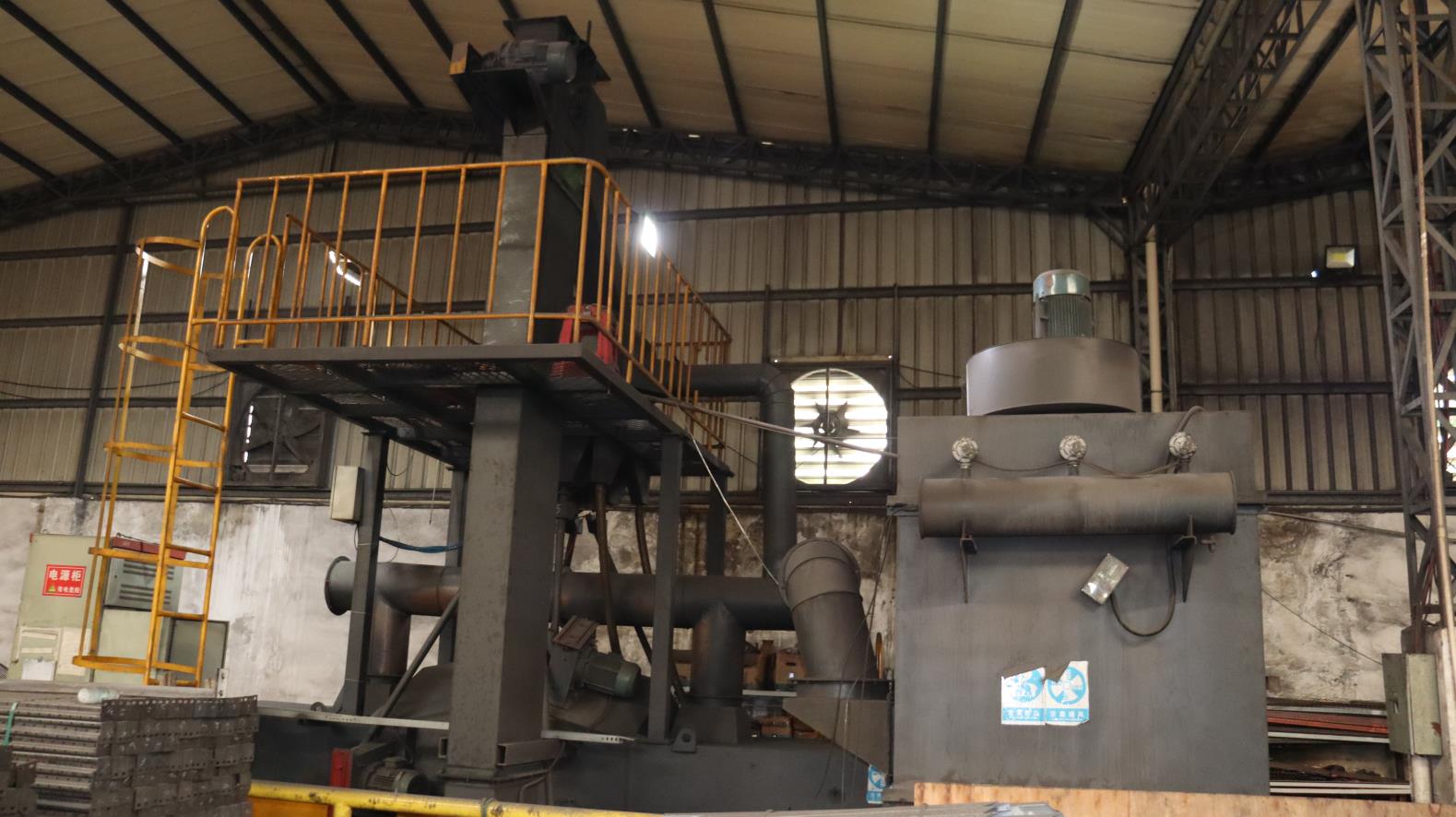
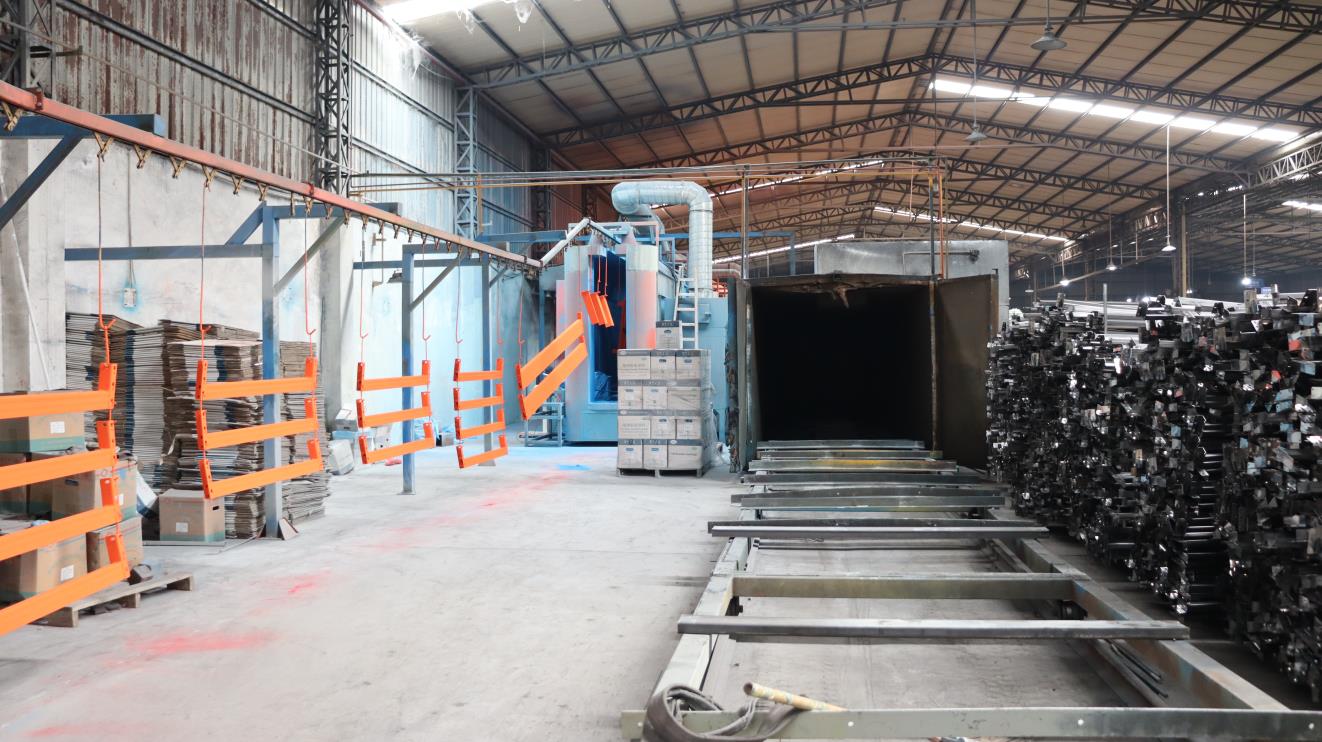
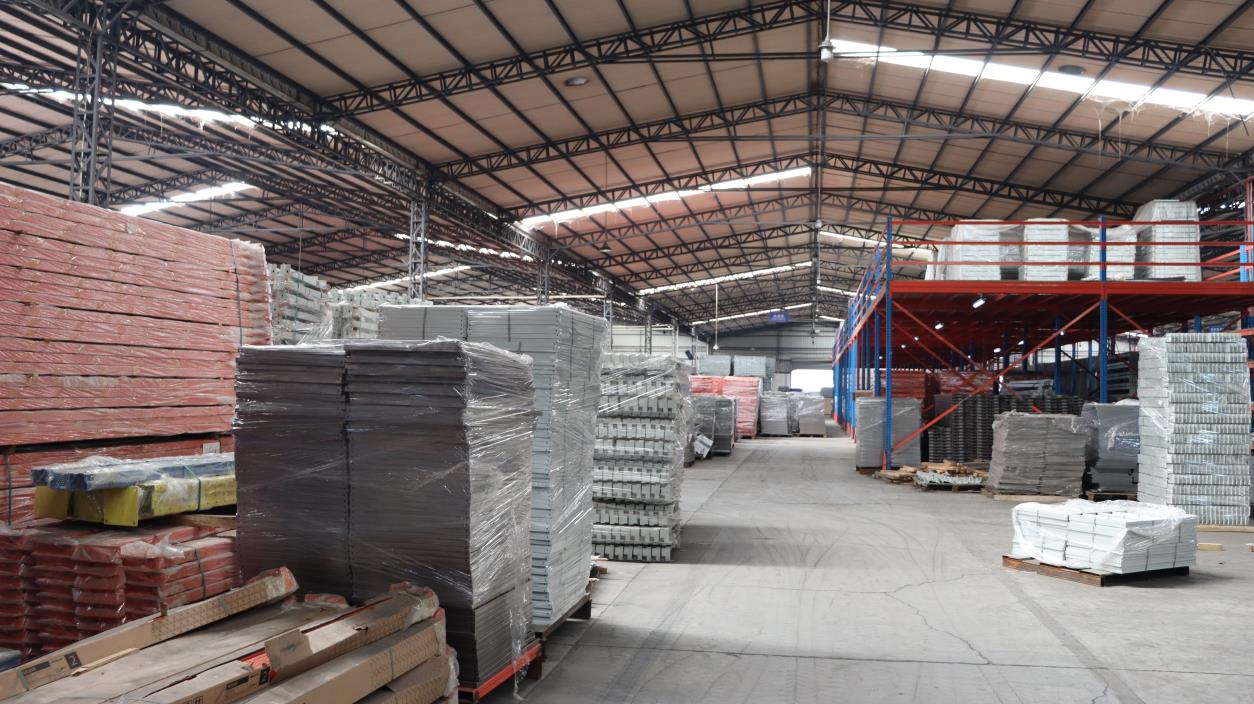
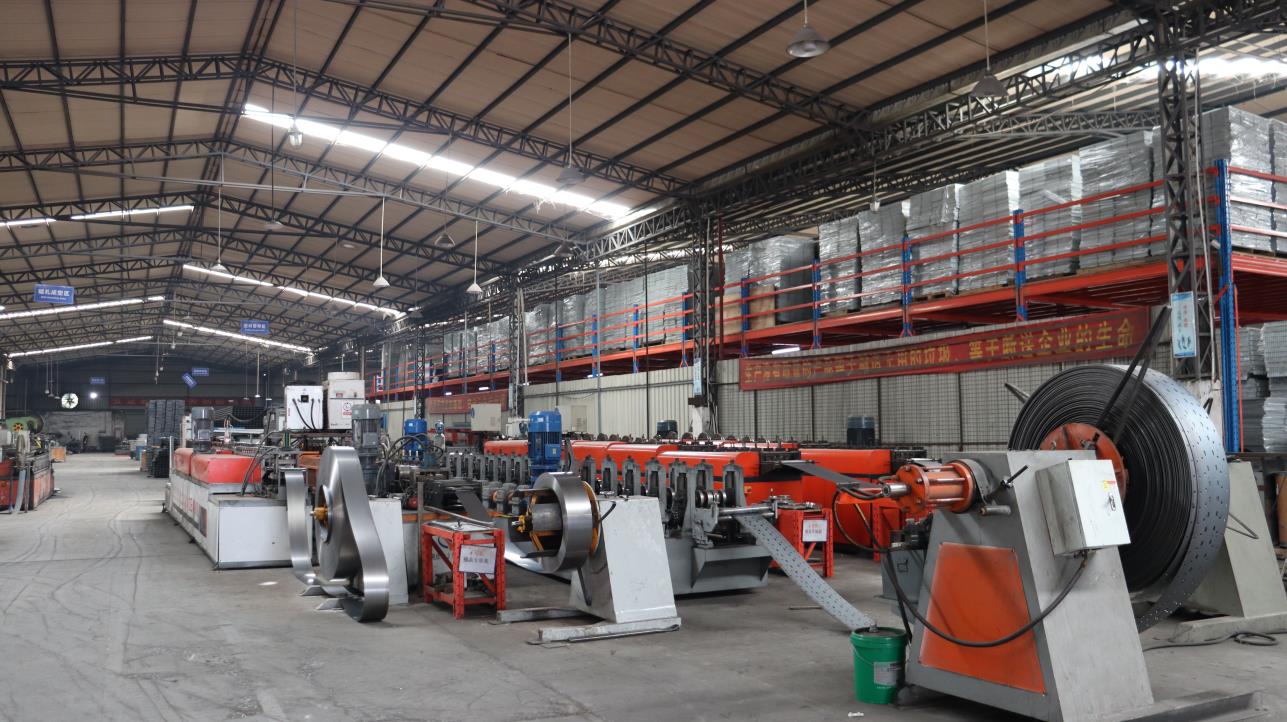
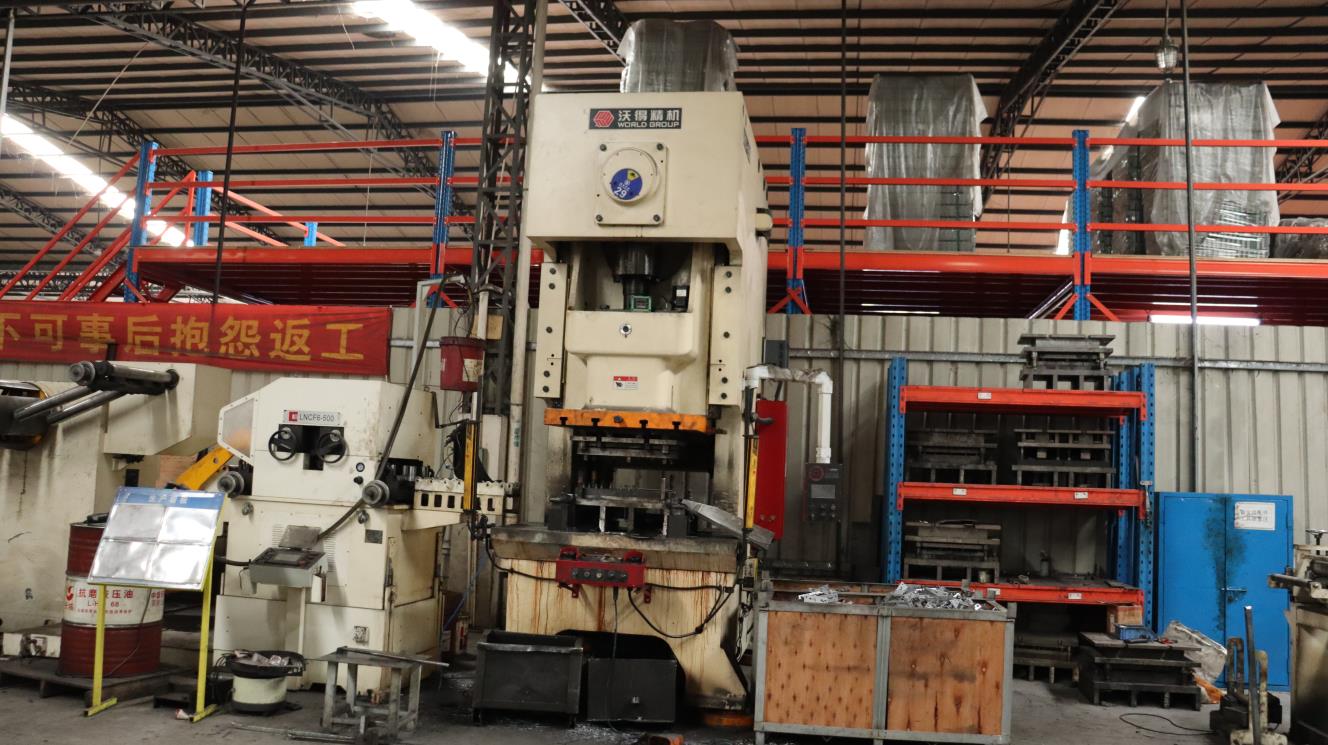
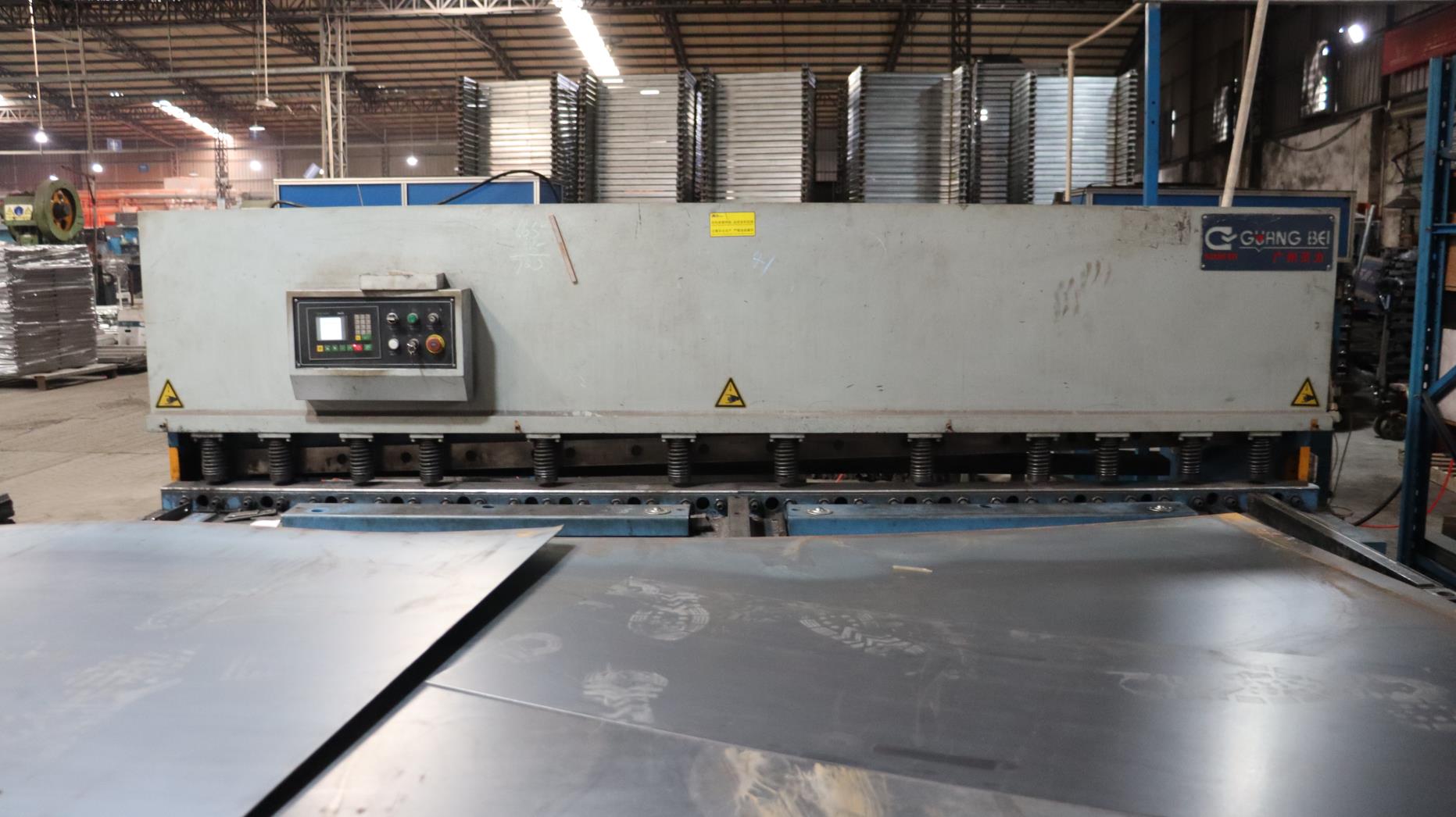
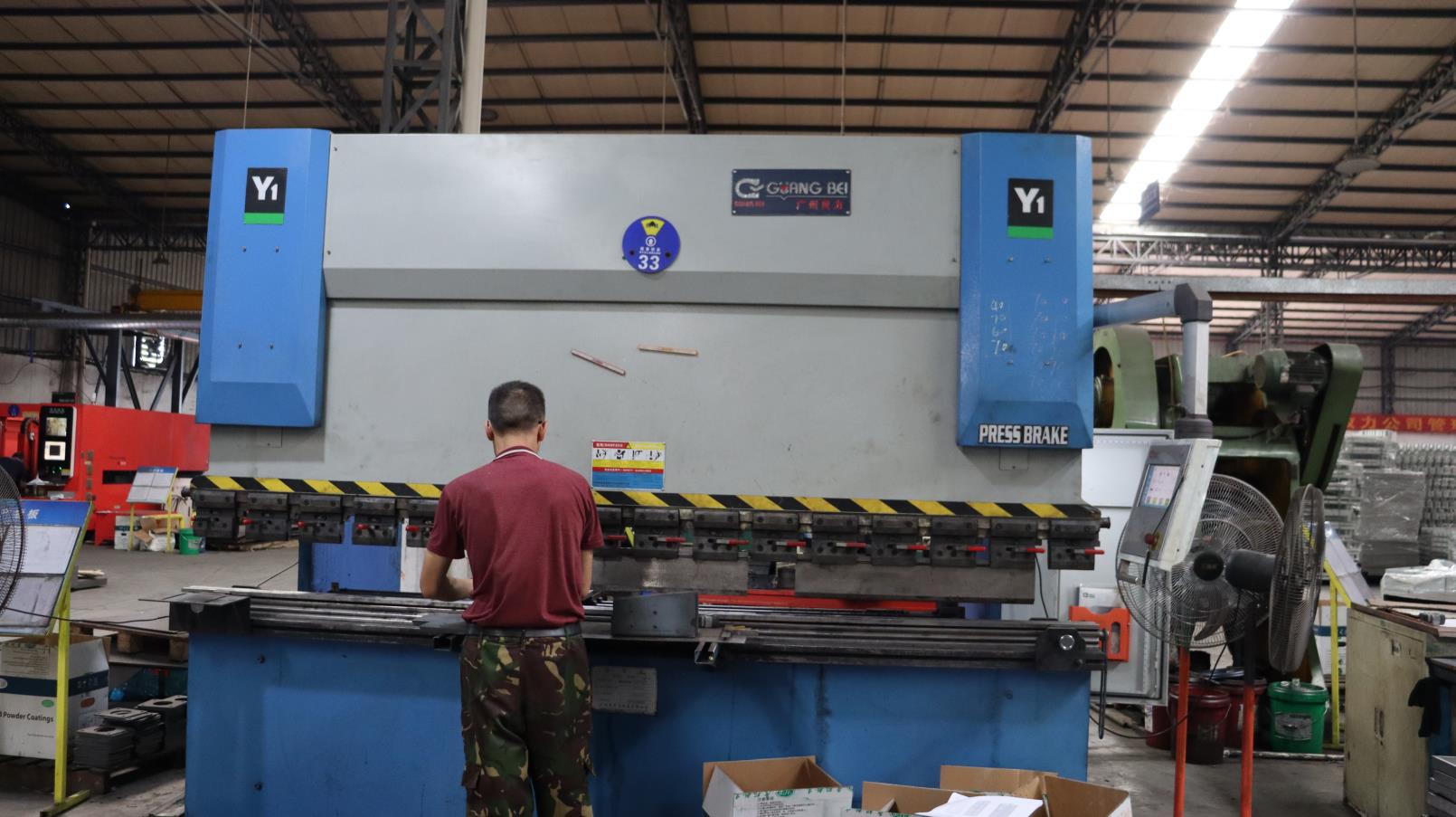
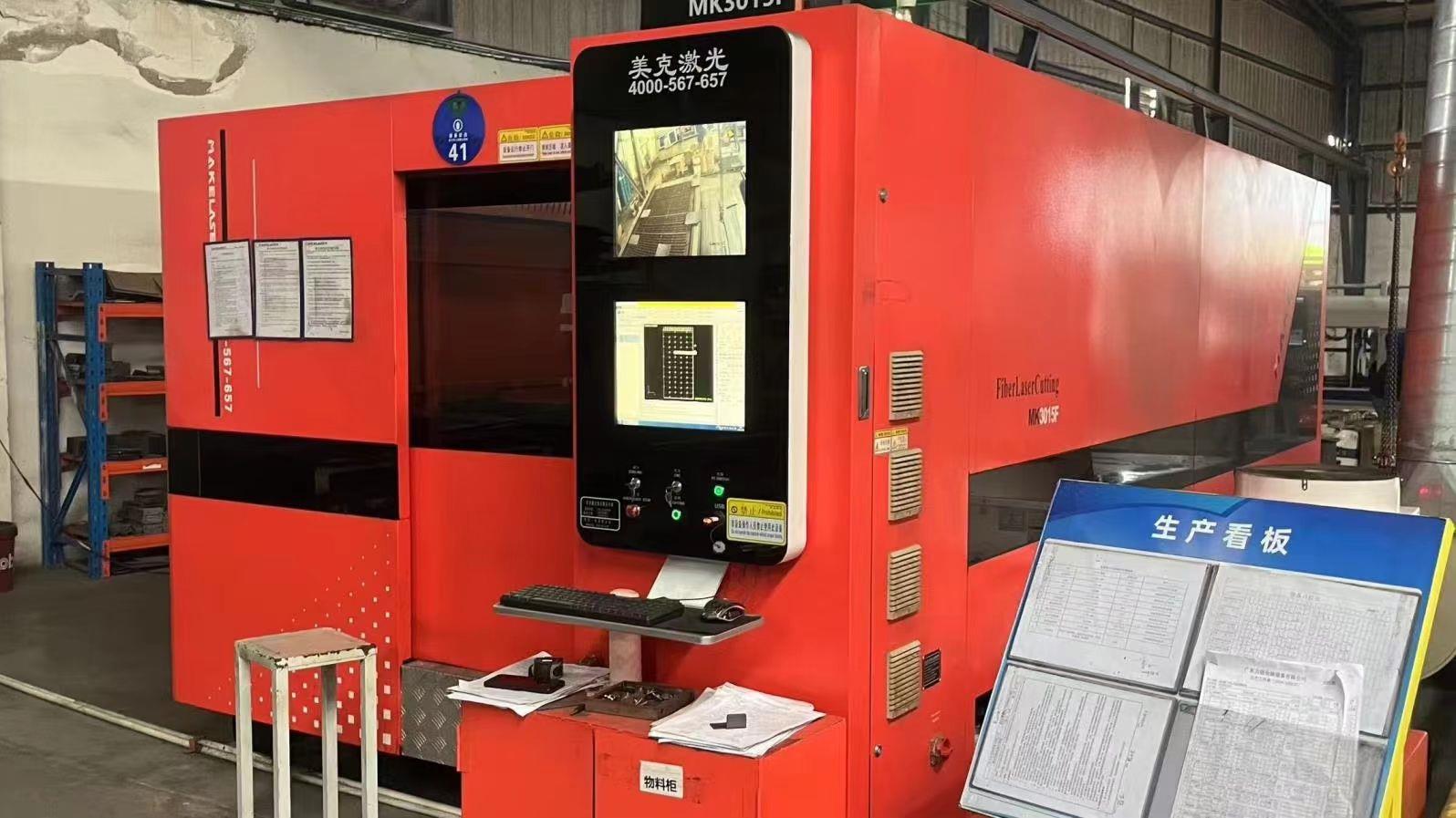
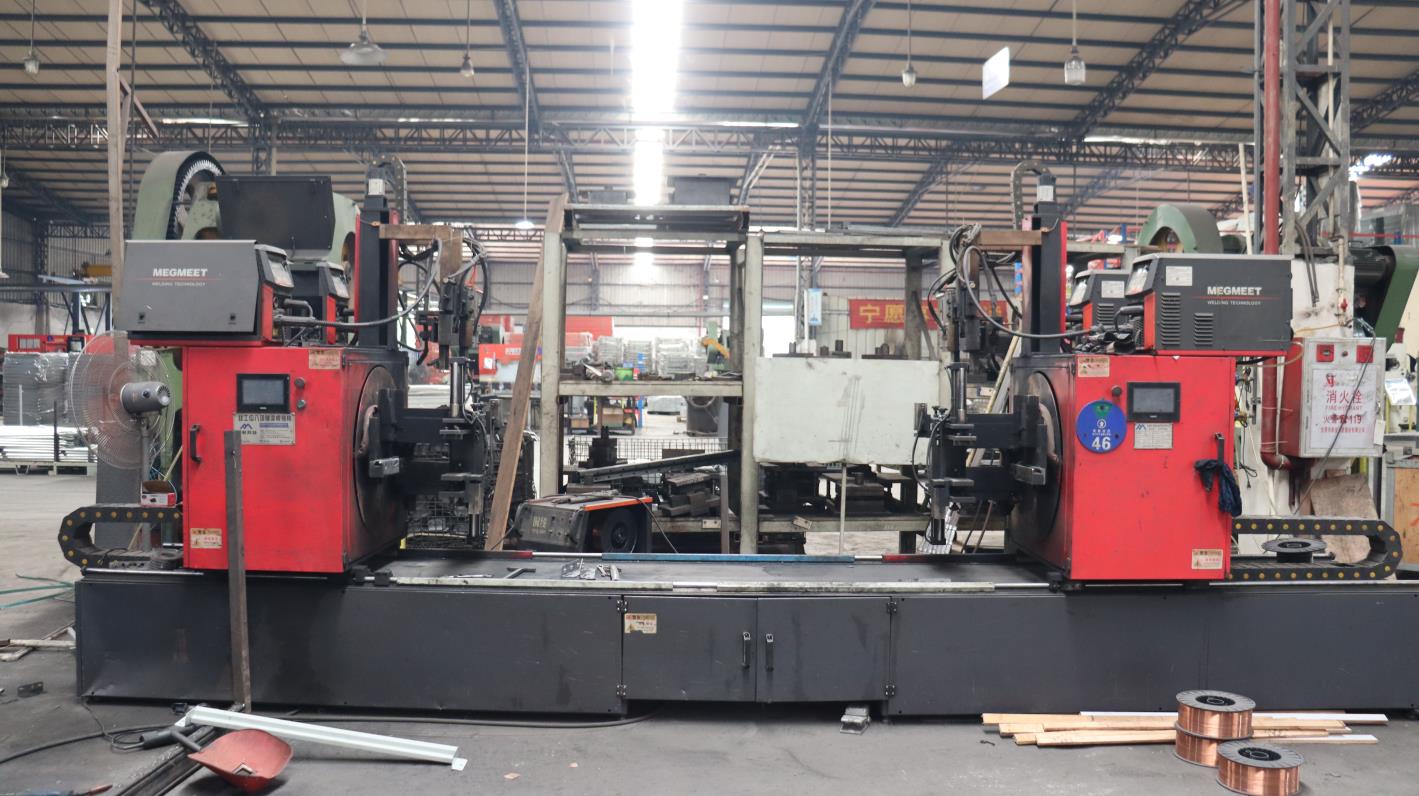
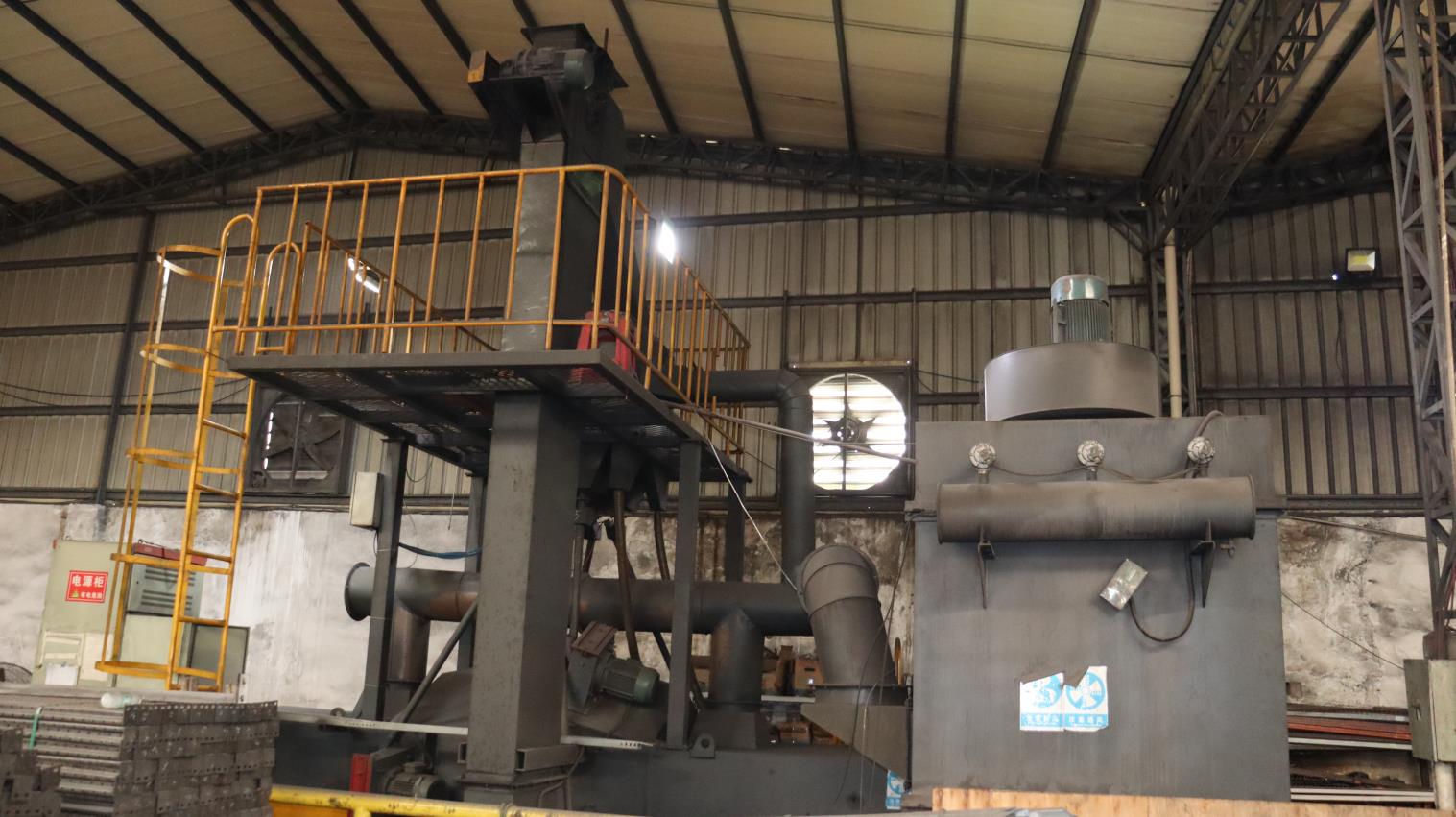
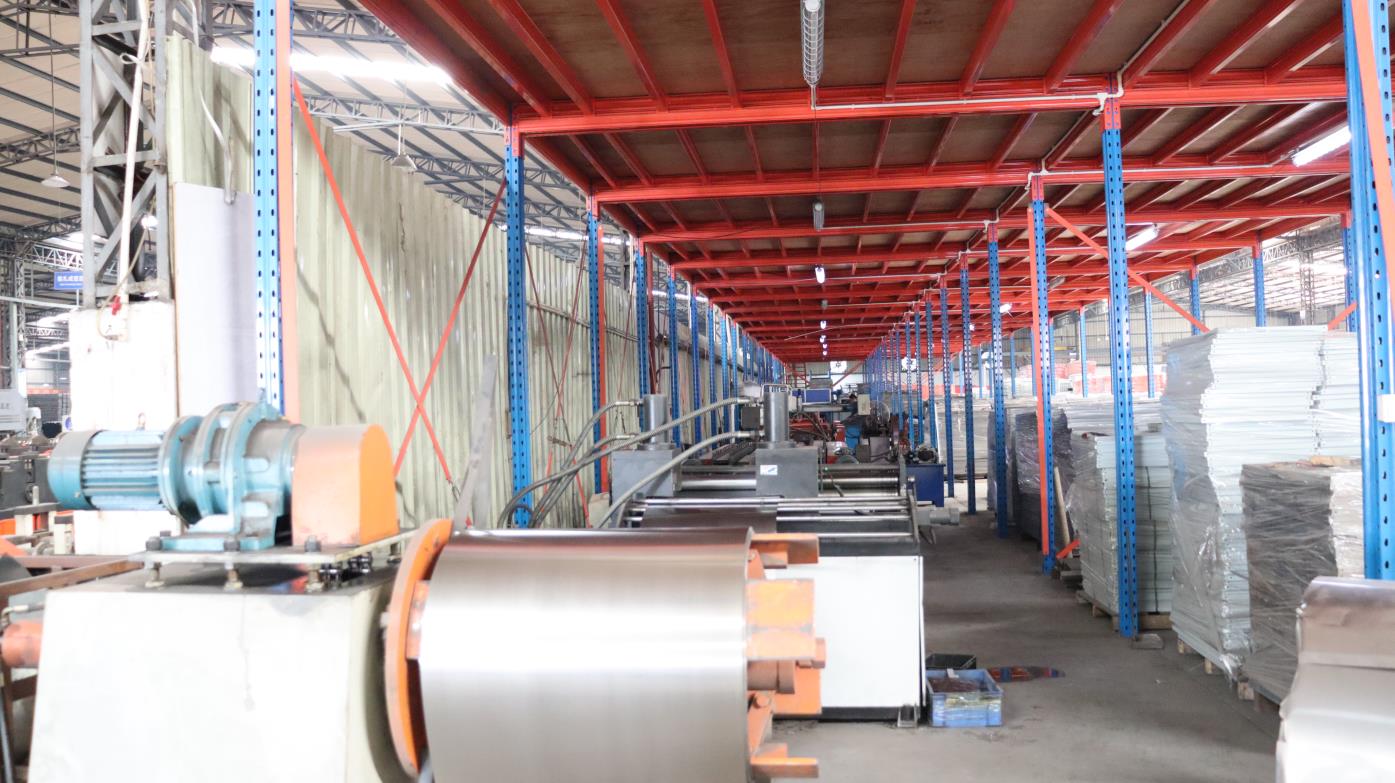
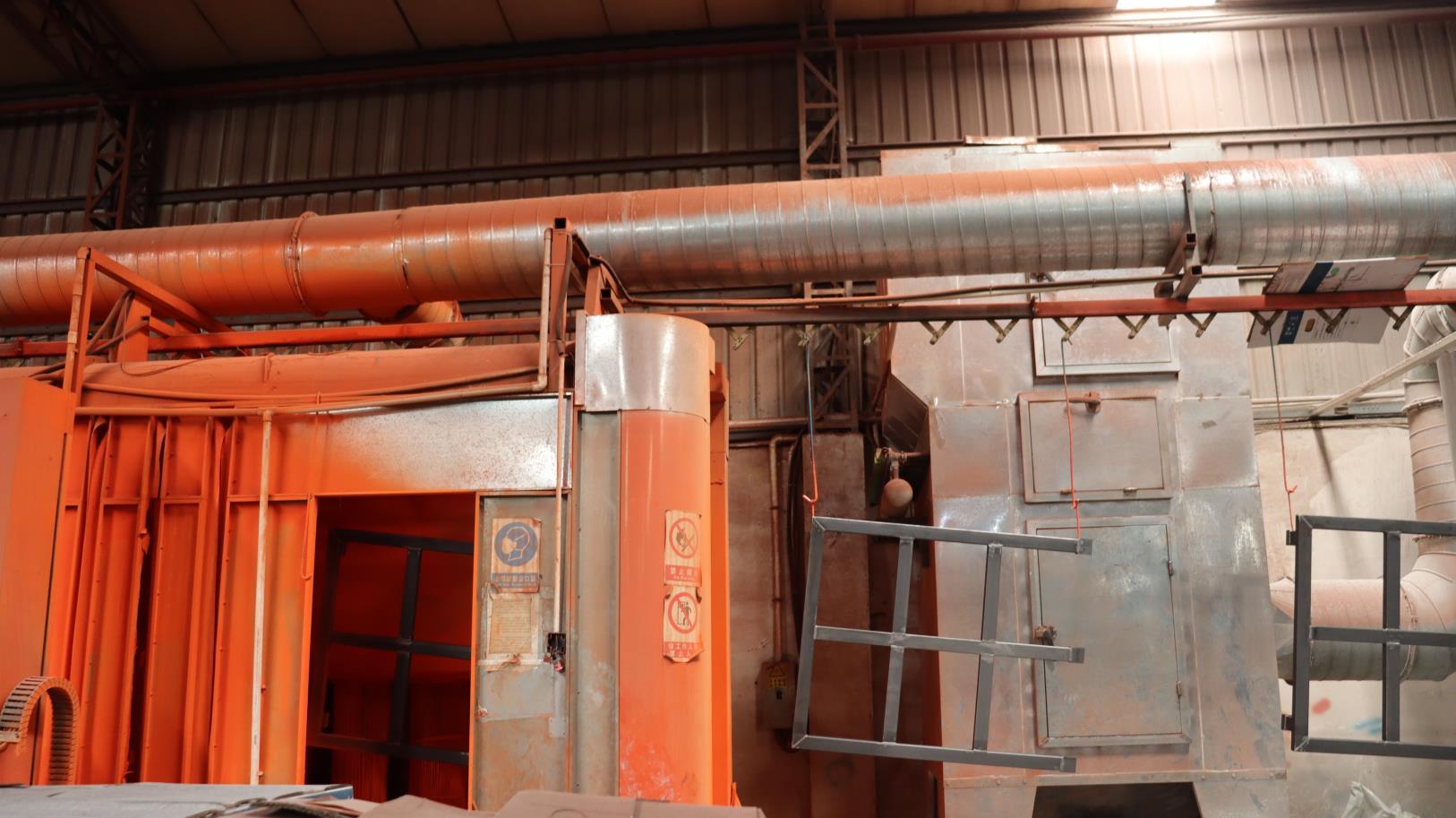
Designing durable, structural-grade steel racking configurations certified to perform safely under extreme stress.
For sites located in seismically active geographic regions, standard pallet rack configurations can fail during a seismic event. Our engineering team conducts site-specific seismic calculations based on localized soil parameters, seismic coefficients (Sds), and building code directives.
By integrating thicker structural steel base plates, oversized heavy-duty anchor bolts, and additional diagonal structural bracing, our racking platforms safely absorb horizontal movements without collapse, protecting assets and employees.
Quality control is integrated at each step of production. Our 35-inspector team conducts Non-Destructive Testing (NDT), including ultrasonic welding integrity checks and structural steel thickness verifications.
This proactive quality control guarantees that every batch shipped to North America, Western Europe, or the Asia-Pacific region meets localized safety codes, ensuring seamless compliance approval with municipal inspectors.
A technological lookahead into next-generation industrial logistics infrastructure
Integration of micro-sensor strain gauges within support beams to monitor load distributions in real-time, sending automated notifications via API to warehouse management systems (WMS) when loading capacities are exceeded.
Development of high-durability, lightweight structural alloys that increase loading capacity while reducing carbon footprint and raw material weight, simplifying installation.
Standardized racking formats designed for automated shuttle systems, sorting lanes, and rapid-movement automated guided vehicle configurations, improving picking efficiencies.
Common inquiries regarding structural capacities, lead times, coatings, and structural compliance
Durable storage and handling products optimized for industrial logistics facilities
 Lijin Racking