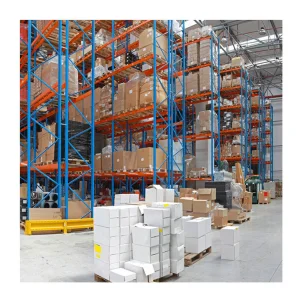
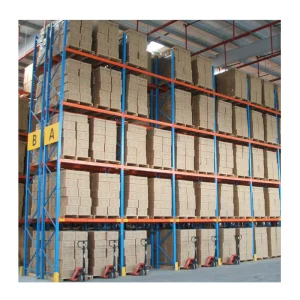
Engineered for maximum high-density payload capacity, structural safety, and optimized operational logistics efficiency.
An analytical breakdown of material composition, manufacturing capabilities, and global industrial procurement trends.
Modern industrial supply chains operate in high-velocity, high-density environments. Storage racking infrastructure is no longer considered a simple static fixture; rather, it has evolved into a key driver of operational velocity and structural safety. For warehouse managers, procurement directors, and industrial distributors, choosing the right tool racks manufacturer is critical to maximizing volumetric efficiency, ensuring workplace safety, and reducing the total cost of ownership (TCO).
This comprehensive industry analysis details the design engineering principles, advanced manufacturing techniques, and macro economic supply benefits of partnering with premier storage equipment systems providers.
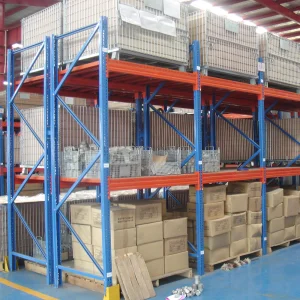
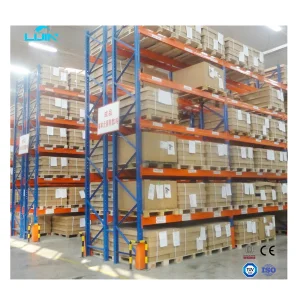
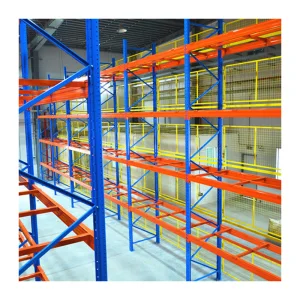
The safety and long-term durability of heavy-duty industrial storage racks depend on raw material selection and structural design. Quality-focused manufacturers rely on high-tensile Q235B cold-rolled steel and heavy industrial steel configurations to manufacture uprights, load beams, and bracing systems.
Using finite element analysis (FEA), design engineers simulate load distribution under static and dynamic forces. This guarantees that rack configurations maintain structural integrity even under maximum load and seismic activity. The structural design must withstand severe warehouse accidents, including forklift impacts and off-center load distributions. Certified manufacturers design systems to exceed international standards, such as the Rack Manufacturers Institute (RMI) standards in North America and FEM 10.2.02 regulations in Europe, incorporating safety factors ranging from 1.5 to 2.0.
Advanced calculation methods ensure high resistance against seismic acceleration, utilizing robust base plates and structural anchor bolts.
A multi-stage thermosetting epoxy powder coating process ensures excellent corrosion resistance and mechanical impact protection.
Every horizontal support beam and vertical frame is load-tested under deflection limits of L/200 to prevent structural buckling.
The global industrial storage market is undergoing a rapid transition toward automation. The rise of e-commerce fulfillment hubs, autonomous mobile robots (AMRs), and Automated Storage and Retrieval Systems (ASRS) demands extreme precision from racking systems. Tolerances have narrowed from millimeters to fractions of a millimeter.
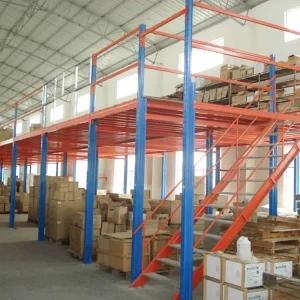
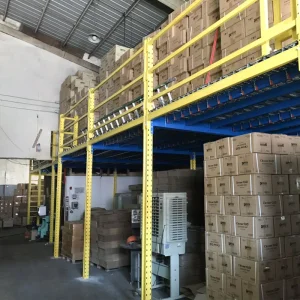
Furthermore, standard static warehousing is increasingly replaced by dense storage models, such as Drive-In Racking and Mezzanine Floor Platform Systems. These dynamic configurations optimize vertical space, often doubling storage capacity without expanding the warehouse footprint. Modern enterprises prioritize modular systems that can be reconfigured as logistics workflows shift.
Exhibiting the complete production cycle, from raw material inspection to automated roll forming, surface finishing, and quality control.
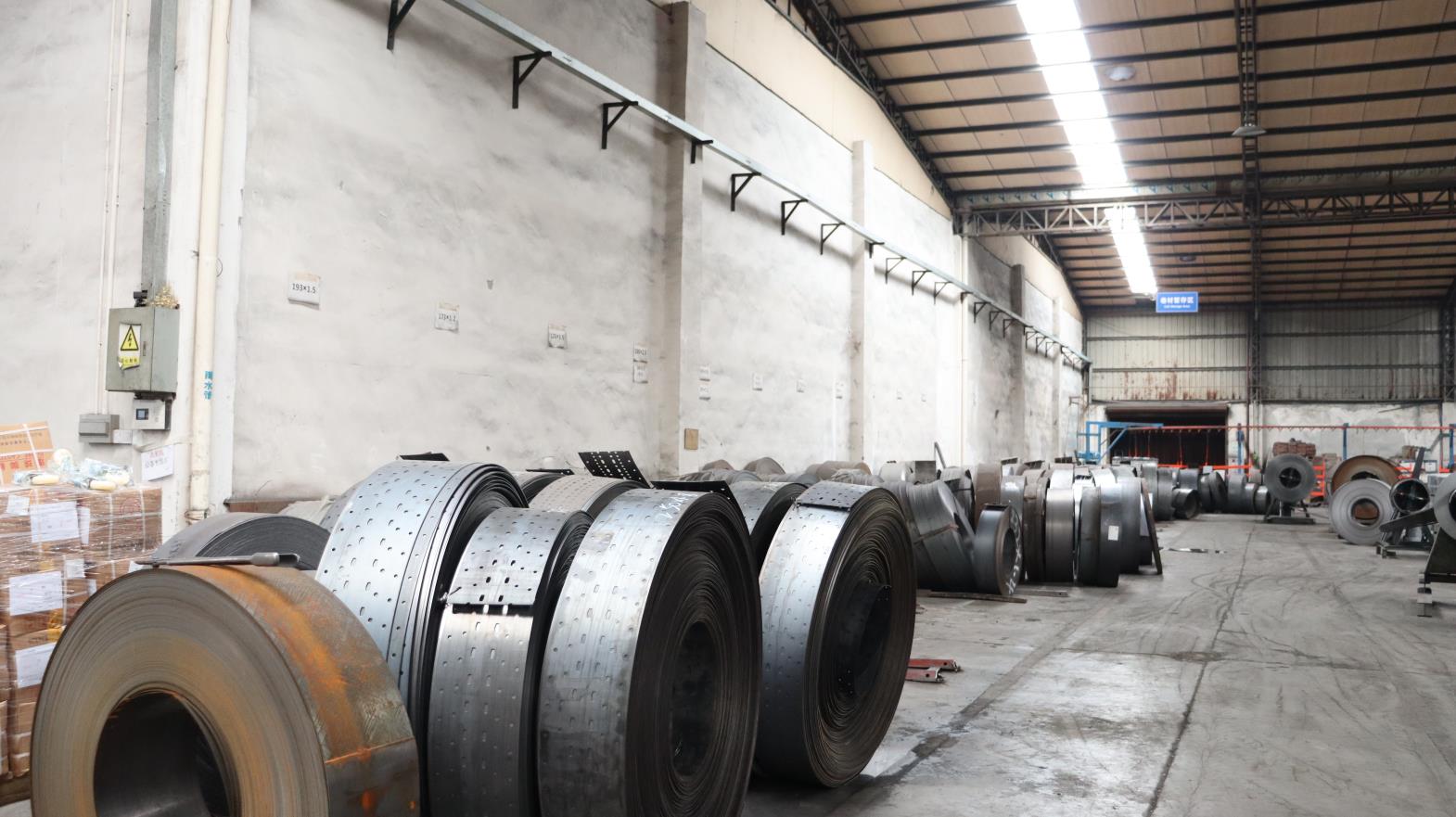
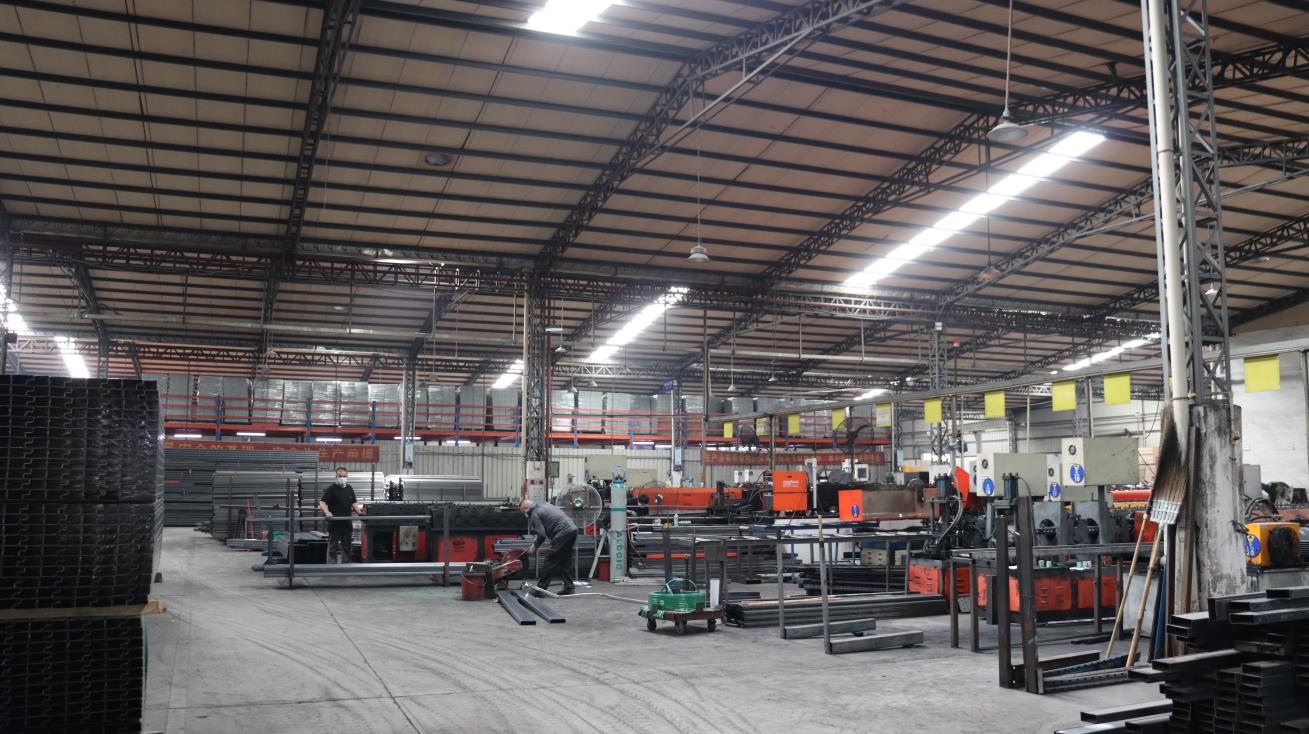
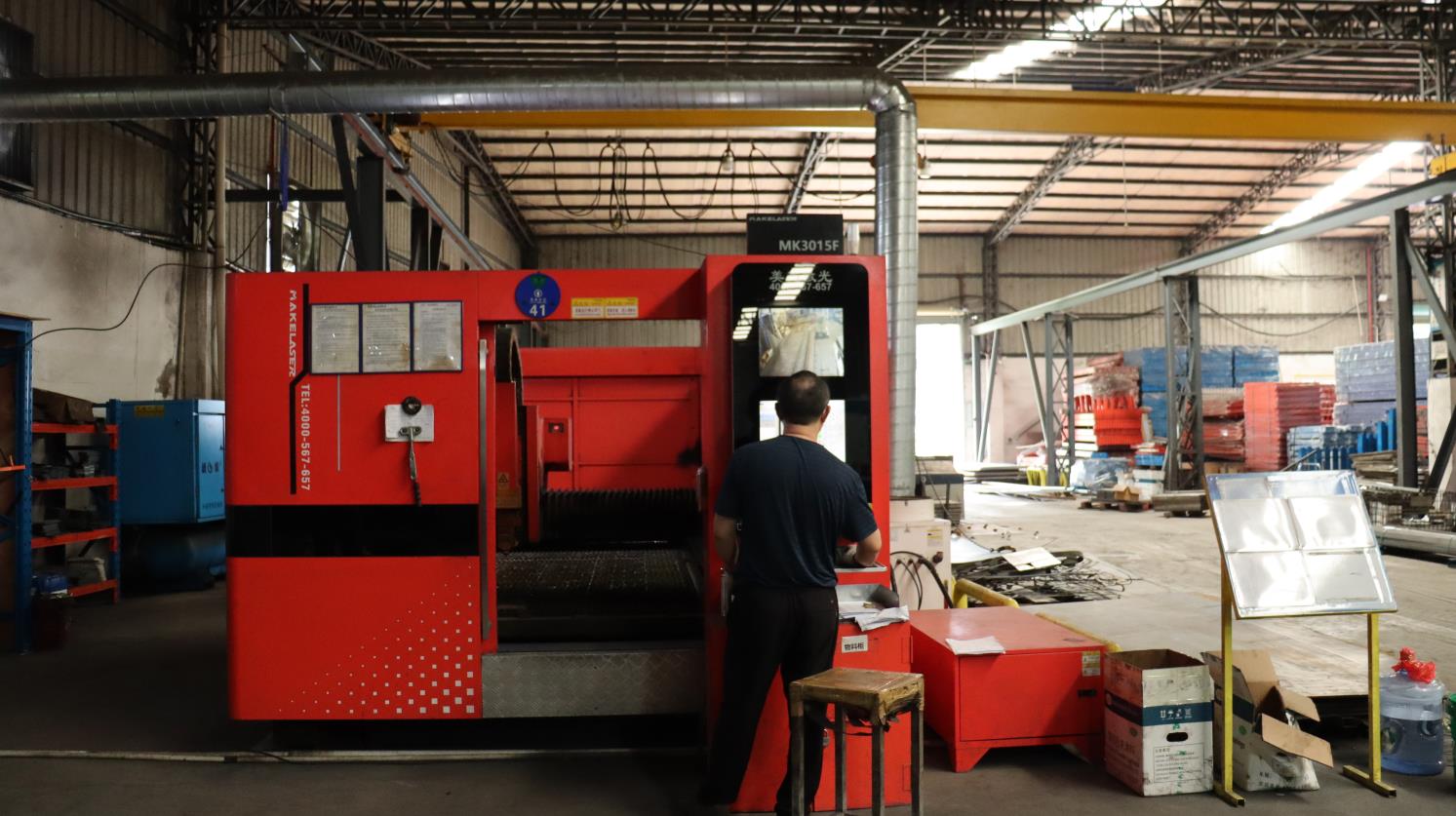
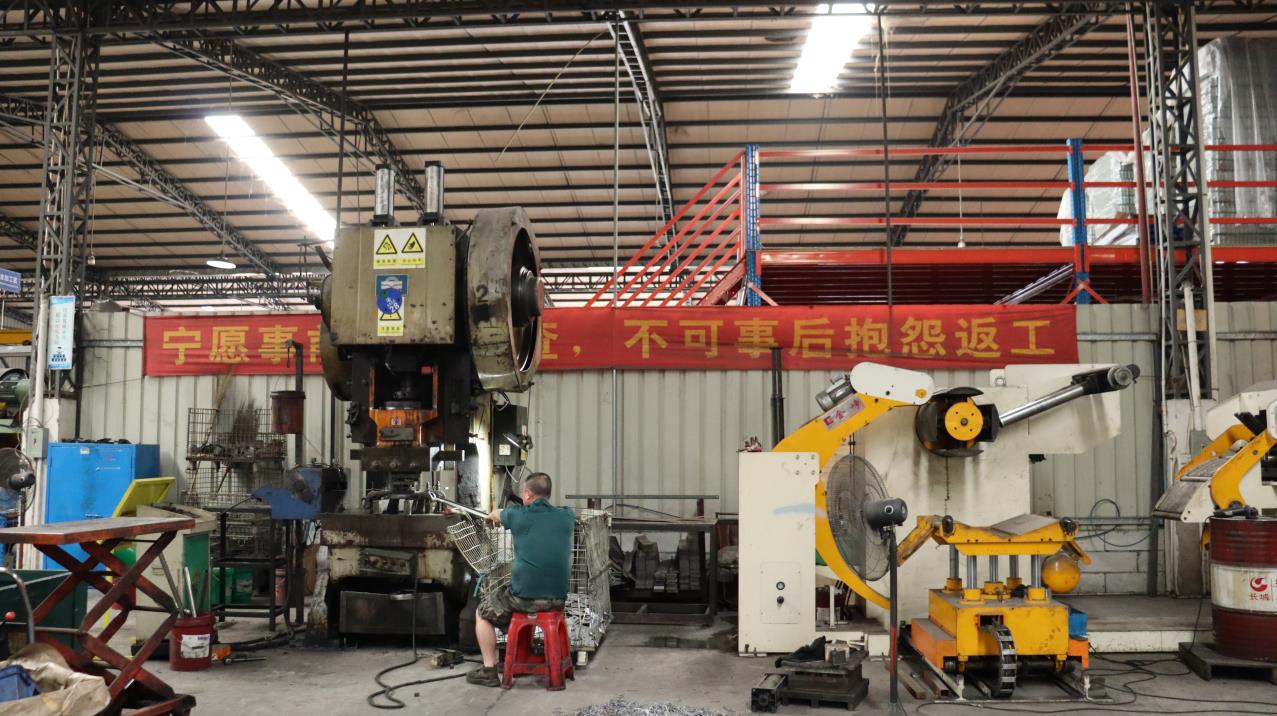
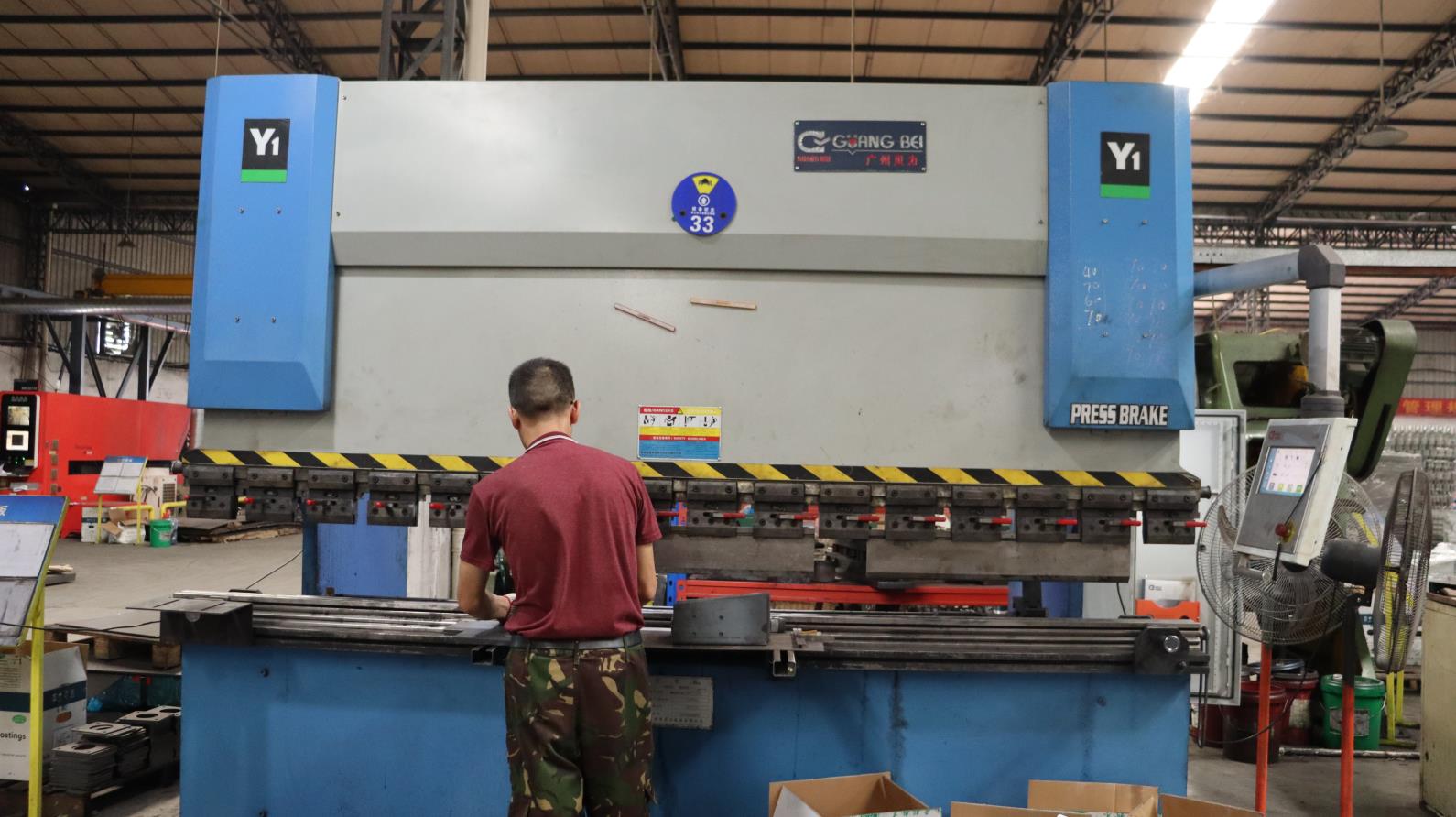
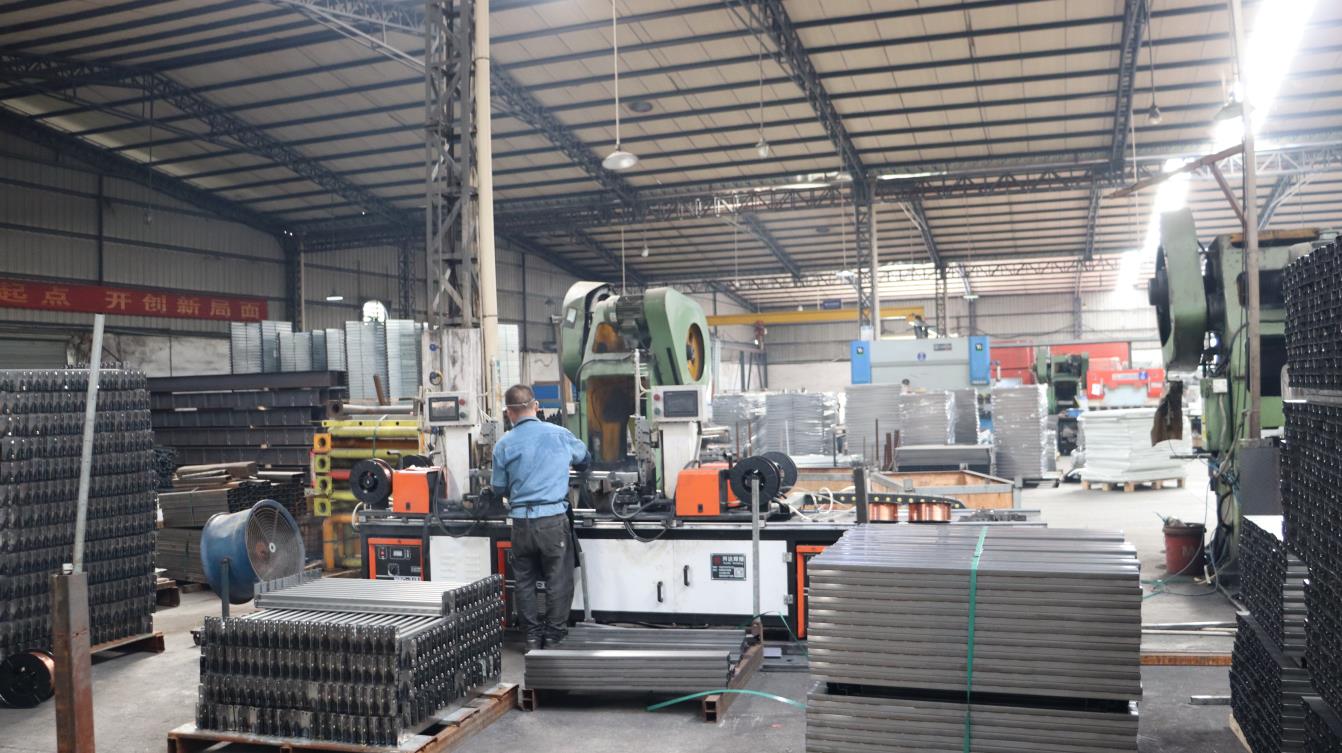
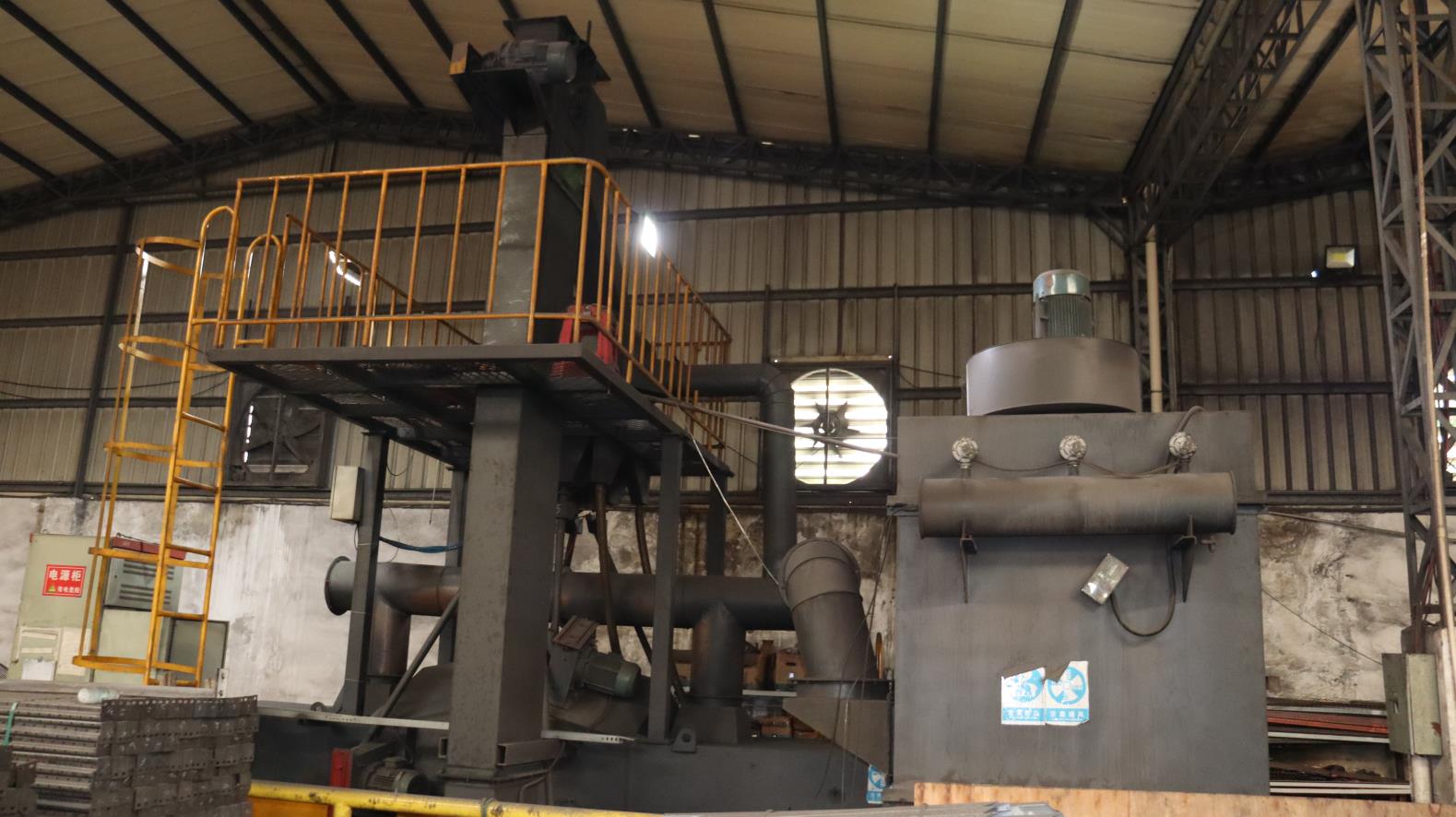
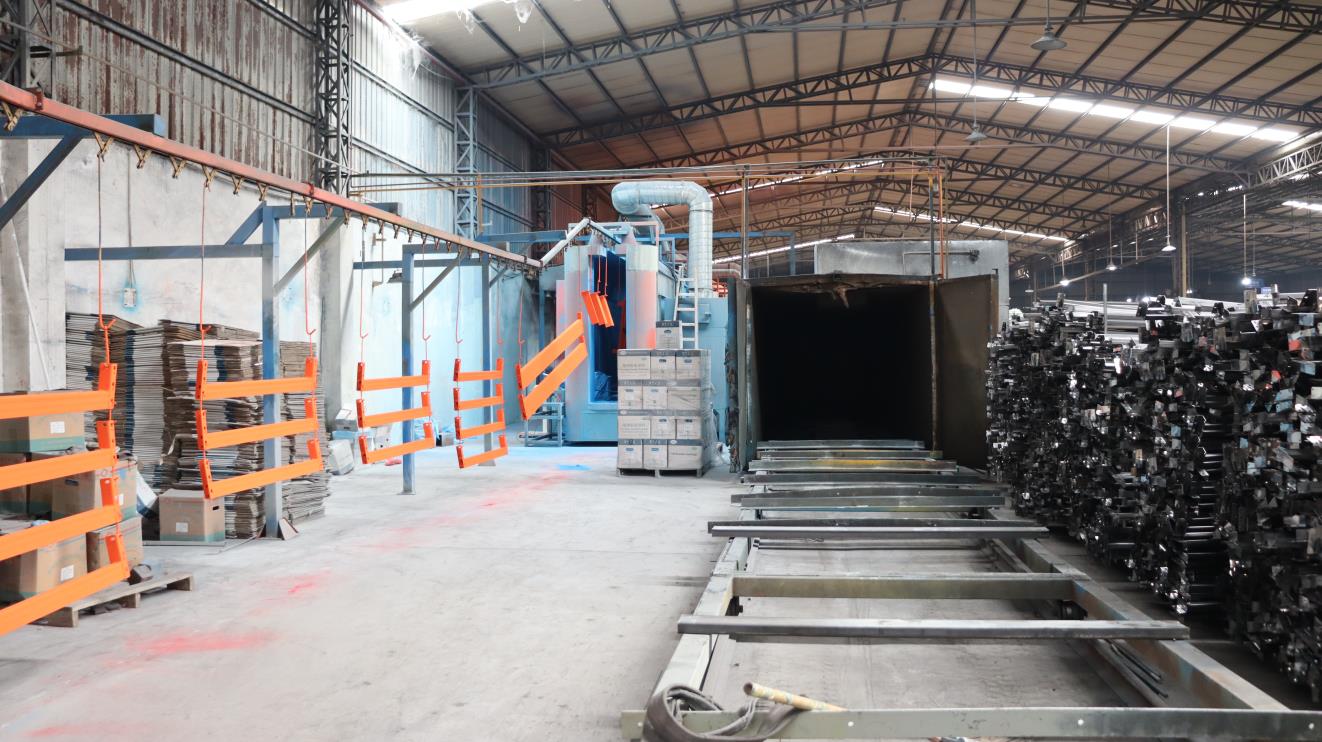
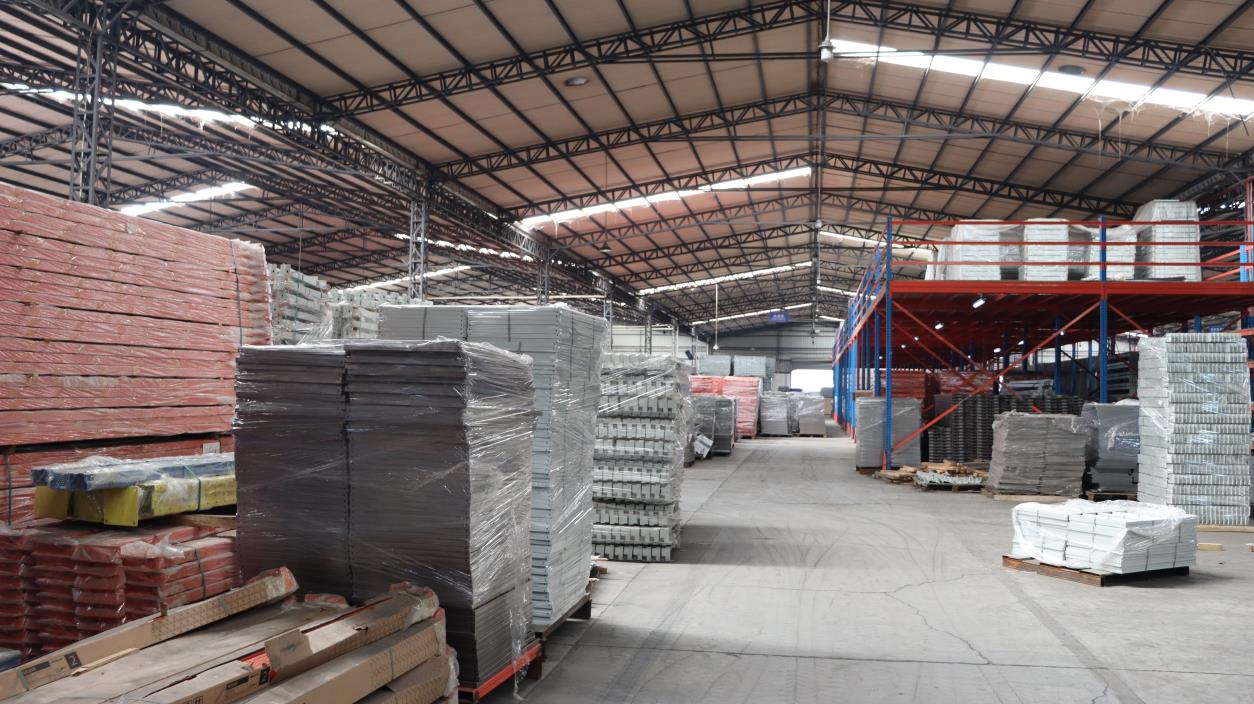
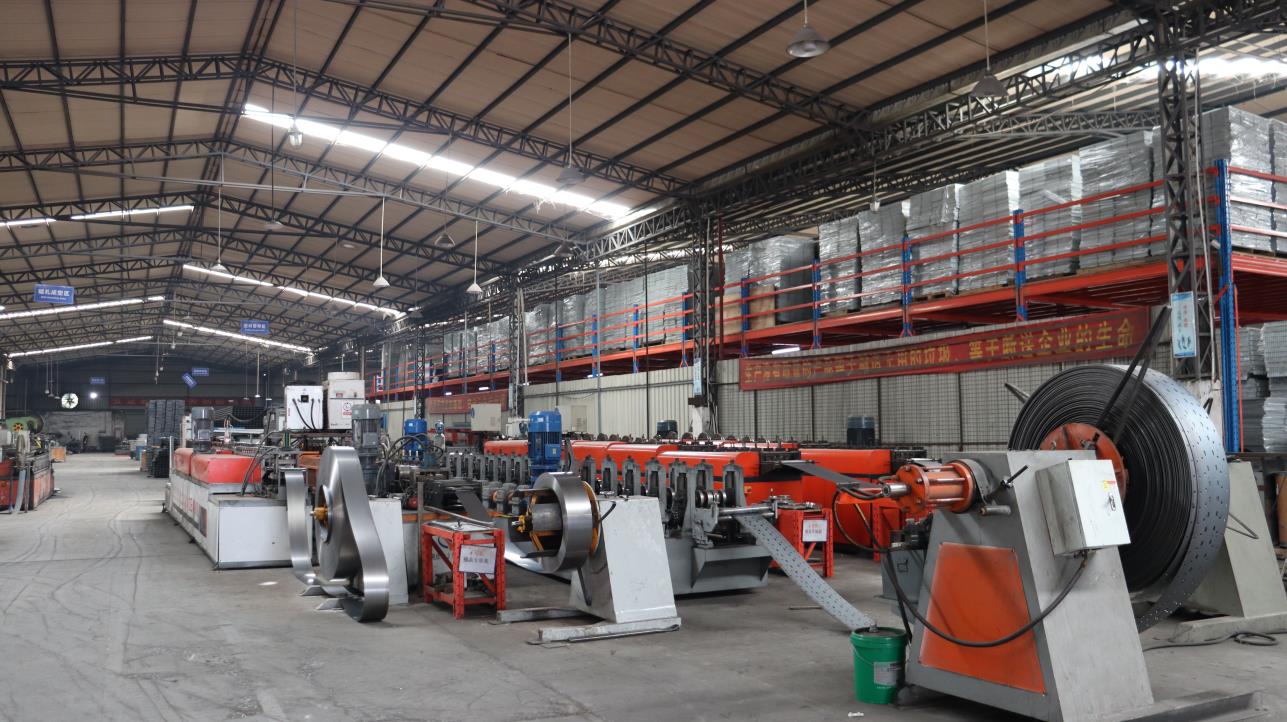
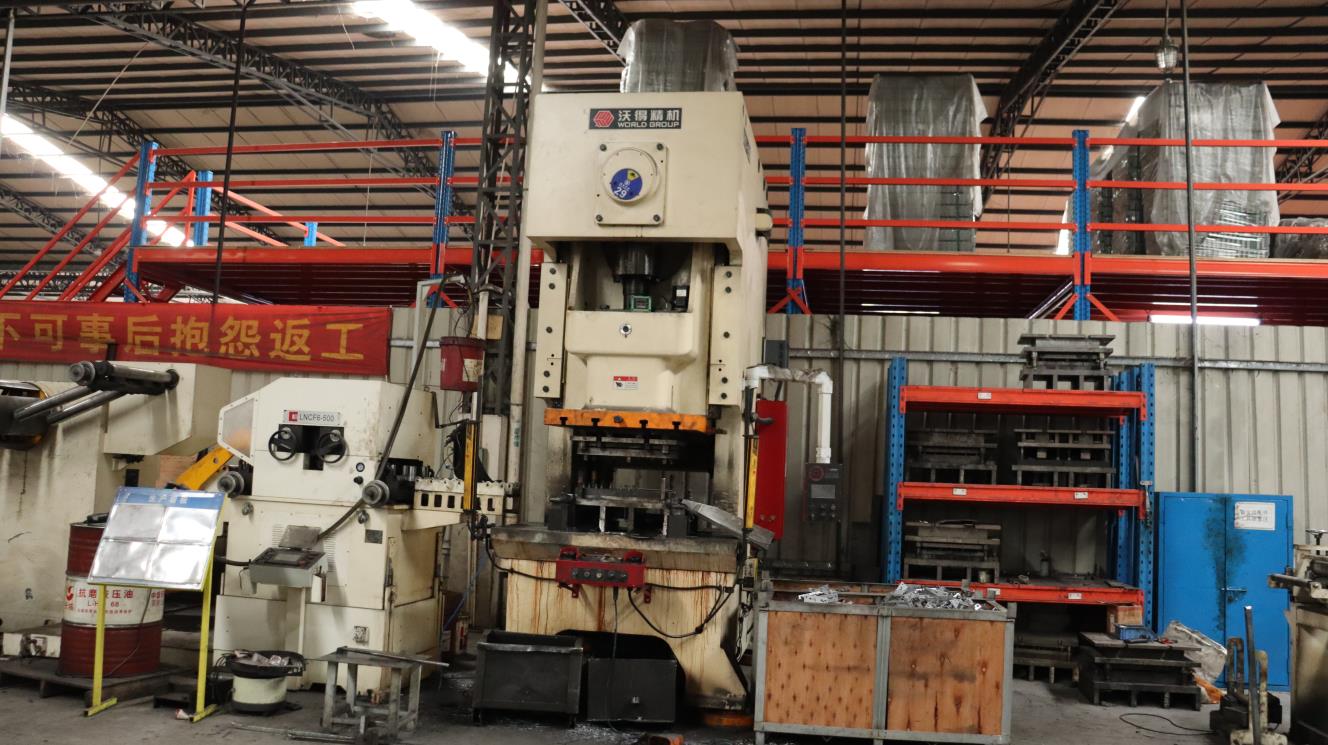
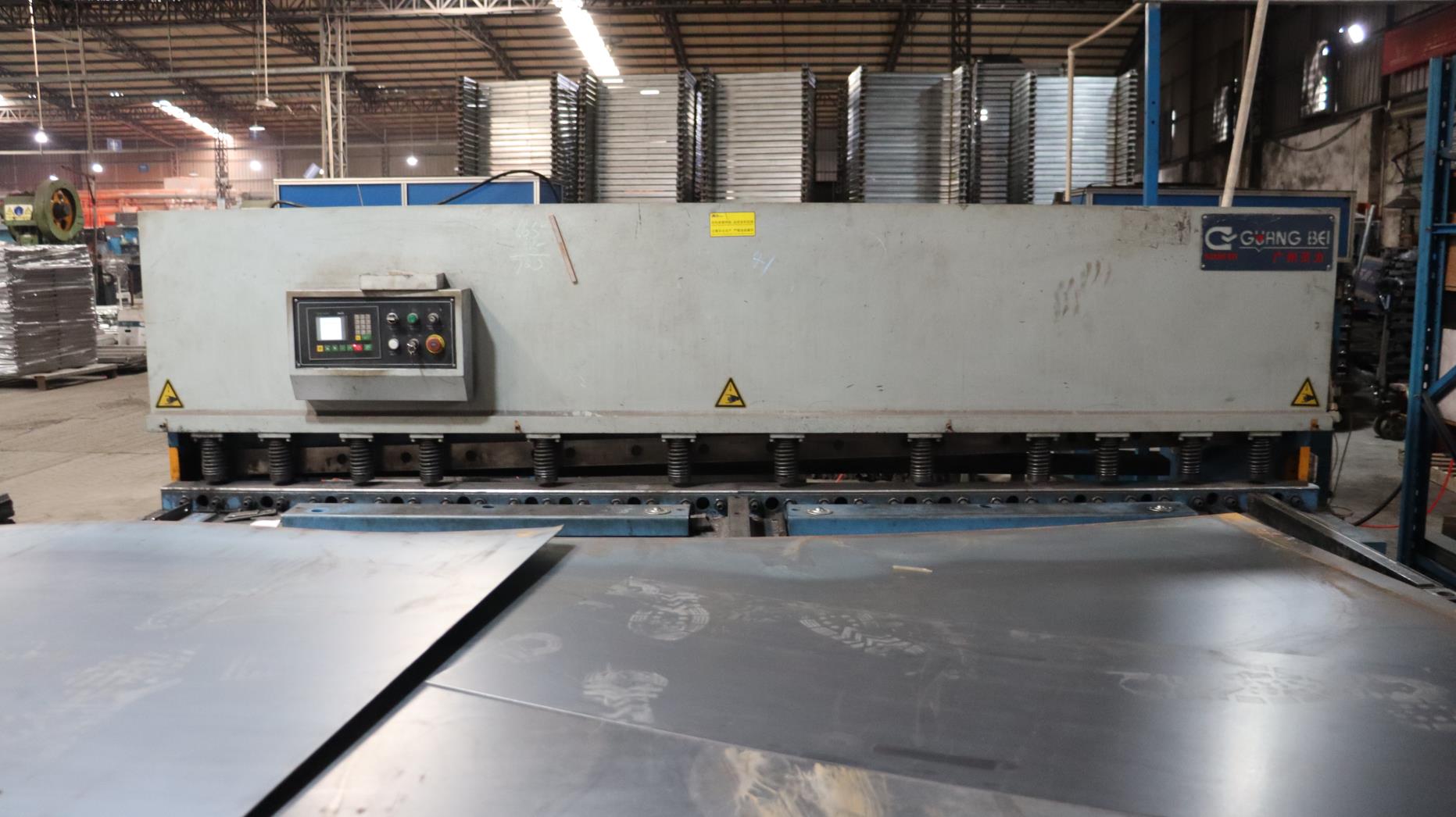
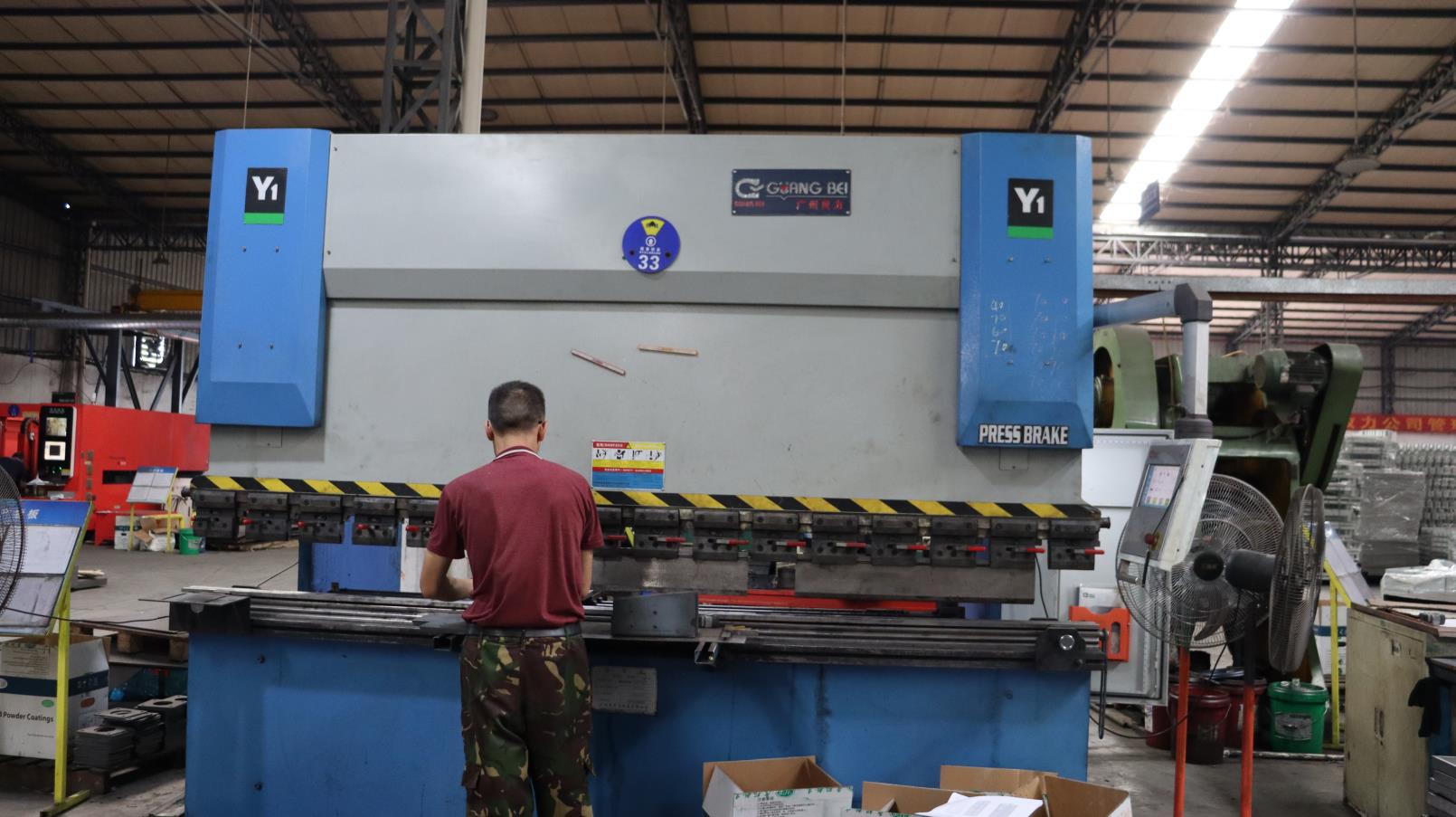
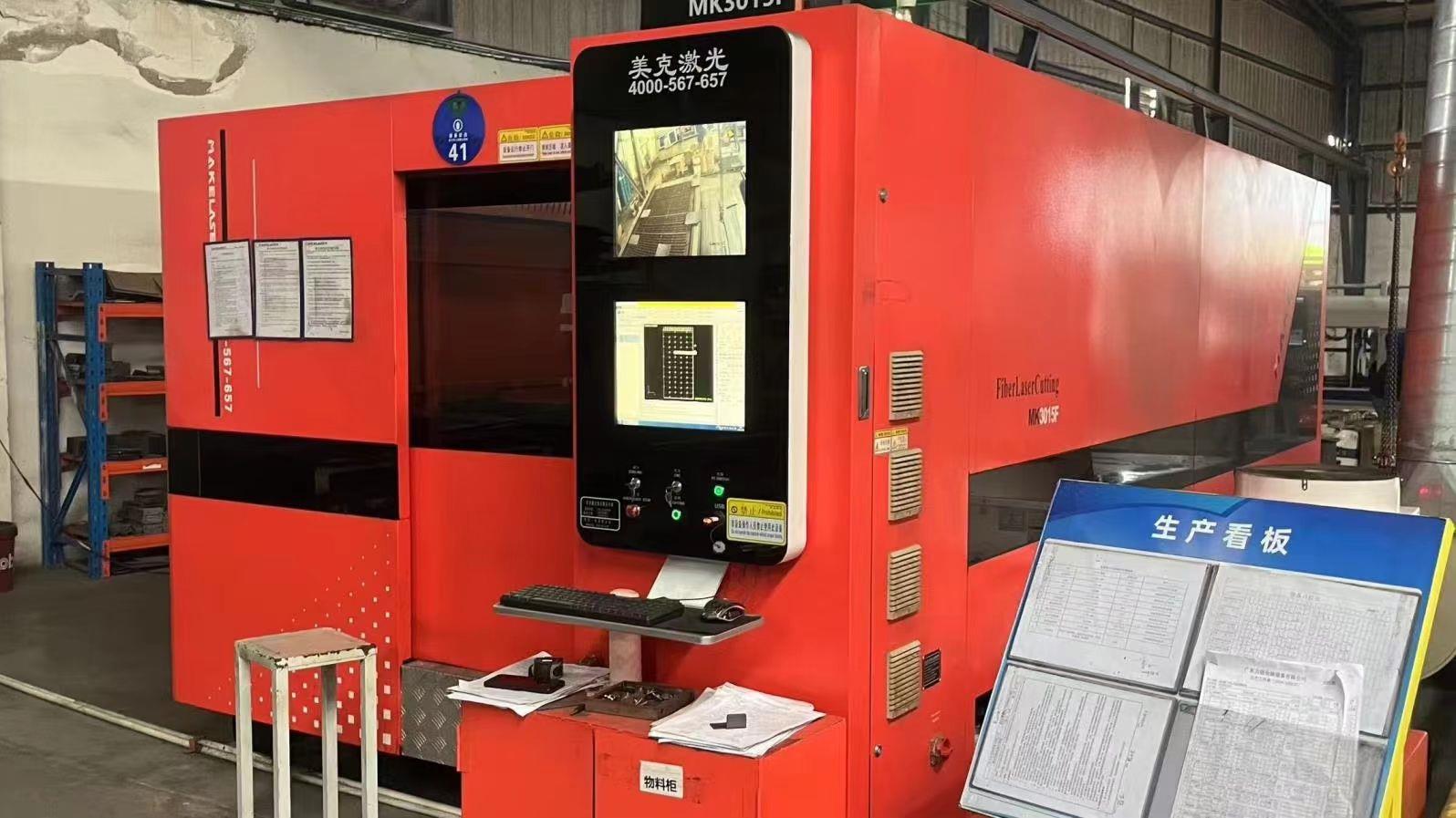
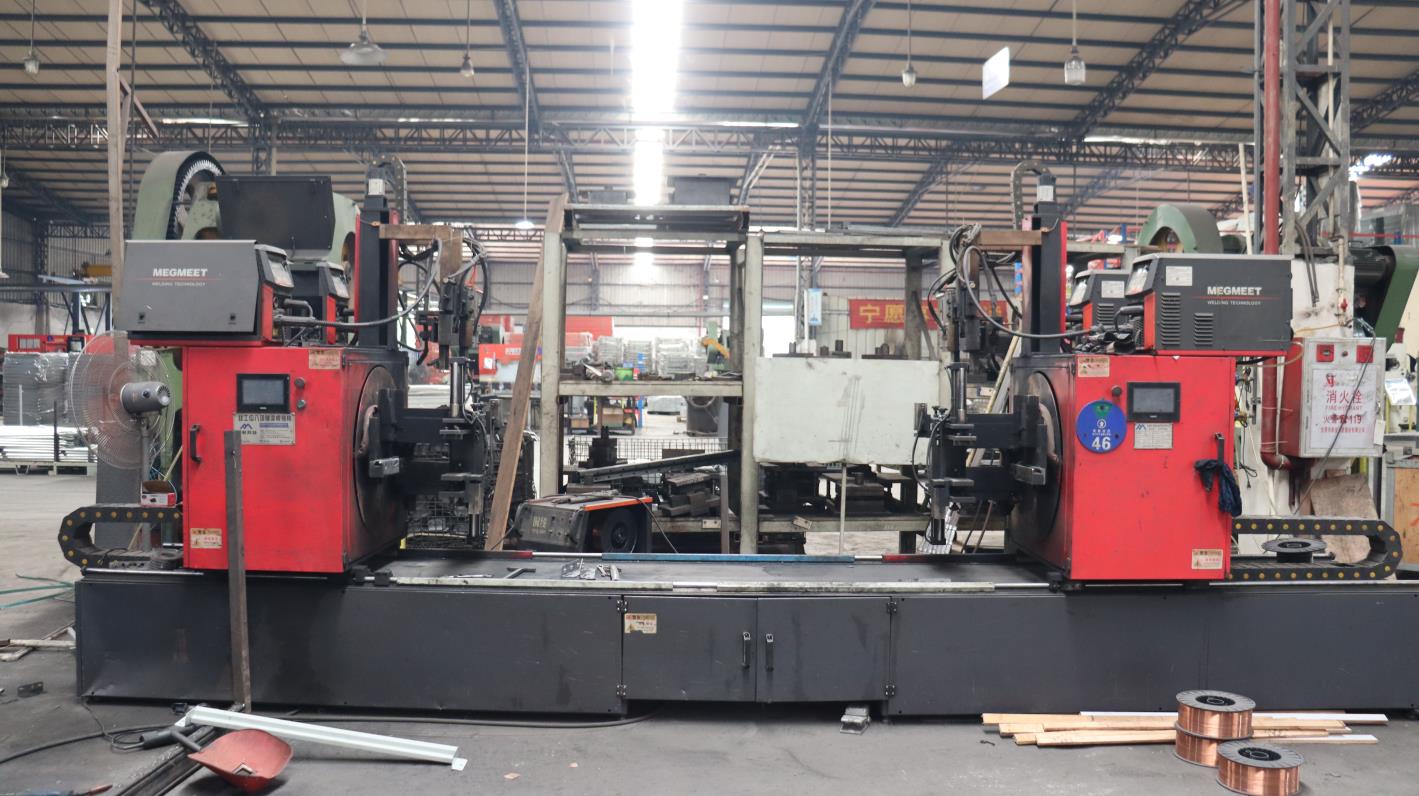
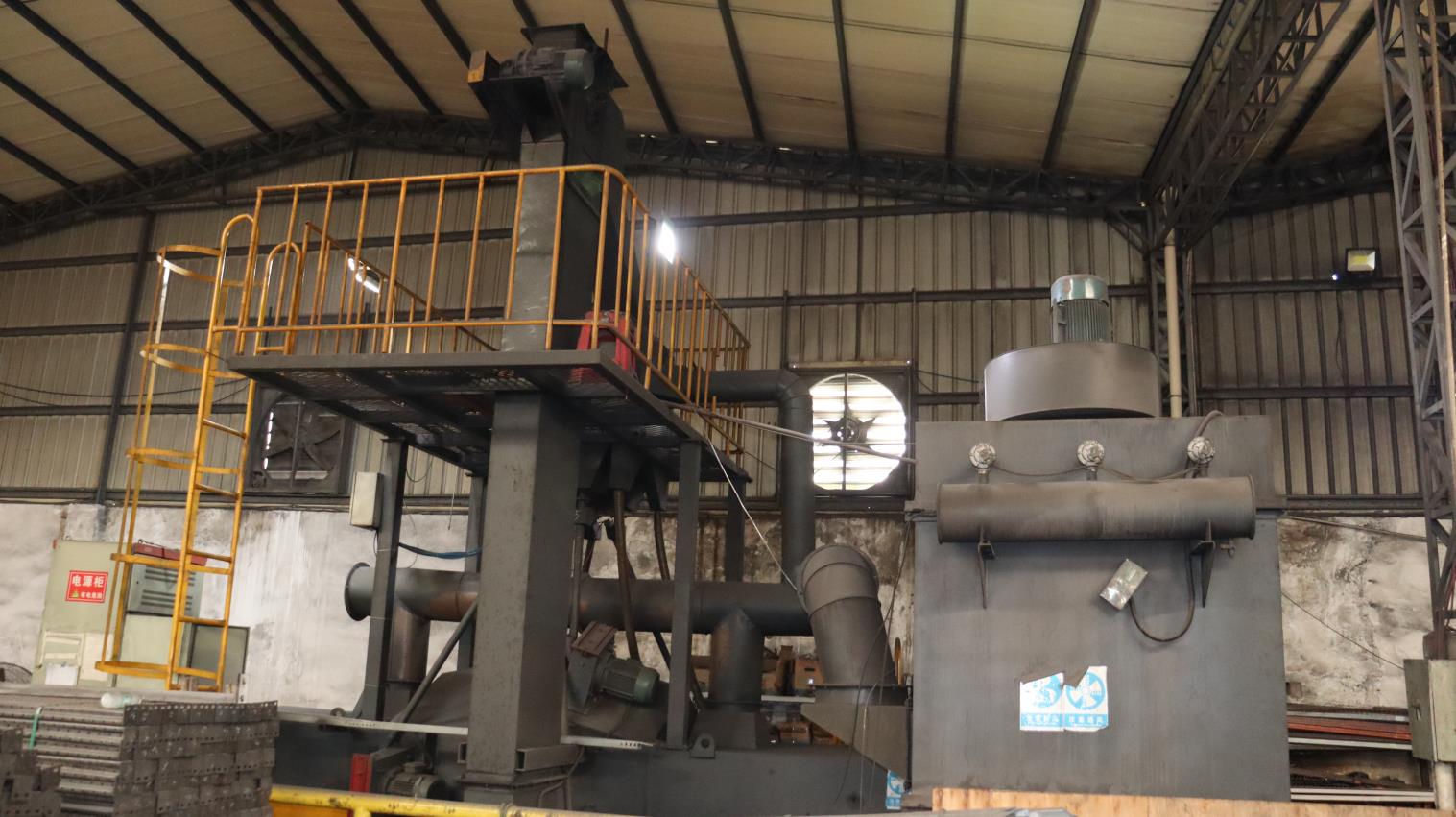
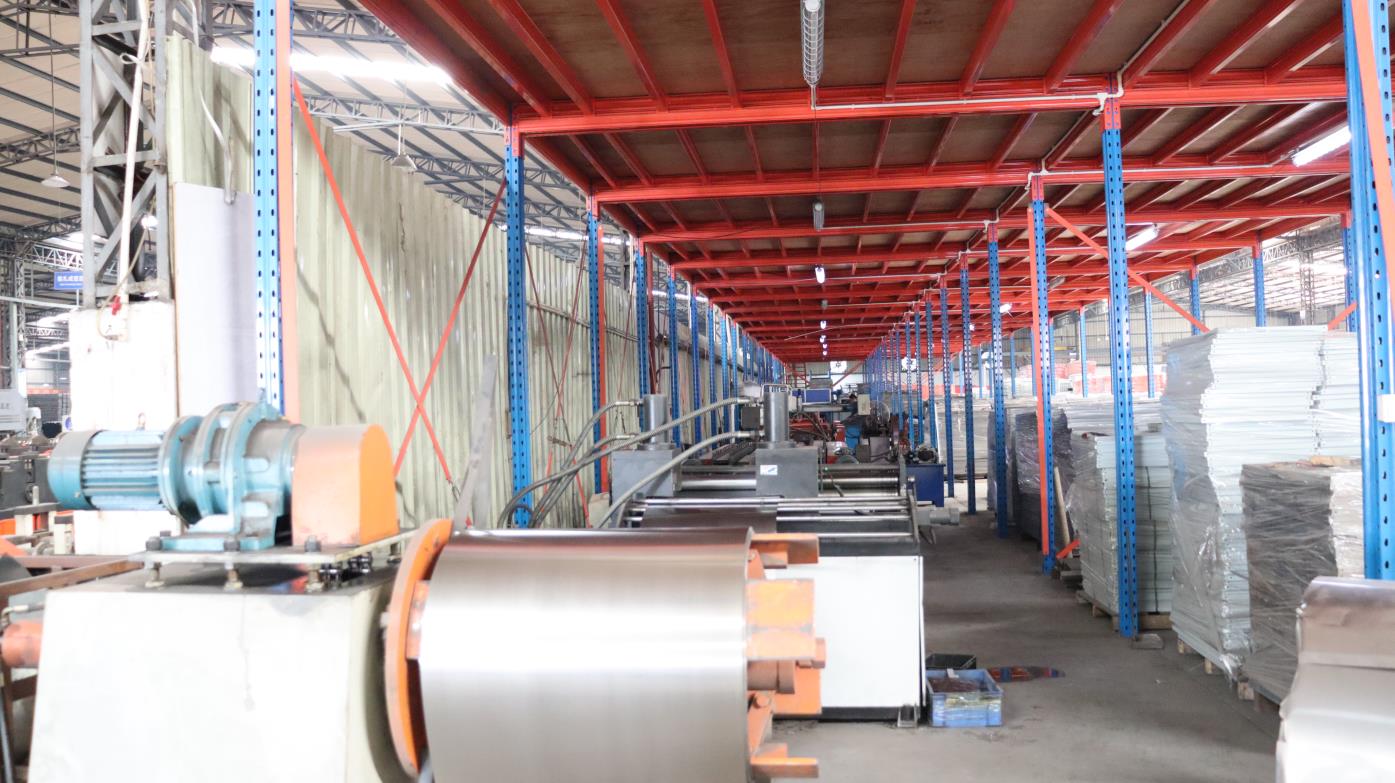
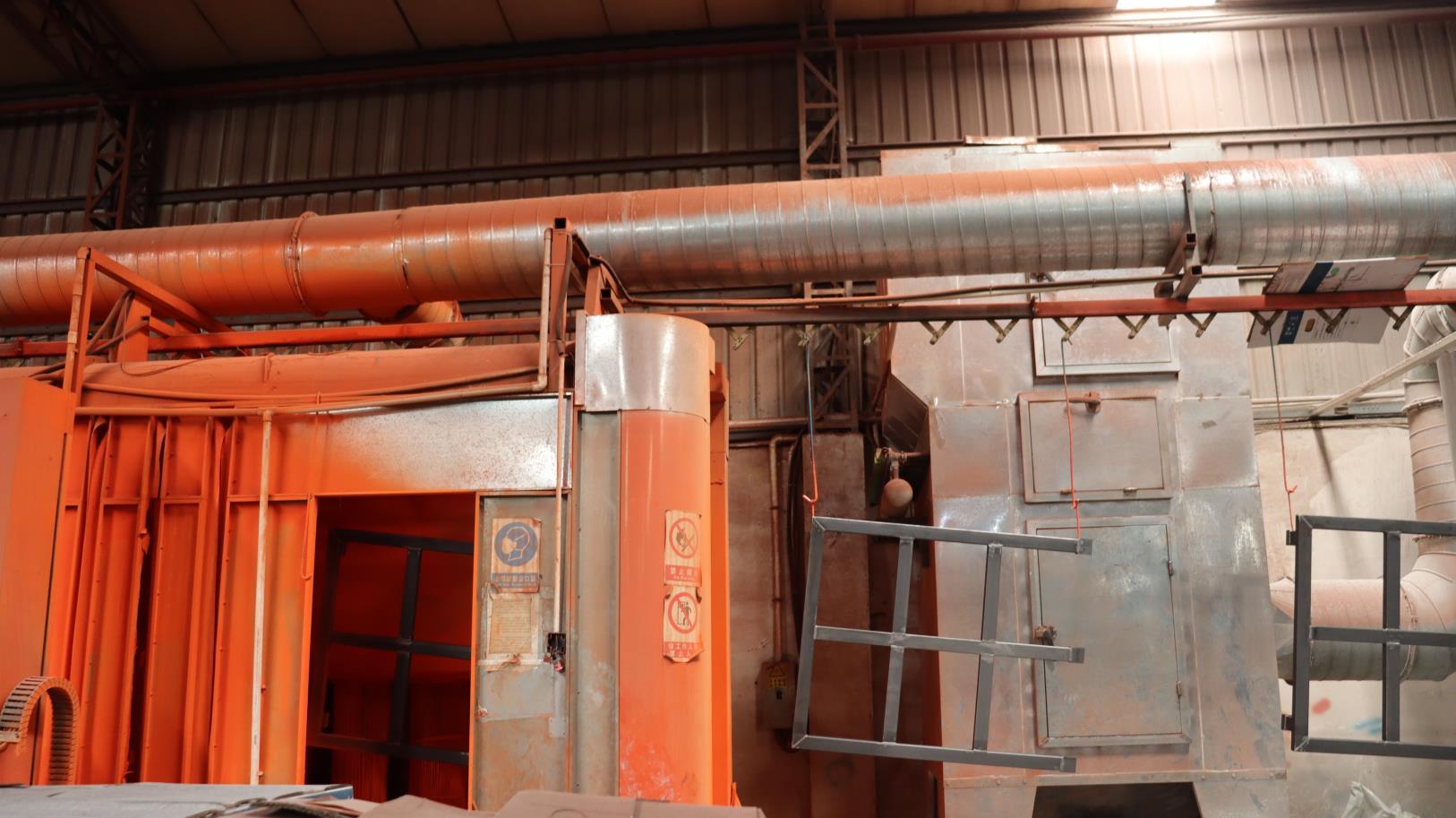
Sourcing heavy-duty storage racks and warehouse systems from specialized Chinese manufacturers offers significant operational advantages for global industrial buyers. Over the past decade, Chinese producers have transformed their capabilities, moving from low-cost manufacturing to automated, precision engineering.
Shenzhen, as an innovation and export hub, provides strategic proximity to major shipping ports, raw material processing centers, and high-tech supply chains. This ecosystem enables manufacturing companies like Shenzhen Lijin Storage Equipment Co., Ltd. to combine advanced engineering with competitive production structures. Key strategic sourcing advantages include:
Industrial storage designs must adapt to regional regulations, safety codes, and local operational workflows. Industrial facilities in North America, Western Europe, Southeast Asia, and the Middle East face distinct storage challenges:
1. North American Markets (ANSI/RMI Standards & Seismic Safety): Procurement managers in seismic zones, such as California, prioritize racks with oversized baseplates, heavy anchor bolts, and specialized bracing. These systems must comply with RMI guidelines and meet strict fire code requirements for automatic sprinkler systems.
2. European Markets (EN Standards & Volumetric Efficiency): With higher land costs, Western European warehouses focus heavily on vertical density. Automated pallet racking and mezzanine structural steel floor platforms are standard, requiring strict compliance with EN 15512 codes.
3. High-Humidity Regions (Advanced Anti-Corrosion): Facilities in coastal Southeast Asia and the Middle East require advanced corrosion resistance. Pre-galvanized components and thick powder coatings prevent oxidation, extending the service life of cantilever and drive-in racks.
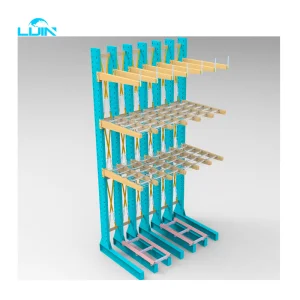
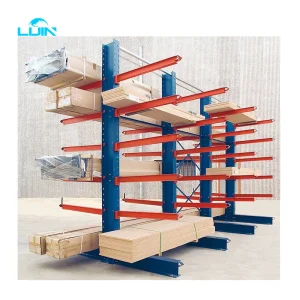
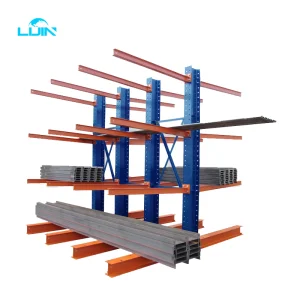
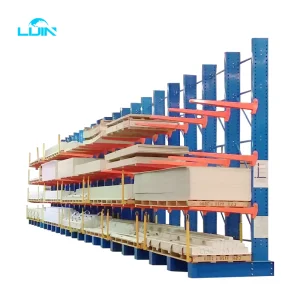
4. Heavy Industry Solutions: For operations handling long, bulky goods such as structural pipes, timber, or metal rebar, custom heavy-duty cantilever systems offer open-front accessibility. This design optimizes forklift travel paths and improves workplace safety.
Expert insights addressing common queries from procurement specialists, logistics managers, and engineers.
Load capacity is determined by steel grade, upright profile dimensions, material thickness, and vertical beam spacing. Standard configurations support 1,000kg to 4,000kg per level. Using cold-rolled Q235B structural steel ensures high yield strength and minimal deflection under maximum static load.
Lijin implements a strict quality assurance protocol, combining automated robotic welding lines with manual ultrasonic testing. We perform regular weld penetration inspections, dimensional laser checks, and destructive load-testing on sample batches to ensure compliance with global structural safety guidelines.
Yes. Our R&D engineering department uses specialized seismic analysis software to design systems for areas prone to earthquakes. We customize baseplate thicknesses, increase upright profiles, and optimize bracing configurations to meet localized seismic codes.
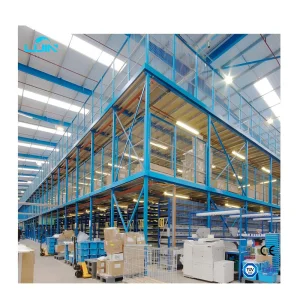
Mezzanine platform floor systems effectively double or triple warehouse storage capacity by utilizing underused vertical space. This structural steel solution avoids the need for costly building expansions, integrates seamlessly with automated materials handling systems, and adapts easily to office or bulk storage use.
Our heavy-duty cantilever racks are customized to order. Customers can select single-sided or double-sided upright configurations, choose specific arm lengths, load capacities, and incline angles, and adjust arm heights in 75mm increments.
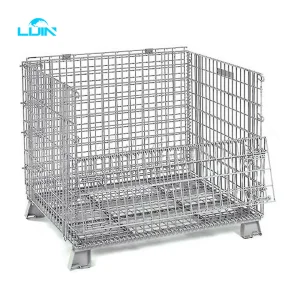
High-capacity pallet racks, cantilever structures, and material transport equipment for global industrial requirements.
 Lijin Racking