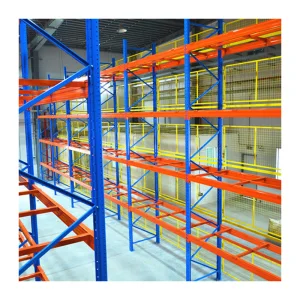
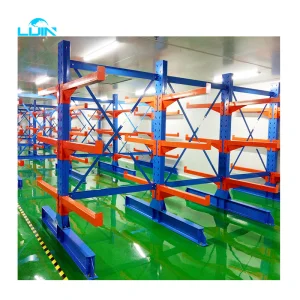
In the era of hyper-globalized supply chains and rapid e-commerce expansion, intralogistics efficiency has become a critical focal point for enterprise growth. Modern warehouses are no longer just storage spaces; they are dynamic, high-throughput fulfillment hubs. Transitioning to smart warehousing systems requires robust physical infrastructure, driving the demand for highly engineered custom industrial racking systems globally.
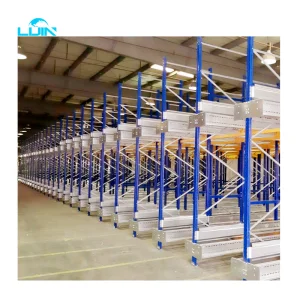
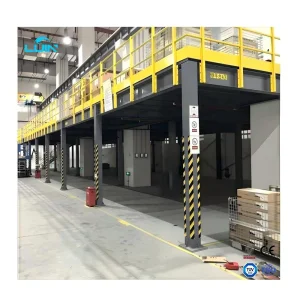
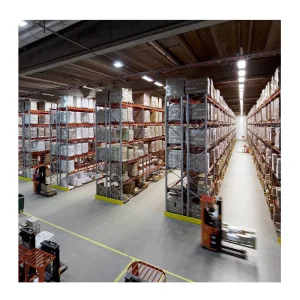
Urban industrial land scarcity has forced enterprises to optimize vertical warehouse space. This spatial crunch has accelerated the adoption of specialized storage structures like Very Narrow Aisle (VNA) racking, multi-tier mezzanine floors, and automated storage/retrieval systems (AS/RS). These frameworks demand high load capacity, seismic stability, and tight manufacturing tolerances—benchmarks that only top-tier custom rack manufacturers can consistently deliver.
Maximizing cube utilization via customized vertical racking, mezzanine configurations, and high-density dynamic storage layout plans.
Ensuring compliance with localized safety standards, including EN 15512, RMI, AS4084-2012, and stringent seismic engineering guidelines.
Adapting manufacturing tolerances to match the high-speed requirements of Automated Guided Vehicles (AGVs) and robotic shuttle systems.
Enterprise procurement departments must navigate complex engineering specifications when sourcing racking systems. A failure to perform structural calculations or verify material grades can lead to catastrophic warehouse collapses, operational downtime, and legal liabilities. To mitigate these risks, procurement strategies should prioritize several key technical requirements:
China's industrial sector has evolved from high-volume manufacturing to precision engineering, utilizing automation and integrated supply chains. This shift is exemplified by Shenzhen Lijin Storage Equipment Co., Ltd., which leverages advanced manufacturing techniques to produce racking systems with consistent quality and high dimensional accuracy.
Lijin's Factory 4.0 model utilizes advanced automation throughout the production lifecycle. From precision roll-forming to robotic welding, computerized systems ensure every structural component meets strict dimensional tolerances. This precision minimizes assembly issues onsite, ensuring uniform weight distribution and reliable load capacity across large-scale installations.
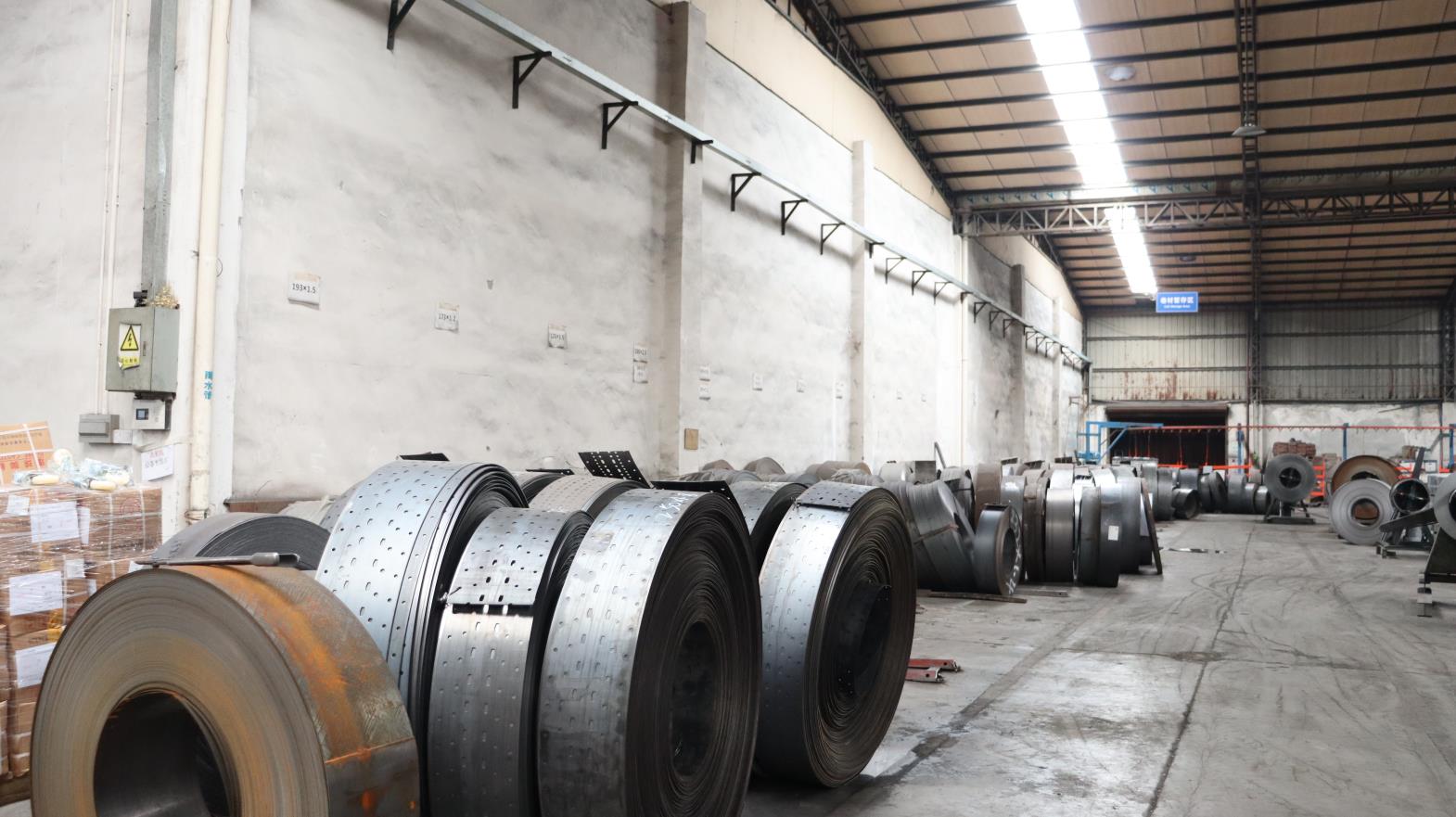
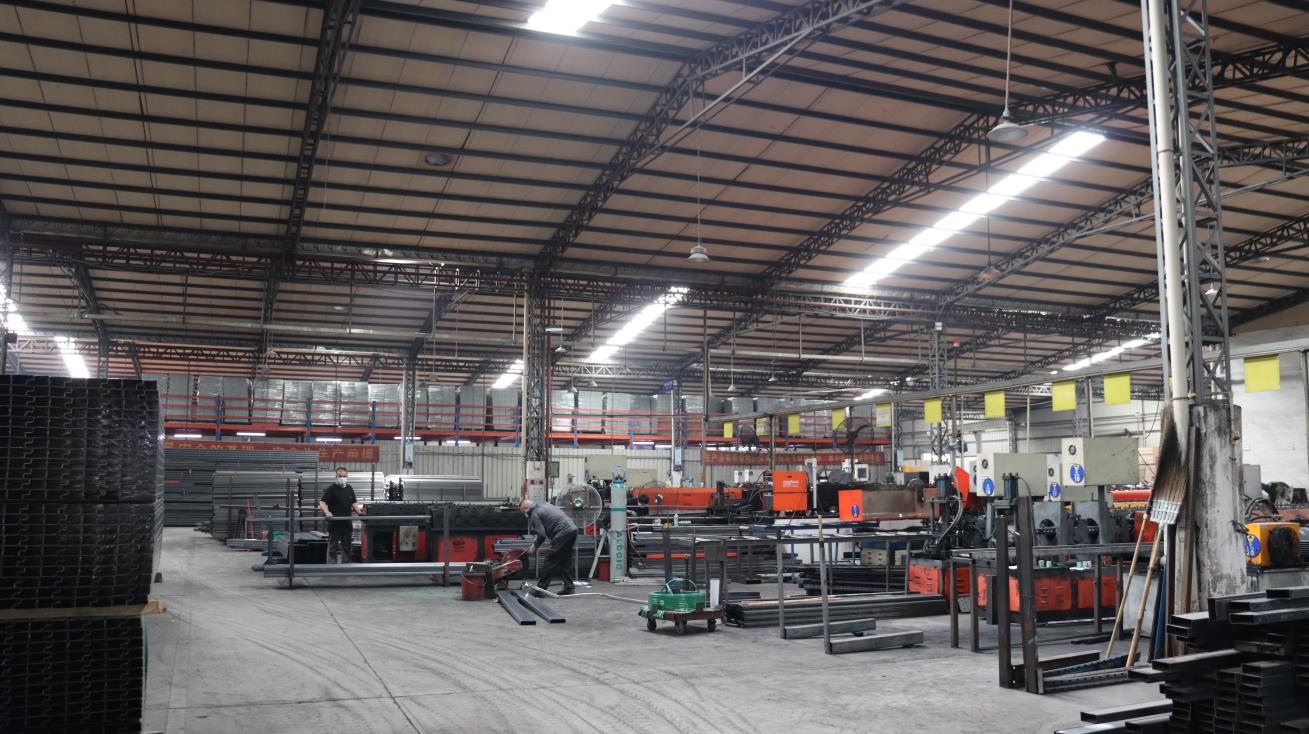
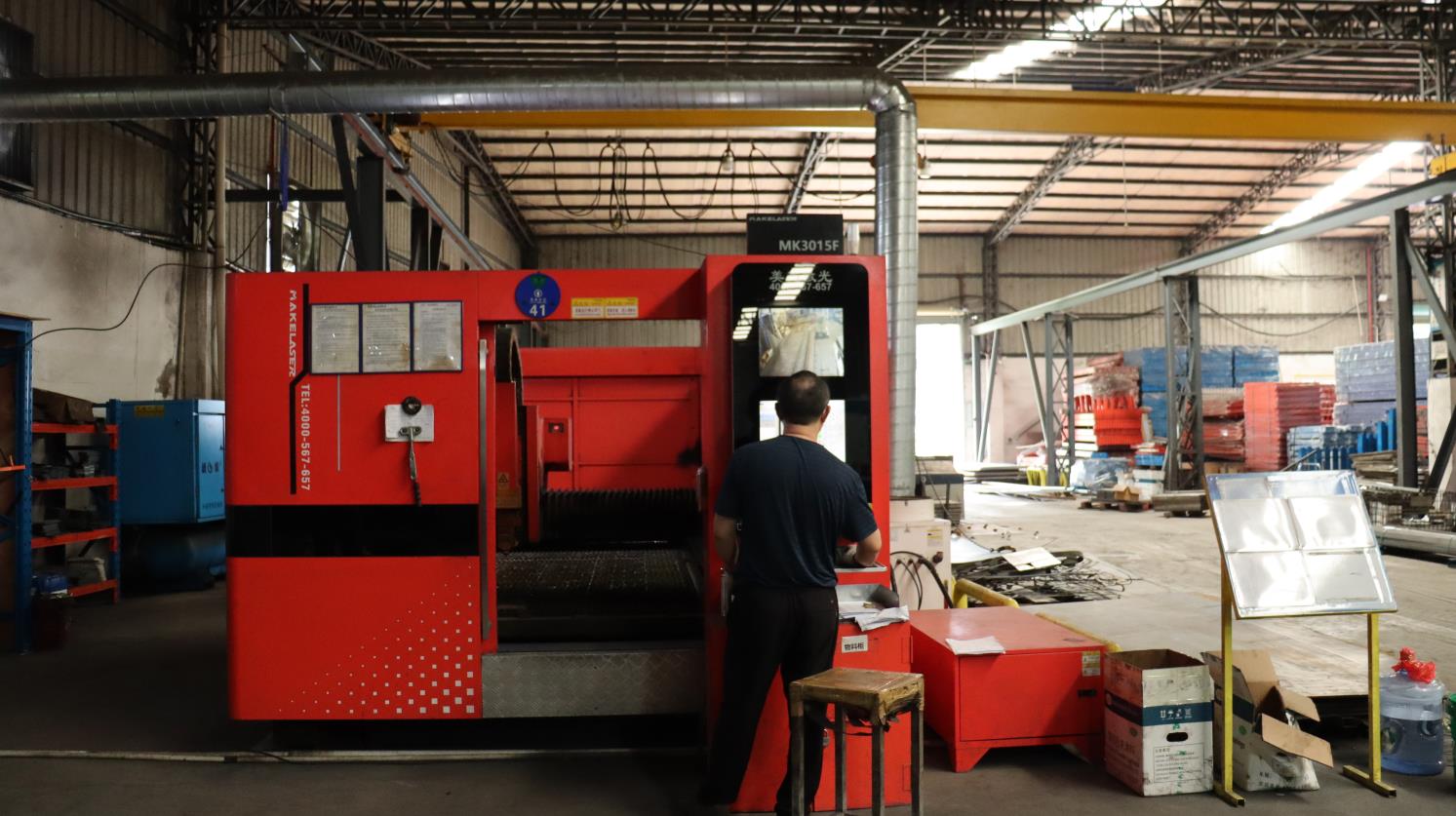
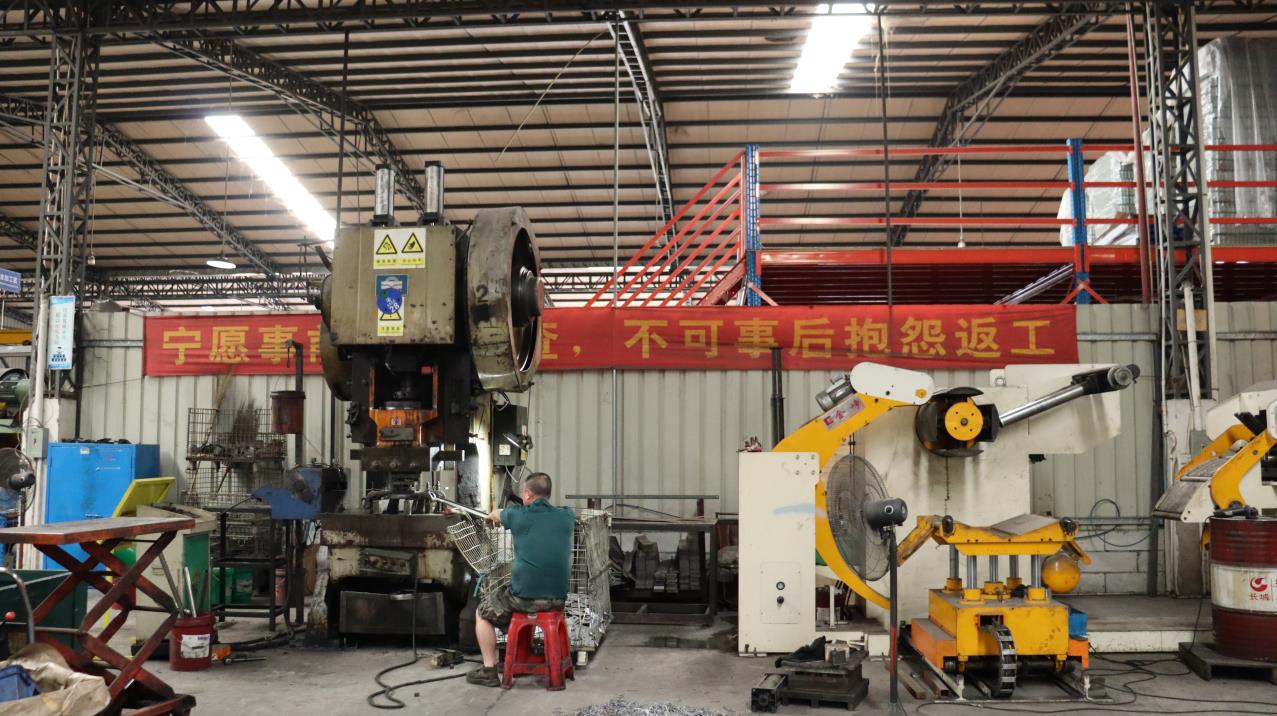
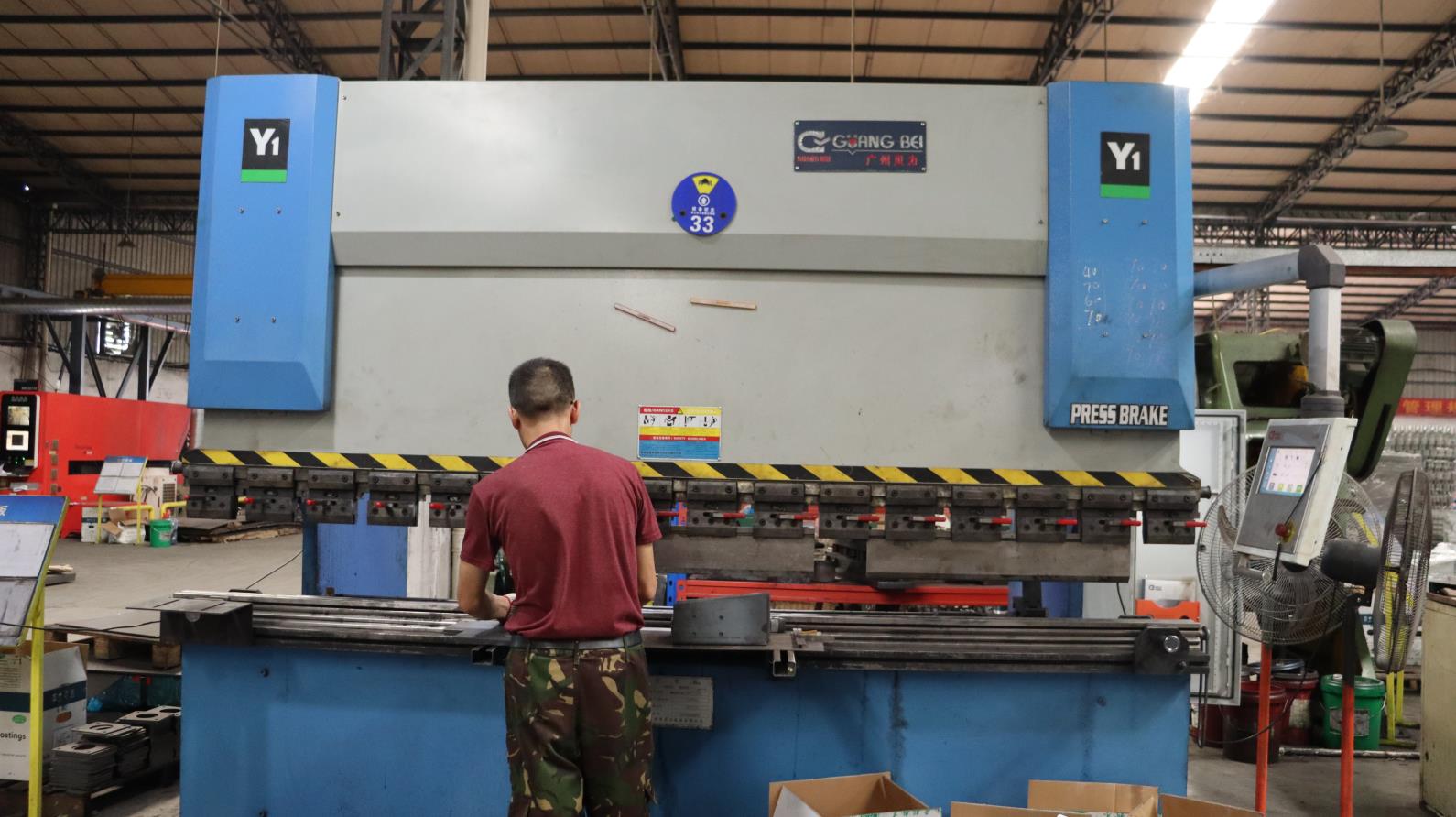
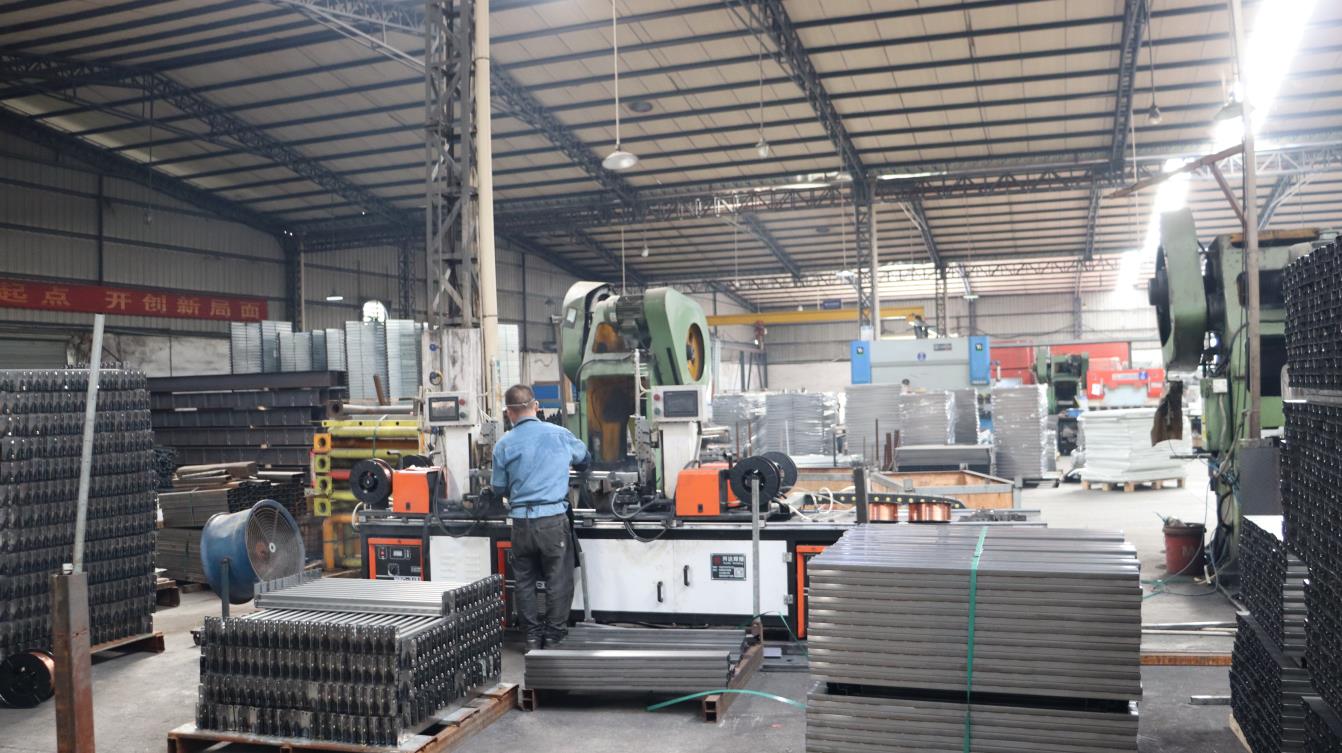
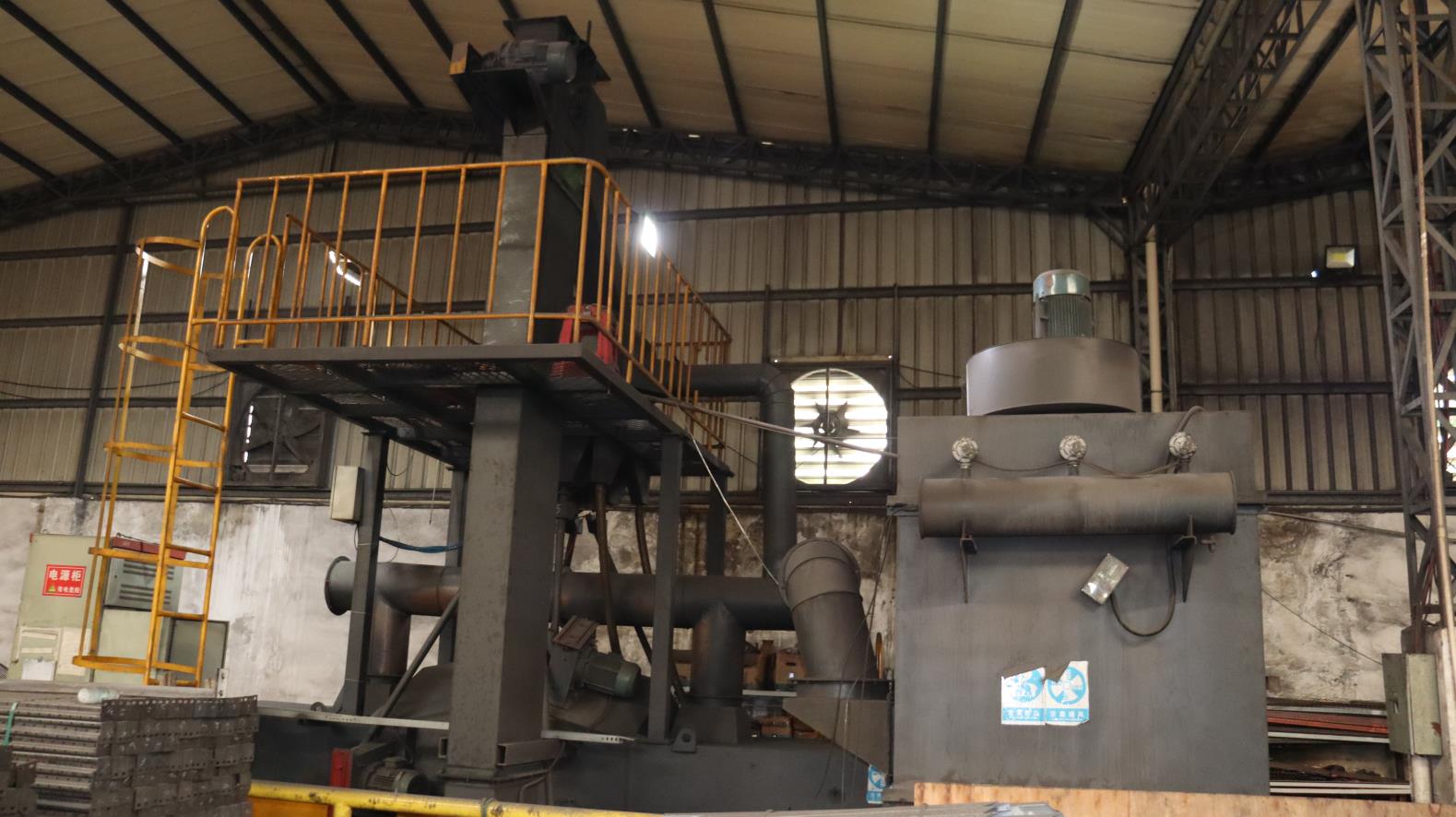
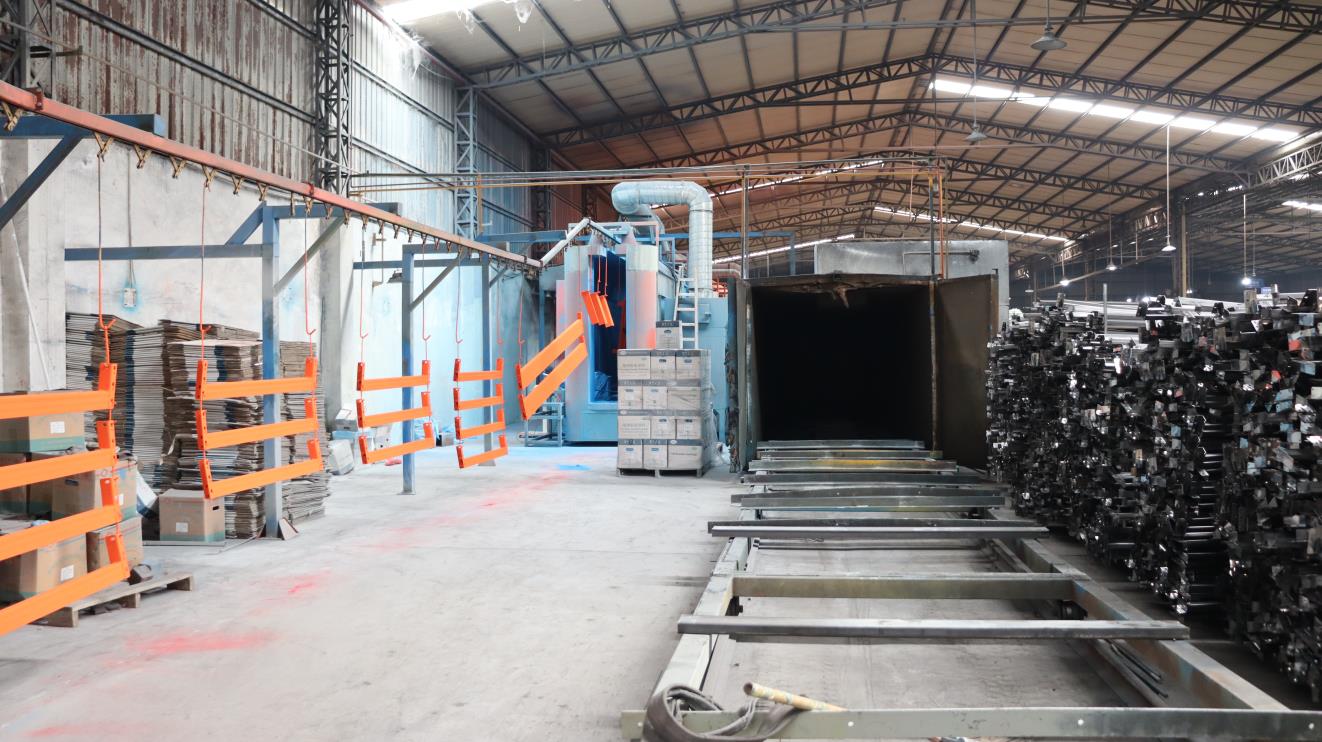
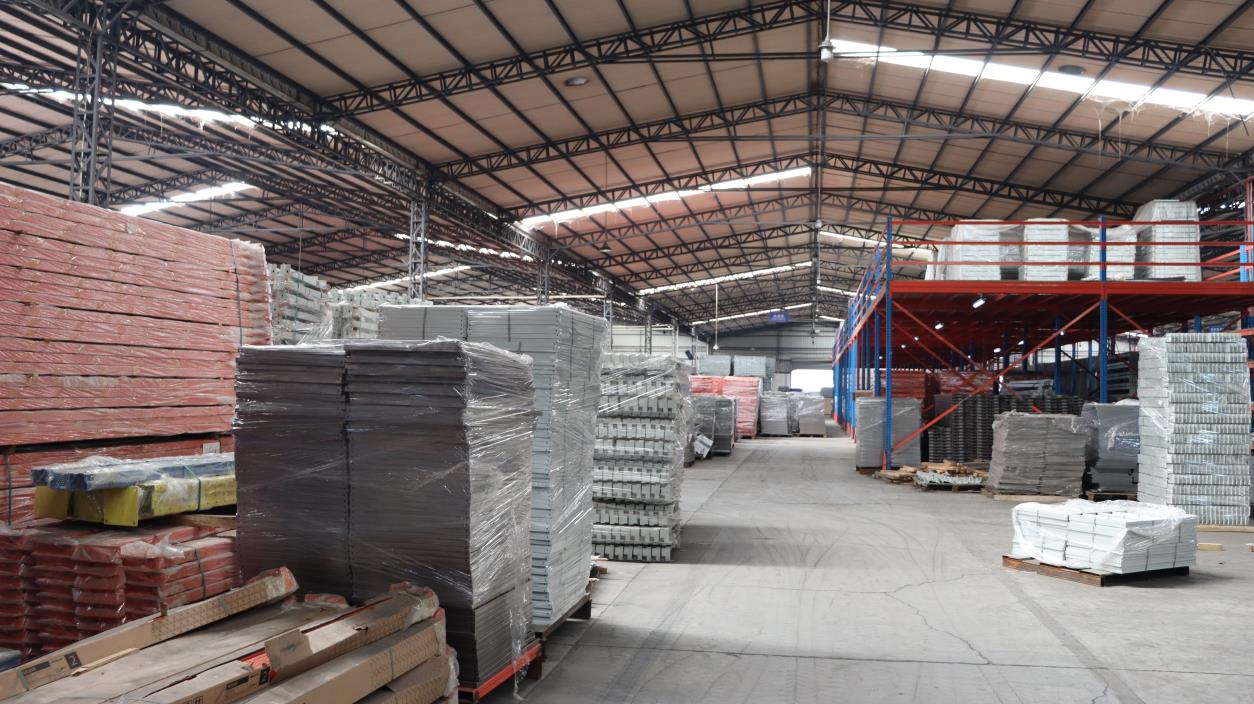
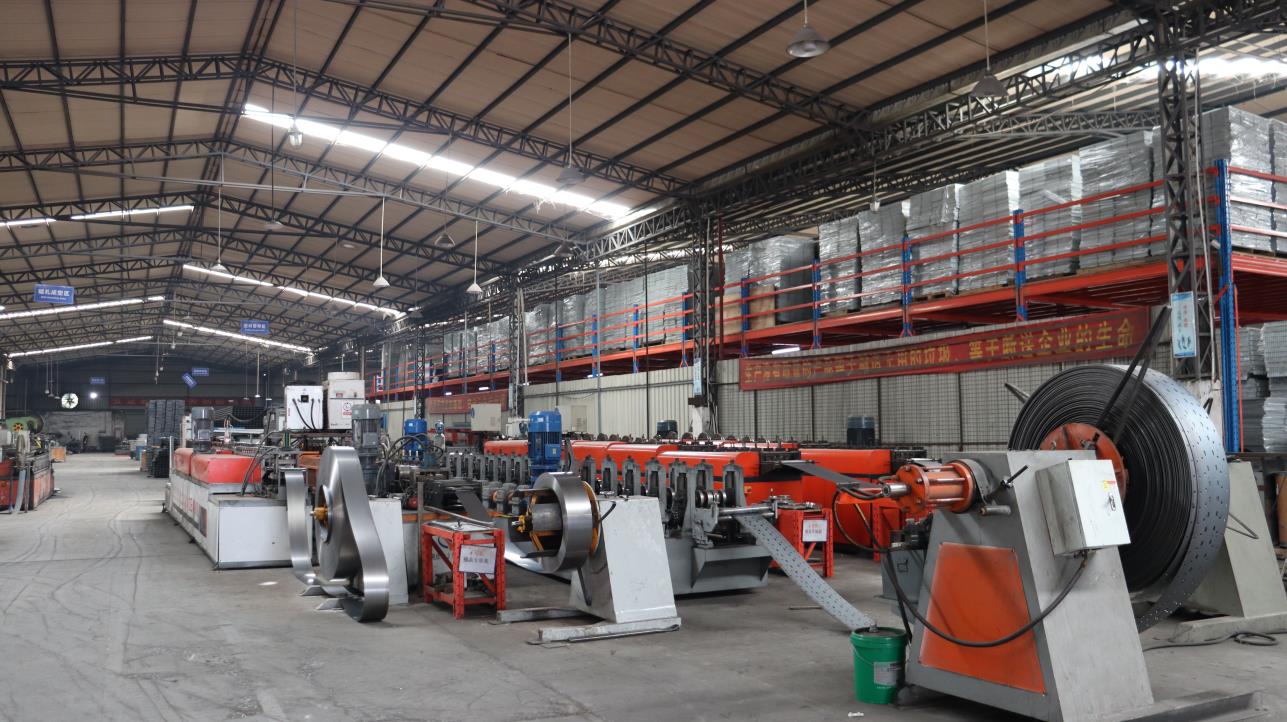
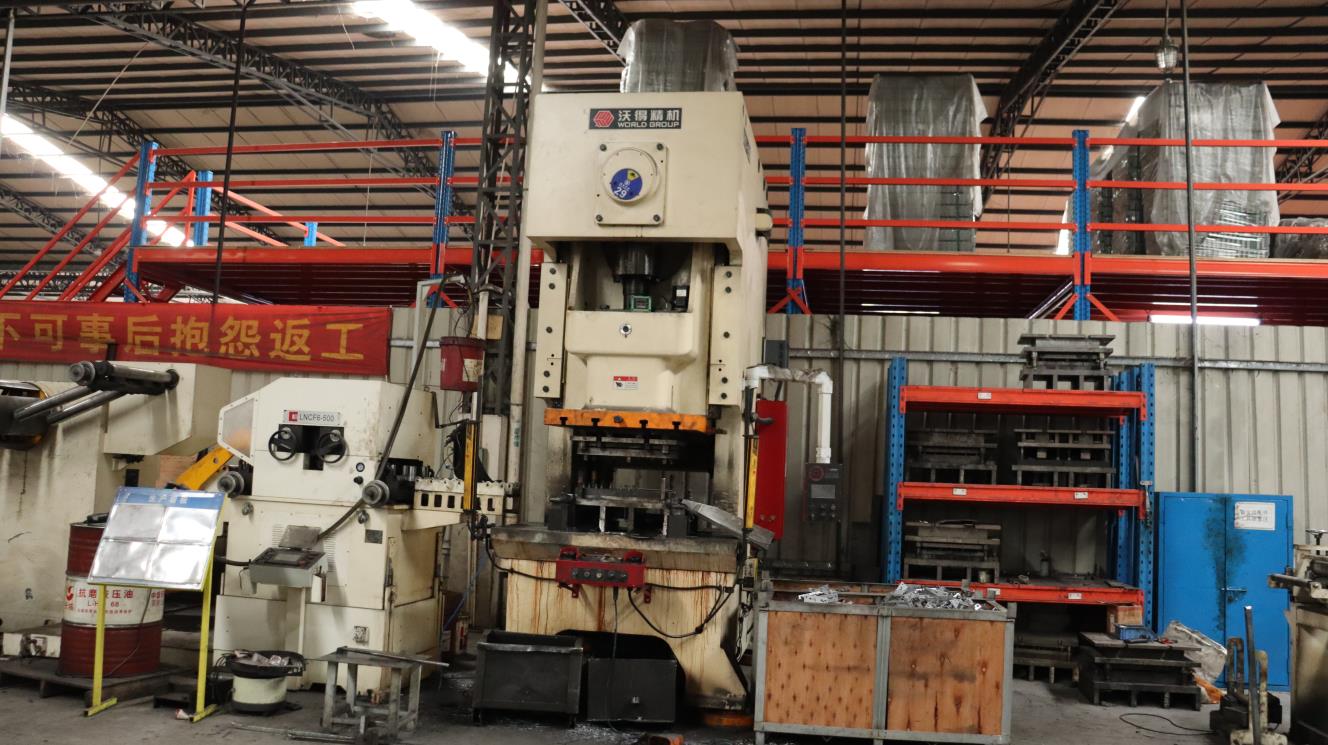
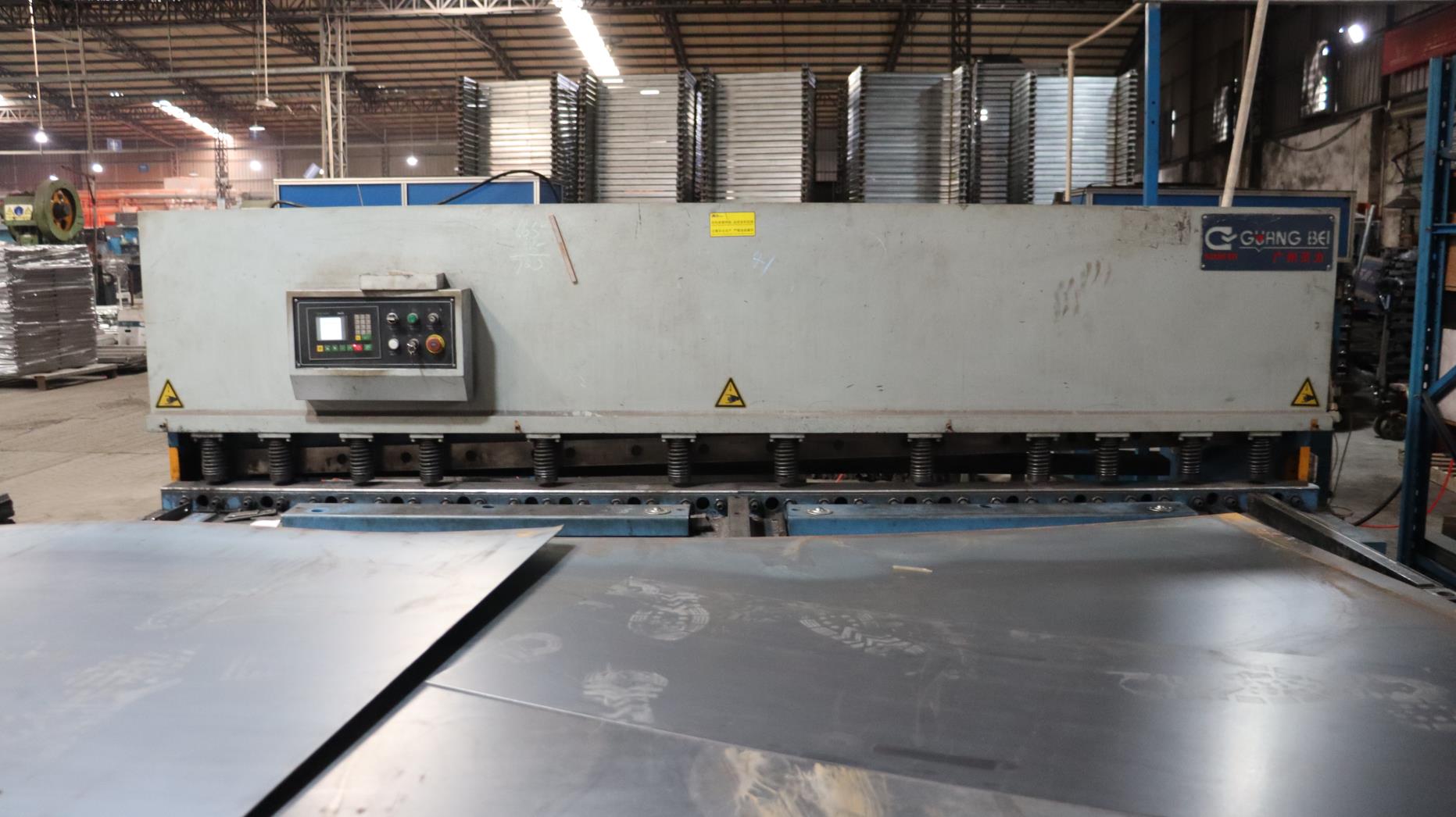
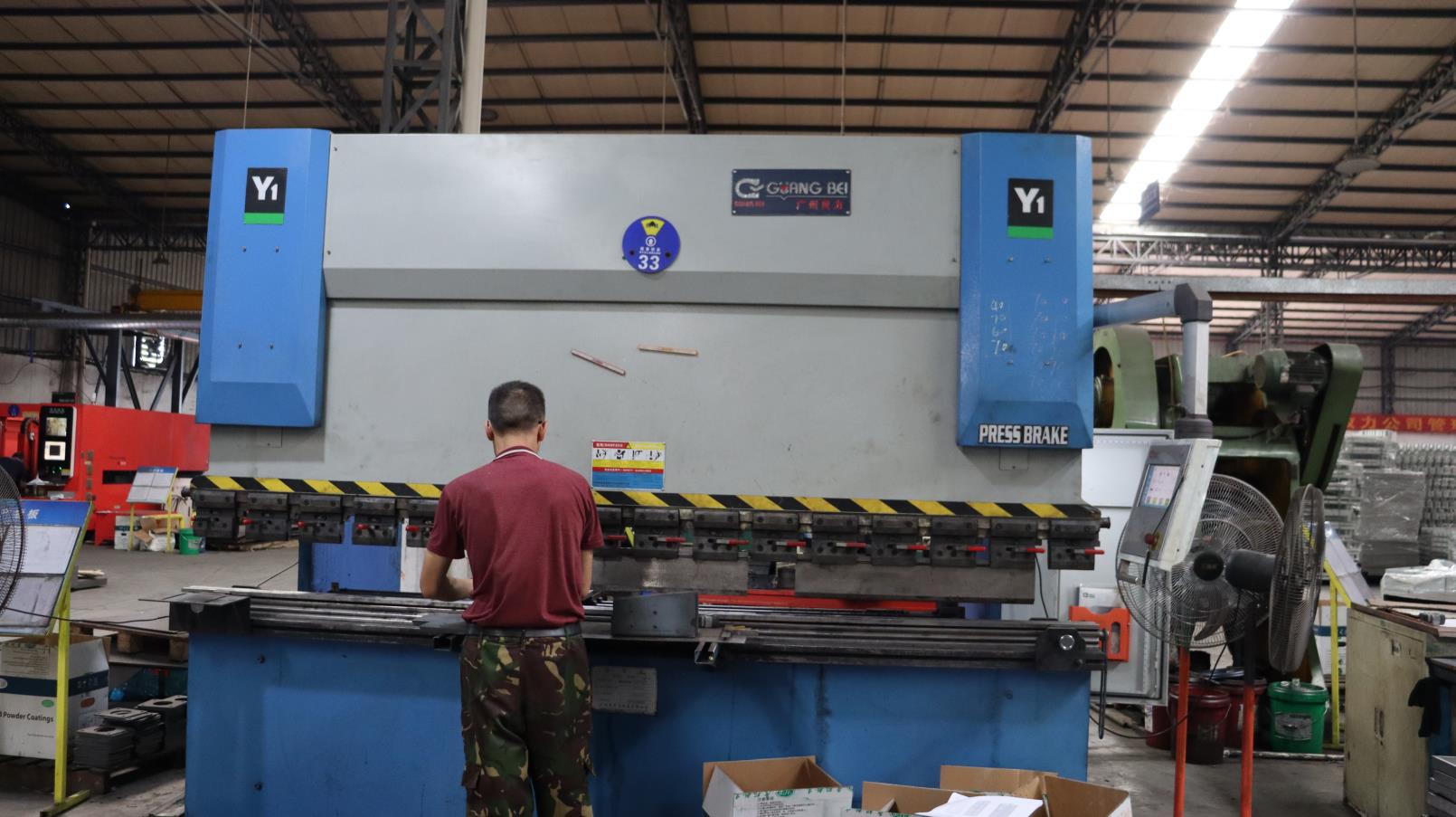
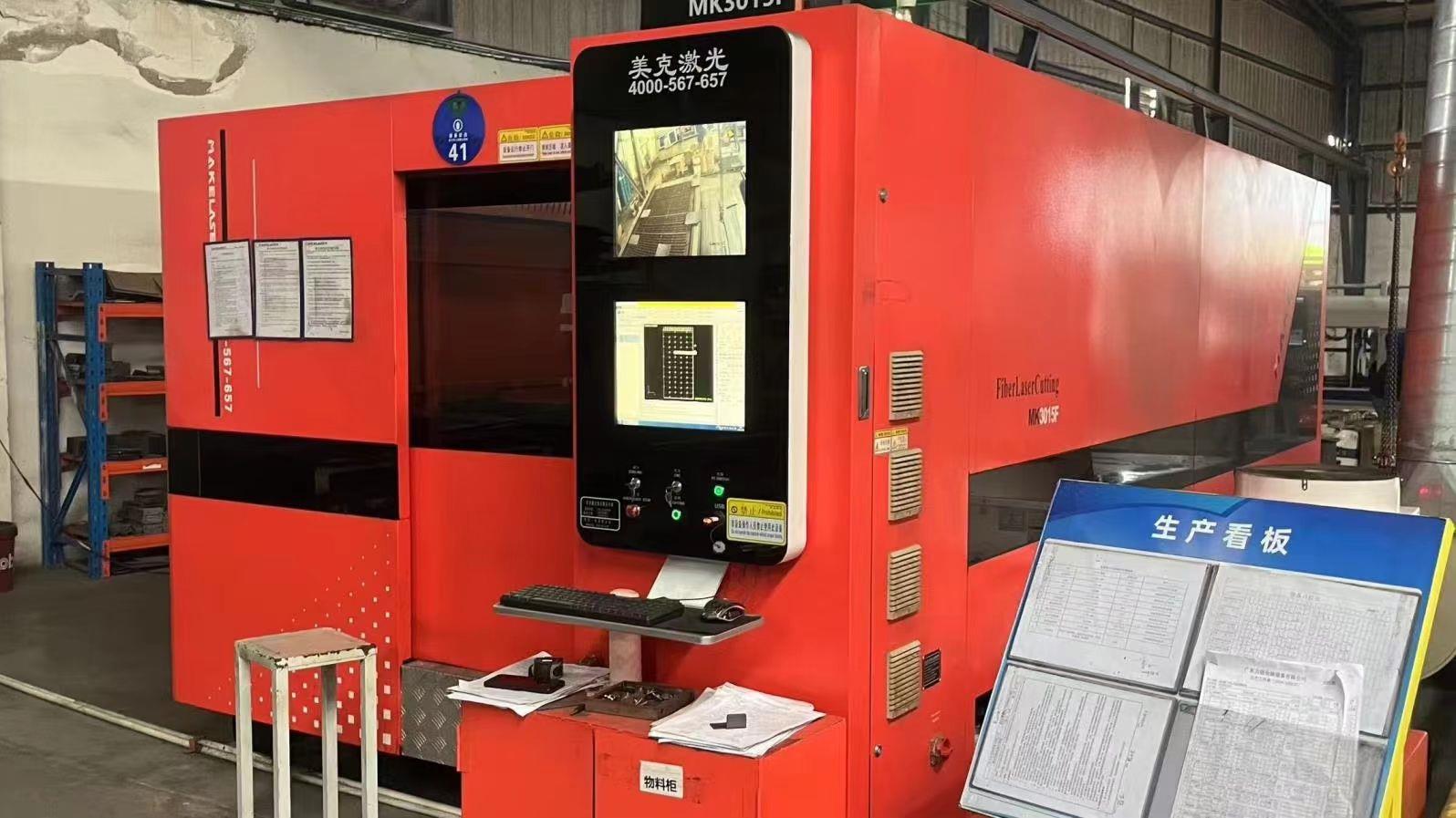
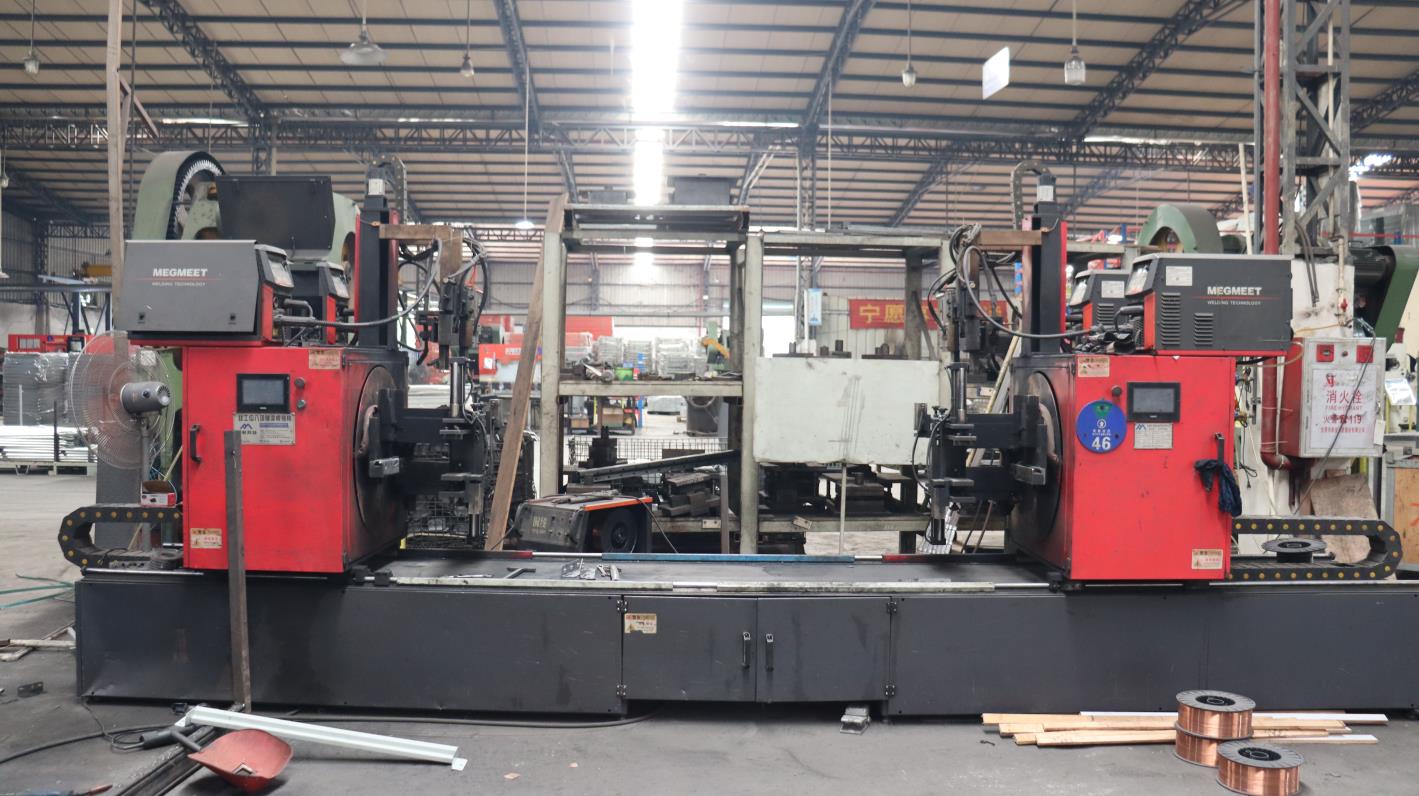
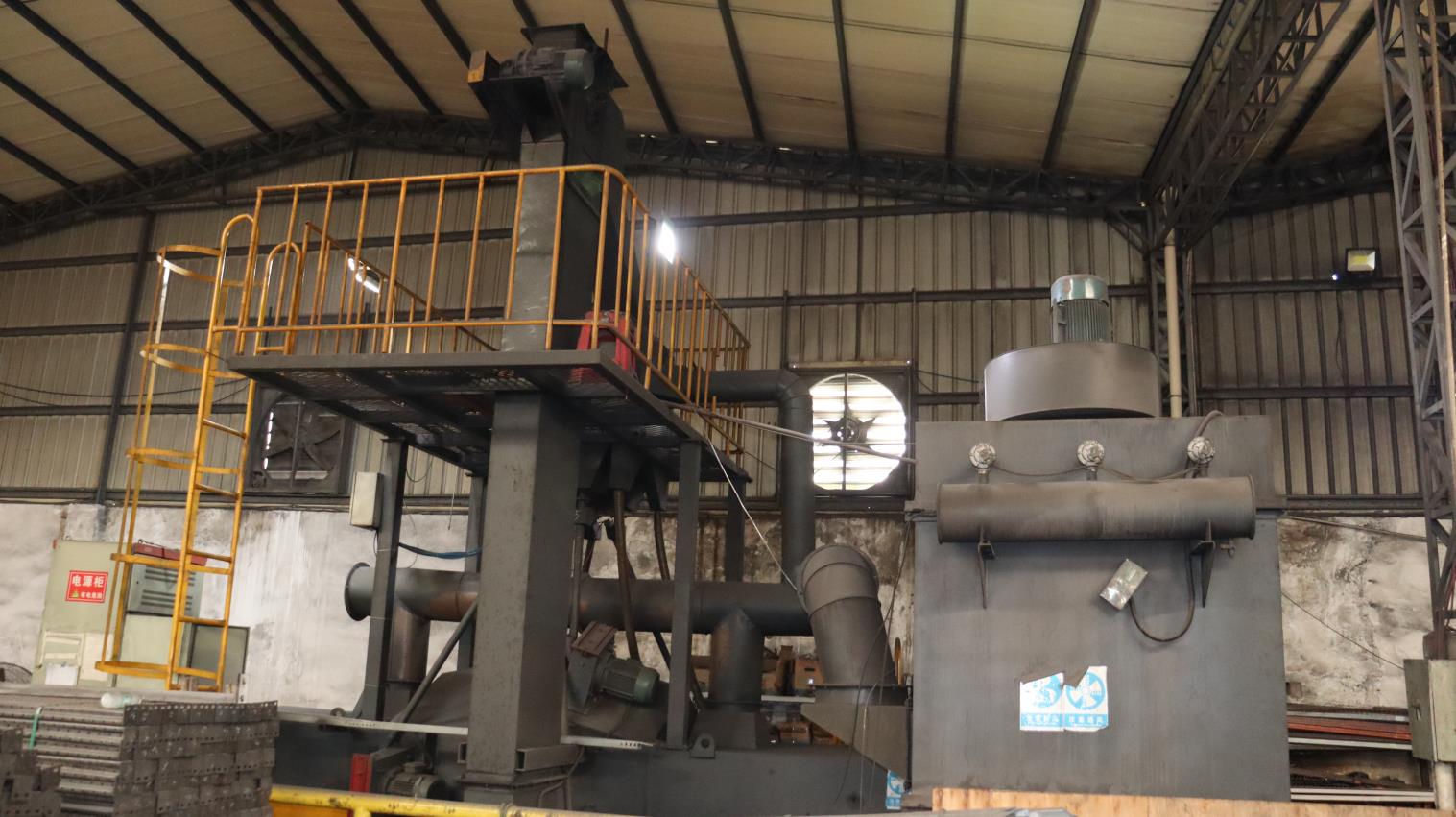
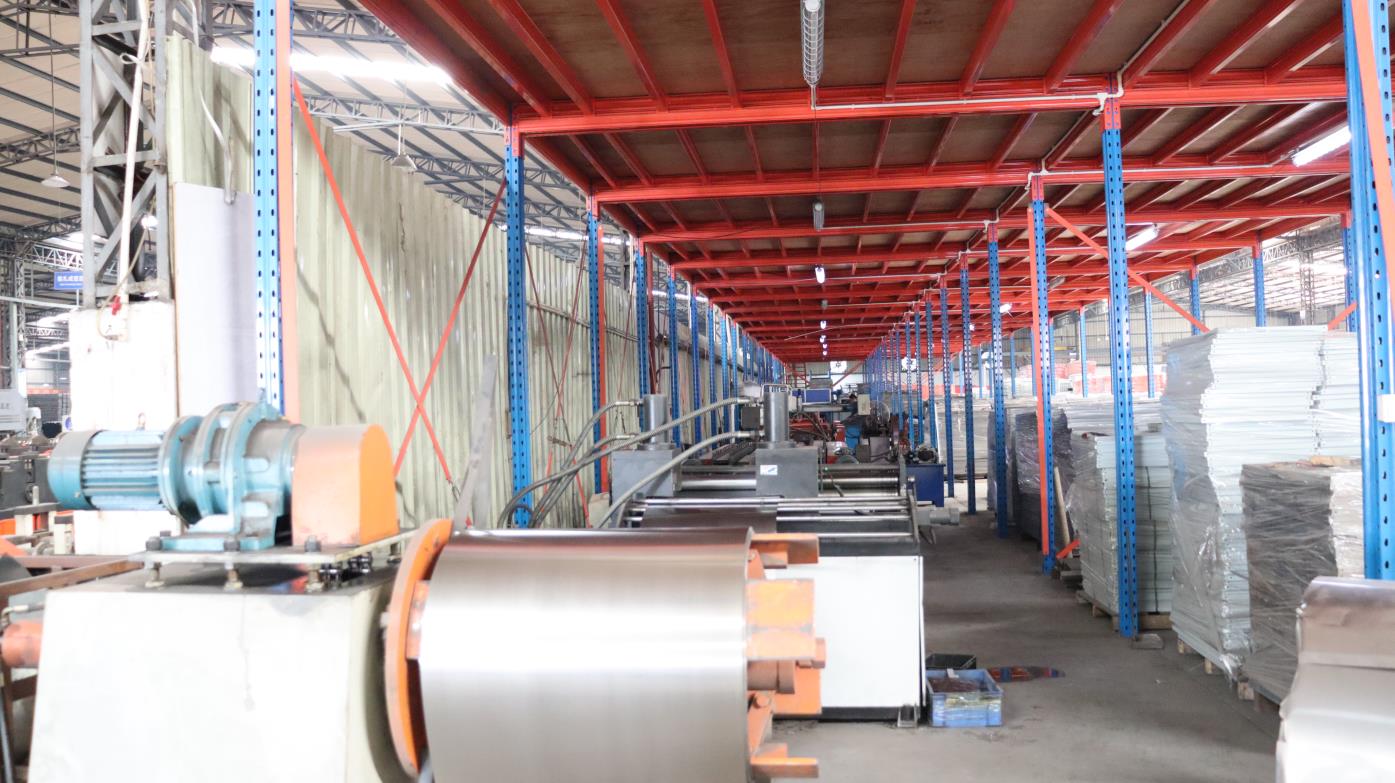
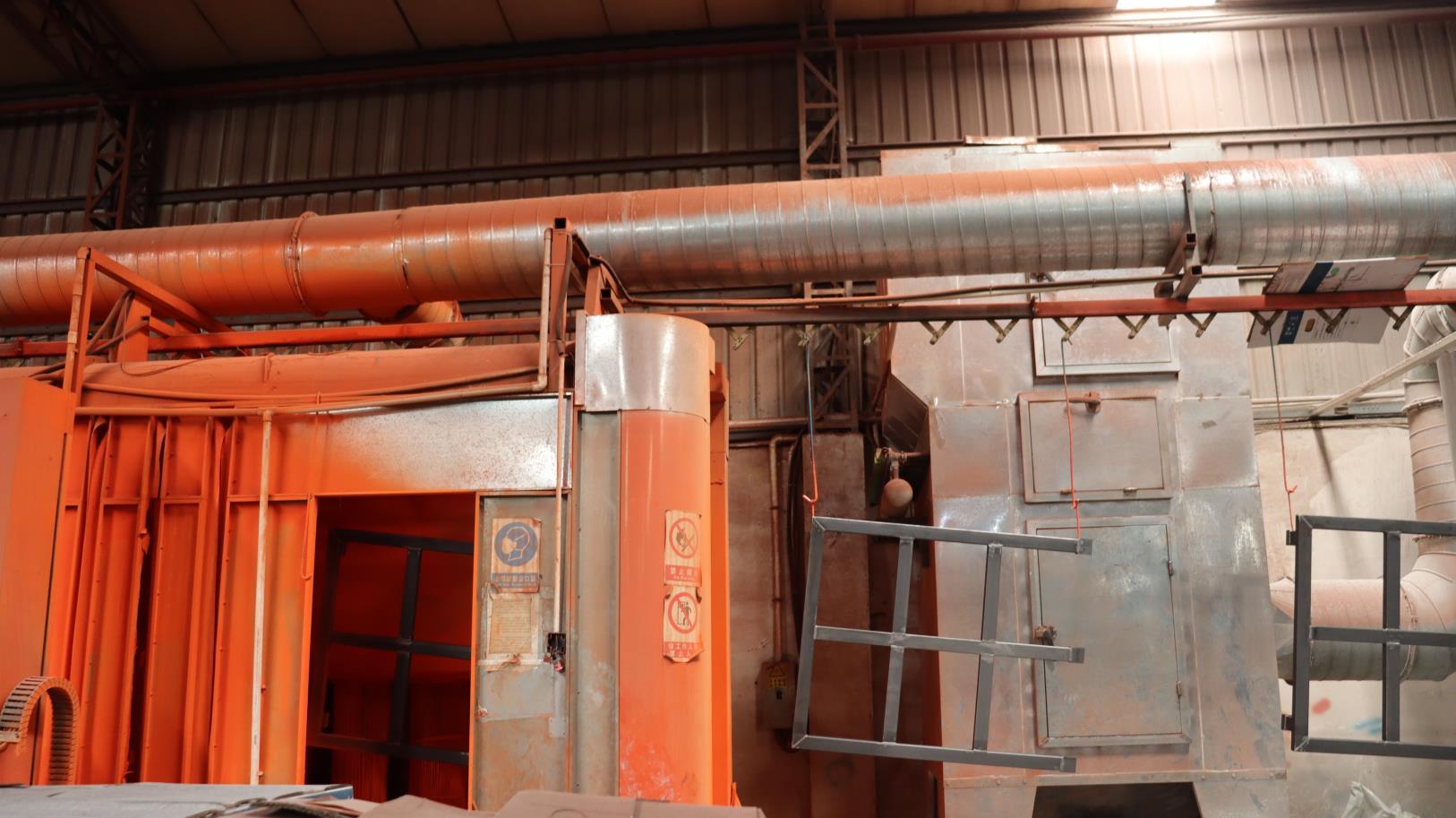
Shenzhen Lijin Storage Equipment Co., Ltd. was established in 2015. It specializes in design, manufacturing, and global distribution of heavy-duty warehouse racking, automated storage systems, and industrial shelving. Our 35,000 m² manufacturing facility supports our operations as a global supply chain partner, with 8 years of direct export experience and 12 years of industry experience. In the past fiscal year, our global revenue reached USD 22 million.
Our quality control process covers all stages of production. From raw material intake to final packing, we employ testing protocols to ensure structural integrity:
Supported by our 28 R&D engineers, Shenzhen Lijin delivers customized OEM and ODM solutions. Our engineering team launched over 85 new product configurations last year, focusing on seismic resilience and automated system integration. We work closely with clients to tailor storage designs to their specific building envelopes, soil profiles, and material handling workflows.
Racking systems must be configured to meet the localized requirements of different regions and industries. Shenzhen Lijin designs systems tailored to distinct operational and regulatory environments:
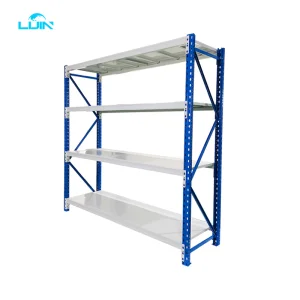
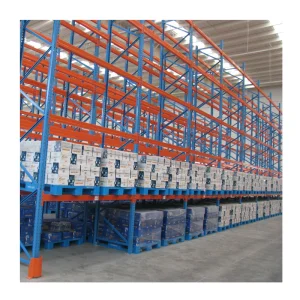
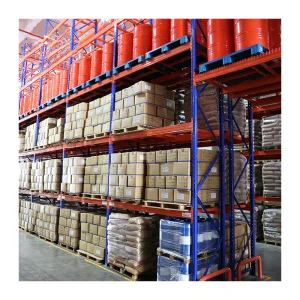
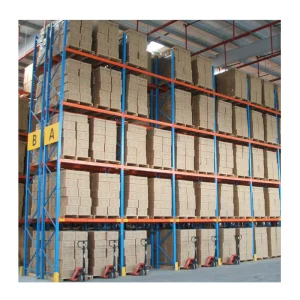
Our teardrop-style pallet racking meets RMI specifications. These configurations support rapid inventory turnover in third-party logistics (3PL) facilities and retail distribution centers.
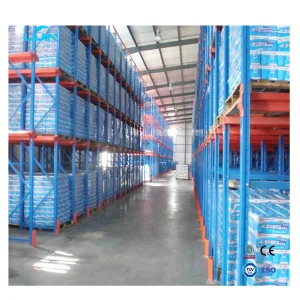
We supply galvanized drive-in and mobile racking systems for cold storage environments. These configurations optimize spatial footprint to reduce thermal cooling costs.
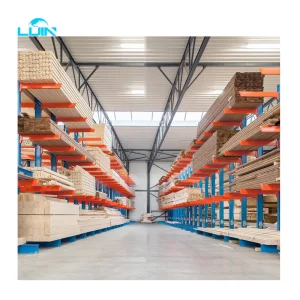
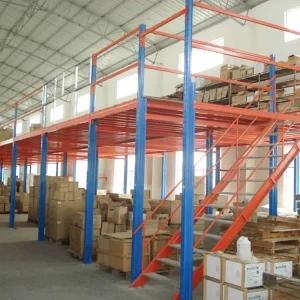
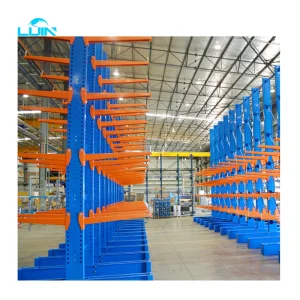
We engineer heavy cantilever and mezzanine structures designed to withstand high seismic activity, complying with AS4084 and local safety guidelines.
This technical guide addresses key considerations for specifying, purchasing, and installing industrial racking systems.
 Lijin Racking