As spatial constraints and high real-estate overheads continuously challenge global logistics, the demand for sophisticated space optimization solutions has escalated. Modern logistics networks, industrial storage facilities, and high-velocity distribution centers require structures that go beyond static shelving. They demand integrated, high-capacity utility platforms, dynamic structural mezzanines, and precision-engineered material handling systems that multiply floor space efficiency without breaking structural code constraints.
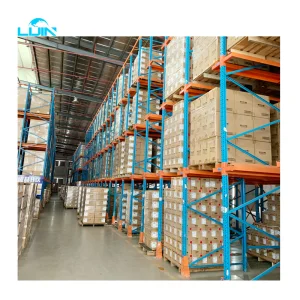
Explore our highly rated industrial structural racking, drive-in systems, and customized mezzanine levels built to international safety standards.
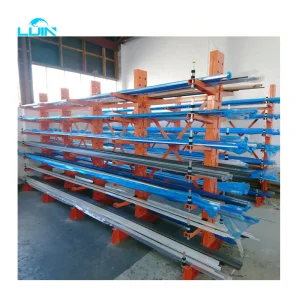
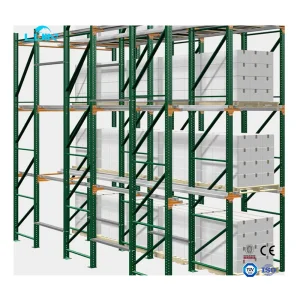
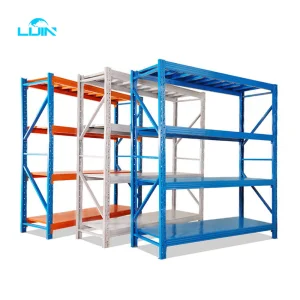
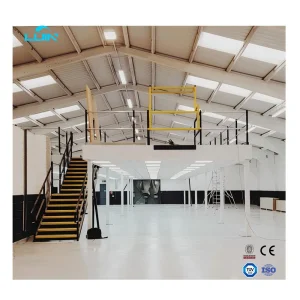
Procurement leaders inside multinational logistics organizations, third-party logistics providers (3PLs), and complex industrial manufacturing setups navigate a demanding operational landscape. Maximizing internal capacity, maintaining localized compliance (such as EN 15512, AS4084, and RMI standards), and controlling structural engineering expenses are critical parameters. The search for dependable Utility Platforms Suppliers & Exporters is no longer just about metal fabrication; it is about choosing partners capable of executing deep structural calculations and delivering customizable, modular logistics components.
Modern corporate buyers look for "information gain"—clear engineering transparency, structural trace documentation, material composition certs (typically Q235B or Q355B structural steel), and verifiable load testing procedures. A high-performing supplier must present solutions designed to interface with advanced warehouse systems (WCS, WMS, and automation equipment like automated guided vehicles - AGVs or autonomous mobile robots - AMRs). This guarantees that capital expenditures in structural platforms deliver optimized space utilization metrics alongside an uncompromised structural life span of 15 to 20+ years.
Selecting the ideal utility configuration depends heavily on structural layouts and material workflows. Let's look at how specialized solutions scale layout capabilities:
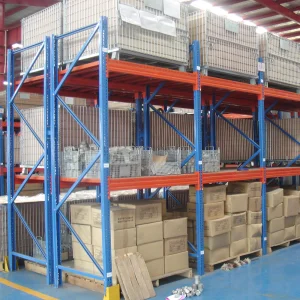
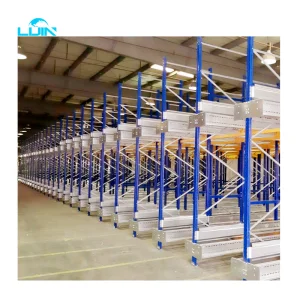
High-density galvanized rack configurations designed to operate reliably down to -30°C. Resists structural embrittlement and minimizes footprint costs in refrigerated areas.
Dynamic simulation and load distribution testing for high-activity earthquake regions. Ensures systems meet stringent local load-deflection profiles safely.
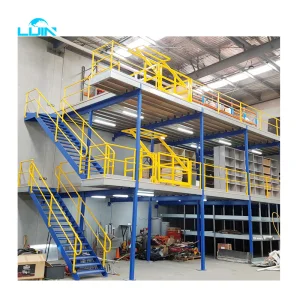
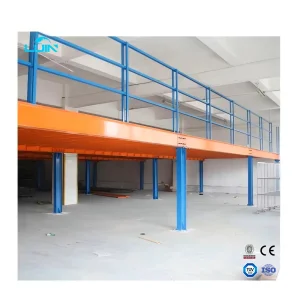
Heavy-duty structural configurations designed to turn vertical overhead volume into active work areas. Seamlessly adapts to standard manual picking routes.
A globally recognized manufacturer delivering state-of-the-art structural platforms and heavy-duty storage configurations.
Established in 2015, Shenzhen Lijin Storage Equipment Co., Ltd. is a leading enterprise specializing in the design, manufacturing, and global distribution of heavy-duty warehouse racking systems, automated storage solutions, and industrial shelving. Spanning a state-of-the-art facility of 35,000 m², we have developed into a trusted global supply chain partner with over 8 years of direct export experience and more than 12 years of deep industry expertise. Driven by innovation and quality, our global revenue reached USD 22 million last year.
Quality Control & Manufacturing Excellence: We enforce a rigorous, multi-stage quality control system—including ultrasonic non-destructive testing, automated weld inspection, laser dimensional checking, and heavy-load endurance testing. Backed by an in-house quality inspection team of 35 dedicated professionals, every batch meets international safety and structural standards, ensuring maximum load-bearing efficiency and long-term stability.
R&D & Customization Capabilities: Supported by a skilled team of 28 R&D engineers, Shenzhen Lijin delivers comprehensive OEM and ODM solutions tailored to unique warehouse layouts, seismic requirements, and capacity needs. Our engineering team launched over 85 new products and dynamic storage configurations last year, continuously setting new standards in space optimization and modern automated storage integration.
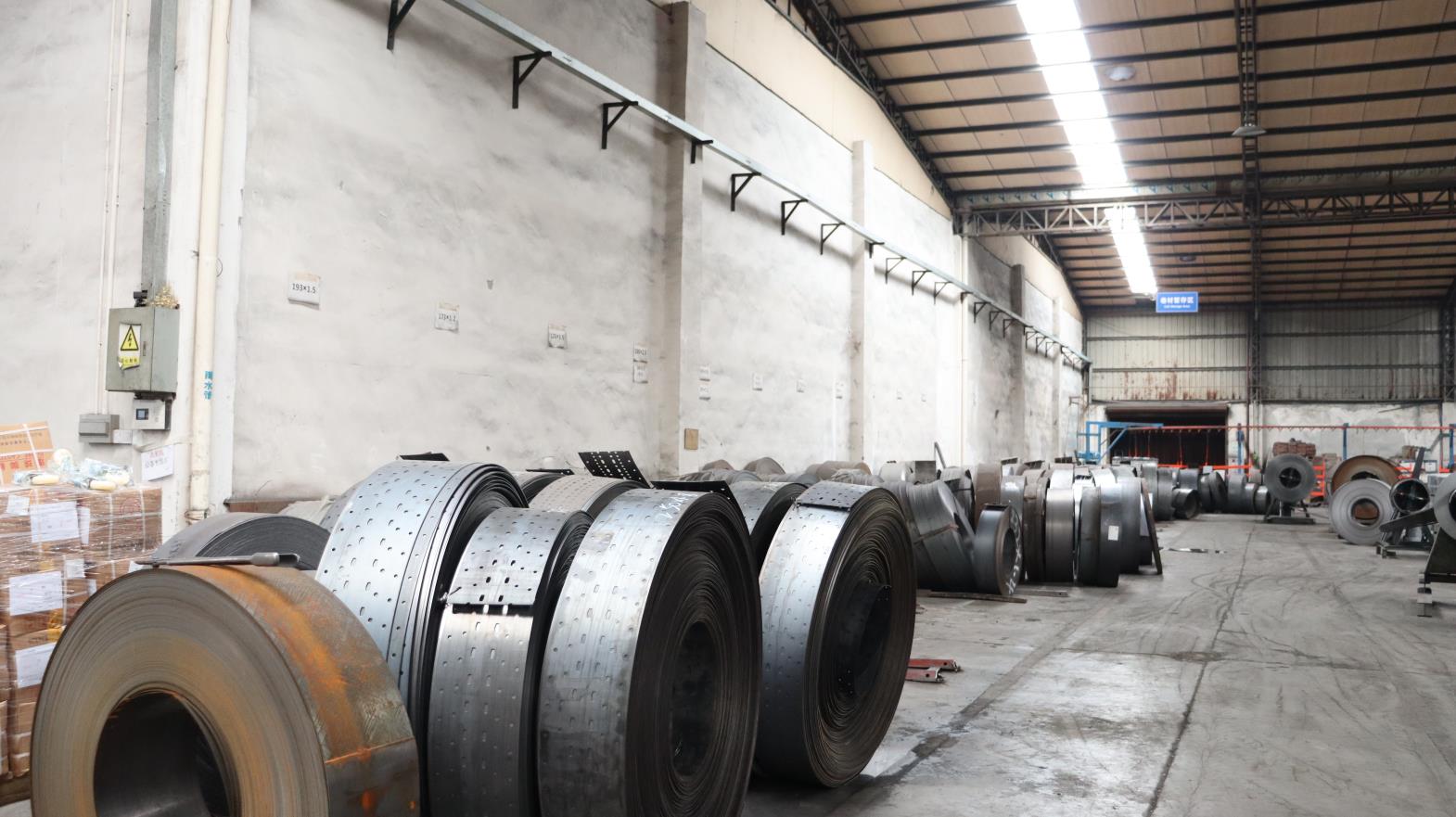
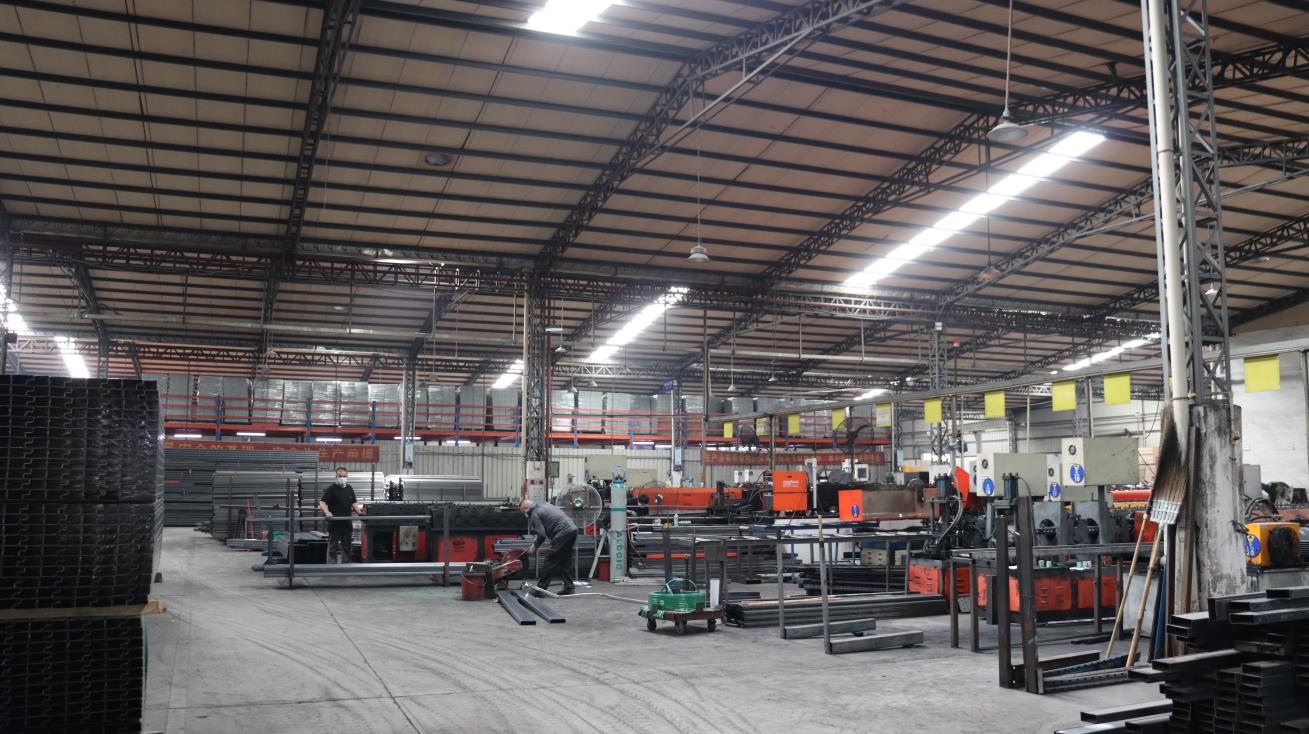
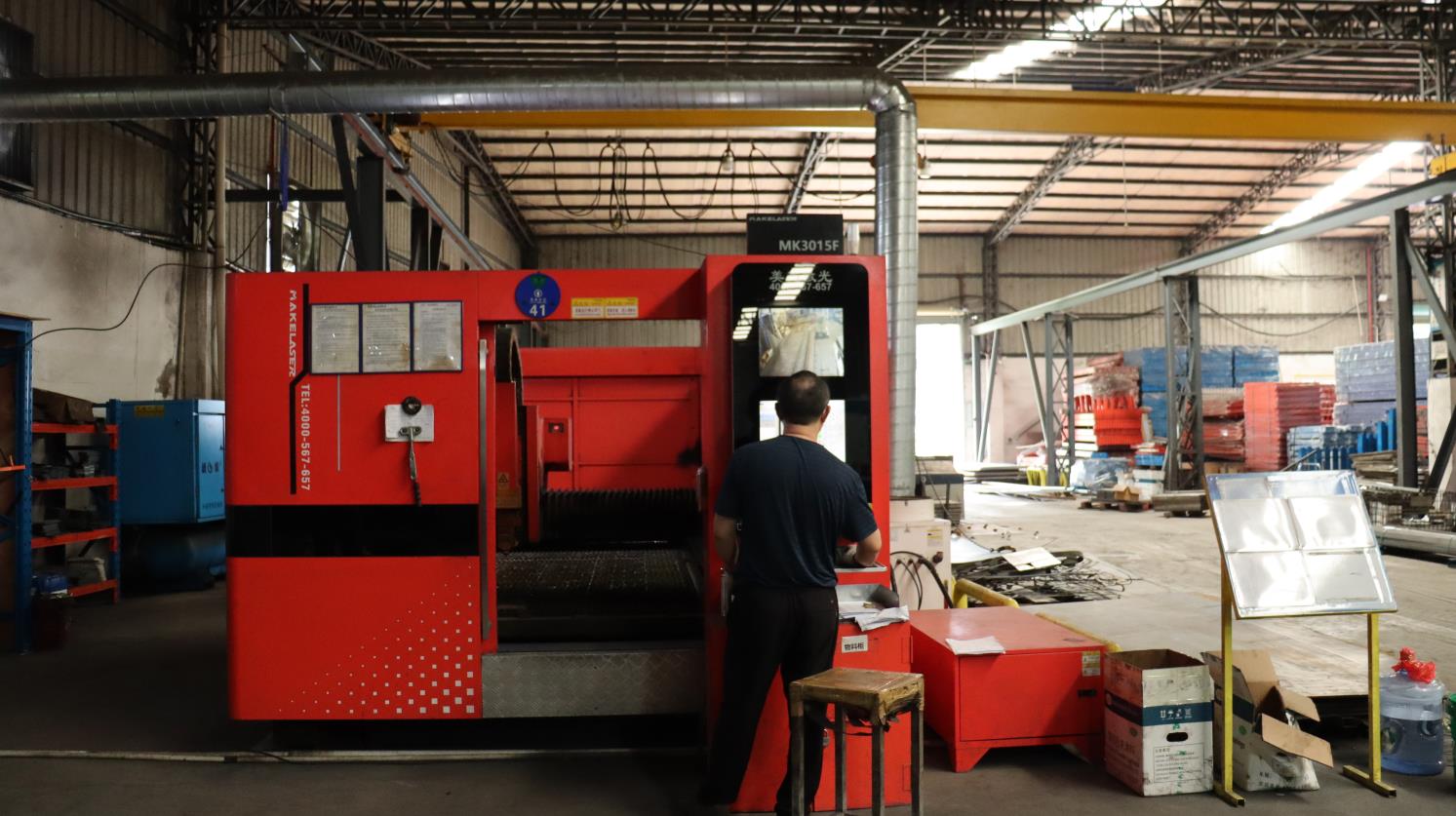
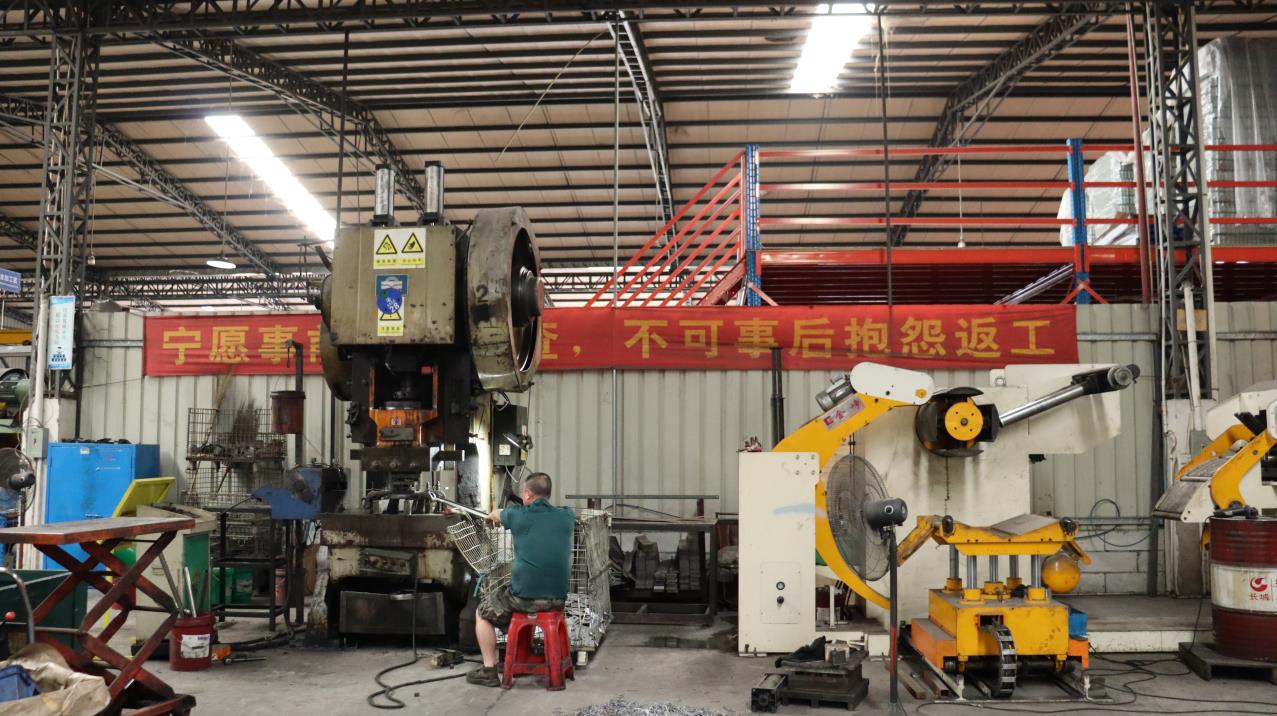
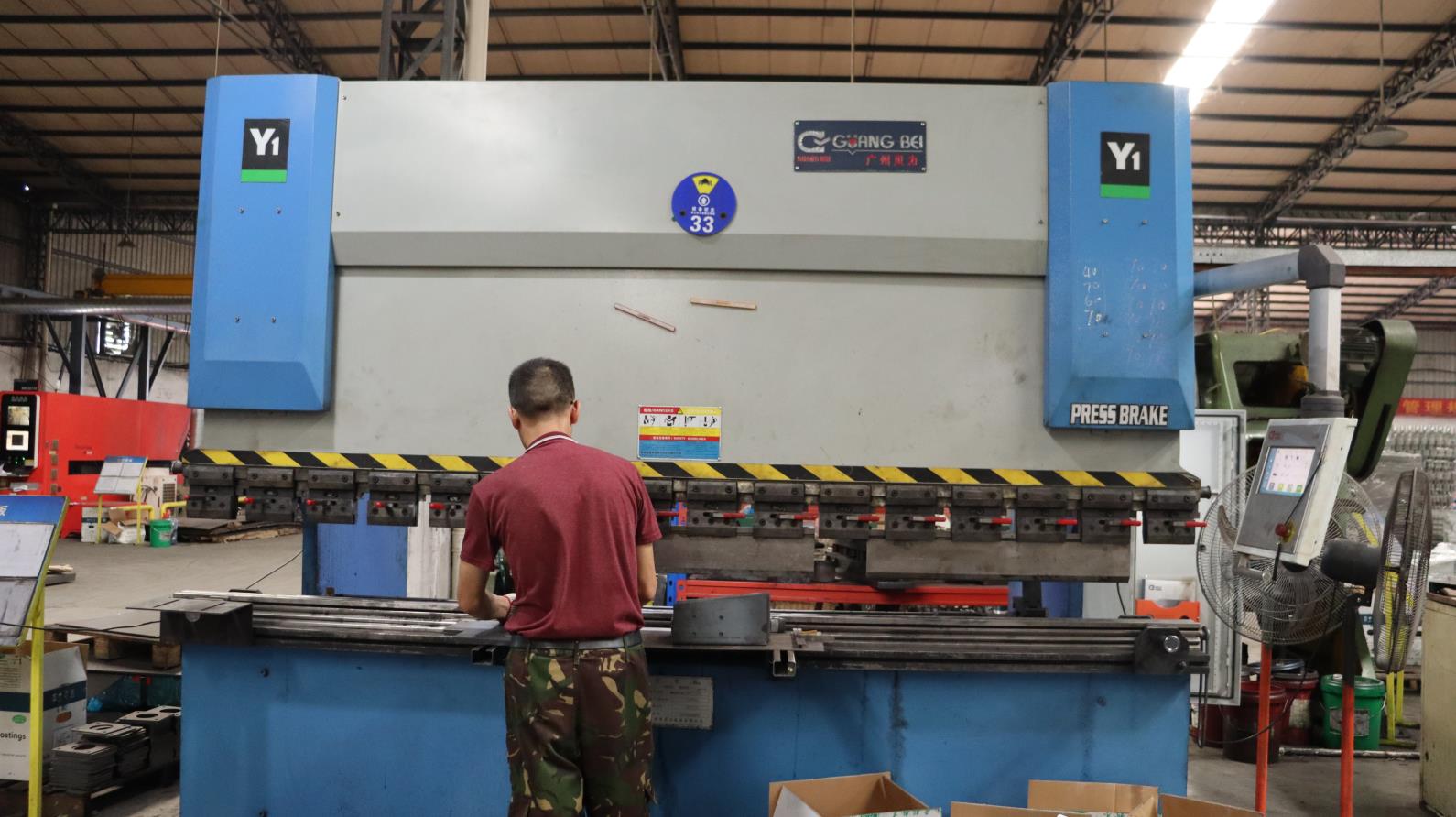
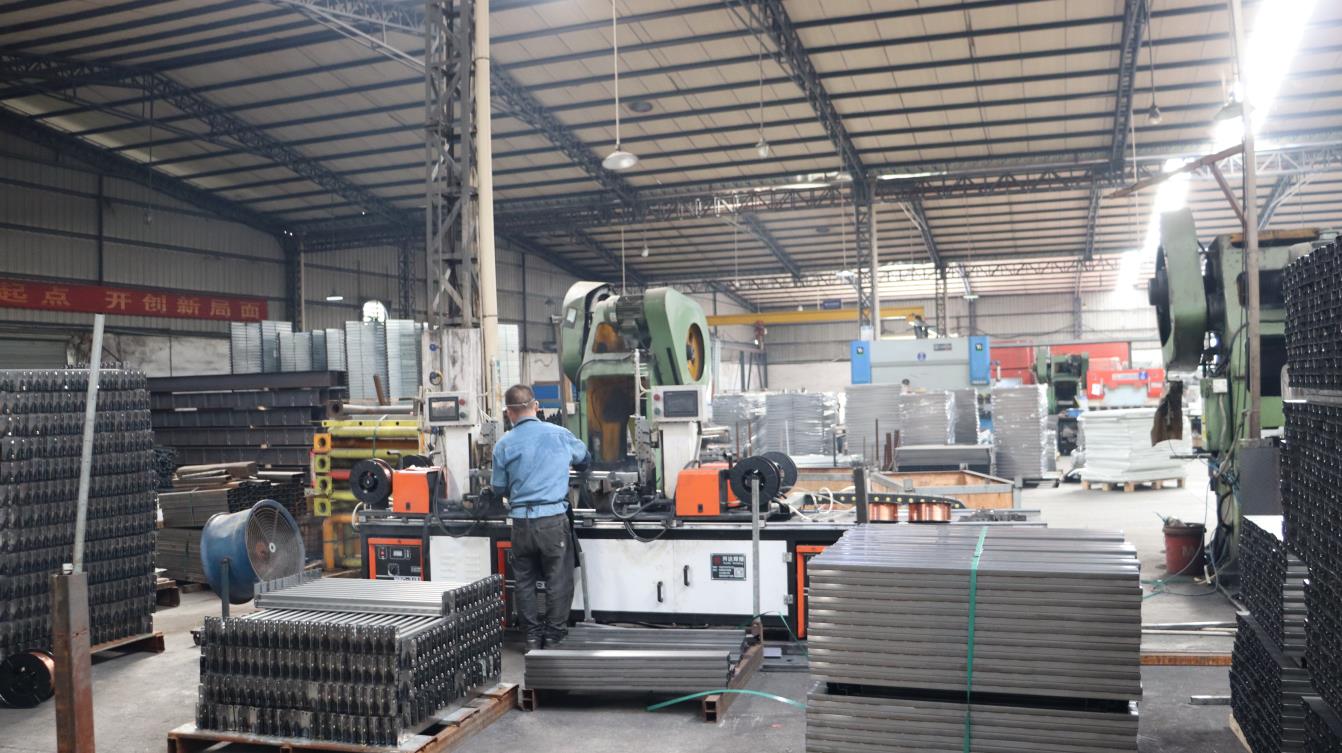
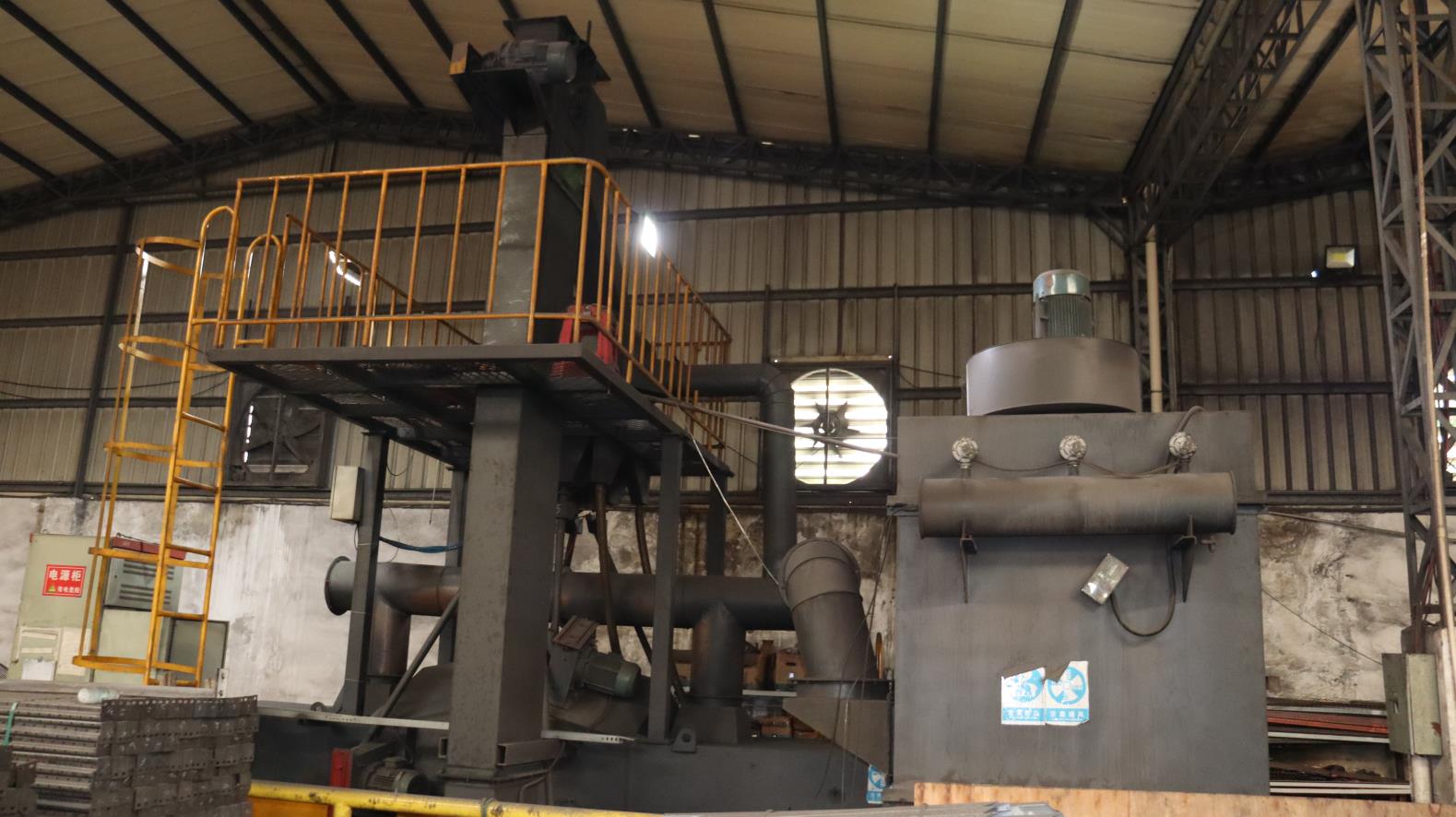
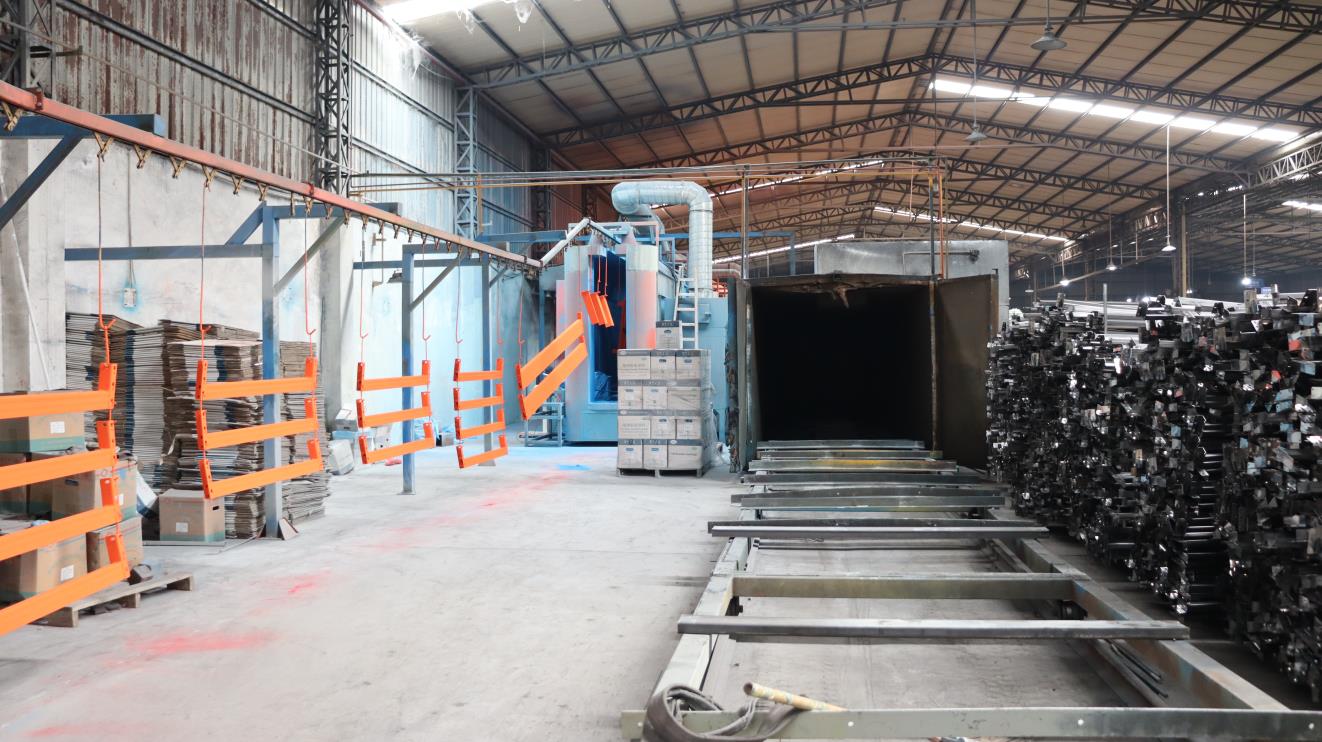
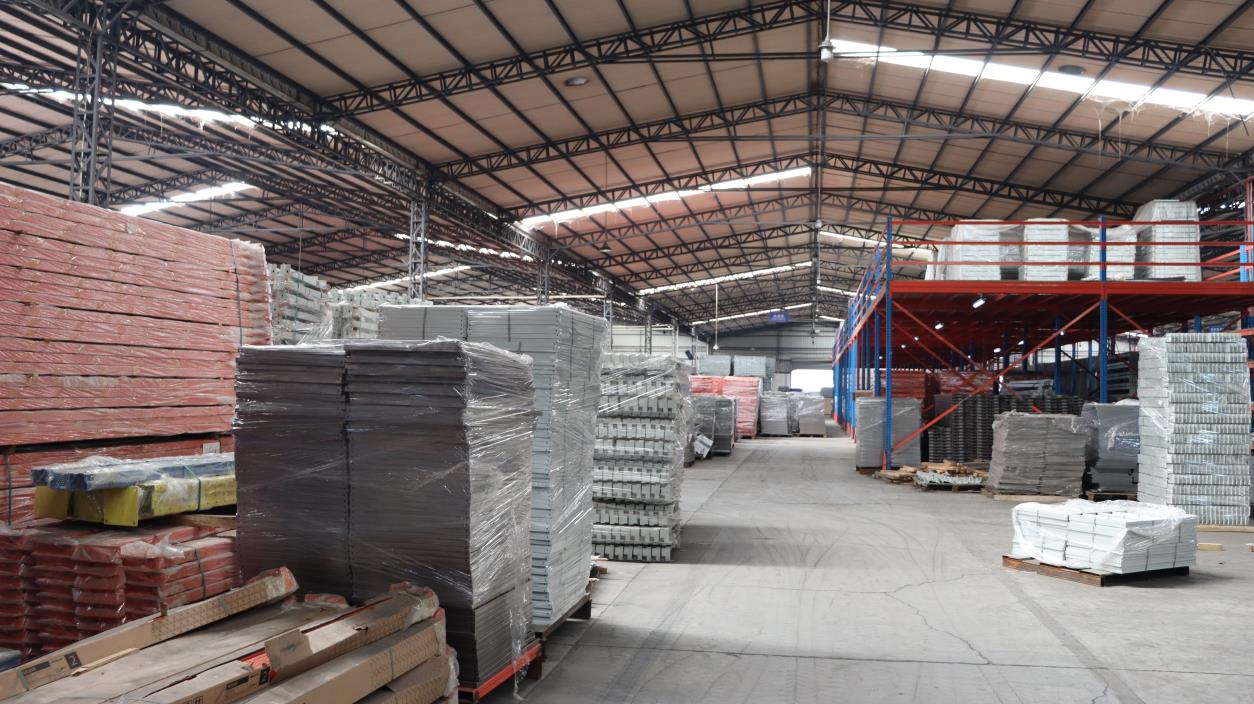
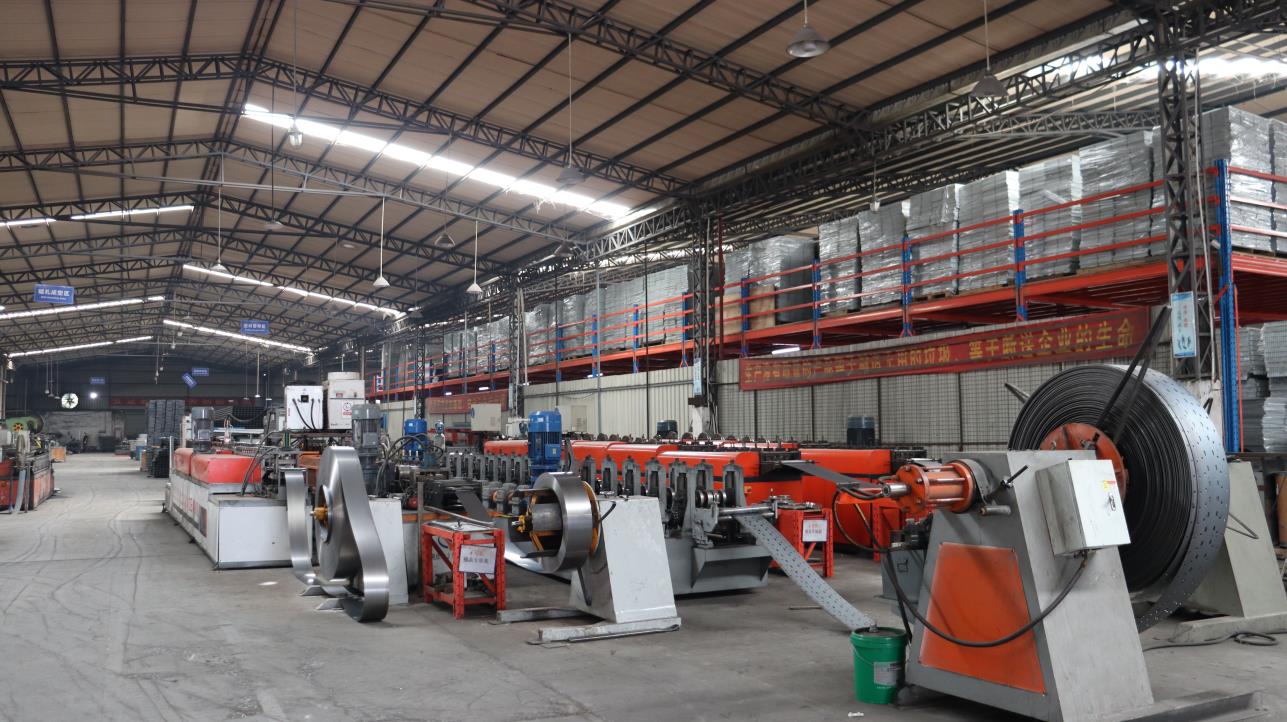
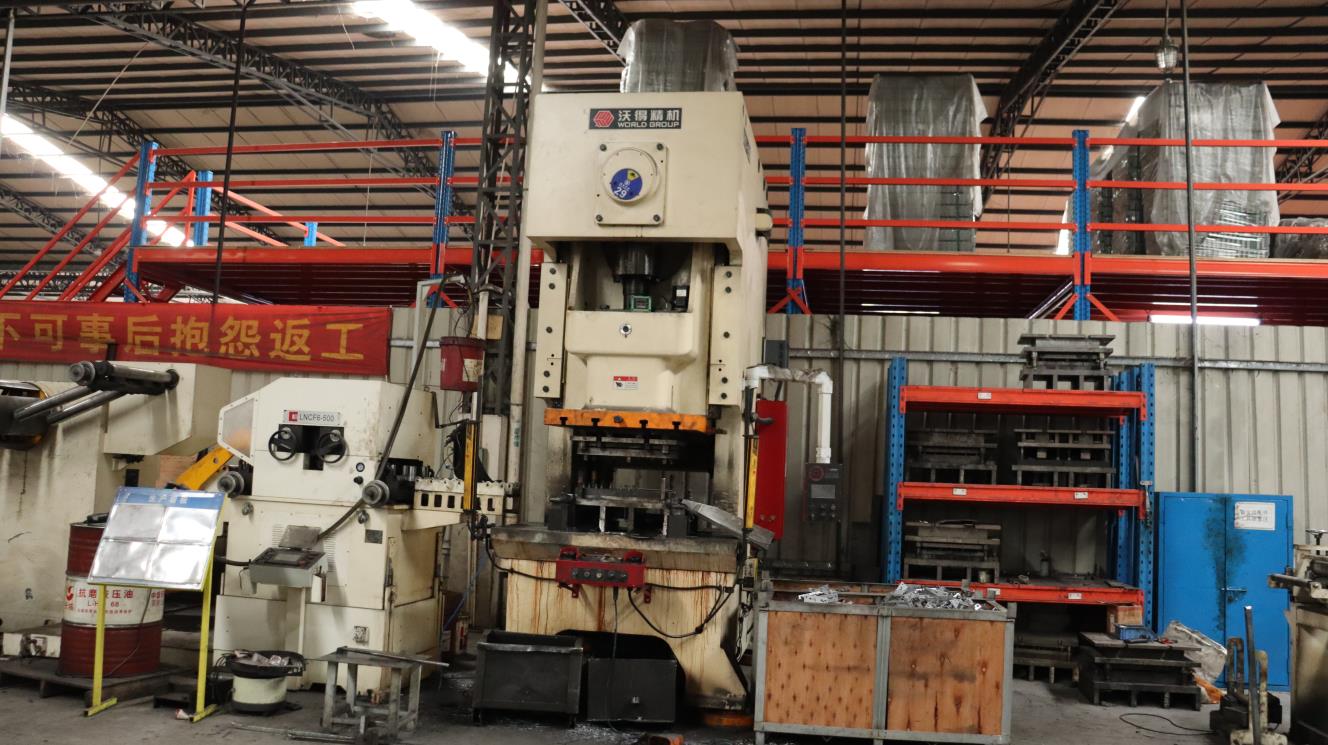
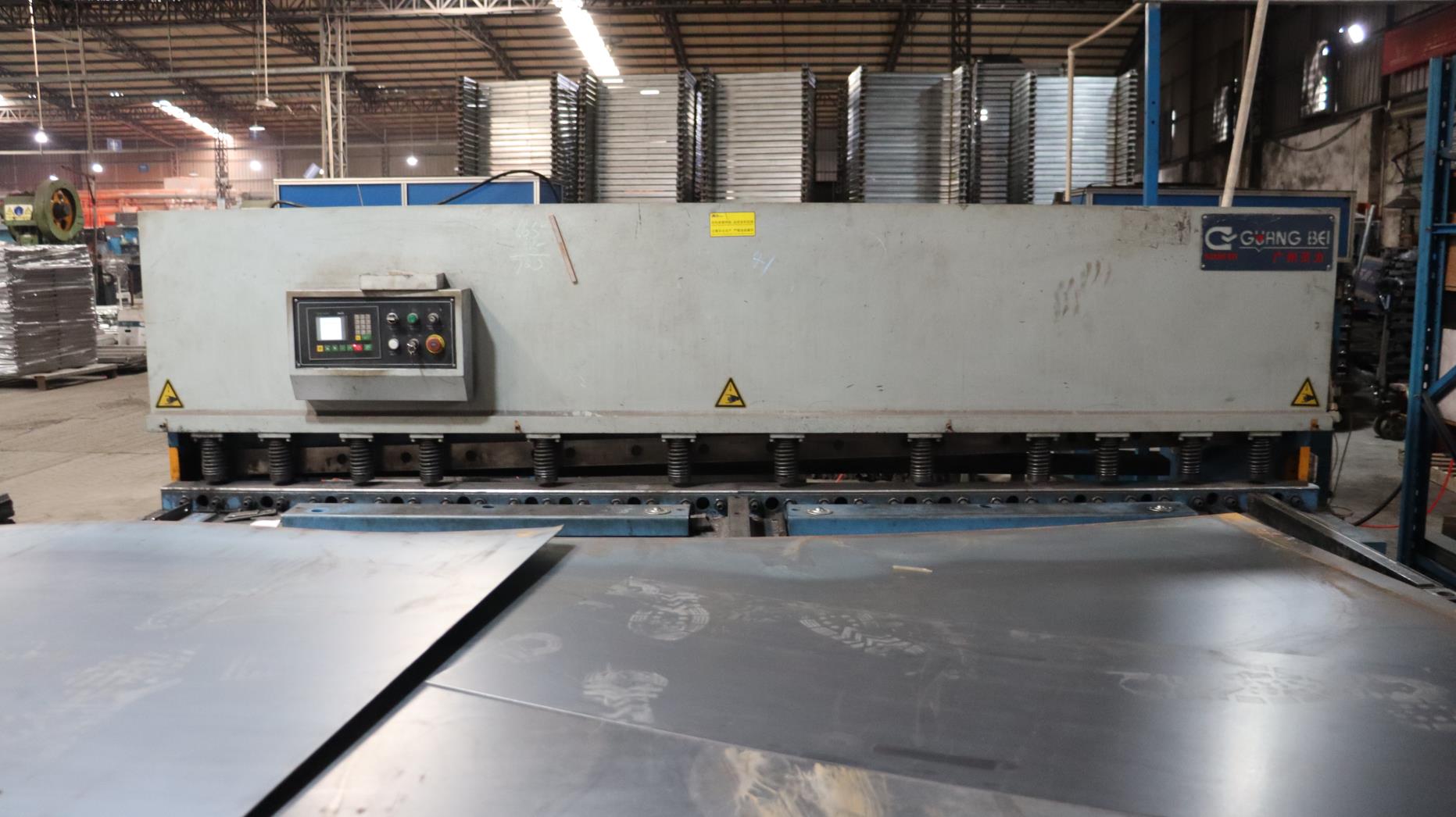
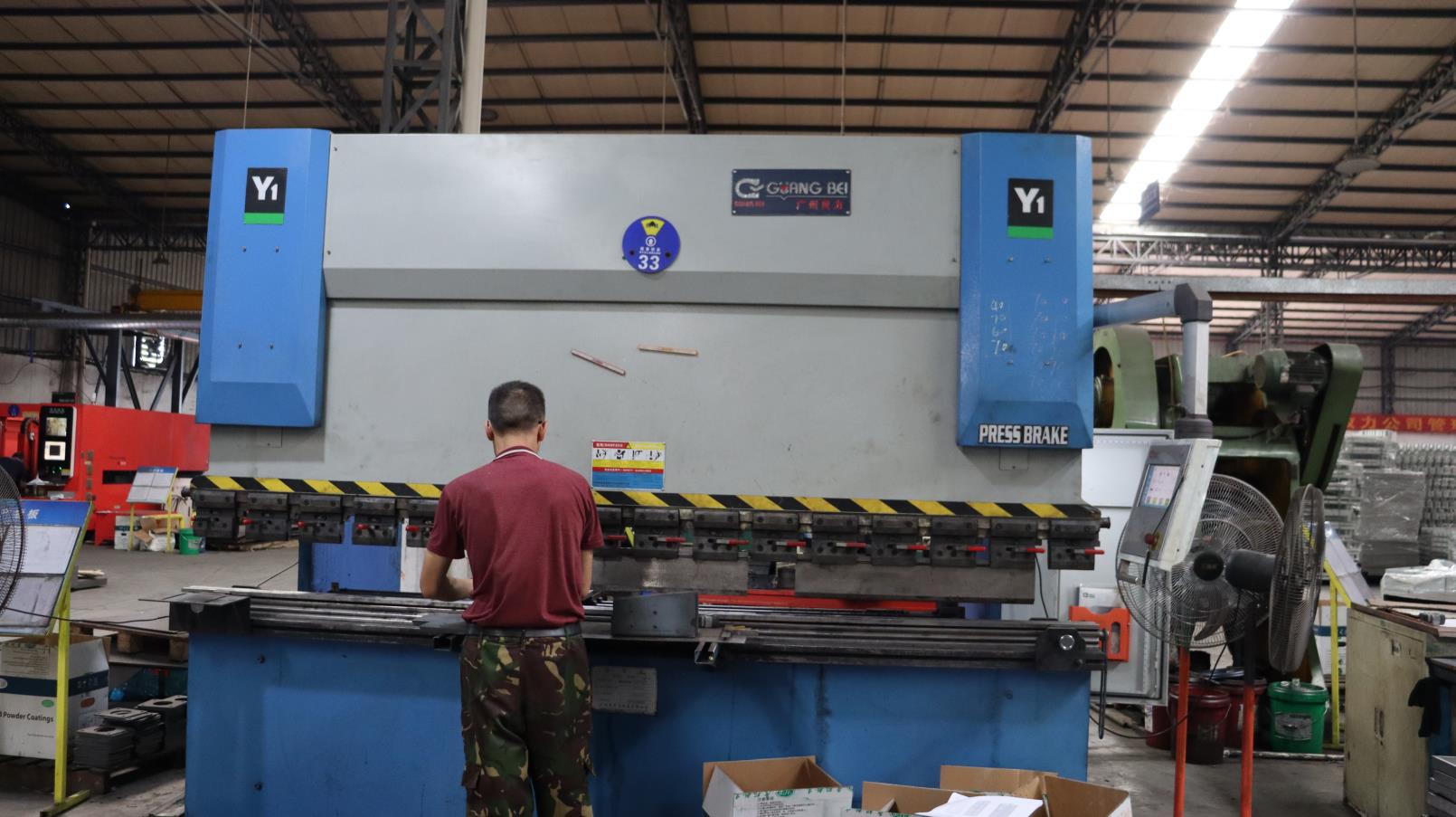
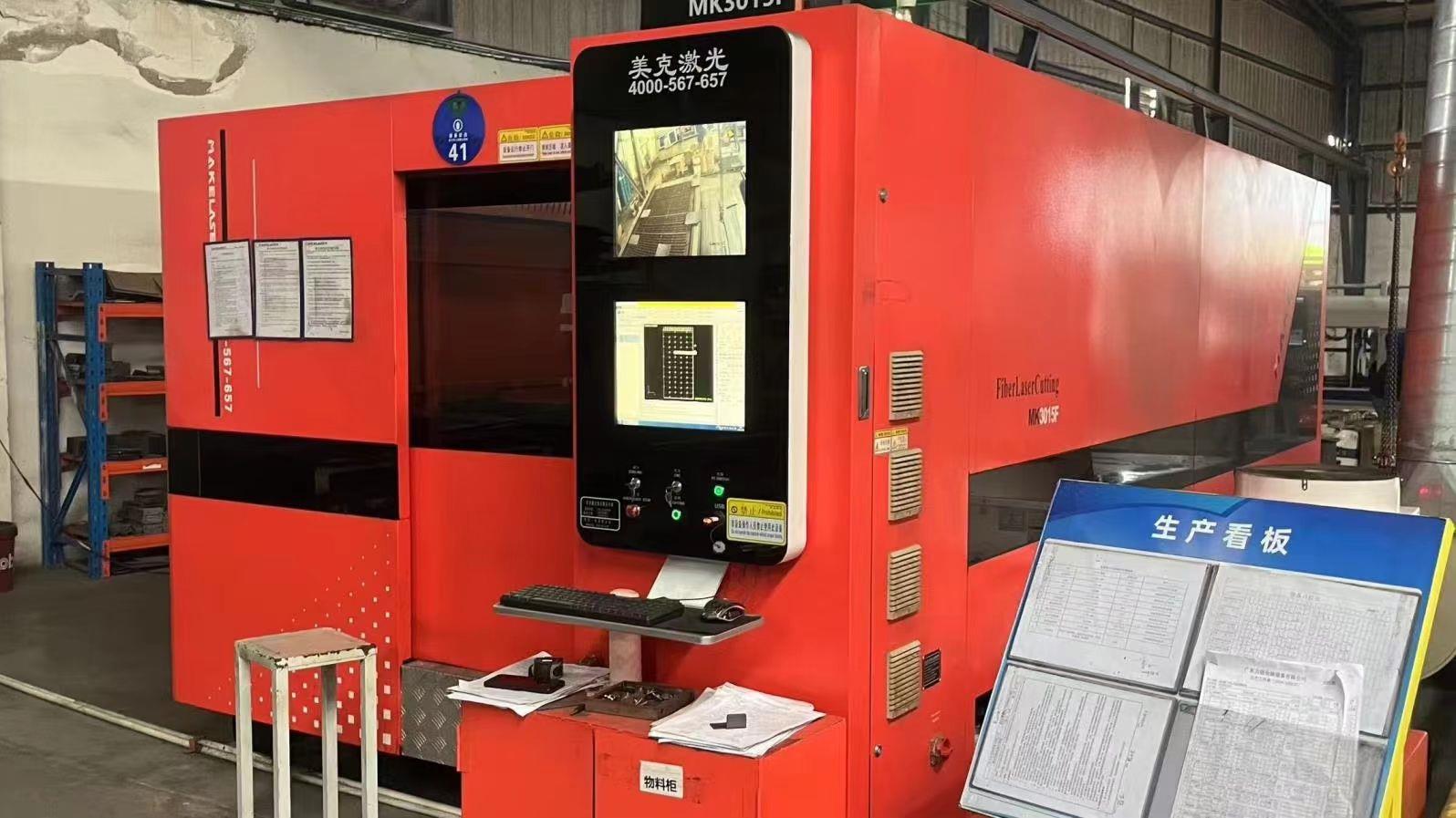
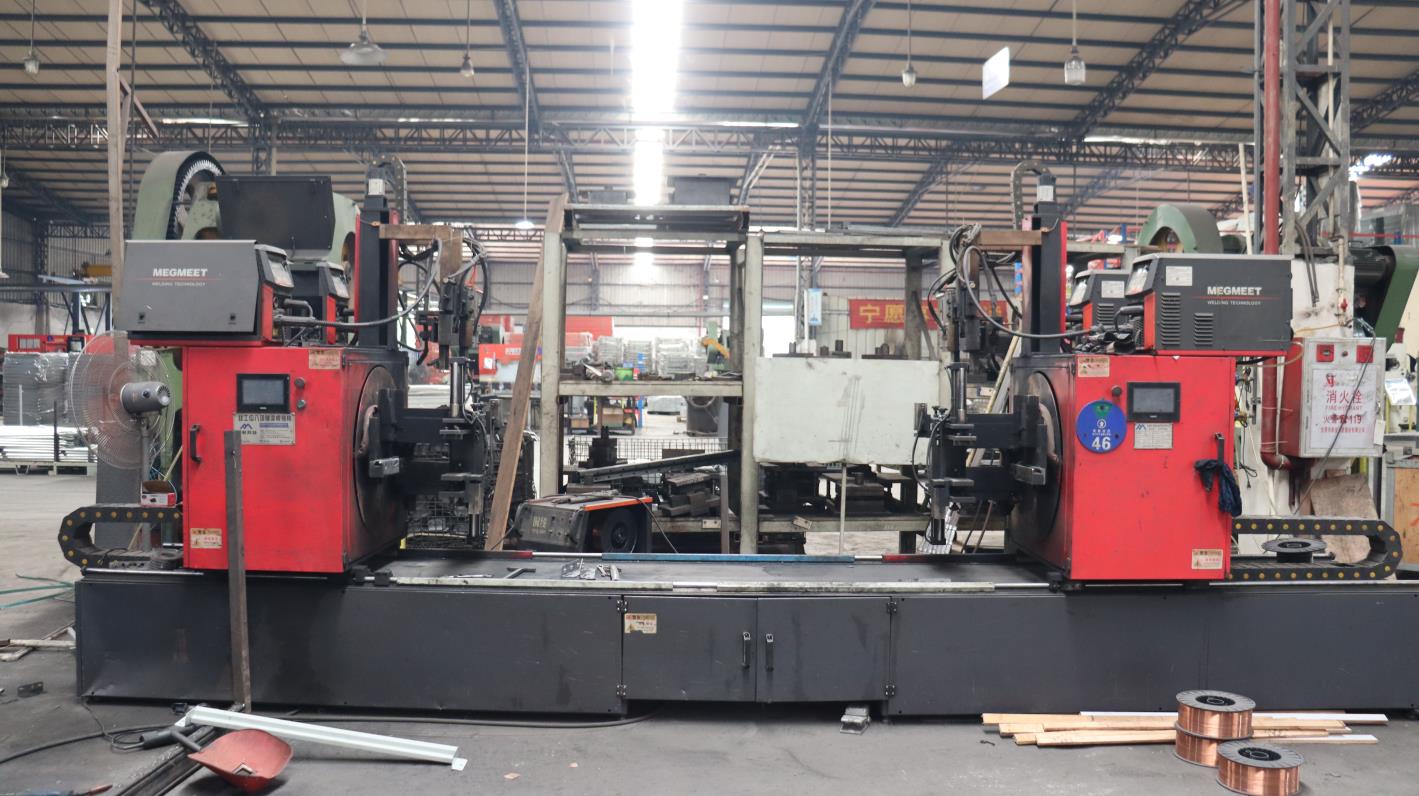
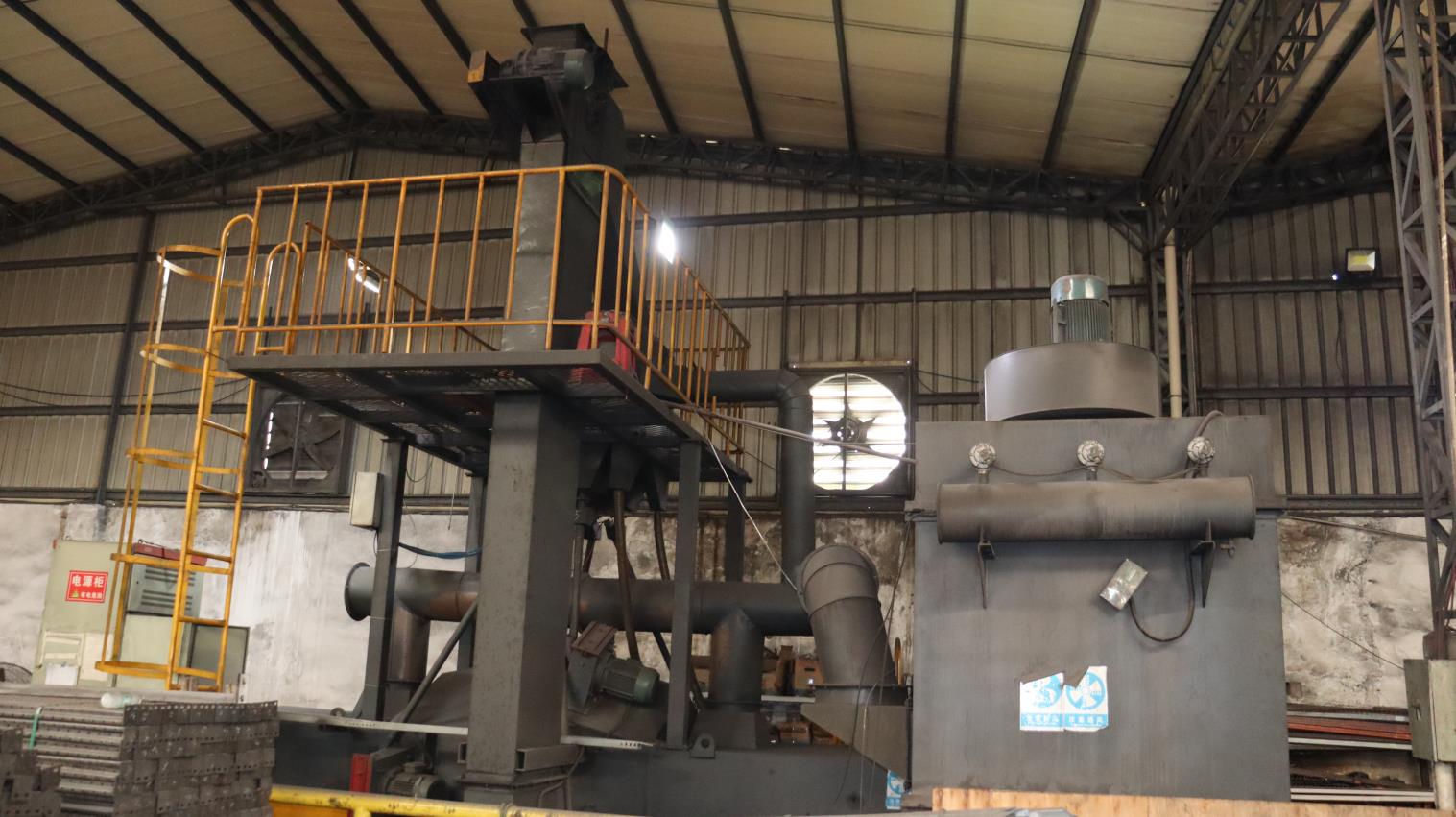
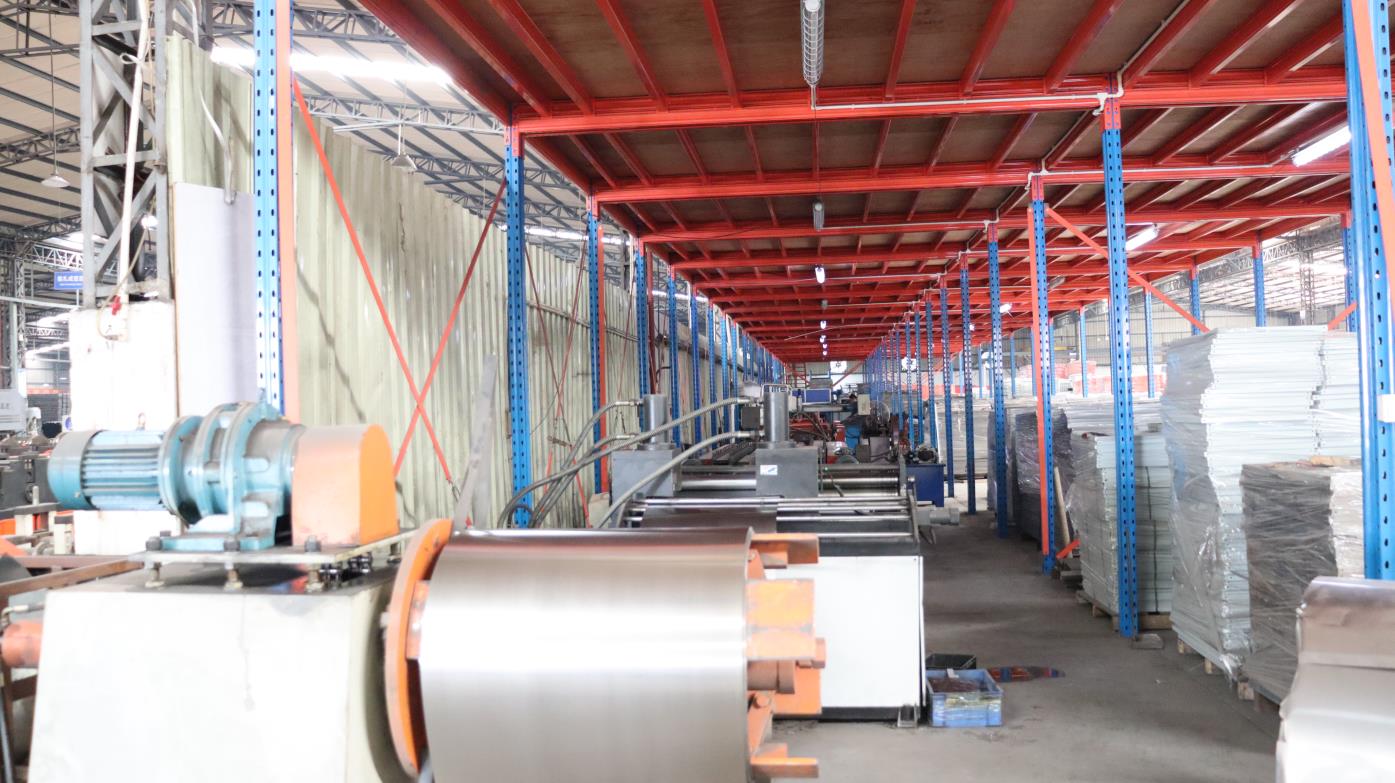
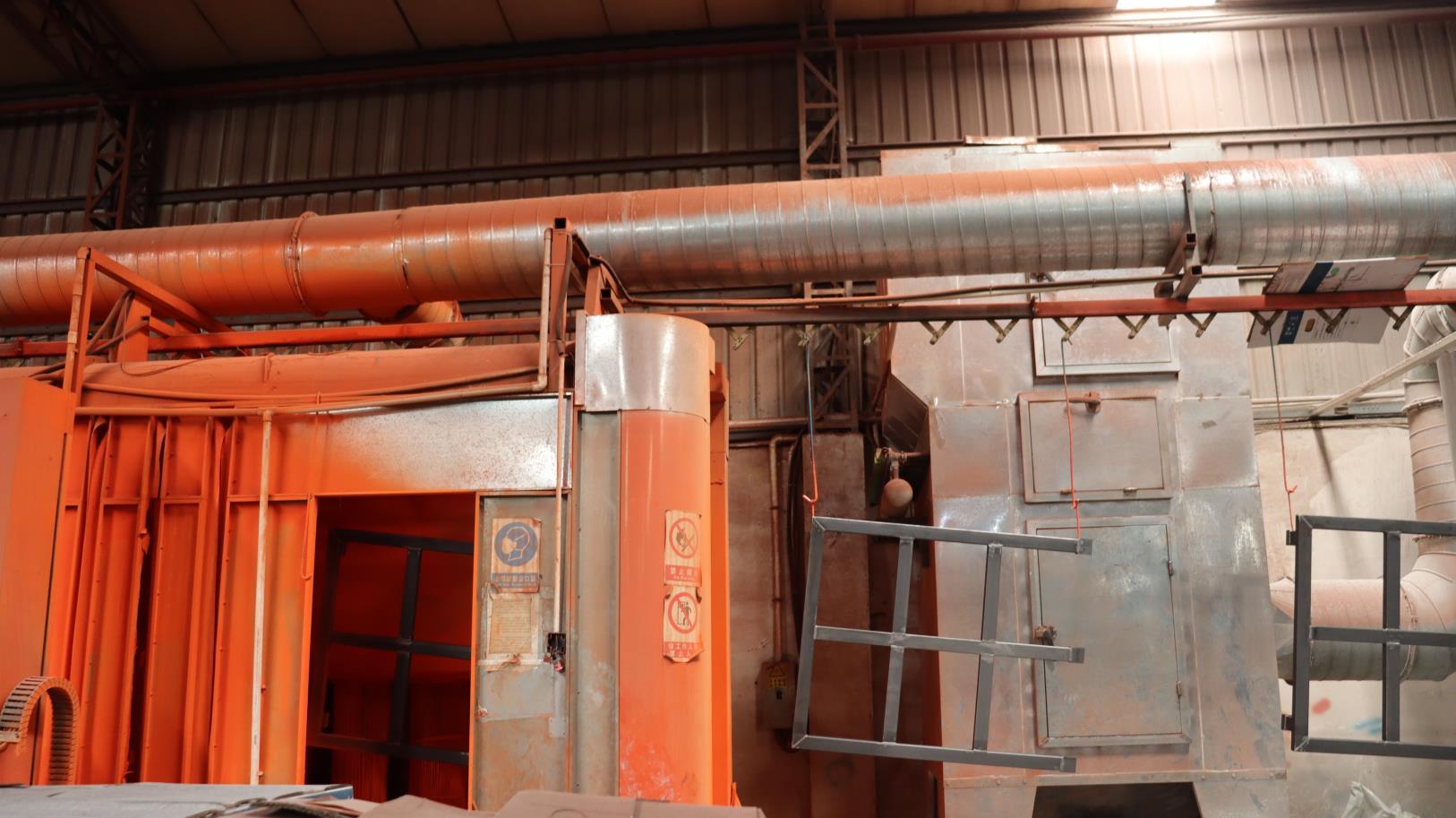
Advancing structural efficiency with modern calculations and smart manufacturing.
The manufacturing of structural storage platforms is entering an era driven by automation and safety standards. Our development trajectory is focused on implementing high-tensile steel alloys that minimize self-weight while preserving load capacity thresholds. By using advanced structural engineering tools like Finite Element Method (FEM) modeling and structural dynamics analysis, we can predict exactly how components will behave under uniform (UDL) and point loads. This allows our design team to optimize metal thicknesses and reinforcement points before production begins.
Looking forward, our technical roadmap targets integrating smart diagnostic nodes within main structural columns. These sensors track stress factors and load distribution trends in real time. For automated warehouses running dynamic racking setups, this data prevents overload conditions and simplifies maintenance inspections. Additionally, we are transitioning all finishing steps to eco-friendly powder formulas that eliminate VOC emissions while keeping rust resistance above standard marine ratings.
Shipping industrial structures worldwide requires strict compliance. From seismic considerations in North America to specific clearance rules in Europe, designs must match localized building codes. We handle this challenge by using a dedicated compliance division that reviews each project against regulations in target regions. Every shipment includes step-by-step assembly guides, certified test reports, and raw material certificates to make structural approval processes straightforward.
Answers to common structural design and integration questions from project engineers.
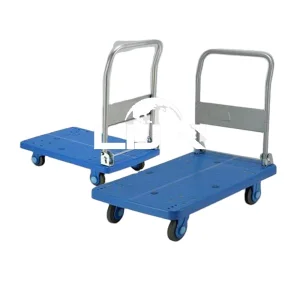
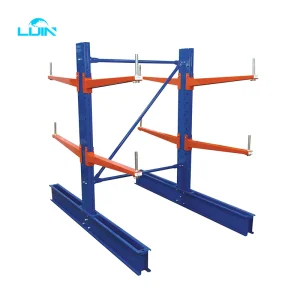
Browse our robust heavy-duty cantilever systems, customizable pallet racking, and specialized warehouse trolleys.
 Lijin Racking