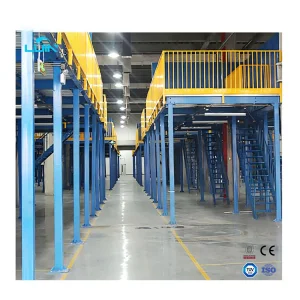
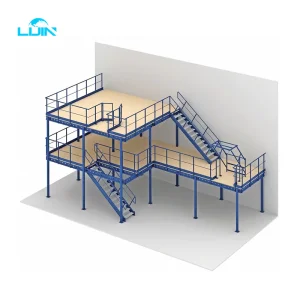
Explore our core collection of engineered steel platforms, heavy-duty mezzanine floors, and structural storage systems designed for industrial load optimization.
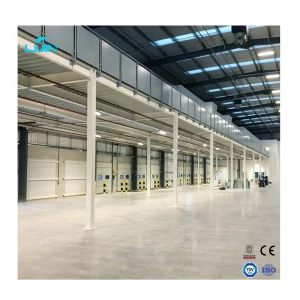
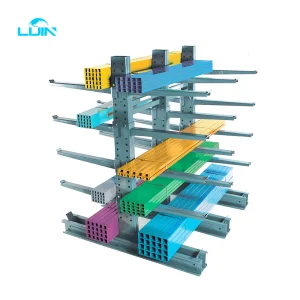
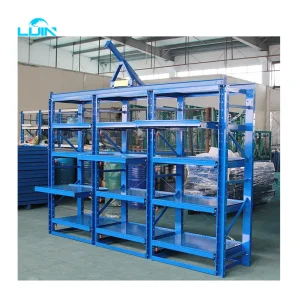
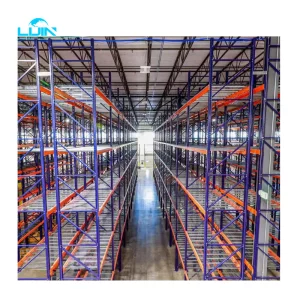
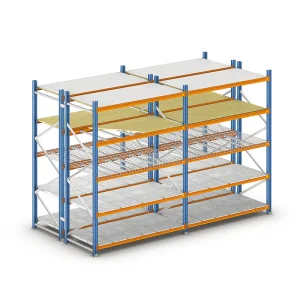
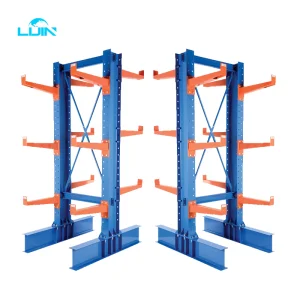
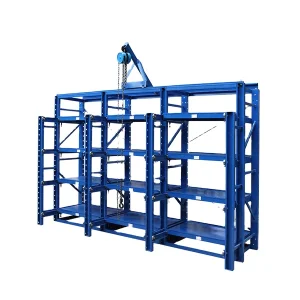
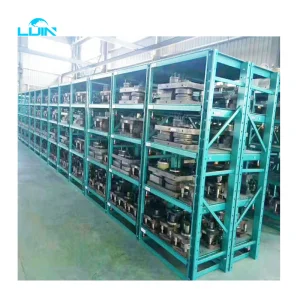
In the rapidly evolving landscape of global logistics, warehousing, and high-density industrial manufacturing, space has emerged as one of the most critical overhead metrics. High-level supply chains demand maximum spatial utilization, vertical expansion capability, and structural safety to accommodate the massive flows of materials. Heavy-duty platforms, structural steel mezzanine floors, and high-performance industrial racking systems represent the engineering response to this architectural need.
When assessing global procurement routes for heavy-duty structural components, procurement executives must look beyond basic unit cost. Selecting a structural manufacturing partner requires assessing engineering credentials, load analysis methodologies (Finite Element Method - FEM), compliance with local structural codes (FEMA 350, RMI, EN 15512, AS4084), and structural material traceability. This whitepaper analyzes the manufacturing frameworks, engineering innovations, and cost-benefit equations that define the world's leading heavy-duty platforms, factories, and exporters.
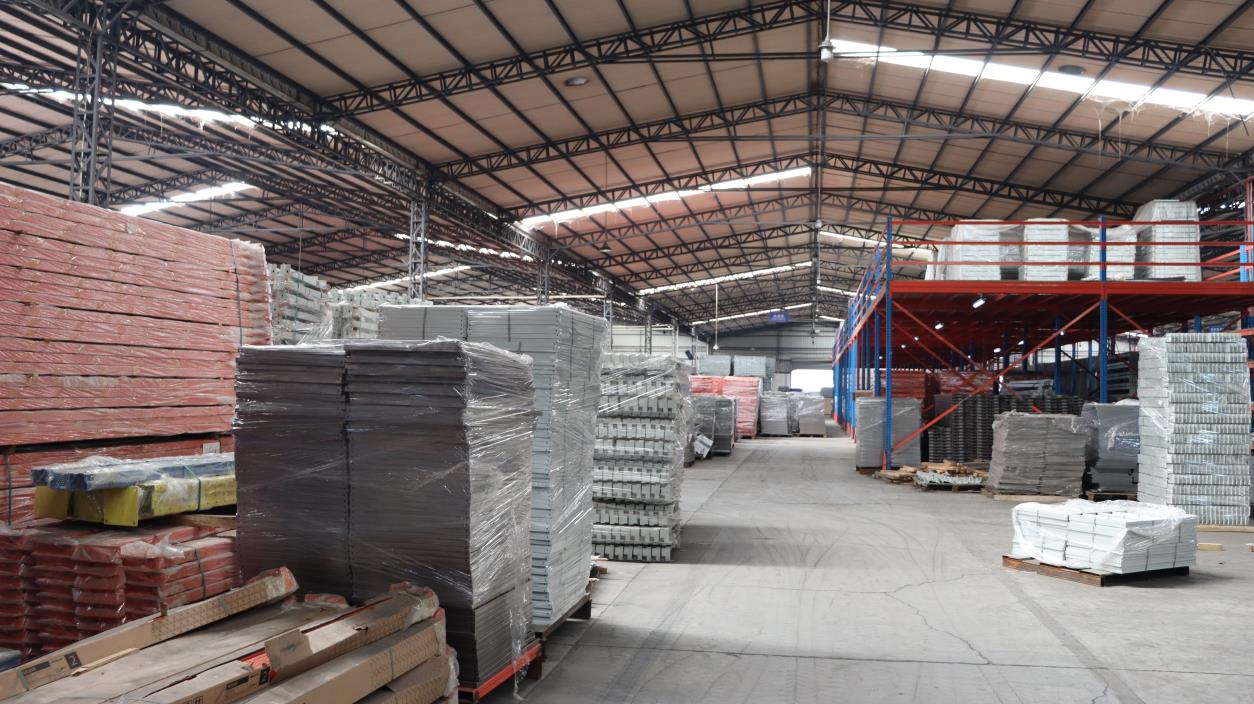
Established in 2015, Shenzhen Lijin Storage Equipment Co., Ltd. is a leading enterprise specializing in the design, manufacturing, and global distribution of heavy-duty warehouse racking systems, automated storage solutions, and industrial shelving. Spanning a state-of-the-art facility of 35,000 m², we have developed into a trusted global supply chain partner with over 8 years of direct export experience and more than 12 years of deep industry expertise. Driven by innovation and quality, our global revenue reached USD 22 million last year.
We enforce a rigorous, multi-stage quality control system—including ultrasonic non-destructive testing, automated weld inspection, laser dimensional checking, and heavy-load endurance testing. Backed by an in-house quality inspection team of 35 dedicated professionals, every batch meets international safety and structural standards, ensuring maximum load-bearing efficiency and long-term stability.
Backed by an experienced international trade background, our core markets span North America, Western Europe, Southeast Asia, and the Middle East. We maintain strong strategic relationships with over 850 supply chain partners globally. Our primary clients include large-scale logistics hubs, commercial distributors, third-party logistics (3PL) providers, and industrial equipment wholesalers.
Supported by a skilled team of 28 R&D engineers, Shenzhen Lijin delivers comprehensive OEM and ODM solutions tailored to unique warehouse layouts, seismic requirements, and capacity needs. Our engineering team launched over 85 new products and dynamic storage configurations last year, continuously setting new standards in space optimization and modern automated storage integration.
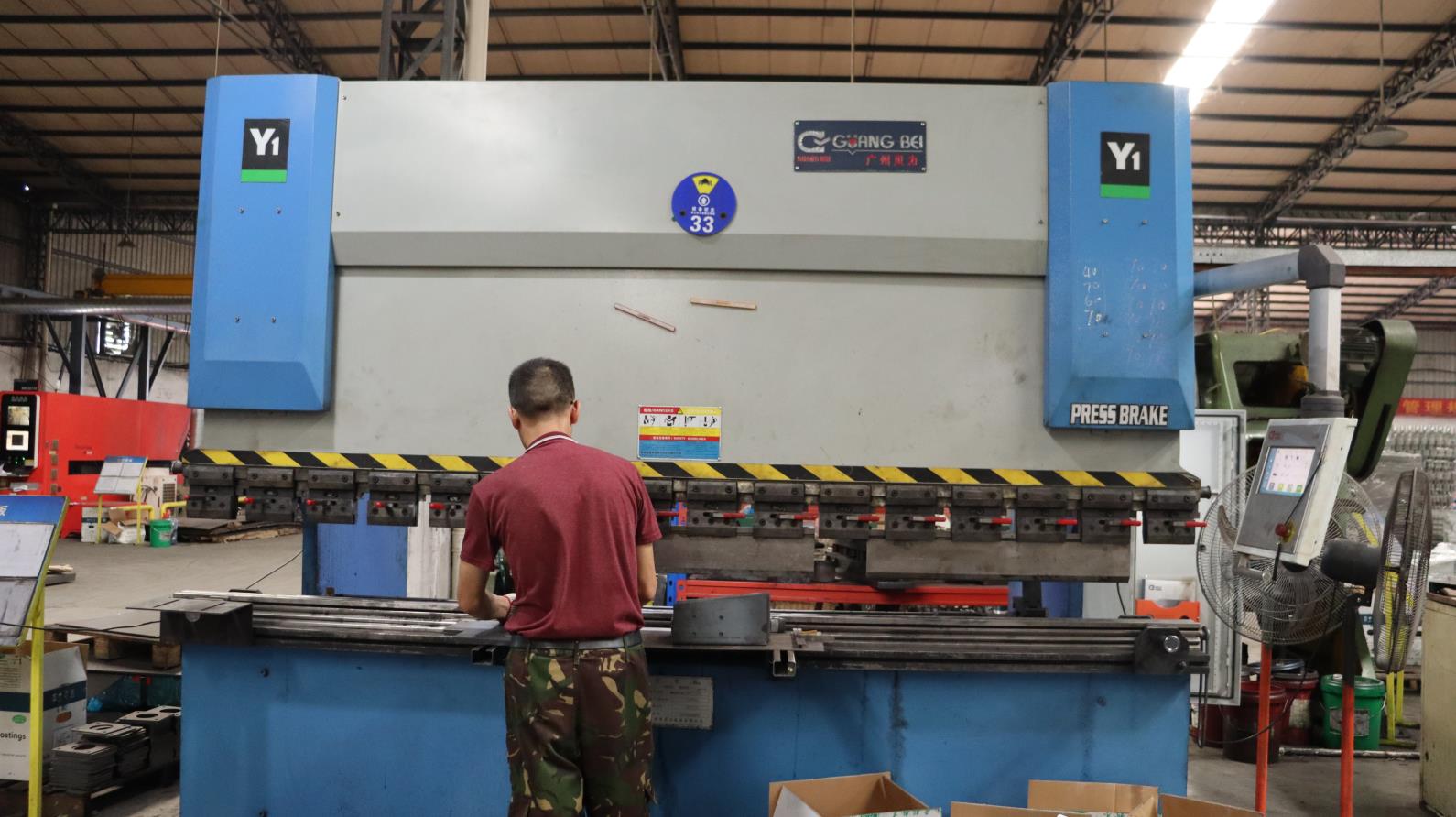
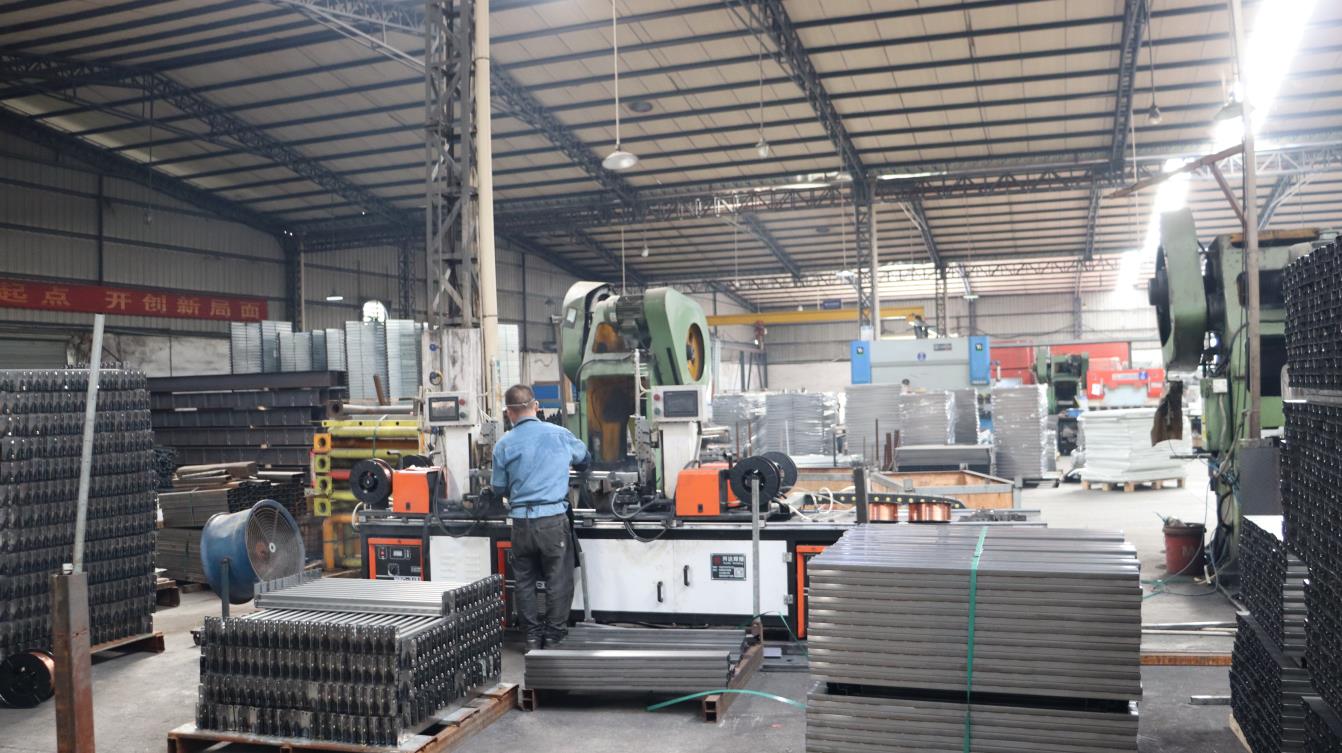
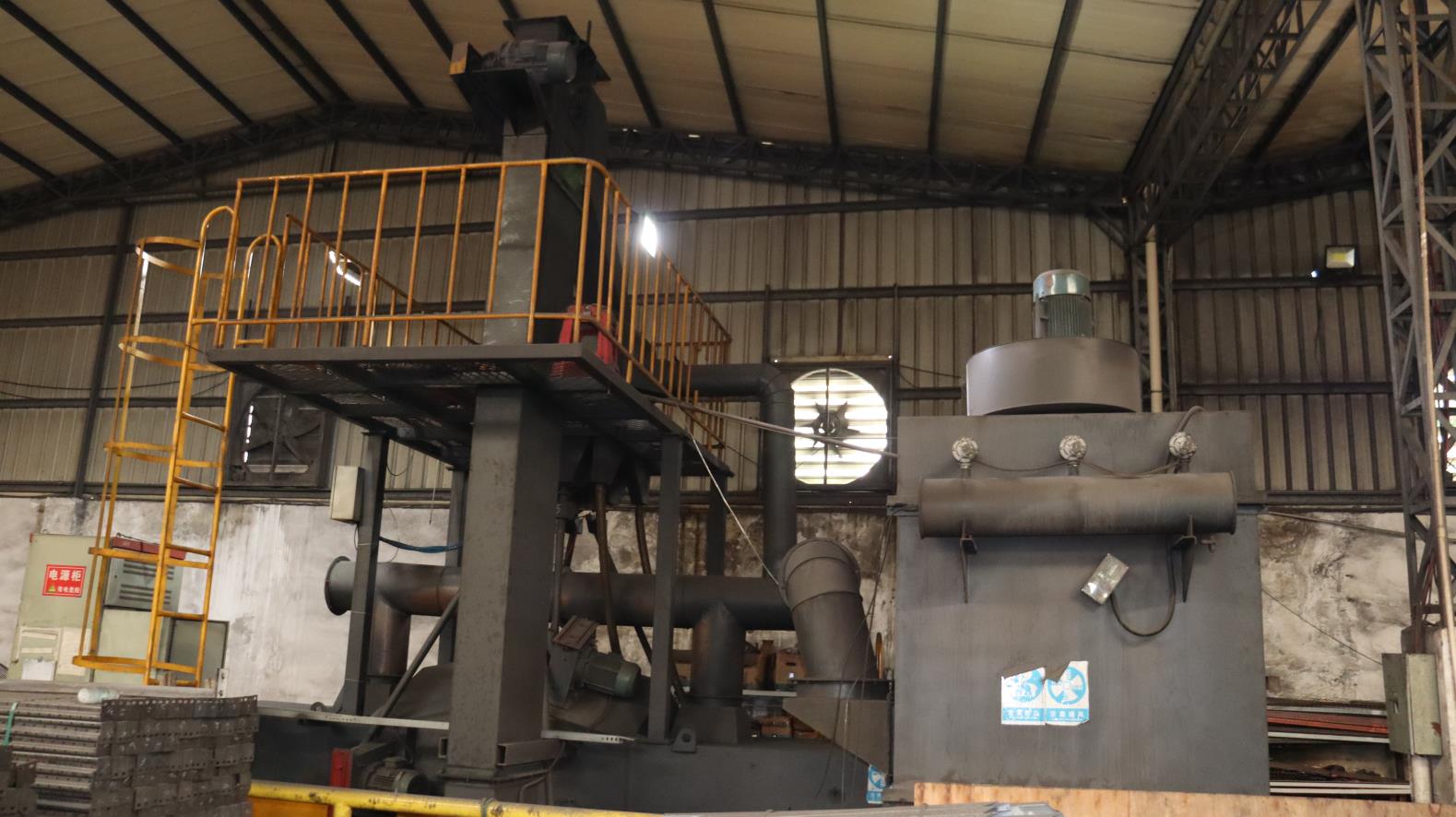
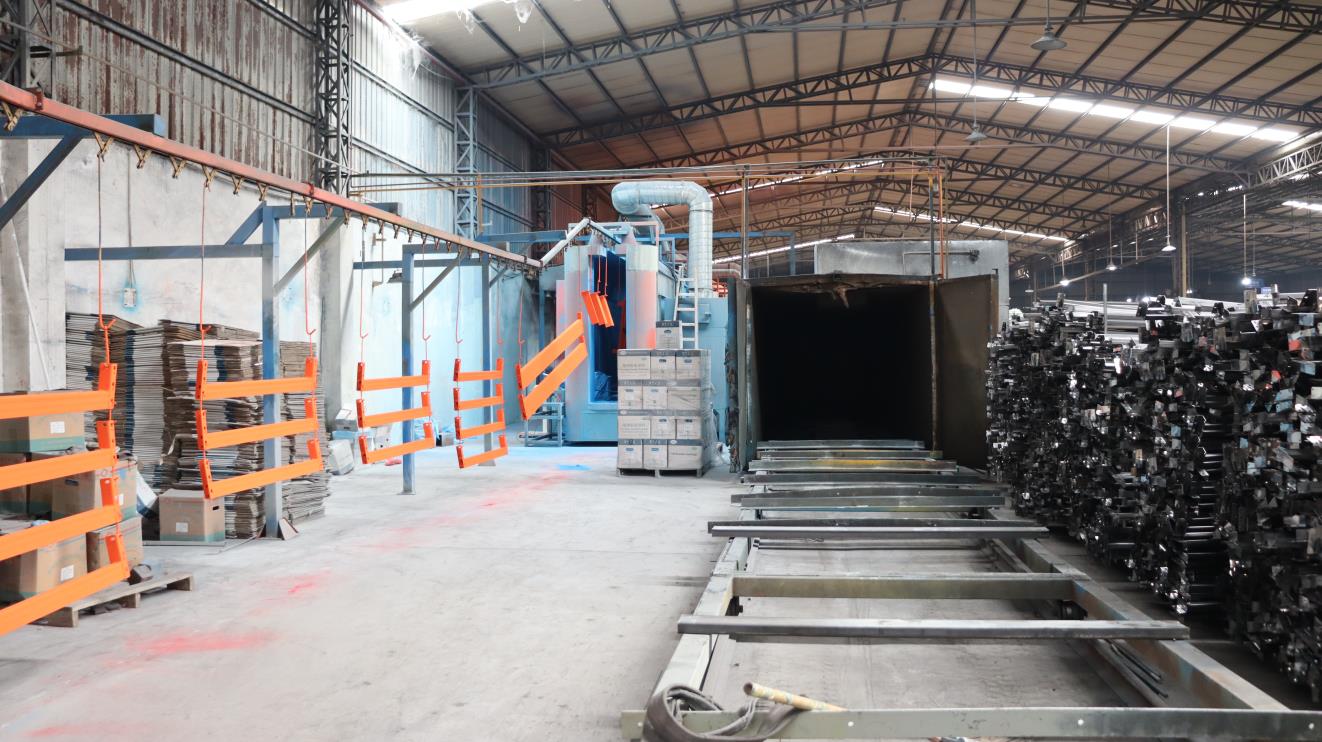
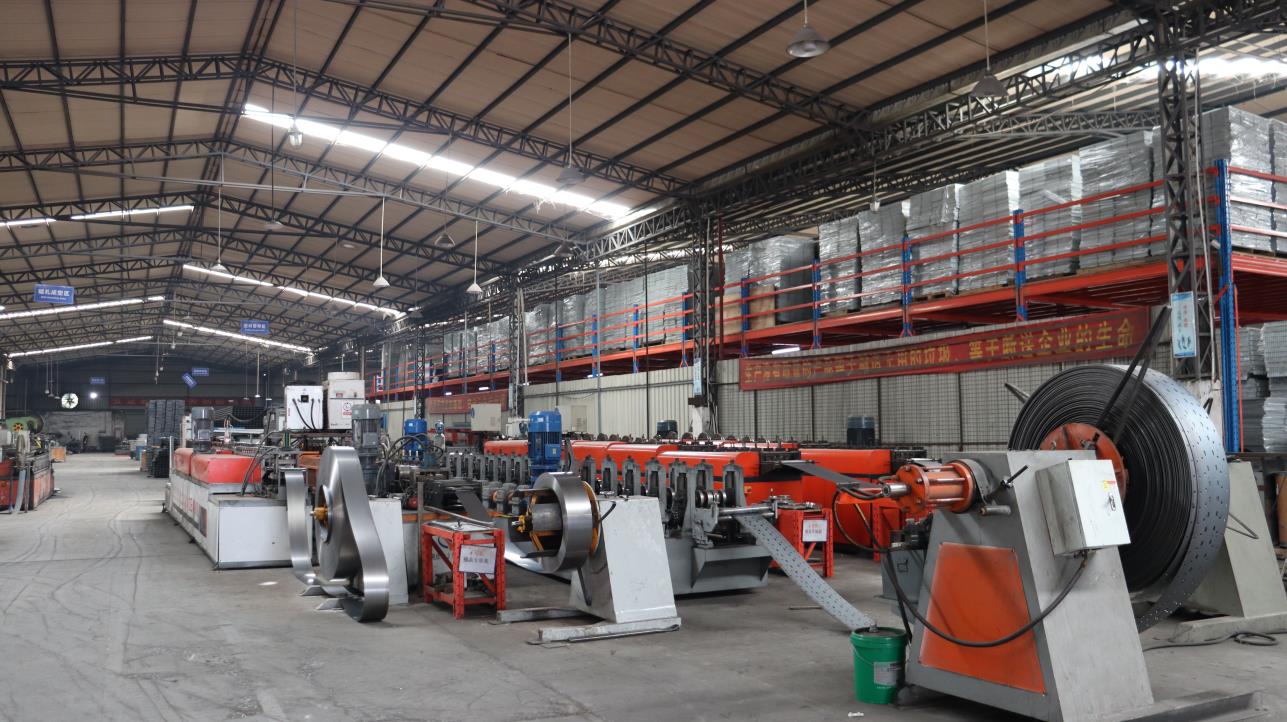
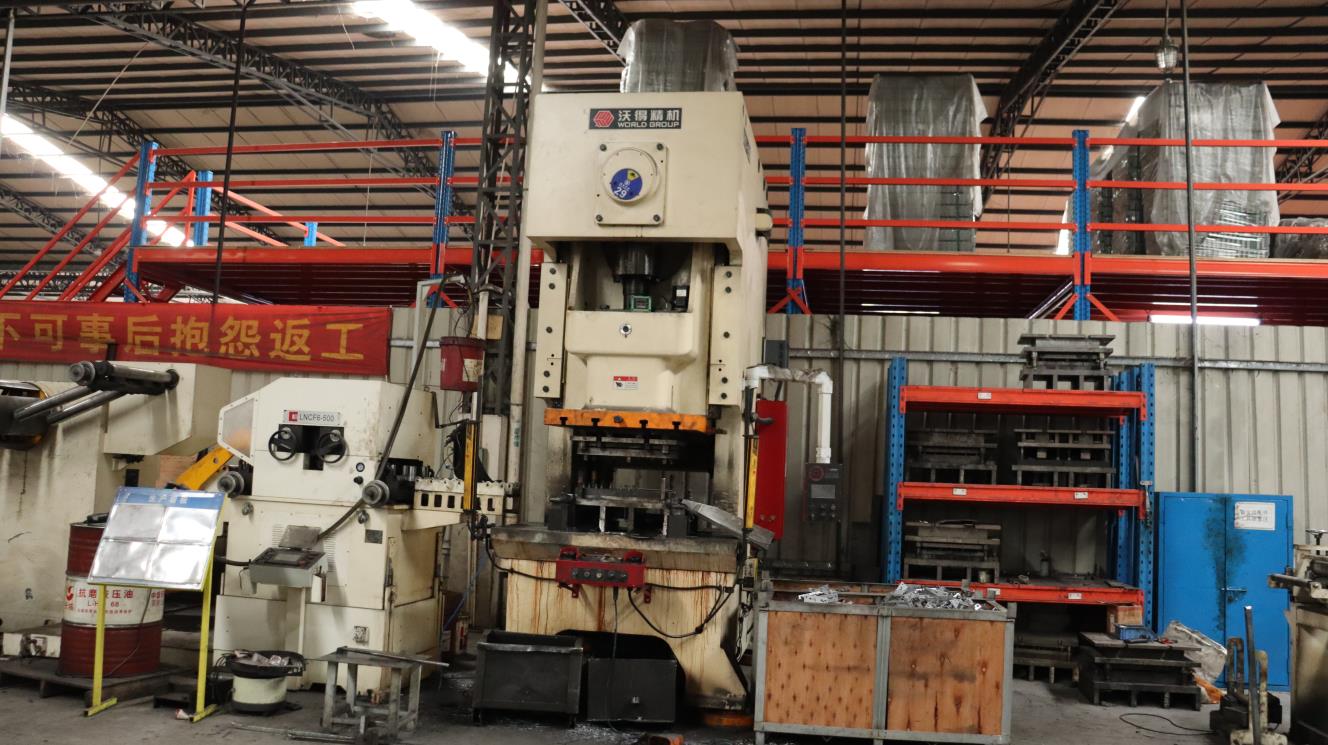
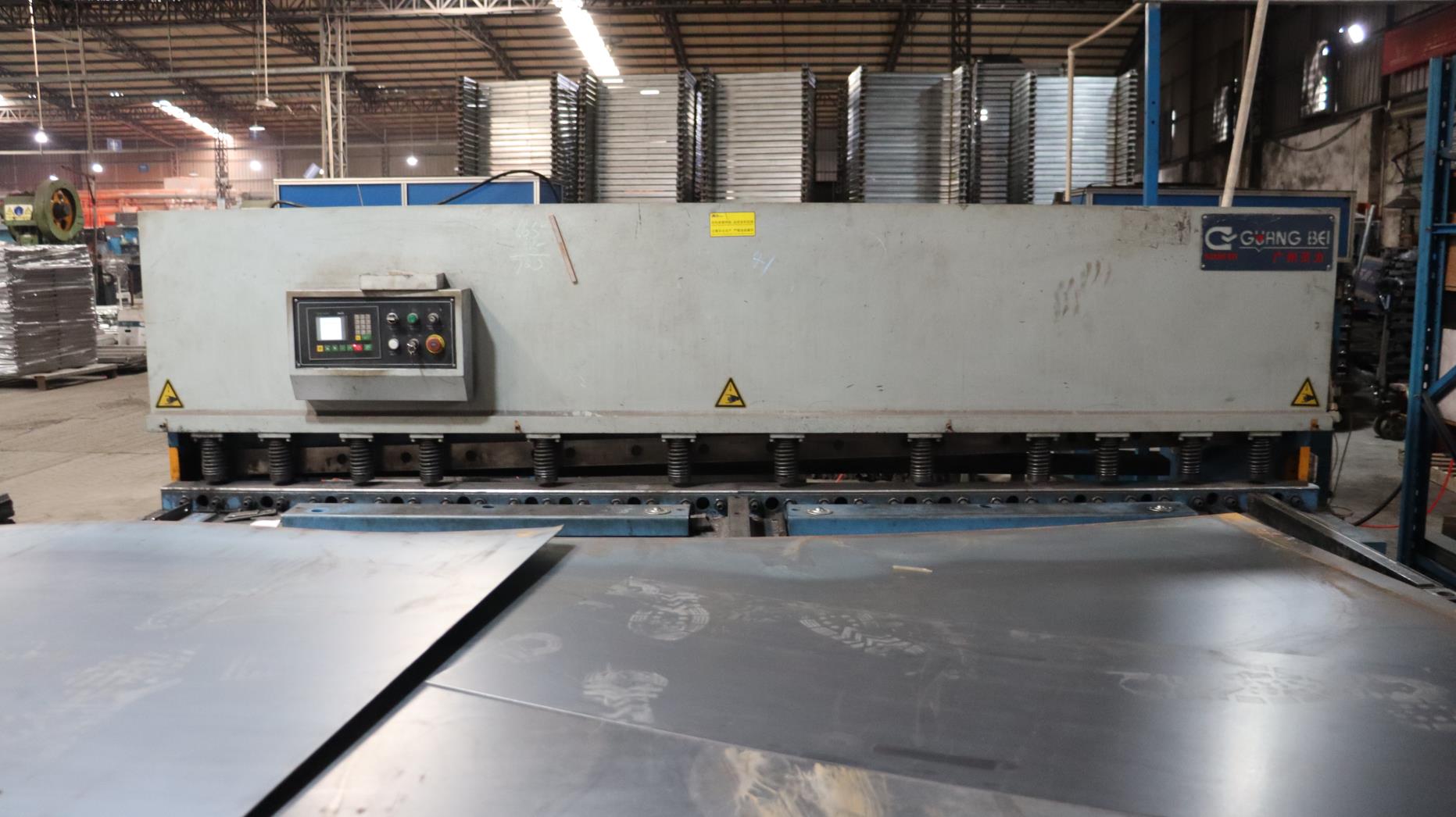
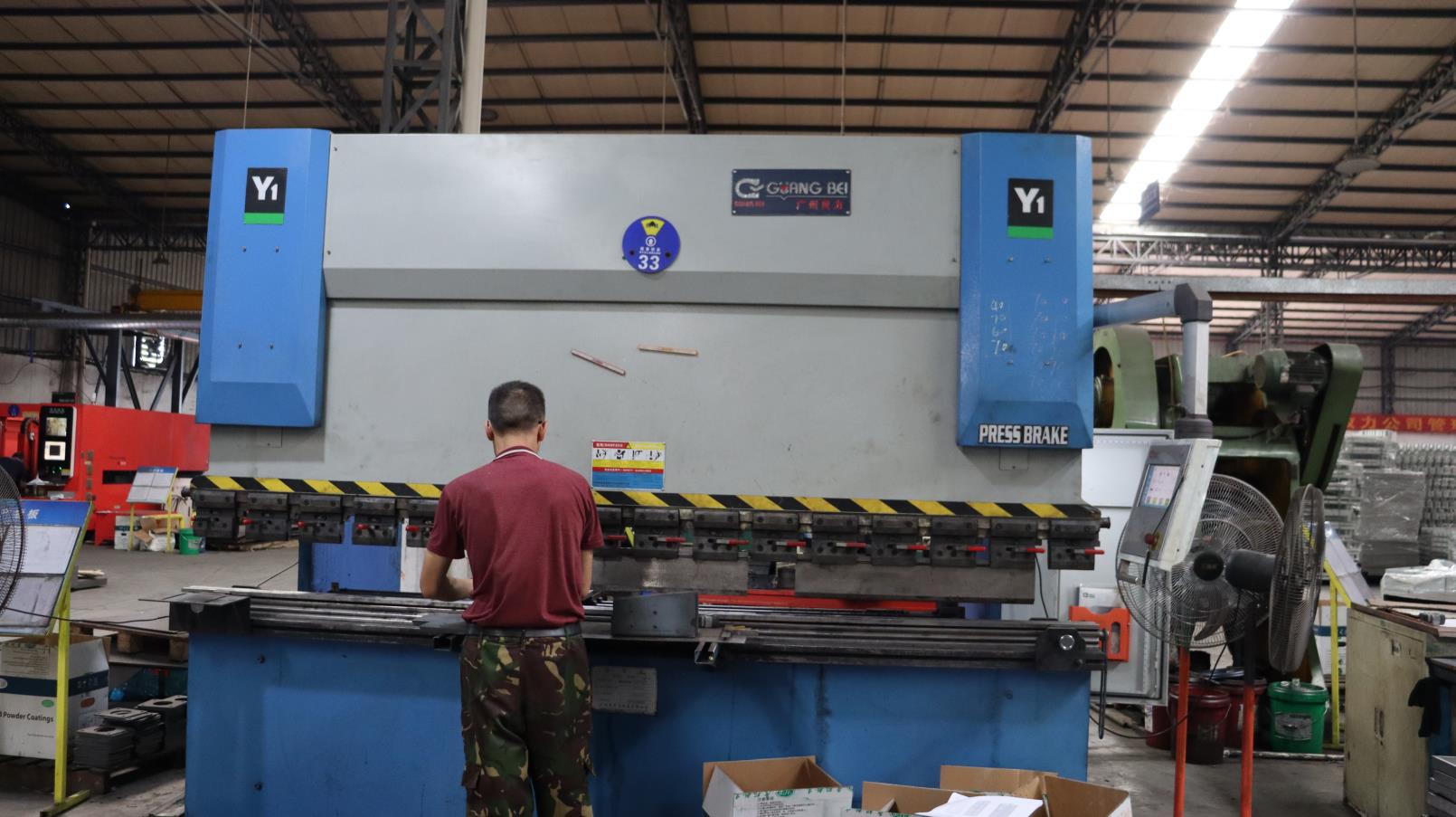
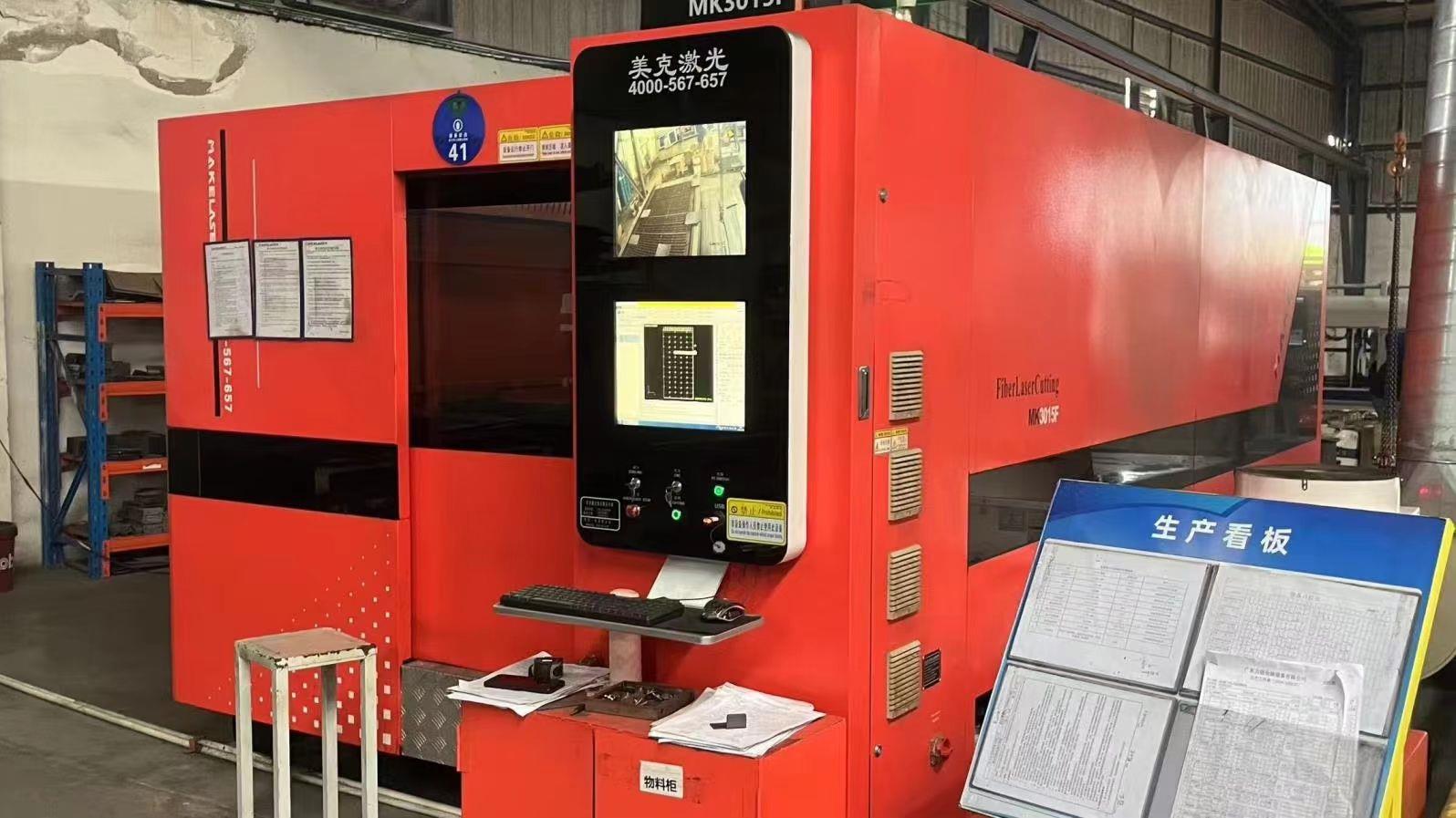
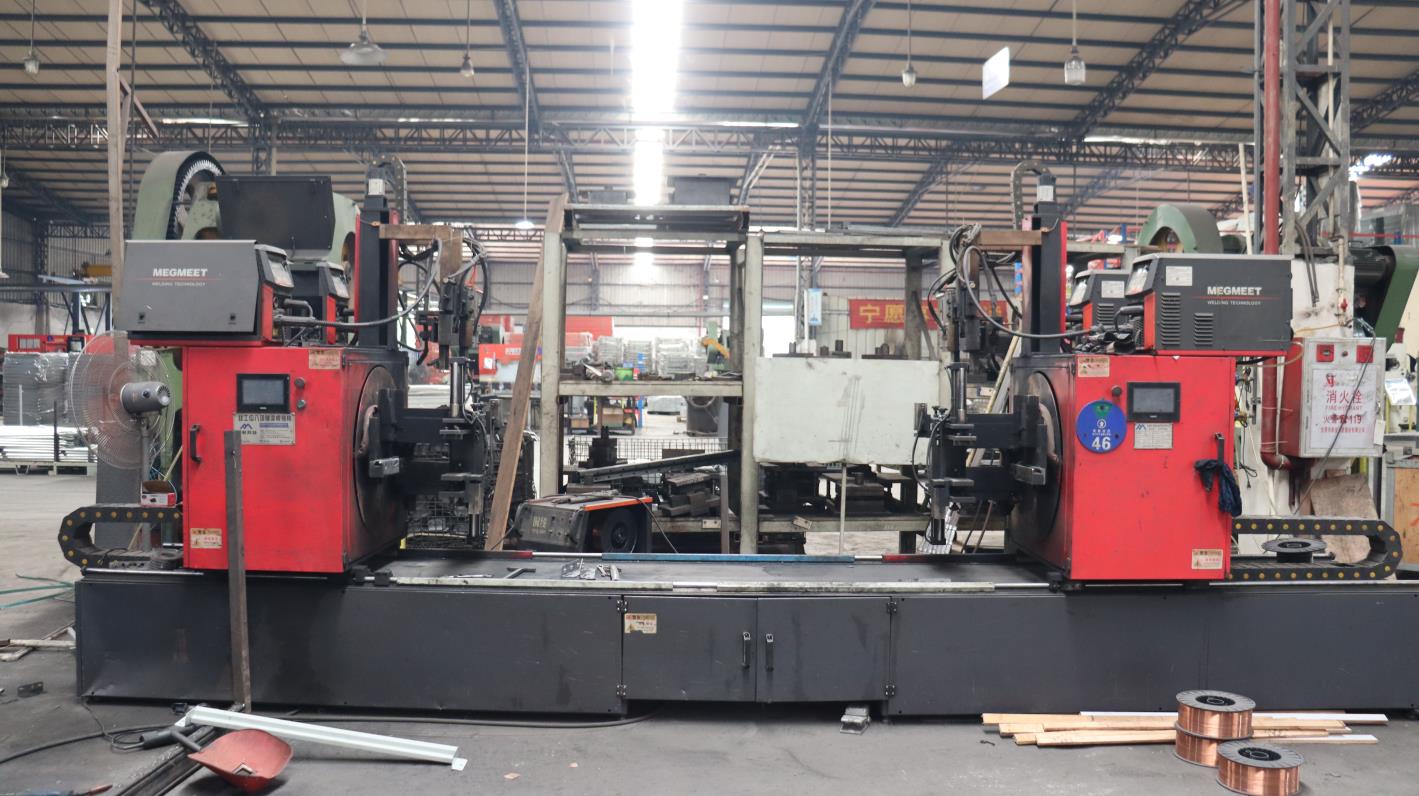
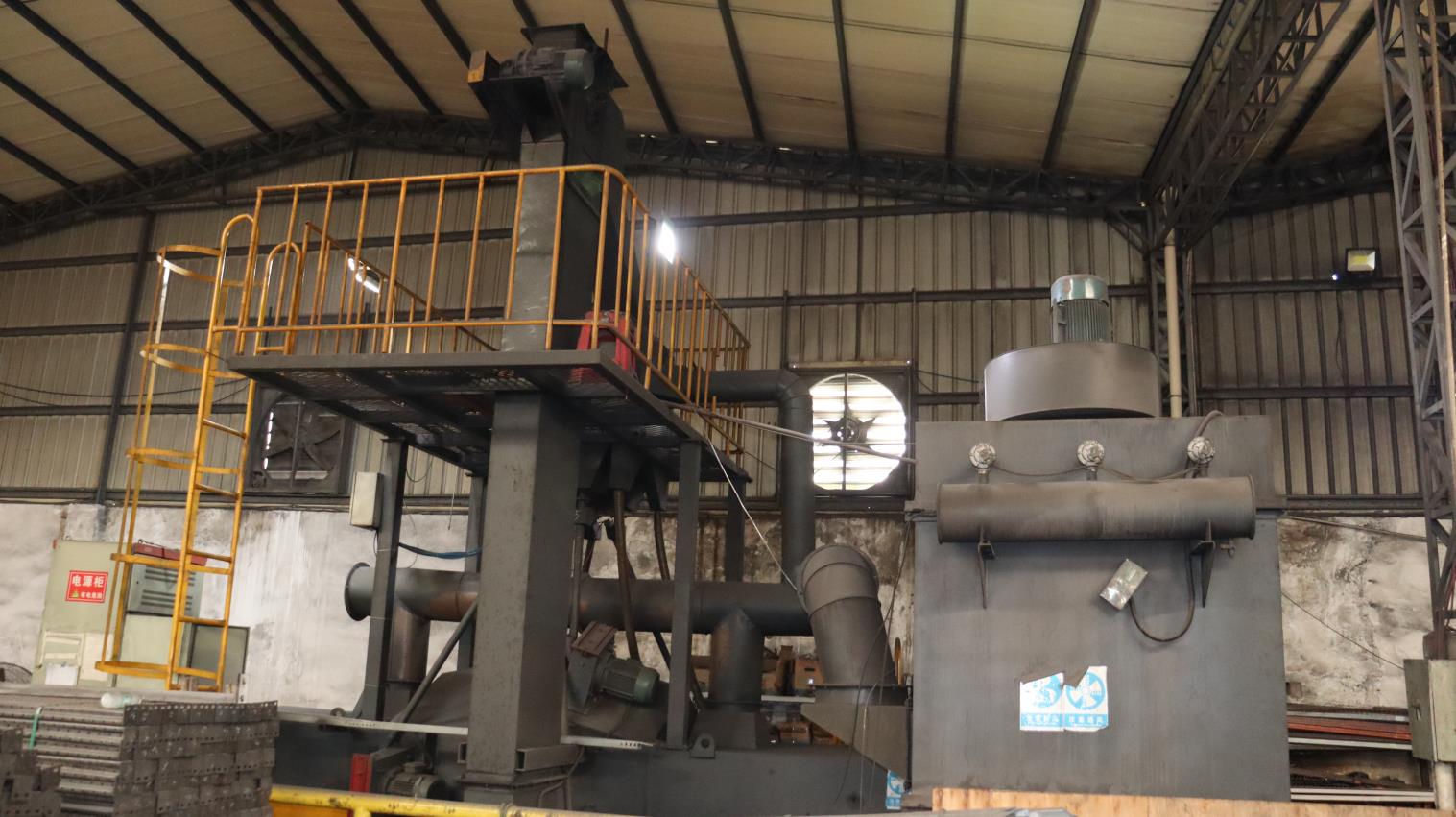
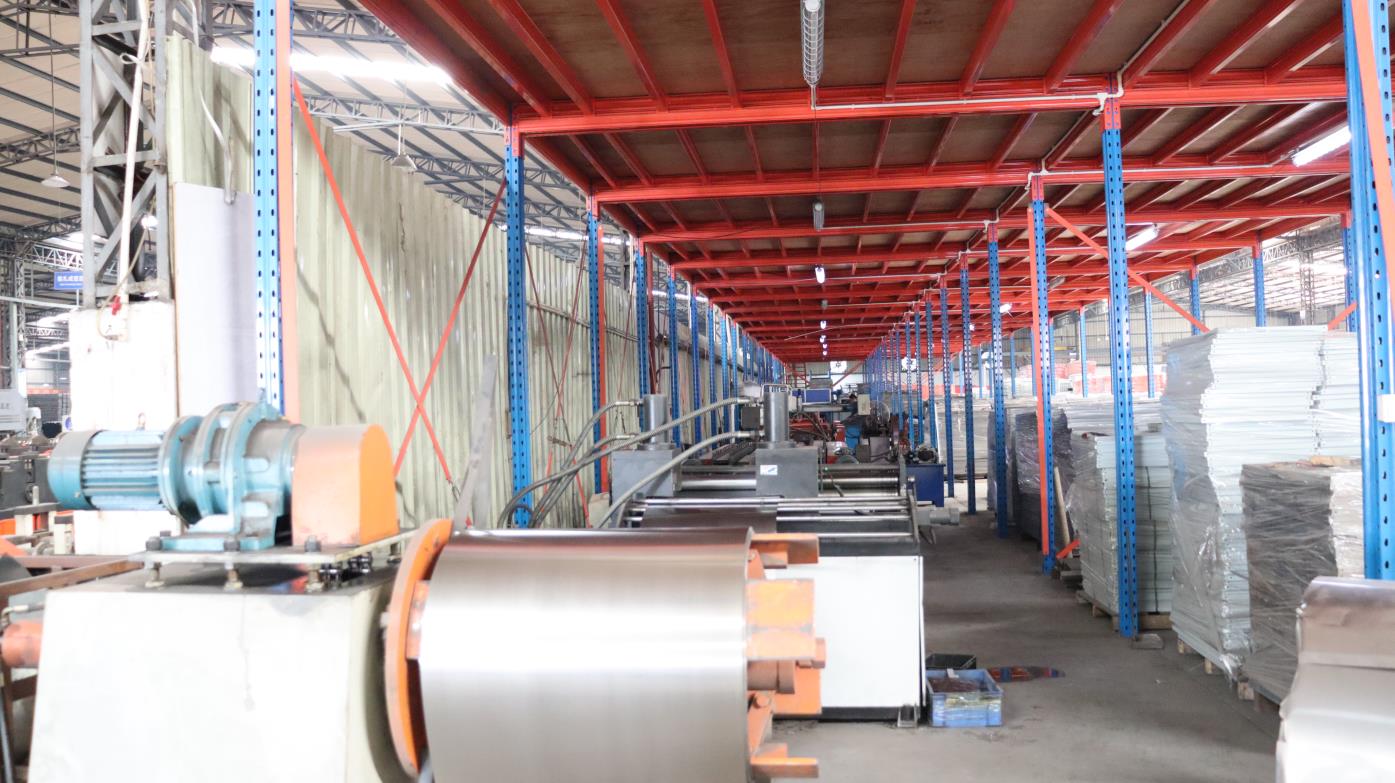
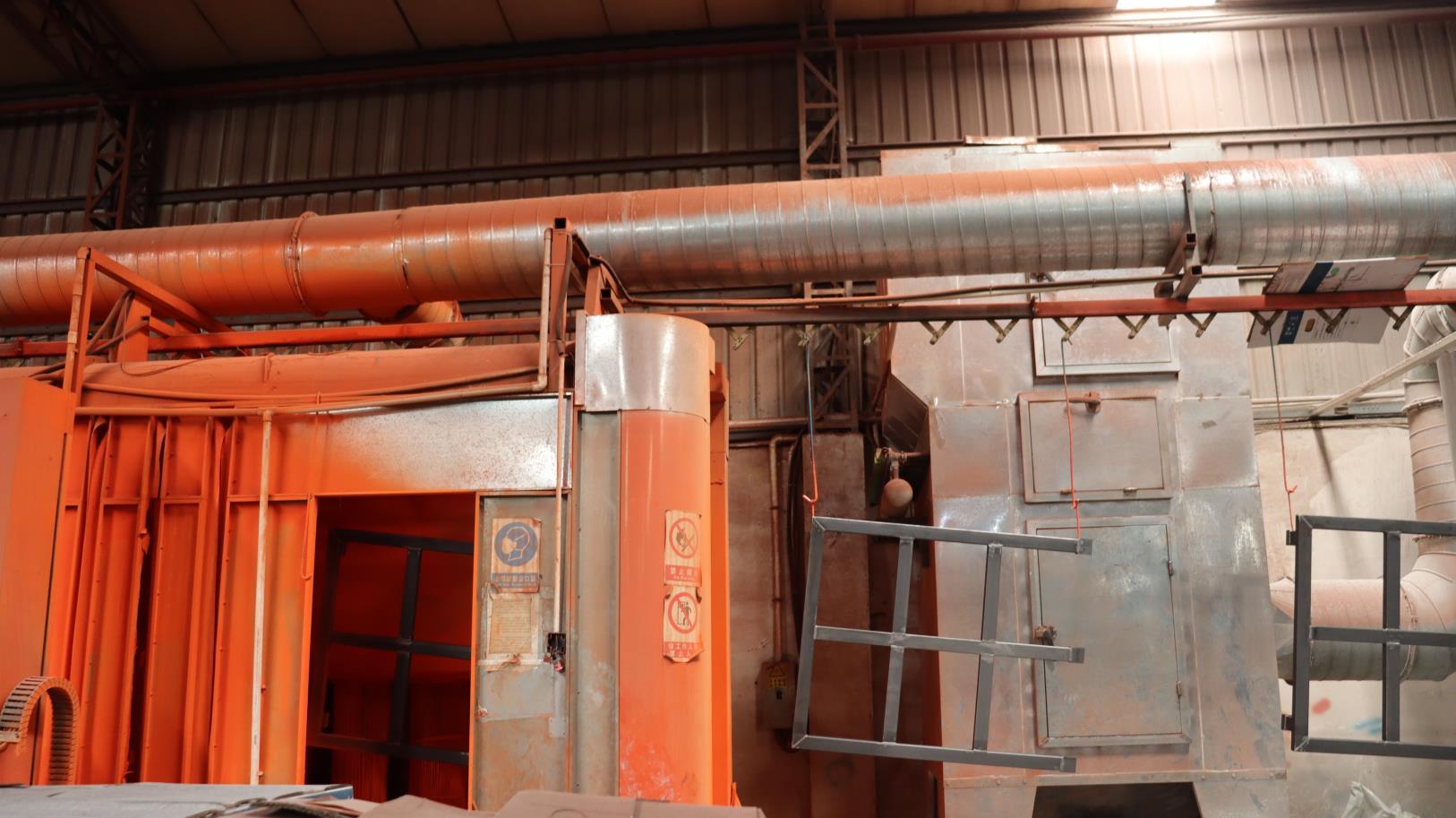
Our 35,000 m² smart factory utilizes advanced robotic welding, laser cutting, and automated powder coating processes to deliver industrial-grade platforms with sub-millimeter tolerances.
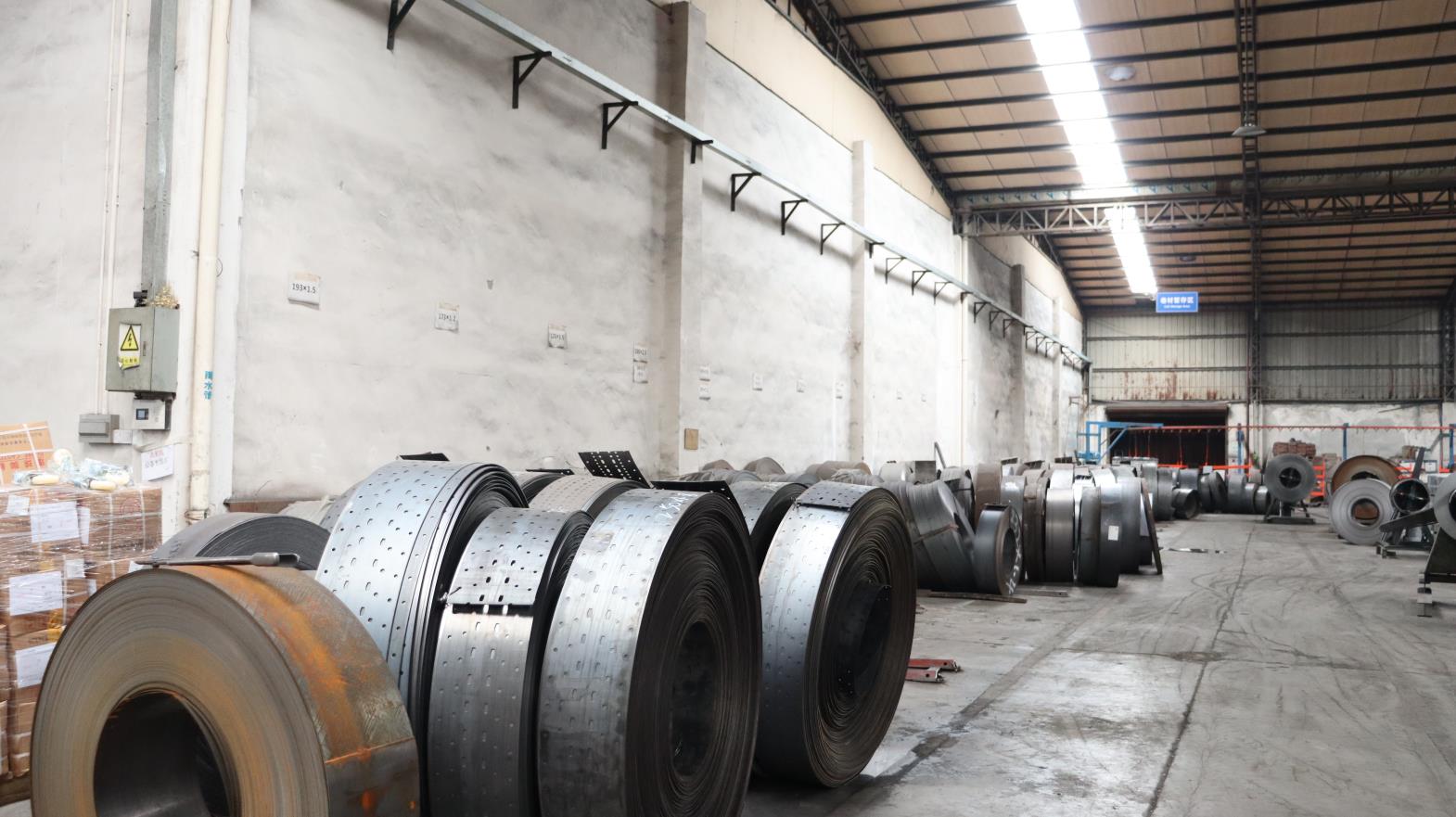
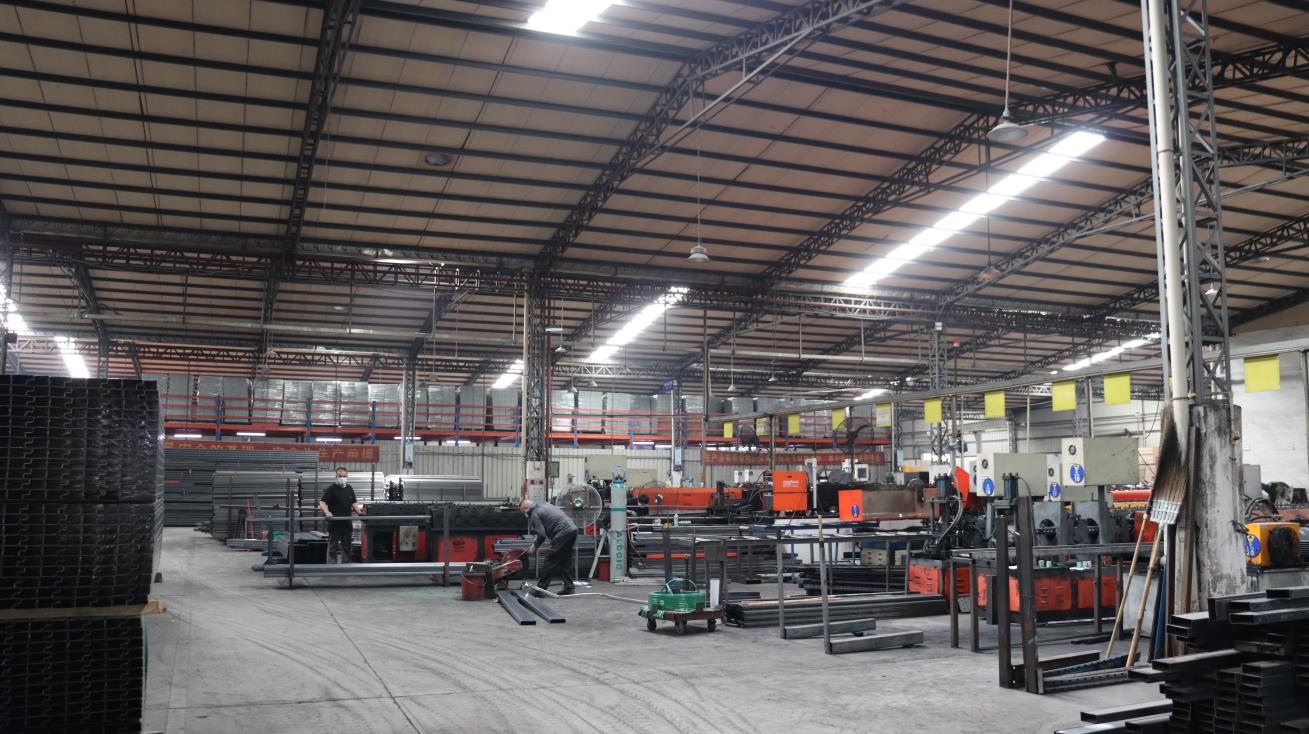
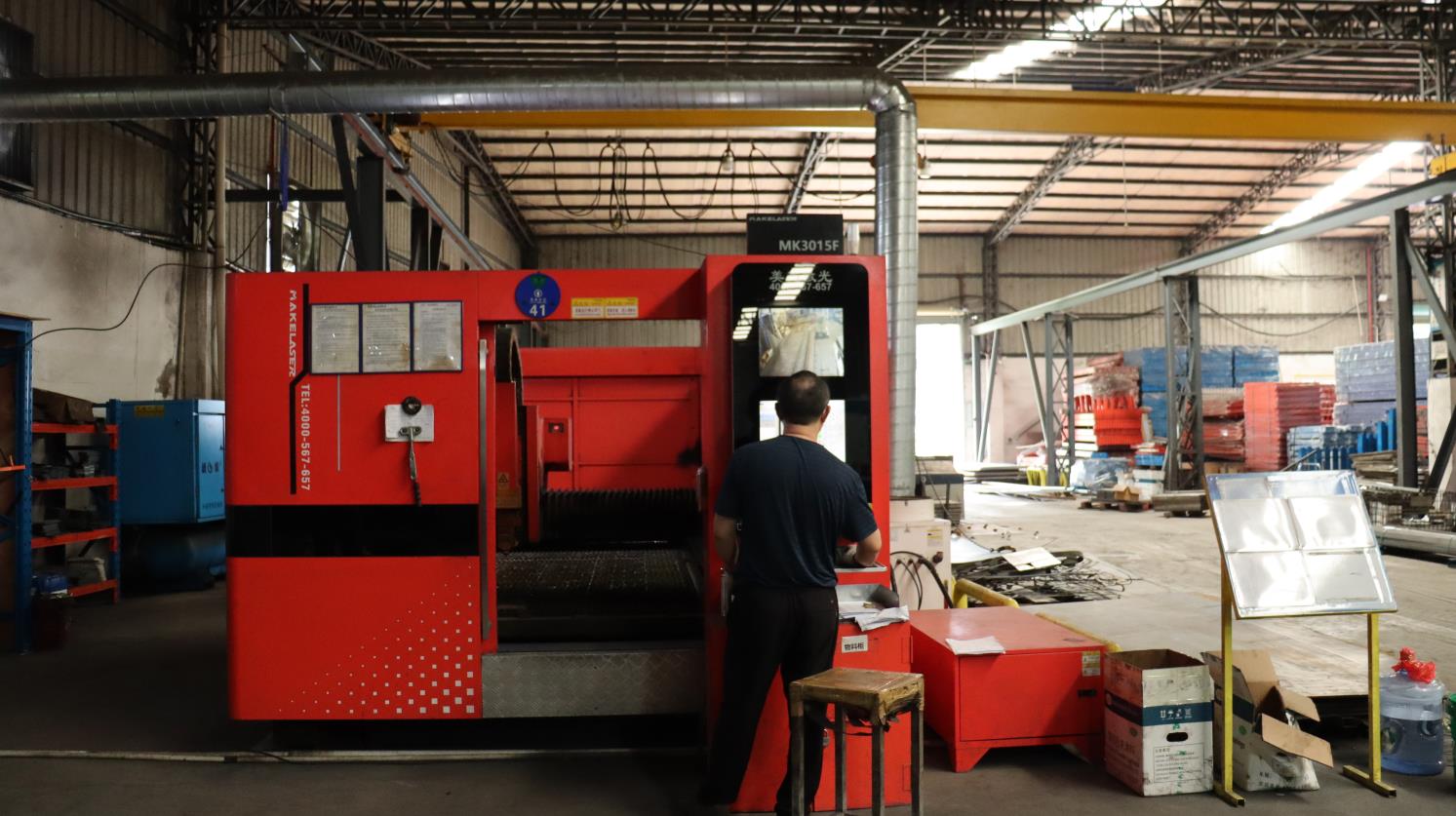
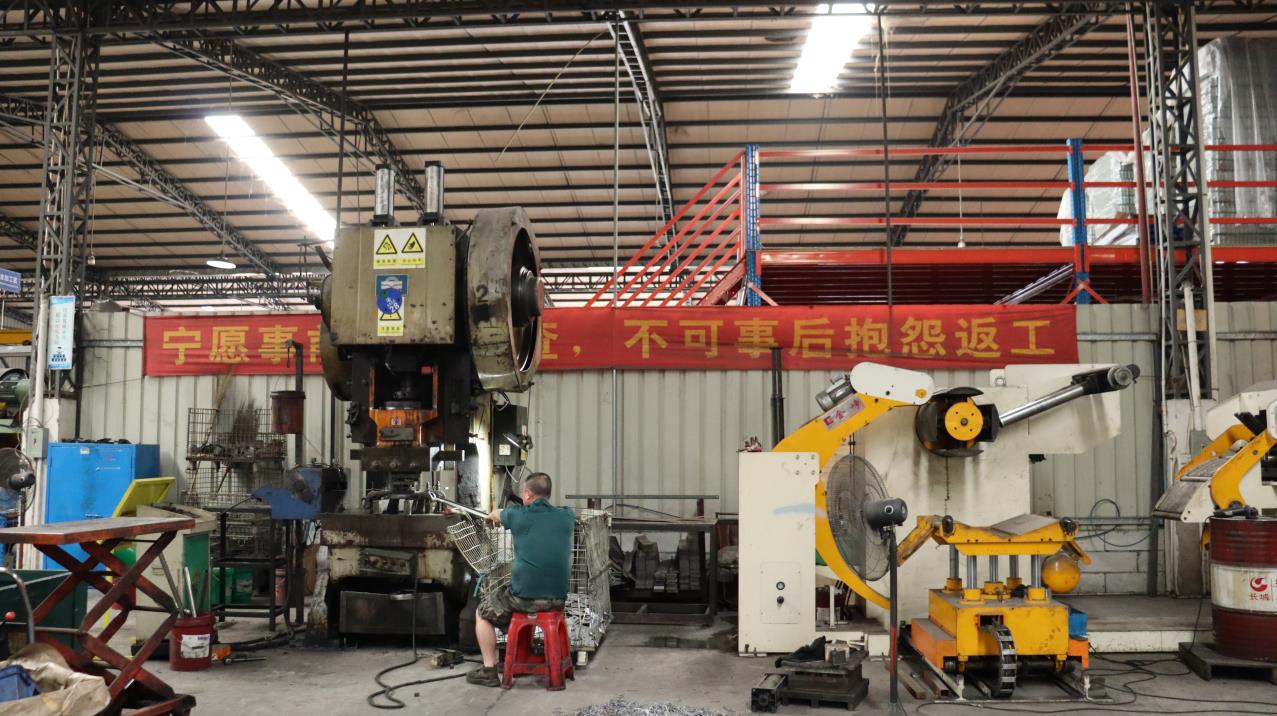
As logistics complexes pivot toward smart fulfillment centers and automated vertical cities, the demand for high-strength steel platforms has shifted from simple load containment to complex, integrated multi-tier systems. Below are the key technological pillars shaping the future of heavy-duty structural steel platforms:
By transitioning from traditional hot-rolled structure members to advanced high-tensile cold-rolled micro-alloyed steels (such as Q355B and Q420), next-gen platforms reduce dead load by up to 22% while increasing structural stability and elasticity limit under extreme dynamic forces.
Embedding strain-gauge sensors and ultrasonic transducers within high-stress joints allows operators to track load distributions, vibration cycles, and deflection metrics in real time, preventing catastrophic failure through predictive maintenance algorithms.
Modern mezzanines must support automated mobile robots. This requires high-flatness flooring systems (FM2/DIN 18202 standards), structural damping laminates to absorb vibrations, and low-friction, heavy-wear top layers that facilitate optimal robot traction.
Heavy-duty structural mezzanine systems must adapt to the technical specifications of their target sectors. A one-size-fits-all approach is insufficient to meet varying regulatory demands, sanitary regulations, and operational layouts:
Operating across international boundaries introduces diverse regulatory requirements. Leading platform manufacturers maintain a robust engineering framework capable of translating project parameters to align with local codes:
Seismic Design Adaptations: In high-seismic zones such as California, Italy, or Japan, structural calculations must incorporate dynamic seismic forces. Utilizing advanced computer programs, our engineers model structural behaviors under Peak Ground Acceleration (PGA) scenarios, strengthening structural members and connection plates as required.
Certifications & Engineering Clearances: All materials undergo chemical profiling and physical tensile stress tests, matching global standards (EN, ASTM, AS/NZS). Our structural designs are approved by certified professional engineers (PE) to expedite local permitting and occupational safety clearances (e.g., OSHA, CE, UKCA).
When selecting an industrial partner for heavy-duty structural logistics, procurement teams should consult the following checklist to evaluate factory capabilities and ensure optimal supply chain resilience:
Essential technical insights on structural configurations, load calculations, international standards, and deployment timelines.
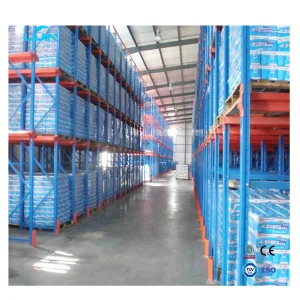
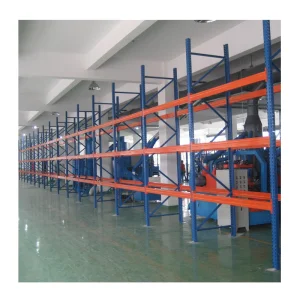
Additional heavy-duty storage systems engineered to optimize warehouse space and load-bearing efficiency.
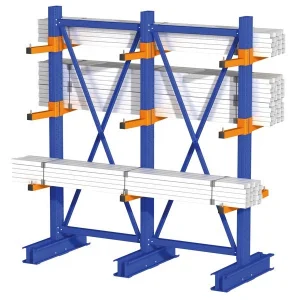
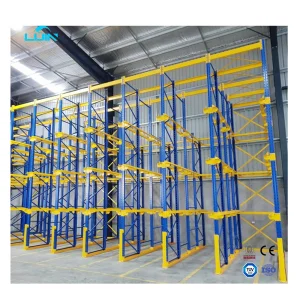
 Lijin Racking