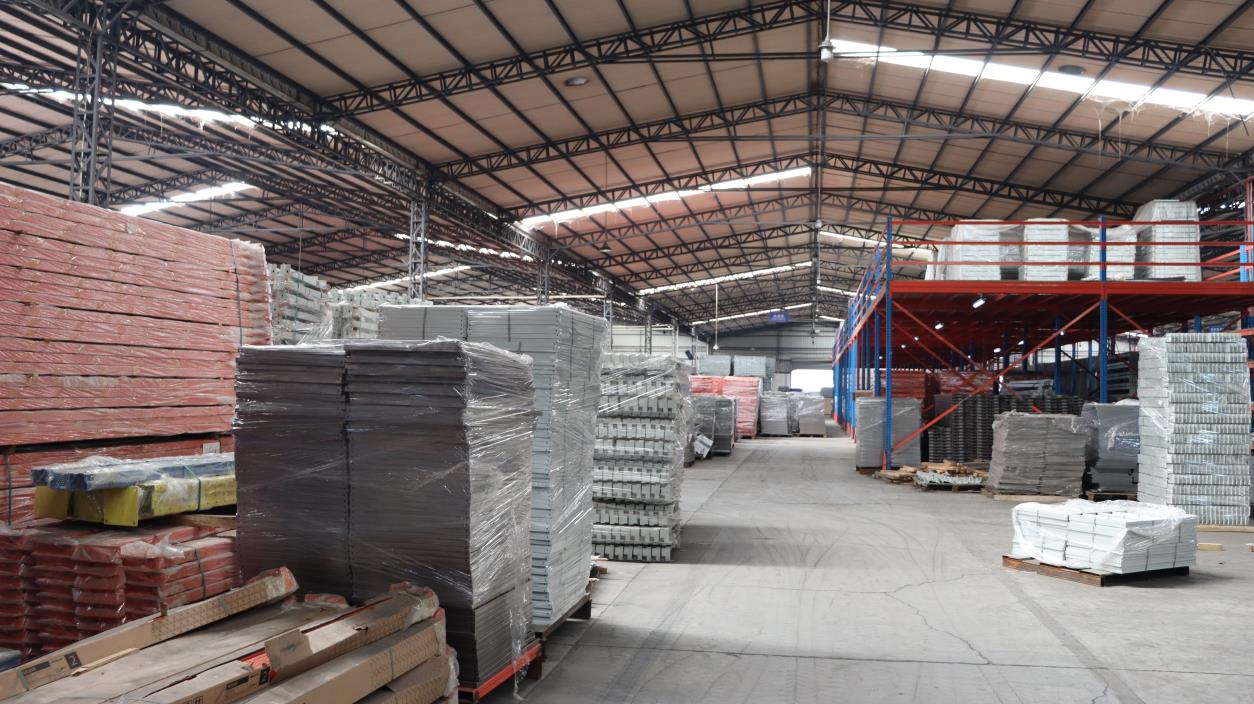
Direct from our state-of-the-art 35,000 m² manufacturing plant. Engineered for high load-bearing capacity and operational longevity.
Analyzing the role of industrial carts, roll trolleys, and structural warehousing frameworks in modern supply chains.
The modern supply chain relies heavily on efficiency, throughput speed, and safety. At the center of this movement are material handling systems, including high-capacity carts, roll trolleys, and industrial storage configurations. Whether in a large third-party logistics (3PL) center, an automotive assembly plant, or a cold storage food facility, moving goods quickly and safely requires a system where mobile transport units (carts and trolleys) work in harmony with static storage structures (heavy-duty racking and mezzanine floors).
Globally, the market for industrial carts and trolleys has expanded beyond simple manual hand trucks. Modern warehouses use specialized picking trolleys, heavy-duty shelf trucks, and automated guided vehicles (AGVs) designed to interact with warehouse racking systems. Achieving high efficiency requires a facility designed to support these workflows—ensuring aisle clearances, load capacities, and structural pathways (like multi-tier mezzanine floors) are optimized for rolling equipment.
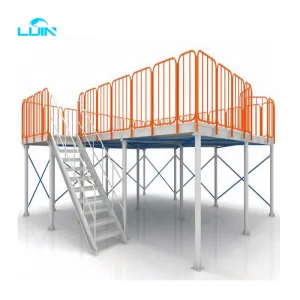
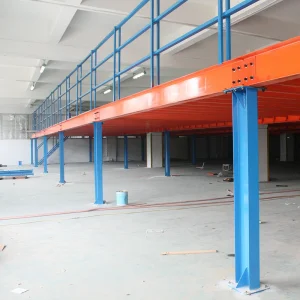
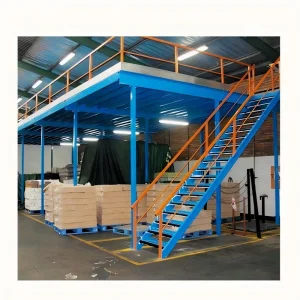
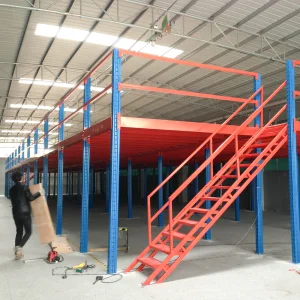
Industrial carts and trolleys are the dynamic component of warehouse operations, while structural racks represent the static foundation. For high-volume order picking, heavy-duty shelving and structural mezzanines must be engineered to support the traffic of loaded trolleys. Heavy cart traffic requires mezzanine floors to use high-tensile H-beams and thick steel deck plates to distribute concentrated wheel loads, preventing deck deformation over time.
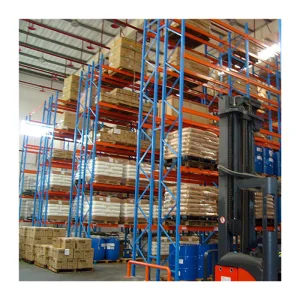
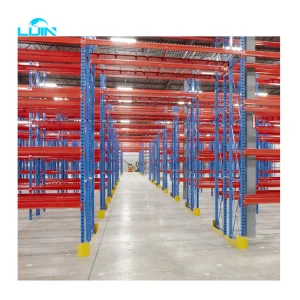
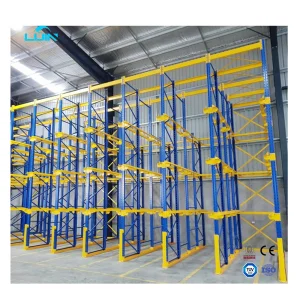
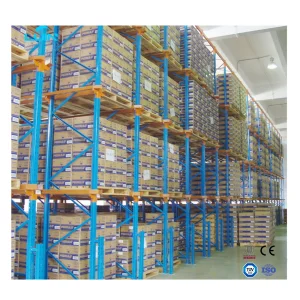
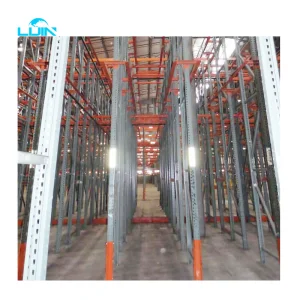
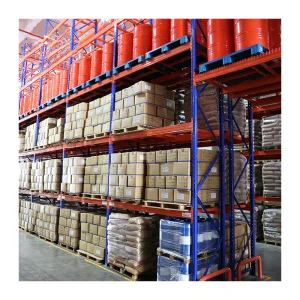
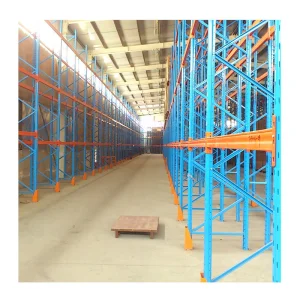
Similarly, drive-in pallet racking systems require precise floor tracking and guides if automated cart shuttles or AGV trolleys are used. These systems must be designed to avoid structural collisions. A minor impact from a 1,000 kg cart can compromise a racking frame if it lacks proper upright protectors and heavy-duty steel base plates. High-quality manufacturers design warehouse racking with structural reinforcements (like Q235 structural steel) specifically to handle these operational demands.
Key metrics and selection criteria for engineering and supply chain managers sourcing material handling equipment.
Procurement teams evaluate the long-term cost of material handling systems rather than just the initial price. Factors like powder-coating durability, weld fatigue resistance, and wheel bearing quality are key. High-durability structures reduce ongoing maintenance and downtime.
Standard configurations rarely maximize space efficiency. Enterprise buyers require suppliers with strong R&D teams (such as Lijin's 28-engineer R&D department) who can customize racking heights, shelf spans, and trolley dimensions to match existing warehouse heights and floor plans.
Quality control is vital for safety in high-density storage. Global enterprises require structural load certifications, welding quality test reports, and non-destructive testing (NDT). This is why Shenzhen Lijin maintains a dedicated 35-person quality control inspection team.
From food-grade cold storage applications to outdoor pipe storage, material handling equipment must resist corrosion and wear. Buyers check for chemical resistance in powder coatings and certified steel grades, like Q235, to ensure safety under load.
When procurement teams source heavy-duty carts or industrial racking systems, they should confirm the manufacturer uses finite element analysis (FEA) during the design phase. This process simulates real-world load conditions and helps prevent structural failure from static or dynamic loads.
A trusted global supply chain partner specializing in heavy-duty warehouse racking and industrial storage platforms.
Established in 2015, Shenzhen Lijin Storage Equipment Co., Ltd. is a leading enterprise specializing in the design, manufacturing, and global distribution of heavy-duty warehouse racking systems, automated storage solutions, and industrial shelving. Spanning a state-of-the-art facility of 35,000 m², we have developed into a trusted global supply chain partner with over 8 years of direct export experience and more than 12 years of deep industry expertise. Driven by innovation and quality, our global revenue reached USD 22 million last year.
We enforce a rigorous, multi-stage quality control system—including ultrasonic non-destructive testing, automated weld inspection, laser dimensional checking, and heavy-load endurance testing. Backed by an in-house quality inspection team of 35 dedicated professionals, every batch meets international safety and structural standards, ensuring maximum load-bearing efficiency and long-term stability.
Backed by an experienced international trade background, our core markets span North America, Western Europe, Southeast Asia, and the Middle East. We maintain strong strategic relationships with over 850 supply chain partners globally. Our primary clients include large-scale logistics hubs, commercial distributors, third-party logistics (3PL) providers, and industrial equipment wholesalers.
Supported by a skilled team of 28 R&D engineers, Shenzhen Lijin delivers comprehensive OEM and ODM solutions tailored to unique warehouse layouts, seismic requirements, and capacity needs. Our engineering team launched over 85 new products and dynamic storage configurations last year, continuously setting new standards in space optimization and modern automated storage integration.
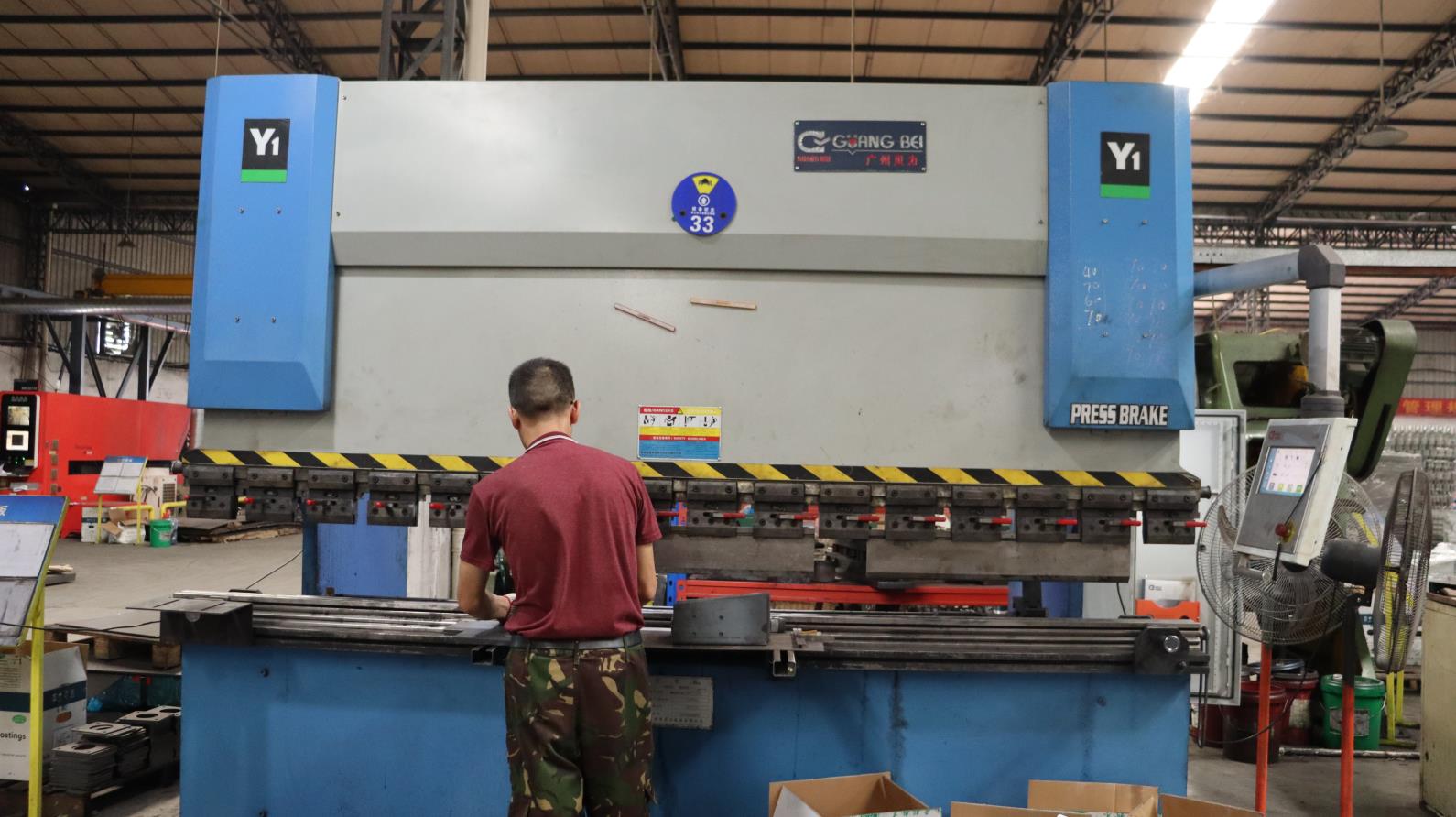
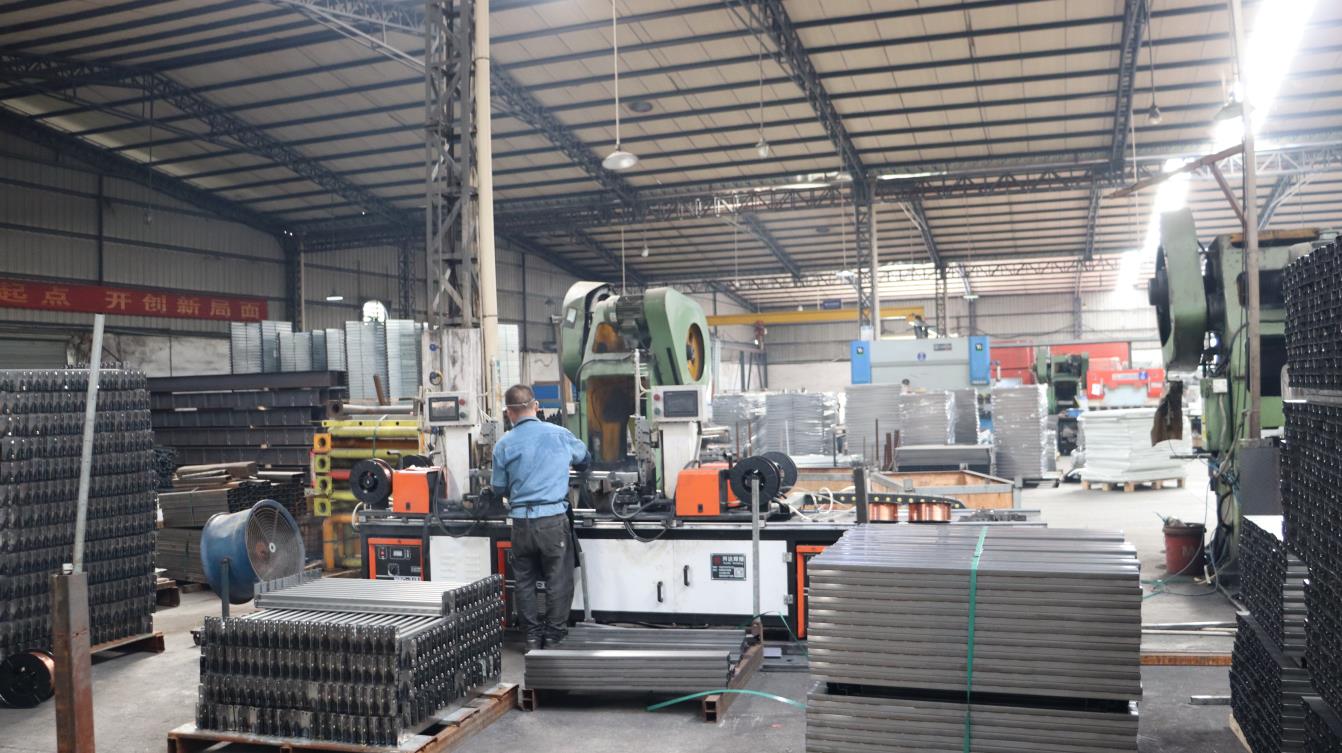
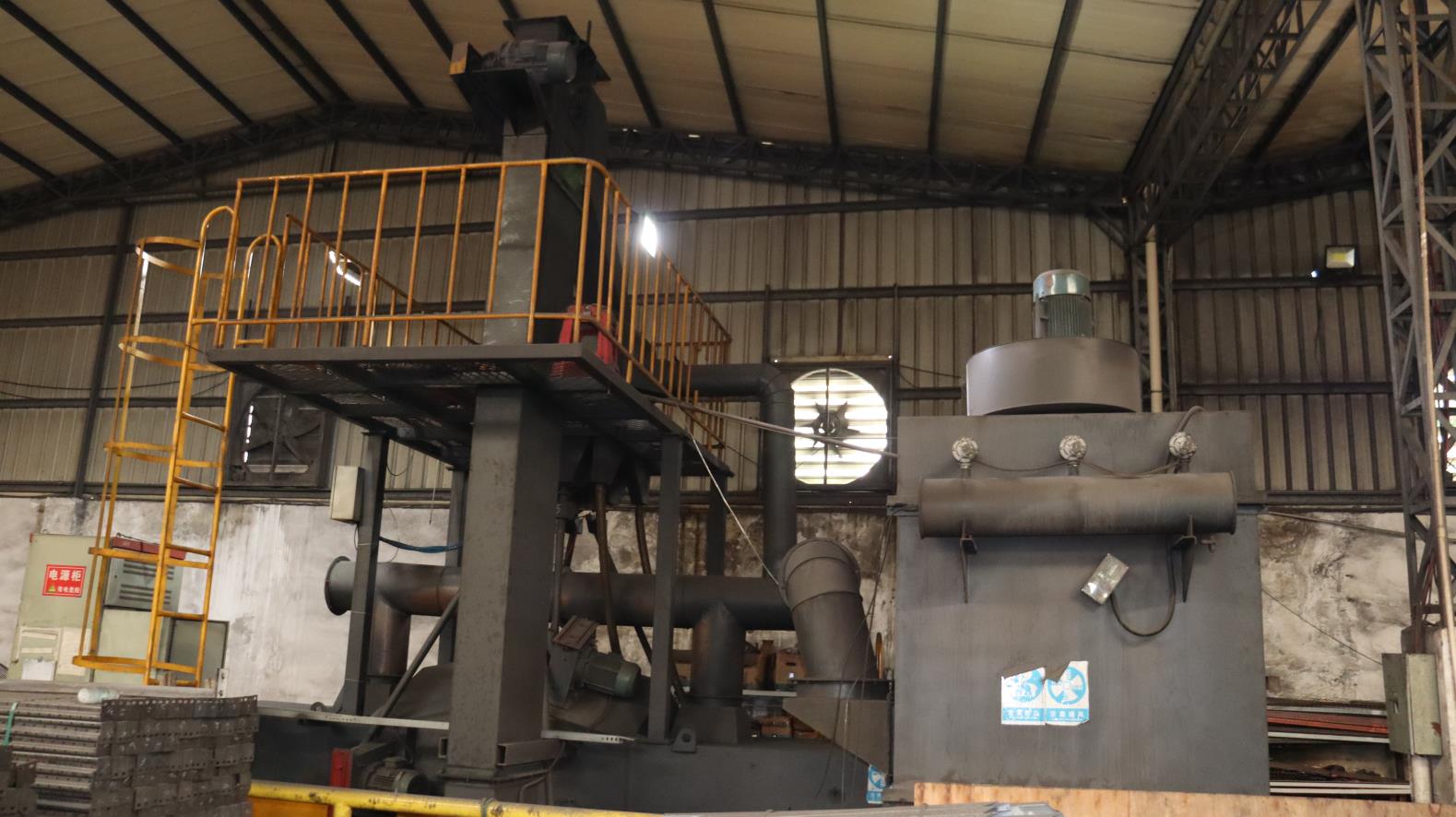
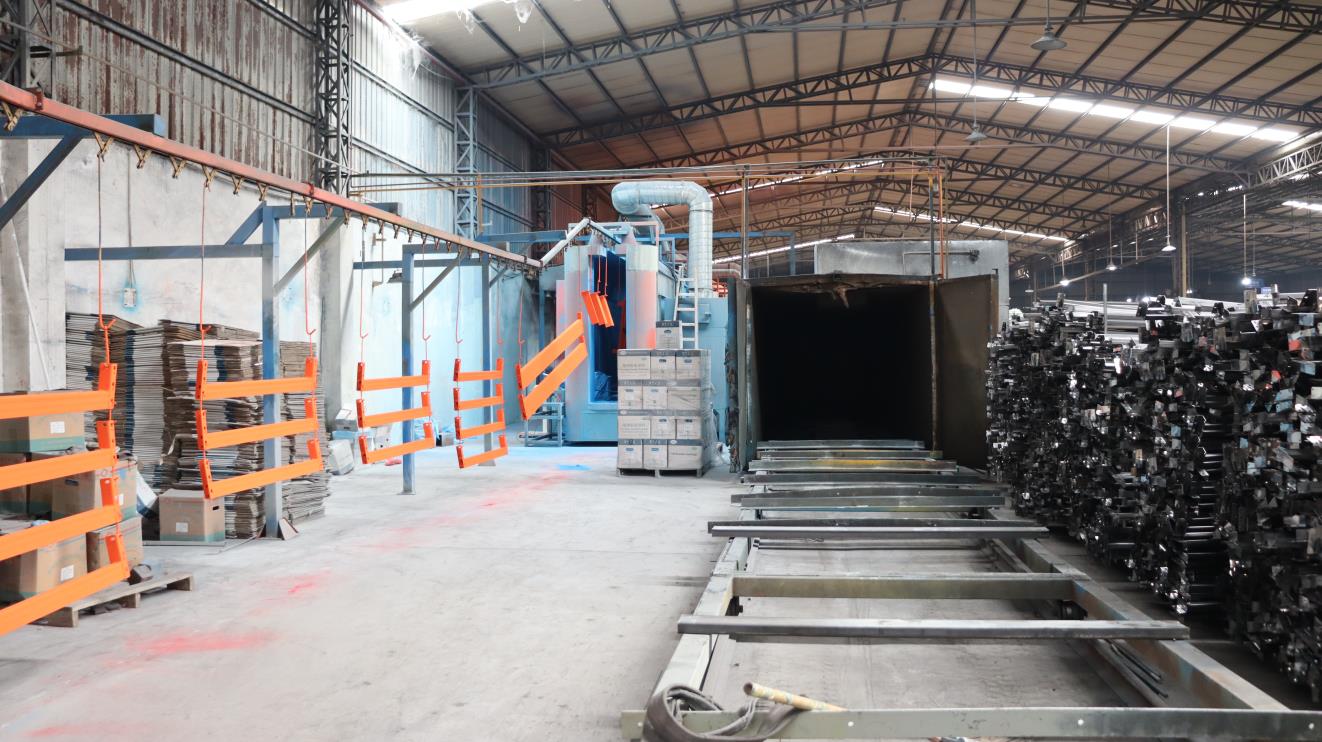
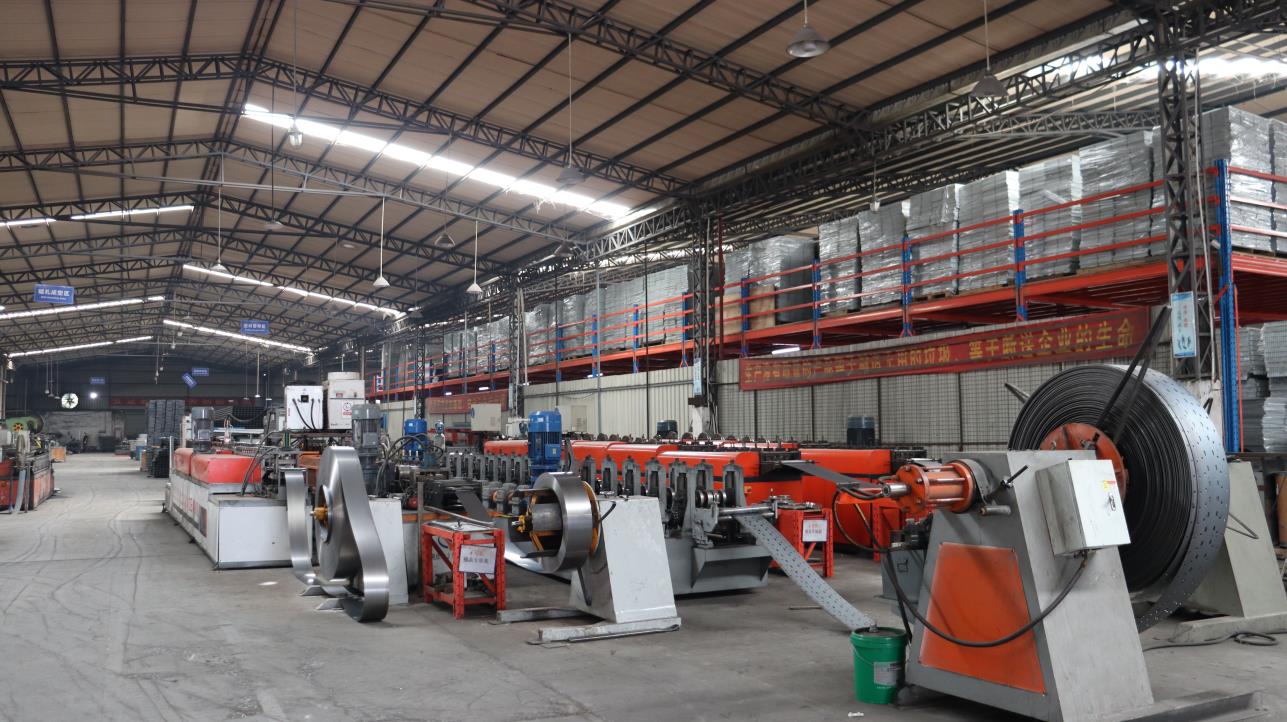
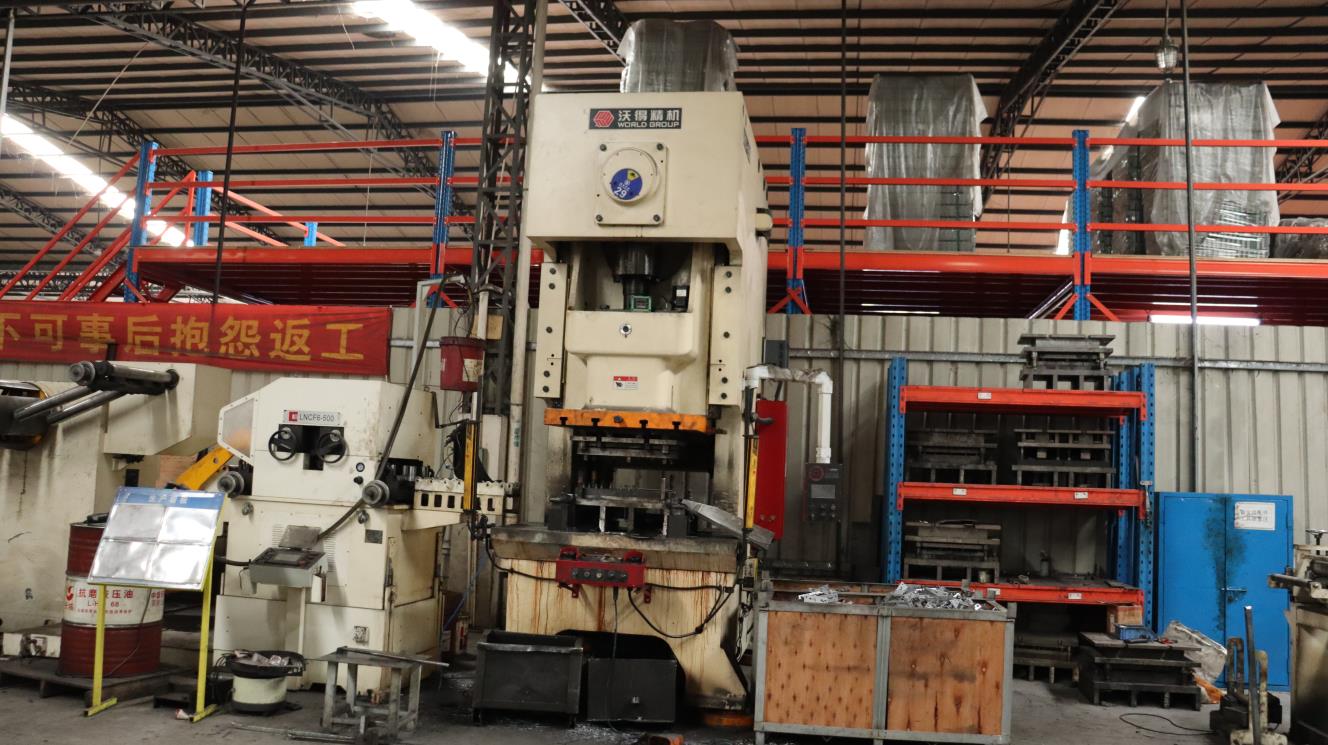
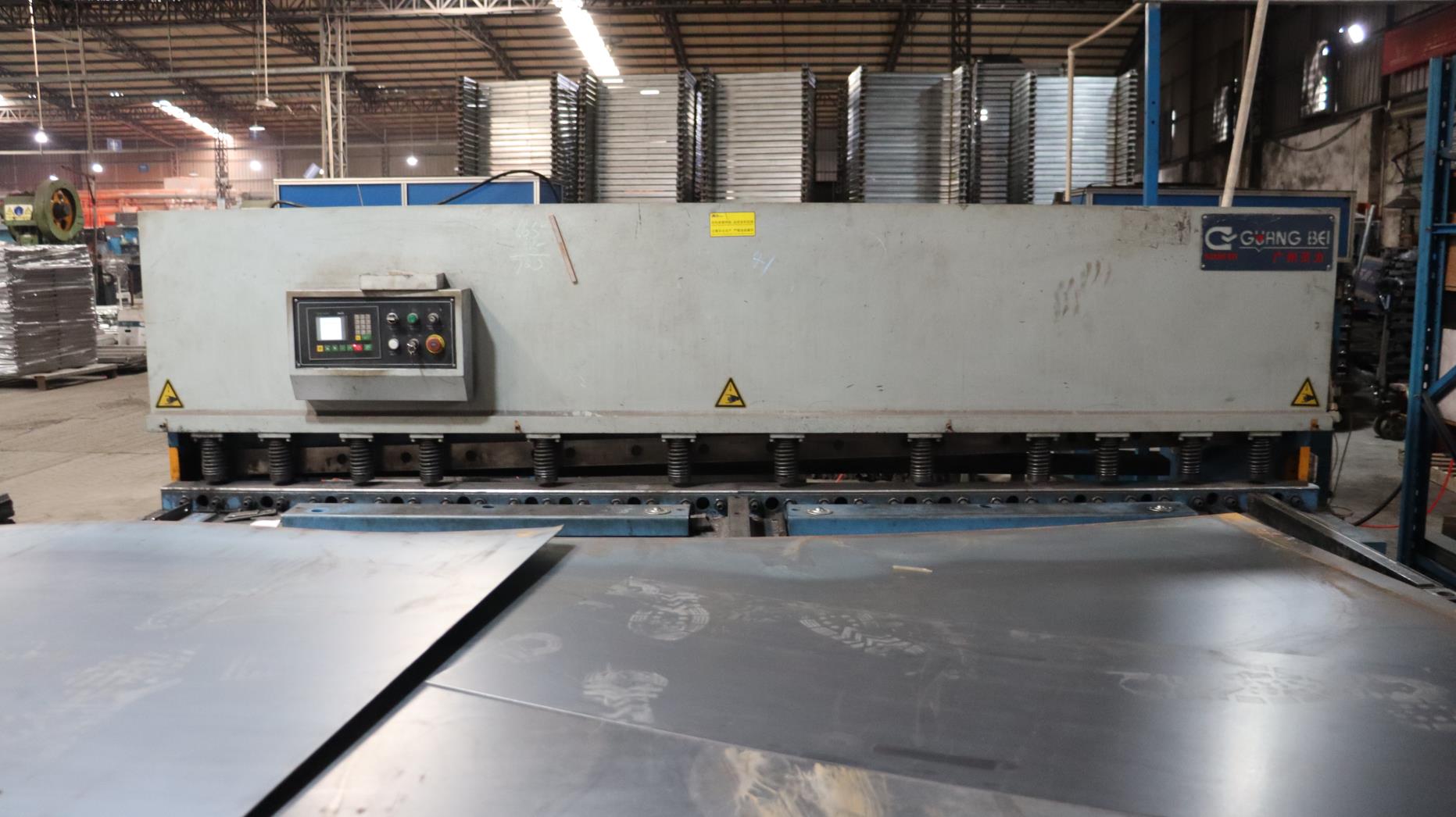
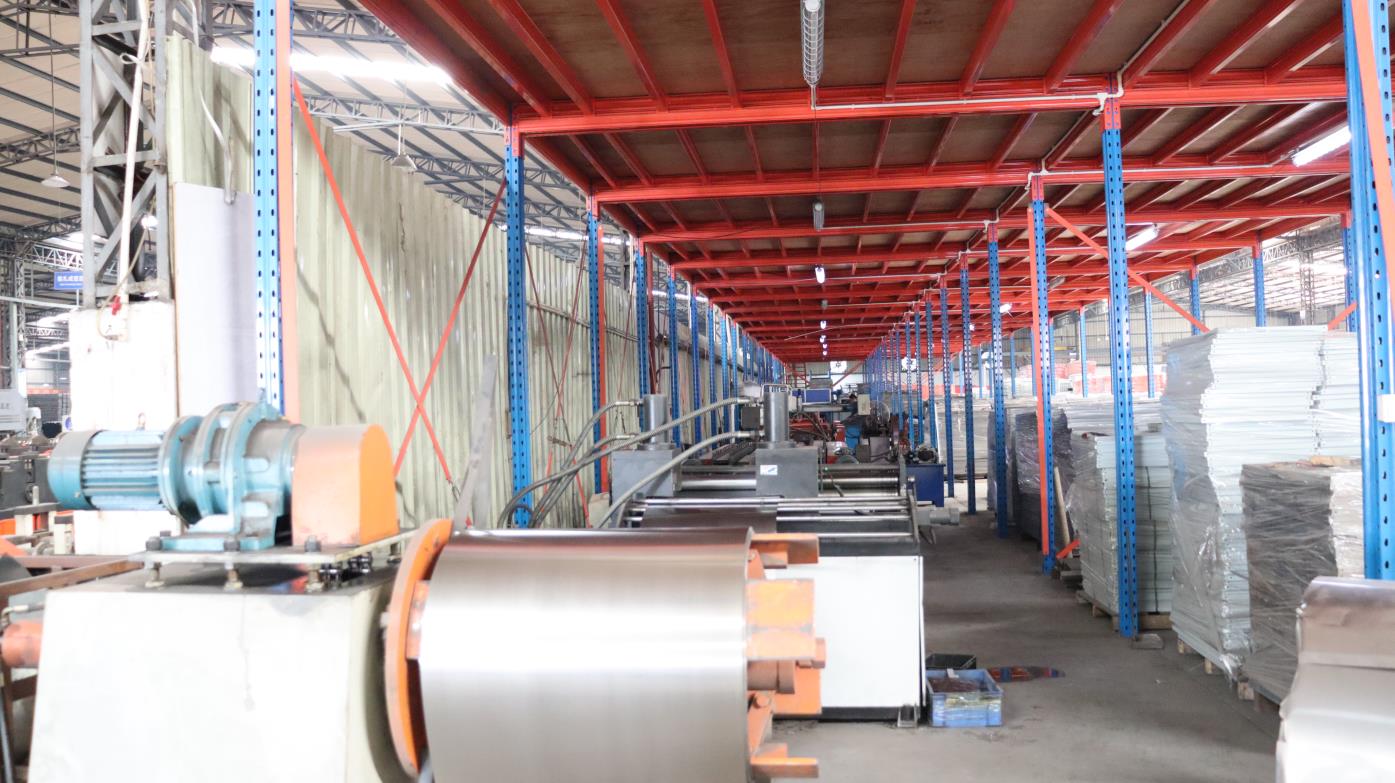
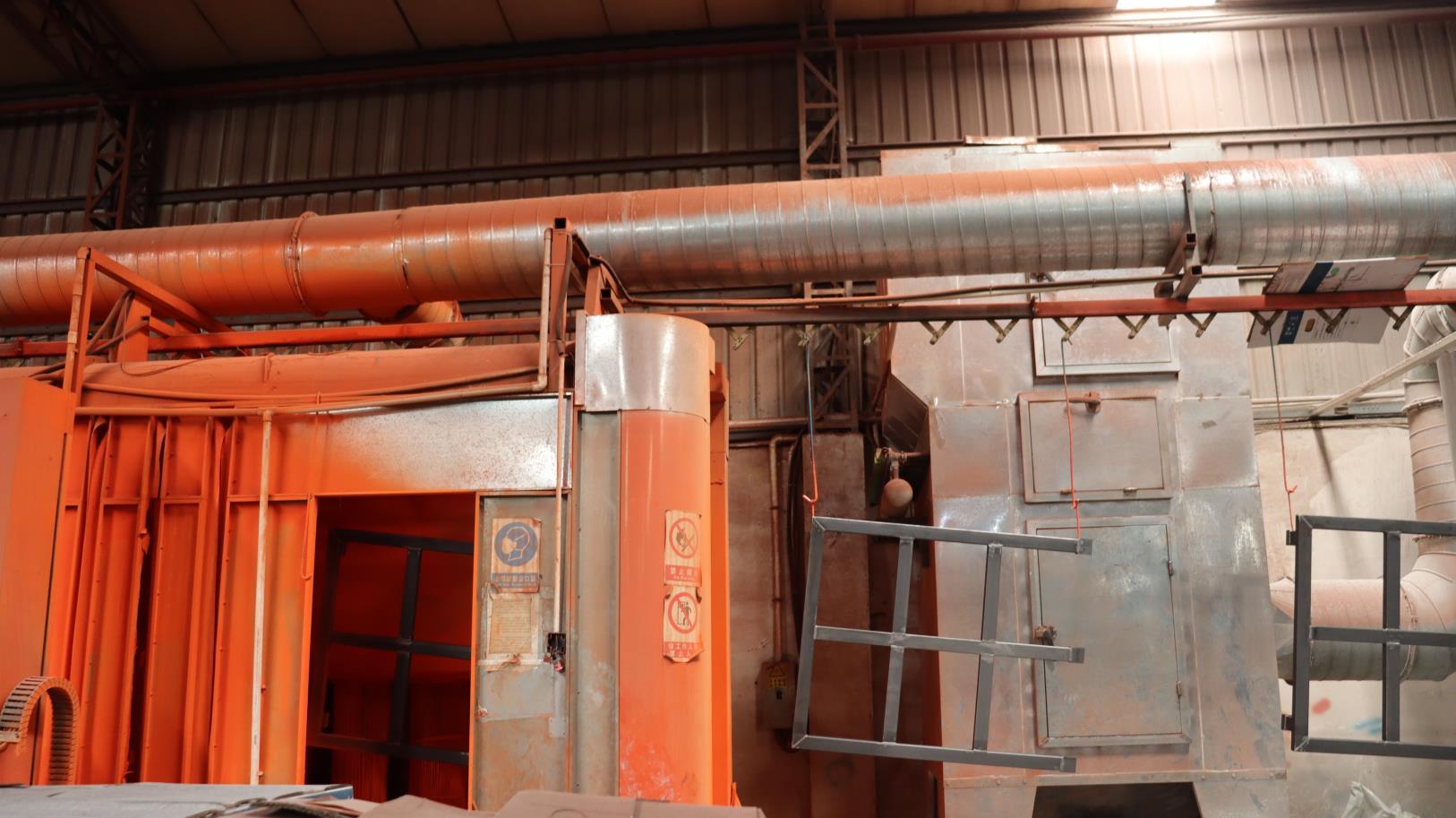
A step-by-step look at our processing machinery, rolling lines, and quality verification workflows.
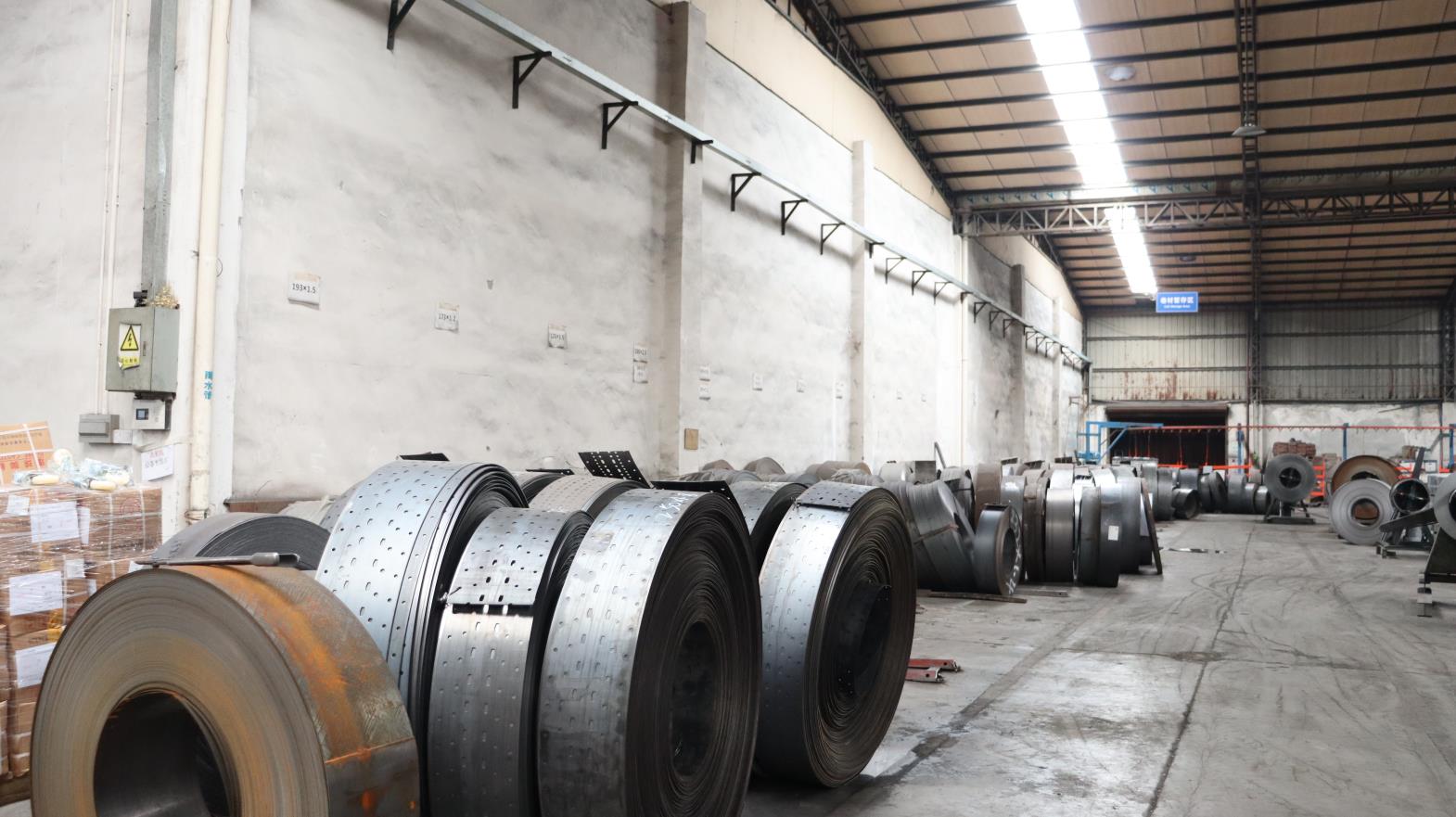
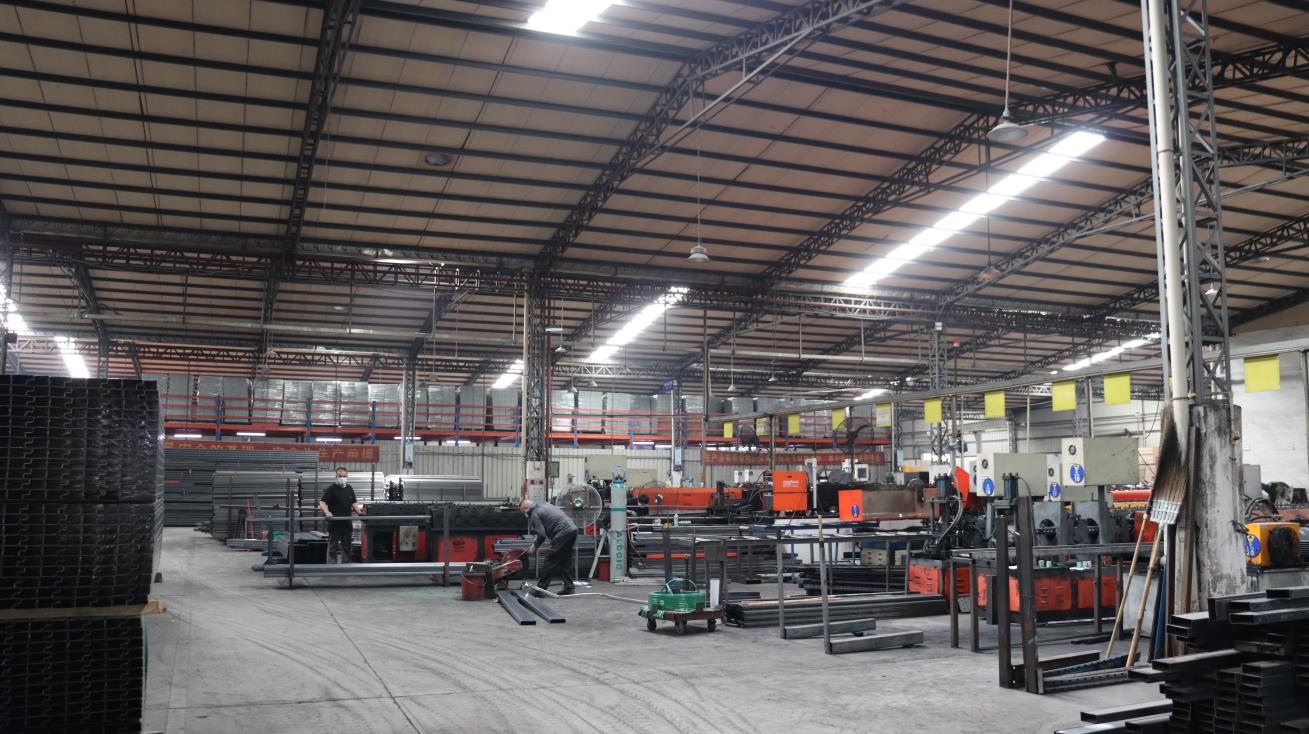
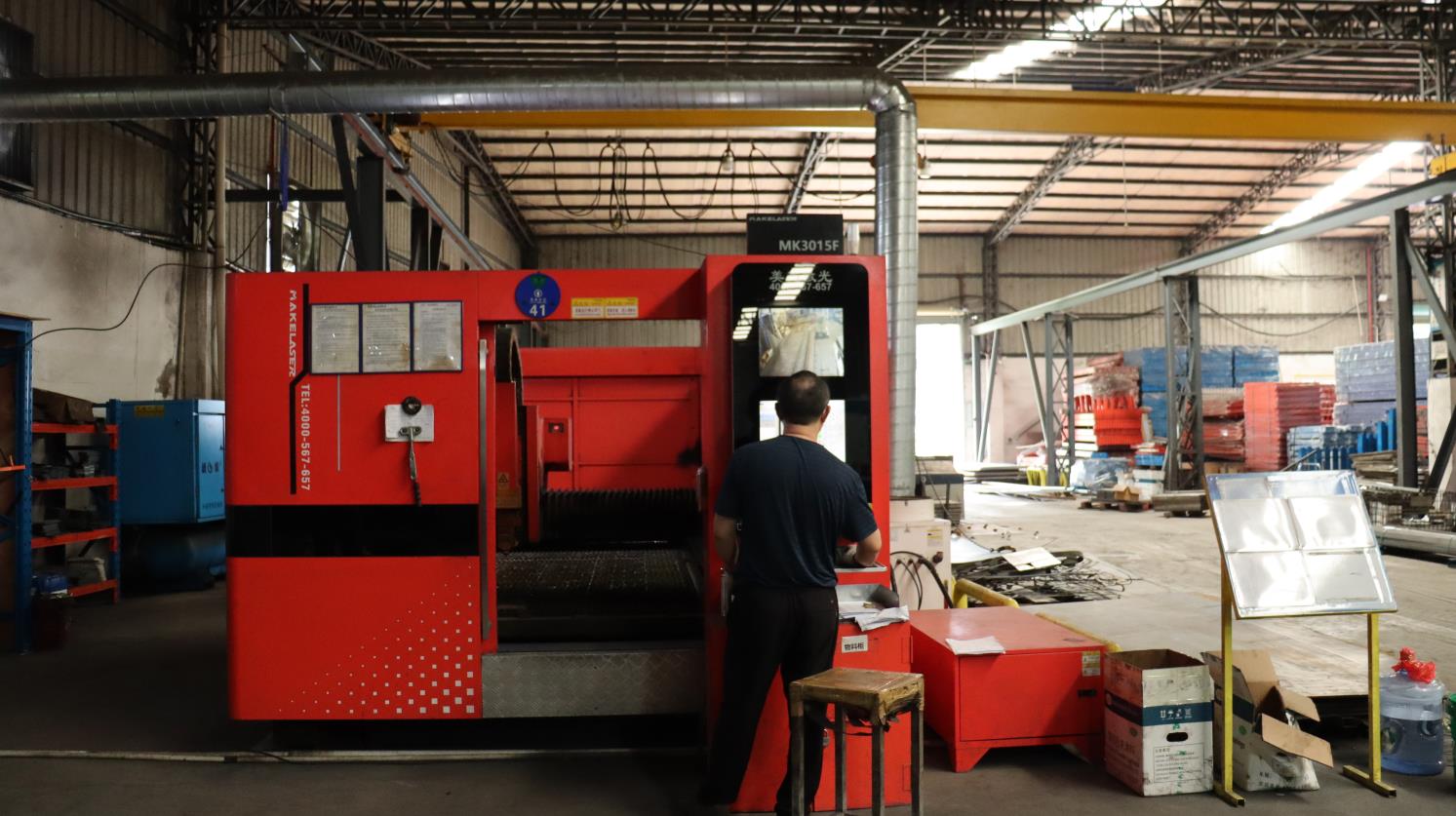
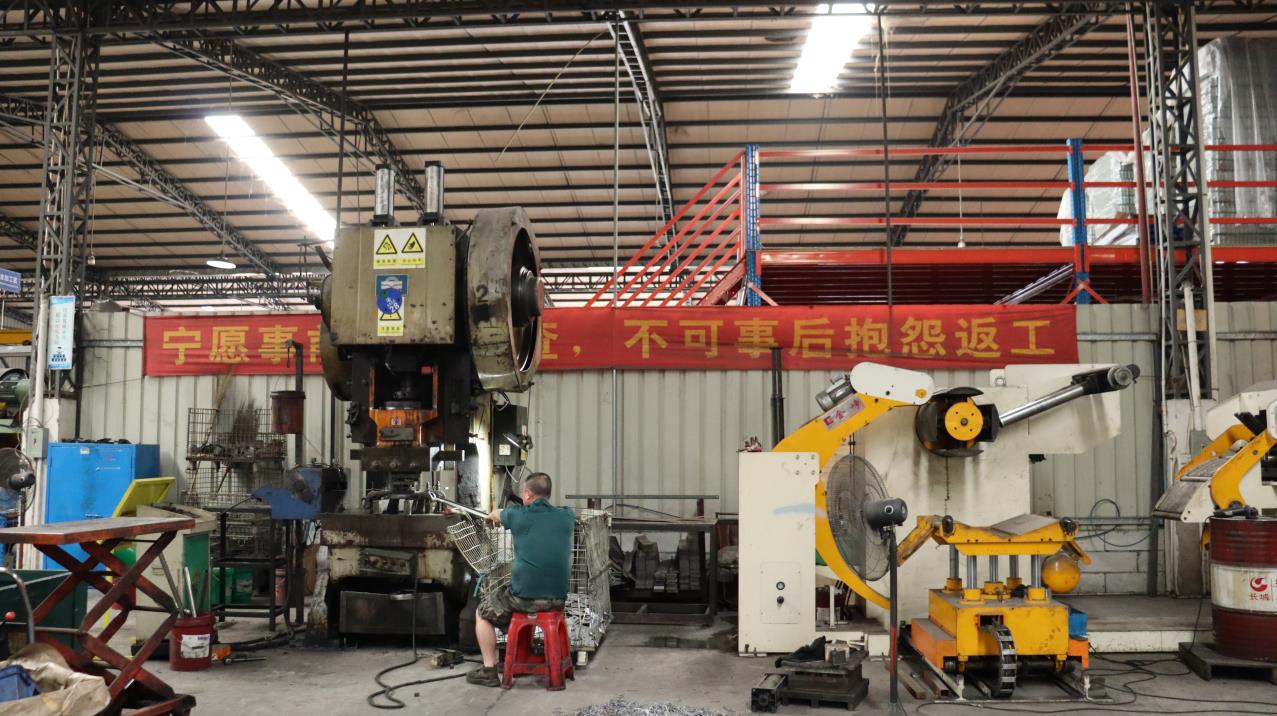
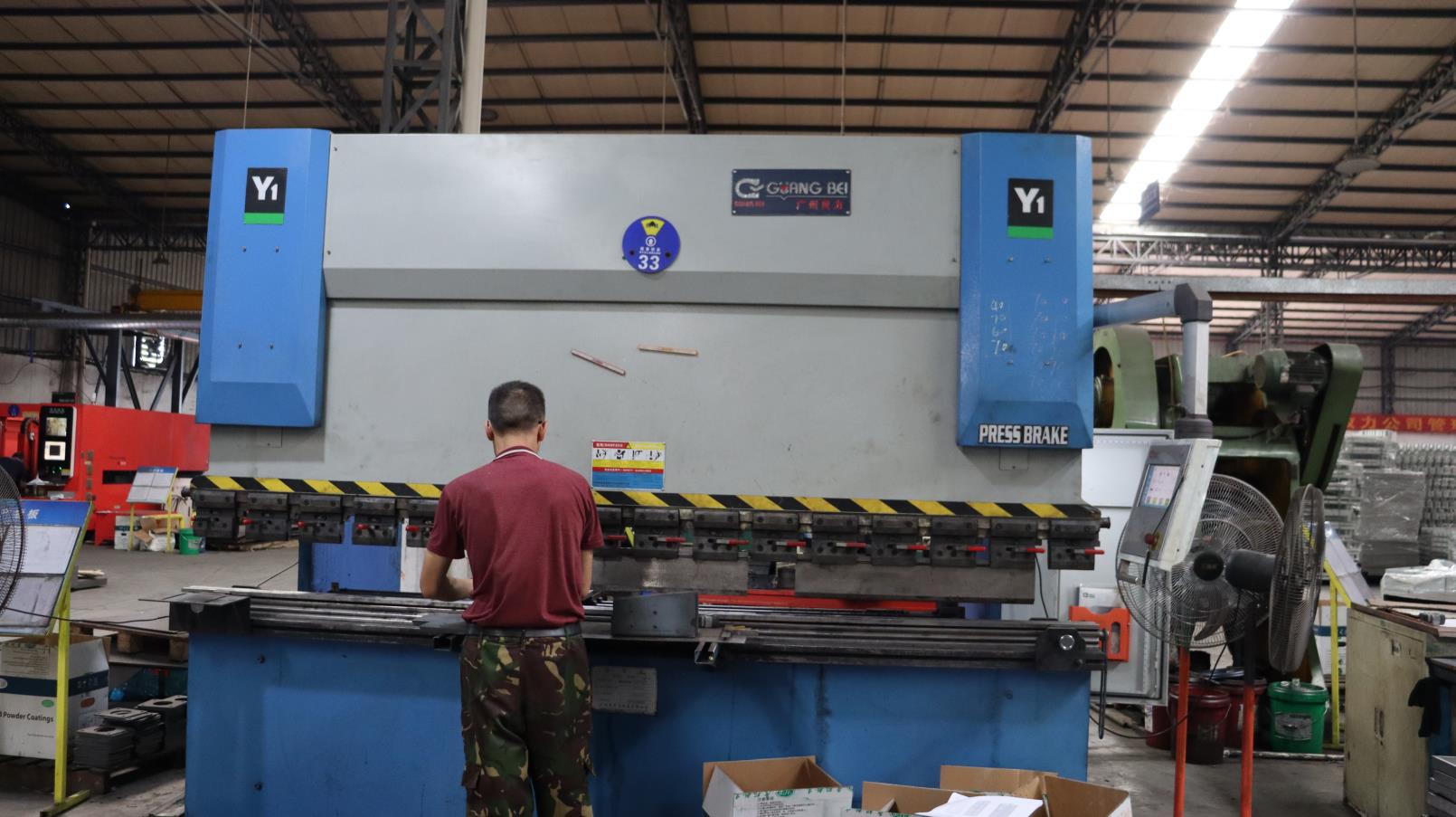
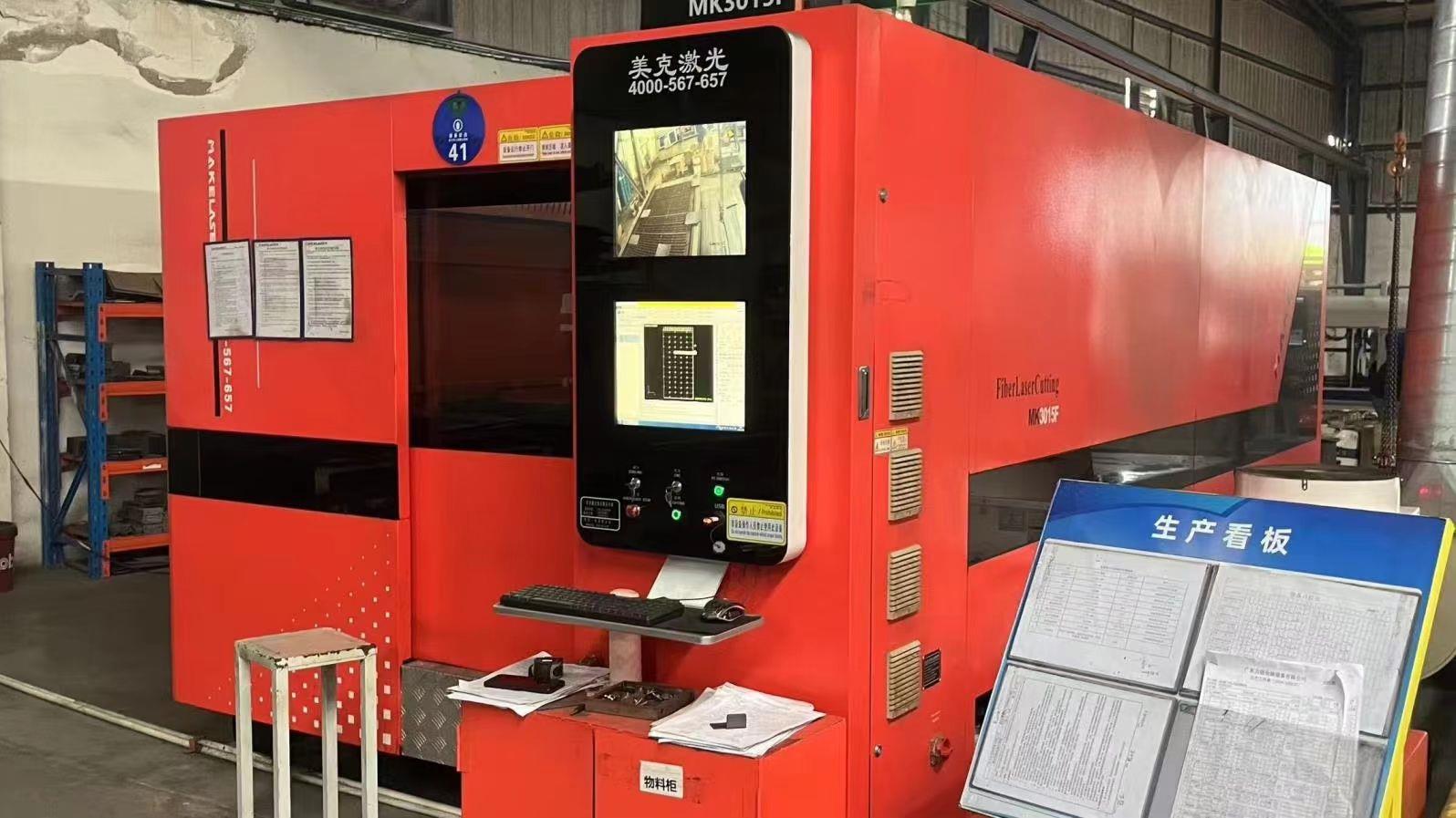
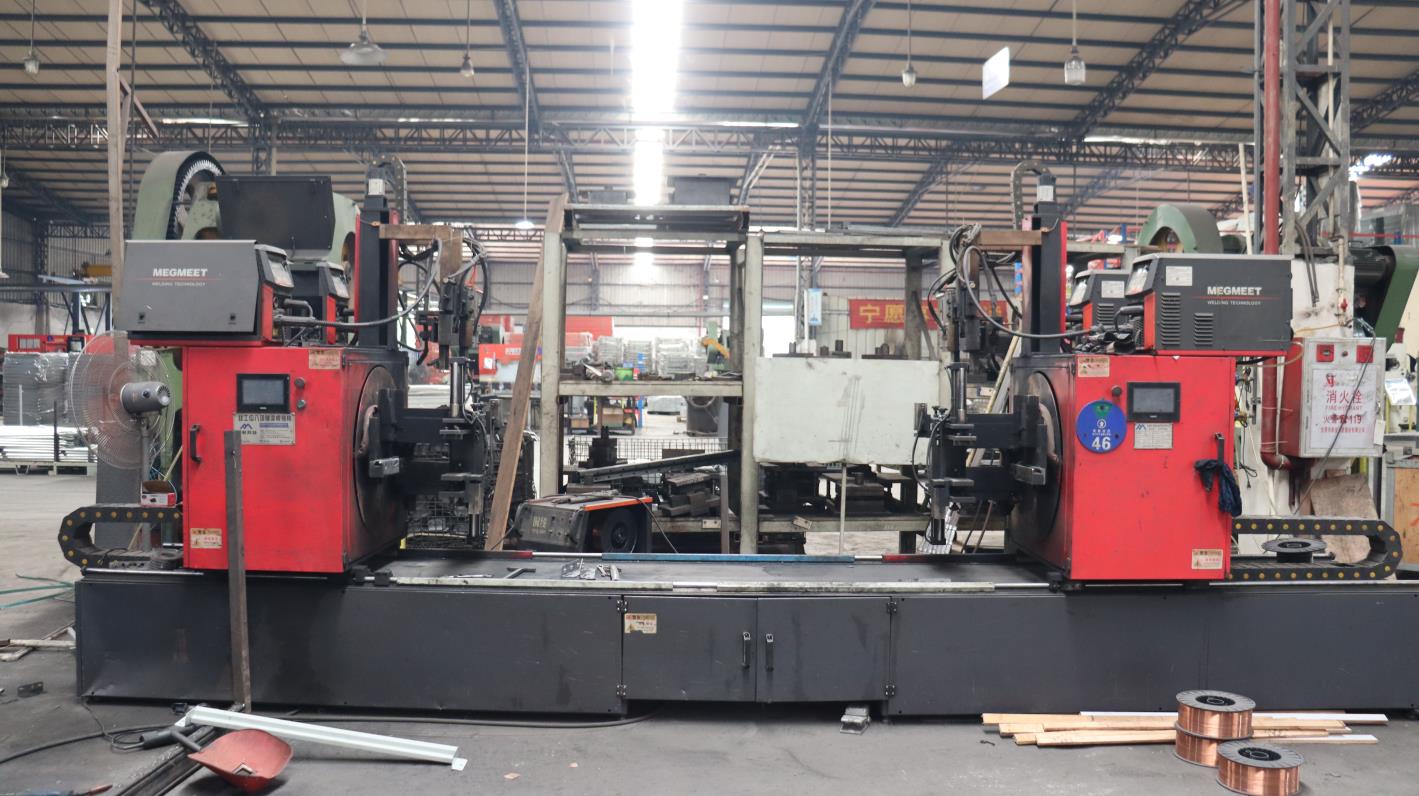
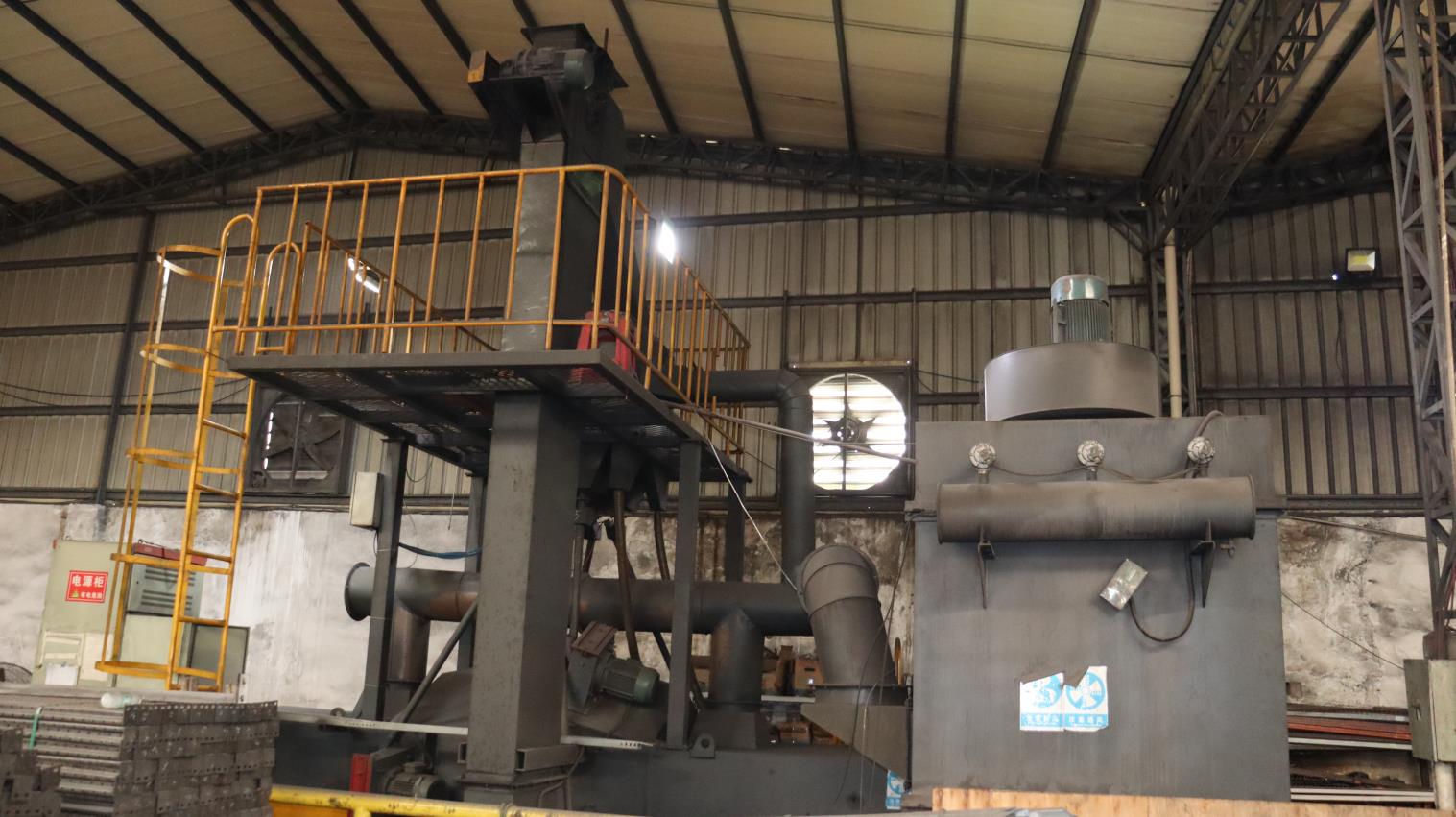
Tailored configurations designed to optimize space and material flow in specialized facilities.
High-density picking is critical for e-commerce. These facilities benefit from multi-tier steel mezzanine platforms that allow picking carts and trolleys to operate across multiple levels. Integrating heavy-duty racking with wide-span aisles ensures warehouse staff can navigate hand trucks and order picking trolleys efficiently, reducing travel times and boosting throughput.
Cold storage space is costly to operate. High-density storage configurations, such as drive-in racking and radio shuttle cart systems, are standard. The structural steel and rolling components must be coated to withstand temperatures down to -30°C without metal embrittlement or paint flaking, keeping operations safe and compliant.
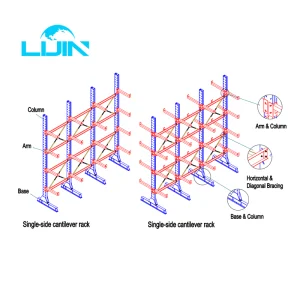
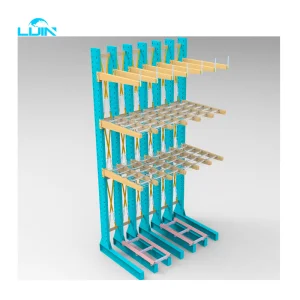
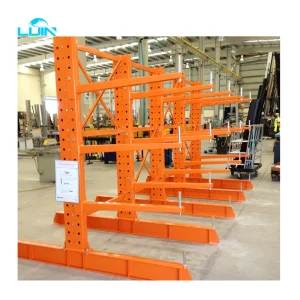
Industrial components like engine blocks and body panels are heavy and irregularly shaped. Cantilever steel racking systems are used to hold long, heavy materials, while customized heavy-duty tow-carts carry parts directly to the assembly line. Heavy-duty construction and impact-resistant bases are required to prevent damage from heavy industrial handling.
How automation and safety standards are shaping the next generation of warehousing systems.
The warehousing sector is shifting toward automation. Automated Guided Vehicles (AGVs) and Autonomous Mobile Robots (AMRs) are replacing manual carts in high-throughput facilities. Static storage systems must adapt to this trend. Racking systems require tighter tolerances, precise leveling, and integrated guide tracks to interact smoothly with robotic systems. Precision roll-forming and laser-cutting technologies ensure that racking components align properly with automated equipment.
Shenzhen Lijin designs and manufactures storage racking systems in compliance with international engineering standards, including ISO 9001:2015, FEM 10.2.02 (European Federation of Materials Handling), RMI (Rack Manufacturers Institute), and AS4084 (Australian Standard for Steel Storage Racking). This compliance helps ensure safety, quality, and structural integrity across global markets.
Insights into load distribution, custom engineering, and material selection for warehouse managers.
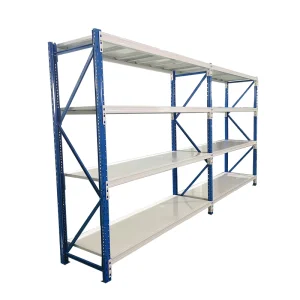
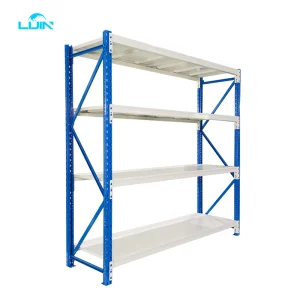
Explore our complete range of customizable warehouse shelving, cantilever racks, and mezzanine floor systems.
 Lijin Racking