Architected for seamless AS/RS integration, heavy-load load distribution, and maximum cubic space optimization.
The global warehousing and logistics sector is undergoing an unprecedented structural transition. Propelled by the explosion of multi-channel e-commerce, localized supply chain reshoring, and severe urban land constraints, companies are forced to maximize vertical space utilization rather than expanding physical building footprints. High-Density Automated Storage and Retrieval Systems (AS/RS) have evolved from premium, niche operational investments into critical, standard infrastructure.
In highly industrialized zones such as North America and Western Europe, the integration of automation is accelerated by rising labor costs and strict regulatory standards regarding workplace ergonomics and safety. In these regions, traditional static shelving is being rapidly replaced by high-performance shuttle systems, mobile pallet-runners, and structural steel mezzanines designed to interface directly with Autonomous Mobile Robots (AMRs) and Automated Guided Vehicles (AGVs).
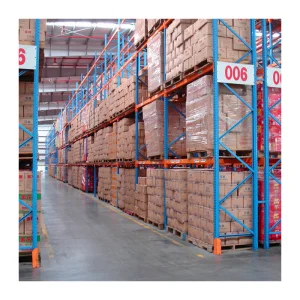
Conversely, across fast-emerging hubs in Southeast Asia, Latin America, and the Middle East, the focus lies on high-capacity, scalable racking infrastructures. These environments demand versatile heavy-duty pallet racks and modular steel structures capable of scaling into complete AS/RS setups as economic and technological systems mature. The mandate is clear: warehouse storage must transition from passive space to dynamic, high-velocity assets integrated with real-time Warehouse Management Systems (WMS).
High demand for robotic interoperability, strict compliance with AISC/RMI structural guidelines, and deep integration of automated picking modules to mitigate acute labor shortages.
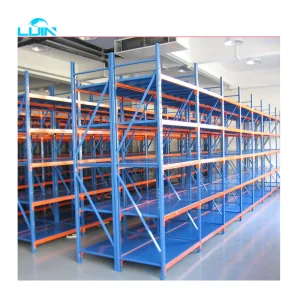
Rapid manufacturing expansion demands cost-efficient, heavy-duty adjustable longspan systems and high-throughput distribution center platforms to support regional trade growth.
Investment in massive, climate-controlled dynamic storage setups, drive-in systems, and customized structural steel mezzanines to handle transshipment volumes in regional free zones.
The strategic technological directions defining the next decade of materials handling and warehouse engineering.
Establishing the Global Benchmarks for High-Performance Racking & Automated Storage Infrastructure.
Established in 2015, Shenzhen Lijin Storage Equipment Co., Ltd. is a leading enterprise specializing in the design, manufacturing, and global distribution of heavy-duty warehouse racking systems, automated storage solutions, and industrial shelving. Spanning a state-of-the-art facility of 35,000 m², we have developed into a trusted global supply chain partner with over 8 years of direct export experience and more than 12 years of deep industry expertise. Driven by innovation and quality, our global revenue reached USD 22 million last year.
Quality Control & Manufacturing Excellence: We enforce a rigorous, multi-stage quality control system—including ultrasonic non-destructive testing, automated weld inspection, laser dimensional checking, and heavy-load endurance testing. Backed by an in-house quality inspection team of 35 dedicated professionals, every batch meets international safety and structural standards, ensuring maximum load-bearing efficiency and long-term stability.
Trade Profile & Global Footprint: Backed by an experienced international trade background, our core markets span North America, Western Europe, Southeast Asia, and the Middle East. We maintain strong strategic relationships with over 850 supply chain partners globally. Our primary clients include large-scale logistics hubs, commercial distributors, third-party logistics (3PL) providers, and industrial equipment wholesalers.
R&D & Customization Capabilities: Supported by a skilled team of 28 R&D engineers, Shenzhen Lijin delivers comprehensive OEM and ODM solutions tailored to unique warehouse layouts, seismic requirements, and capacity needs. Our engineering team launched over 85 new products and dynamic storage configurations last year, continuously setting new standards in space optimization and modern automated storage integration.
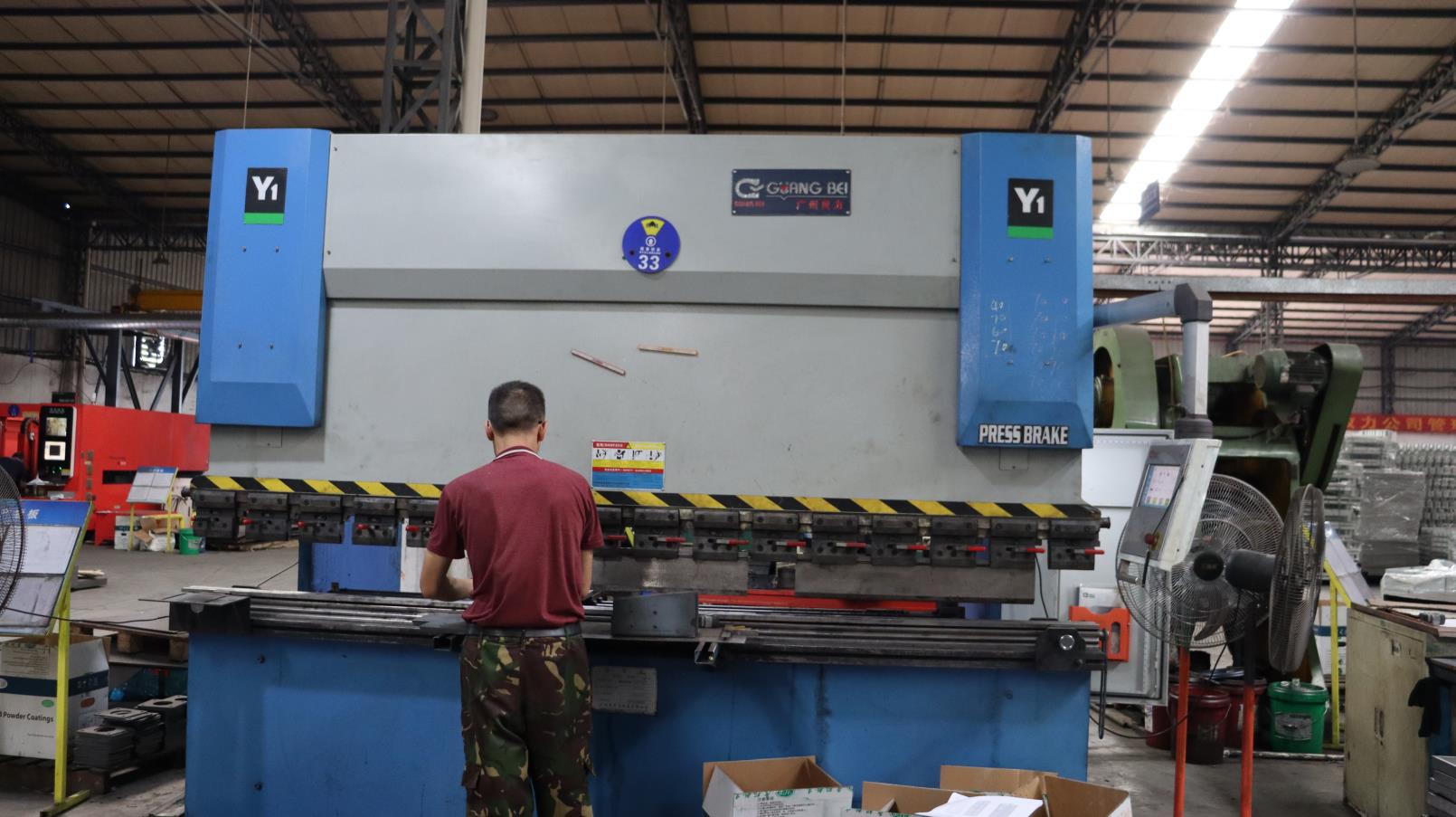
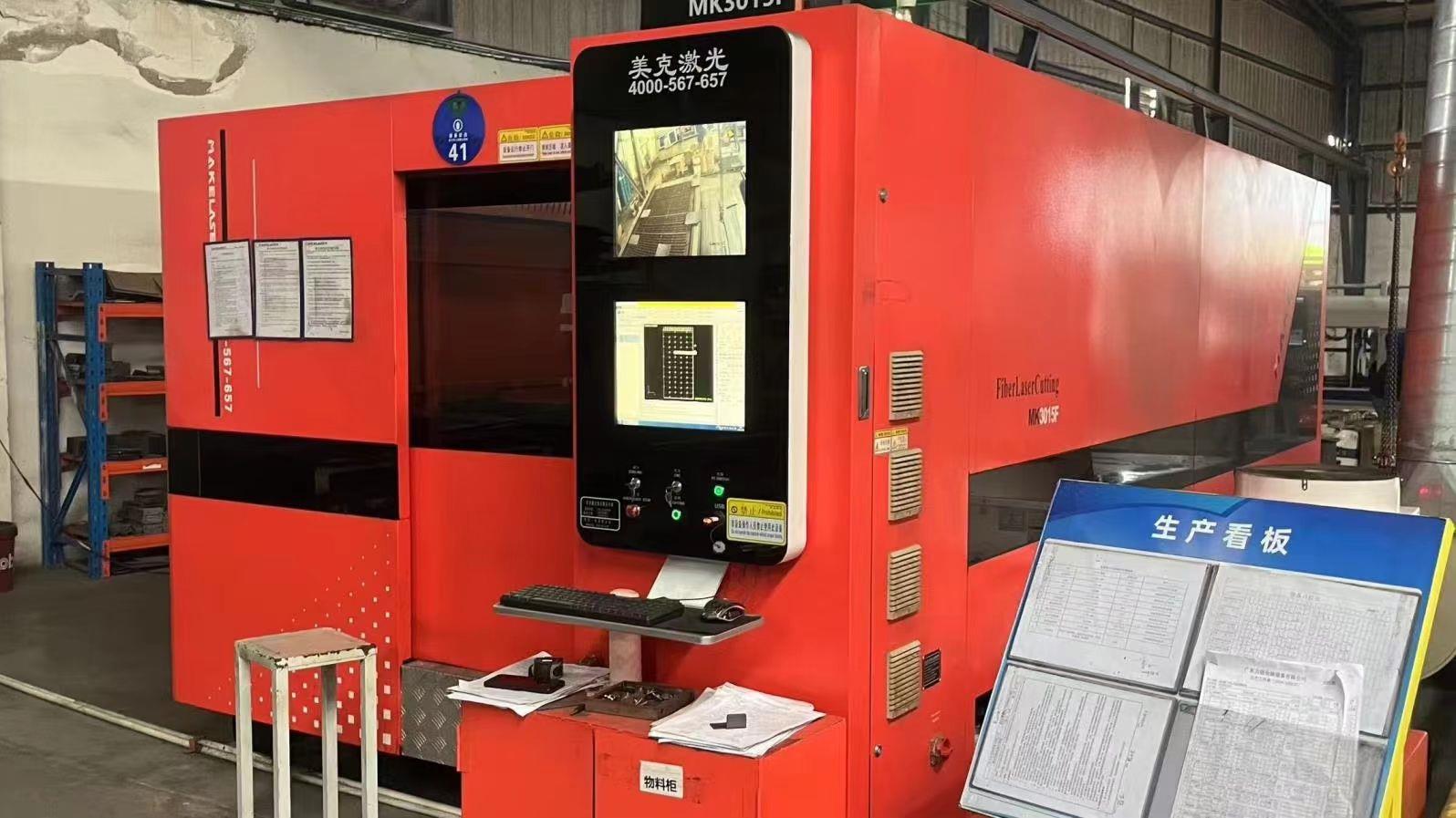
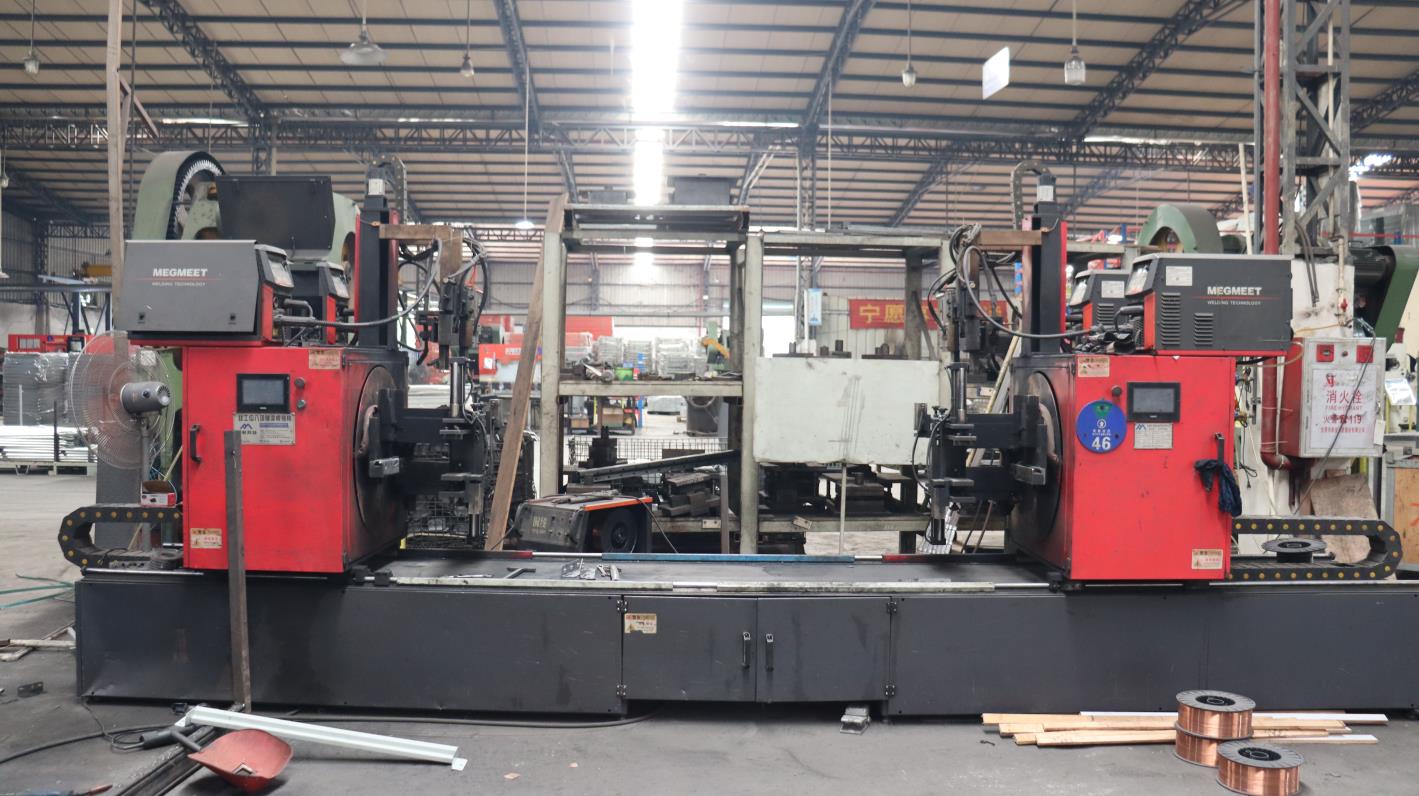
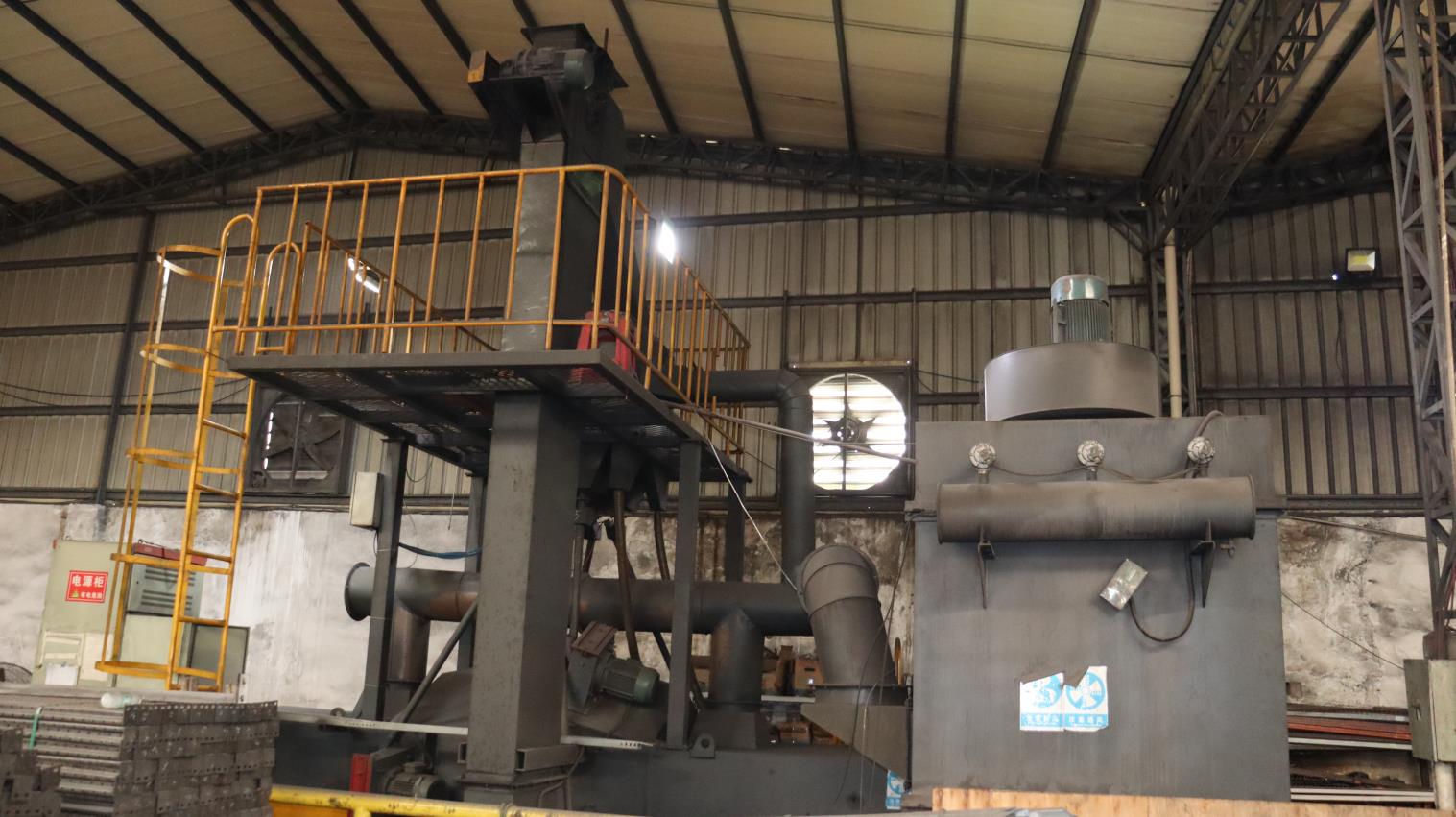
From premium structural steel coils to automated powder-coating lines, exploring our vertical production capabilities.
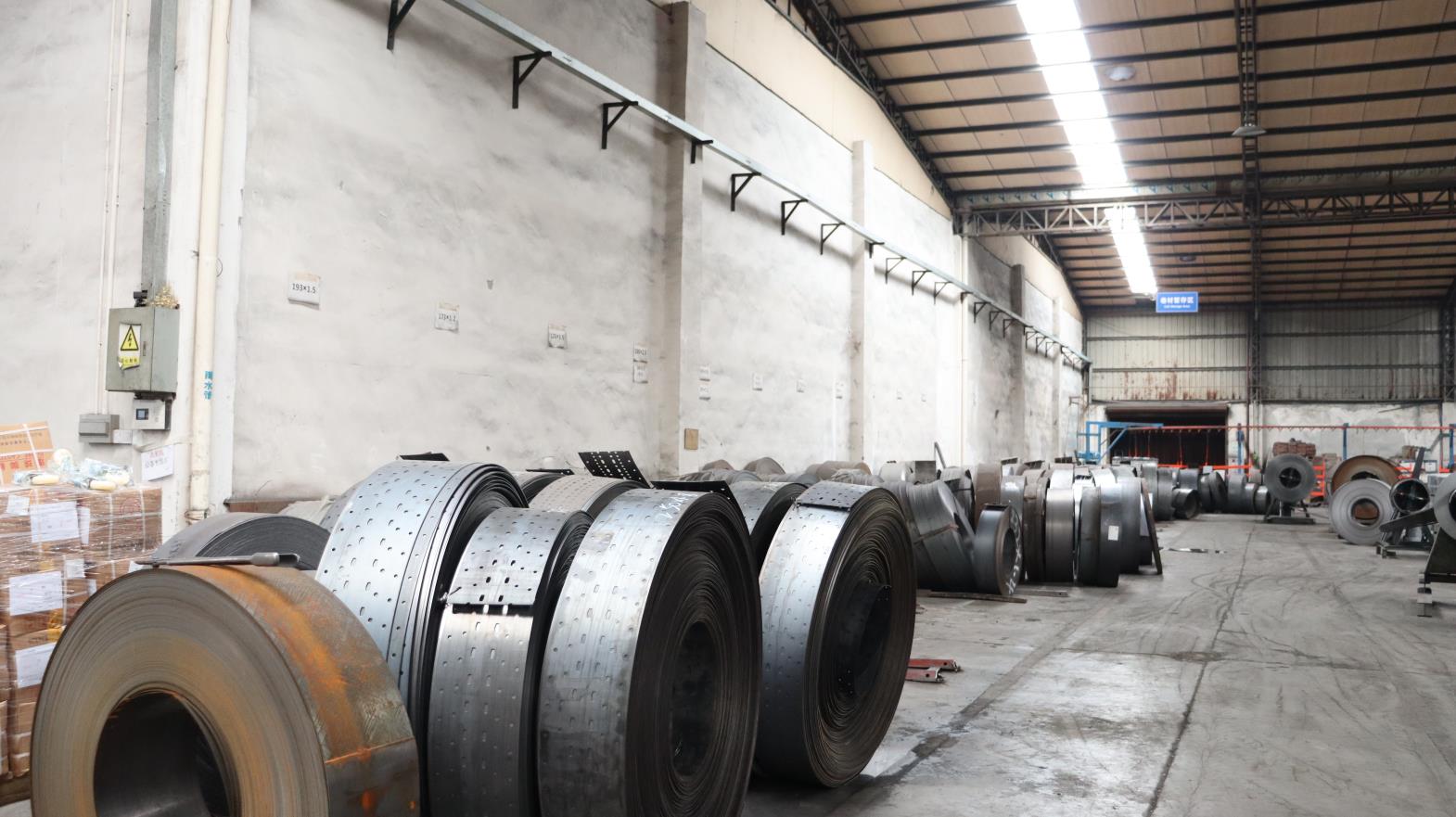
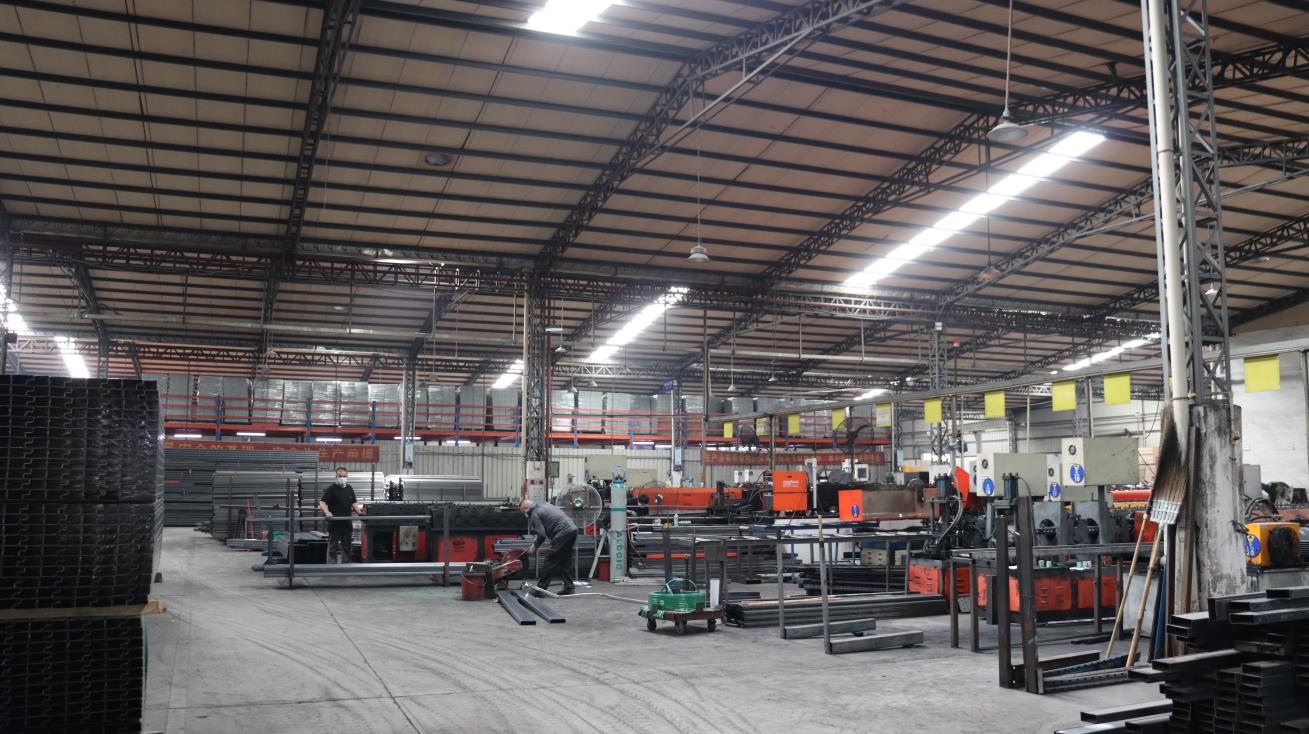
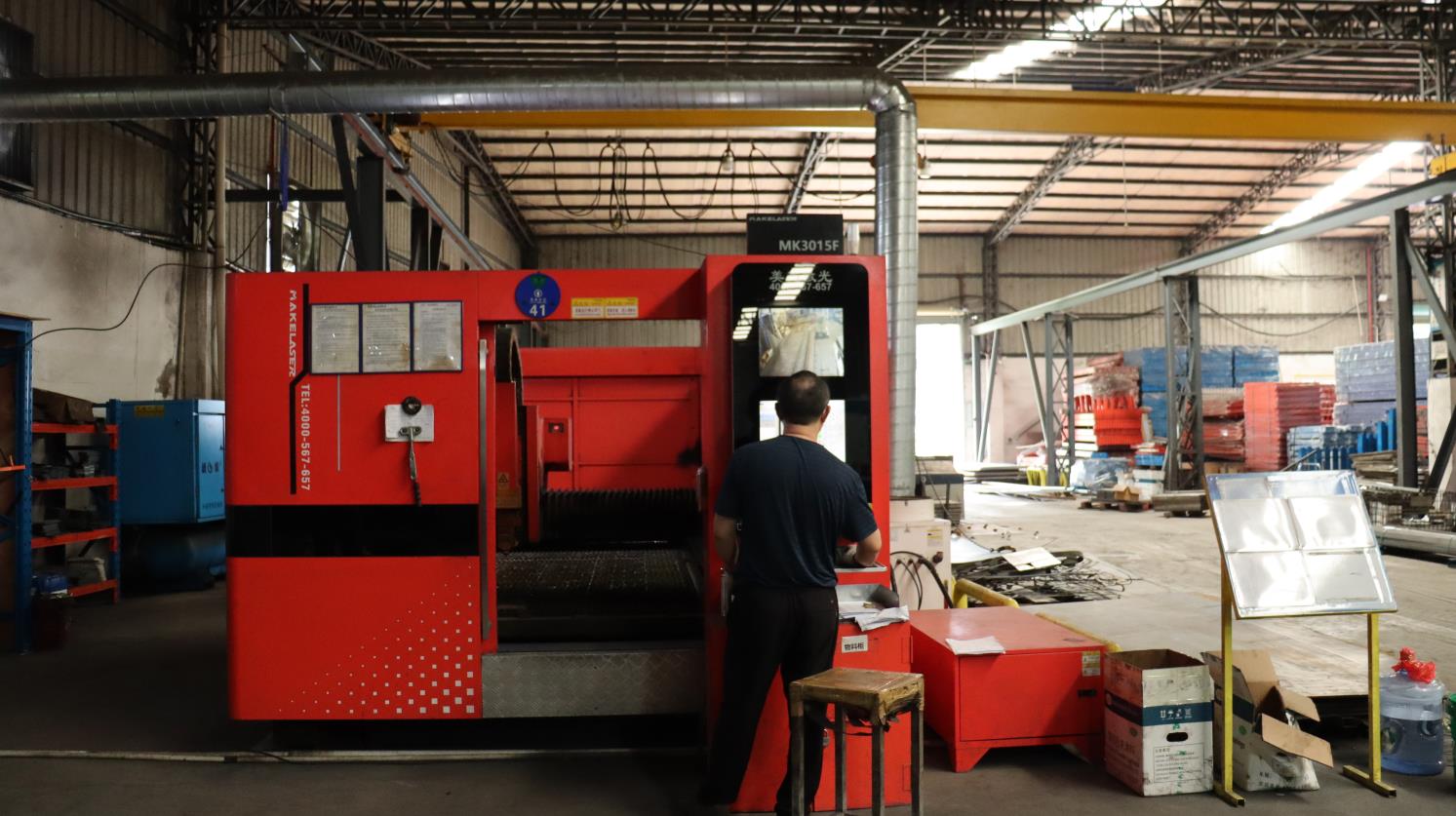
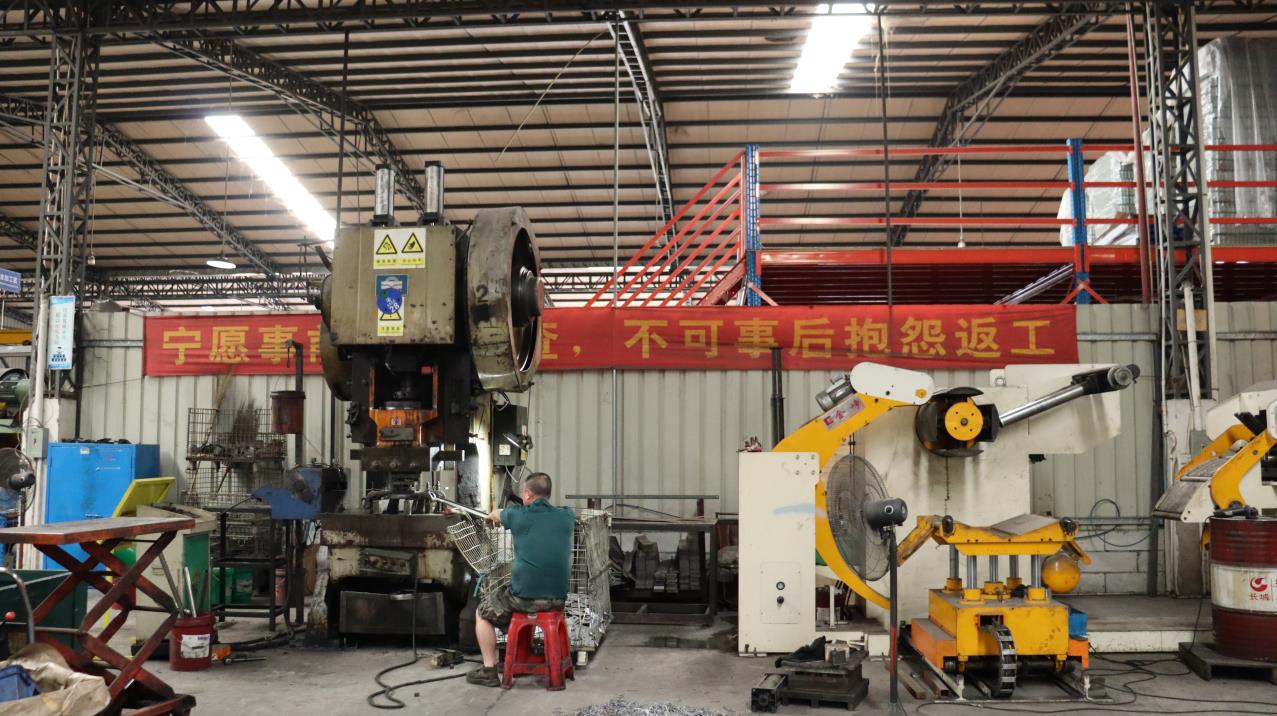
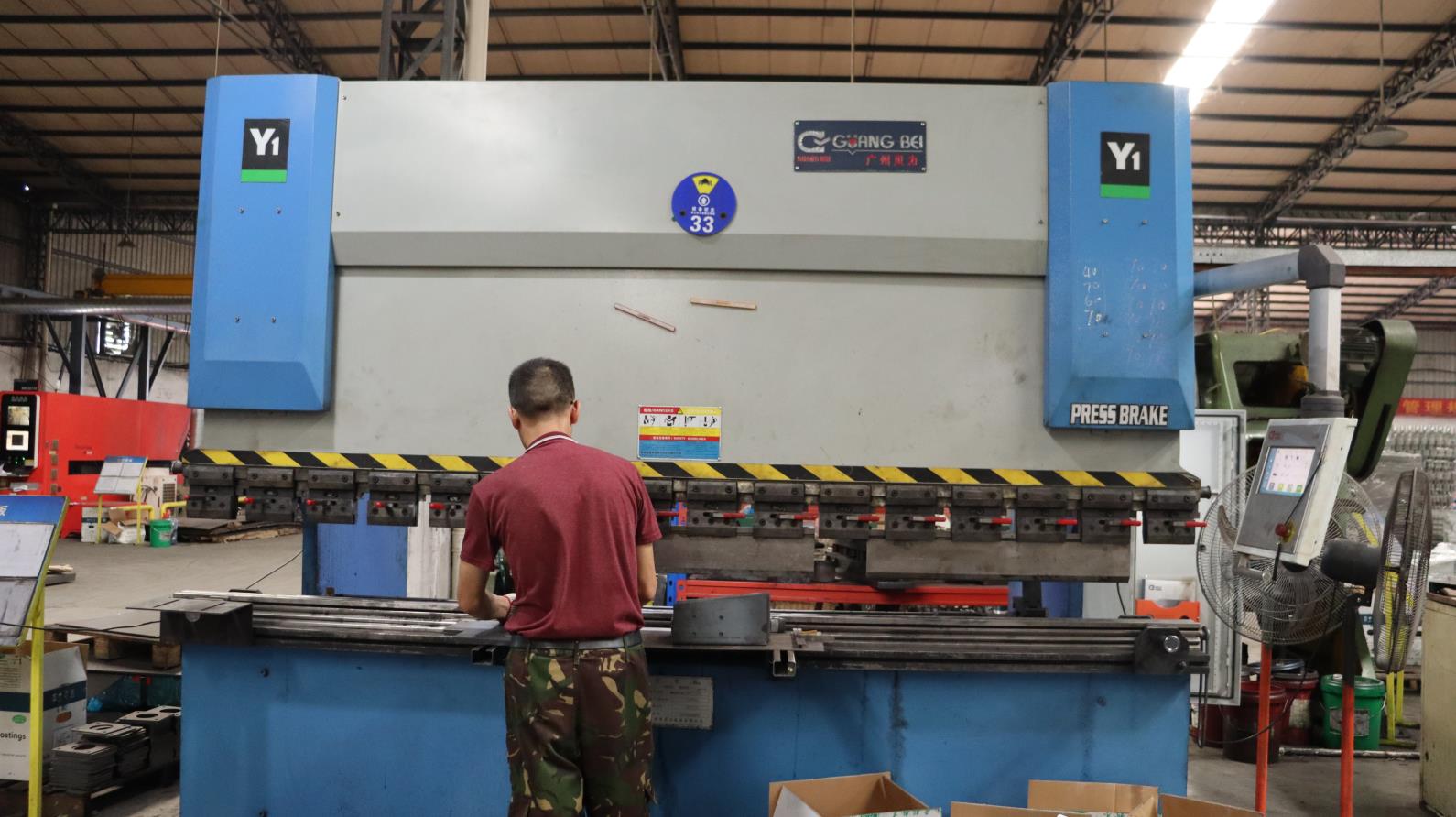
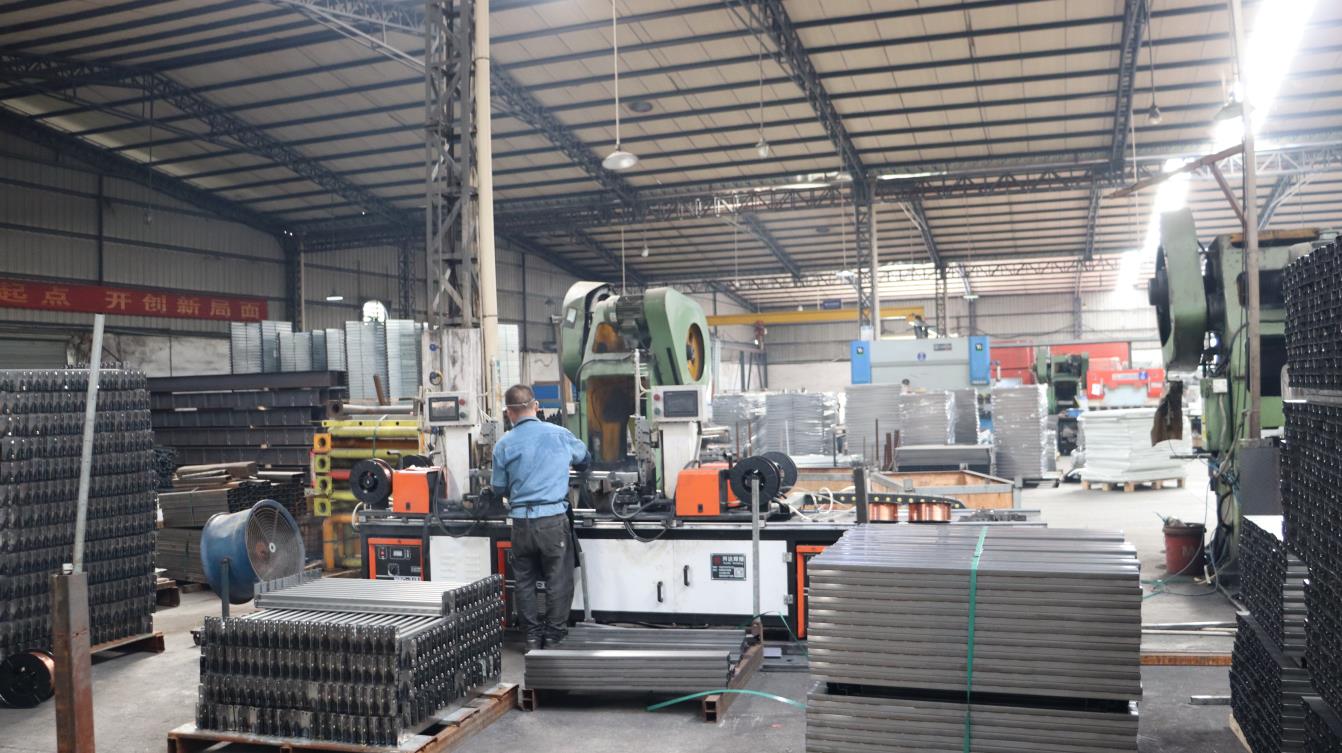
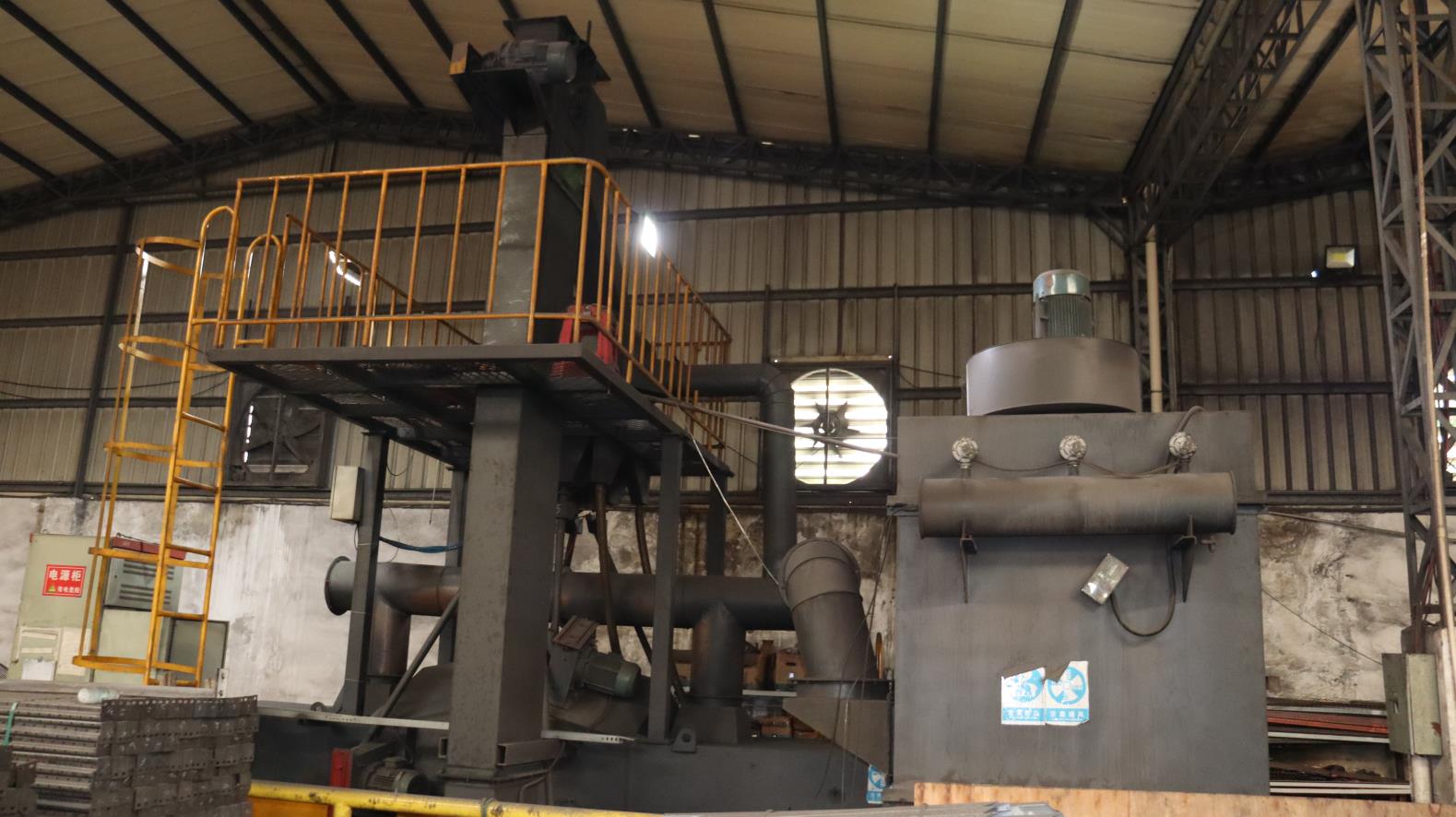
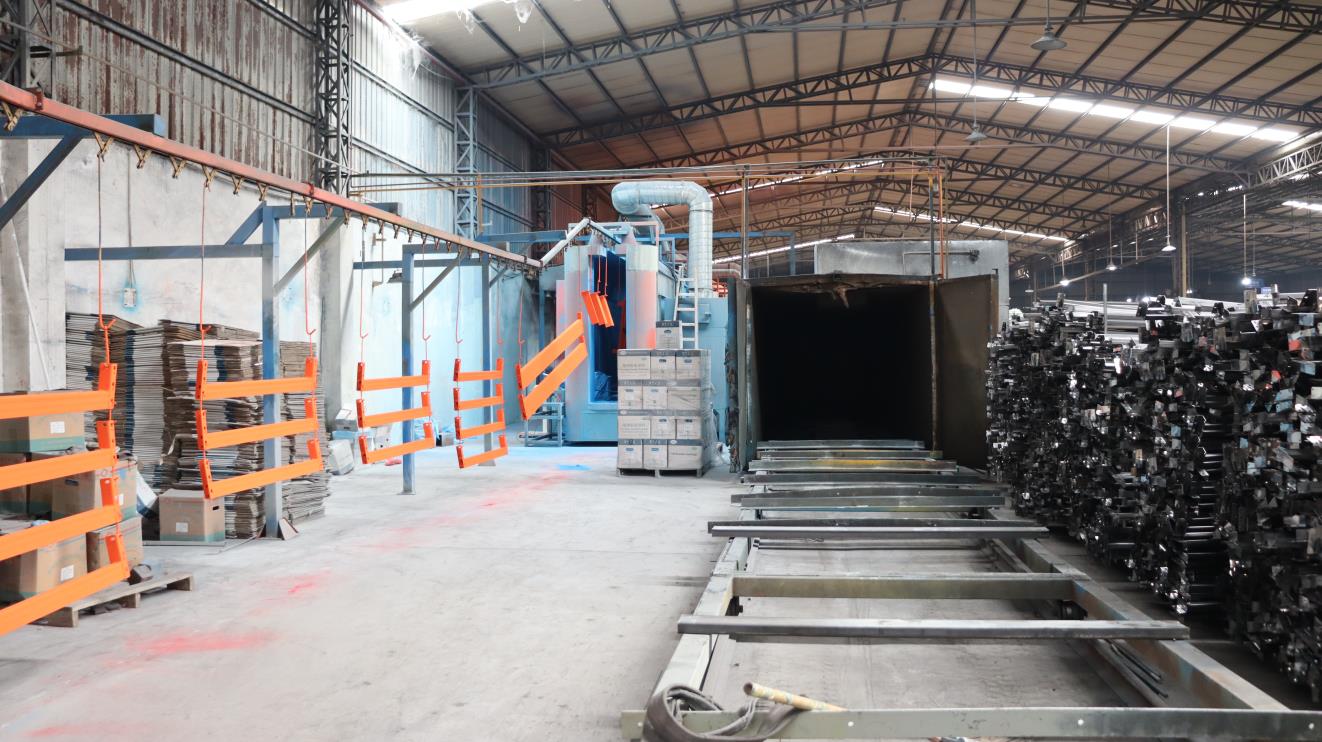
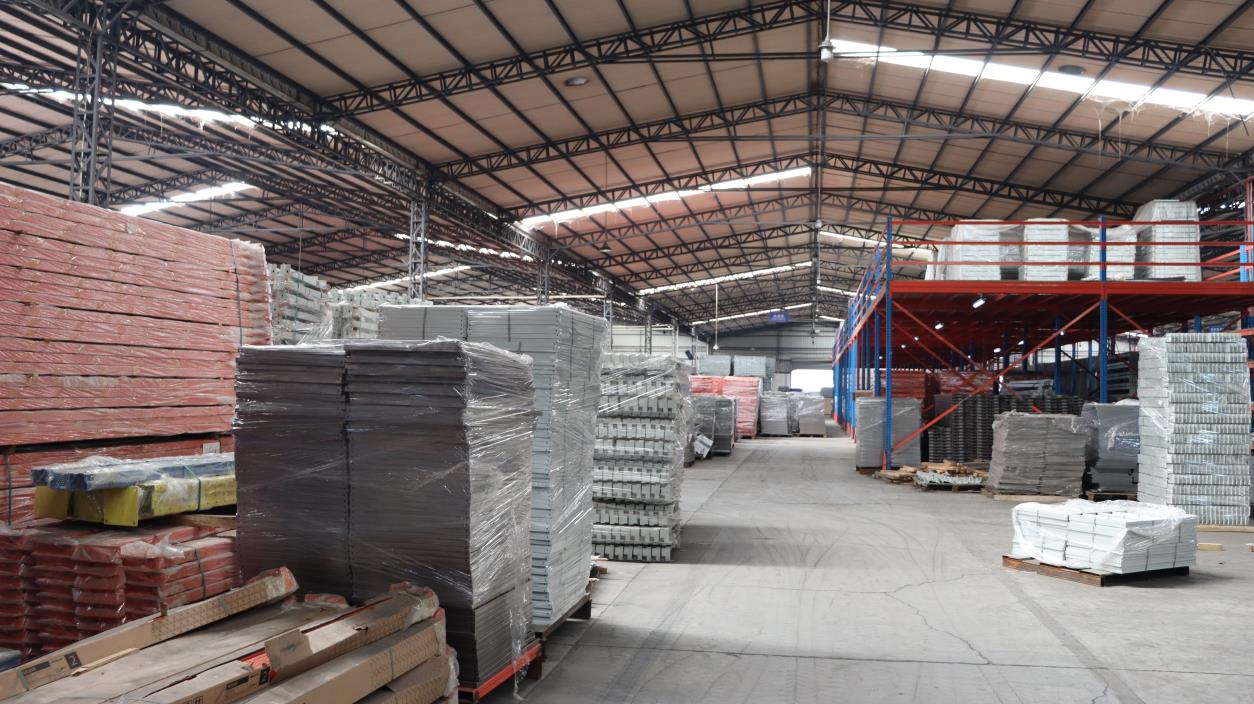
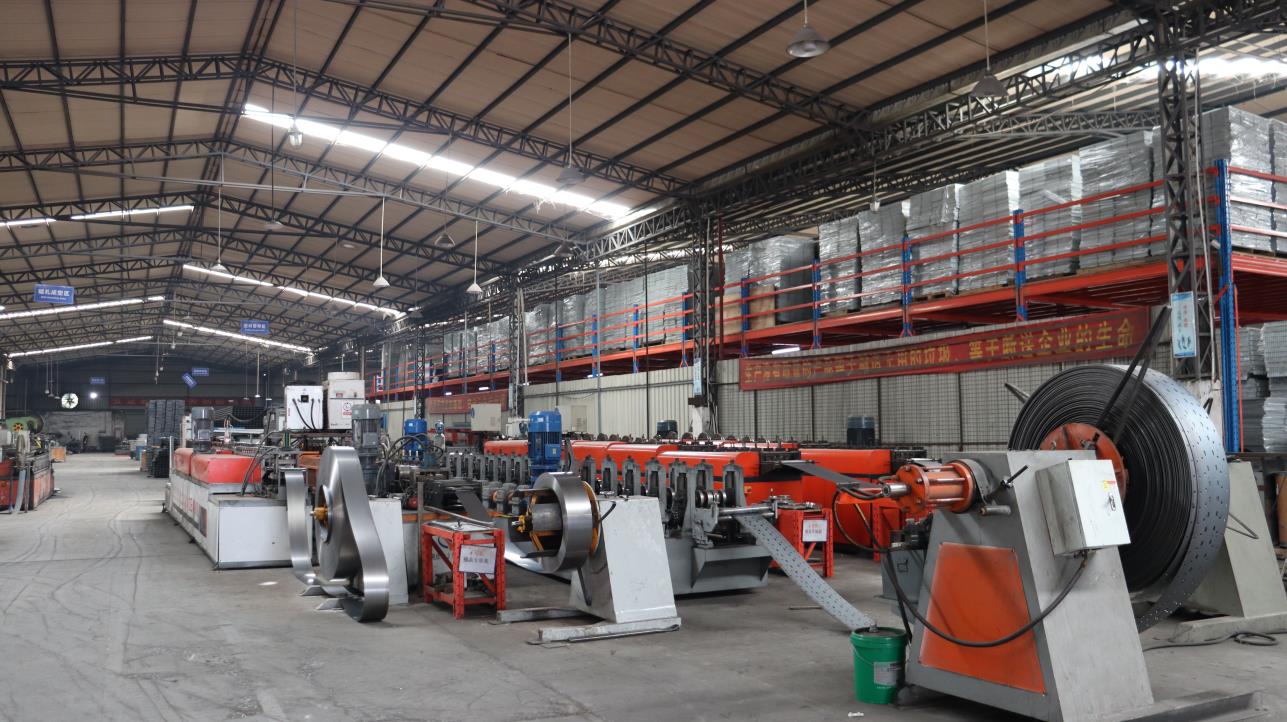
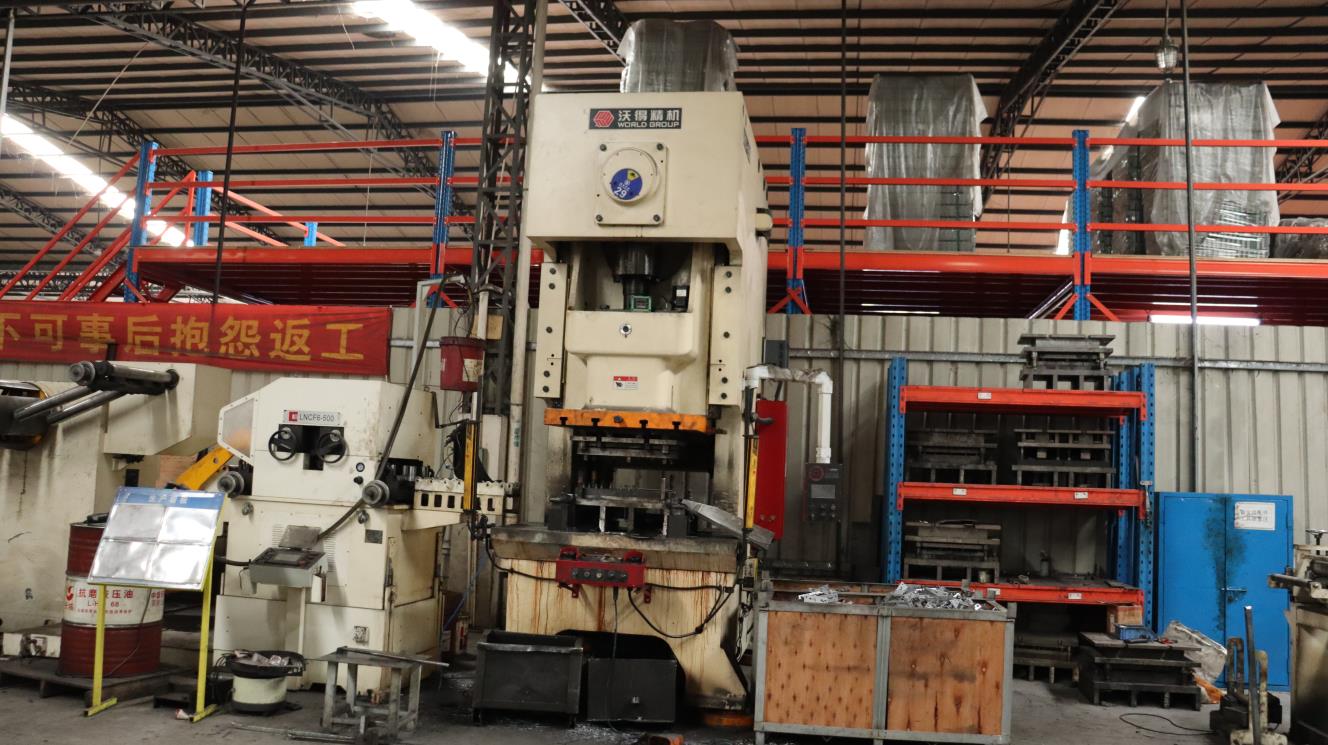
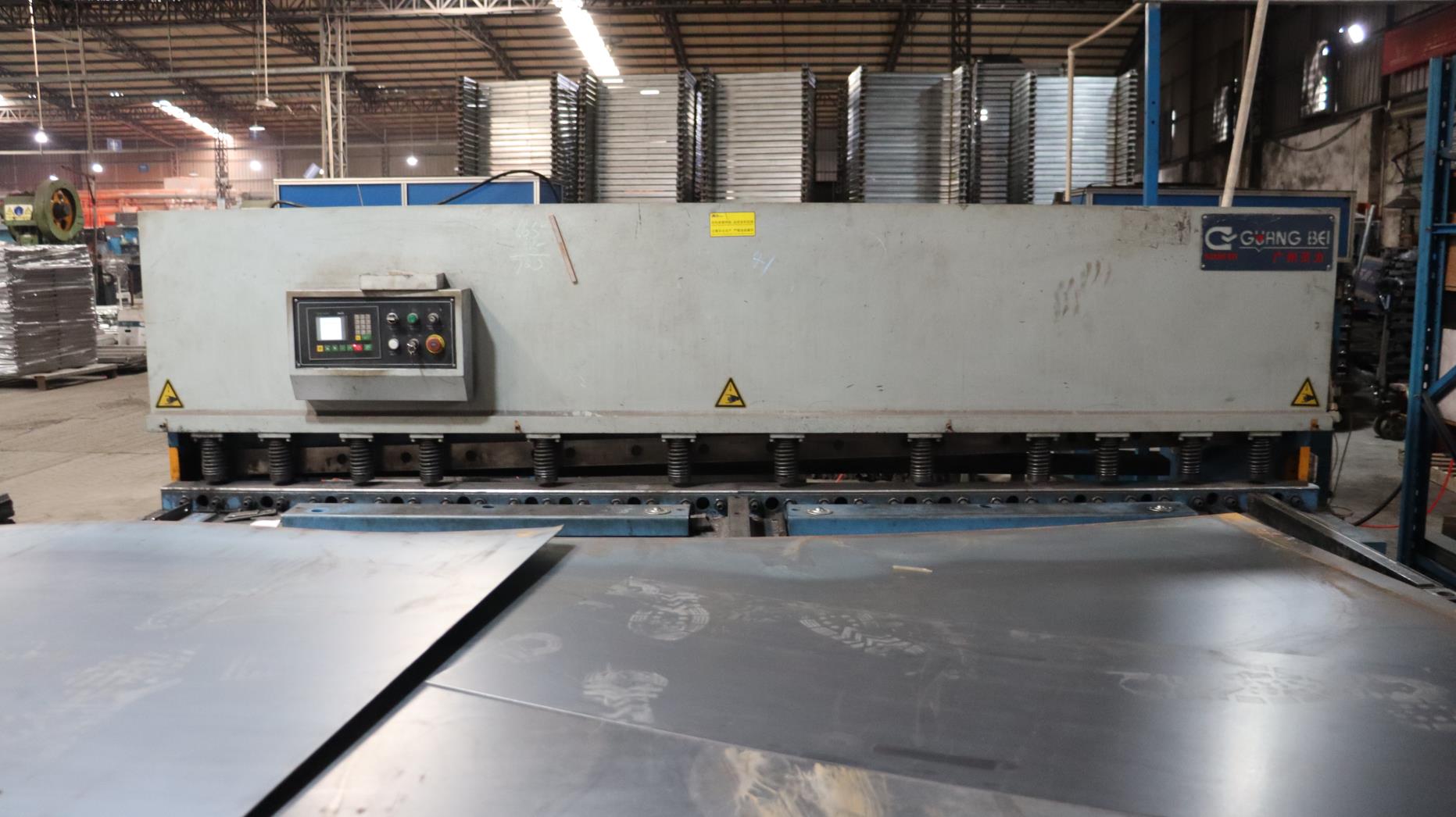
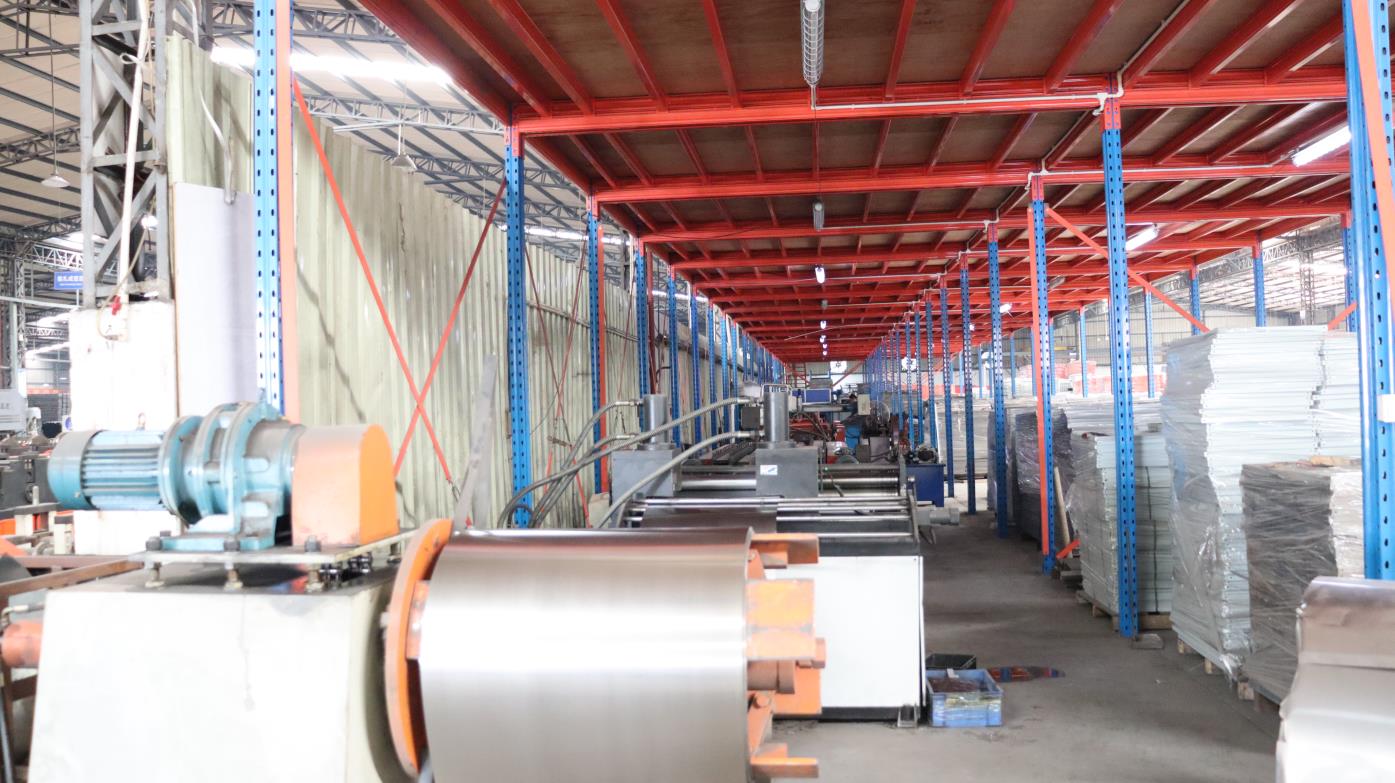
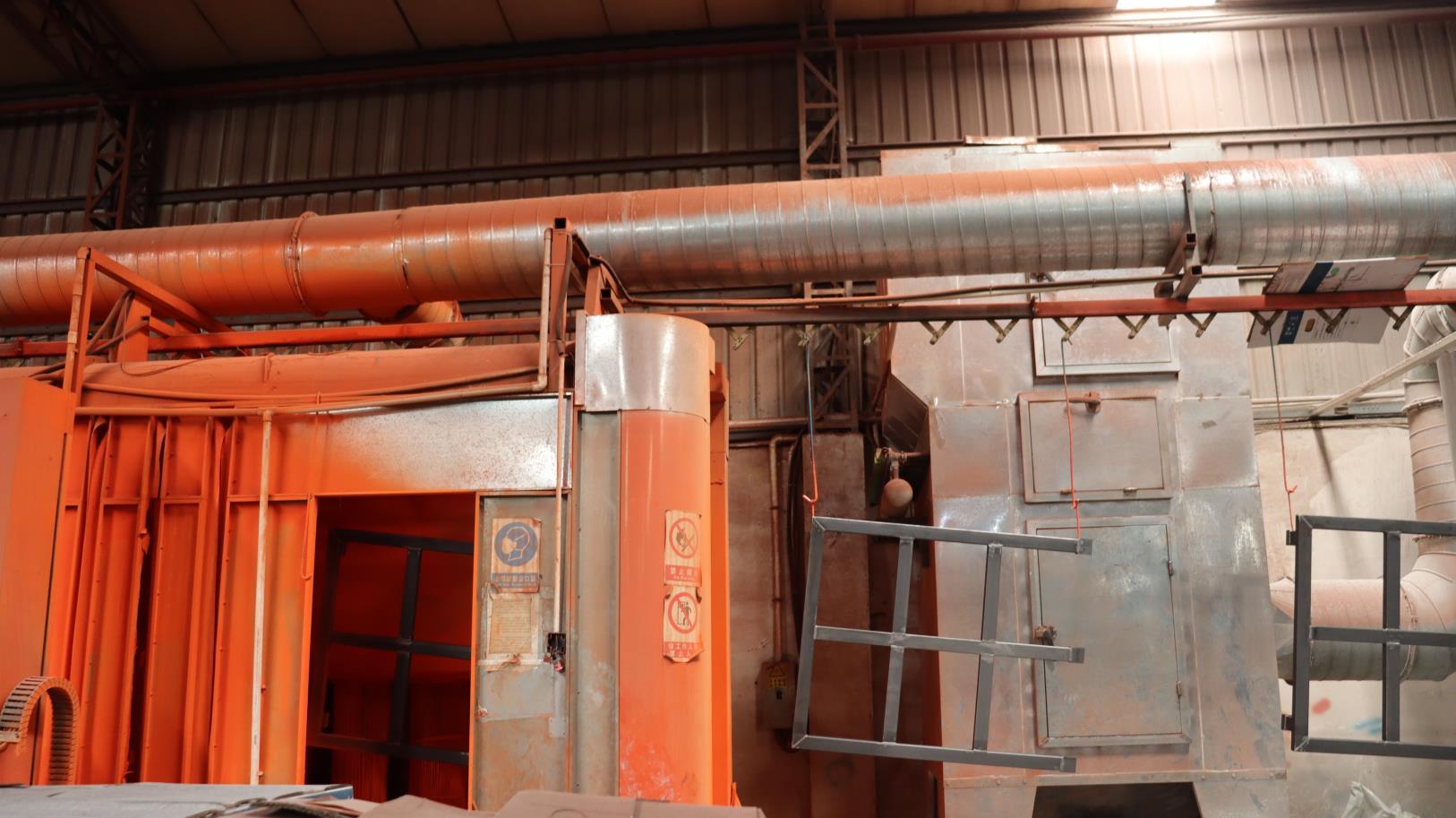
Industrial storage projects are not simple retail products; they are structural engineering assemblies that must carry hundreds of tons of dynamic and static loads. At Shenzhen Lijin, we approach storage through the lens of macro space engineering. Our 28 R&D engineers design complete systems tailored to high-density cold chain storage, heavy industrial manufacturing platforms, and rapid-turnover distribution centers.
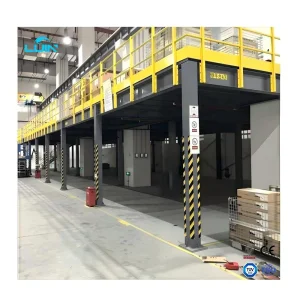
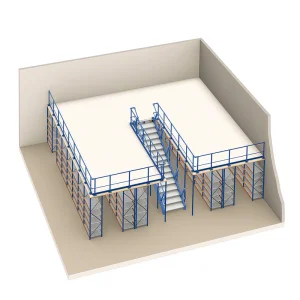
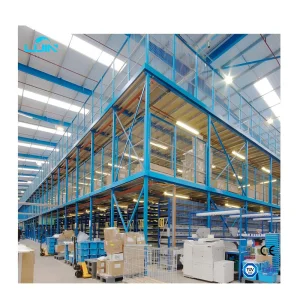
For instance, our Industrial Mezzanine Floor Systems and Prefabricated Structural Platforms double or triple vertical footprint efficiency without the capital expenditure of constructing new facilities. Built from structural I-beams and high-yield cold-rolled steel, these platforms conform to strict structural load mandates (up to 1,000kg/m² and beyond).
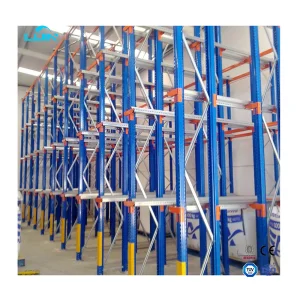
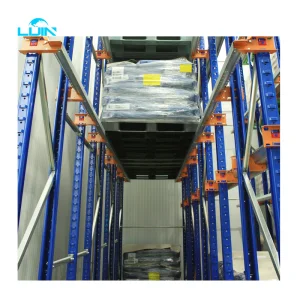
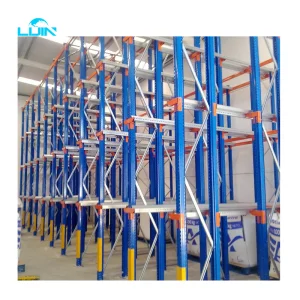
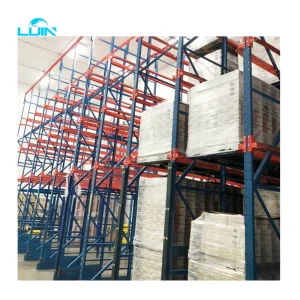
For critical applications, such as chemical processing plants or hazardous material storage, we deploy specialized Chemical Storage Drive-In Racks with high-performance acid-resistant coatings. These configurations are designed to withstand corrosive environments while ensuring safe LIFO or FIFO access paths, eliminating tipping risks and optimizing SKU storage density.
Heavy-duty I-Beam design optimized for overhead machinery installation, warehouse offices, or additional secondary sorting zones.
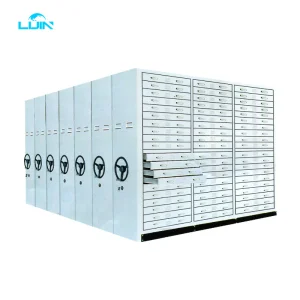
Engineered specifically for low SKU counts with high volume, eliminating aisles to increase overall warehouse volume usage by up to 75%.
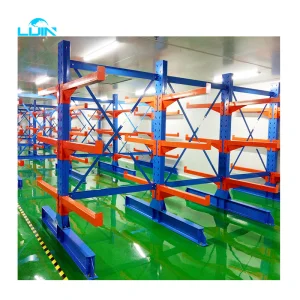
Specialized structural steel arms designed to secure long, unwieldy materials such as steel tubes, timber, and sheet metals.
Expert answers regarding structural design, material grades, load limits, and compliance for automated warehousing projects.
We engineer all structural storage racks to meet RMI and EN 15512 safety standards, utilizing a 1.5 to 1.8 structural safety factor. This ensures that our load ratings (e.g., 300~500kg UDL or heavy pallet racks exceeding 2,000kg per level) are sustained under normal operating conditions.
Our engineering division utilizes finite element analysis (FEA) to simulate localized seismic accelerations. Depending on the seismic zone rating of the destination country, we customize frame dimensions, specify high-strength steel grades, and use wider baseplates with heavy-duty anchors.
For acid-resistant chemical racking and deep-freeze facilities, we utilize premium raw steel coated with specialized epoxy-polyester powder coatings or hot-dip galvanization. This multi-layered barrier protects the structural steel frame from corrosion, moisture, and chemical exposure.
Yes. Our structural platform systems are prefabricated and bolt-together. They are designed for modular assembly, allowing parts to be disassembled, moved, or expanded with minimal downtime, providing maximum long-term investment protection.
We integrate automated roll forming, laser cutting, and robotic welding lines to maintain precise dimensional tolerances (+/- 0.5mm). Every step is monitored by our 35-person quality control team, using non-destructive ultrasonic welding tests and regular material stress analyses.
Absolutely. Our 28-person R&D engineering team designs custom structural storage solutions using CAD, SolidWorks, and Revit (BIM). We can optimize storage capacity based directly on the mechanical drawings of your facility and the footprints of your automated equipment.
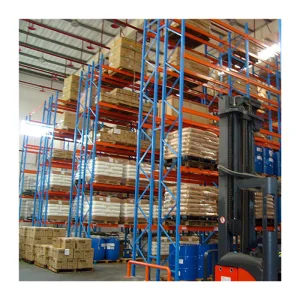
Drive-in racks are ideal for high-density, low-SKU inventory using LIFO logistics, where storage density is prioritized. Selective pallet racks offer lower density but 100% immediate accessibility to all pallets, making them suitable for dynamic warehouses and multi-SKU applications.
Static load is the weight of stationary cargo, whereas dynamic load includes the forces exerted during movement, loading, unloading, and the acceleration of handling equipment. Our systems are engineered to withstand these dynamic impacts without warping or compromising structural integrity.
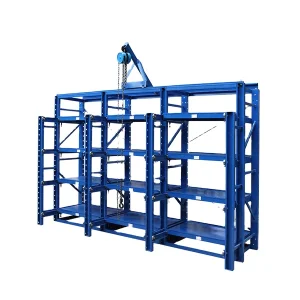
From adjustable longspan systems to heavy-duty cantilever setups and mobile storage solutions.
 Lijin Racking