Industrial-grade precision, customized engineering, and complete compatibility with automated ASRS logistics structures.
The global warehousing landscape is undergoing an unprecedented structural transition. Accelerated by the explosion of multi-channel e-commerce, severe industrial labor shortages, and skyrocketing land valuation, businesses are forcing a move away from conventional warehouse models. Standard manual picking models can no longer support the velocity and precision required by today's supply chains. In response, Automated Storage and Retrieval Systems (ASRS) have transitioned from a luxury enhancement to a critical operational necessity.
Across key logistics markets in North America, Western Europe, and East Asia, ASRS deployments have shown remarkable growth. According to recent industrial automation indicators, the global ASRS market is projected to reach over USD 12 billion by 2028, growing at a CAGR of 8.2%. The adoption is driven by the system’s capacity to reduce footprint configurations by up to 85%, minimize operational labor expenses, and eliminate manual order fulfillment errors.
For heavy industries, cold-chain distribution centers, pharmaceutical plants, and high-throughput dynamic fulfillment facilities, building custom steel support structures capable of interfacing seamlessly with robotic stacker cranes, shuttle systems, and conveyor lines is the foundational step of automation success. As a premier OEM/ODM exporter, we bridge the gap between high-level structural engineering and scalable automated warehouse deployments.
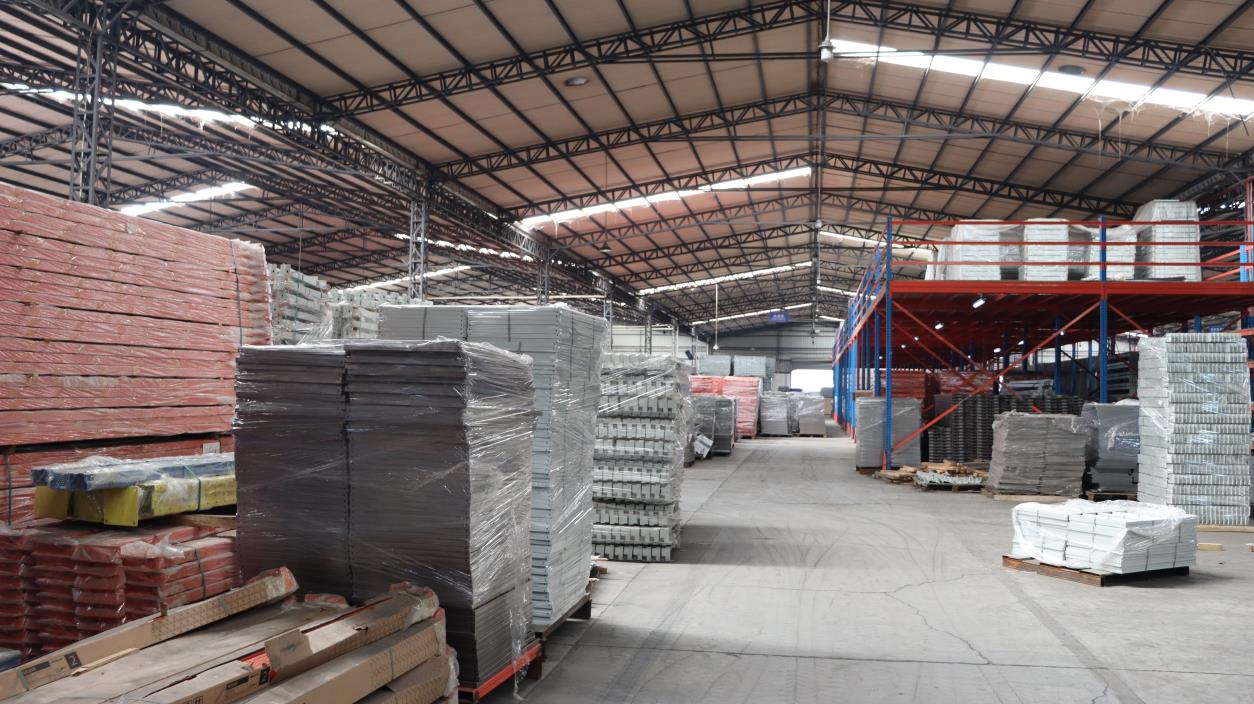
Established in 2015, Shenzhen Lijin Storage Equipment Co., Ltd. is a leading enterprise specializing in the design, manufacturing, and global distribution of heavy-duty warehouse racking systems, automated storage solutions, and industrial shelving. Spanning a state-of-the-art facility of 35,000 m², we have developed into a trusted global supply chain partner with over 8 years of direct export experience and more than 12 years of deep industry expertise. Driven by innovation and quality, our global revenue reached USD 22 million last year.
Advanced Production Base
Industry R&D Experience
Annual Export Turnover
Global Logistics Partners
Our facility represents a synthesis of high-capacity production line processing and expert human supervision. By leveraging advanced steel fabrication technologies, we ensure that every single batch of high-load uprights, beams, and horizontal ties complies precisely with regional building code demands, load limit expectations, and high-frequency automated robotic interface clearances.
ASRS racking structures require tolerances that are significantly tighter than standard selective pallet racking. Because automated SRM (Storage Retrieval Machine) cranes and shuttle systems operate at speeds up to 240 meters per minute, any minor structural deflection or misalignment will result in sensor collision, systemic downtime, or mechanical wear.
We engineer custom ASRS rack solutions conforming to global standards including FEM 10.2.02 (European design guidelines for Racking in ASRS environments) and RMI MH16.1 (Specification for the Design, Testing and Utilization of Industrial Steel Storage Racks). Structures are dynamically simulated for specific localized seismic zones.
Our structures guarantee horizontal deflection limits of less than L/300 under dynamic high-load actions, ensuring that robotic sensors can safely pick and place pallets without interference. Vertical misalignment tolerances are controlled within +/- 1mm over 10 meters of height.
We source raw structural steel exclusively from certified state-owned steel mills, utilizing high-grade Q235B and Q355B steel. These grades demonstrate superior tensile strengths, weldability, and structural flexibility, critical for resisting long-term fatigue under cyclical dynamic loading.
Supported by a skilled team of 28 R&D engineers, Shenzhen Lijin delivers comprehensive OEM and ODM solutions tailored to unique warehouse layouts, seismic requirements, and capacity needs. Our engineering team launched over 85 new products and dynamic storage configurations last year, continuously setting new standards in space optimization and modern automated storage integration.
We recognize that every automated warehouse project presents its own set of localized challenges. Whether resolving issues regarding floor slab integrity, designing around fire suppression sprinkler systems, or optimizing multi-aisle layouts, our engineering team utilizes finite element analysis (FEA) modeling to stress-test your racking configuration prior to entering raw material cutting and fabrication stages.
Quality control is built directly into our manufacturing processes. We enforce a rigorous, multi-stage quality control system—including ultrasonic non-destructive testing, automated weld inspection, laser dimensional checking, and heavy-load endurance testing. Backed by an in-house quality inspection team of 35 dedicated professionals, every batch meets international safety and structural standards, ensuring maximum load-bearing efficiency and long-term stability.
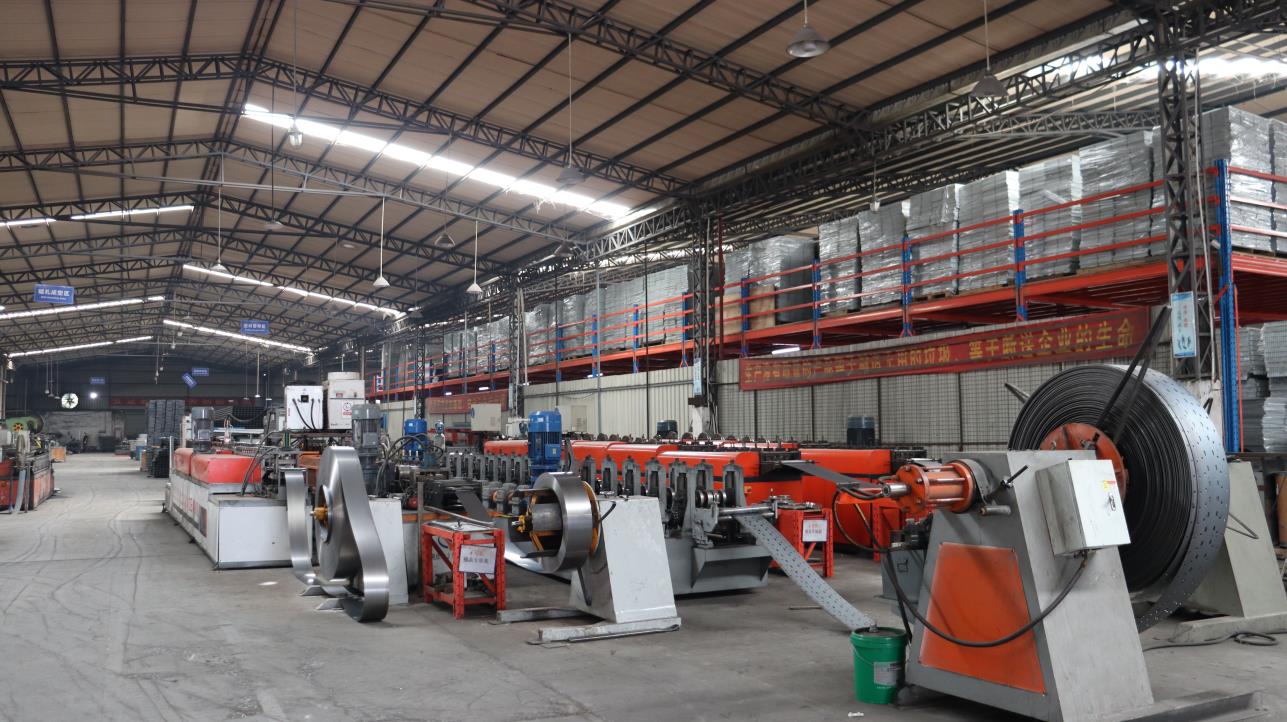
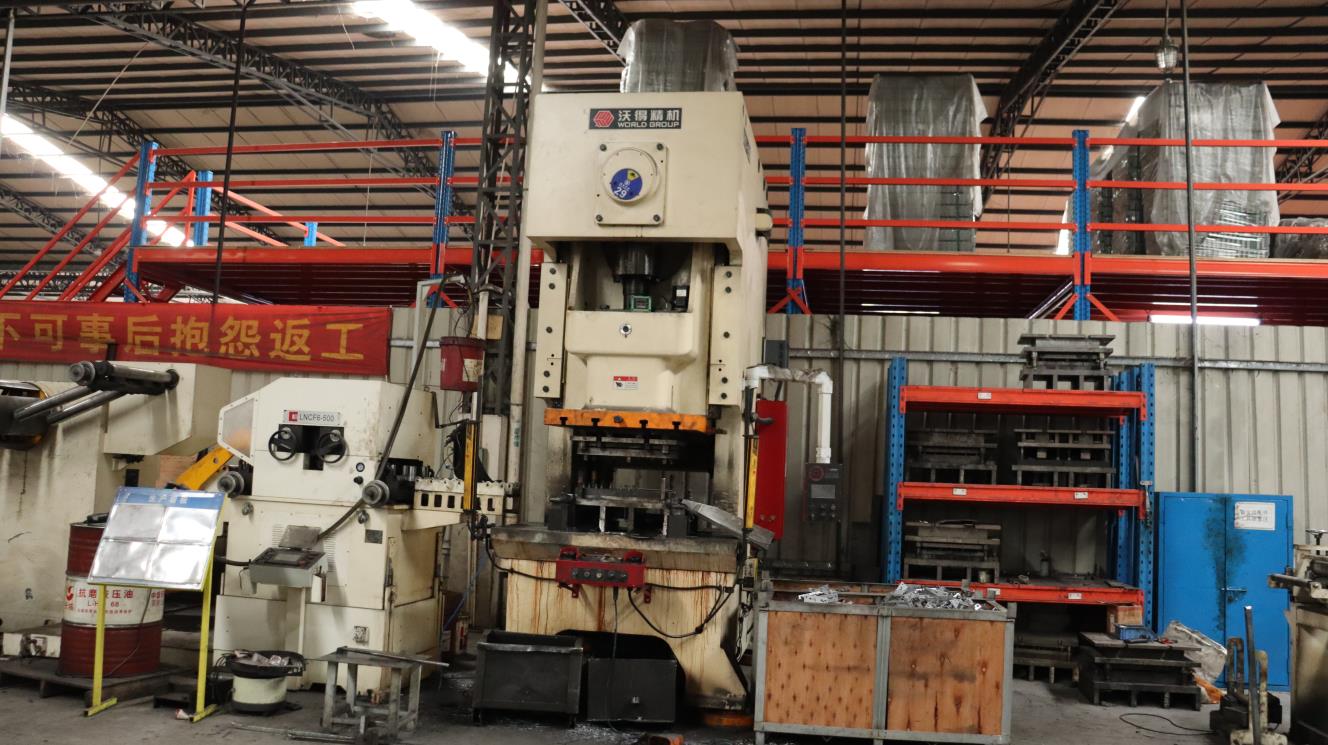
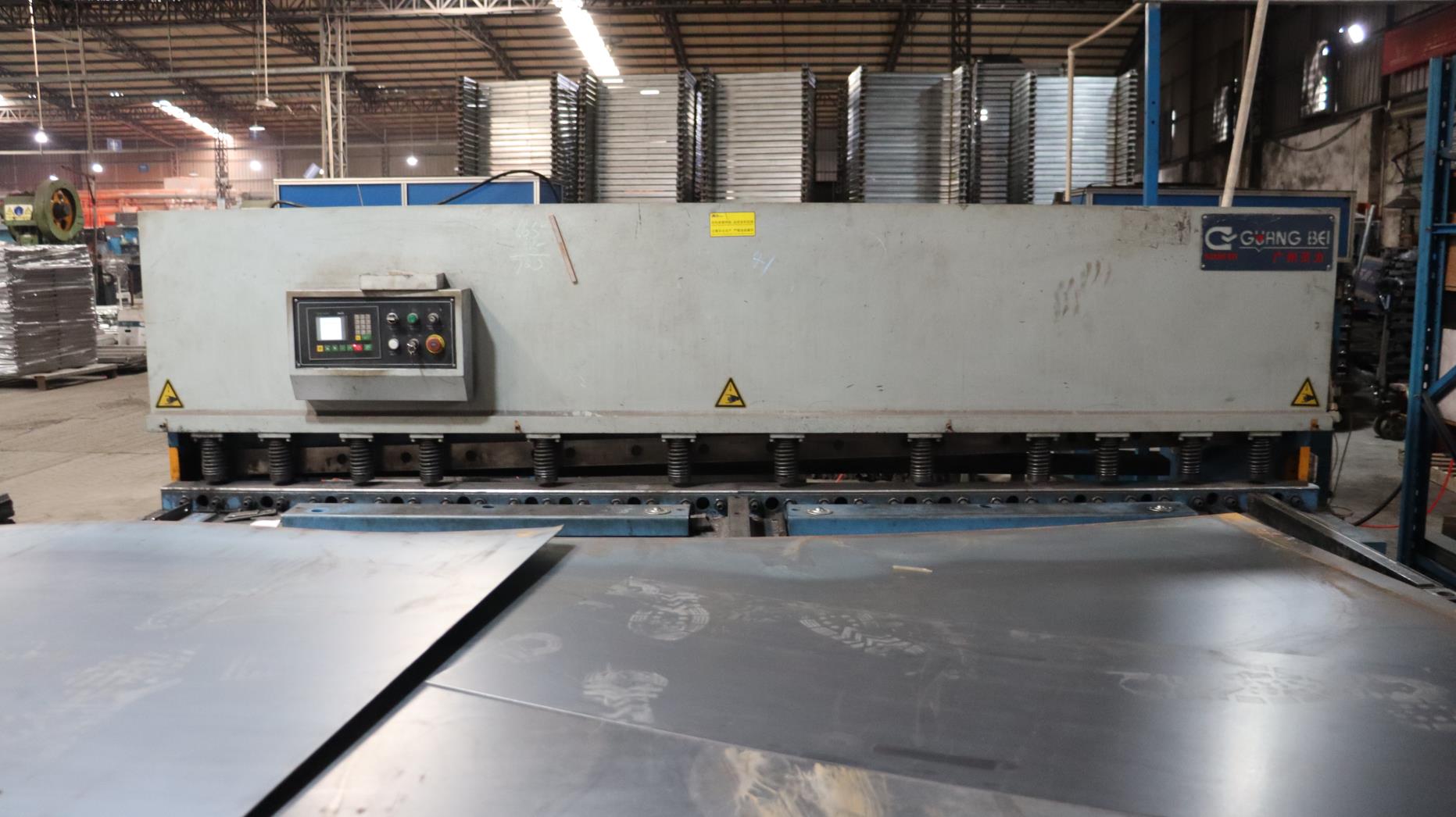
Below is our standardized 9-stage engineering manufacturing sequence, transforming structural raw steel coil into finished, coated ASRS components.
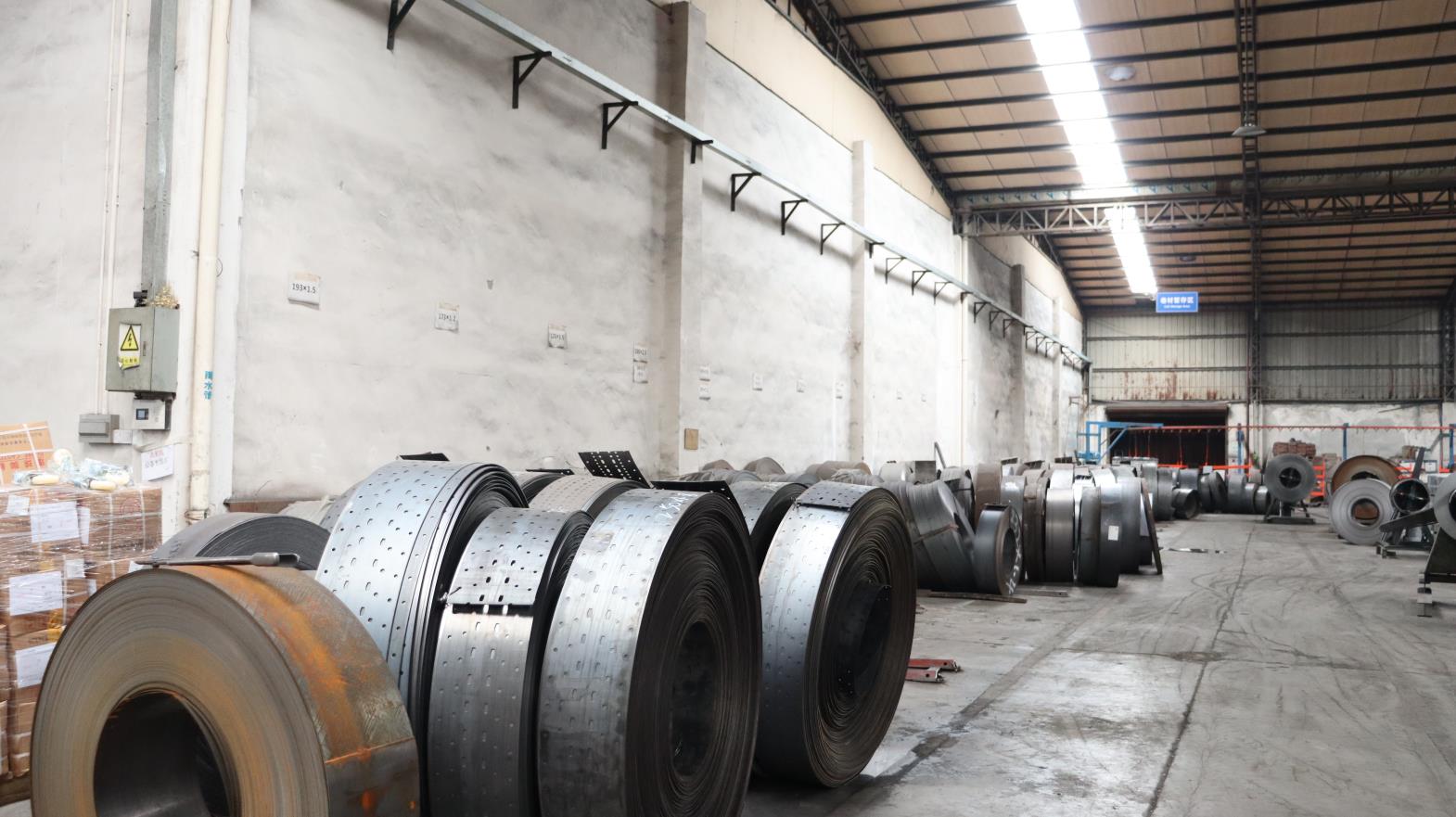
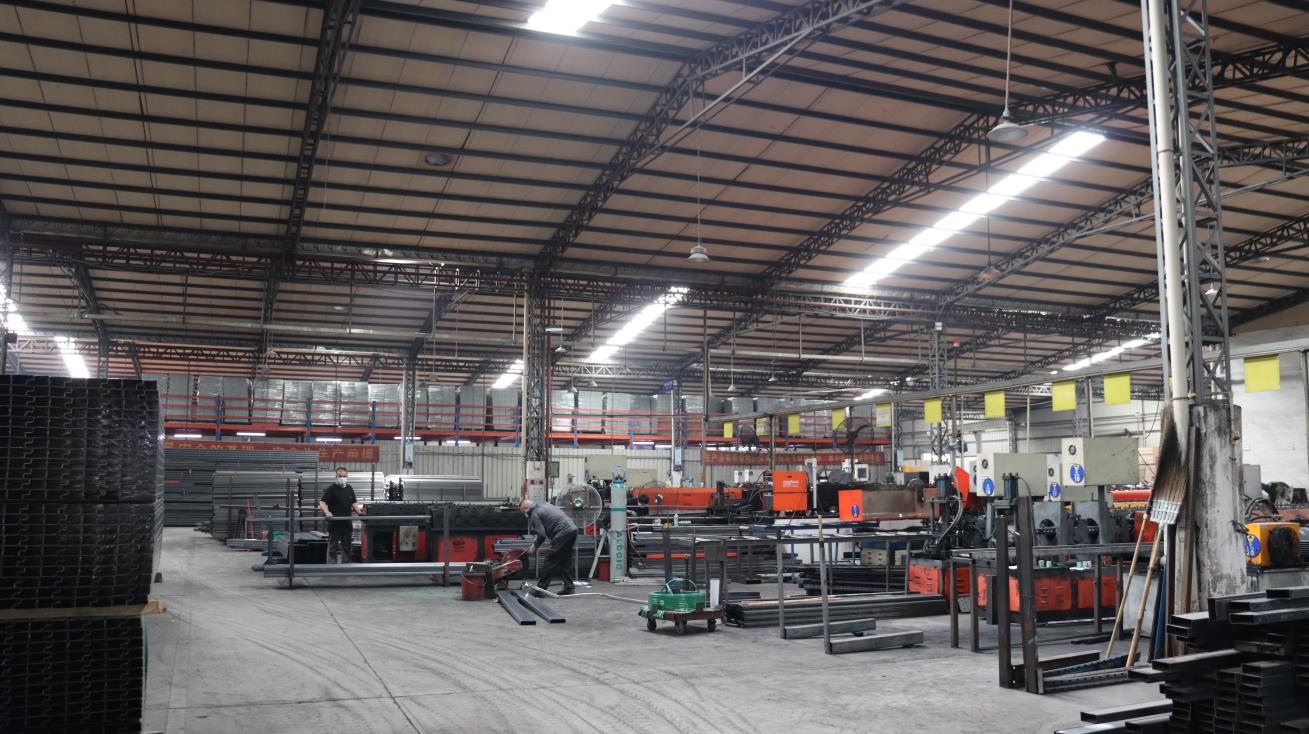
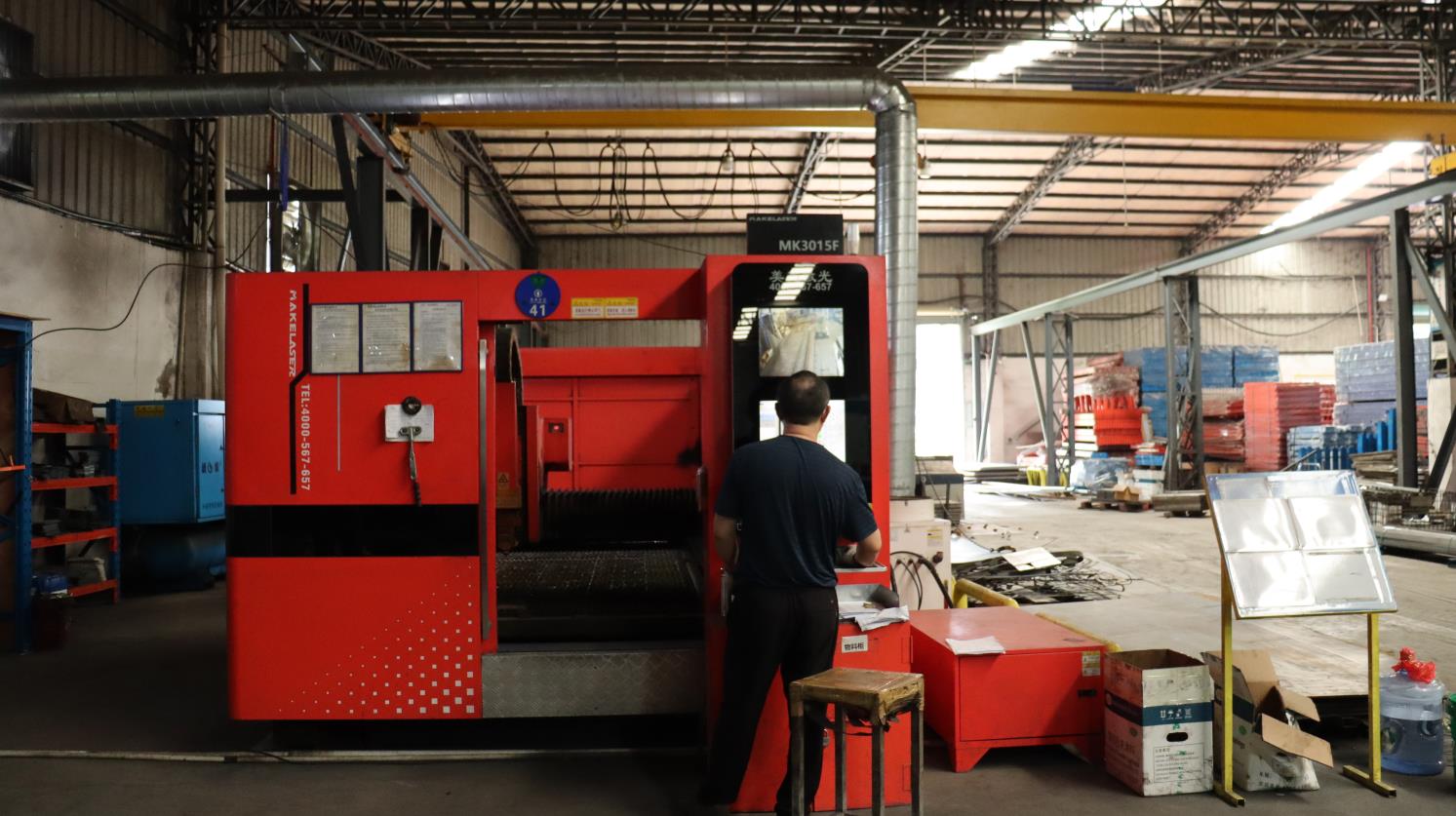
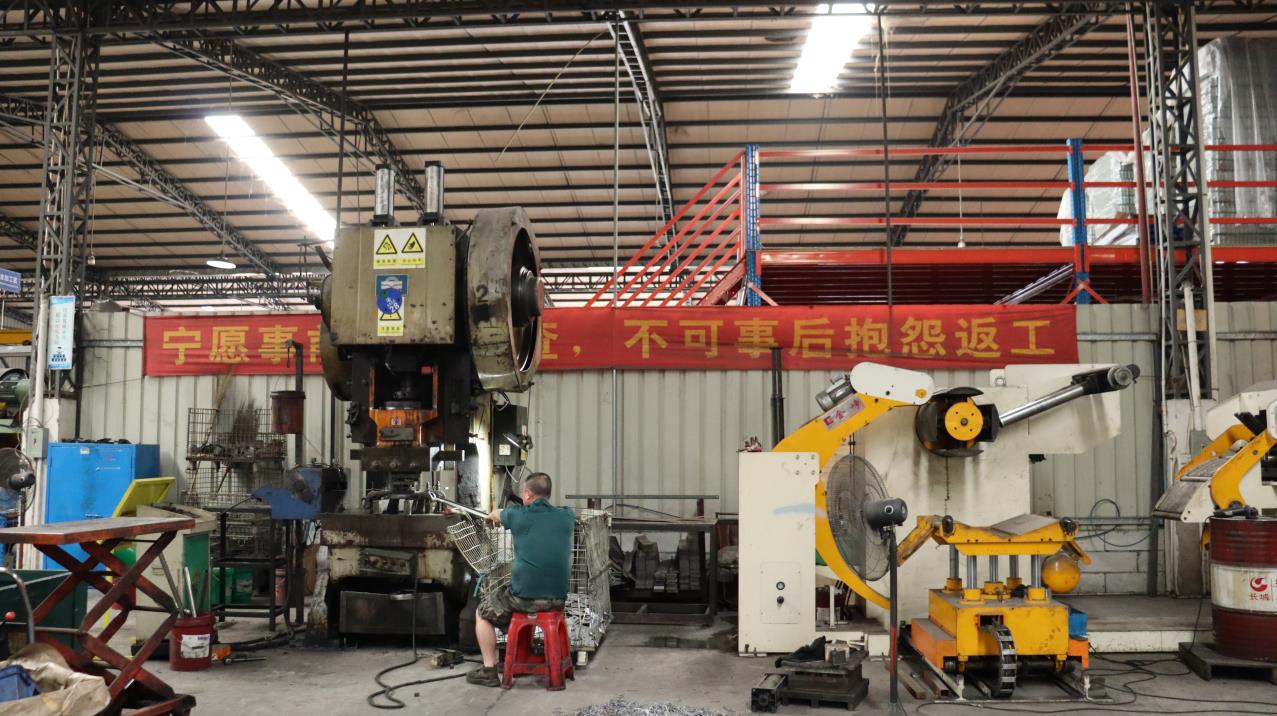
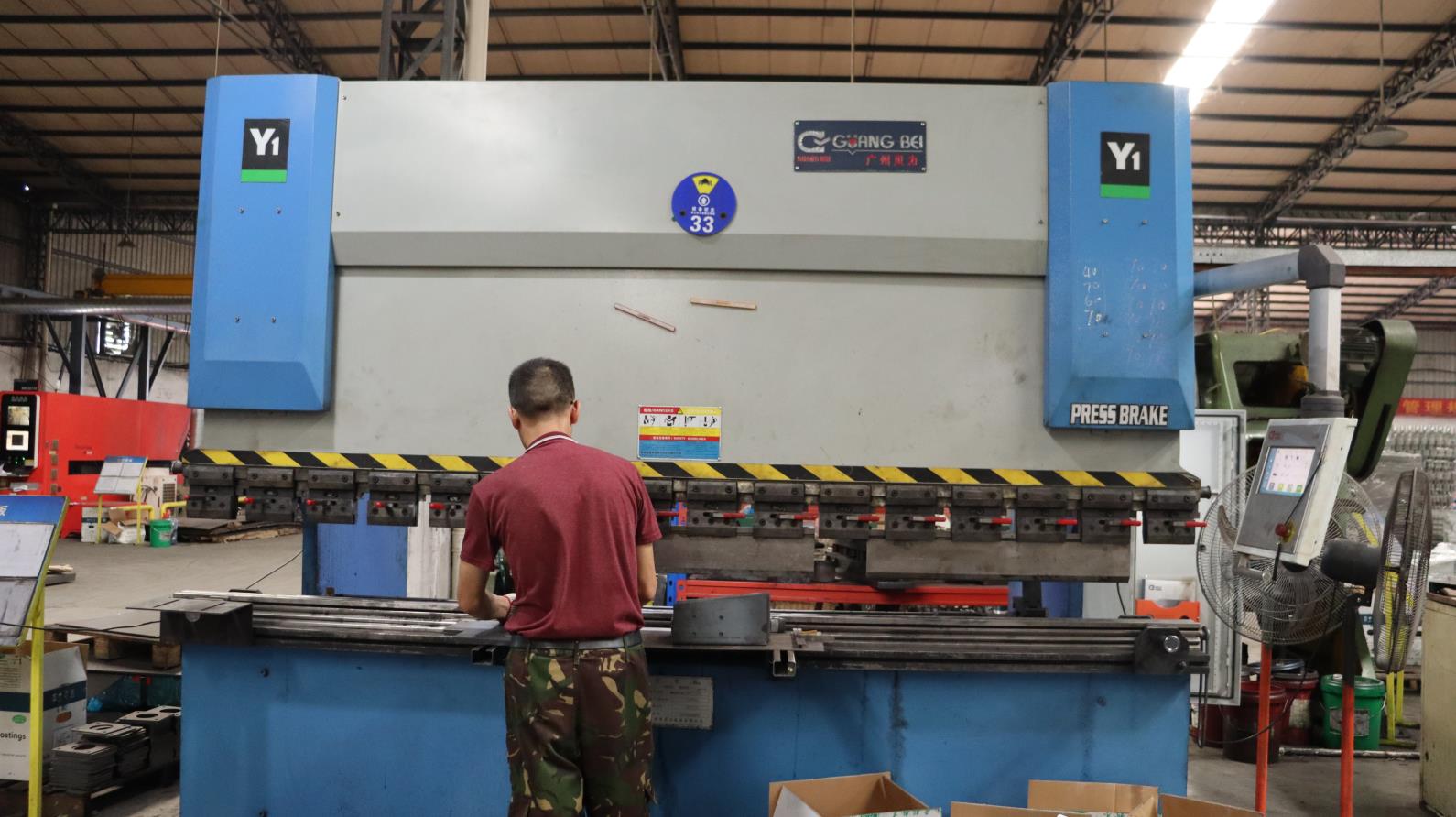
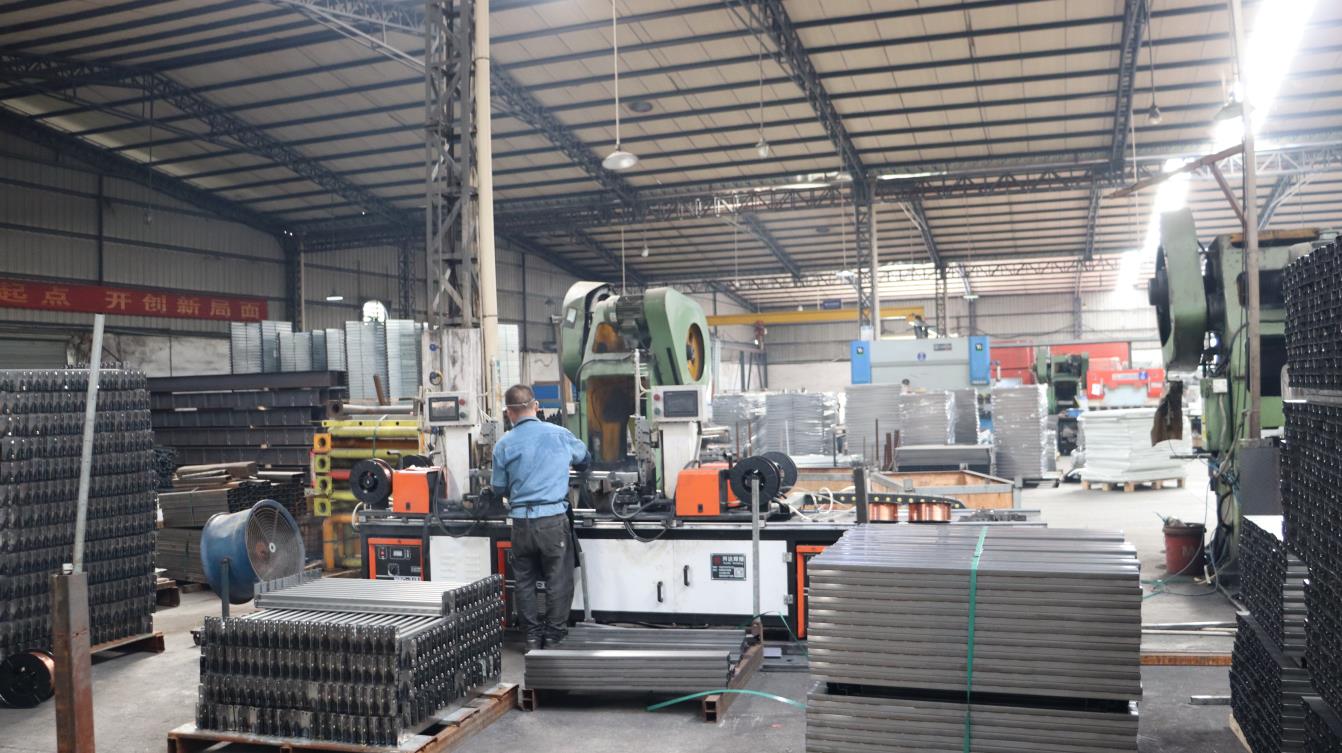
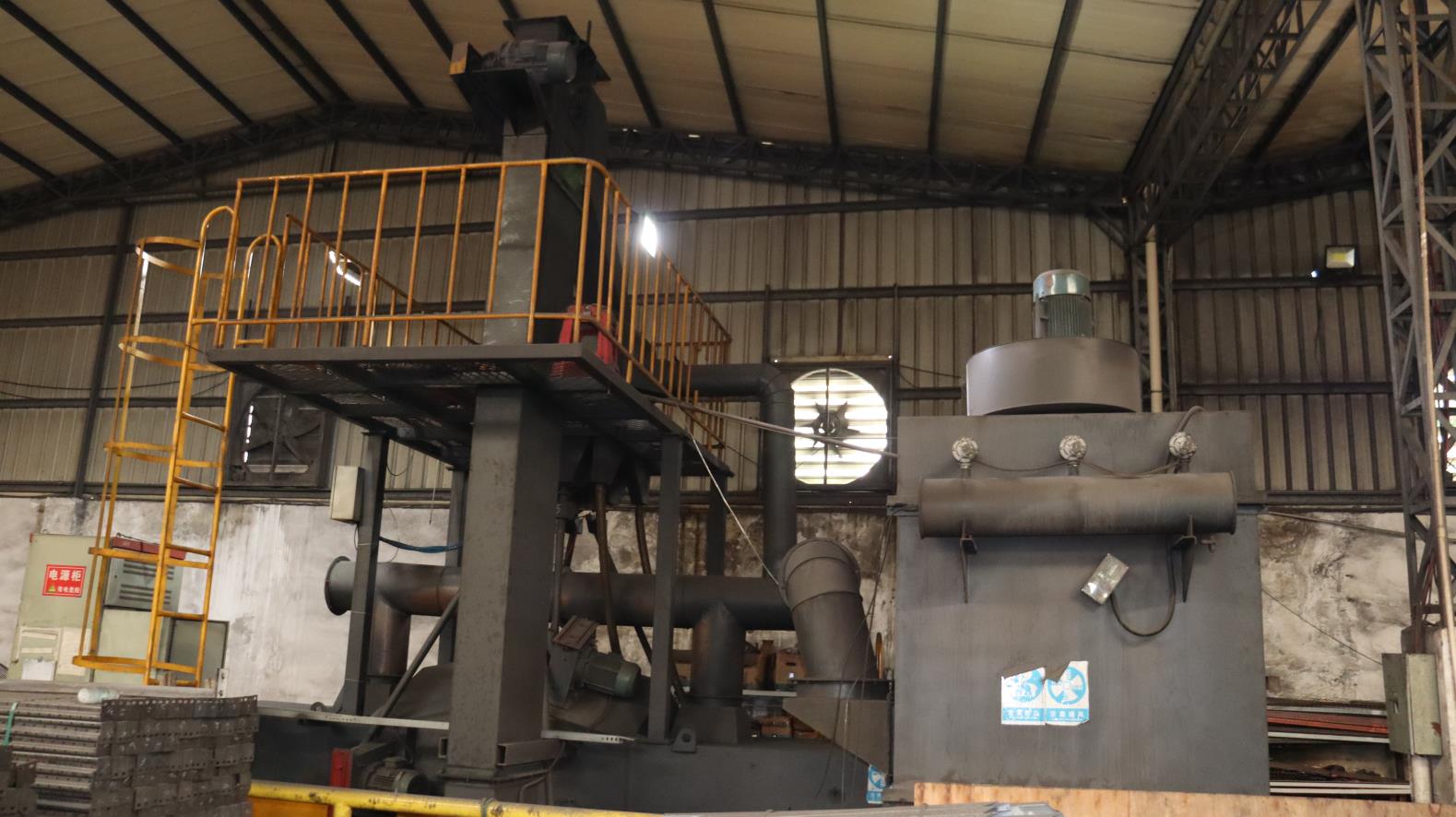
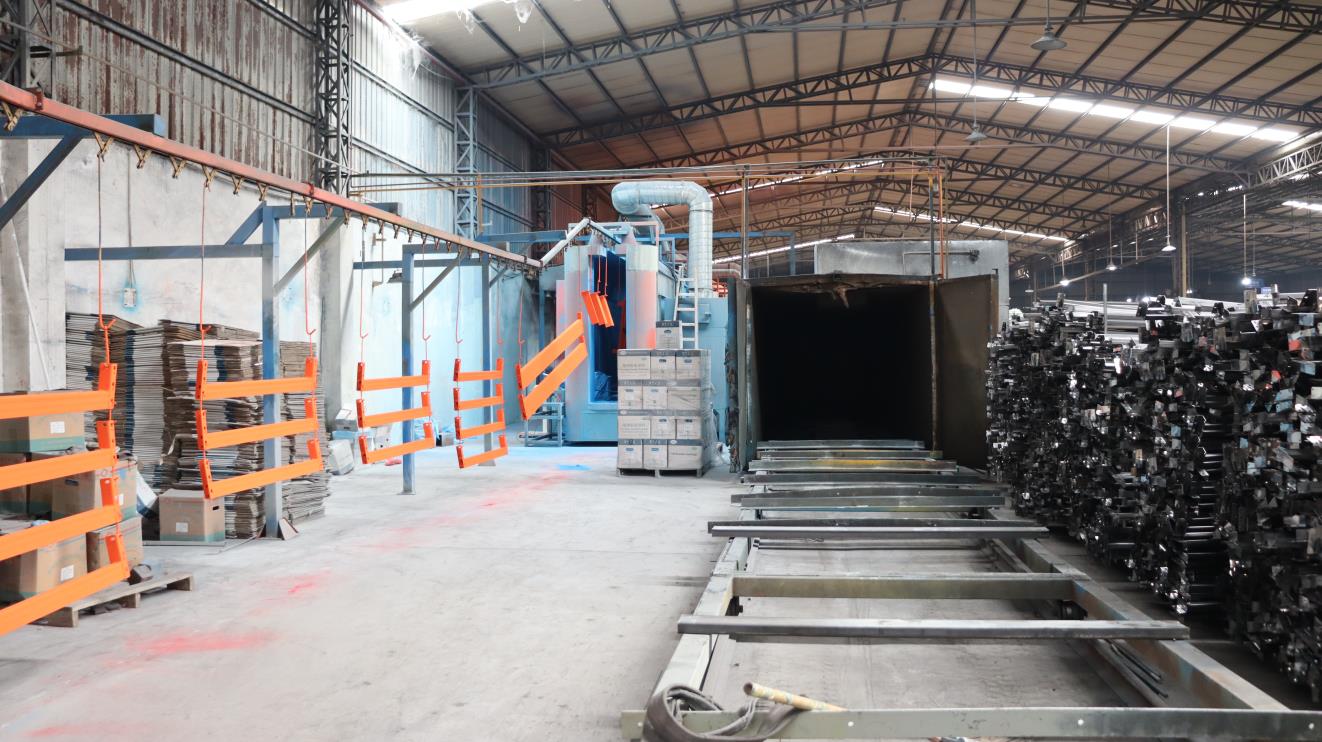
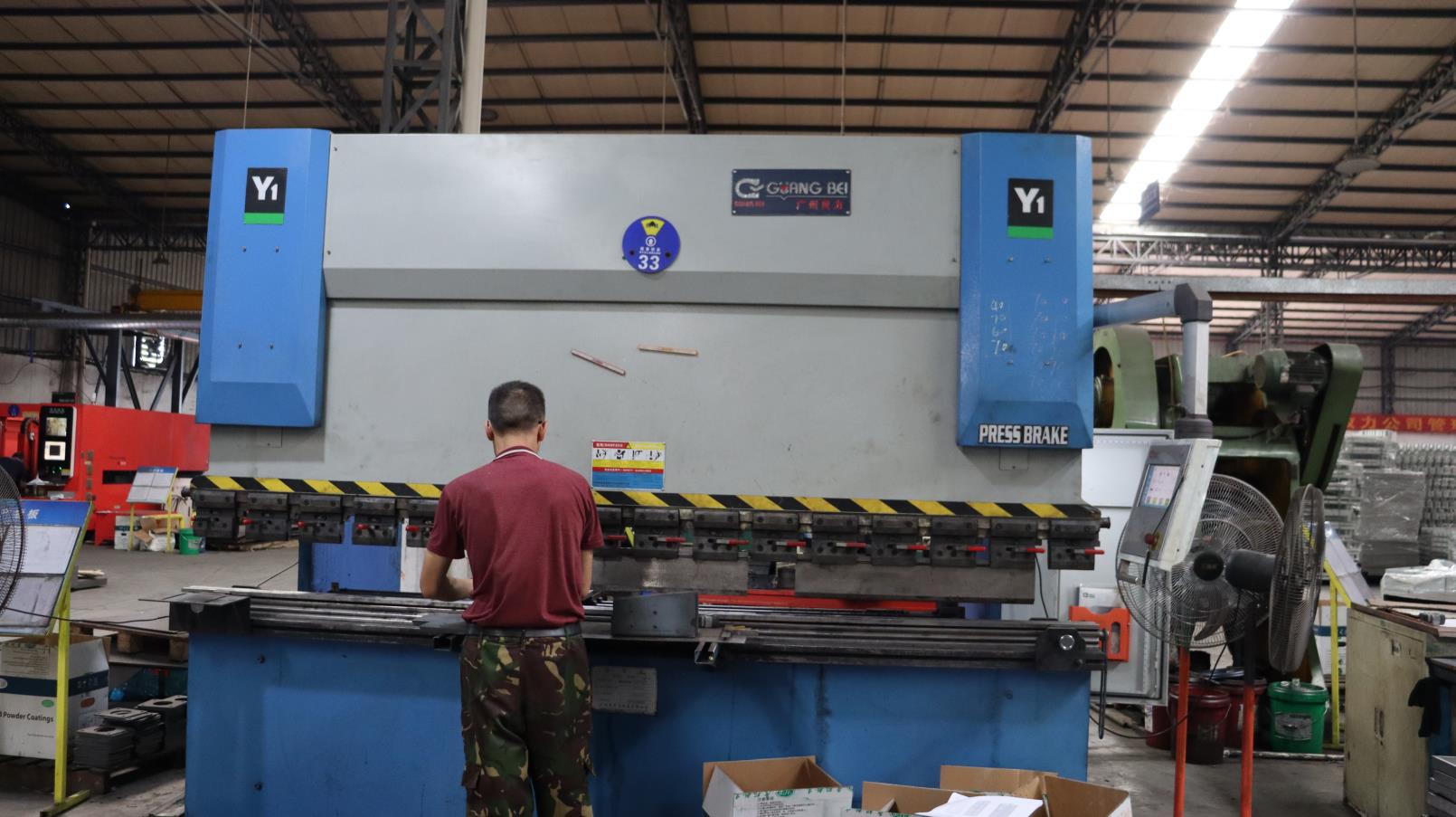
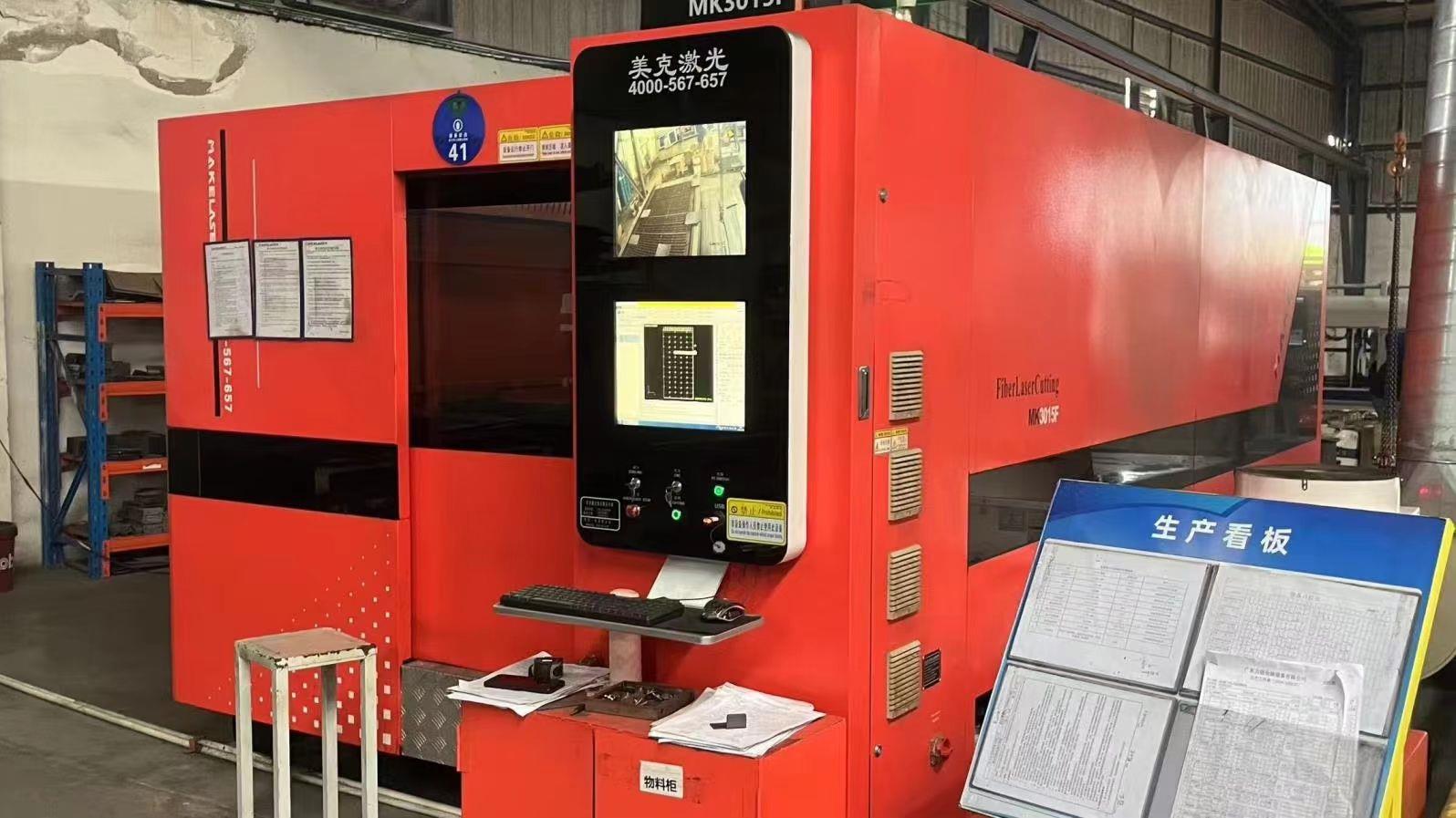
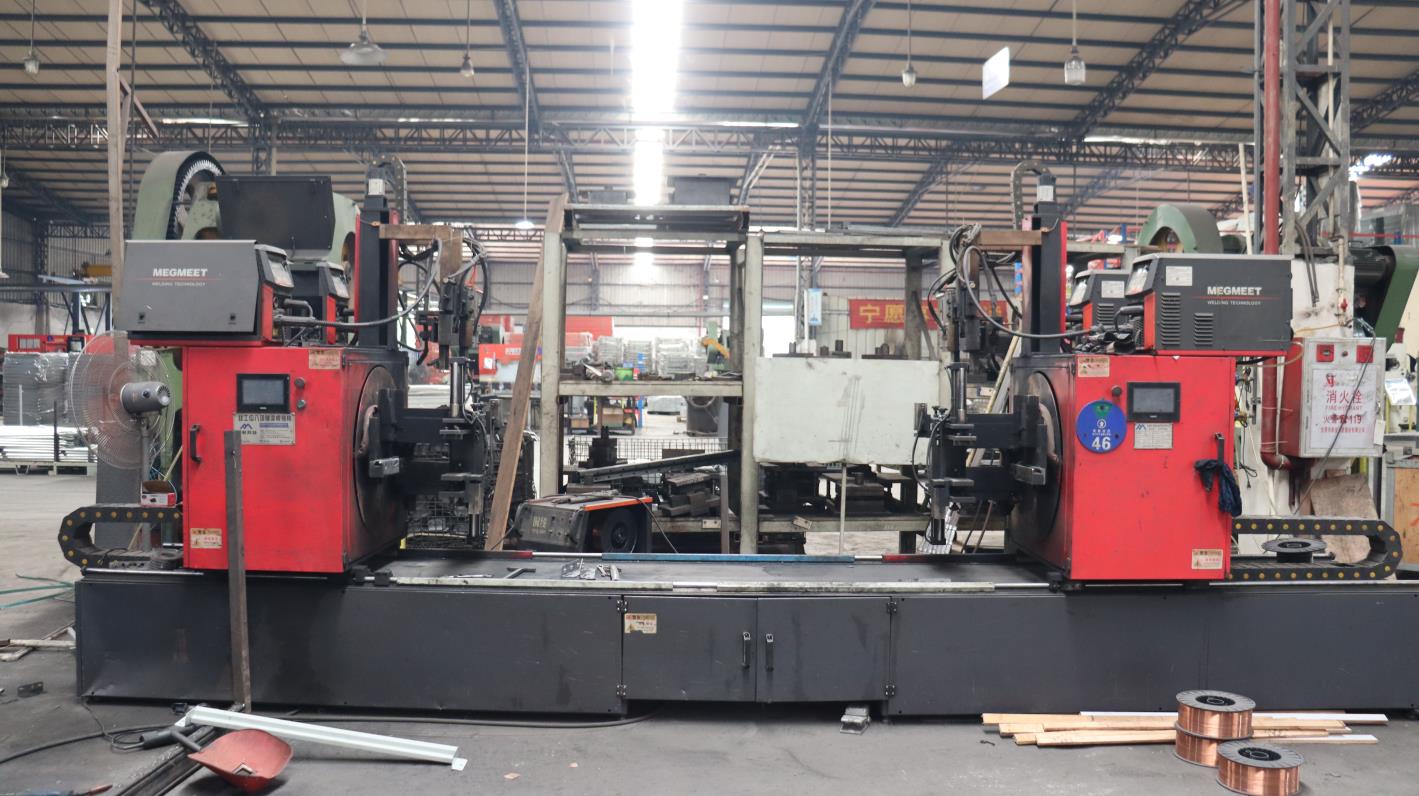
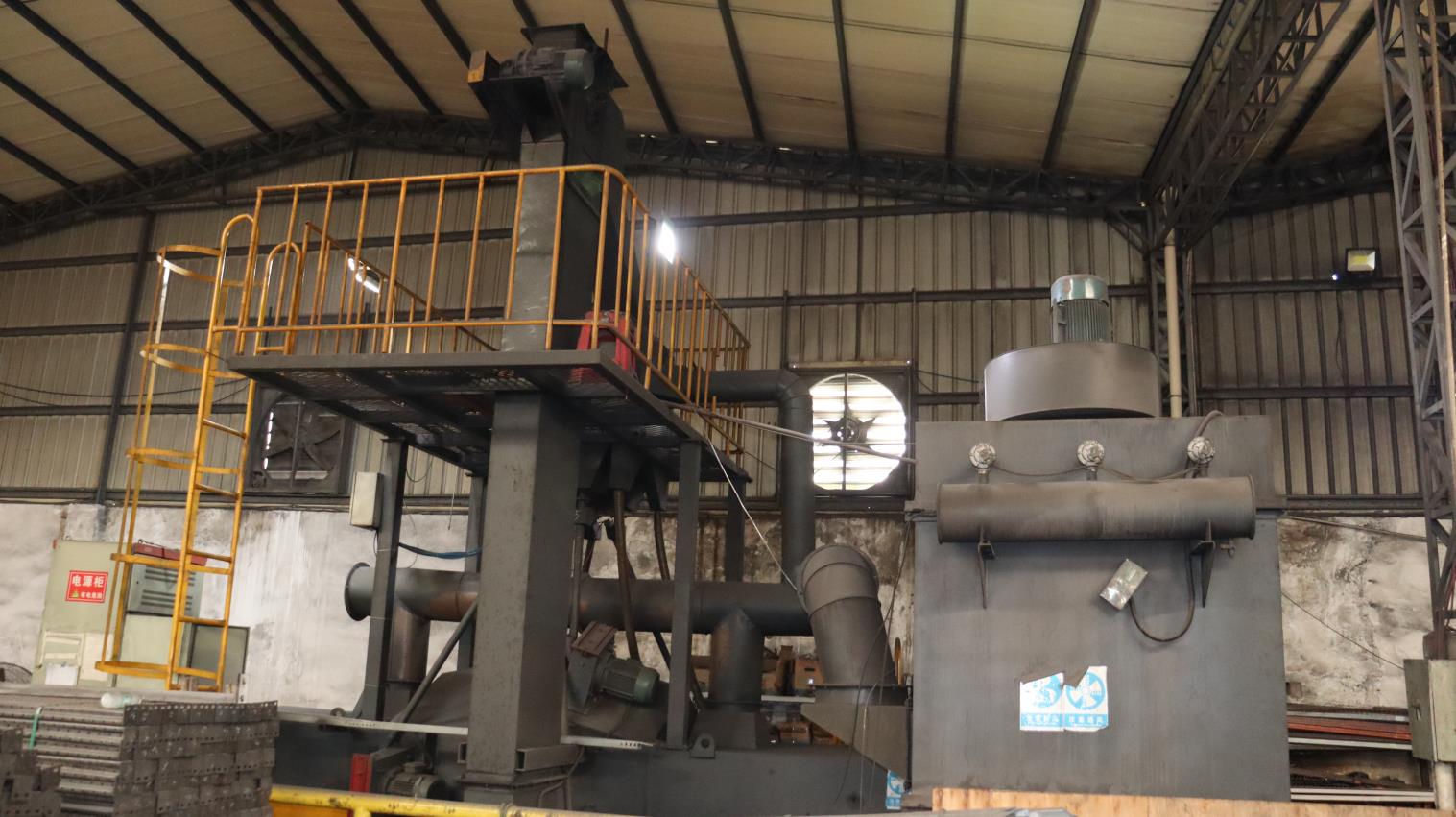
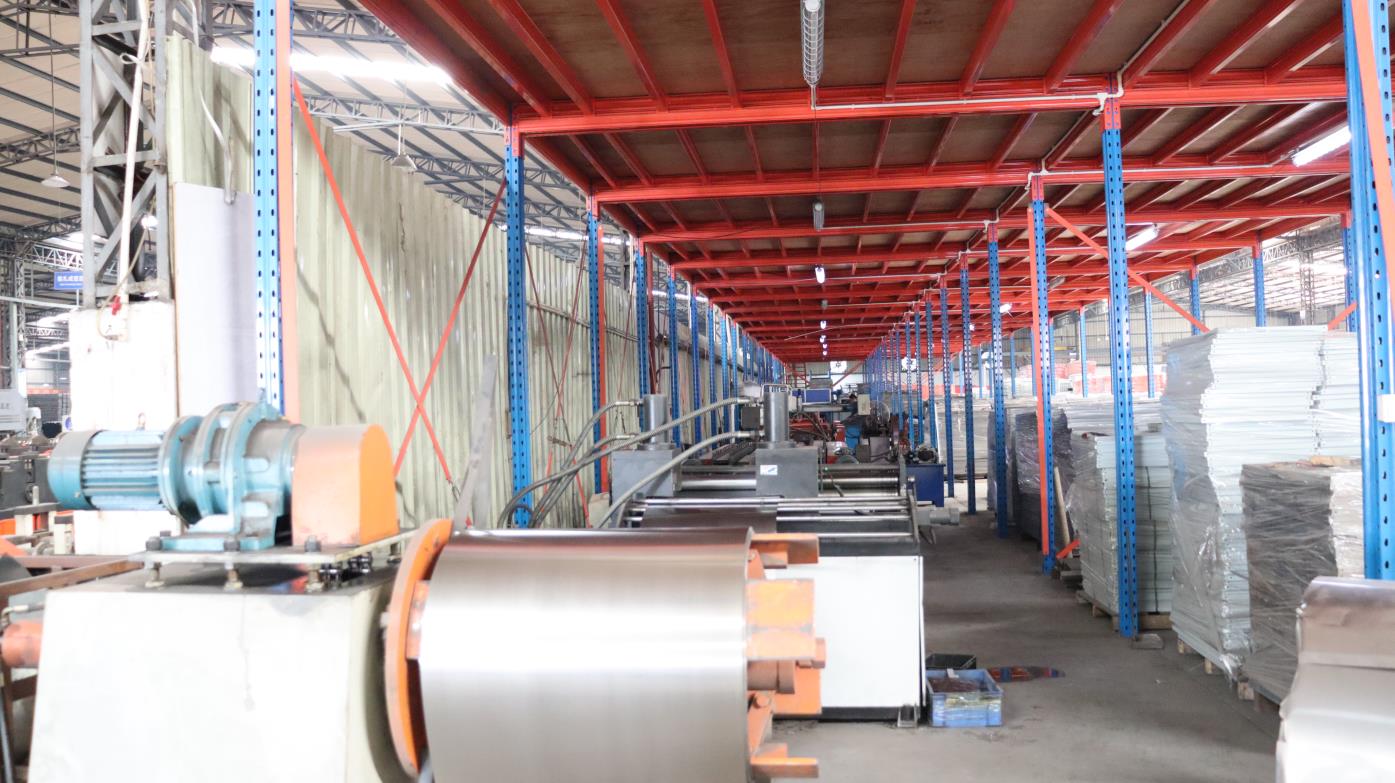
Lijin utilizes advanced manufacturing machinery to handle heavy structural steel sheets, producing structural sections with high repeatability.
Backed by an experienced international trade background, our core markets span North America, Western Europe, Southeast Asia, and the Middle East. We maintain strong strategic relationships with over 850 supply chain partners globally. Our primary clients include large-scale logistics hubs, commercial distributors, third-party logistics (3PL) providers, and industrial equipment wholesalers.
Our international trade expertise extends beyond customs clearance, containing localized engineering adaptation:
For the US and Canadian markets, our designs are optimized to conform with regional ANSI/RMI MH16.1 specifications. We support logistics managers by delivering seismic calculations that assist in securing building permits from municipal authorities.
We supply racking engineered specifically for cold storage conditions (operating down to -30°C). These utilize custom-grade steels that prevent low-temperature brittleness, preserving structural ductility and performance inside refrigerated distribution centers.
Racking structures installed in tropical or coastal environments receive dynamic electrostatic powder coatings, offering superior salt-spray corrosion resistance to extend operational life in high-humidity zones.
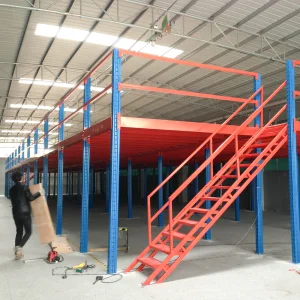
Our heavy-duty steel mezzanine configurations and rack-clad systems are engineered to withstand ambient temperature fluctuations, offering structural stability for heavy industrial parts distribution centers.
An ASRS installation represents a major capital expenditure, requiring a design life of 20 to 30 years. To protect this investment, we integrate advanced safety features directly into the racking structure.
One critical area is the column base connection. Standard baseplates are insufficient to handle the high moment forces generated during crane acceleration and braking. We design heavy-gauge, double-anchor baseplates combined with localized column reinforcement sleeves. This design distributes shear forces and protects the anchoring structure from stress fatigue.
Additionally, our systems feature integrated run-out stops and physical safety barriers. In the event of a software control override or optical sensor failure, these physical elements absorb kinetic impact forces, preventing stacker cranes from derailing. Furthermore, our rack beam connections use locking pins that resist upward dynamic forces, preventing accidental beam dislodgement from minor crane contact.
For projects in active seismic areas, we design the structure with specialized cross-aisle and down-aisle bracing towers. These structural elements dissipate lateral energy, preventing progressive collapse during seismic events and allowing warehouses to safely resume automated operations faster.
As warehouse automation continues to advance, the structural racking frame is evolving from a passive steel system into an active node within the IoT-enabled warehouse network.
1. IoT-Enabled Structural Health Monitoring (SHM)
Shenzhen Lijin's technical division is researching the integration of micro-strain sensors inside heavy-duty rack columns. These sensors measure real-time stress levels, allowing warehouse managers to monitor structural load distribution via dynamic control dashboards and detect overloading before structural issues occur.
2. AMR (Autonomous Mobile Robot) Compatibility
The integration of 3D shuttles and AMRs requires flat floor conditions and high-precision racking tracks. We are developing ultra-flat cold-rolled guide rails that reduce friction and extend the battery life of automated handling vehicles.
3. Green Steel Initiatives
To support our clients' carbon-reduction targets, we are optimizing our manufacturing energy footprint. By utilizing advanced painting ovens and selecting raw steel with recycled alloy content, we produce racking with a lower carbon footprint, without sacrificing load-carrying capacity.
A: We require your warehouse layout diagram (CAD files), required building clearance heights, building column centers, floor slab details, target pallet sizes (including product overhang dimensions), maximum load weights, local seismic coefficients (Ss and S1 values), and the type of retrieval cranes or shuttle systems intended for integration.
A: Our roll-forming lines feature integrated laser measurement sensors that monitor profile dimensions in real time. We maintain a strict upright straightness tolerance of less than 1/1000 of the total column height. This precision ensures consistent spacing along the crane travel path, preventing sensor issues during automated operations.
A: Q355B steel offers high yield strength (minimum 355 MPa), allowing us to design lighter racking columns with load capacities equal to or greater than thicker Q235B designs. This reduces structural self-weight, limits floor slab stress, and lowers international shipping costs.
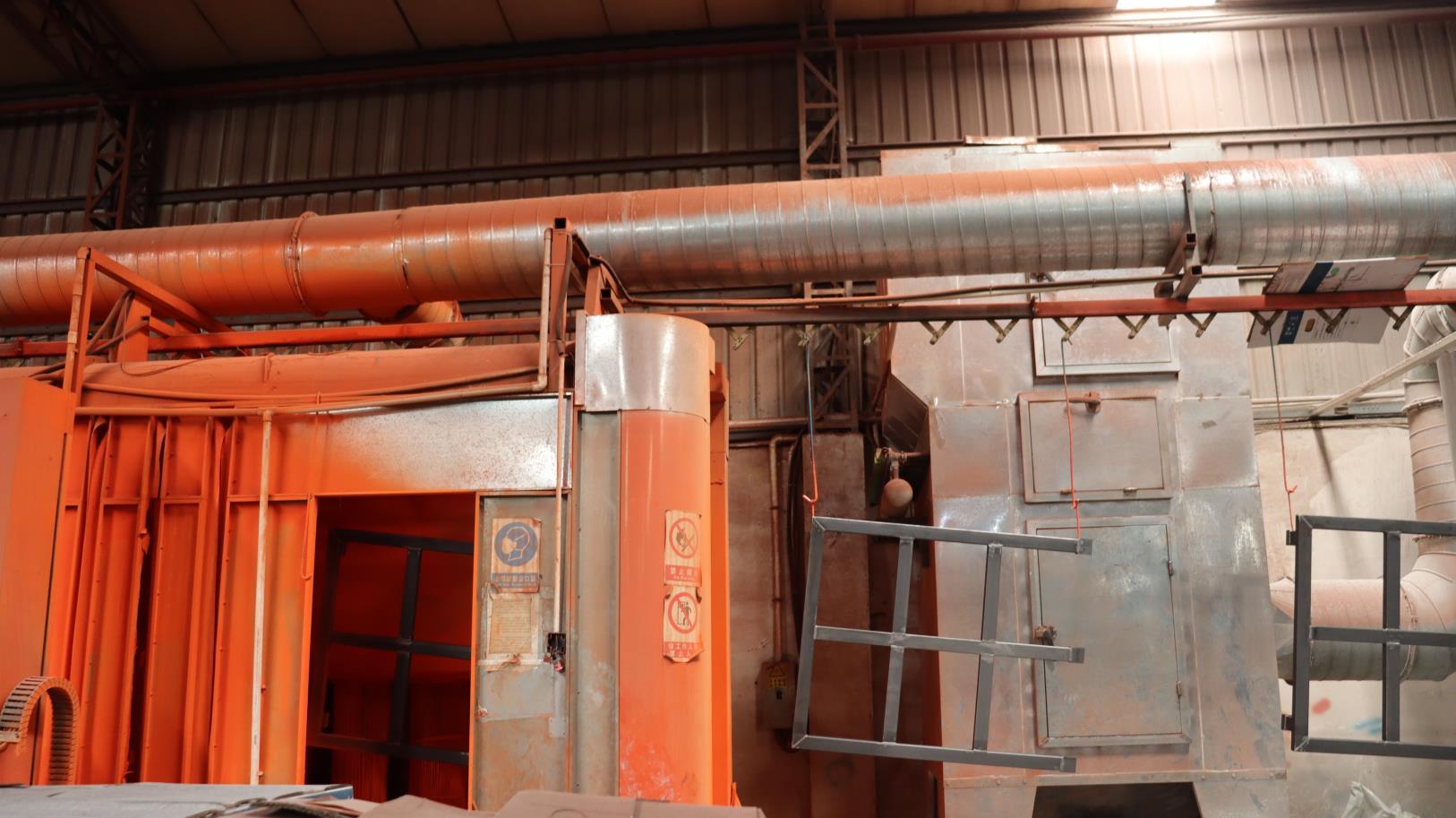
A: Yes. Our automated electrostatic powder spraying line supports custom RAL colors. We apply a durable polyester powder coat with a thickness of 60 to 80 microns, providing scratch resistance in high-throughput automated environments.
A: Racking columns are bundled and wrapped with protective packaging to prevent shifting during transit. We pre-assemble complex connector plates to simplify installation on-site. We also manage shipping documentation, container utilization, and port logistics to ensure smooth delivery.
A: Our 35-person quality control team performs weld inspections, ultrasonic thickness testing, dynamic load test simulations, and color matching checks. Each shipment includes a comprehensive testing certificate and chemical composition report for full traceability.
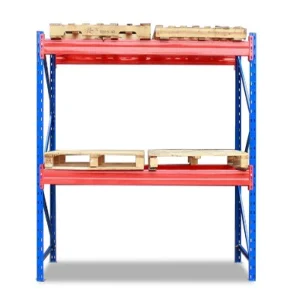
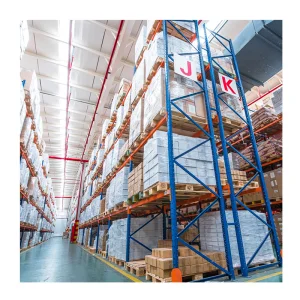
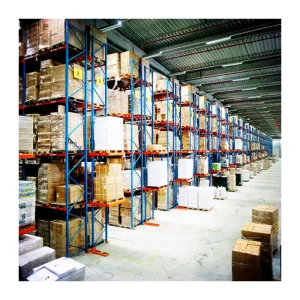
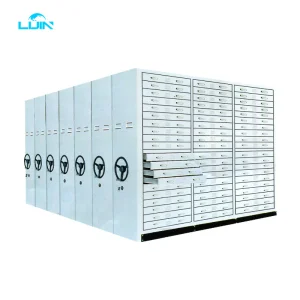
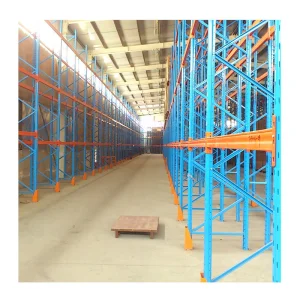
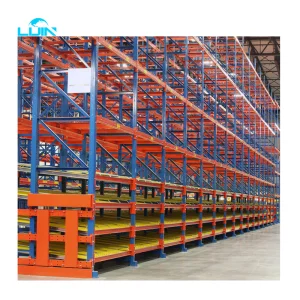
Select from our range of structural racks, heavy-duty shelving, and industrial storage systems engineered to meet international safety standards.
 Lijin Racking