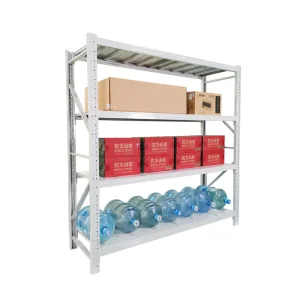
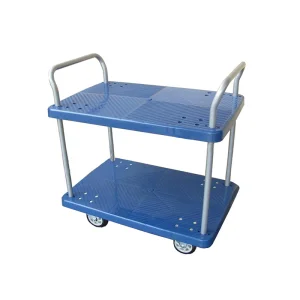
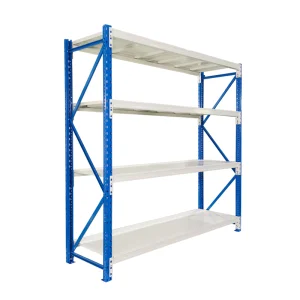
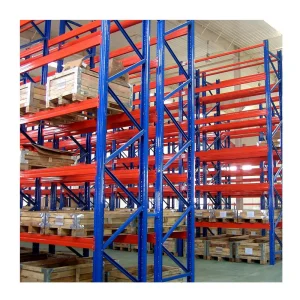
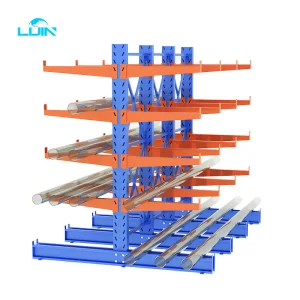
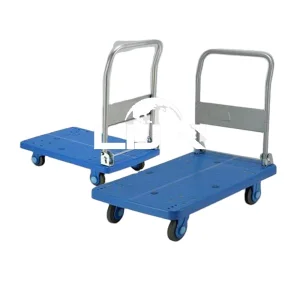
Established in 2015, Shenzhen Lijin Storage Equipment Co., Ltd. has grown to become a premiere enterprise specializing in the design, engineering, precision fabrication, and global distribution of heavy-duty warehouse racking systems, automated storage solutions, and dynamic industrial shelving systems. Backed by over 12 years of deep industry expertise and 8 years of direct export experience, we operate as a foundational partner in global logistical supply chains.
At Shenzhen Lijin, we prioritize structural stability, safety compliance, and maximum load-bearing efficiency. Our manufacturing facilities implement a rigorous, data-driven multi-stage quality control system. Our onsite QA protocols incorporate ultrasonic non-destructive testing (NDT) for weld integrity, automated laser dimensional inspection to guarantee tolerance compliance within fractions of a millimeter, and cyclic heavy-load fatigue testing. With a specialized in-house quality assurance division of 35 dedicated professionals, every racking array we supply aligns with stringent international safety benchmarks (including CE, ANSI/RMI, and FEM standards).
Leveraging deep industrial insights and streamlined global trade logistics, Shenzhen Lijin maintains strategic alliances with over 850 supply chain clients globally. Our core export markets span North America, Western Europe, Southeast Asia, and the Middle East. Our product footprint addresses the highly specialized demands of global logistics clusters, enterprise third-party logistics providers (3PLs), multinational industrial wholesalers, and e-commerce distribution platforms.
The global demand for high-density logistics storage demands industrial racking solutions that deliver structural safety without compromise. Chinese manufacturing hubs, specifically in Shenzhen, provide a distinct confluence of economic, materials, and technological advantages that make them the optimal location for custom OEM/ODM freestanding racking procurement.
Chinese steel mills produce world-class Q235B and Q355B structural steel alloys, which are renowned for their ductility, structural integrity under seismic stress, and consistent performance during cold-roll forming. By collaborating closely with high-tier local mills, Chinese manufacturers can secure high-grade structural alloys with strict thickness tolerances, offering maximum load capacities per shelf beam. This immediate access allows Shenzhen Lijin to customize steel formulations tailored to the precise structural demands of the target market, such as adapting alloy chemistry for low-temperature applications in industrial cold rooms.
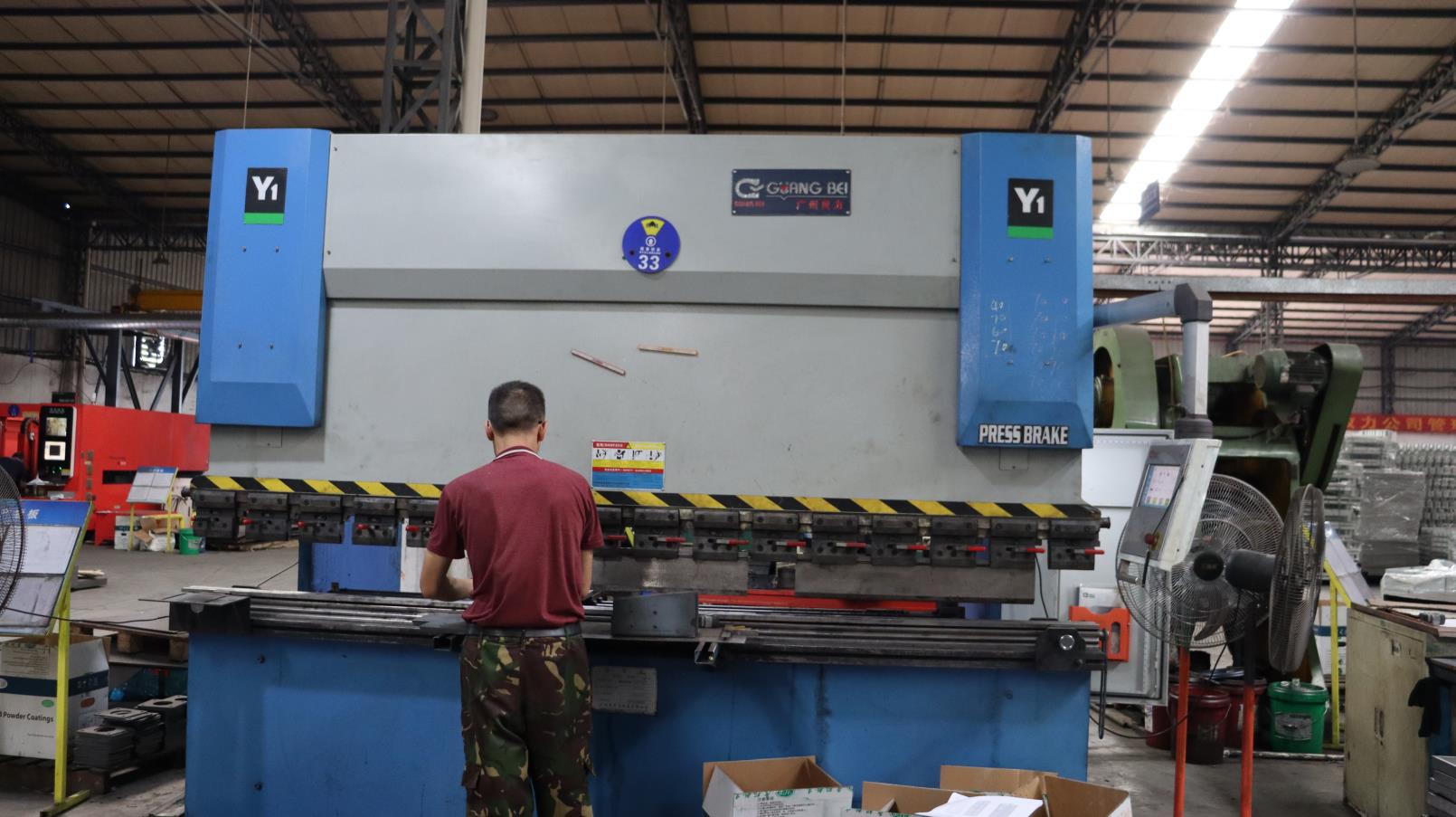
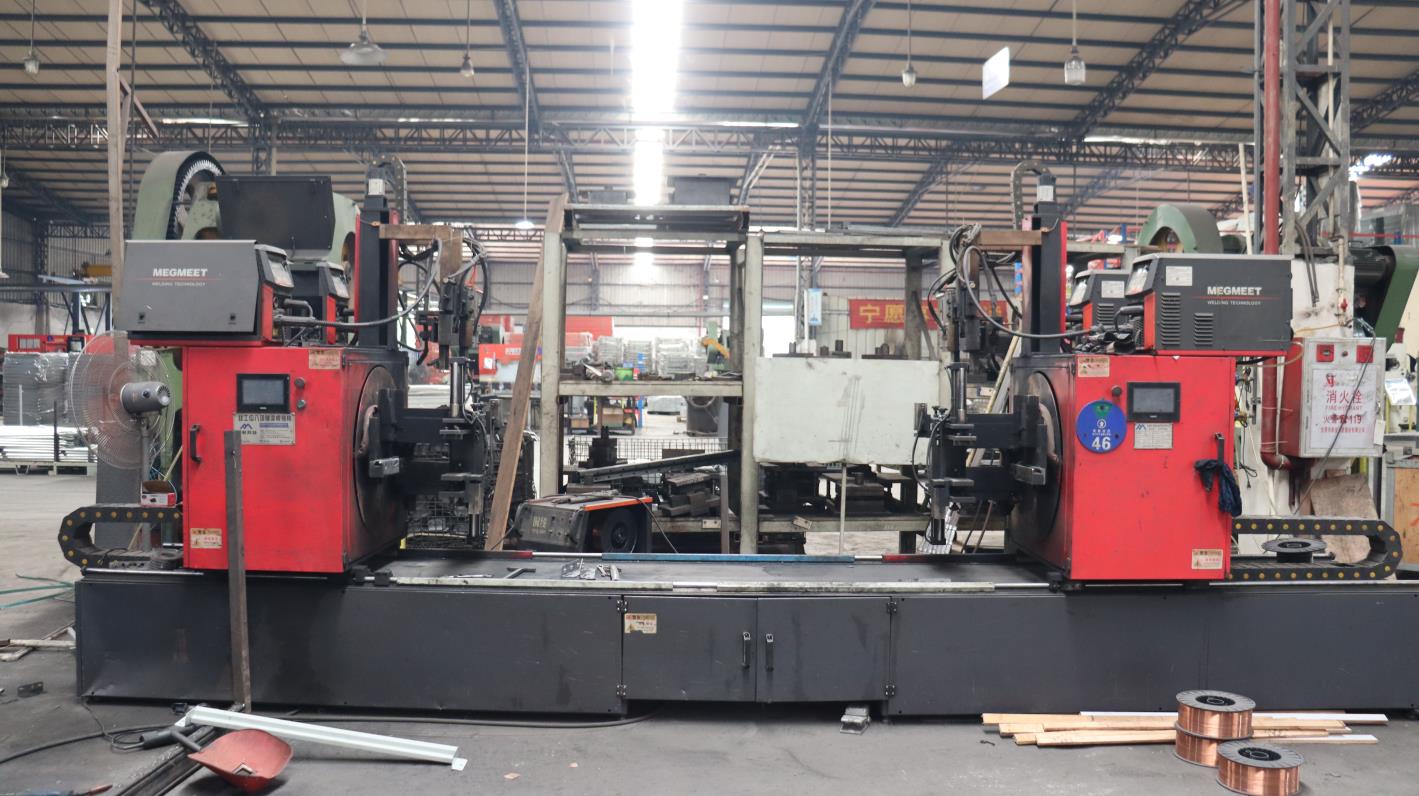
Modern production facilities in China utilize sophisticated robotic arm welders, automatic high-speed roll-forming machines, and multi-station continuous punching lines. Robotic welding assures uniform bead penetration, which eliminates localized stress concentration points that could fail under dynamic warehouse loads. These automated lines maintain exceptional dimensional tolerances, ensuring that modular connections, teardrop configurations, and boltless assemblies fit seamlessly at the destination site, significantly lowering installation times and labor costs.
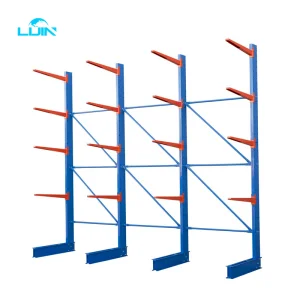
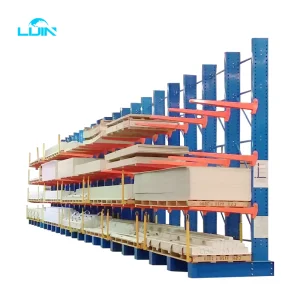
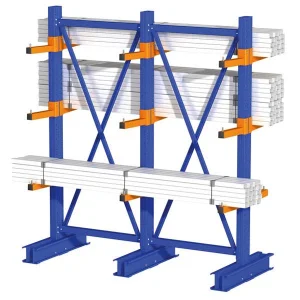
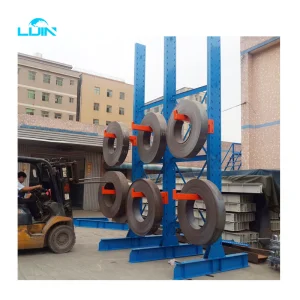
Proximity to key global maritime shipping hubs like the Port of Shenzhen allows Chinese manufacturers to optimize transit paths and shipping container density. In-house engineering teams calculate ideal nesting configurations to minimize volume during ocean freight, ensuring that large, bulky systems (such as high-level mezzanine platforms and cantilever rack uprights) arrive undamaged at low shipping-cost-per-unit metrics.
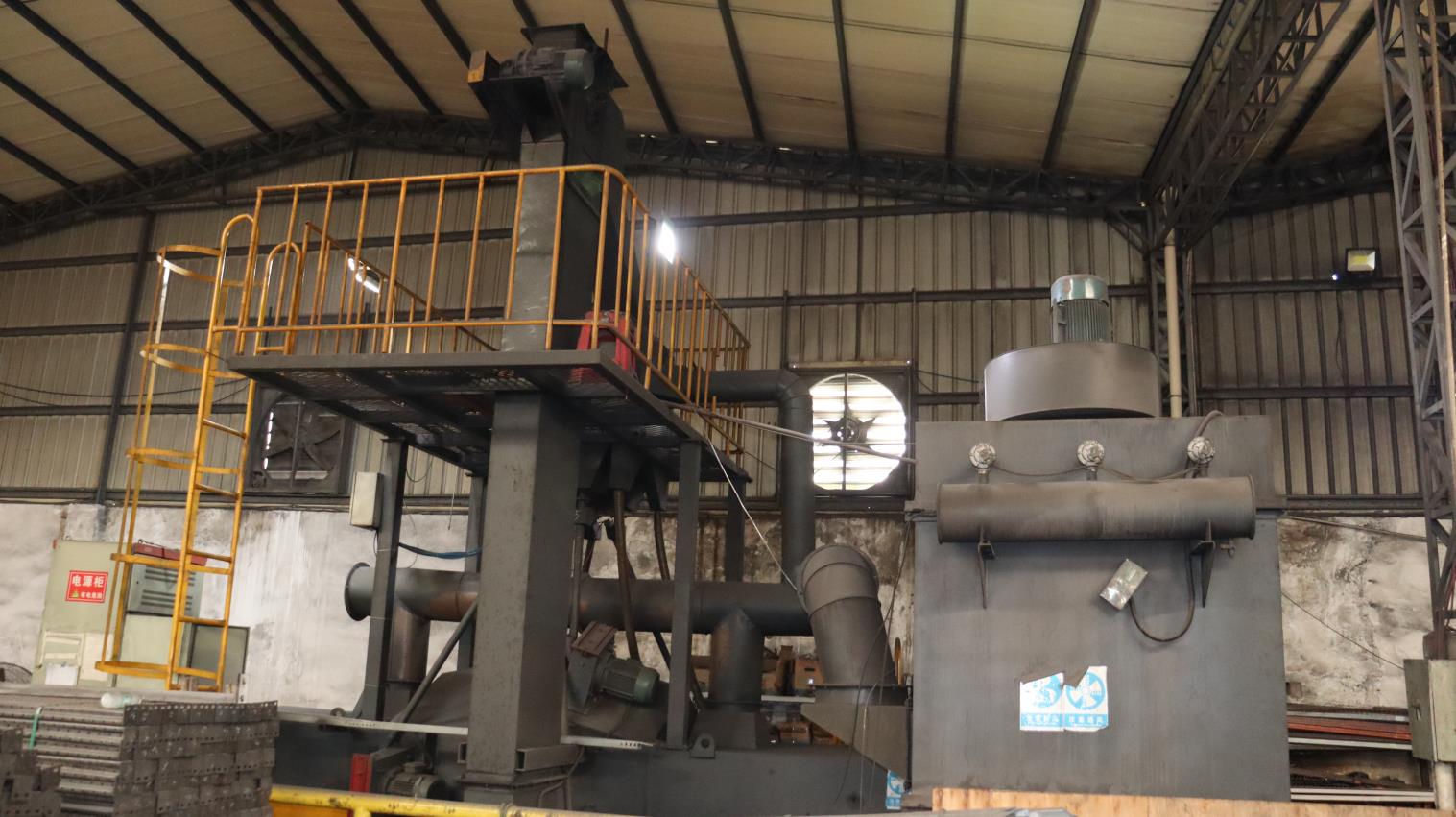
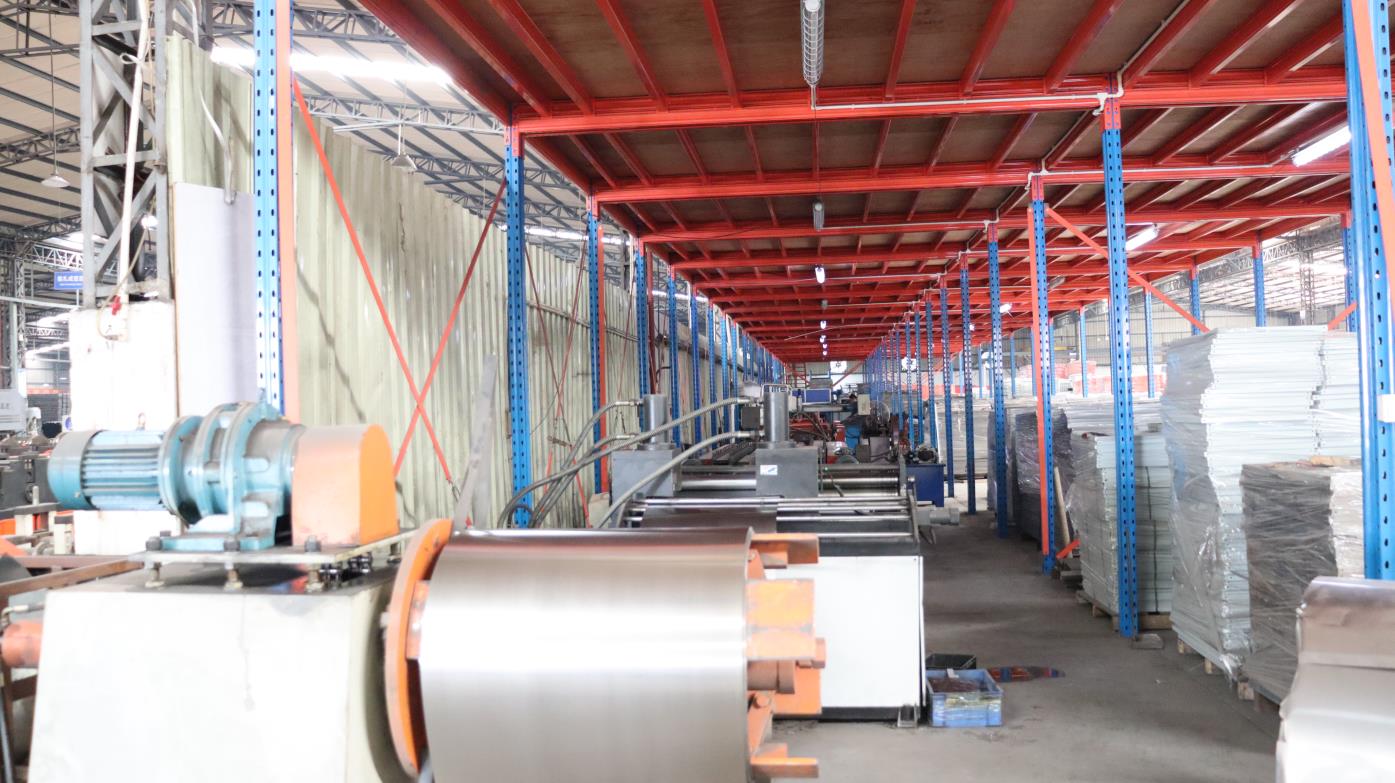
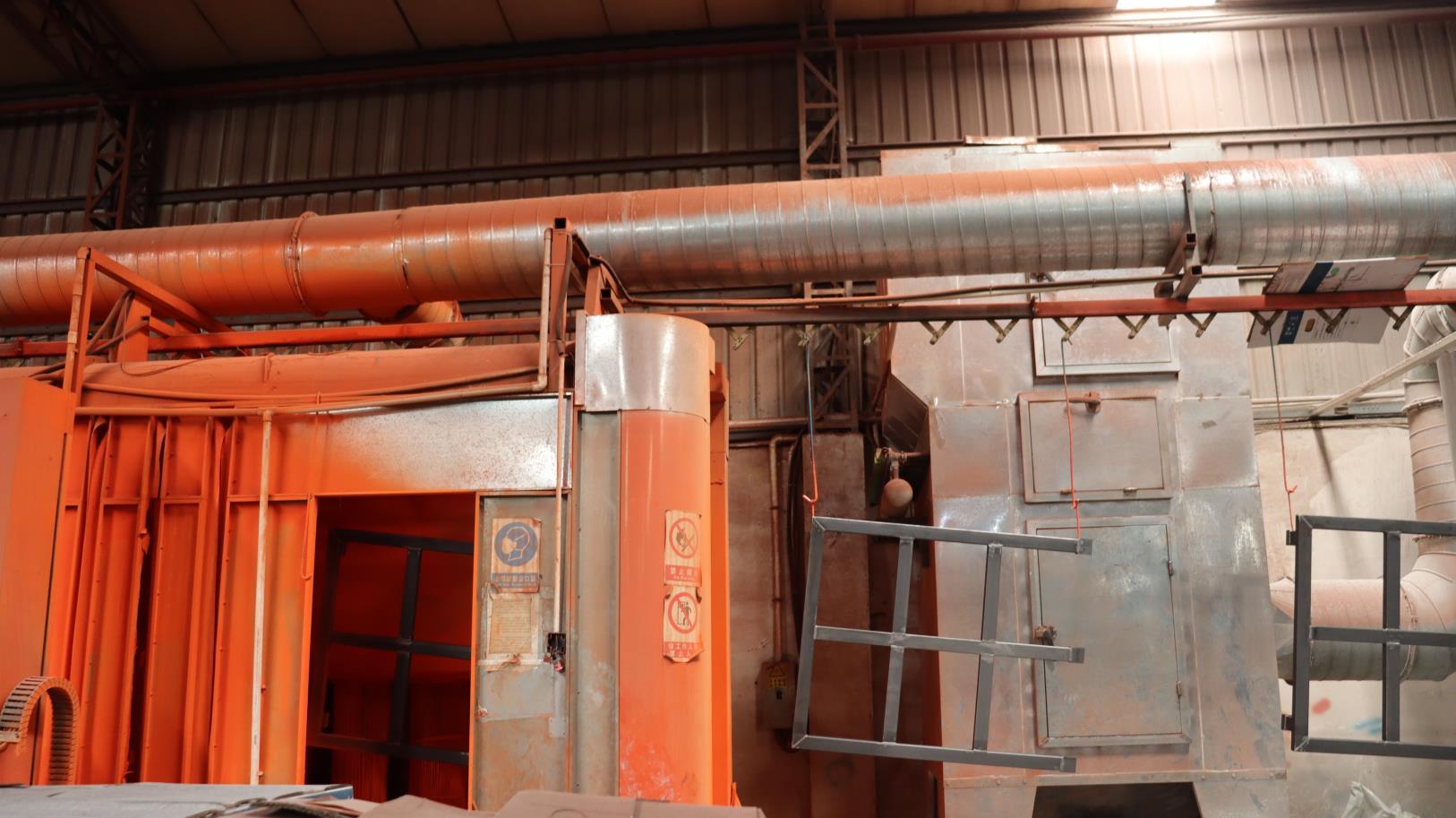
Explore the end-to-end production process utilized within our 35,000 square meter facility, from raw steel alloy validation to multi-line automated powder coating.
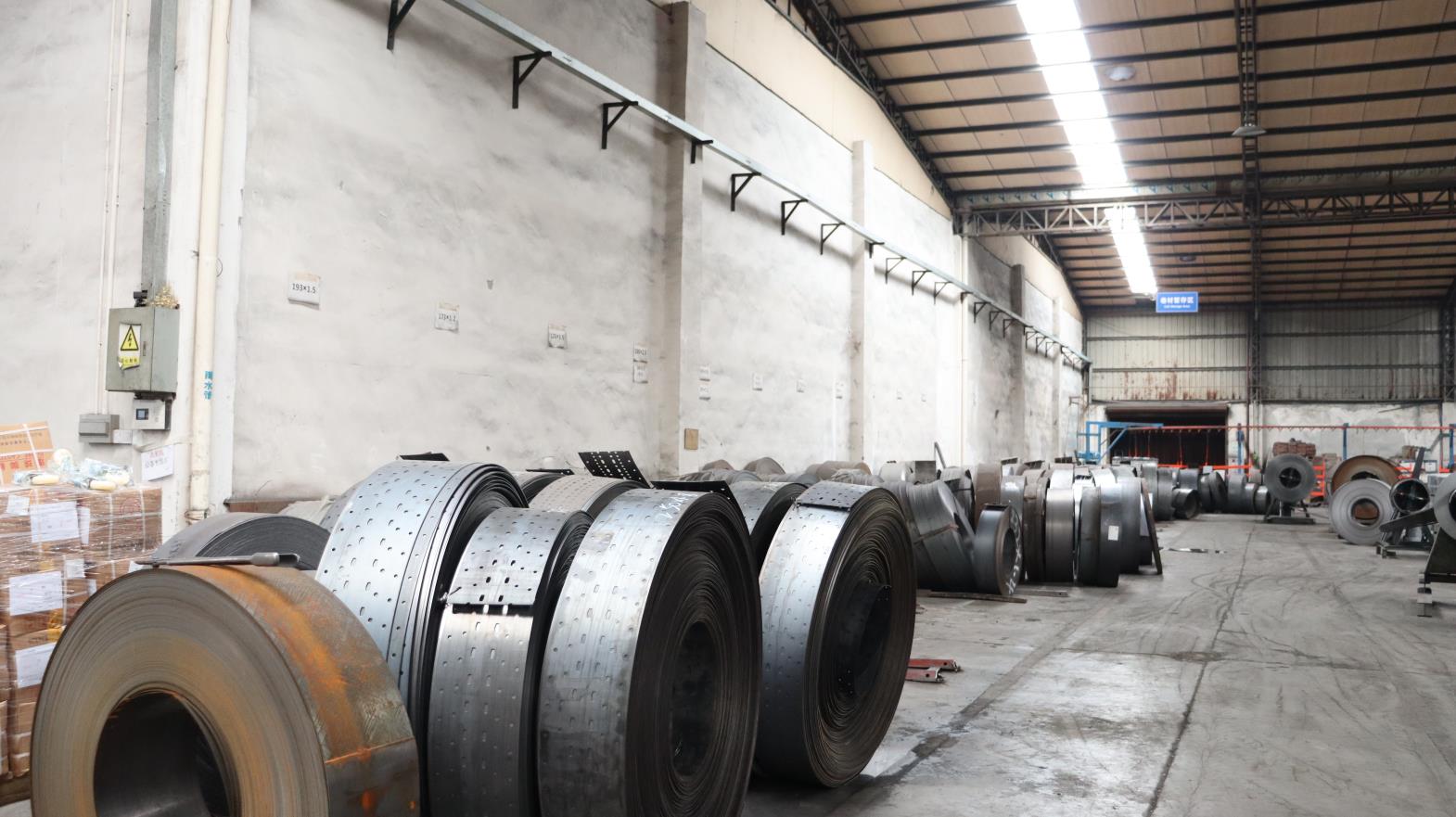
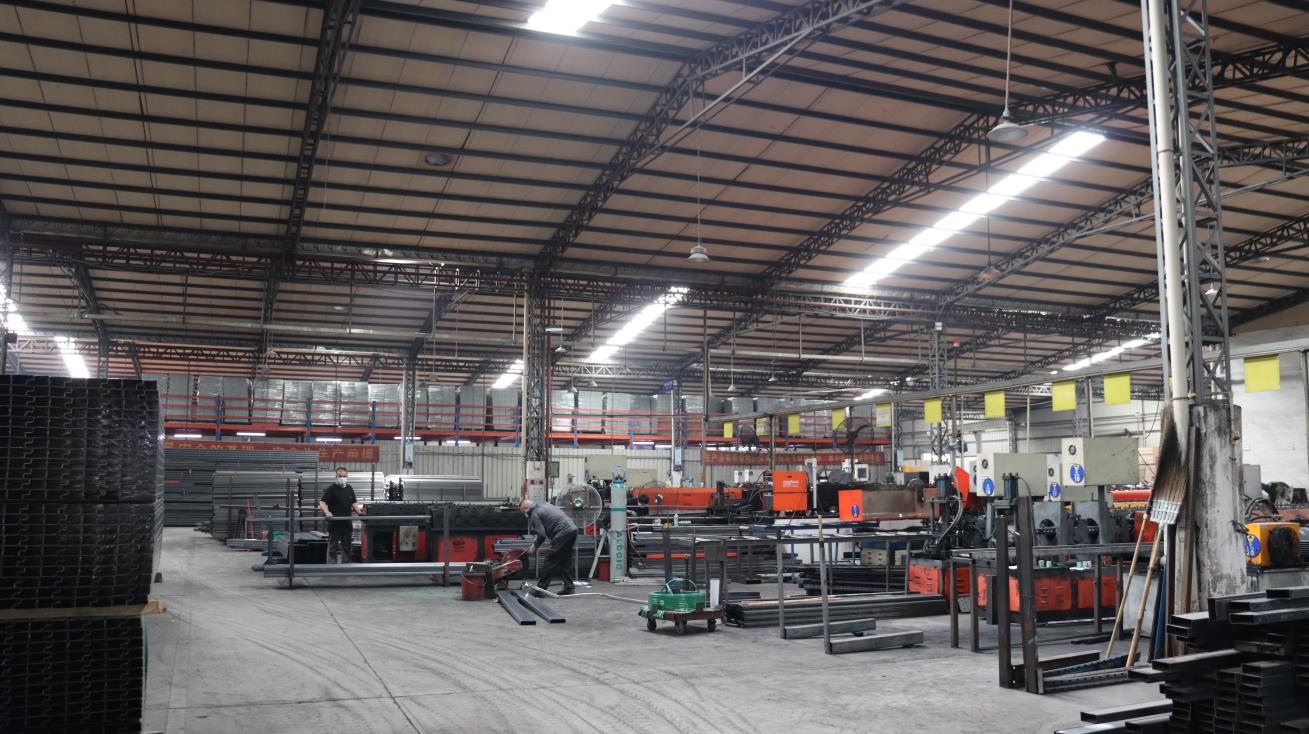
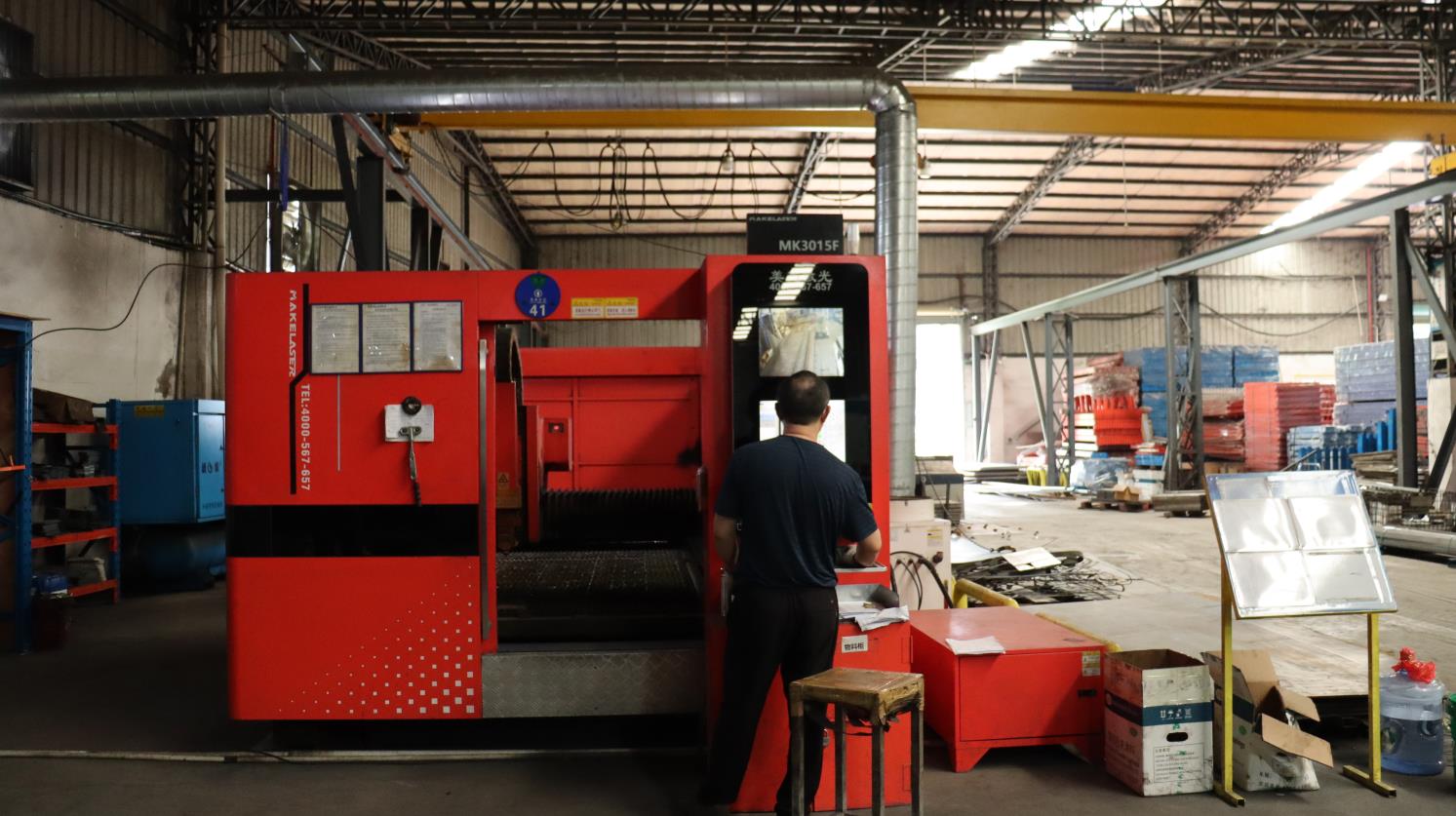
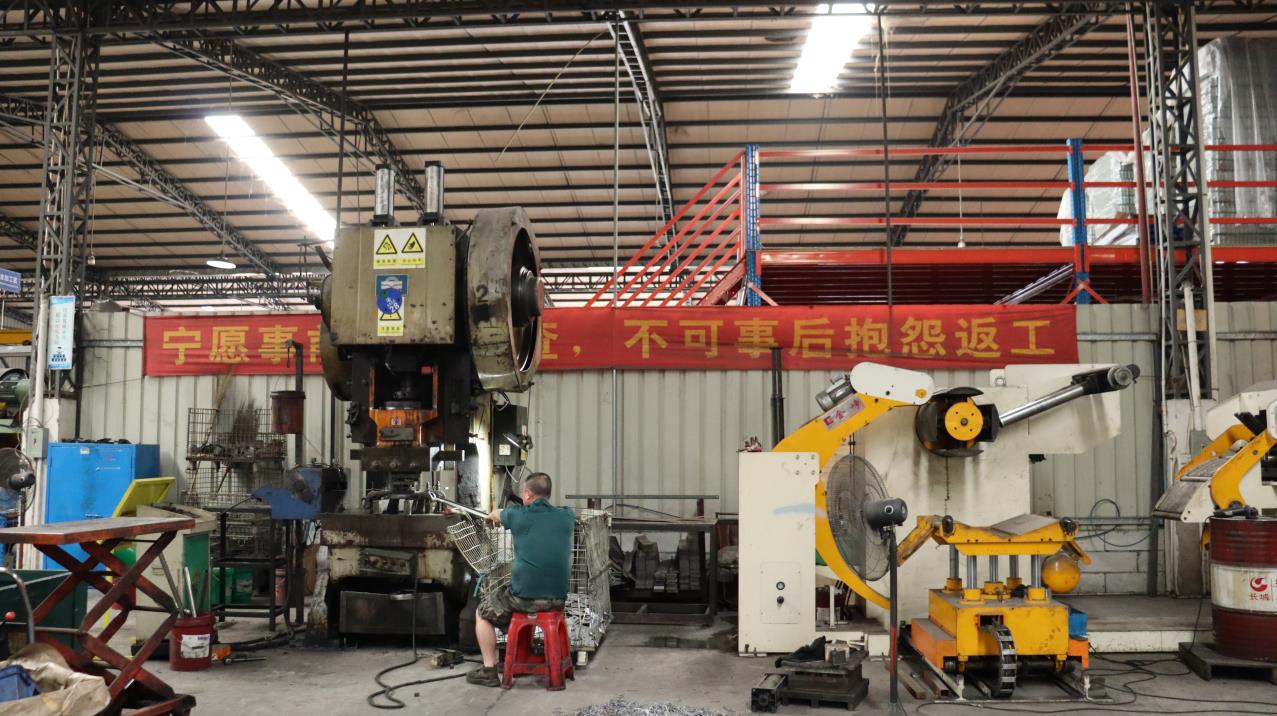
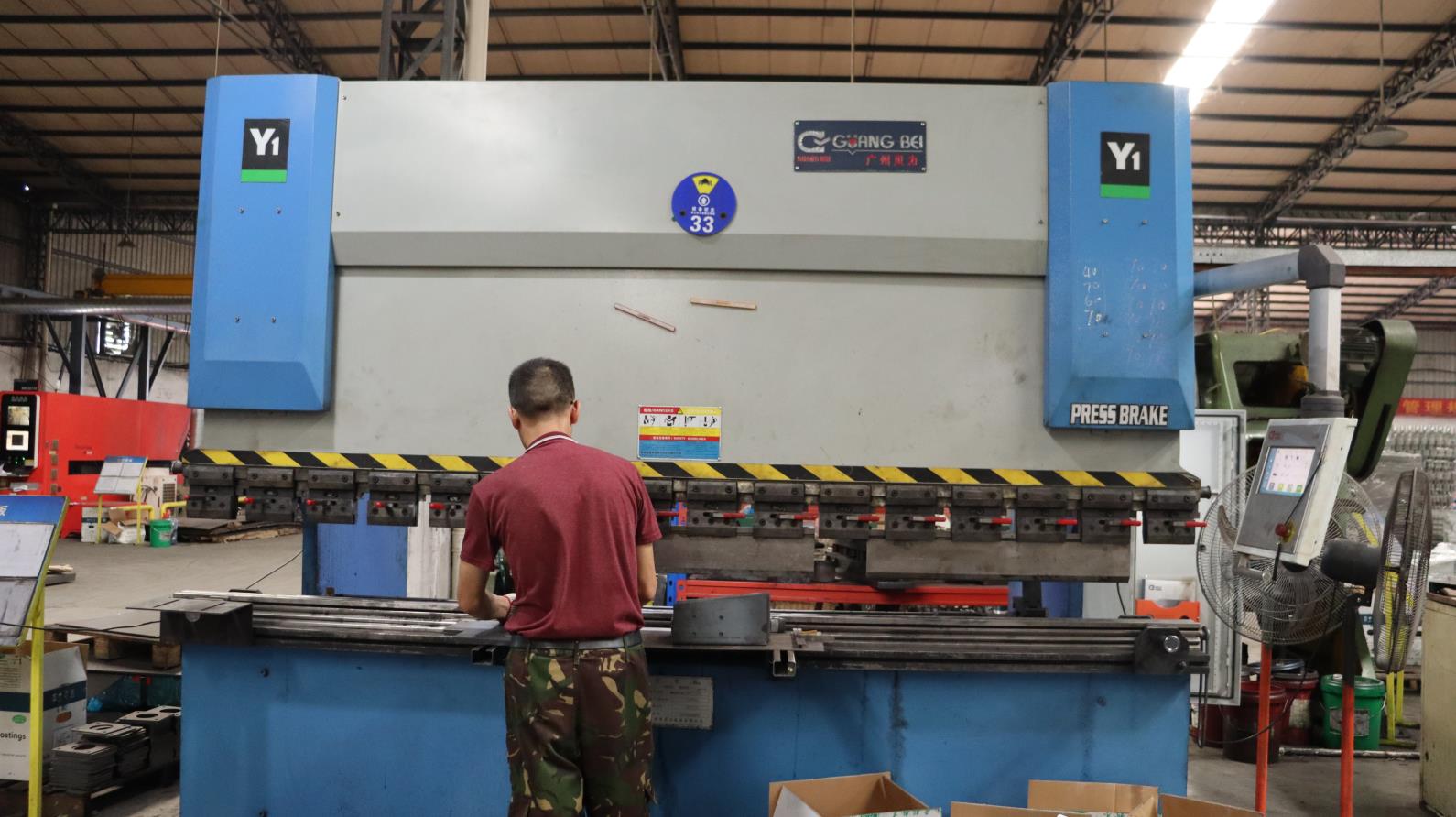
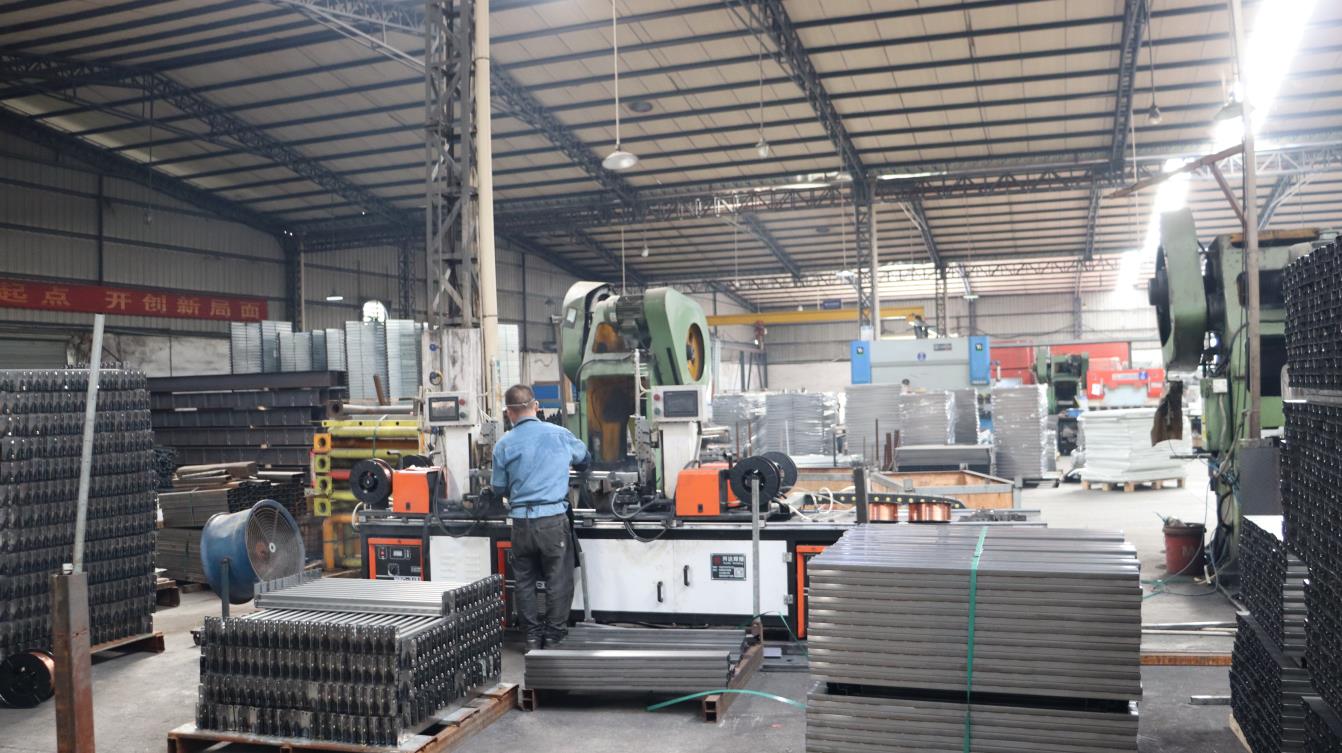
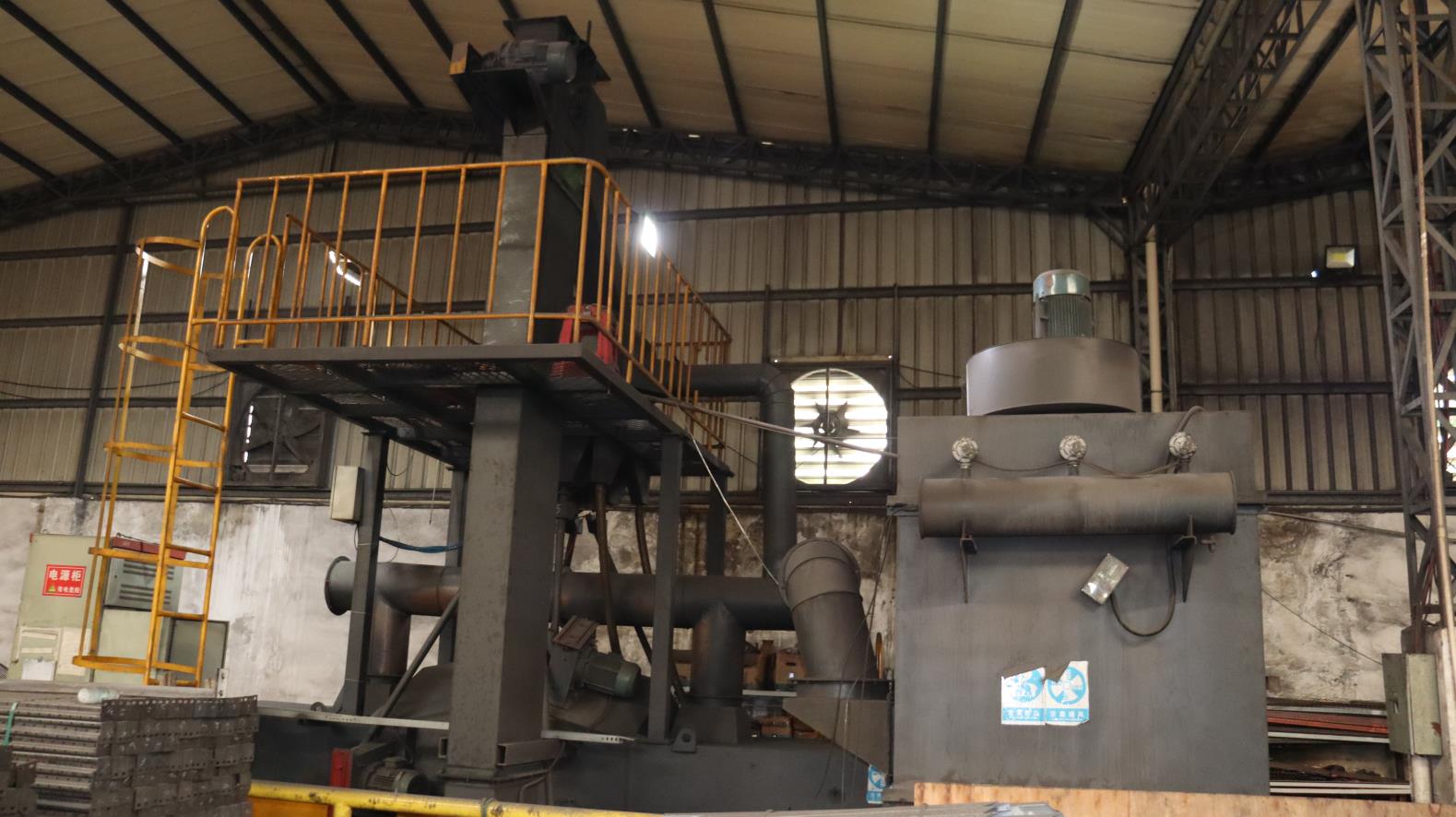
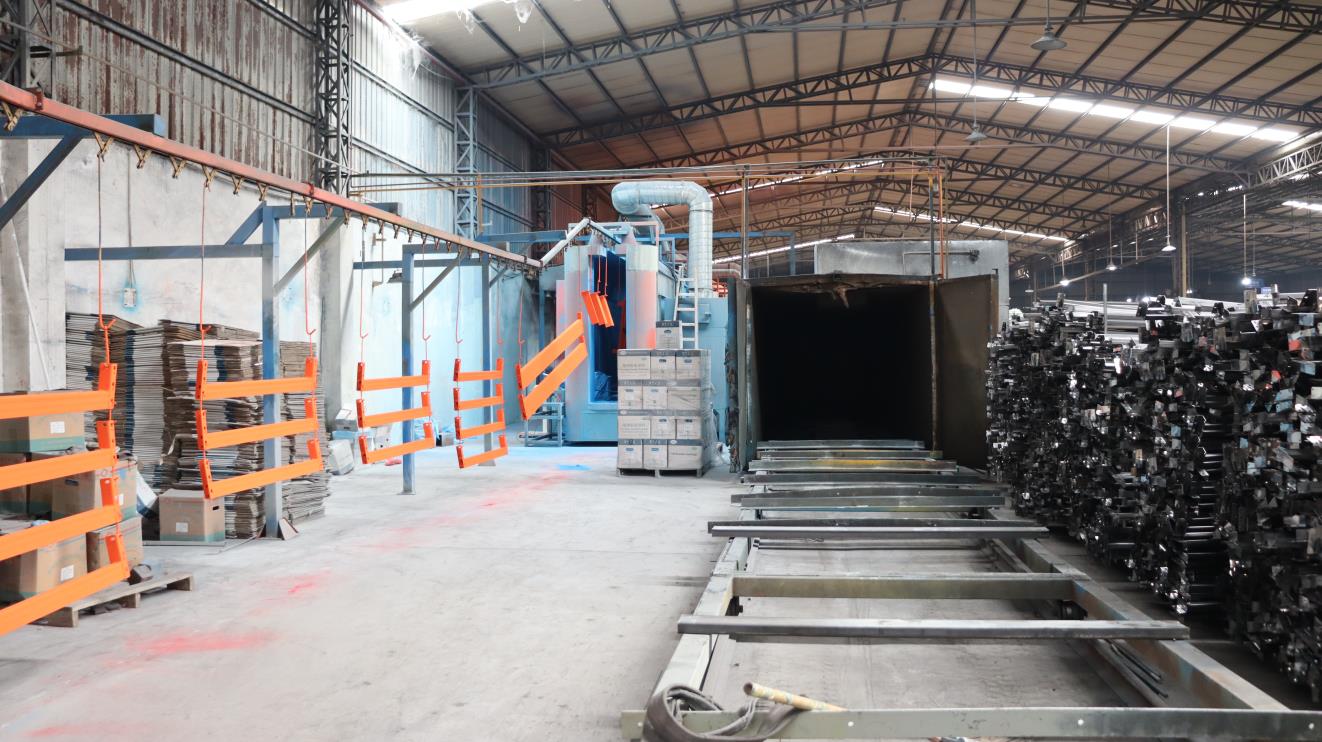
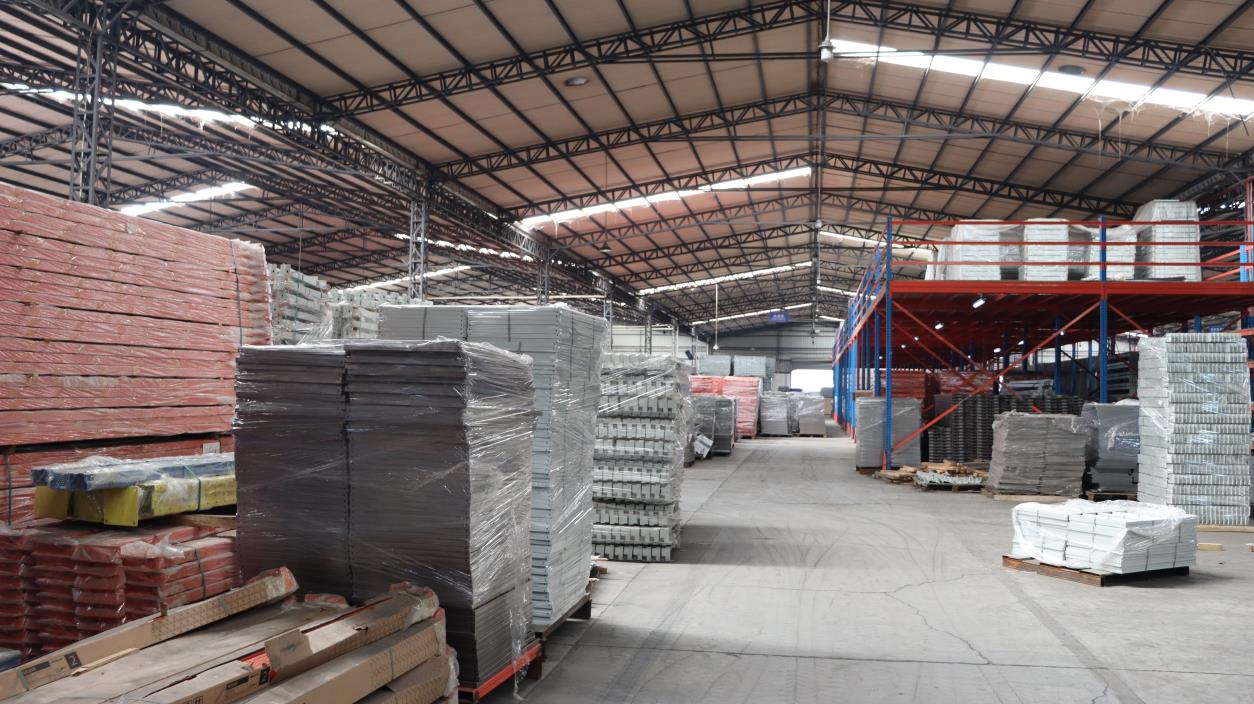
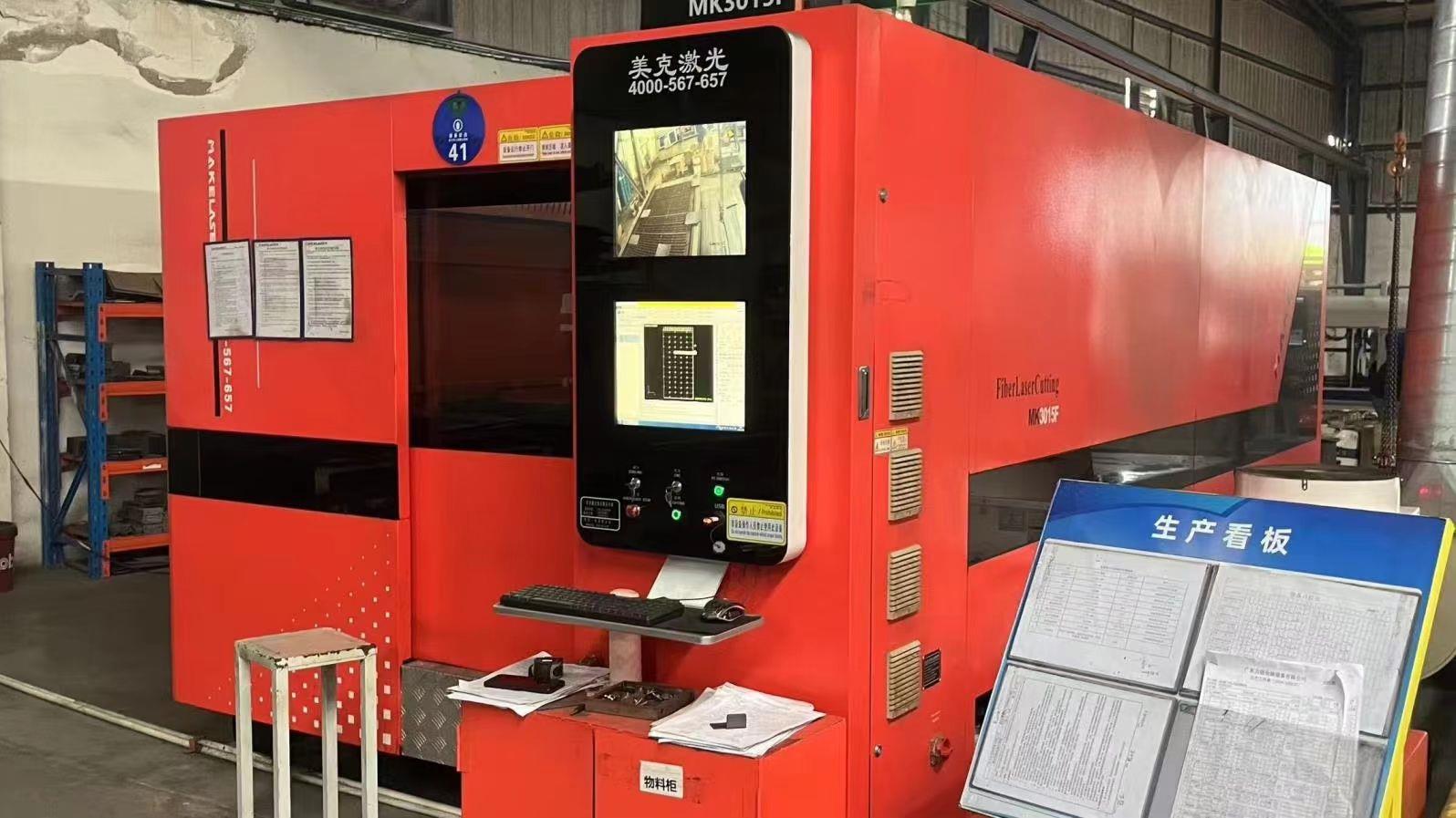
Precision storage systems require state-of-the-art tooling. Our factory hosts cutting-edge laser cutting, bending, and automated line configurations to achieve tight tolerance structures.
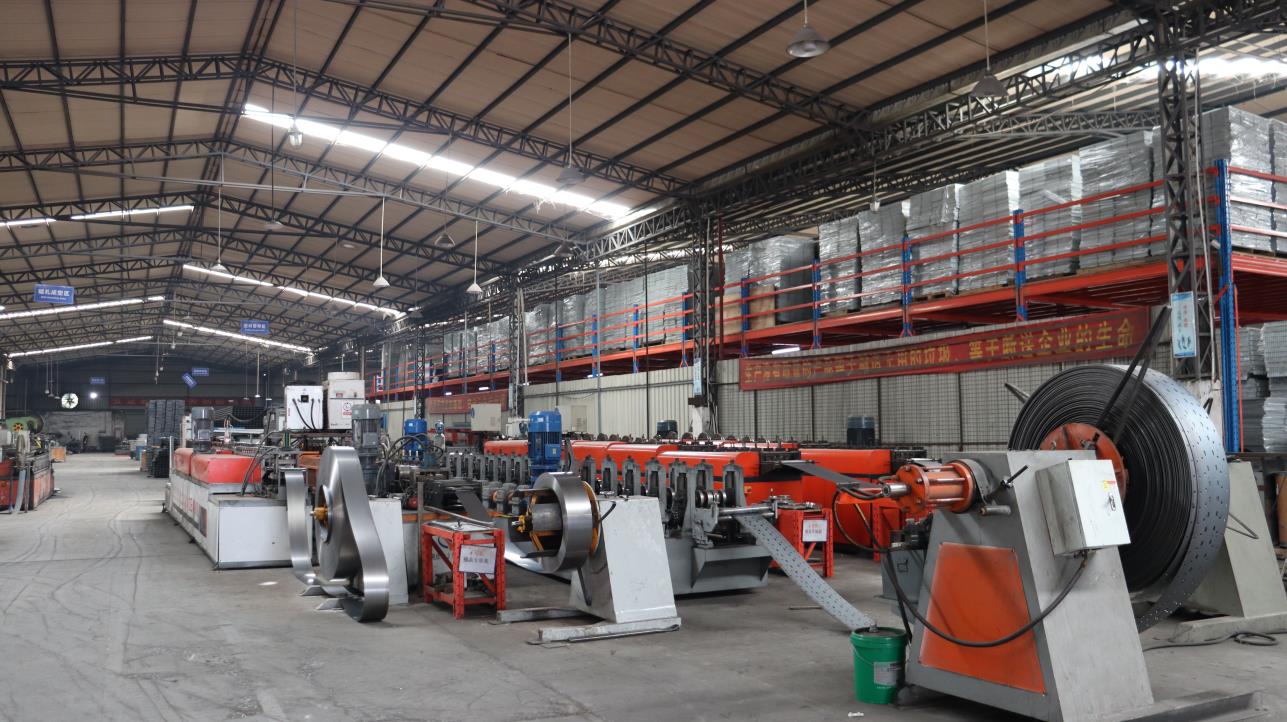
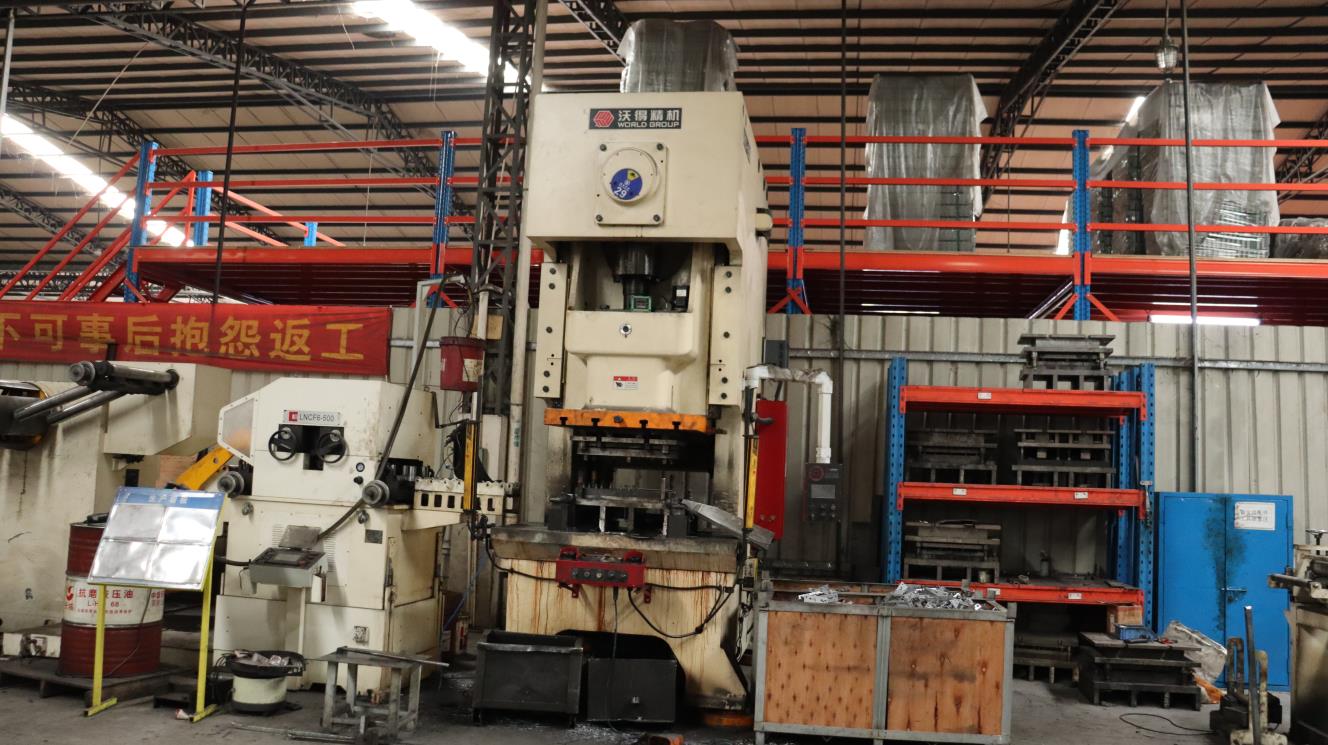
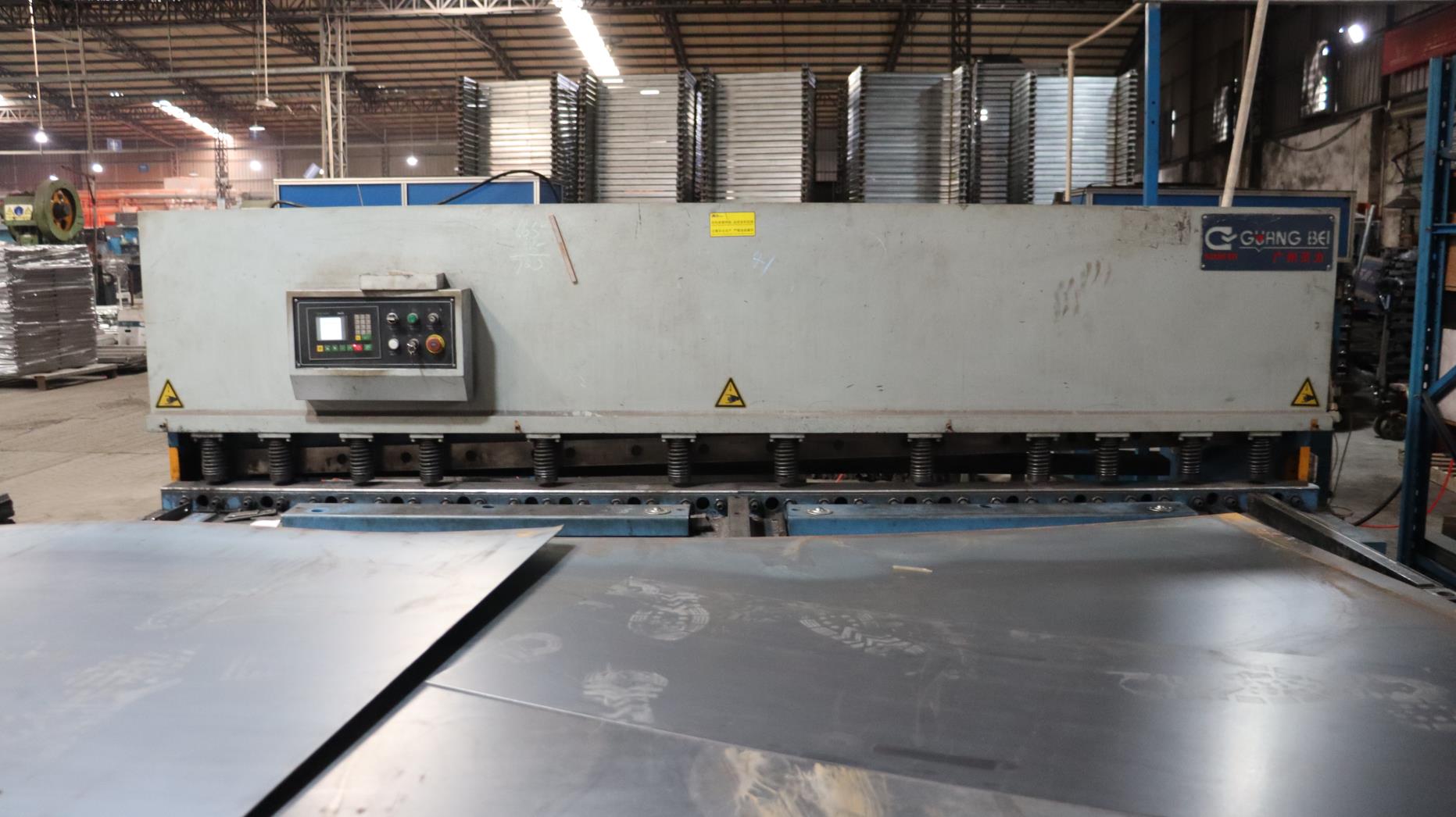
The rapid shift toward high-density fulfillment centers and automated vertical warehouses is redefining requirements for freestanding racking systems. Industrial systems are transitioning from static storage units into dynamic structural assets that interface with sophisticated warehousing operations.
Modern e-commerce distribution platforms require high-tolerance structural profiles designed to accommodate automated crane and shuttle systems. AS/RS integrations require vertical deflection limits far tighter than typical static racking. Shenzhen Lijin engineering designs utilize advanced calculations to limit horizontal displacement, ensuring safety during high-speed, automated crane cycles.
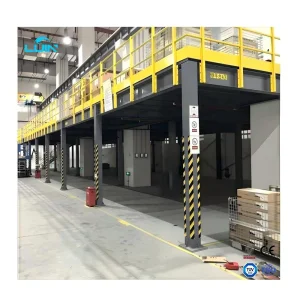
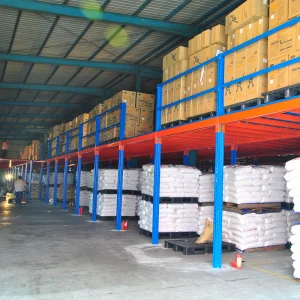
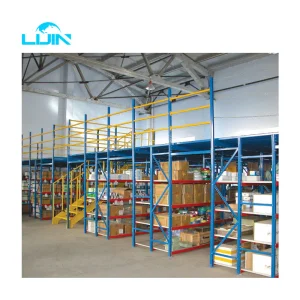
As industrial real estate costs rise, maximizing vertical spatial layout is critical. Custom heavy-duty mezzanine platforms offer multi-tiered workspaces that convert unused headroom into active staging or assembly zones. By utilizing structural roll-formed uprights and high-capacity main joists, mezzanine layouts safely double or triple operational footprints without modifying the facility shell.
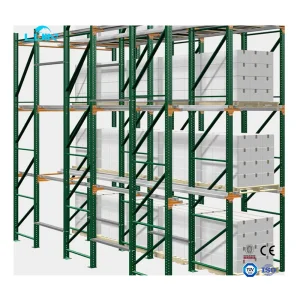
Cold chain facilities require unique materials considerations. Condensation and sub-zero environments trigger corrosion and steel embrittlement. Galvanized industrial storage systems and drive-in racks from Shenzhen Lijin employ high-purity hot-dip galvanization or customized thermosetting powder coatings. These specialized finishes resist oxidation and structural decay in temperatures down to -40°C.
Global procurement teams evaluate racking manufacturers on safety validation, supply chain predictability, and structural analysis. Below is an overview of key technical protocols implemented to assure long-term system performance.
Before entering fabrication, custom racking projects undergo rigorous Finite Element Analysis (FEA). Using modeling software, our engineering team maps stress distribution, dynamic load interaction, and buckling limits under varied loading conditions. This simulation phase is paired with mechanical test rigs that validate structural limits, assuring that cold-rolled components maintain safety factor ratios matching target operational codes.
Enterprise buyers must confirm compliance with local geographic regulations. Shenzhen Lijin structures comply with multiple international standards:
 Lijin Racking