Custom OEM Cantilever Storage Factory & Exporters

Engineered Industrial Heavy-Duty Storage Systems for Global Logistics Hubs and High-Density Warehouse Operations

Featured Heavy-Duty Storage Configurations

Precision-manufactured structural framing, multi-level platforms, and high-capacity racking solutions engineered for dynamic industrial spaces.
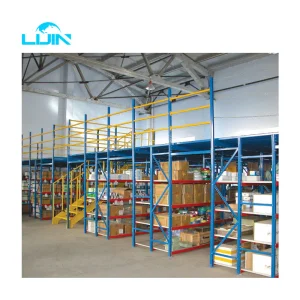
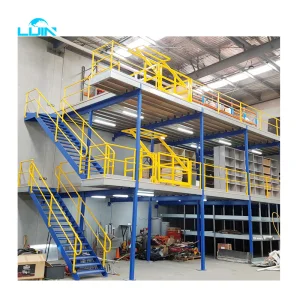
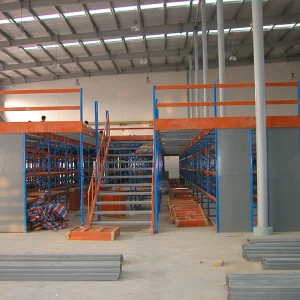
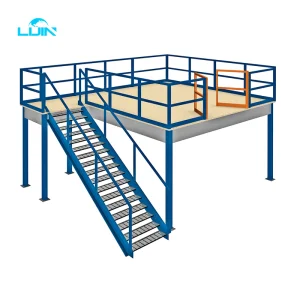
Steel Platforms Mezzanine Floor

LIJIN Manufacture Factory Designed Steel Platforms, Steel Platform Mezzanine Floor

View Specifications
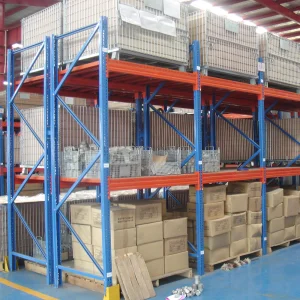
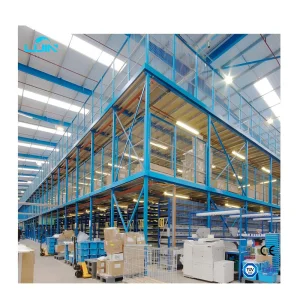
Warehouse Multi Level Steel Shelf Rack

Warehouse Multi Level Steel Shelf Rack Support Mezzanine Attic Rack Racking

View Specifications
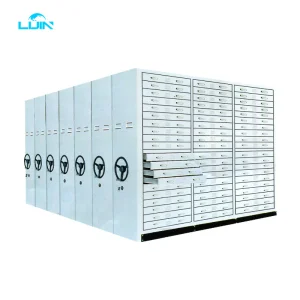
Movable Steel Locker Cabinet

New Design Style Movable Steel Locker Cabinet for School and Office

View Specifications
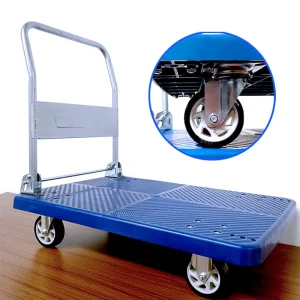
Folding Stainless Steel Trolley Cart

Exceptional Quality Custom-made Plastic Multi-function Folding Stainless Steel Instrument Trolley Cart

View Specifications
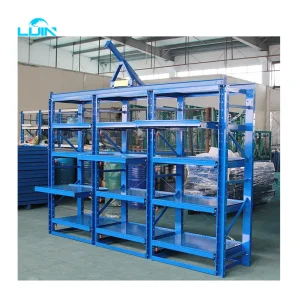
Heavy Duty Mould Rack

Customized Premium Quality Custom-Tailor Warehouse Storage Drawer Shelving Factory Heavy Duty Mould Rack

View Specifications
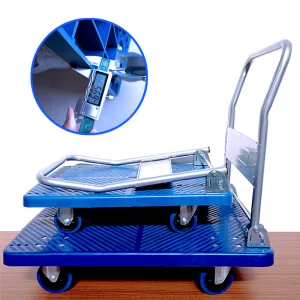
Platform Hand Truck and Trolley

Platform Hand Truck and Trolley

View Specifications
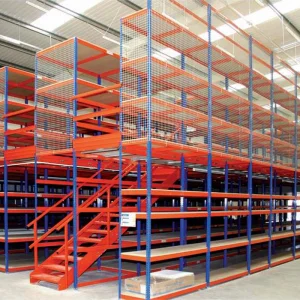
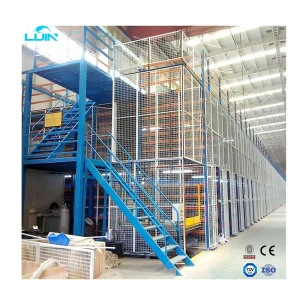
Heavy Loading Capacity Mezzanine Shelving

LIJIN Manufacture Factory 2019 Hot Sale Heavy Loading Capacity Mezzanine Shelving

View Specifications
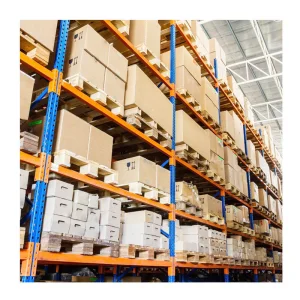
Heavy Duty Drive in Rack

Warehouse Steel Storage Heavy Duty Drive in Rack

View Specifications

The Structural Dynamics of Global Cantilever Storage Systems

How industrial enterprises leverage tailored cantilever systems to resolve volumetric challenges for long, heavy, and awkward-profile inventory.

35k m²
Production Space
$22M
Annual Revenue
28+
R&D Engineers
850+
Global Partners
WHITE PAPER

Within the spectrum of heavy-duty industrial storage, the Cantilever Storage System represents the pinnacle of specialized structural engineering. Designed specifically to overcome the limitations of standard pallet racking, cantilever systems offer unobstructed horizontal access for long, bulky, or oddly-shaped items. Whether storing structural steel profiles, PVC conduits, timber bundles, heavy industrial molds, or automotive components, these systems eliminate vertical dividing columns that impede optimal product placement.

As logistics operations globally transition toward rapid-turnover models and high-density footprints, the demand for customizable OEM cantilever configurations has reached unprecedented levels. Modern procurement is no longer driven solely by basic load-bearing capacity; it is governed by safety indices, seismically qualified stress calculations, steel grade integrity (such as Q235 and Q355 high-tensile steel), and seamless integration with automated stacker cranes and retrieval systems (AS/RS).

By bypassing intermediaries and buying directly from qualified manufacturers, enterprise buyers obtain systems engineered to regional standards (such as RMI in North America, FEM in Europe, and AS4084 in Australia). This strategic alignment guarantees structural longevity under extreme cyclic load conditions while yielding an optimized return on investment (ROI) through minimized warehouse footprint expansion.

Unlocking Chinese Manufacturing Scale & Efficiency

A breakdown of how advanced tooling, automated production lines, and material supply chains reduce lead times and engineering costs.

Advanced Material Integration

By utilizing high-grade steel profiles direct from tier-one domestic mills, Chinese manufacturing centers guarantee consistent metallurgical properties. Combining high tensile strengths (up to 355 MPa) with precise roll forming and laser cutting tolerances allows for lighter yet structurally superior cantilever arms and columns.

  • Strict adherence to Q235 and Q355 structural steel grades
  • In-house metallurgical testing of raw coils
  • Optimized strength-to-weight profile calculations
  • Eco-friendly high-adhesion powder coating finishes

Integrated Automated Production

Automated welding lines and computerized multi-station roll-forming machinery reduce human error to near zero. Robotic welding arms produce consistent, high-penetration seam welds essential for the safety of heavy cantilever connection plates.

  • Robotic welding lines for structural column bases
  • Continuous computer-monitored roll-forming lines
  • Precision stamping lines for heavy arm pin connectors
  • Multistage pre-treatment and automated powder-coating lines

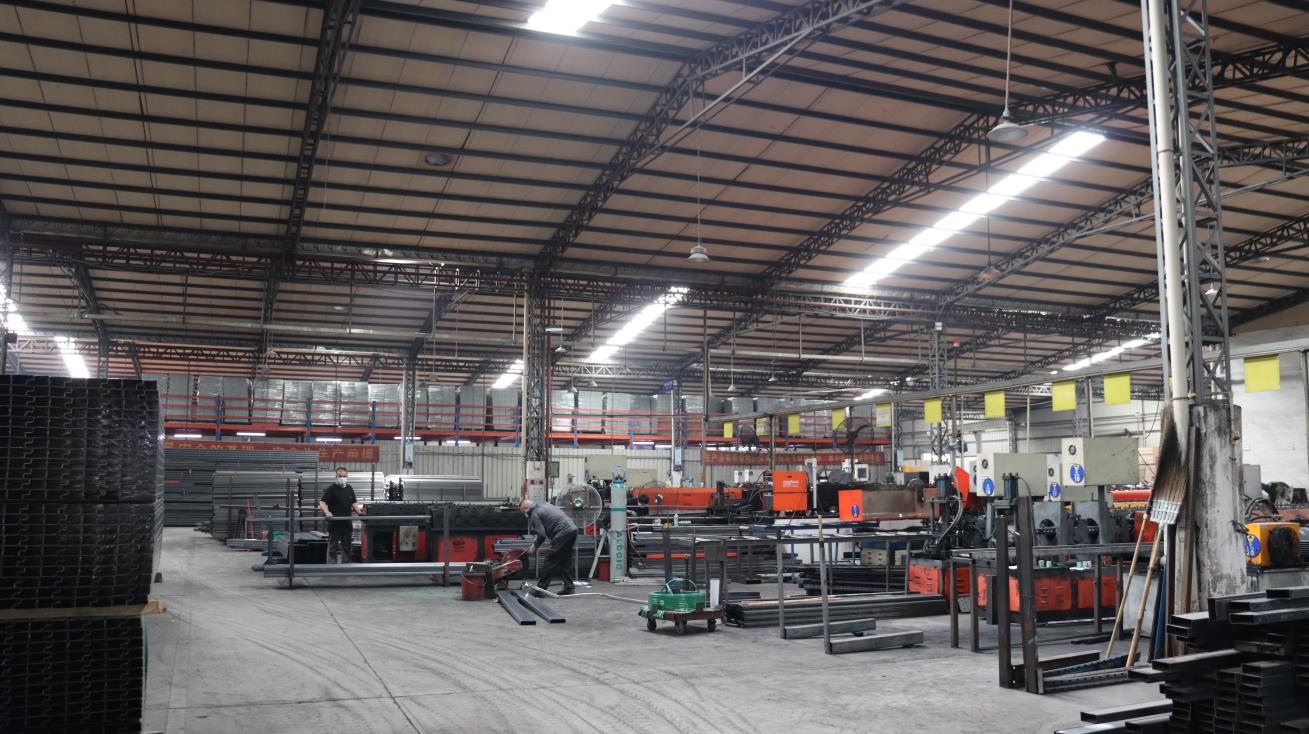
Fully Audited Manufacturing Process & Tooling Inventory

Complete traceability from raw structural steel to the final load-tested cantilever columns, arms, and support bracings.
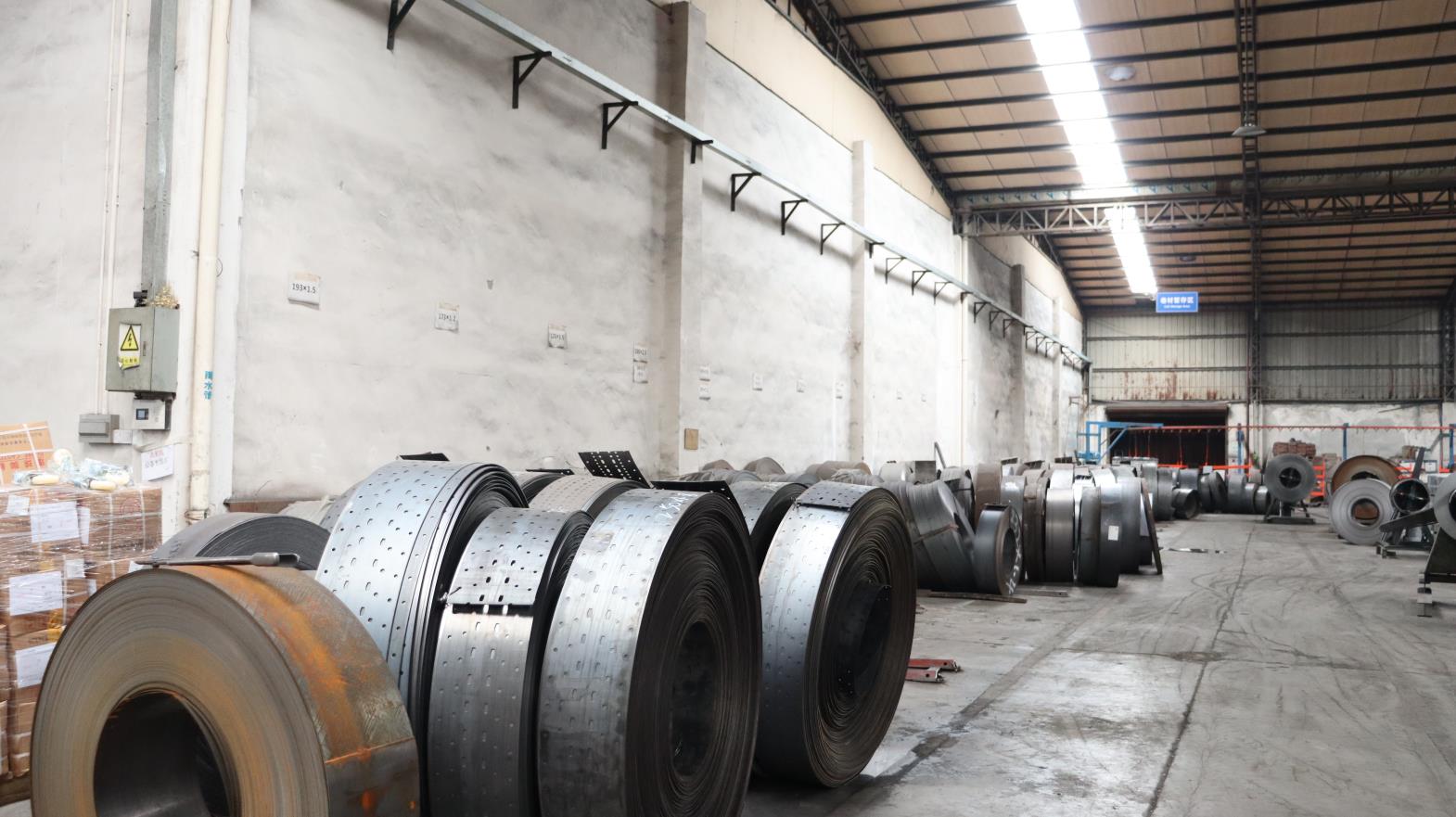
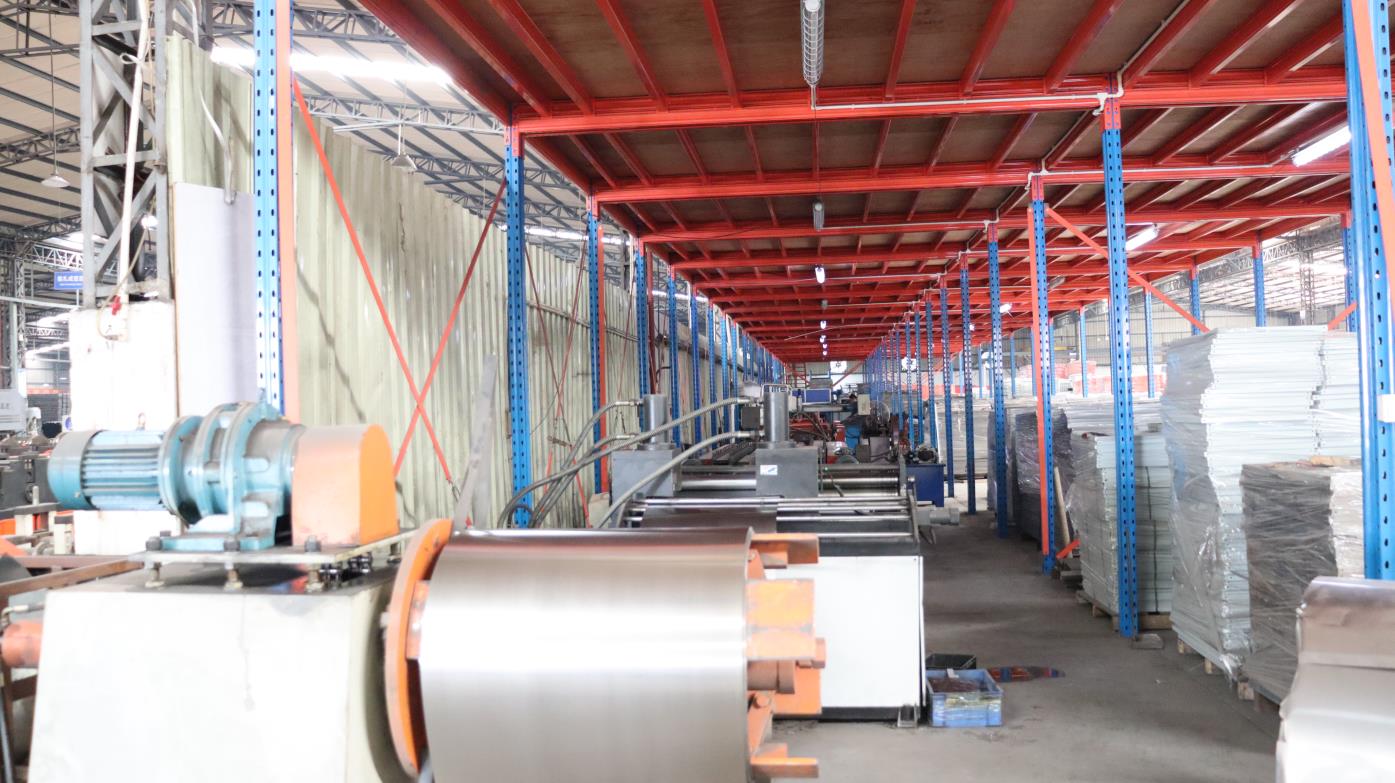
Raw Material
Raw Material Processing
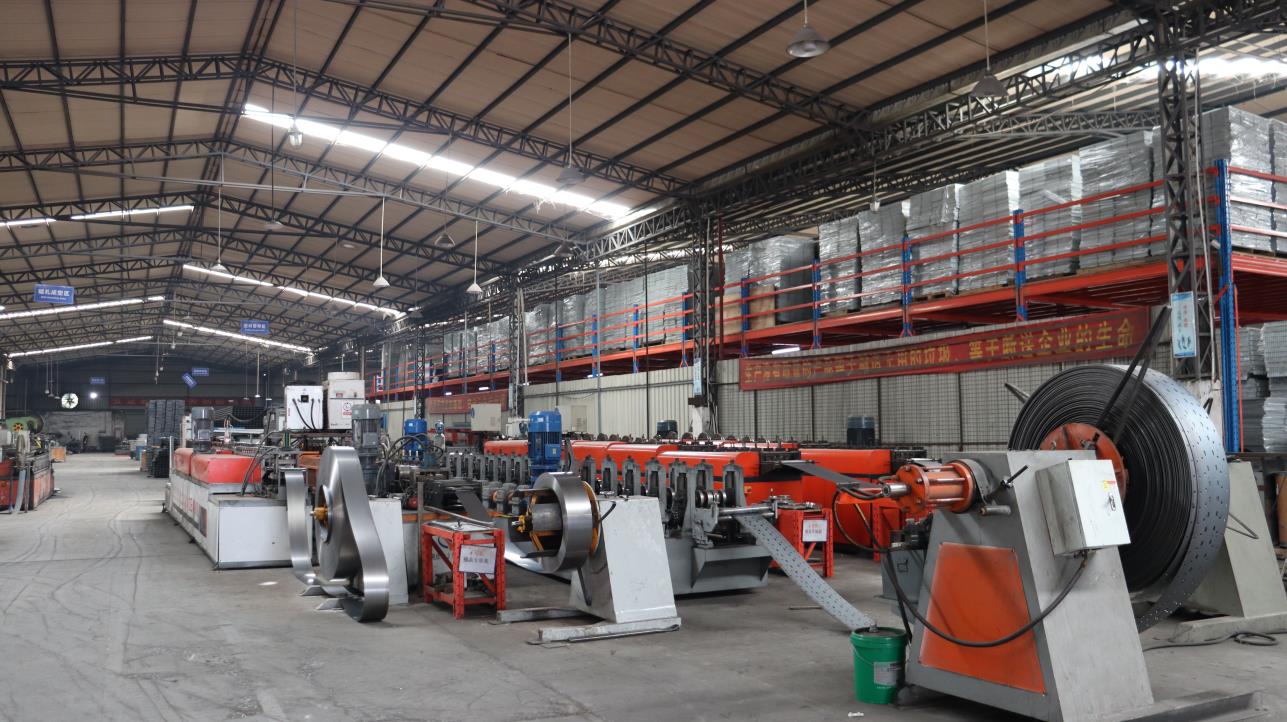
Roll Forming
Roll Forming Process
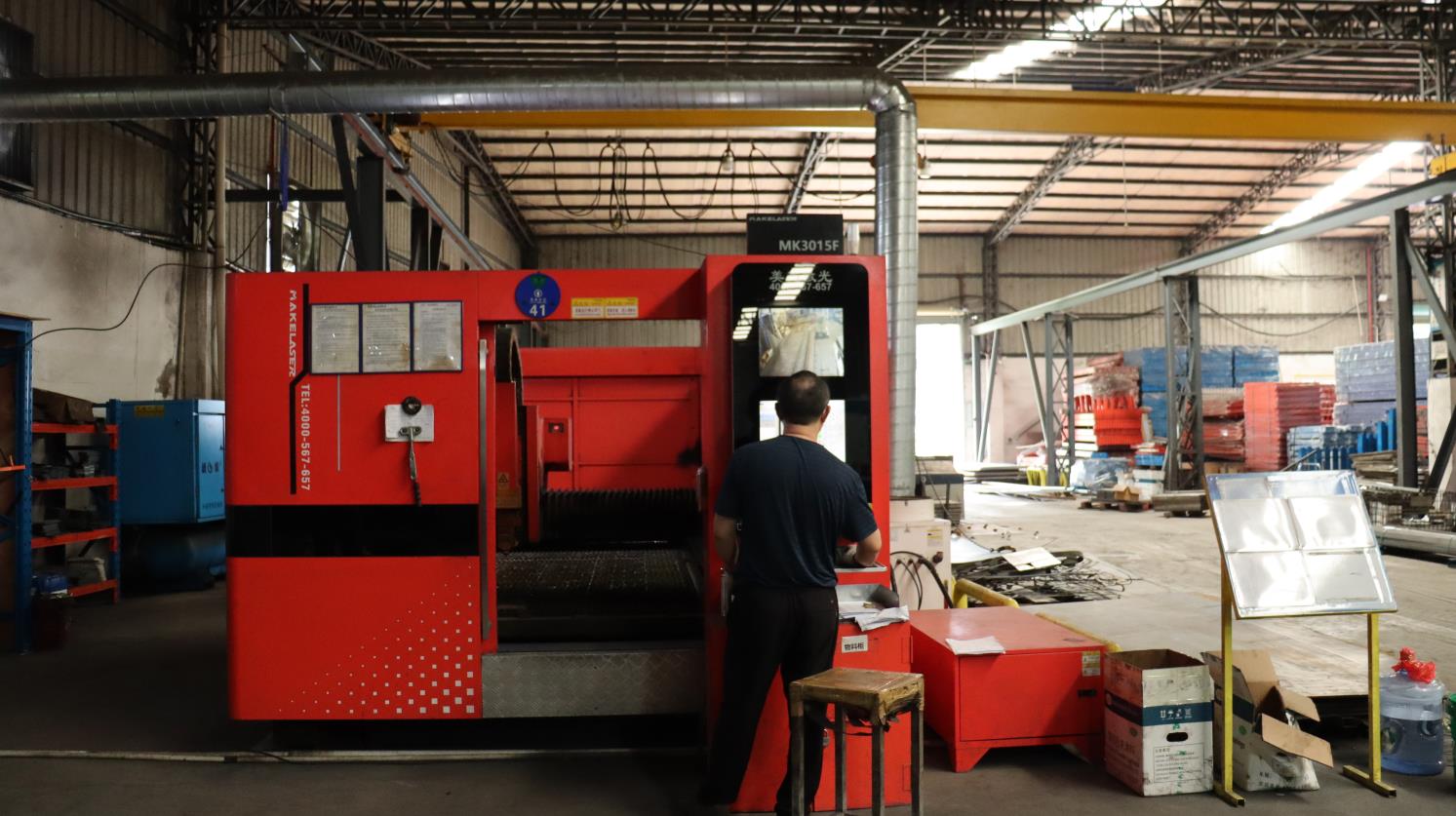
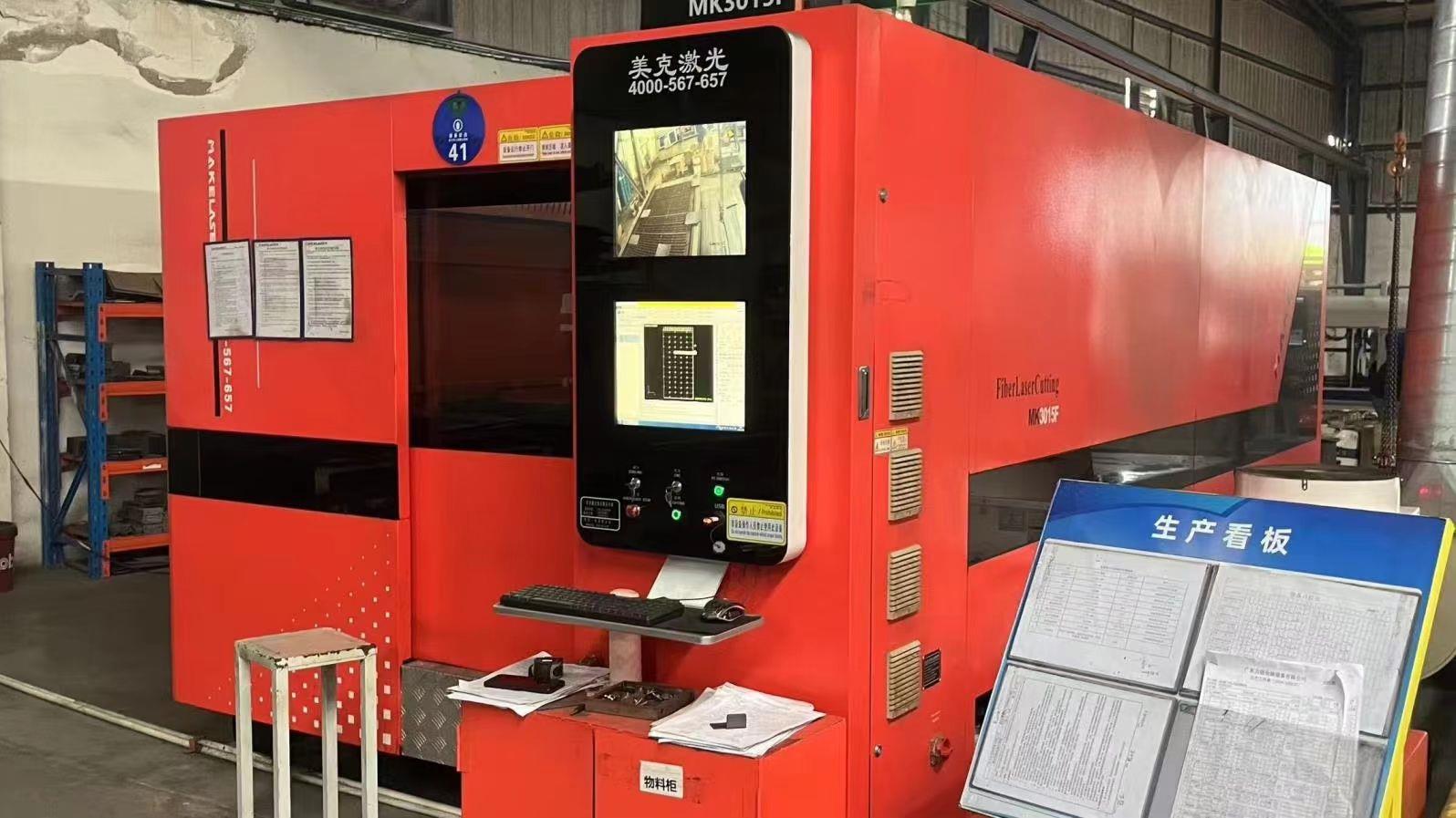
Cutting
High Precision Cutting
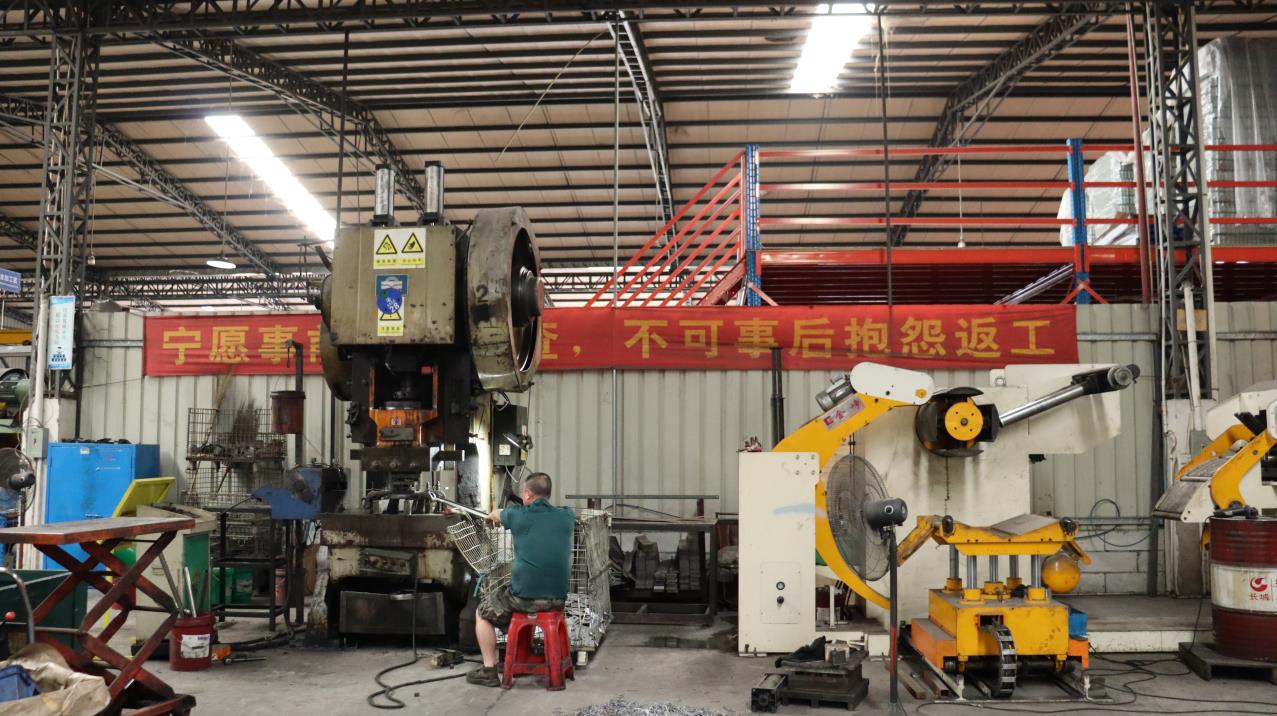
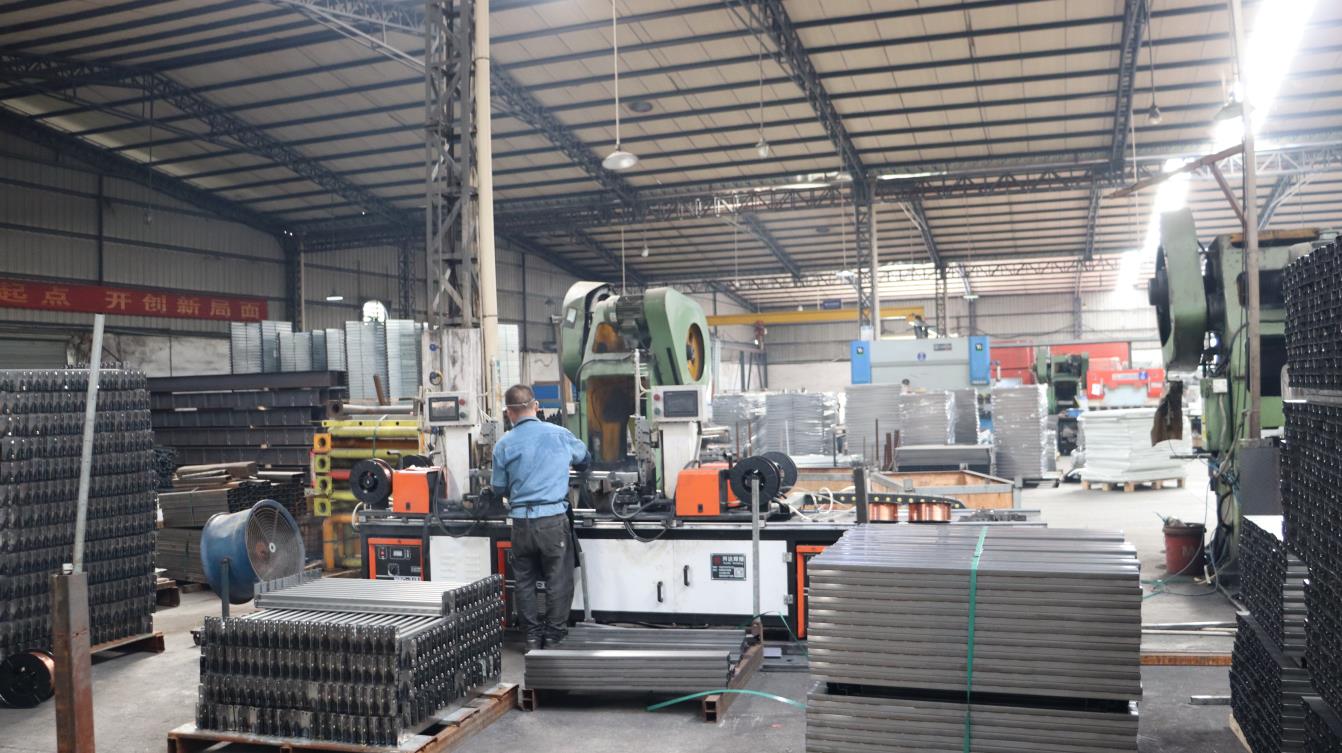
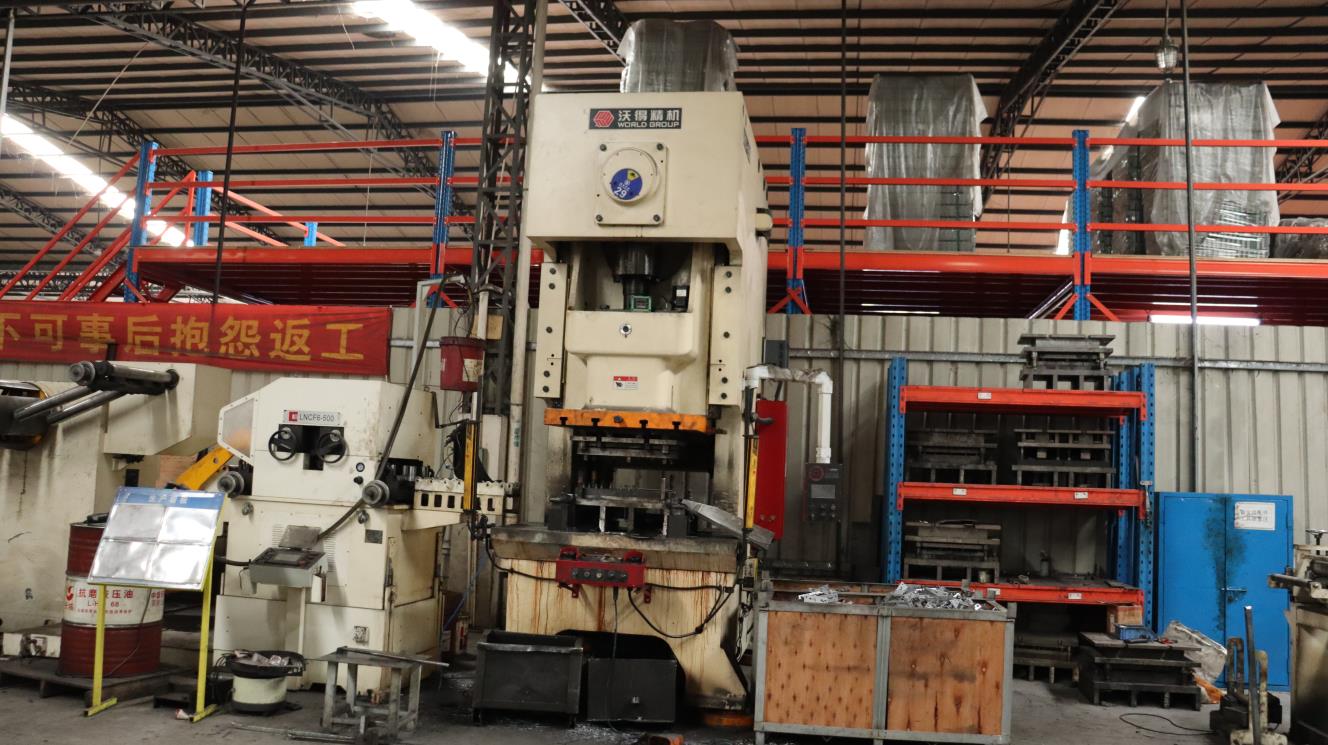
Stamping
Heavy Duty Stamping
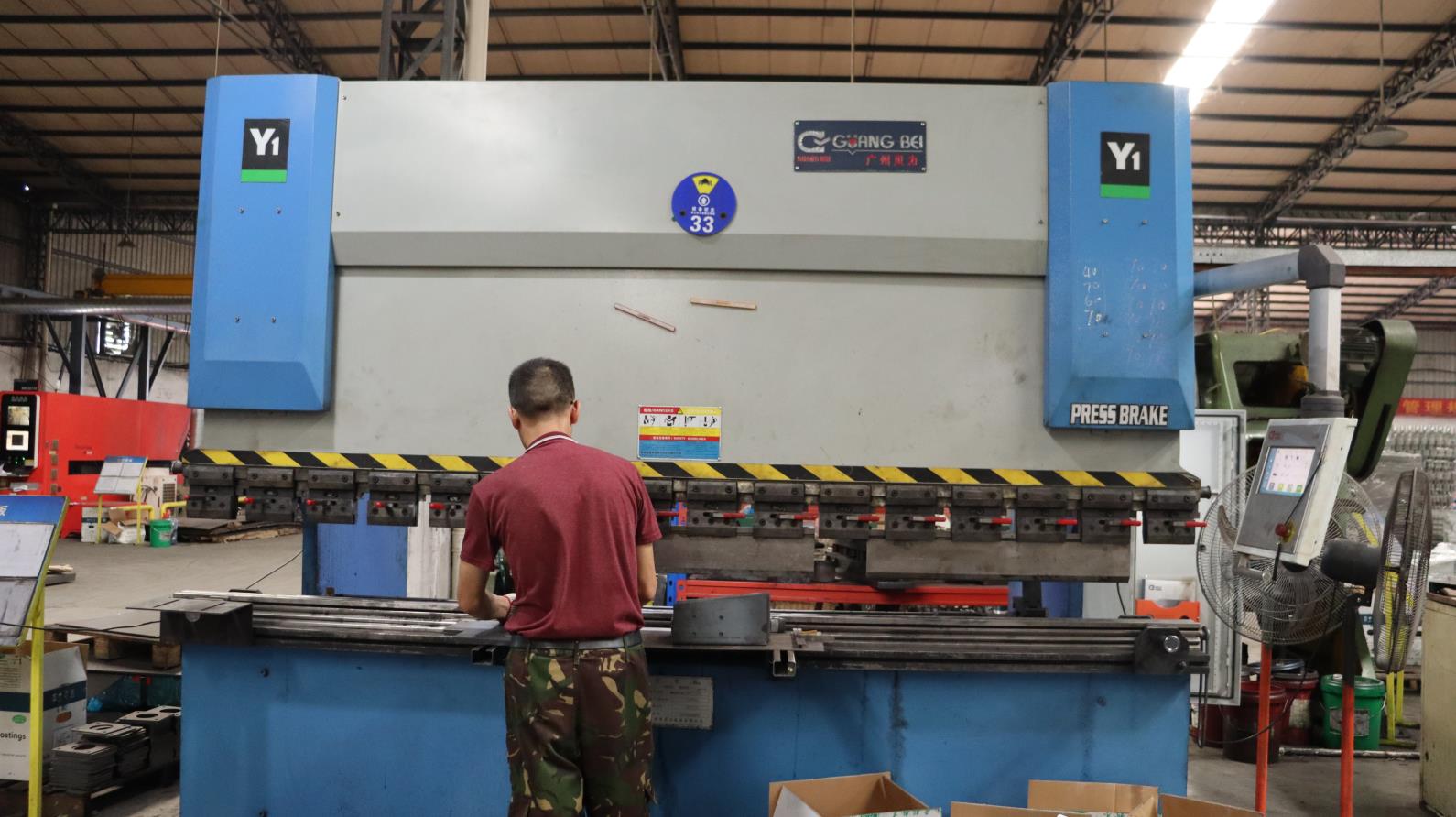
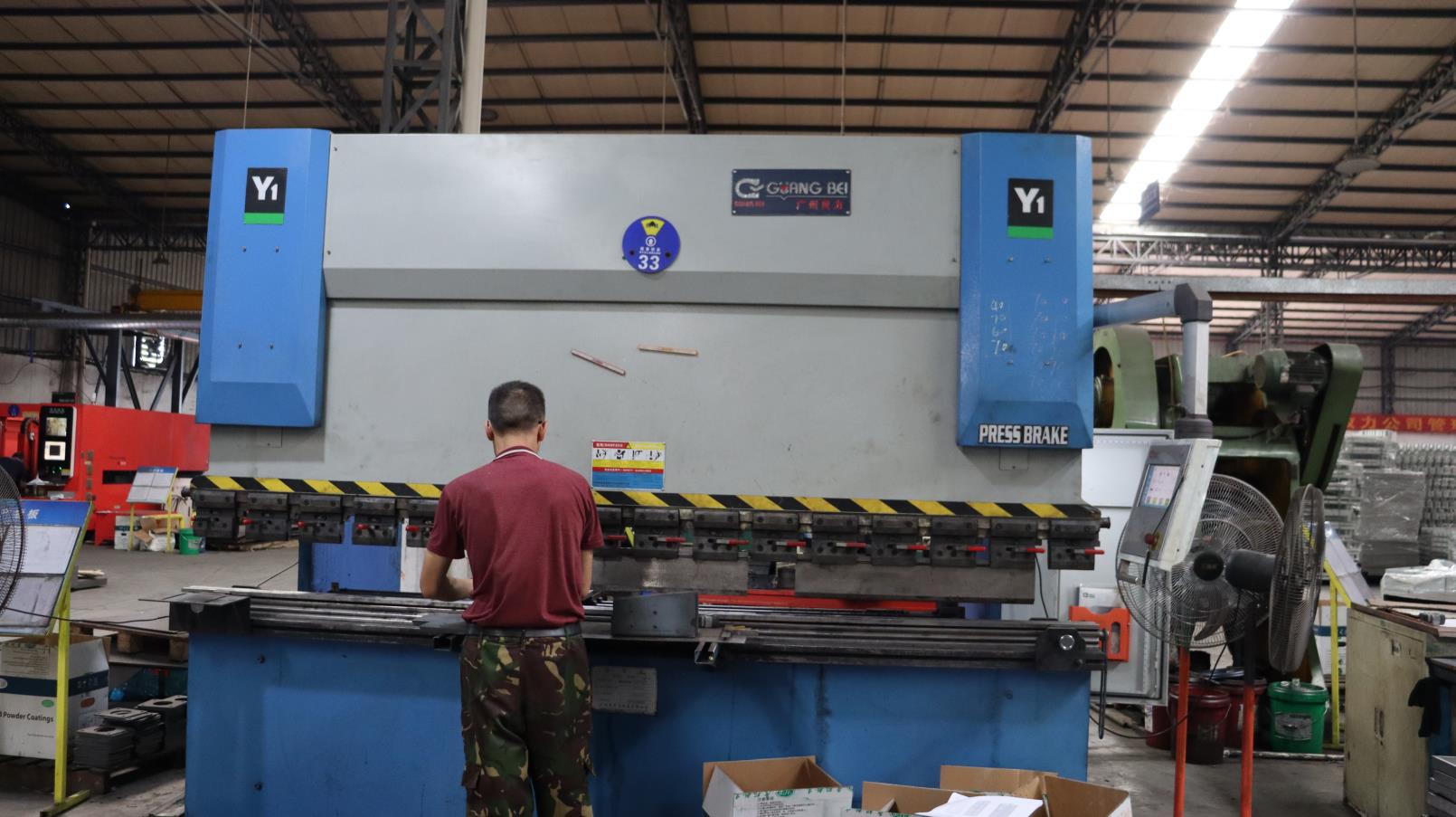
Bending
Hydraulic Plate Bending
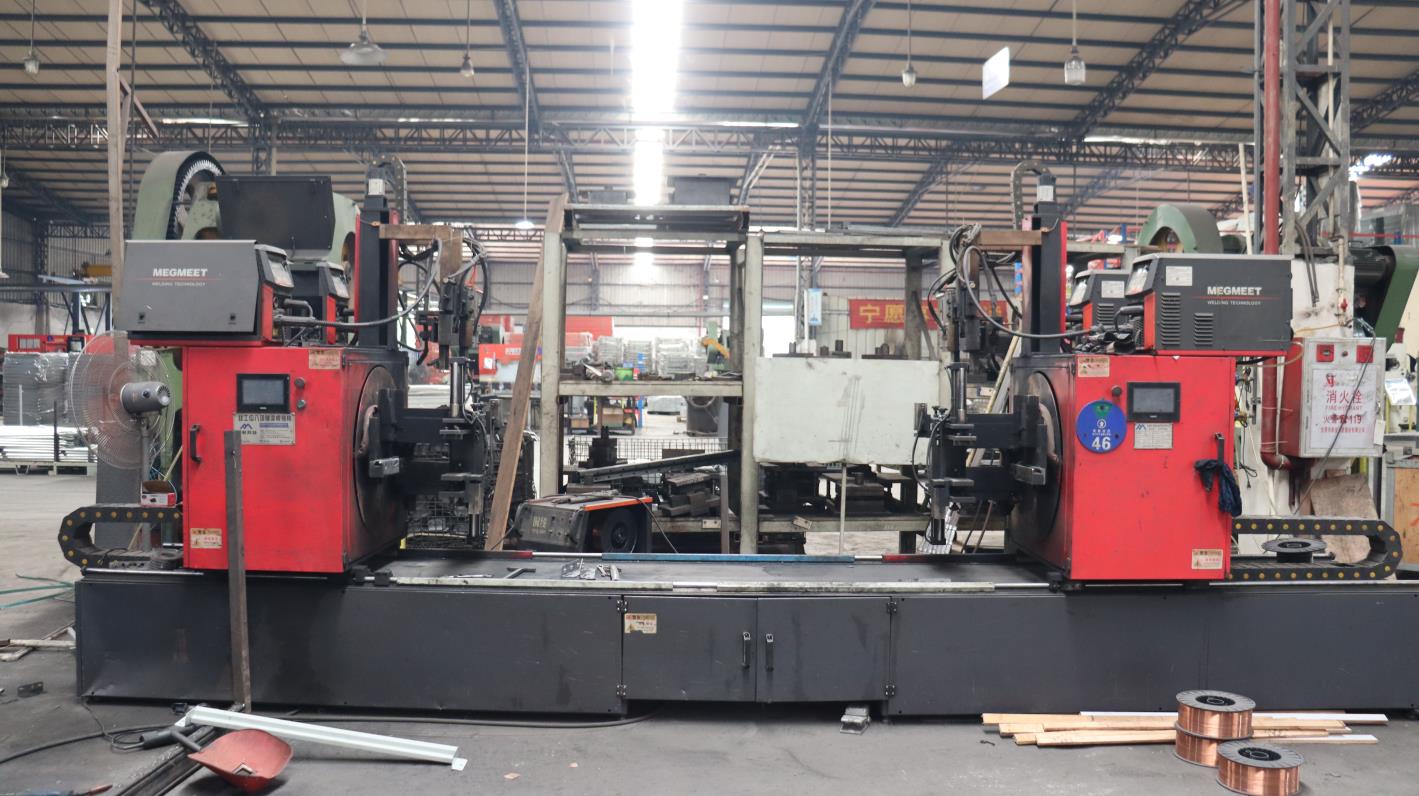
Welding
Robotic Welded Joins
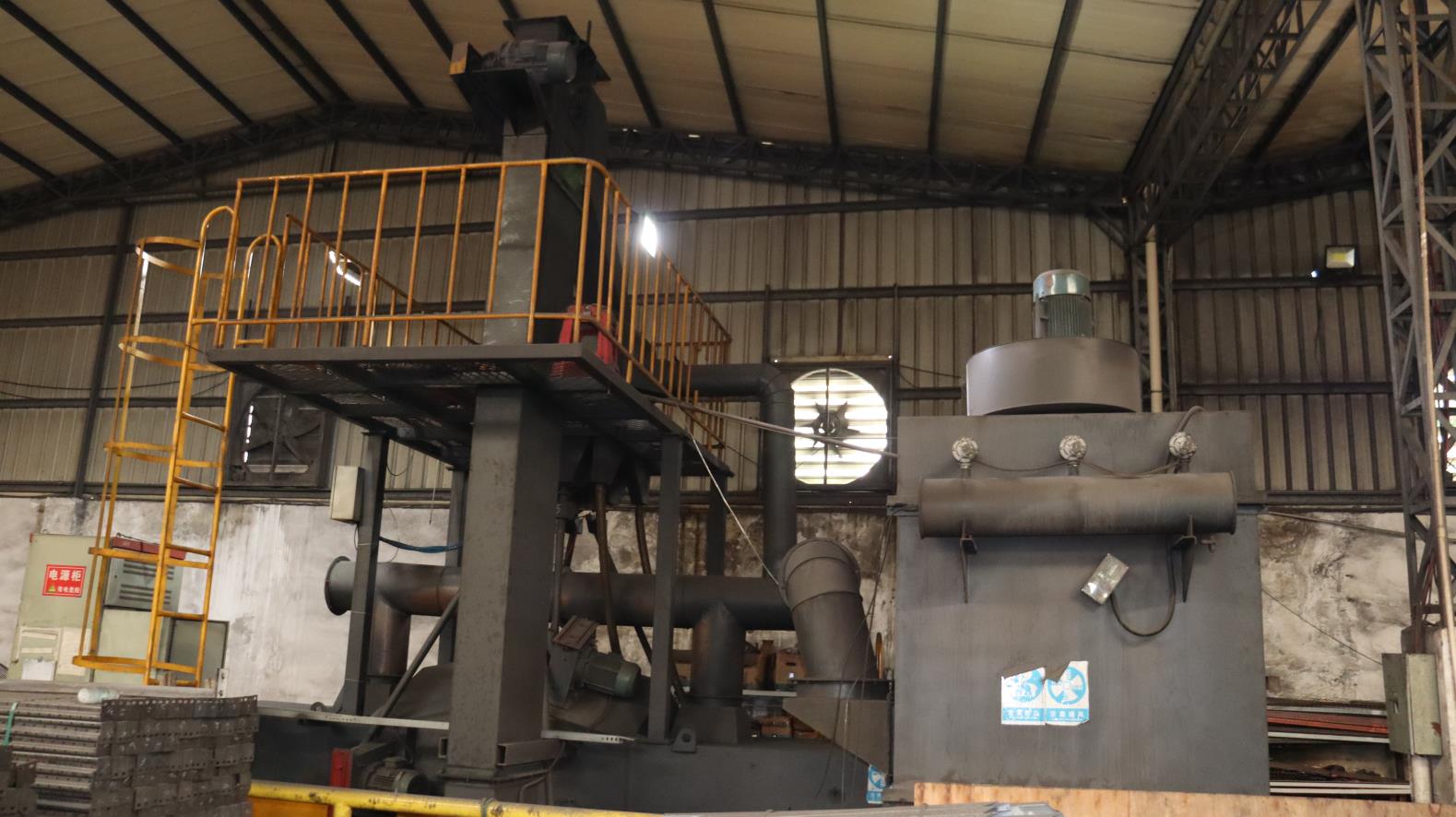
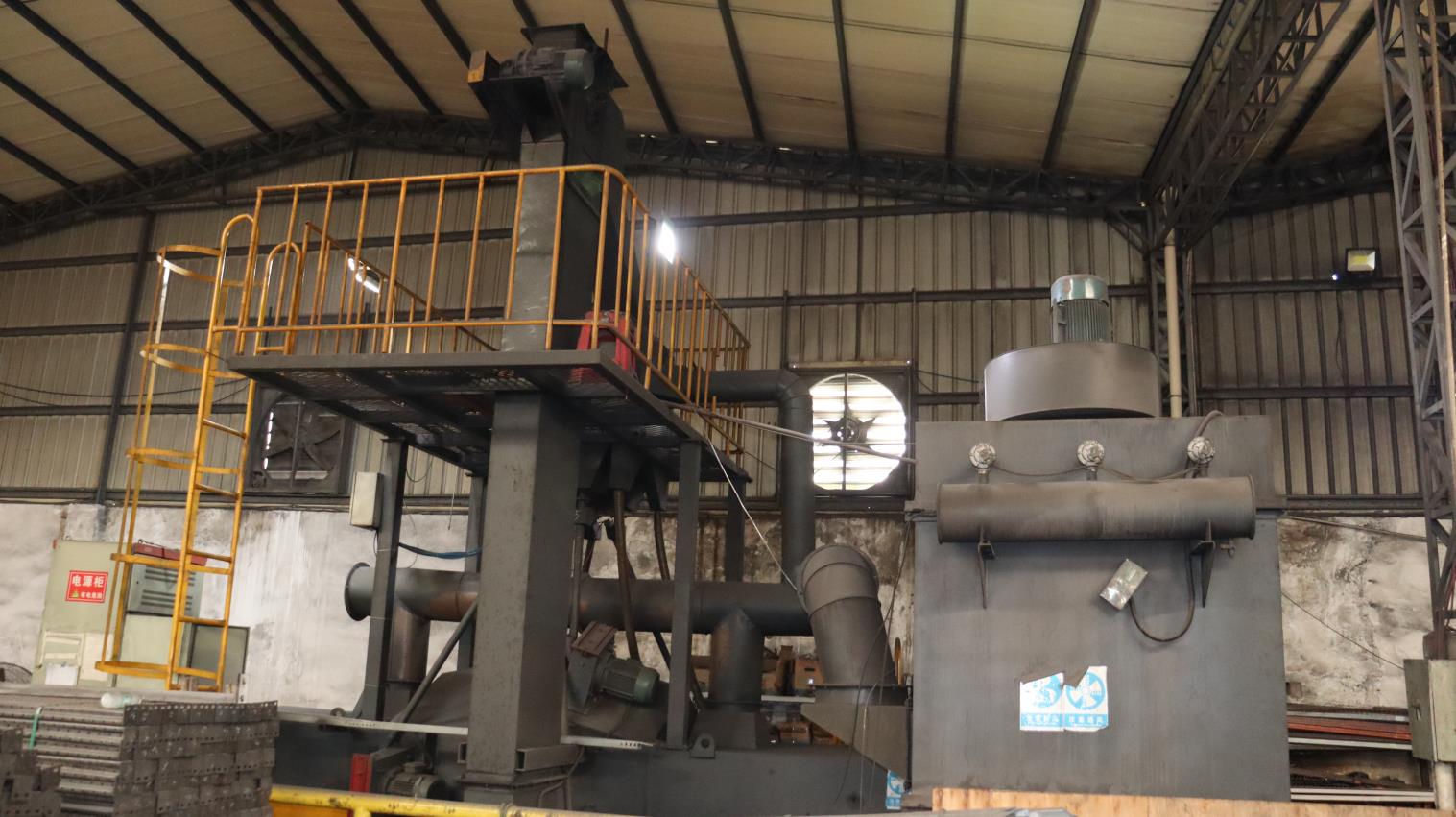
Polish
Surface De-burring & Polish
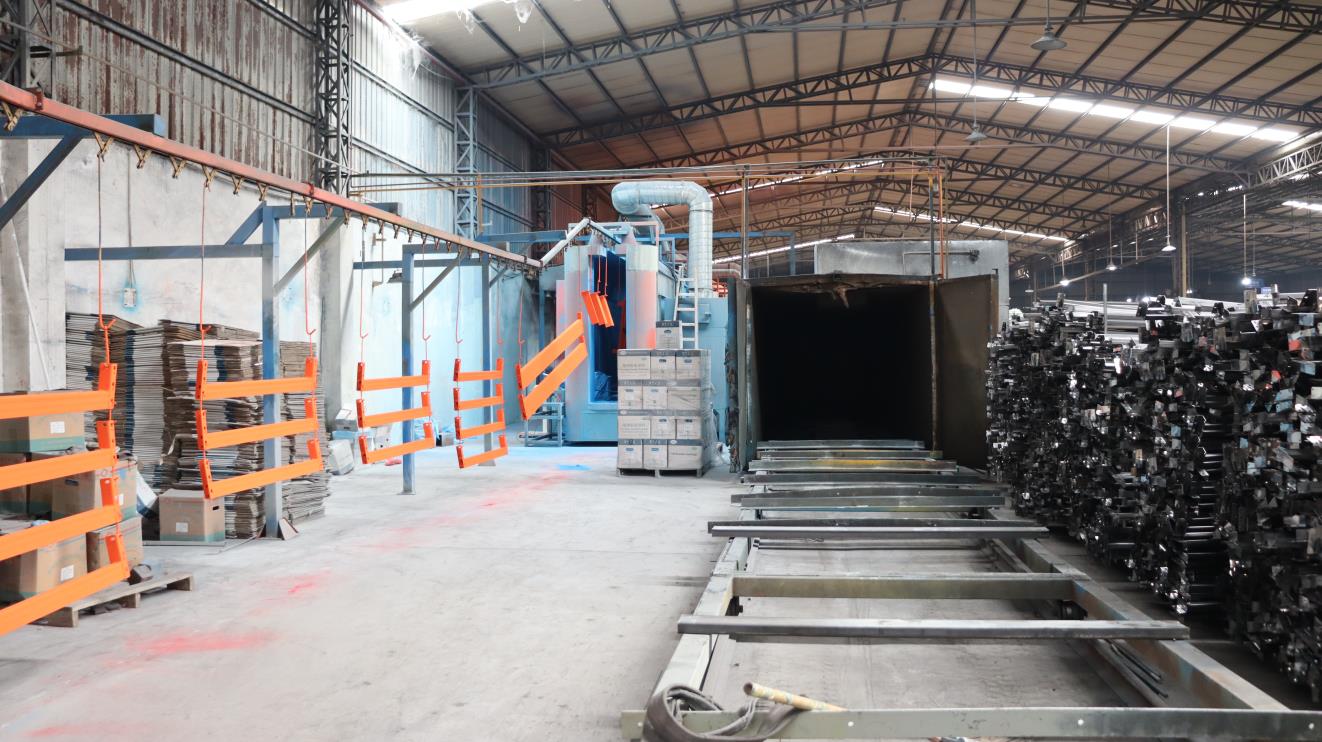
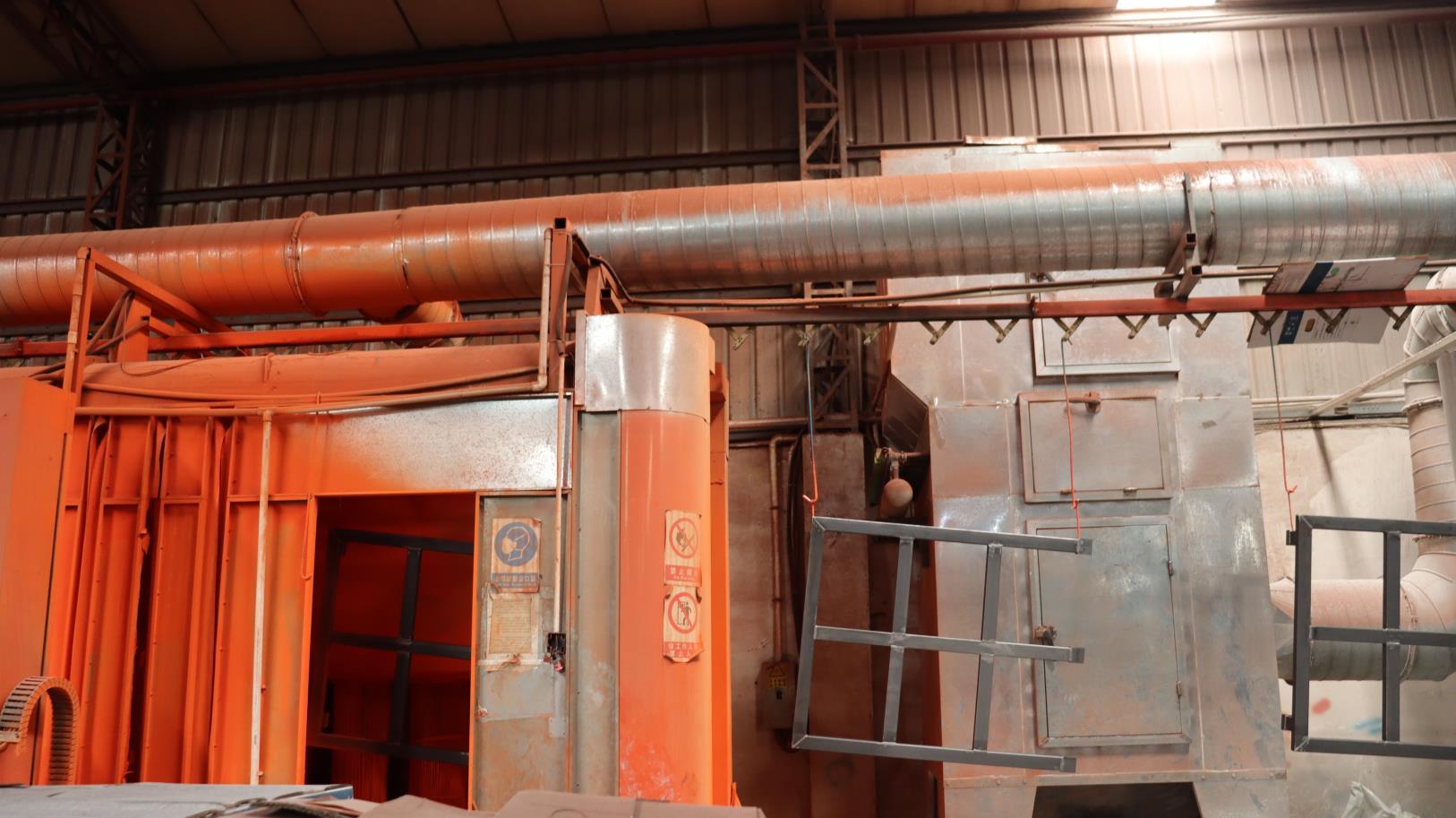
Painting
Electrostatic Paint Line
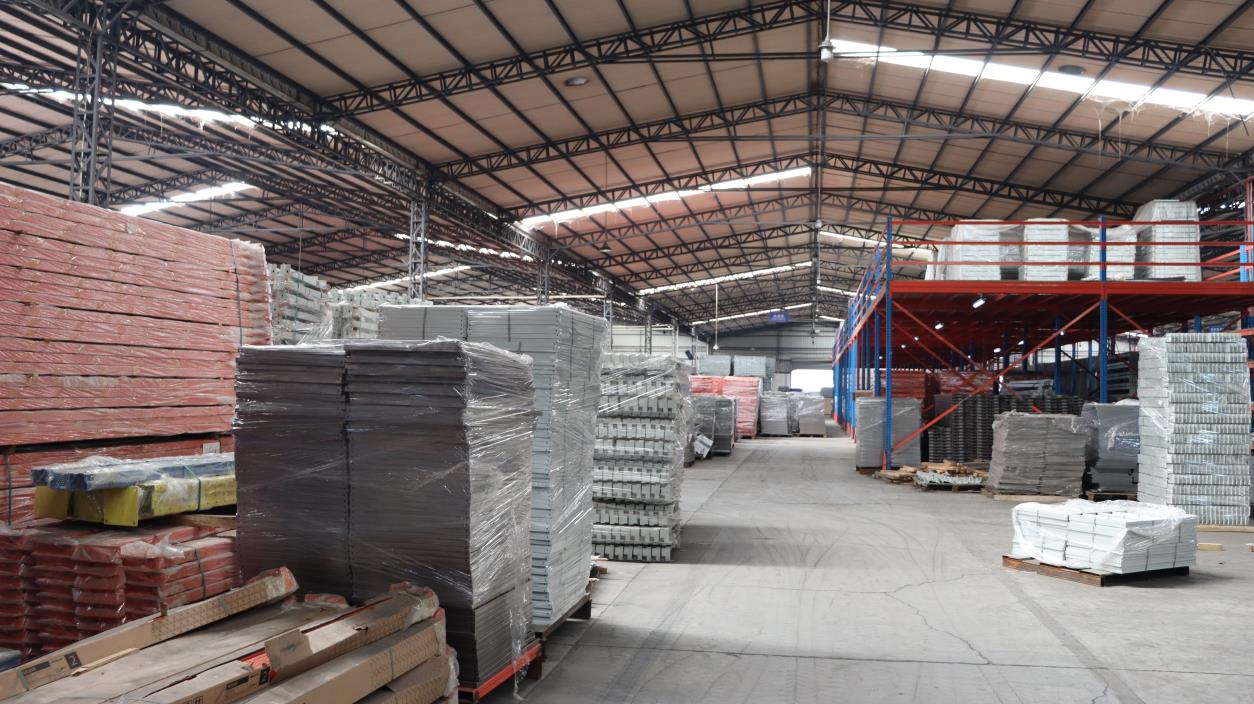
Warehouse
System Finished Goods Area
Rolling Machine
Continuous Rolling Machine
Punching Machine
Automated Punching Machine
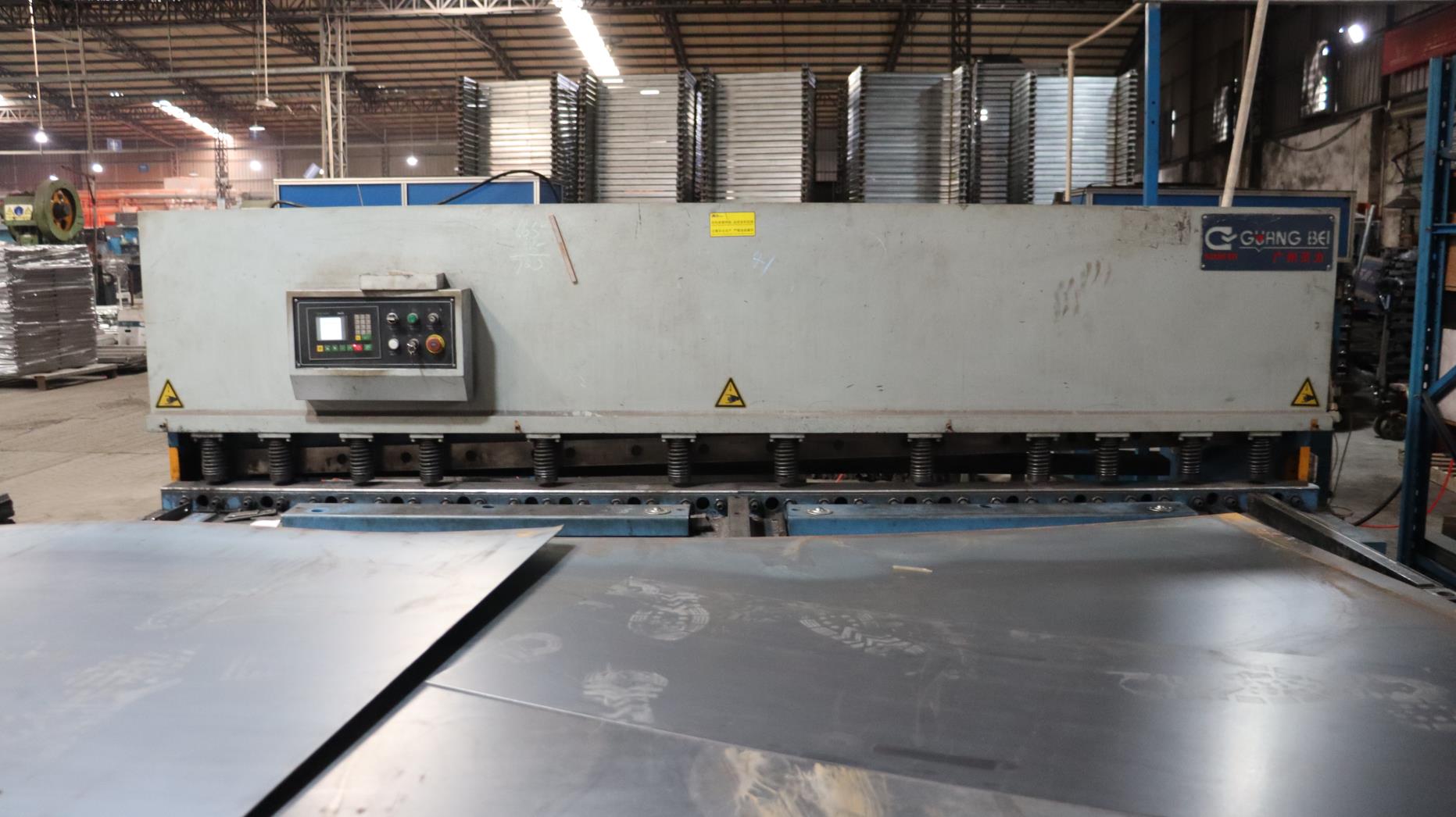
Plate Shearing Machine
CNC Plate Shearing Machine
Bending Machine
Precision Bending Machine
Laser Cutting Machine
CNC Fiber Laser Cutter
Welding Machine
Precision Welding Machine
Polish Machine
Industrial Polish Machine
Light Frame Forming Line
Automatic Spraying Line
Automatic Powder Spraying Line

Localized Application Scenarios & Global Industry Trends

Analyzing regional industrial needs and shift directions within structural steel material handling logistics.

North American Heavy Duty Timber & Lumber Racking

Engineered to handle severe environmental exposure, these systems utilize outdoor hot-dip galvanized finishes. Seismic bases and run-out stop arms protect stock during handling in high-seismic zones across West Coast hubs.

European Automotive Profile & Tubing Optimization

Tailored to fulfill strict EN and FEM safety ratios. Features structural uprights with pivoting arms to prevent product shear during forklift operations, optimized for integration with Narrow-Aisle (VNA) material vehicles.

Southeast Asian Fast-Turnaround Steel Distribution

Scalable modular setups for heavy steel pipes, profiles, and plates. Configured with adjustable connector spacing that enables quick layouts modifications to match changing storage configurations.

Global Procurement Blueprint: Quality Auditing & E-E-A-T Standards

How industrial purchasers mitigate supply chain risk by evaluating structural tolerances, welding certifications, and material quality assurance.

Safety Indices, Material Grades, and Quality Audits

When sourcing structural steel products globally, enterprise organizations require strict manufacturing traceability. Substandard metallurgy or irregular welding profiles can cause systemic failures. A rigorous quality assessment protocol should verify the following parameters:

  • Material Certifications (MTR): Complete mill-run reports detailing the chemical compositions and yields of structural Q235B or Q355B coils.
  • Non-Destructive Testing (NDT): Ultrasonic and magnetic particle weld checks on connection sleeves, base flanges, and load arms to confirm zero internal voids.
  • Deflection Ratios (L/200 - L/300): Structural calculations showing compliance with maximum allowable deflection curves under full capacity loads.
  • Galvanization Standards (ISO 1461): Hot-dip zinc coating checks (averaging >85 microns thick) to guarantee continuous corrosion resistance in outdoor facilities.

Logistics Engineering & Packing Density

Exporting heavy metal racking systems requires container packing optimization to limit damage and container costs. By bundling columns with heavy-duty timber dunnage, using custom metal transport frames, and shipping arms in modular steel crates, components arrive ready for installation. This approach minimizes transport damage and reduces on-site erection times.

Technical FAQ: Cantilever Storage Engineering

Detailed answers to critical engineering, installation, and procurement questions for heavy-duty cantilever systems.

Q1: How do you determine the load capacity of a cantilever arm?
The load capacity of each individual arm is calculated based on a uniformly distributed load (UDL). The load capacity is calculated using the yield strength of the steel profile (e.g., Q235B or Q355B), the cross-sectional shape of the arm, and the length of the arm. It is critical to note that point loading near the outer tip of the arm reduces capacity by up to 50%, whereas placing the load closest to the vertical column optimizes weight distribution and minimizes deflection.
Q2: What is the primary difference between Roll-Formed and Structural Steel Cantilever systems?
Roll-formed cantilever systems are manufactured from high-tensile steel coils shaped through continuous forming mills at ambient temperature, offering a cost-effective solution for light to medium-heavy applications. Structural steel cantilever systems are constructed from heavy, hot-rolled I-beams (H-sections). Structural steel systems provide superior resistance to forklift impacts, larger load capacities (exceeding 5,000 kg per arm), and are ideal for heavy-duty industrial environments.
Q3: How are pivoting arms safer than rigid bolted arms?
Pivoting arms are attached to the vertical columns using heavy steel pins. In the event of a forklift strike from below during loading or unloading, the arm tilts upward rather than bending or causing systemic structural damage. This dynamic pivot action prevents structural deformation of the upright columns, protecting the integrity of the entire racking system and preventing potential collapses.
Q4: What surface finishes are recommended for outdoor storage yards?
For outdoor configurations exposed to rain, UV radiation, and high humidity, we recommend Hot-Dip Galvanizing (HDG) in accordance with ISO 1461 standards. The zinc-iron alloy coating provides active sacrificial protection against rust. For indoor use, standard electrostatic powder coating (epoxy-polyester) offers excellent wear resistance and clean surface finishes.
Q5: How does seismic zoning affect the design of cantilever racking?
Seismic design requires structural calculations to confirm that horizontal forces from ground acceleration will not cause the system to fail. In high seismic zones, columns require wider and thicker baseplates, larger diameter anchor bolts, and increased diagonal and horizontal base-to-column bracing. These upgrades ensure structural stability and safety during seismic events.
Q6: What is the optimal spacing for cantilever columns?
Column spacing is determined by the length and stiffness of the stored material. The material must rest across at least two arms to prevent bowing. The overhang of the stored product beyond the outer arms should not exceed 50% of the spacing distance between the vertical columns. This distribution maintains uniform loading and prevents sag.
Q7: Can cantilever systems be configured for double-sided access?
Yes, cantilever systems can be engineered as either single-sided or double-sided. Double-sided configurations optimize space utilization by sharing a single central vertical upright column, which distributes structural loads across a central vertical plane and reduces overall steel weight.
Q8: What type of floor/slab is required for installation?
Heavy-duty cantilever racks require a reinforced concrete slab designed to support the concentrated loads transferred through the column baseplates. A slab thickness of 150mm to 250mm with a minimum compressive strength of 3,000 PSI (or equivalent) is typically required. The floor must be level to within ±3mm over a 3-meter span to prevent vertical lean.
Q9: How do you prevent long loads from sliding off the arms?
Removable or welded arm stoppers (end pins) are installed at the tips of the cantilever arms. These stoppers act as mechanical end guards, preventing round pipes, steel tubes, or loose timber bundles from rolling or sliding off the racking structure.
Q10: What certification should a global OEM manufacturer hold?
A qualified manufacturer should hold ISO 9001:2015 quality management certification, welding certifications (such as AWS D1.1 or ISO 3834), and product safety compliance reports conforming to regional structural standards, including RMI (USA), AS4084 (Australia), and CE/FEM standards (Europe).

Integrated Warehouse Equipment & Specialty Solutions

Expand your warehouse capacity with heavy-duty structural steel platforms, industrial mezzanines, and custom-designed specialty storage systems.
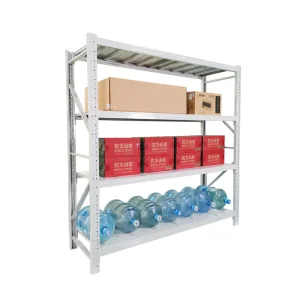
Adjustable Light Duty Storage Rack

4 Layers Adjustable Light Duty Warehouse Storage Rack with Metal Deck

View Specifications
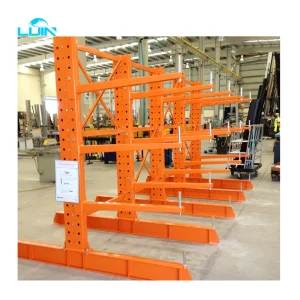
Cantilever Racking for PVC Pipe

Steel Heavy Duty Cantilever Racking System for Pvc Pipe

View Specifications
Mezzanine Floor Rack

LIJIN Manufacture Factory Factor Direct Saley Mezzanine Floor Rack Warehouse Mezzanine Floor Racking for Heavy Weight Goods

View Specifications
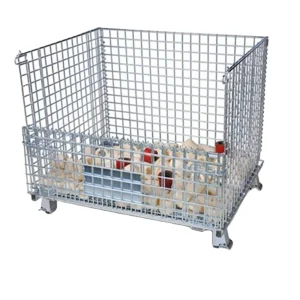
Collapsible Storage Cage

Collapsible Storage Cage for Auto Parts

View Specifications
Heavy Duty Industrial Platform

Platform Rack Multi-functional Mezzanine Platform Heavy Duty Industrial Storage System

View Specifications
Prefabricated Steel Platform

Prefabricated Steel Platform,Industrial I-Beam Mezzanine System Heavy Duty Structural Steel Floor Platform

View Specifications
Heavy Duty Wooden Pallets

Steel Load Capacity Heavy Duty Wooden Pallets

View Specifications
Structural Steel Mezzanine Floor

Structural Steel Mezzanine Floor for Warehouse Heavy Duty I-Beam Platform Unit

View Specifications