Engineered for extreme structural loads, long spans, and high-density material handling configurations.
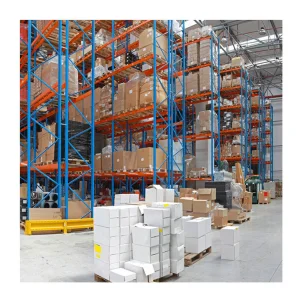
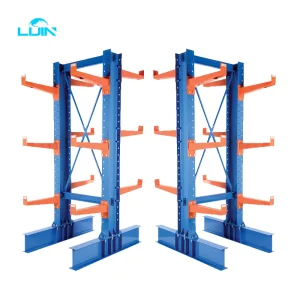
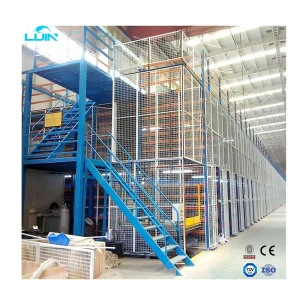
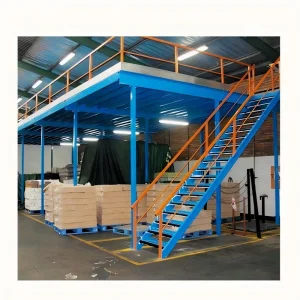
In modern industrial logistics, warehouse optimization is no longer just a question of floor area; it is a complex calculation of vertical loading limits, structural safety margins, and spatial throughput efficiency. As supply chains adapt to global demands, selecting the right heavy-lift storage infrastructure dictates the limit of operational scalability.
Shenzhen Lijin Storage Equipment Co., Ltd., established in 2015, is at the forefront of this industrial design revolution. Operating from a highly automated 35,000 m² state-of-the-art facility, we act as a premier global supply chain partner, backed by 8 years of direct export operations and over 12 years of core industry expertise. Delivering robust OEM/ODM configurations, we generated a global revenue of USD 22 million last year, serving demanding markets across North America, Western Europe, Southeast Asia, and the Middle East.
Heavy-lift racking systems serve as the structural backbone of high-capacity logistics networks. Unlike lightweight shelving, structural steel racking must endure massive static loads, dynamic forces during loading and unloading, and site-specific seismic pressures. Sourcing managers must look beyond unit price to evaluate raw material integrity and engineering standards.
The core structural profile of any heavy-lift rack is dictated by its carbon steel composition. At Shenzhen Lijin, we prioritize hot-rolled carbon steel, utilizing Q235B and Q355B grades depending on the load parameters. Q355B steel, with a yield strength of 355 MPa, provides high tensile capacity and fatigue resistance, enabling slimmer upright profiles with higher weight capacities. Q235B steel offers superior ductility and weldability, making it the ideal choice for custom configurations and cost-efficient setups. Sourcing these certified steel grades guarantees predictability in dynamic structural loading, preventing micro-stress fractures over decades of constant operation.
Global logistics hubs operate under distinct regulatory jurisdictions. Heavy-lift racking systems must strictly adhere to structural codes: FEM 10.2.02 (European Code for industrial steel storage), RMI (Rack Manufacturers Institute in the US), and AS4084-2012 (Australian Standard for steel storage racking). Compliance ensures that safety factors, deflection ratios (such as L/200 for beams), and earthquake resistance parameters are built directly into the mathematical model of the storage system.
When calculating loading capacities, our R&D team uses advanced Finite Element Analysis (FEA) to simulate real-world conditions. Racks must support static loads (the dead weight of stored goods) and dynamic factors, such as the placement impact of a forklift. Seismic considerations are critical; racks located in active seismic zones require specialized baseplates, heavier bracing networks, and floor-anchoring configurations designed to dissipate seismic energy. This design focus minimizes structural deflection and protects both operations and personnel.
Every industry possesses unique storage challenges. Explore how our heavy-lift systems optimize space across diverse industrial sectors.
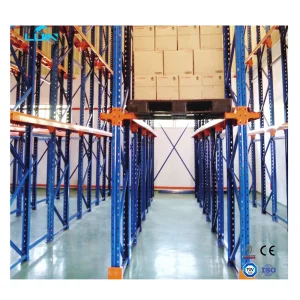
For temperatures down to -30°C, material contraction and brittle fractures pose constant operational threats. We utilize customized, low-temperature resistant steel and specialized galvanized coatings. Drive-in systems and radio shuttle racks optimize storage density, reducing cooling costs per square meter.
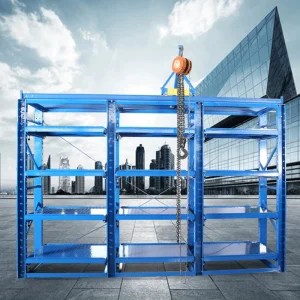
Industrial machinery components and injection molds require high-load capabilities. Our heavy-duty mould racks, equipped with slide-out drawers and safety locking mechanisms, support weights over 2,000kg per drawer, facilitating crane access.
Maximizing vertical volume is essential for high-throughput fulfillment centers. Integrated I-beam structural steel mezzanines and multi-tier shelving systems double or triple available floor area, creating integrated paths for automated sorting conveyors.
A comprehensive look at our automated 35,000 m² manufacturing plant, transforming raw steel into certified, high-strength industrial structures.
Reliability in heavy racking systems is built during the fabrication process. At Shenzhen Lijin, our Factory 4.0 methodology combines automated production lines with strict quality gates. Utilizing automated roll forming, computerized punching, and robotic laser welding, we eliminate human error and maintain tight tolerances across production batches. Our 35-member quality inspection team performs continuous ultrasonic non-destructive testing (NDT), dimensional verifications, and stress testing, ensuring all components leaving the warehouse are ready for deployment.
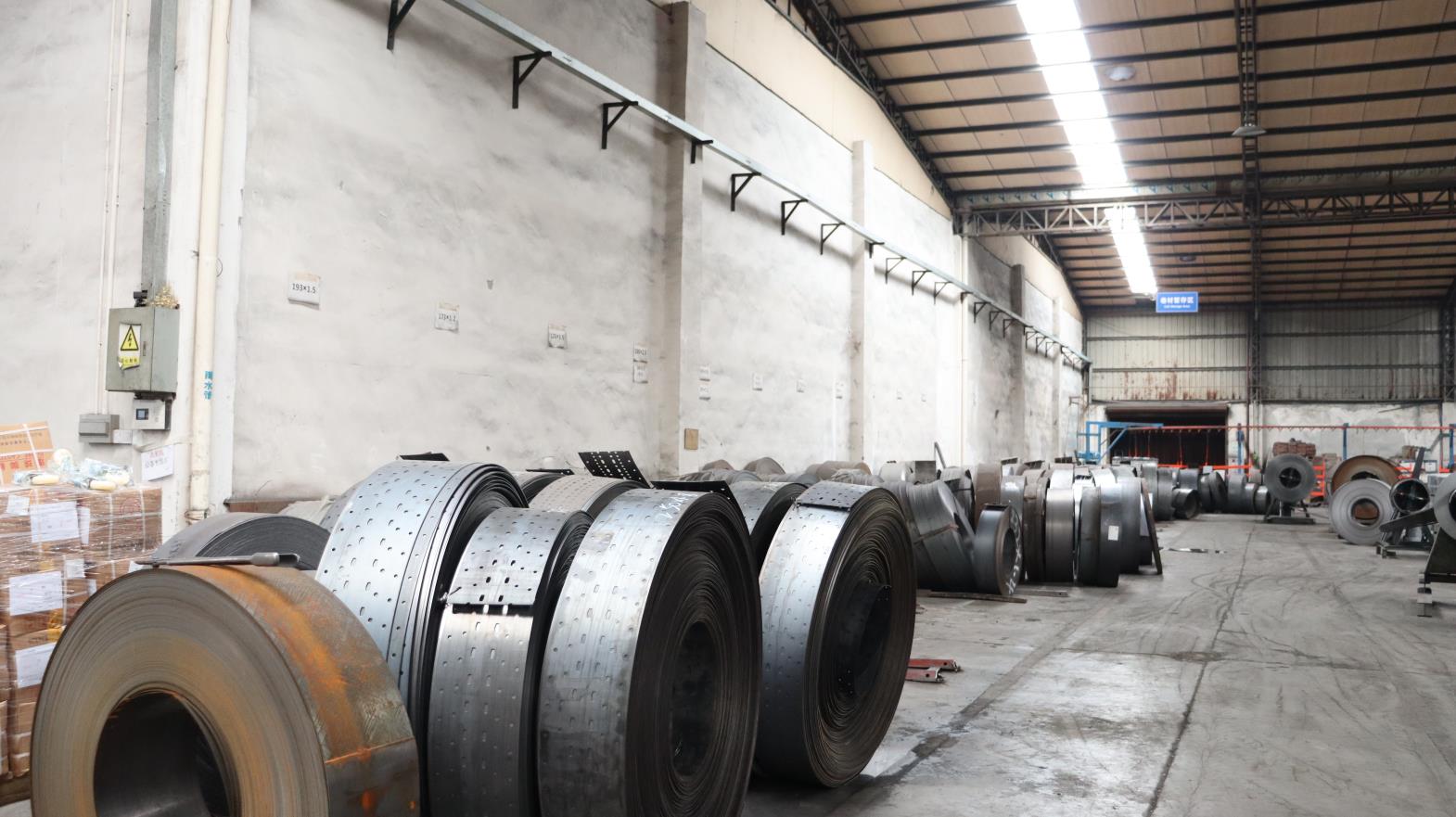
Raw Material
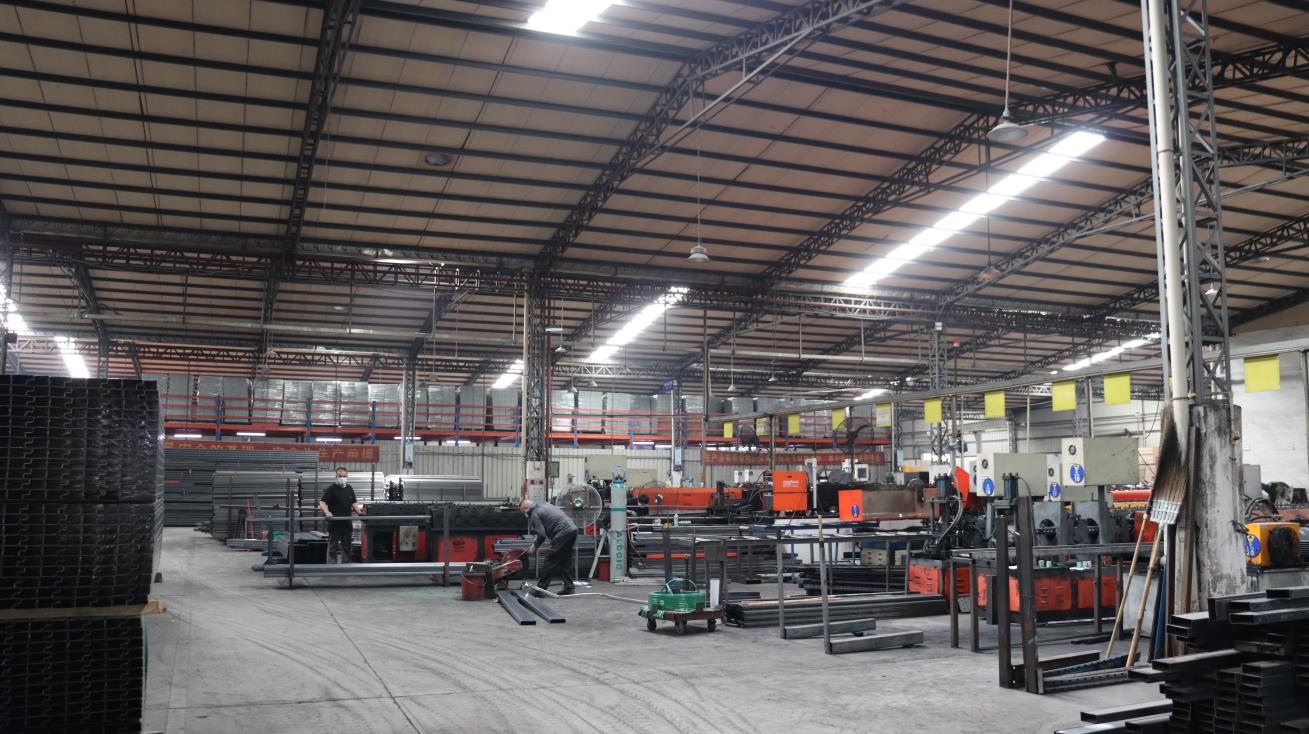
Roll Forming
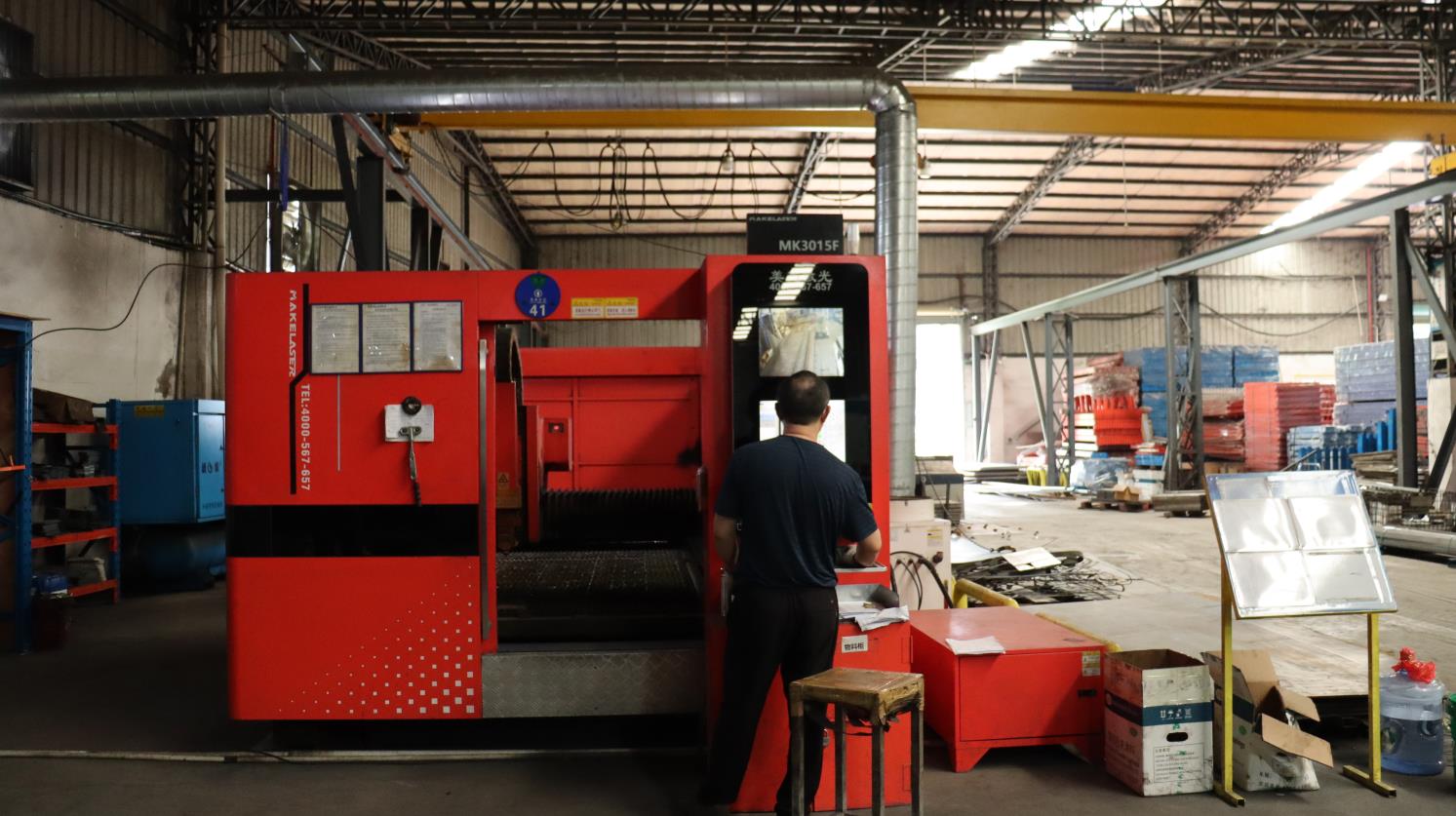
Cutting
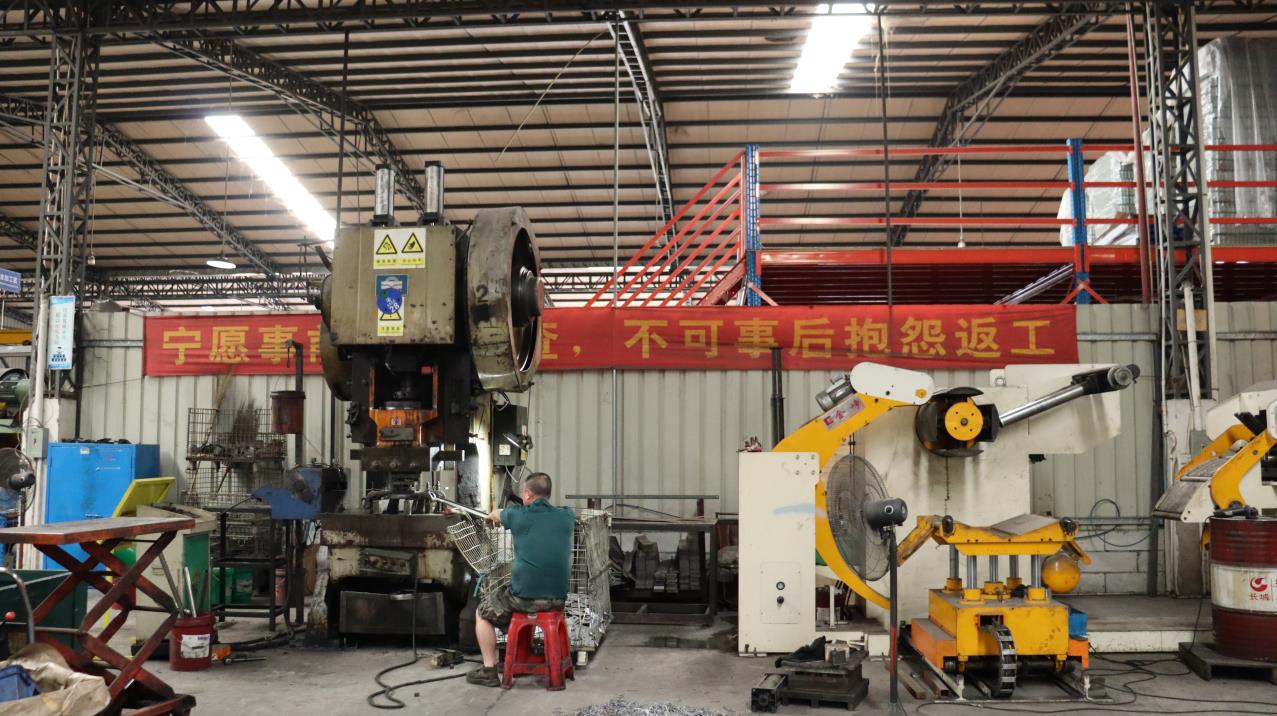
Stamping
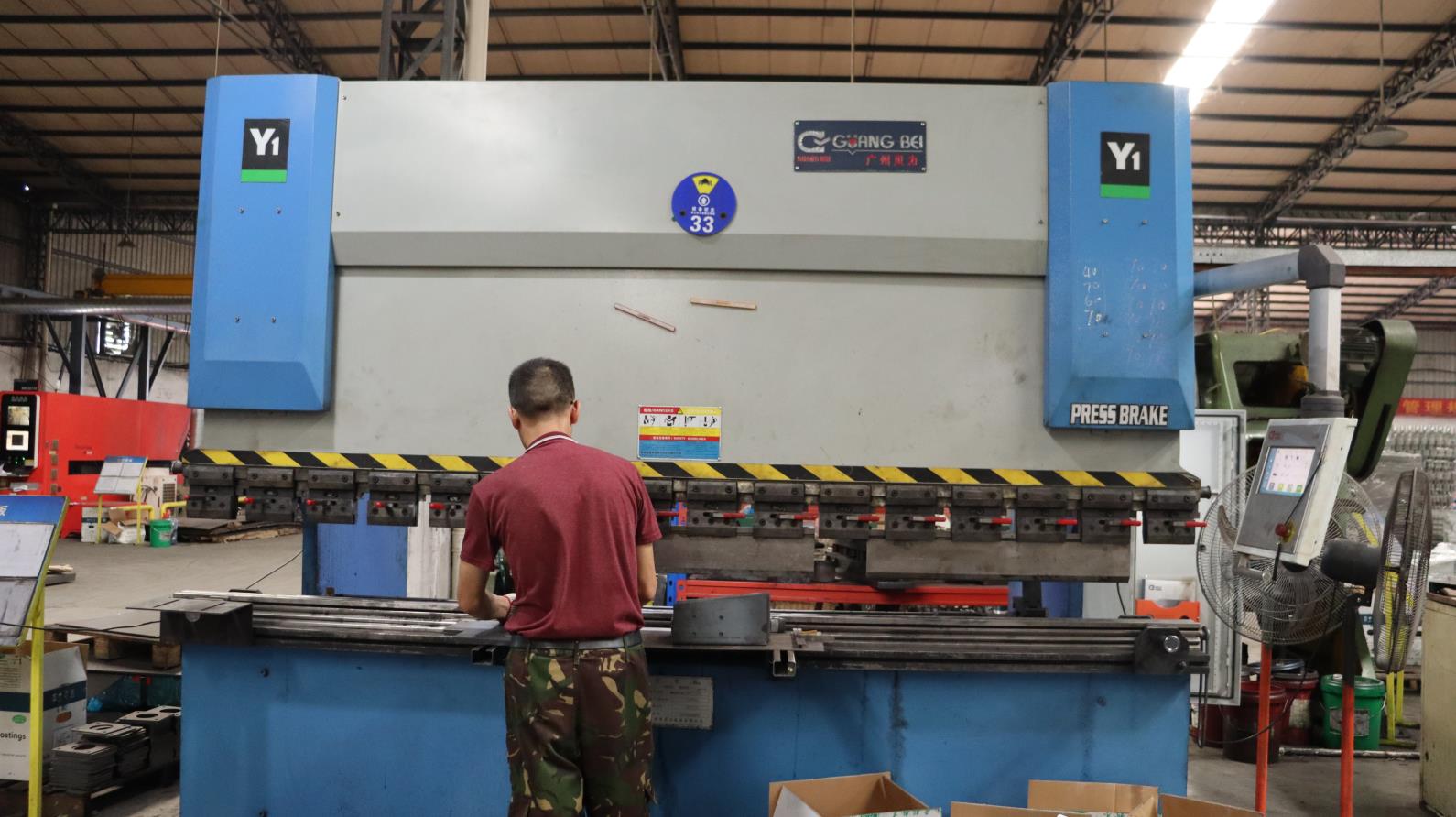
Bending
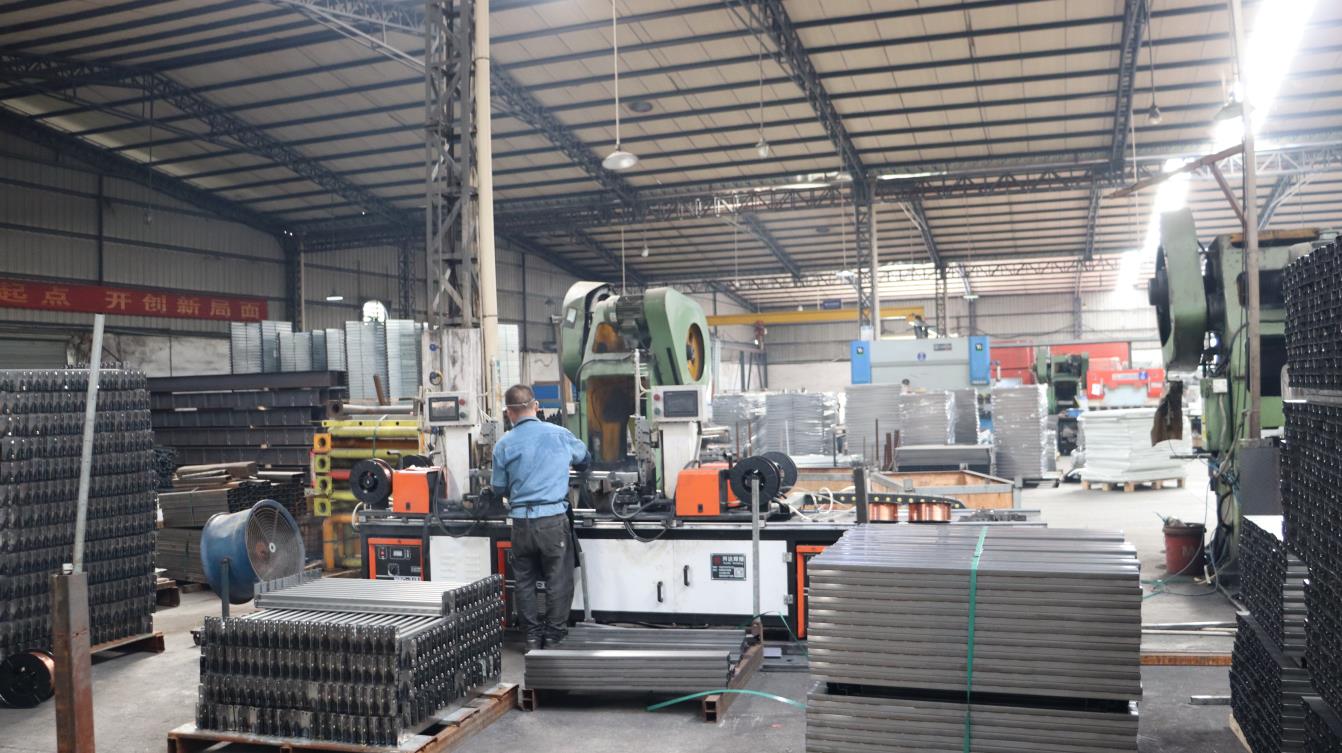
Welding
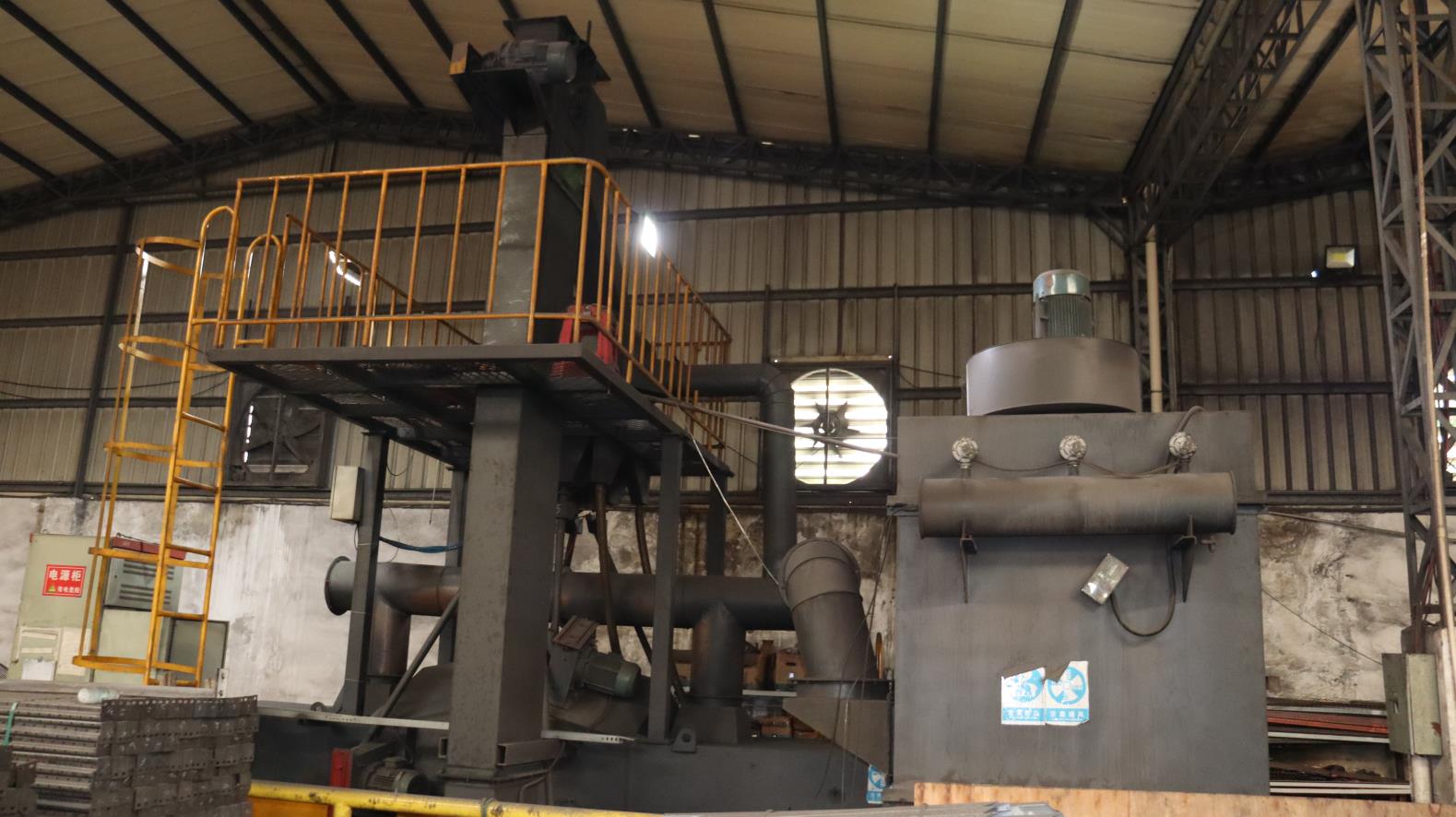
Polish
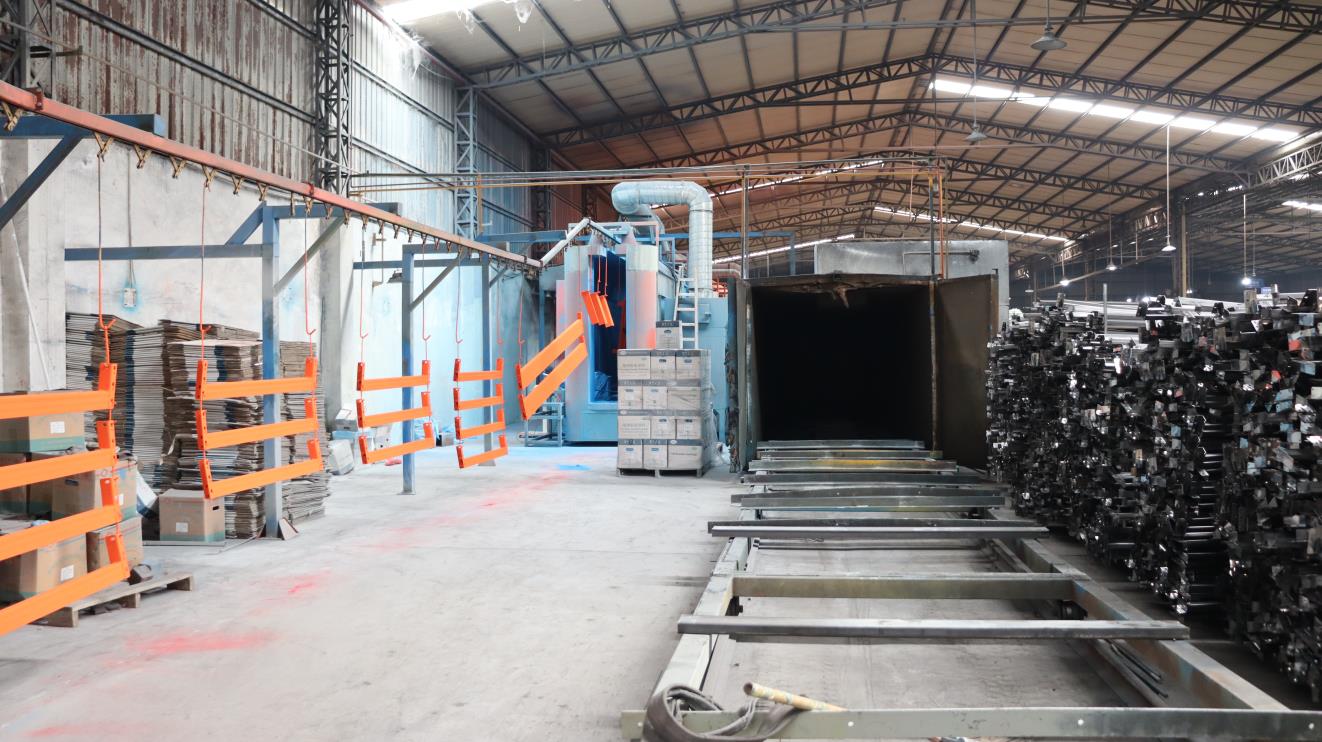
Painting
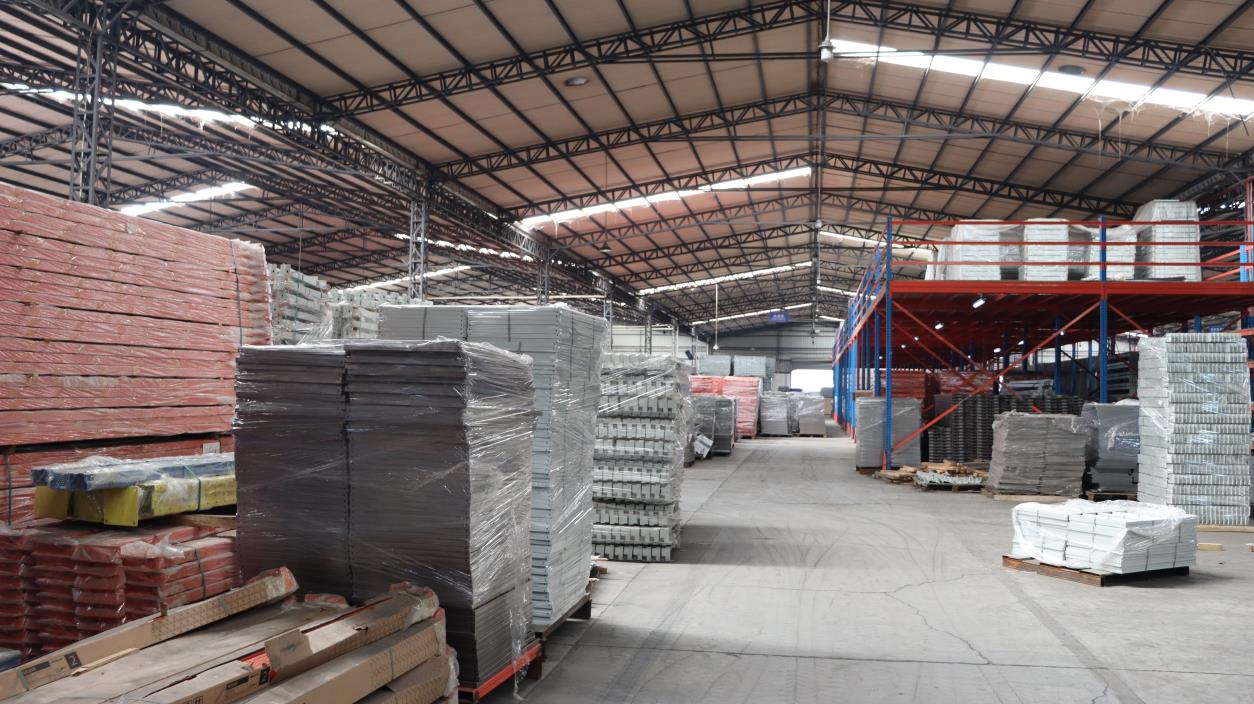
Warehouse
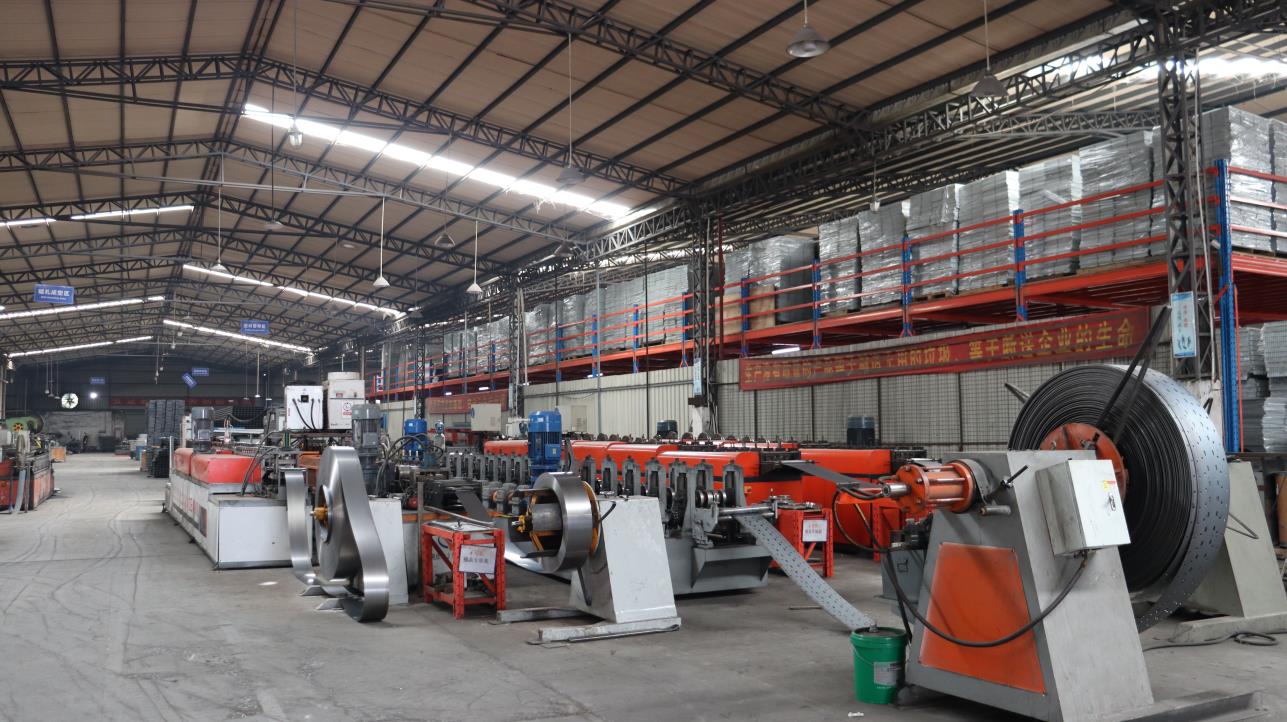
Rolling Machine
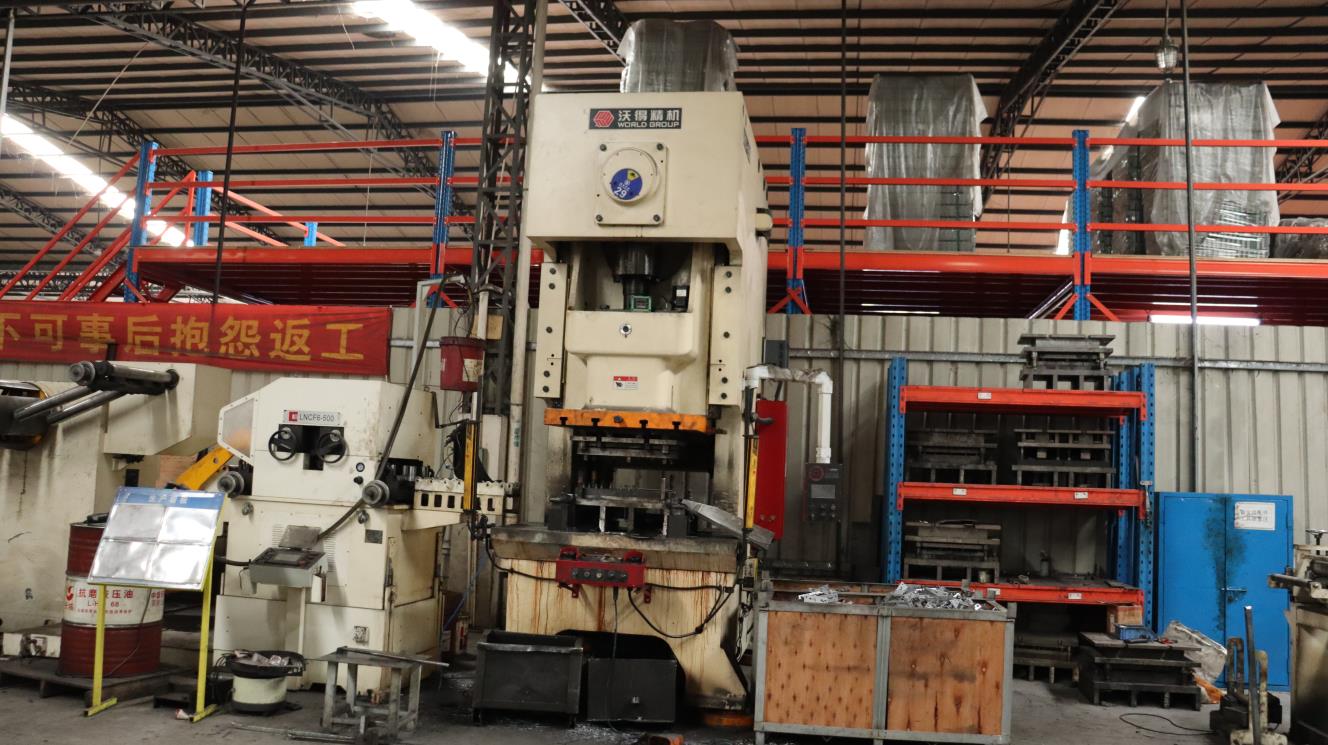
Punching Machine
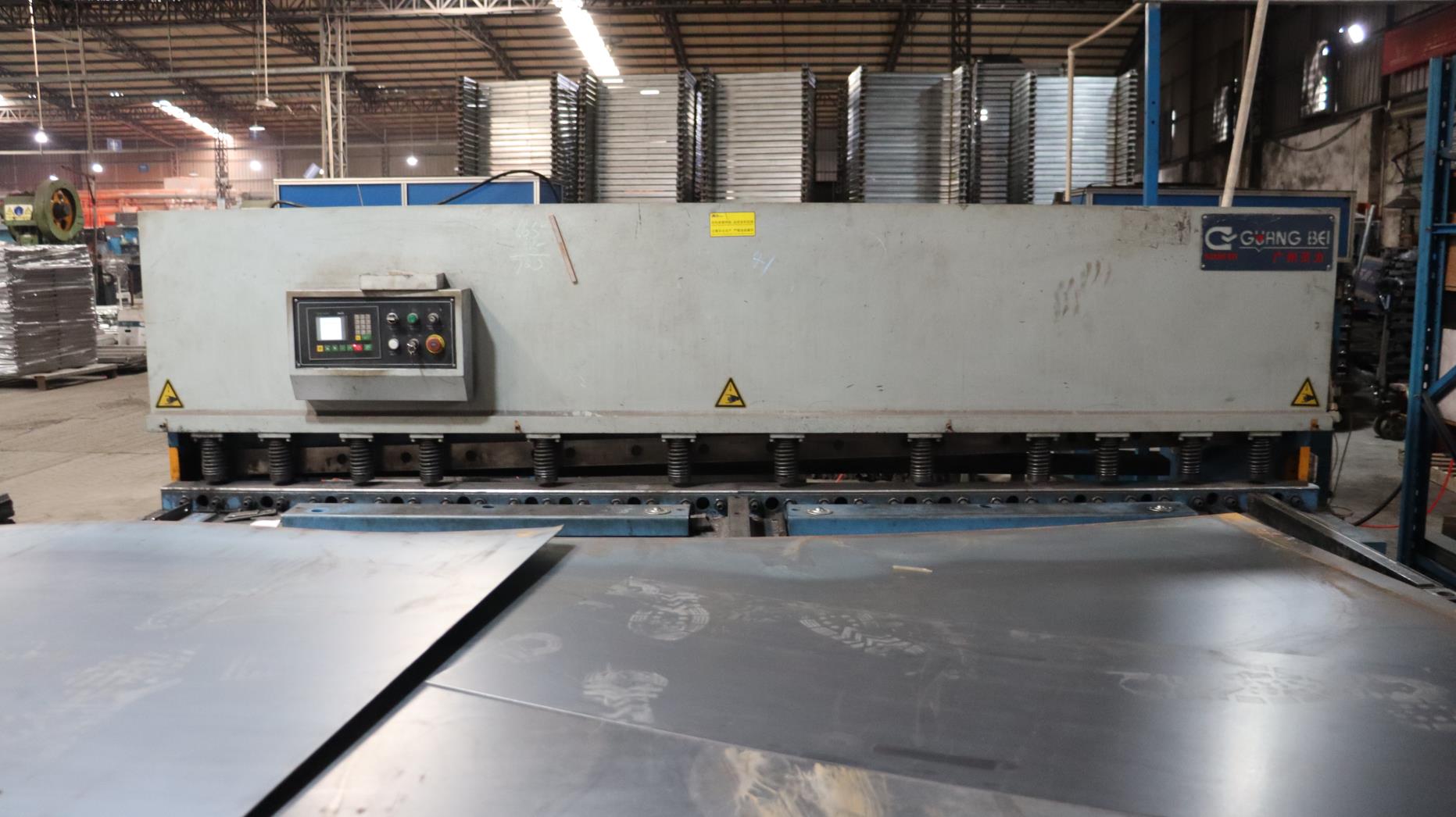
Shearing Machine
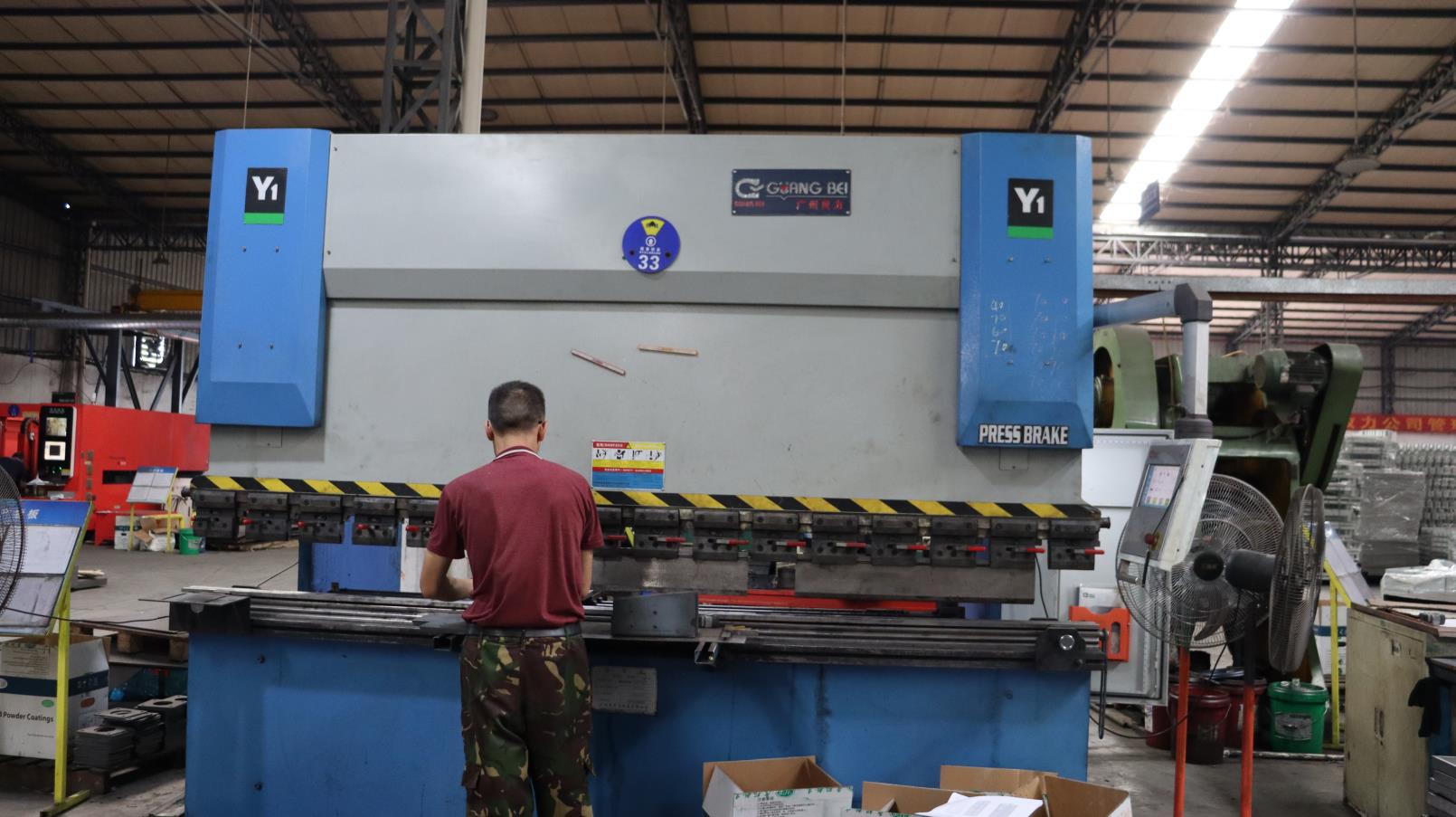
Bending Machine
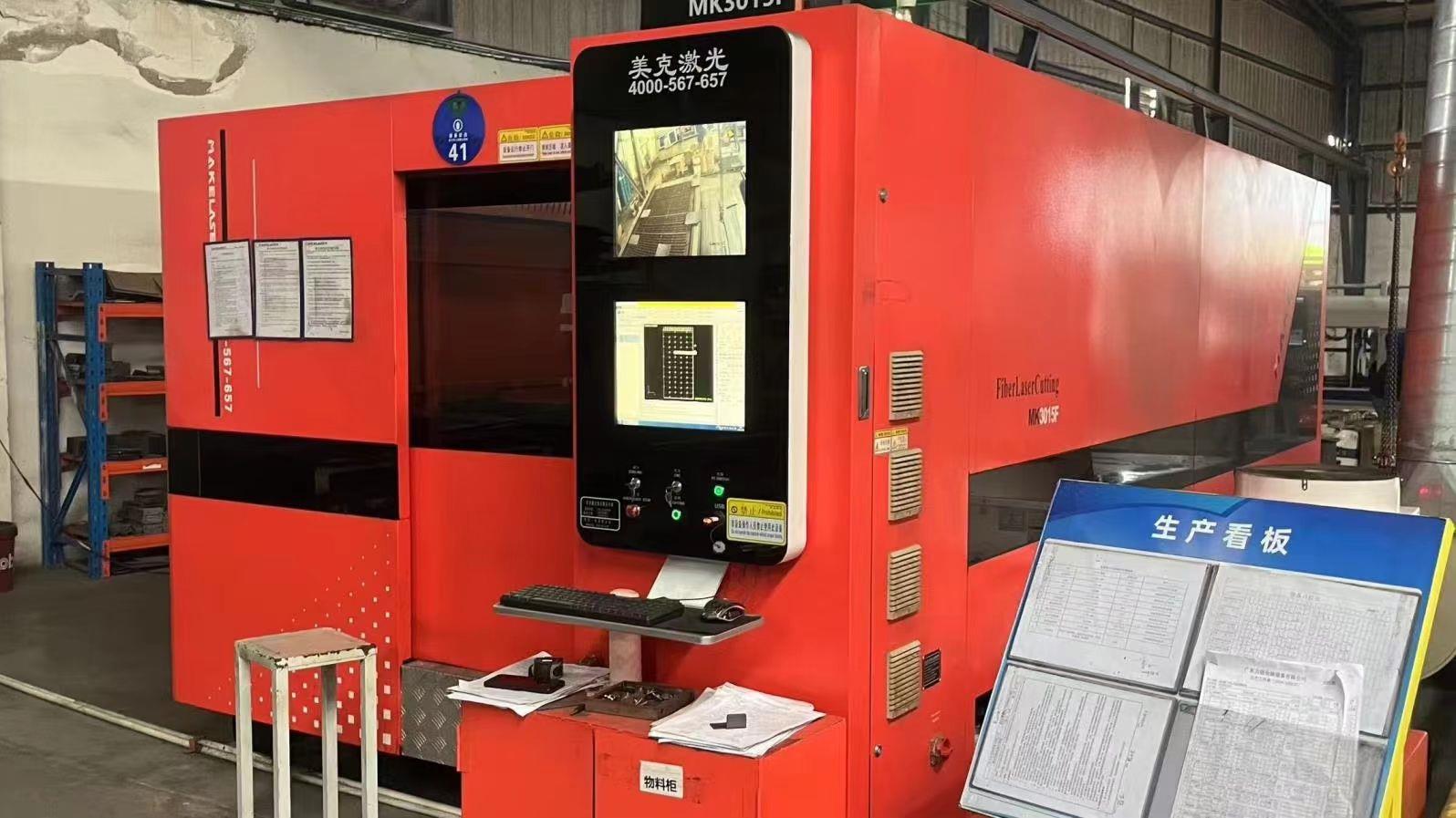
Laser Cutting
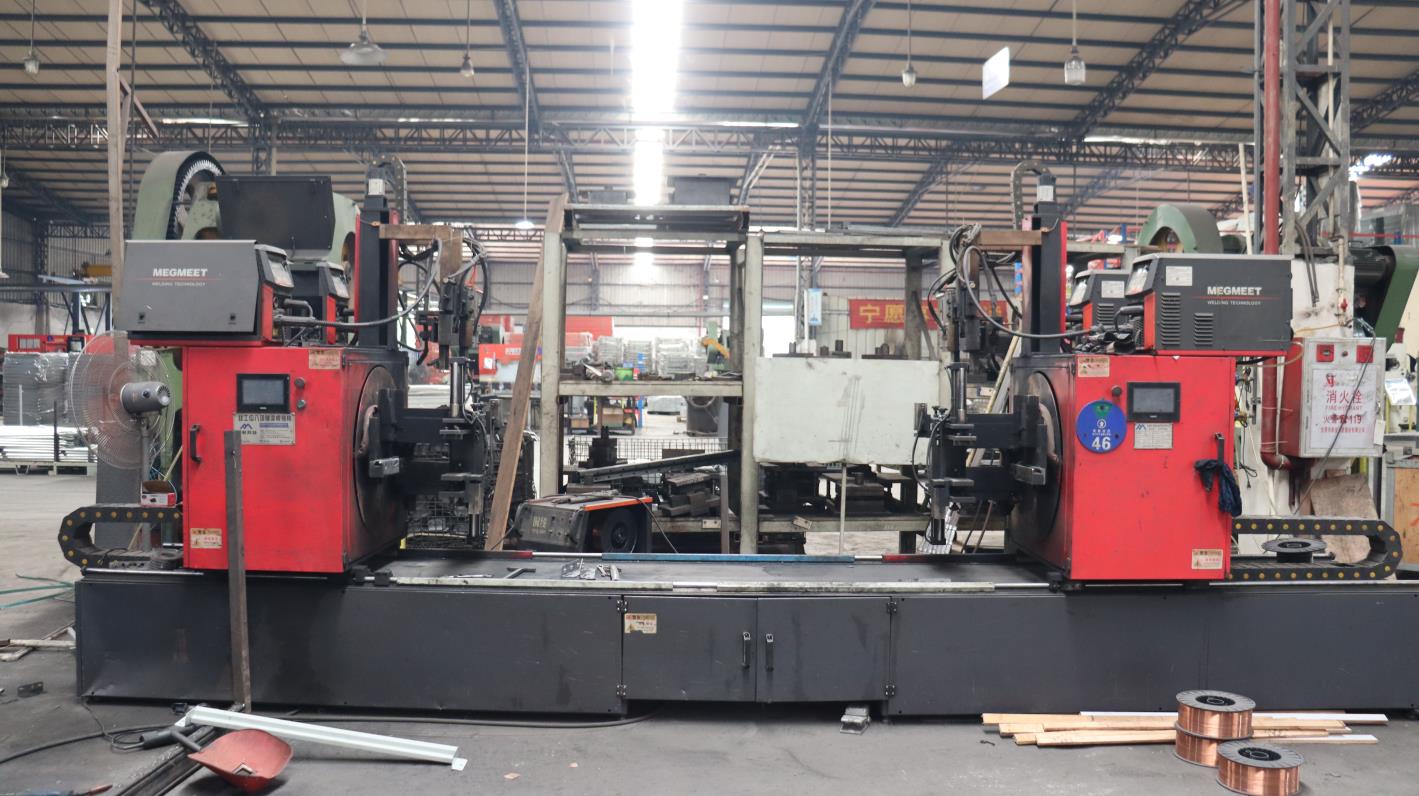
Welding Machine
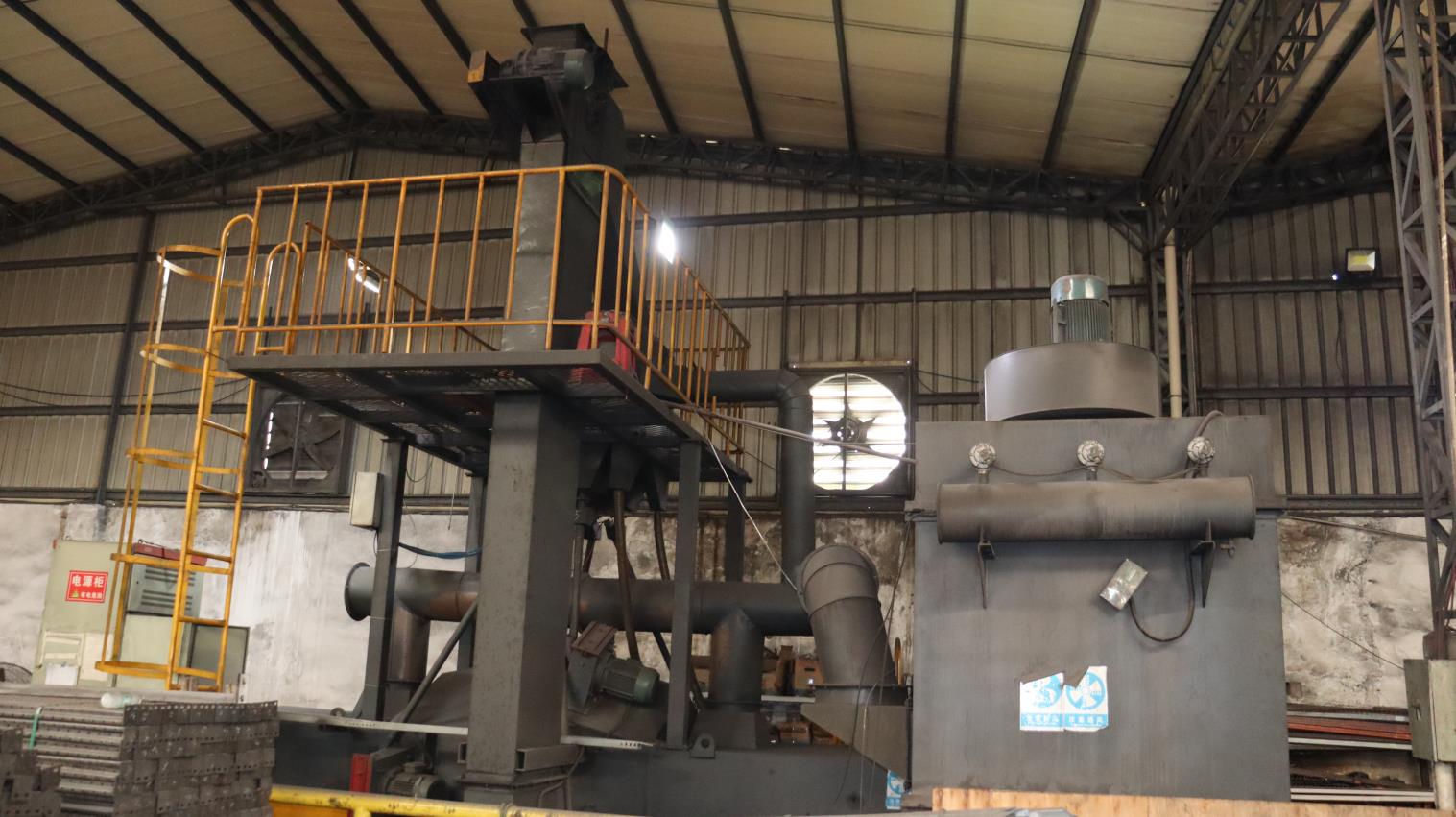
Polish Machine
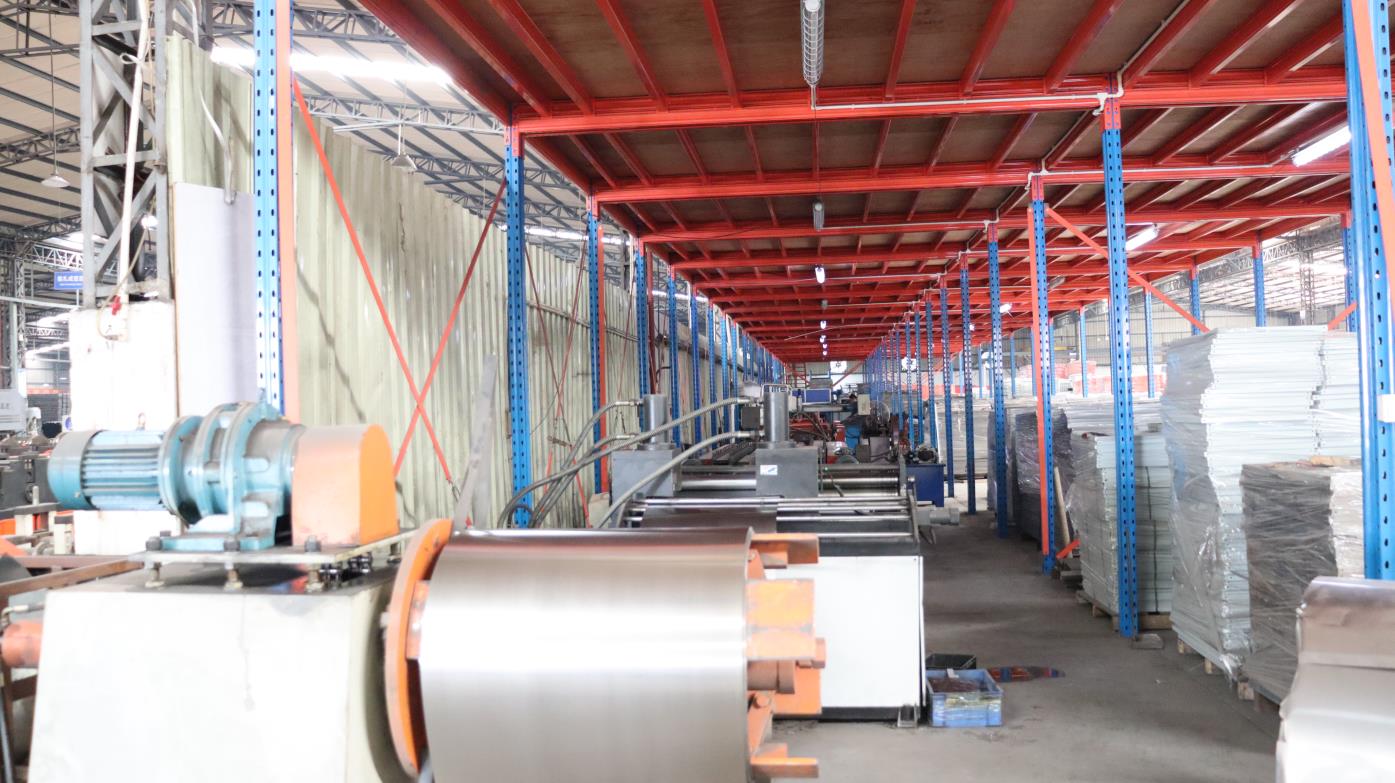
Forming Line
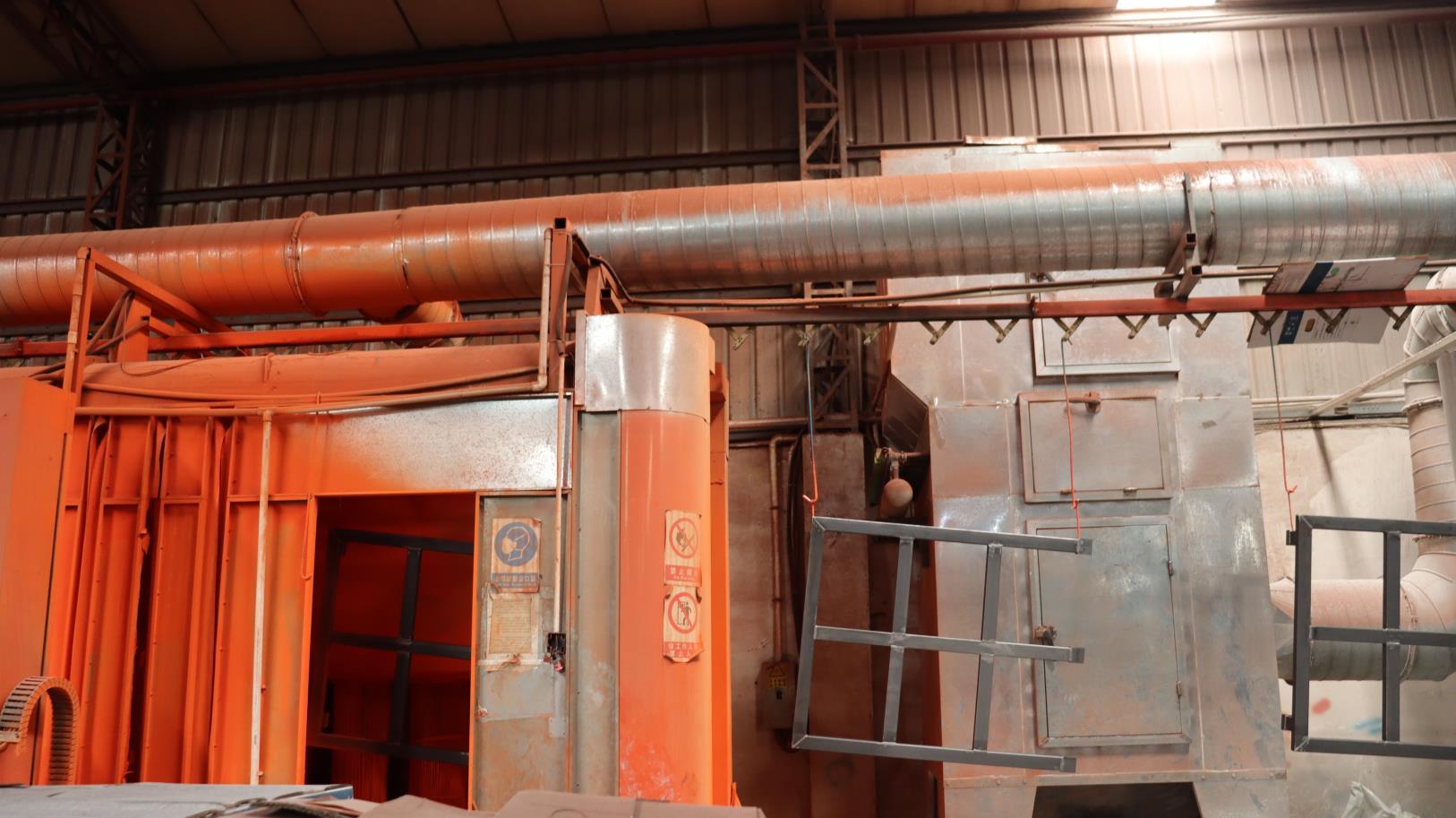
Spraying Line
The transition toward Warehouse 4.0 is changing the requirements for racking infrastructure. Standard, static steel structures are adapting to dynamic, smart systems. We are aligned with this transition by designing racking solutions tailored for automation.
Automated Storage and Retrieval Systems (AS/RS) operate with minimal tolerances. Cranes and shuttles moving at high speeds require structural alignment precise to the millimeter. Over a 30-meter height, standard deflection allowances are unacceptable. Our engineers design structures with high rigidity, utilizing machined connection points and high-tolerance steel beams to ensure automated equipment operates without collisions.
Looking ahead, smart warehouse operations will require real-time tracking of racking integrity. Our technical roadmap includes the integration of IoT stress and deflection sensors within high-load upright sections. These sensors monitor load changes, structural degradation, and minor collision impacts, transmitting telemetry data directly to the Warehouse Management System (WMS) to prevent structural failures before they occur.
Decarbonizing supply chains is a critical focus for global procurement. We are continually reducing our carbon footprint by utilizing cleaner, low-emission powder coatings, optimizing transport volumes to minimize shipping emissions, and sourcing structural steel from mills prioritized for environmental efficiency.
Procuring industrial systems from China requires a partner capable of managing complex logistics, local compliance, and installation requirements across different regions.
Every racking system is designed in compliance with local regulations, including US OSHA and European CE directives, ensuring smooth permitting and structural sign-off.
Backed by 28 R&D engineers, we provide comprehensive CAD layout plans, 3D stress calculations, and structural simulations tailored to your warehouse dimensions.
We package all components in heavy-duty steel crates and protective wrapping to prevent shipping damage, delivering via optimized maritime transport to key global ports.
Discover specialized storage products, modular racking, and distribution containers designed to optimize your operations.
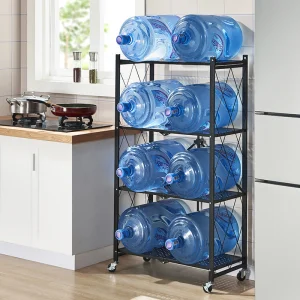
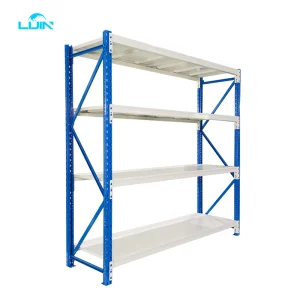
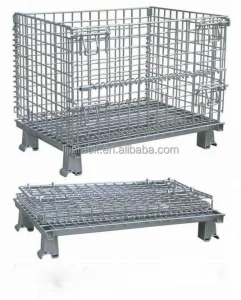
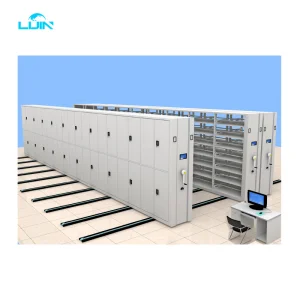
Technical information to assist in evaluating and sourcing heavy-lift storage systems.
Weight capacity is verified through a combination of structural engineering calculations (FEA) and physical testing. Standard load limits assume a Uniformly Distributed Load (UDL). Physical strain and load deflection tests are conducted using hydraulic presses to ensure compliance with the safety factors required by European FEM 10.2.02 and US RMI standards.
For standard warehouse operations, Q235B steel offers excellent cost efficiency and durability. For heavy-duty industrial platforms and high-load racking systems (exceeding 2,000kg per level), Q355B structural steel is recommended due to its higher yield strength (355 MPa), which allows for lighter profiles that carry equivalent or greater loads.
Our R&D team requests local seismic coefficients, soil classification, and geographic coordinates before starting the structural design phase. We calculate the required bracing, baseplate thickness, and anchoring specifications to ensure the racking system meets local seismic regulations (such as IBC in the US or Eurocode 8 in Europe).
For standard indoor operations, an electrostatic powder coating provides durable rust prevention. For cold storage or outdoor environments with high humidity, hot-dip galvanized finishes or specialized zinc-rich powder coatings are recommended to prevent corrosion and maintain structural integrity over the lifespan of the racking system.
Initial CAD layout drawings and load calculations are completed within 3 to 5 business days. Once the engineering designs are approved, production takes between 20 to 30 days depending on order volume and configuration complexity, followed by direct shipping coordination from our Shenzhen facility.
Yes. Every shipment includes Mill Test Certificates (MTC) showing the chemical composition and mechanical properties of the raw steel, along with quality control reports covering weld thickness, powder coating adhesion, and dimensional tolerance checks.
 Lijin Racking