Engineered for maximum density, dynamic utility, and strict structural loading specifications.
Unlocking structural capabilities and economic layouts in international supply chains.
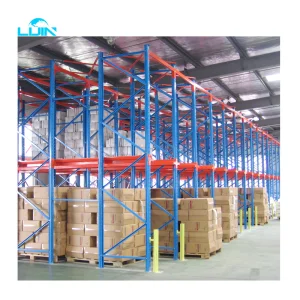
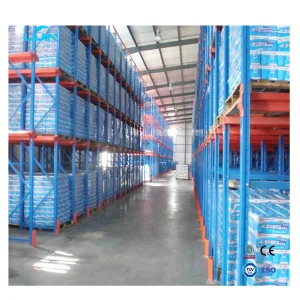
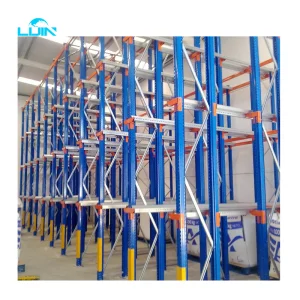
As global distribution corridors face unprecedented space challenges, industrial logistics operators are abandoning standard, low-efficiency selectivity configurations in favor of high-density dynamic systems. In this architectural evolution, Push-Back Storage Systems represent one of the most reliable and cost-effective mediums for Last-In, First-Out (LIFO) warehousing. Characterized by nested carriage frameworks moving on inclined rails, these systems utilize gravity-assisted dynamics to combine the high-density footprint of drive-in racking with the single-aisle loading efficiency of selective racking systems.
Established in 2015, Shenzhen Lijin Storage Equipment Co., Ltd. has developed into a premier global supply chain partner specializing in structural load calculation, bespoke racking system engineering, and industrial logistics equipment fabrication. Operating out of a massive 35,000 m² factory floor, our engineering prowess is backed by 12 years of industry experience and 8 years of international direct-export compliance. Our global operational footprint includes North America, Western Europe, Southeast Asia, and the Middle East, serving third-party logistics (3PL) conglomerates, heavy manufacturing networks, and cold chain distribution hubs.
An exhaustive breakdown of structural components, kinetic variables, and load physics.
A push-back racking system operates on a nested carriage configuration resting on structural steel rails angled at a precise gradient—typically between 3.0% and 3.5%. When a forklift pushes the first pallet backward, it exposes the next nested cart below. During retrieval, the operator controls the exit speed of the pallet, and gravity gently glides the subsequent pallets forward to the pick face. Achieving this dynamic without carriage derailment or excessive friction requires strict mechanical tolerances of less than 0.5mm across the entire rail length.
At Shenzhen Lijin, we source high-yield structural steel profiles, including Q235B and Q355B (equivalent to ASTM A36 and ASTM A572 Grade 50). Our cold-rolled upright columns and load beams undergo advanced structural finite element analysis (FEA) to confirm they exceed standard safety factors. For push-back configurations, the structural stress concentrates on the front load beam. Consequently, we employ custom-engineered delta plates and dual-weld connections to counter structural rotation forces.
Choosing the correct high-density storage layout is critical to optimizing operational efficiency. Below is an engineering comparison of the core industrial storage methodologies:
| Racking Concept | Selectivity Profile | Density Potential | System Dynamics | Forklift Entry Requirement |
|---|---|---|---|---|
| Push-Back Storage | LIFO (Last-In, First-Out) | Very High (2 to 6 Pallets Deep) | Gravity-Fed Carriage System | Aisle-only (Zero rack entry) |
| Selective Racking | FIFO (First-In, First-Out) | Low to Moderate | Static Beam Support | Standard Aisle operation |
| Drive-In Racking | LIFO (Last-In, First-Out) | High | Static Support Rails | High risk (Forklift enters rack) |
| Pallet Flow Racking | FIFO (First-In, First-Out) | Extremely High (Up to 20 Deep) | Gravity Roller Tracks | Aisle-only (Loading & Unloading sides) |
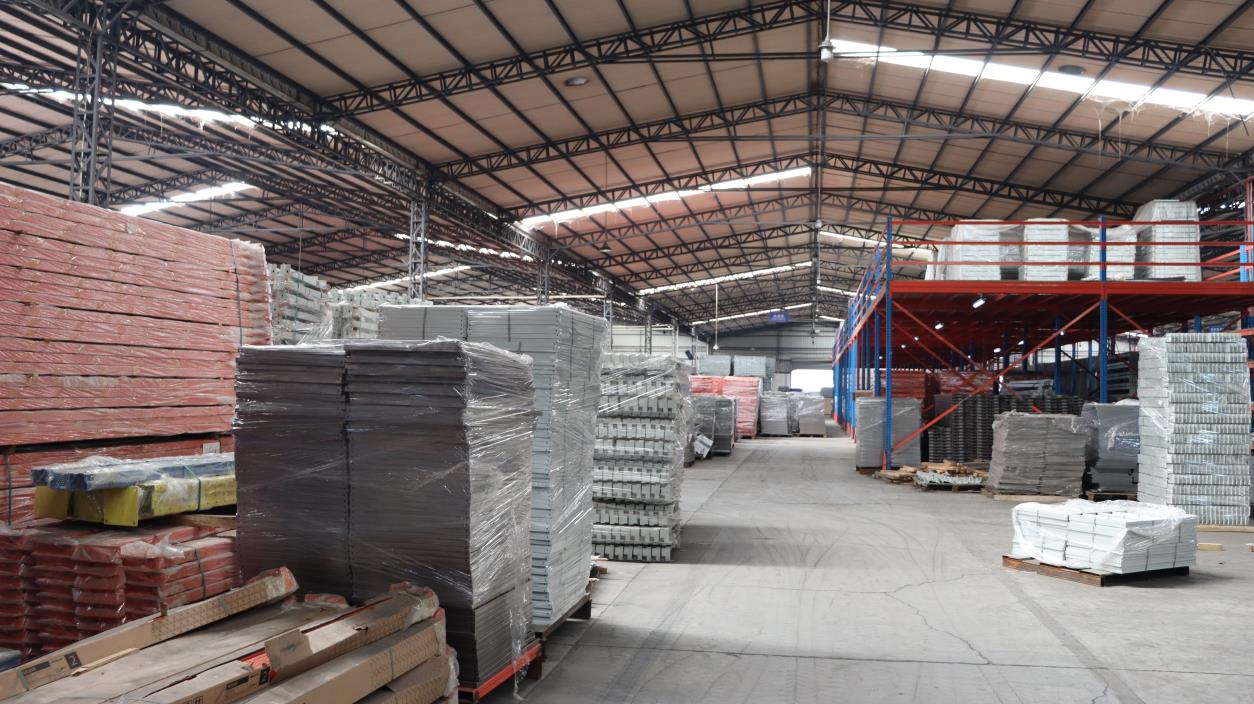
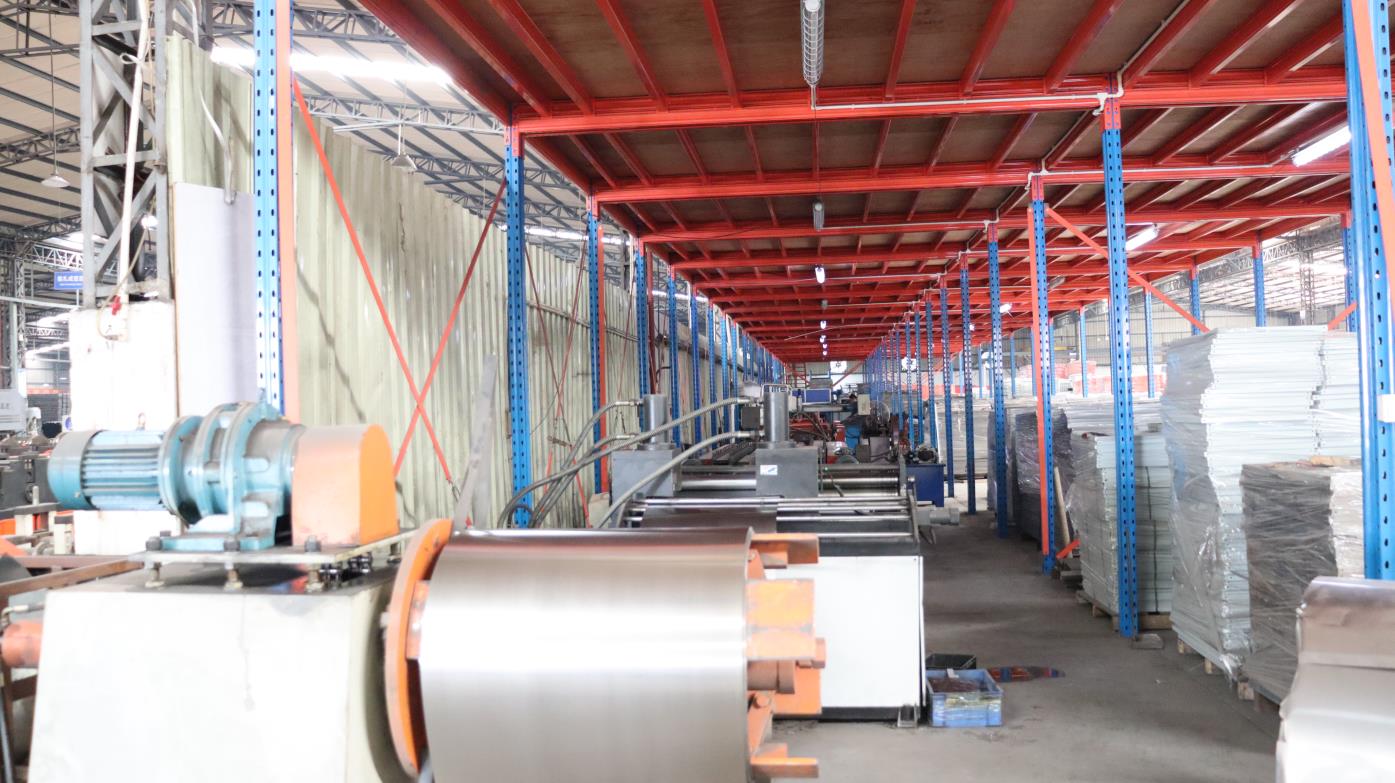
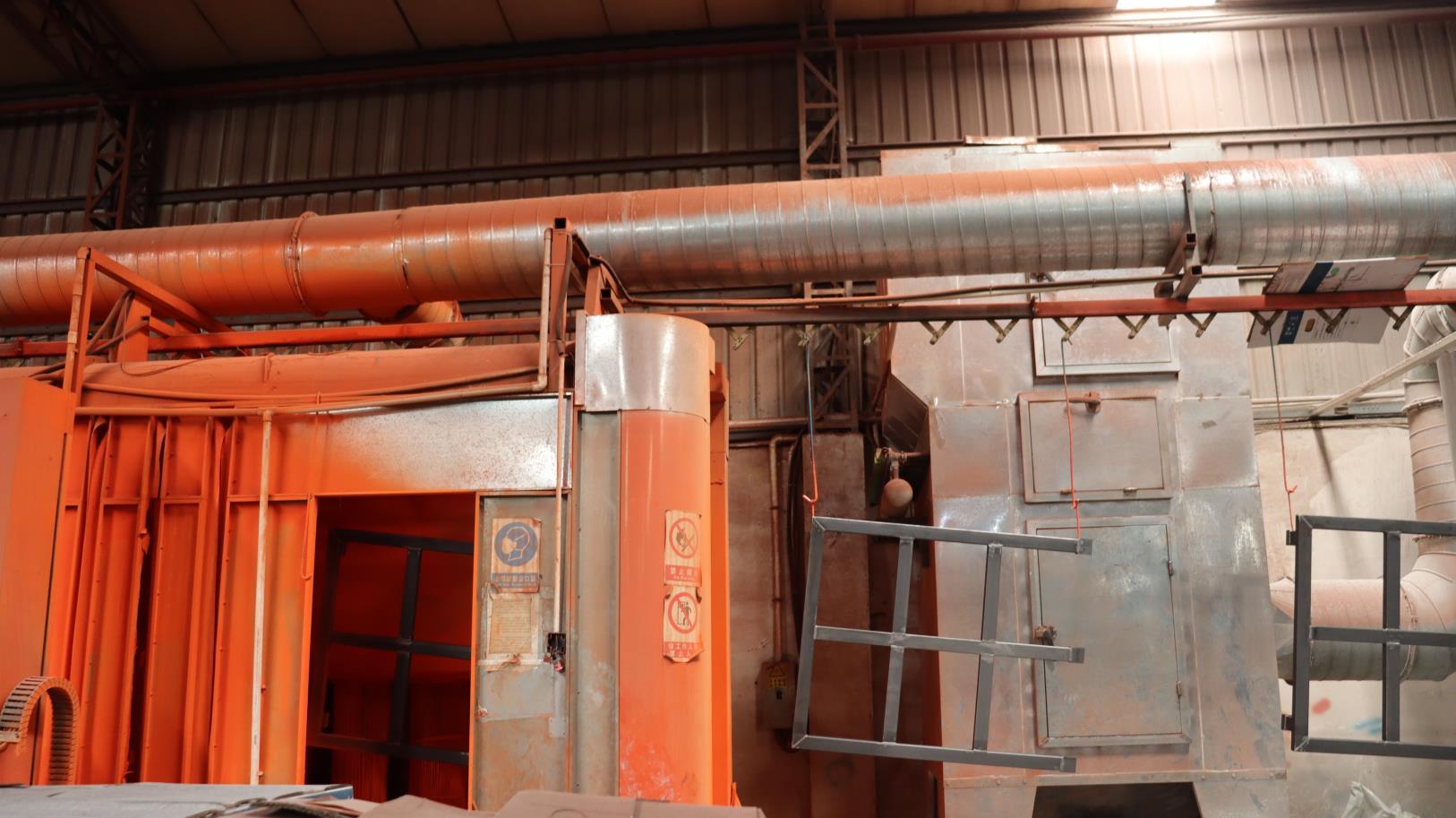
Inside our 35,000 m² automated manufacturing facility in Shenzhen.
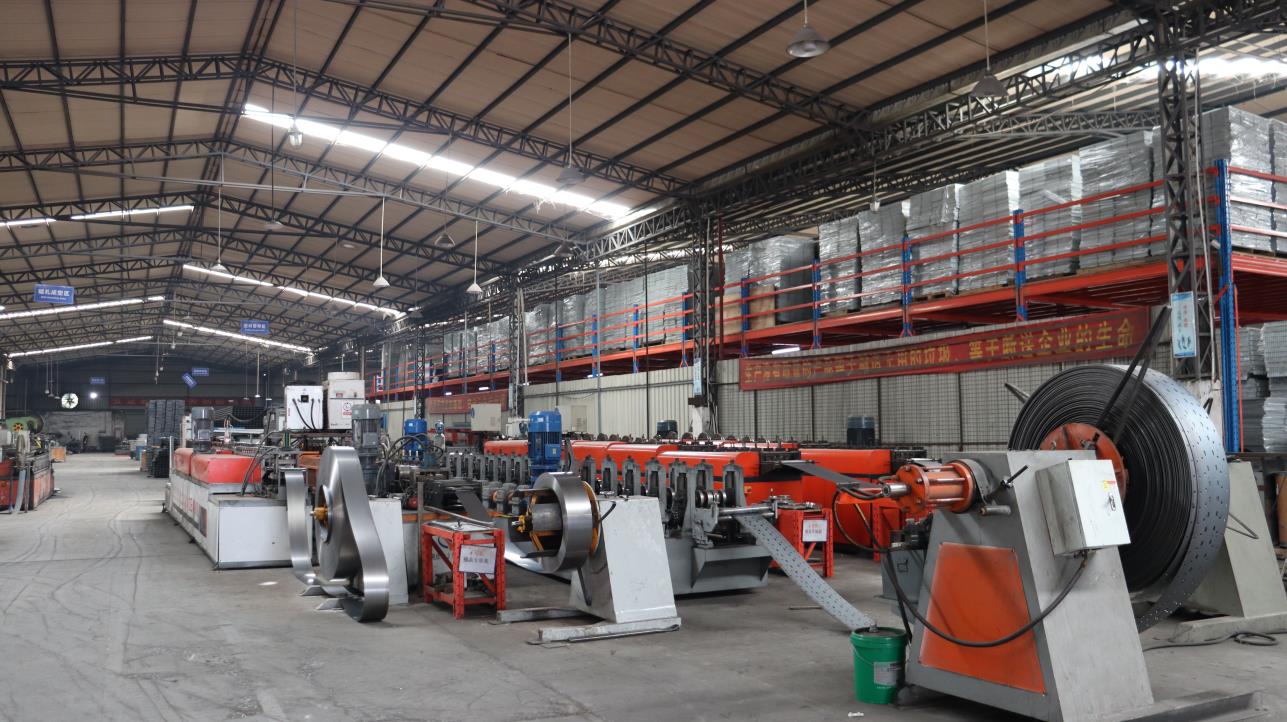
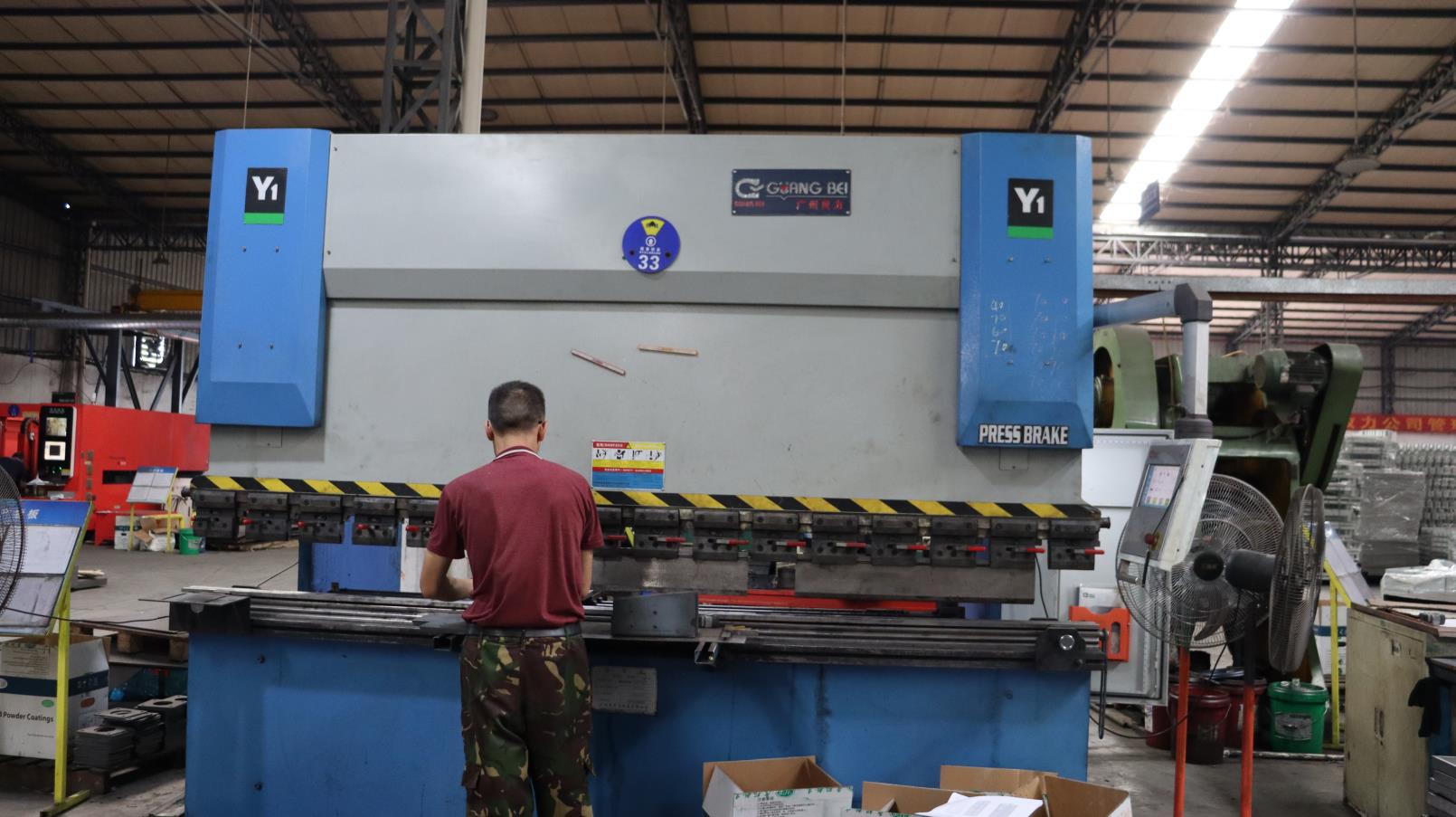
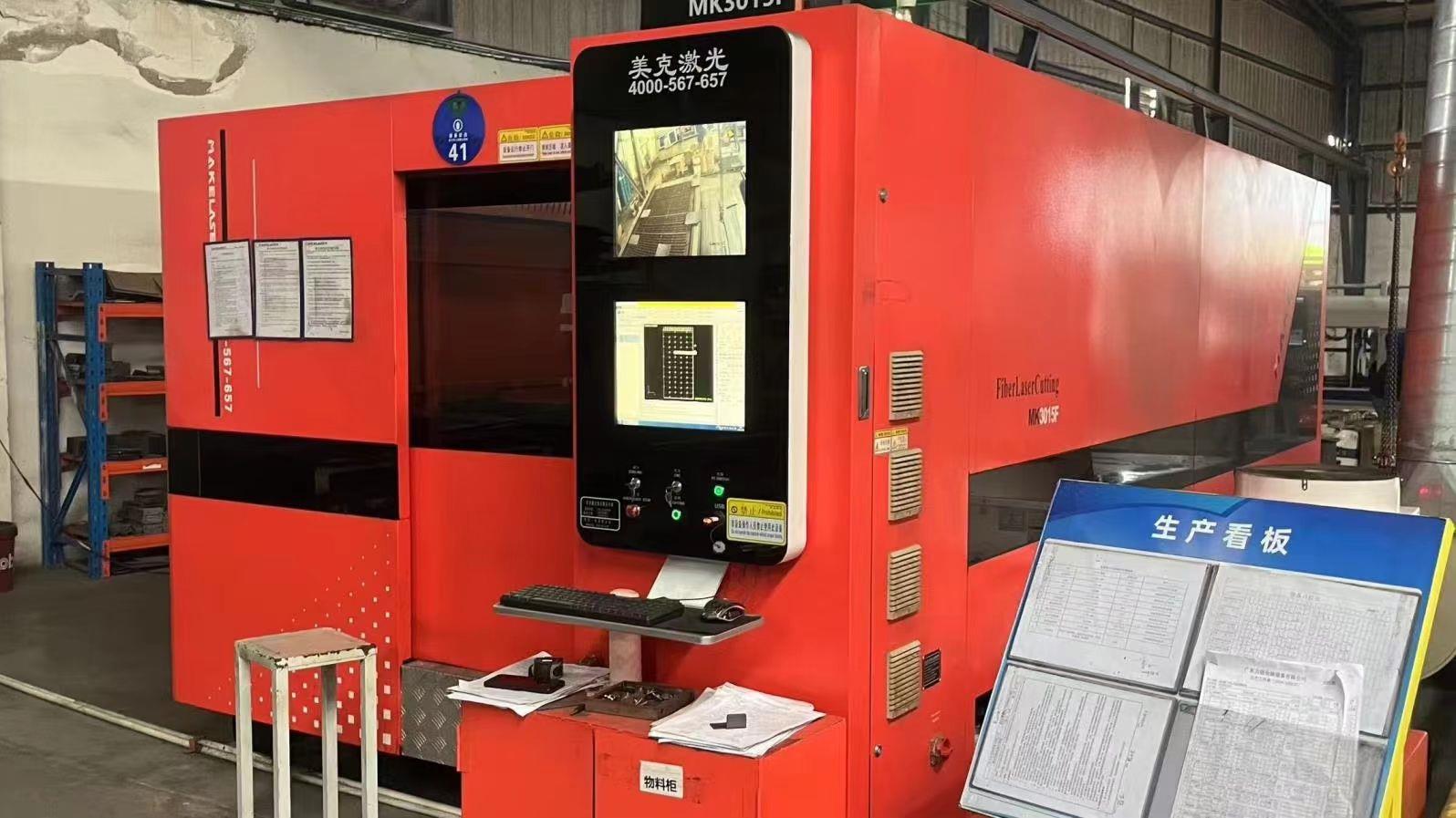
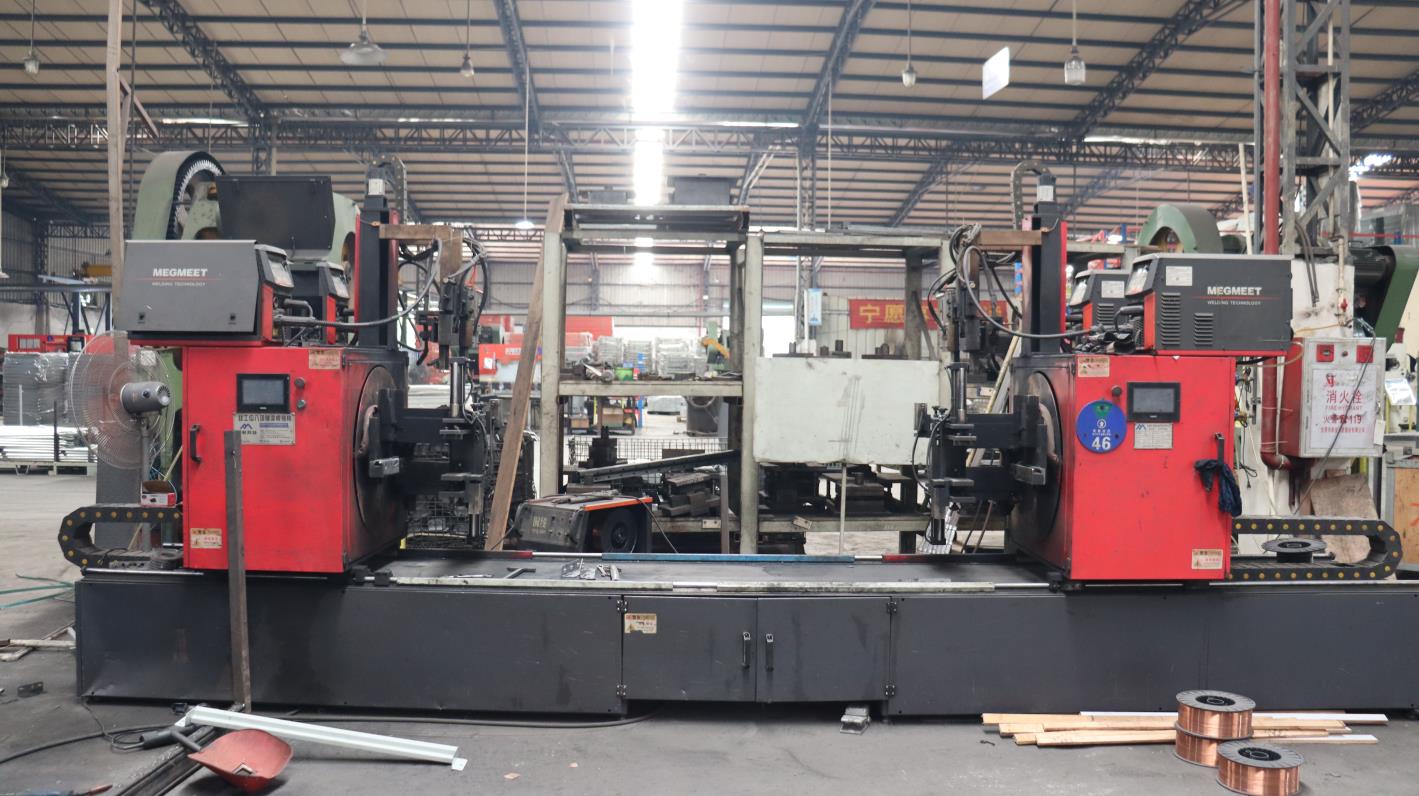
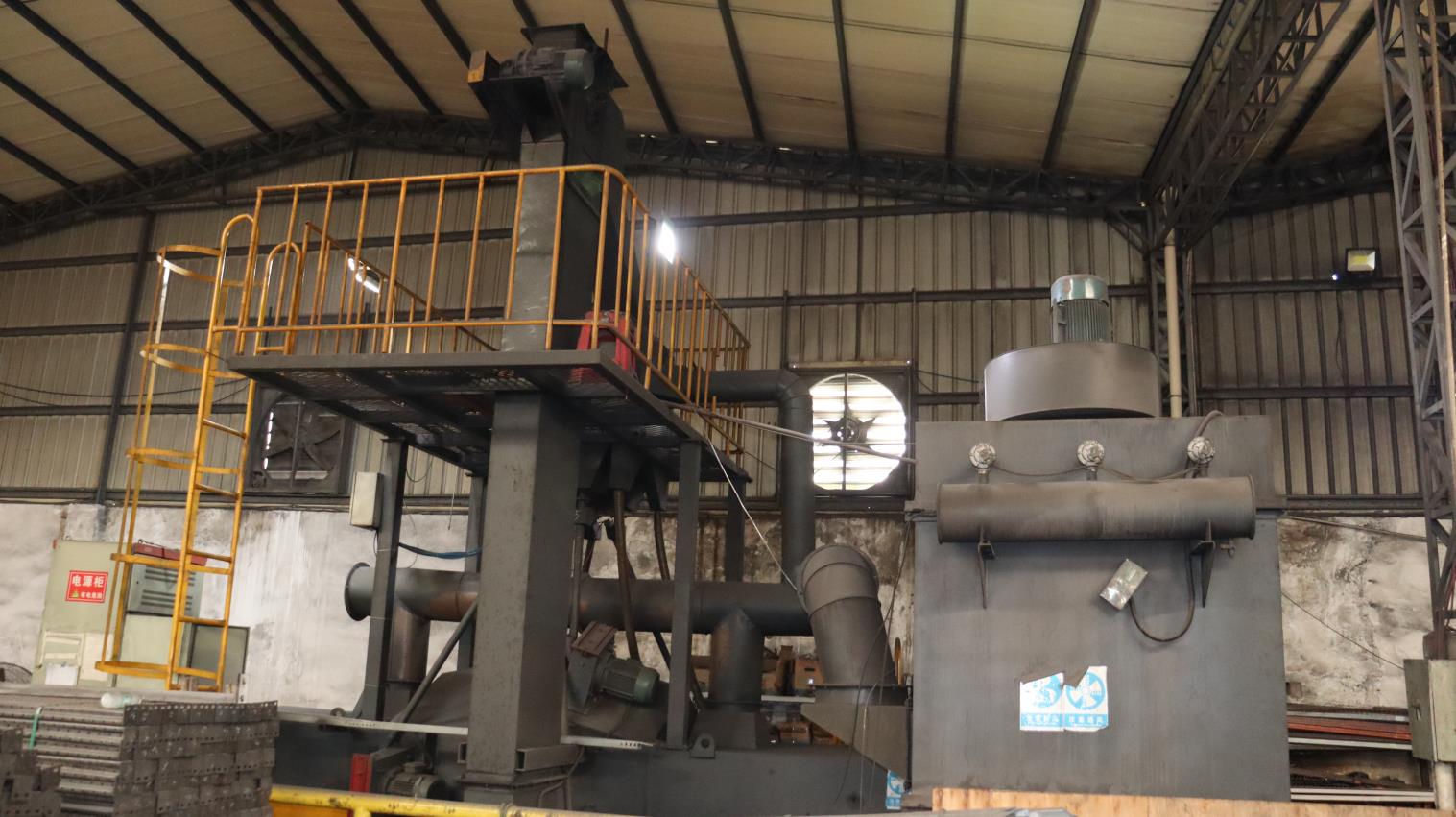
True structural reliability starts with raw materials and advances through automated, highly controlled manufacturing steps. Our ISO 9001:2015 certified factory integrates CNC precision routing, heavy bending machines, and continuous automatic electrostatic powder-coating systems to produce high-durability systems that withstand forklift impacts and extreme temperature changes.
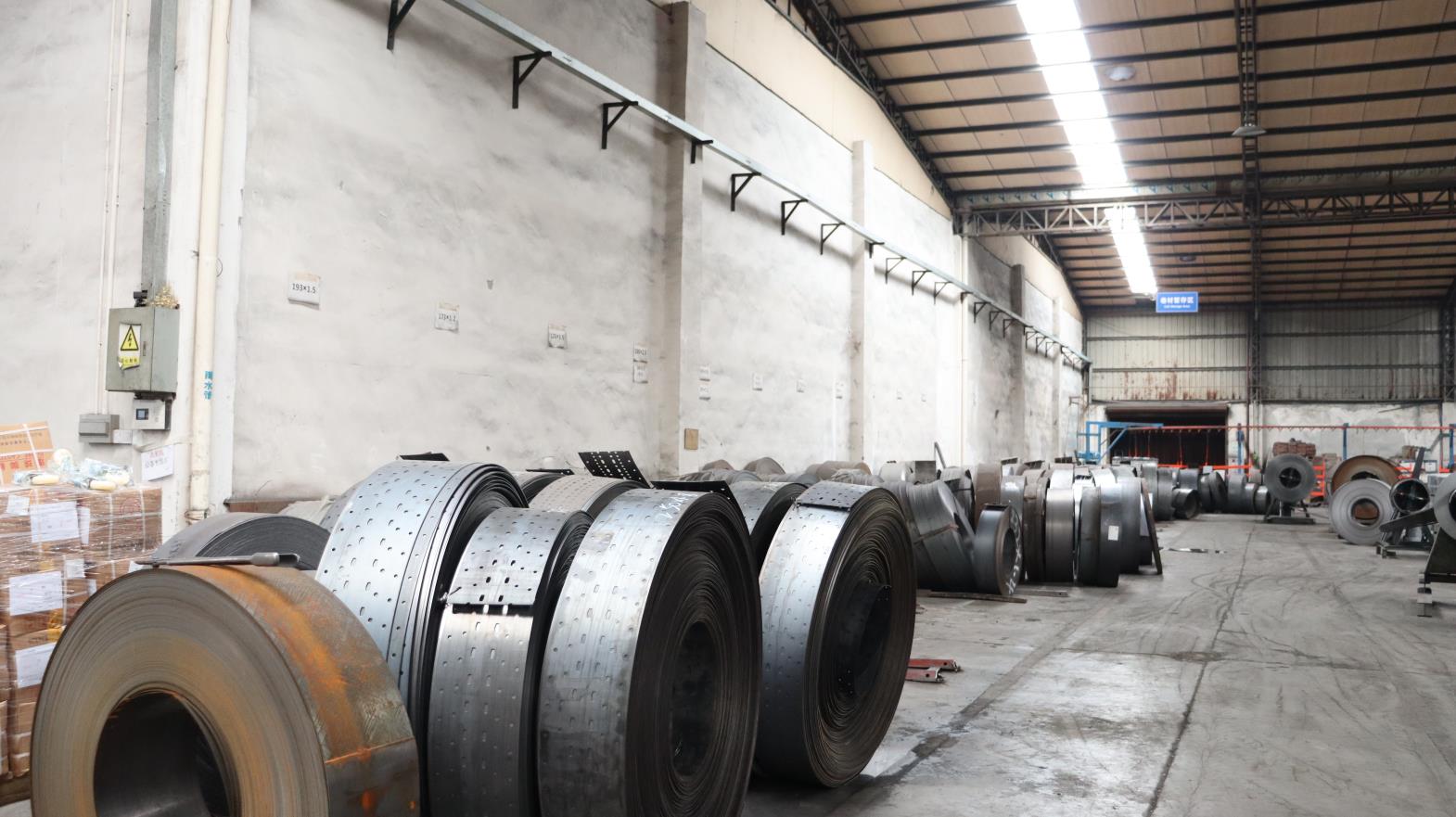
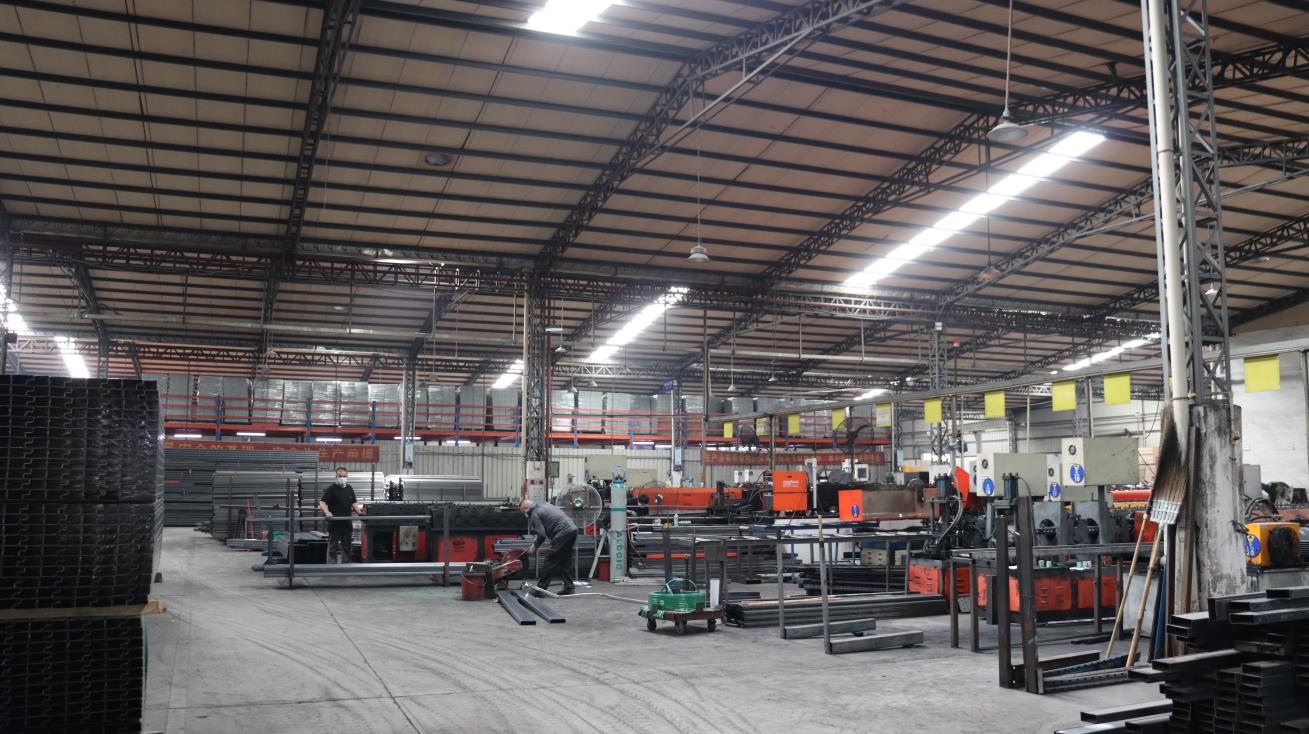
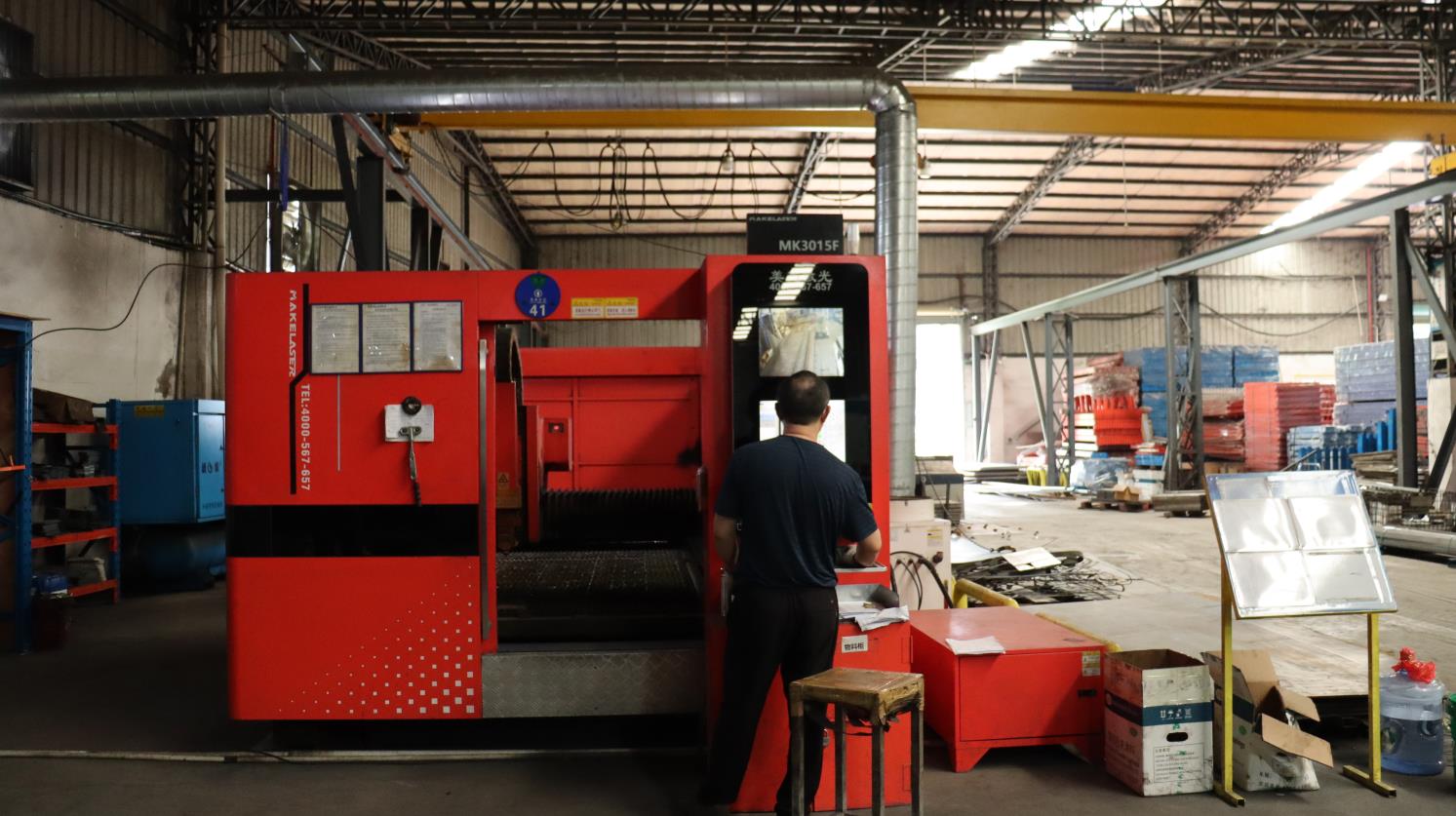
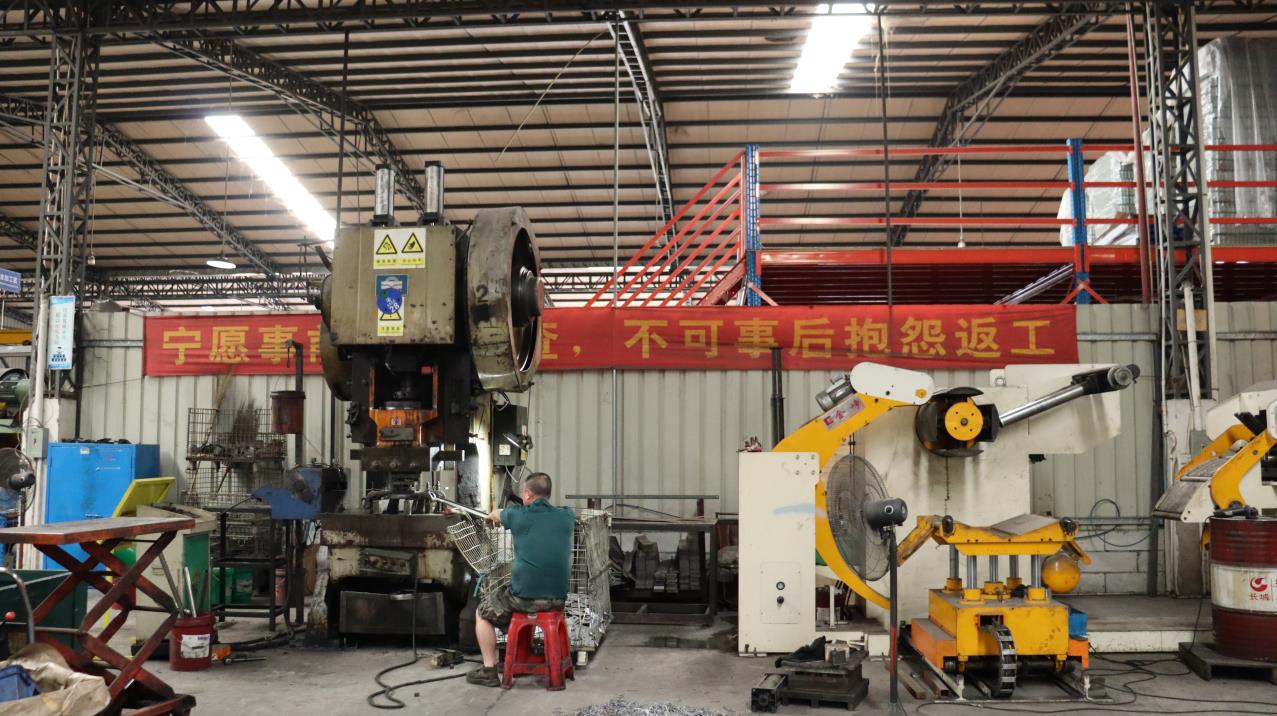
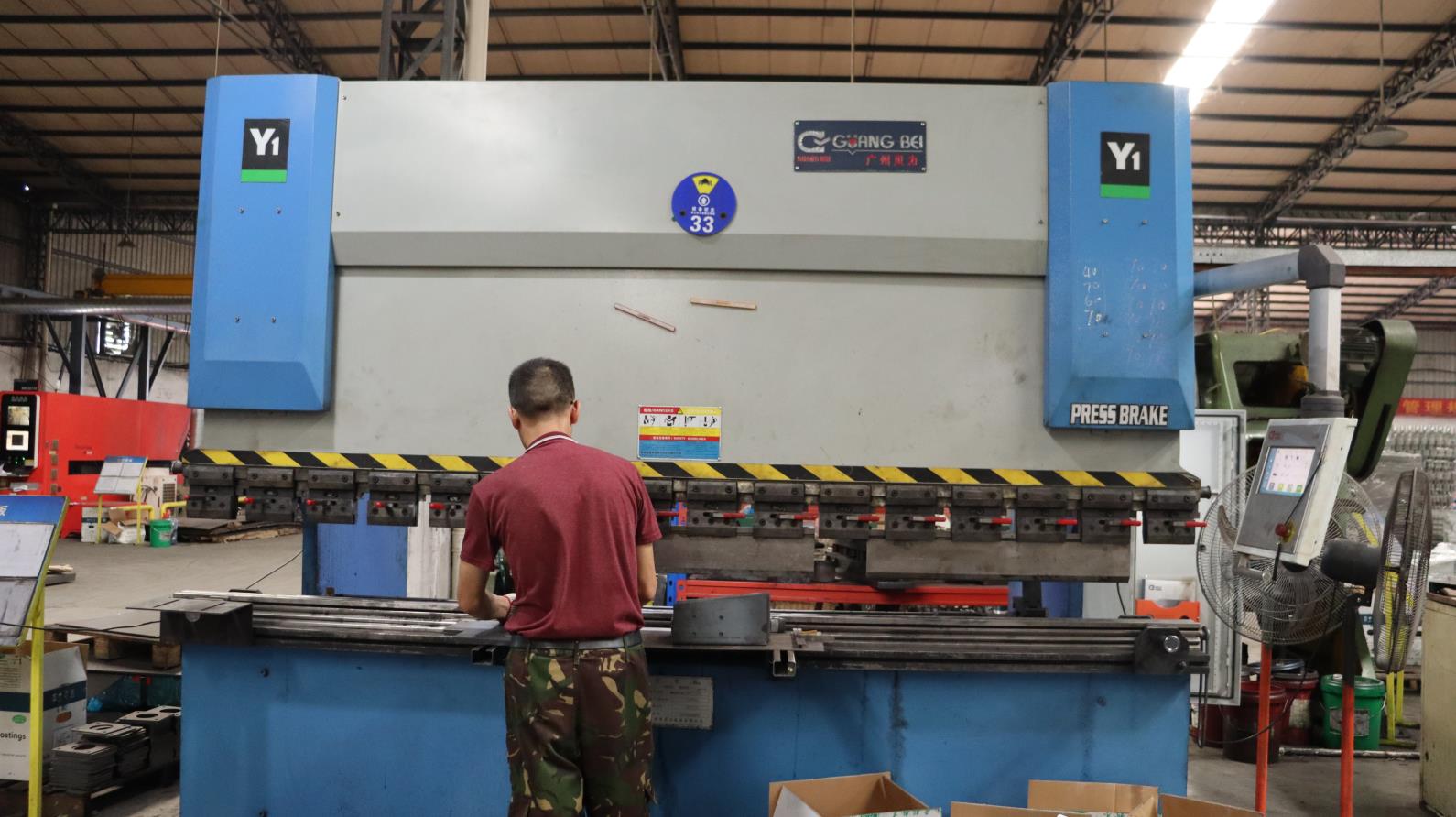
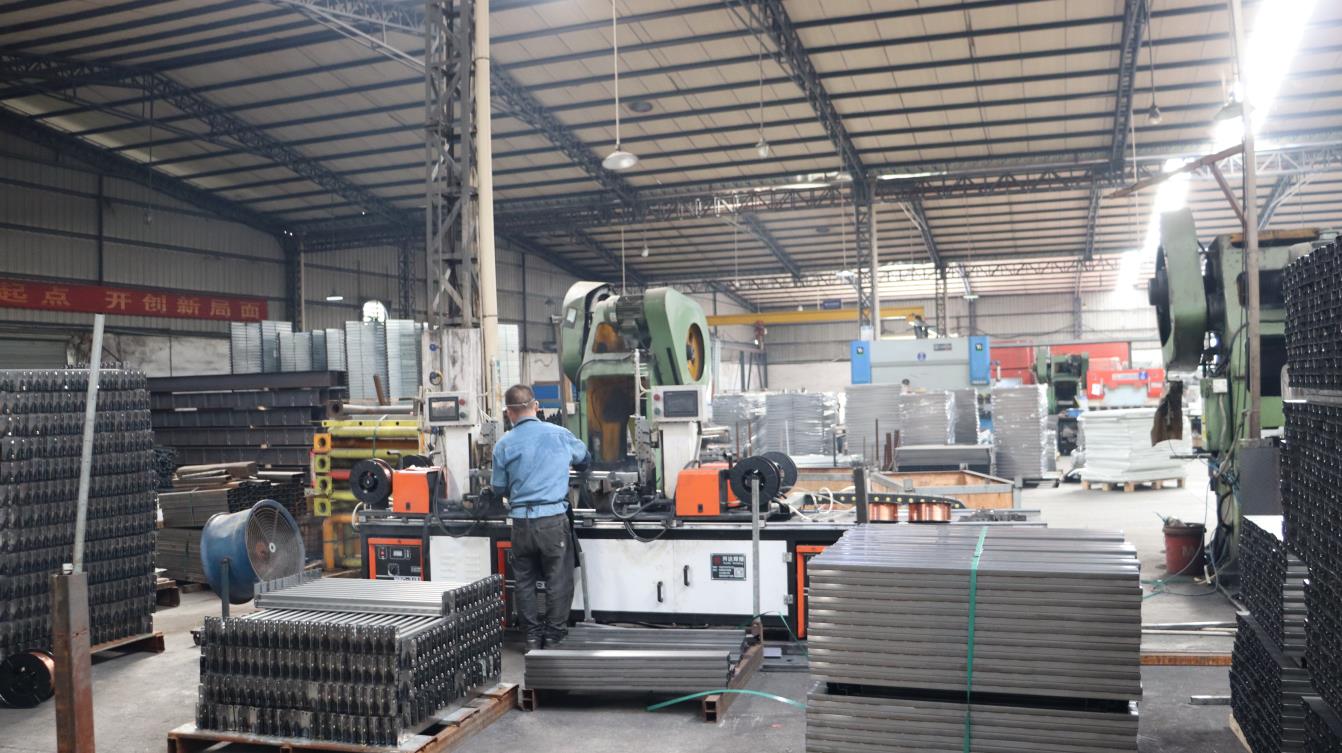
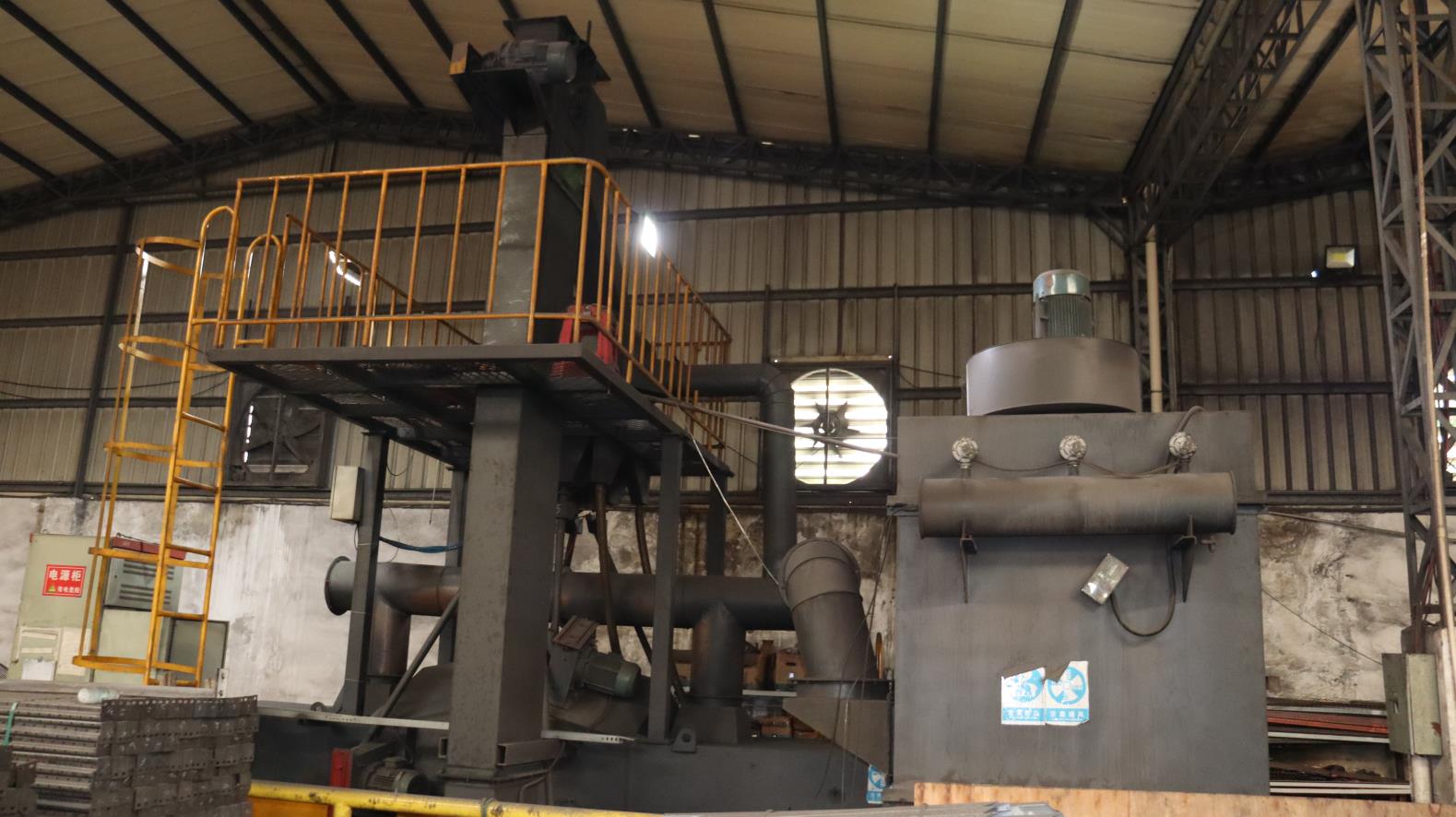
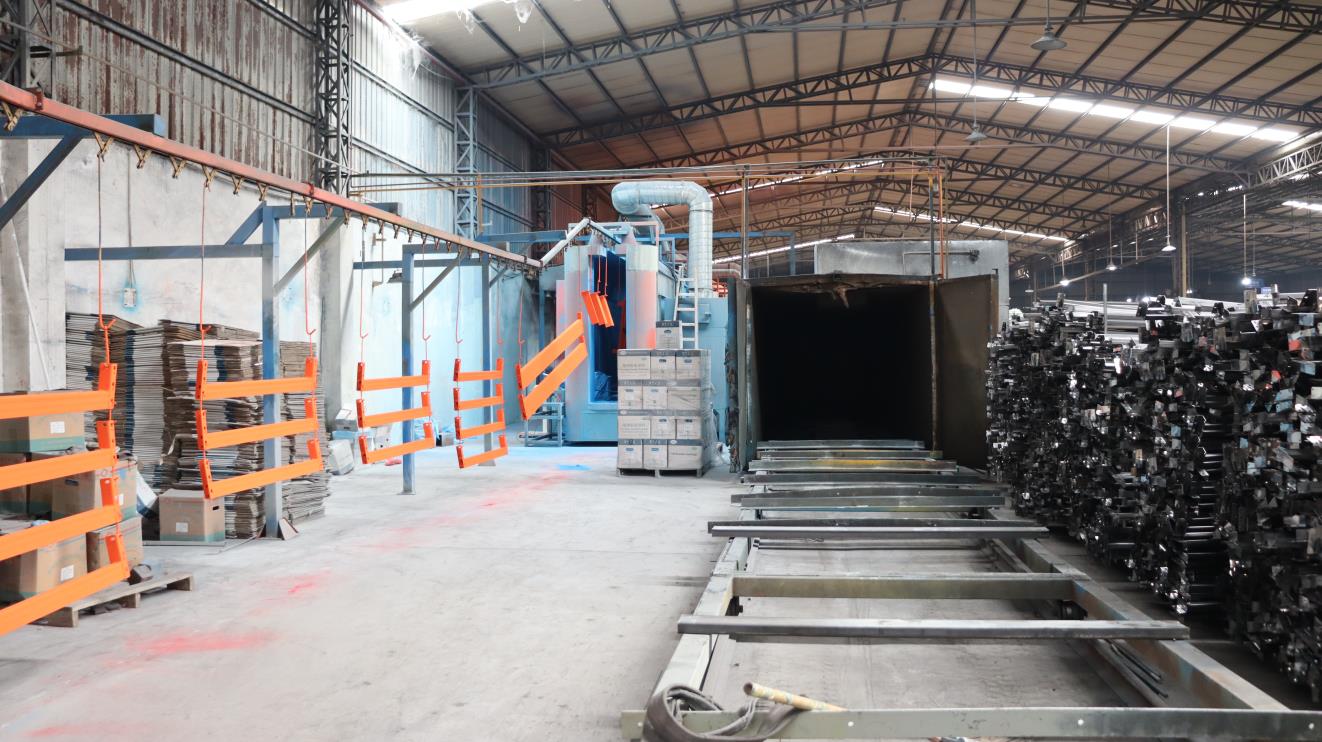
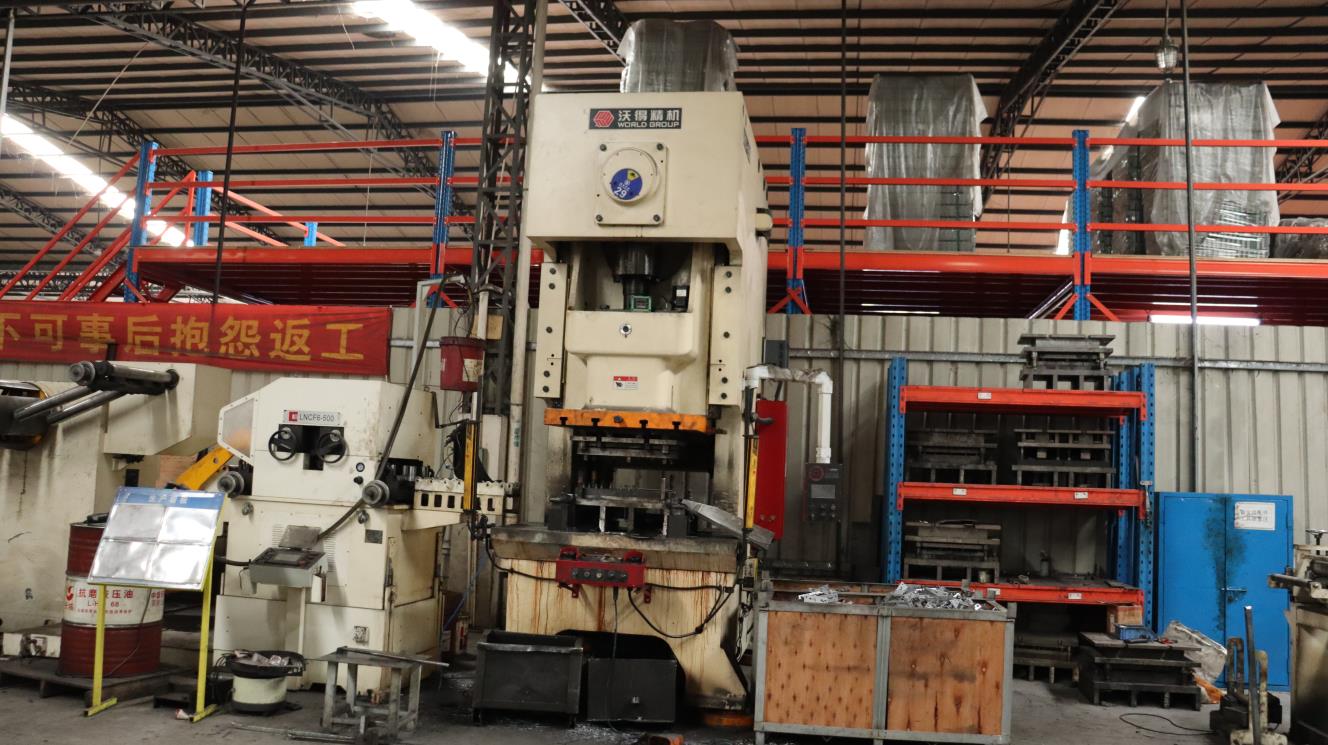
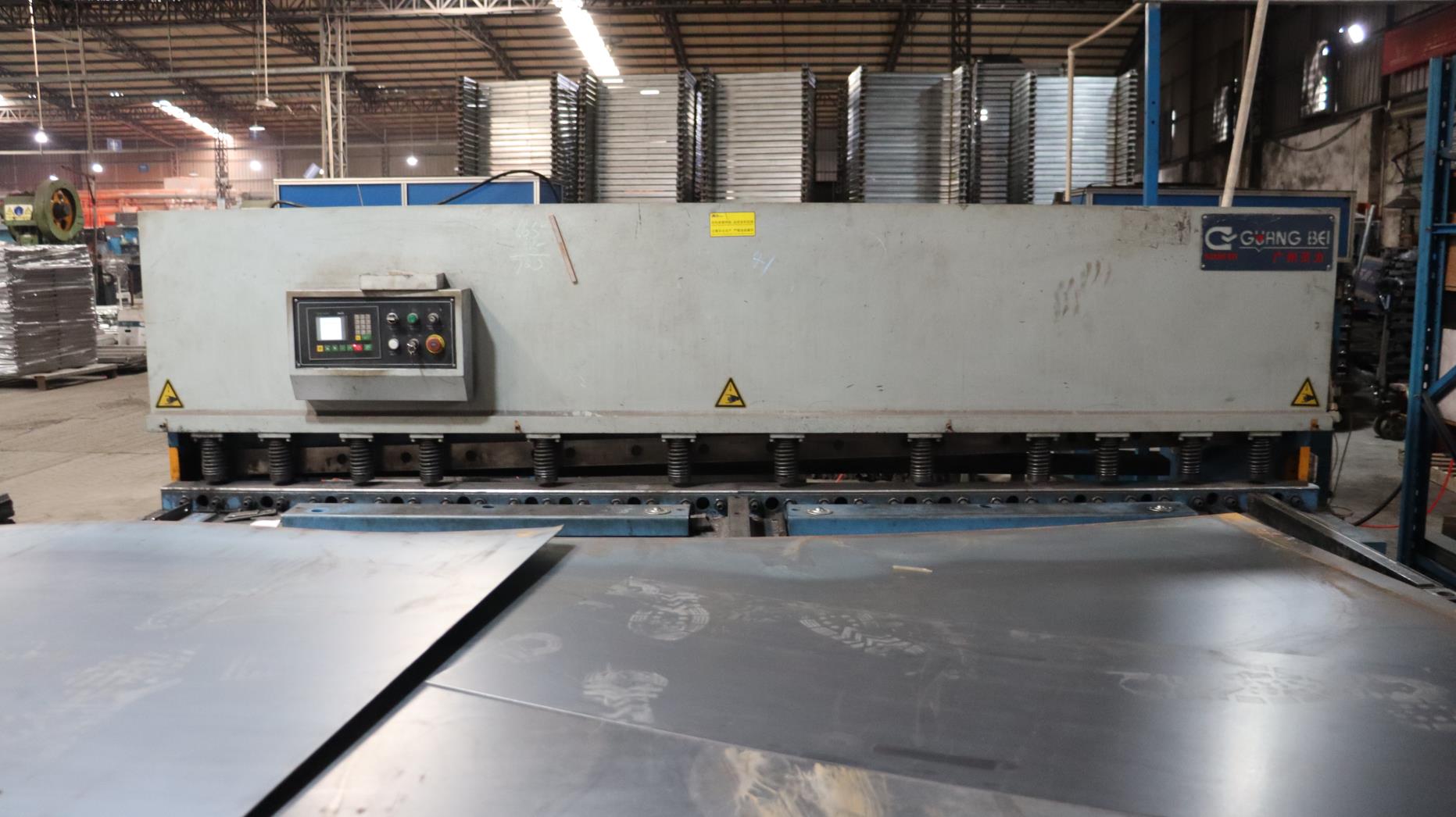
Integrating high-yield steel roll-forming and robotic welding configurations minimizes physical anomalies, ensuring that every load calculation translates safely to the warehouse floor. Below is the advanced machinery utilized at the Shenzhen Lijin manufacturing plant:
Adapting dynamic high-density storage structures to unique industry requirements.
Cold storage is one of the most expensive warehousing environments to build and operate. Minimizing overhead volume and maximizing the ratio of pallet space to overall cubic volume directly reduces refrigeration costs. A 4-deep to 6-deep push-back racking installation can increase storage density by up to 75% compared to traditional selective racking, while avoiding the slow retrieval speeds associated with drive-in systems.
For Fast-Moving Consumer Goods (FMCG), warehouses must manage multiple SKUs with high turnover rates. Push-Back racking provides each level in a bay with its own dedicated pick face. This design allows operators to store different SKUs in adjacent vertical lanes, accelerating picking processes and reducing SKU mixing risks.
While food and medicine typically require strict FIFO (First-In, First-Out) control, regional distribution hubs often use push-back storage for buffer zones. In these applications, batch products are grouped by production date, and entire lanes are emptied before new batches are introduced. This method helps maintain batch traceability while maximizing storage density.
Aligning structural designs with international safety codes and engineering standards.
Procuring warehouse racking from international manufacturers requires strict alignment with local building codes, structural engineering safety standards, and safety verification processes. At Shenzhen Lijin, we engineer systems in compliance with the following international regulatory frameworks:
Additionally, we conduct Ultrasonic Non-Destructive Testing (NDT) on structural welds and load-bearing joints to verify weld penetration and prevent material fatigue. Our 35-person quality control department ensures that every shipment includes load capacity ratings, material mill certificates, and structural engineering calculation profiles.
Integrating smart sensors, AMR navigation, and anti-impact dampening technologies.
The transition toward Warehouse 4.0 requires integrating mechanical gravity-fed structures with electronic automation. Shenzhen Lijin's R&D team is currently developing next-generation push-back storage systems that feature:
To reduce structural shock when loading heavy pallets (over 1,500 kg), we are integrating miniature hydraulic shock absorbers at the back of each cart lane. These dampeners absorb excess kinetic energy, protecting the frame and reducing wear on the trolley wheels.
Modern Automated Guided Vehicles (AGVs) require highly consistent pallet positioning. We have refined the structural stop plates on our carts to ensure pallet placement accuracy within ±2mm at the picking face, enabling seamless automated forklift picking without manual intervention.
Our upcoming smart systems will feature piezoelectric load sensors installed along the support rails. These sensors monitor load distribution in real-time, sending automatic alerts to the Warehouse Management System (WMS) if a lane exceeds safe load limits or experiences structural distortion.
Answers to essential questions regarding push-back storage engineering, design, and operations.
Engineered to integrate seamlessly with high-density dynamic storage structures.
 Lijin Racking