China Top Platform Racks Supplier & Suppliers

Industrial-Grade Heavy Duty Warehouse Storage Platforms & Integrated Steel Mezzanine Structural Solutions

Featured Engineering Projects & Platform Systems

Engineered to comply with AISC, RMI, and EN safety standards, optimizing vertical warehouse cube capacity.
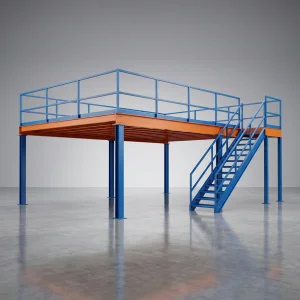
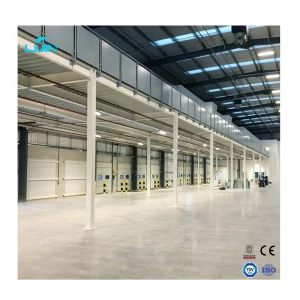
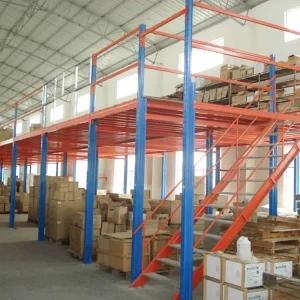
Steel Structure Platform Industrial Mezzanine Platform Heavy Duty Warehouse Storage Floor System

Steel Structure Platform Industrial Mezzanine Platform Heavy Duty Warehouse Storage Floor System

Learn More
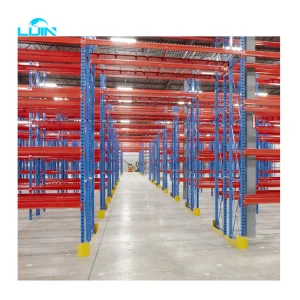
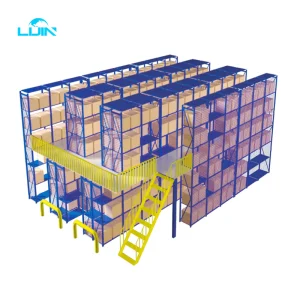
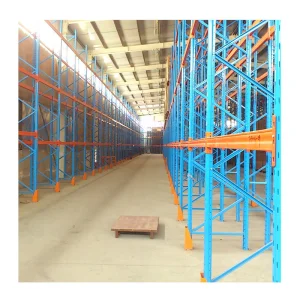
International Standard Pallet Racking

International Standard Pallet Racking

Learn More
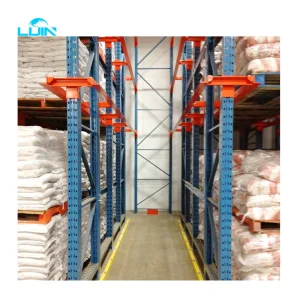
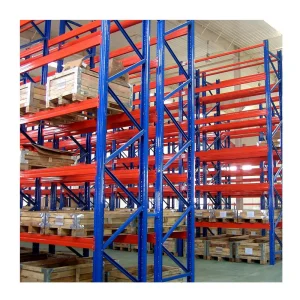
Heavy Duty Drive in Shelving System Pallet Storage Rack

Heavy Duty Drive in Shelving System Pallet Storage Rack Warehouse Picking Storage Logistic Equipment

Learn More
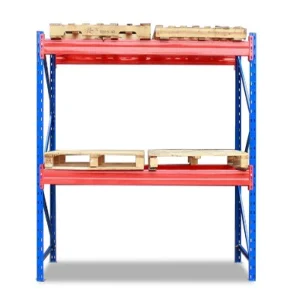
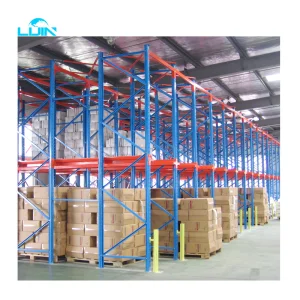
Q235 Steel Heavy Duty Pallet Racks

Q235 Steel Heavy Duty Warehouse Storage Pallet Racks

Learn More
LIJIN Heavy Duty Wire Mesh Decks Shelves

LIJIN Manufacture Factory Heavy Duty Wire Mesh Decks Storage Racking Shelves

Learn More
Wall Mounted Adjustable Shelving

Wall Mounted Adjustable Shelving

Learn More
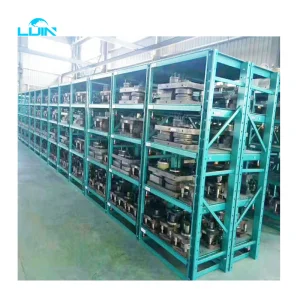
Multi Functional Mould Racking Systems

Multi Functional Mould Racking Systems Metal Storage Heaby Duty Shelves Mold Storage Racks

Learn More
Reliable Mezzanine Floor Heavy Duty Steel Platform

Reliable Mezzanine Floor System Heavy Duty Steel Structure Platform for Warehouse

Learn More

Shenzhen Lijin Storage Equipment Co., Ltd.

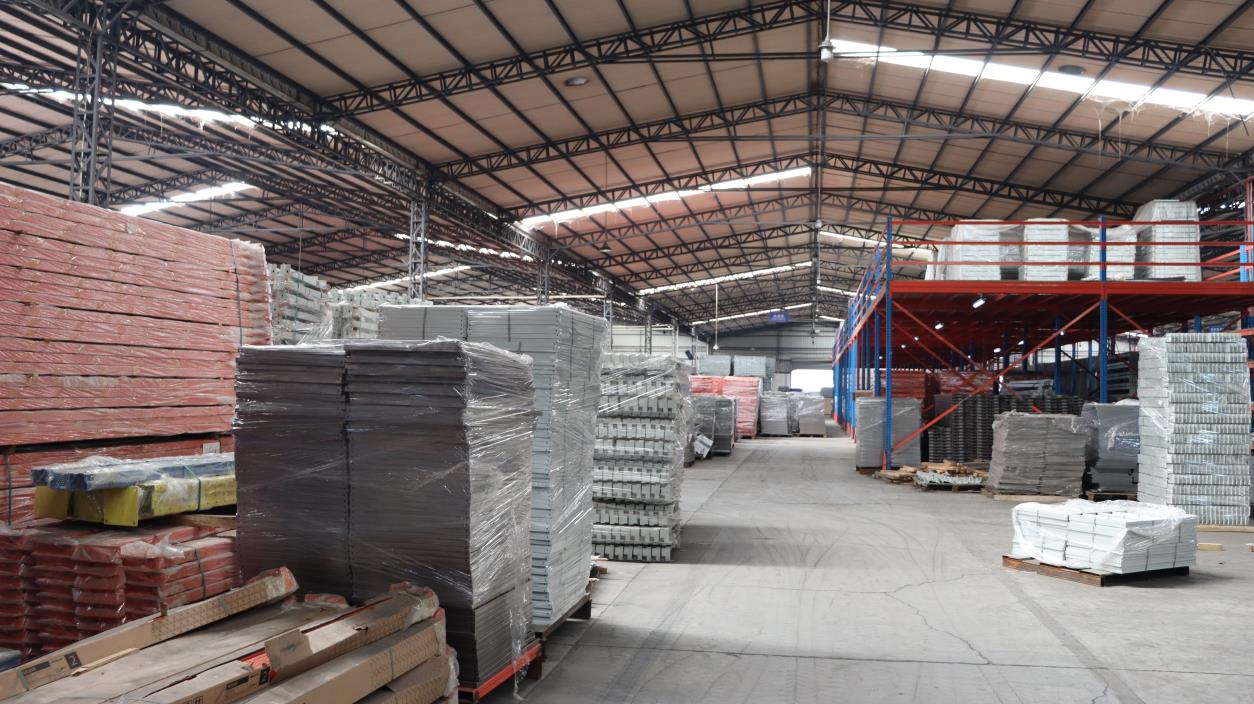
Established in 2015, Shenzhen Lijin Storage Equipment Co., Ltd. is a global market leader in the design, engineering, and high-volume manufacture of industrial platform racks, multi-tier steel mezzanines, and structural logistics equipment. Our modern manufacturing base spans a state-of-the-art facility of 35,000 m². Over the past decade, we have scaled our capacity to serve high-level global enterprises, integrating 8+ years of dedicated export compliance with 12+ years of direct industry structural engineering knowledge. Last year, our global revenue crossed USD 22 million, reinforcing our market presence in high-density storage development.

We operate as a complete end-to-end solutions partner. From standard structural pallet racks to heavy-duty, multi-level steel mezzanine systems supporting up to 2,000 kg/m², we resolve complex spatial bottlenecks for modern industrial businesses. Our engineering teams leverage advanced Finite Element Analysis (FEA) to ensure all structures safely withstand regional load characteristics, including dynamic forklift forces and seismic configurations.

35,000m²
Production Facility
USD 22M
Annual Revenue
28
R&D Engineers
35
QC Inspectors

Quality Control & Compliance

We enforce a comprehensive, multi-stage quality assurance architecture, including non-destructive ultrasonic testing, automated robotic weld line inspection, laser dimensional validation, and physical heavy-load endurance testing. Our dedicated team of 35 QC inspectors guarantees that every production run complies with CE, AS4084, and ISO 9001:2015 directives.

Global Logistics & Strategic Presence

With structural steel exports spanning North America, Western Europe, Southeast Asia, and the Middle East, we support over 850 strategic supply chain partnerships. Our structural platforms and racking components are optimized for efficient container packing, lowering international freight costs and streamlining onsite assembly.

OEM/ODM R&D Innovation

Our division is led by 28 R&D structural engineers specializing in custom-designed storage systems. Last year, the group developed over 85 customized configurations, meeting specific requests for earthquake-resilient rack engineering, automated storage and retrieval system (ASRS) interfaces, and corrosive environment coatings.

Industrial Analysis & Global Market Status of Platform Racks

A comprehensive review of modern material handling engineering, structural steel selections, and design criteria for international supply chains.

1. The Evolution of Cubic Space Optimization

In modern supply chain management, land acquisition and warehouse construction costs continue to rise. Industrial operators face pressure to optimize cubic volume utilization rather than expanding their horizontal footprint. Heavy-duty platform racks and mezzanine floor structures offer a viable solution by converting unused vertical clearance into safe, structural, and load-bearing floor space. By utilizing high-capacity industrial platforms, companies can double or triple their operational floor area, deferring the capital expenditures associated with facility relocation or expansion.

Industrial platform racks act as structural frameworks that support walkways, production zones, assembly lines, or secondary racking layouts. Unlike standard light-duty modular shelving, structural platform systems must support combined static and dynamic loads, including automated guided vehicles (AGVs), pallet jacks, heavy machinery, and dense pedestrian traffic. Specifying these systems requires structural analysis of columns, primary support girders, joists, and flooring surfaces.

2. Material Selection: Q235B vs. Q355B Structural Steel

The integrity of a platform racking system depends on its base metallurgy. In Chinese manufacturing, structural steel grades Q235B and Q355B (conforming to GB/T 1591 and GB/T 700) serve as the primary materials. Understanding their mechanical differences is essential for international procurement:

  • Q235B Steel: This grade offers a yield strength of 235 MPa and a tensile strength range of 375–500 MPa. Its high ductility, weldability, and cost-efficiency make it the standard choice for uprights, beams, and diagonal bracing in standard pallet racking and uniform load mezzanine walkways.
  • Q355B Steel: Featuring a yield strength of 355 MPa and a tensile strength of 470–630 MPa, this low-alloy structural steel is selected for long-span primary H-beams, heavy columns, and platform systems where load capacities exceed 1,000 kg/m² or support columns must span more than 6 meters without intermediate supports.

By selecting the correct steel grade and thickness (often ranging from 2.0mm to 6.0mm for cold-rolled configurations), Lijin engineers optimize the weight-to-strength ratio. This approach reduces overall dead load on the concrete slab while meeting required safety margins.

Steel Grade (Standard) Yield Strength (MPa) Tensile Strength (MPa) Elongation (%) Primary Industrial Application
Q235B (GB/T 700) 235 Min 375 - 500 ≥ 26 Standard racking beams, bracing, wire decking, light mezzanines
Q355B (GB/T 1591) 355 Min 470 - 630 ≥ 22 Heavy-duty structural H-beams, main platform columns, high-span girders
SS400 (JIS G3101) 245 Min 400 - 510 ≥ 21 Export-grade general structural framing and connection plates
S355JR (EN 10025) 355 Min 470 - 630 ≥ 22 European-standard heavy structural mezzanine floor layouts

3. Global Manufacturing Efficiencies of Chinese Factories

The global sourcing of platform racks is concentrated in China's industrial manufacturing hubs. Shenzhen Lijin combines cost advantages, supply chain integration, and automated production technologies:

Supply Chain Integration: Located near large steel production facilities and major global shipping ports (Shenzhen and Guangzhou), we reduce raw material transport costs and export logistics handling.

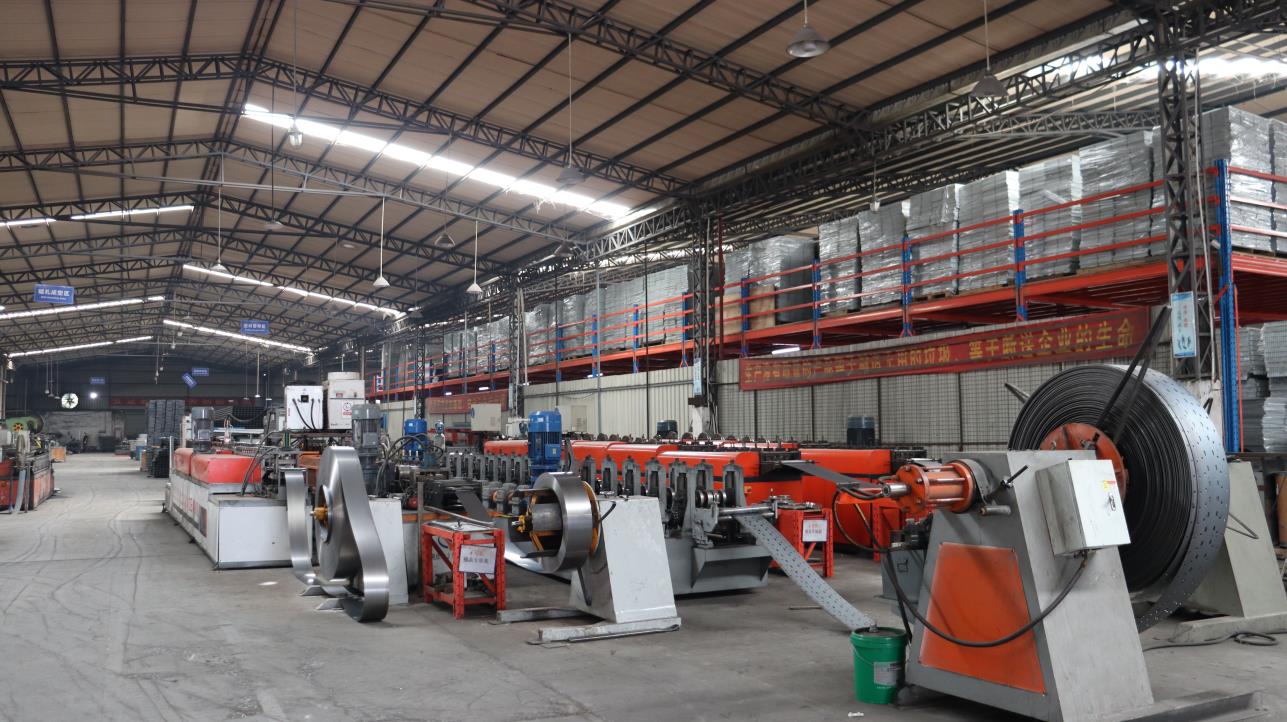
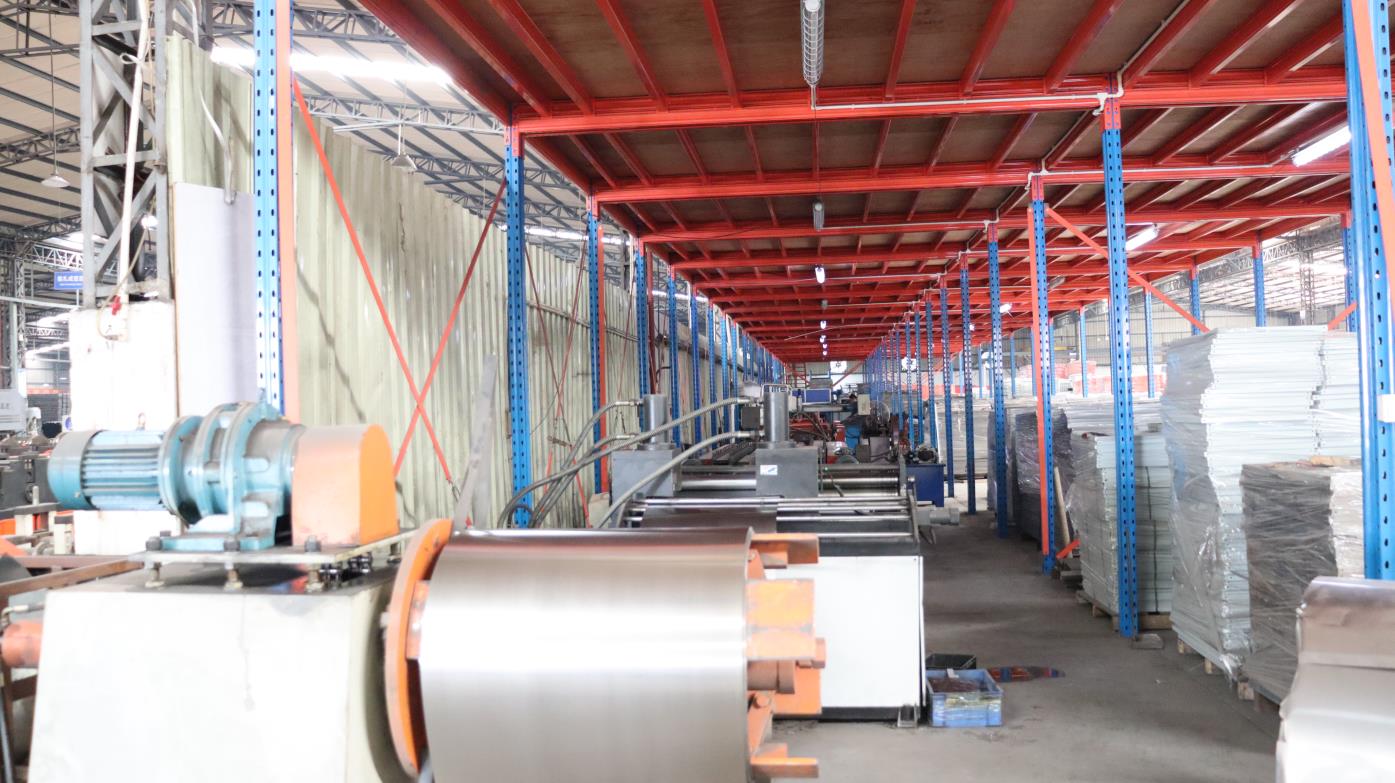
Advanced Automation: Our facility utilizes continuous automated roll-forming lines, multi-axis CNC laser cutting machines, and robotic welding stations. These automated lines ensure uniform profiles with minimal thermal distortion, which is critical for consistent bolt-hole alignment across 12-meter structural uprights.

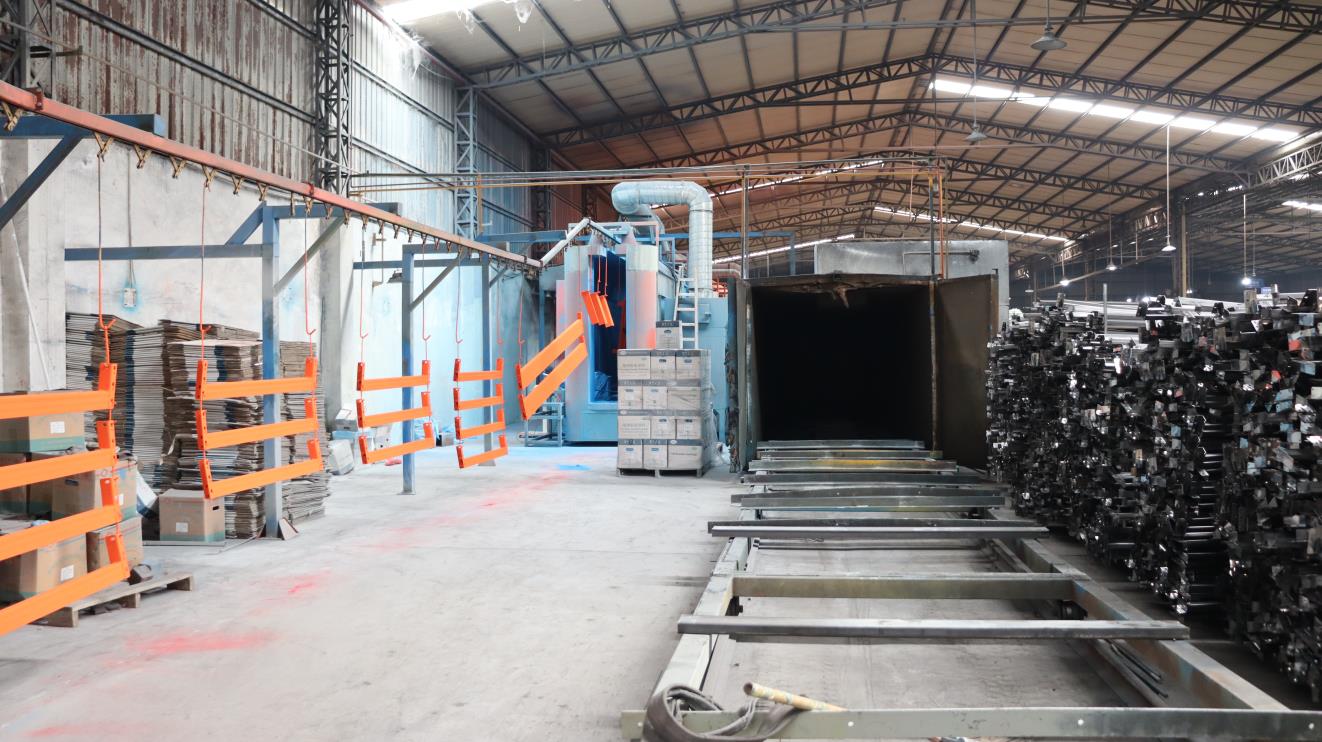
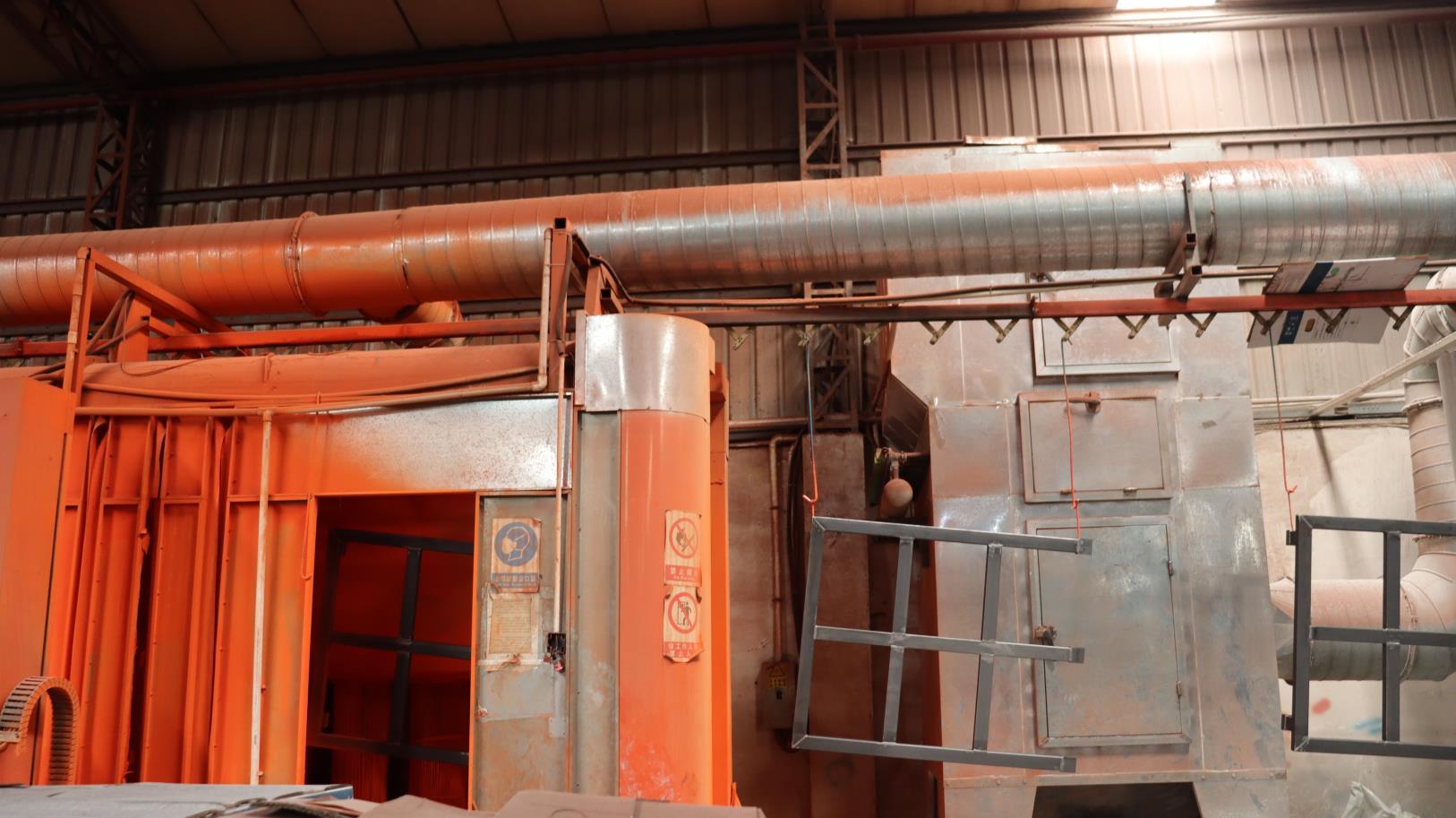
Electrostatic Powder Coating: Our automated cleaning and powder-coating line applies a durable thermo-hardened epoxy-polyester finish. This coating provides impact, scratch, and chemical resistance, protecting structural steel in cold-storage and high-humidity environments.

State-Of-The-Art Manufacturing & Process Workflows

From raw steel coils to precision-machined structural platform components: our 18-step production line.
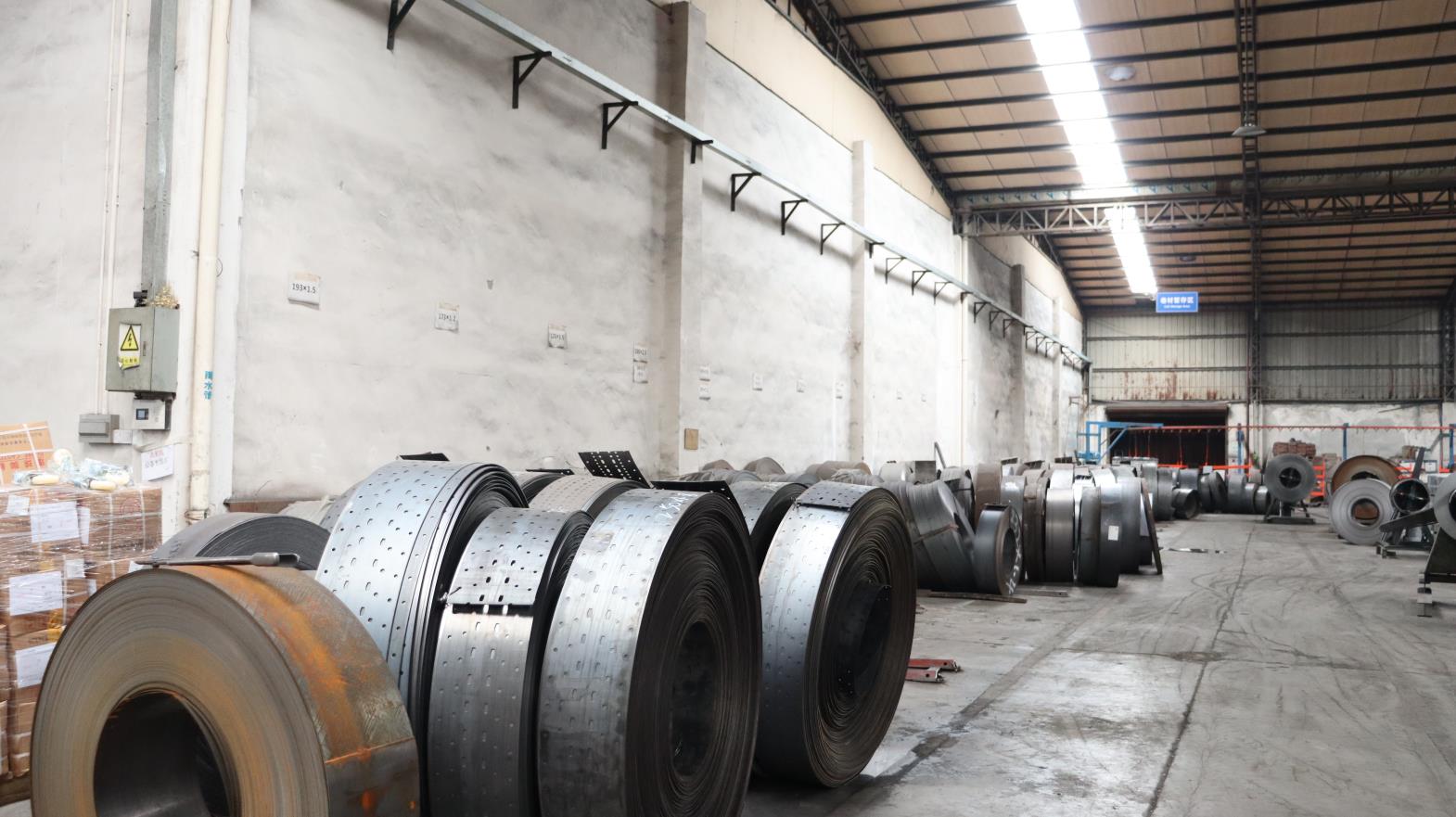
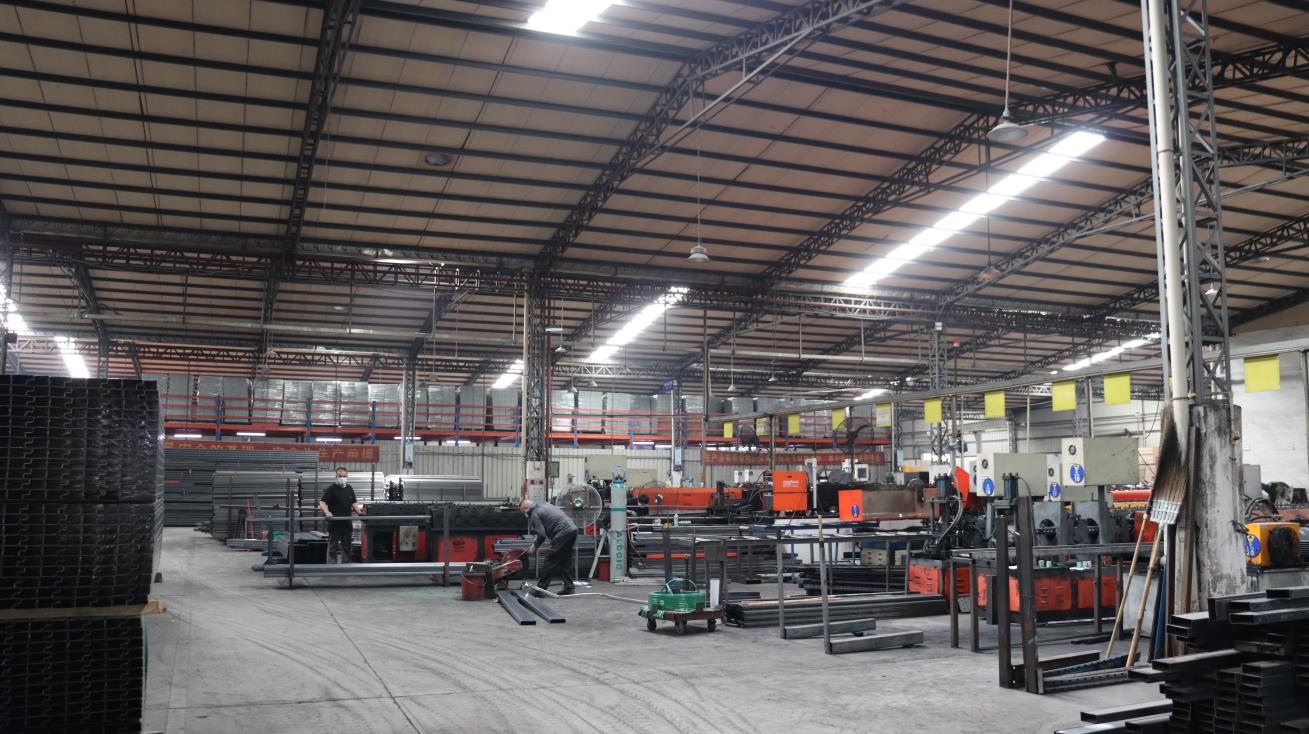
Raw Material
Raw Material
Roll Forming
Roll Forming
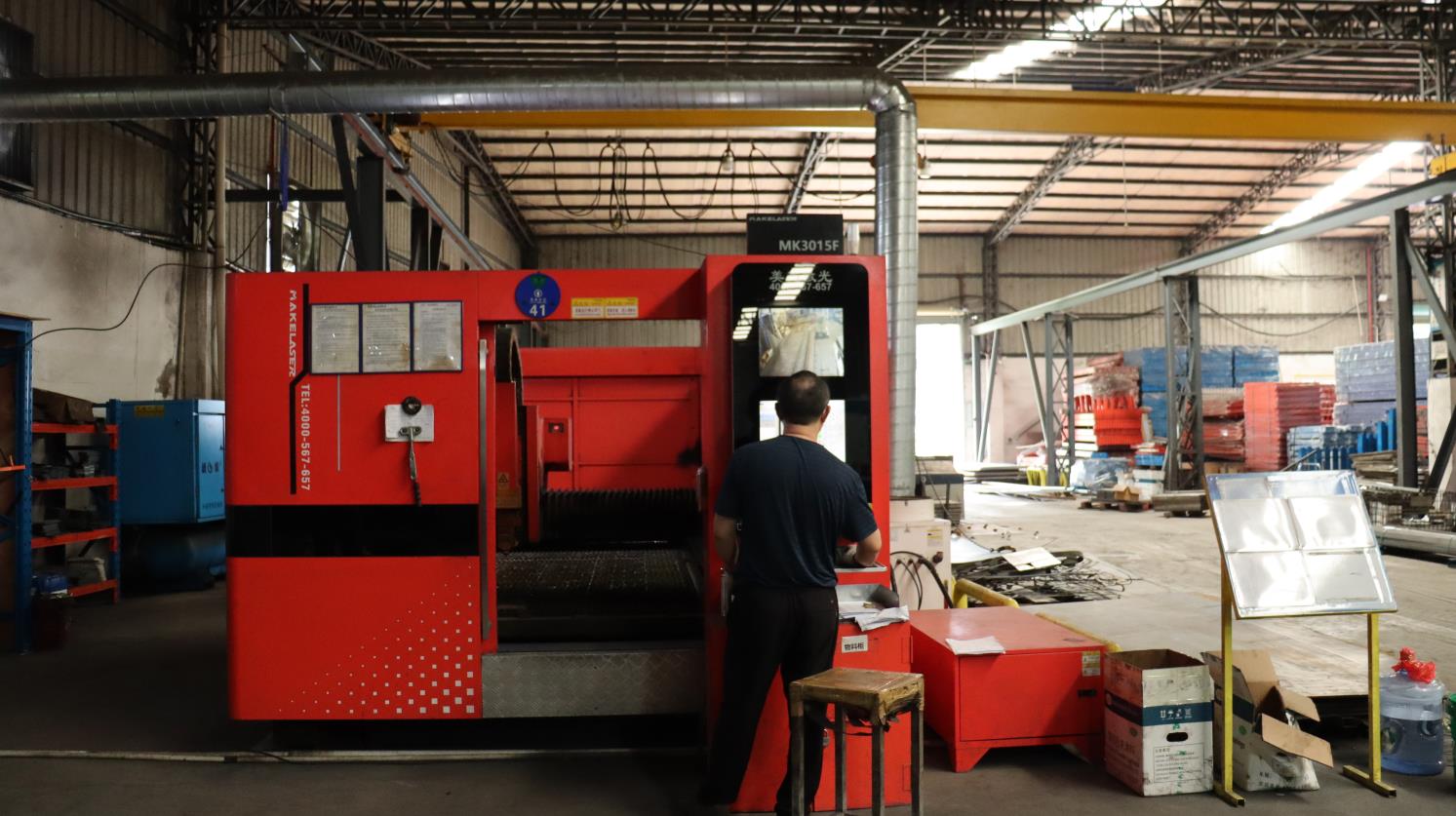
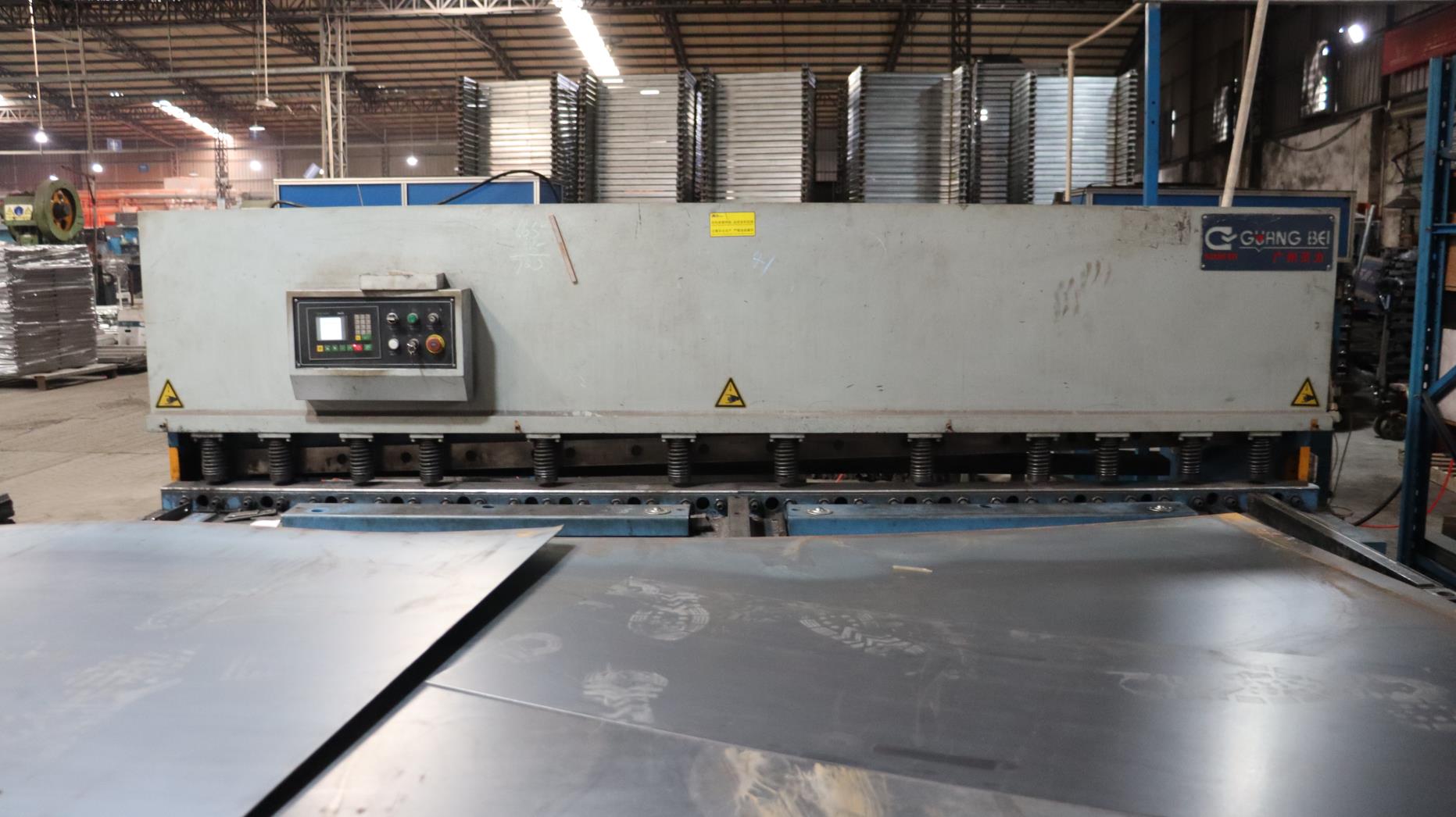
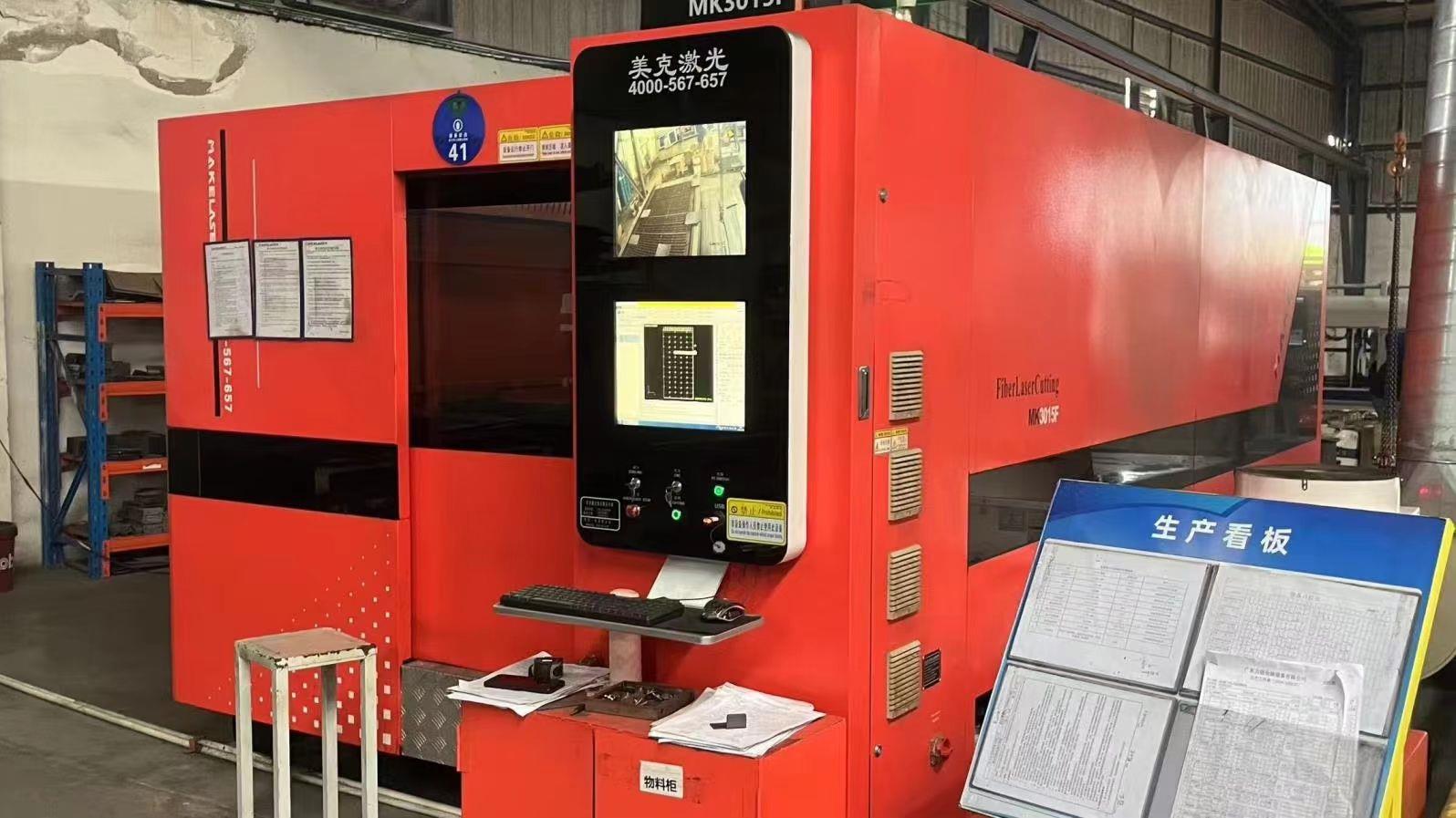
Cutting
Cutting
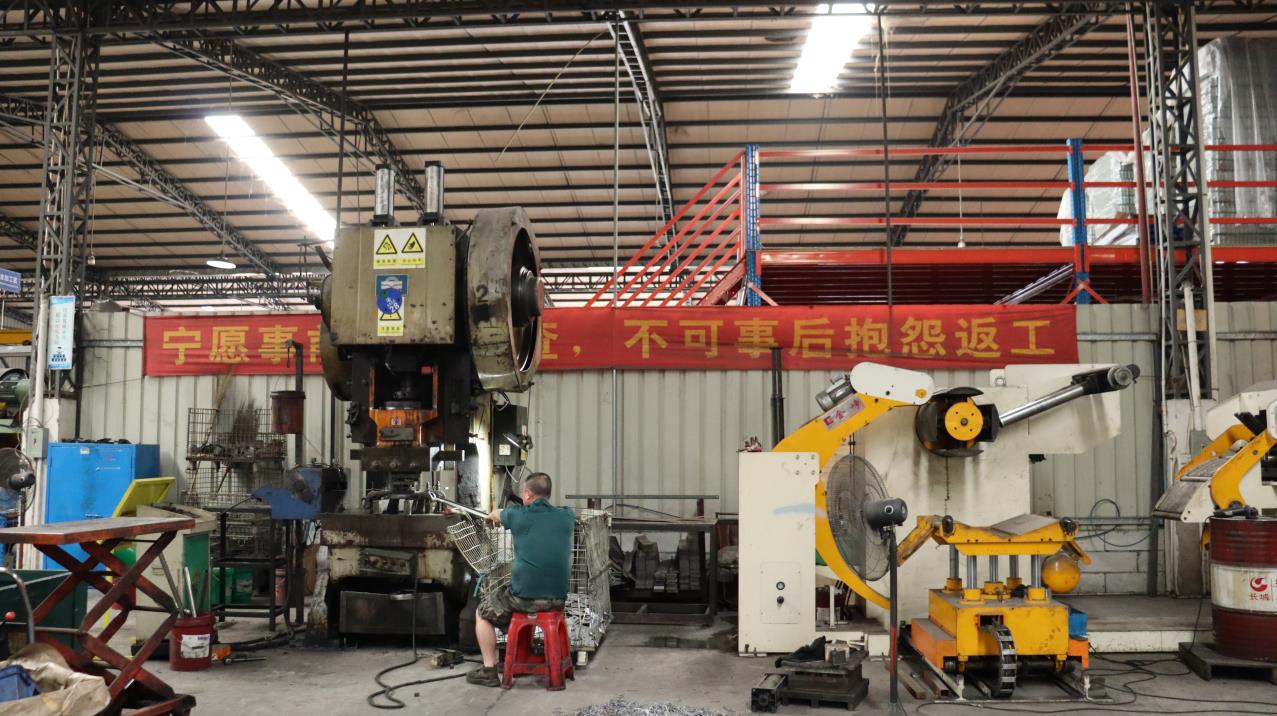
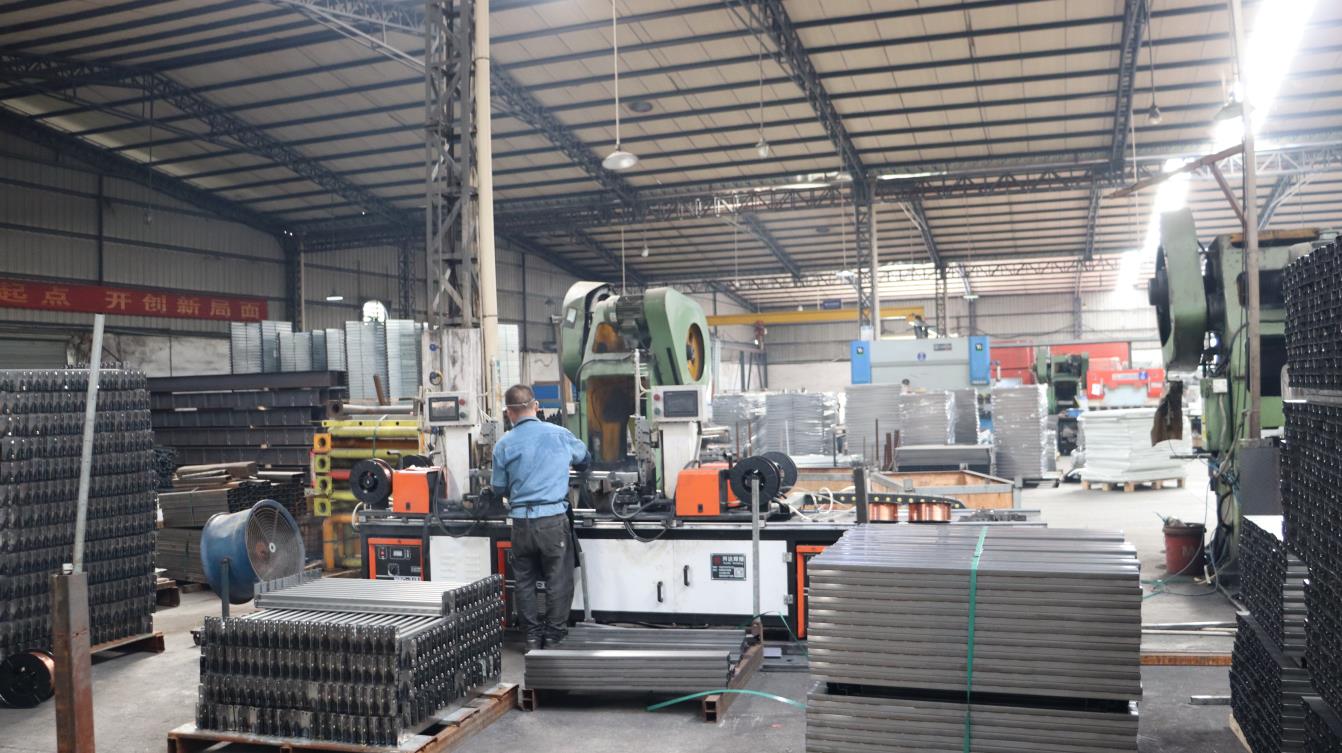
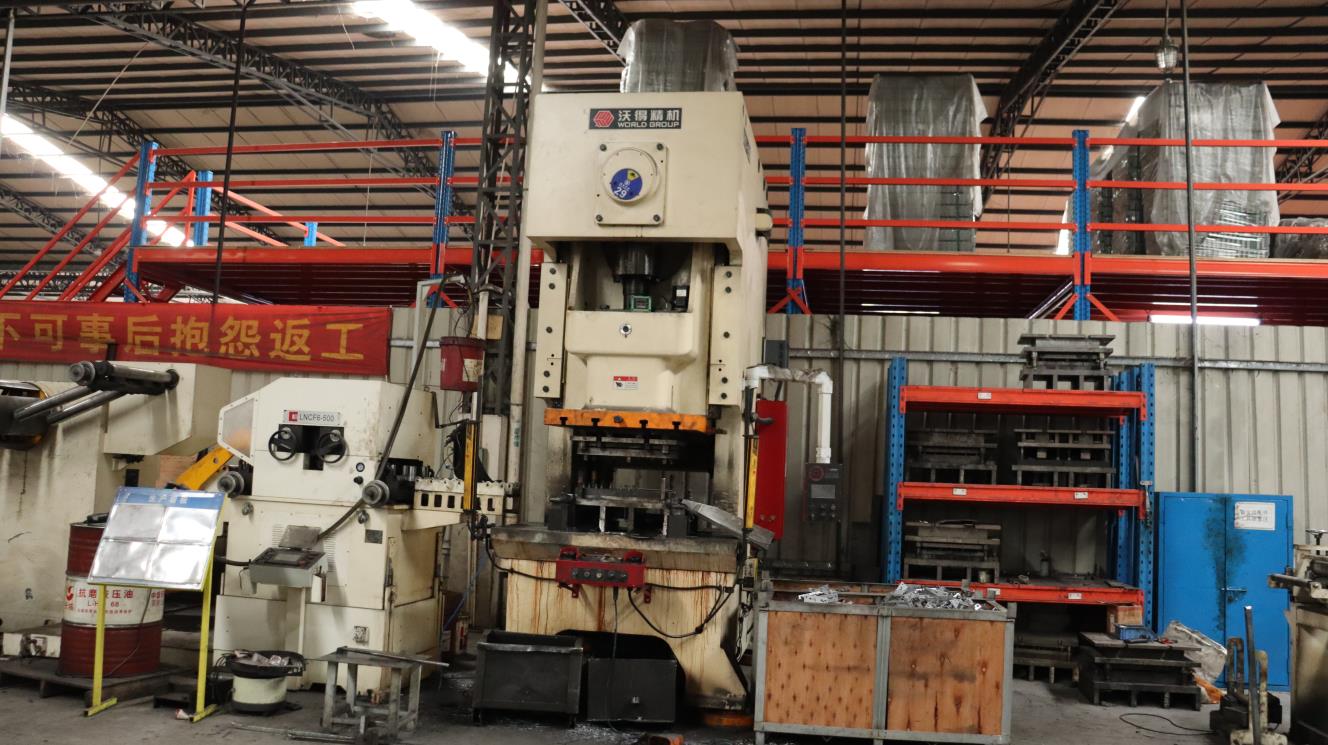
Stamping
Stamping
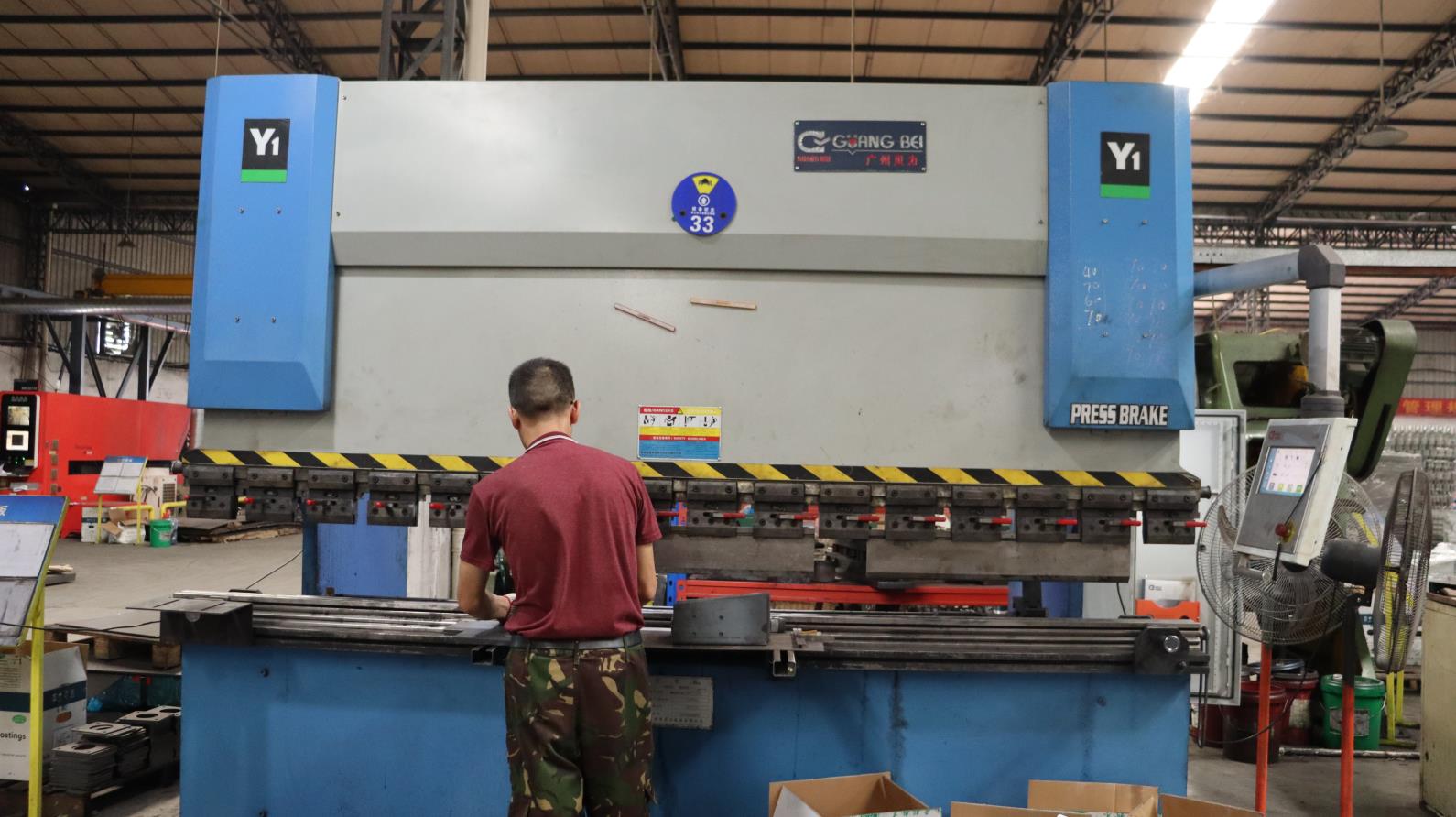
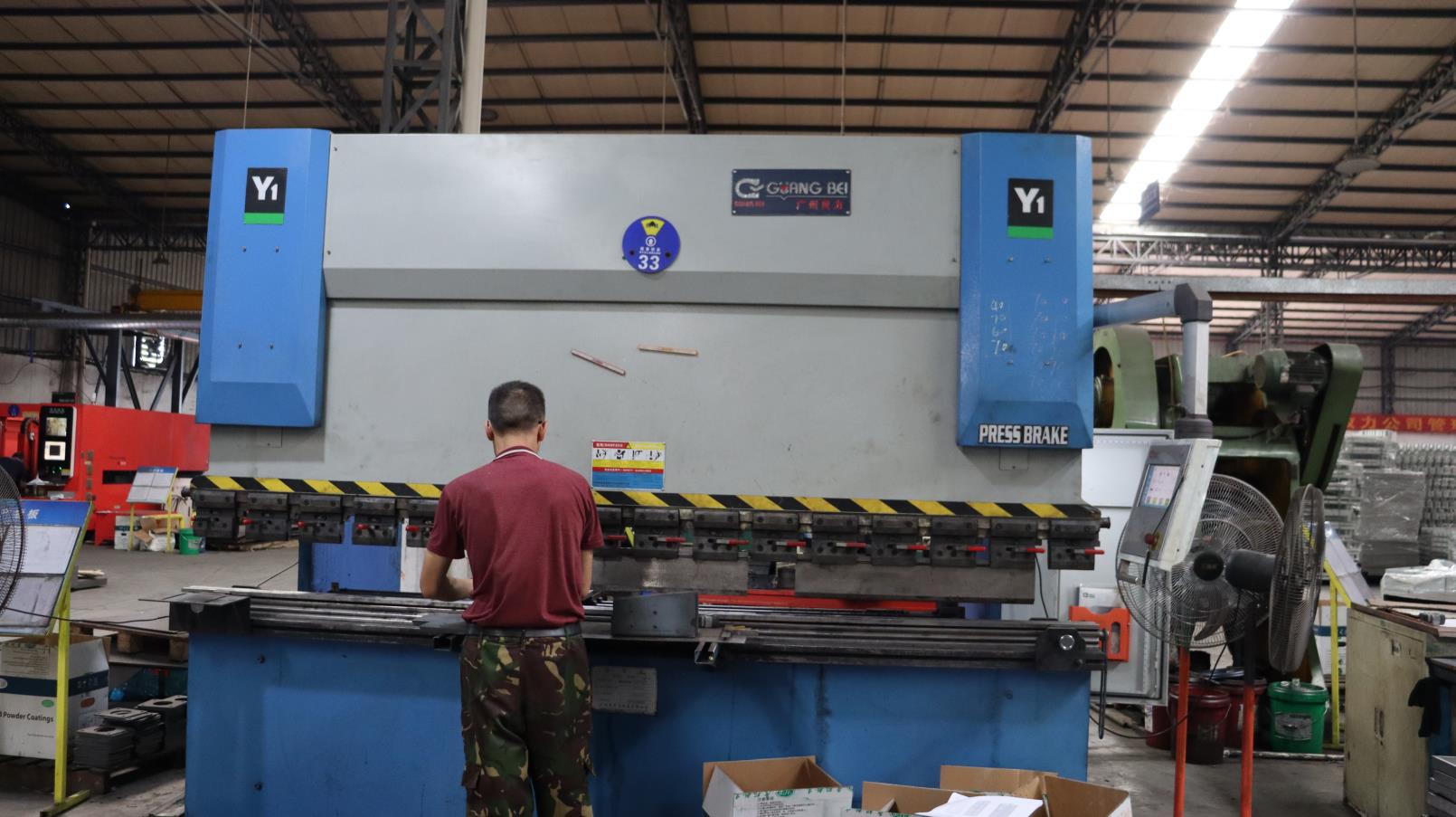
Bending
Bending
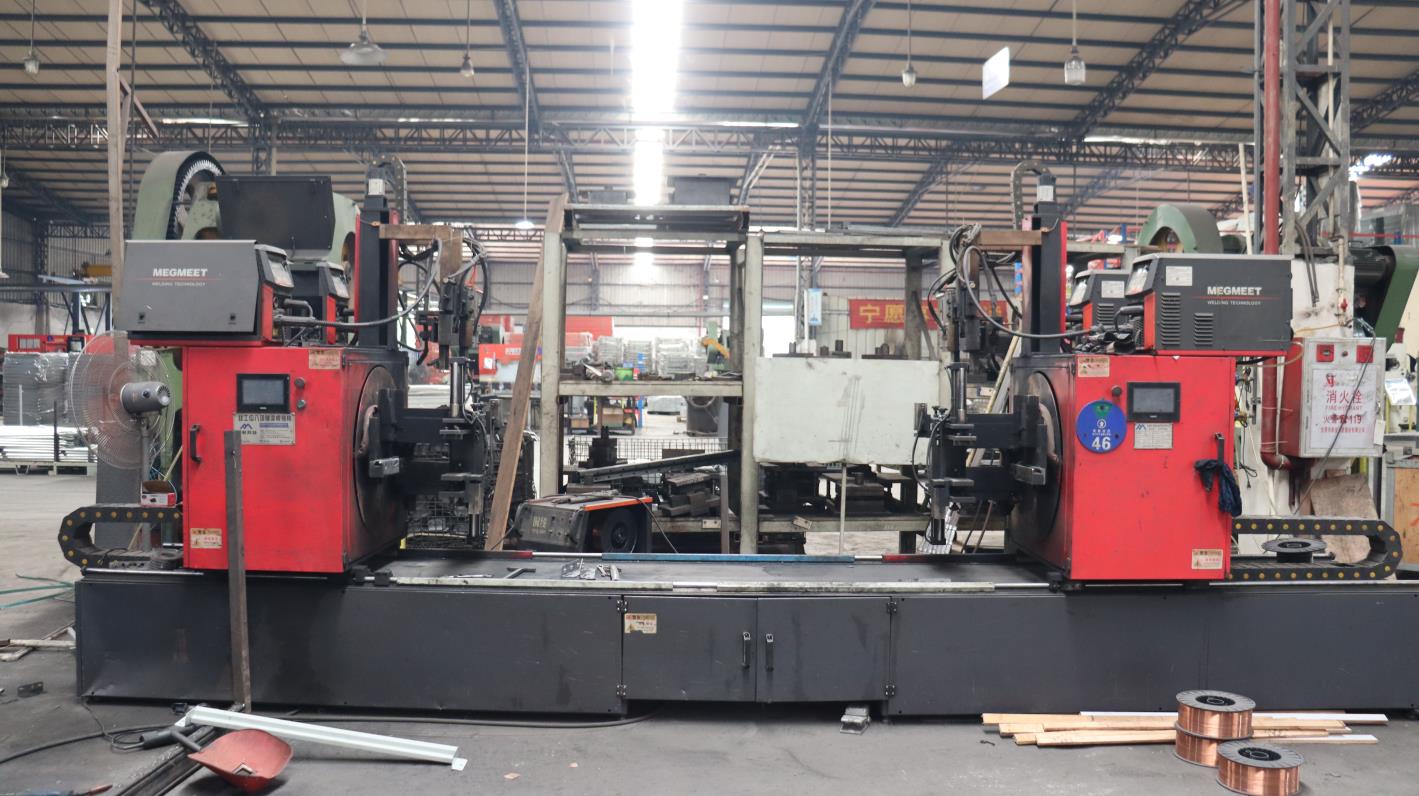
Welding
Welding
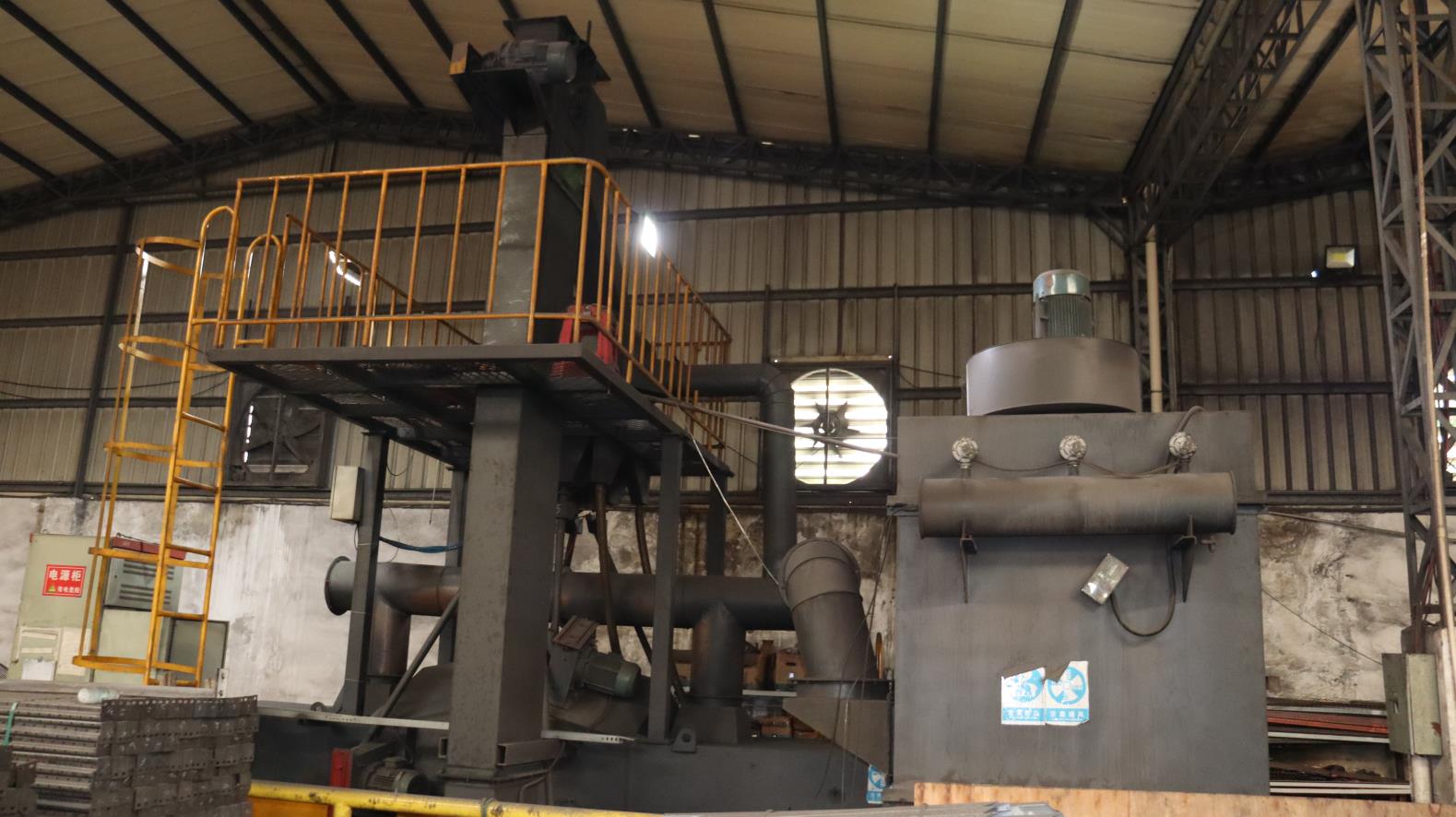
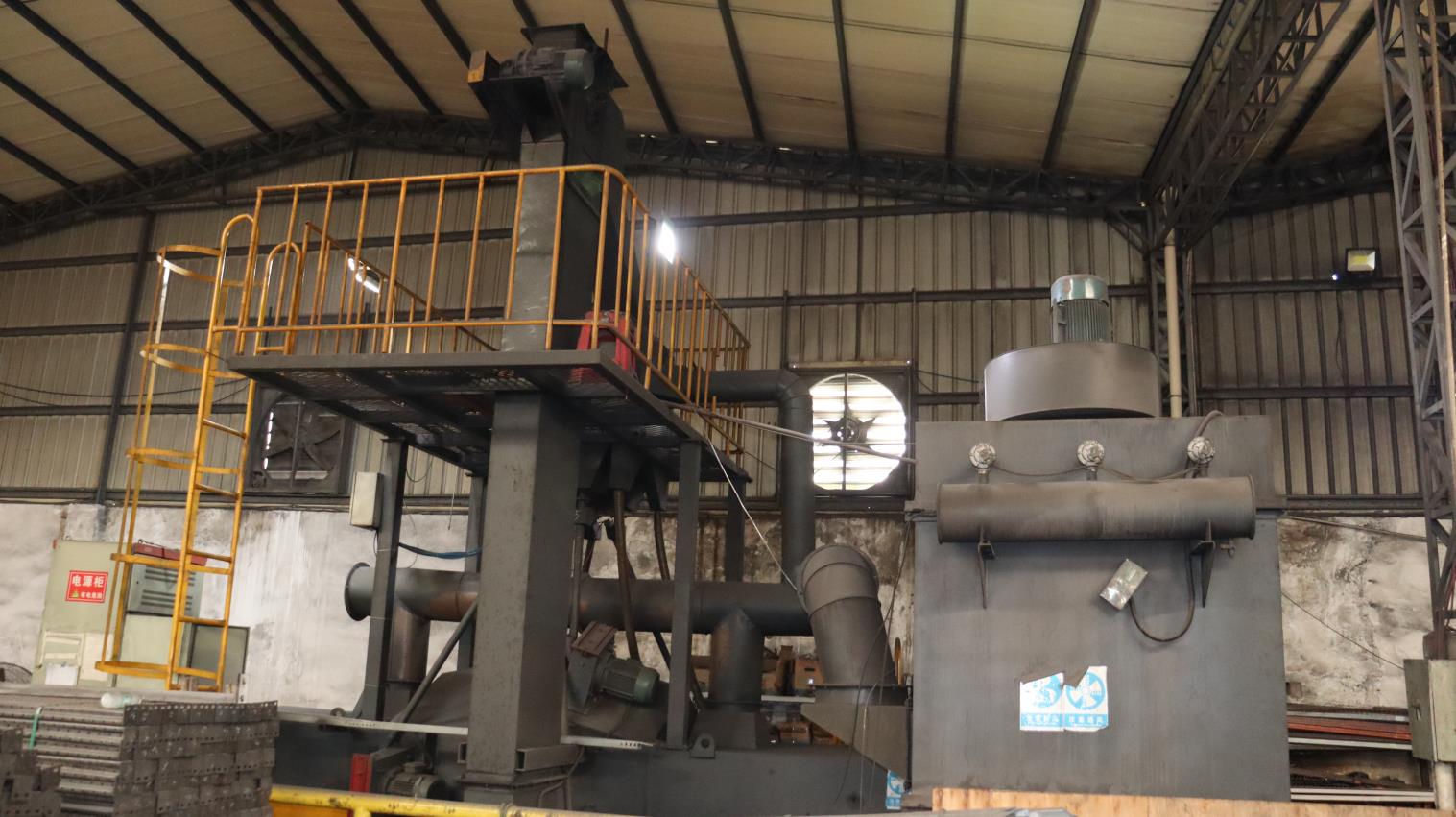
Polish
Polish
Painting
Painting
Warehouse
Warehouse
Rolling Machine
Rolling Machine
Punching Machine
Punching Machine
Plate Shearing Machine
Bending Machine
Bending Machine
Laser Cutting Machine
Welding Machine
Welding Machine
Polish Machine
Polish Machine
Light Frame Forming Line
Automatic Spraying Line

Localized Applications & Global Engineering Standards

How structural platforms adapt to localized industries, code compliance, and specific environmental factors.

1. Sector-Specific Implementations

Industrial platform racks are custom-designed for different industry sectors:

  • E-commerce Fulfillment Centers: Features multi-tier pick modules with integrated conveyor drop-offs, chute systems, and carton flow lanes. These layouts are designed for high-frequency foot traffic and must meet localized life-safety egress requirements.
  • Automotive Parts Storage: Heavy-duty, deep-span configurations that support engines, transmissions, and stamping dies, often integrated with heavy overhead cranes or material hoists.
  • Cold Chain Logistics: Highly dense configurations utilizing cold-tolerant powder coatings or hot-dip galvanized finishes. They prevent steel embrittlement in deep-freeze environments down to -30°C.
  • Pharmaceutical and Electronics cleanrooms: Mezzanine platforms designed with perforated steel flooring or specialized composite boards to maintain laminar airflow and prevent particulate collection.

2. Standard Engineering Parameters & Load Deflection Calculation

Under FEM 10.2.02 and RMI standards, structural designers calculate beam deflection limits based on the span length (L). For pedestrian steel platforms, the deflection limit is typically L/300. For platforms supporting precision conveyor equipment or AGVs, this limit is restricted to L/500 or L/1000 to prevent structural sagging and operational interference.

The typical load-bearing categories for platform racks include:

  • Light Duty Platforms (Pedestrian access only): 200 to 350 kg/m². Typically uses steel grating or anti-slip plywood over cold-rolled joists.
  • Medium Duty Platforms (Manual pick & pallet storage): 500 to 800 kg/m². Typically features heavier roll-formed profiles and thick steel deck surfaces.
  • Heavy Duty Structural Mezzanines (Heavy manufacturing & machinery): 1,000 to 2,500 kg/m². Typically constructed from hot-rolled structural H-beams and thick steel plate surfaces.

3. Seismic Risk Analysis and Structural Anchorage

For projects in seismic regions (such as sections of the US West Coast, Italy, New Zealand, or Japan), platform racks must include seismic designs. Designers use regional peak ground acceleration (PGA) metrics to calculate seismic forces. Columns require oversized base plates with concrete anchor bolts to distribute lateral seismic forces across the warehouse slab.

Global Enterprise Procurement & R&D Customization Workflow

A structured roadmap from initial site survey to structural calculations and container loading.

01. Technical Consultation & Layout Design

We collect detailed building drawings (CAD/PDF), noting ceiling clearance, column locations, concrete floor thickness, and door openings. Our engineers then produce 2D layout options and 3D spatial models to optimize cubic volume.

02. Finite Element Analysis (FEA) & Stress Simulation

Using computer modeling, we simulate structural stress under maximum load, wind, and seismic events. This step verifies deflection limits and connection details before fabrication begins.

03. Precision Roll-Forming & Fabrication

Selected steel coils undergo automated slitting, high-speed roll forming, punching, and welding. Robotic weld stations ensure uniform penetration on connections.

04. Multi-Stage Inspection & Finishing

Parts pass through chemical cleaning to remove surface scale, followed by electrostatic powder coating and baking. QC teams inspect coat thickness, adhesion, and weld quality.

05. Export Packaging & Container Stuffing

Platform components are wrapped in air-bubble packaging, bundled with steel strapping, and loaded into ocean containers. This secure packaging prevents movement and paint scratching during transit.

06. Installation Support & Commissioning

We provide detailed 3D installation drawings, assembly manuals, and video walk-throughs. For complex projects, our engineers provide remote or on-site supervision to ensure correct torque and alignment.

Frequently Asked Questions (FAQ)

Expert technical answers addressing the key design, load, safety, and logistical concerns of global procurement managers.

1. How do we determine if our concrete floor can support a heavy-duty platform rack?
To determine slab suitability, you must provide your building's concrete slab specification, which includes the concrete compressive strength (typically expressed in PSI or MPa, e.g., 3000 PSI / 20.6 MPa), slab thickness (e.g., 6 to 8 inches), and the presence of subgrade reinforcement. Our engineering team calculates the concentrated load per column. If the load exceeds the slab's bearing capacity, we design larger base plates or load-distribution channels to spread the weight over a wider area.
2. What international safety and building codes do Lijin platform racks comply with?
Our storage systems are engineered in compliance with key international regulatory frameworks:
  • North America: RMI (Rack Manufacturers Institute) MH16.1 specifications and AISC structural design standards.
  • Europe: EN 15512 (Steel static storage systems) and FEM 10.2.02 European code directives.
  • Australia: AS 4084-2012 (Steel storage racking).
  • International Quality: ISO 9001:2015 manufacturing and CE certification.
3. What flooring options are available for mezzanine platforms, and how do we choose?
Flooring selection depends on the application, budget, and local fire regulations:
  • Plywood/MDF with Galvanized Sheet Underlay: High cost-efficiency, dampens sound, and provides a smooth surface for hand trucks. Often preferred in e-commerce sorting areas.
  • Open Steel Grating: Excellent light penetration and ventilation. Ideal for compliance with local fire sprinkler codes since water can pass through.
  • Solid Steel Plate (Checkered or Flat): High durability and wear resistance. Suitable for heavy industrial manufacturing, spark containment, and machinery mounting.
  • Perforated Steel Planks: Provides a balance of ventilation, sprinkler penetration, and a solid walking surface.
4. Can platform racks be uninstalled, modified, or reconfigured in the future?
Yes, our modular systems feature bolted beam-to-column connections. This allows for modification, expansion, or disassembly. If you relocate to a new facility, the structural uprights, primary girders, and deck plates can be pack-shipped and reassembled, adjusting column heights or spans as required.
5. How does powder coating compare to hot-dip galvanizing for corrosion protection?
Electrostatic Powder Coating is the standard finish for dry, indoor warehouses, providing a durable surface in various colors for safety zone markings. Hot-Dip Galvanizing (HDG) is recommended for outdoor environments, cold storage, chemical processing plants, or unconditioned coastal warehouses. During HDG, the steel is submerged in molten zinc, creating a metallurgical bond that protects against rust and corrosion.
6. What is the typical lead time from design approval to delivery at a global port?
Standard lead times range from 20 to 30 days after engineering drawings are approved and the deposit is received. Complex structural projects requiring custom-machined H-beams may take up to 45 days. Shipping transit times depend on the destination port, typically 12–18 days to Southeast Asia and 25–40 days to North American and European ports.
7. How are fire safety and sprinkler integration handled on multi-tier platform systems?
For multi-tier platforms, local codes often require sprinkler coverage beneath each level. If you select open steel grating, water can pass through, which may simplify the sprinkler layout. For solid steel or wood decks, we can integrate sprinkler pipe runs directly into the joist system. We recommend coordinating with local code officials during the design phase to ensure compliance.
8. What parameters are required to receive a formal structural quote?
To provide an accurate quote and structural design, we require:
  1. Clear height of the warehouse and layout dimensions.
  2. Required load capacity per square meter (kg/m²).
  3. Preferred flooring type (steel grating, wood, solid plate).
  4. Access requirements (number of staircases, lift gates, safety handrails).
  5. Seismic design conditions of your facility's location.

Additional Heavy-Duty Storage Configurations

Explore our wider catalog of industrial storage solutions engineered for durability and high-capacity performance.
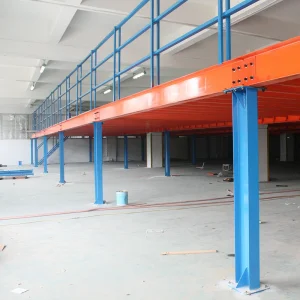
Long Span H Beam Heavy Duty Mezzanine Floor

Long Span H Beam Heavy Duty Mezzanine Floor

Learn More
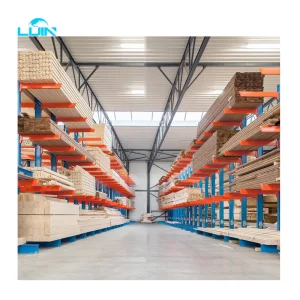
Custom Made Custom Cantilever Lumber Chemical Rack Storage

Custom Made Custom Cantilever Lumber Chemical Rack Storage

Learn More
Assembly Metal Storage Cabinet for Files

Assembly Metal Storage Cabinet for Files

Learn More
Super Heavy Duty Warehouse Storage Diy Storage Cantilever Rack

Super Heavy Duty Warehouse Storage Diy Storage Cantilever Rack Steel Ce Corrosion Protection

Learn More
Mezzanine Platform Powder Coated Steel with Metal or Wooden Floor

Mezzanine Platform Powder Coated Steel with Metal or Wooden Floor Heavy Duty

Learn More
Mezzanine Floor Platform Rack Warehouse Rack Steel

Mezzanine Floor Platform Rack Warehouse Rack Steel Multi-level Corrosion Protection

Learn More
Heavy Duty Metal Warehouse Shelf

Heavy Duty Metal Warehouse Shelf

Learn More
LIJIN Wholesale Factory Customized Industrial 4.5T Per Layer

LIJIN Wholesale Factory Customized Industrial 4.5T Per Layer Heavy Duty Warehouse Storage Pallet Rack Shelf

Learn More