Engineered to deliver high load-bearing capacity, corrosion protection, and dynamic warehouse workflow integrations.
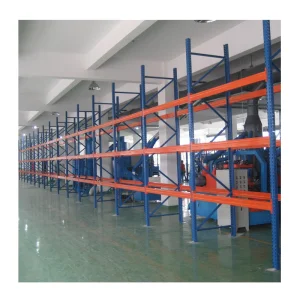
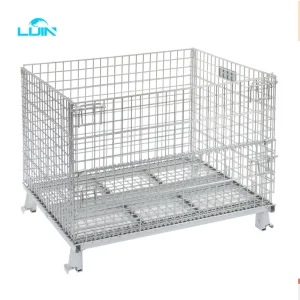
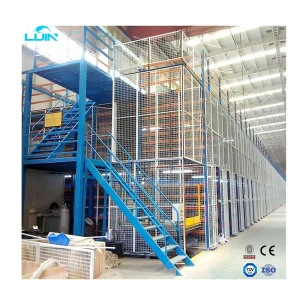
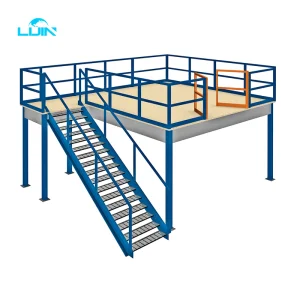
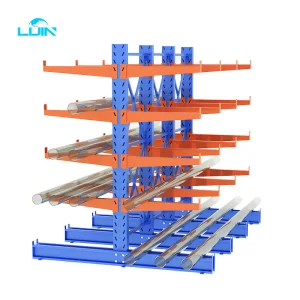
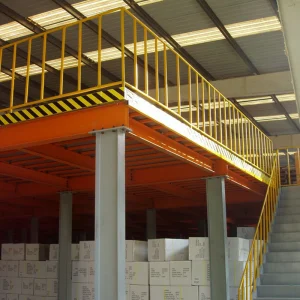
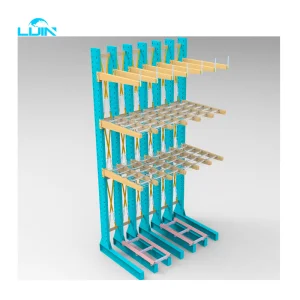
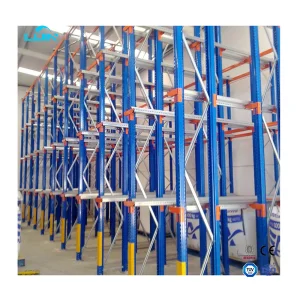
In modern industrial logistics, static floor-space planning is rapidly becoming obsolete. Global urbanization, skyrocketing industrial land prices, and the rise of automated warehouses have forced companies to maximize vertical metrics. Modern compartment storage systems represent the interface between traditional logistics racks and future robotic sorting systems. They do not simply function as storage frameworks; they are precise structural platforms engineered to enhance SKU density, reduce cycle times, and maximize load efficiency.
Choosing the correct storage engineering partner involves assessing material steel quality, structural calculations under maximum weight distributions, and manufacturing precision. As global supply networks demand quicker response times, structural safety combined with intelligent spatial design forms the absolute baseline for scalable operations.
The core structural profile of heavy-duty storage relies on high-grade raw steel. At Shenzhen Lijin, we exclusively source certified structural steel profiles, including Q235B and Q355B steel, ensuring excellent yield points and load distribution capacity. With precise engineering compliance spanning structural thickness, roll forming depth, and robotic welding penetration, these compartment systems are fully built to handle extreme physical impacts, temperature variances, and high-frequency warehouse material movements.
Every industry faces specific structural demands. We craft custom steel systems tailored to optimize various commercial environments.
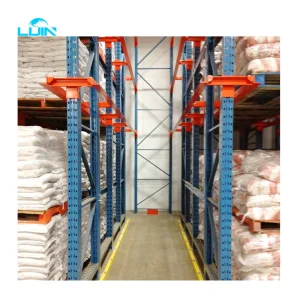
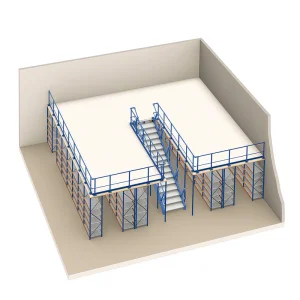
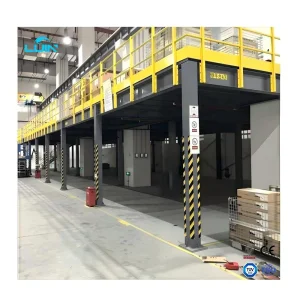
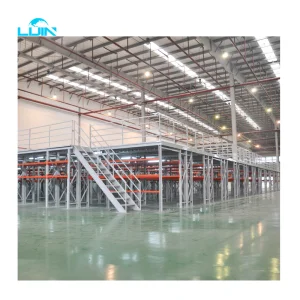
Maximizing volumetric density is vital. Our heavy-duty drive-in and mezzanine configurations ensure peak vertical utilization, lowering storage costs per pallet spot.
Operating in environments down to -30°C requires dynamic contraction safety. Our custom surface treatments and materials prevent steel embrittlement and corrosion.
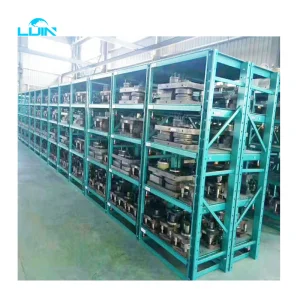
Engineered for raw heavy rebar, engine blocks, and tooling plates. Standardized load calculations ensure deflection safety under extreme weights.
From prime raw material testing to automated electrostatic coating, we maintain complete control over our production chain.
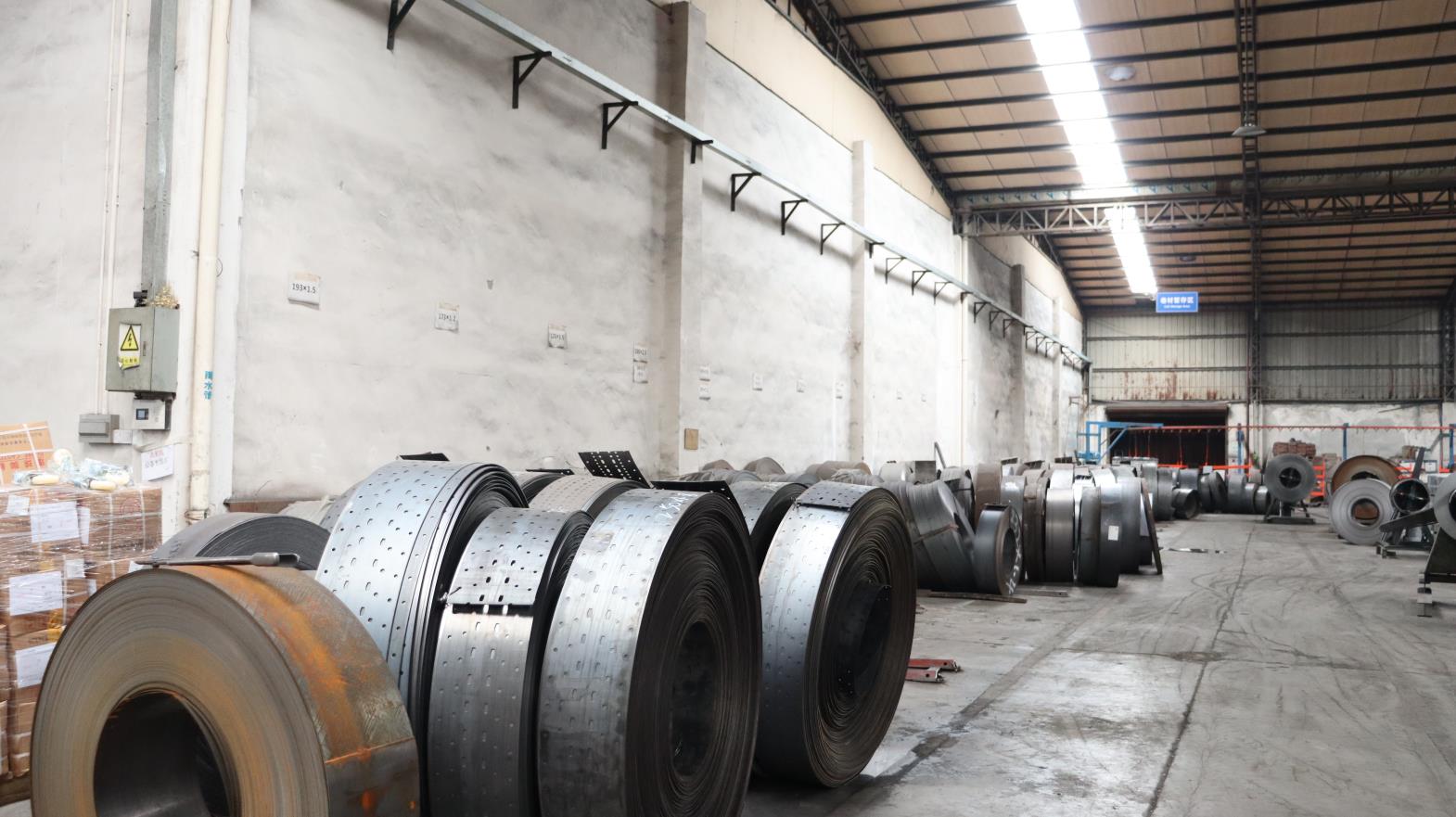
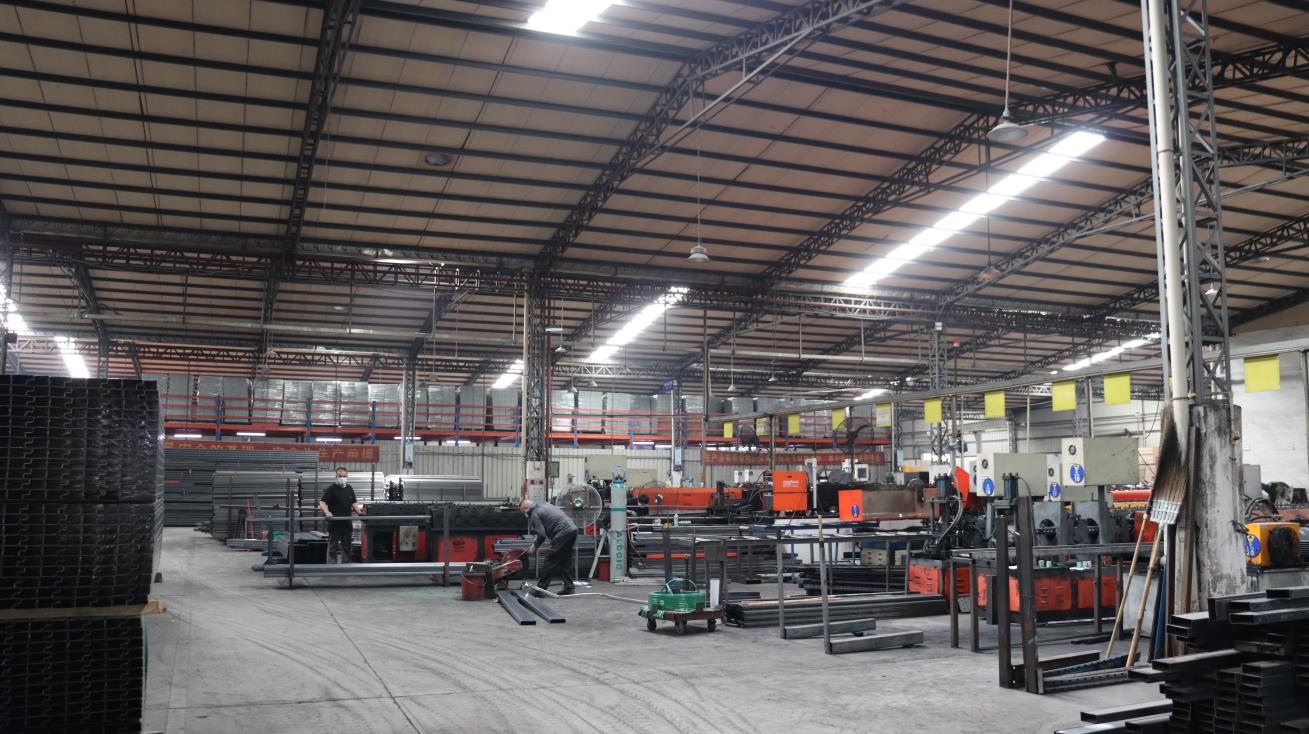
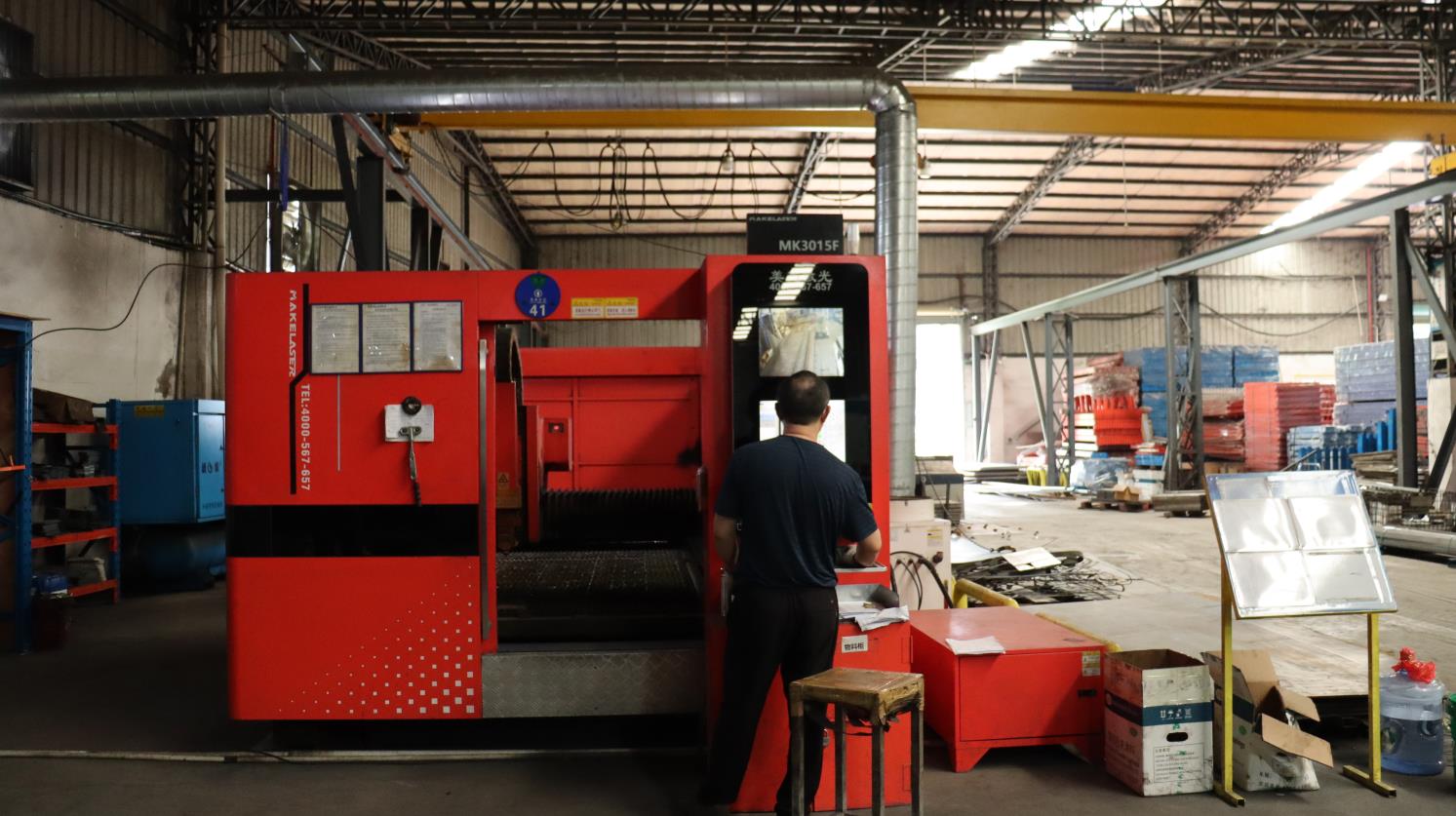
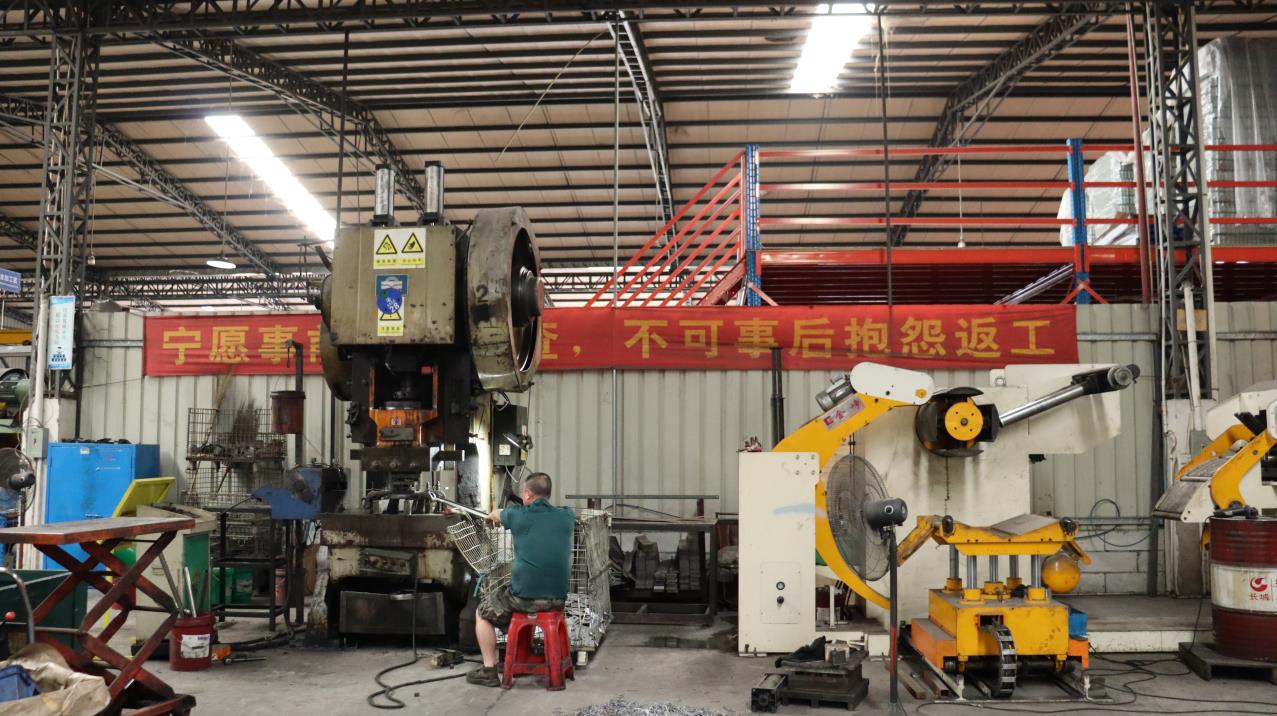
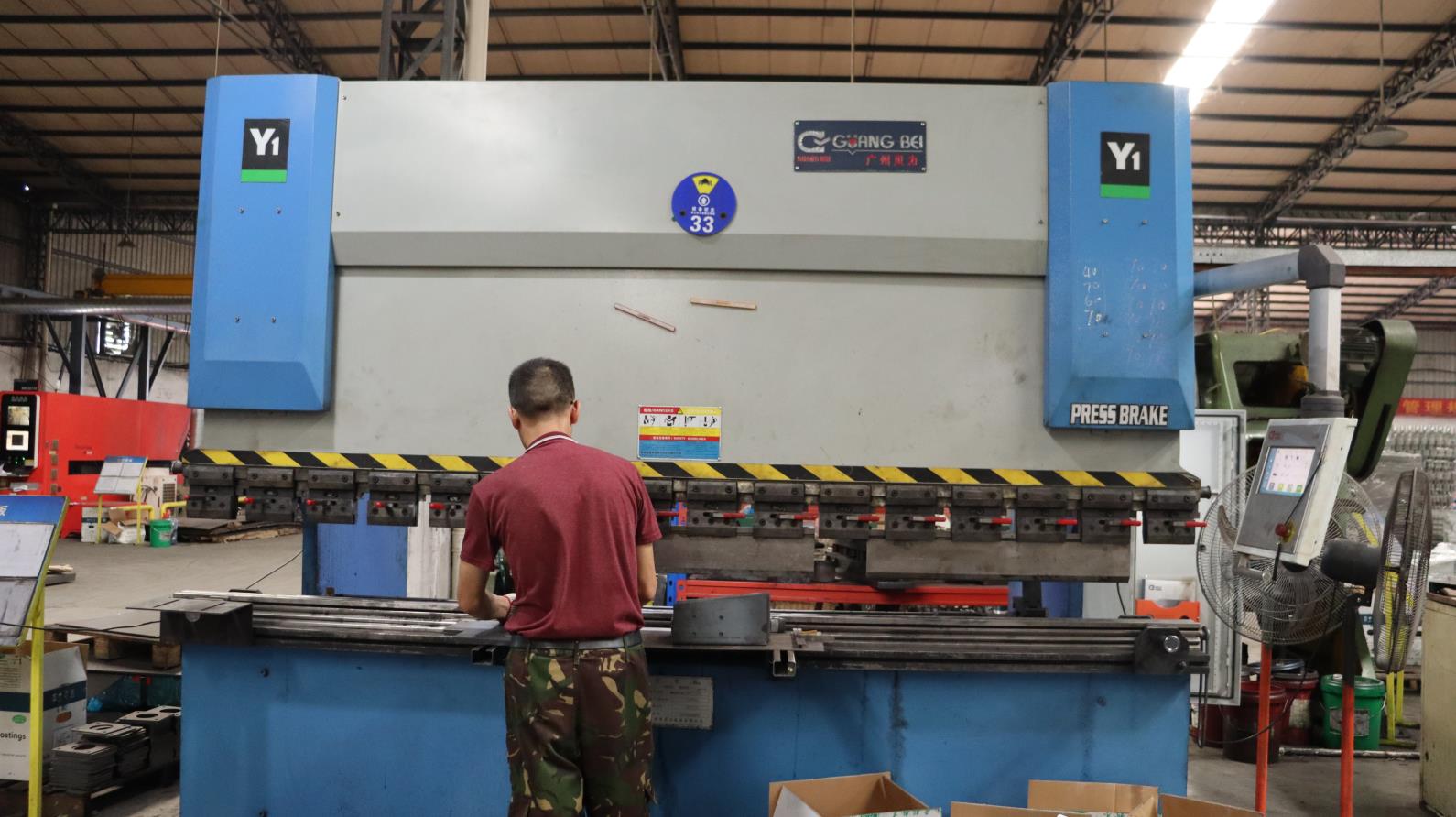
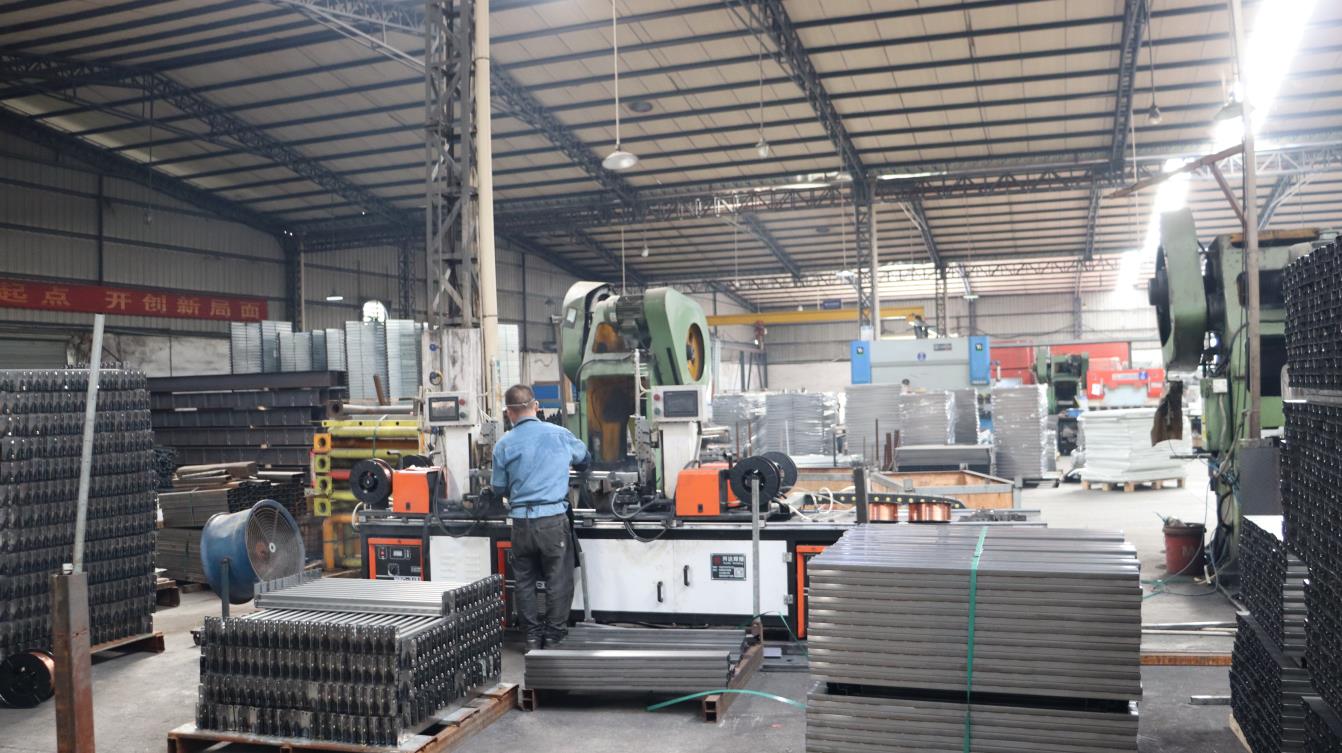
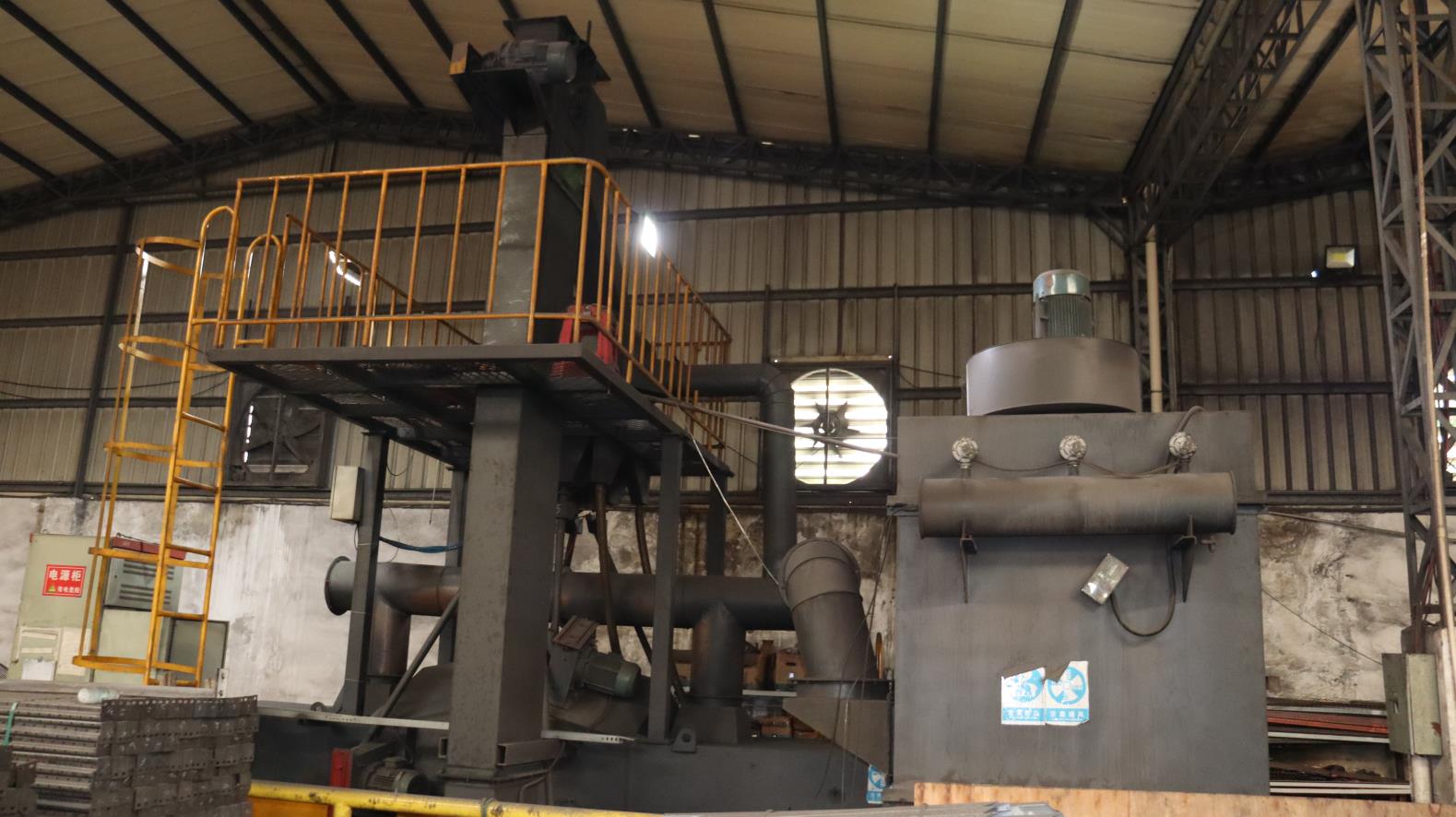
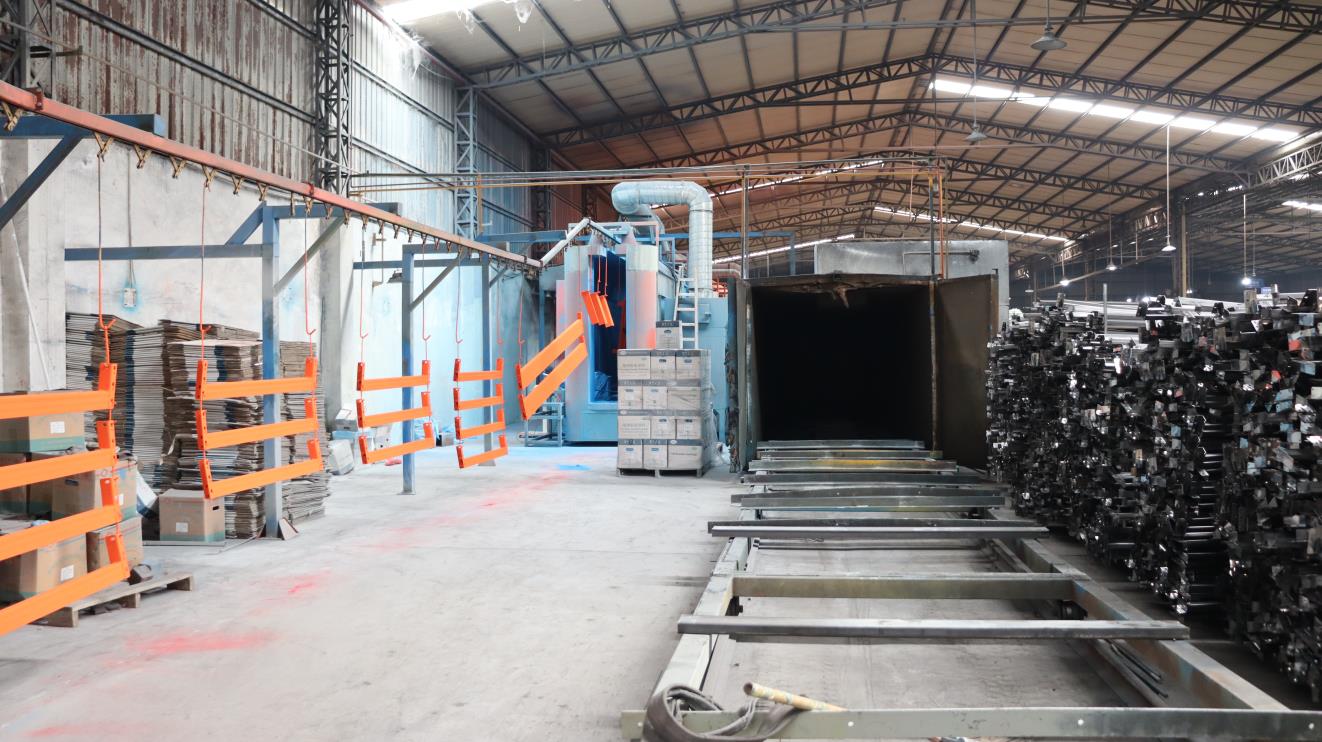
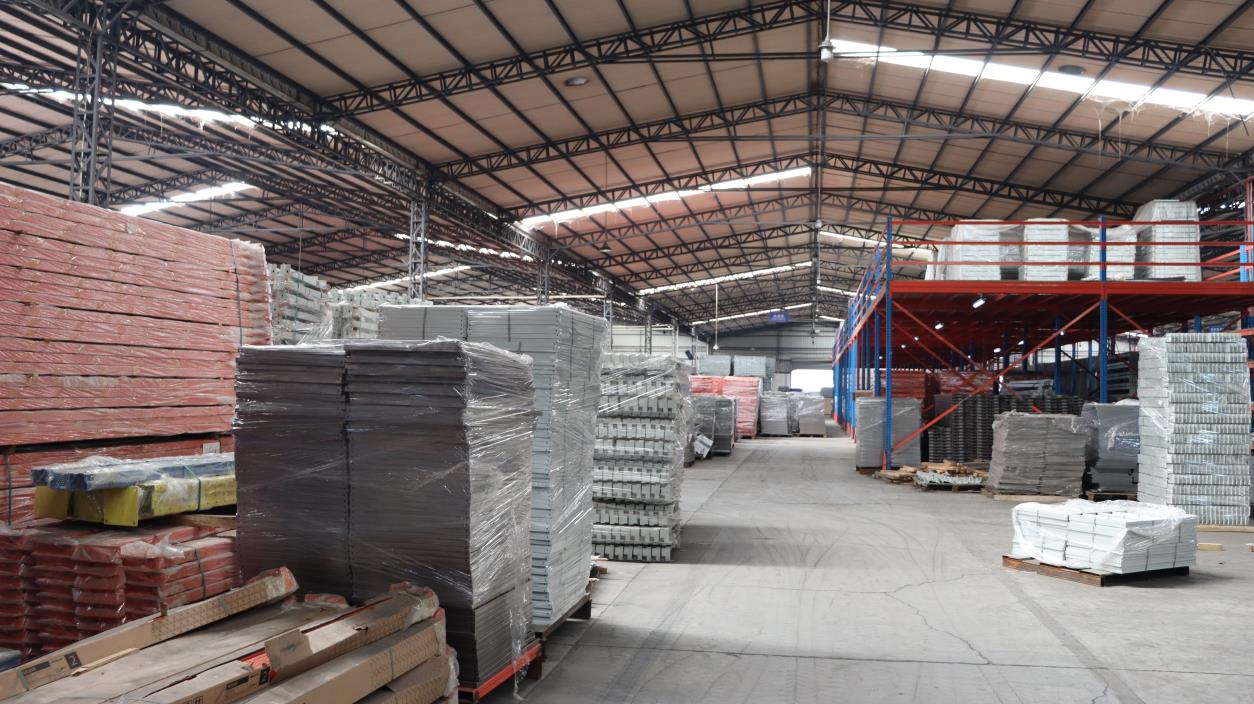
Our heavy-duty capacity relies on advanced, automated production machinery for precise tolerances.
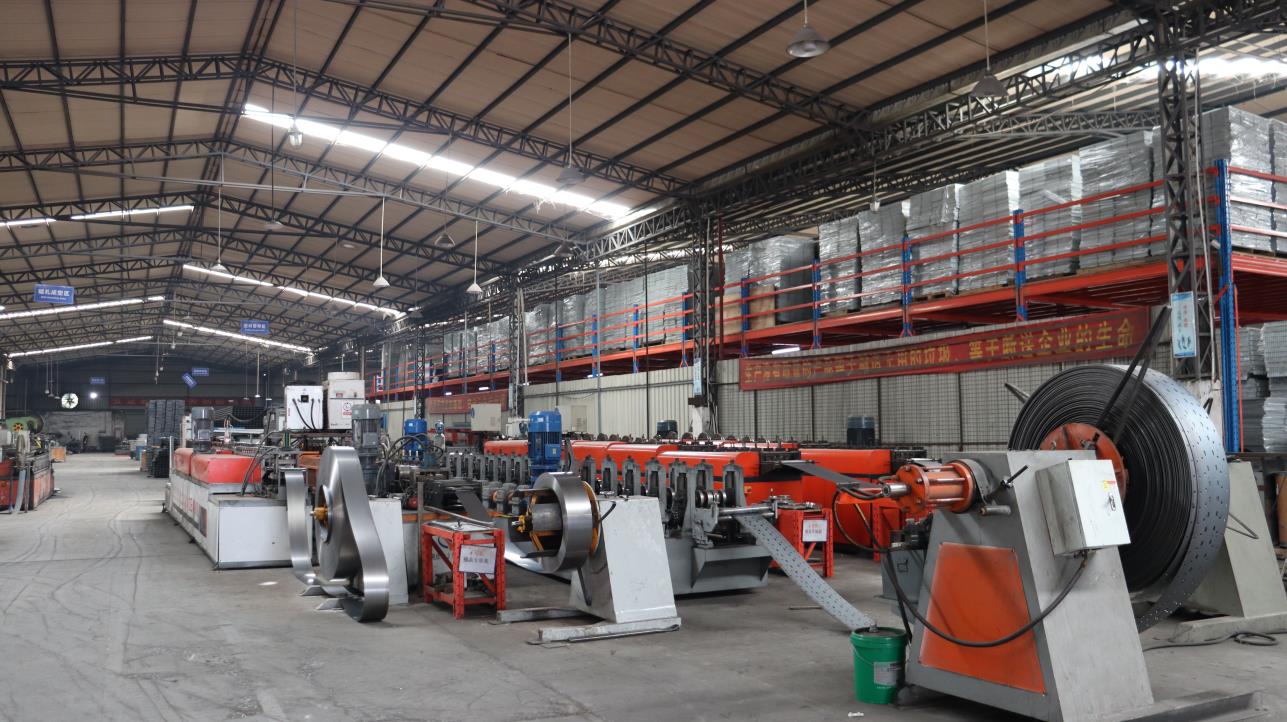
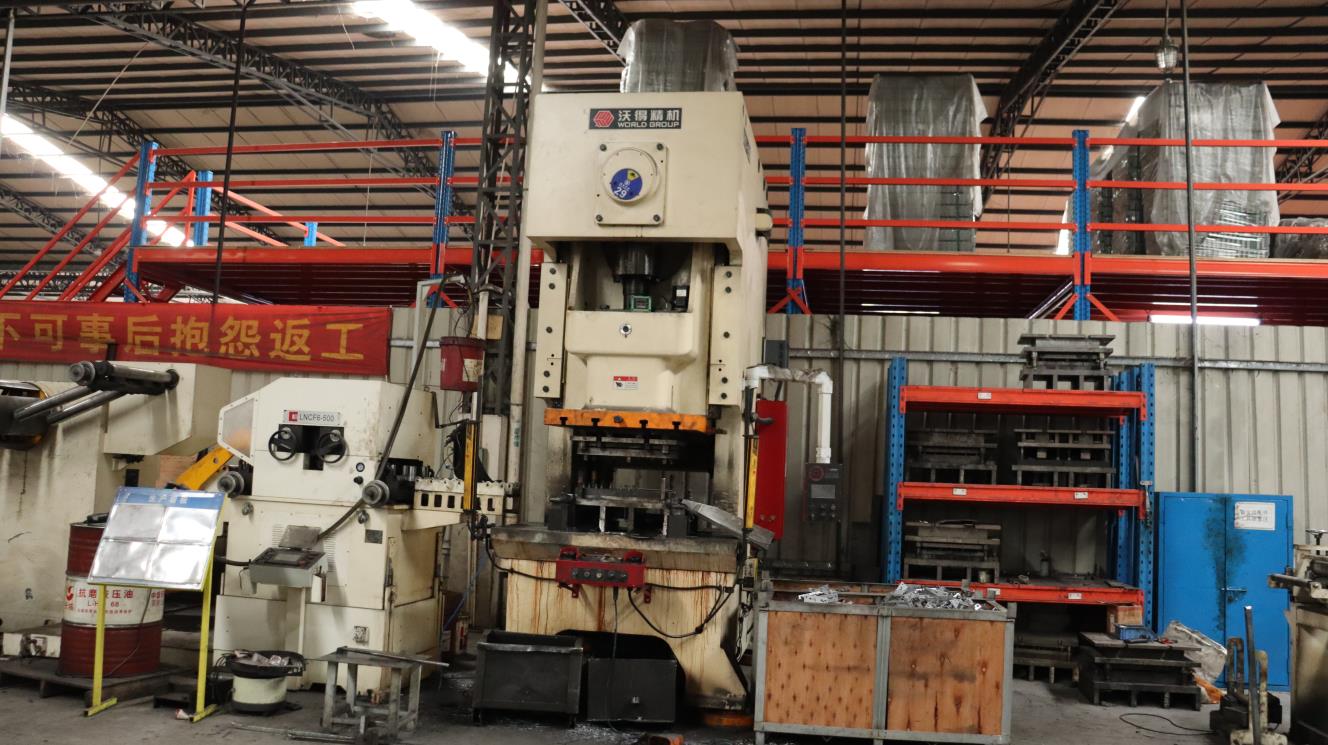
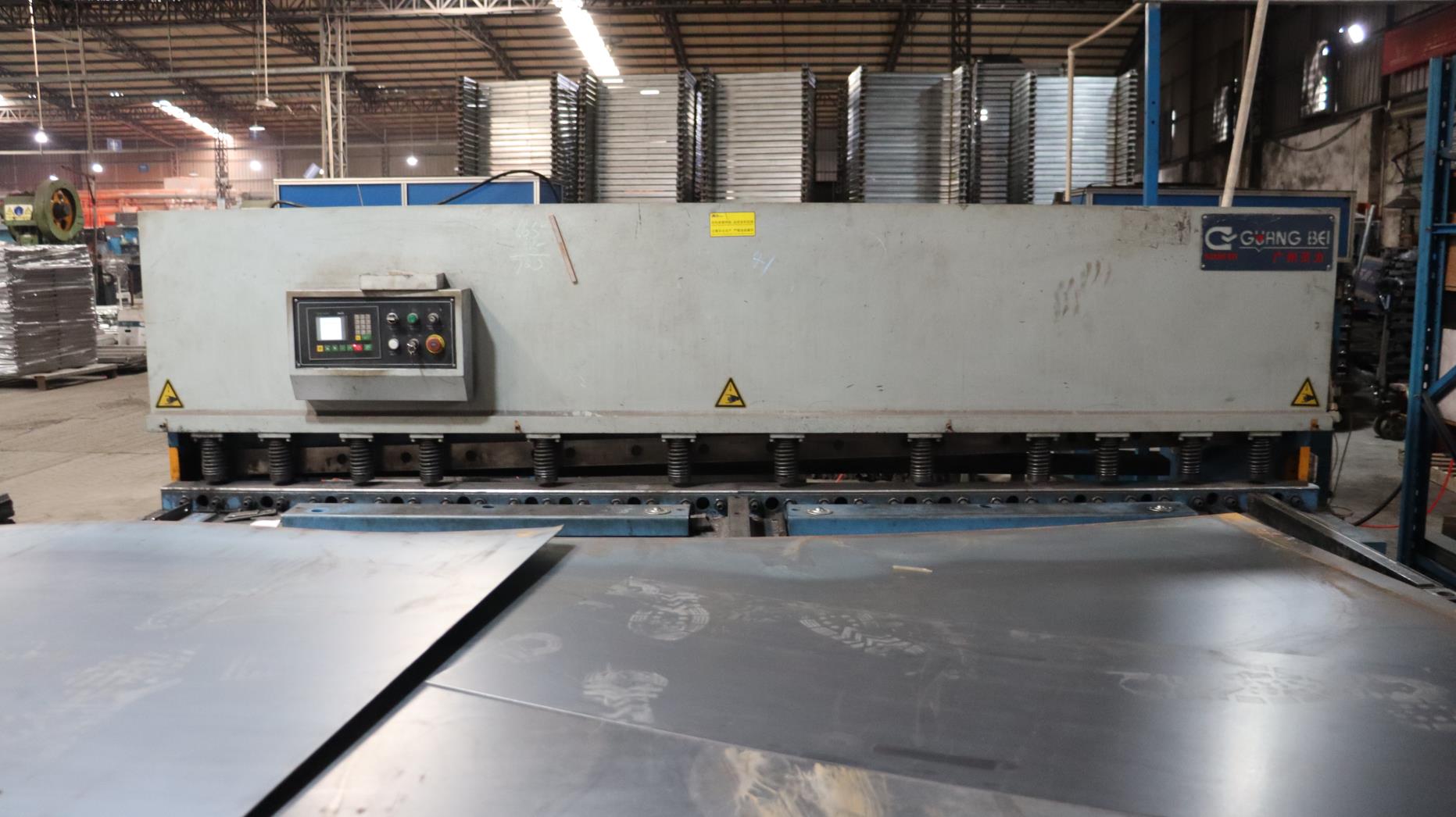
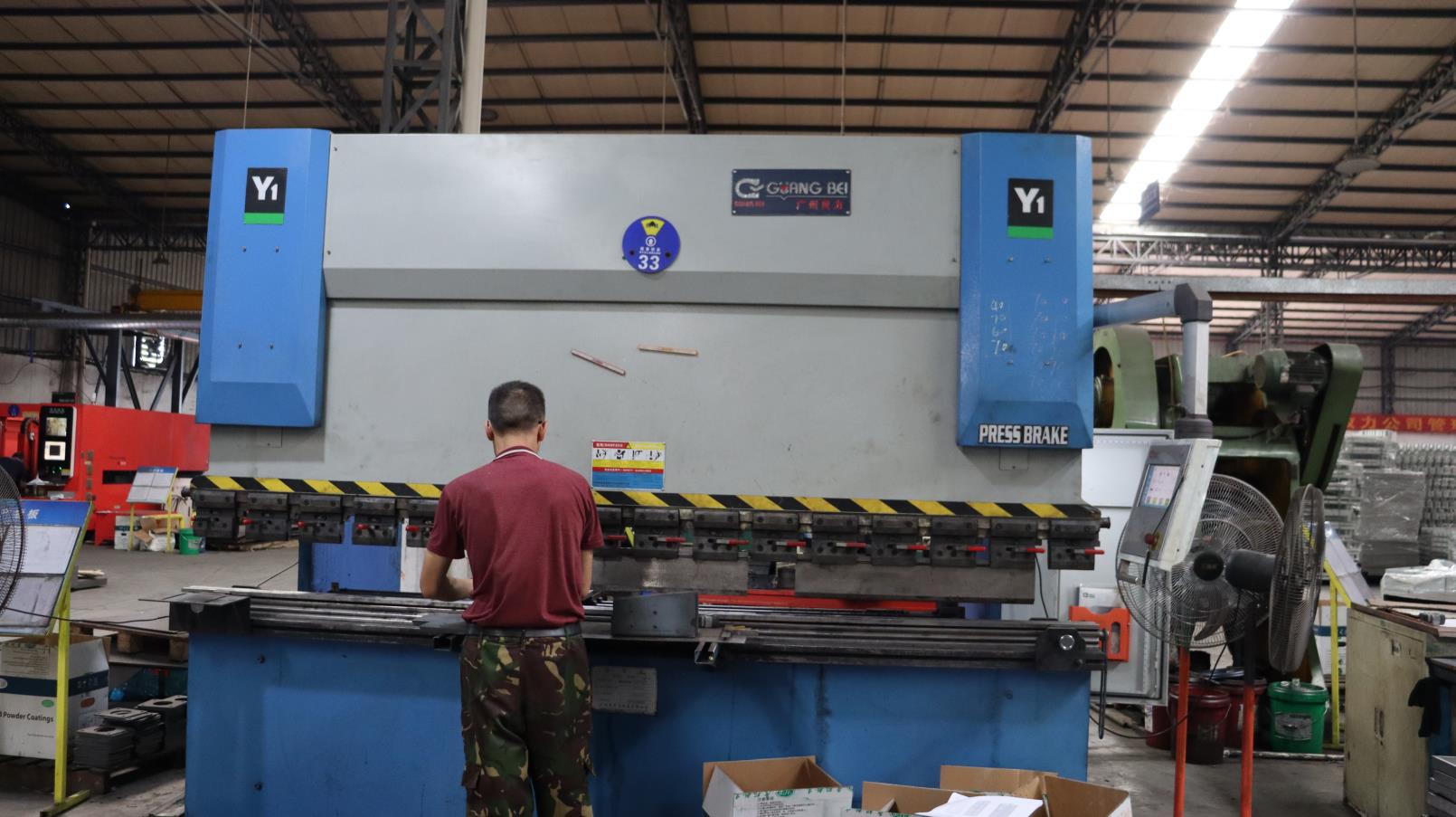
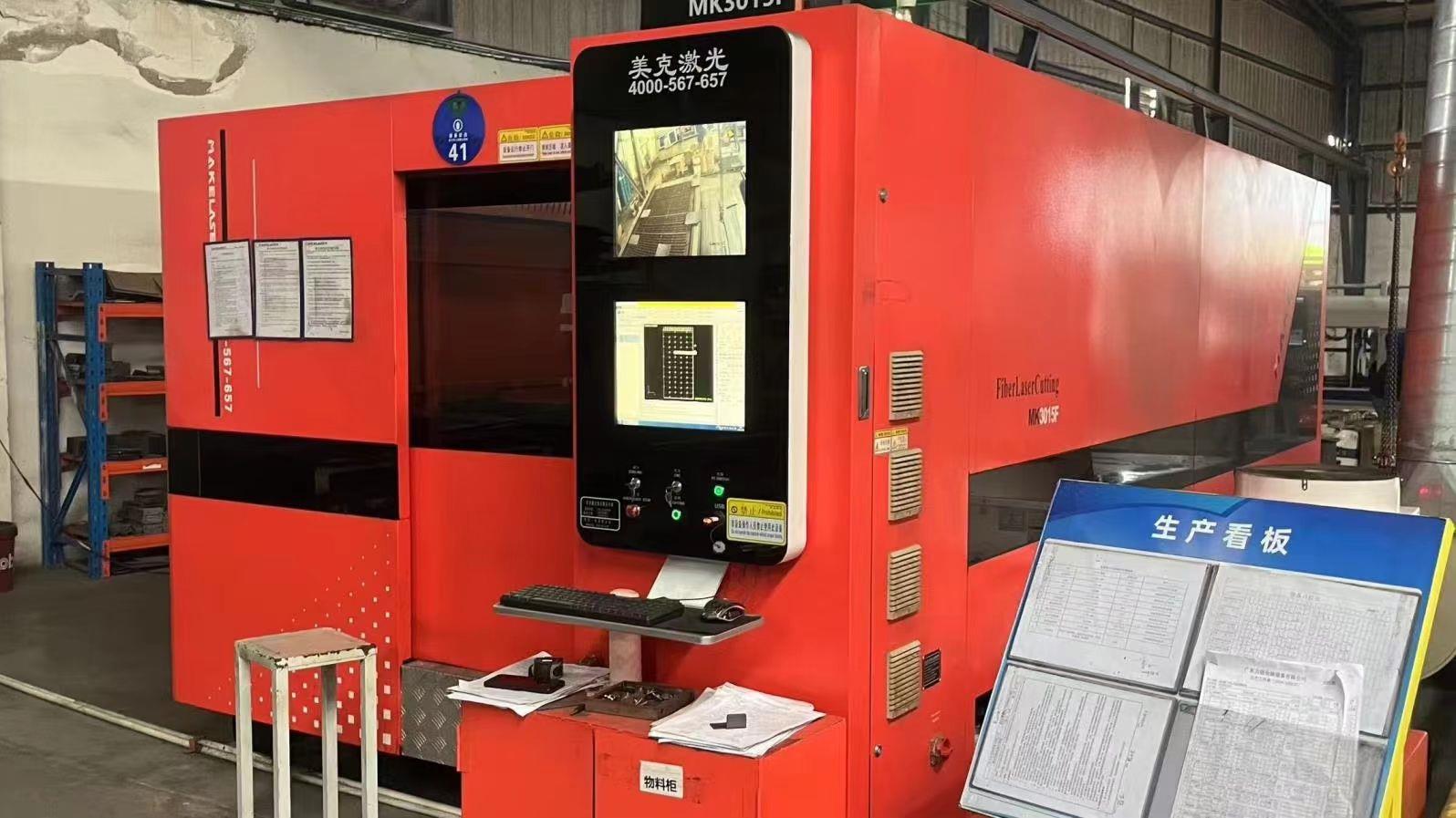
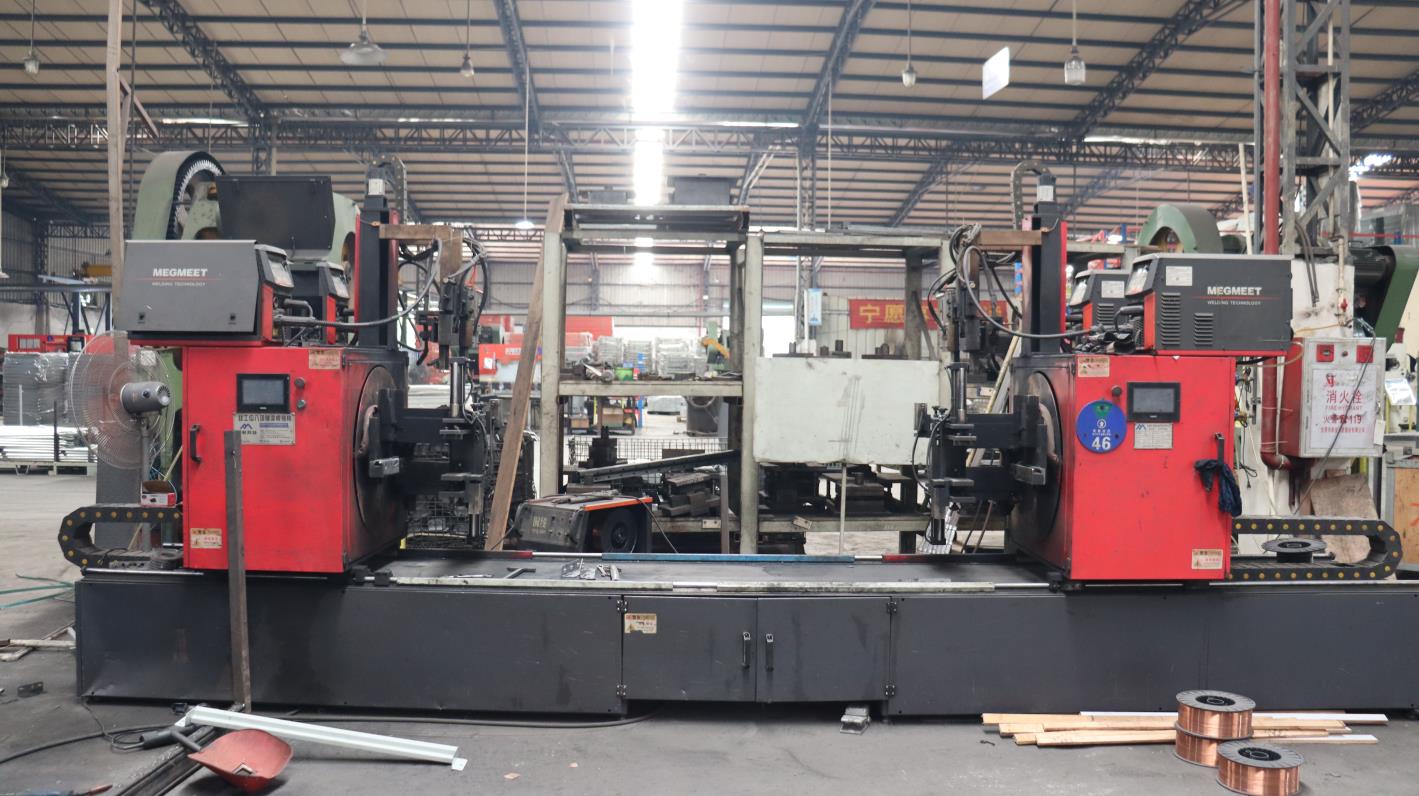
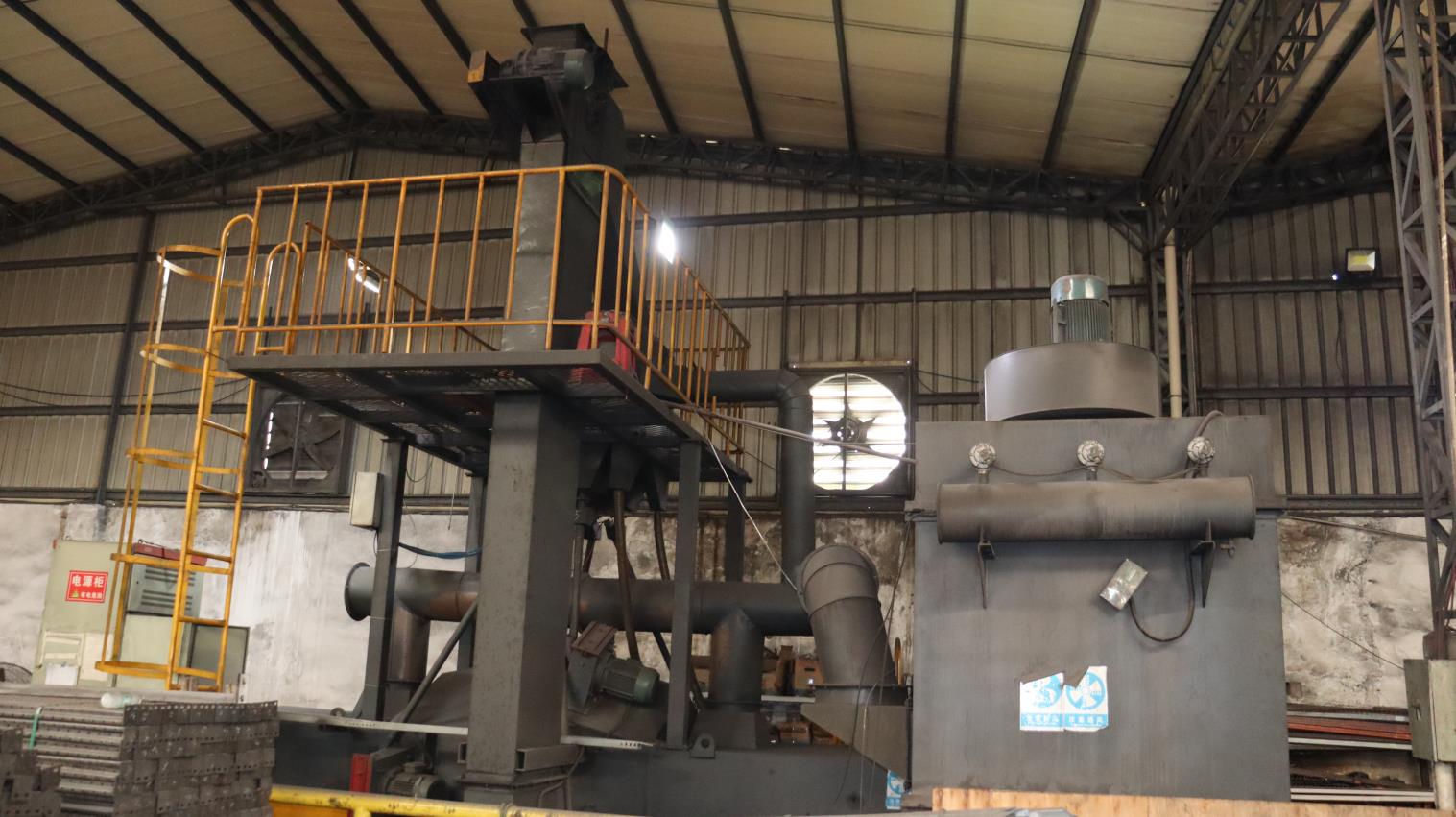
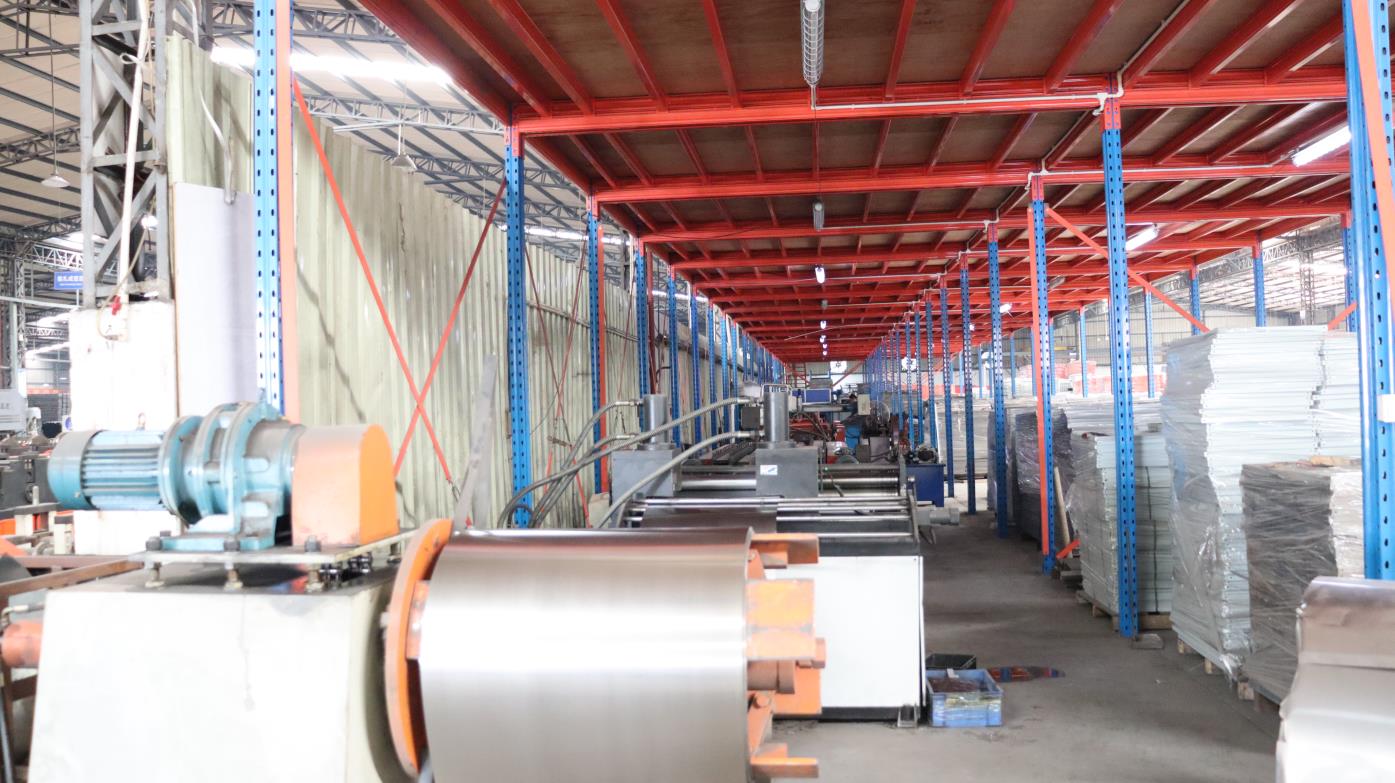
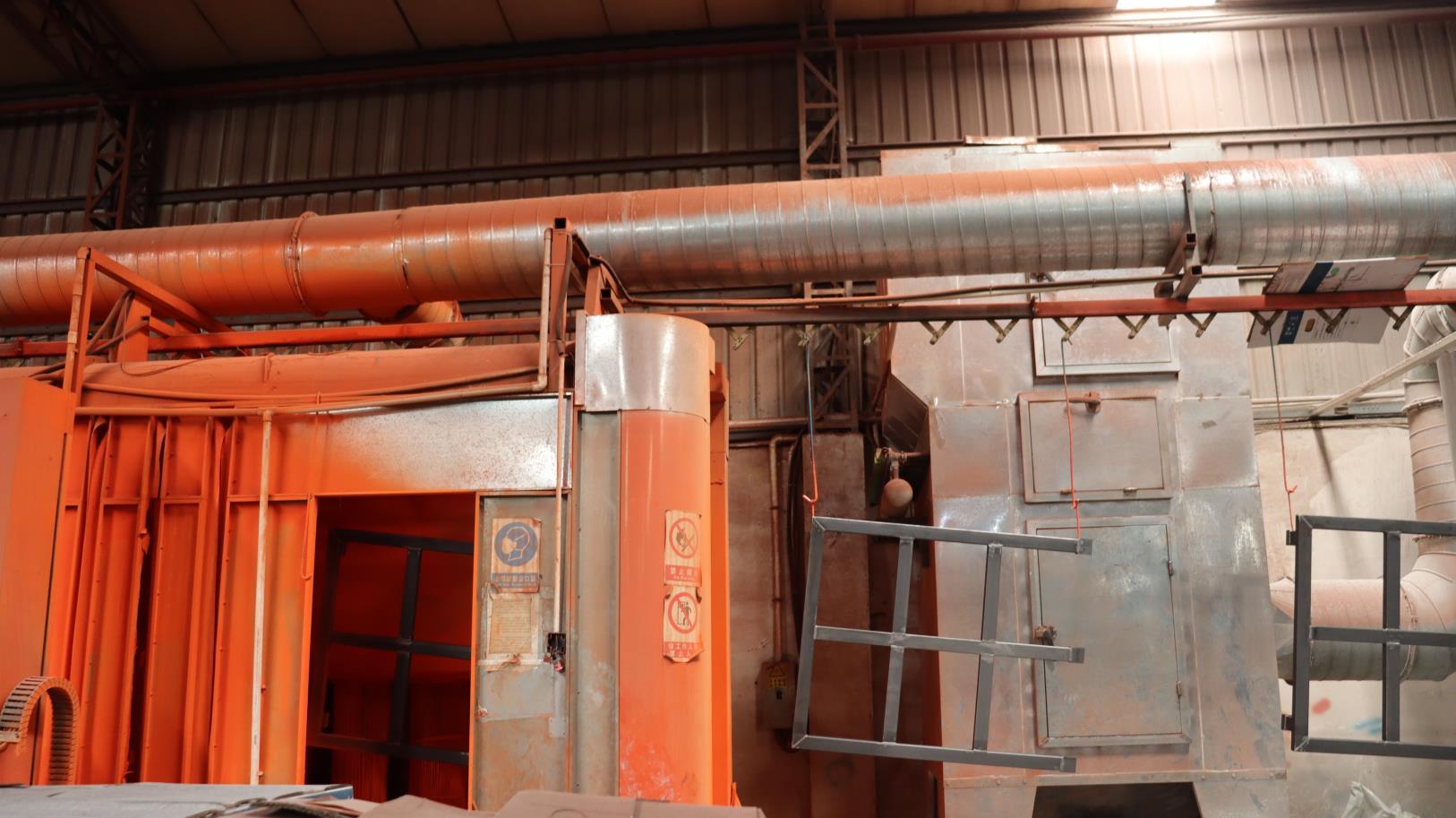
We build our racking networks to meet strict international standards, ensuring stability under seismic forces and dynamic loads.
| Compliance Standard | Applicable Markets | Engineering Focus |
|---|---|---|
| ANSI/MH16.1 (RMI) | North America | Seismic, frame stability, cold-formed steel limits |
| EN 15512 / FEM 10.2.02 | Western Europe | Structural safety factors, load deflection analysis |
| AS4084-2012 | Australia / Oceania | Upright strength design, site-specific safety limits |
| ISO 9001:2015 | Global Operations | Traceable manufacturing, quality testing, and documentation |
Shenzhen Lijin maintains a dedicated 35-member Quality Inspection Team to verify all production parameters.
Non-destructive ultrasonic analysis guarantees weld penetration and structural safety for heavy pallet loads.
Ensures upright punch alignments remain within 0.5mm tolerances for seamless integration with automated ASRS systems.
Static and dynamic stress testing measures performance limits, ensuring safety margins exceed standard load ratings.
Verifies corrosion resistance for powder-coated and galvanized finishes, ensuring performance in high-humidity zones.
The industrial storage industry is shifting from static steel configurations to dynamic, automated logistics networks.
We optimize our structural floor plans and deflection limits to support high-speed AGVs (Automated Guided Vehicles) and AMR shuttle operations.
Testing real-time pressure sensor integration along rack beams to track weight limits and warn against structural overload.
We are transitioning to low-emission powder coatings, optimizing steel recycling loops, and reducing energy use across our factory.
Crucial technical questions answered by our engineering and logistics specialists.
We primarily utilize high-tensile structural steel profiles in grades Q235B and Q355B (conforming to GB/T 1591 and international equivalents like ASTM A36 and S235JR/S355JR). This ensures optimal elasticity, high yield strength, and excellent welding capability under load-bearing constraints.
Yes. Our engineering department develops layouts that align with ANSI/MH16.1 (RMI standards) for the North American market, EN 15512 and FEM 10.2.02 codes for Western Europe, and AS4084-2012 for Australia. We provide structural analysis drawings for regional building permit compliance.
We design custom layouts using CAD and finite element analysis (FEA) software. By calculating baseplate thickness, anchor configurations, and diagonal frame reinforcements, we ensure our storage systems remain secure and structurally sound in seismic zones.
Operating a 35,000 m² facility with automated roll forming lines and robotic welding allows us to process up to 3,500 metric tons of steel monthly. Standard production cycles take 20 to 30 days from layout approval to shipping.
We provide two primary options: electrostatic thermosetting epoxy-polyester powder coating (offering high impact resistance for standard storage) and hot-dip galvanizing (complying with ISO 1461, recommended for outdoor, wet, or freezing conditions).
Yes. Backed by 28 R&D engineers, we develop tailored solutions for non-standard packaging, heavy tubes, raw casting molds, and oversized industrial materials. Our team launched over 85 customized configurations last year.
We utilize automated robotic CO2 shielded arc welders for clean, deep penetration. Our 35 QC professionals conduct regular ultrasonic non-destructive testing (NDT) to verify weld strength and prevent failures.
We offer full documentation support, including detailed 3D installation layouts, component identification codes, and video walk-throughs. For complex installations, we can dispatch engineers to assist on-site.
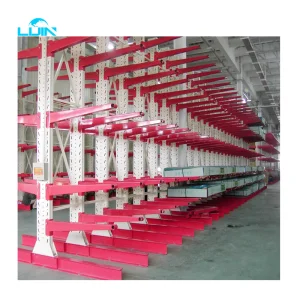
Heavy-duty, high-capacity cantilever storage, structural steel mezzanine configurations, and picking systems.
 Lijin Racking