Engineered for High-Density Storage and Maximum Structural Integrity
Analyzing Technological Advancements, Supply Chain Dynamics, and Strategic Sourcing
Modern industrial supply chains operate under unprecedented spatial and operational pressures. The exponential growth of third-party logistics (3PL), e-commerce fulfillment infrastructure, and advanced manufacturing demands a fundamental shift in warehouse architectural design. Industrial storage systems have transitioned from passive structural systems into active catalysts for spatial optimization and throughput acceleration. Adjustable racking represents the cornerstone of this evolution.
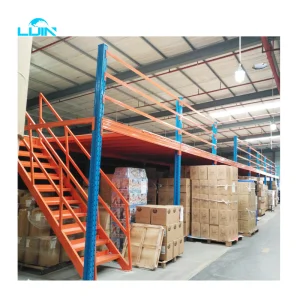
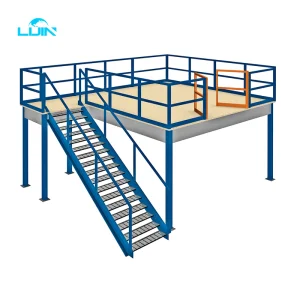
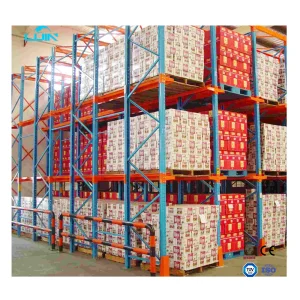
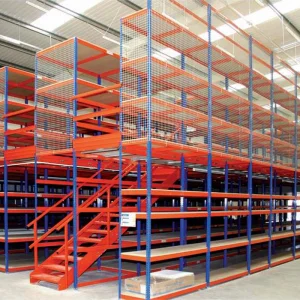
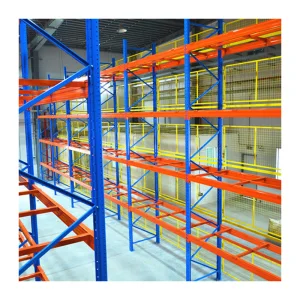
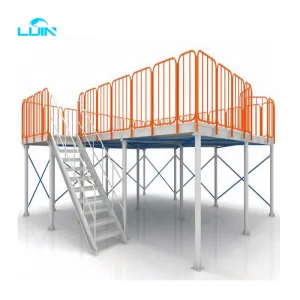
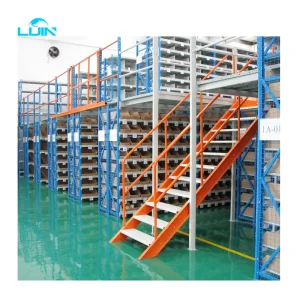
As industrial real estate costs escalate globally, warehouses must optimize their cubic storage footprint. Adjustable pallet racking systems provide the ultimate spatial elasticity, allowing warehouse managers to reconfigure horizontal beam levels to align with variable pallet profiles and dynamic inventory dimensions. Whether deploying Standard Selective Racking, Double-Deep Systems, Drive-In/Drive-Through configurations, or Multi-tier Mezzanines, the capacity to adapt to inventory fluctuations determines an enterprise's operational viability. Additionally, strict seismic code compliances, such as the Rack Manufacturers Institute (RMI) standards in North America and the European FEM directives, have elevated adjustable racking from basic structural steel fabrication to sophisticated mechanical engineering.
Shenzhen, China, has cemented its status as the epicentre of precision industrial equipment manufacturing. The region's industrial storage equipment factories leverage advanced material sciences, automated assembly infrastructure, and unparalleled logistical proximity. China's top adjustable racking exporters offer structural steel solutions that combine cost efficiency with rigorous global safety certification.
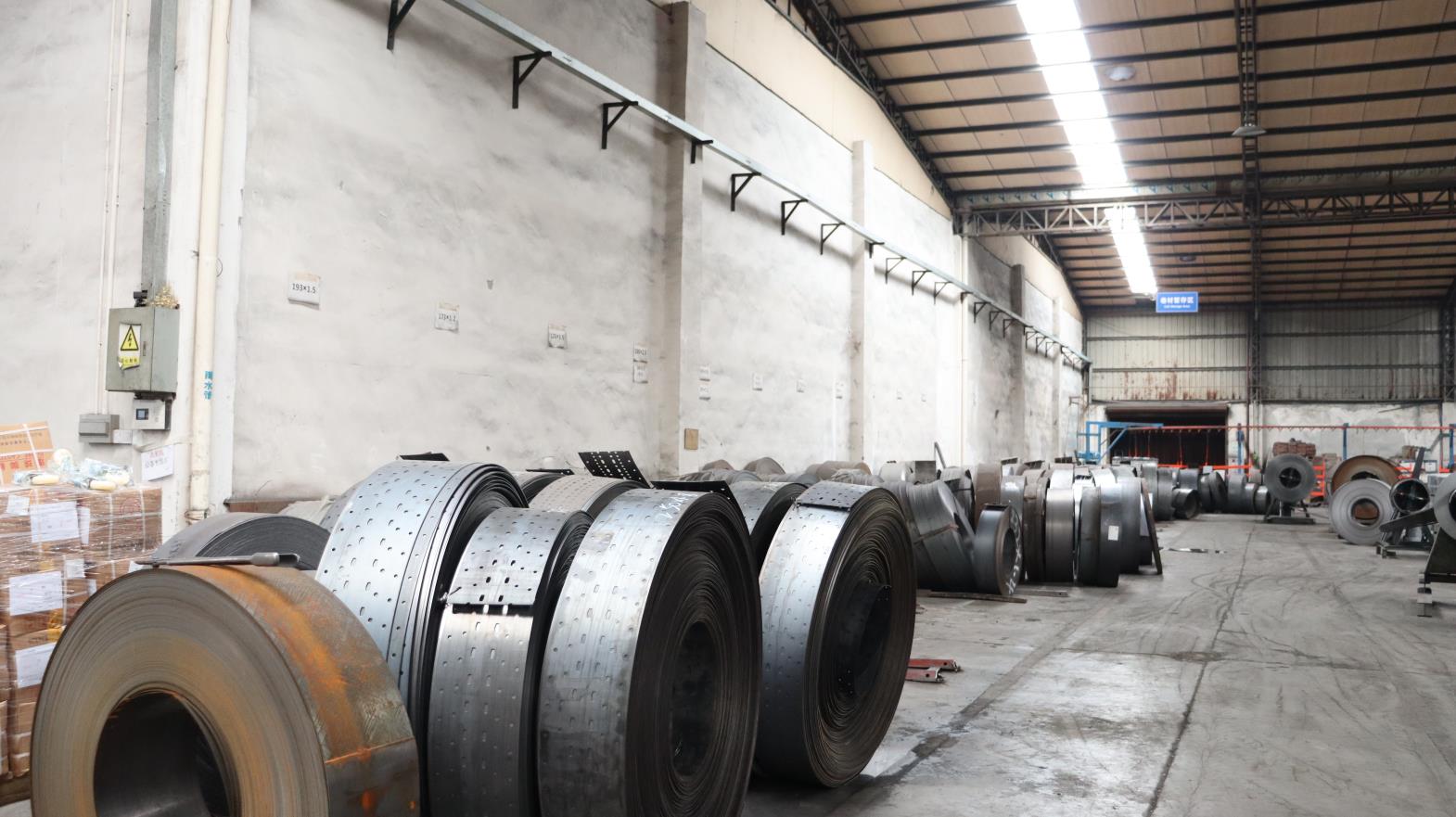
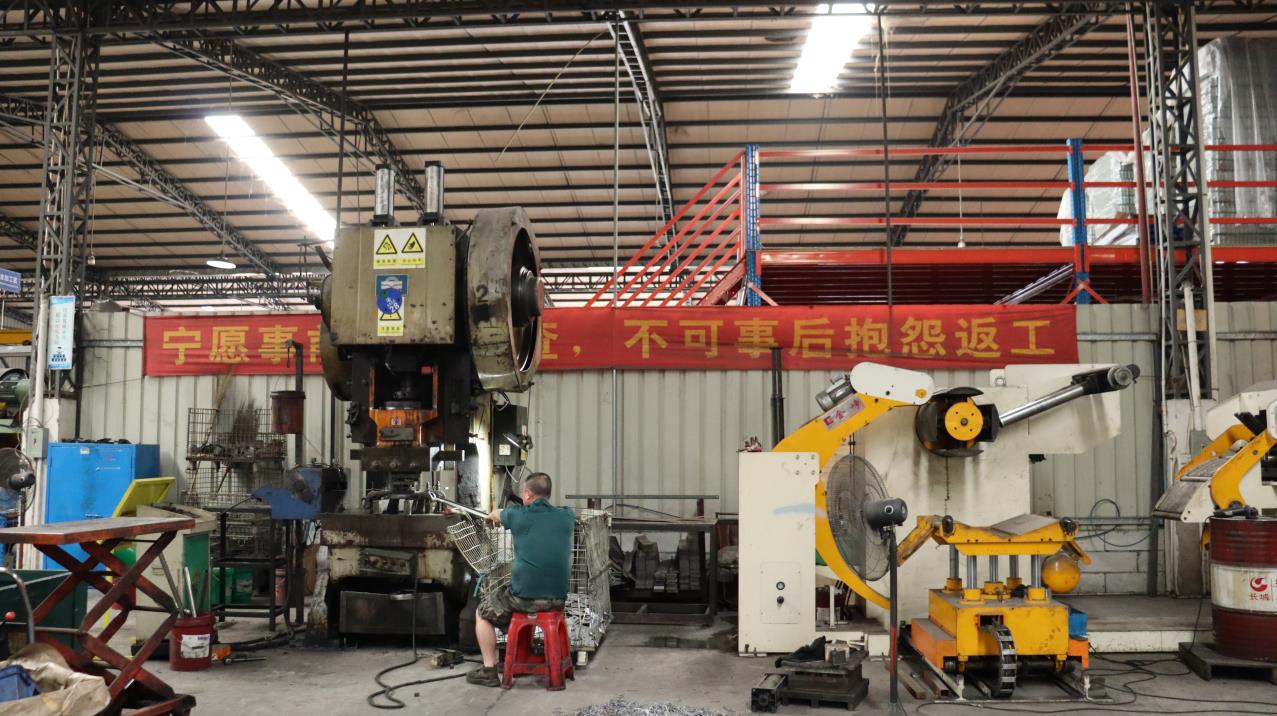
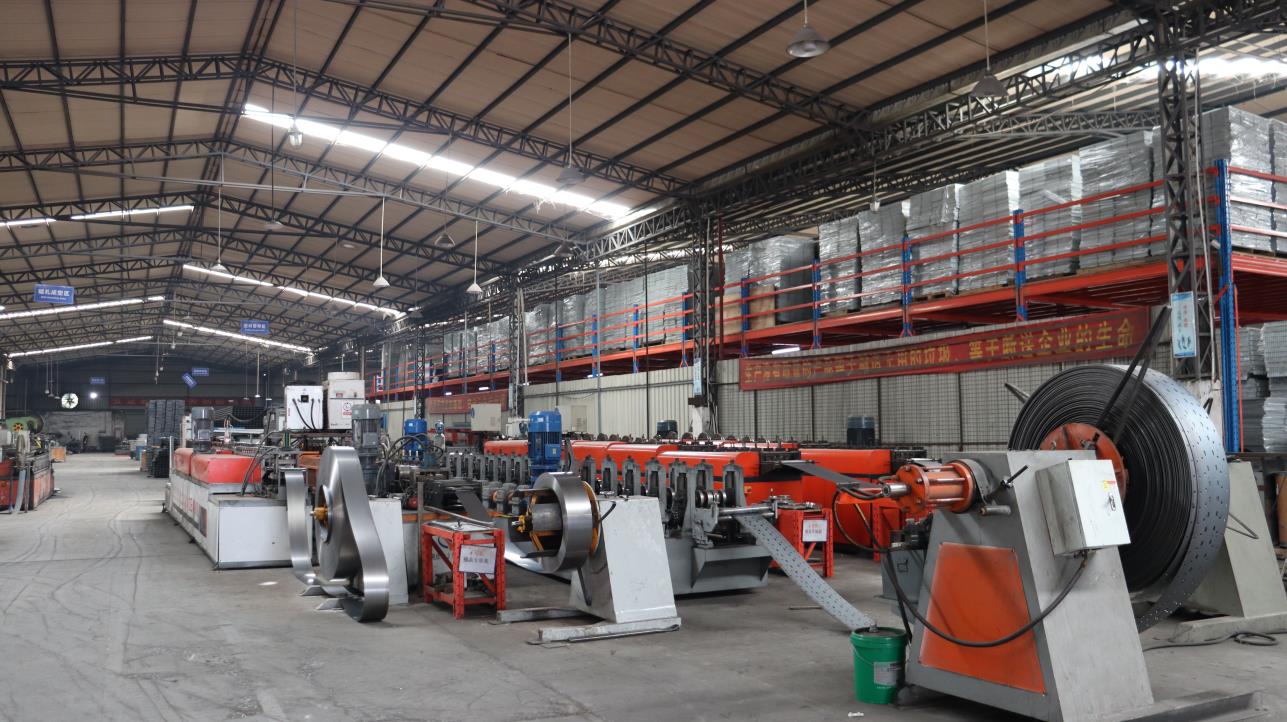
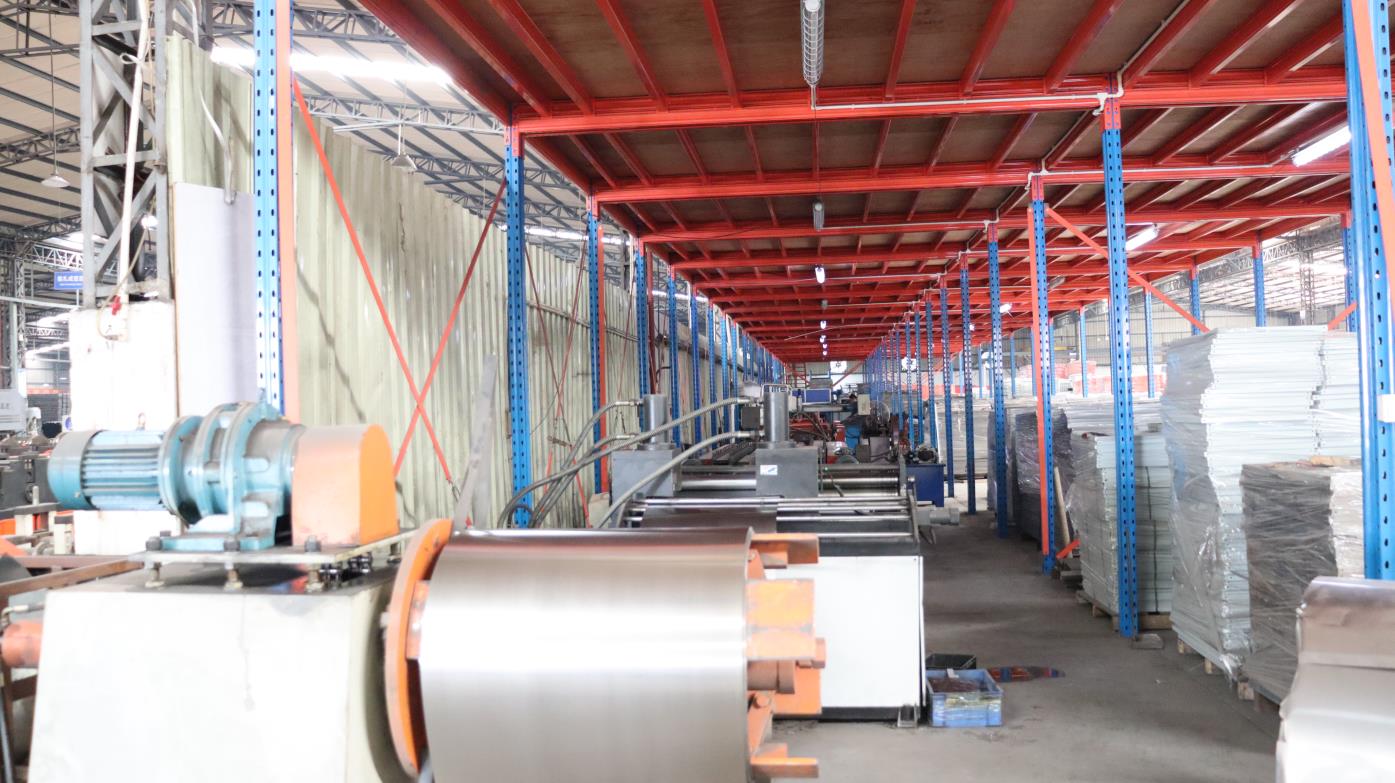
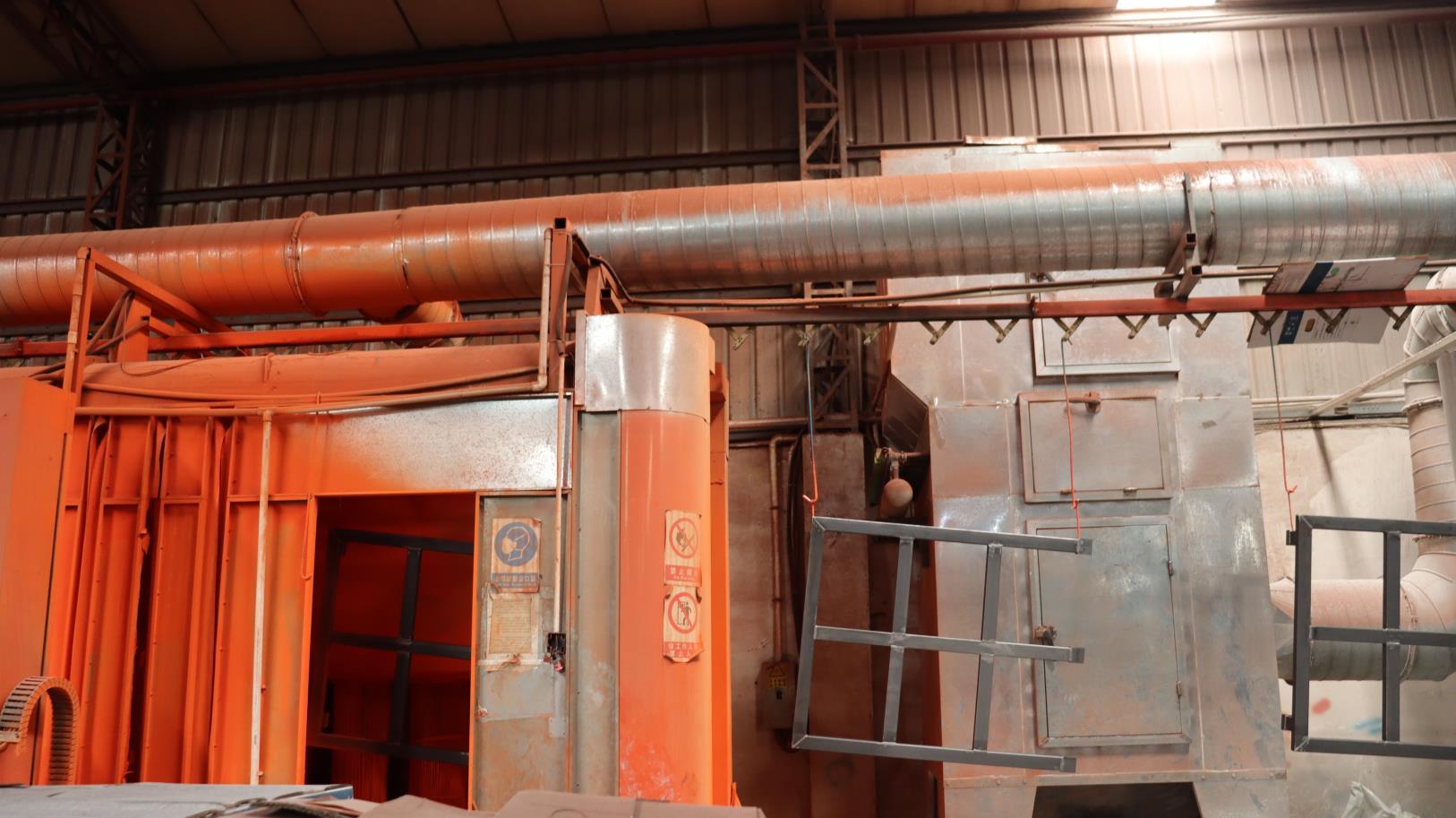
Chinese manufacturers benefit from direct access to high-grade structural steel (specifically Q235B and Q355B steel coils), ensuring structural load limits that consistently meet or exceed Western requirements. The integration of fully automated roll-forming production lines, robotic continuous-weld systems, and electrostatic powder coating lines allows Chinese exporters to deliver components with exceptional dimensional accuracy and anti-corrosive longevity. When global procurement teams partner with established Chinese racking exporters, they secure not only lower capital expenditure (CapEx) but also comprehensive structural calculation support, customized seismic engineering, and direct multimodal freight corridors to major global ports.
A Pioneer in Heavy-Duty Warehousing and Intelligent Space Optimization
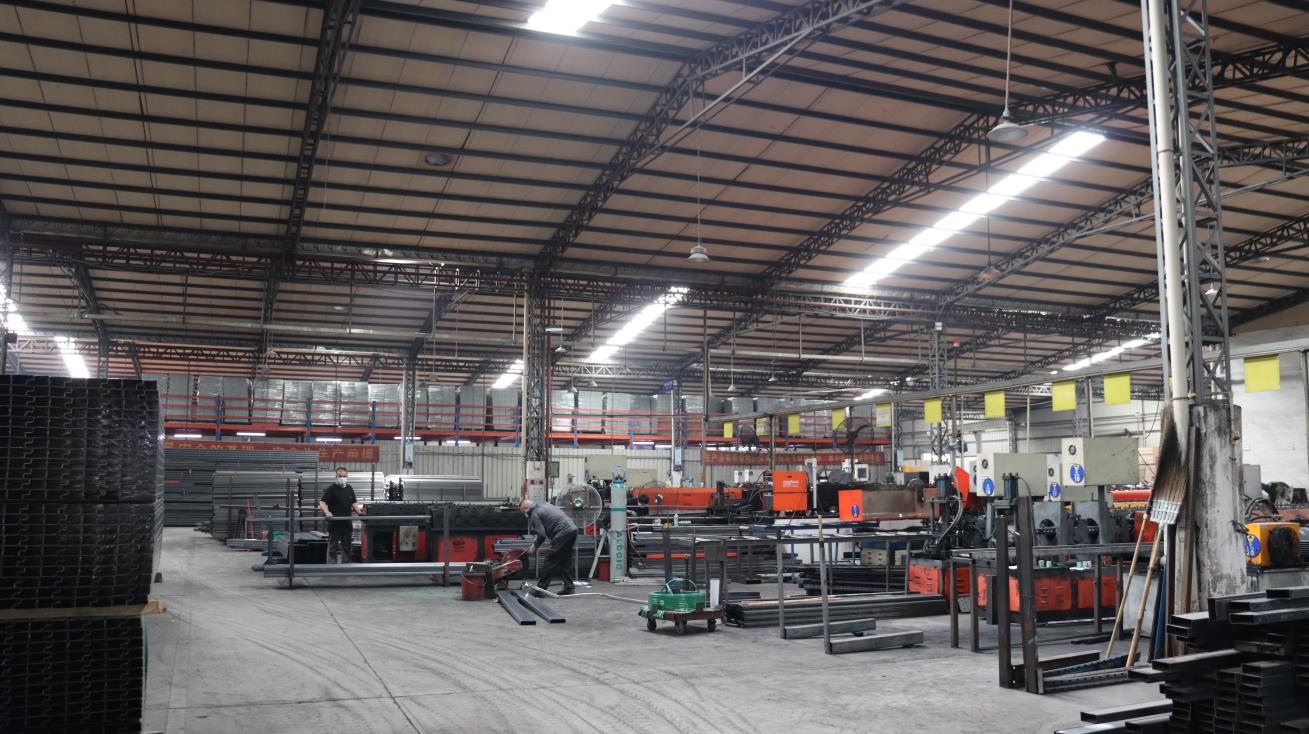
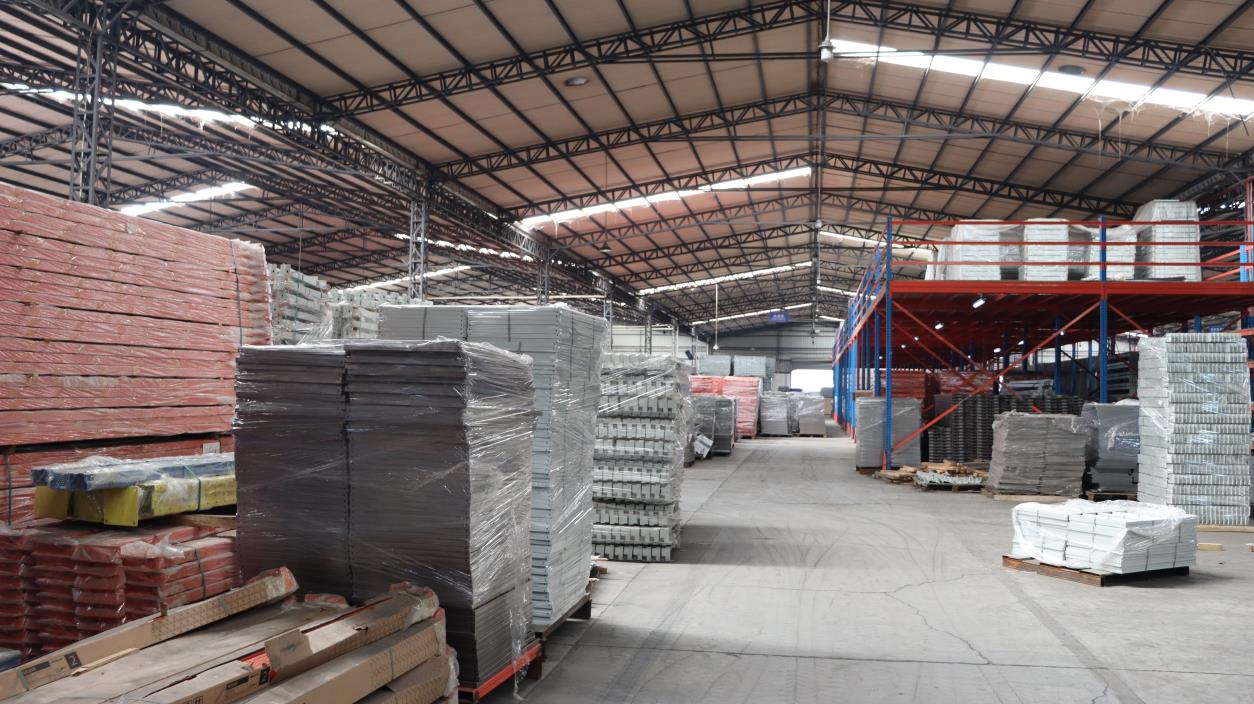
Established in 2015, Shenzhen Lijin Storage Equipment Co., Ltd. is a leading enterprise specializing in the design, manufacturing, and global distribution of heavy-duty warehouse racking systems, automated storage solutions, and industrial shelving. Spanning a state-of-the-art facility of 35,000 m², we have developed into a trusted global supply chain partner with over 8 years of direct export experience and more than 12 years of deep industry expertise. Driven by innovation and quality, our global revenue reached USD 22 million last year.
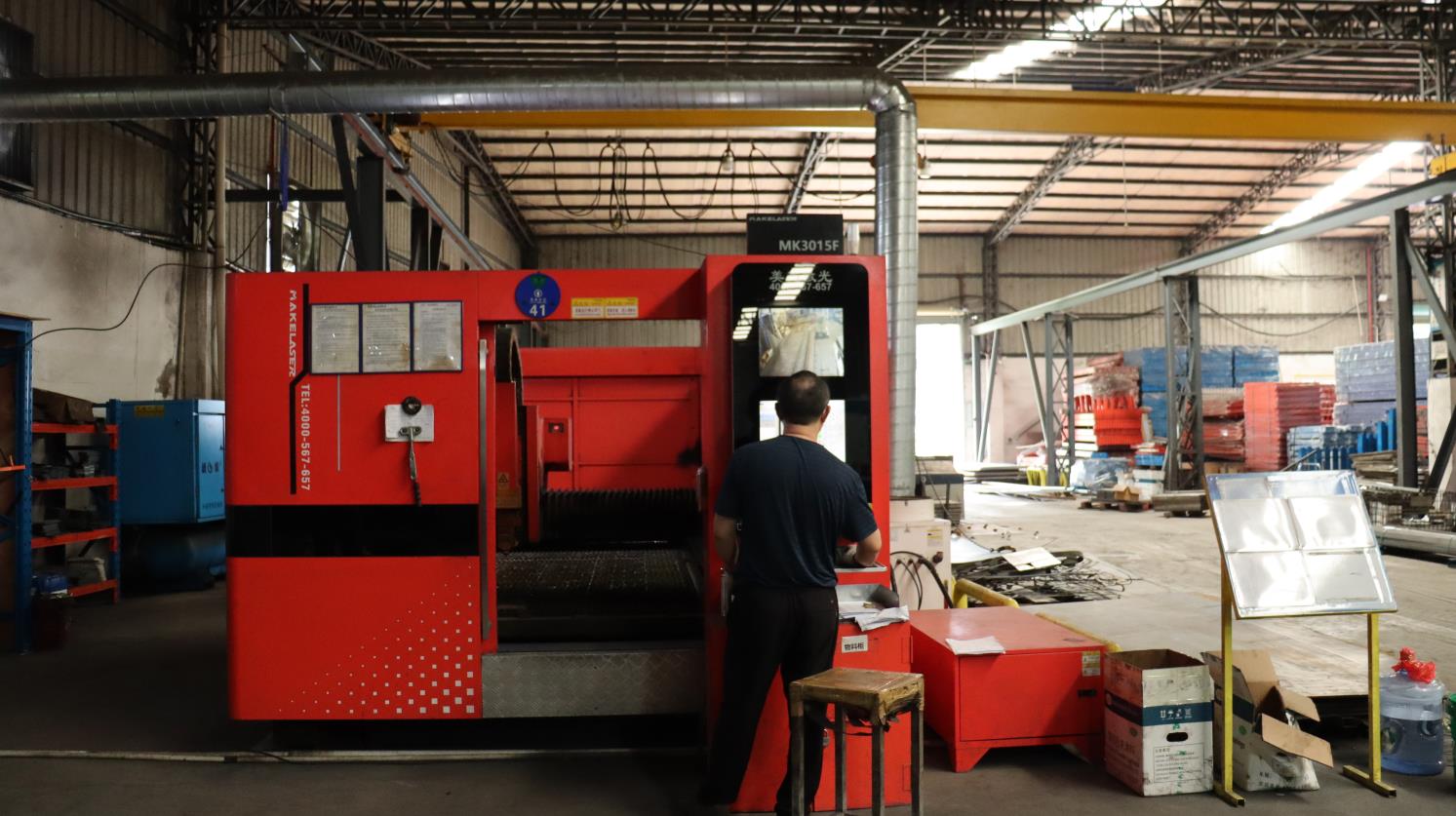
We enforce a rigorous, multi-stage quality control system—including ultrasonic non-destructive testing, automated weld inspection, laser dimensional checking, and heavy-load endurance testing. Backed by an in-house quality inspection team of 35 dedicated professionals, every batch meets international safety and structural standards, ensuring maximum load-bearing efficiency and long-term stability.
Backed by an experienced international trade background, our core markets span North America, Western Europe, Southeast Asia, and the Middle East. We maintain strong strategic relationships with over 850 supply chain partners globally. Our primary clients include large-scale logistics hubs, commercial distributors, third-party logistics (3PL) providers, and industrial equipment wholesalers.
Supported by a skilled team of 28 R&D engineers, Shenzhen Lijin delivers comprehensive OEM and ODM solutions tailored to unique warehouse layouts, seismic requirements, and capacity needs. Our engineering team launched over 85 new products and dynamic storage configurations last year, continuously setting new standards in space optimization and modern automated storage integration.
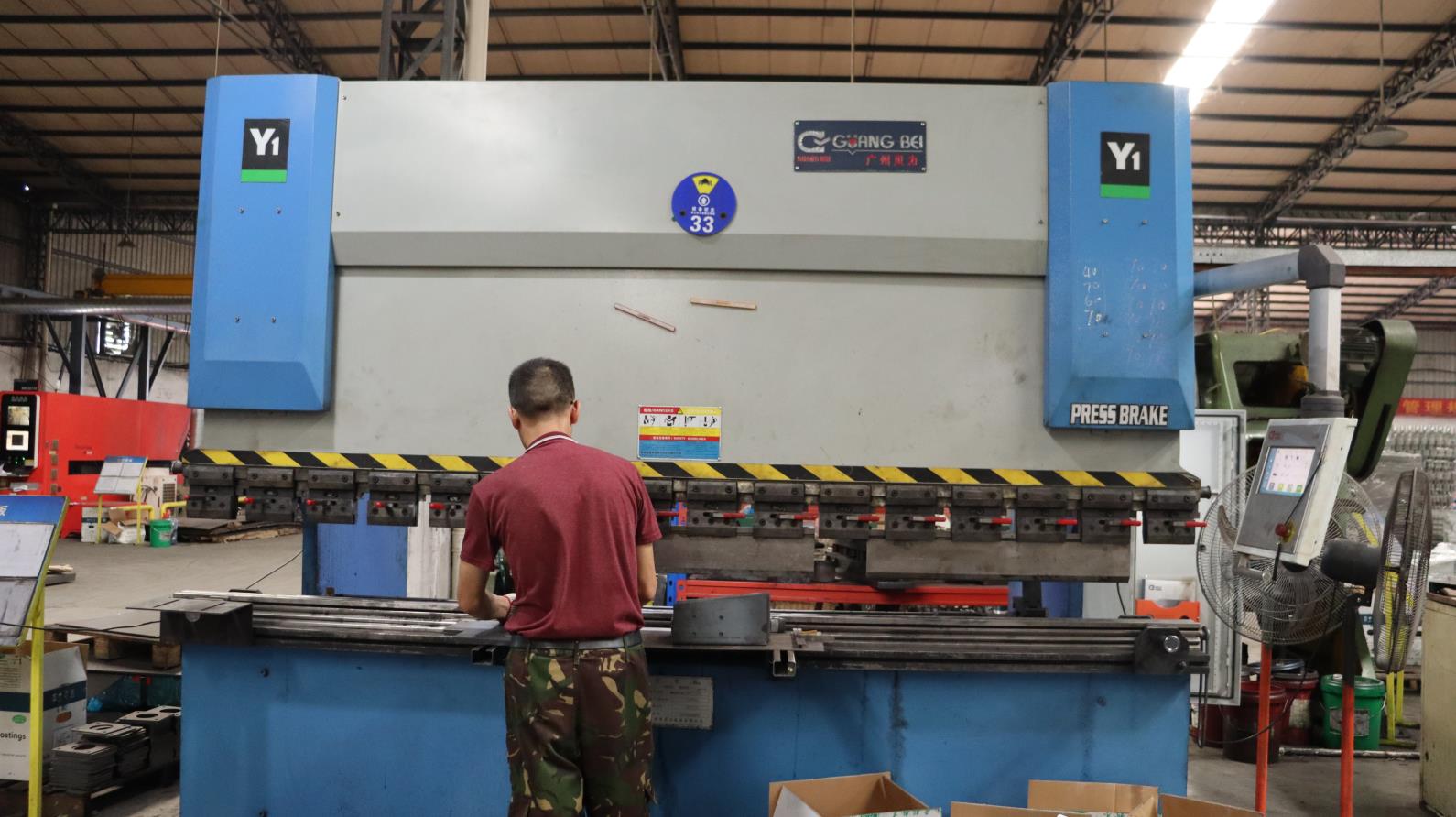
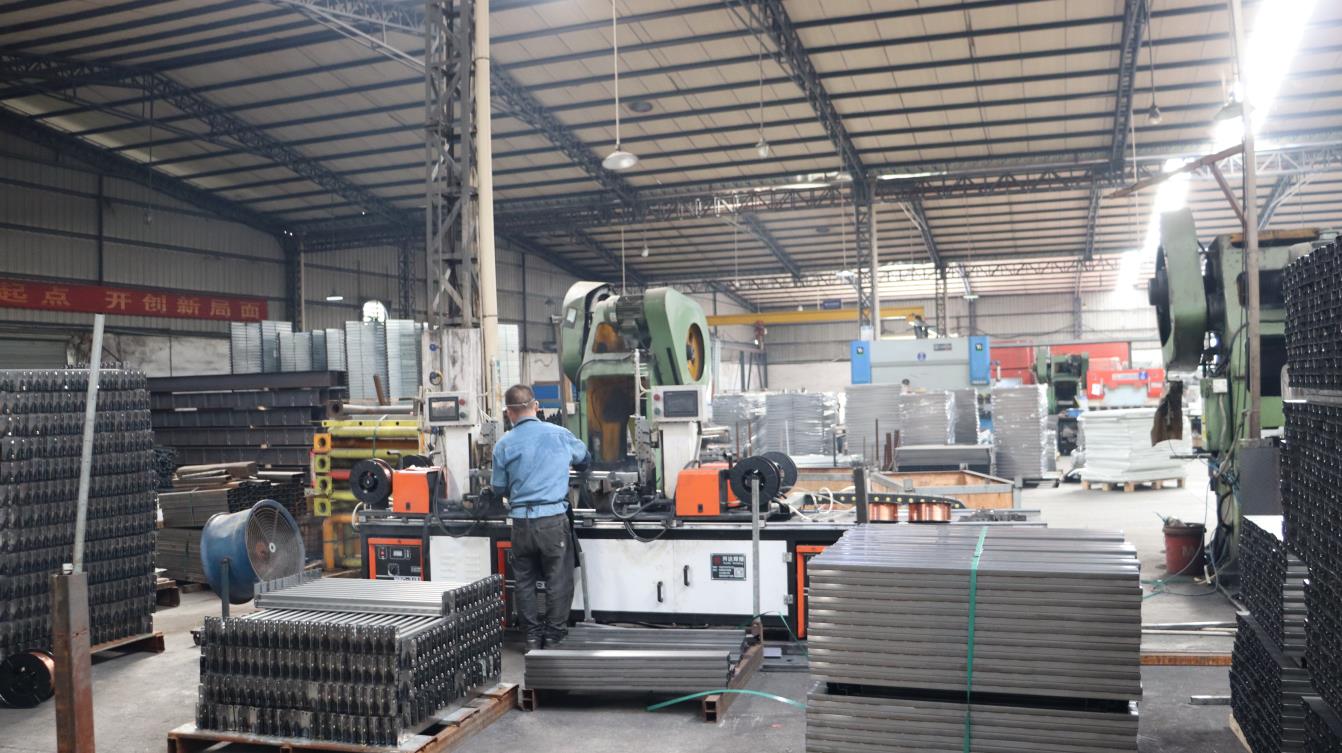
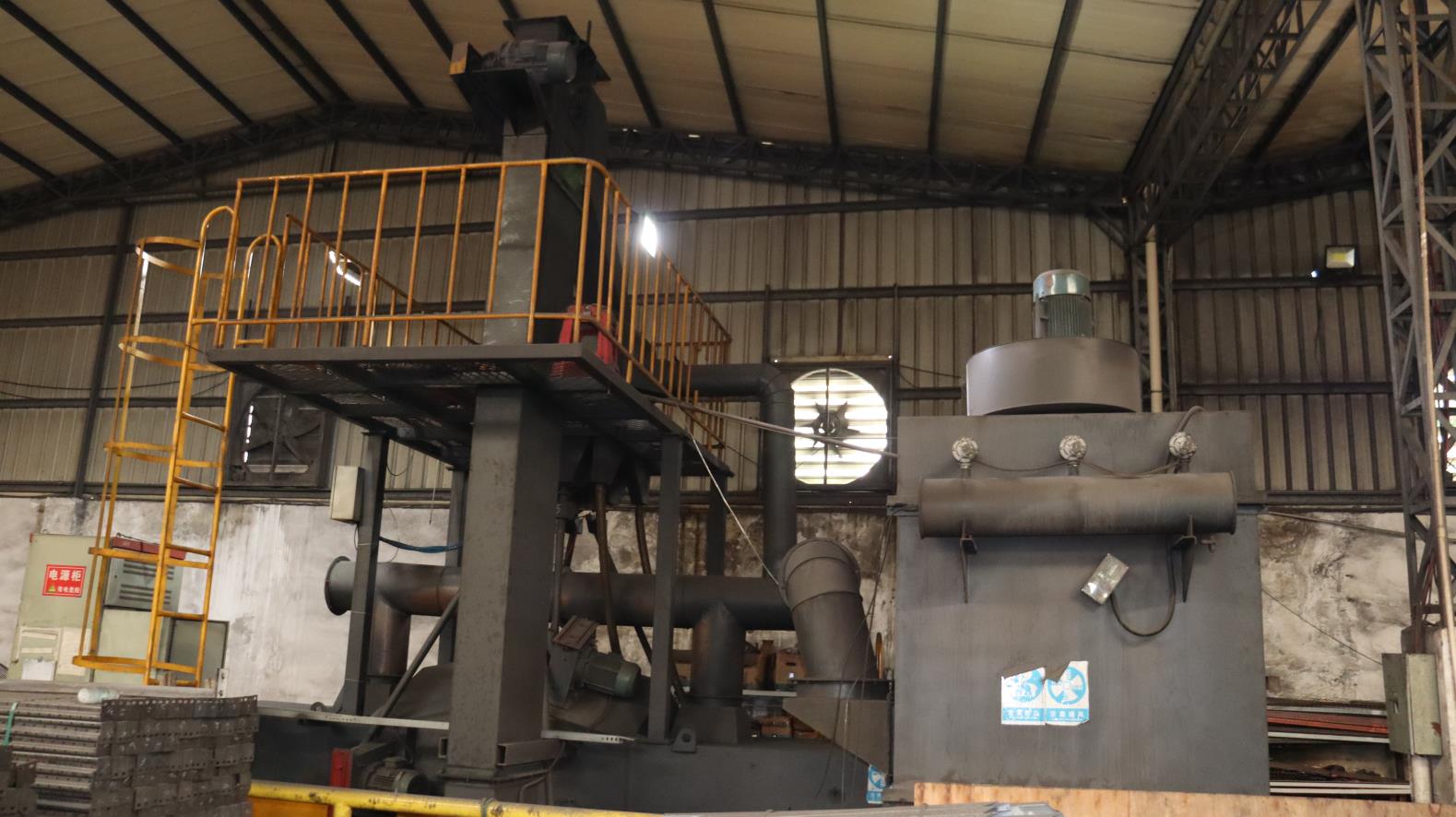
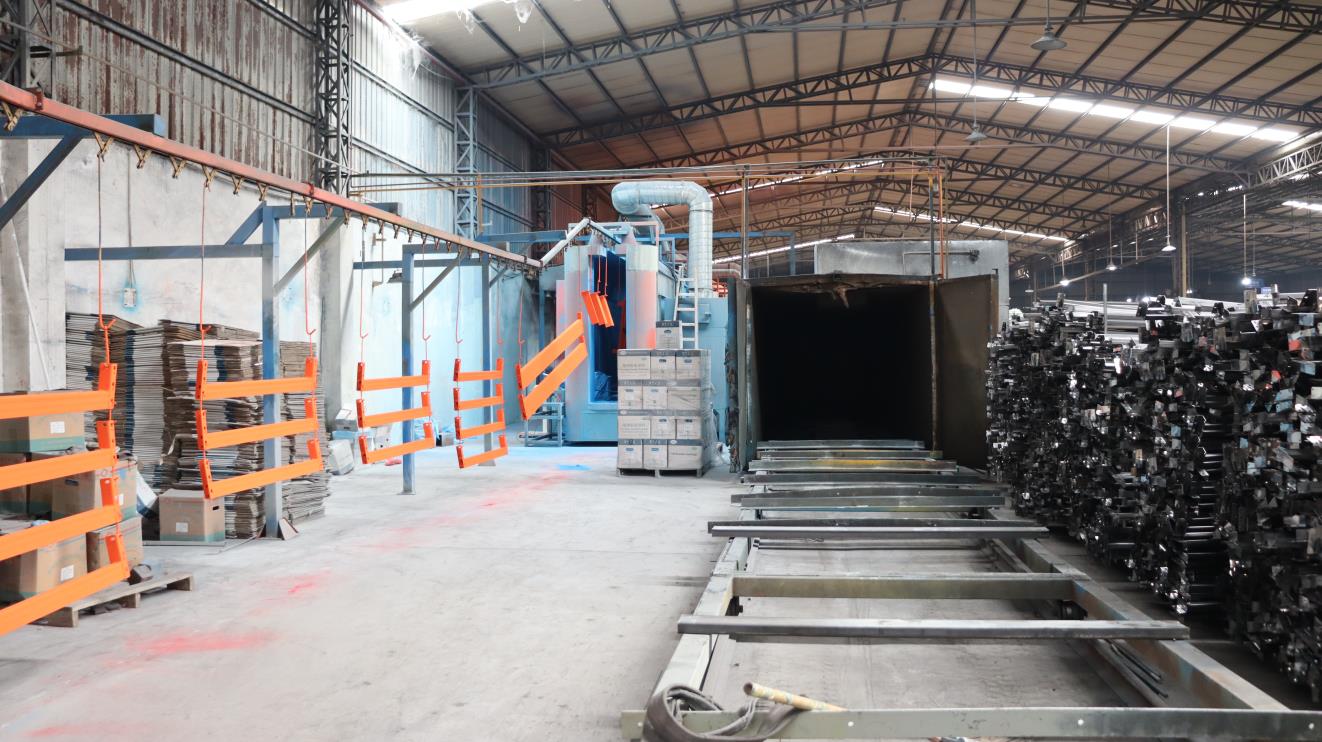
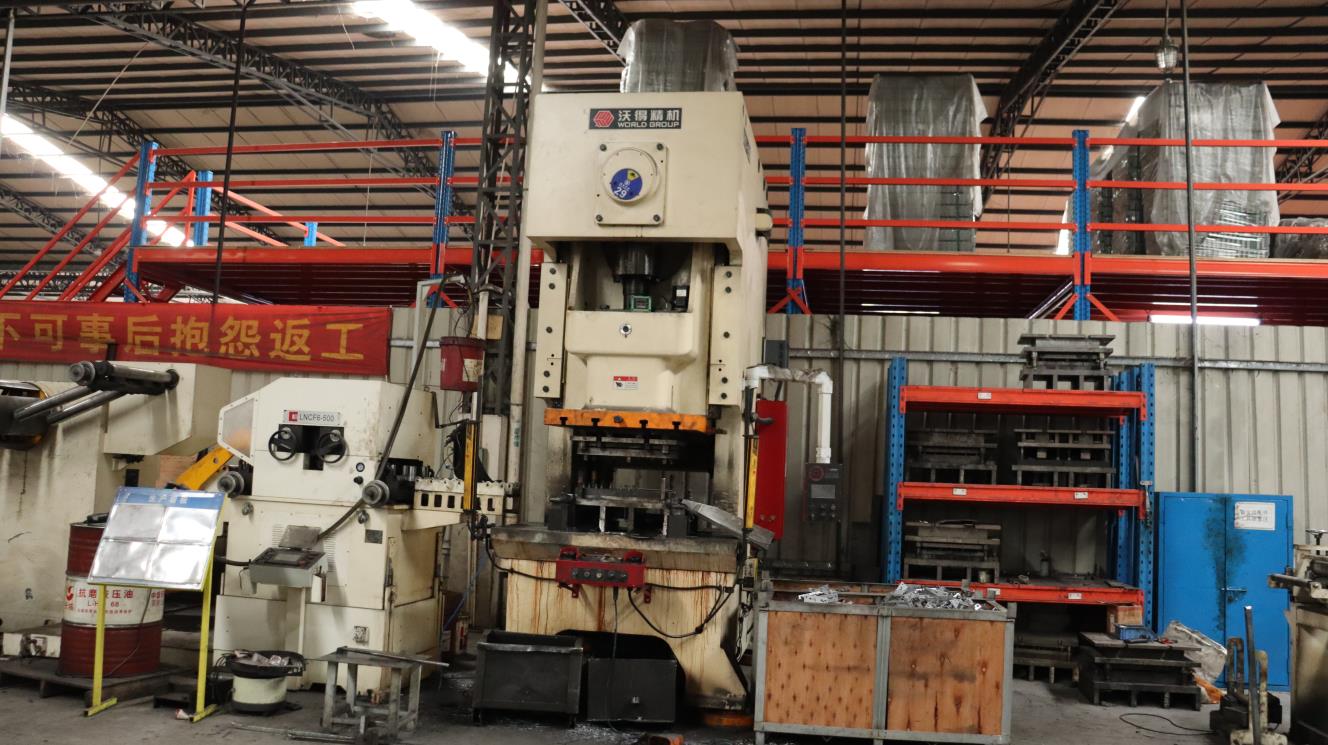
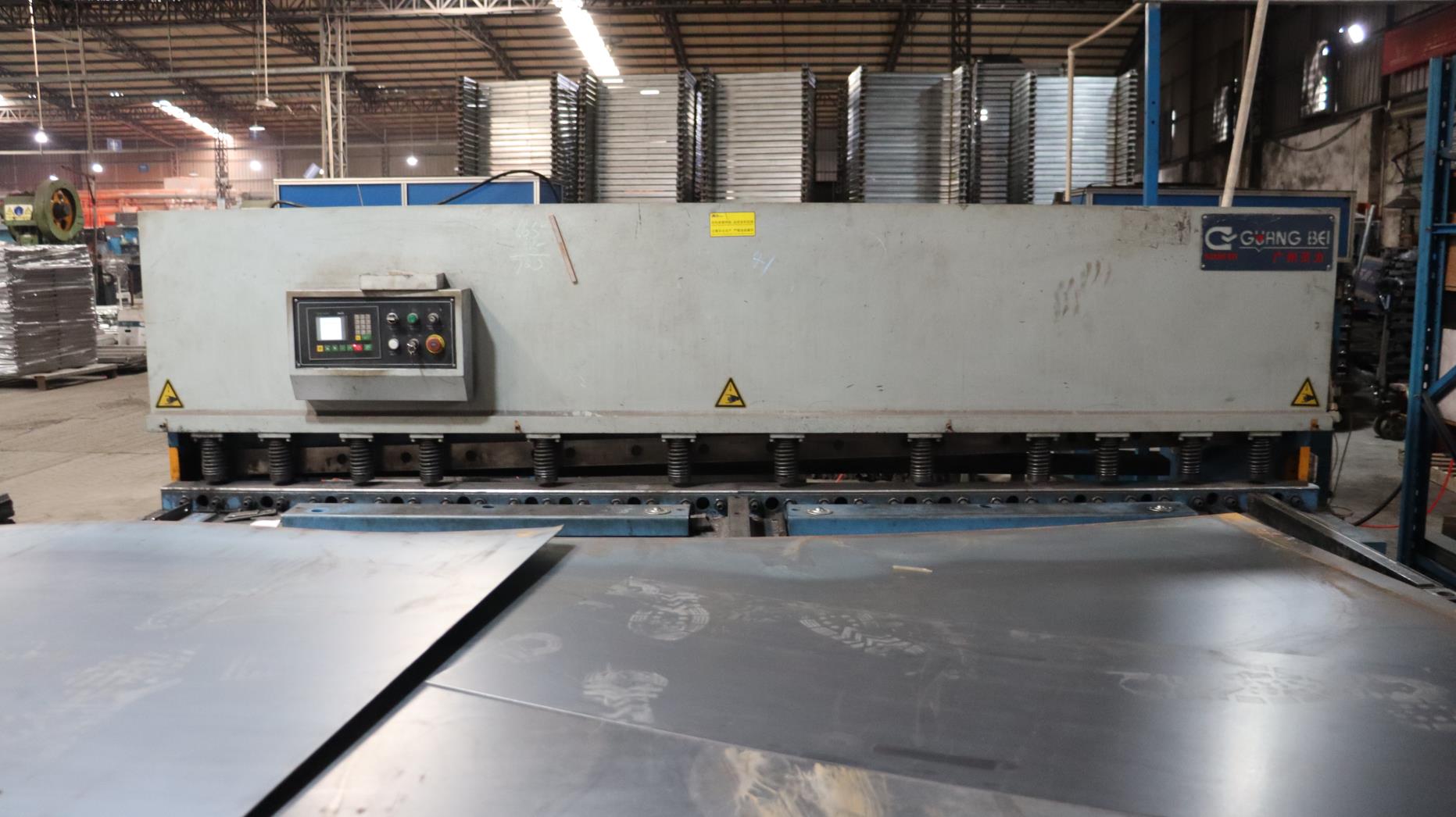
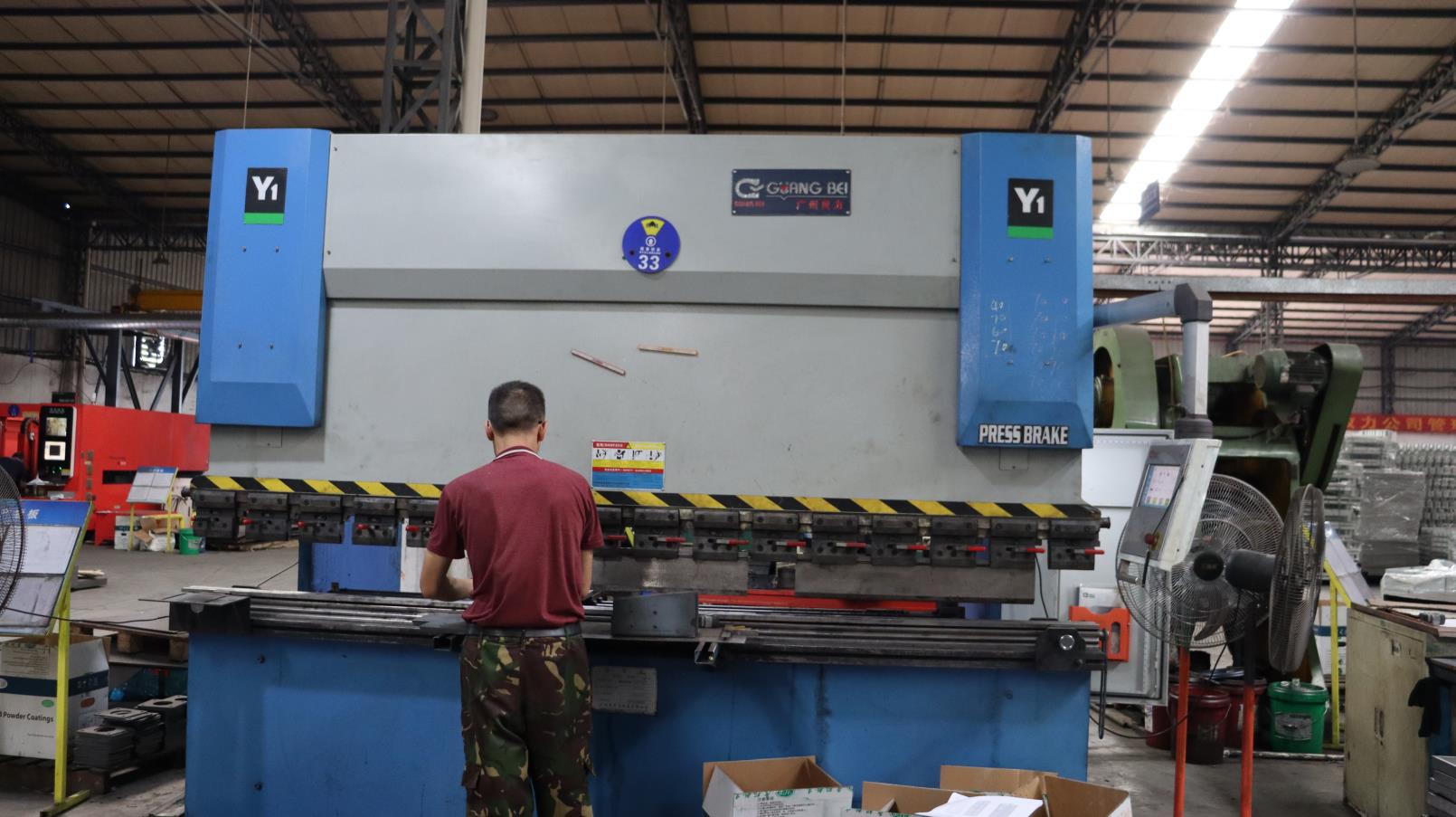
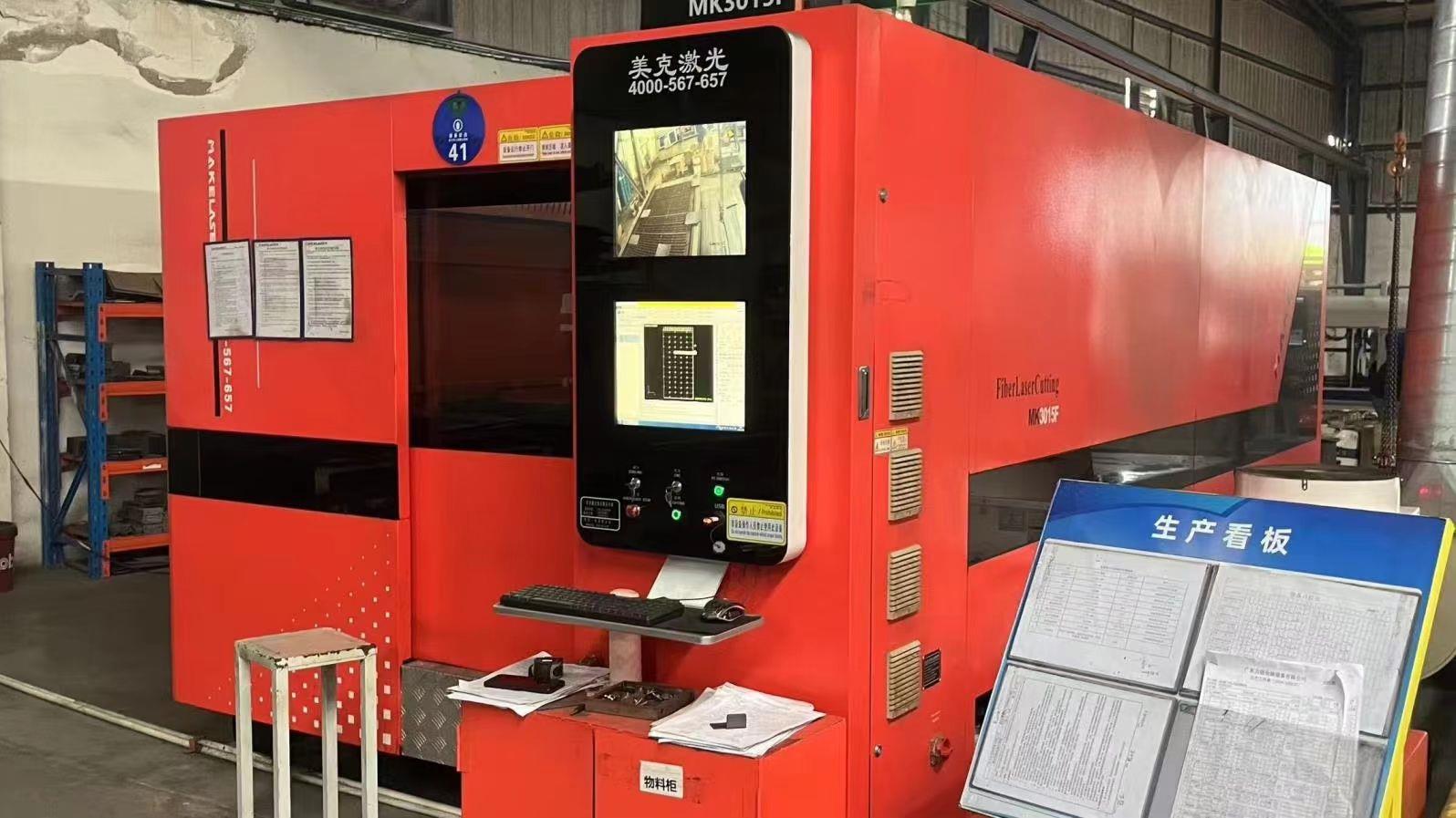
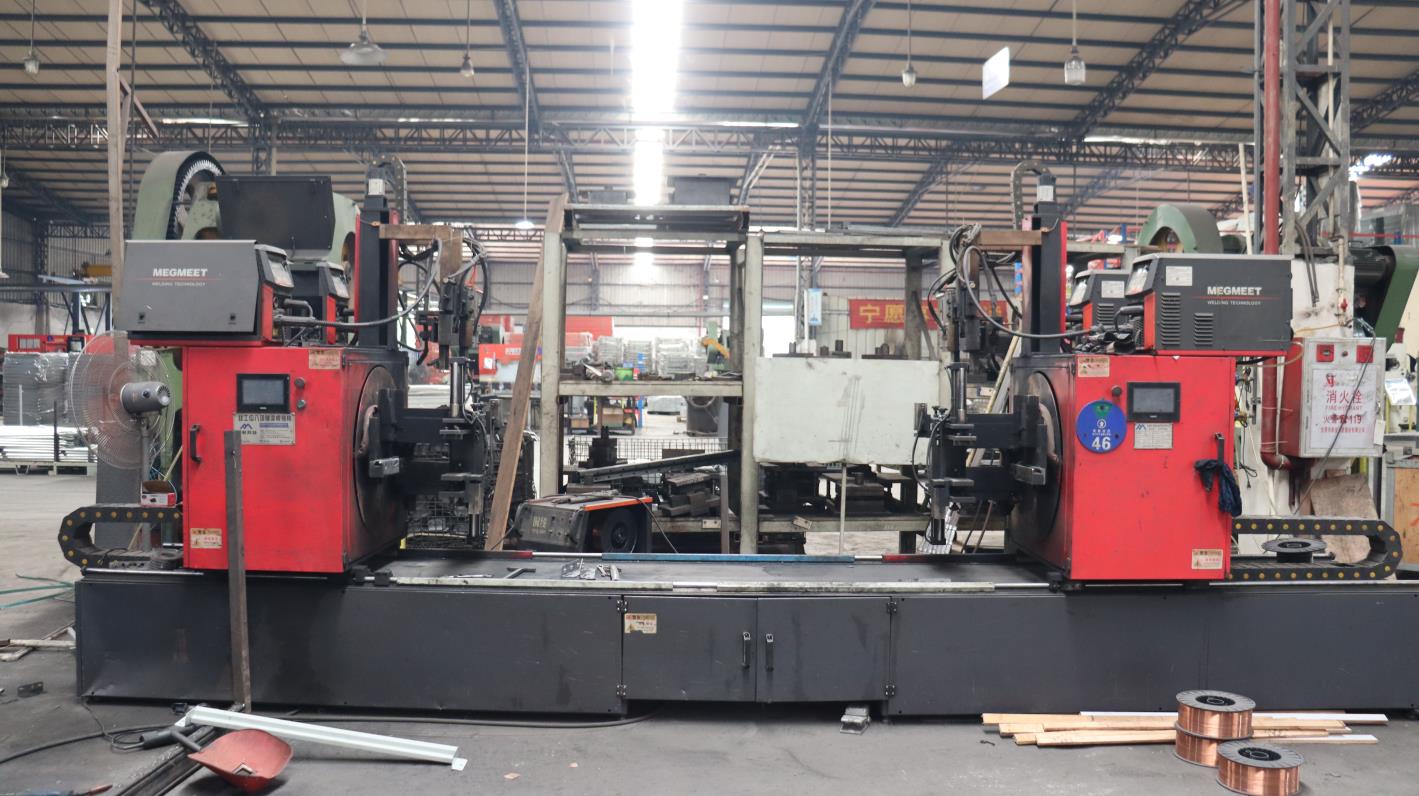
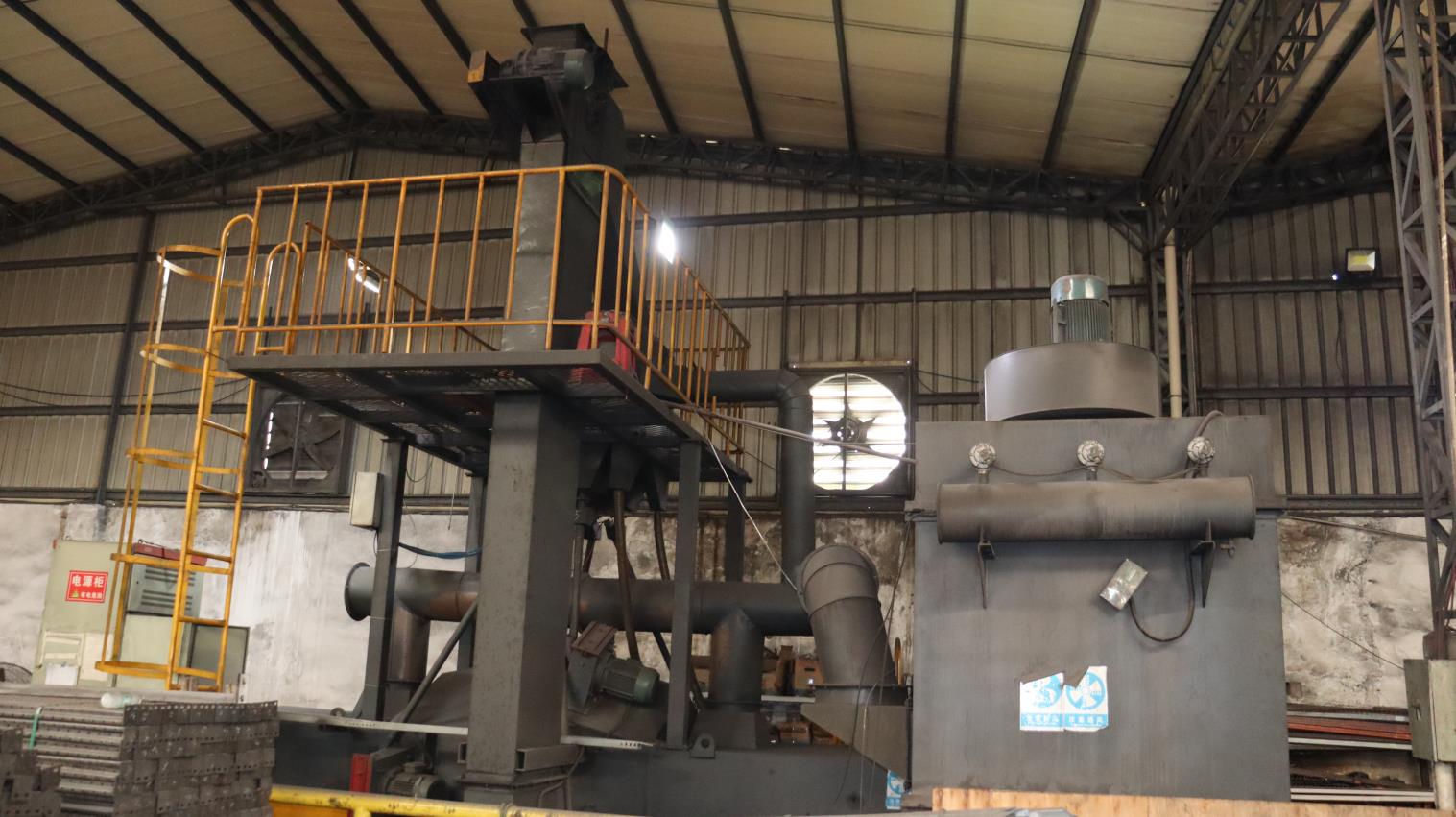
Witness the precision steps and technology that define Shenzhen Lijin's racking structural integrity
How Different Industries Leverage Customizable Racking for Structural Utility
Utilizing high-density Drive-in and Push-back racking systems to operate within temperature-controlled warehouses, maximizing cubic volume utilization and reducing thermal dissipation losses.
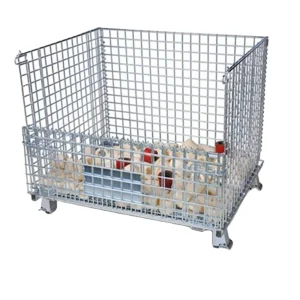
Heavy-duty adjustable beam systems coupled with specialized storage cages to house complex geometries, heavy engines, and transmission units with simple SKU selectability.
Standard Selective Pallet Racking optimized for rapid turnover rates and dynamic SKU variations. Adjustable heights permit continuous reorganization without structural reconstruction.
Key technical indicators procurement managers must verify before finalizing factory orders
Ensure that your supplier utilizes certified structural steel. High-yield steel like Q235B or Q355B (equivalent to ASTM A36 and Grade 50 respectively) provides the necessary yield strength (up to 355 MPa) to withstand maximum vertical loadings without plastic deformation. Request mill certificates and load-test documentation.
The structural capacity of the frame relies on the geometry of the roll-formed column. Beams should display optimized multi-bend patterns to minimize torsional buckling. Frame connection systems (teardrop, hexagonal, or hook-in) must feature high-integrity safety locking pins to avoid accidental disengagement from forklift impact.
If your facility is situated in a high-seismic zone, standard racking parameters will fail under shear stress. Work with R&D engineering departments that carry out finite element analysis (FEA) to customize baseplate dimensions, anchor bolts, and horizontal/diagonal bracing systems according to local seismic guidelines.
Surface treatment is vital for durability. Top manufacturers use multi-stage pre-treatments (acid washing, phosphating) prior to applying high-grade epoxy-polyester powder coats. Ensure a minimum coating thickness of 60-80 microns to resist mechanical abrasion, moisture, and chemical corrosion over long periods.
Detailed technical answers to the most common inquiries from industrial procurement professionals
Engineered Space Optimization Solutions for Dynamic Industrial Needs
 Lijin Racking