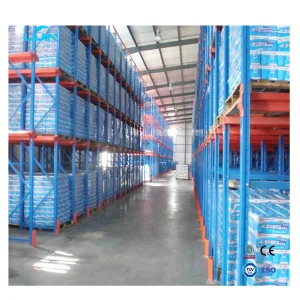
Explore our high-capacity warehouse racking configurations engineered for structural resilience, safety compliance, and maximum space utilization.
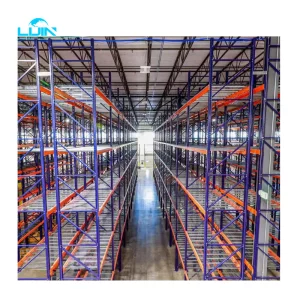
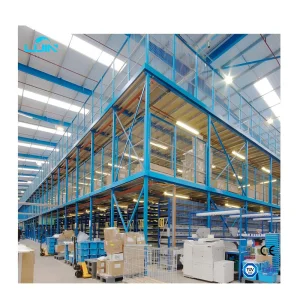
In the modern logistically integrated world, warehouse storage density and structural integrity are key determinants of operating margins. Industrial heavy-duty storage racks are no longer treated as simple passive metal shelving; they are complex engineered structures. These frameworks must bear tons of static load, handle dynamic stresses during mechanical load interactions, and sustain seismic disturbances—all while minimizing material footprint and optimizing vertical cube utilization.
Selecting the right manufacturing partner in China means assessing engineering integrity, material quality control, structural design capabilities under European (FEM), American (RMI), or Australian (AS4084) standards, and precision manufacturing capabilities. Steel heavy load racking requires structural cold-formed profiles designed with tight tolerances to prevent stress localization and ensure predictable load paths.
Empowering global enterprises with advanced, precision-engineered warehouse storage and automated logistics solutions since 2015.
We enforce a multi-stage quality control protocol featuring ultrasonic non-destructive weld testing, automated laser dimension checking, and heavy structural load endurance runs. Our 35 dedicated quality inspectors supervise production from billet raw material to final packaging, ensuring total safety compliance.
Our engineering division, staffed by 28 senior structural and R&D engineers, develops custom layouts, automated storage integrations, and high-performance seismic-resistant structural configurations. Over 85 new product integrations were deployed to active client projects in the past year.
With over 8 years of direct export experience and projects spans North America, Western Europe, Southeast Asia, and the Middle East, our team understands dynamic maritime logistics, customized import regulations, and multi-country structural building codes.
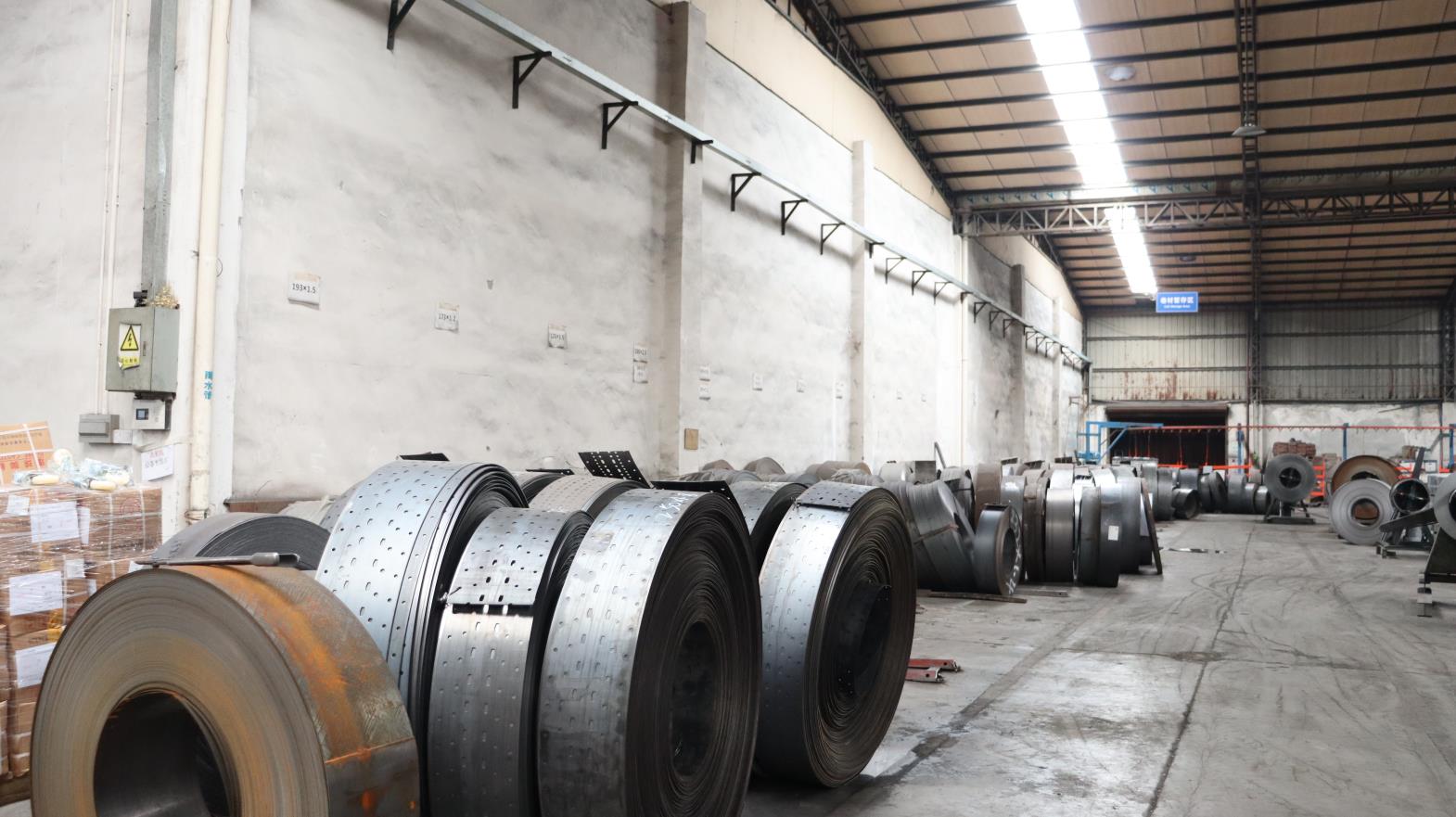
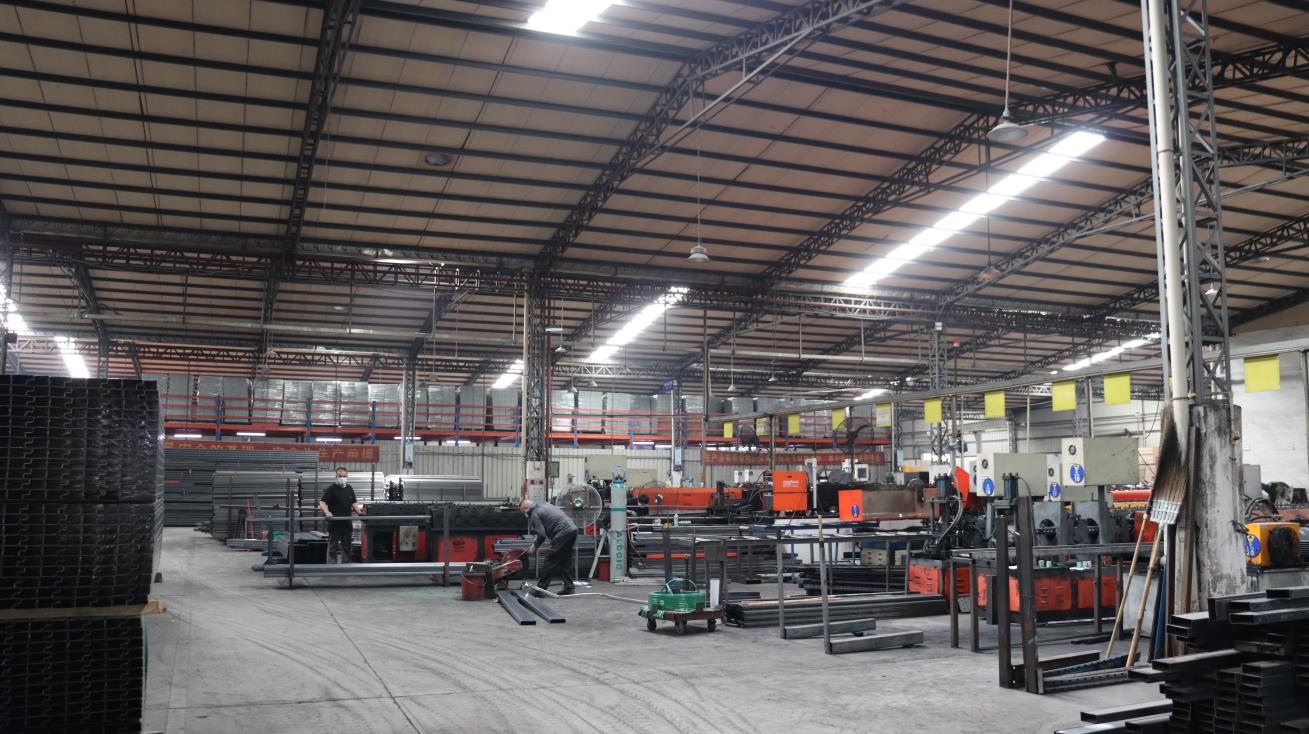
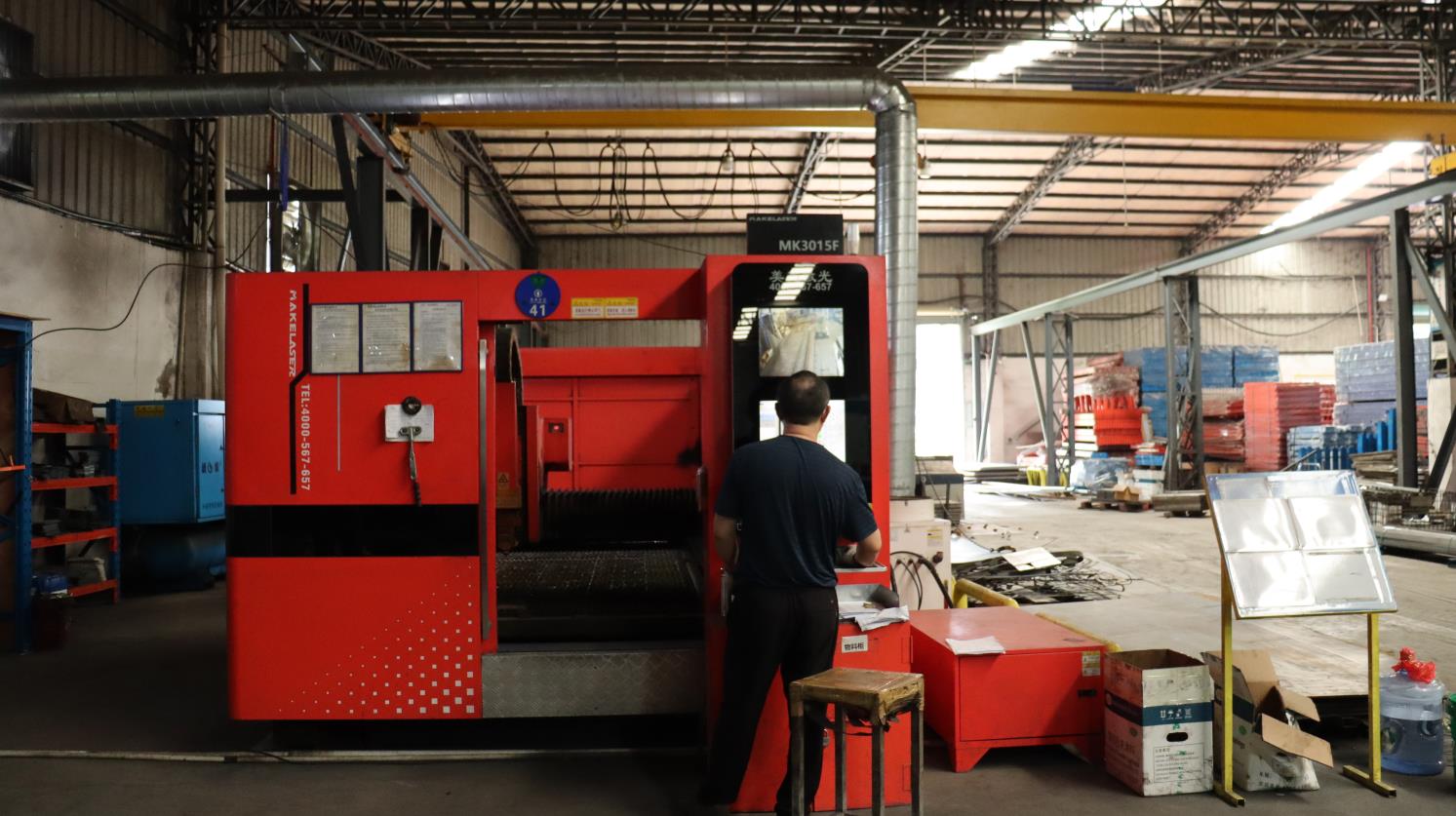
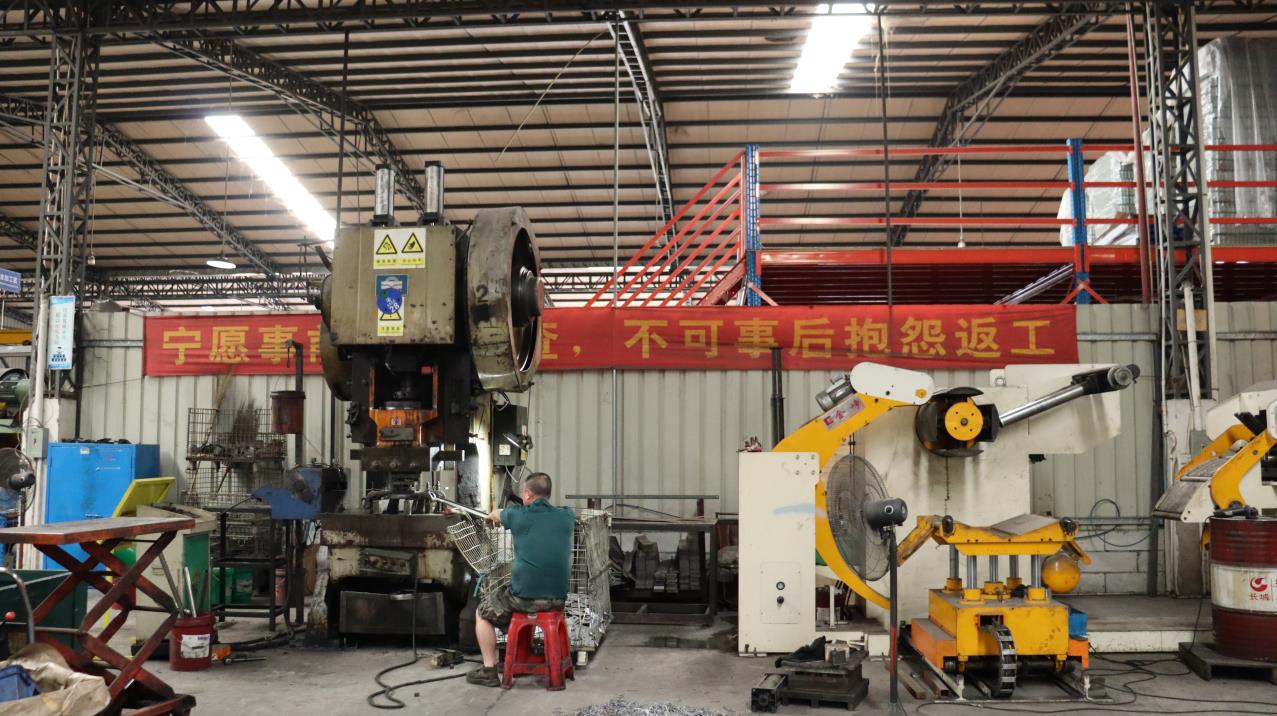
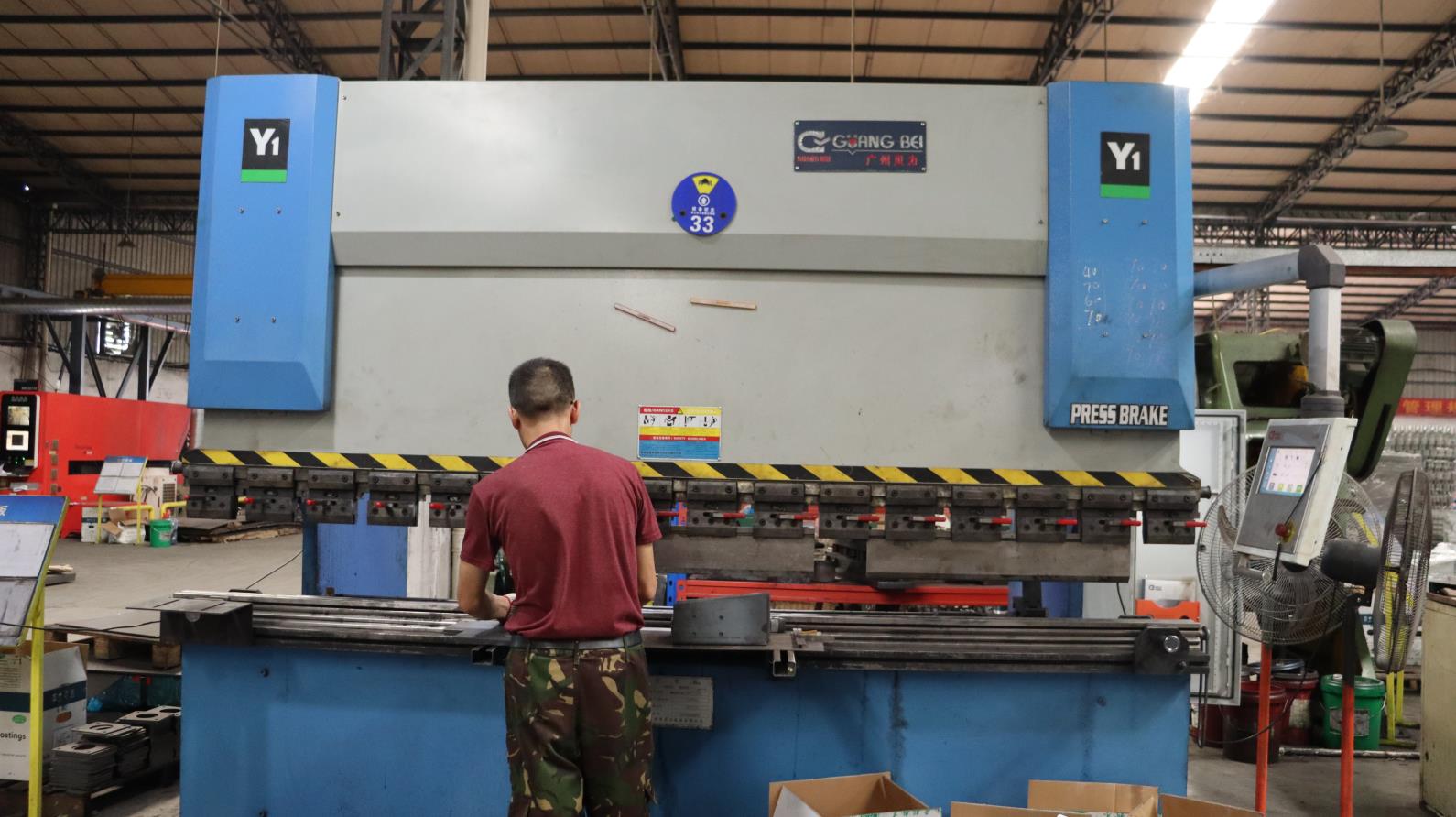
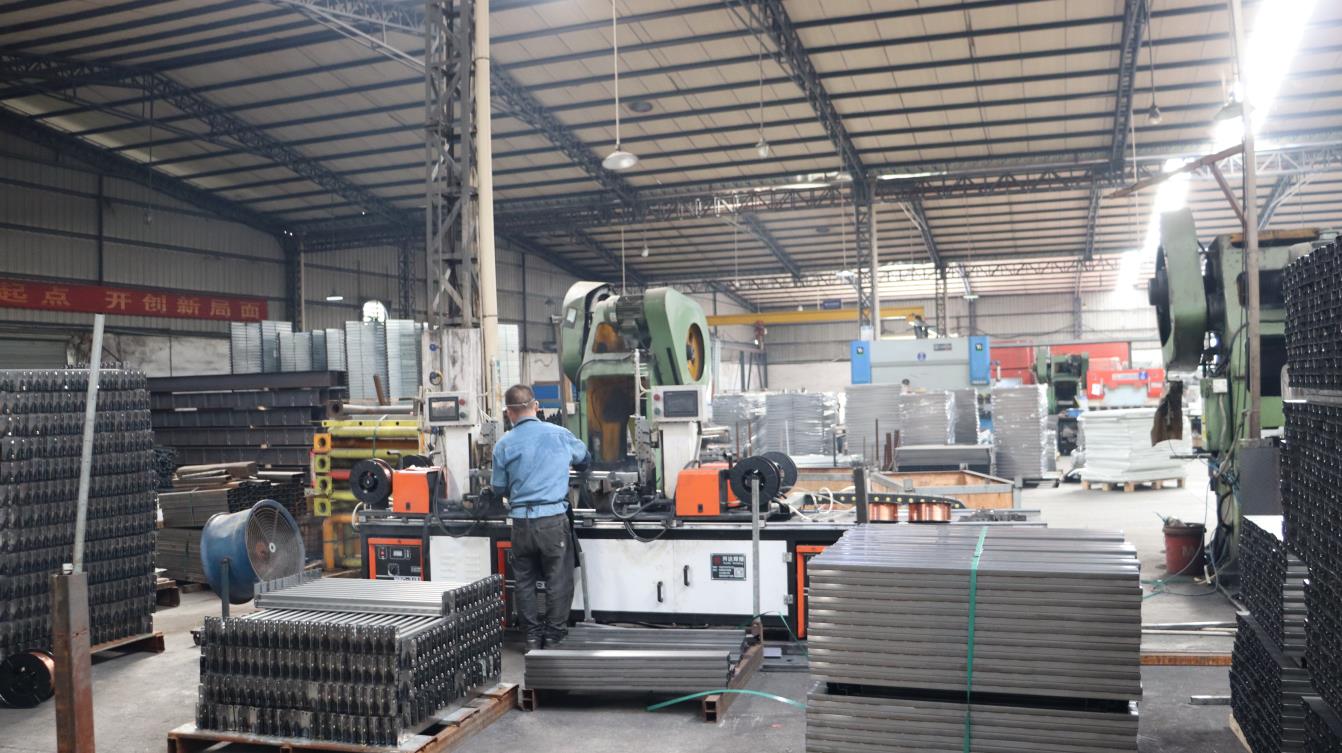
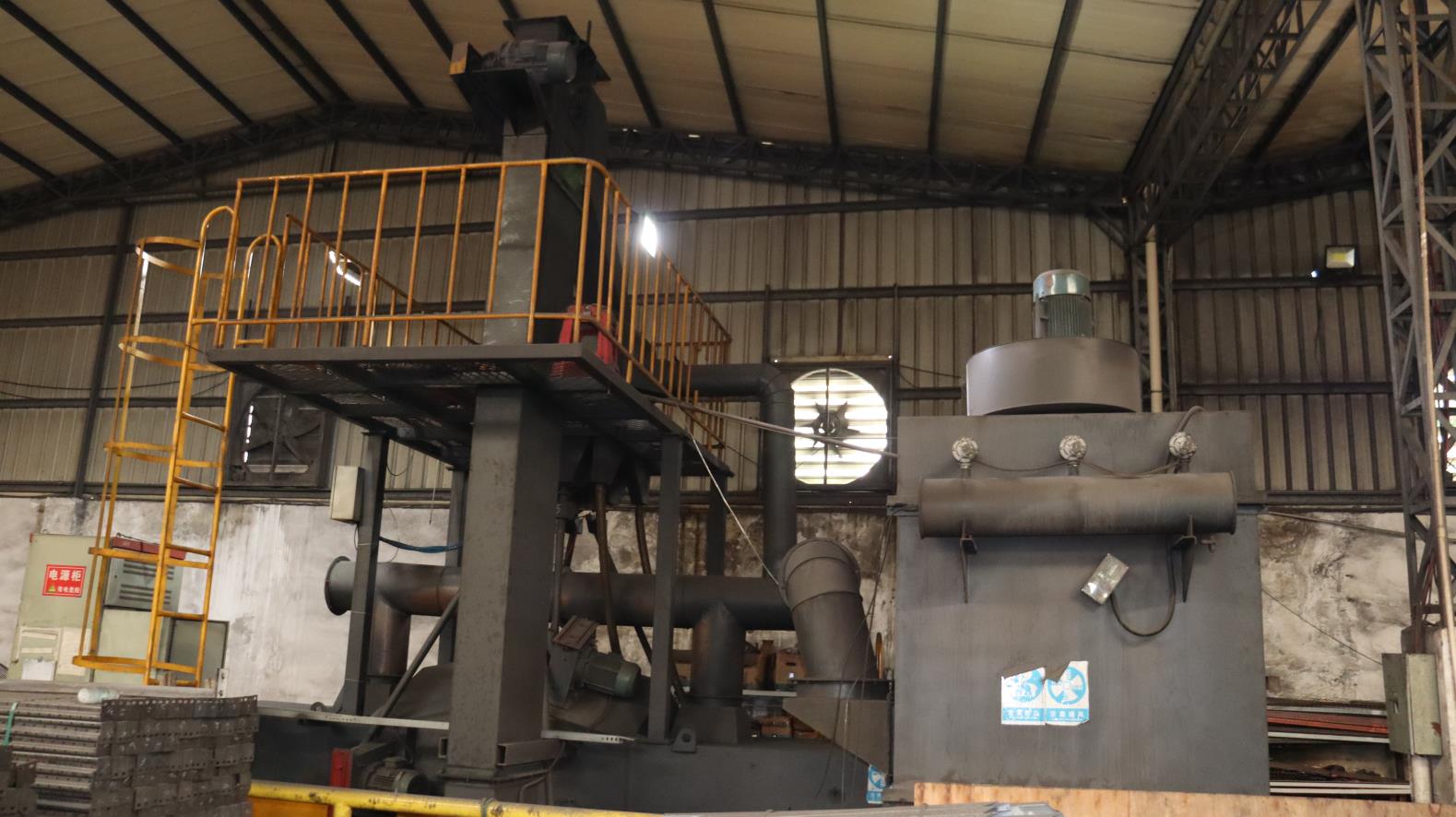
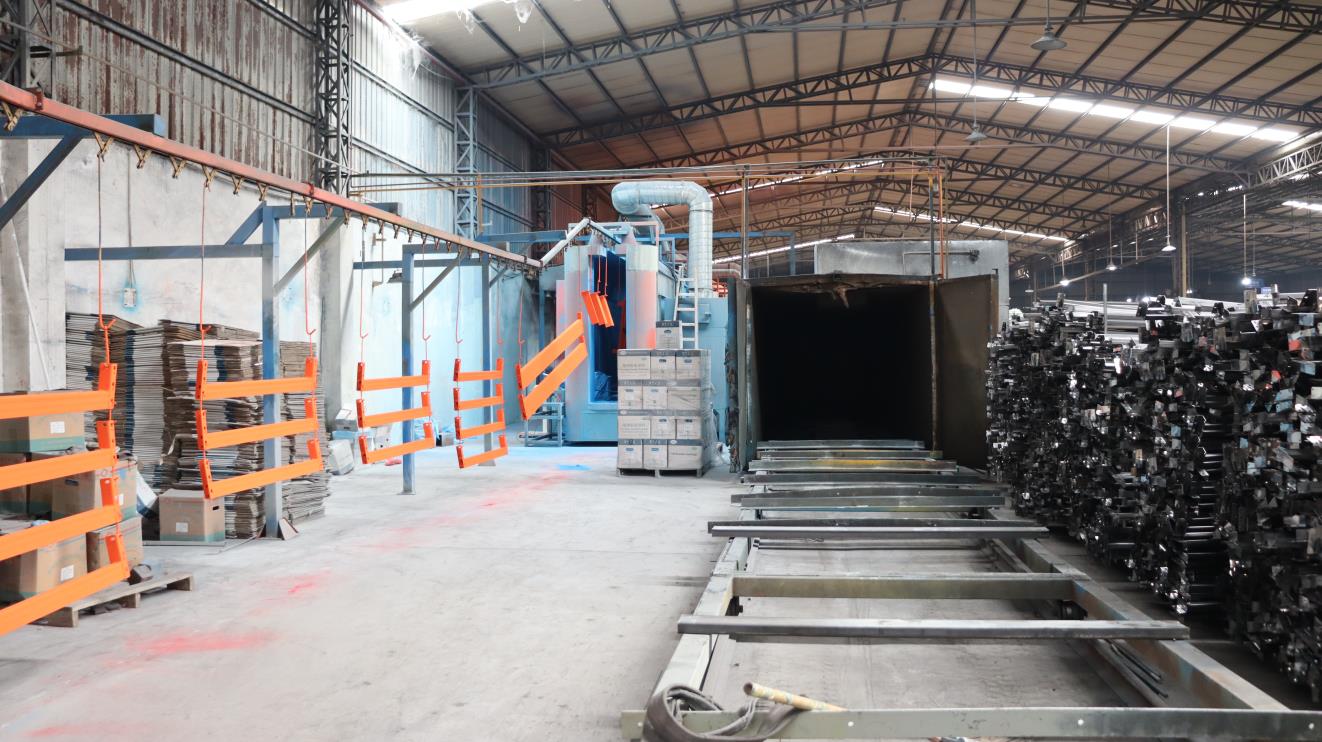
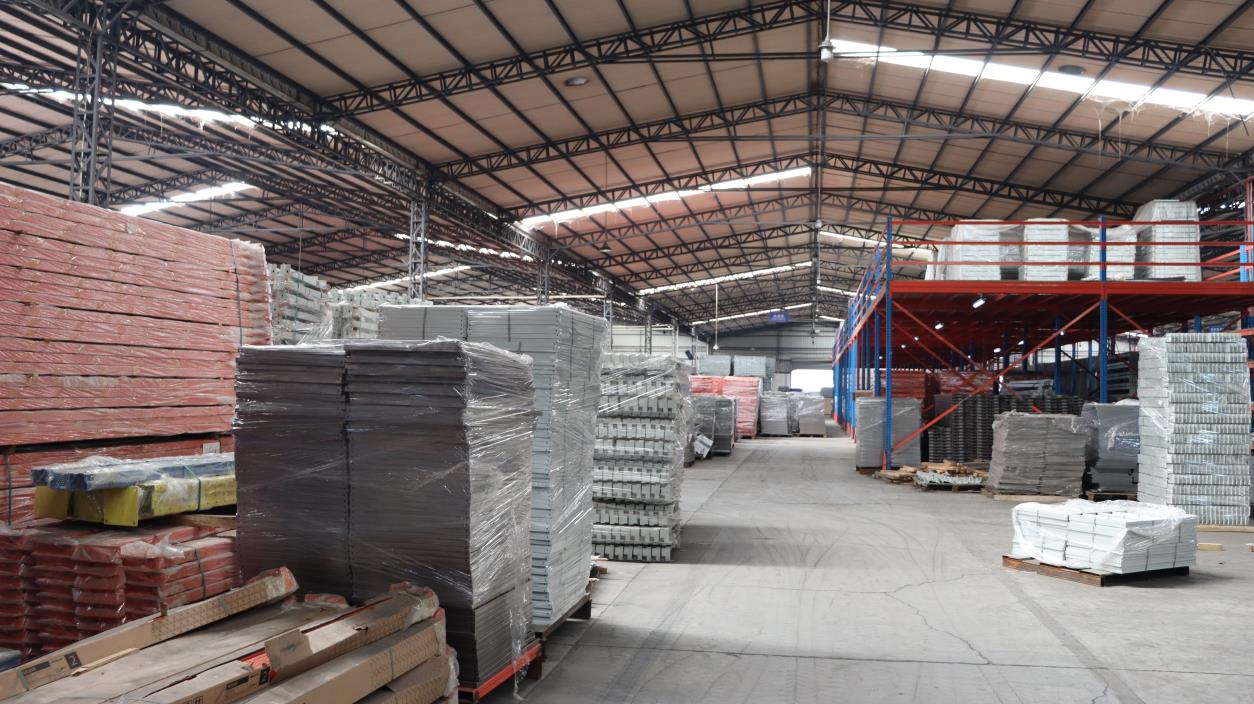
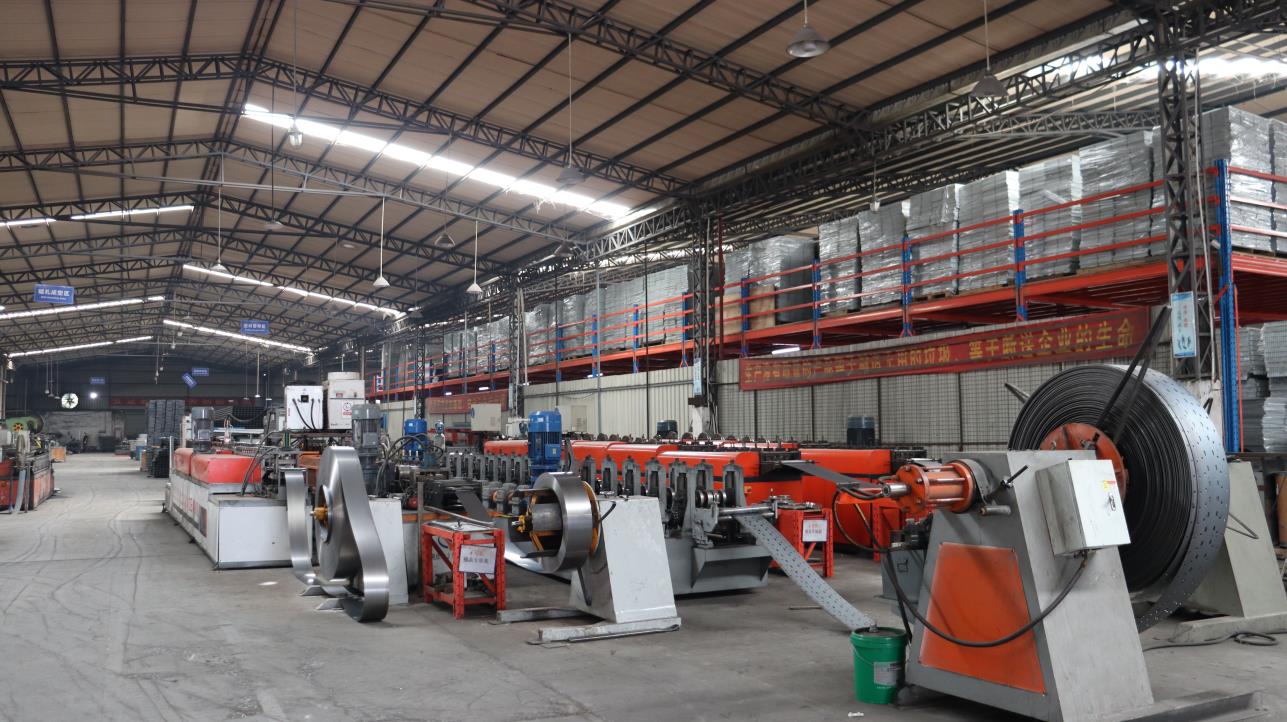
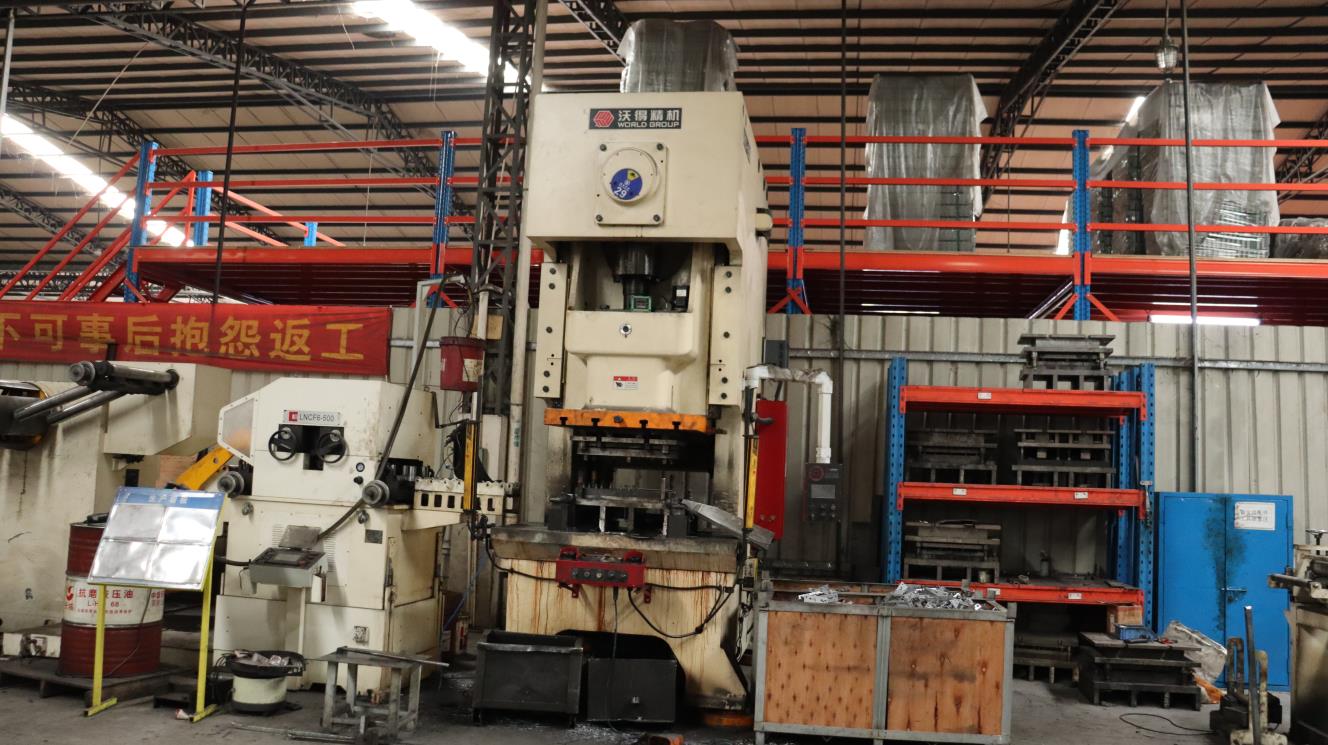
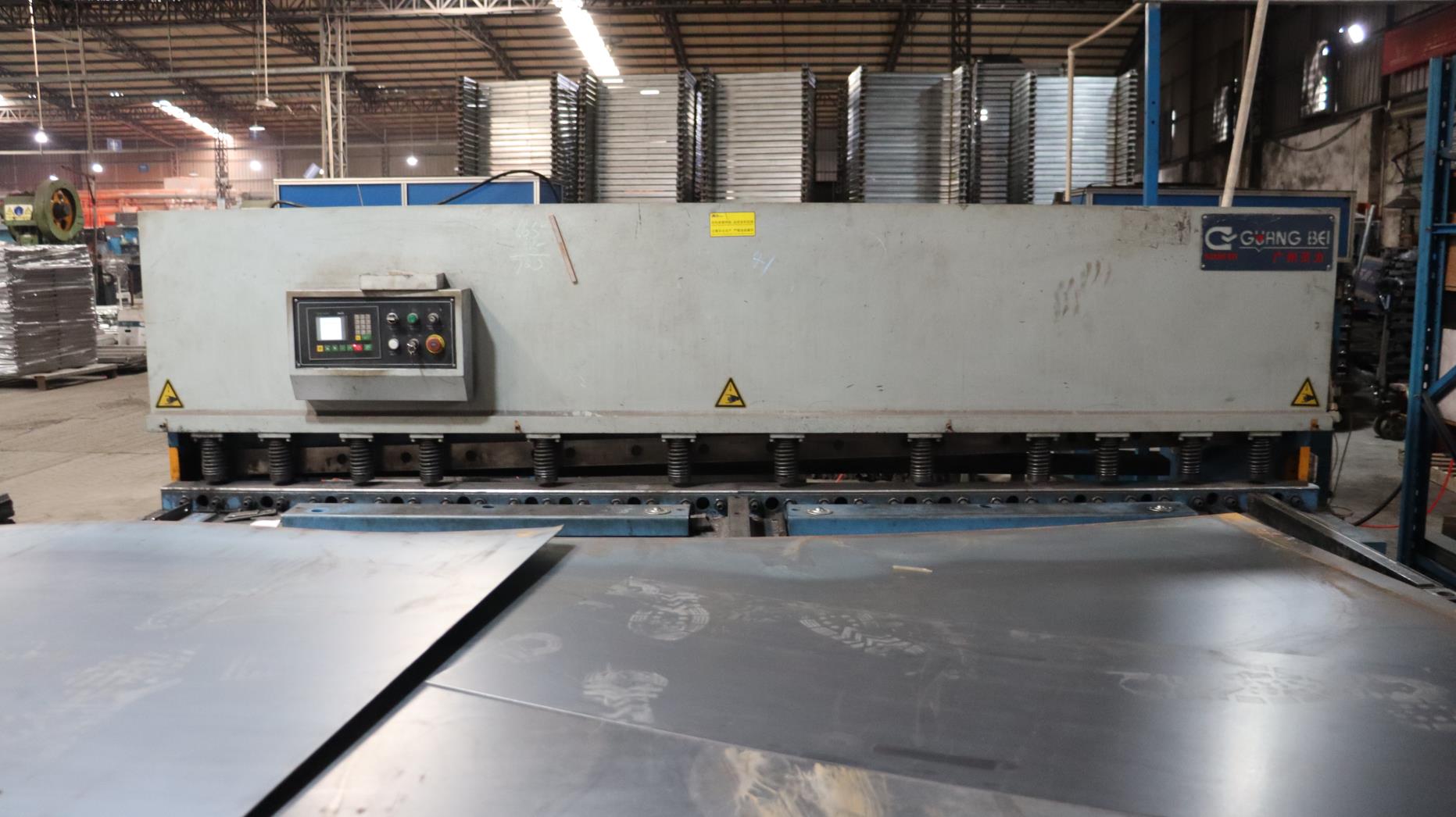
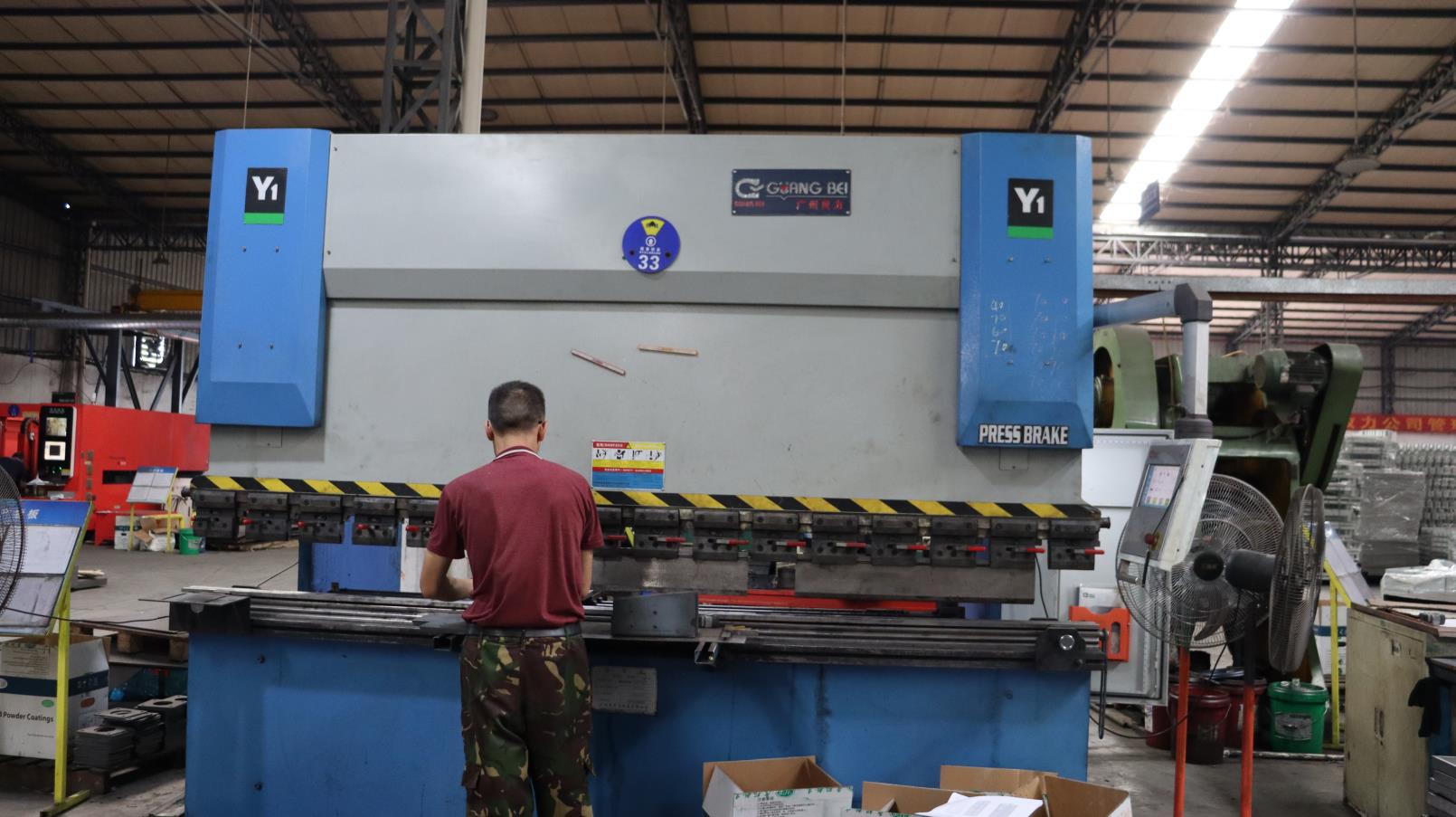
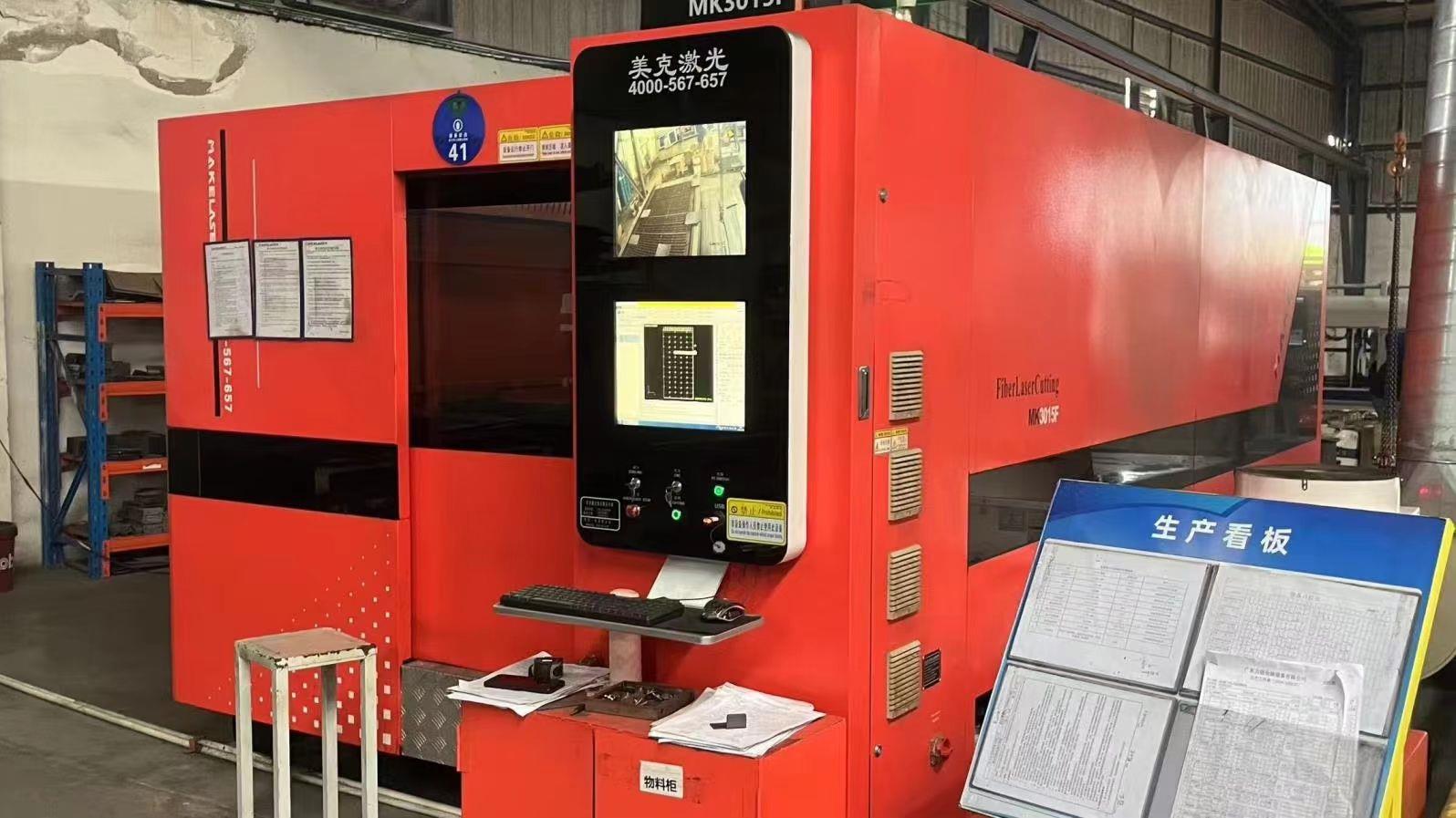
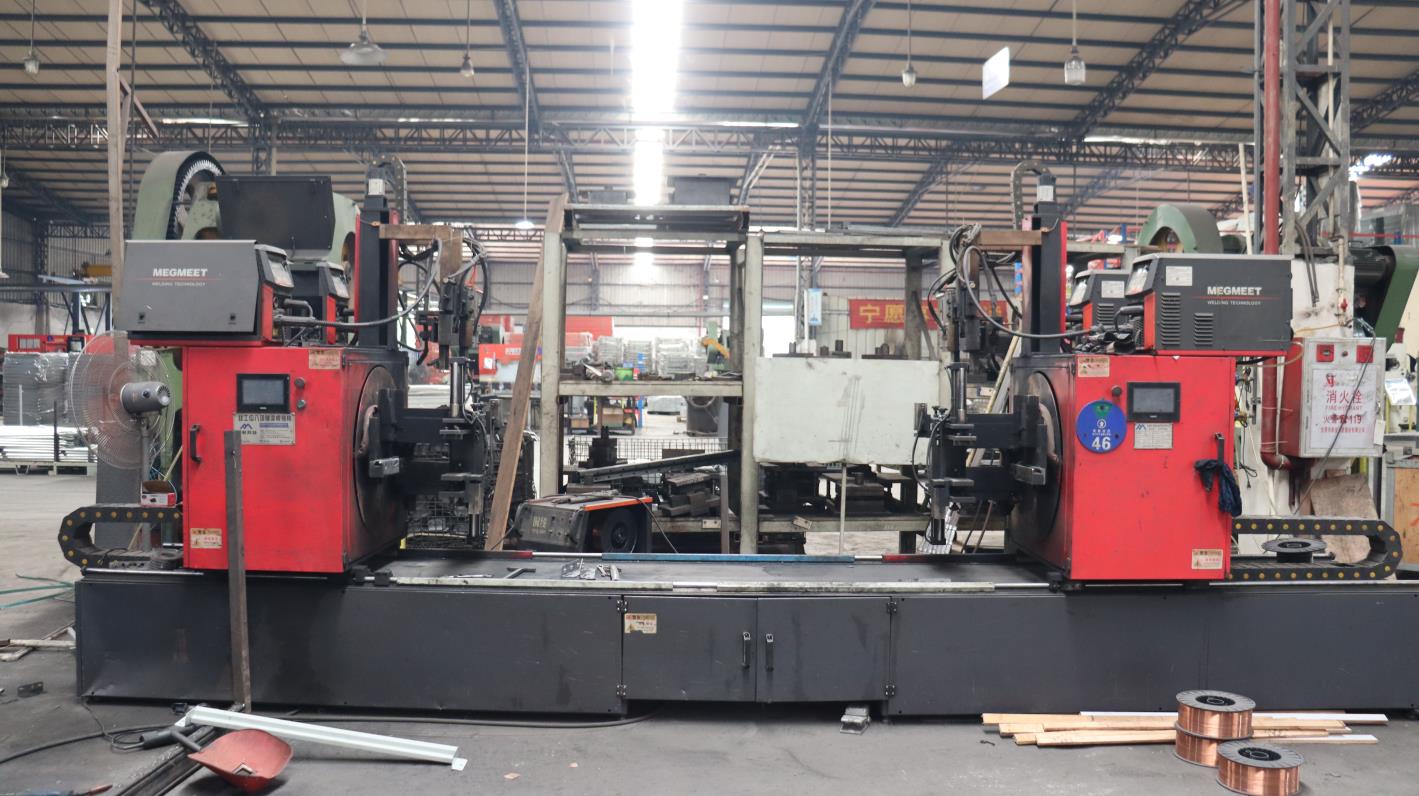
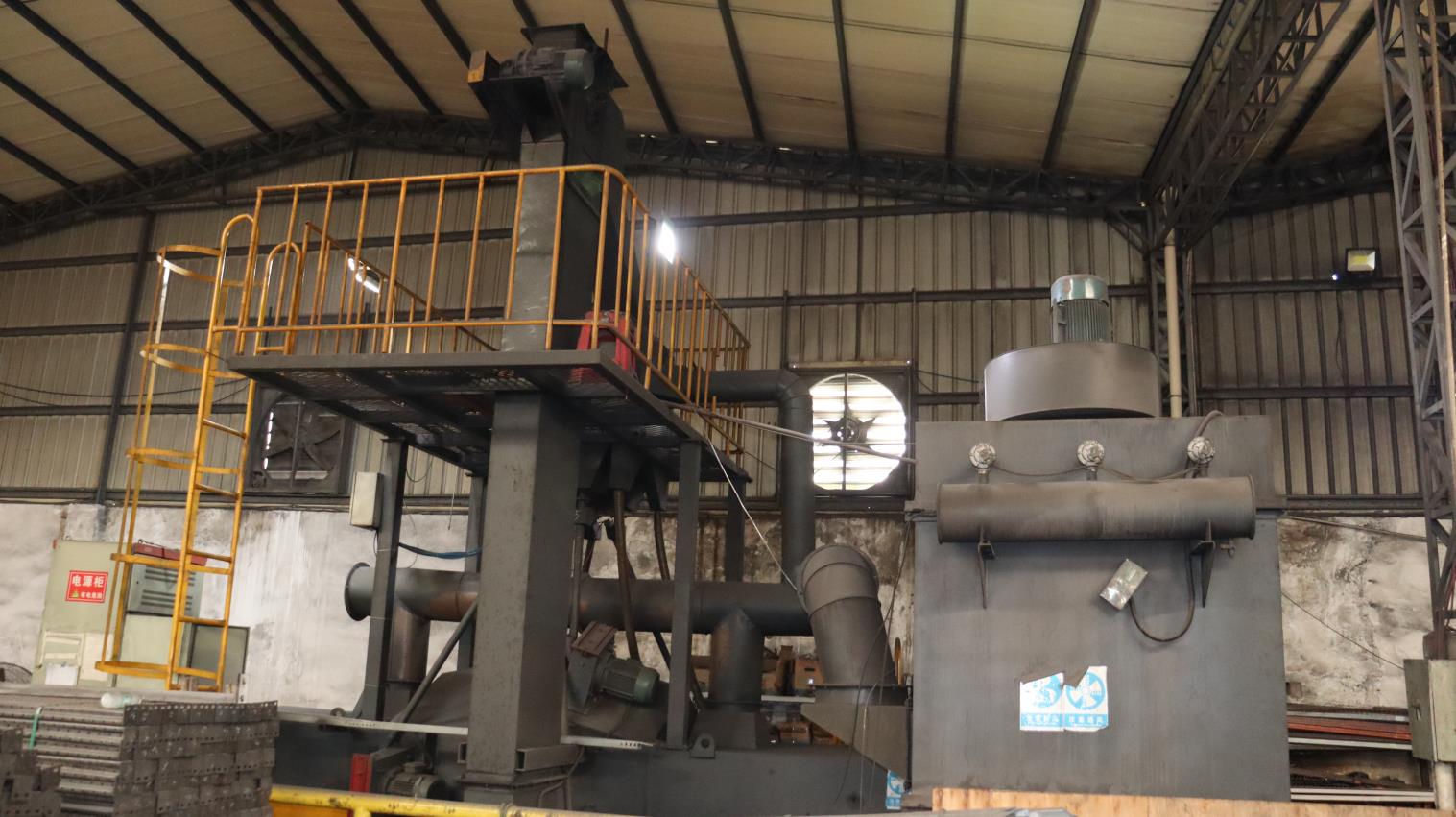
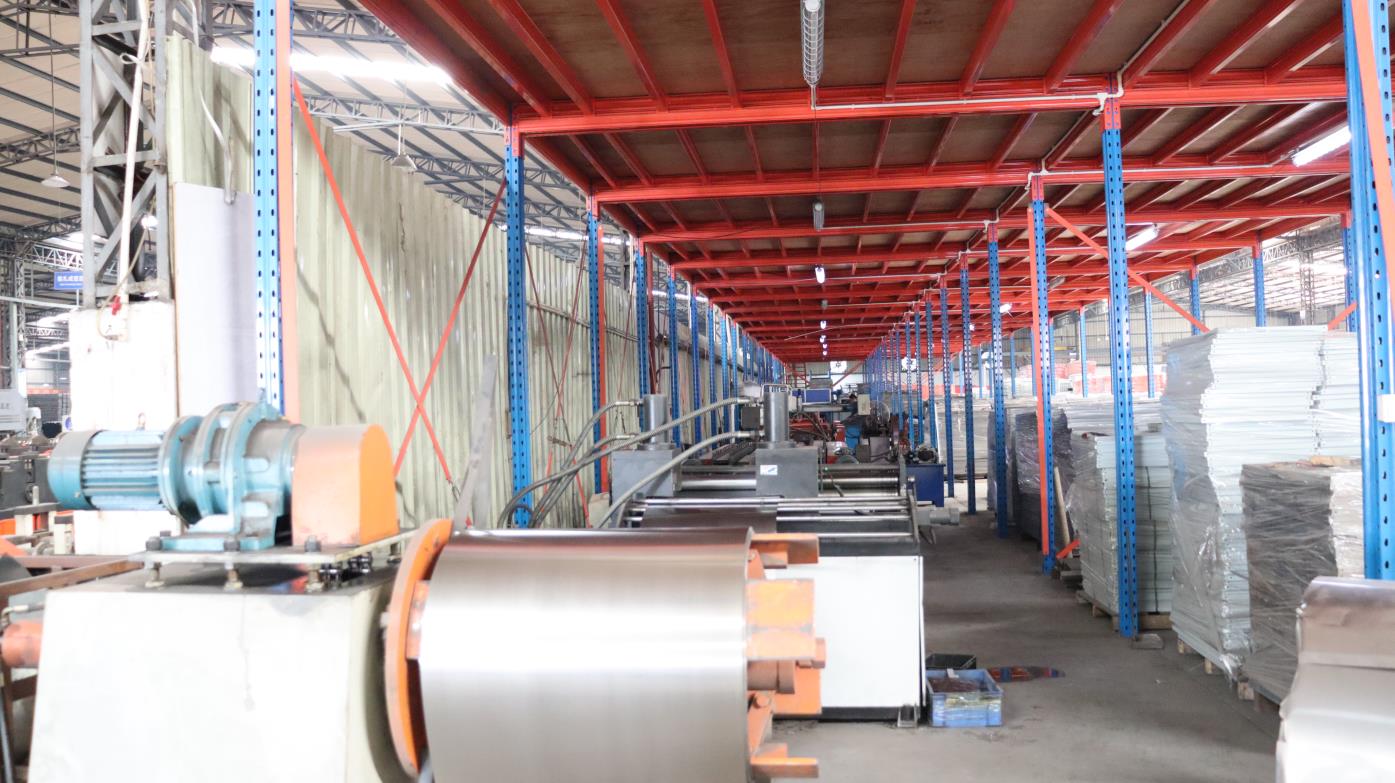
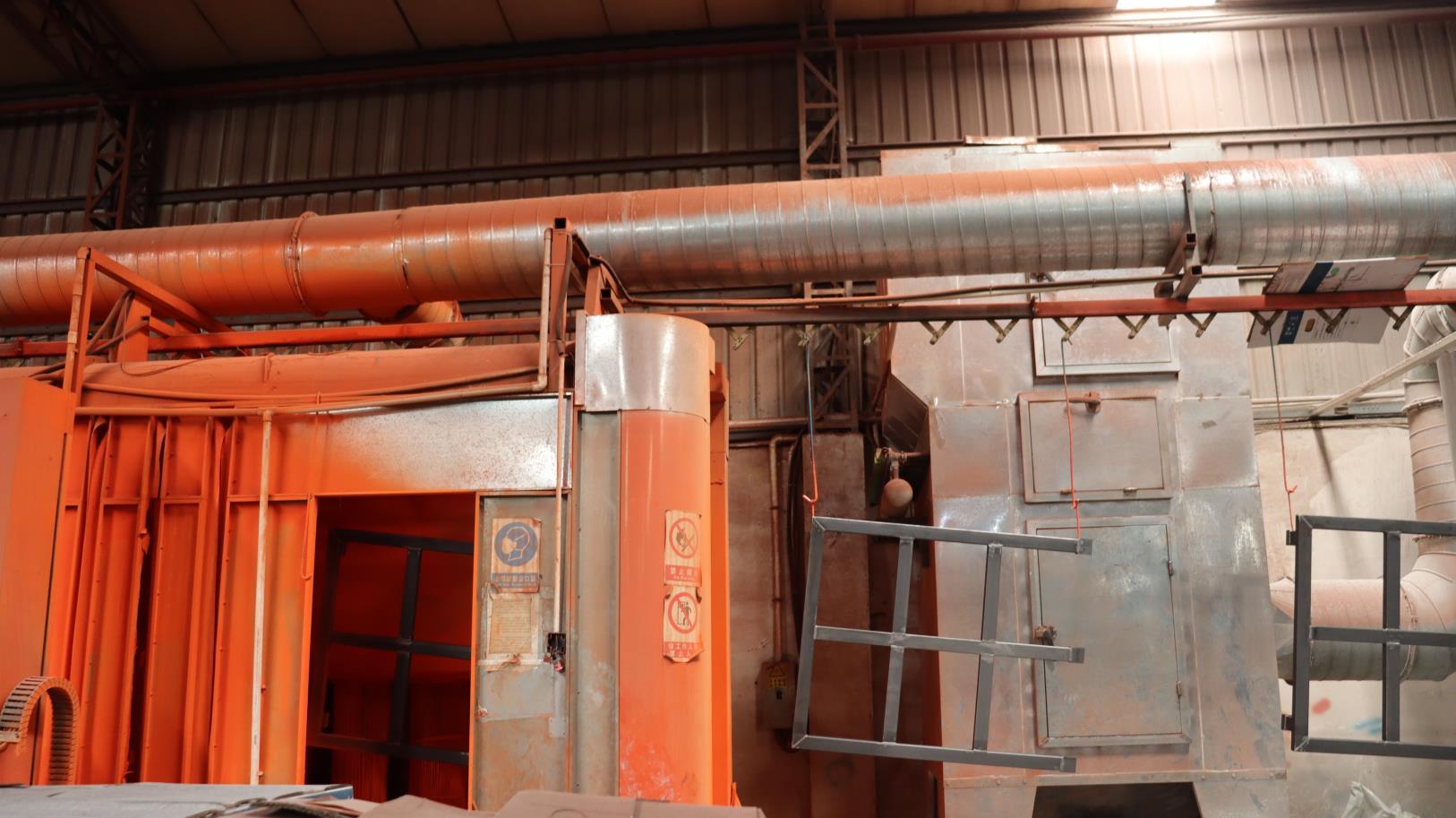
Observe the physical workflow at our Shenzhen manufacturing base, utilizing high-precision CNC machinery and automated processing lines.
The global warehousing market is upgrading rapidly. Stay ahead of regulatory changes, technological shifts, and structural developments.
Traditional warehouses are shifting toward Automated Storage and Retrieval Systems (AS/RS). Modern heavy-duty structures are manufactured with tighter tolerances (+/- 1mm vertical deflection limits) to support high-speed robotic cranes, shuttles, and automated guided vehicles (AGVs) without collision risks.
Compliance with global structural regulations (such as the American Rack Manufacturers Institute (RMI) standards, and European EN 15512) is increasingly mandatory. Engineers now utilize Finite Element Analysis (FEA) to simulate complex earthquakes and calculate localized dynamic energy attenuation profiles.
Multinational companies must meet strict ESG metrics. Racking production is turning toward energy-efficient roll-forming systems, water-based structural coatings, and recycled industrial-grade steel alloys that offer the same structural yield strength without a heavy environmental footprint.
Heavy-duty storage systems must be customized to balance access speed, floor space utilization, and specific commodity profiles.
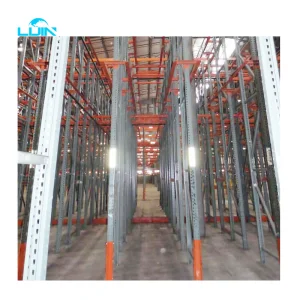
Cold chain operations incur high energy costs. Storage density must be maximized to limit cold room size. Drive-in systems and mobile shuttle racking are ideal because they minimize aisle space. Under sub-zero conditions, structural steel requires specialized low-temperature impact testing to avoid cold-brittleness fractures in columns and welds.
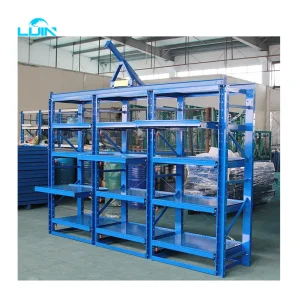
Automotive parts, heavy engines, and sheet metal molds are dense, bulky, and feature concentrated center-of-gravity points. Structural cantilever systems and custom mold drawer racks are necessary. These systems require heavy structural I-beams rather than roll-formed profiles to prevent load deflection under intense load.
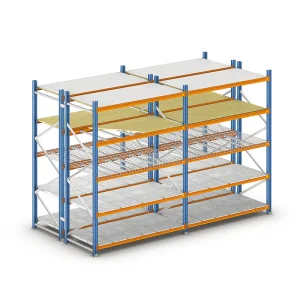
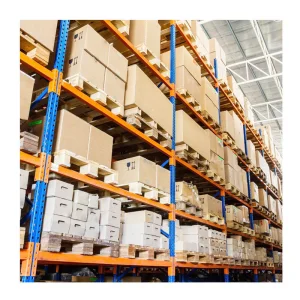
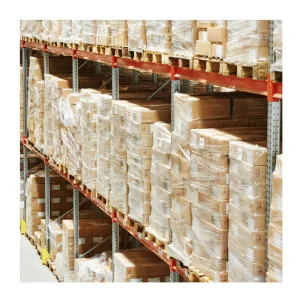
3PL providers handle diverse, frequently changing SKU types. Selective pallet systems are highly favored for their direct accessibility (100% SKU selectivity) and ease of reconfiguration. Adding multi-tier steel mezzanines allows facilities to segment small-item operations from bulk pallets without enlarging building footprints.
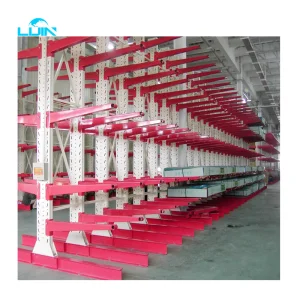
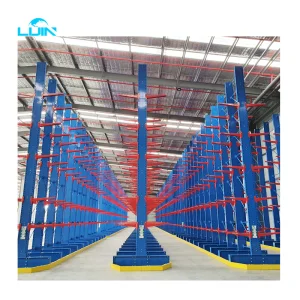
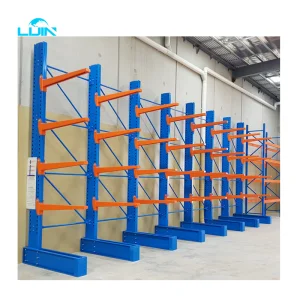
Storing lumber, structural pipes, conduit, and heavy bar stock requires system design that eliminates front obstacles. Cantilever racks allow unrestricted loading access for long items. Double and single-sided configurations ensure material handling equipment can maneuver safely.
Before confirming your order with a Chinese heavy load racking exporter, verify their compliance metrics to safeguard your facility investment.
Confirm raw materials are sourced from certified mills (e.g., Baosteel or Ansteel). Request official Mill Test Certificates (MTC) proving carbon equivalent levels, elongation limits, and yield strength (Q235B vs. Q355B/Q345B).
Ensure all structural welding is performed under AWS D1.1 (American Welding Society) standards or ISO 3834. Upright frame welds must undergo ultrasonic or dye penetrant non-destructive testing (NDT) to prevent localized weld shear failure.
Verify the manufacturing team applies structural calculations that meet your country's regulations: AS4084-2012 for Australia, RMI/ANSI MH16.1 for the USA, and EN 15512 or FEM 10.2.02 for the European Union.
Get professional, engineering-focused answers to common warehouse storage procurement questions.
Q235B and Q355B are carbon steel grades commonly used in Chinese steel manufacturing. The key difference lies in yield strength. Q235B has a yield strength of 235 MPa, which is ideal for standard warehouse racking, light shelving, and support struts. Q355B is a low-alloy, high-strength steel with a yield strength of 355 MPa. We use Q355B for high-rise upright frames, deep cantilever columns, structural beam platforms, and heavy-duty seismic designs where load demands are high and minimizing profile thickness is desired to prevent excess dead weight.
Load calculation requires knowing the pallet profile, layout dimensions, and seismic zone factors. Beams are designed to support a uniformly distributed load (UDL) per pair. Our R&D team uses finite element design software to ensure the maximum deflection of a loaded beam does not exceed 1/200th of its clear span (L/200), in compliance with RMI and FEM specifications. Safety margins are built-in, typically using structural safety factor of 1.5 to 1.8 to safeguard against operational overloading or forklift impact.
Shenzhen Lijin combines robust supply chain integration, raw material relationships, and advanced manufacturing precision. Operating out of our 35,000 m² facility with 8 years of direct export history, we produce international-standard systems at competitive price points. Our 28 structural engineers provide custom OEM/ODM designs tailored to regional building codes, which are accompanied by detailed structural calculations, QA documentation, and step-by-step installation guides.
For projects in seismic zones, we calculate structural baseplate dimensions, upright profile widths, and anchor bolt configurations. We design frame bracing systems with a higher steel cross-section, utilize thicker baseplates to distribute stress directly to the concrete floor slab, and add heavy duty anchor bolts. System calculations conform to local building regulations (e.g., AS4084, IBC, or Eurocode 8).
Our automated powder coating lines apply a multi-stage pretreatment process (acid pickling, phosphating, wash drying) followed by electrostatic dry epoxy-polyester powder application and curing at 180-200°C. This creates a hard surface layer (60–80 microns thick) with strong impact resistance. For cold storage, high humidity, or outdoor applications, we supply hot-dip galvanized components (to ISO 1461 standards) which provide self-healing corrosion barrier protection.
Standard production ranges from 20 to 30 days depending on project volume. Racking profiles are bundled using protective foam wrap, heavy plastic wrapping, and steel strapping, with wooden blocks preventing metal-on-metal contact. Bundles are loaded onto steel pallets to facilitate container unpacking with standard site forklifts, minimizing damage during ocean transit.
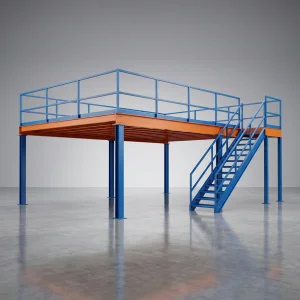
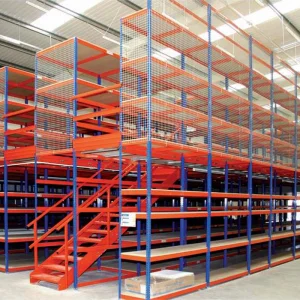
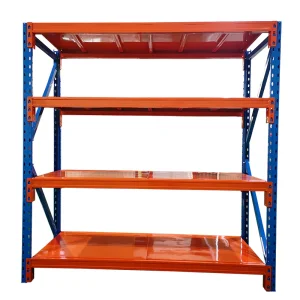
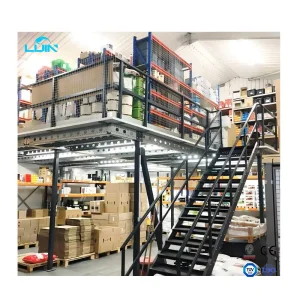
Complete storage systems, structural mezzanines, and specialty racks designed for high-capacity warehouse efficiency.
 Lijin Racking