Engineered to handle extreme loads, our core storage solutions maximize vertical cubic space with uncompromised structural integrity.
Shenzhen Lijin Storage Equipment Co., Ltd. combines advanced metallurgical processes with precise engineering design to construct solutions trusted by top-tier supply chains.
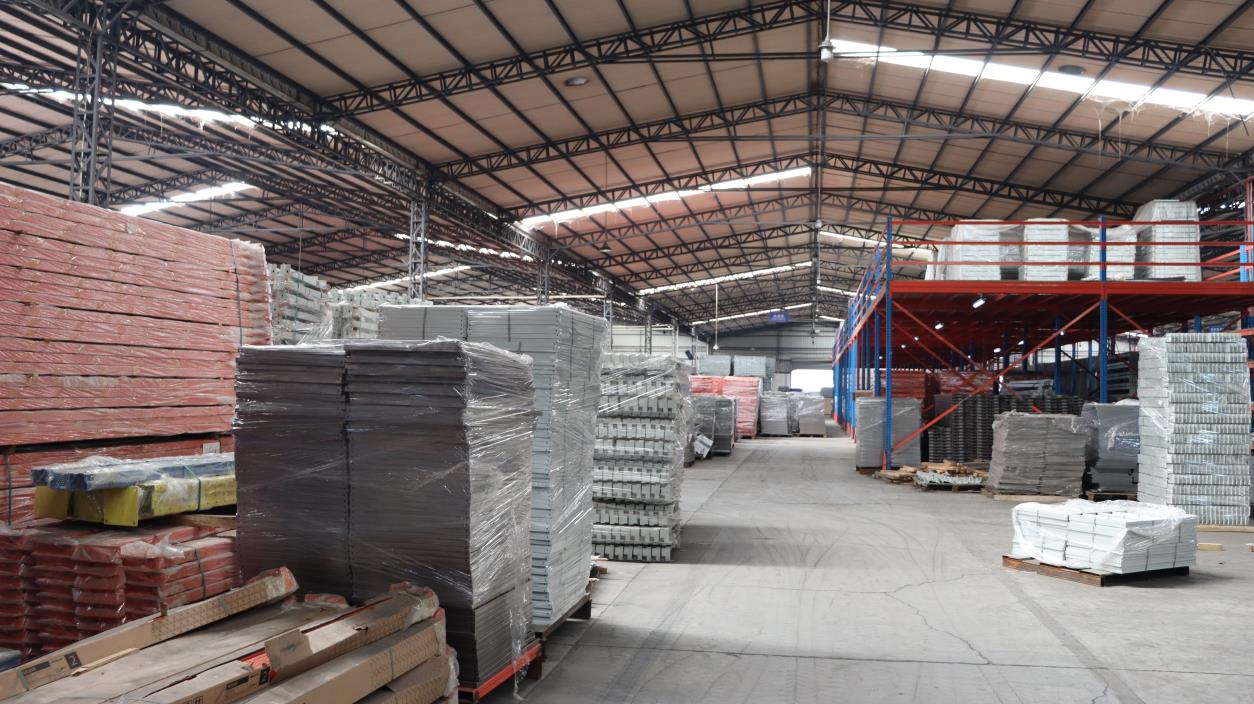
Established in 2015, Shenzhen Lijin Storage Equipment Co., Ltd. has developed into a premier enterprise specializing in the design, manufacturing, and global distribution of heavy-duty warehouse racking systems, automated storage solutions, and industrial shelving. Spanning a state-of-the-art facility of 35,000 m², we have developed into a trusted global supply chain partner with over 8 years of direct export experience and more than 12 years of deep industry expertise. Driven by innovation and quality, our global revenue reached USD 22 million last year.
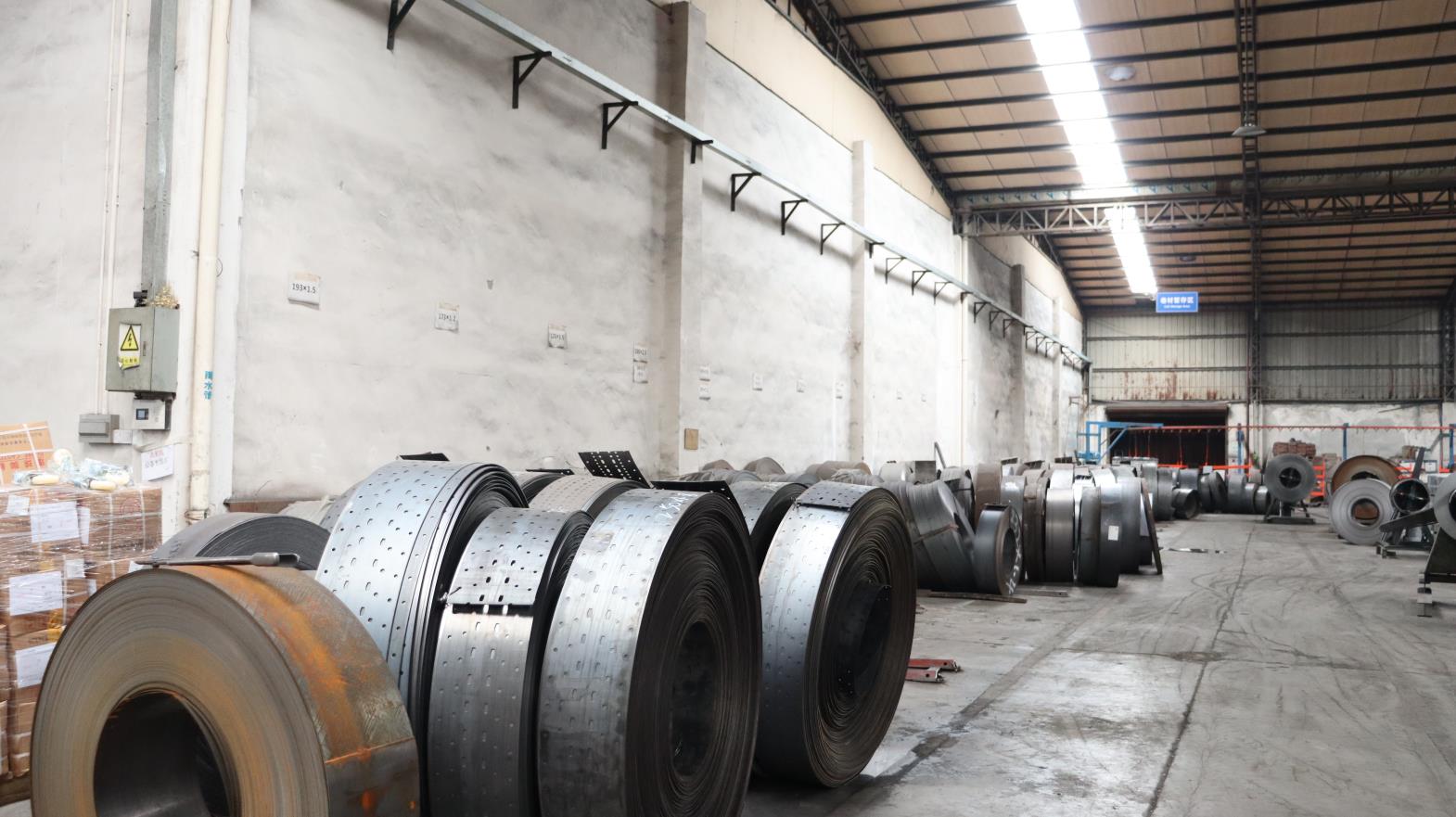
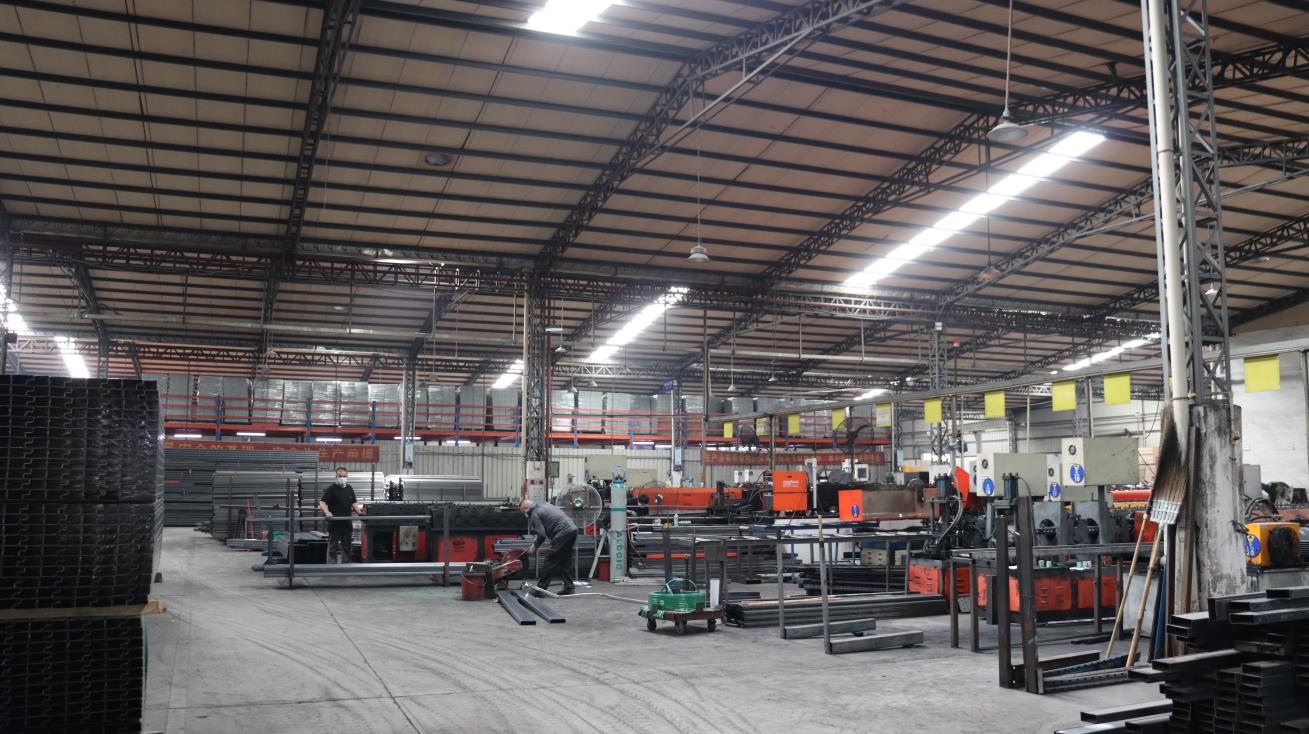
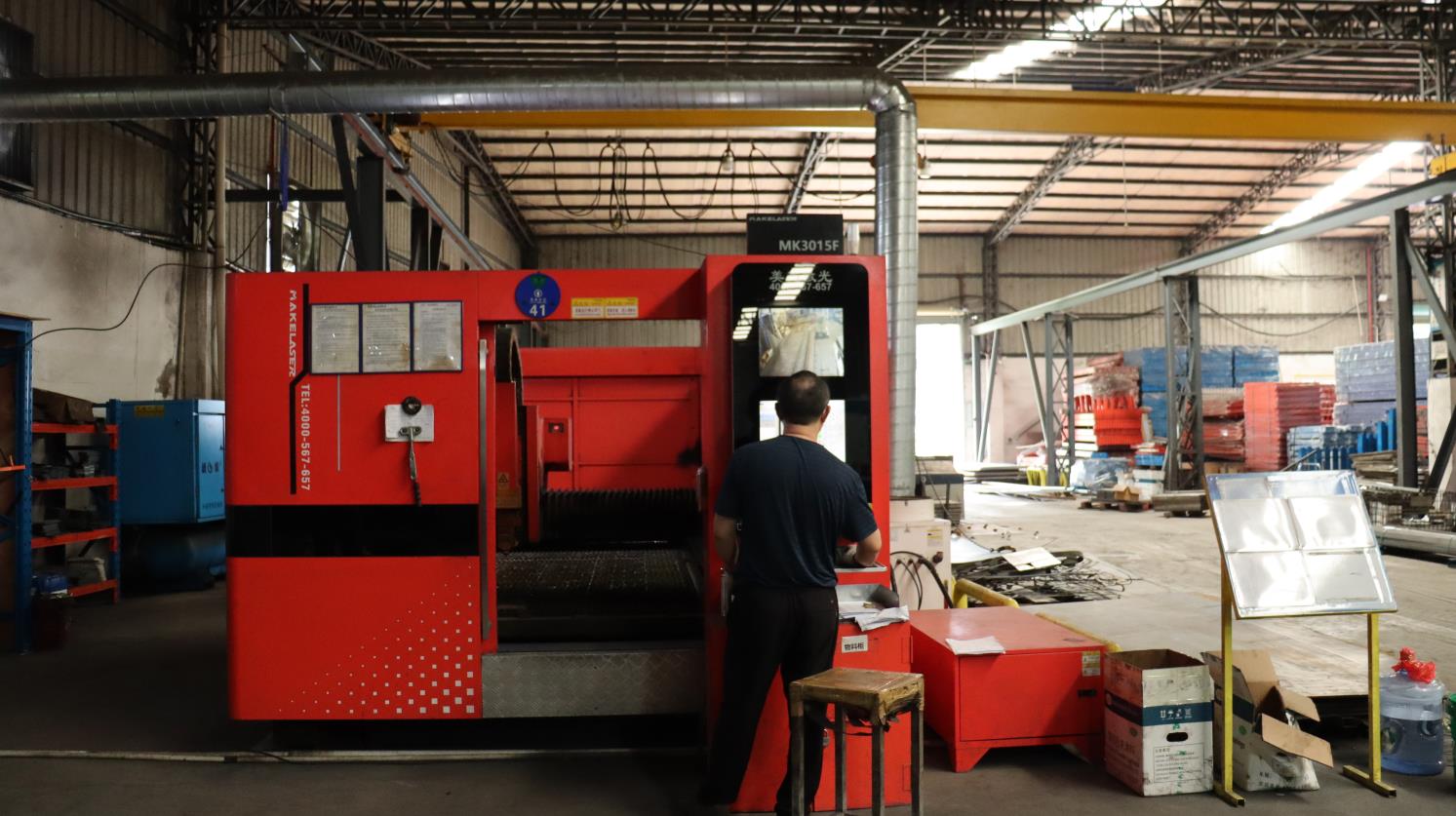
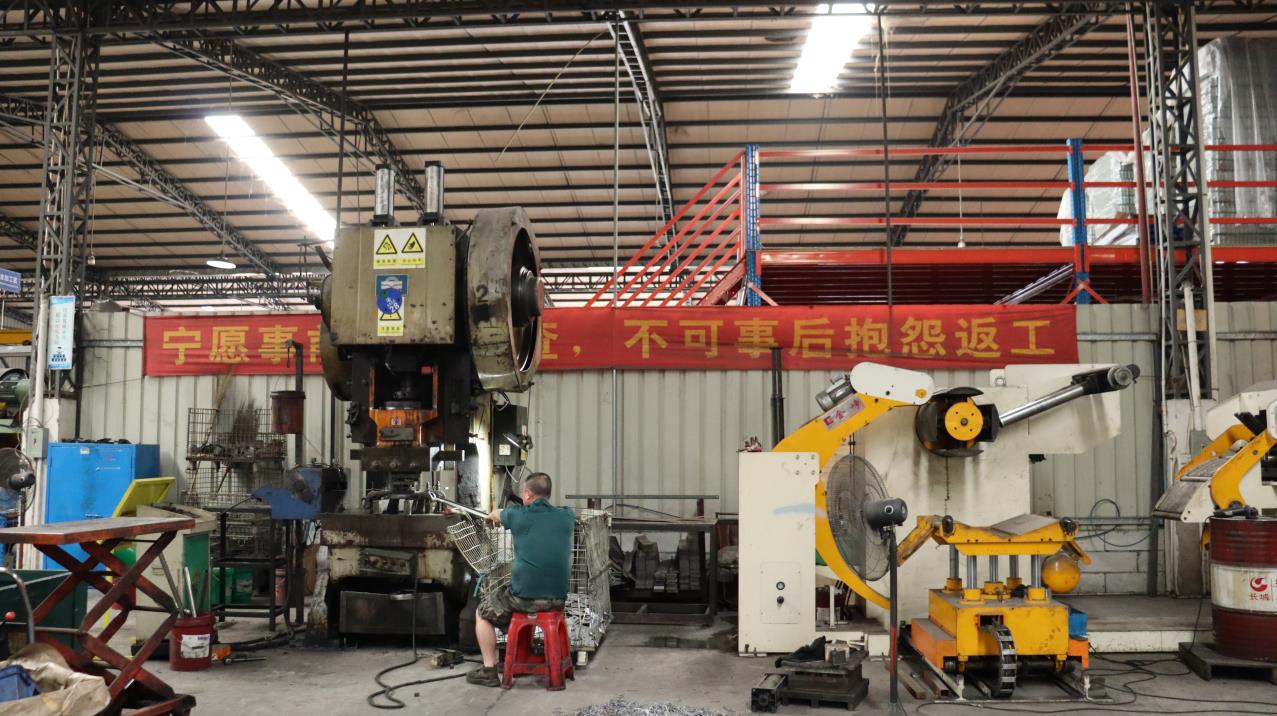
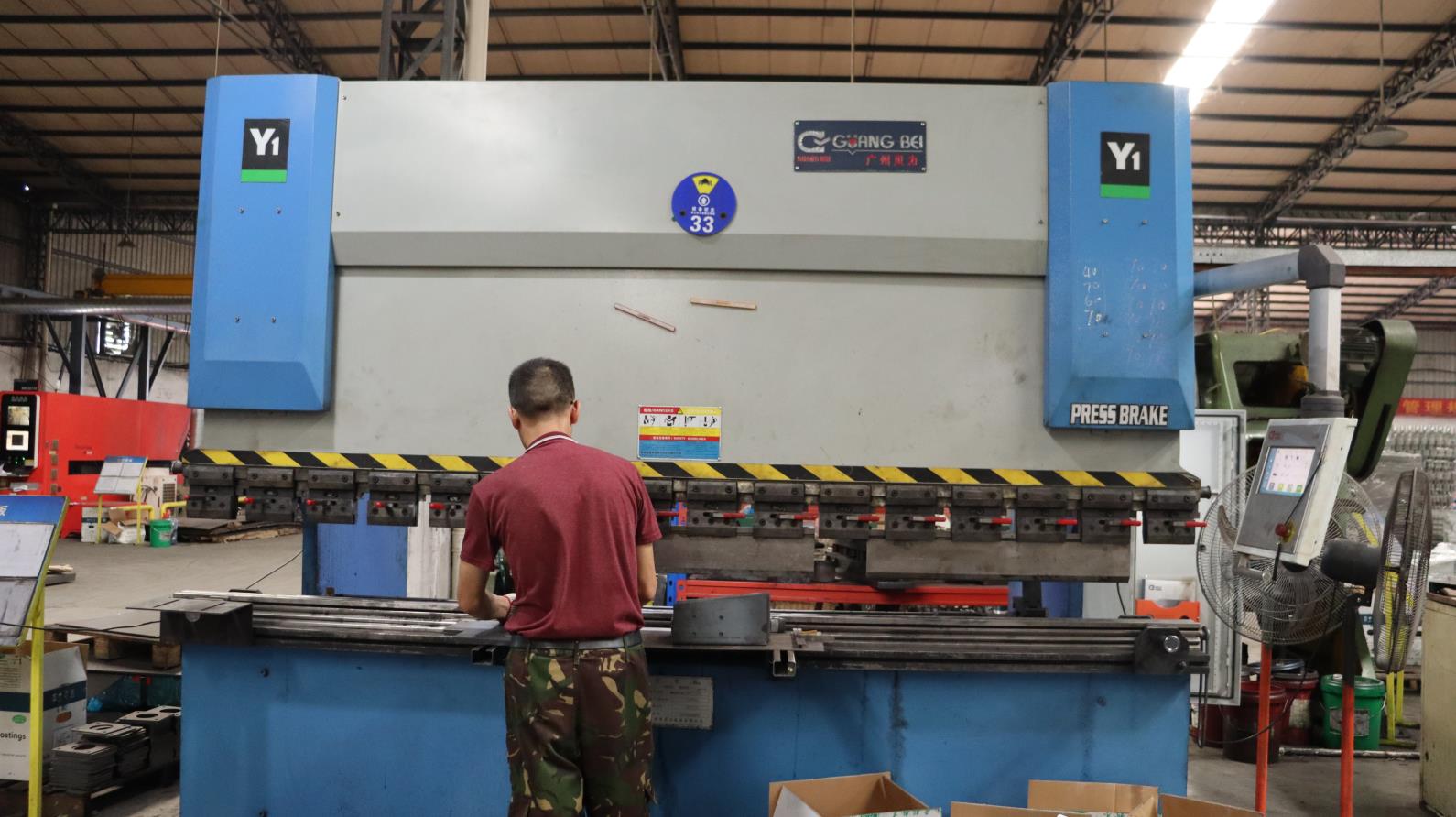
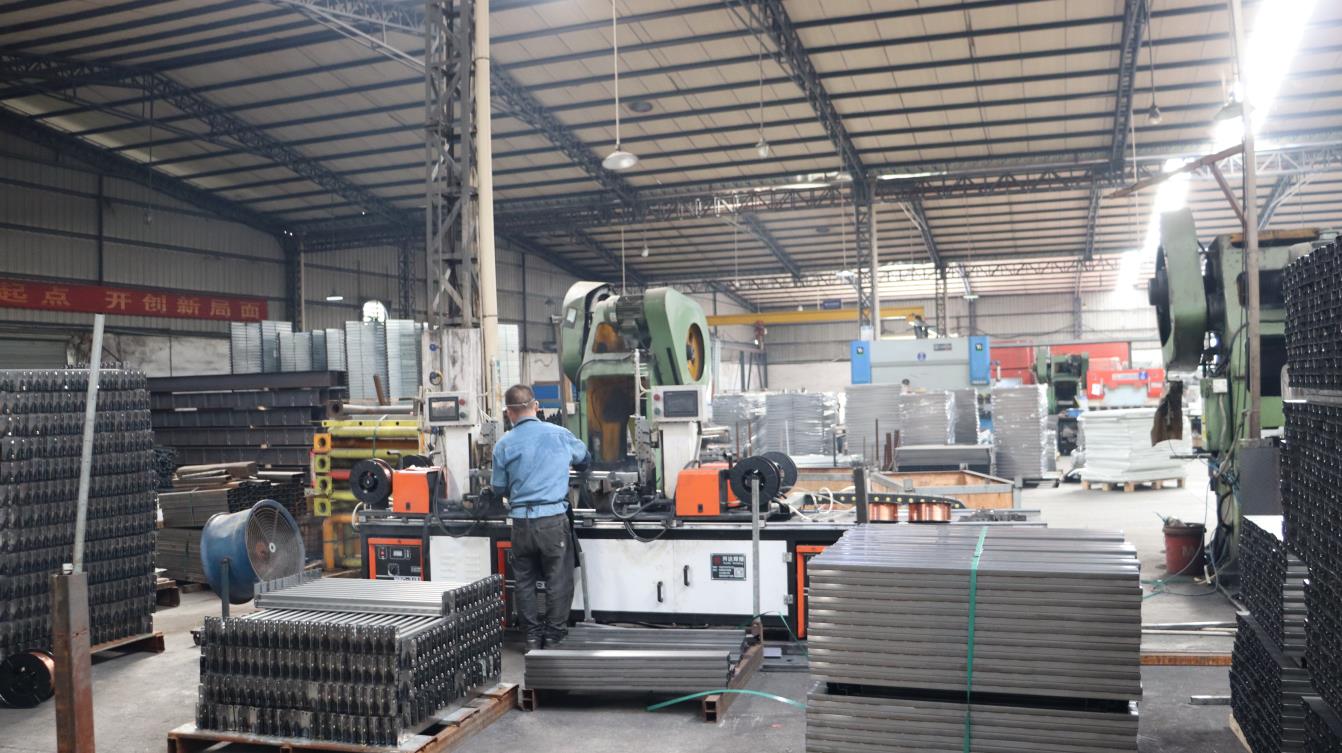
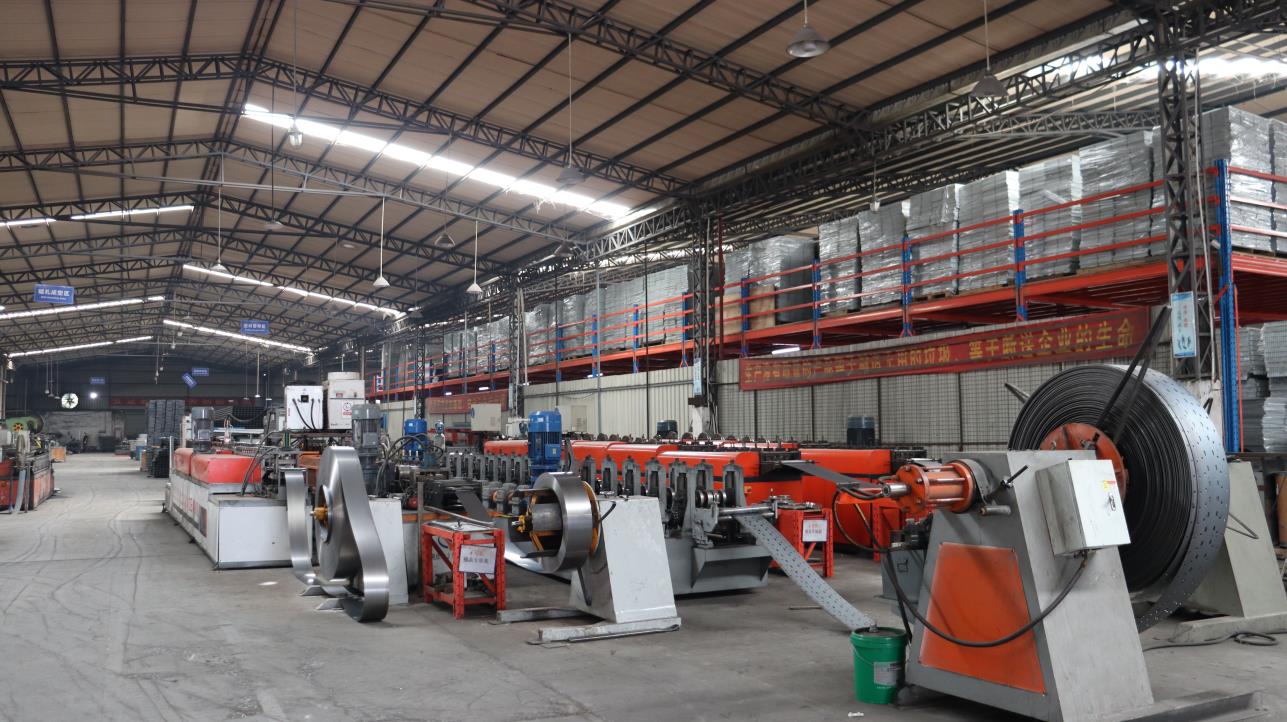
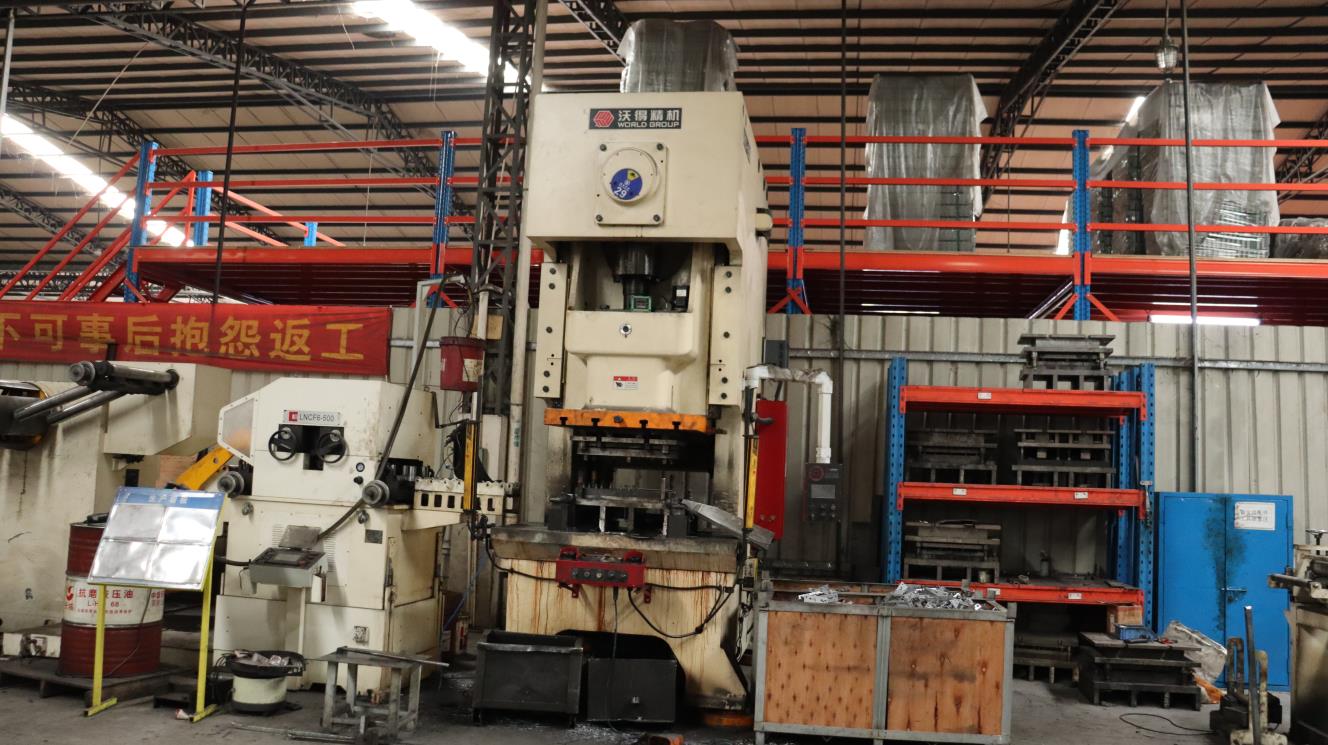
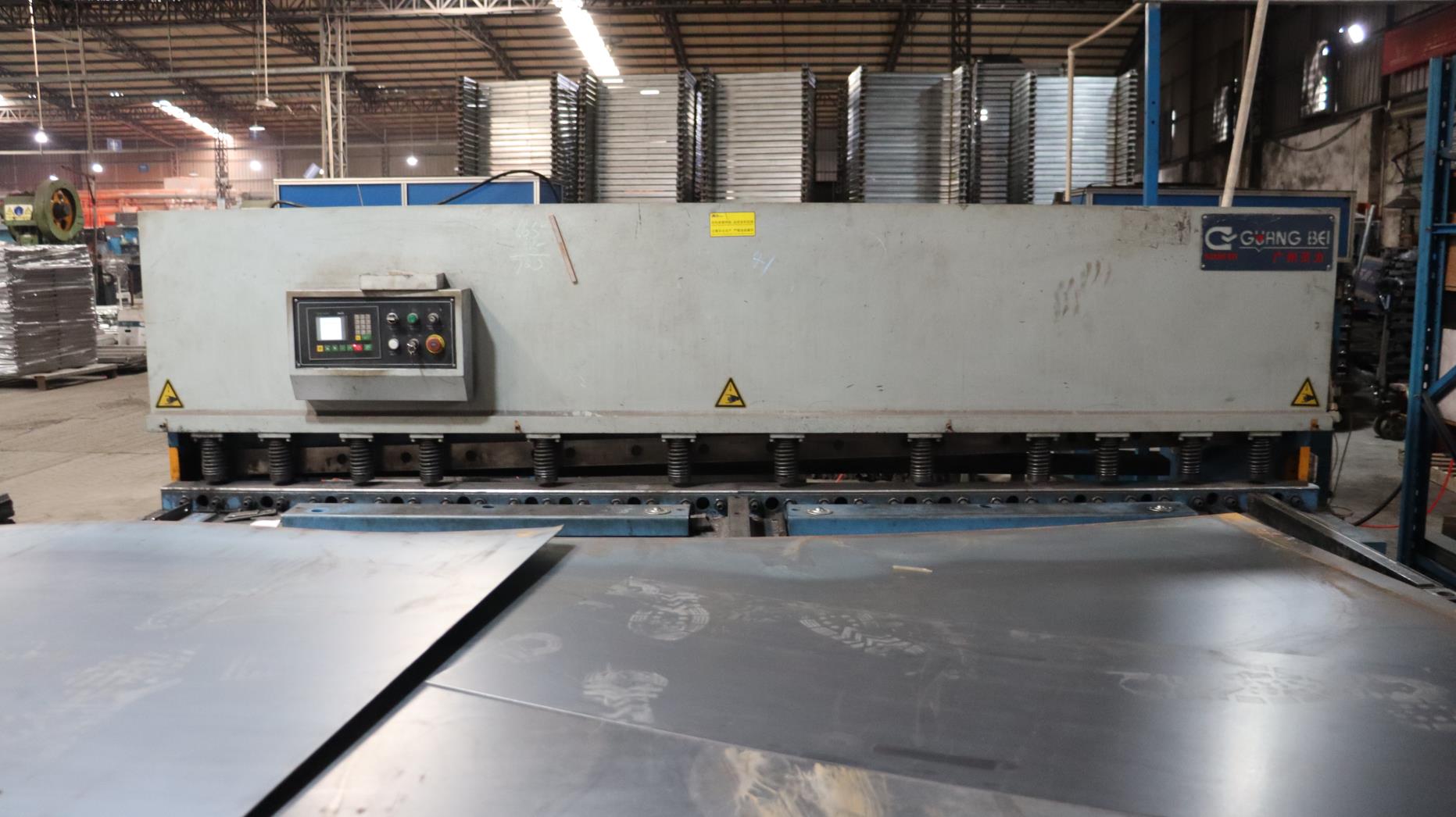
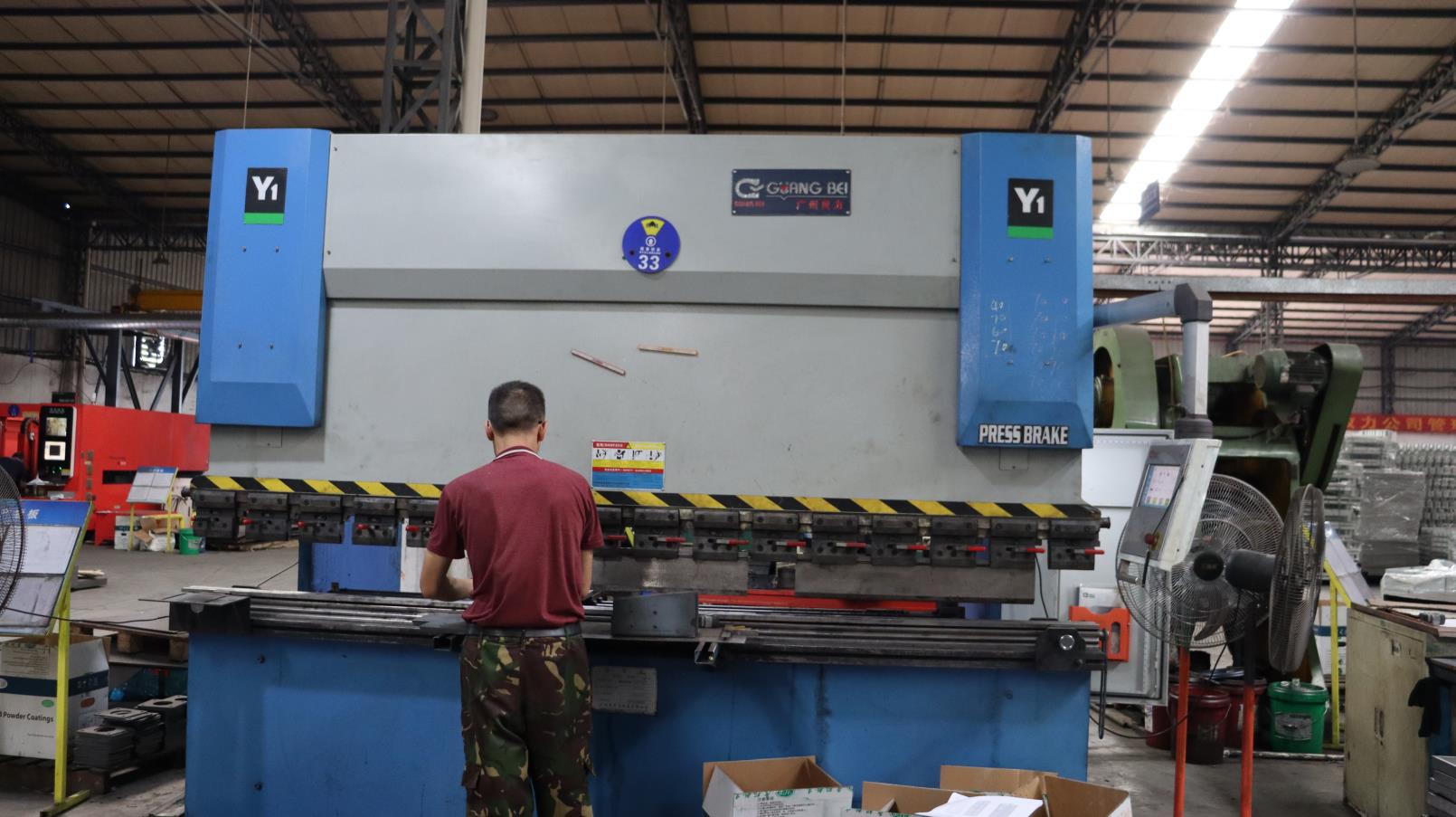
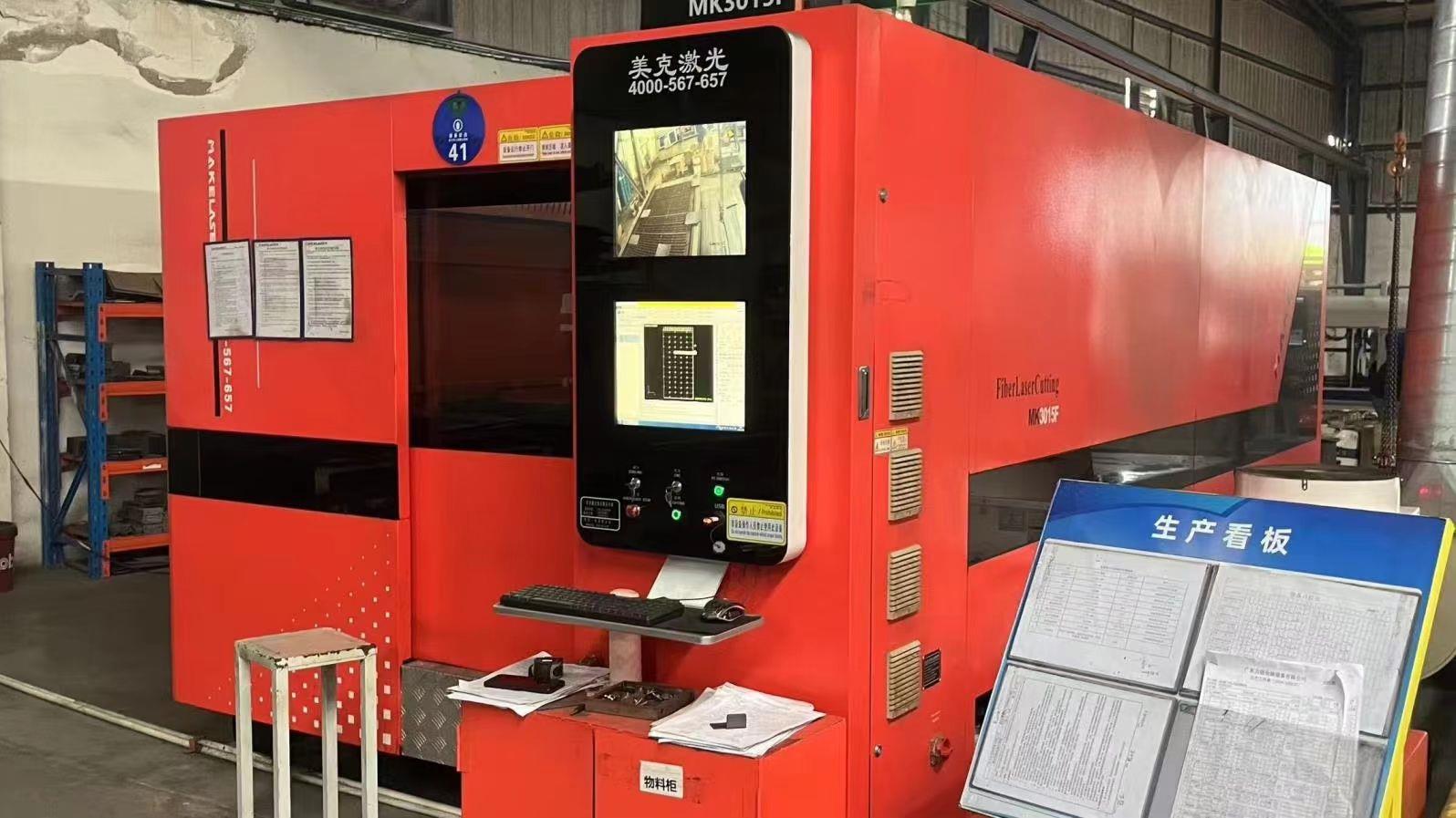
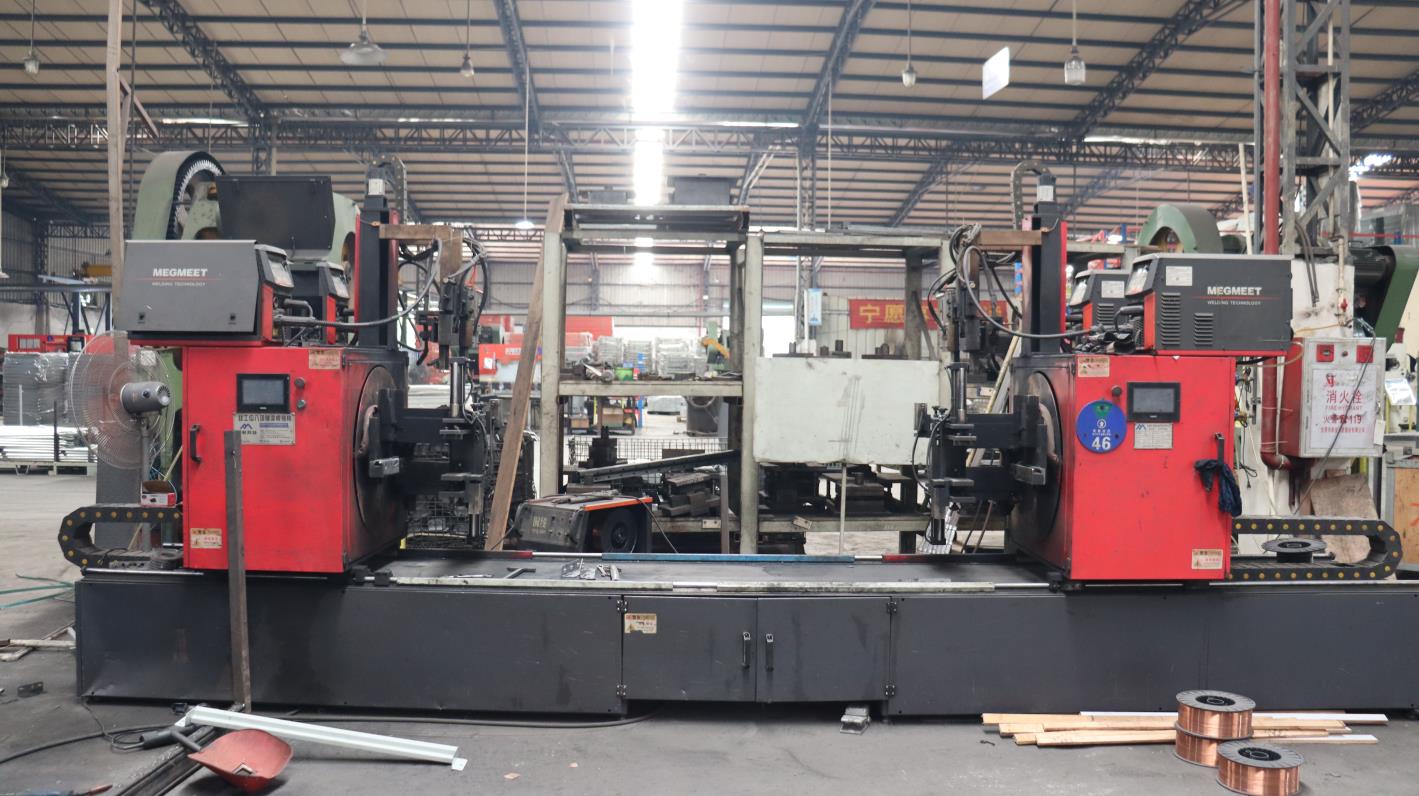
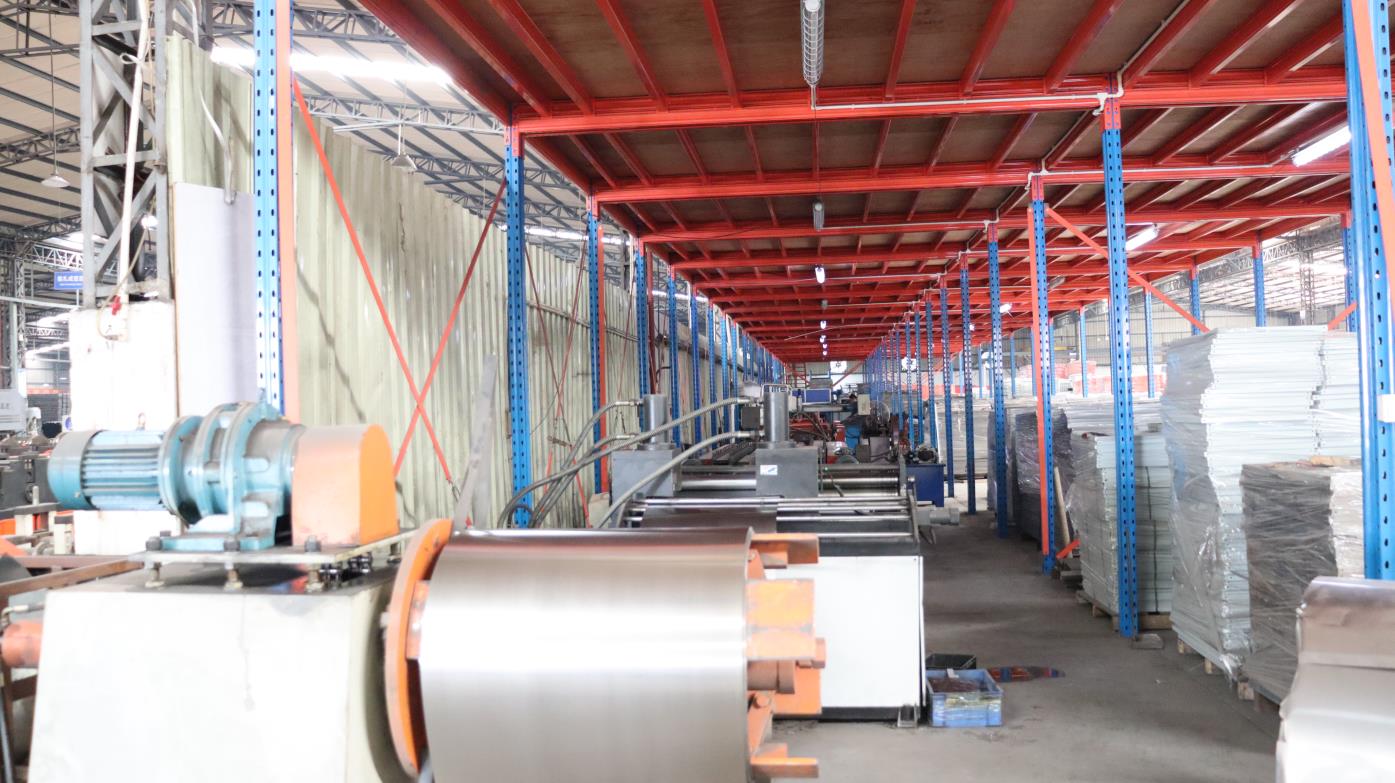
We maintain a complete, end-to-end manufacturing footprint that allows us to manage quality variables at every step of raw material deformation. Our production floors feature automated cold-roll forming lines, high-precision laser cutters, and robotic welding stations designed to maintain tolerance thresholds within fraction-of-a-millimeter margins. This structural precision directly supports the performance safety margins required for automated guided vehicle (AGV) interfaces, stacker cranes, and high-bay racking systems.
Our quality verification processes bypass simple visual analysis. We enforce a rigorous, multi-stage quality control system—including ultrasonic non-destructive testing, automated weld inspection, laser dimensional checking, and heavy-load endurance testing. Backed by an in-house quality inspection team of 35 dedicated professionals, every batch meets international safety and structural standards, ensuring maximum load-bearing efficiency and long-term stability.
Lijin structural frames are engineered using high-tensile cold-rolled steel profiles (typically grade Q235B and Q355B), providing high yield strength under static and dynamic loading. All weld seams are verified against structural fatigue limits, protecting operations against structural displacement under high-density loading cycles.
Adapting physical infrastructure to meet the demands of global logistics velocity and supply chain resilience.
Modern industrial supply chains operate under a continuous pressure loop: land costs are escalating, distribution windows are shrinking, and inventory velocity is accelerating. Traditional ground-level flat storage is no longer viable for scale operations. Globally, high-density warehousing has shifted from a capital expenditure choice to a structural survival mechanism. Industrial properties require maximum volumetric utilization, demanding vertical expansion into areas once deemed structurally complex or cost-prohibitive.
Shenzhen Lijin designs custom systems that convert this floor area crisis into structural capacity. By utilizing Finite Element Analysis (FEA) alongside dynamic seismic simulation software, our engineering division crafts custom rack matrices that safely match the unique contours of any facility. Whether integrating multi-tier mezzanine floors or dynamic flow designs, we create a unified storage system that directly integrates with human pick patterns and automated materials handling equipment.
Gravity-fed roller beds and shuttle systems designed to manage FIFO (First-In, First-Out) operations. By eliminating intermediate aisles, these units reduce travel distance and increase storage density by up to 60% compared to standard layout formats.
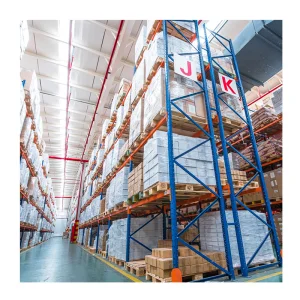
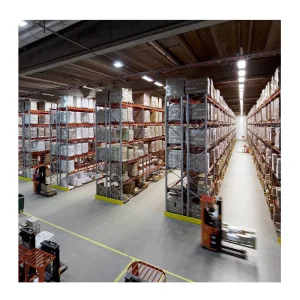
Heavy-duty structural uprights built with tolerance values down to +/- 1.5mm to allow seamless operation of robotic cranes, vertical lifts, and automated shuttles. Perfect for high-speed fulfillment and cold-storage operations.
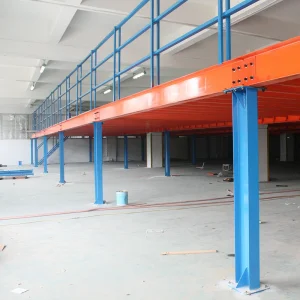
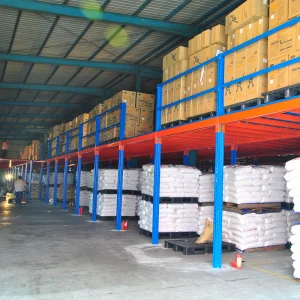
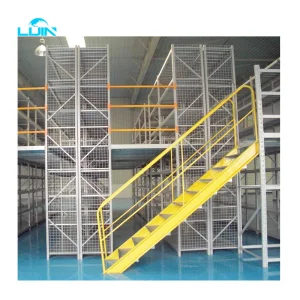
Designed using long-span H-beams, these platforms effectively double or triple warehouse floor space. They are fully engineered to integrate walkways, material gates, safety handrails, and vertical cargo lifts.
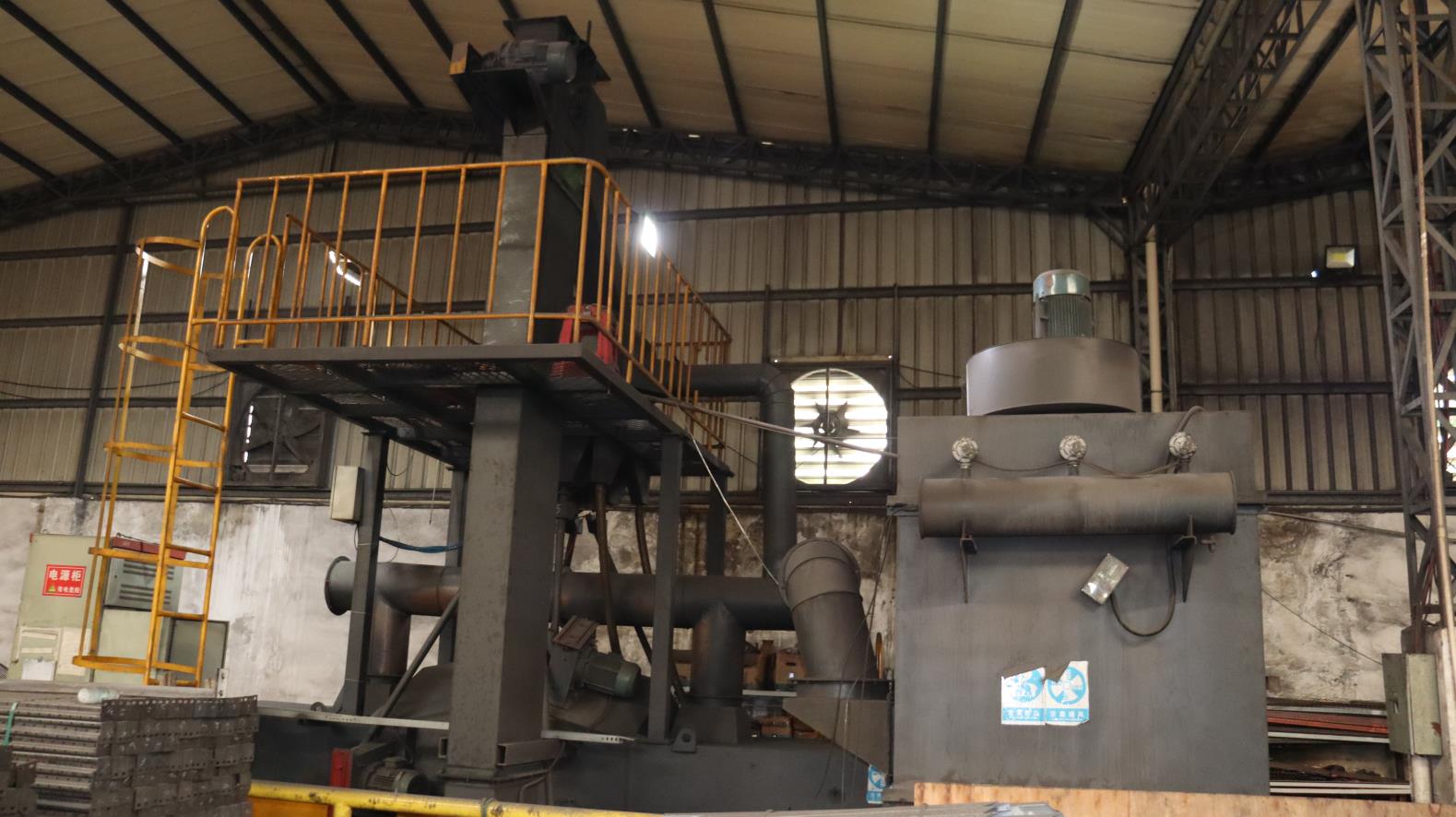
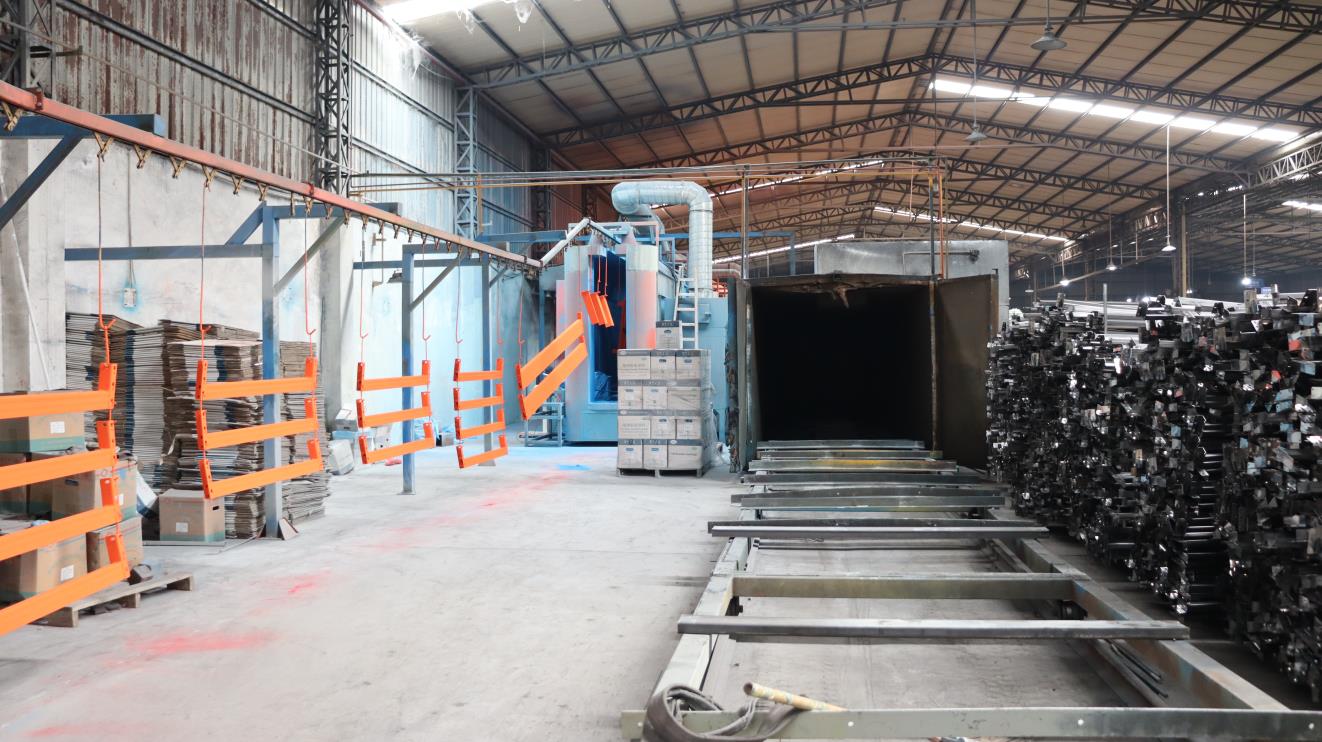
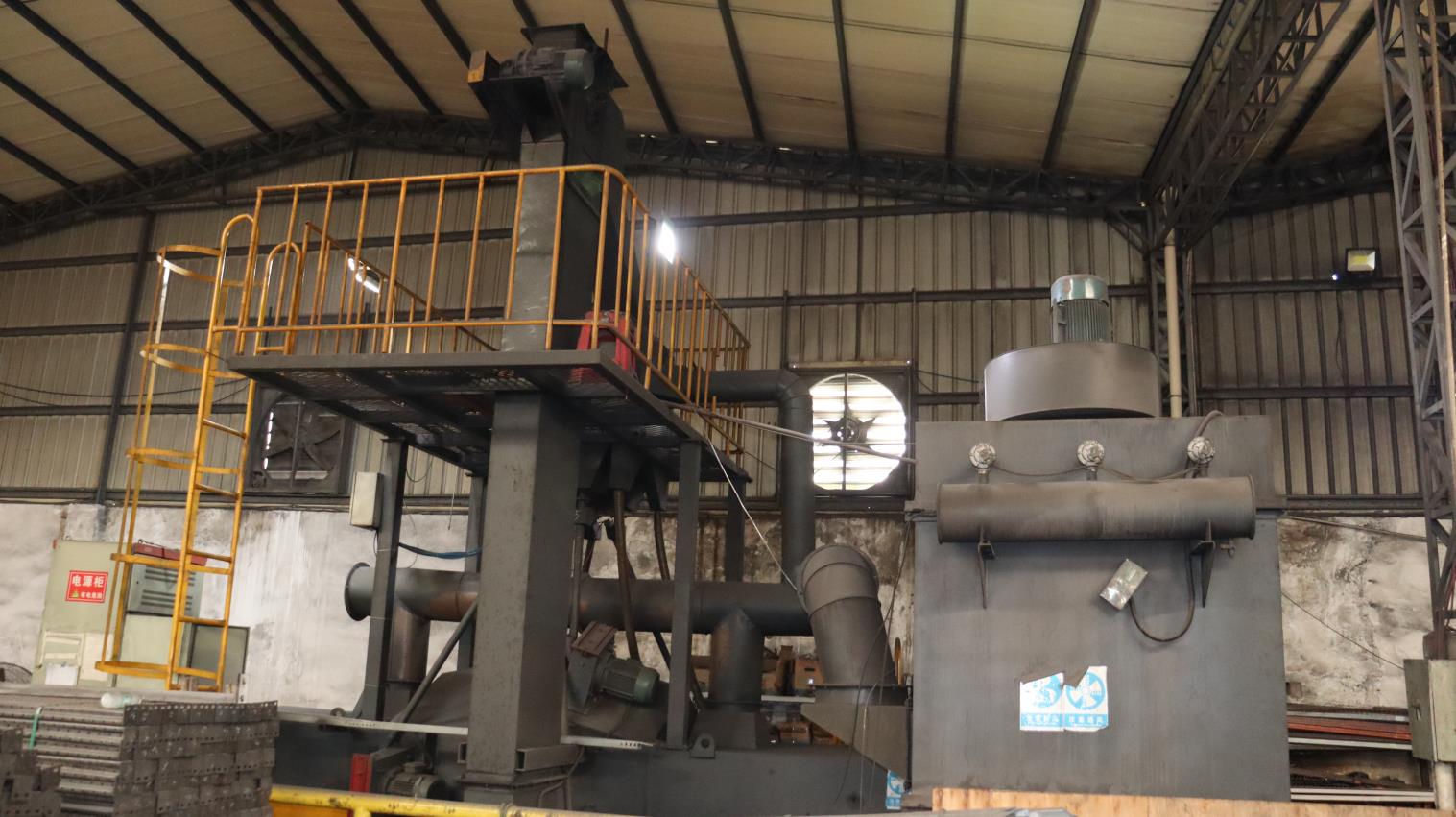
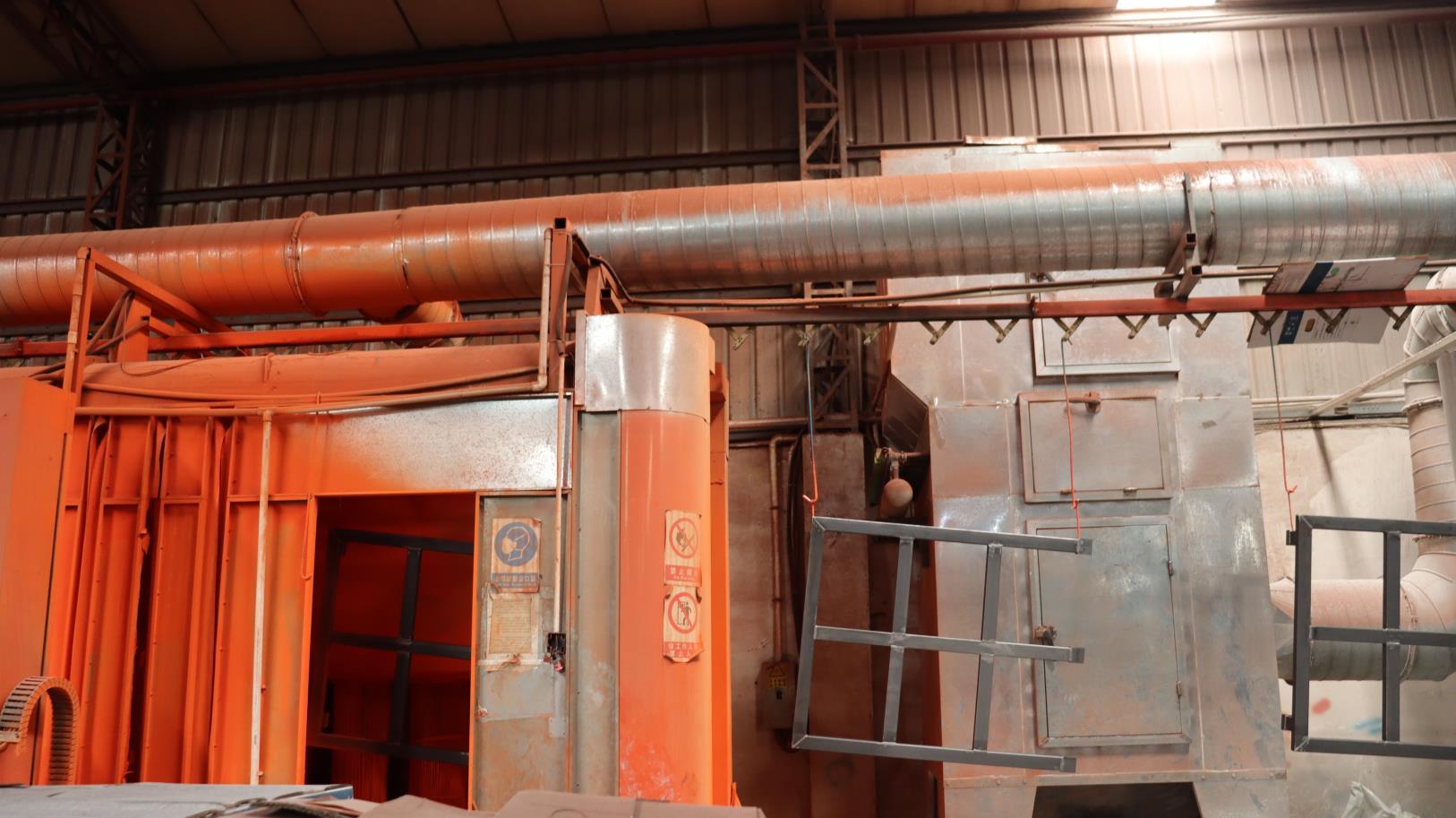
An inside look at our 35,000 m² facility, where precision engineering meets high-volume industrial output.
Industrial storage facilities are structural installations subject to strict building safety codes. To meet building permit requirements globally, industrial racking must comply with specific local codes including the RMI (Rack Manufacturers Institute) standard in the United States, EN 15512 in Europe, and AS 4084 in Australia.
At Shenzhen Lijin, we ensure that every structural system is designed with a safety margin of at least 1.5, protecting operators and inventory from load collapse. Under seismic conditions, storage structures undergo dynamic horizontal acceleration. Our engineering team calculates local ground acceleration parameters based on USGS maps or equivalent regional agencies, optimizing member thickness, base plate surface area, and dynamic anchor configurations accordingly.
Furthermore, our materials receive advanced corrosion protection. Our hot-dip galvanized steel options are engineered to withstand ambient moisture in unconditioned warehouses, sub-zero cold storage facilities, and coastal industrial zones. Our automated paint lines apply electrostatic powder coatings that resist scratching and mechanical impact over years of operation.
Providing specialized structures customized to meet the unique operational challenges of diverse industrial environments.
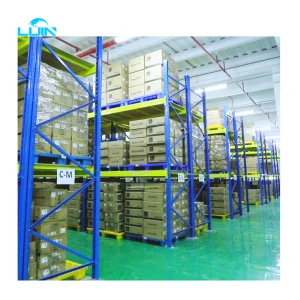
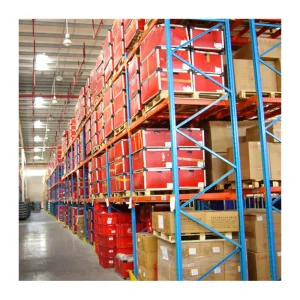
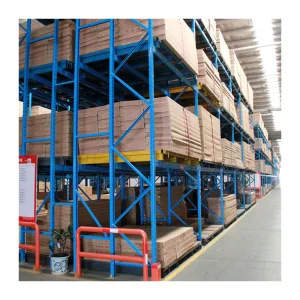
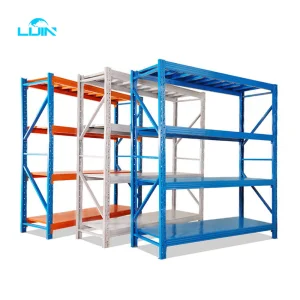
High-velocity distribution hubs rely on maximum adaptability. Our Selective Pallet Racking Systems allow direct access to every pallet position. By engineering adjustable beam connectors in 50mm increments, operators can adjust configurations to accommodate changing packaging profiles and varying customer inventories.
Sub-zero environments incur high electrical overheads, demanding space-dense designs. Our hot-dip galvanized drive-in and dynamic shuttle systems increase storage density while resisting the cold stress and steel embrittlement typical of low-temperature operations.
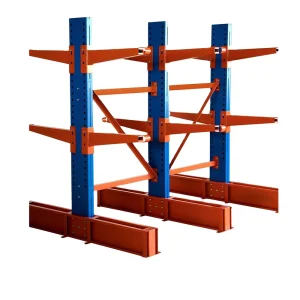
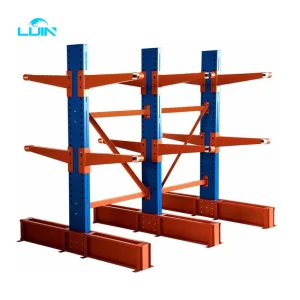
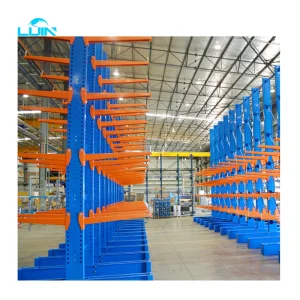
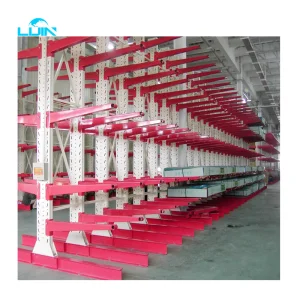
Raw metal coils, casting dyes, and oversized dynamic assemblies cannot be stored on light shelving. Our heavy-duty cantilever arm racks support weights from 500kg up to 9,000kg per arm level, utilizing structural steel sections to prevent load-induced arm deflection.
As industrial properties adapt to automated workflows, the physical racking layout must keep pace. The integration of advanced systems shifts structural design from a passive static system to an active component of warehouse data collection.
Shenzhen Lijin is currently tracking two primary technical developments designed to future-proof distribution facilities:
High-bay rack structures carrying thousands of tons of cargo undergo continuous mechanical fatigue. In collaboration with smart technology providers, we are researching the placement of microscopic strain gauges and acceleration sensors directly on critical upright joints. These sensors can notify warehouse managers via dashboard alerts if structural tolerances deviate, preventing catastrophic failures before they occur.
As human forklift operators are replaced by Automated Guided Vehicles (AGVs), the structural tolerance allowance drops from centimeters to millimeters. The upcoming generation of Lijin rack systems utilizes laser-welded connectors and micro-adjustable foot assemblies, ensuring automated systems scan, retrieve, and store pallets without mechanical interference or positioning errors.
Key information regarding structural engineering, compliance certification, and international procurement processes.
Explore our specialized storage systems, heavy-duty arm racks, and workshop containers designed to optimize industrial floor space.
 Lijin Racking