Precision-engineered display configurations designed for maximum SKU density and structural stability in micro-space retail environments.
Succeeding in the Tokyo retail market—spanning dense hubs like Shinjuku, Ginza, Chiyoda, and Shibuya—requires an understanding of space constraints that are unique in the global landscape. With commercial real estate premiums at record highs, convenience stores (Konbini), regional supermarkets (Super), and urban fulfillment centers demand storage systems that yield maximum volumetric utilization.
For retail spaces and industrial warehouses serving Koto-ku, Ota-ku, and the wider Kanagawa-Chiba logistics corridor, shelving must serve two purposes: optimization and absolute safety. Japan’s building codes mandate structural compliance with strict seismic regulations. This means storage racks must be designed to withstand lateral forces while preserving vertical capacity.
Earthquake Resistance: Our designs accommodate Japanese seismic zoning requirements (JIS X 6005 and architectural standards) with engineered base plates, high-tensile anchor bolts, and specialized sway bracing systems.
Steel Grades Utilized: Heavy cold-formed steel (Q235B and Q345B, equivalent to SS400 and SS490) provides the ductibility needed to absorb kinetic energy during seismic movements without catastrophic shear failure.
Space Maximization: Slim uprights with high load ratings allow Tokyo convenience stores to increase product densities by up to 22% compared to standard generic racking configurations.
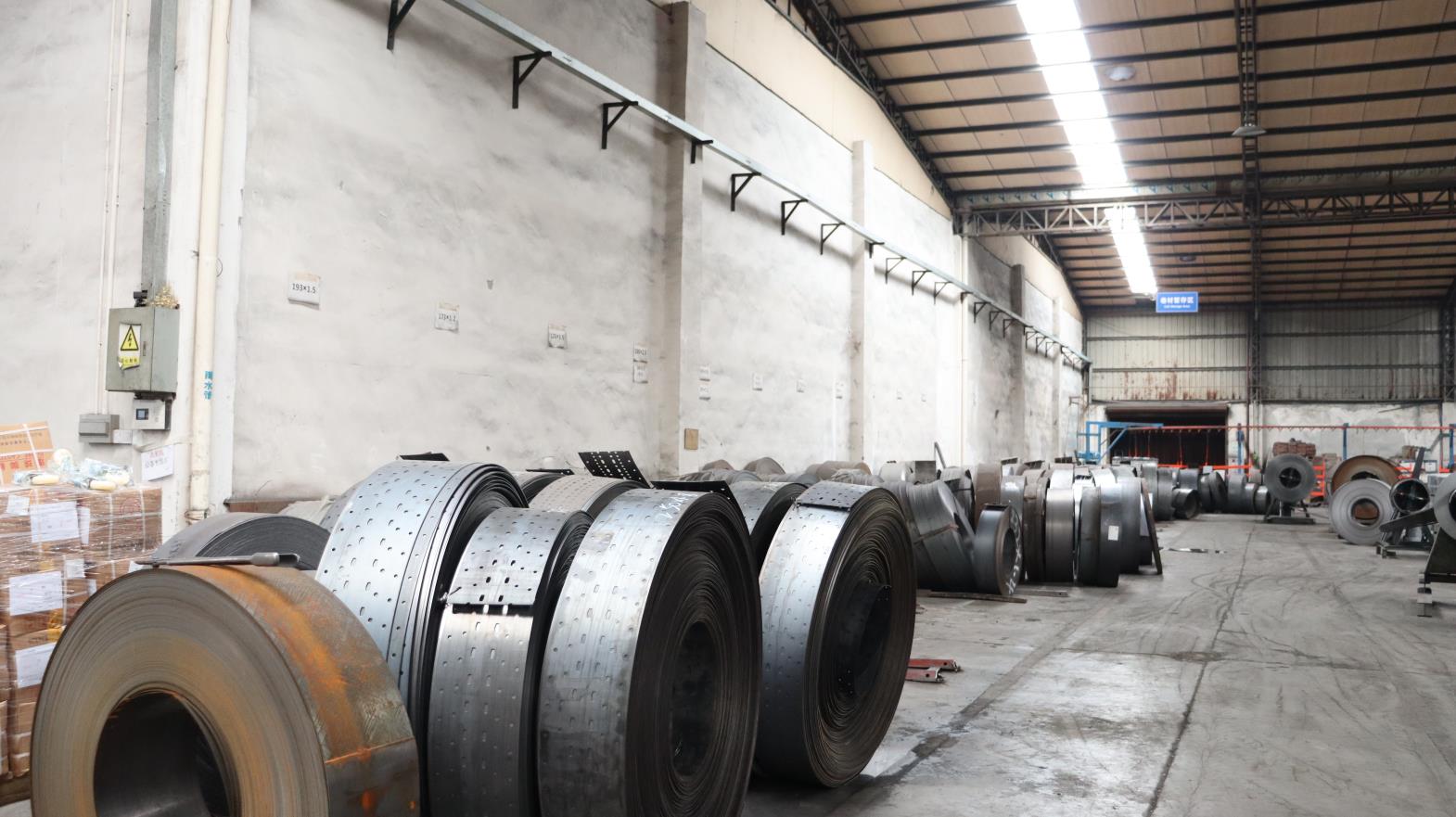
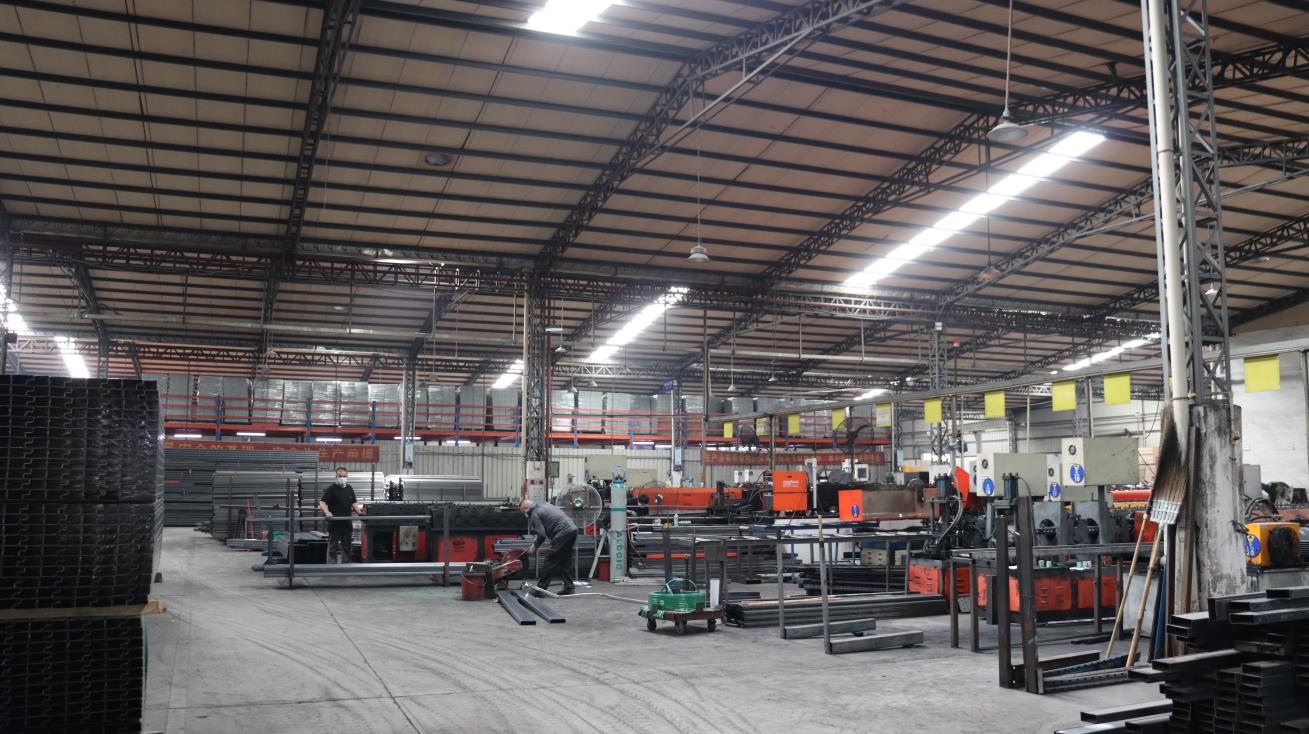
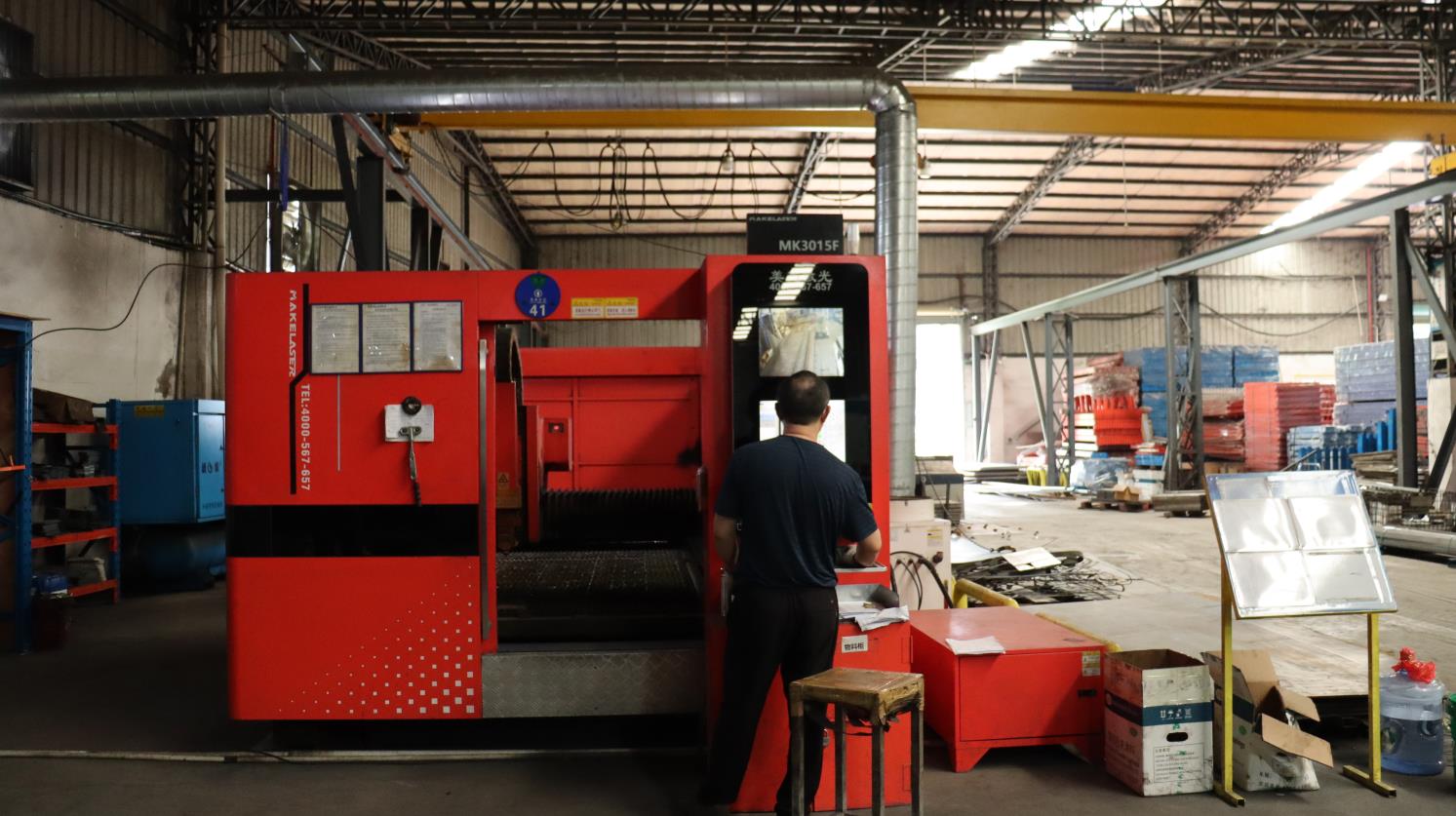
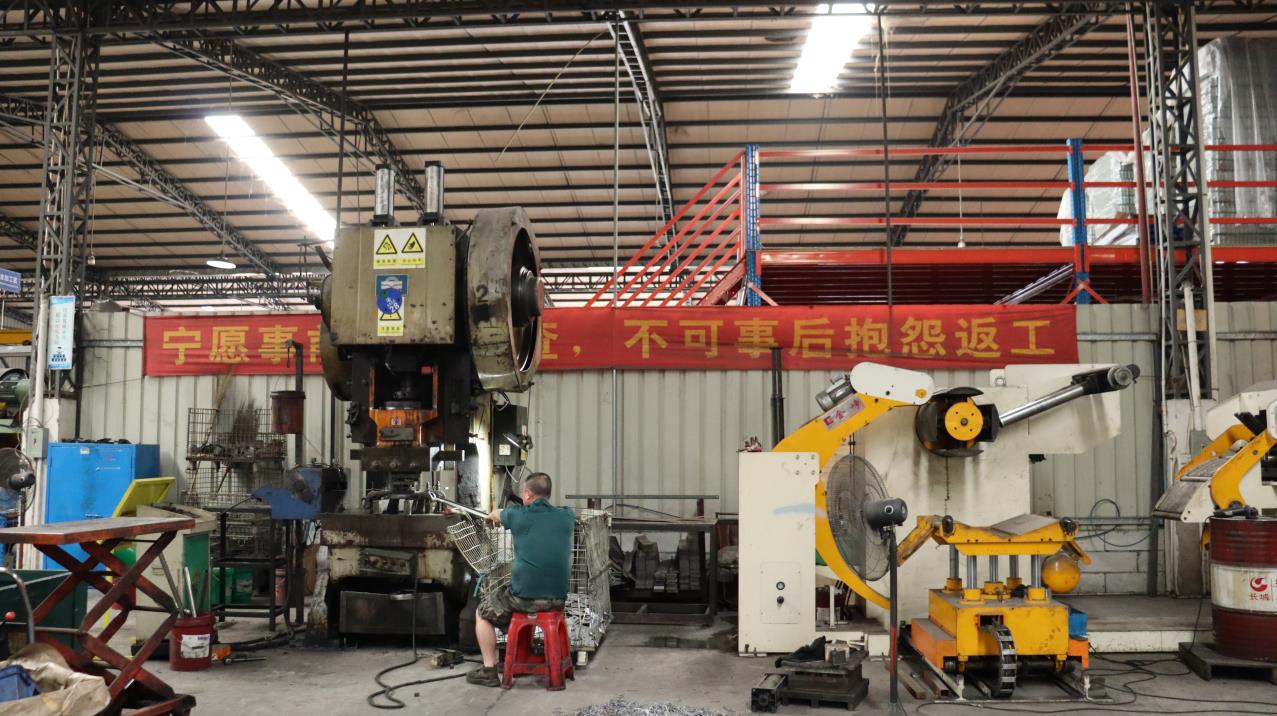
As a premier storage equipment manufacturer, Shenzhen Lijin Storage Equipment Co., Ltd. bridges the gap between cost efficiency and technical quality. Operating a state-of-the-art 35,000 m² facility, we integrate computerized manufacturing execution systems (MES) with heavy-duty robotic tooling to deliver structures that stand up to rigorous load testing.
For Tokyo enterprises navigating rising raw material costs and tight delivery schedules, our close proximity to Shenzhen Port ensures a direct, streamlined maritime supply chain to the Port of Tokyo or Port of Yokohama. We mitigate global sourcing risks through end-to-end trace documentation, material origin certs, and certified powder-coat treatments that protect against local humidity levels.
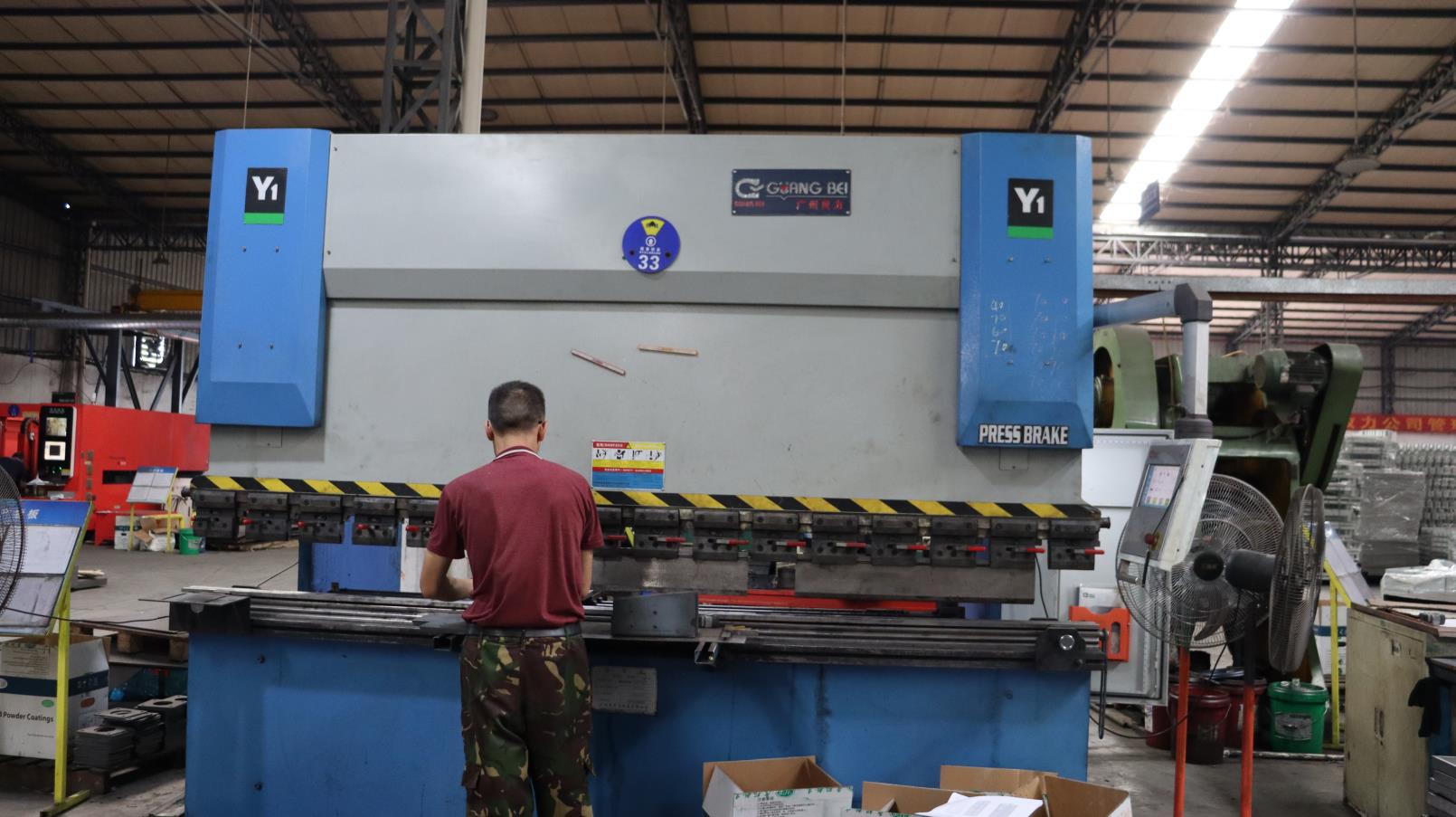
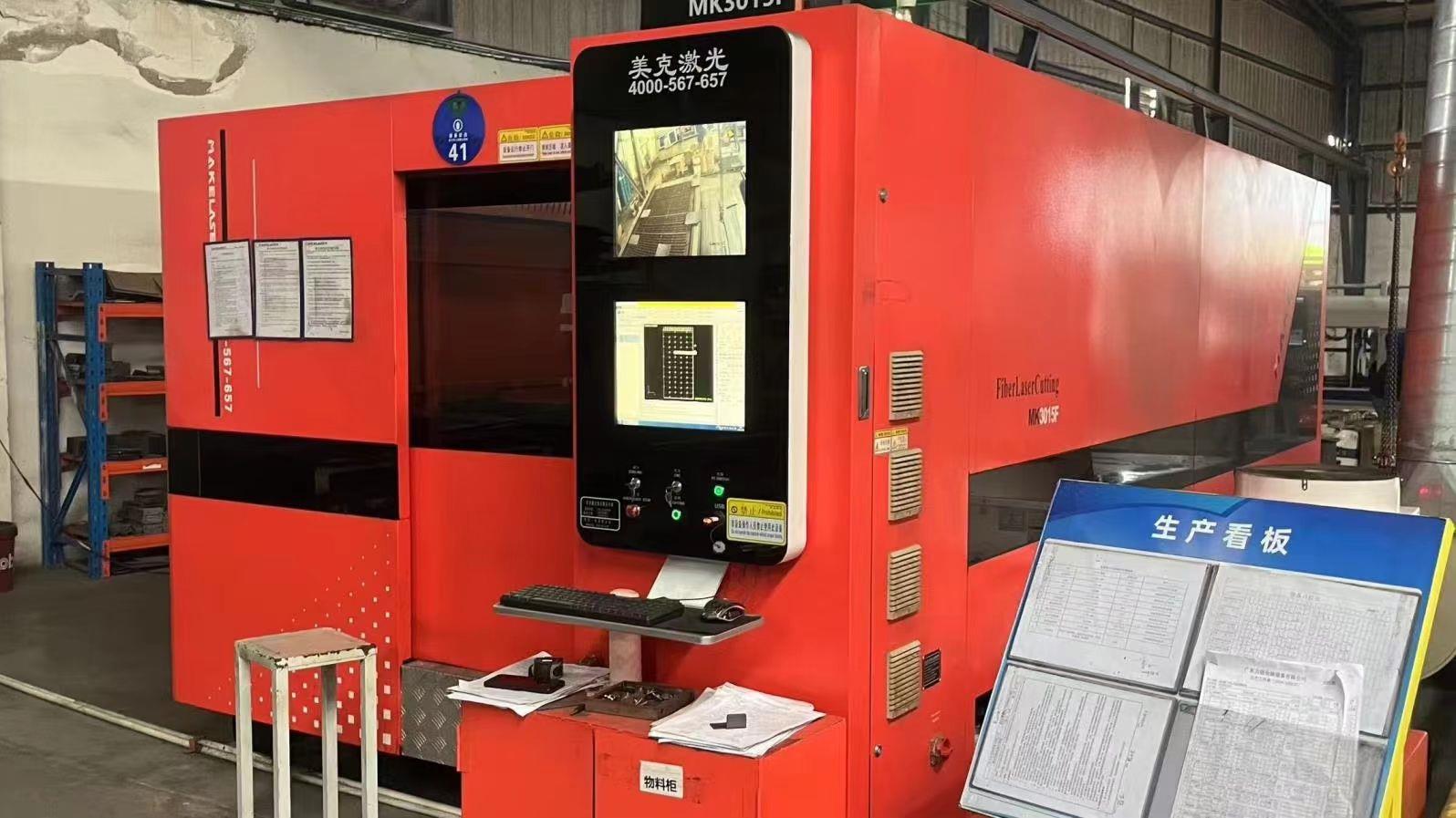
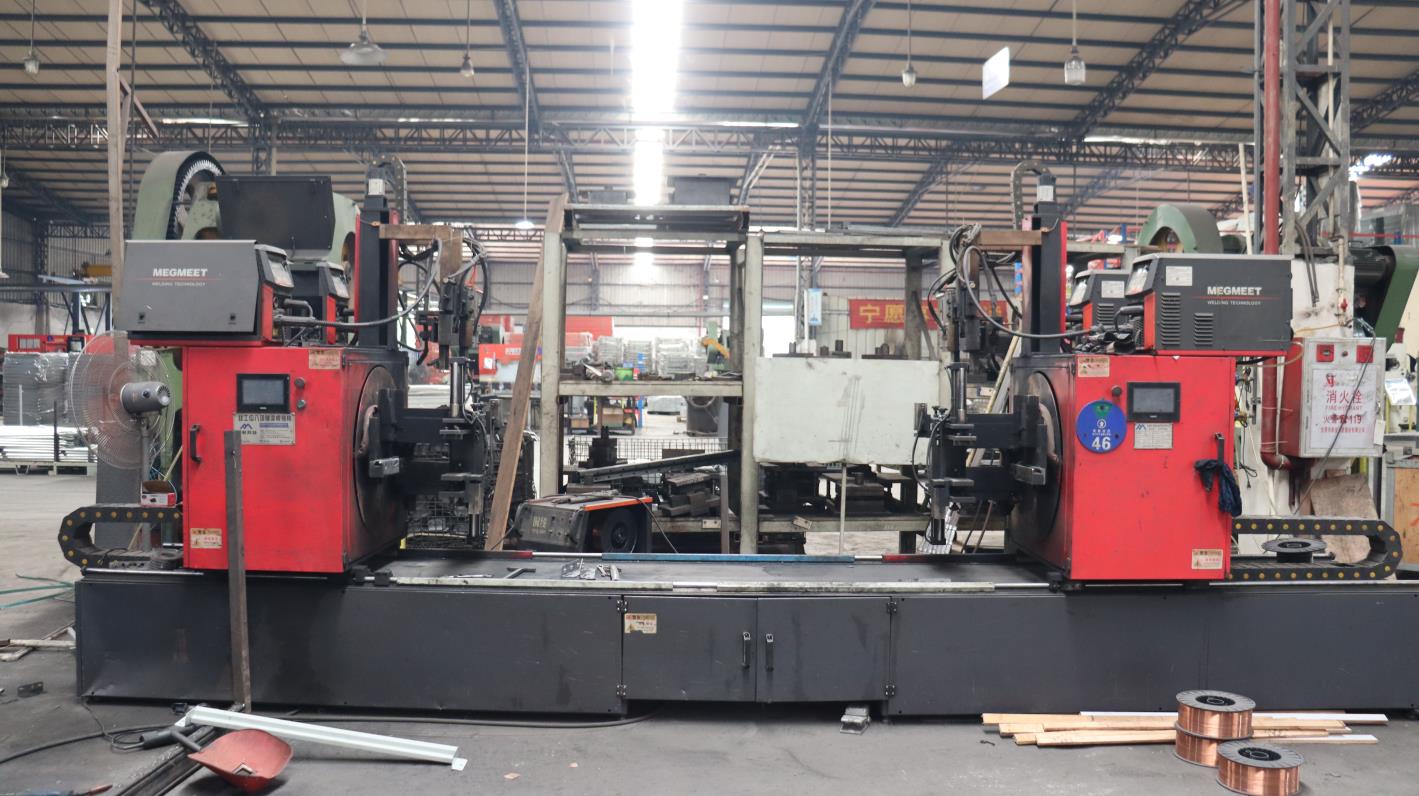
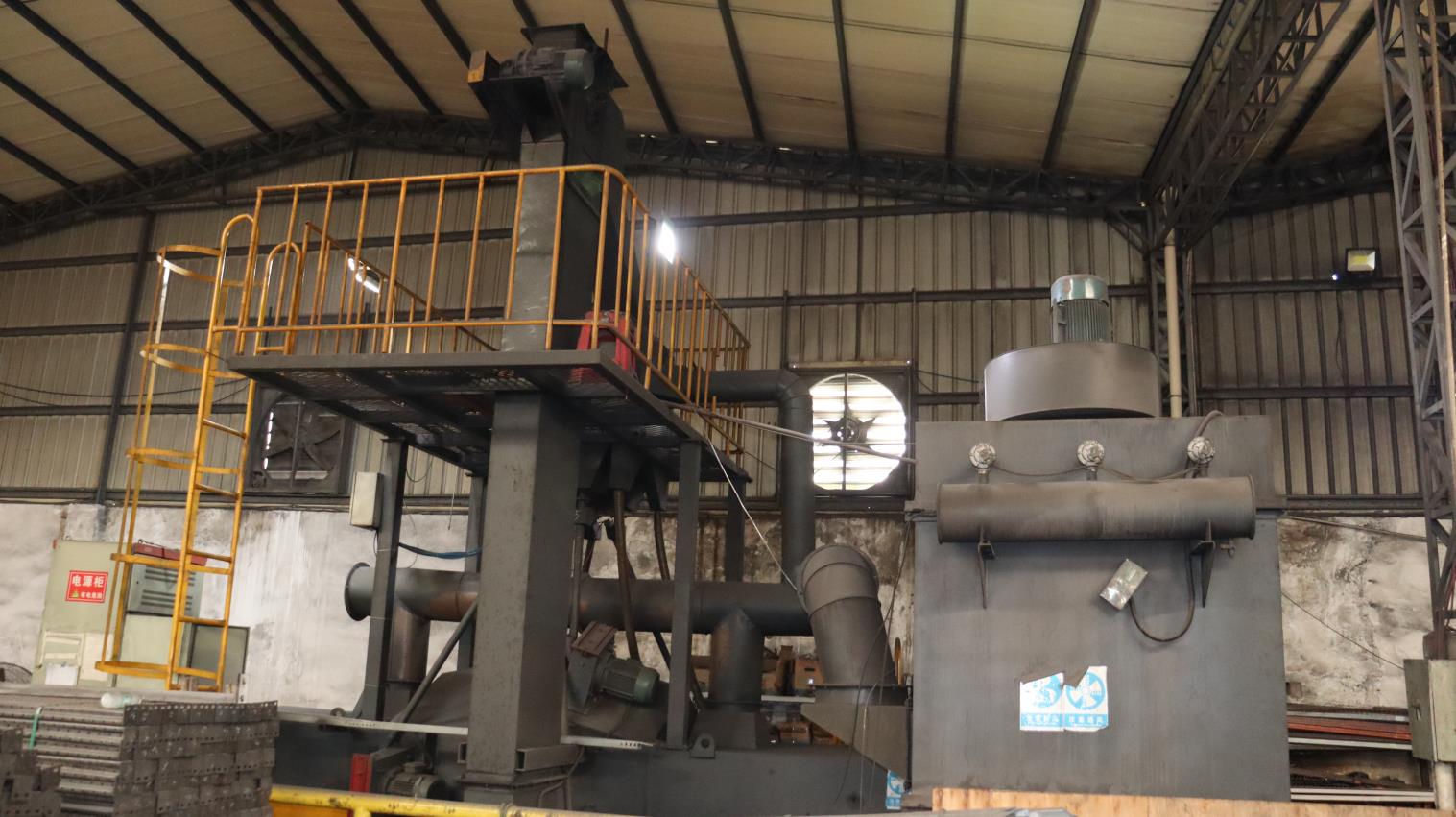
A transparent look into our structural engineering and quality verification stages, from premium raw steel selection to final automated coating lines.
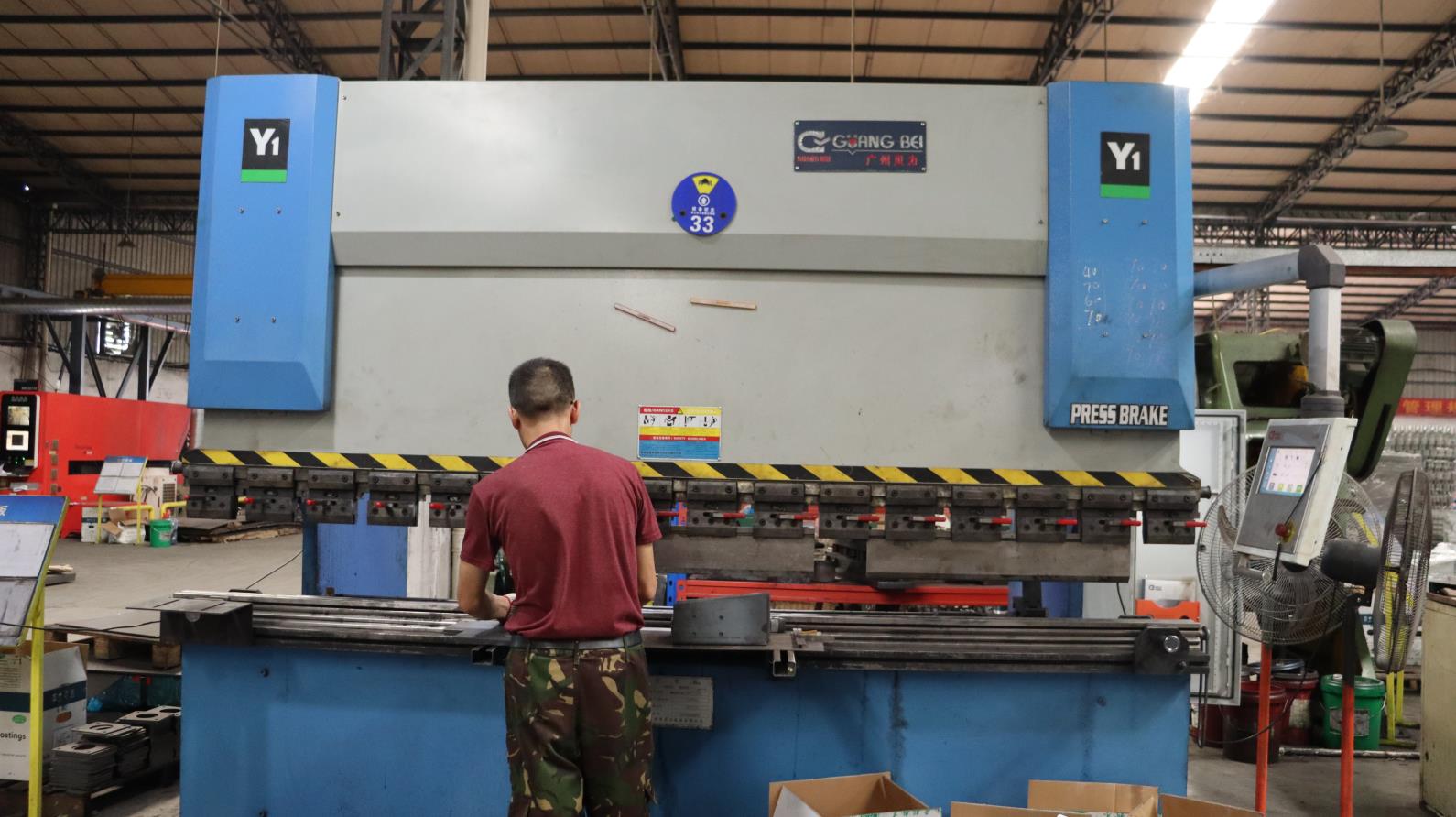
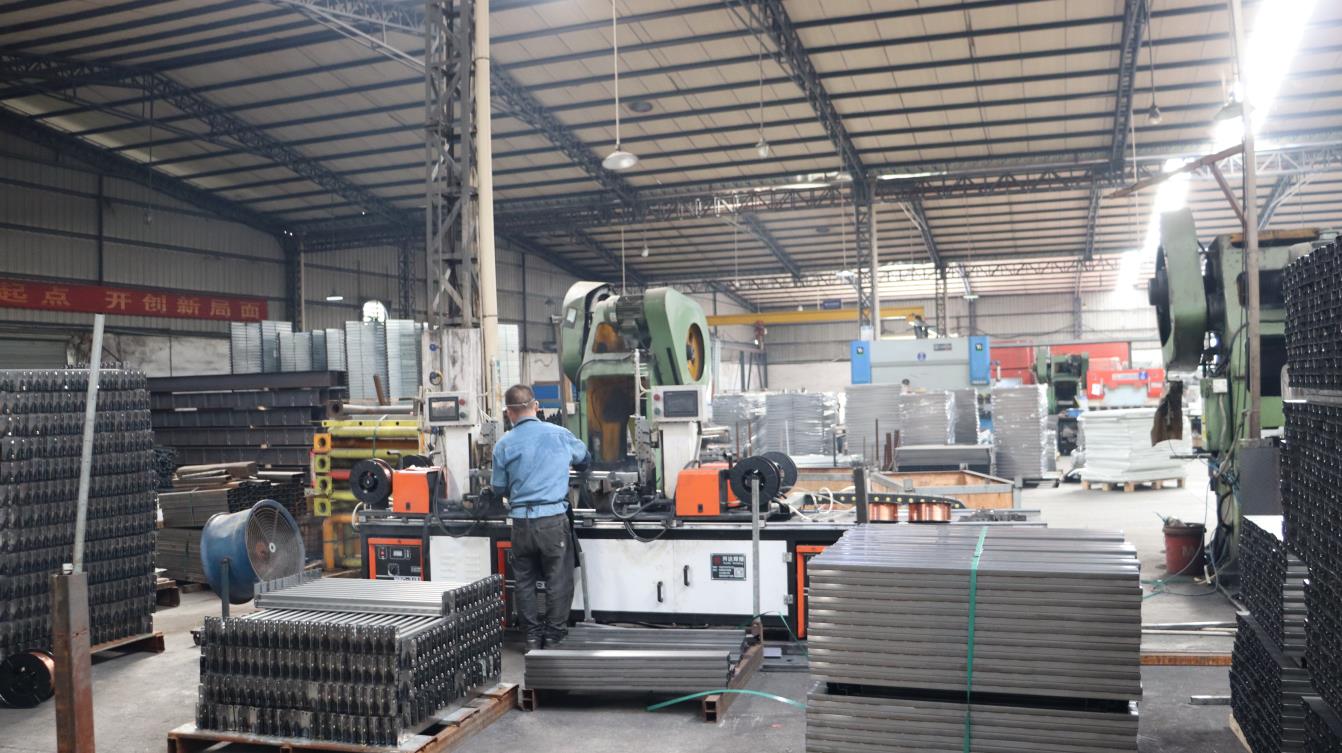
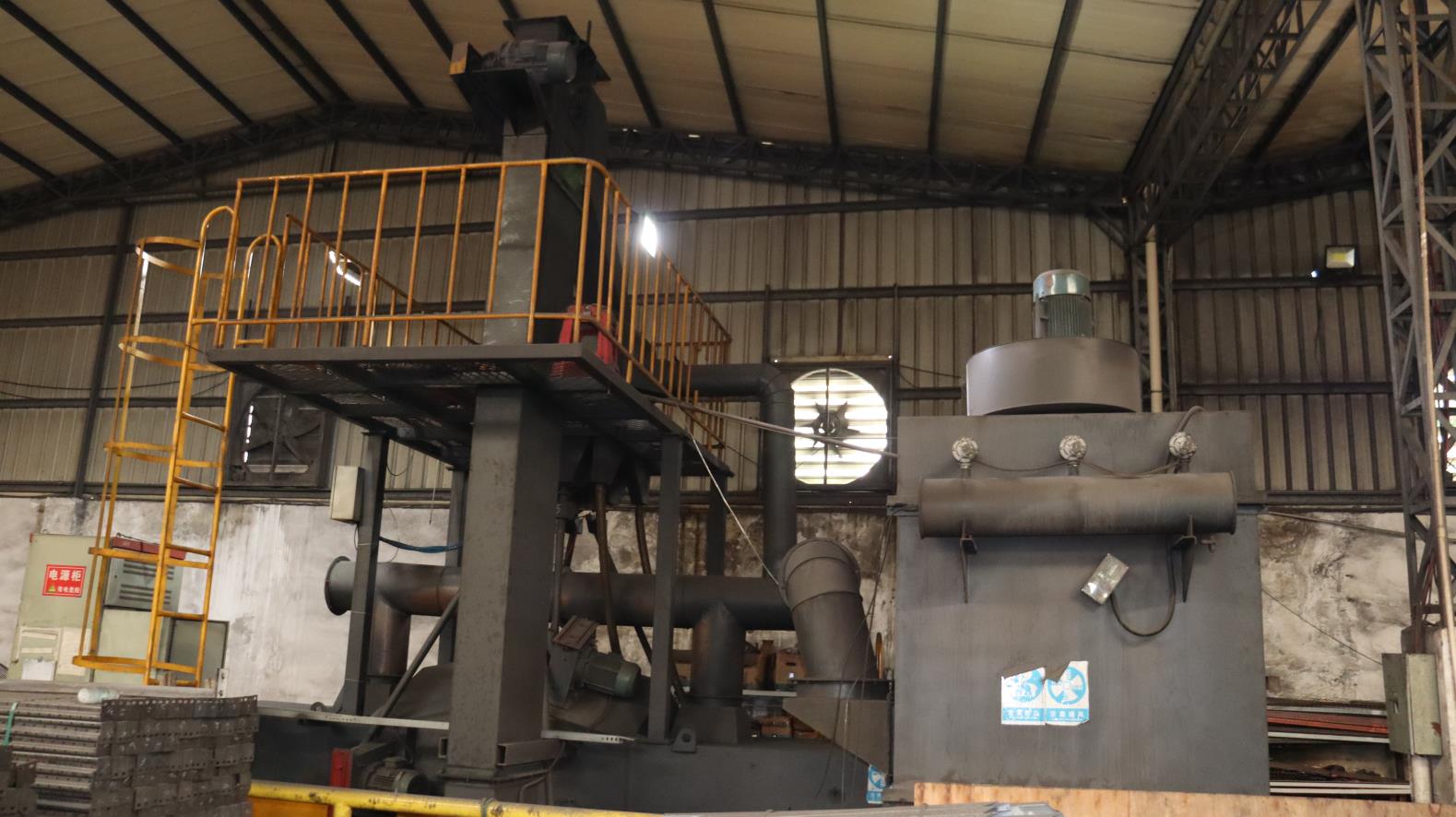
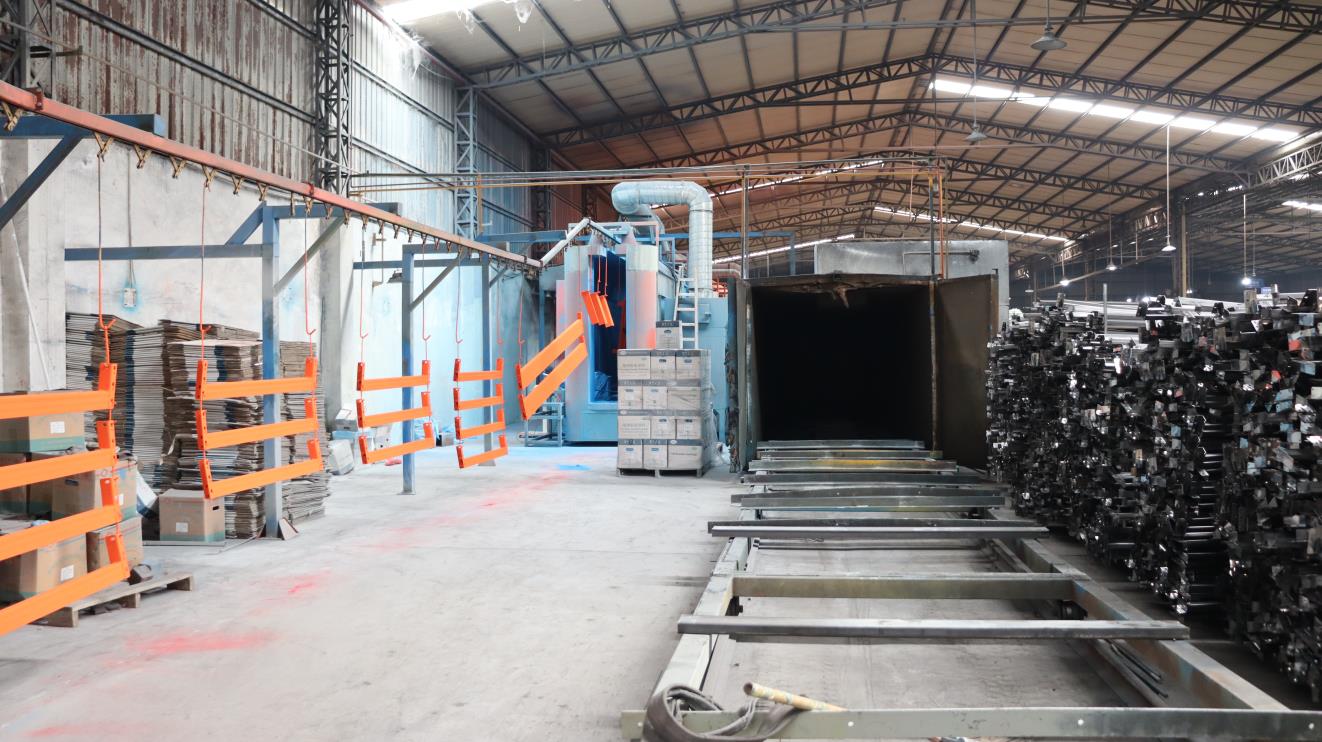
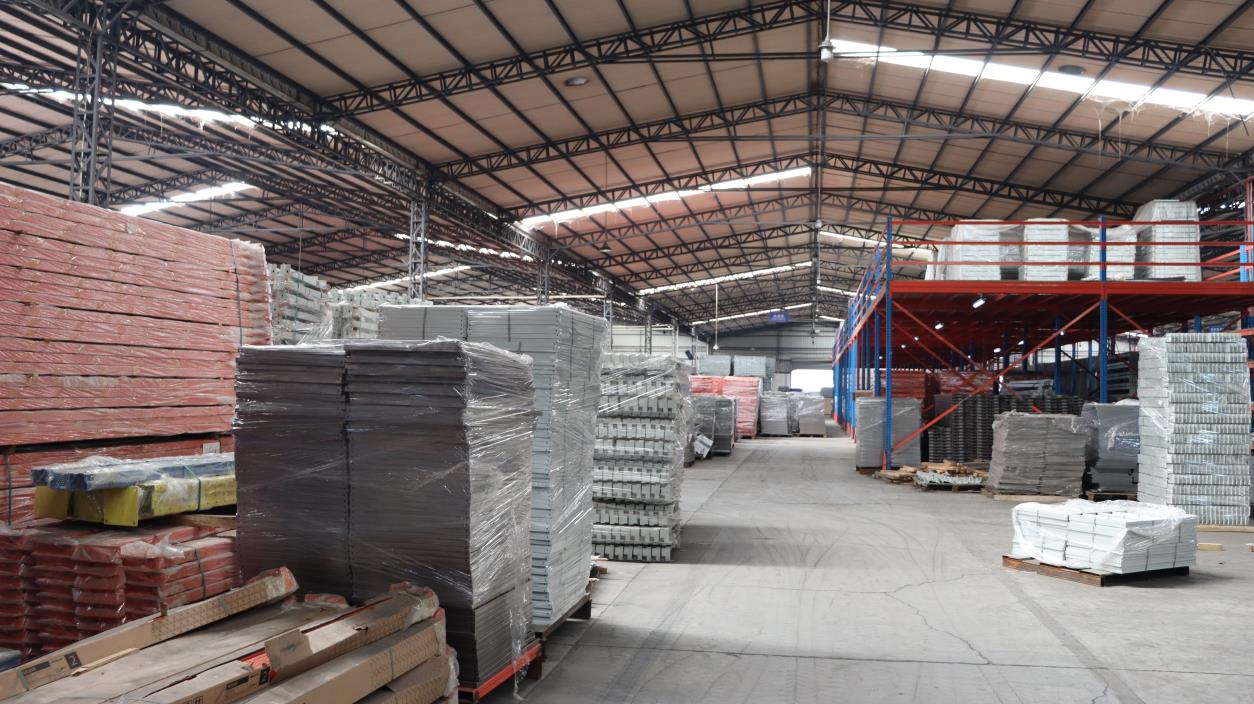
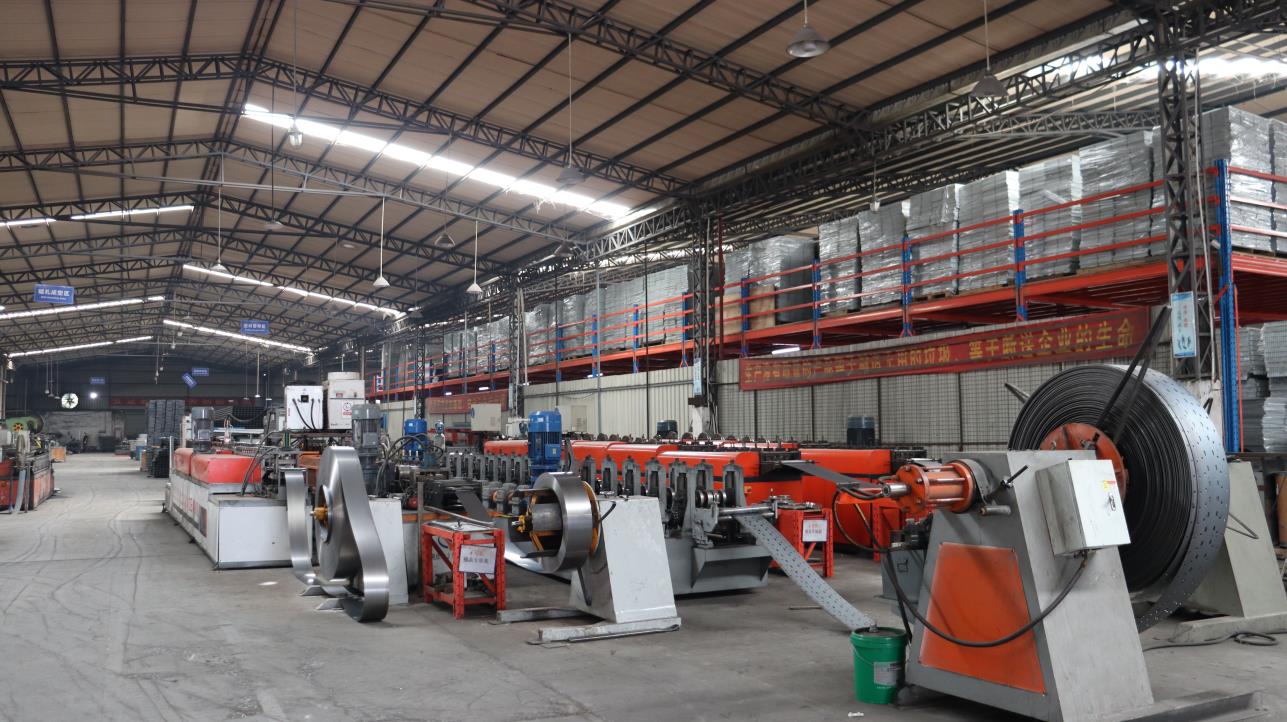
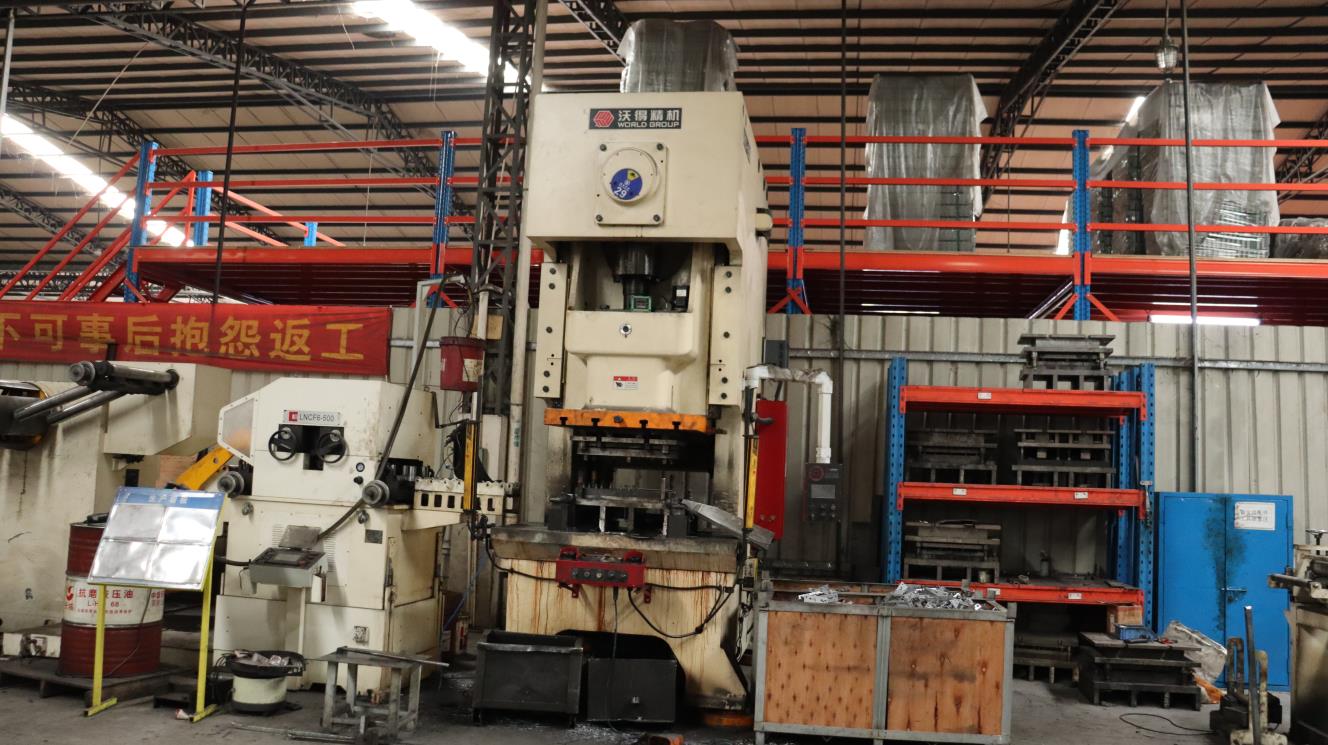
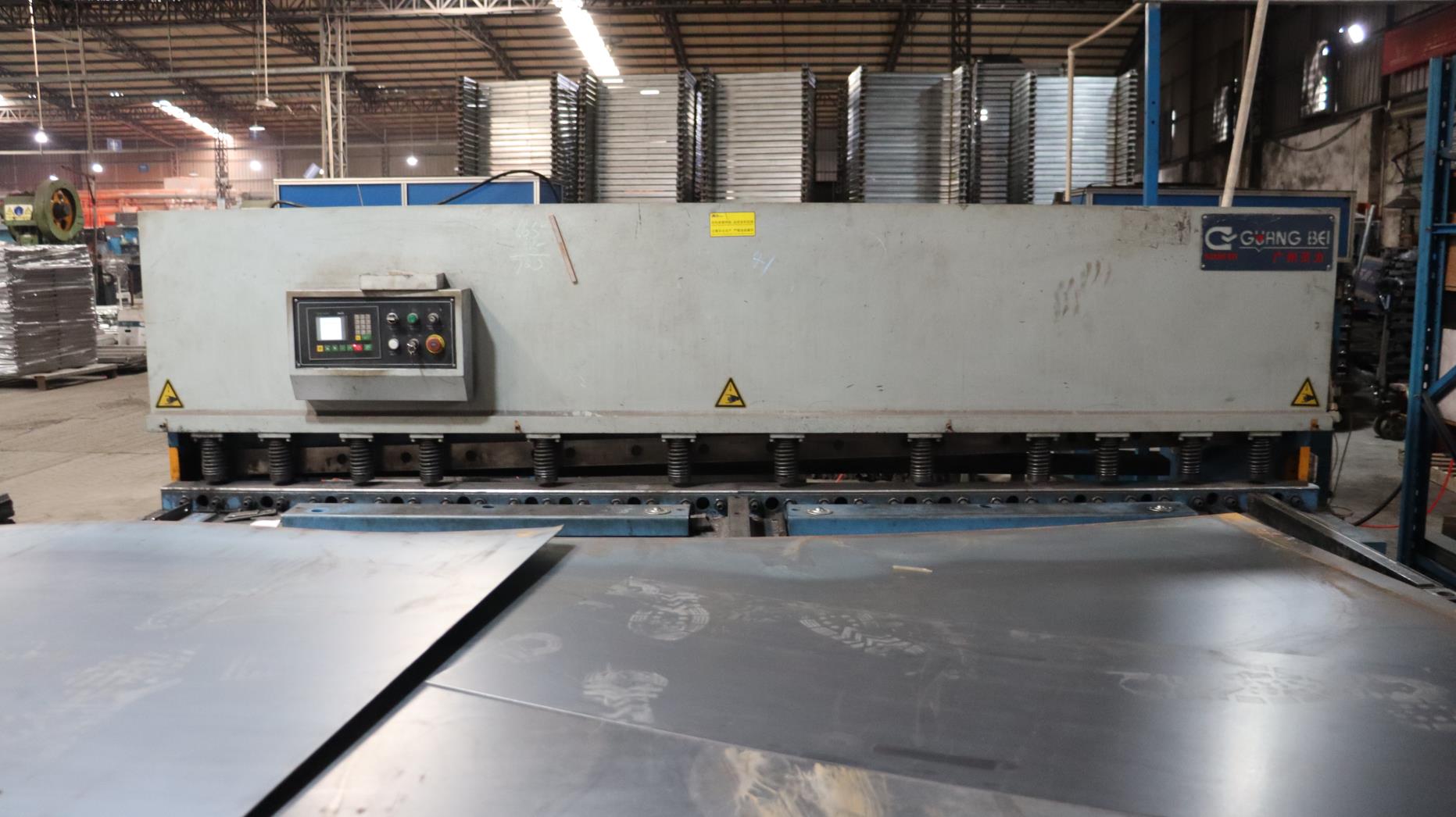
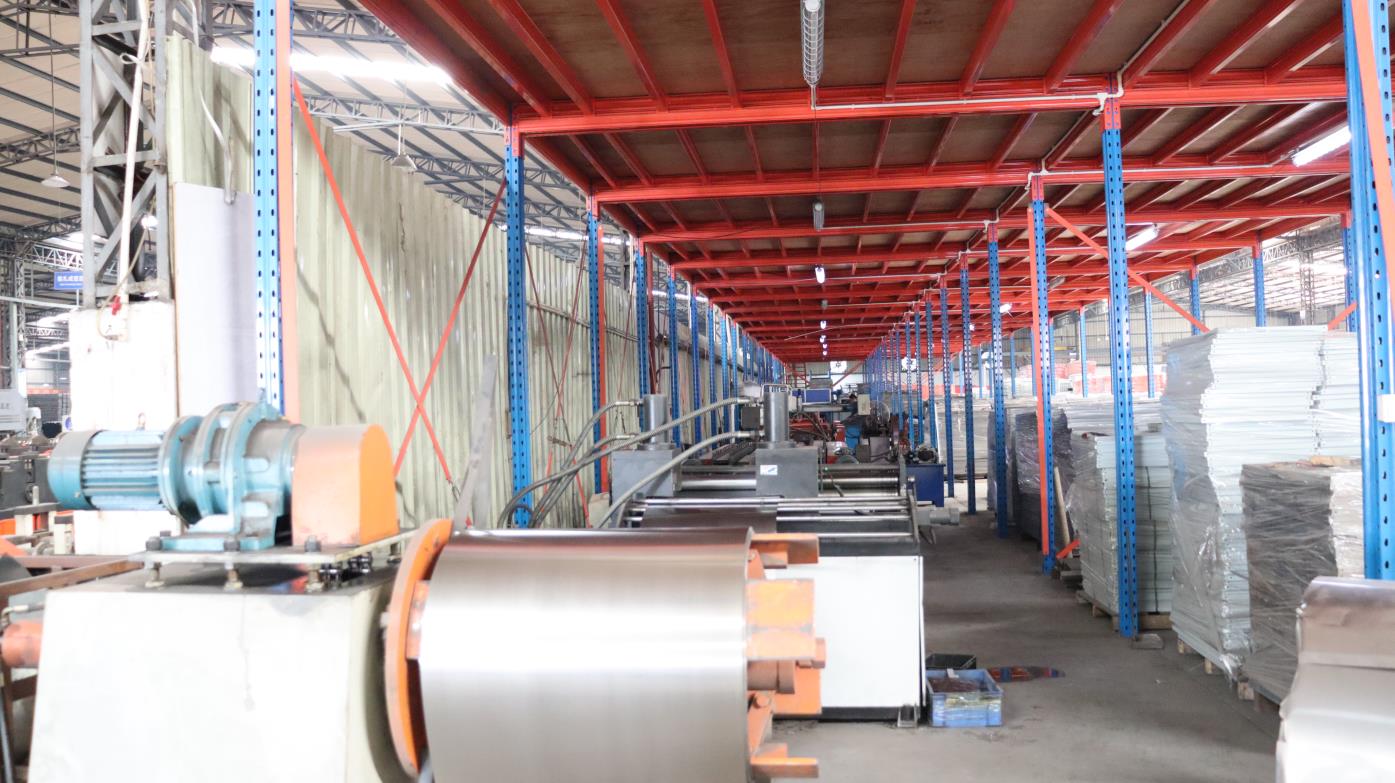
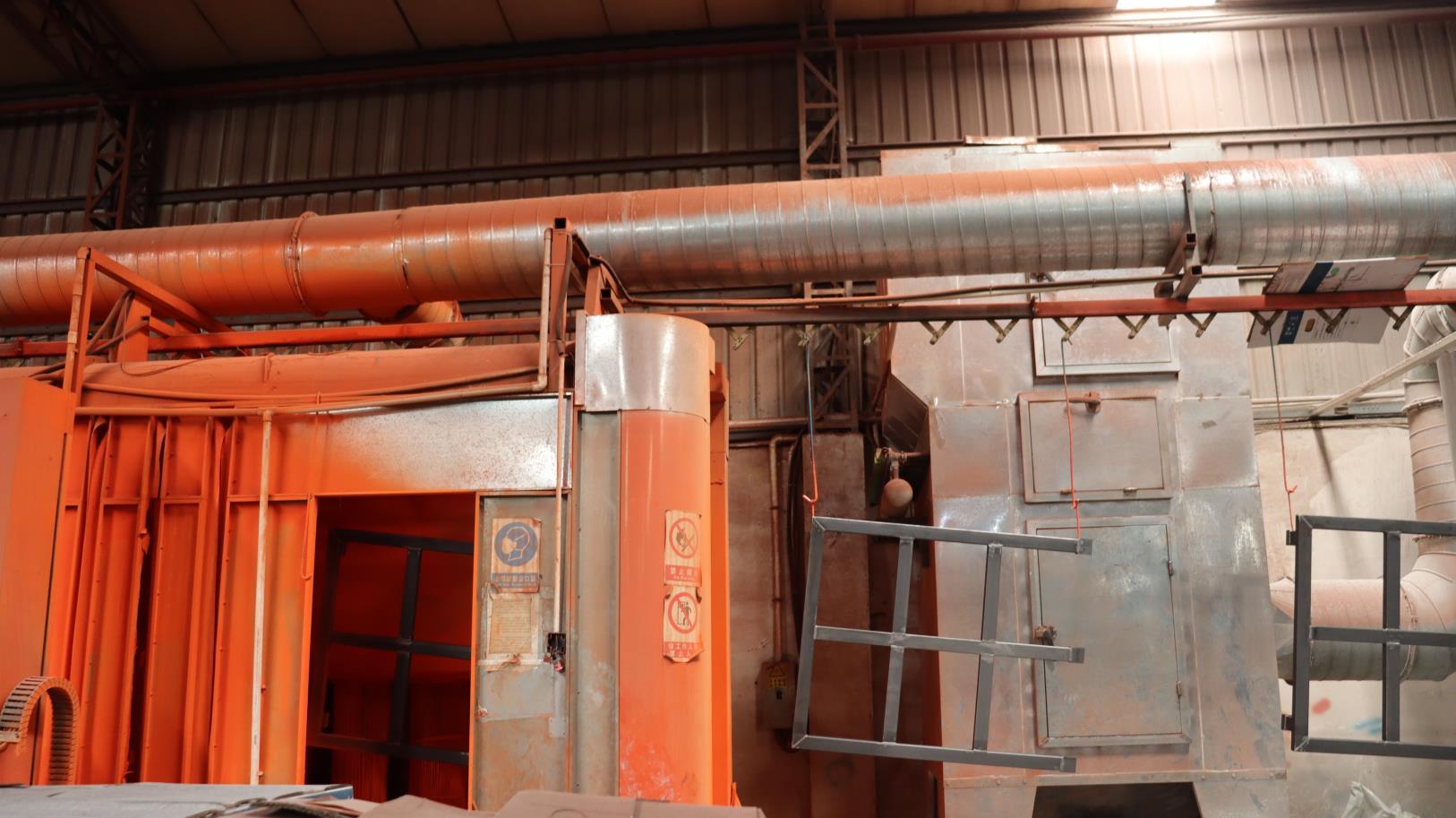
How our shelving solutions optimize density, layout compliance, and seismic protection across various Tokyo sectors.
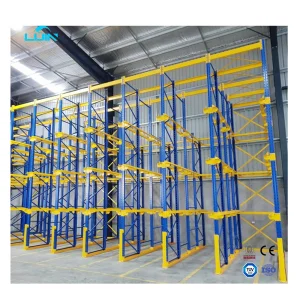
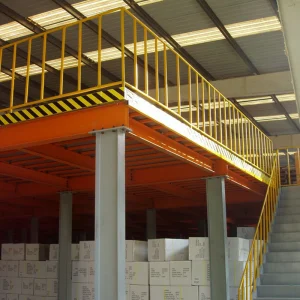
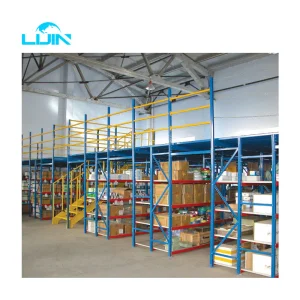
With last-mile delivery windows contracting in suburban Tokyo, third-party logistics (3PL) providers use our custom mezzanine platforms and drive-in racks. These structures double effective surface area without extending warehouse footprints, providing high structural reliability under rapid throughput cycles.
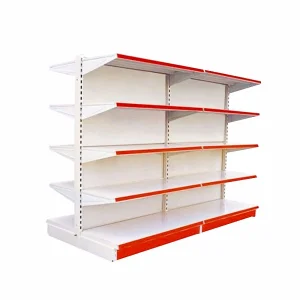
Large-scale suburban retail centers require modular shelving systems that support both heavy bulk stock and customer-facing merchandising. Our custom wire mesh decks and structural frames prevent shelf-sag under high load-per-shelf metrics while maintaining visibility across aisles.
Perishable food storage environments demand structural solutions that resist sub-zero humidity. Our premium hot-dip galvanized and powder-coated steel racking prevents structural oxidation, ensuring safety and compliance within high-value cold chains.
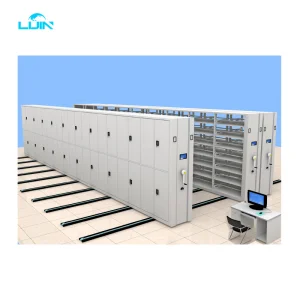
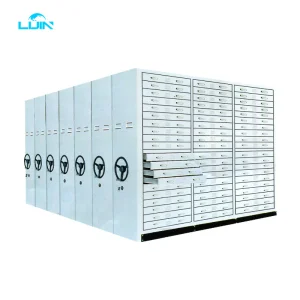
Urban commercial districts require smart, movable storage systems that secure physical documents. Our high-density rolling steel cabinet systems optimize footprint utilization in expensive central business district (CBD) offices.
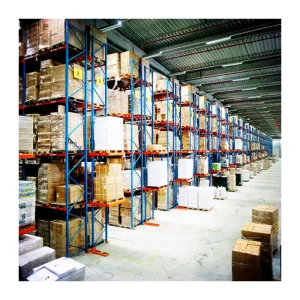
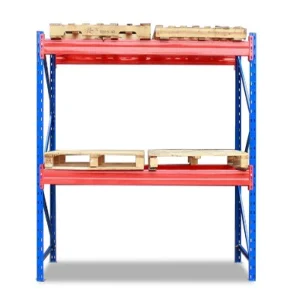
Heavy-duty pallet racking systems and custom industrial steel platforms engineered to sustain maximum load margins.
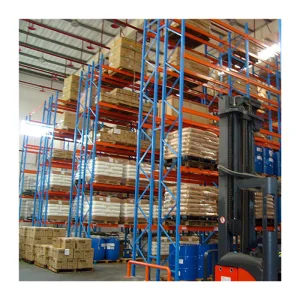
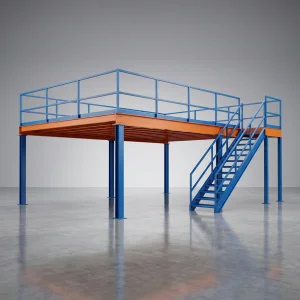
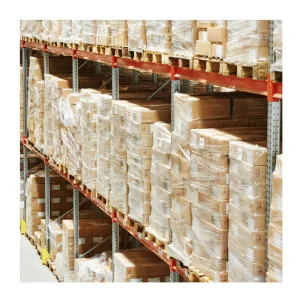
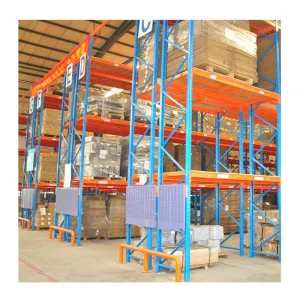
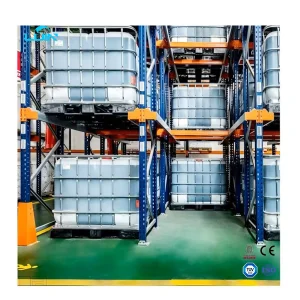
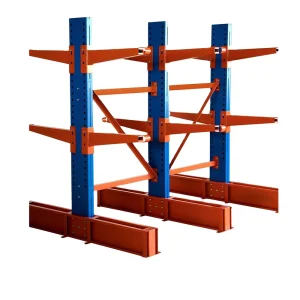
Complementary systems designed to optimize vertical space and structural integrity under demanding configurations.
Established in 2015, Shenzhen Lijin Storage Equipment Co., Ltd. is a leading enterprise specializing in the design, manufacturing, and global distribution of heavy-duty warehouse racking systems, automated storage solutions, and industrial shelving. Spanning a state-of-the-art facility of 35,000 m², we have developed into a trusted global supply chain partner with over 8 years of direct export experience and more than 12 years of deep industry expertise. Driven by innovation and quality, our global revenue reached USD 22 million last year.
Supported by a skilled team of 28 R&D engineers, Shenzhen Lijin delivers comprehensive OEM and ODM solutions tailored to unique warehouse layouts, seismic requirements, and capacity needs. Our engineering team launched over 85 new products and dynamic storage configurations last year, continuously setting new standards in space optimization and modern automated storage integration.
We enforce a rigorous, multi-stage quality control system—including ultrasonic non-destructive testing, automated weld inspection, laser dimensional checking, and heavy-load endurance testing. Backed by an in-house quality inspection team of 35 dedicated professionals, every batch meets international safety and structural standards, ensuring maximum load-bearing efficiency and long-term stability.
Backed by an experienced international trade background, our core markets span North America, Western Europe, Southeast Asia, and the Middle East. We maintain strong strategic relationships with over 850 supply chain partners globally. Our primary clients include large-scale logistics hubs, commercial distributors, third-party logistics (3PL) providers, and industrial equipment wholesalers.
Direct answers to technical, regulatory, and logistics questions concerning imports into Tokyo and Yokohama.
Work alongside our expert engineering and R&D team to develop high-performance, seismic-rated shelving and racking systems tailored to your local logistics or retail goals.
Send Inquiry Now Lijin Racking