Premium-grade semi-automated storage configurations engineered to maximize load density and optimize material handling throughput.
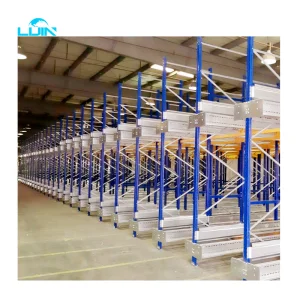
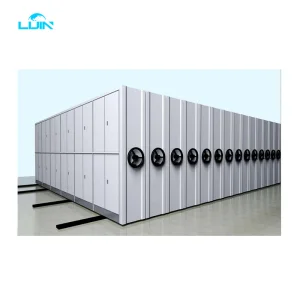
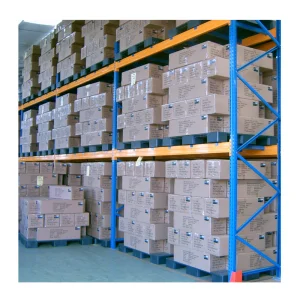
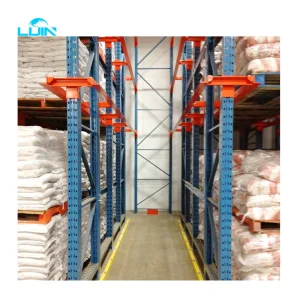
Argentina’s logistics and supply chain sectors are undergoing rapid transformation. As key agricultural, cold storage, wine-making (Mendoza region), and automotive manufacturing hubs continue to expand, operators in Greater Buenos Aires, Córdoba, and Rosario face the pressure of high real estate costs and escalating energy tariffs. For companies managing temperature-controlled environments, maximizing volume utilization is no longer just an optimization strategy—it is a critical survival imperative.
Traditional selective racking falls short in modern distribution centers due to the excessive aisle space required for forklift travel. Traditional drive-in racking, while offering high density, lacks operational speed and presents significant risks of structural collisions. The introduction of semi-automated Radio Shuttle Racking resolves this bottleneck by allowing high-density lane configurations without requiring forklifts to enter the racking structure. This reduces pallet cycle times by up to 50% and dramatically lowers structural damage rates.
Furthermore, Argentina's diverse geographic terrain requires unique structural engineering. Racking installations in seismic areas like San Juan and Mendoza must strictly comply with national design regulations (INPRES-CIRSOC codes). Our structures are engineered to handle dynamic loads during seismic activity, protecting both inventories and operations.
Maximizing Cold Chain Efficiency: Energy costs in refrigerated warehouses are exceptionally high. High-density shuttle systems reduce the total volume that needs cooling per pallet position, decreasing HVAC operational costs by 30-40%.
Mitigating Labor Risks: By automating the horizontal transport of pallets within lanes, operators minimize manual forklift operations, reducing workplace injuries and inventory damage.
Racking installations in Western Argentina must be engineered for seismic resilience. Operating in Mendoza or San Juan requires compliance with local structural codes. We utilize finite element analysis (FEA) to design upright profiles, dynamic diagonal bracing, and heavy-duty baseplates that distribute lateral forces during seismic events. Our steel conforms to international standards like Q355B (equivalent to ASTM A572 Grade 50) to ensure high yield strength under stress.
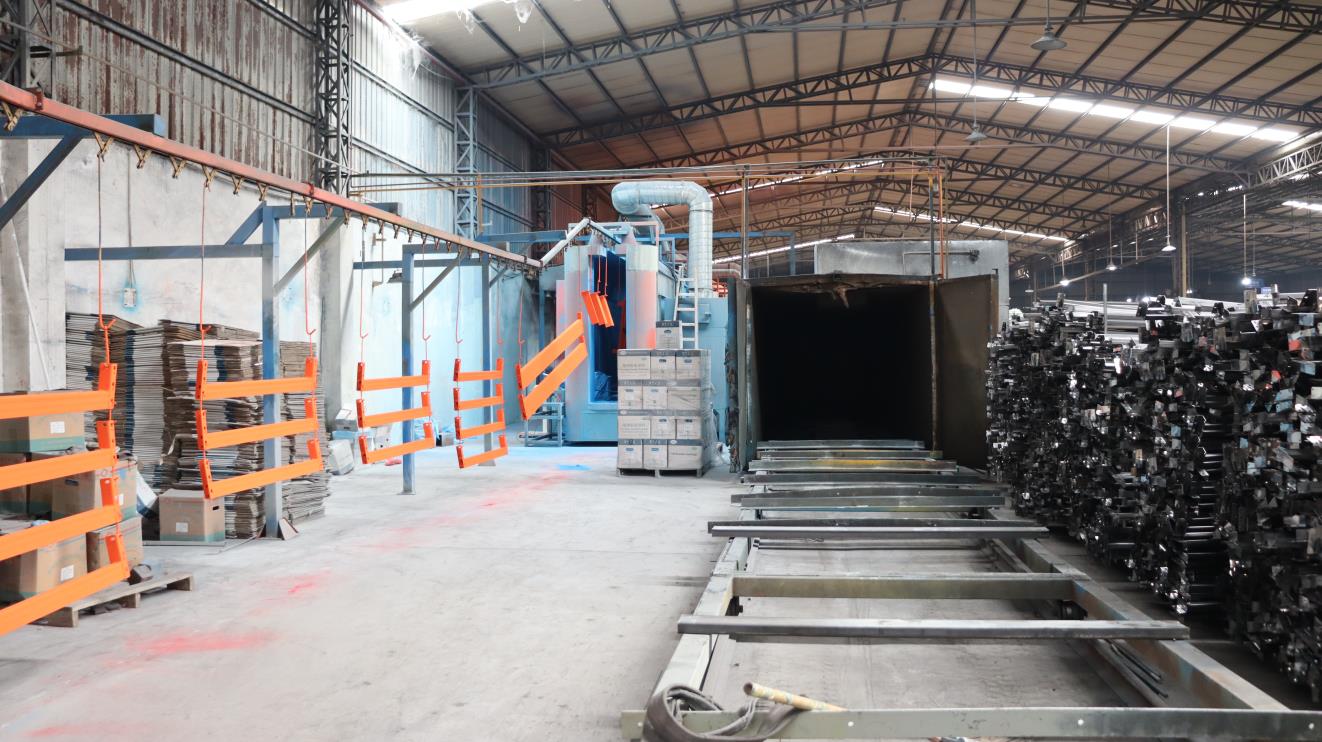
We apply a multi-stage powder coating process cured at high temperatures to protect racks in humid and sub-zero environments (down to -25°C). For food distribution and agricultural exports, we provide hot-dip galvanized finishes. These coatings resist corrosion, stand up to sanitizers, and protect structural steel from rust.
| Technical Parameter | Specification Detail | Compliance Standards |
|---|---|---|
| Load Capacity | 500 kg to 1,500 kg per pallet position | EN 15512, RMI Standards |
| Steel Grade | High-tensile Q355B / SS400 / S355JR | ASTM / GB / EN Codes |
| Seismic Zones | Zone 1 to Zone 4 (Mendoza / San Juan Compliant) | INPRES-CIRSOC 103, FEMA 460 |
| Operation Environment | Ambient (room temp) to Cold Storage (-25°C to -30°C) | CE Certification for Shuttles |
| Powder Coating | Epoxy-polyester, minimum thickness 80-120μm | ISO 9227 Salt Spray Tested |
Established in 2015, Shenzhen Lijin Storage Equipment Co., Ltd. is a leading enterprise specializing in the design, manufacturing, and global distribution of heavy-duty warehouse racking systems, automated storage solutions, and industrial shelving. Spanning a state-of-the-art facility of 35,000 m², we have developed into a trusted global supply chain partner with over 8 years of direct export experience and more than 12 years of deep industry expertise. Driven by innovation and quality, our global revenue reached USD 22 million last year.
Supported by a skilled team of 28 R&D engineers, Shenzhen Lijin delivers comprehensive OEM and ODM solutions tailored to unique warehouse layouts, seismic requirements, and capacity needs. Our engineering team launched over 85 new products and dynamic storage configurations last year, continuously setting new standards in space optimization and modern automated storage integration.
We enforce a rigorous, multi-stage quality control system—including ultrasonic non-destructive testing, automated weld inspection, laser dimensional checking, and heavy-load endurance testing. Backed by an in-house quality inspection team of 35 dedicated professionals, every batch meets international safety and structural standards, ensuring maximum load-bearing efficiency and long-term stability.
Backed by an experienced international trade background, our core markets span North America, Western Europe, Southeast Asia, and the Middle East. We maintain strong strategic relationships with over 850 supply chain partners globally. Our primary clients include large-scale logistics hubs, commercial distributors, third-party logistics (3PL) providers, and industrial equipment wholesalers.
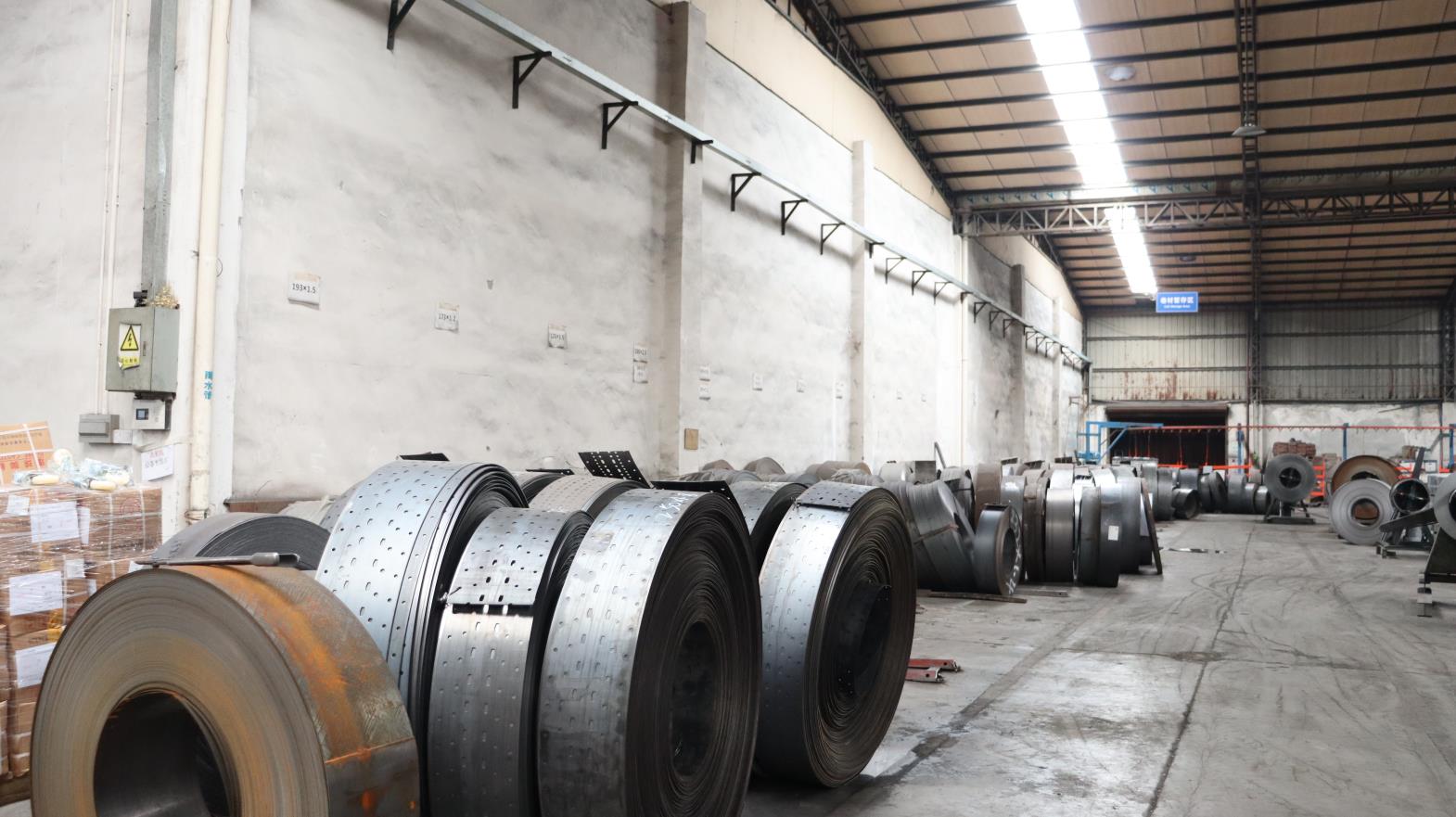
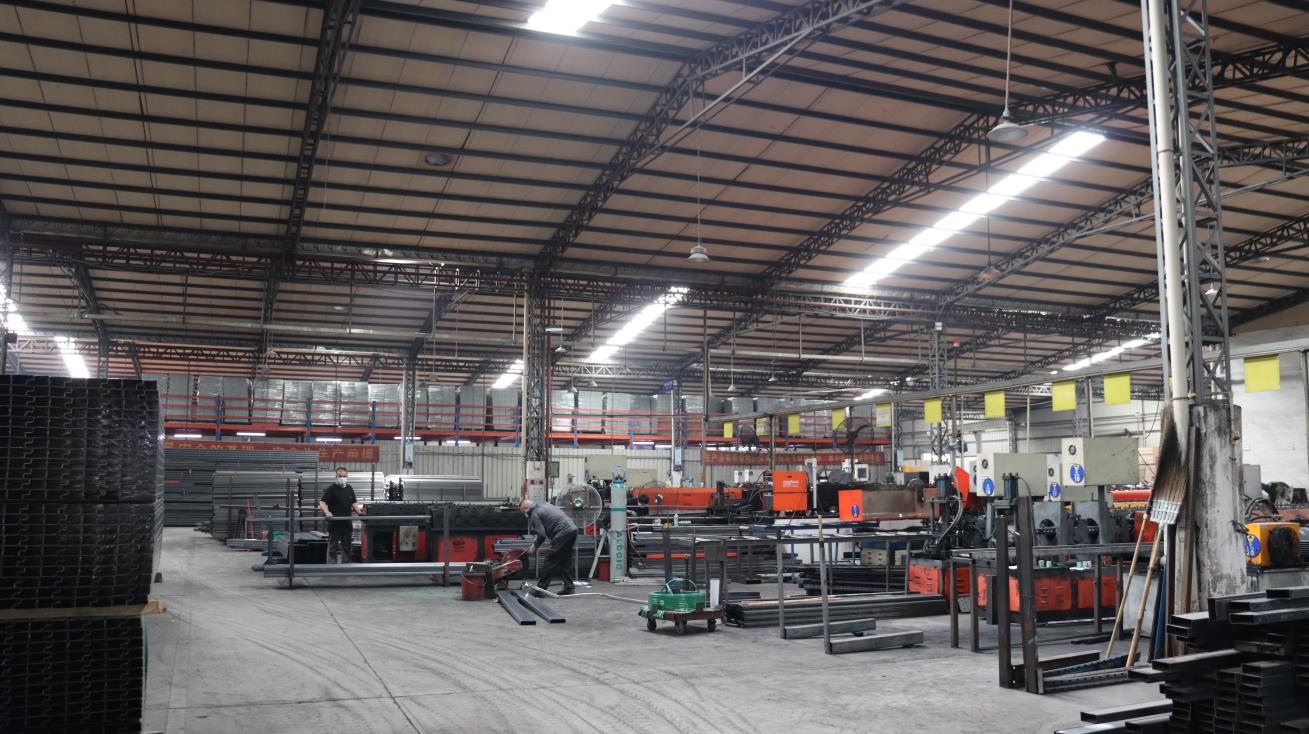
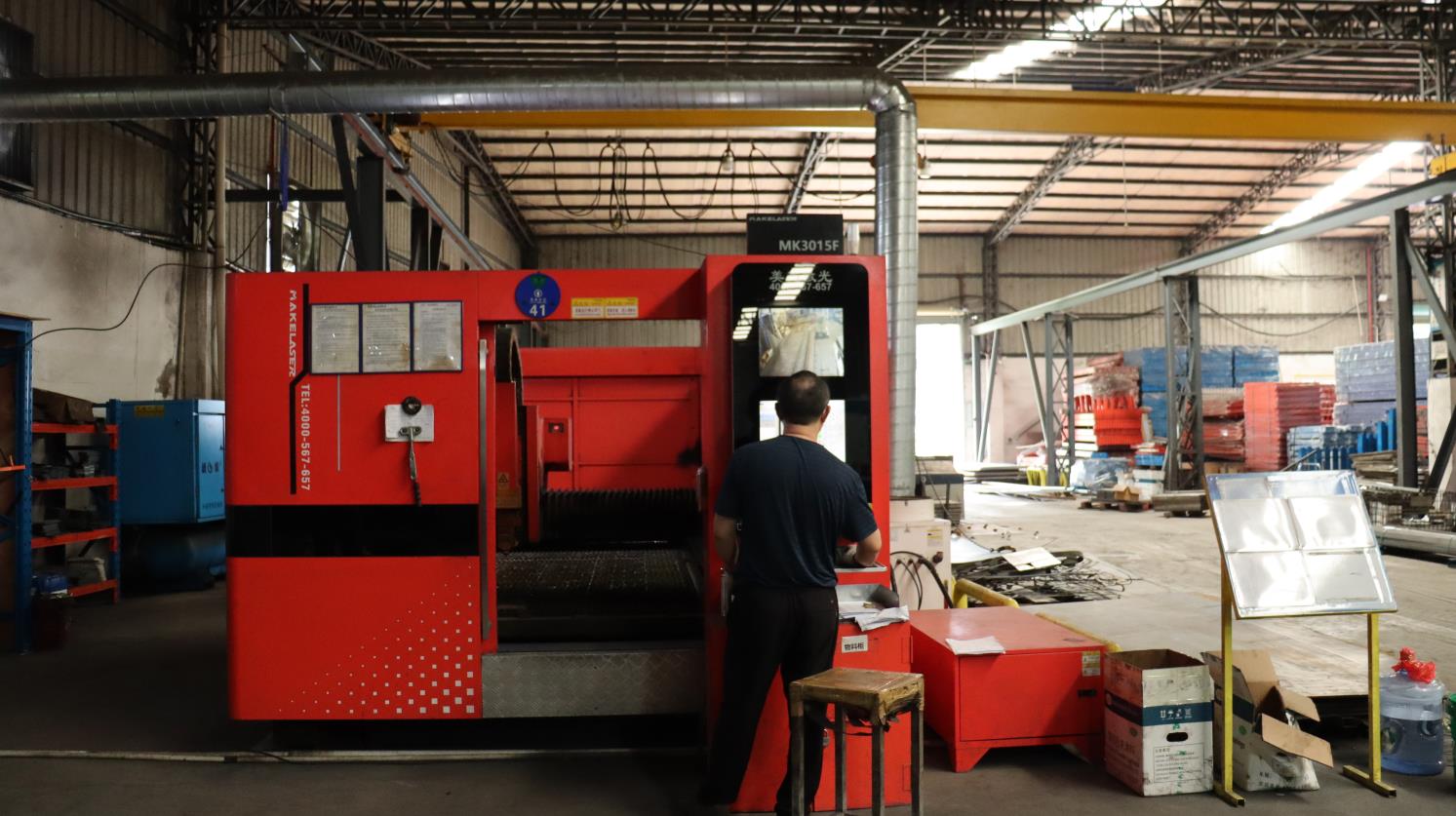
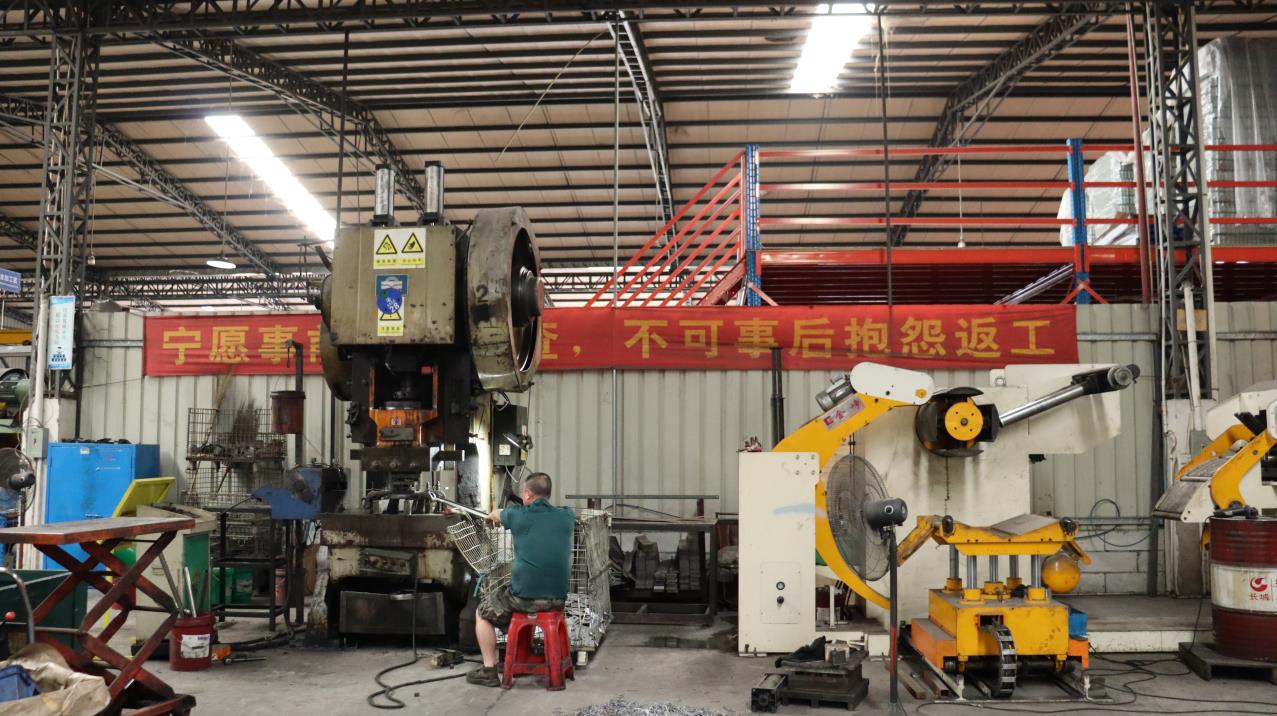
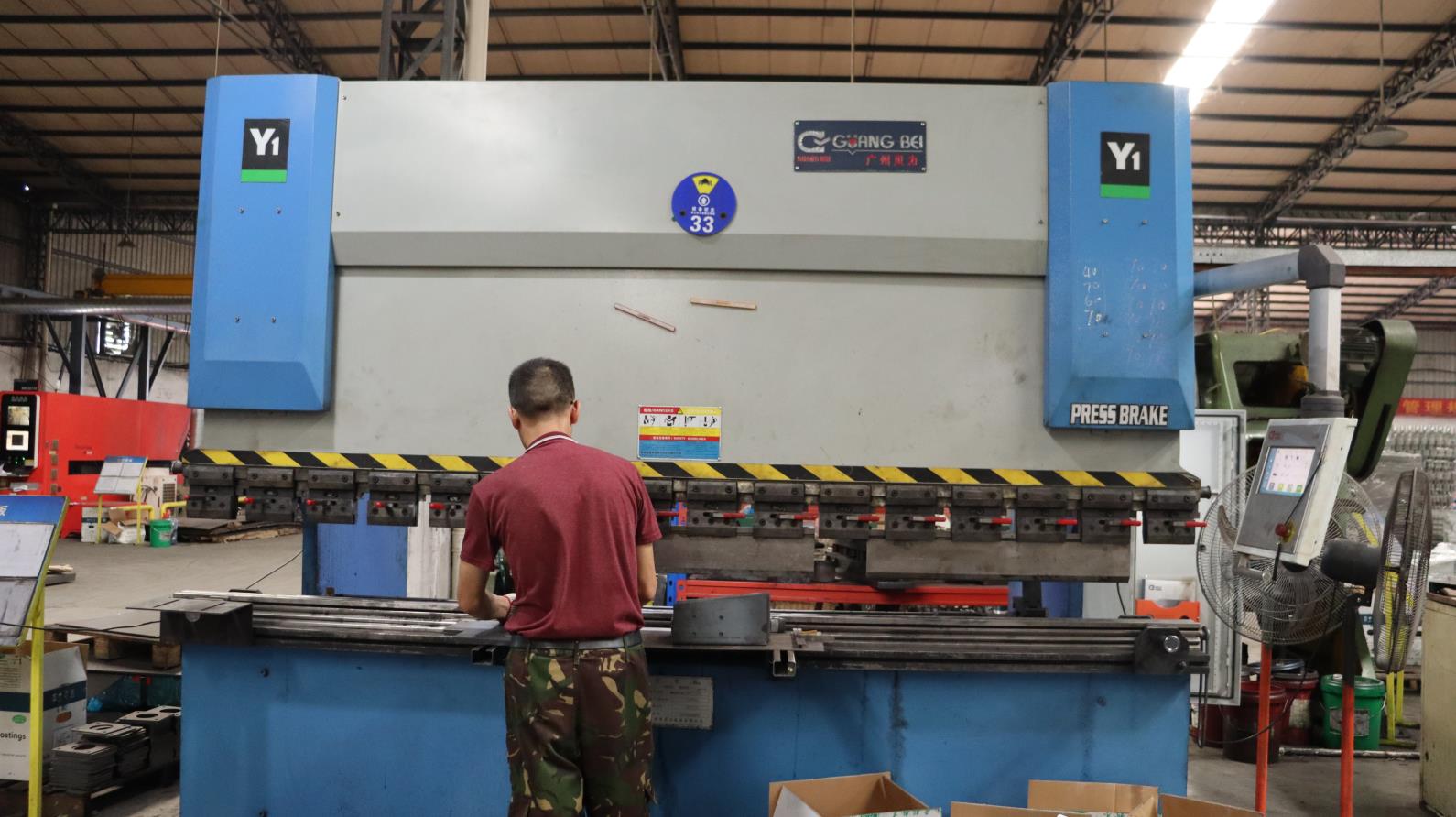
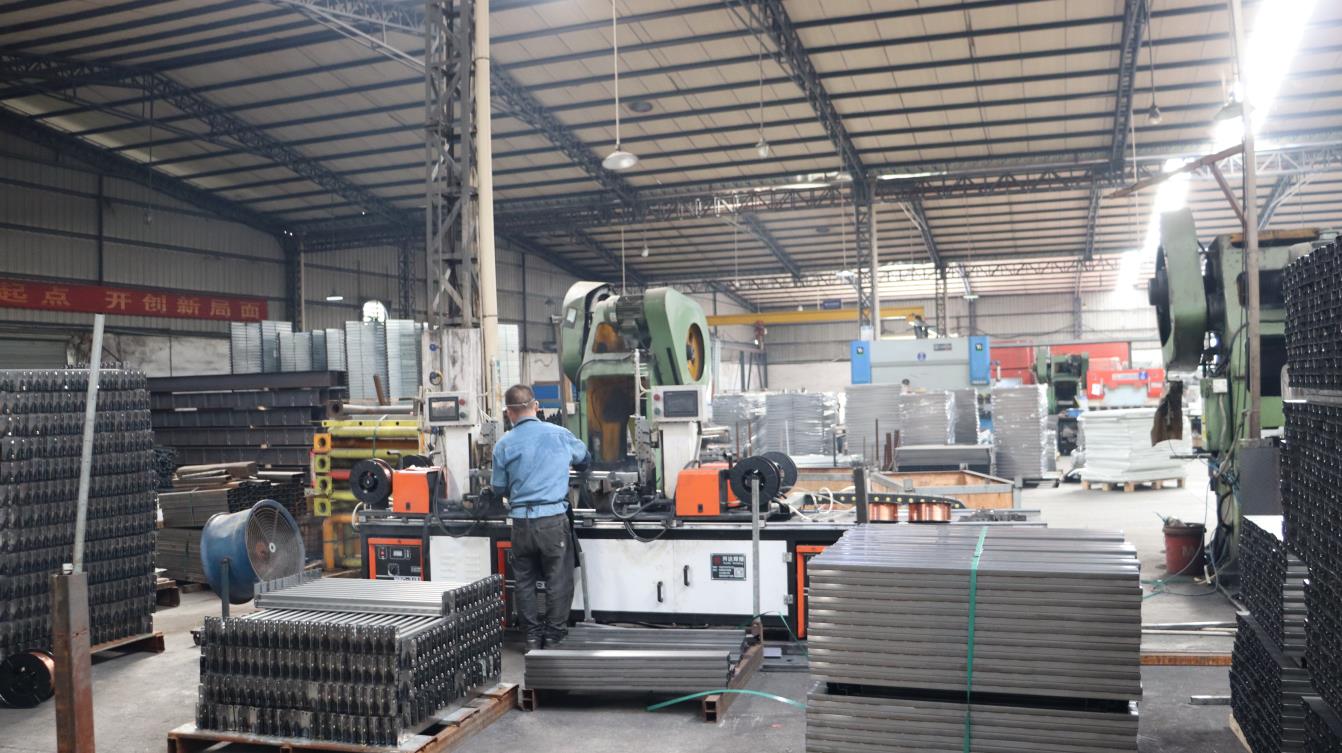
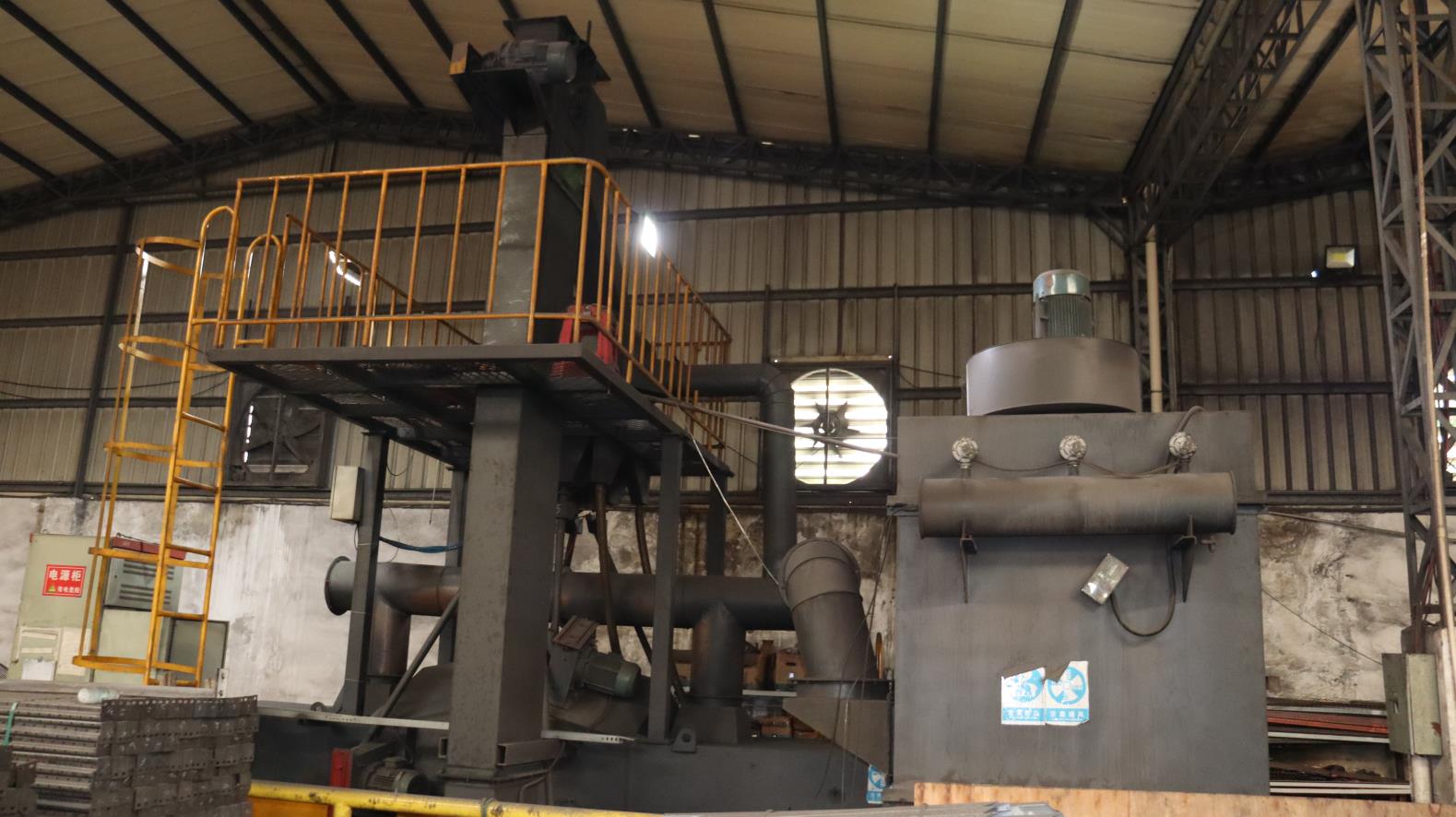
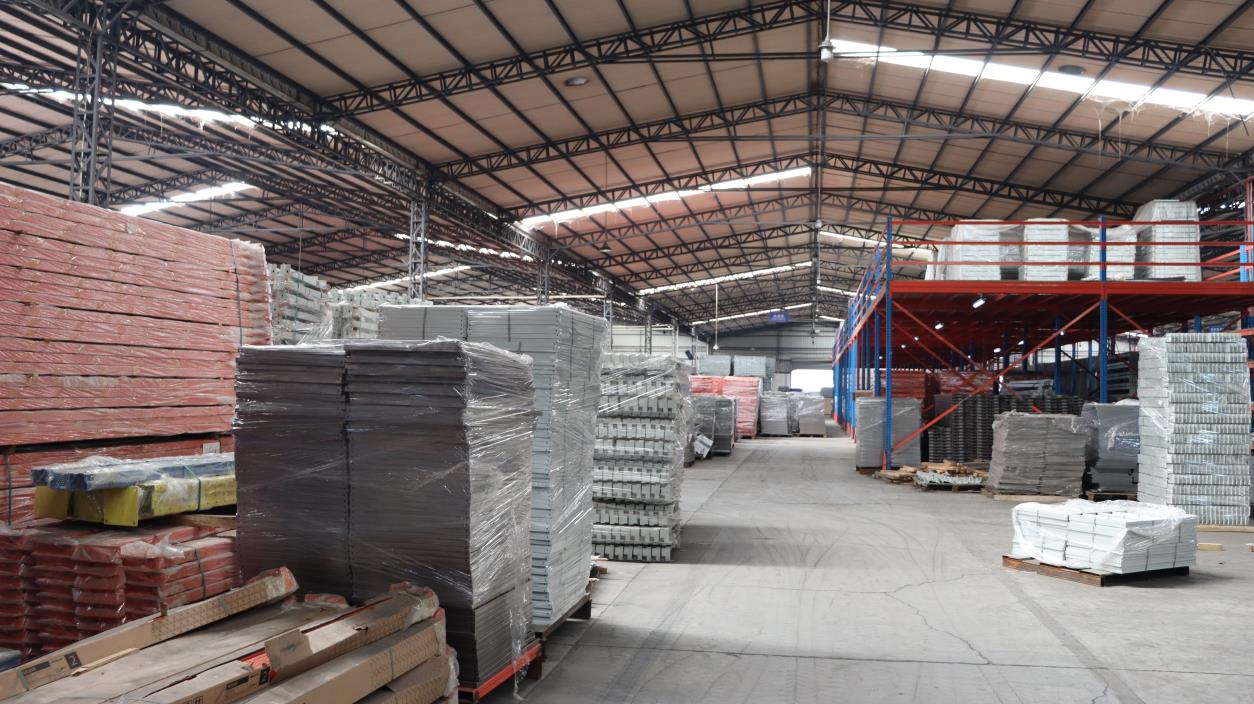
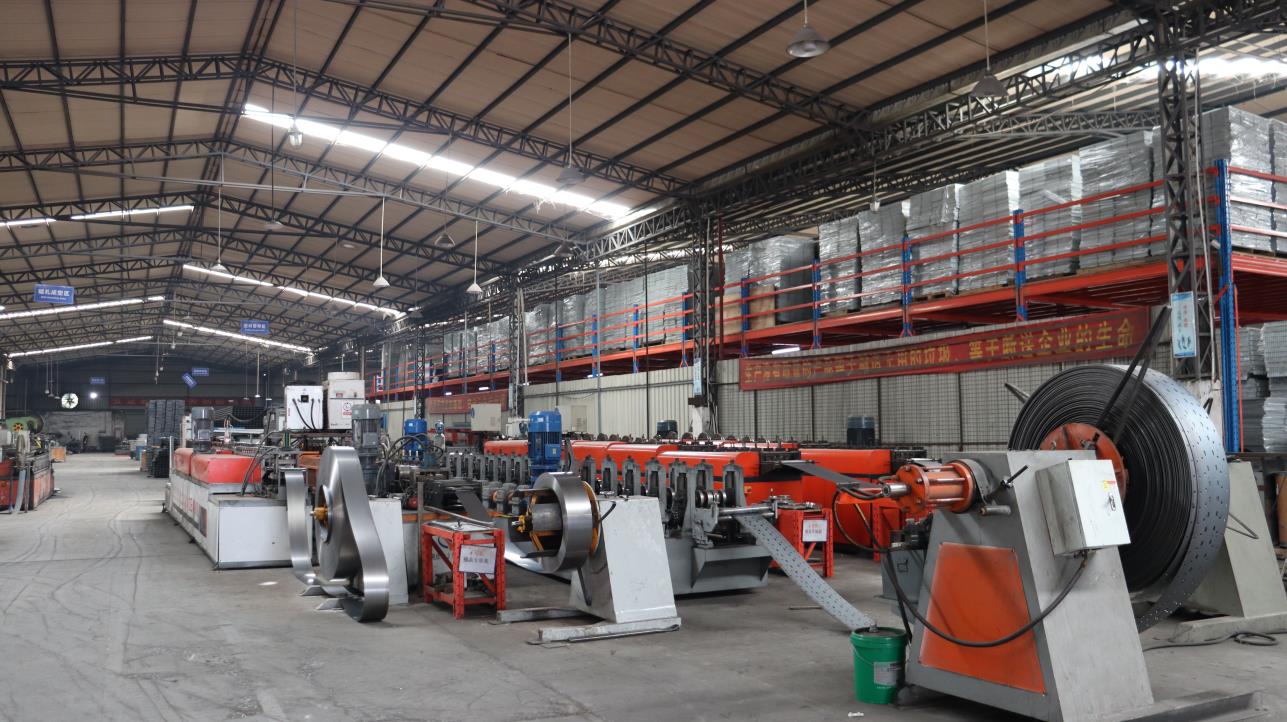
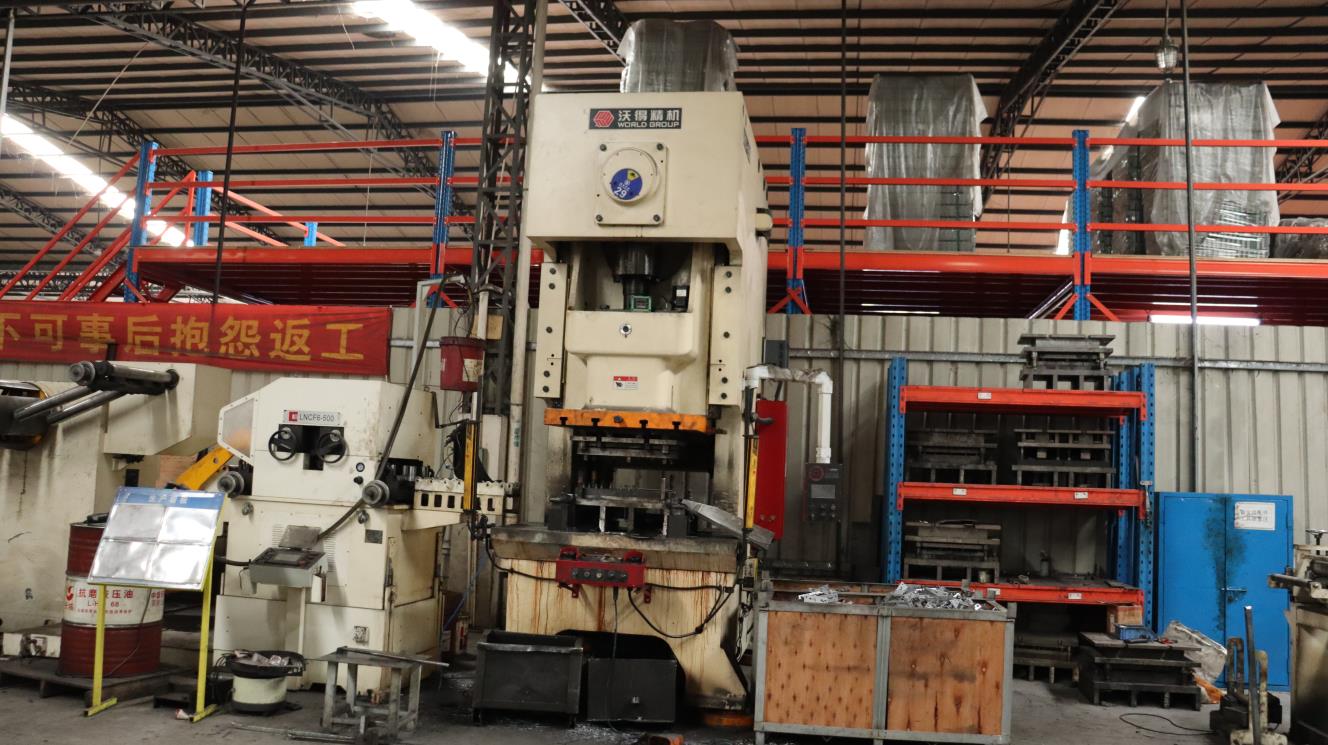
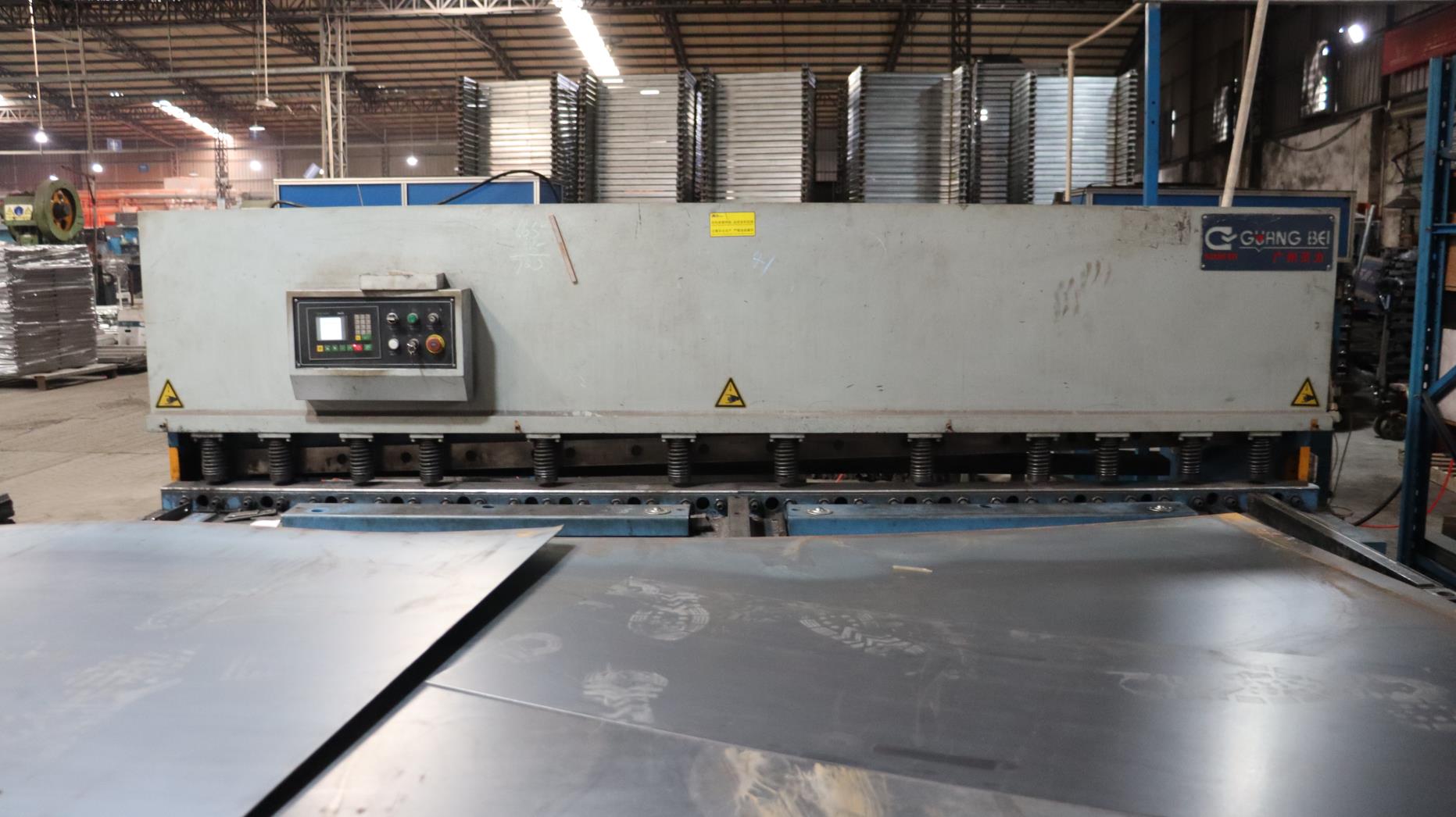
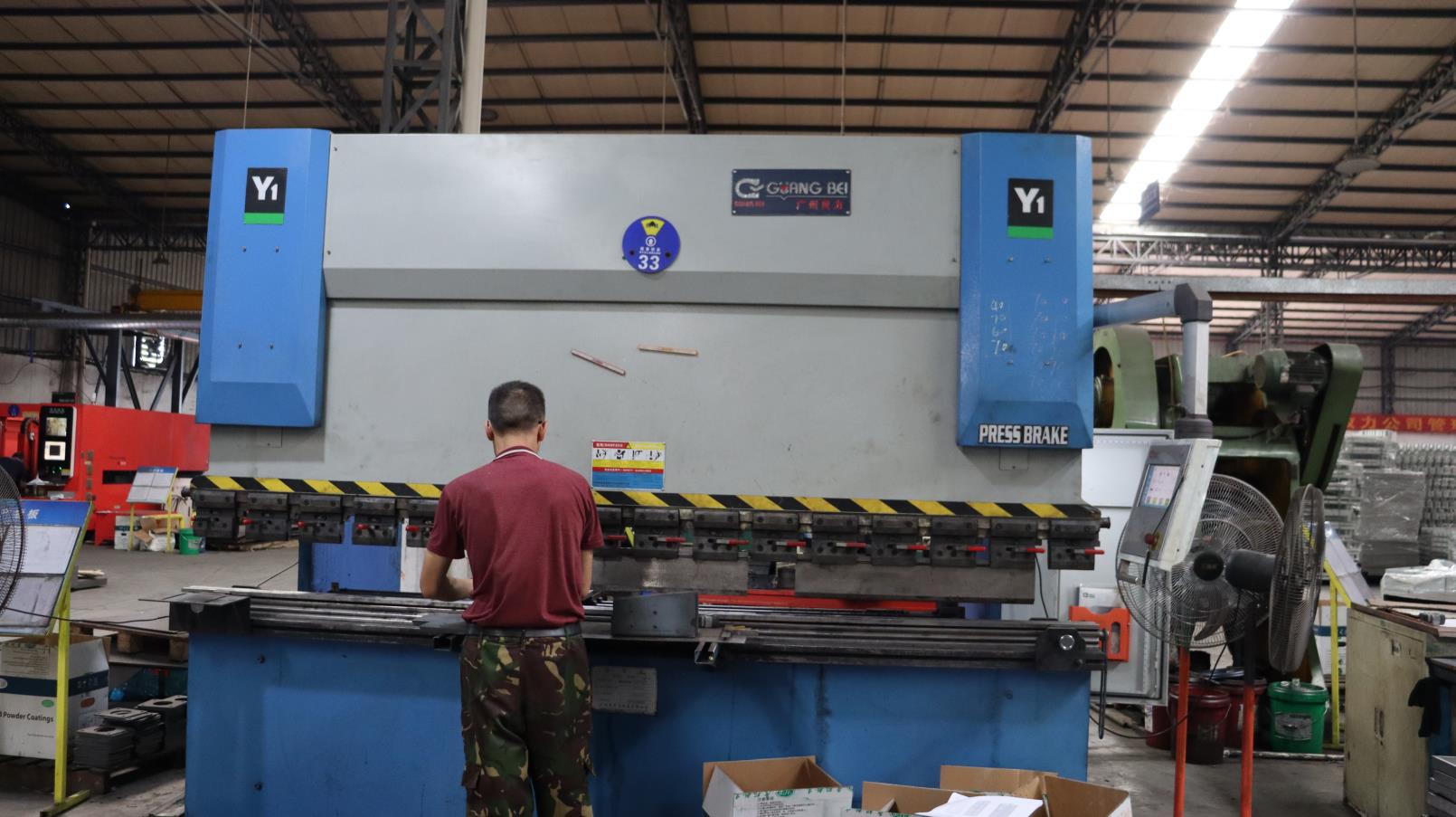
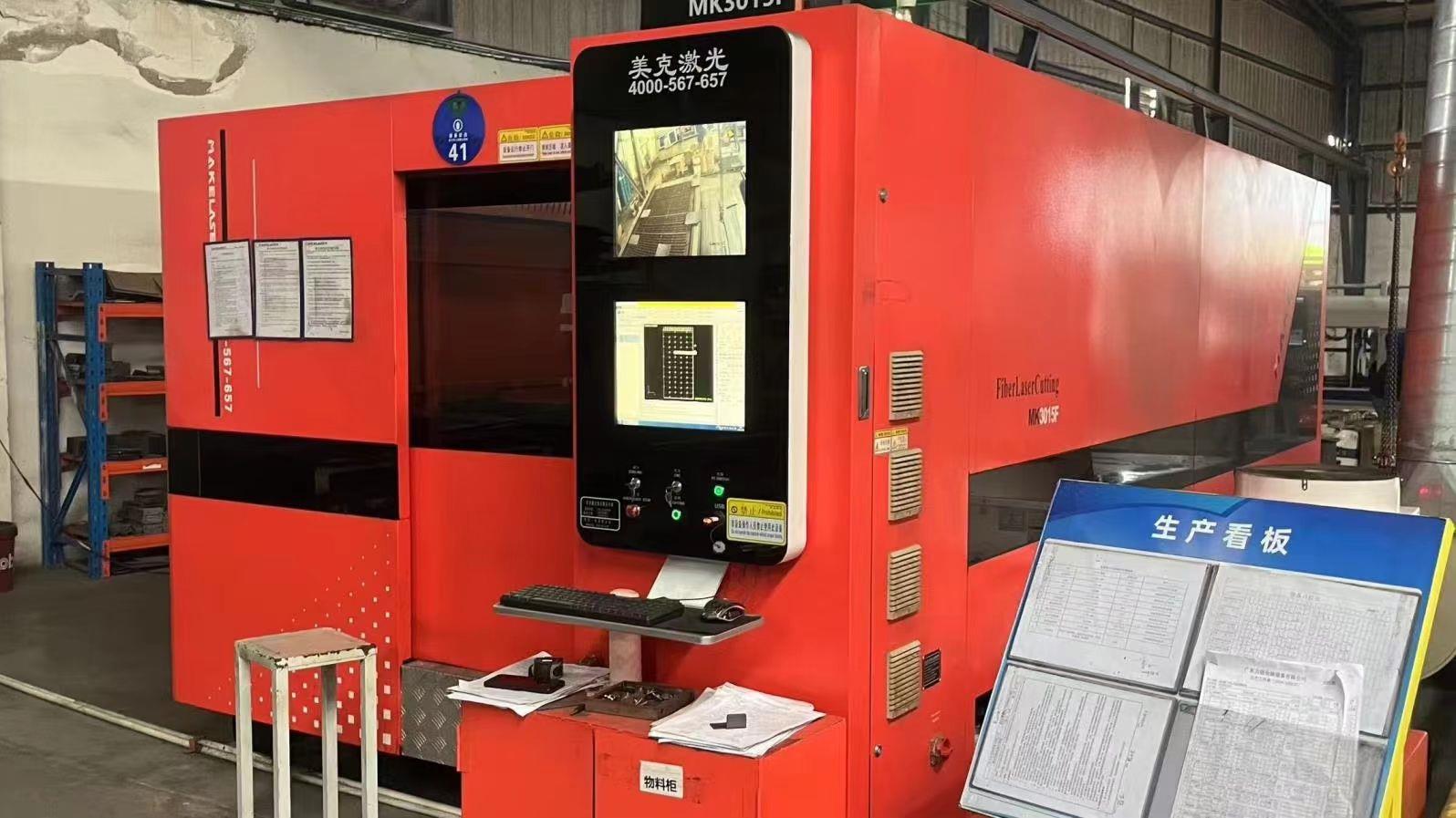
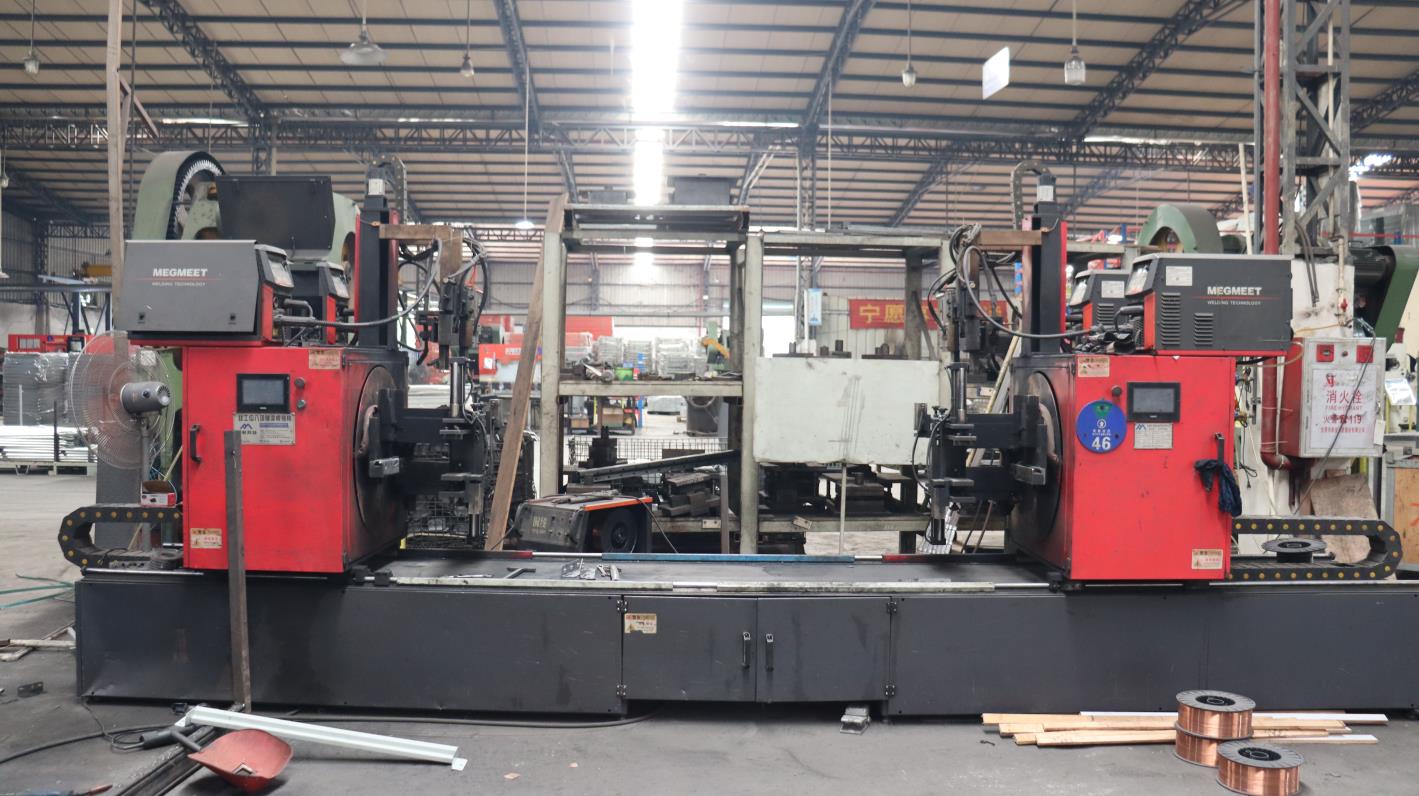
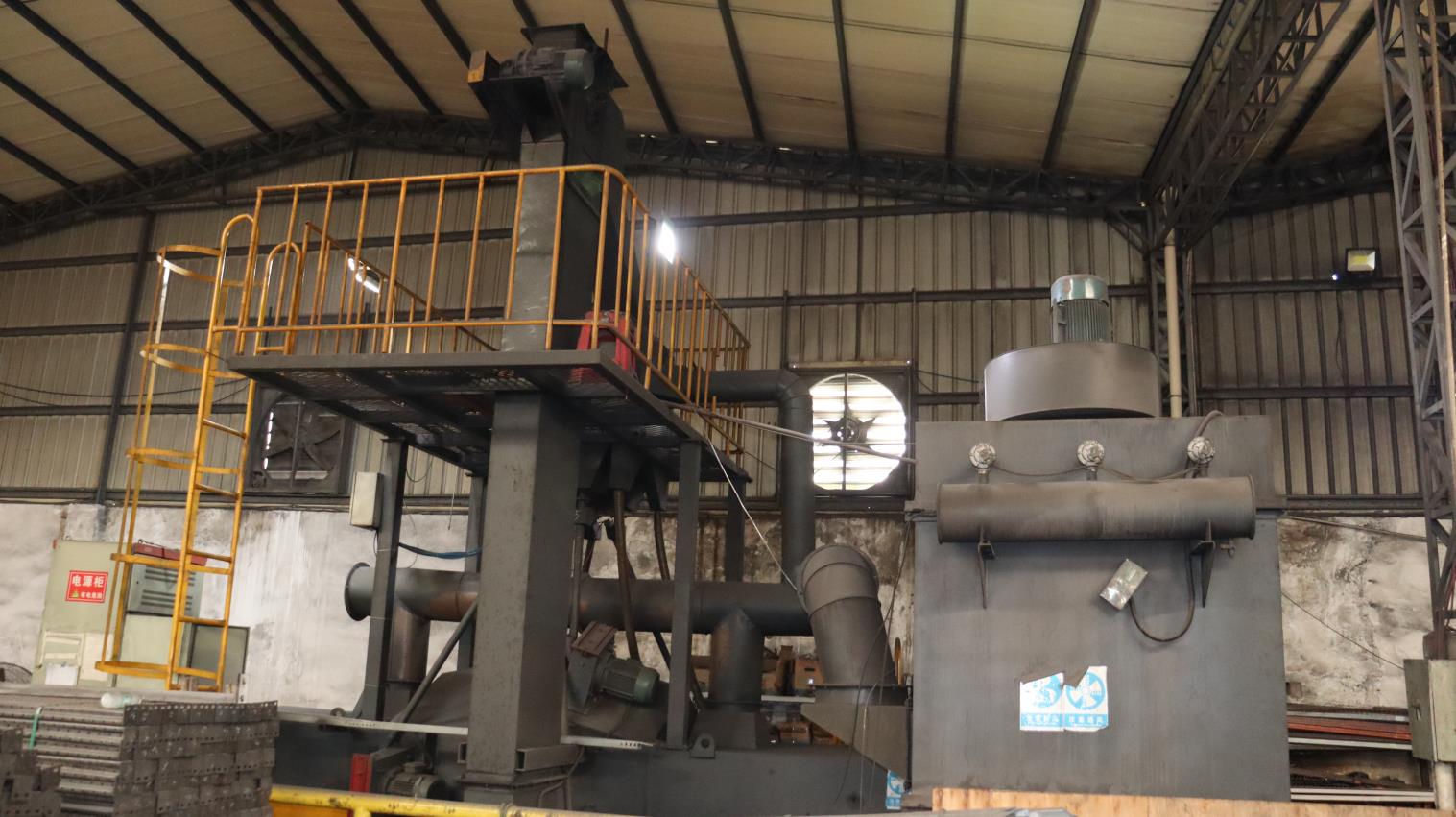
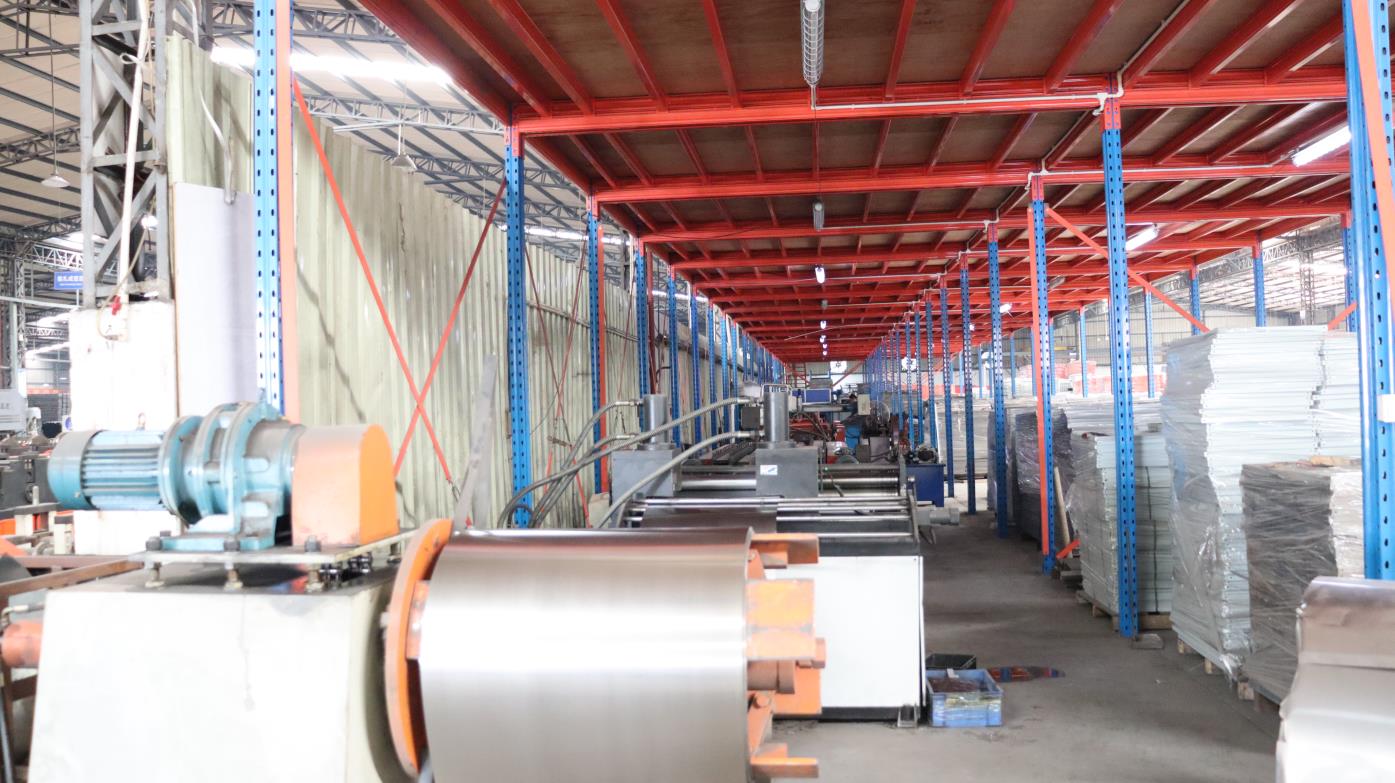
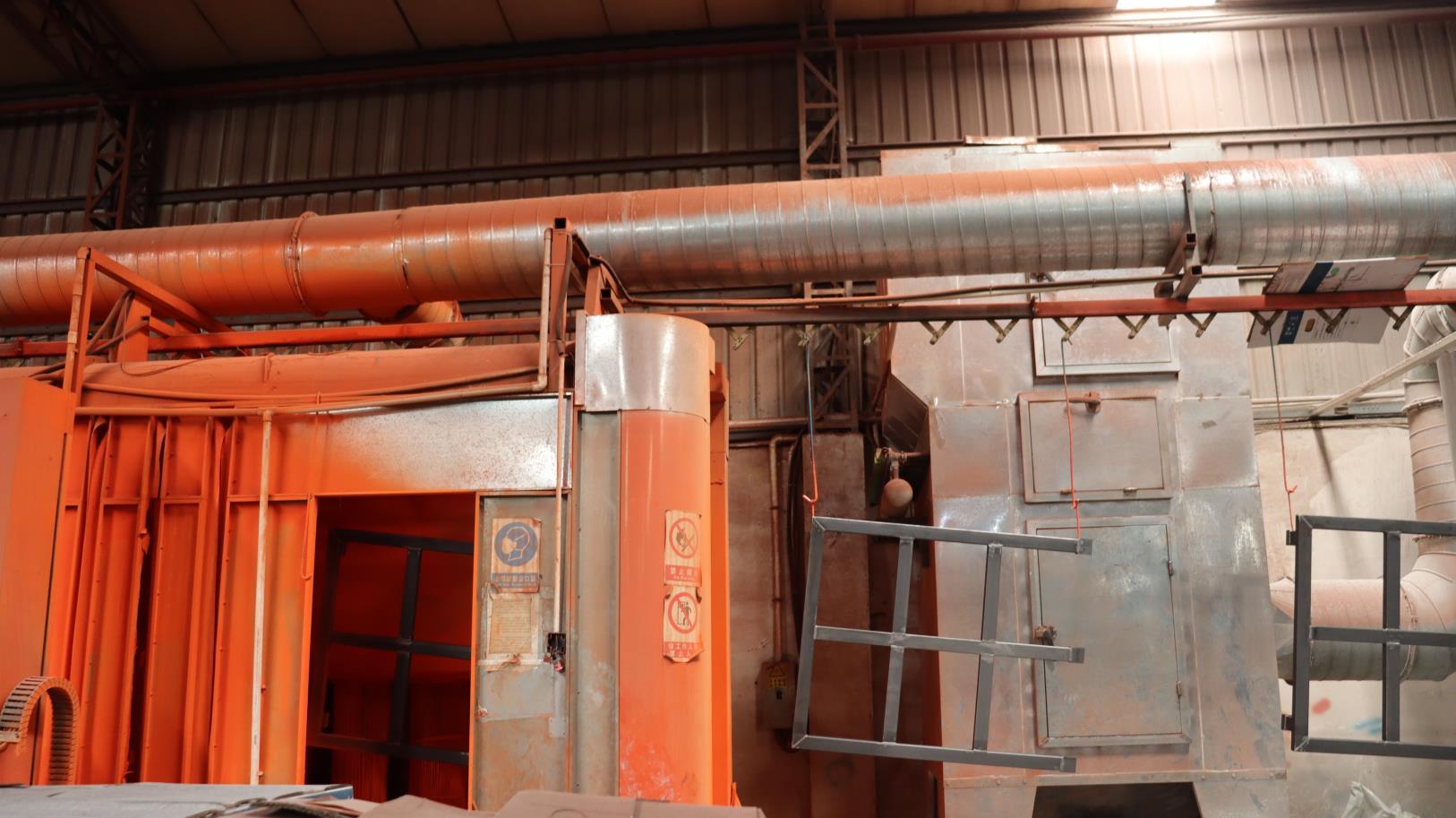
From raw material sourcing to automatic powder coating, our automated lines guarantee dimensional accuracy and structural integrity for every component.
A clear guide for Argentine companies importing industrial equipment from China.
Argentina's import framework requires detailed pre-filing. We provide accurate HS Codes (primarily 7308.90 for iron/steel structures), precise weight manifests, and technical declarations. This documentation helps prevent administrative delays during custom clearance at the Port of Buenos Aires.
Racking components are heavy and bulky. Our factory packs upright frames, beams, and shuttle carts in tight bundles wrapped in multi-layered protective films. This prevents shipping damage and maximizes the volume of 40' High Cube containers, lowering your ocean freight cost per ton.
We offer engineering support for regional projects in Buenos Aires, Córdoba, or Santa Fe. Our services include layout optimization, structural anchor calculations, and video-assisted installation. We can also coordinate with local installation teams to ensure a safe build.
The role of warehousing is shifting from static storage to dynamic throughput hubs. Our R&D division is focused on integrating IoT sensors directly into the racking structures. These sensors monitor load changes, track shuttle cycle rates, and perform real-time structural health monitoring, which is particularly useful for tracking joint stability in seismic zones.
Our current line of shuttle carts features quick-charge LiFePO4 batteries. These batteries run for up to 8–10 hours on a single charge and recharge in less than 2 hours. Integrated laser scanners on the shuttle prevent collisions inside the storage lane, protecting both the system and your inventory.
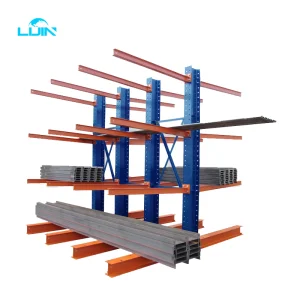
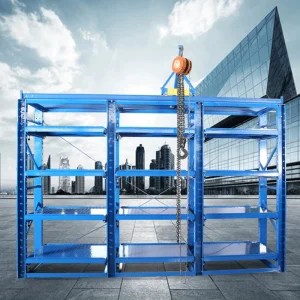
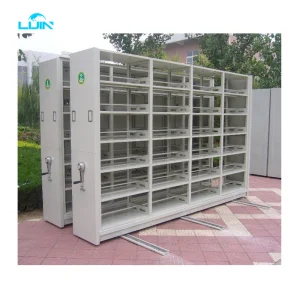
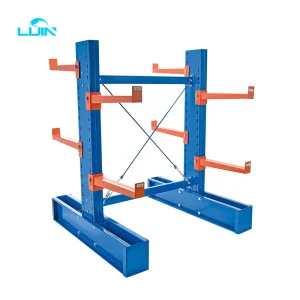
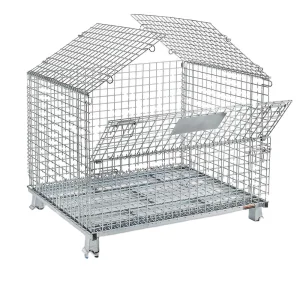
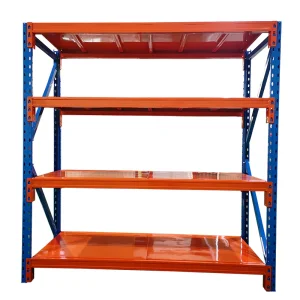
Explore our complete range of racking systems, structural platforms, and heavy-duty storage solutions. Every product can be customized to meet your facility's exact requirements.
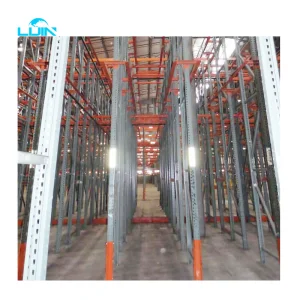
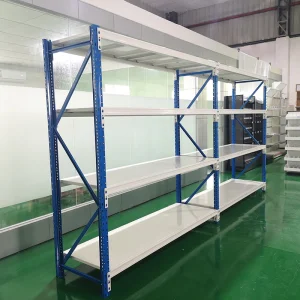
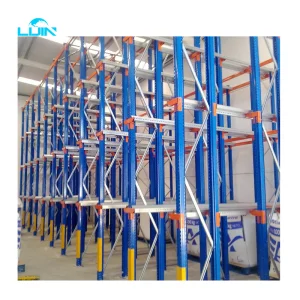
Get expert answers to technical questions about implementing radio shuttle racks in your warehouse.
In western regions like Mendoza and San Juan, racking systems must comply with local seismic codes (specifically INPRES-CIRSOC 103 regulations). Designing for these areas requires using thicker structural steel profiles, robust baseplates with heavy-duty anchors, and reinforced diagonal bracing. These modifications help absorb and distribute seismic forces, keeping your inventory secure.
Our systems perform well in temperature-controlled spaces down to -25°C. For these environments, we use specialized hydraulic oils, food-grade low-temperature lubricants, and heated electronic enclosures to prevent condensation. We also use premium Lithium Iron Phosphate (LiFePO4) batteries designed to maintain cell chemistry and efficiency in freezing temperatures.
Ocean freight transit from our factory in Shenzhen to the Port of Buenos Aires usually takes 35 to 45 days. We provide a complete set of documentation—including Bill of Lading, Certificate of Origin, Detailed Packing List, Commercial Invoice, and precise HS declarations (primarily 7308.90). This helps streamline customs clearance under local Argentine SIRA/SEDI import frameworks.
The shuttle cart uses integrated laser rangefinders, photoelectric sensors, and physical limit switches to determine its position. It continuously scans the path ahead, automatically decelerating and stopping when it detects a pallet. This non-contact positioning system helps prevent product damage.
Yes, the system can handle different pallet dimensions (such as standard AR-1000x1200mm, EUR-800x1200mm, or custom industrial footprints) with proper planning. The lane rails must be engineered to support the widest pallet footprint, and the shuttle sensors are programmed to adjust placement spacing accordingly. We recommend discussing your pallet profiles with our engineers during the layout phase to ensure smooth operation.
 Lijin Racking