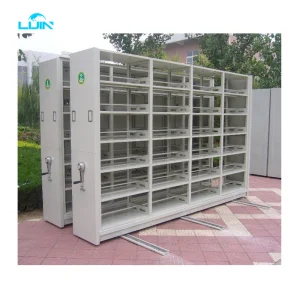
Engineered mobile filing platforms designed to maximize Class A office layouts across New York
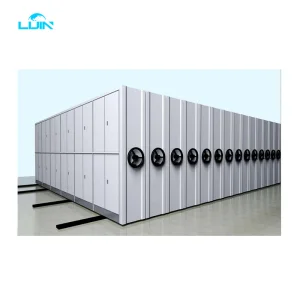
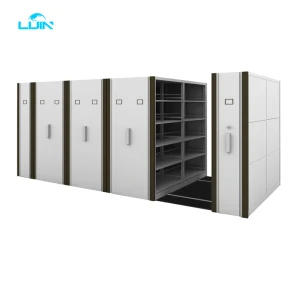
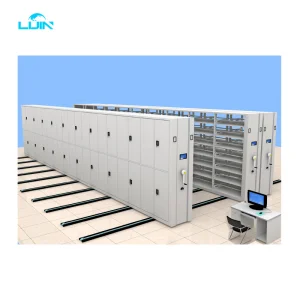
Analyzing spatial efficiency ROI, regulatory compliance, and structural load constraints in the Tri-State commercial sector.
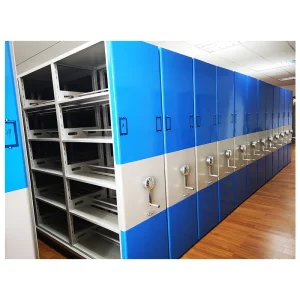
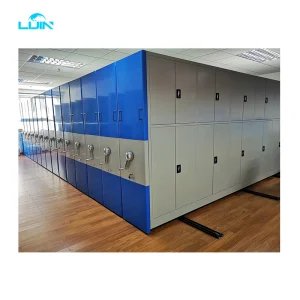
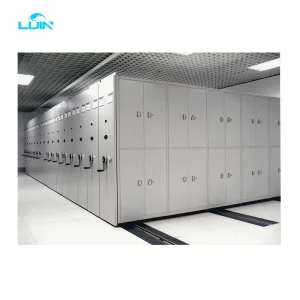
In the high-stakes landscape of New York commercial real estate, spatial square footage represents a significant capital expenditure. Whether managing a premium law firm in Midtown Manhattan, a financial archive in the Wall Street submarket, or a specialized medical facility in Brooklyn, the optimization of storage footprints correlates directly to corporate bottom-line margins. Standard static filing cabinets consume extensive floor space because they require fixed access aisles for every single row. In contrast, movable filing cabinet systems eliminate these redundant access channels, compressing the storage footprint by up to 50% or doubling capacity in the exact same footprint.
Furthermore, deploying movable storage in New York demands meticulous attention to local building regulations and structural parameters. Floor load limits are critical: historical buildings in Lower Manhattan often feature structural limits that necessitate precise distributed load calculations. Modern mobile compactors from Shenzhen Lijin are engineered to distribute heavy document loads evenly across structural steel sub-bases, preventing localized floor stress. Moreover, compliance with the New York City Fire Code (FDNY) requires specialized clearance layouts, integrated safety locking pins, and seismic-ready anti-tip steel tracks, establishing our products as the premier Choice for safety-first urban offices.
Why leading global institutions integrate Lijin's advanced mobile systems into their operational footprints
Seismic-grade safety mechanisms designed to prevent tipping or sliding in high-density installations, conforming to strict California and New York architectural safety standards.
Internal chain gear assemblies optimized for quiet corporate and institutional offices, enabling heavy blocks (up to 1,000 lbs per bay) to move easily with minimal operator effort.
Integrated physical pin locking and electronic security configurations designed for medical and legal facilities that require HIPAA-compliant archival storage.
How digital transformation and smart IoT sensors are reshaping physical storage paradigms
Modern physical archival and inventory management is no longer a passive corporate infrastructure element. Globally, enterprises are adopting smart technology features like RFID inventory tracking, electronic automatic aisle access, and cloud-integrated locking systems. From a global procurement standpoint, industrial and administrative buyers look for unified vendors who can balance traditional steel engineering with smart components. Standardized storage solutions are being replaced by modular systems that adapt to both office files and heavier warehouse goods, such as tools, specialized medical components, or automotive parts.
This macro trend is driven by the rise of 3PL logistics networks and international manufacturing chains. Facility managers now demand robust storage equipment that integrates seamlessly into broader material-handling workflows. As a result, heavy-duty racking and light office movable compactors are merging into unified workspace strategies, where durability, scalability, and fast installation lead procurement decisions.
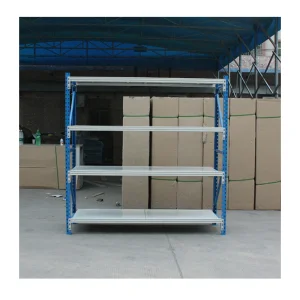
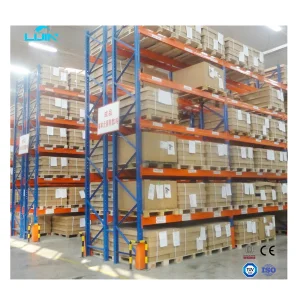
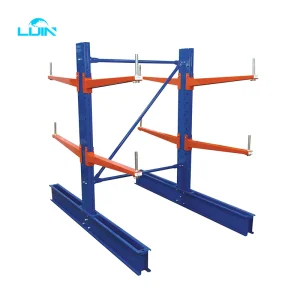
Engineered high-load steel shelving and racking systems tailored for commercial hubs and distribution channels
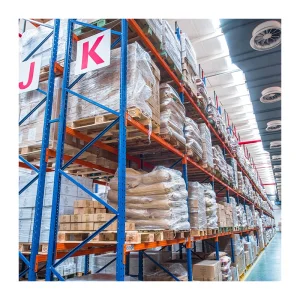
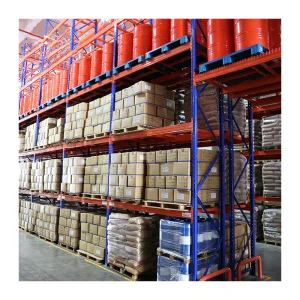
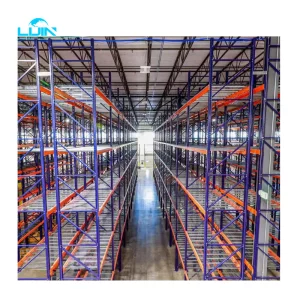
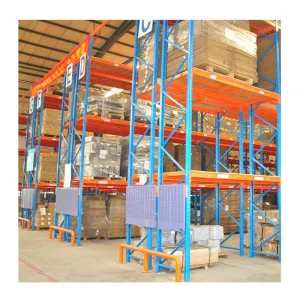
How Shenzhen Lijin leverages advanced robotics, raw material sourcing, and scale to optimize procurement costs
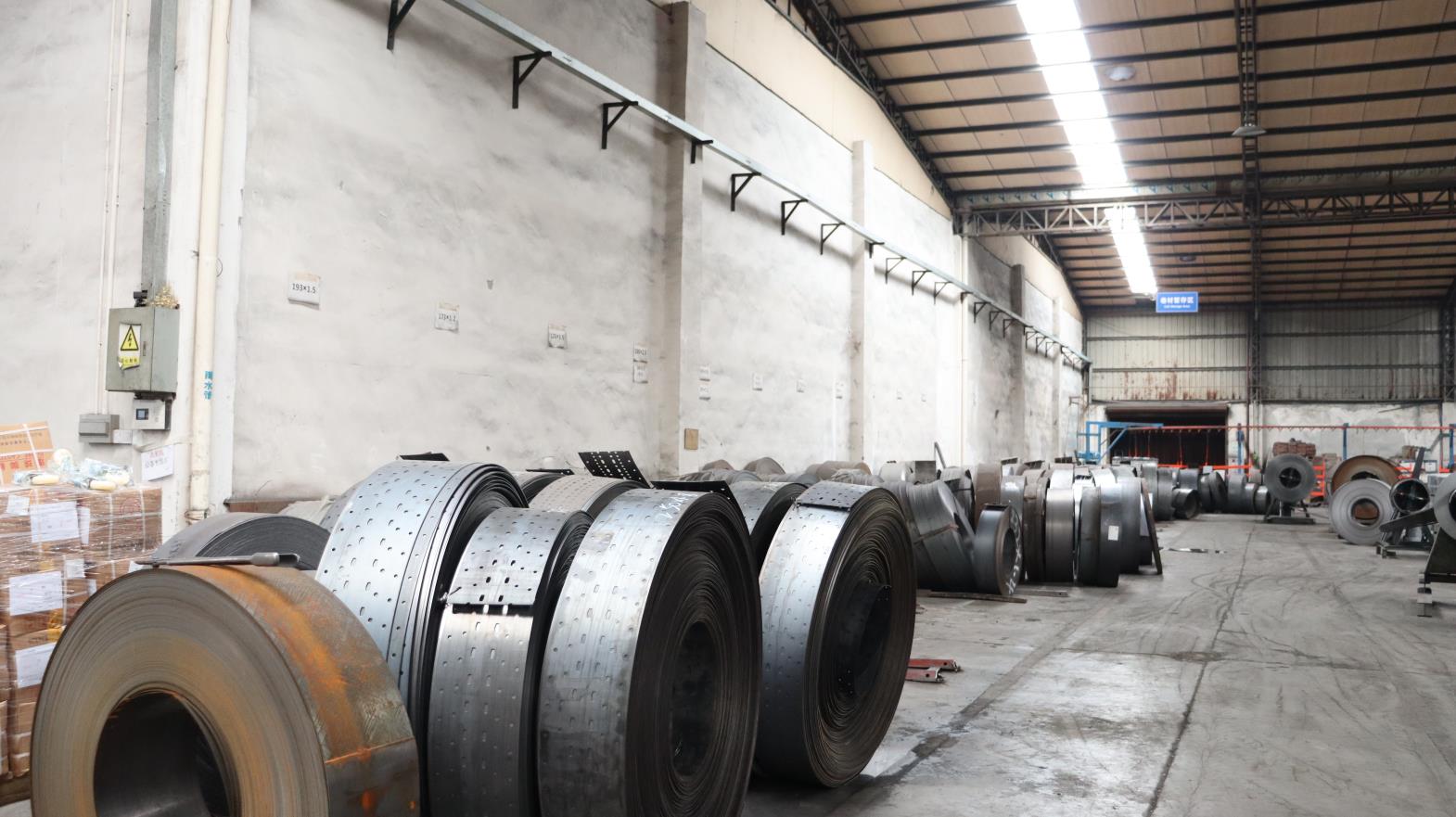
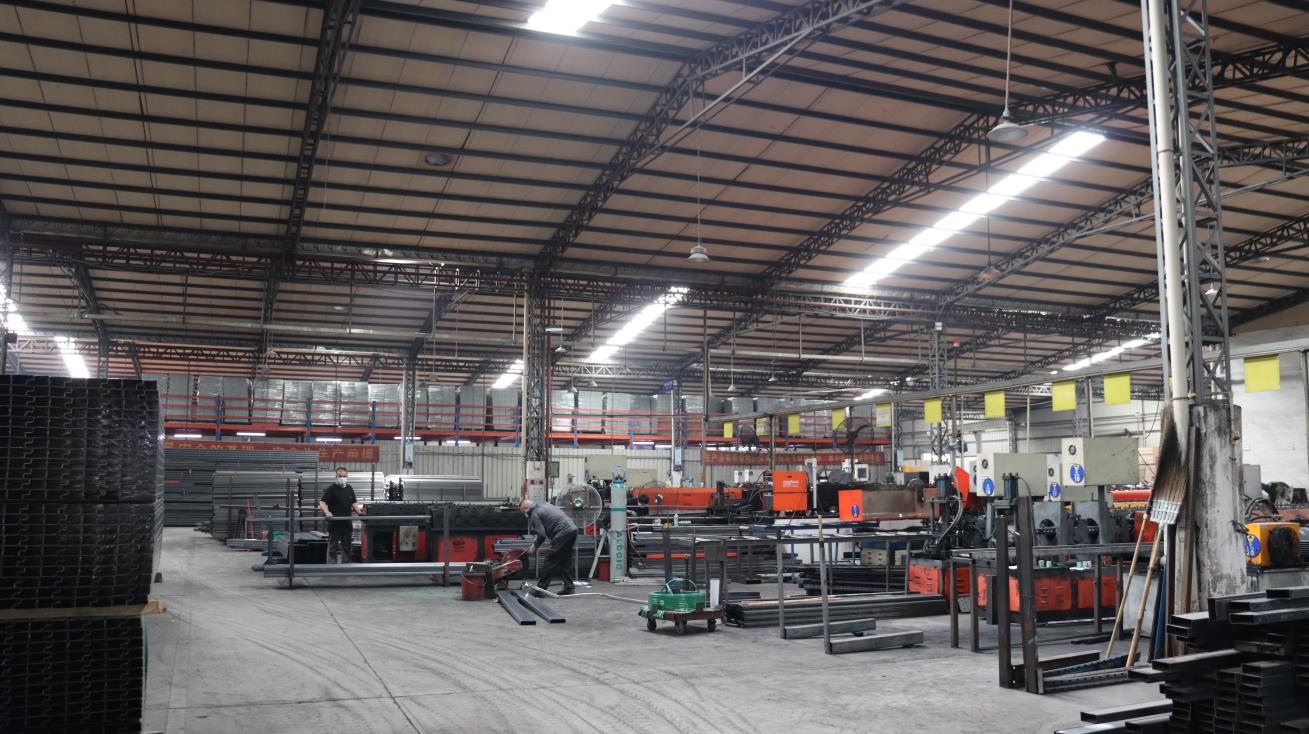
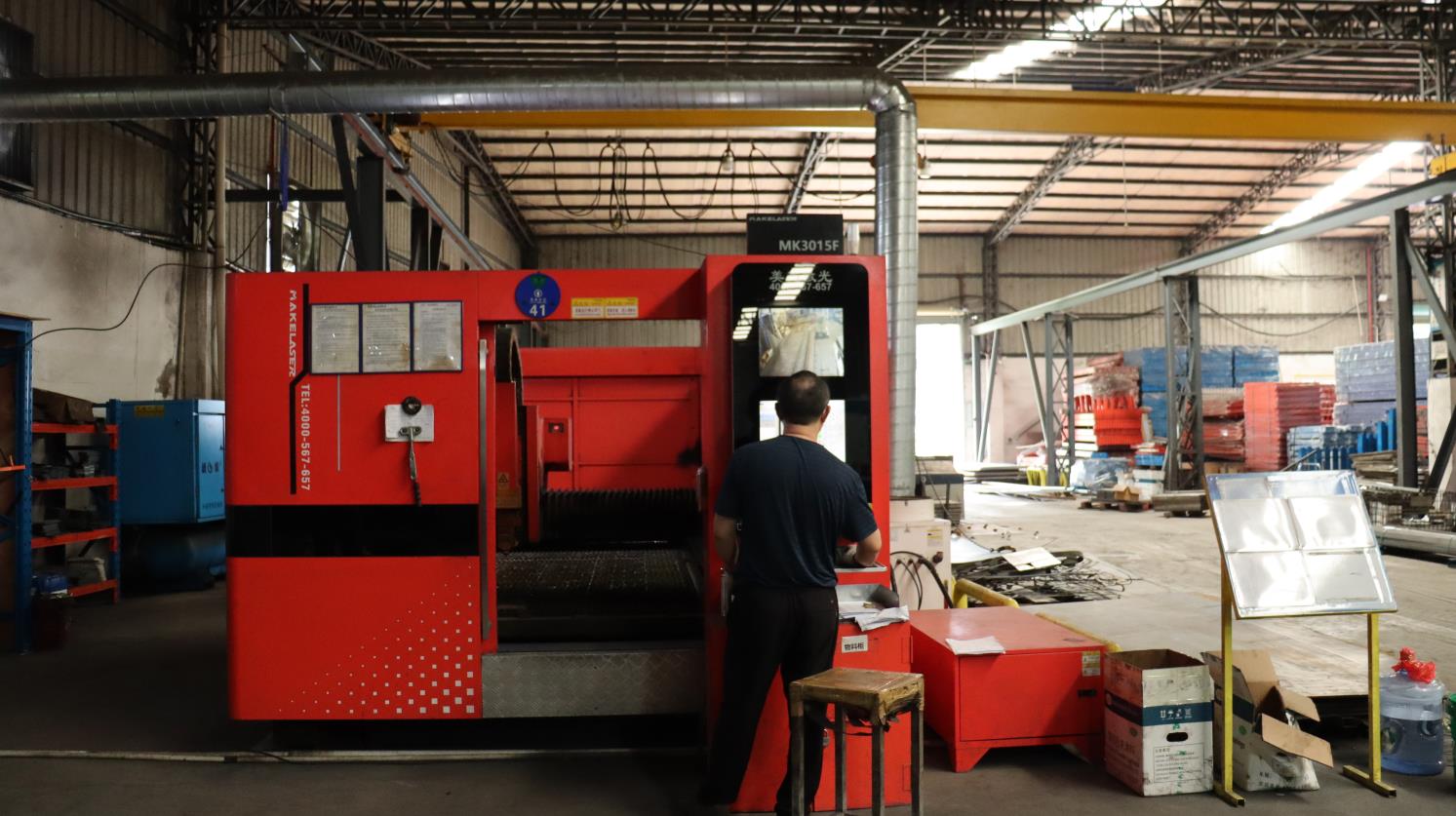
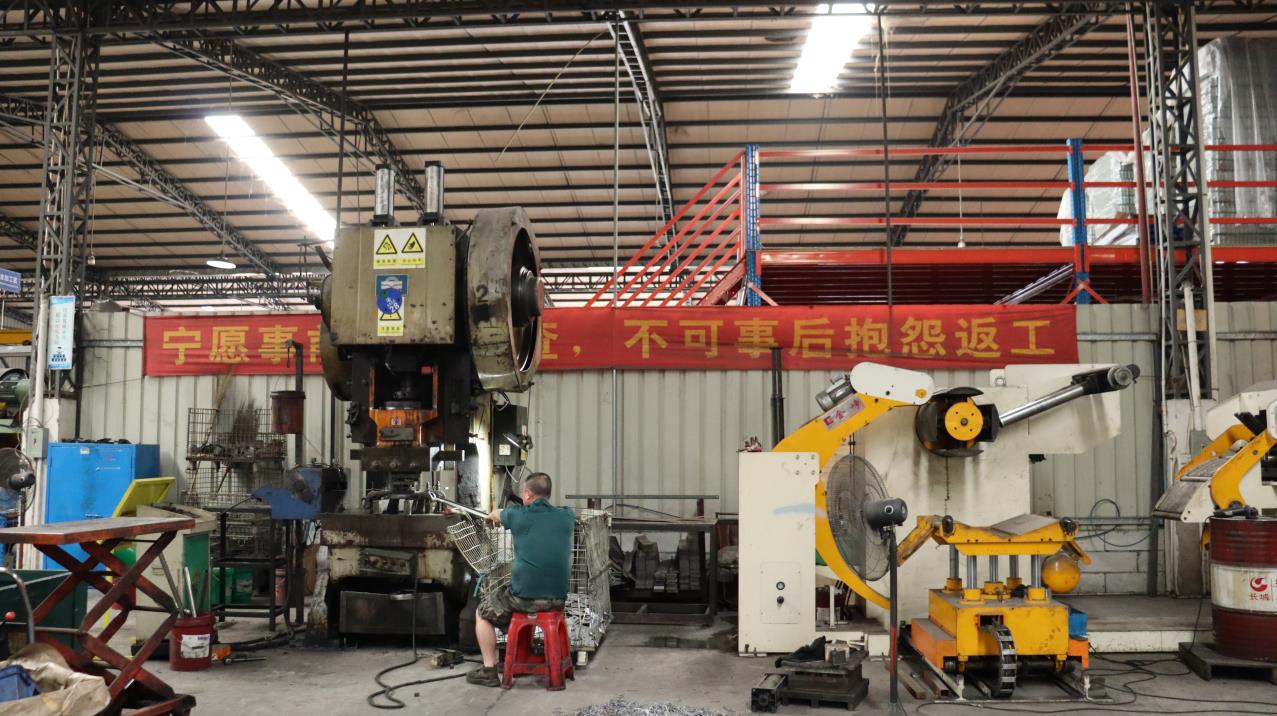
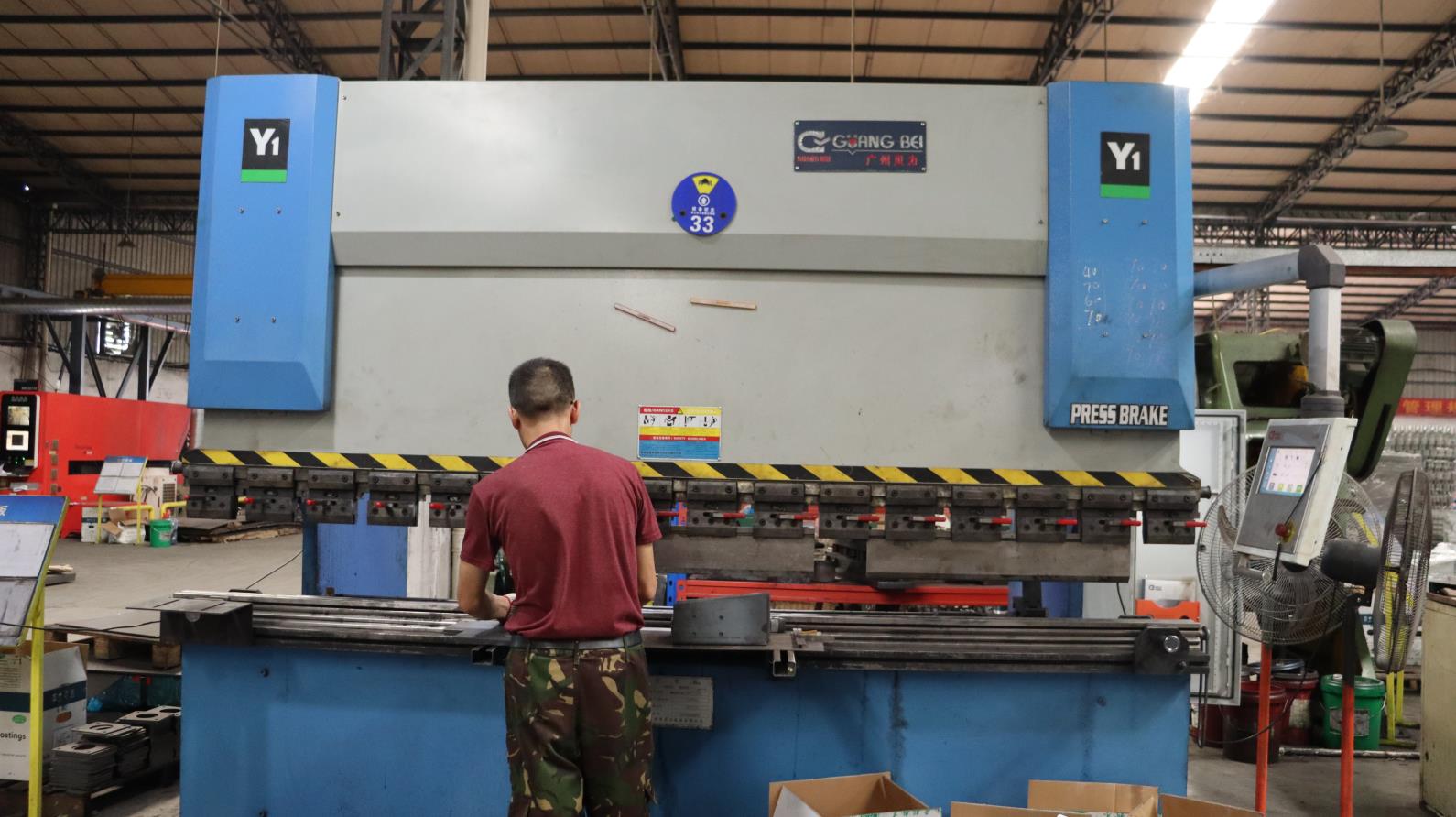
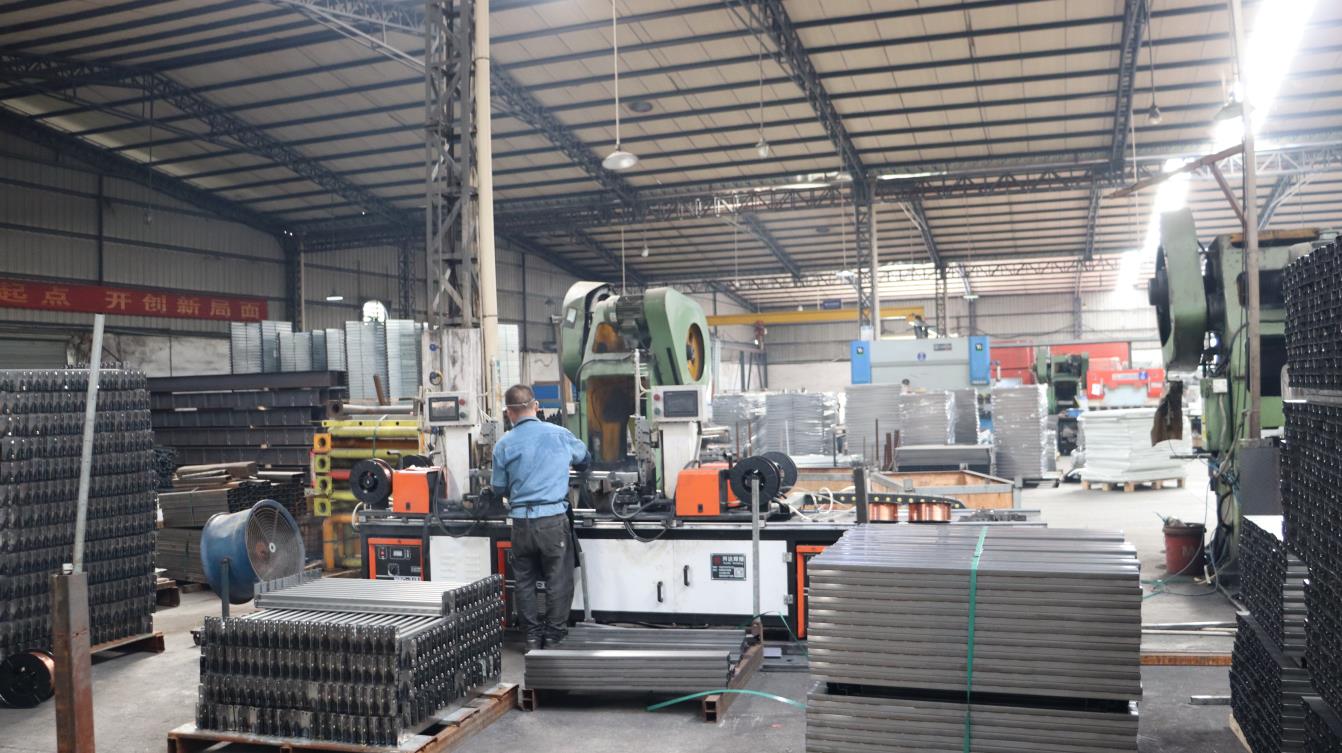
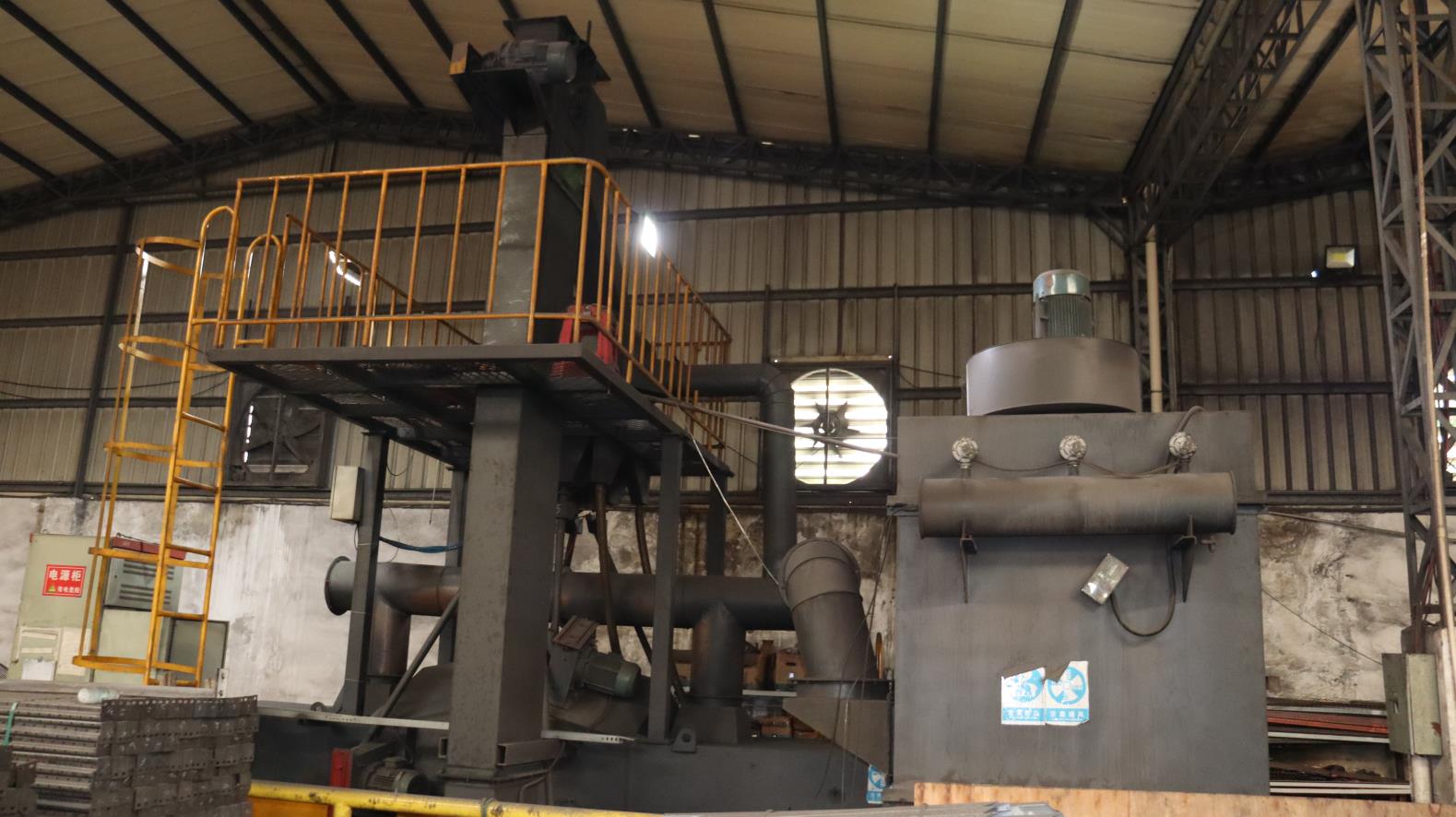
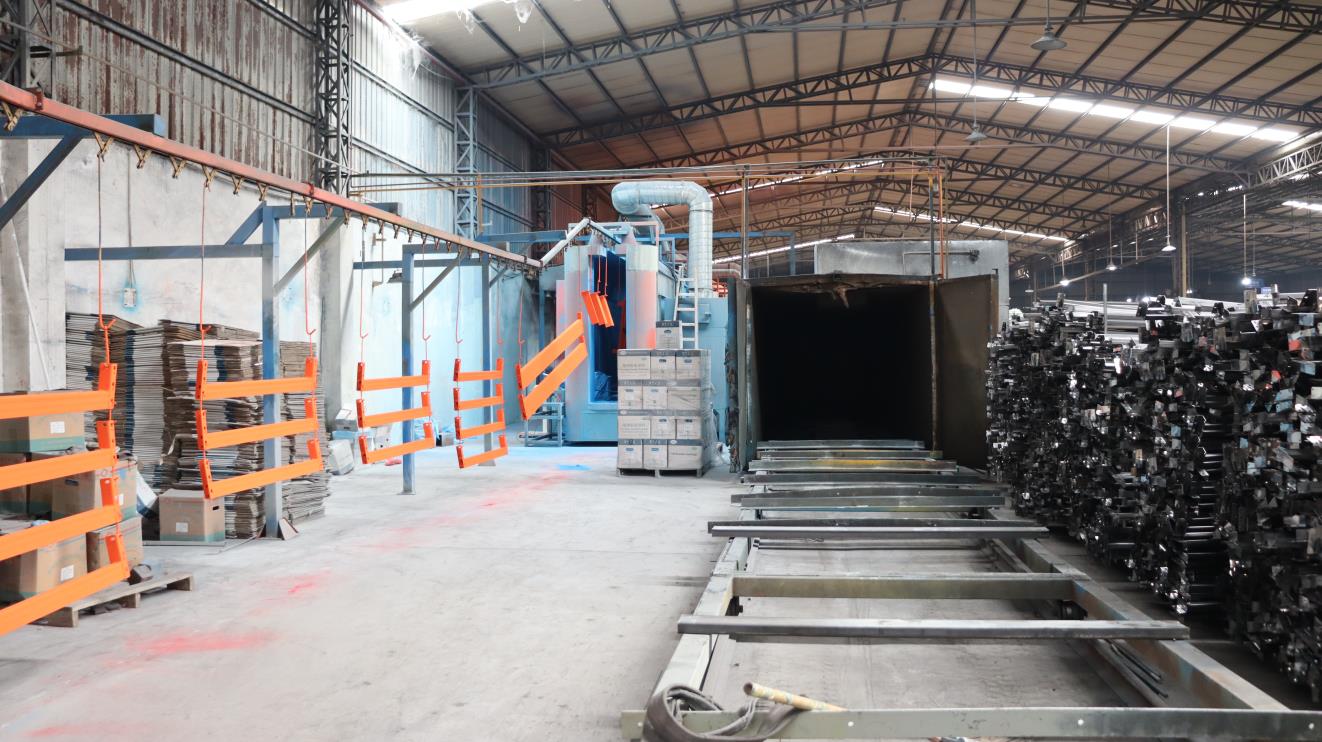
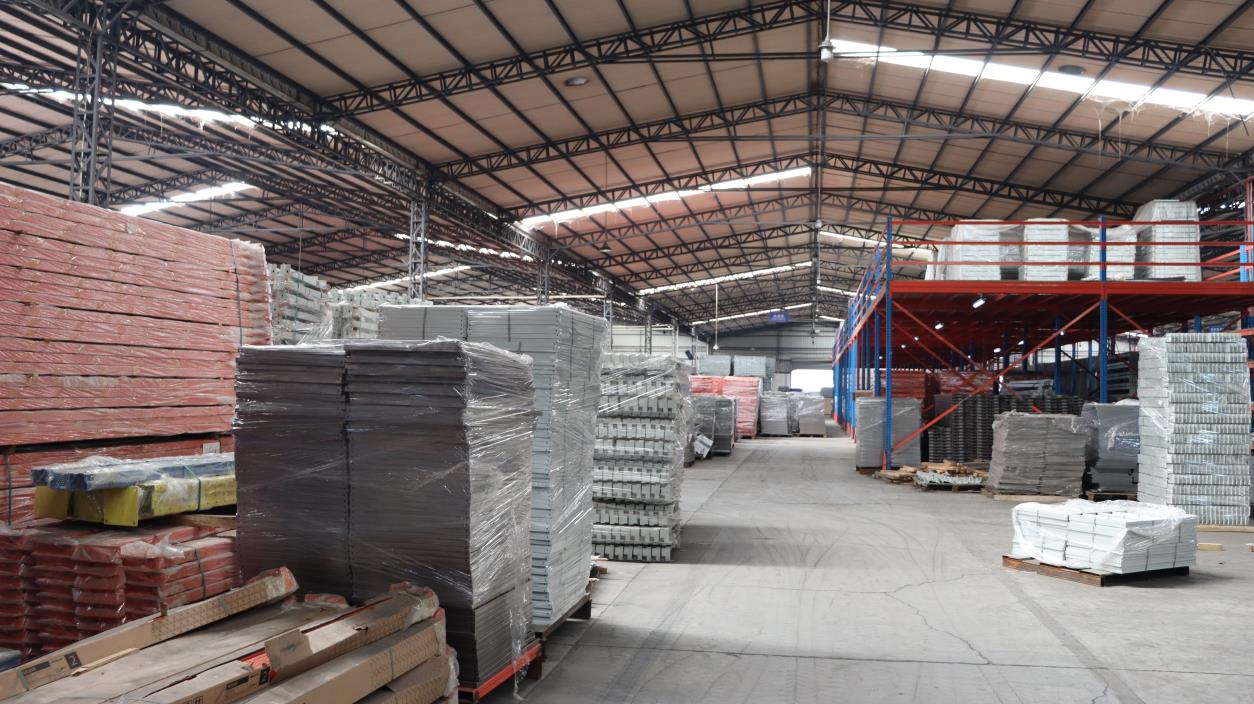
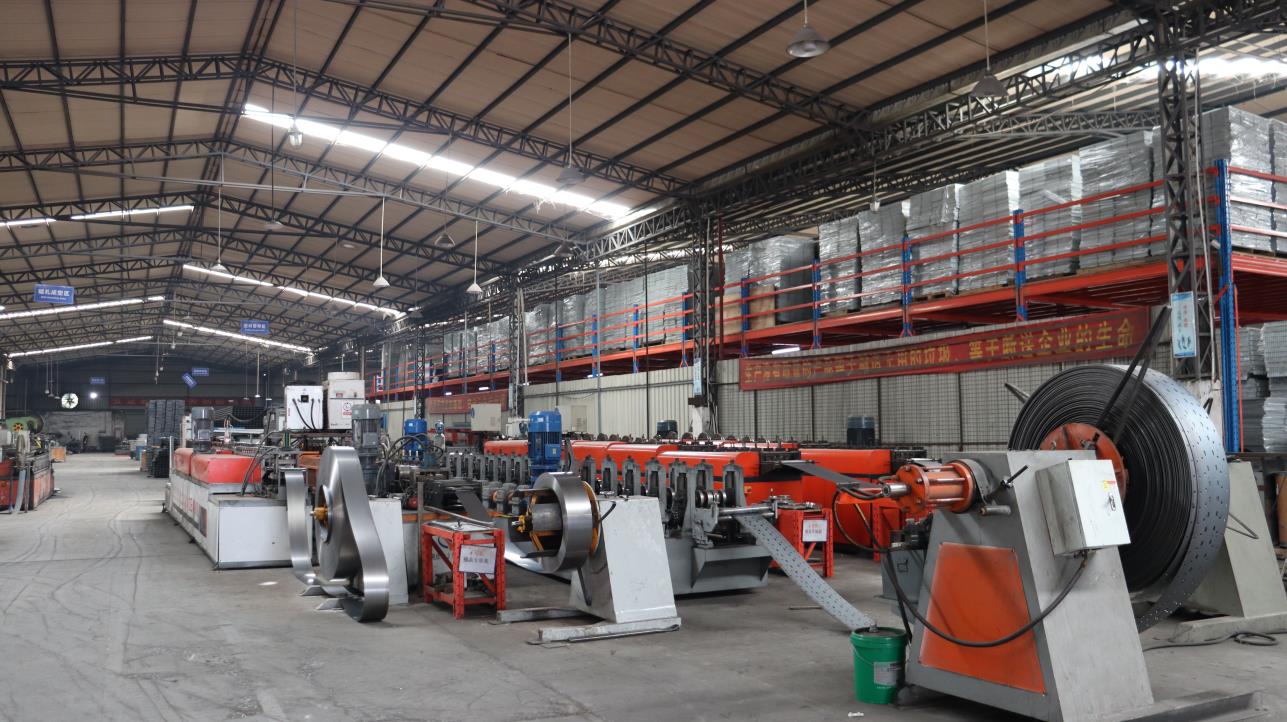
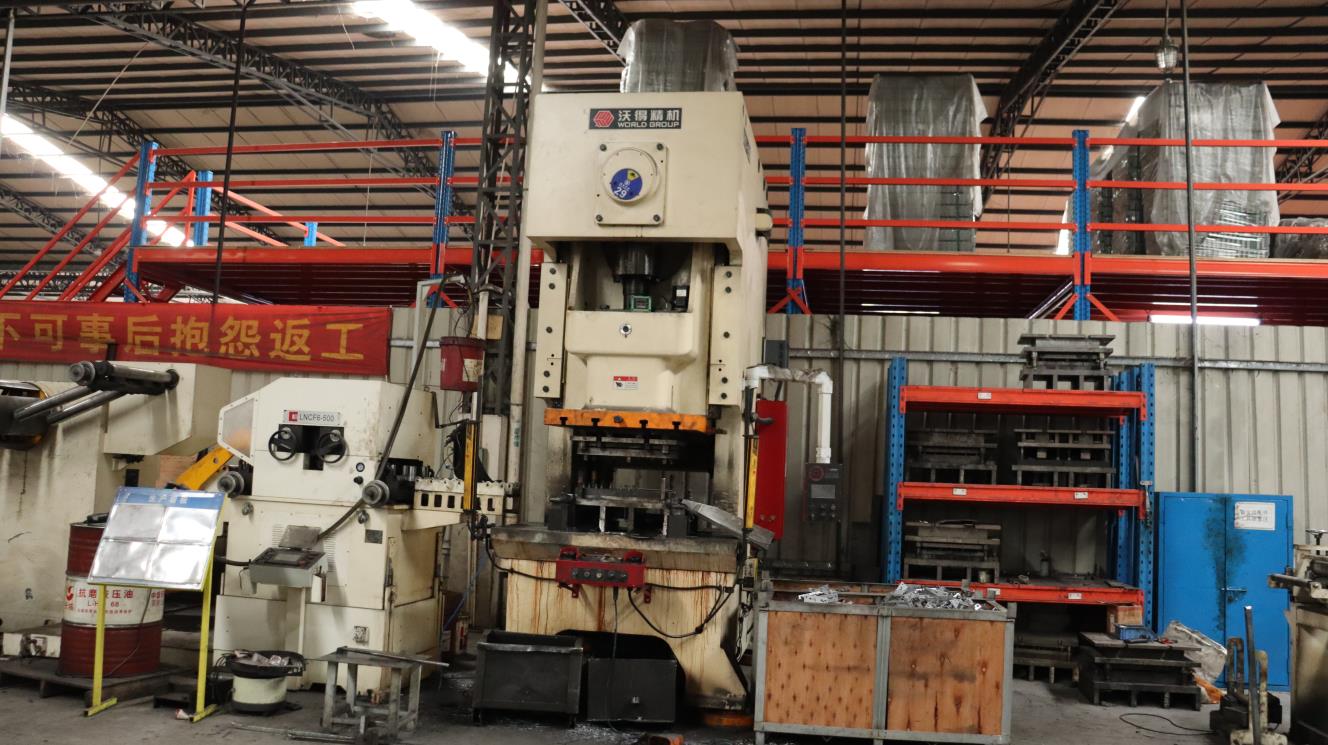
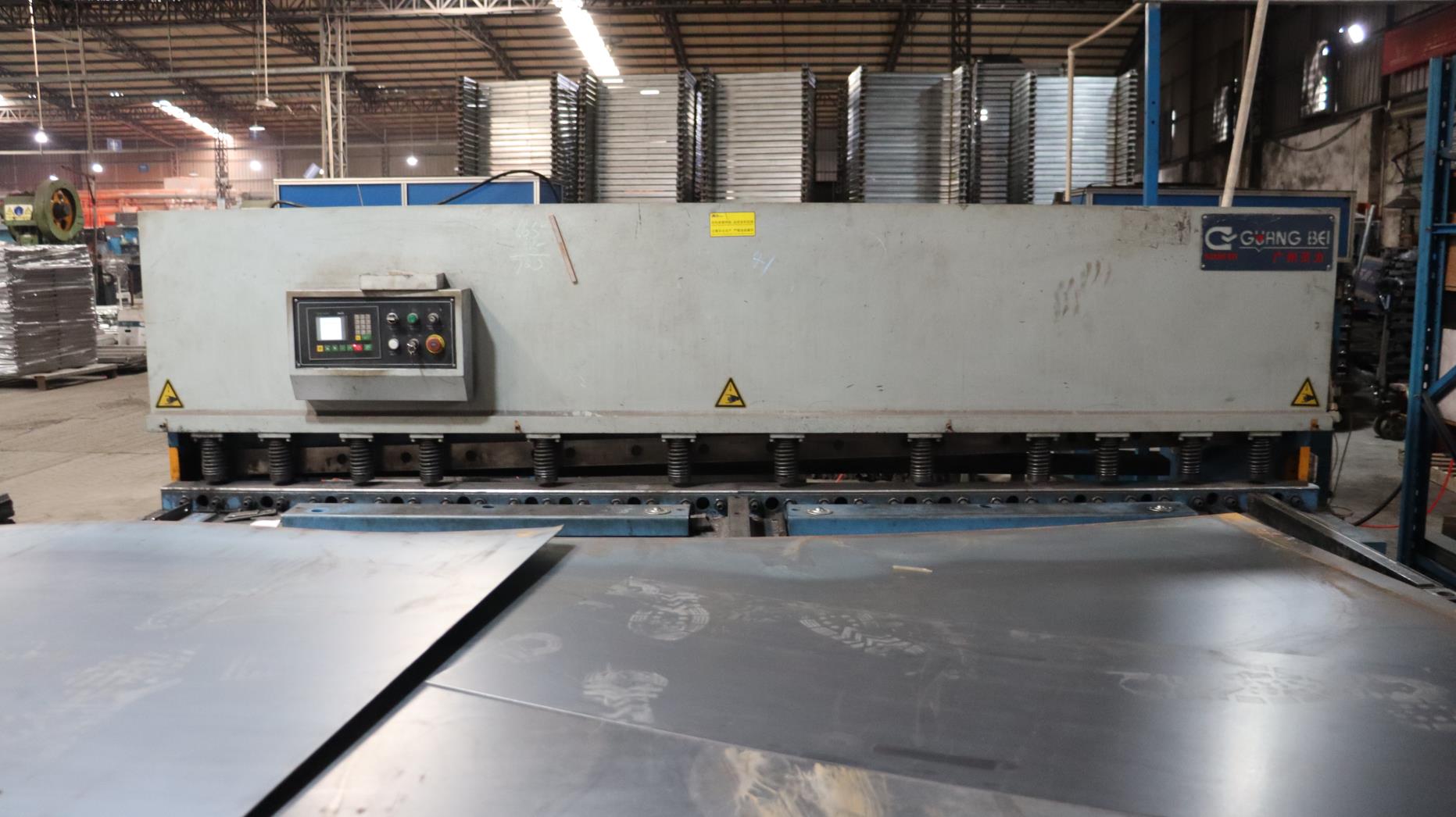
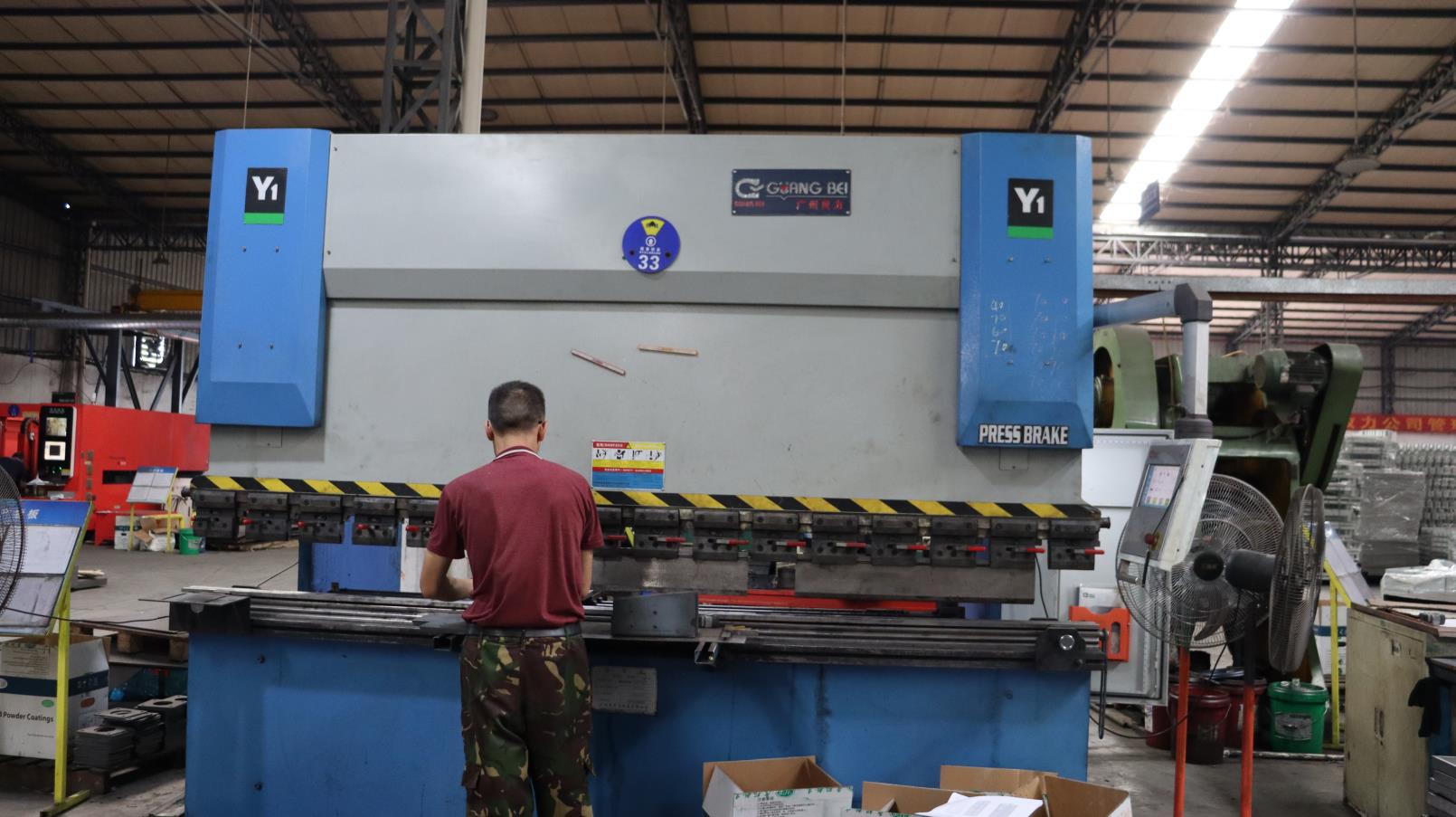
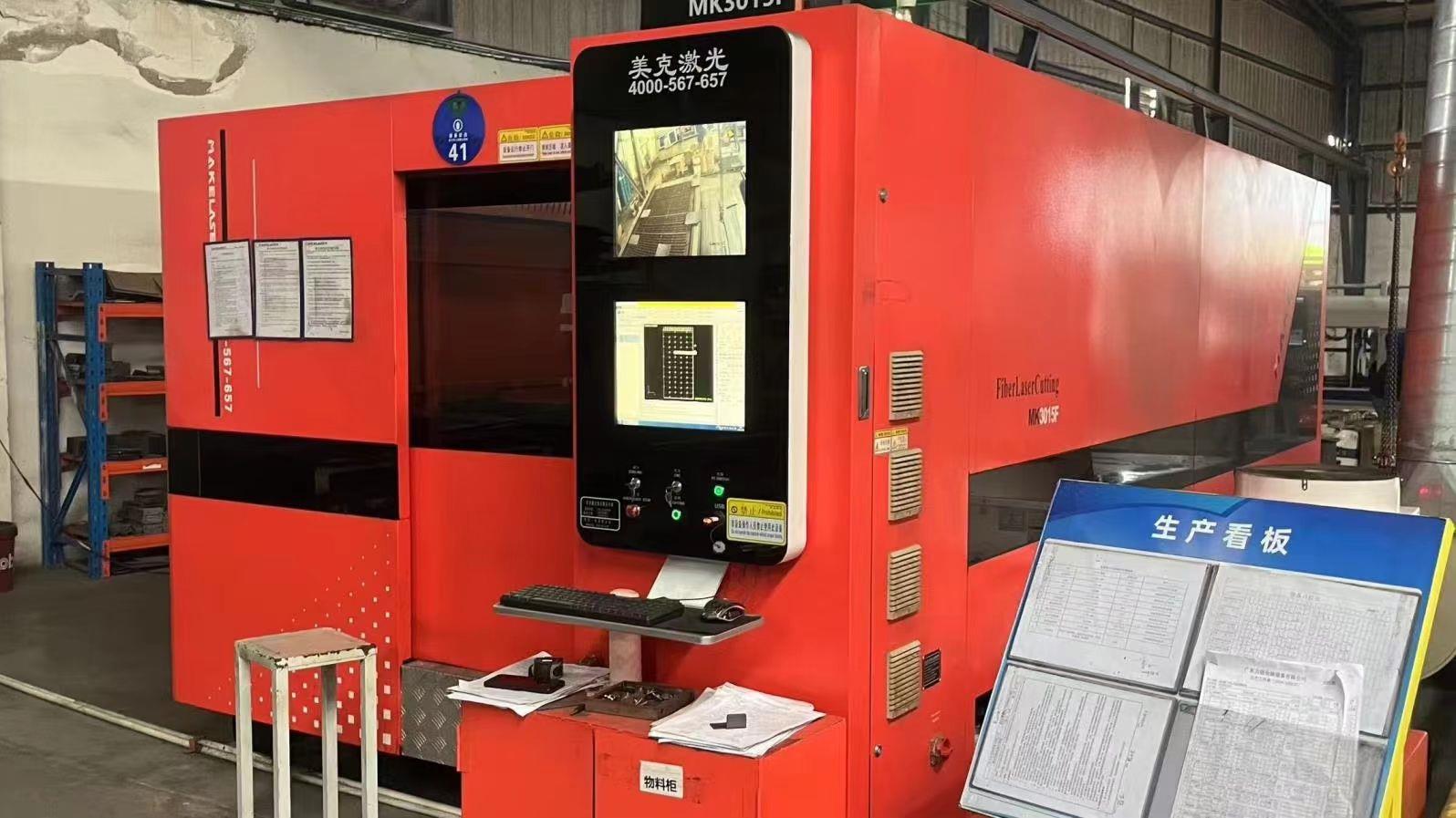
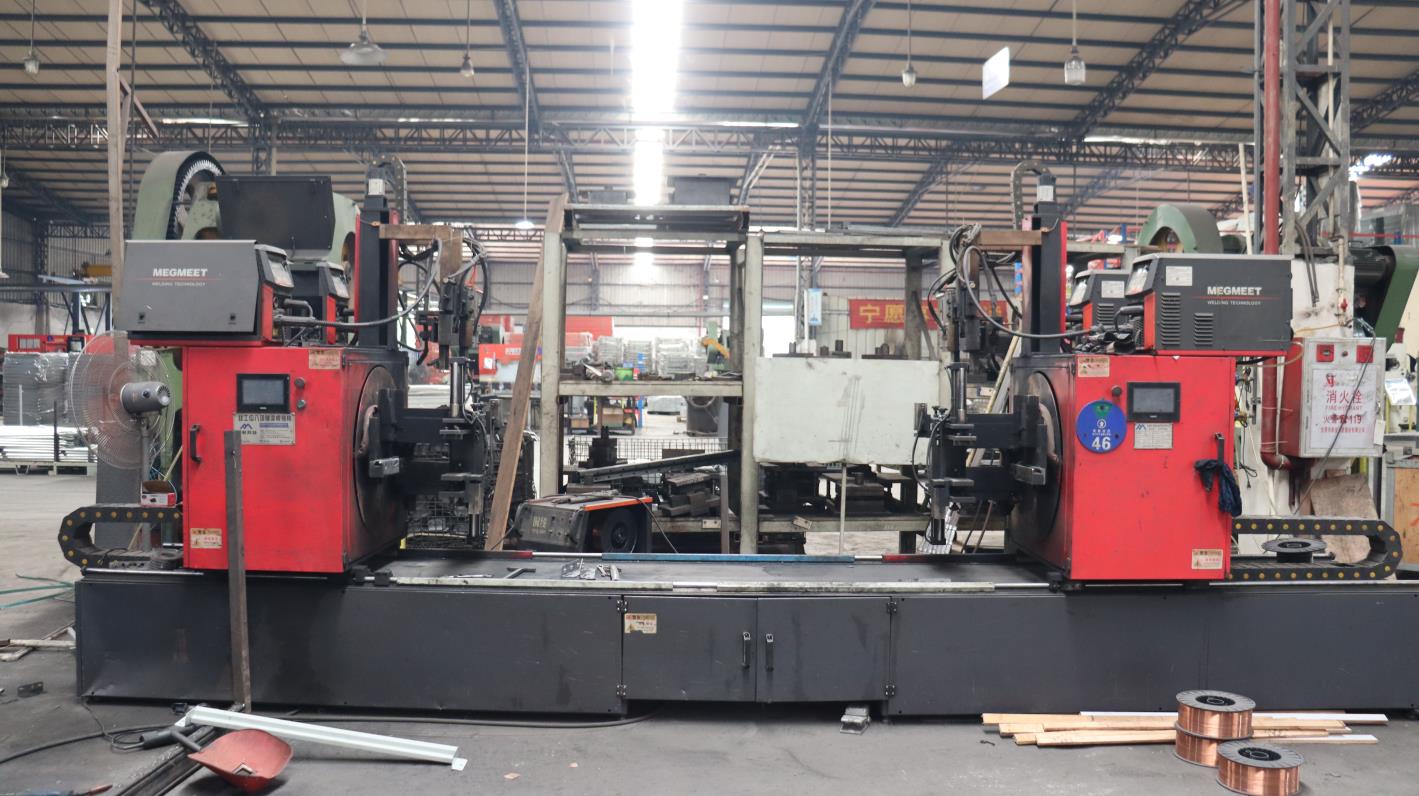
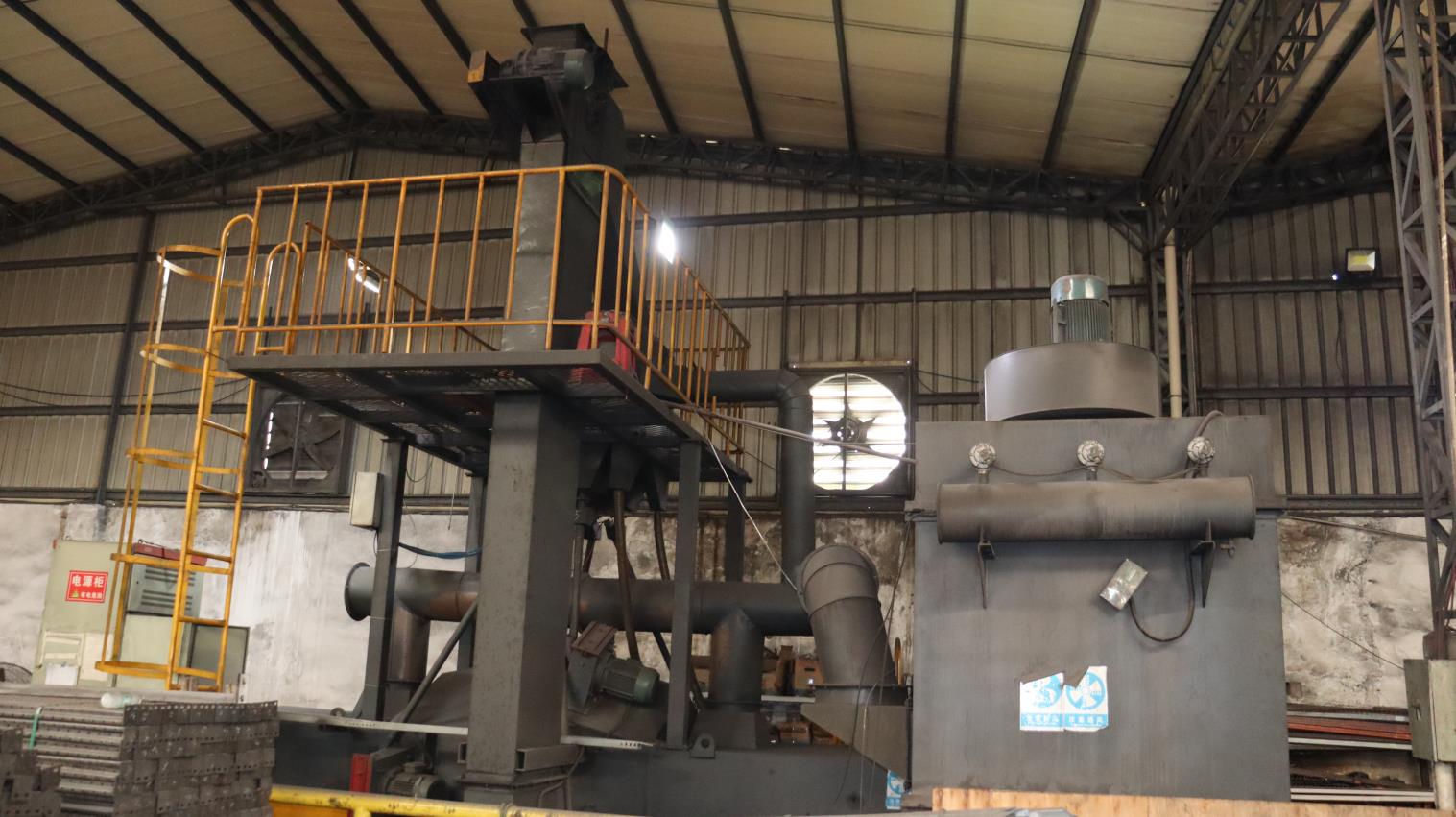
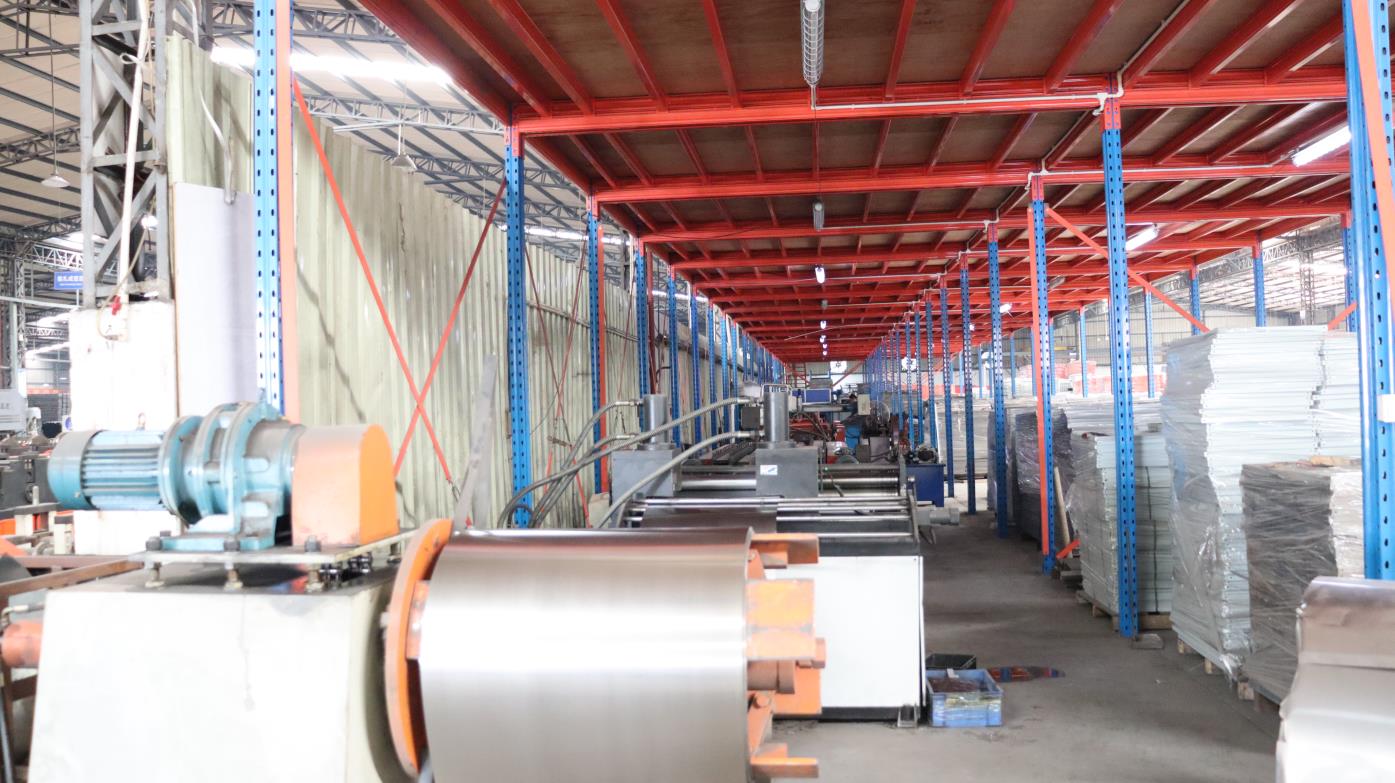
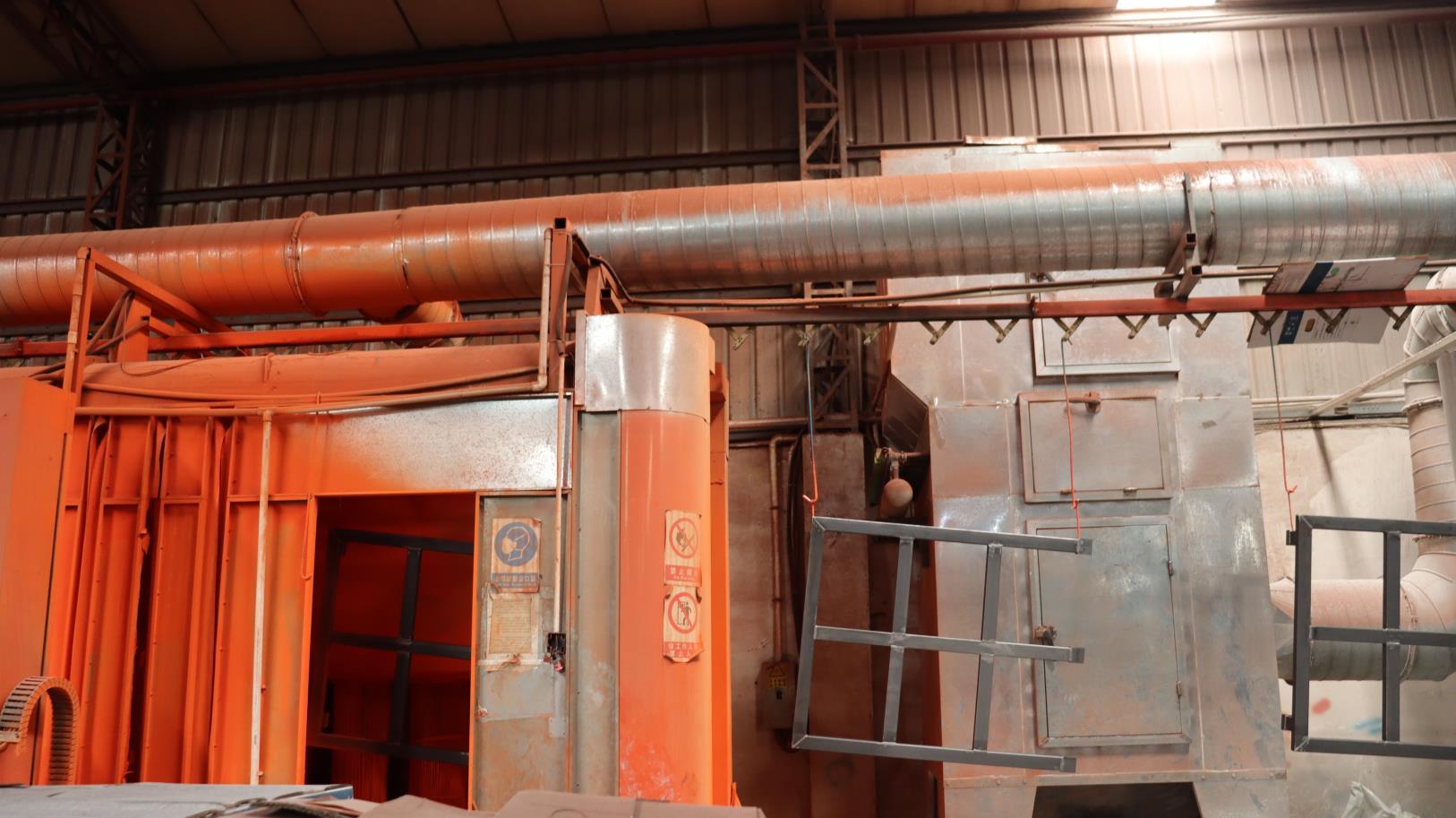
Selecting a manufacturing partner for heavy-duty metal storage demands an inspection of their structural engineering capability. Operating out of Shenzhen, the epicenter of global electronic and hardware supply chain integration, Shenzhen Lijin Storage Equipment Co., Ltd. has refined a production infrastructure that optimizes every stage of steel fabrication. Our 35,000 m² factory runs specialized steel processing machinery, including high-speed roll forming lines, robotic laser cutters, and automatic electrostatic powder-coat lines. By combining localized raw material sourcing with computerized CNC tooling, we minimize manufacturing waste, resulting in competitive price points for international purchasers.
Crucially, our R&D group—led by 28 senior engineers—handles specialized engineering design requirements, ensuring we match specific architectural and loading needs. Every project undergoes a strict quality control inspection supervised by 35 QA technicians. This protocol includes ultrasonic non-destructive testing of critical weld sites and simulated load testing. The result is a robust, code-compliant storage solution shipped directly to New York and global industrial hubs.
Step-by-step visual overview of our industrial manufacturing processes and high-precision fabrication equipment
Sourcing parameters for corporate developers, public sector buyers, and 3PL contractors
Deploying spatial infrastructure in high-density urban environments requires matching equipment characteristics with operational use cases. Here are the primary deployment profiles we support across our global markets:
From a logistics perspective, we manage direct export routes, freight forwarding, customs documentation, and container loading. This end-to-end management minimizes delivery and installation times, ensuring your storage solutions arrive safely at your facility, ready for installation.
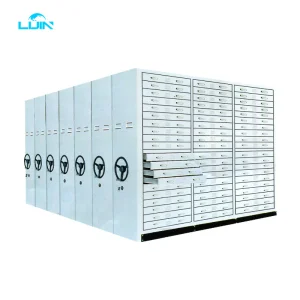
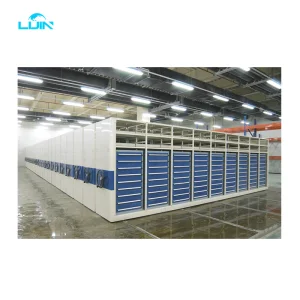
Our comprehensive catalog of office, commercial, and heavy-duty industrial storage products
Expert technical and logistical answers regarding high-density mobile compactors
Connect with our structural engineering team for space utilization layouts, floor weight loading calculations, and custom quotes.
Send Inquiry Now Lijin Racking