Uzbekistan is undergoing a rapid industrial and commercial renaissance. Driven by strategic economic reforms, the liberalization of trade, and the development of Special Economic Zones (SEZs) such as the Tashkent, Angren, and Navoi SEZs, the nation has emerged as the logistics epicenter of Central Asia. The surge in cross-border trade, combined with the explosive growth of domestic e-commerce systems (anchored by platforms like Uzum Market), has placed unprecedented demand on warehousing operations. Modern facilities require systematic space-optimization strategies to maintain high throughput and minimize operating expenditures.
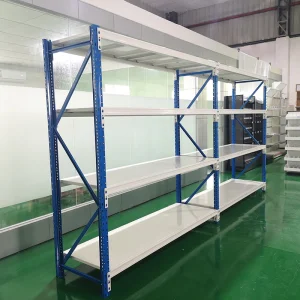
Historically, warehouses across Samarkand, Tashkent, and Fergana utilized basic welded steel shelves or custom timber structures. These static solutions fail to support modern SKU management methodologies. Today's supply chains demand modular, adjustable, and boltless systems that allow rapid adjustment of shelf levels without heavy tools. Light-duty racking systems, specifically designed to carry loads ranging from 100kg to 300kg per level, serve as the structural backbone for e-commerce sorting hubs, pharmaceutical storage facilities, automotive spare parts warehouses, and retail fulfillment channels.
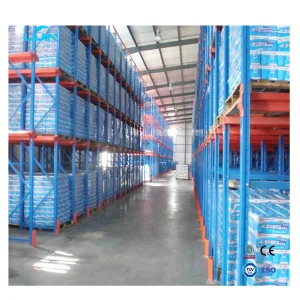
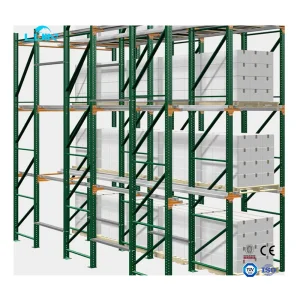
Uzbekistan is situated within an active seismic zone, characterized by the Eurasian and Indian plate convergence. According to the national building codes (KMK 2.01.07-96 "Loads and Actions" and KMK 2.01.03-19 "Construction in Seismic Regions"), storage racking systems are classified as load-bearing structures. Racks installed in cities like Tashkent, Namangan, or Andijan must be engineered to withstand seismic accelerations up to Class 9 on the MSK-64 scale.
To meet safety standards, racking manufacturers must carry out dynamic structural analysis. This ensures the systems can handle seismic forces. Key engineering requirements include:
| Racking Class | Load Limit per Shelf | Material Standard | Seismic Mitigation Features | Application Profiles |
|---|---|---|---|---|
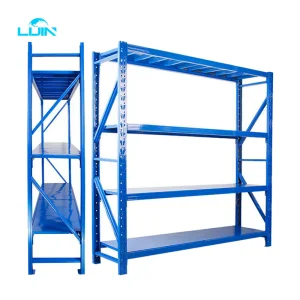
| Light-Duty | 50kg - 150kg | Q235B Cold-Rolled Steel | Optional floor anchoring / Wall ties | E-commerce bin sorting, document archives |
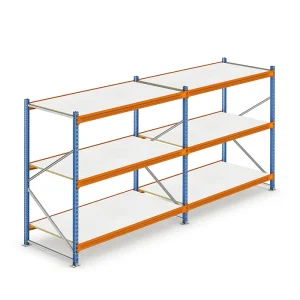
| Medium-Duty | 150kg - 500kg | Q235B / Q355B Steel | Standard anchor plates, H-bracing | Automotive parts, retail buffers |
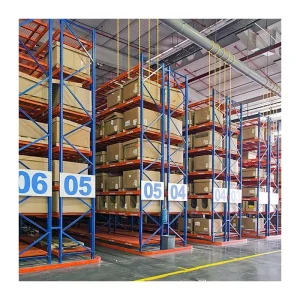
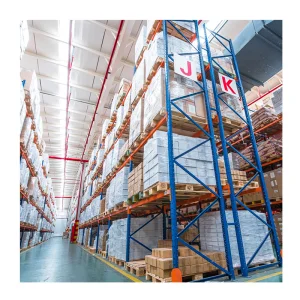
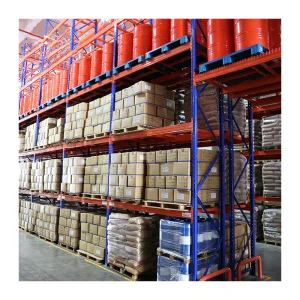
| Heavy-Duty Platform | 500kg - 3000kg | Q355B High-Tensile Steel | Dynamic seismic baseplates, dual anchors | Palletised logistics, heavy machinery parts |
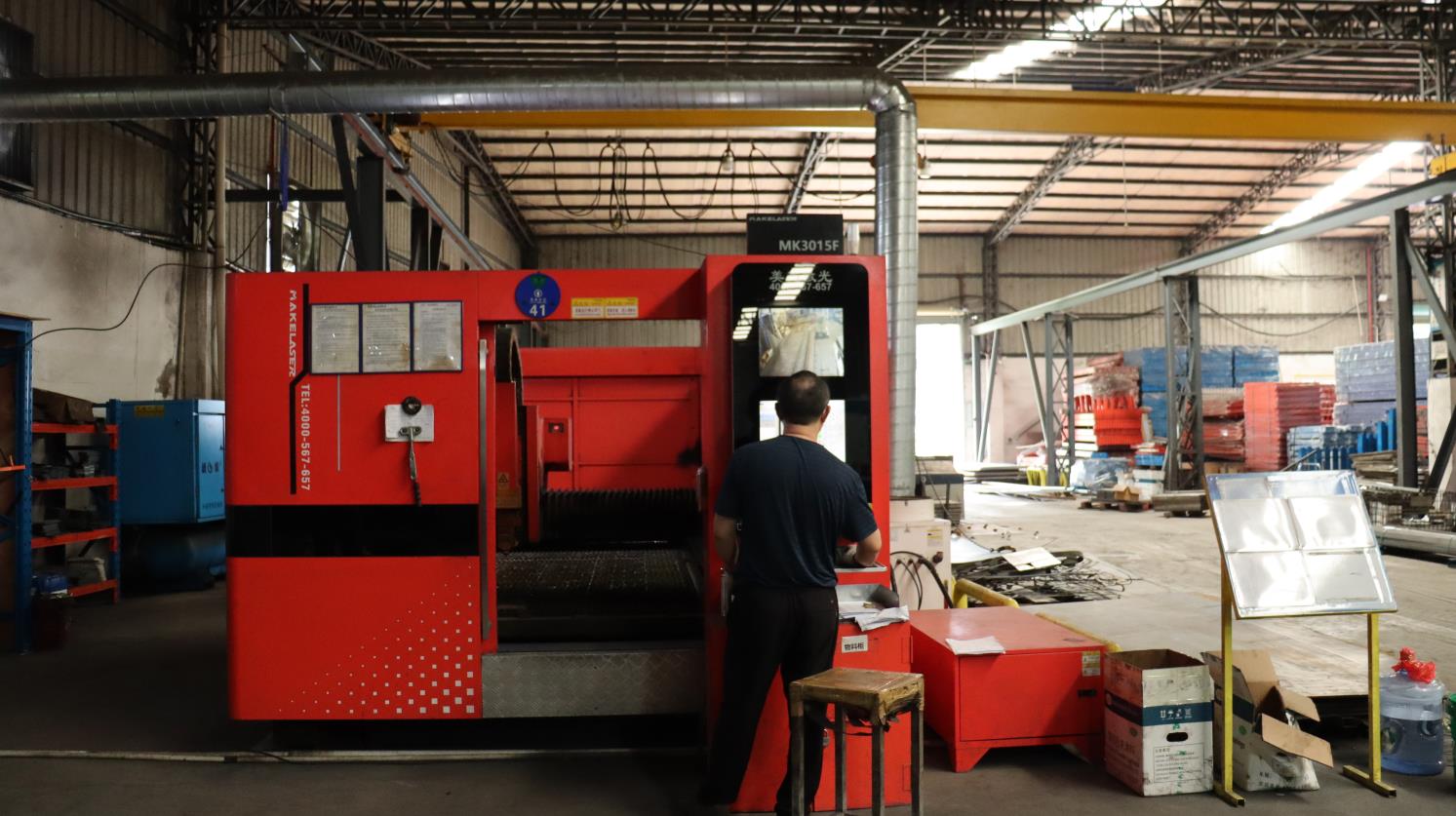
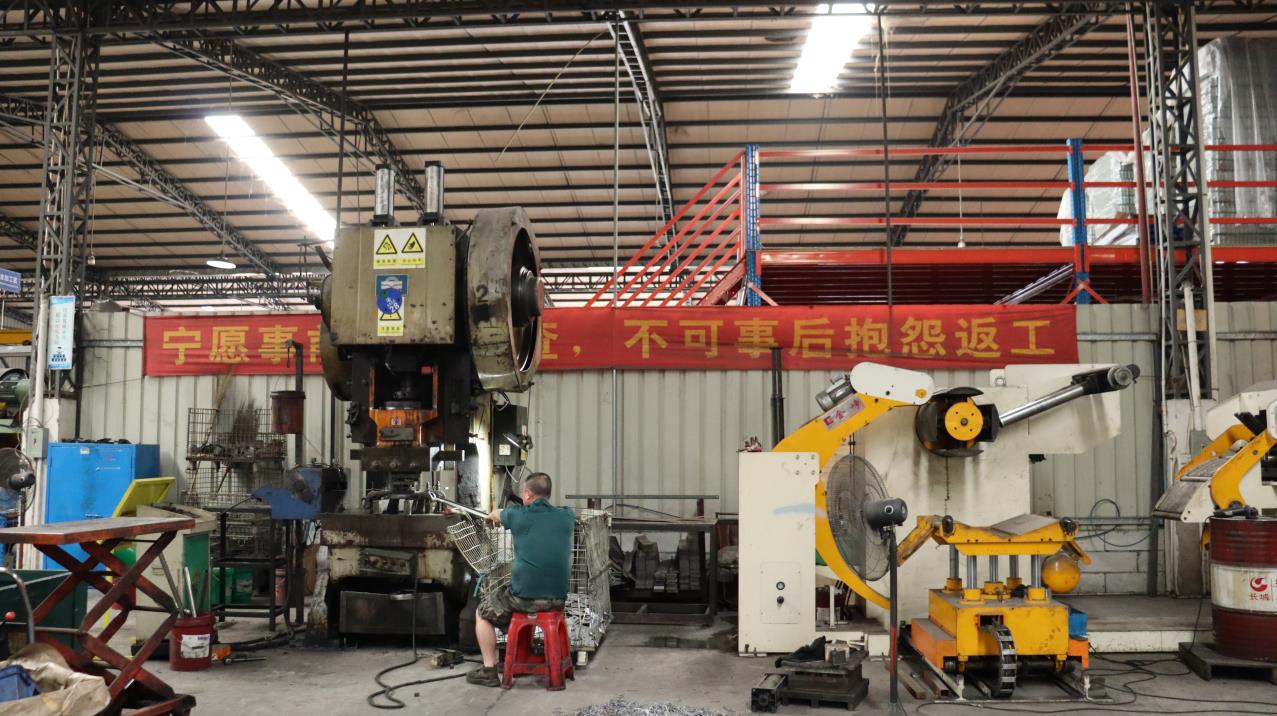
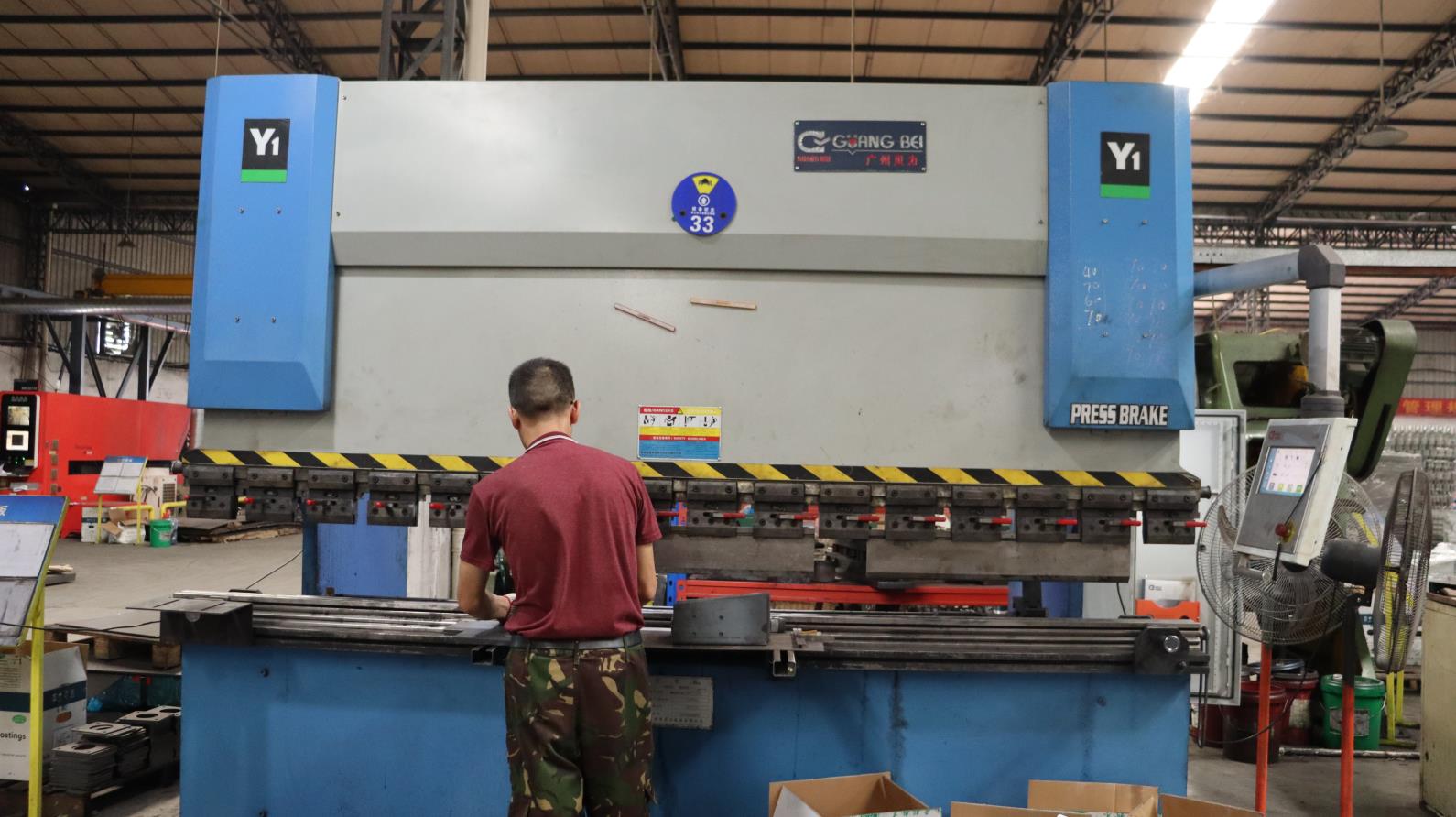
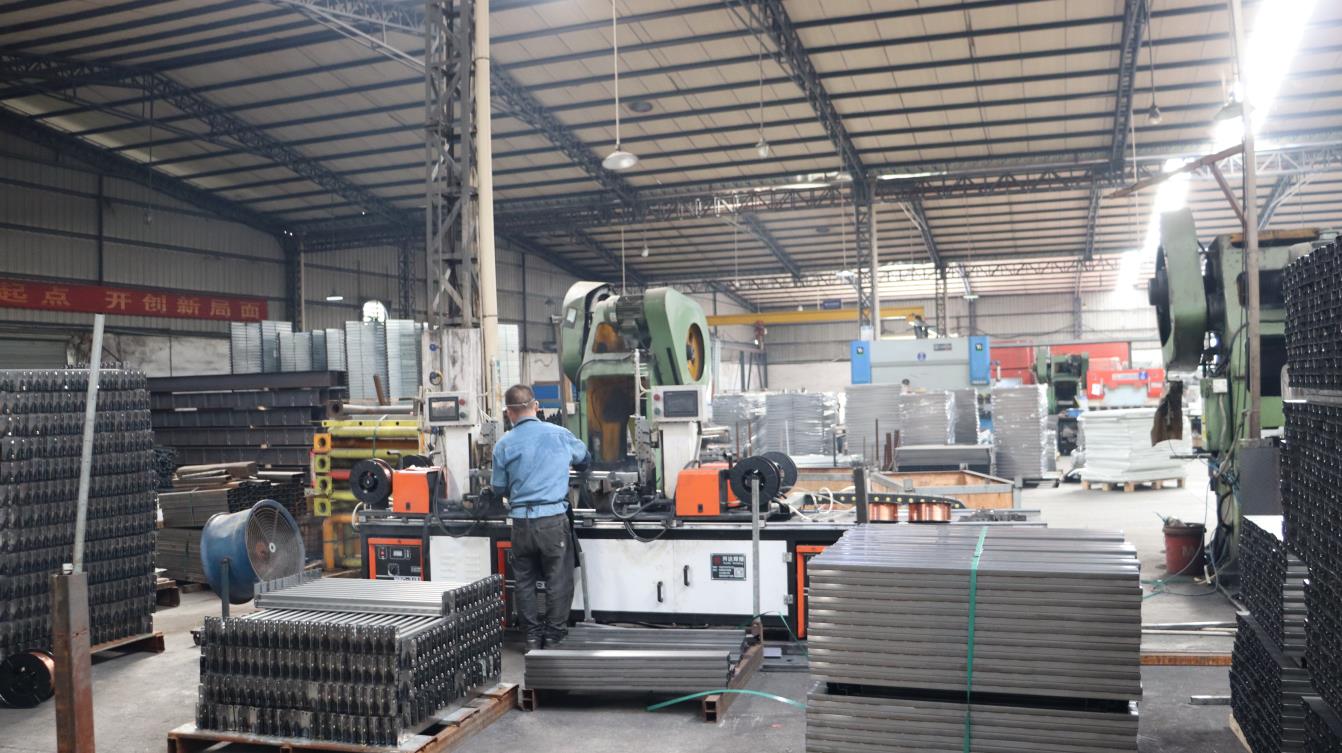
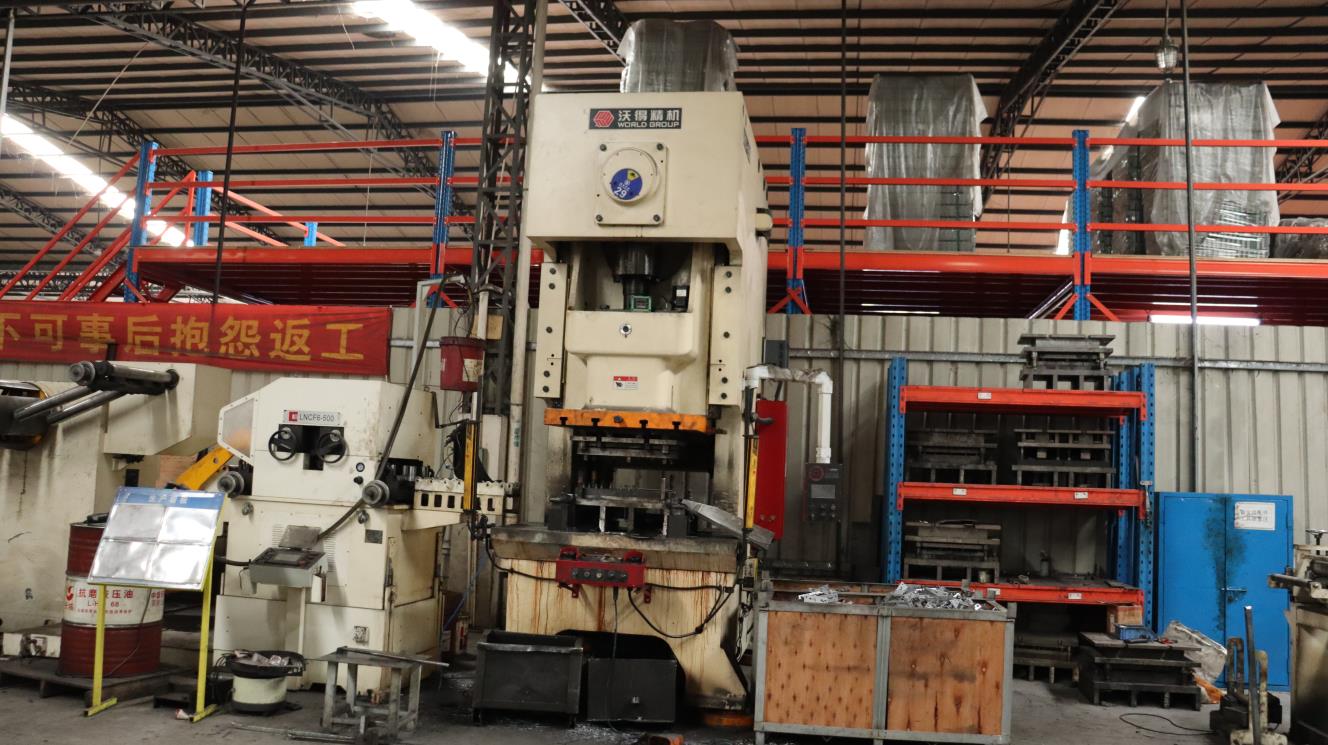
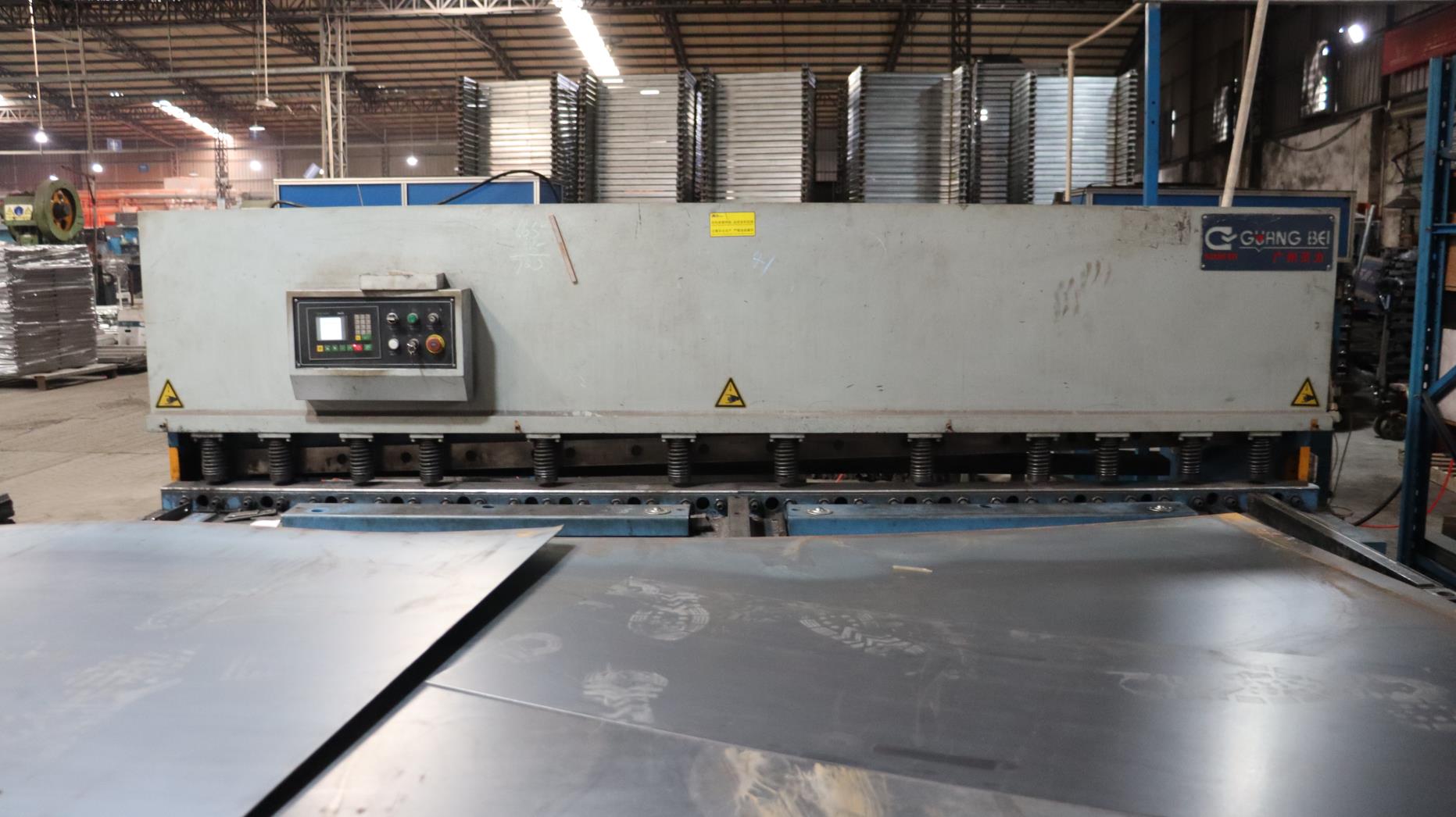
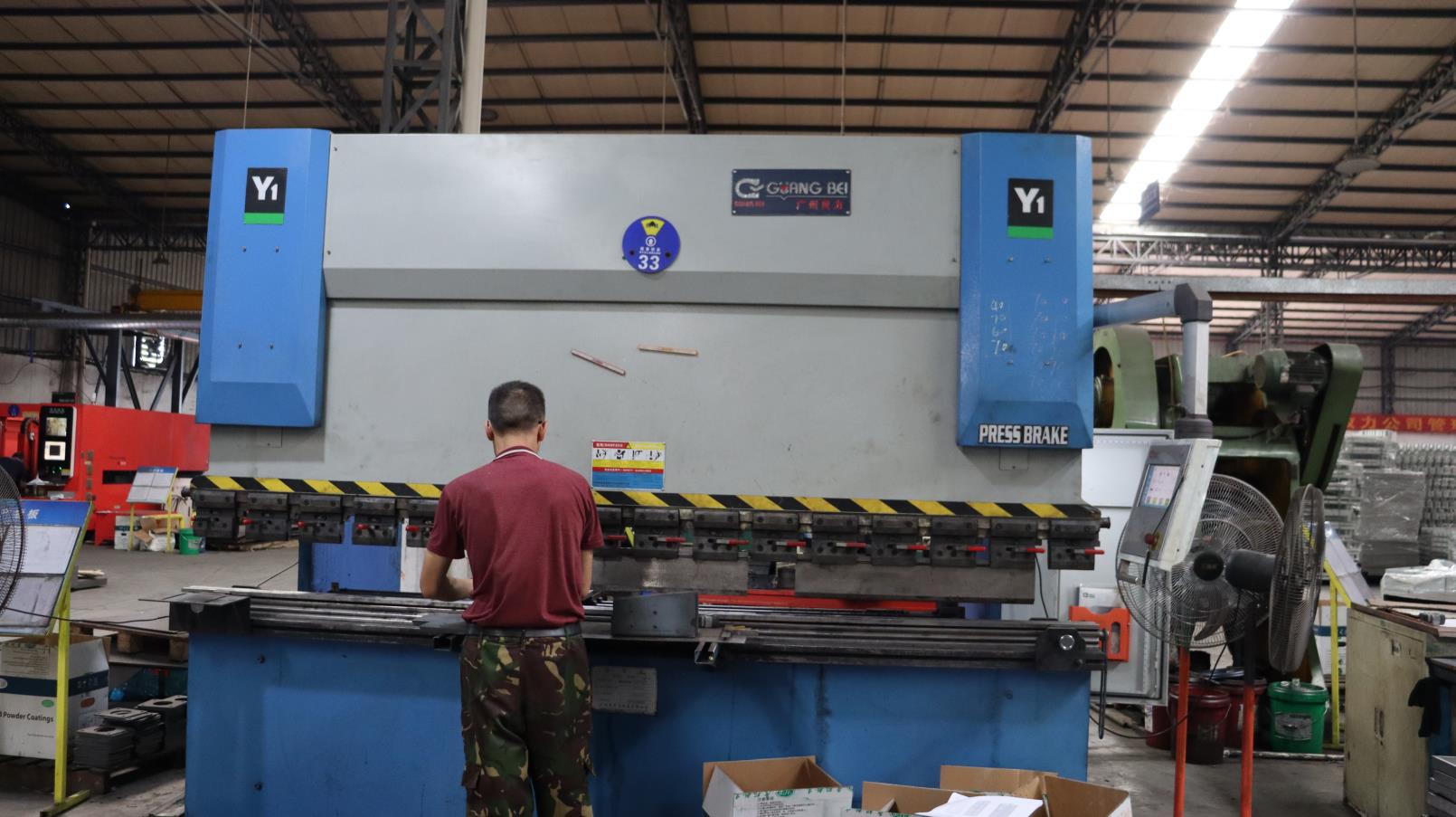
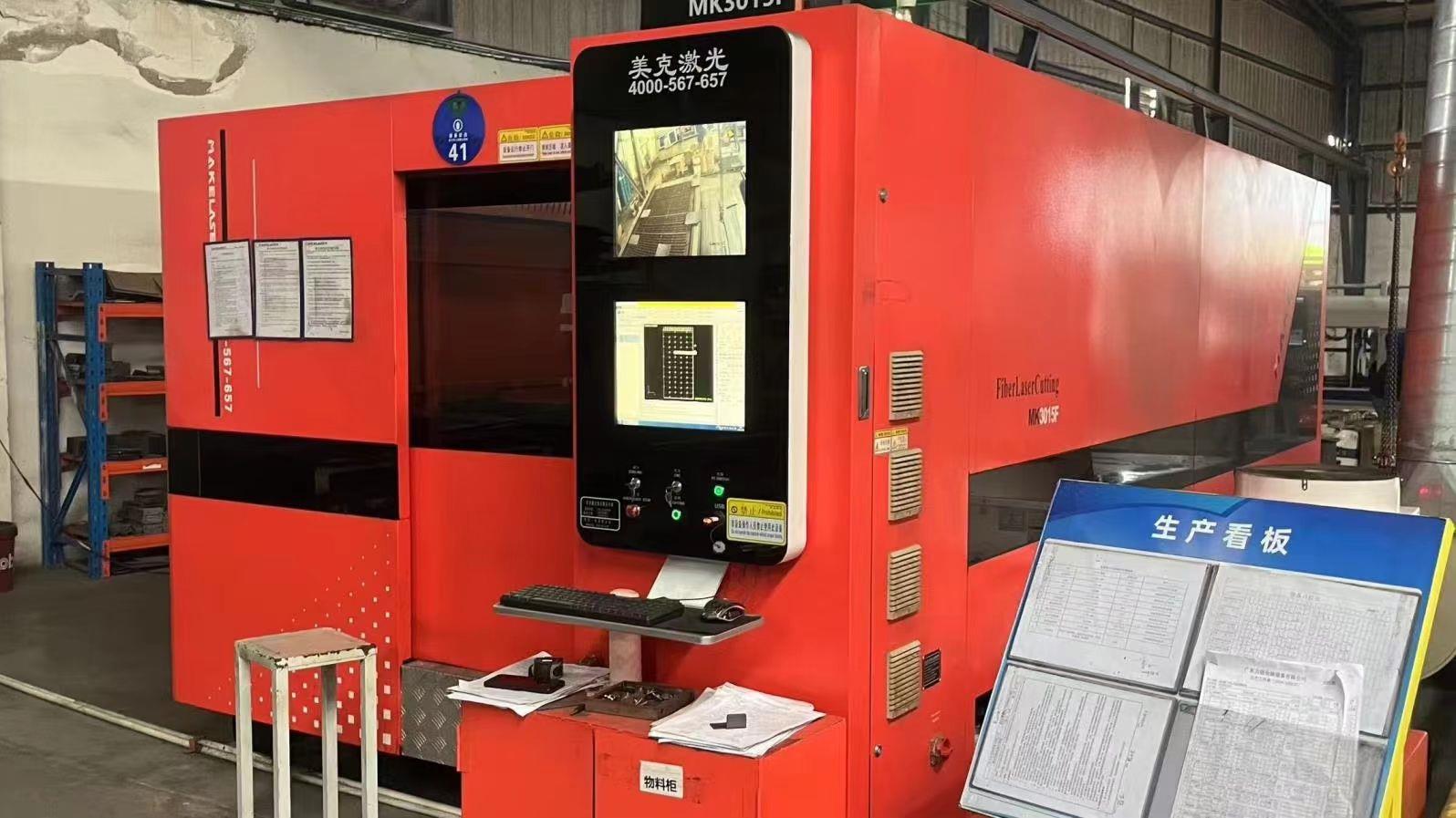
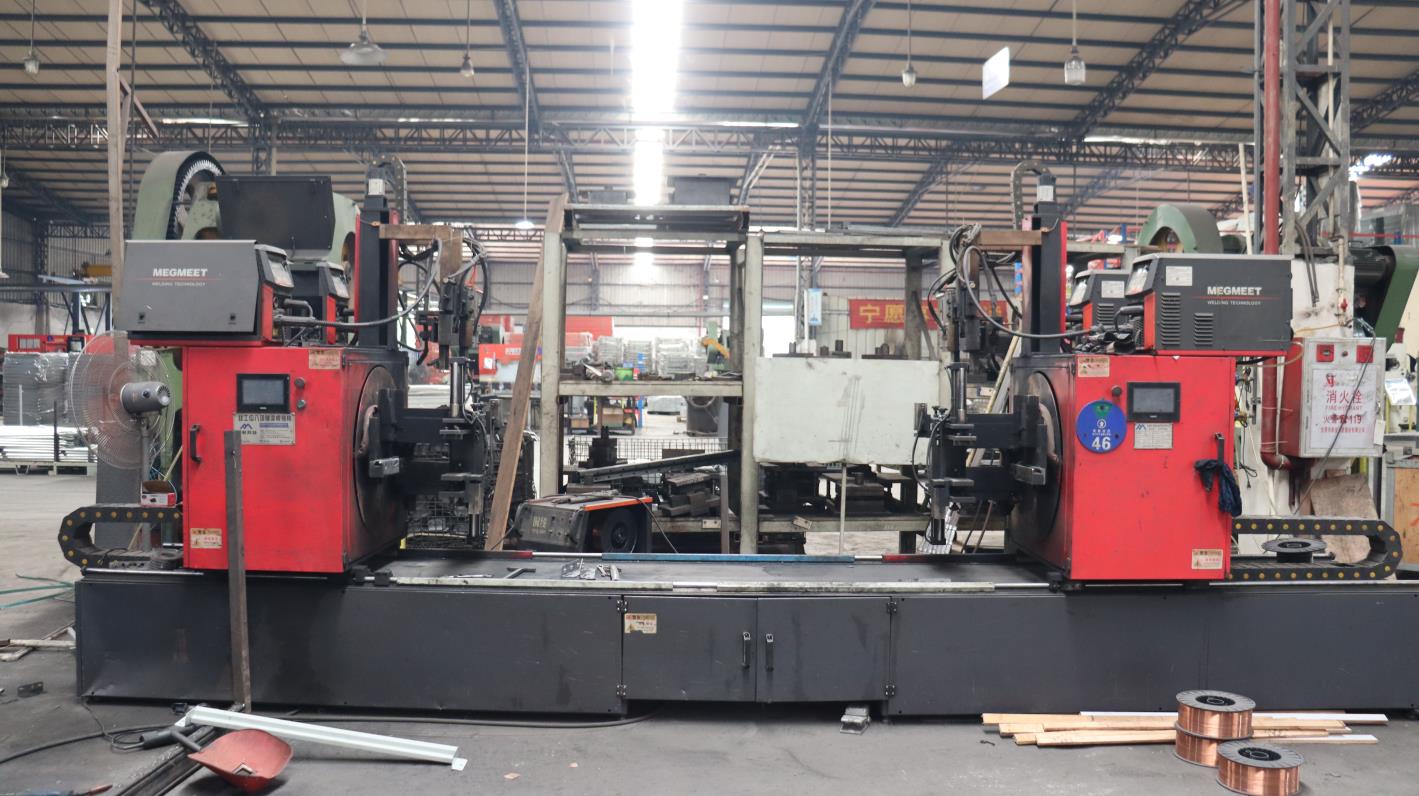
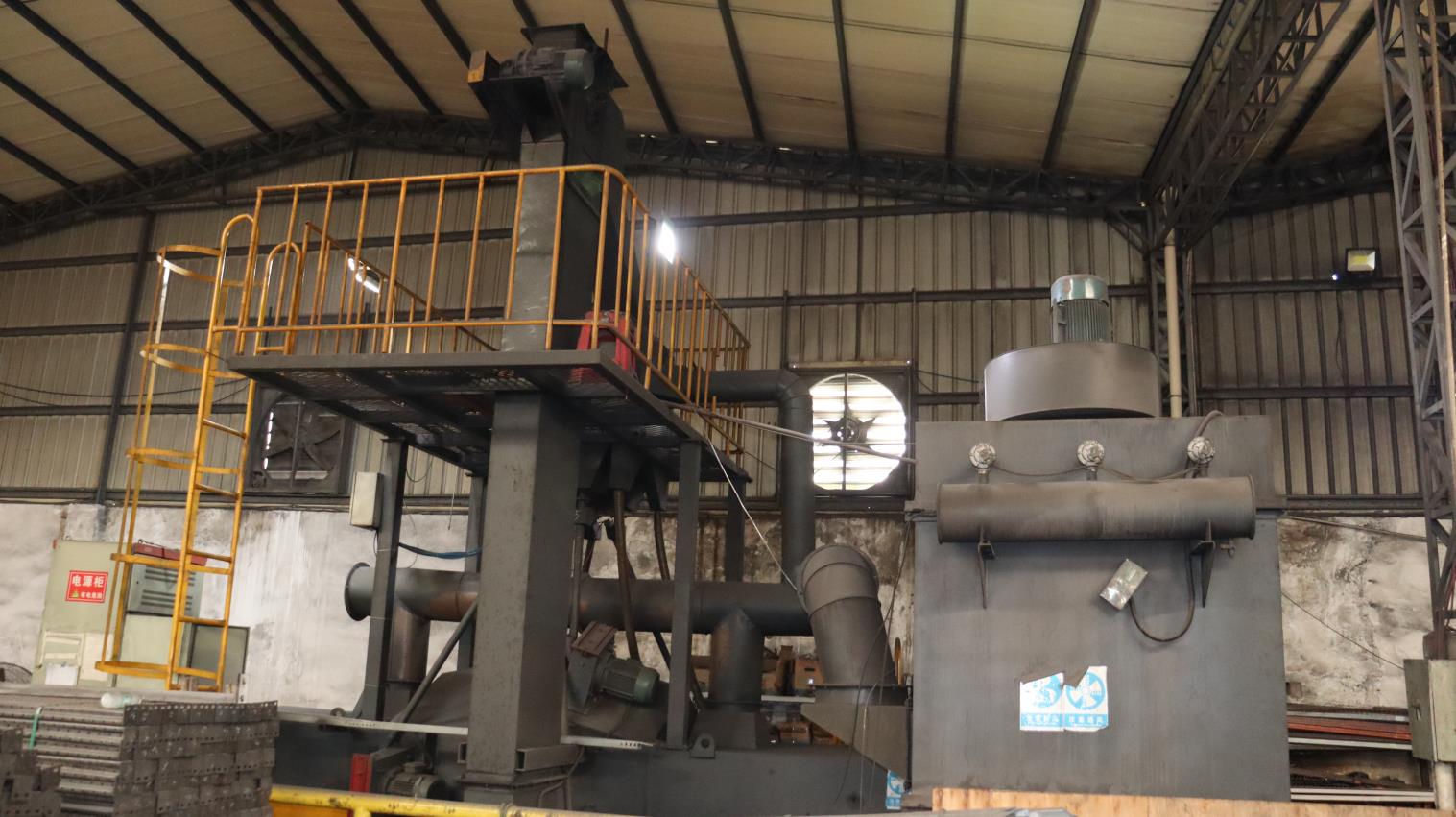
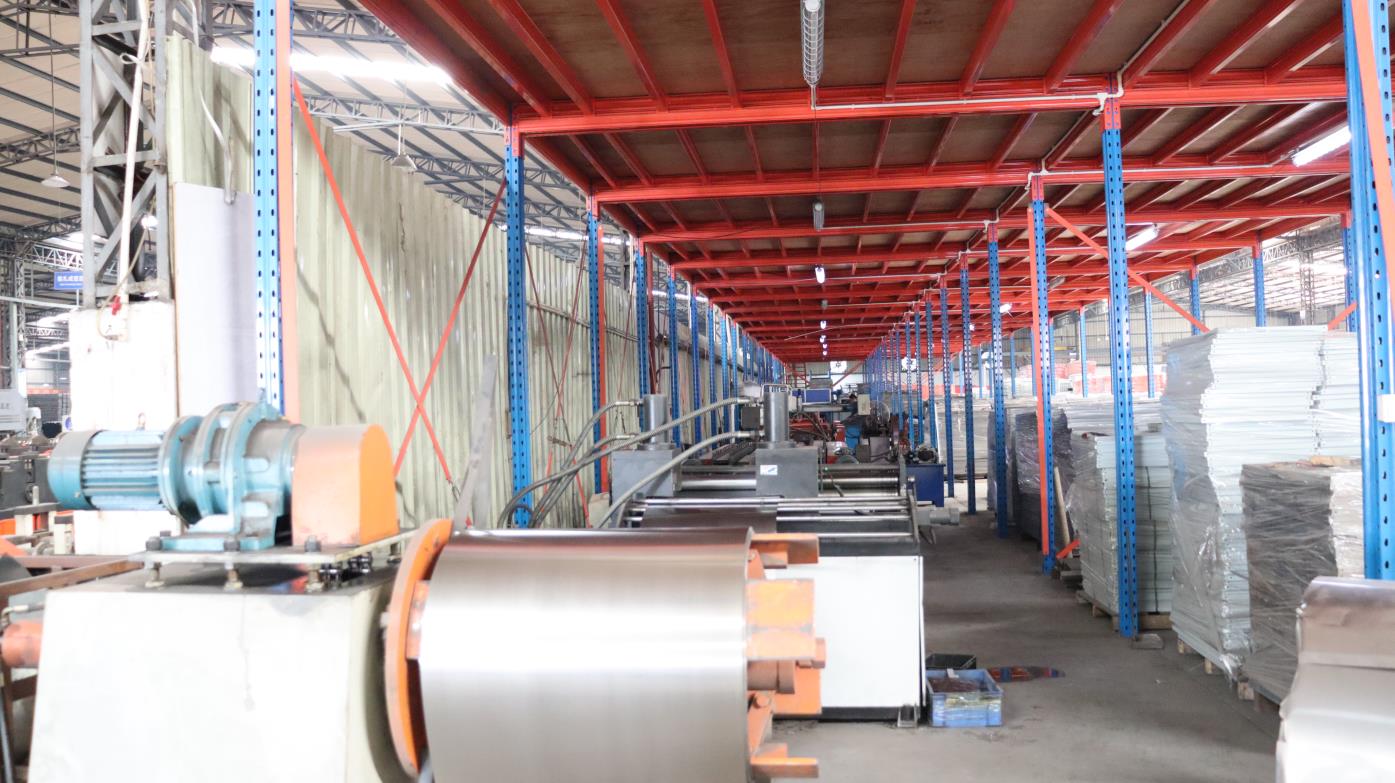
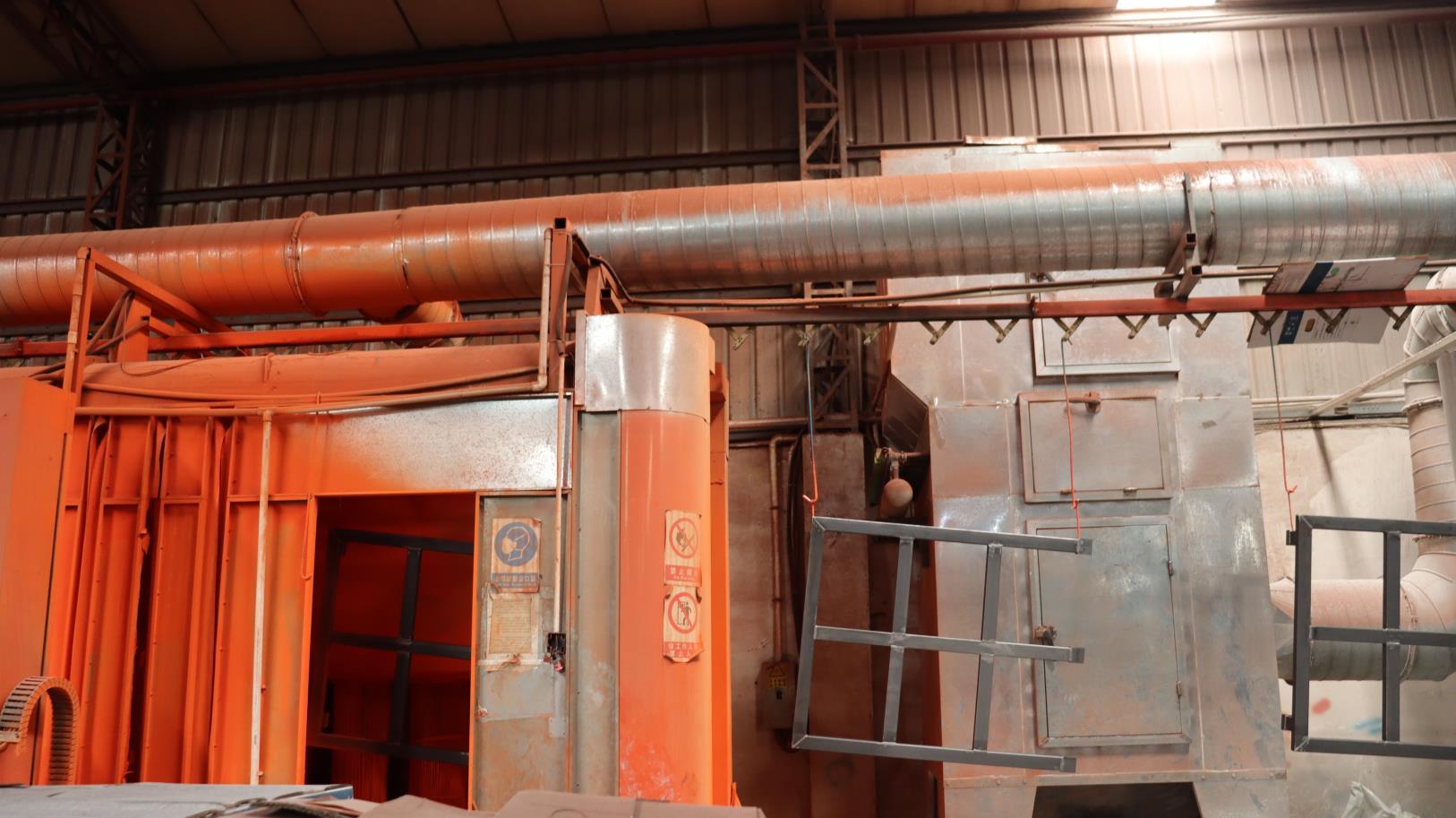
Shenzhen Lijin Storage Equipment Co., Ltd. operates a 35,000 m² state-of-the-art facility. The manufacturing process uses automated fabrication lines to ensure high-tolerance racking components. Below is the production flow, showing how raw steel is transformed into finished storage systems:
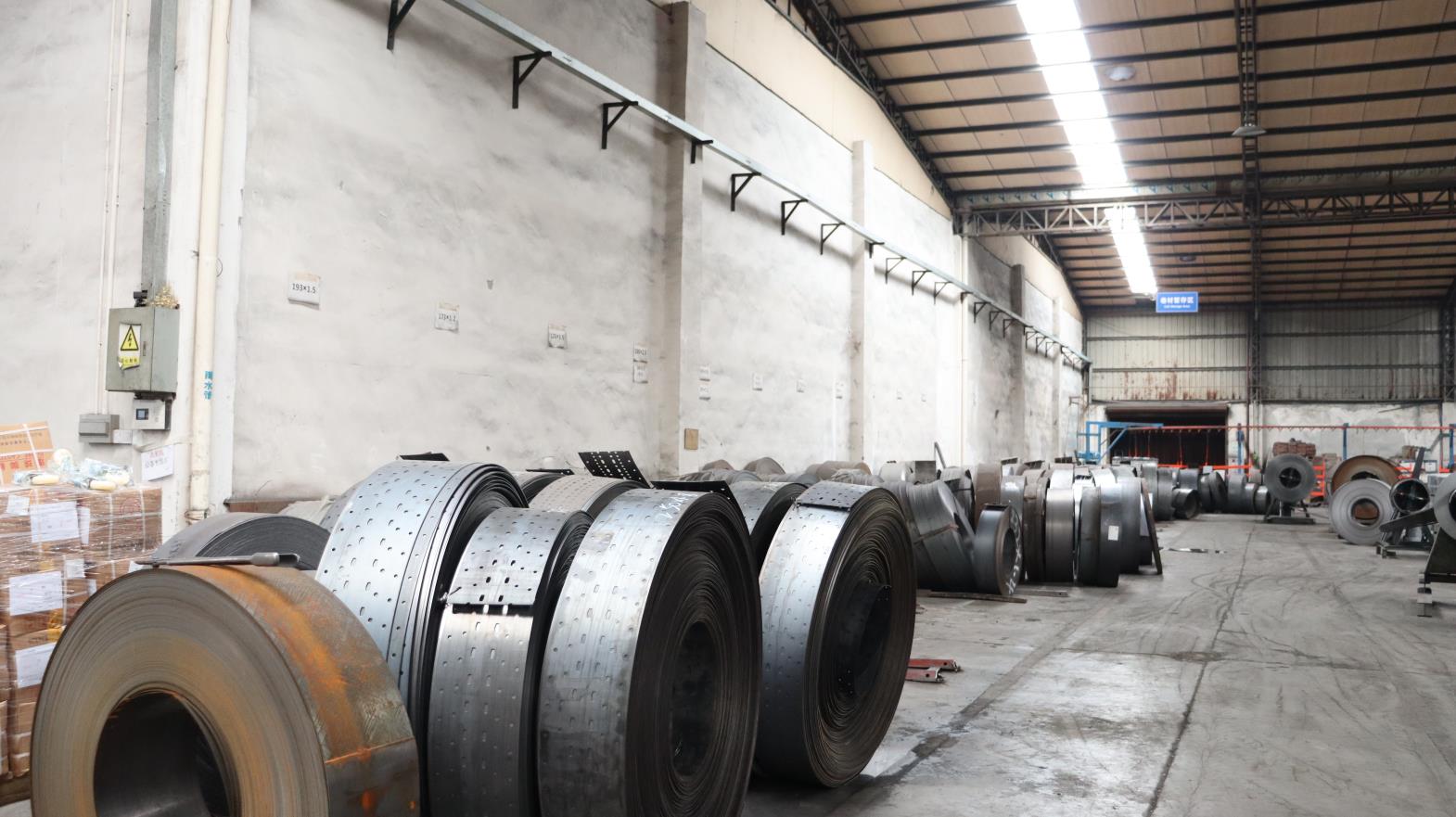
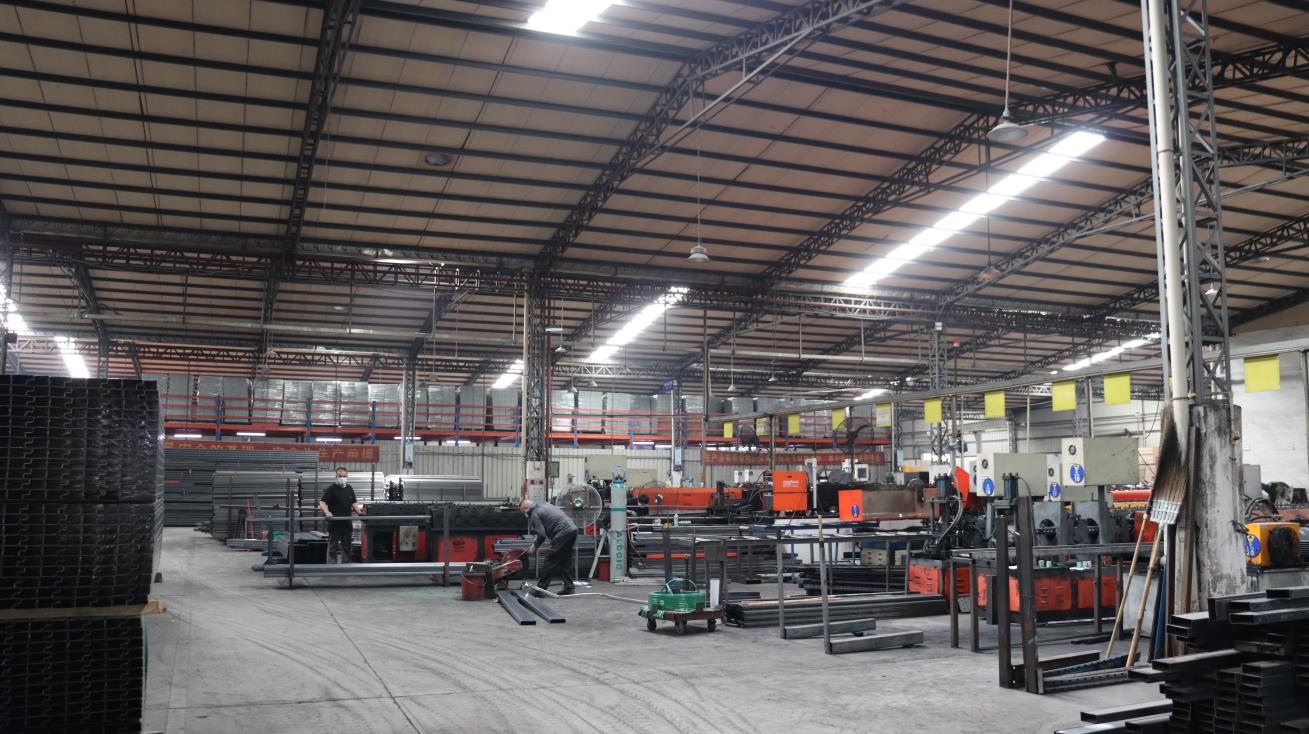
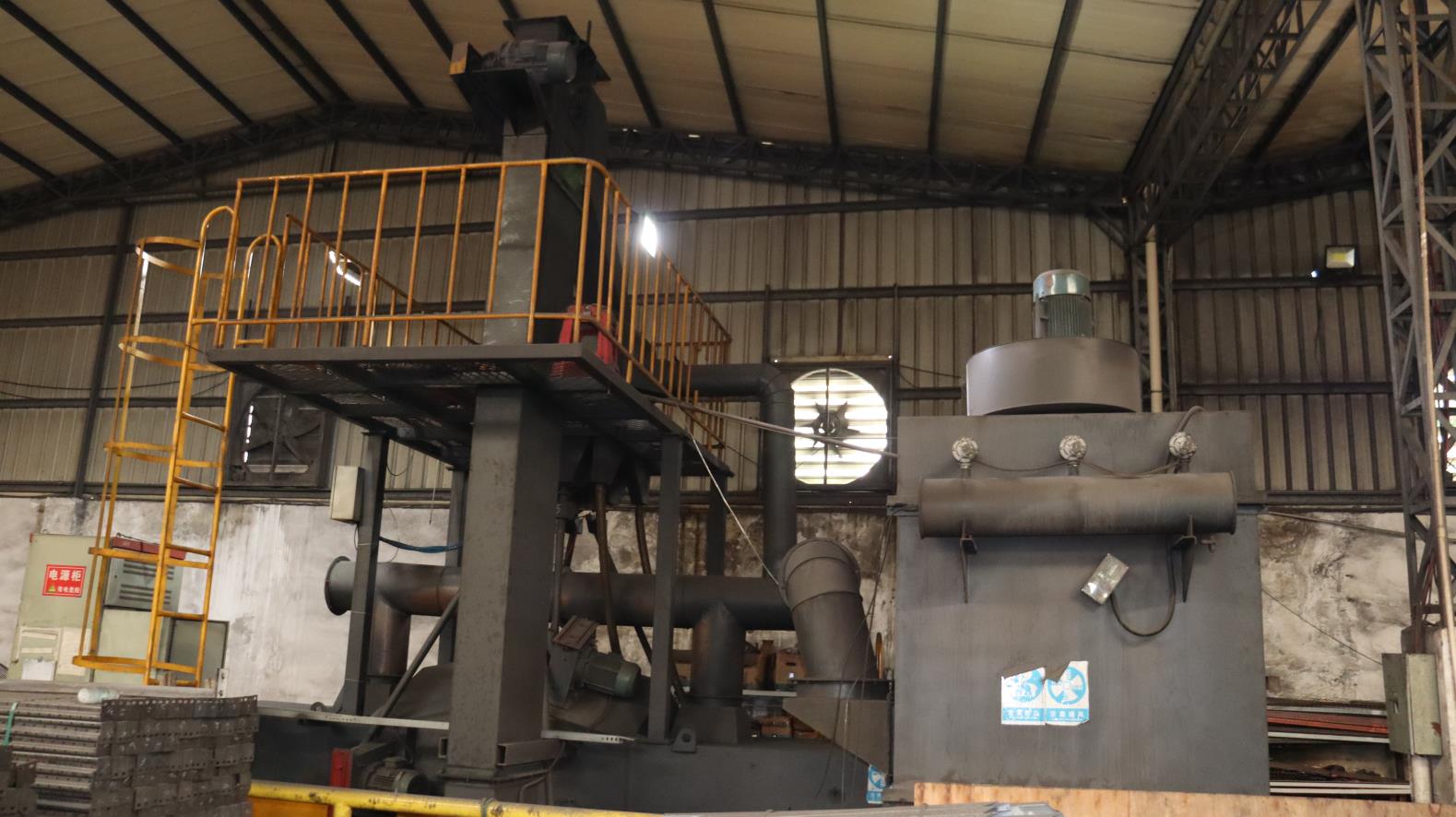
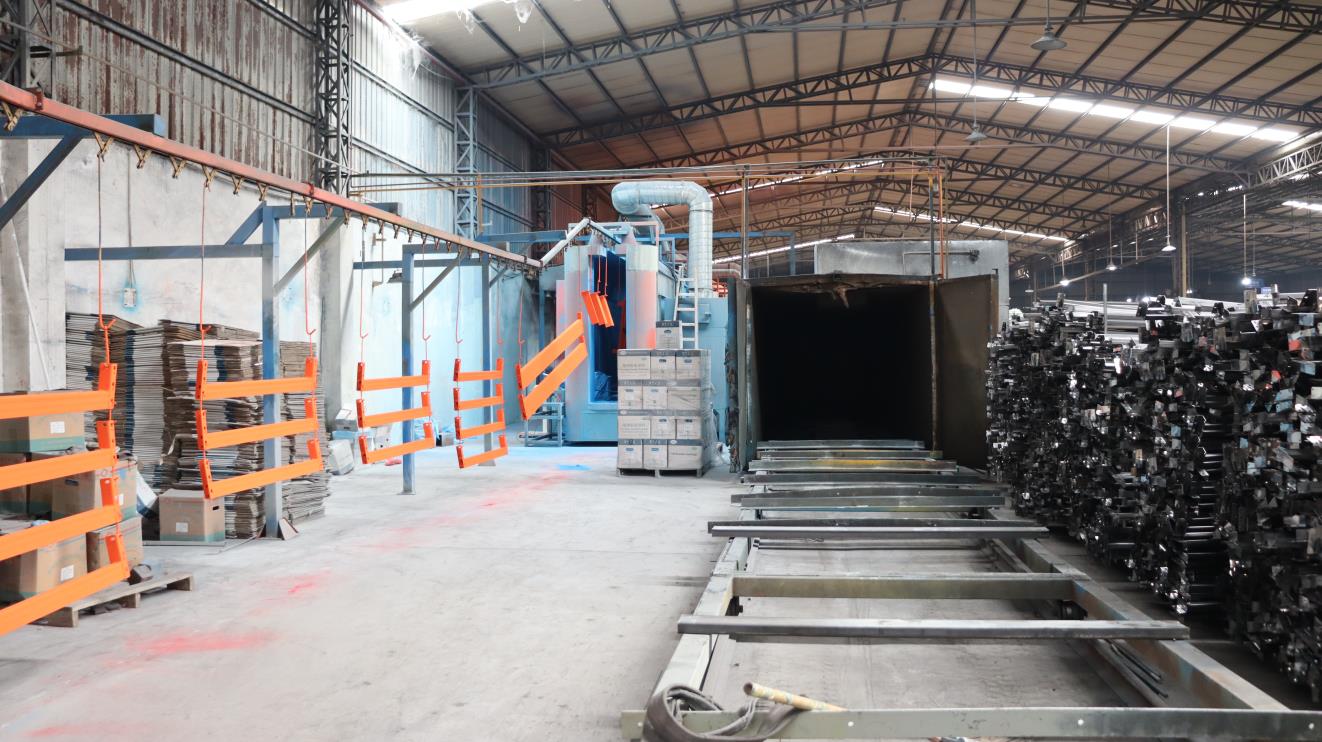
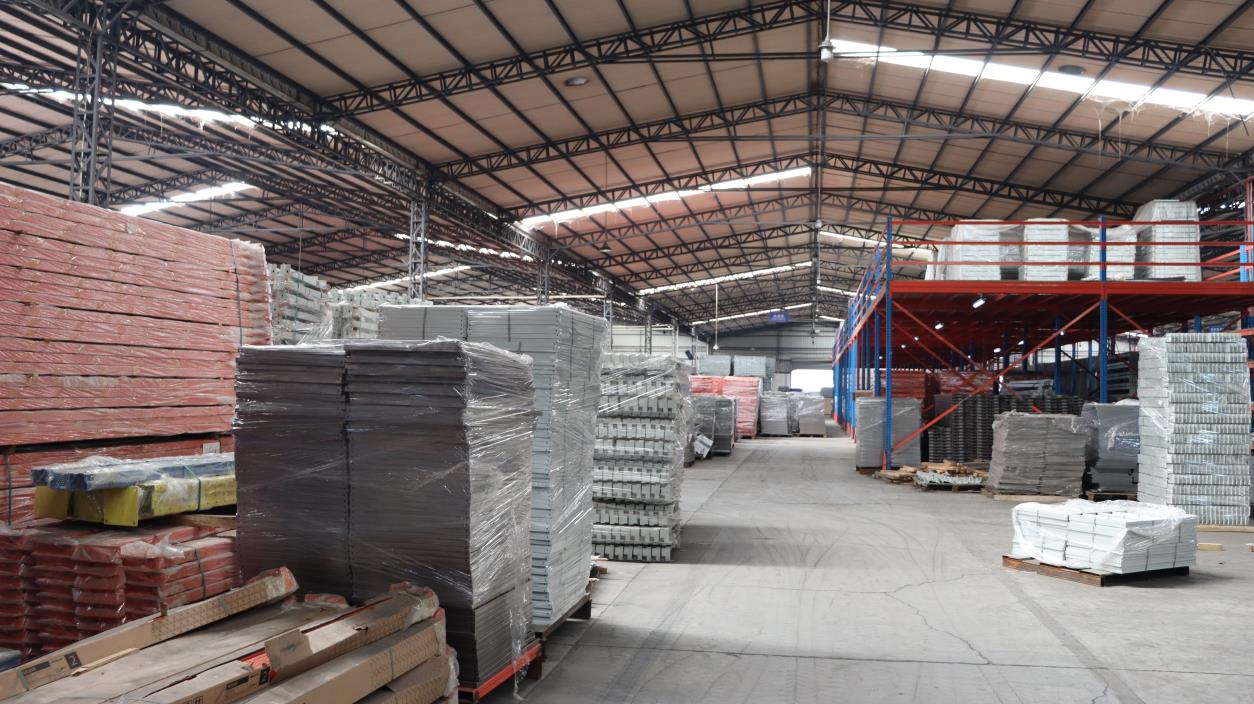
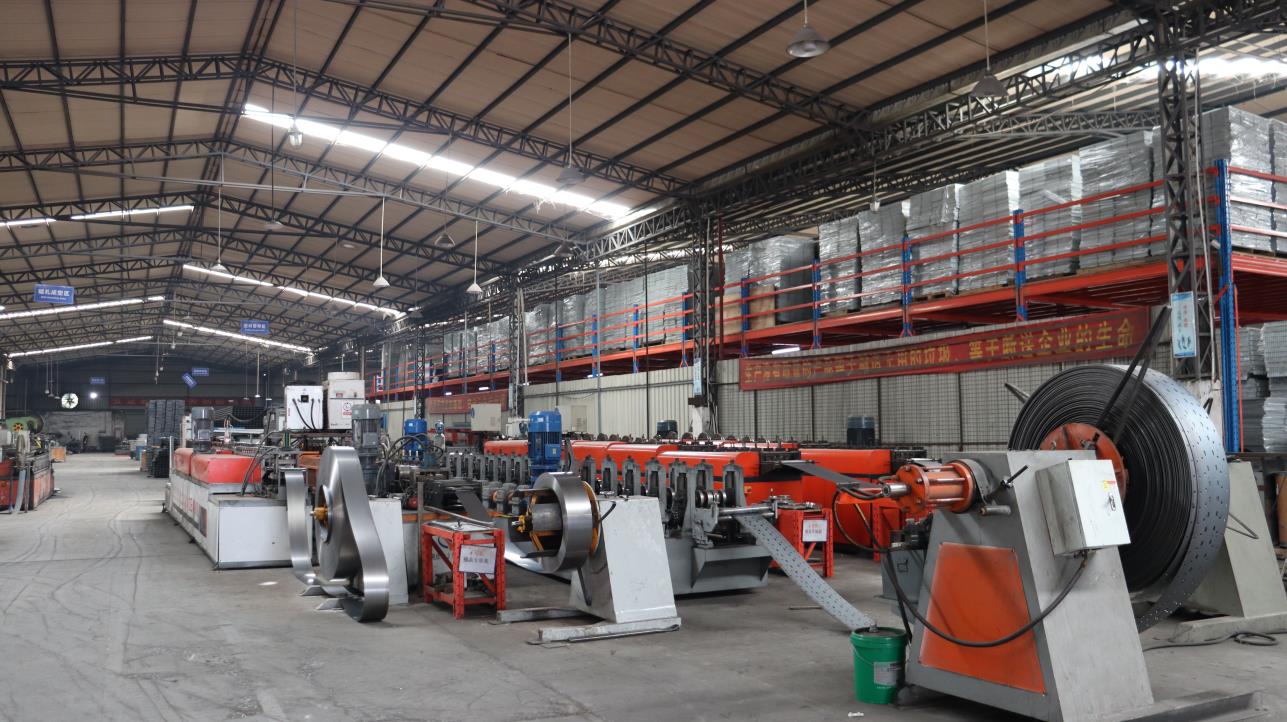
A single racking configuration cannot support diverse operations. Different warehousing sectors require tailored industrial designs:
Configured with boltless steel decks, integrated carton-flow rails, and dynamic labeling bars. This layout supports rapid picking speeds for retail workers handling small SKUs.
Constructed with 304-grade stainless steel or corrosion-resistant powder coatings. Features open-grid wire decking to allow laminar airflow within climate-controlled warehouses.
Heavy structural steel uprights integrated into lighter frames. This configuration allows sub-assembly modules, electrical motors, and steel pipes to be stored together.
Importing industrial racking into Uzbekistan requires specialized logistics expertise. At Shenzhen Lijin, we simplify this process through our experienced regional distribution networks. Our logistics team handles transit challenges across standard and broad gauge rail lines (linking China, Kazakhstan, and Uzbekistan). We ensure all shipping packages are optimized for flatcar loading, minimizing transit shifts. Additionally, we provide documentation (including EUR.1, certificates of origin, and custom declarations) to streamline customs clearance at key ports of entry, such as the Tashkent-Tovarniy and Chukursay customs posts.
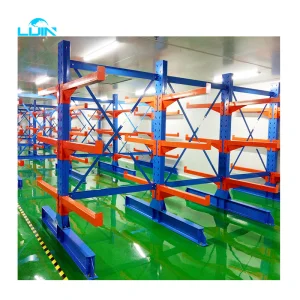
Modern warehouse logistics is shifting from static steel frames to smart, data-driven systems. As companies across Uzbekistan adopt automated storage and retrieval systems (AS/RS), racking structures must adapt to strict dynamic tolerances. The next generation of light-duty racking will include built-in sensor systems and high-precision guiding rails for Autonomous Mobile Robots (AMRs).
Shenzhen Lijin is leading this transition by integrating automated weld-inspection systems, high-accuracy laser measurement profiling, and eco-friendly electro-static powder application lines. This ensures every racking component meets the demanding safety and alignment standards required by modern automated distribution hubs.
Our storage racking systems are engineered and verified according to international standards, including the European FEM 10.2.02 and EN 15512 specifications, the American RMI standard, and ISO 9001:2015 quality management procedures. For installations in Uzbekistan, we adjust structural and bracing designs to satisfy seismic requirements defined by local codes (KMK 2.01.03-19).
We provide full logistics management, shipping components in reinforced steel-strapped bundles in containers. We route shipments through established rail networks like the Lanzhou-Xinjiang-Kazakhstan corridor to the Chukursay terminal in Tashkent. Additionally, we assist with customs declarations to ensure smooth clearance.
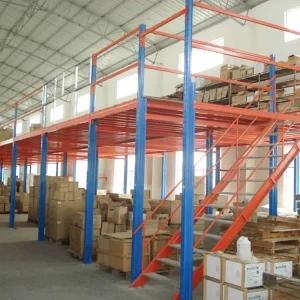
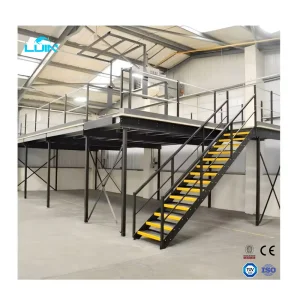
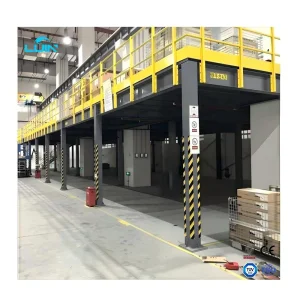
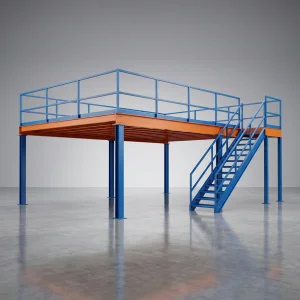
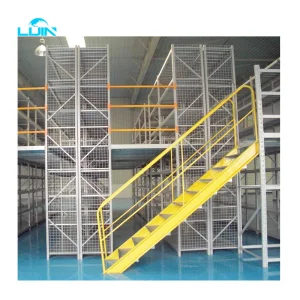
Yes, our light-duty systems are designed to integrate with mezzanine floors. By combining shelving columns with main floor support beams, we can double or triple storage capacity without requiring additional building extensions. We perform FEA (Finite Element Analysis) load testing on all mezzanine proposals to verify structure safety.
For cold rooms, humid environments, or chemical warehouses, we recommend hot-dip galvanized steel or epoxy-polyester powder coatings. These finishes prevent rust and withstand temperature fluctuations from -30°C to +40°C.
Our boltless light-duty shelving features keyhole or butterfly punch patterns on the upright frames. Beams drop directly into slot configurations, locking into place without nuts, bolts, or specialist tools. This simple assembly reduces installation times by up to 60% compared to traditional nut-and-bolt systems.
We provide detailed installation manuals, 3D structural drawings, and video instructions. For large industrial projects or multi-tier mezzanine platforms, we can dispatch engineers to guide local assembly teams, run load tests, and confirm alignment to safety specifications.
Speak with an experienced storage structural engineer. Get a free CAD layout proposal and custom quote for your Uzbekistan project.
Send Inquiry Now Lijin Racking