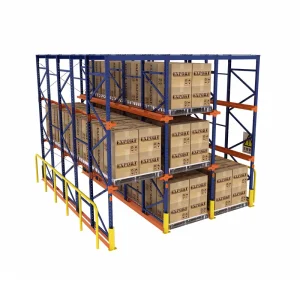
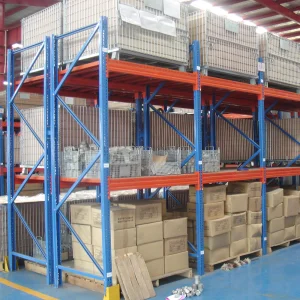
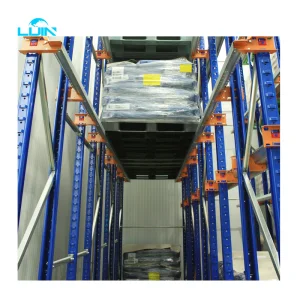
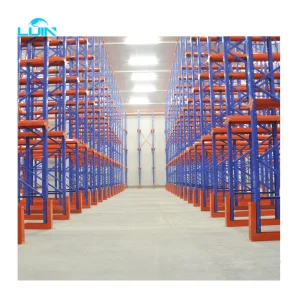
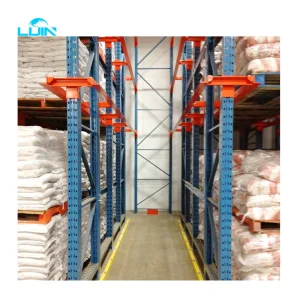
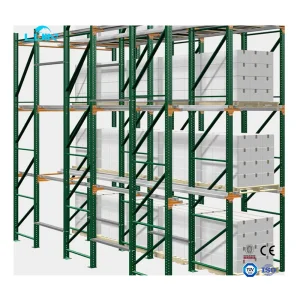
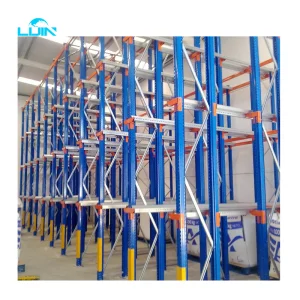
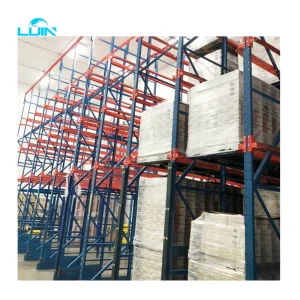
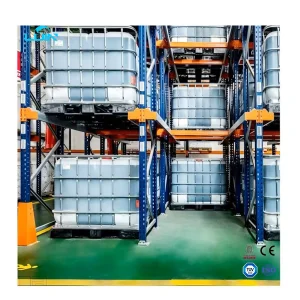
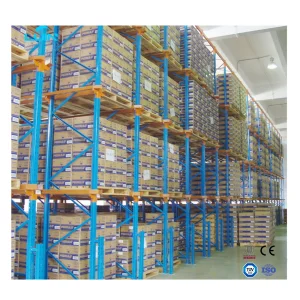
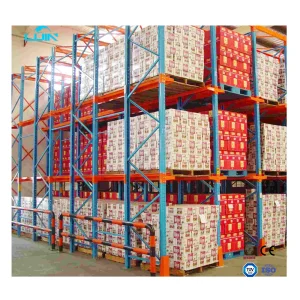
Engineered for high-density LIFO (Last-In, First-Out) operations. Ideal for cold storage, manufacturing depots, and large-volume distribution centers in the Berlin metro area.
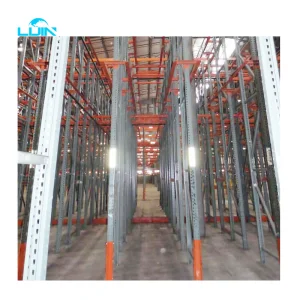
The Berlin-Brandenburg metropolitan region is currently undergoing a massive transformation, positioning itself as one of the premier European transport and logistics hubs. Positioned strategically at the intersection of European freight corridors, logistics hubs like the GVZ Schönefelder Kreuz, GVZ Wustermark, and GVZ Großbeeren are facing unprecedented pressure. High real estate costs, limited land availability, and the fast rise of e-commerce and cold-chain supply demands require storage operations to extract the highest efficiency out of every cubic meter of warehouse footprint.
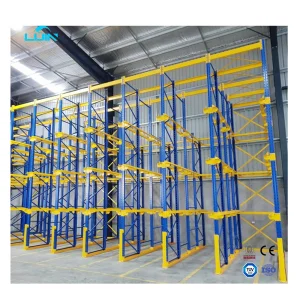
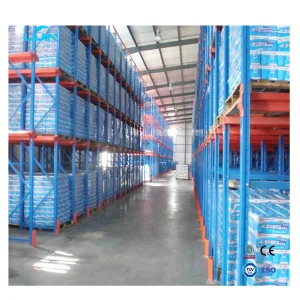
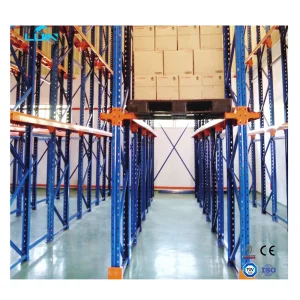
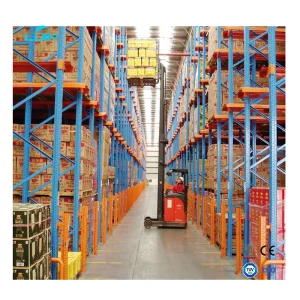
For operations dealing with large volumes of homogeneous goods, single-selective racking systems waste substantial floor space in forklift aisles. This is where Shenzhen Lijin's Drive-In Pallet Racking Systems provide a decisive advantage. By reducing aisle space up to 75% compared to selective racking, our drive-in structures allow forklifts to drive directly into the racking lanes to deposit and retrieve pallets, drastically increasing storage capacity within the same footprint.
Energy efficiency in cold-room warehousing (Kühlhäuser) throughout Germany is critical. The cost of maintaining sub-zero temperatures makes space utilization directly proportional to operational profitability. Reducing the total ambient volume that requires cooling is essential. Our cold room optimized drive-in racks maximize pallet density, thus minimizing cold energy leakage. This makes Shenzhen Lijin a preferred structural storage engineering partner for cold logistics operators across the Brandenburg region.
A high-quality drive-in rack is not just simple steel framing; it is a highly-engineered system that must support hundreds of tons of static and dynamic load safely. As forklifts physically enter the racking envelope, the risk of accidental impact is significantly higher than in standard racking. Therefore, material quality, design tolerances, and safety mechanisms are paramount.
We use high-tensile hot-rolled Q235B and Q355B (equivalent to European S235JR and S355JR) steel. These structural profiles offer outstanding mechanical strength, excellent load distribution, and premium performance in cold environments down to -30°C.
Our structures conform strictly to the Federation Européenne de la Manutention (FEM 10.2.02) guidelines for industrial storage systems and standard EN 15512, ensuring fully validated static analysis and seismic capacity.
Incorporated with heavy-duty guide rails, entrance chamfers, upright column protectors, and structural diagonal bracing to minimize risk and protect the operators and structural members.
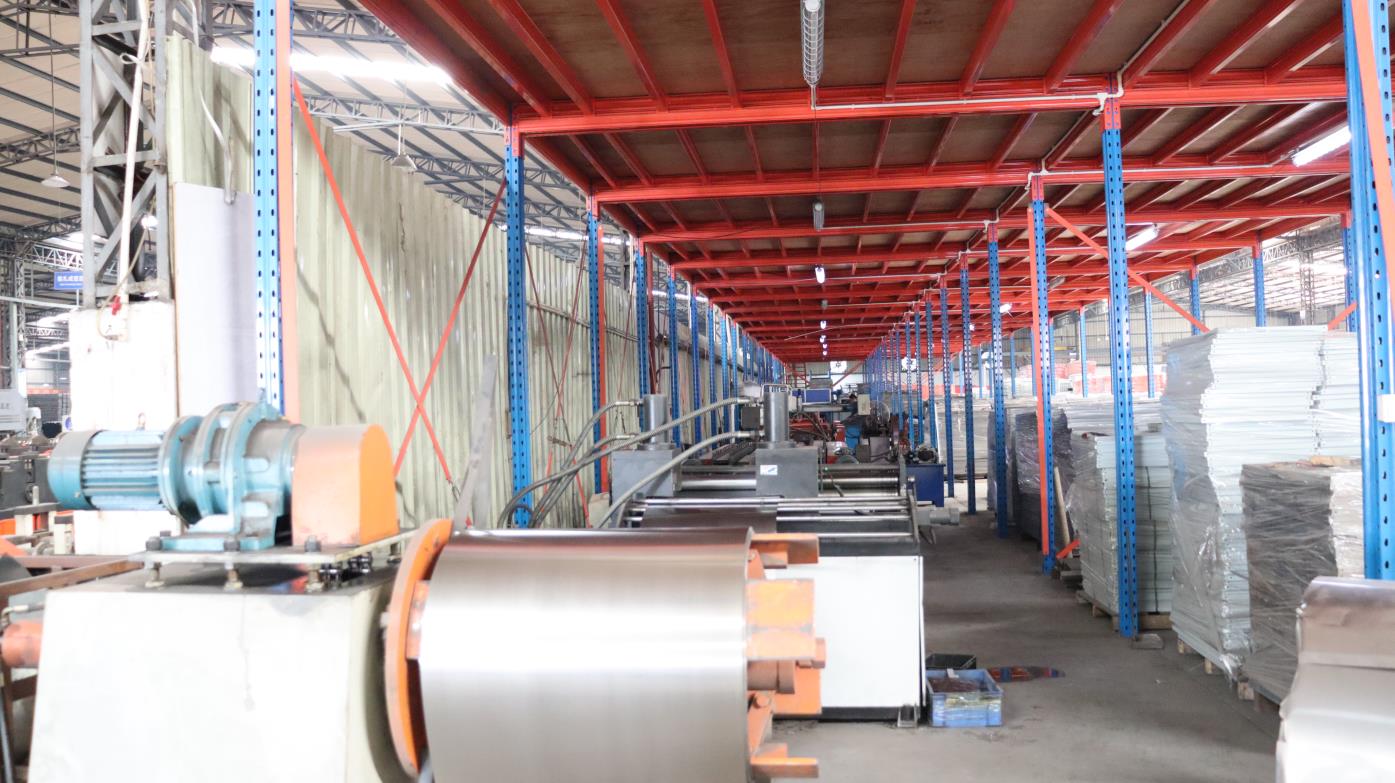
In accordance with standard operations, each lane is engineered based on specific parameters. Upright frames are roll-formed from single sheets to ensure maximum continuous strength. Our cantilever support arms feature a unique double-tapered hook system that locks tightly into the vertical slot of the upright, preventing rotation under load. Pallet support rails are formed from 2.0mm to 2.5mm steel with continuous galvanized surface finishes to minimize friction and prevent degradation over decades of daily operations.
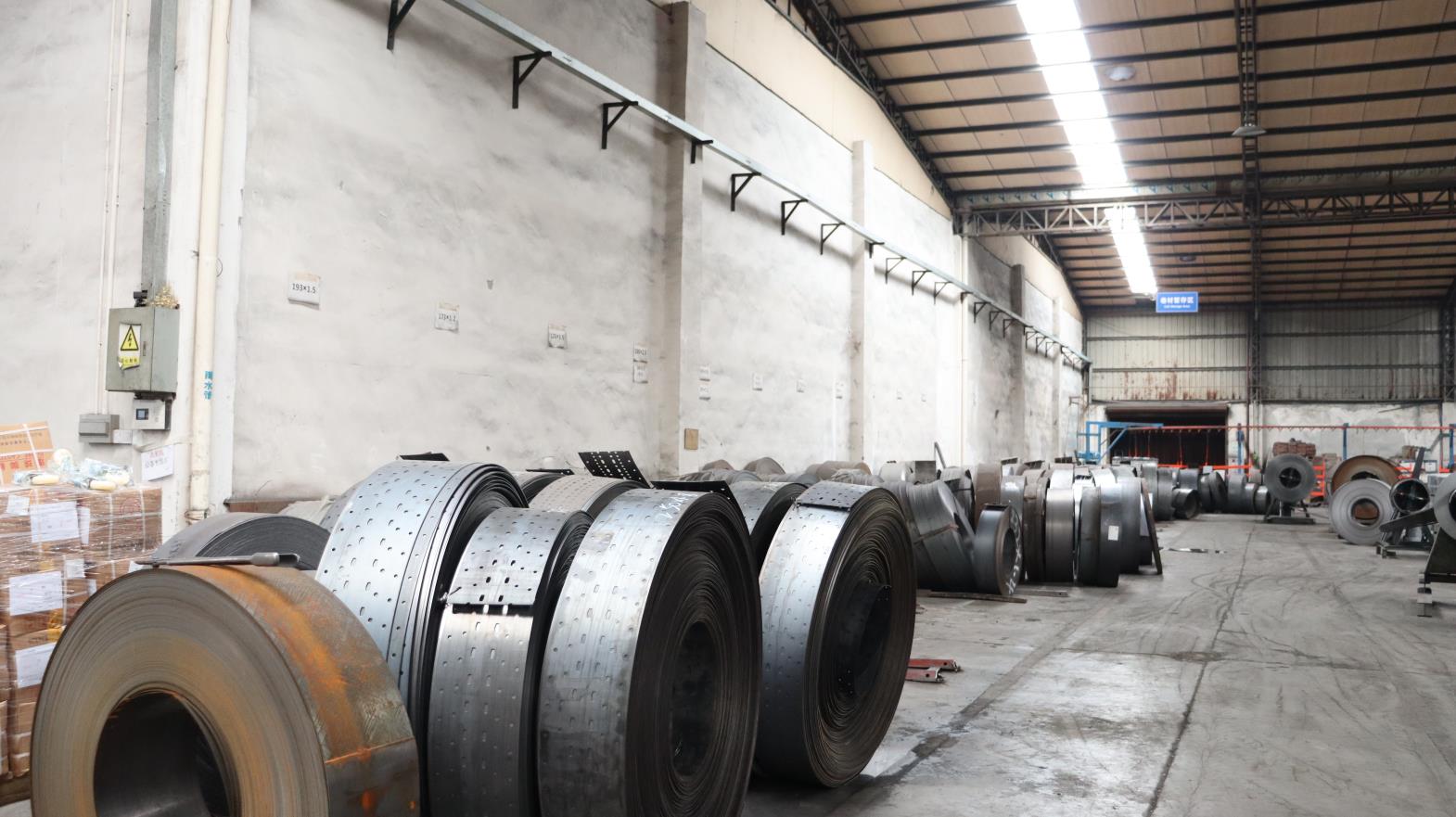
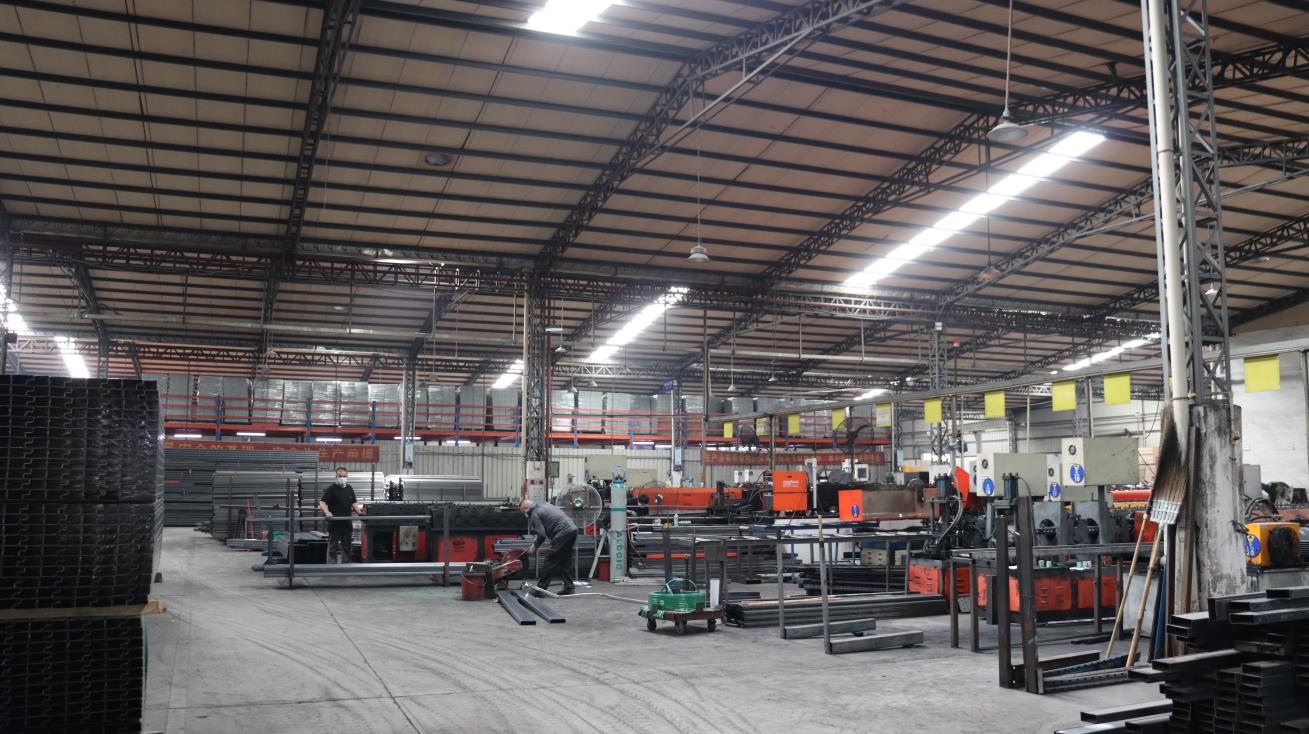
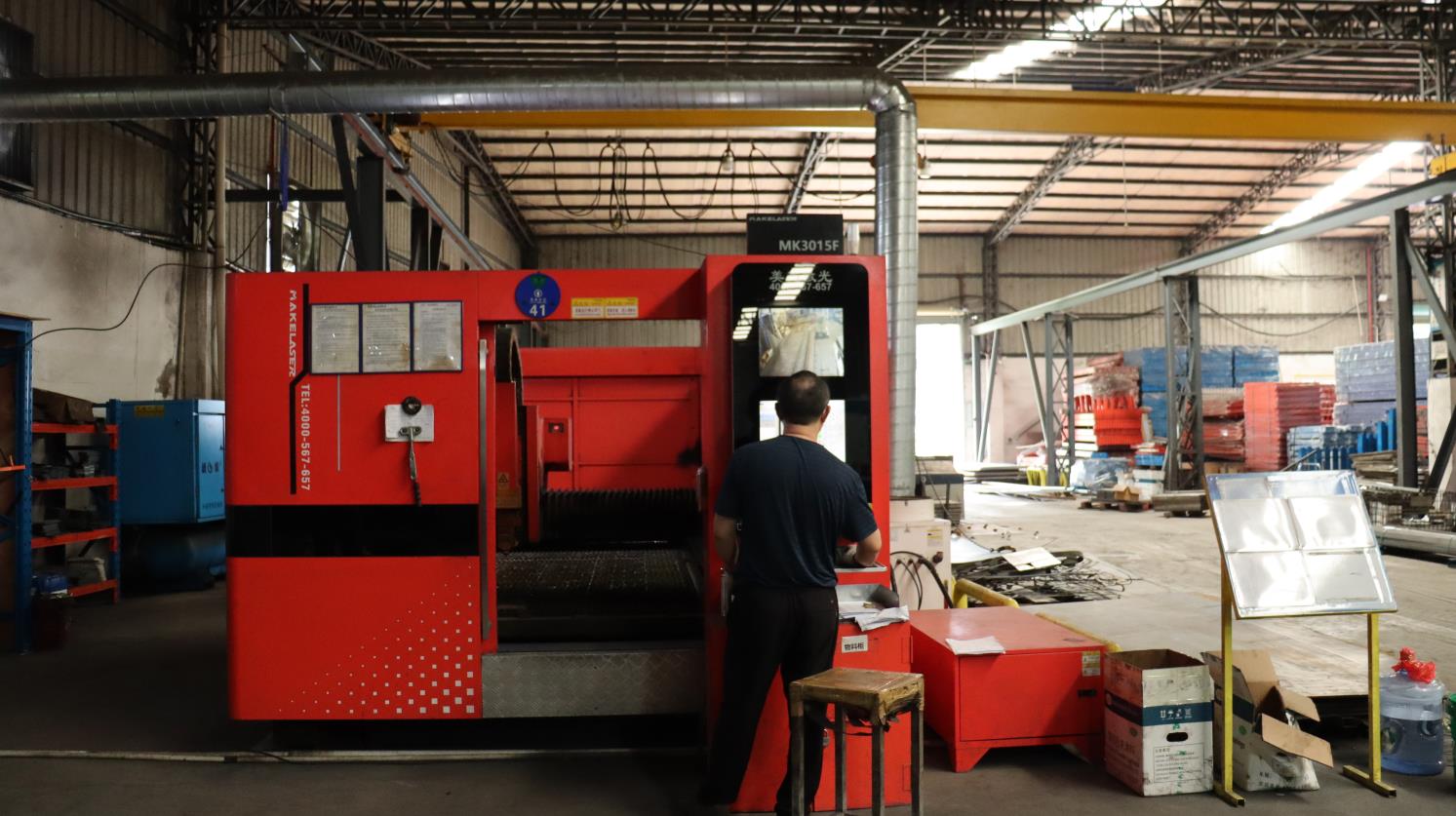
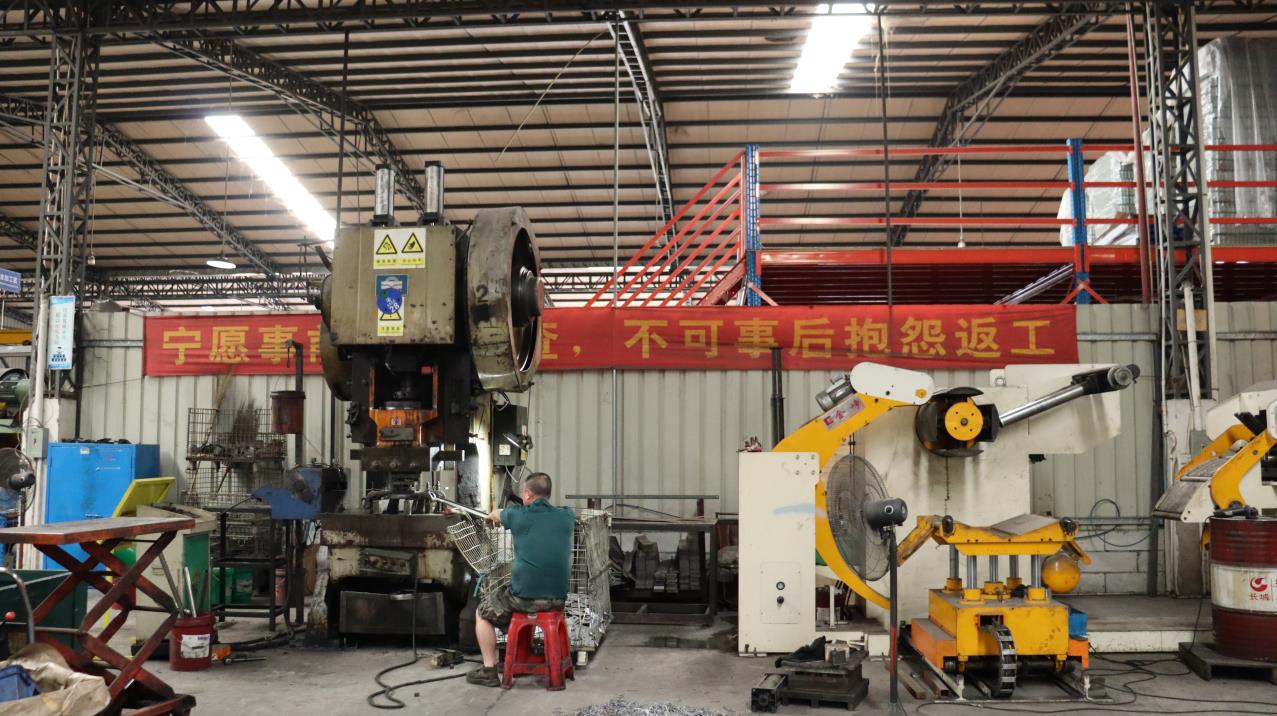
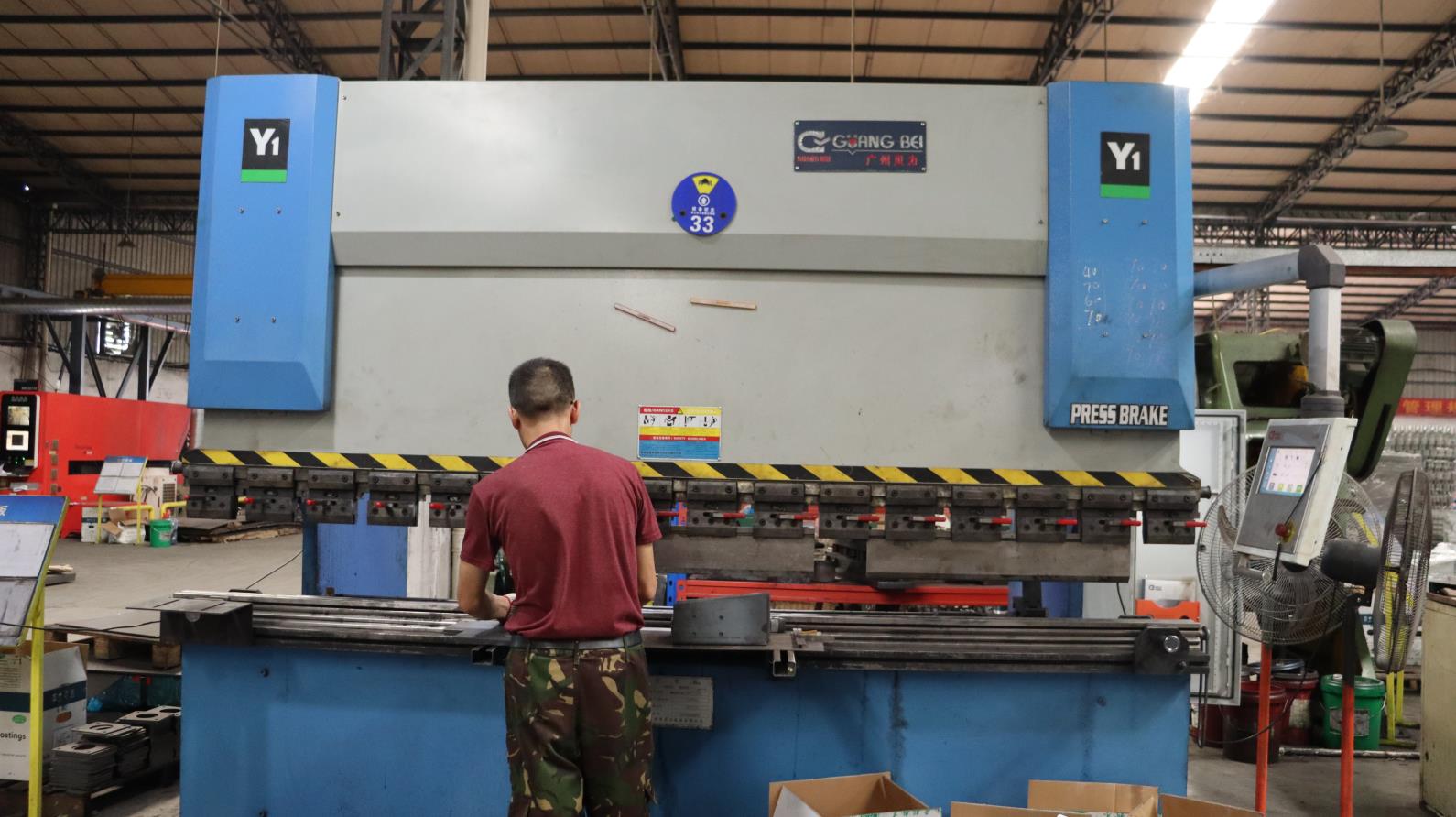
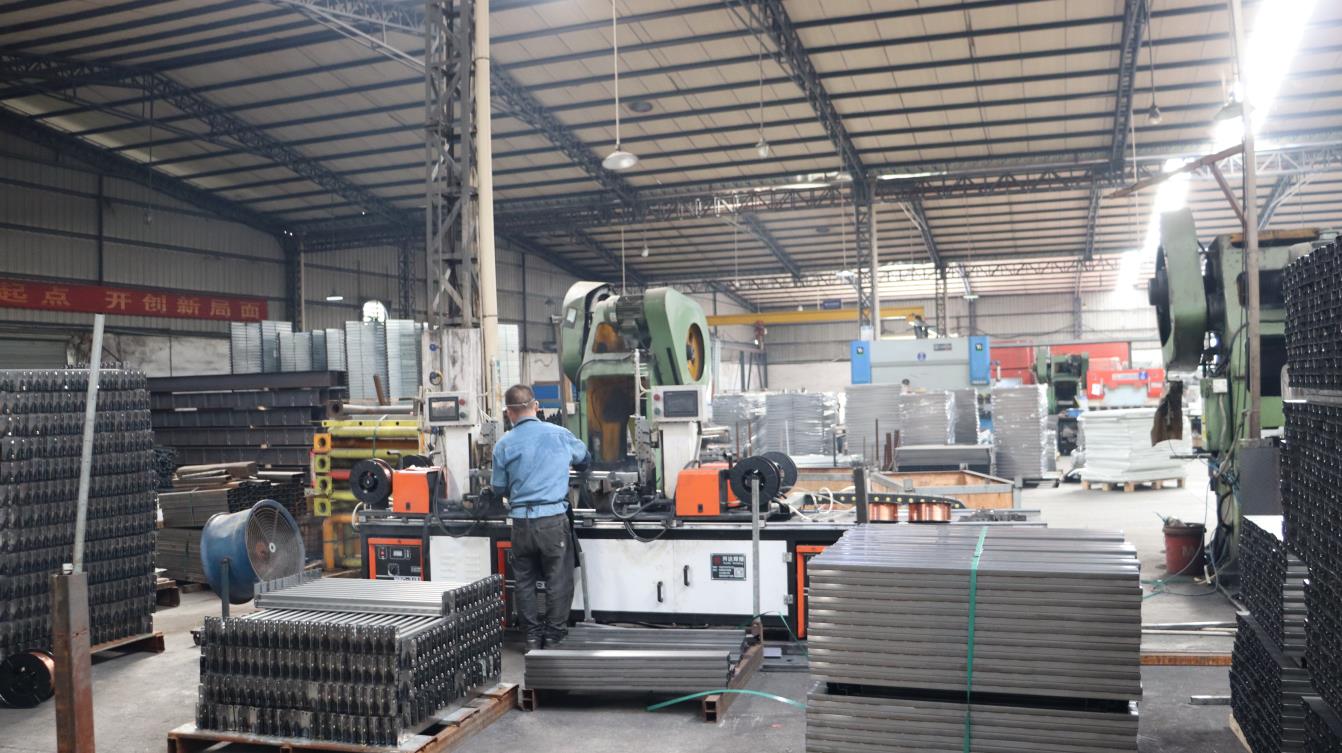
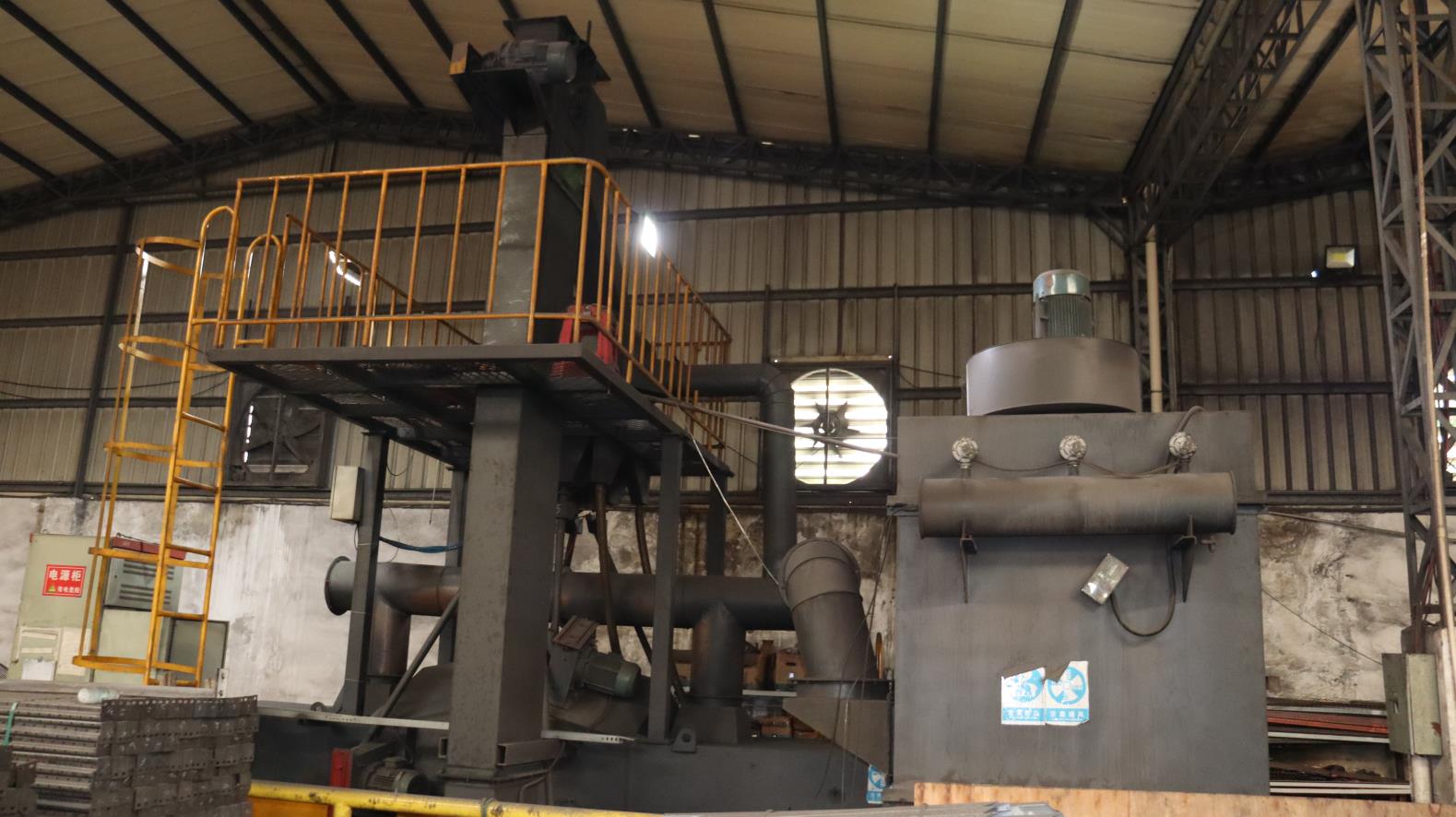
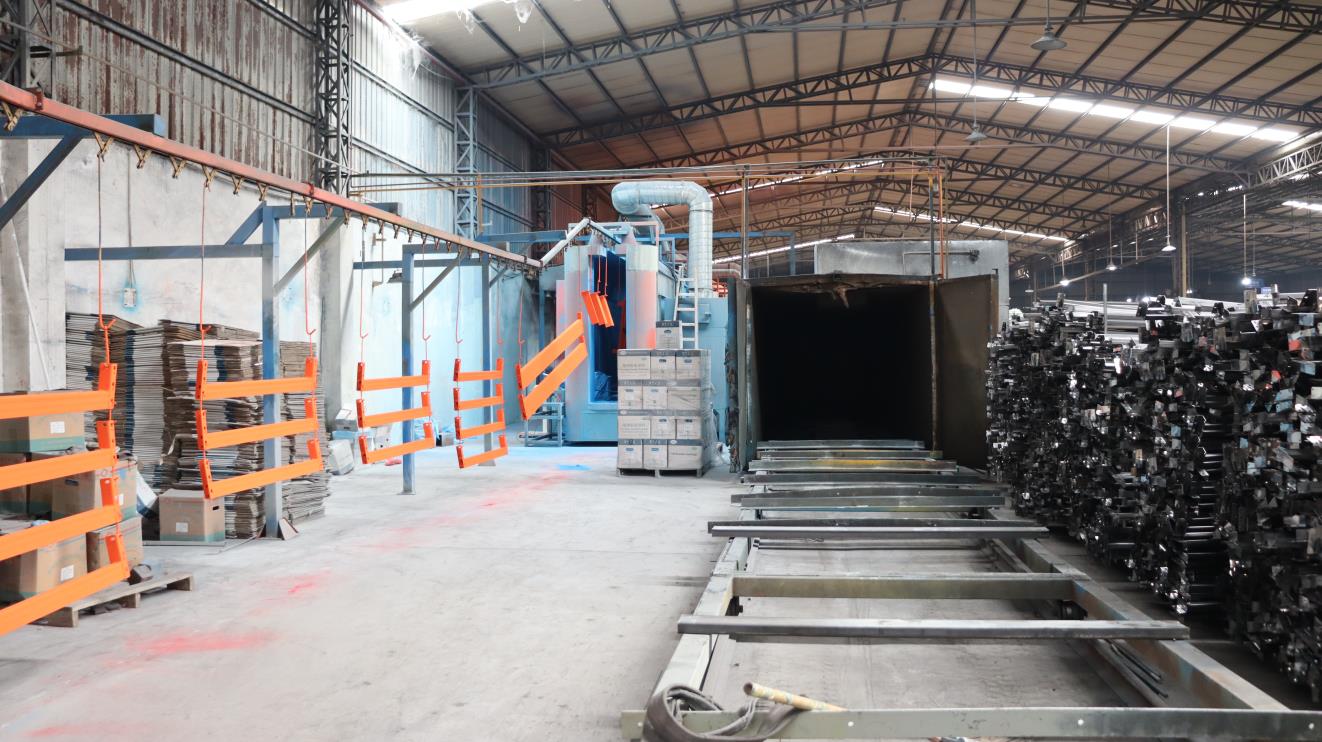
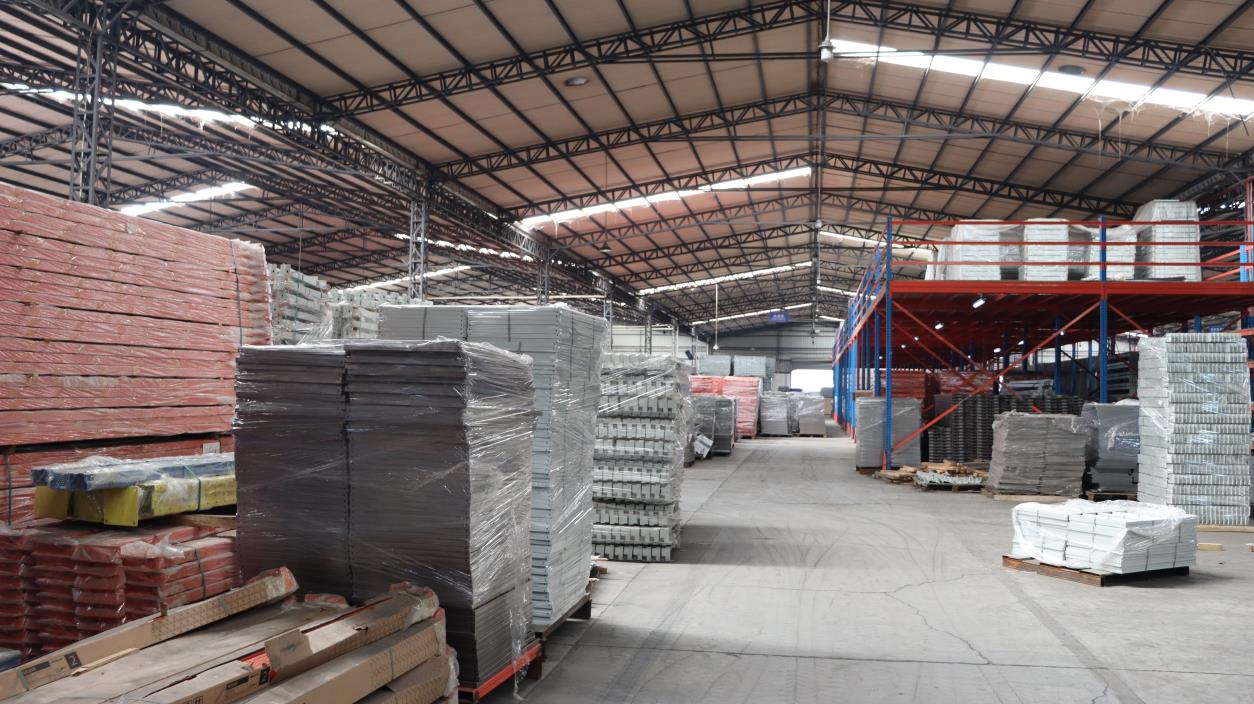
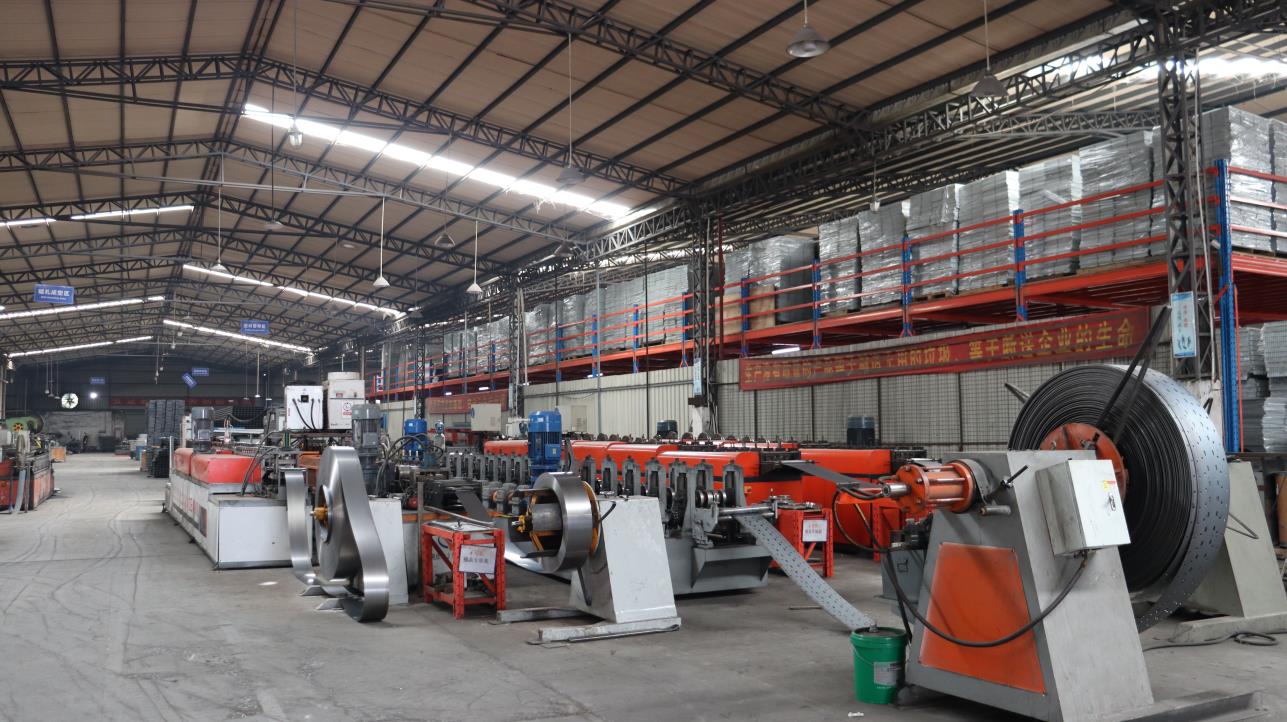
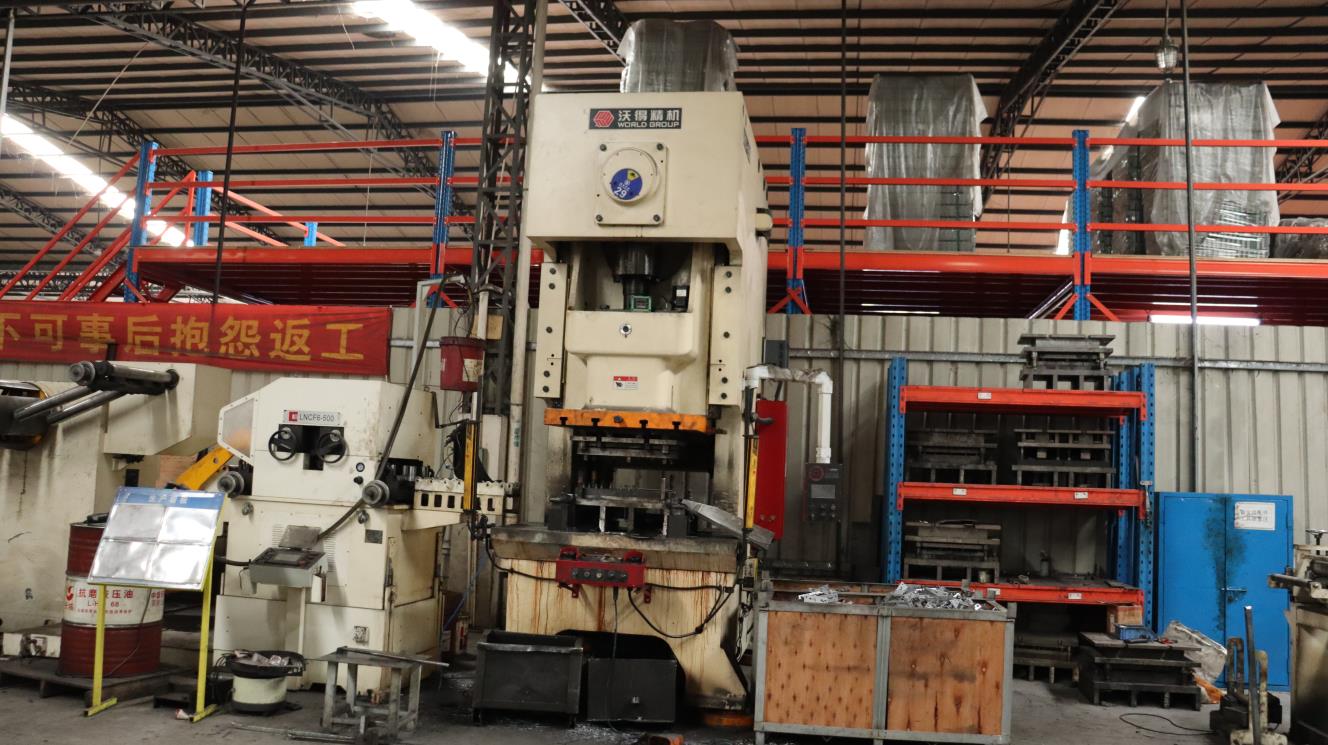
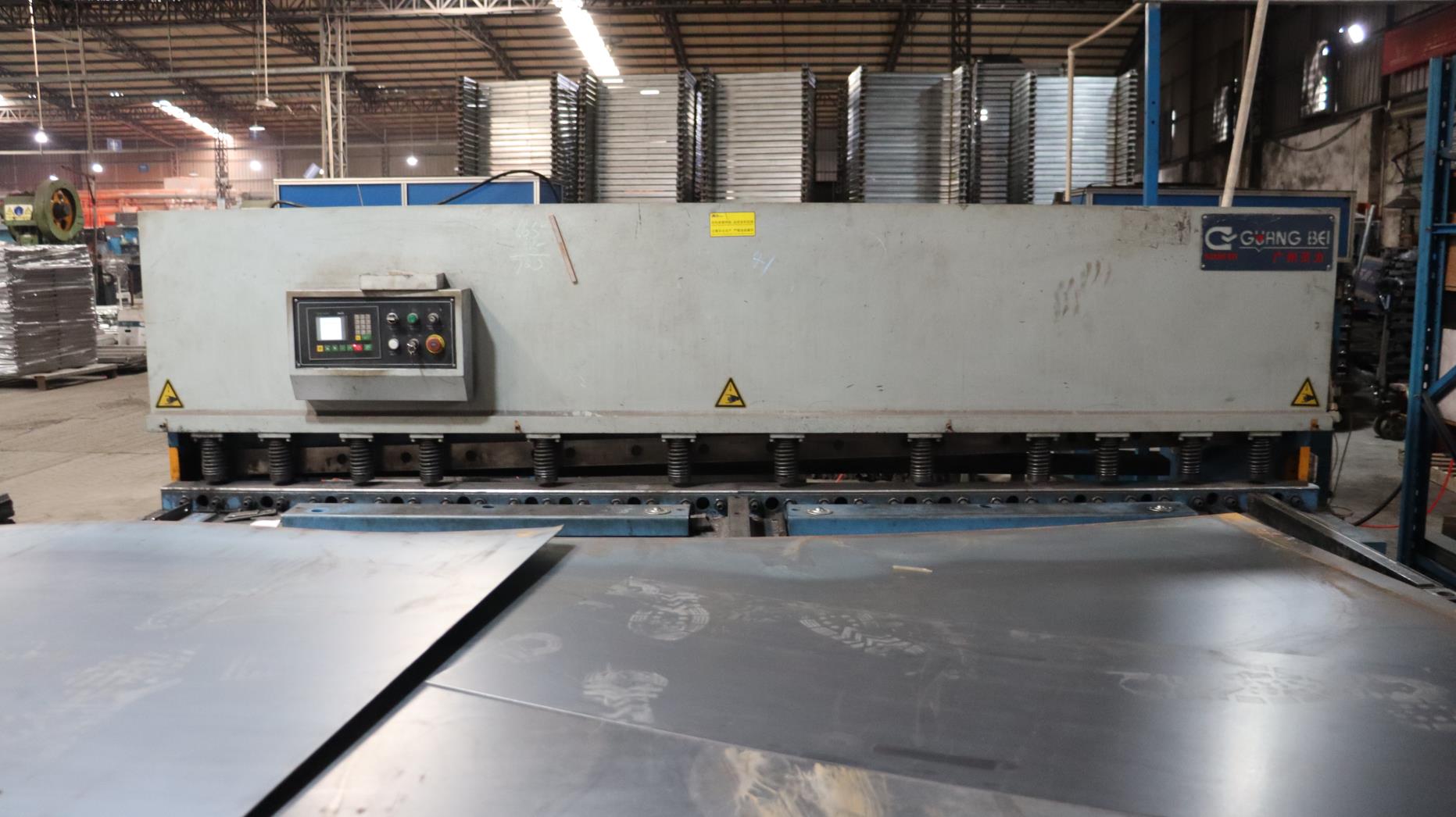
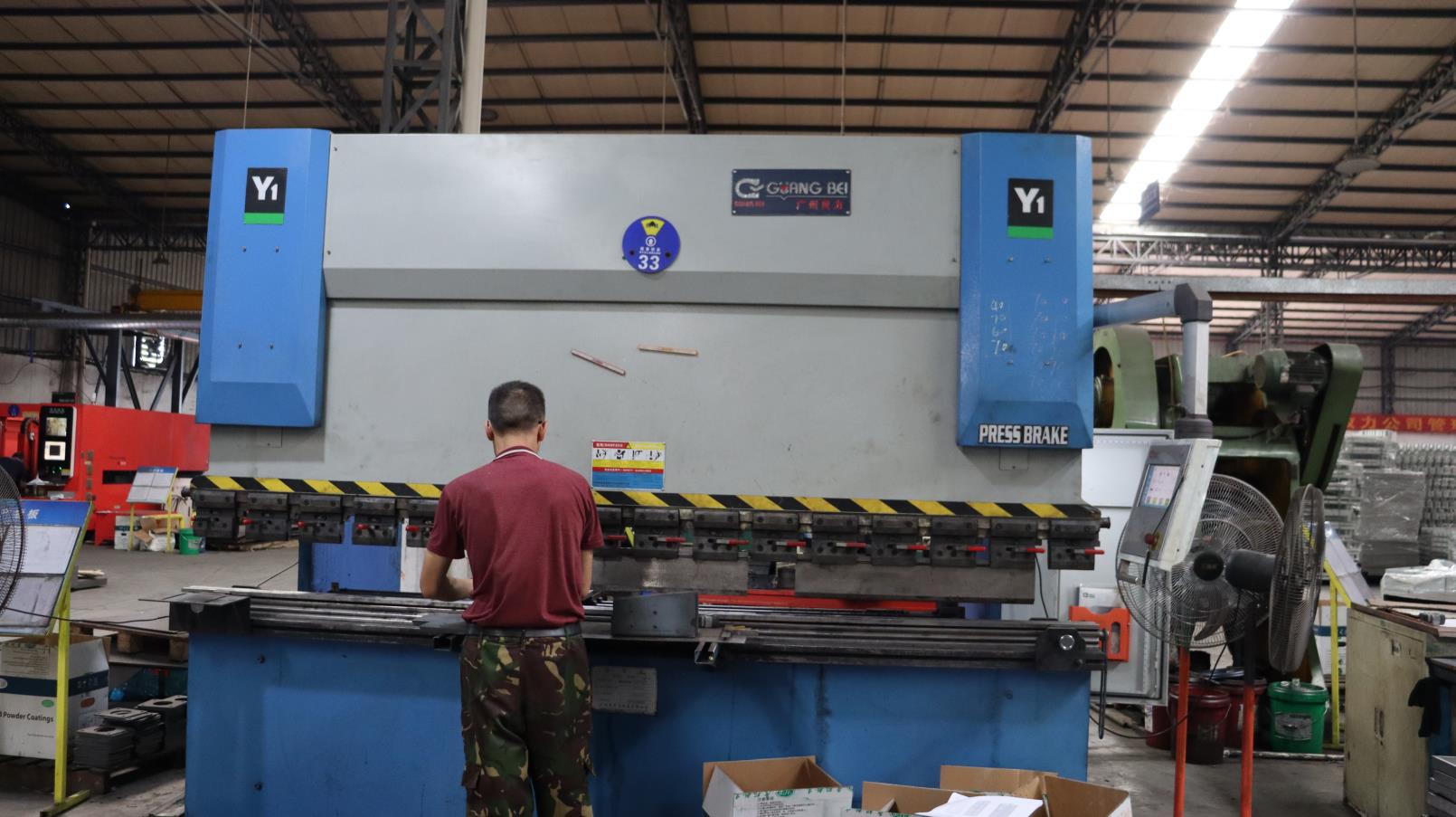
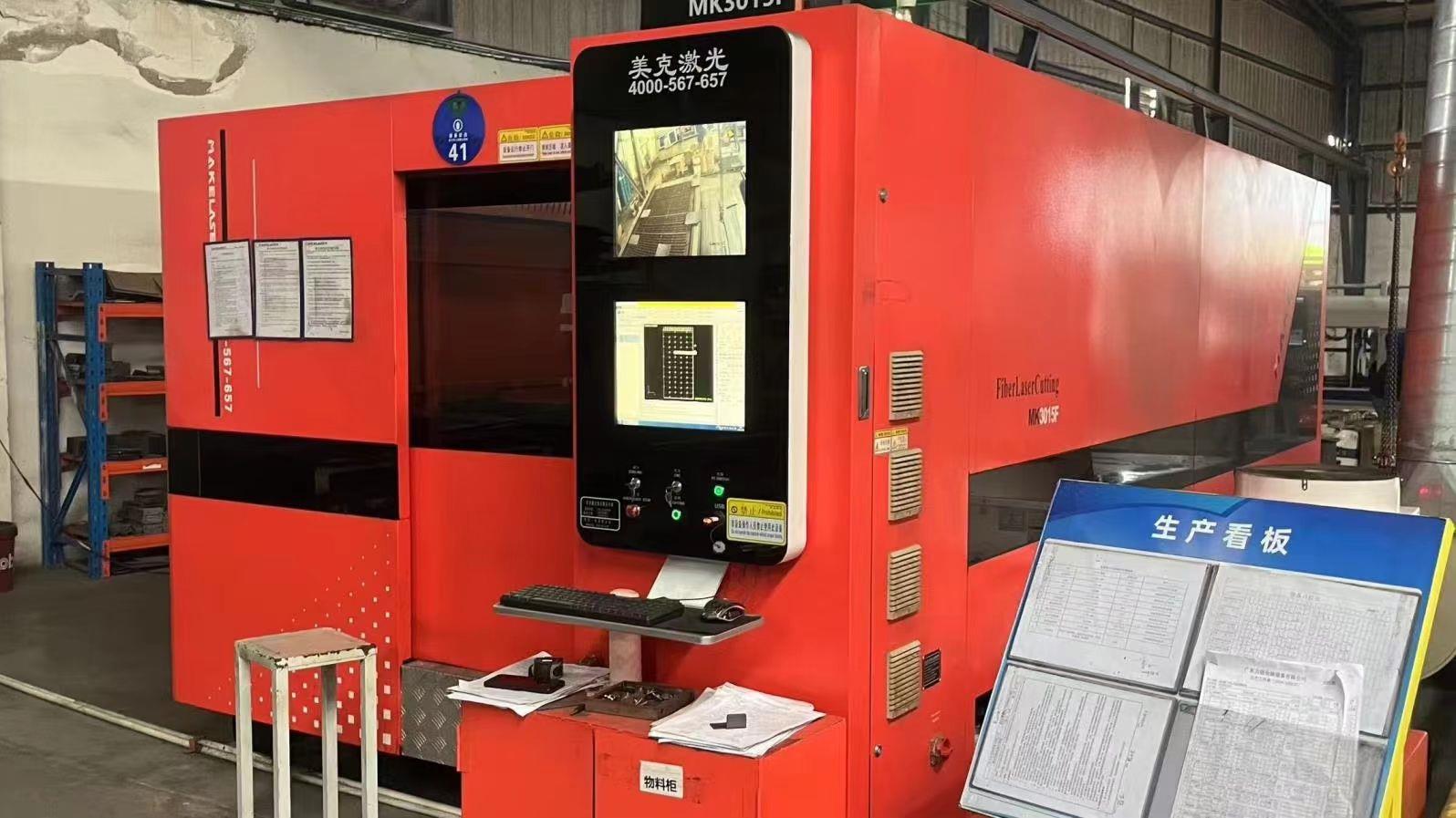
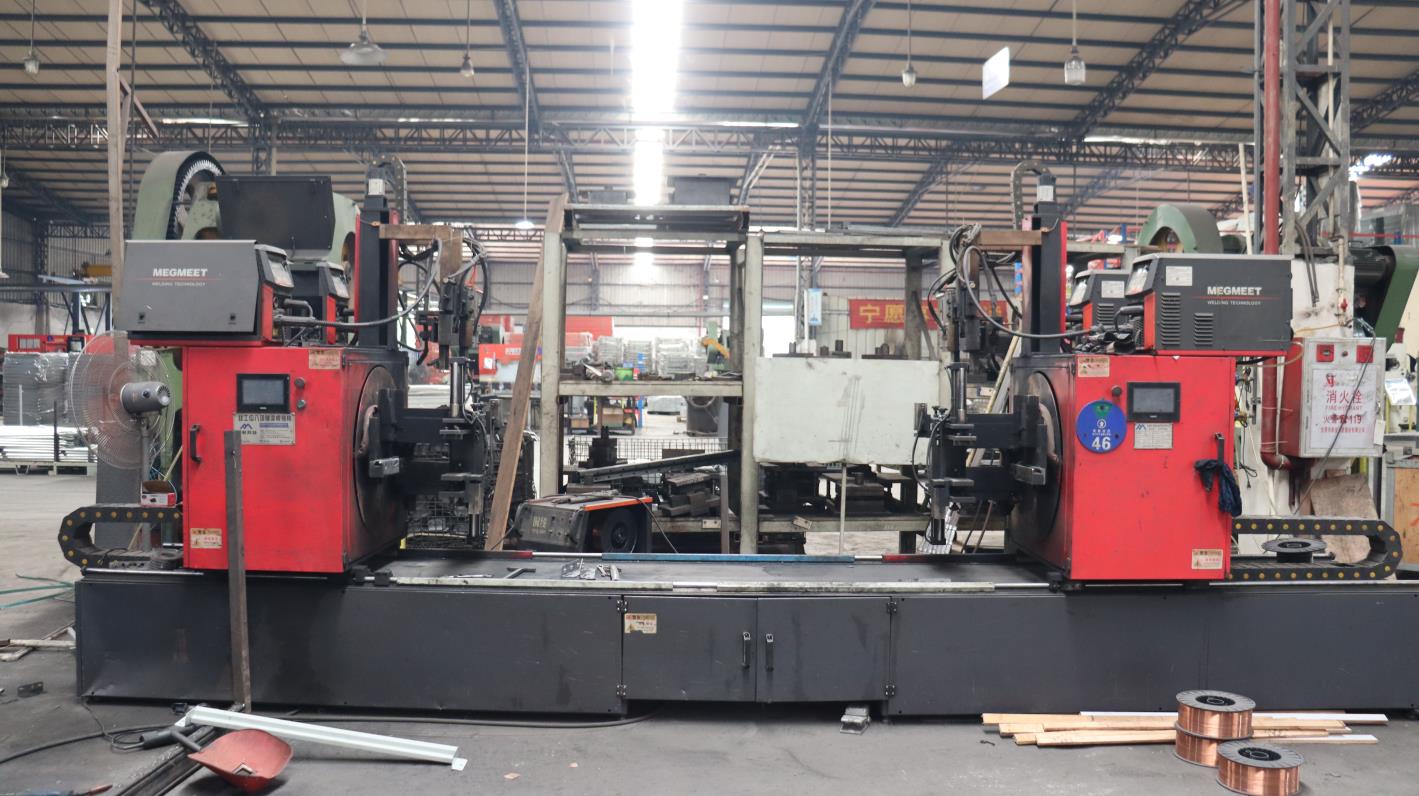
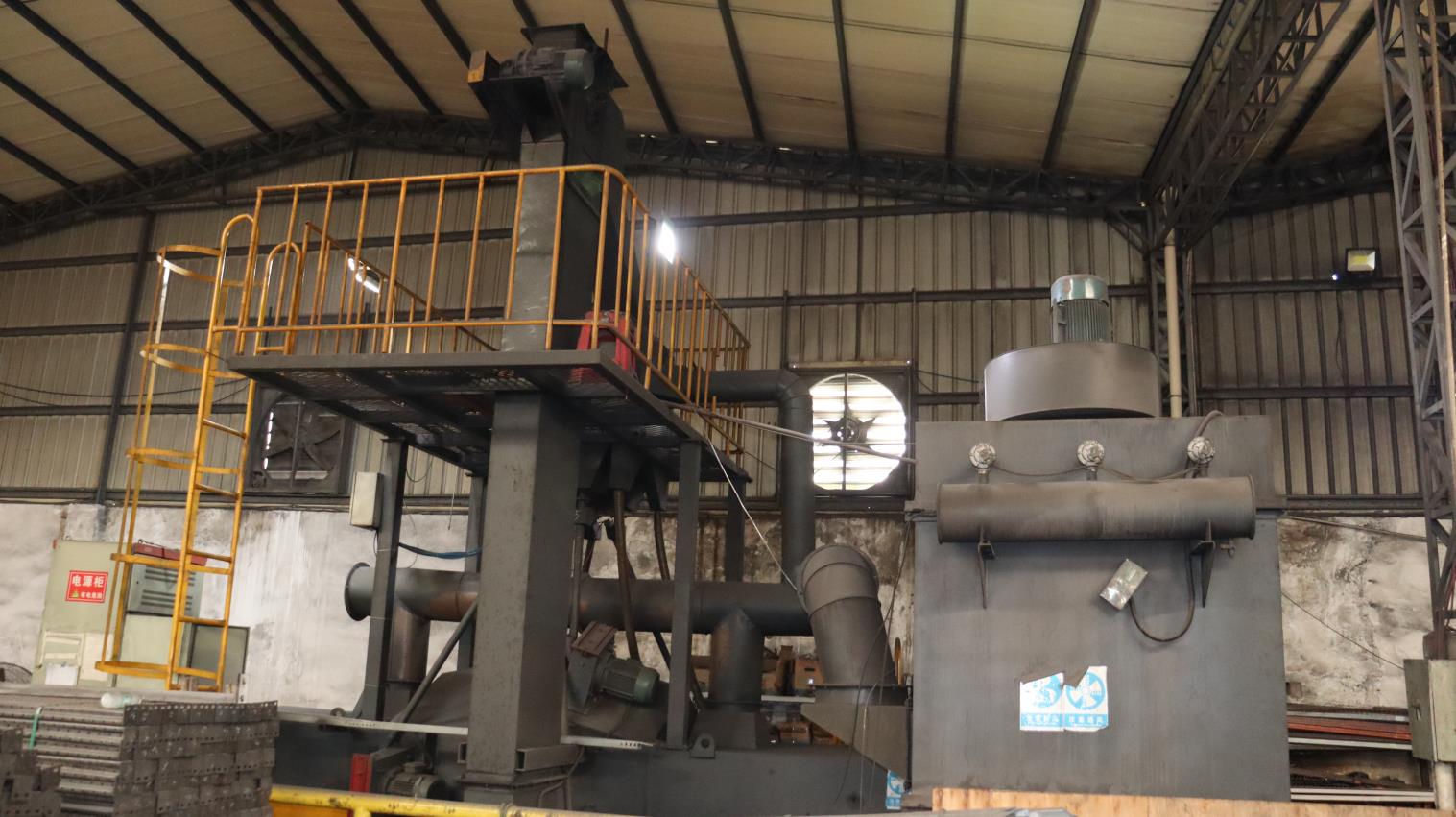
Established in 2015, Shenzhen Lijin Storage Equipment Co., Ltd. has grown into an industry-leading manufacturing enterprise specializing in heavy-duty automated storage equipment. Spanning a modern production area of 35,000 m², we operate multiple automated roll-forming lines, advanced laser-cutting stations, and robot welding centers. Last year, our global revenue reached USD 22 million, proving our strong market presence and deep trade capabilities.
Our dedicated R&D team of 28 engineers designed over 85 customized static and dynamic storage configurations in the past 12 months, adapting products to complex warehouse topologies and high seismic loads. With an in-house quality inspection department containing 35 QC experts, every structural profile underwent rigorous ultrasonic weld inspection, material testing, and dimensional validation before container loading.
In Germany, the operations of storage structures are highly regulated by localized guidelines. Operating a warehouse racking system without compliance can lead to costly operations halts and safety fines. Our products conform fully to the European Norms and specific German regulations:
Our international operations team provides a comprehensive technical folder for each export project, including load plates, static verification data, material certificates, and design layouts to support smooth inspection by German safety authorities (TÜV, DGUV).
Select from our widely deployed product configurations, optimized for heavy-load capacities and customized configurations.
Purchasing capital equipment from a China-based factory requires reliable communication, complete supply chain visibility, and professional logistics management. Shenzhen Lijin manages the entire transport process, delivering products from our loading docks directly to your warehouse location in the Berlin-Brandenburg region.
We routinely export warehouse equipment to Germany using two main logistics routes:
To prevent rust, dynamic friction damage, or bending during ocean transport, Shenzhen Lijin uses professional-grade packaging. All vertical frames and horizontal rails are bundled using heavy-duty steel bands. Cardboard protective edging prevents metal-on-metal friction, and the bundles are wrapped in multi-layered waterproof PE film. Heavy small components, bolts, and connector plates are packed in heavy-duty wooden crates to prevent loss during shipping.
Technical guidance and sourcing information for German buyers sourcing Drive-In systems.
 Lijin Racking