Cantilever Rack Manufacturers & Factory in the Panama Market

Engineered for High-Density Storage of Long Loads in Panama's Major Maritime Hubs & Free Trade Zones

Panama's Logistics Hub: The Strategic Context for Storage Systems

As the primary multimodal logistics node of Latin America, Panama acts as the gateway for global trade. Anchored by the Panama Canal, the Colon Free Zone (Zona Libre de Colón), and world-class ports like Balboa and Cristobal, the nation handles millions of tons of transit cargo annually. The rapid expansion of logistics services, construction, and infrastructure projects has triggered an unprecedented demand for advanced structural storage configurations.
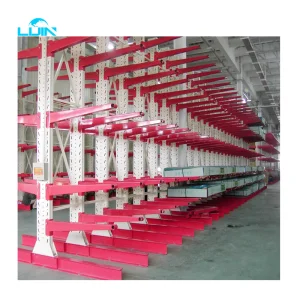
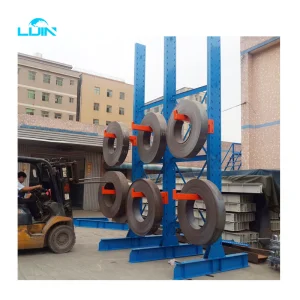
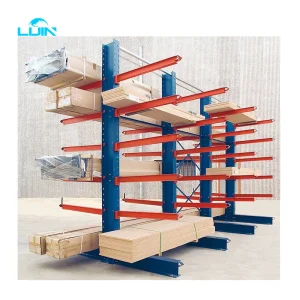
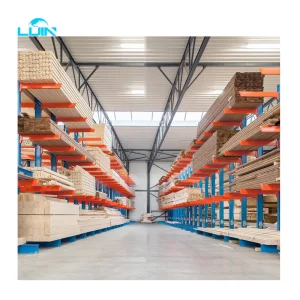
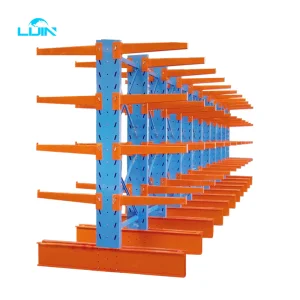
Traditional shelving systems are highly inefficient for storing non-standard, long-spanning materials such as steel structural sections, heavy PVC conduits, aluminum extrusions, and raw timber. In Panama's humid maritime climate, material oxidation and space constraints pose operational challenges. To counter this, local supply chains are increasingly shifting toward engineered cantilever racking. These systems eliminate front columns, permitting unobstructed linear storage, facilitating rapid side-loading by specialized reach trucks and sideloaders.
Maritime Logistics Transit

Colon Free Zone and Balboa Port require high-velocity turnarounds. Cantilever configurations maximize overhead space, reducing footprint rental overheads by up to 40%.

Heavy Material Infrastructure

With large-scale projects like the Panama Metro extensions, robust systems capable of carrying 1000kg+ per arm are required to store rebars and heavy piping.

Anti-Corrosion Requirements

High relative humidity (frequently exceeding 85% in Panama City and Colon) mandates structural steel components with industrial-grade powder coating or hot-dip galvanization.
35,000 m²
Manufacturing Facility
12+ Years
Direct Industry Expertise
USD 22M
Annual Global Revenue
850+
Global Supply Partners

Engineering & Structural Integrity: Seismic & Load Calculations

In the Latin American region, design practices for heavy-duty structural racking must strictly adhere to the Rack Manufacturers Institute (RMI) specifications and European FEM 10.2.09 standards. Panama sits adjacent to major fault lines, classifying regions of the country under significant seismic design categories. When engineering cantilever systems for Panamanian warehouses, our design specialists calculate horizontal force distribution, baseplate anchoring, and vertical column deflection coefficients.
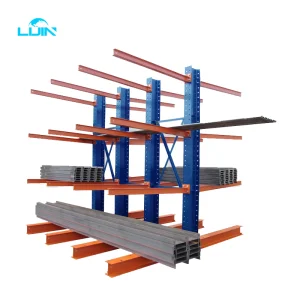
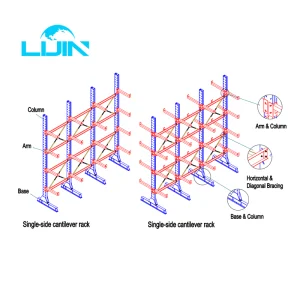
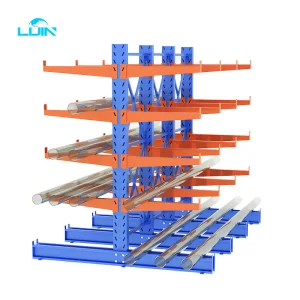
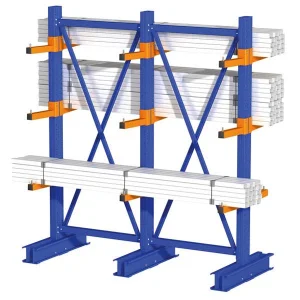
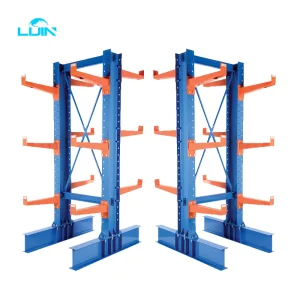
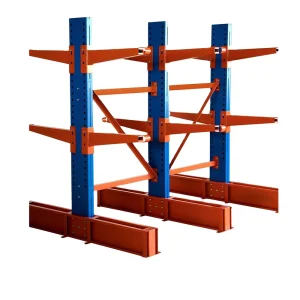
The typical structural composition of an industrial cantilever system consists of a vertical column, a heavy-duty base assembly, horizontal arms, and custom bracing elements:
Component Material Specification Structural Function Load Range Per Unit
Vertical Column Q235B / Q355B Carbon Steel Transfers structural vertical and seismic bending loads directly to base anchors. Up to 12,000 kg / column
Cantilever Arm Tapered or I-Beam Profiles Extends outward to support long products; adjustable on a 100mm / 75mm pitch. 500 kg to 2,500 kg / arm
Bracing Assemblies Structural C-Channel / Angle Profiles Provides lateral stability, securing structural columns in parallel configuration. Determined by Seismic Load (Sds)
Base Anchors Heavy Gauge Baseplates + Anchor Bolts Distributes overall weight and resists overturning moments on concrete foundations. Anchored using chemical/mechanical bolts
Every system must undergo a detailed structural analysis that computes the Deflection Limit (L/300). For instance, a 1500mm cantilever arm under load must not exceed a deflection of 5mm at the tip under full design load. Additionally, to prevent cargo from rolling off the ends of arms during handling or seismic shifts, heavy-duty removable steel pipe end stops are integrated into each arm nose.

China Factory 4.0: Shenzhen Lijin Supply Chain Resilience

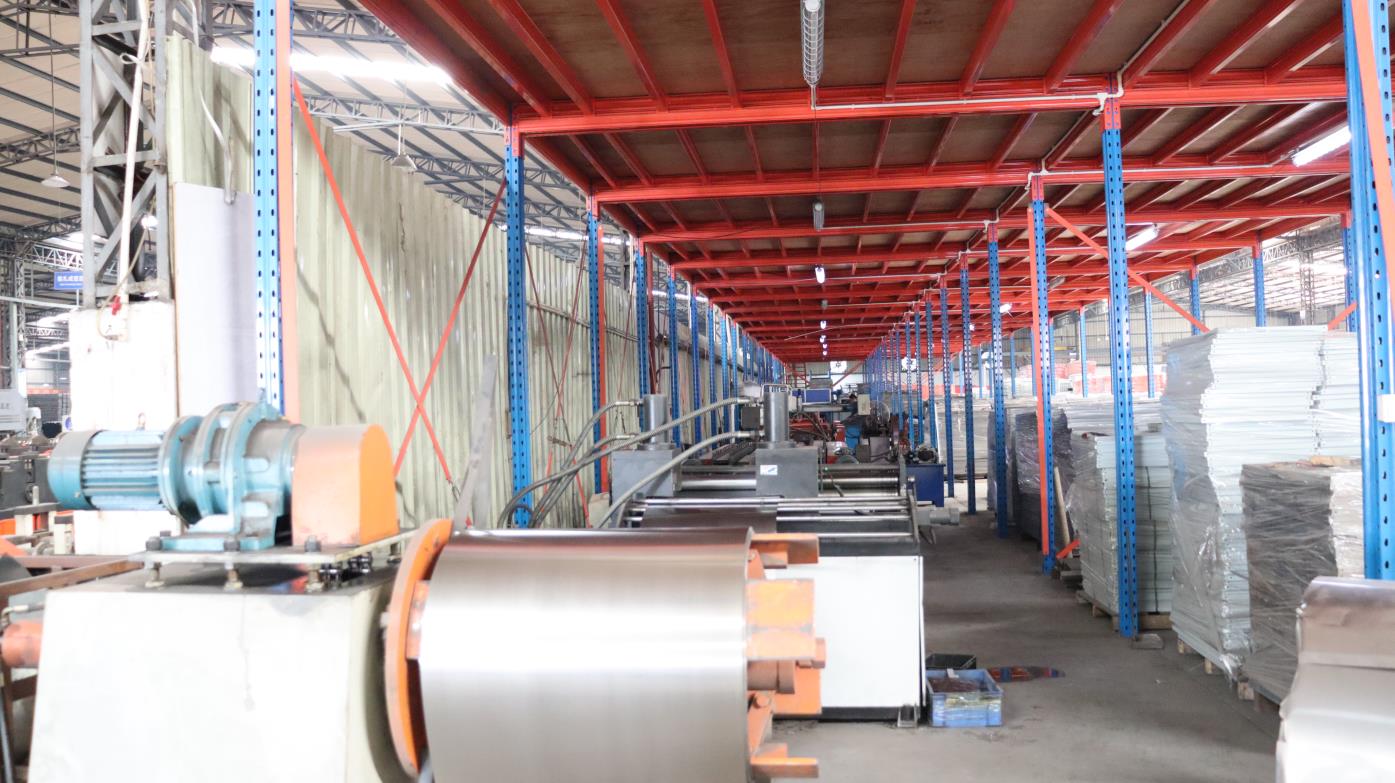
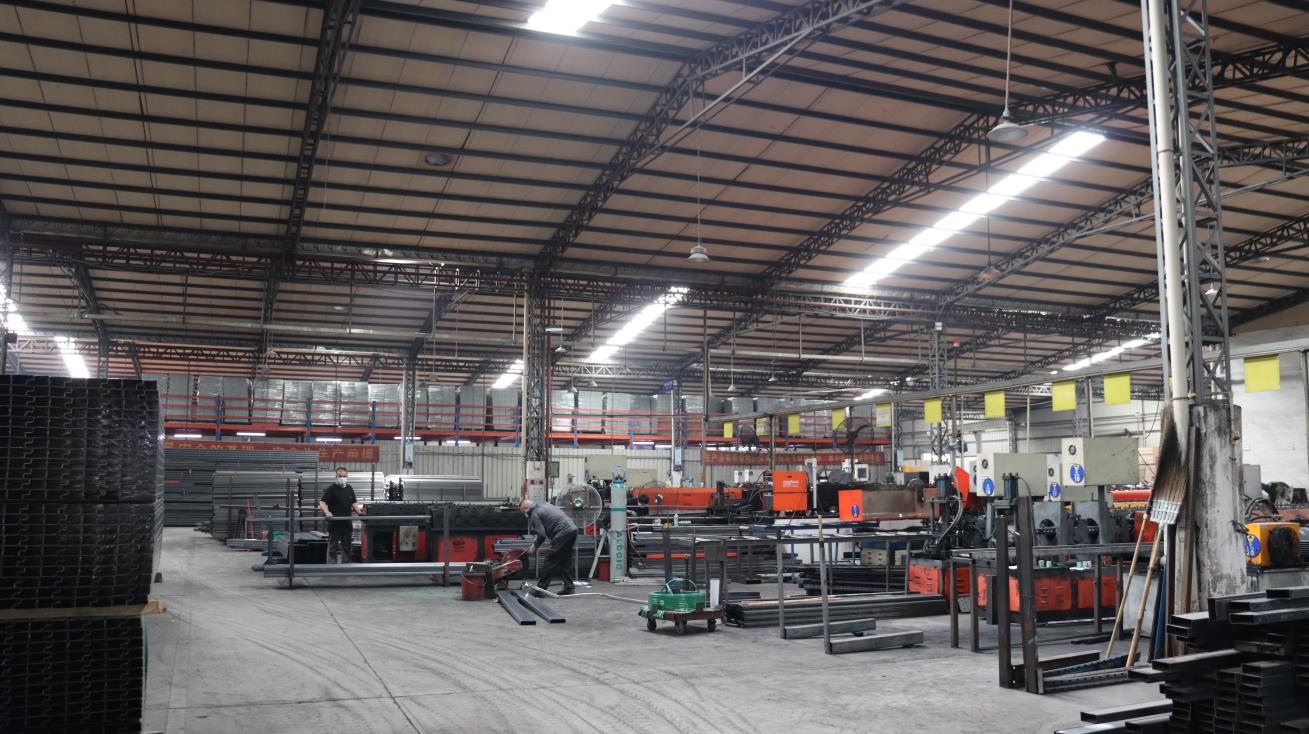
Operating from a 35,000 square meter automated manufacturing hub, Shenzhen Lijin Storage Equipment Co., Ltd. incorporates the principles of Industry 4.0 into every manufacturing phase. From automated material sourcing to robotic welding, our integration of software, advanced hardware, and strict quality control processes ensures that we maintain lead-time stability and high manufacturing tolerances.
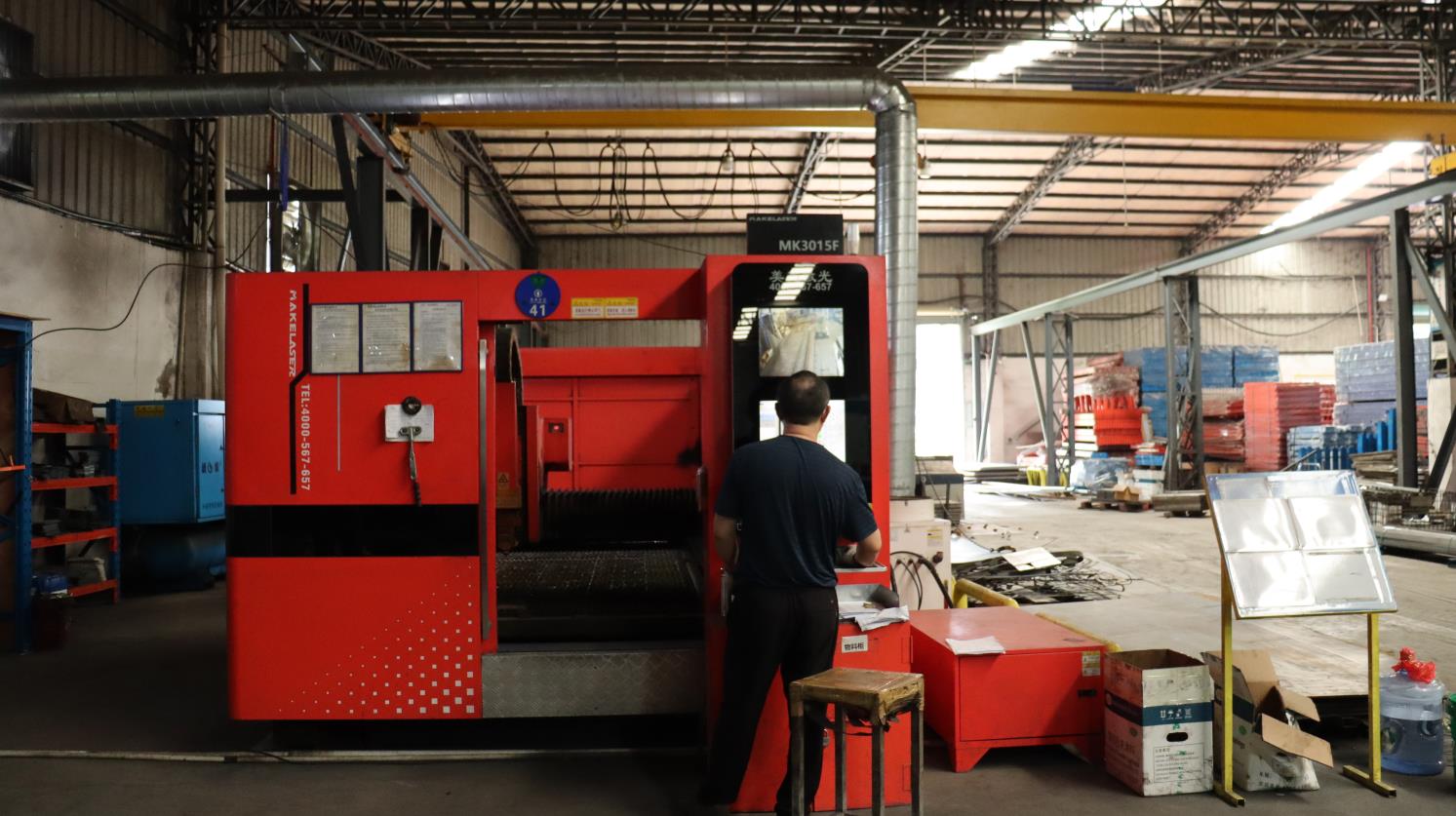
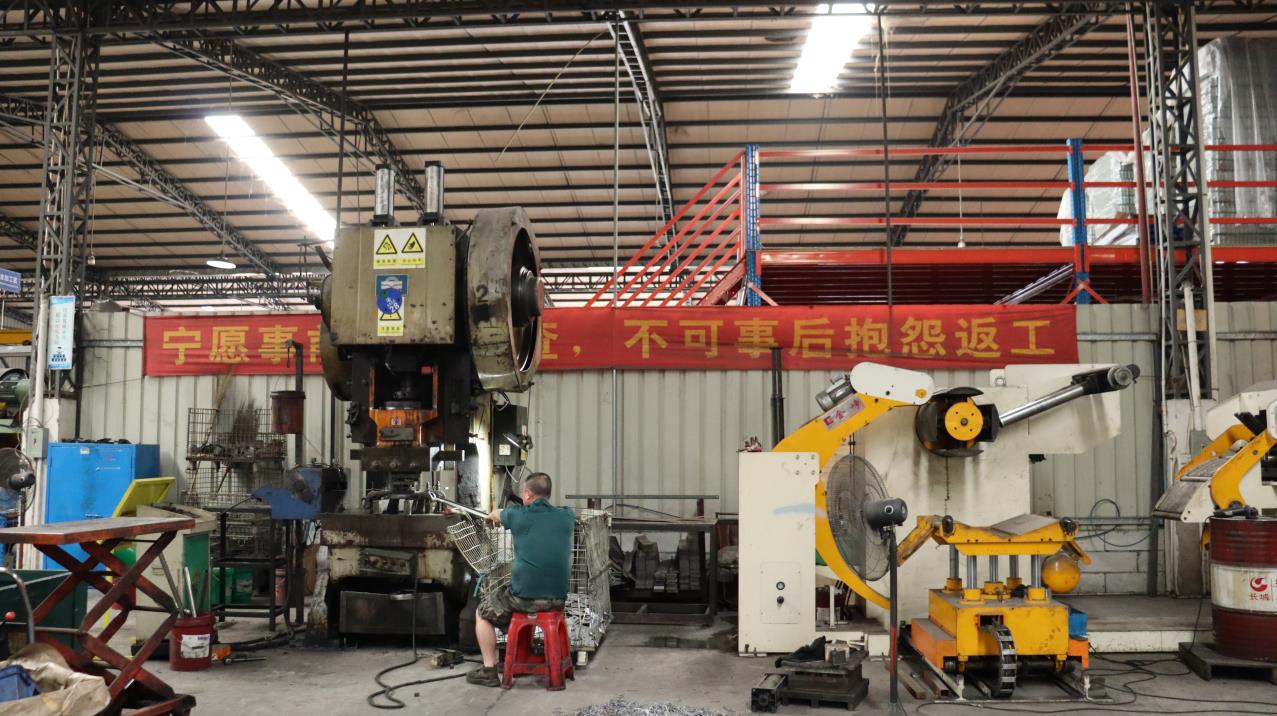
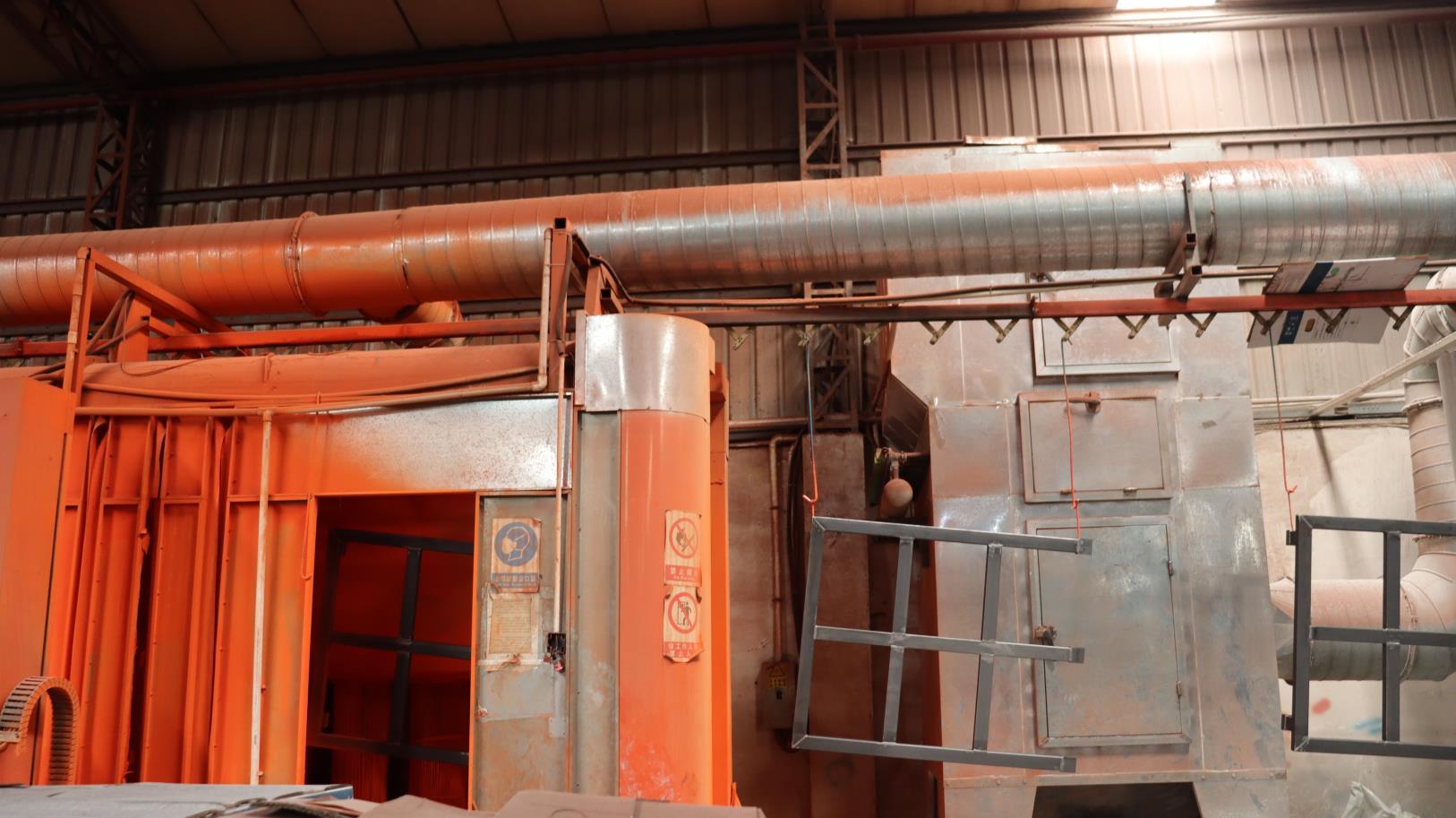
We utilize advanced roll-forming machinery and high-precision laser cutters to guarantee dimensional accuracy down to 0.1mm. Our raw structural profiles undergo automated multi-point stamp processing, welding, chemical pickling, phosphating, and electrostatic powder coating. This ensures that every racking system sent to the Panama market can resist the high humidity levels typical of tropical zones.

Interactive Production Workflow & Machinery Showcase

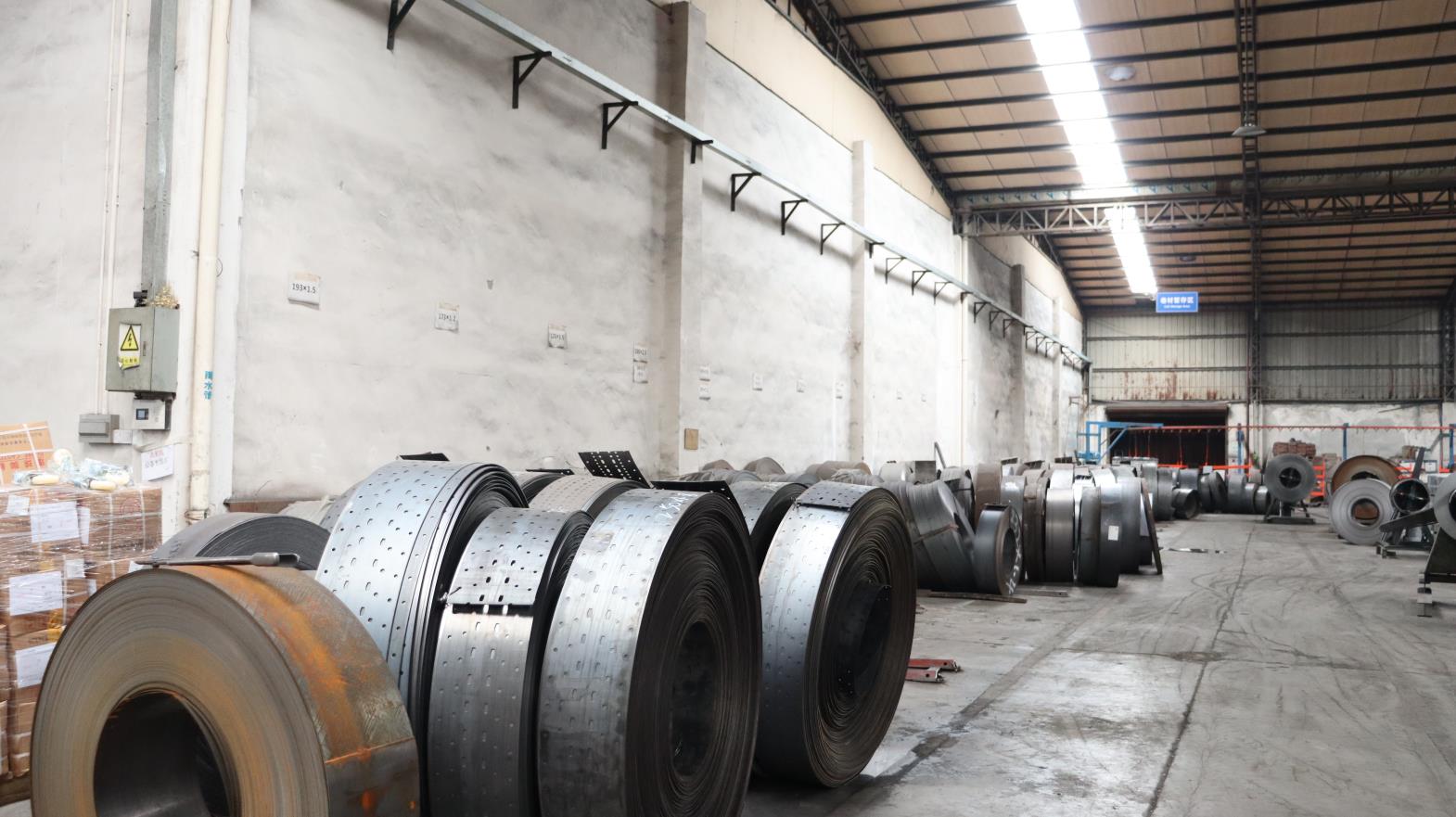
Raw Material Inspection
Raw Material
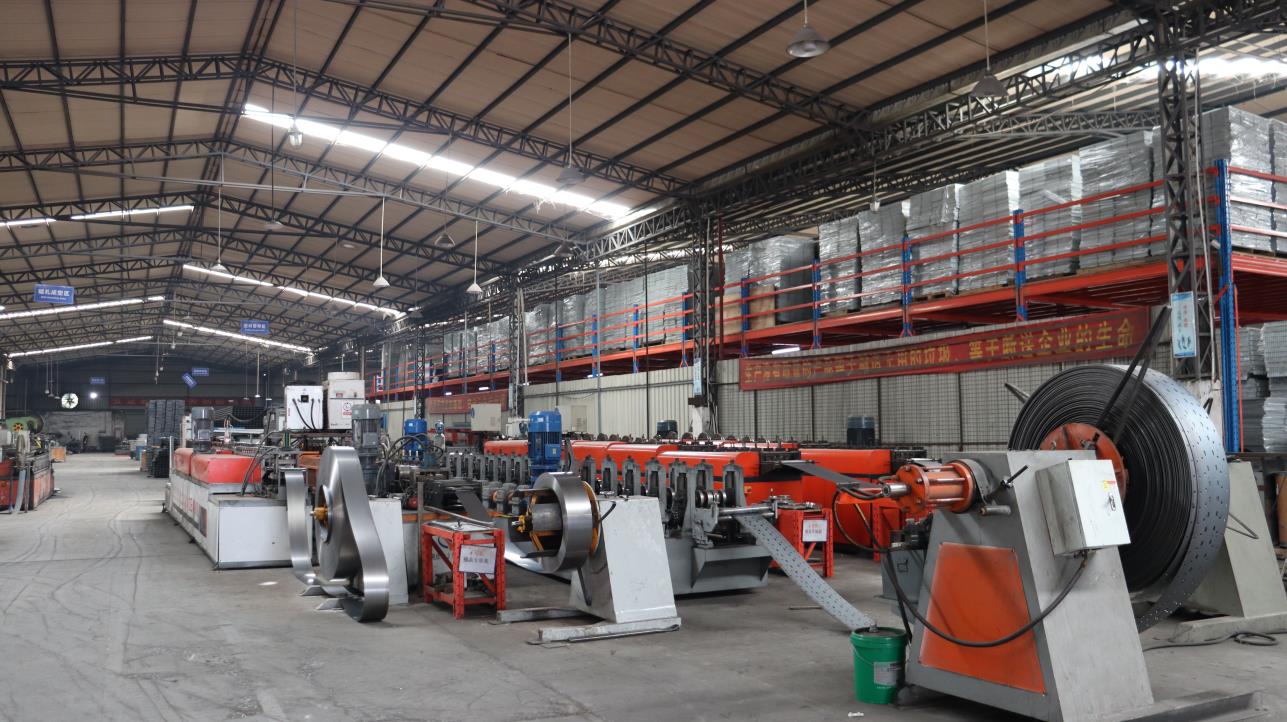
Roll Forming Technology
Roll Forming
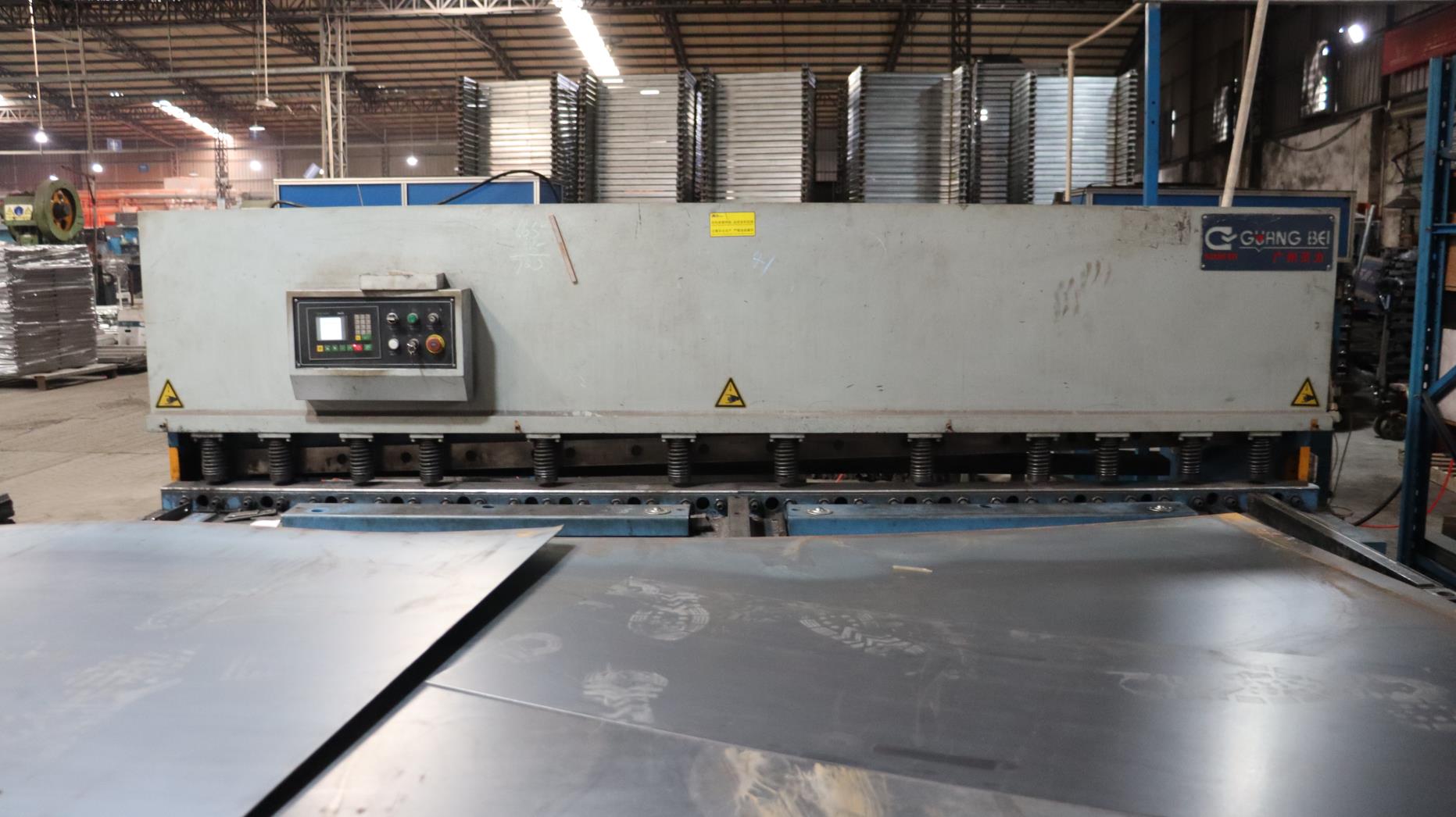
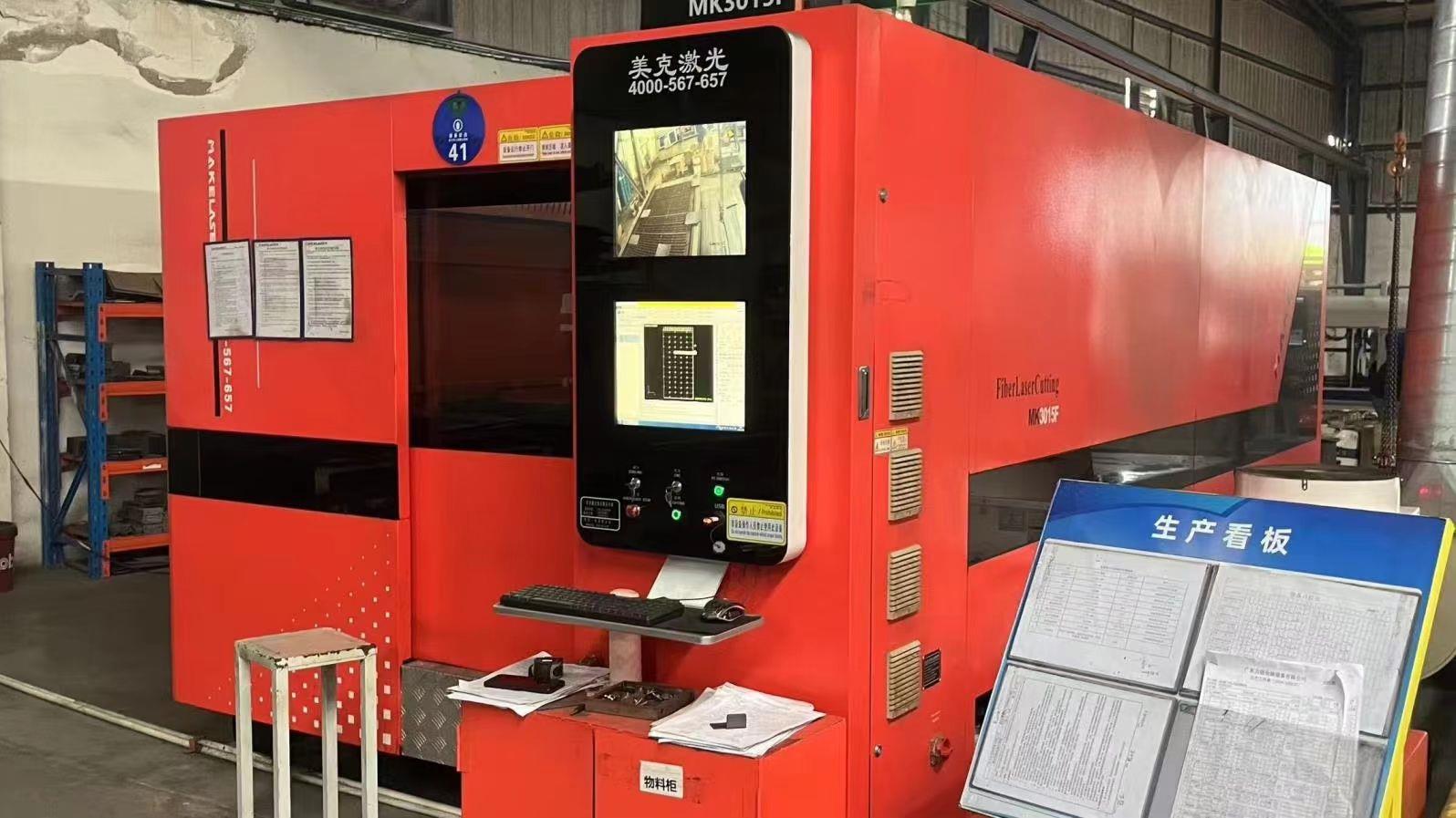
Precision Cutting Process
Cutting
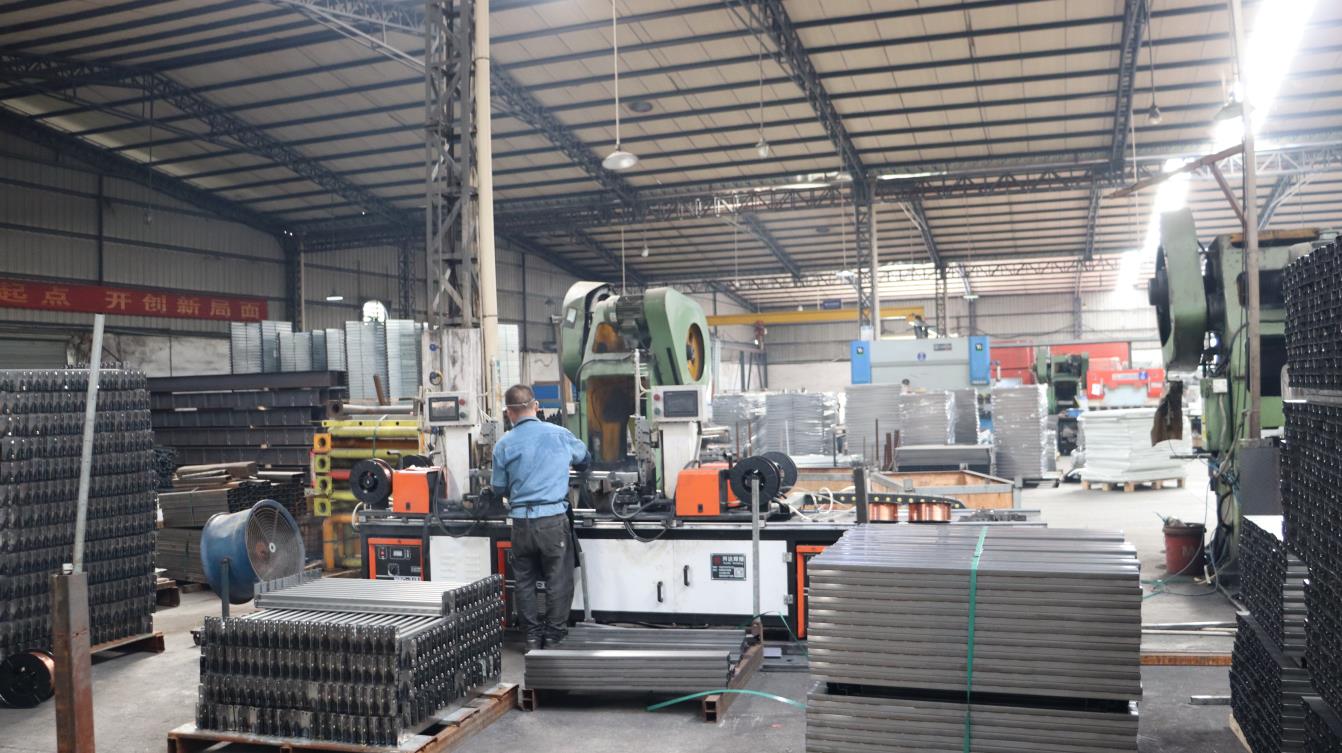
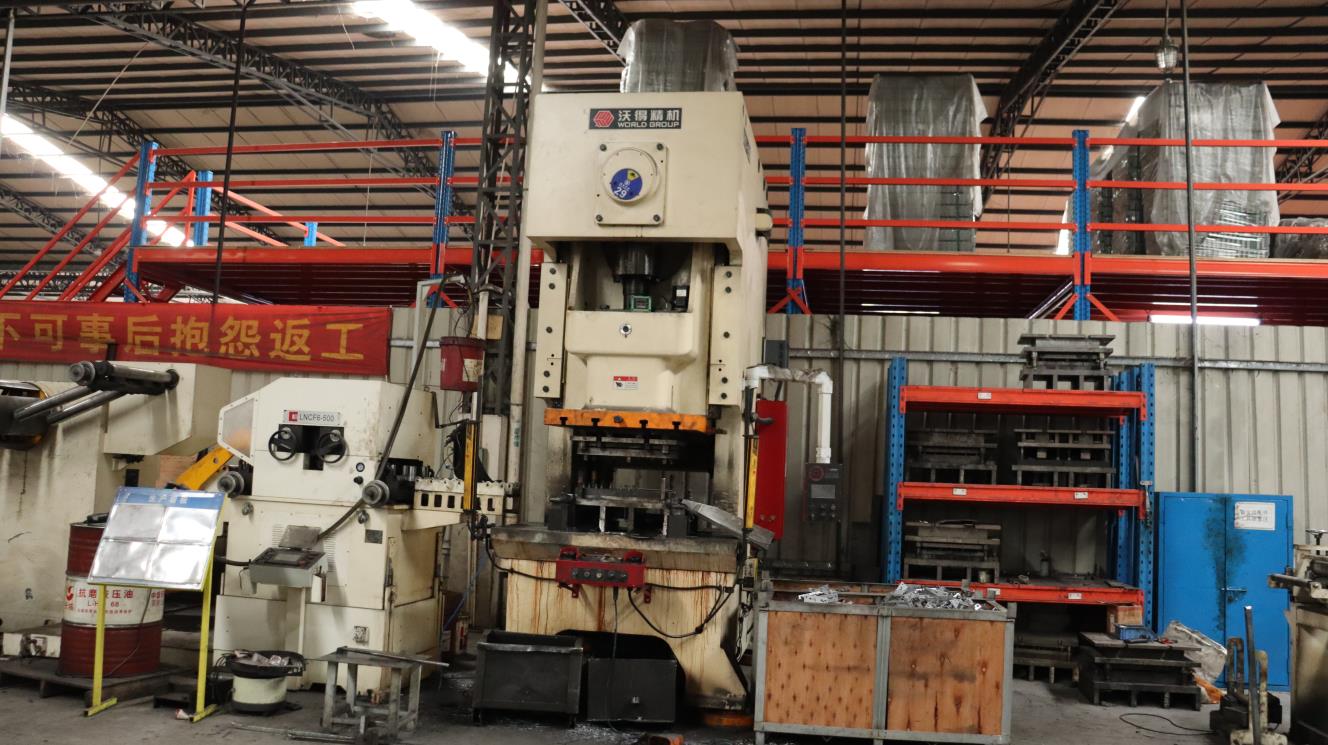
Automated Stamping Area
Stamping
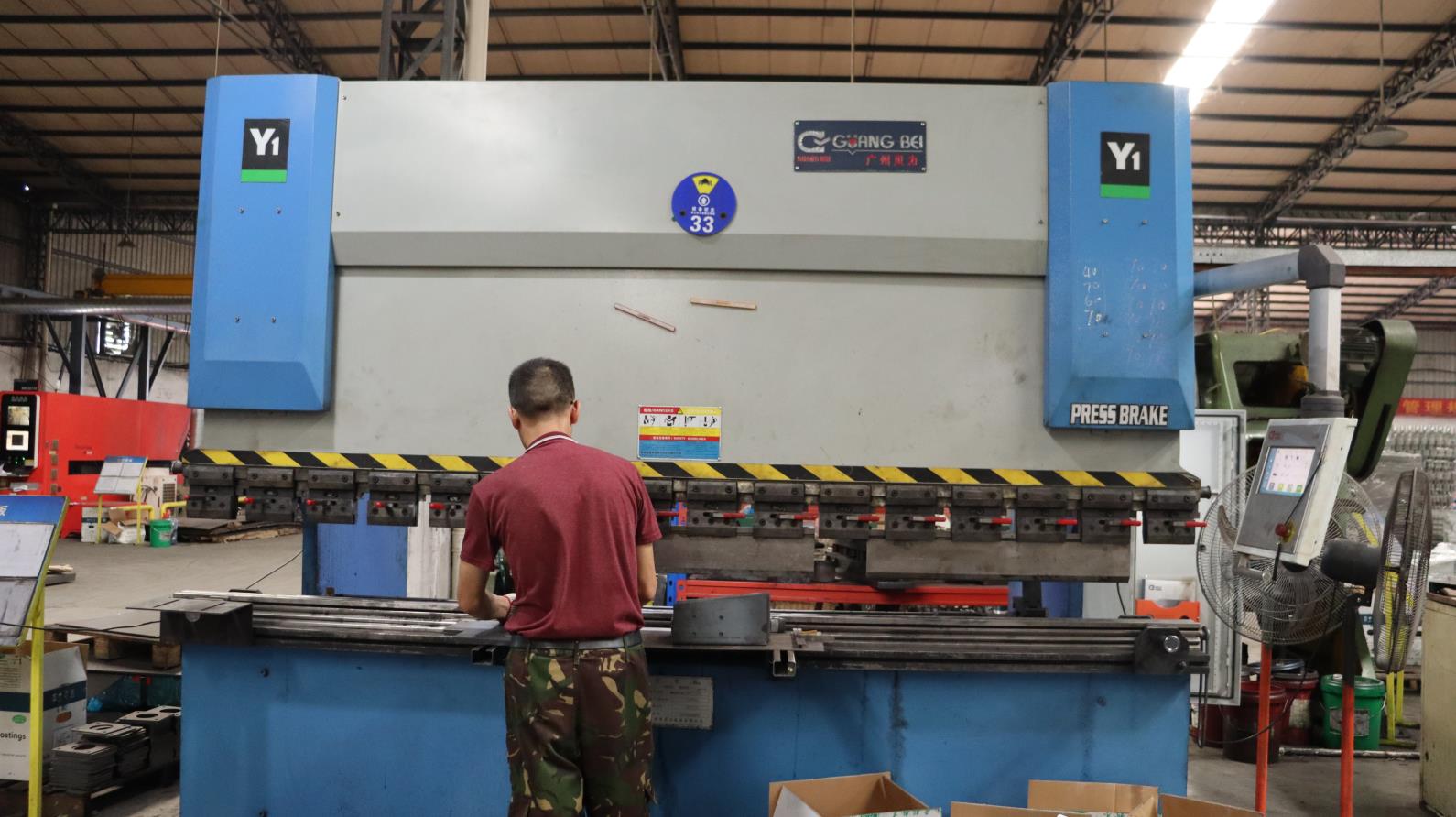
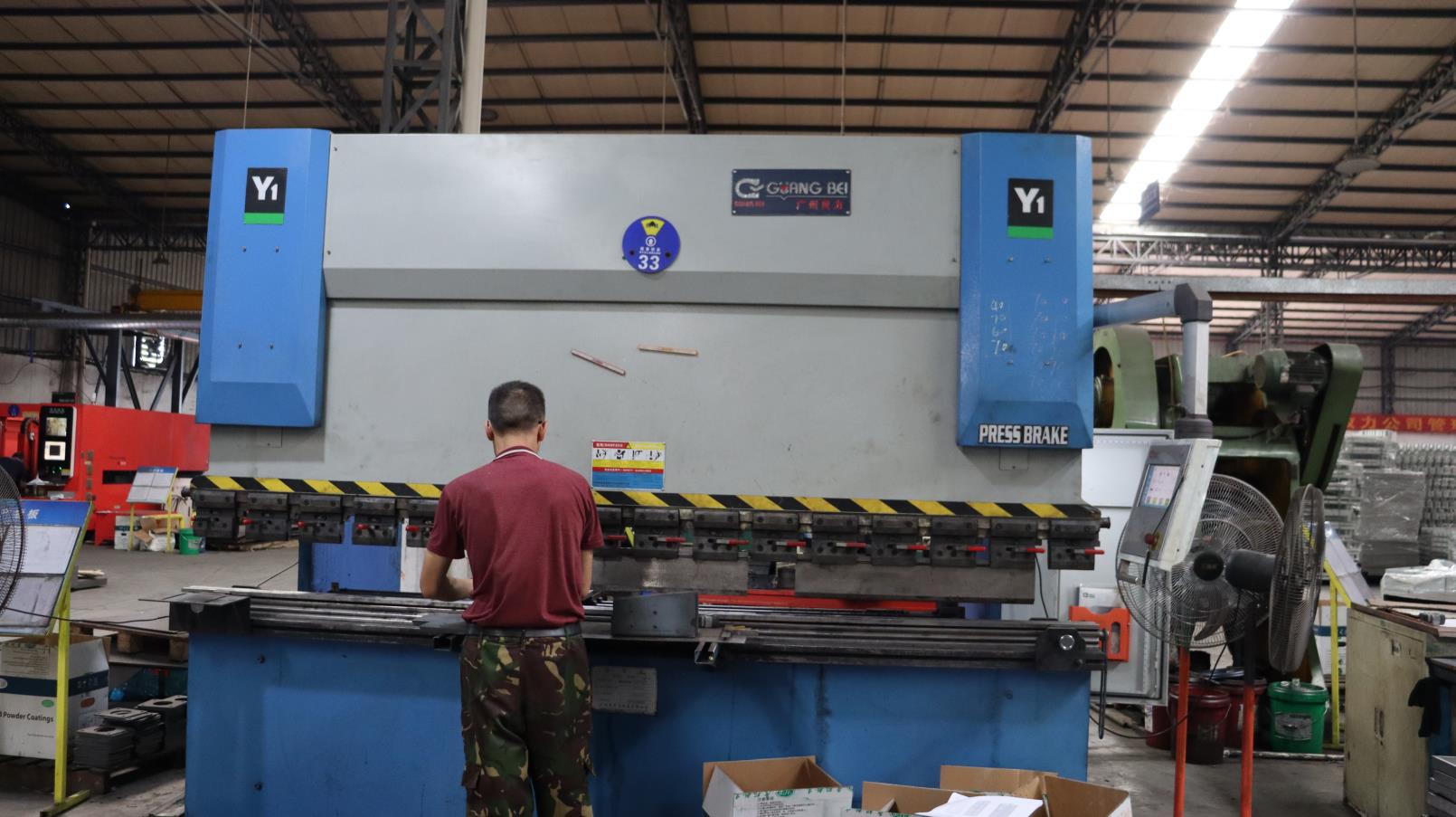
Heavy Metal Bending
Bending
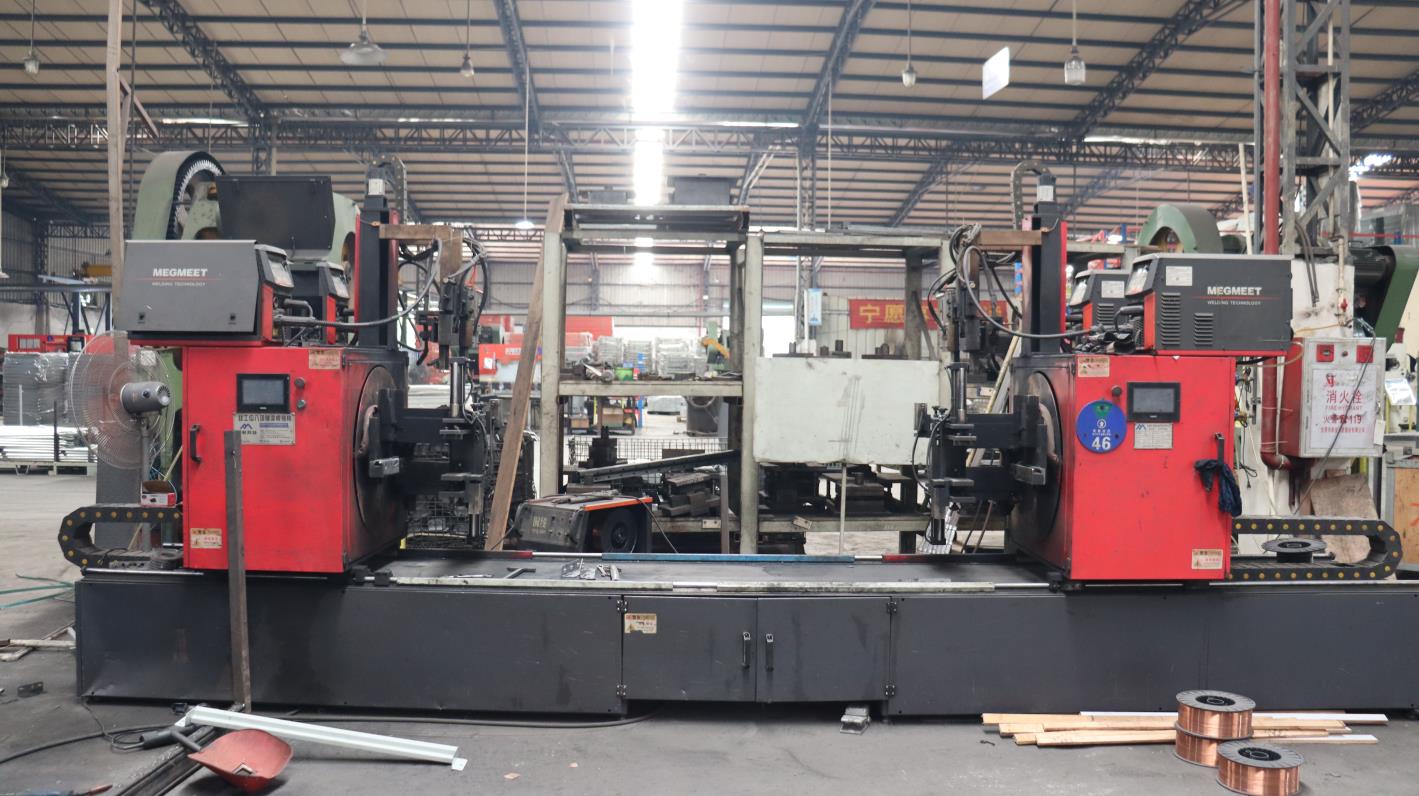
Robotic Steel Welding
Welding
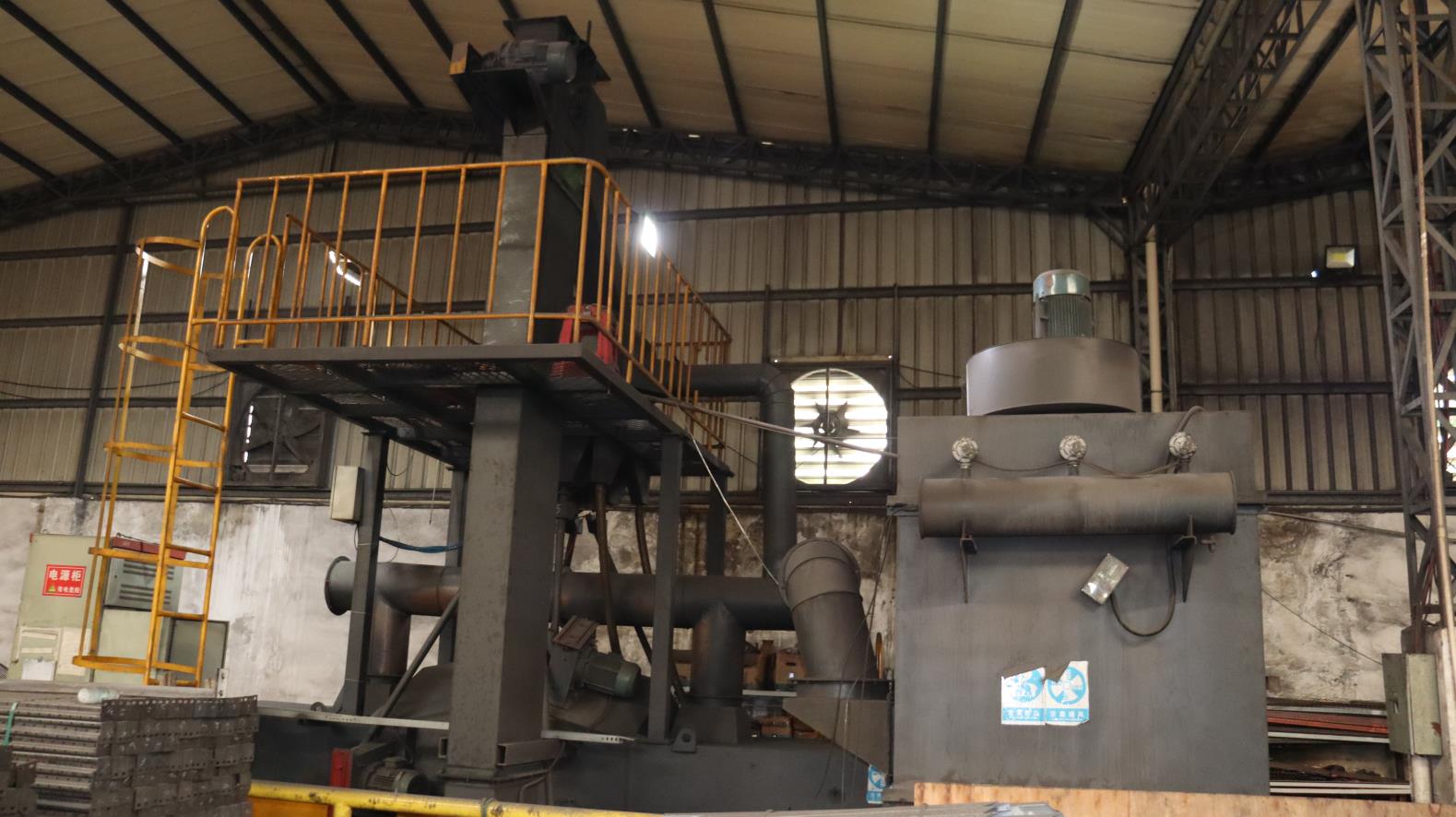
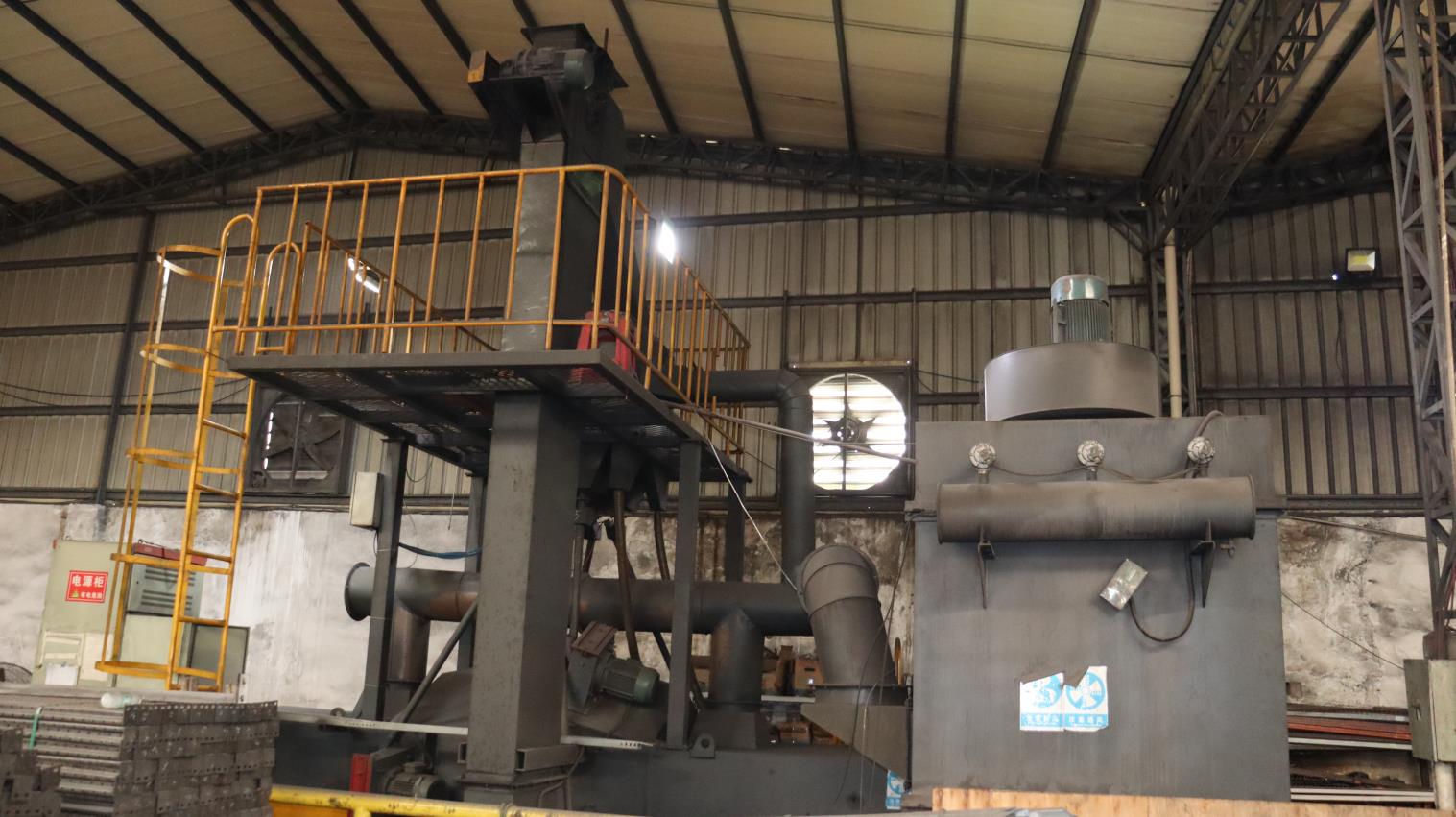
Surface Polishing Process
Polish
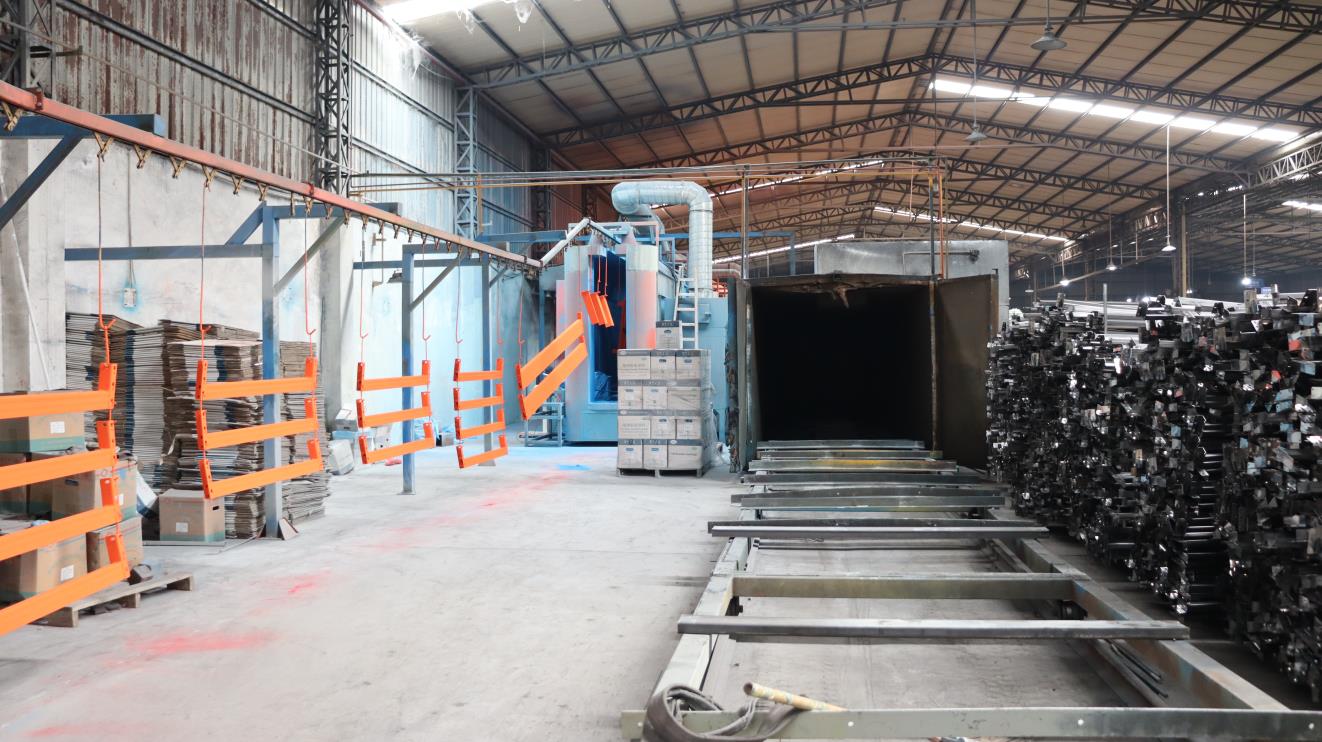
Electrostatic Painting Line
Painting
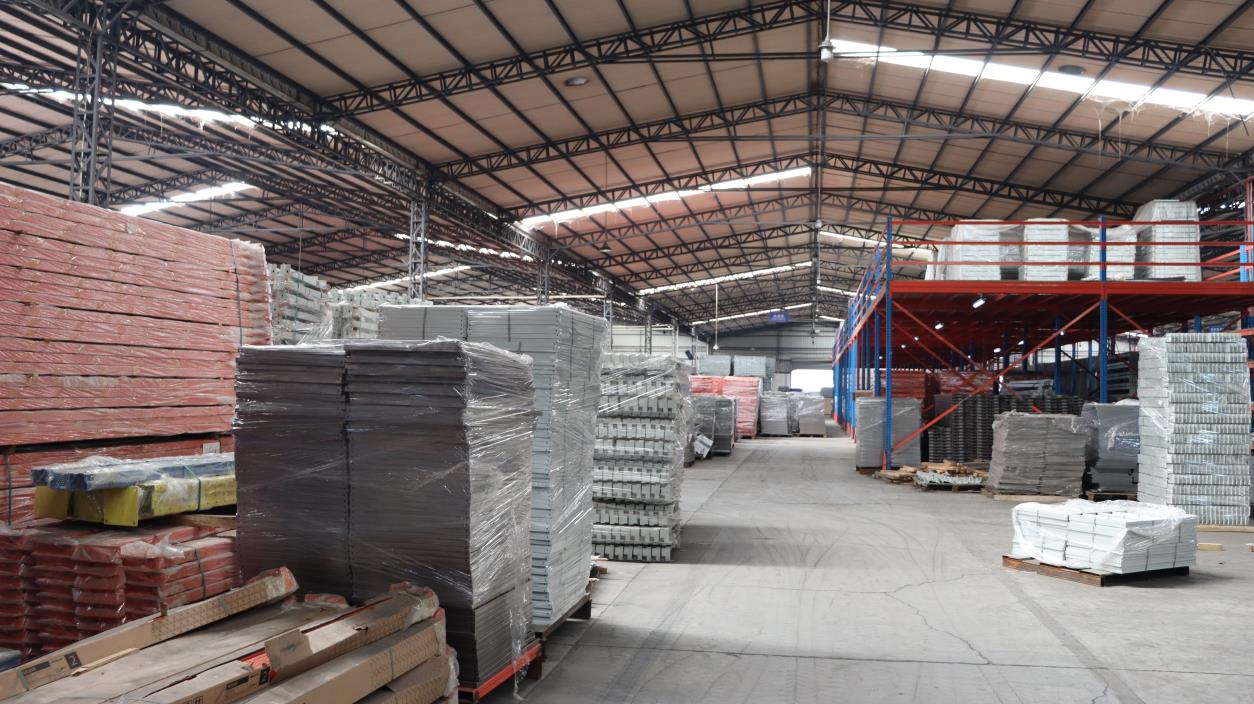
Storage Warehouse Yard
Warehouse
Heavy Duty Rolling Machine
Rolling Machine
High Capacity Punching Machine
Punching Machine
Plate Shearing Unit
Plate Shearing
Automated Bending Machine
Bending Machine
CNC Laser Cutting Machine
Laser Cutting
High Tech Welding Machine
Welding Machine
Precision Polish Machine
Polish Machine
Light Frame Forming Line
Frame Forming
Automatic Spraying Line
Spraying Line

Industrial Application Scenarios in the Panama Market

Understanding the unique handling and distribution workflows within Central America is essential to implementing optimal logistics solutions. Our custom cantilever structures are designed for specific industrial hubs across Panama:

Steel Distribution Centers (Panama City)

Heavy-duty structural configurations capable of storing bundle-loads of rebar, Structural channels (I-Beams, H-Beams), and high-strength galvanized pipes. Eliminates vertical deflection risks during handling.

Timber & Lumber Storage (Colon Free Zone)

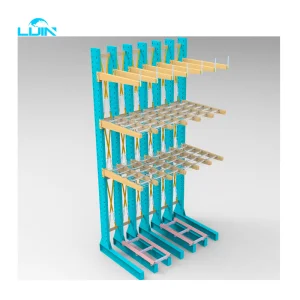
Designed with flat decking options over the arms to accommodate varying lengths of raw timber, high-density fiberboard, and construction panels without causing material warping.

Automotive & Cable Reels (Transisthmian Highway)

Custom spool-support arms allow high-capacity copper winding reels and vehicle parts to sit safely, enhancing space utilization and inventory accessibility.

Global Procurement Criteria for Cantilever Racking Systems

When evaluating heavy-duty storage partners, global purchasing directors look beyond base unit costs. To ensure safety, structural durability, and reliable returns on investment (ROI), several key parameters must be met:
1. Steel Quality Certifications

Always verify chemical mill certificates. Reliable cantilever racks utilize structural grade Q235B or high-strength Q355B steel, offering predictable yield strength and structural performance under continuous load cycles.

2. Precise Engineering Calculations

Suppliers must provide detailed calculations showing structural calculations for columns, bases, and arms. Deflection thresholds should not exceed L/300, ensuring warehouse safety and compliance with international standards.

3. Environmental Corrosion Solutions

For coastal regions like Colon, standard paint finishes degrade quickly. Specify hot-dip galvanized finishes (conforming to ISO 1461) or specialized exterior-grade powder coatings to prevent premature rusting.

Frequently Asked Questions: Technical Engineering Insights

Here are technical answers to common engineering, logistical, and structural questions about importing cantilever racking systems to Panama.

What are the key benefits of using cantilever racks for long cargo storage?
Cantilever racks feature an open-front design without blocking columns. This allows forklift operators to load and unload long items, such as pipes, rebar, and lumber, without vertical obstacles. This layout increases storage flexibility and improves inventory handling times compared to standard pallet racks.
How do you calculate the loading capacity required for cantilever arms?
Arm loading capacities are calculated by dividing the maximum cargo load weight by the number of supporting arms. The load must be uniformly distributed. For example, if a bundle of steel pipes weighs 3,000 kg and rests on three cantilever arms, each arm must support a minimum capacity of 1,000 kg. Point loading near the tip must be avoided, as it increases structural deflection.
How does the local Panama climate impact the finish choice for structural racking?
Panama's high tropical humidity and proximity to coastal areas speed up rust on exposed carbon steel. For indoor storage, an electrostatic powder coating finish provides good protection. For outdoor yards or open-air port facilities, hot-dip galvanizing (HDG) is recommended. This treatment bonds a protective zinc layer to the steel, extending the service life of the rack.
Do your cantilever racks comply with seismic zoning regulations in Panama?
Yes. Our R&D engineering team calculates structural limits according to Panama's seismic codes and RMI requirements. We configure larger base plates, heavy-duty floor anchor bolts, and custom horizontal cross-bracing. This design stabilizes structural columns and resists horizontal seismic forces, maintaining warehouse safety.
Can cantilever racks be customized for different load heights and configurations?
Absolutely. Our heavy-duty vertical columns feature pre-punched connector holes spaced every 75mm or 100mm. This allows operators to easily adjust arm heights to match changing inventory sizes. We offer single-sided racks for wall placement and double-sided configurations to maximize floor space.

Request a Custom Engineering Design and Quote

Connect with our R&D engineers today. We provide full warehouse layout plans, custom loading capacity calculations, and factory-direct pricing for project managers in Panama and Central America.