Engineered for high load limits, space-saving optimization, and smooth integration with Automated Storage and Retrieval Systems (AS/RS) in Nagoya's manufacturing facilities.
The Greater Nagoya Area, encompassing Aichi, Gifu, and Mie prefectures, is the undisputed beating heart of Japan's heavy industry and manufacturing sectors. As the home base for major automotive giants, aerospace corporations, and precision tooling companies, the region produces a substantial percentage of Japan's total industrial output. However, the modern Nagoya industrial ecosystem is facing unprecedented microeconomic headwinds: an aging workforce, escalating industrial land values near the Port of Nagoya, and the urgent necessity to shift toward Just-in-Time (JIT) delivery dynamics.
To maintain global competitiveness, Nagoya's enterprises are aggressively modernizing legacy warehouse layouts. High-density, high-throughput Automatic Solid Warehouses (AS/RS) are no longer a luxury; they are a critical operations imperative. Standard racking configuration structures must evolved into dynamic automation platforms where stacker cranes, Autonomous Mobile Robots (AMRs), and advanced Warehouse Management Systems (WMS) interface flawlessly. By replacing human-driven forklifts with high-rise, automated steel racks, companies can recover up to 80% of floor space while improving picking accuracy rates to 99.9%.
Moreover, Aichi Prefecture's supply chain requires zero-downtime performance. A breakdown in a warehousing facility can halt manufacturing assembly lines. Thus, automated solid warehouse systems constructed for this region must integrate advanced structural calculations, fatigue-tested metallurgy, and premium surface treatments that resist constant physical wear and tear.
How our heavy-duty racking and automated engineering address specific industry demands across Nagoya's industrial zones.
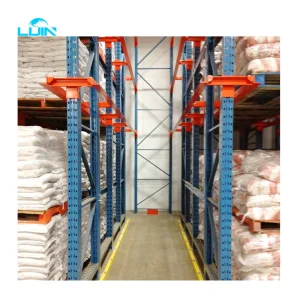
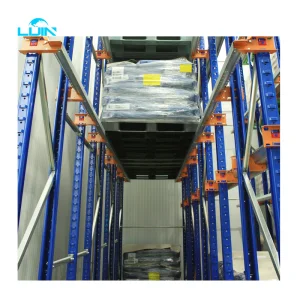
In Toyota City and neighboring manufacturing zones, Tier-1 suppliers require high-density buffering solutions. Our drive-in systems and automated shuttle racks manage thousands of heavy sheet metal components and heavy engine blocks. These systems withstand heavy cyclic loading, allowing components to move continuously from manufacturing to shipping without bottlenecking.
As Japan's busiest trade port by cargo tonnage, the Port of Nagoya demands high-durability cold storage facilities. Our customized galvanized and powder-coated steel racking options function in sub-zero environments (down to -40°C). Resistant to corrosion and metal embrittlement, they are perfect for heavy cargo containers and frozen sea products.
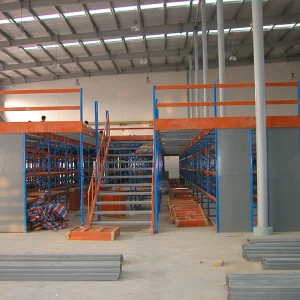
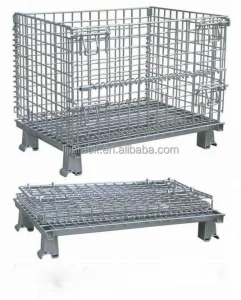
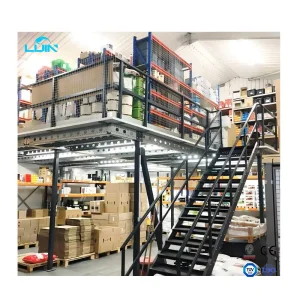
Consumer e-commerce distribution centers near Nagoya require multi-tier mezzanine and structural platform configurations. By utilizing our adjustable mezzanine configurations and wire mesh container cages, regional 3PL networks optimize vertical warehouse height to manage thousands of SKUs while keeping manual picking stations organized.
Versatile material storage and transfer structures designed to complement automated supply chain networks.
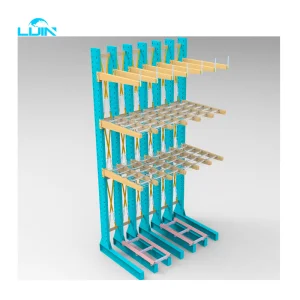
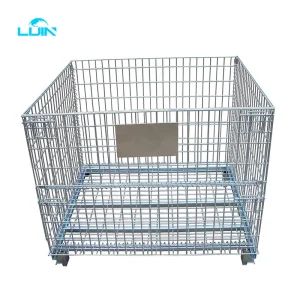
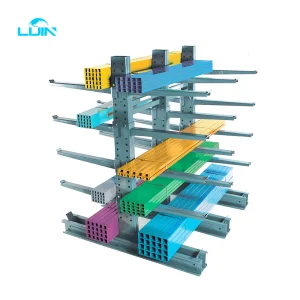
Modern smart warehousing is defined by the integration of hardware and software. At Shenzhen Lijin, our engineering team works along a strict technical development roadmap to ensure compatibility with advanced Japanese intralogistics standards:
Looking to the future, the warehouse industry will see a transition from basic automation to complete AI-driven systems. Machine learning models will analyze inbound order histories to dynamically pre-position high-demand items closer to low-level discharge gates during peak hours.
We are also focusing on eco-friendly, carbon-neutral manufacturing. High-efficiency energy regeneration systems on our stacker cranes capture kinetic braking energy and feed it back into the facility's power grid. This reduces electricity usage by up to 25%—helping Nagoya companies achieve their corporate ESG sustainability metrics.
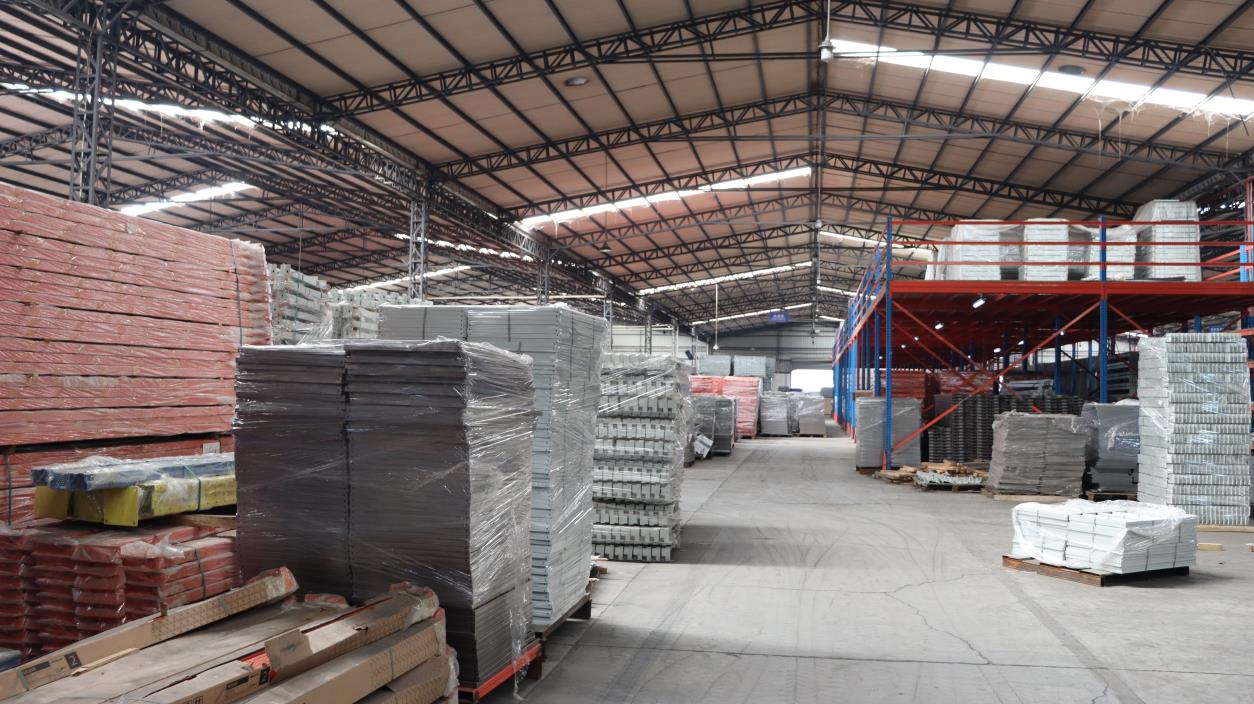
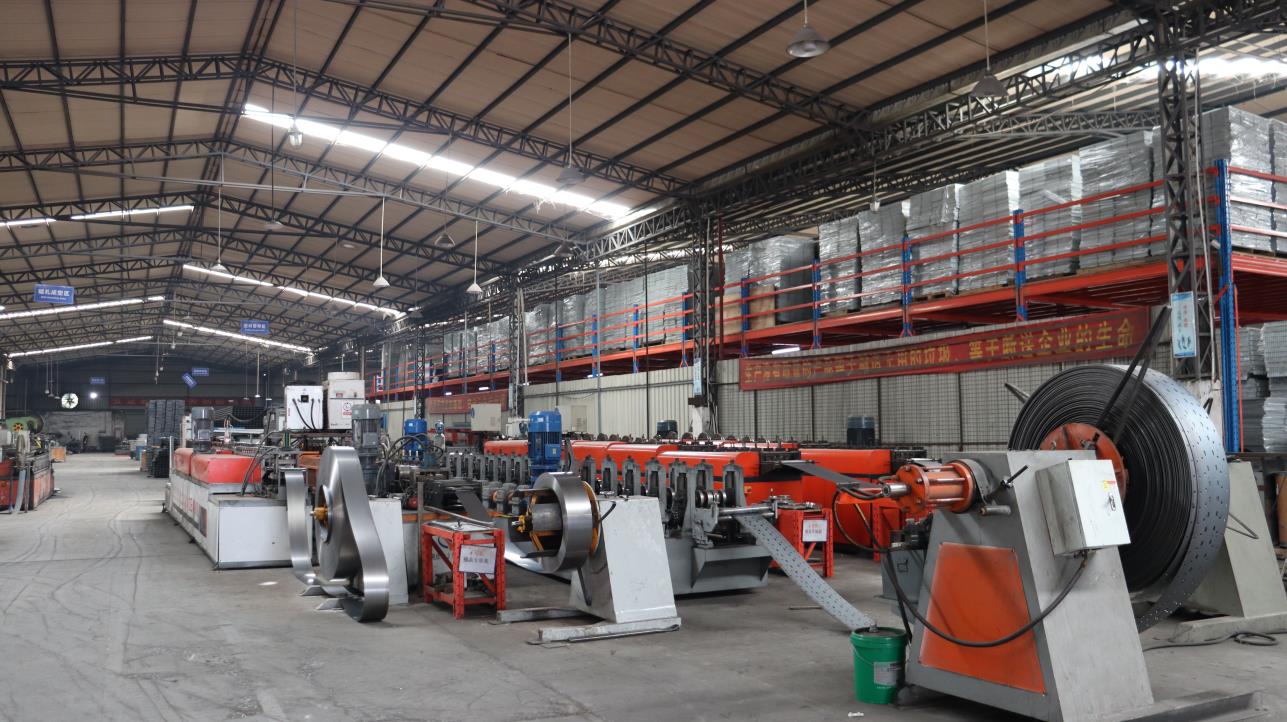
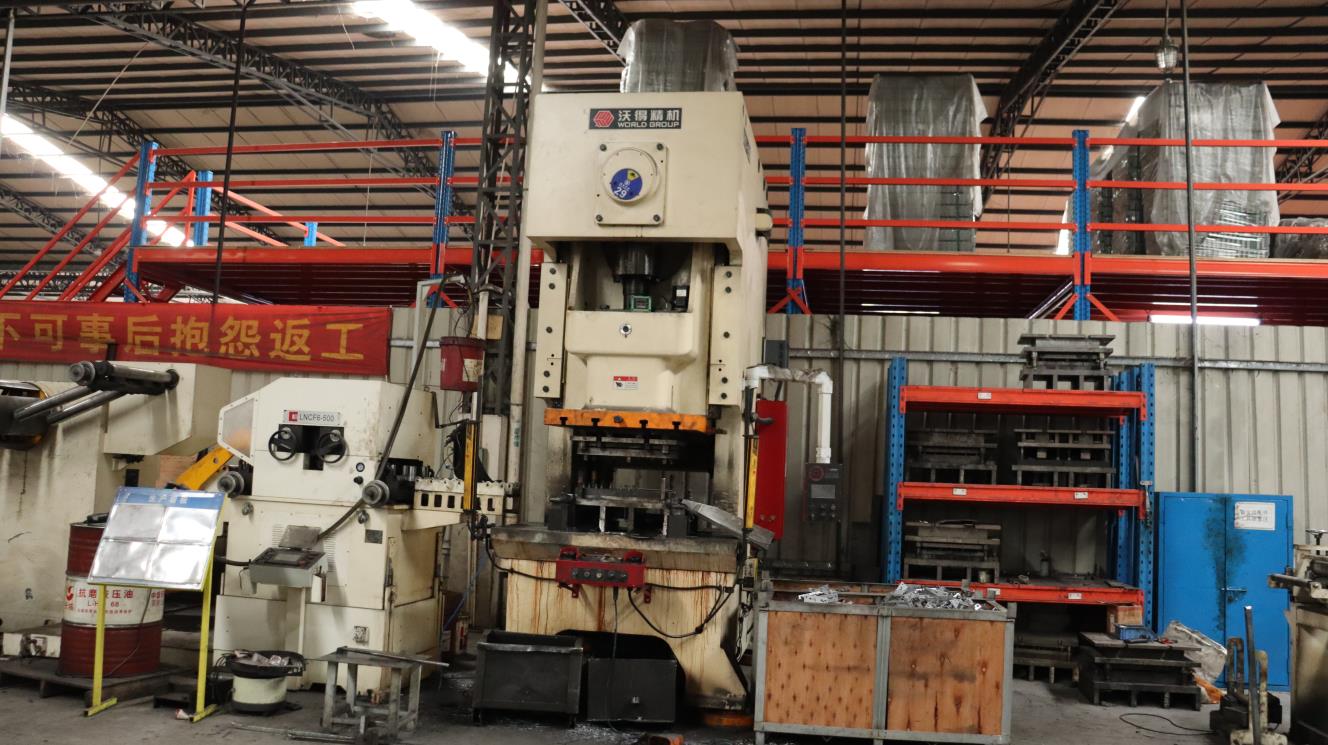
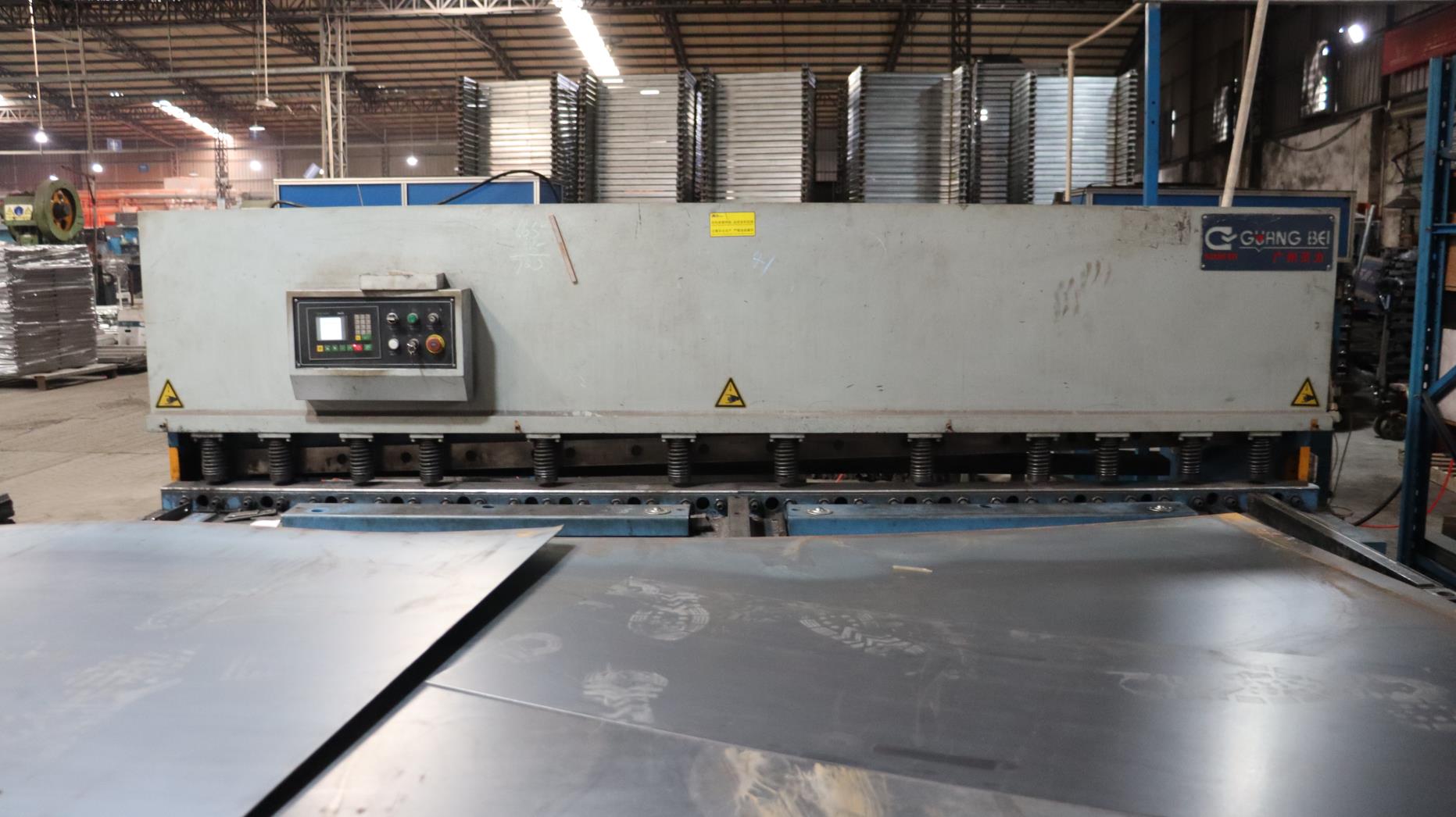
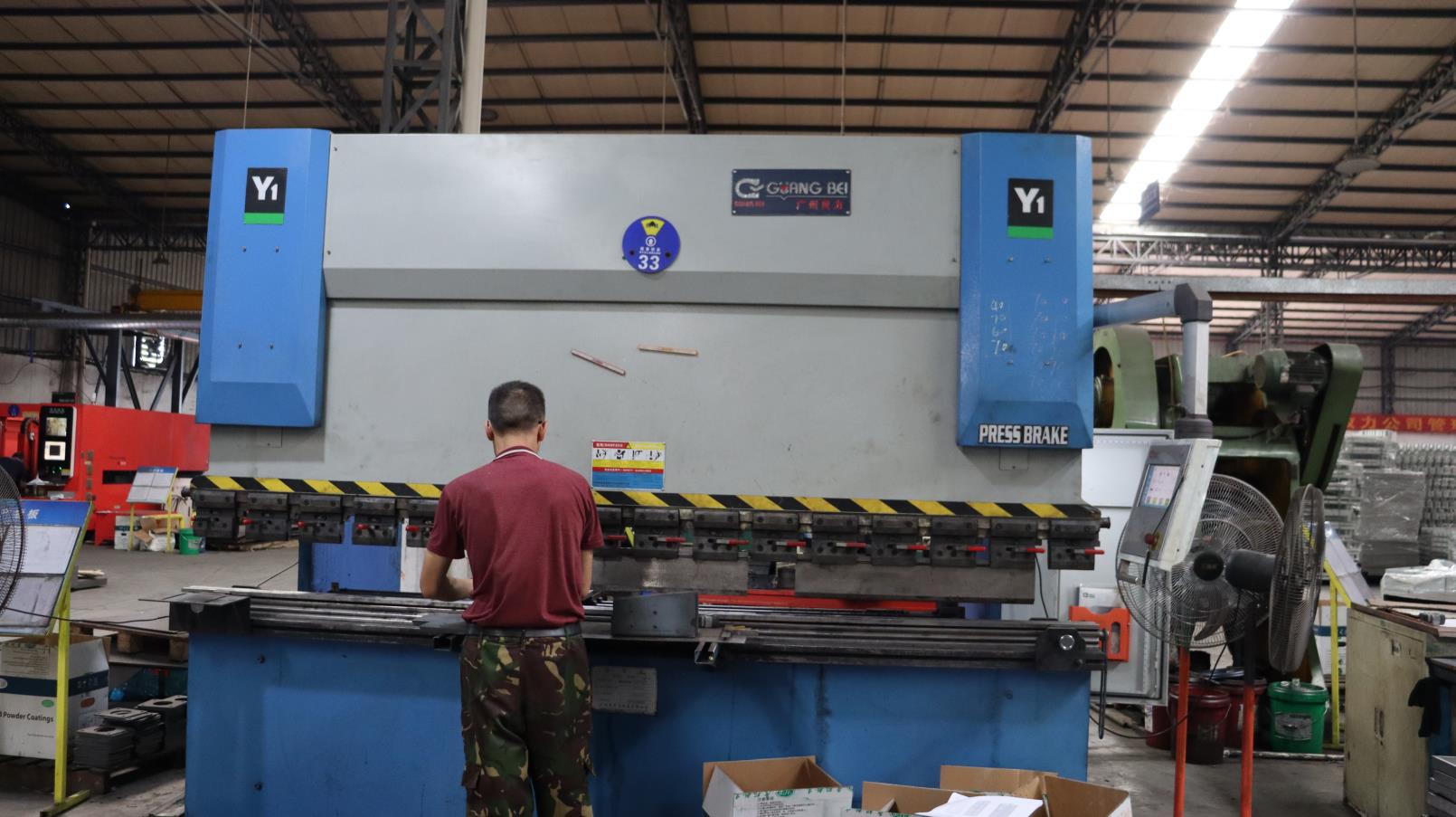
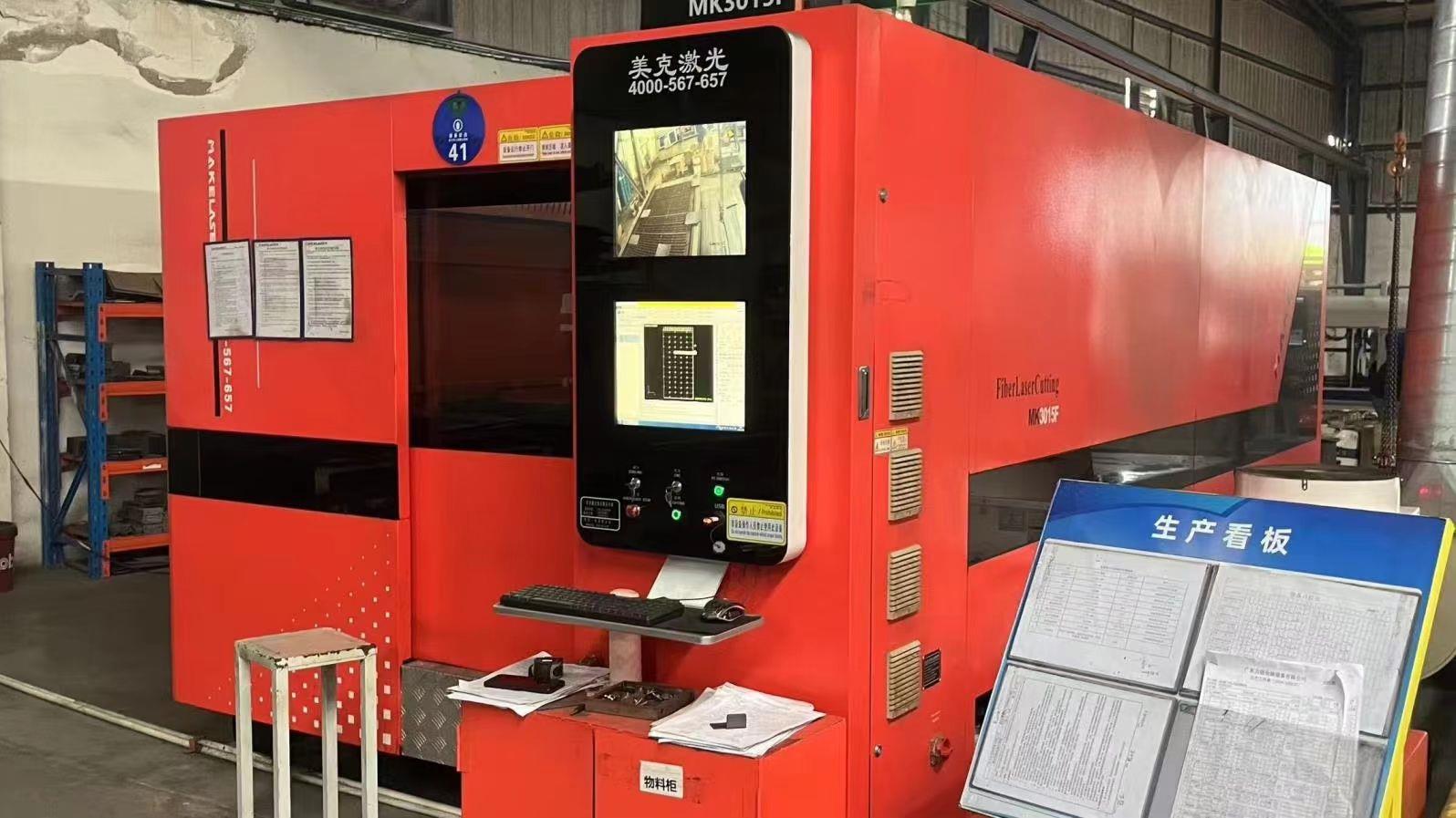
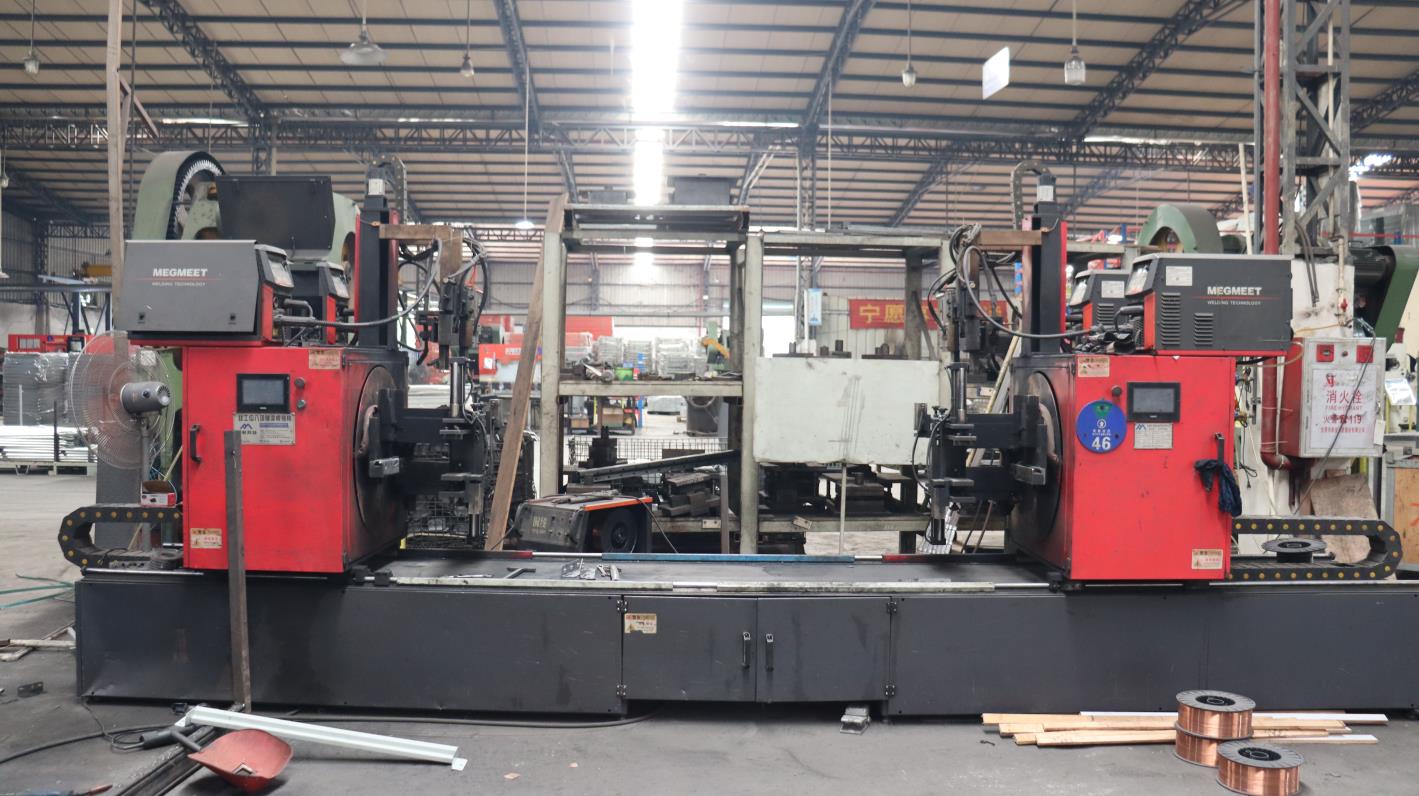
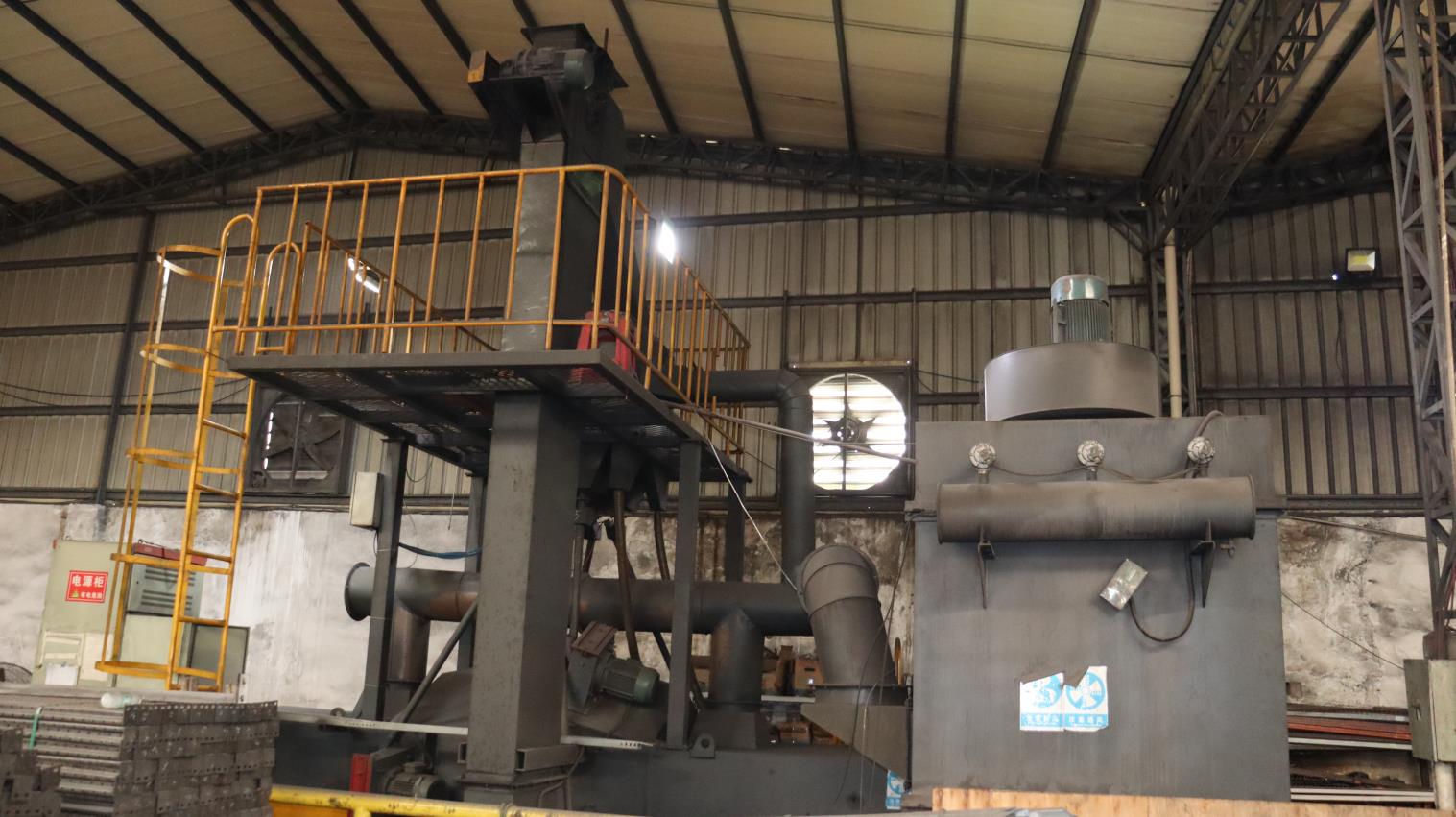
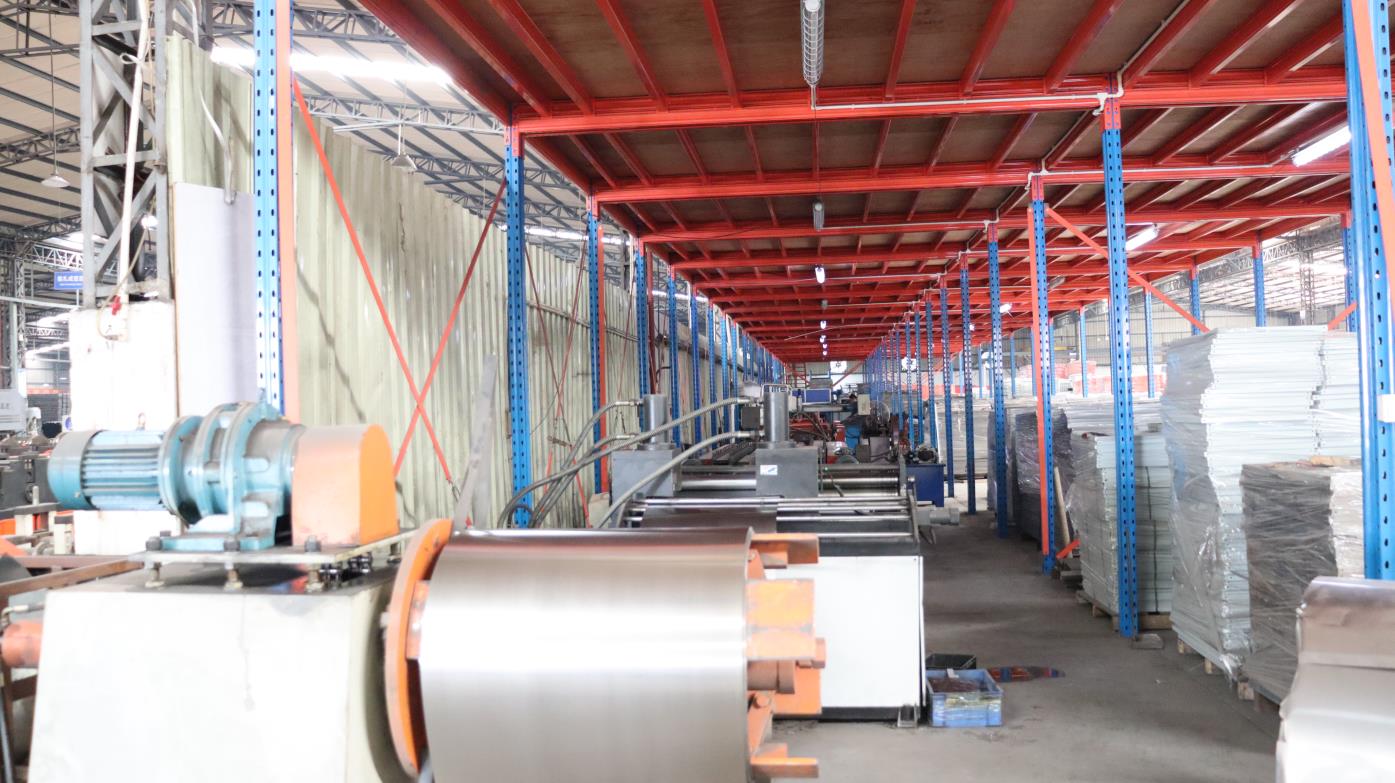
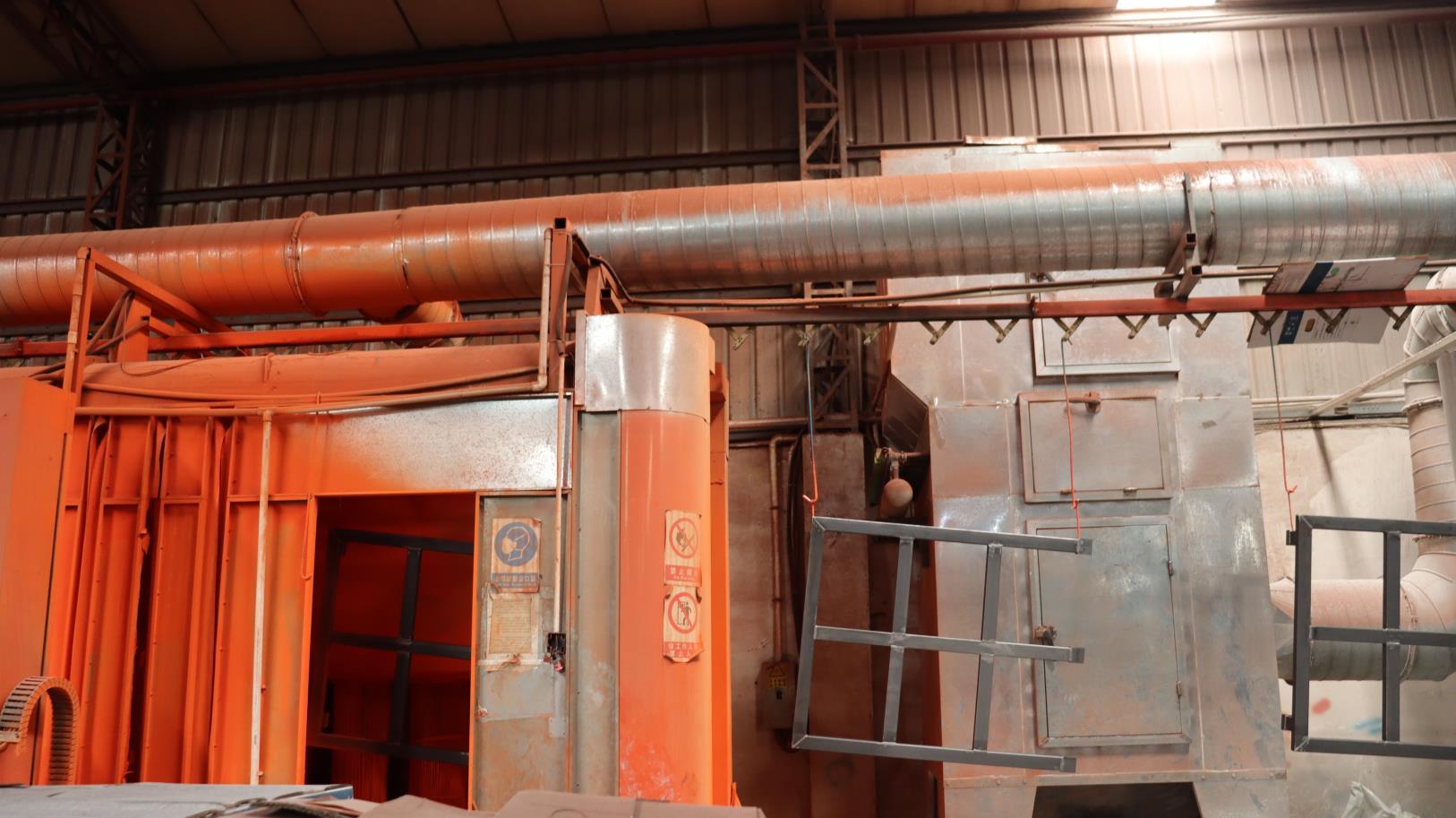
Our 35,000 m² state-of-the-art facility utilizes high-precision machinery to deliver structural integrity, fast production turnarounds, and competitive cost advantages.
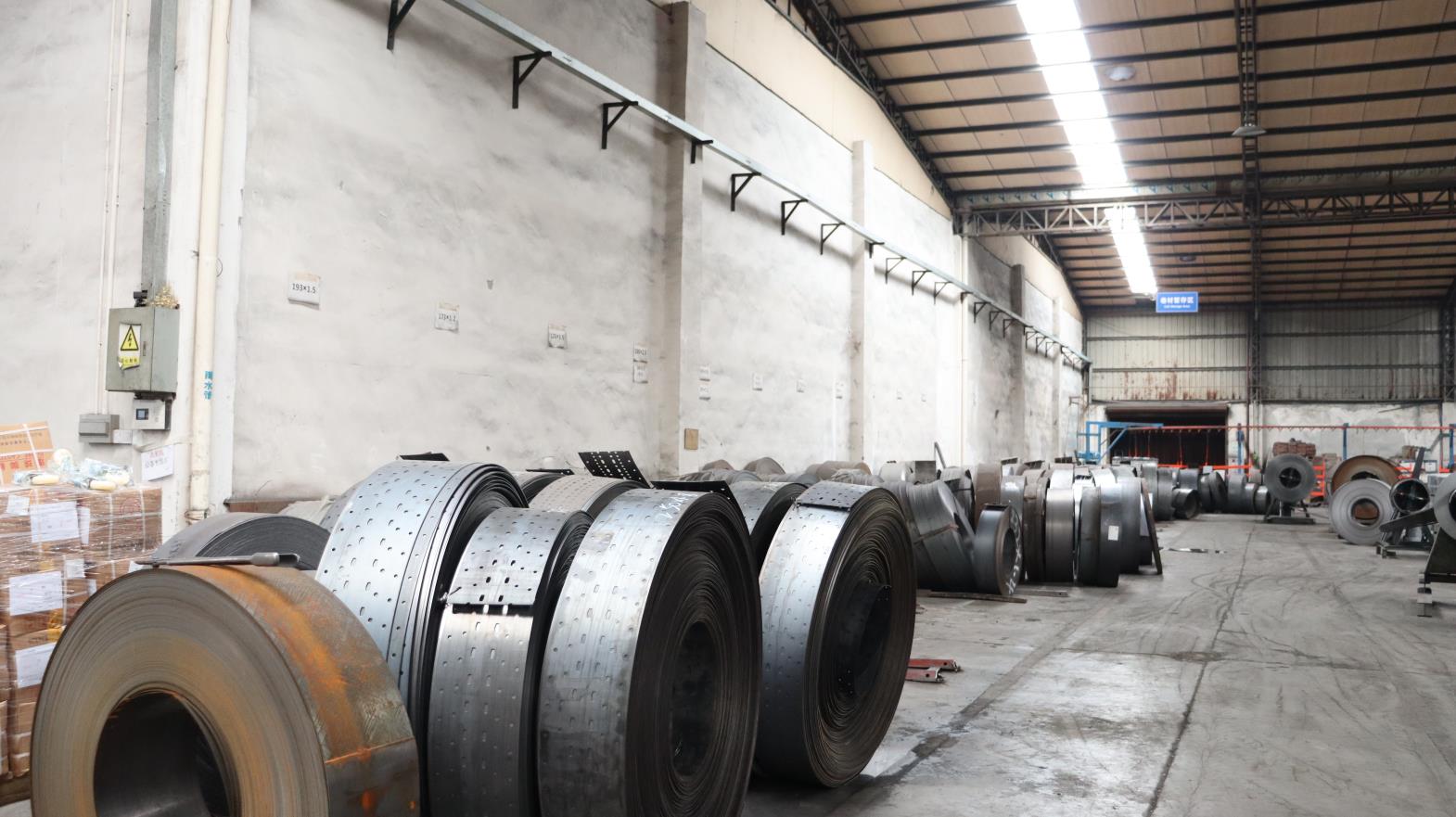
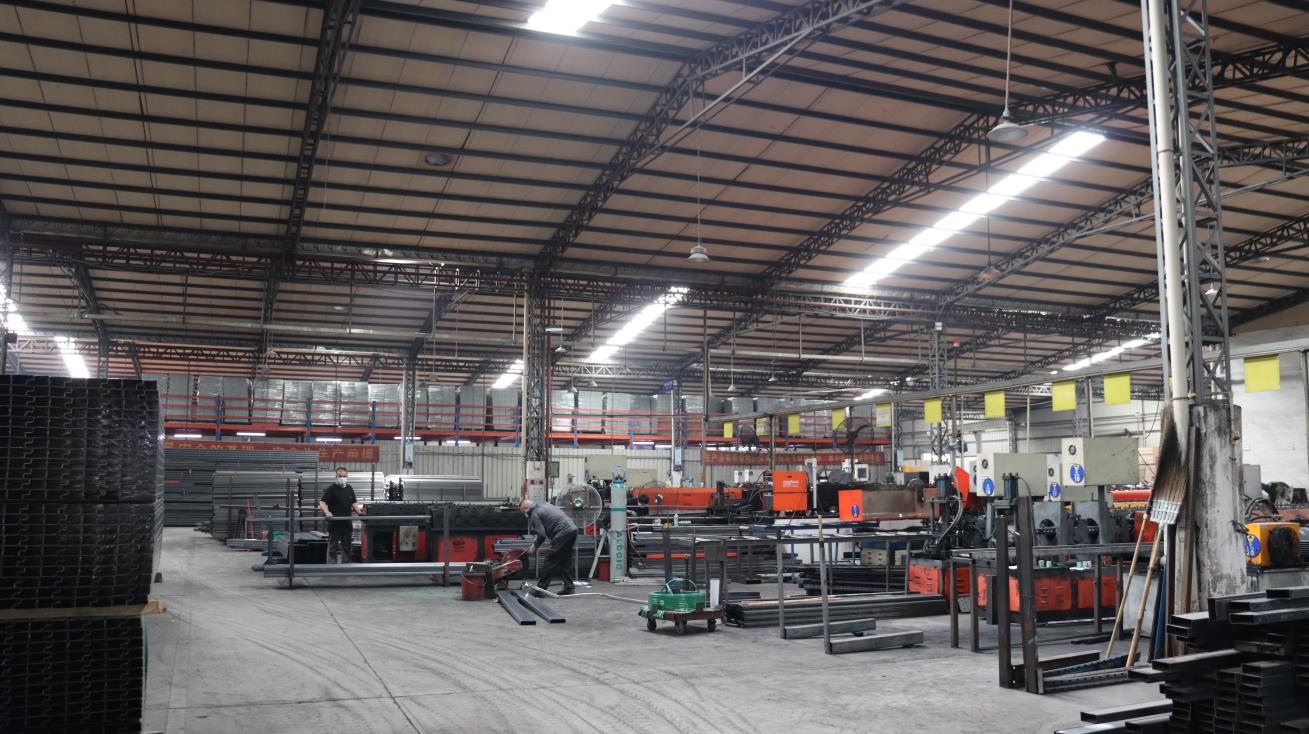
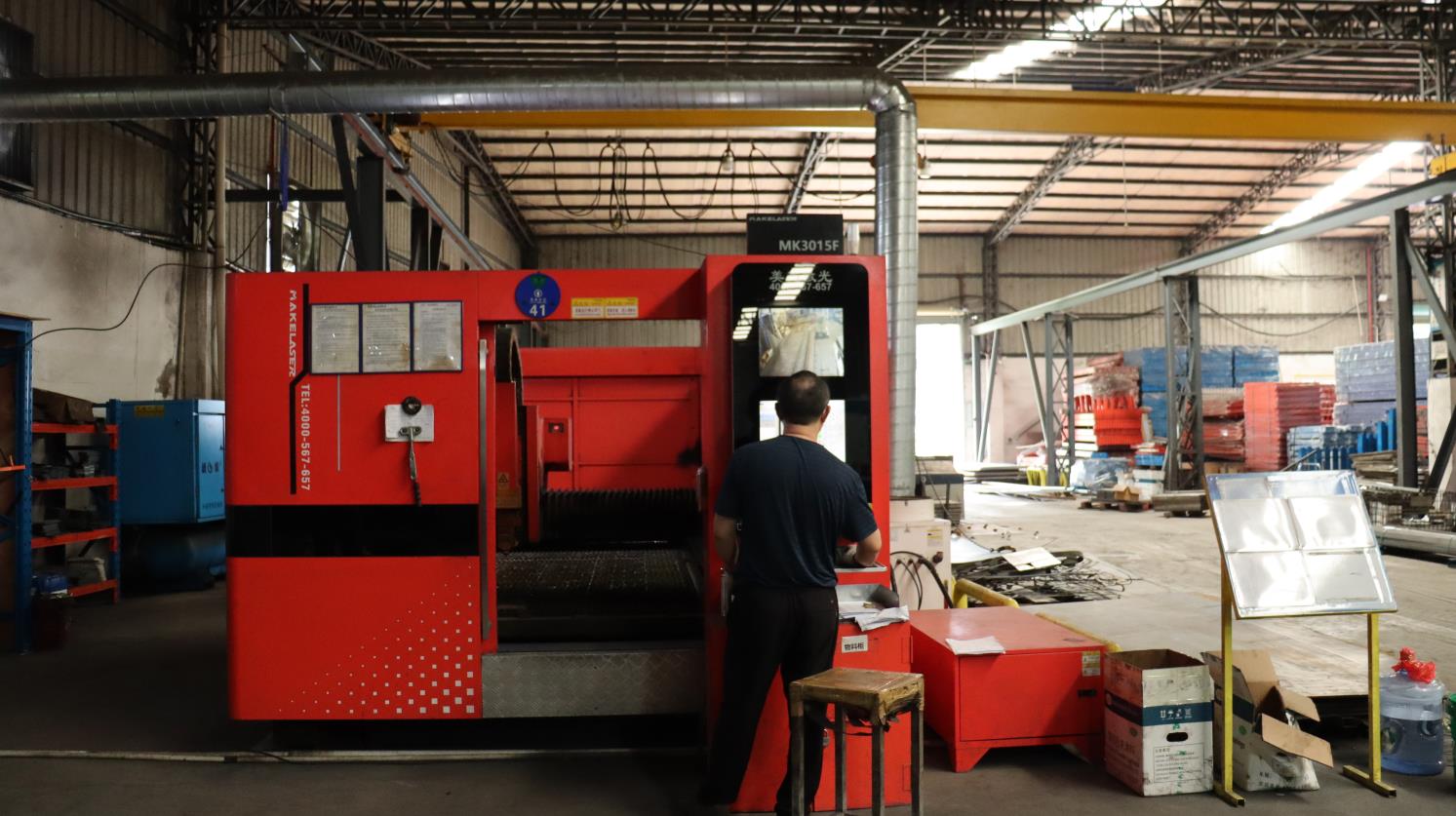
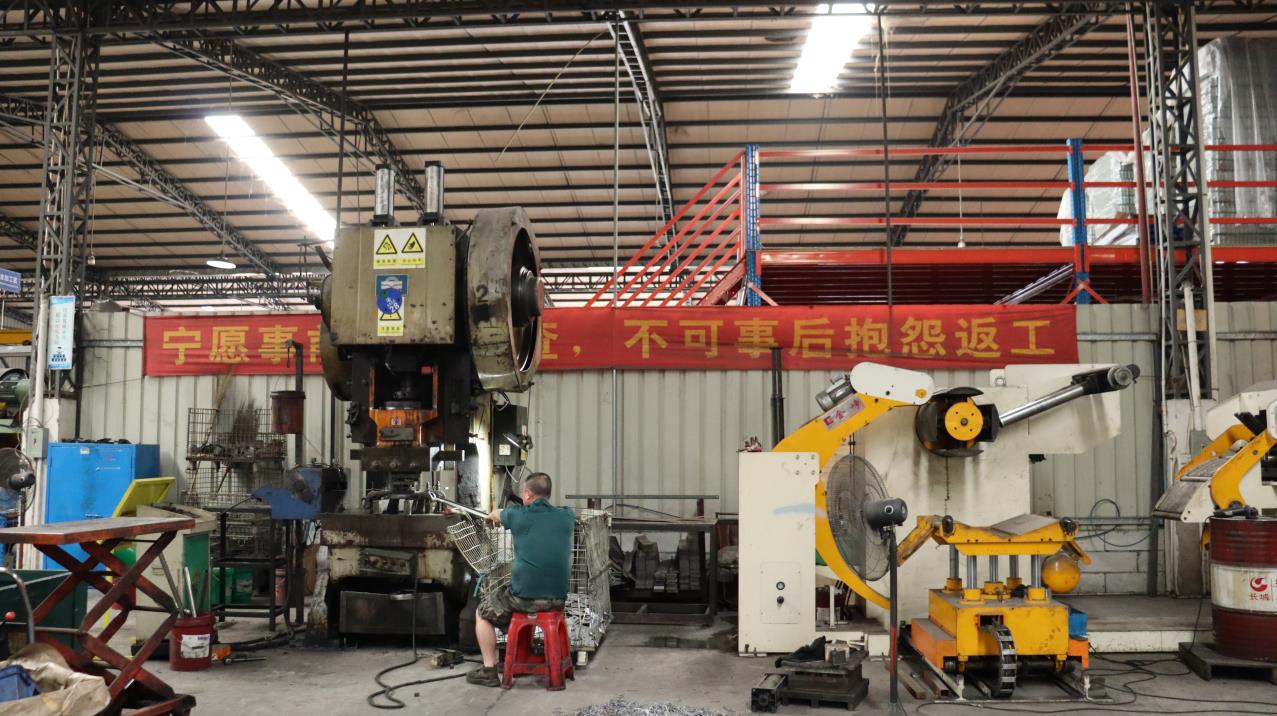
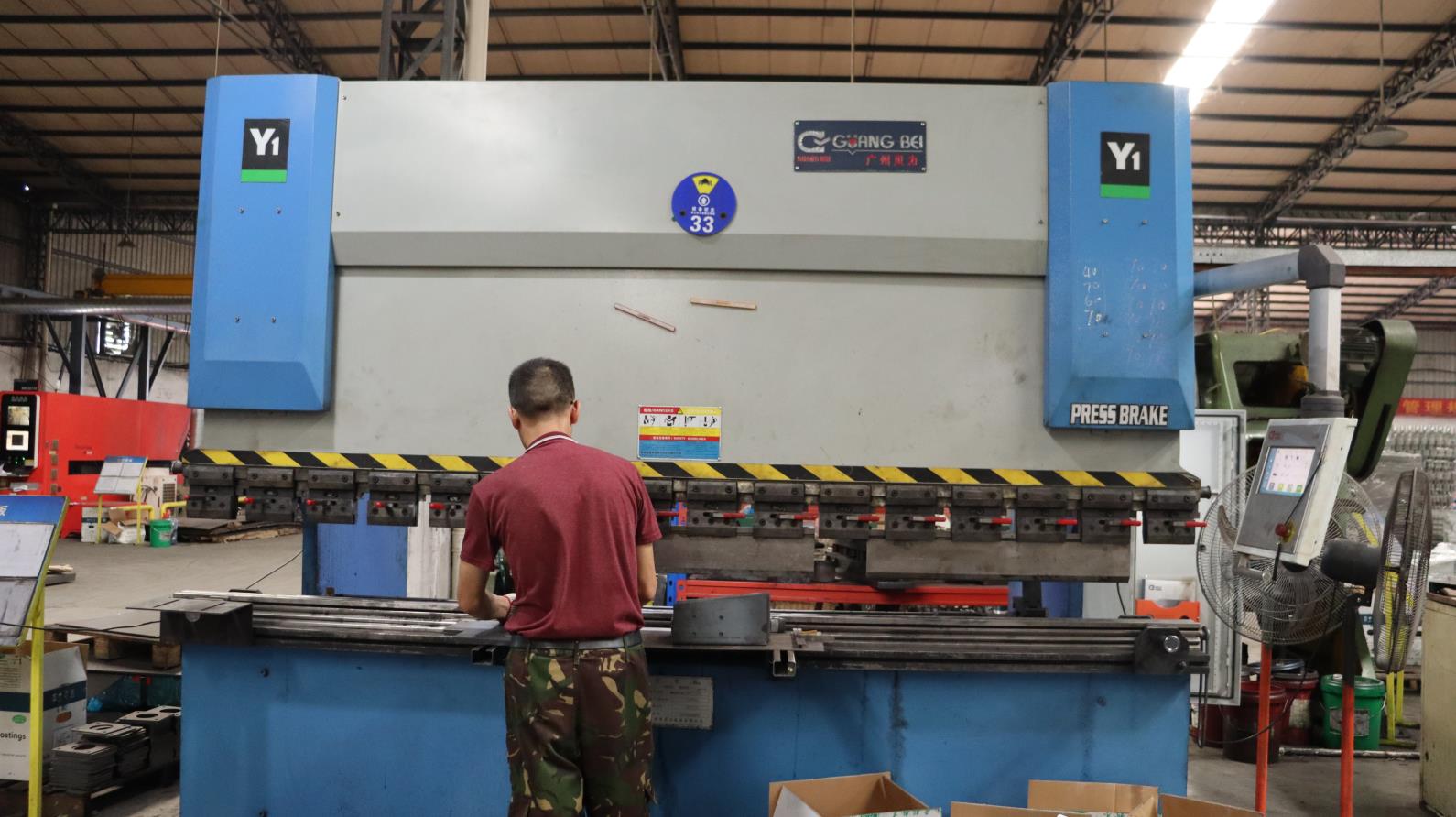
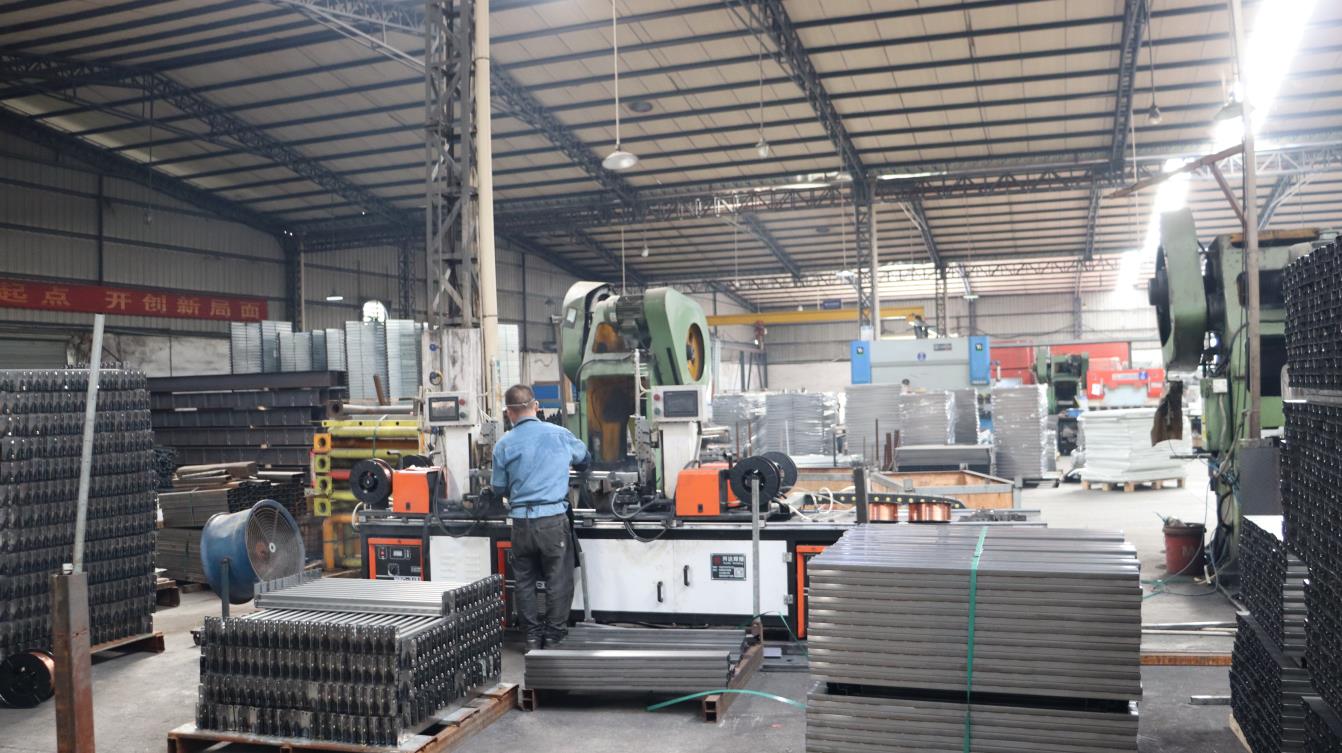
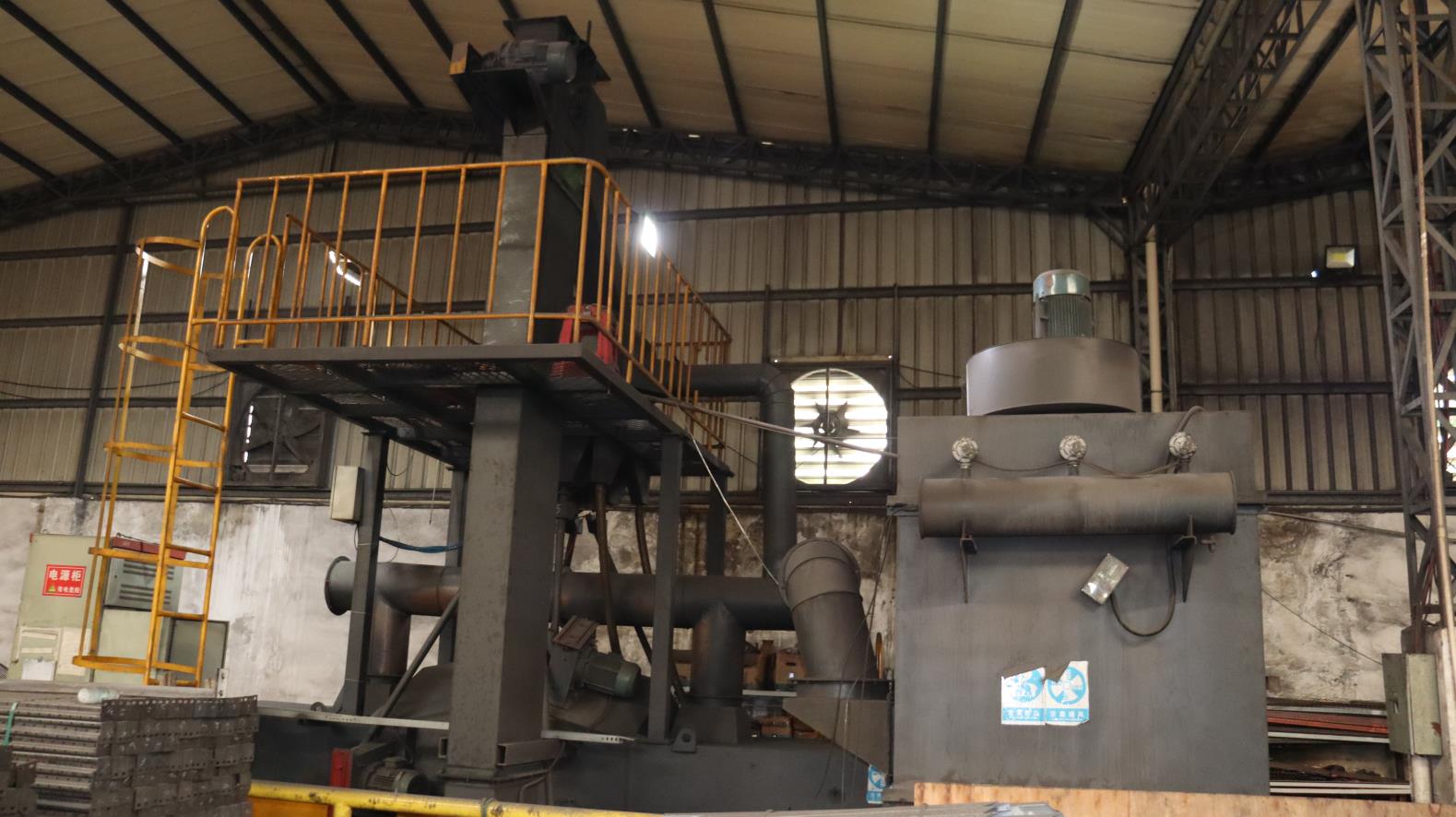
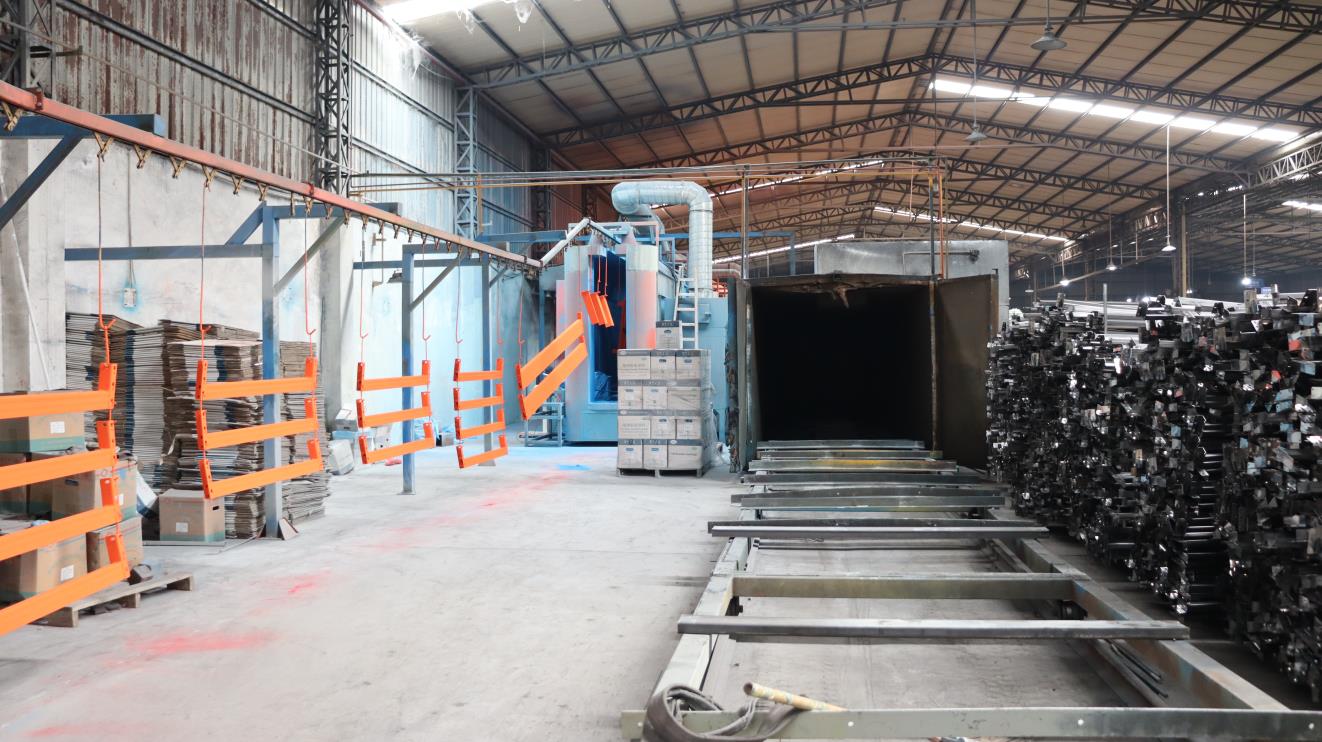
Driven by our dedicated team of 28 design and R&D engineers.
Nagoya lies within a highly active seismic zone, requiring strict engineering oversight. Japanese Building Standards Law (建築基準法) dictates that storage racks exceeding certain height thresholds must have verified structural calculation sheets (構造計算書).
Shenzhen Lijin provides comprehensive calculations that model dynamic seismic loads, horizontal shear coefficients (Co ≥ 0.2), and soil class parameters specific to Aichi's industrial zones. Our engineering team designs rack layouts using Q345B/SS400 high-tensile steel, with custom footplates, anchoring arrangements, and portal bracing designed to handle seismic movements.
Technical guidance on importing, engineering, and integrating automated solid warehousing systems for the Nagoya market.
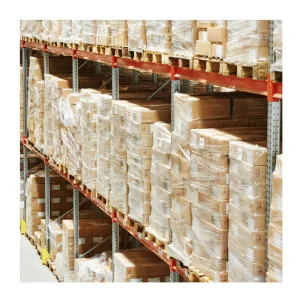
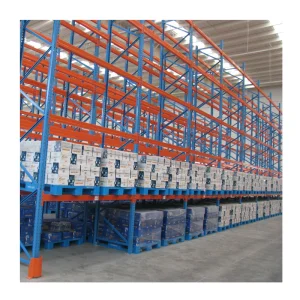
Explore our complete catalog of heavy-duty pallet systems, rolling racks, and multi-tier structural mezzanine platforms.
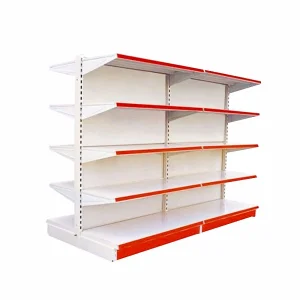
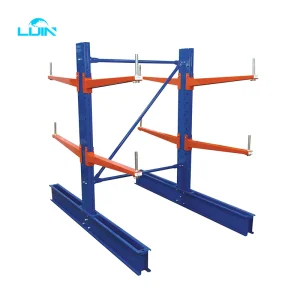
Shenzhen Lijin Storage Equipment Co., Ltd. serves over 850 supply chain partners in North America, Western Europe, Southeast Asia, and Japan. Whether you are expanding a heavy manufacturing facility in Toyota City or a high-throughput 3PL logistics hub near the Port of Nagoya, our experienced engineering team is ready to design a safe, reliable, and space-efficient warehouse layout for your business.
Get Design & Quotation Consultation Lijin Racking