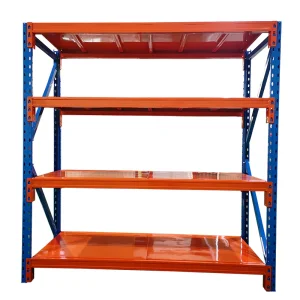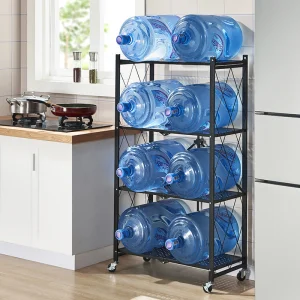
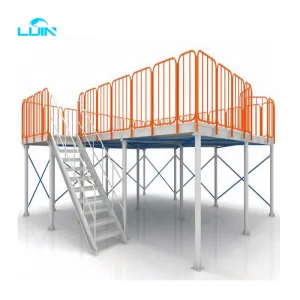
In modern industrial logistics, the concept of a "utility rack" has evolved far beyond basic shelving. Today, utility racks and heavy-duty storage platforms form the structural backbone of global supply chains. As urban land prices escalate, warehouses and distribution centers are forced to expand vertically. This transition from horizontal storage to high-density vertical configurations requires structural engineering that guarantees safety, versatility, and cost-efficiency.
Shenzhen Lijin Storage Equipment Co., Ltd. has stood at the forefront of this industrial transformation. Established in 2015, we have pioneered manufacturing technologies that enable logistics hubs, 3PL providers, and industrial distributors to optimize footprint utilization. With over 12 years of industry experience, we analyze the micro-mechanics of steel structures—such as stress distribution in cantilever arms and structural load transfers in multi-tier mezzanine floors—to deliver unmatched stability.
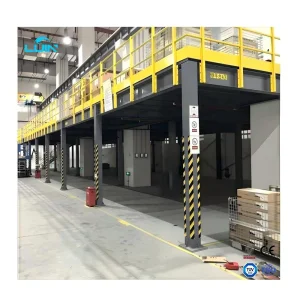
Utilizing high-rise steel mezzanines and heavy-duty platforms to double or triple usable square footage without structural building expansions.
Constructed with high-tensile steel alloys designed to withstand dynamic forces, seismic vibrations, and constant heavy loading cycles.
Engineered strictly in accordance with international safety standards, including FEM 10.2.02 and EN 15512 specifications.
Enterprise procurement teams in North America, Western Europe, and Southeast Asia face complex logistical challenges. The growth of e-commerce, raw materials shortages, and localized supply chain disruptions require storage systems that are highly adaptable. When purchasing industrial utility racks and mezzanine structural systems, sourcing directors focus heavily on a manufacturer's compliance, raw material authenticity, and scalability.
Our global trade footprint covers critical trading lanes, backed by 8 years of direct export operations. We recognize that large-scale distributors and industrial equipment wholesalers require standardized configurations alongside rapid custom prototyping capabilities. Lijin’s engineering department, composed of 28 R&D professionals, ensures that every utility rack system meets these requirements, launching over 85 customized dynamic configurations annually to support adaptive supply chains.
| Key Buyer Demands | Lijin Technical Solutions | Strategic Benefit |
|---|---|---|
| High Load-Bearing Standards | Q235B/Q345B High-tensile steel + heavy gauge roll forming profiles | Maintains zero structural deformation under max rated capacity. |
| Seismic Compliance | Dynamic structural analysis & reinforced baseplate configurations | Guarantees safety in active seismic zones worldwide. |
| Corrosion & Wear Resistance | Multi-stage automatic spraying line with epoxy powder coatings | Extends operational life in humid, dry, or cold storage conditions. |
| Modular Flexibility | Boltless design and adjustable slot spacing | Allows rapid reconfiguration as SKU profiles evolve. |
Quality control at Shenzhen Lijin is rooted in state-of-the-art machinery and standardized manufacturing operations. Spanning a 35,000 m² facility, our processes are tightly monitored by 35 quality inspectors to ensure zero defects from raw materials to final shipment.
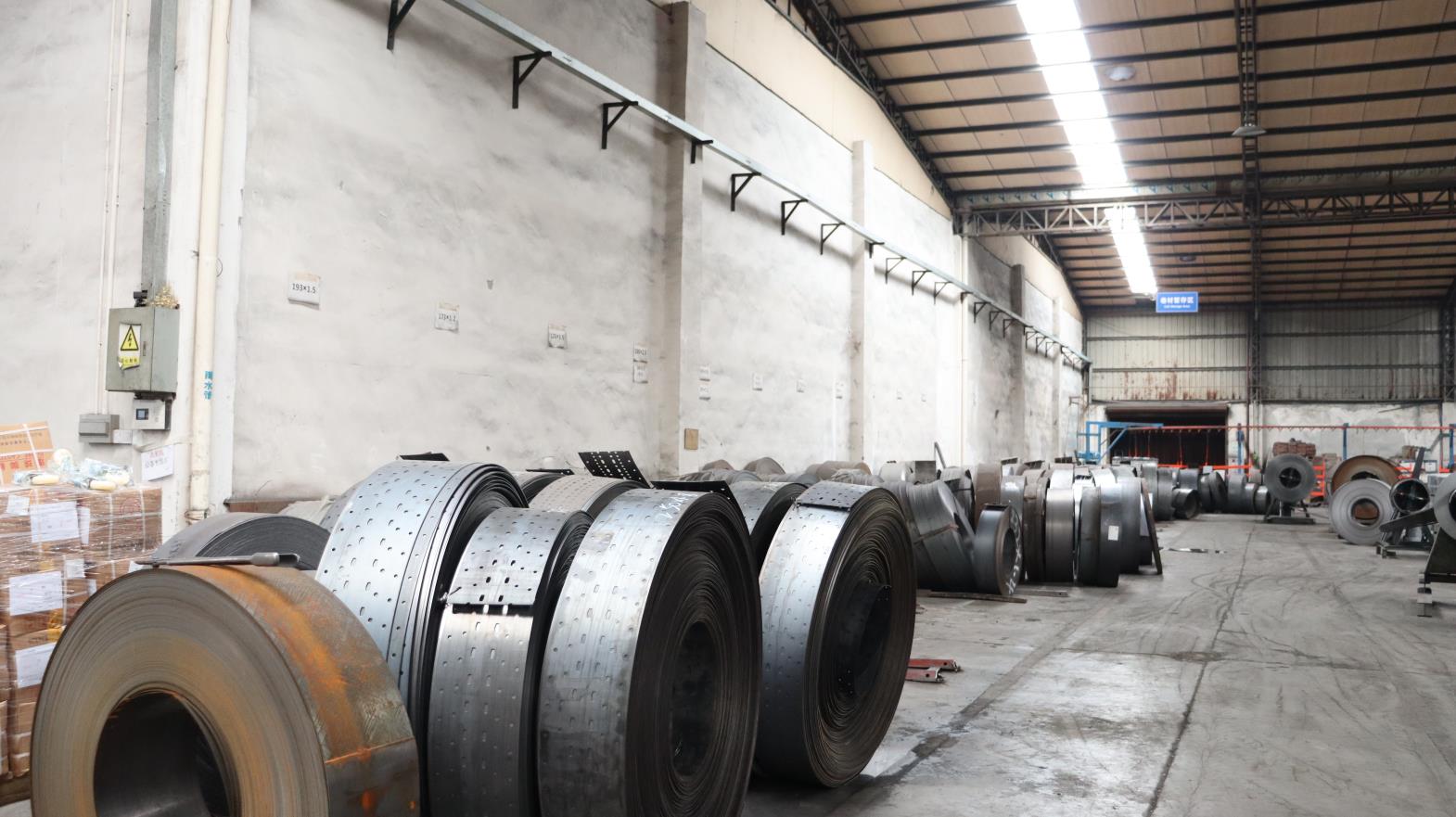
Raw Material
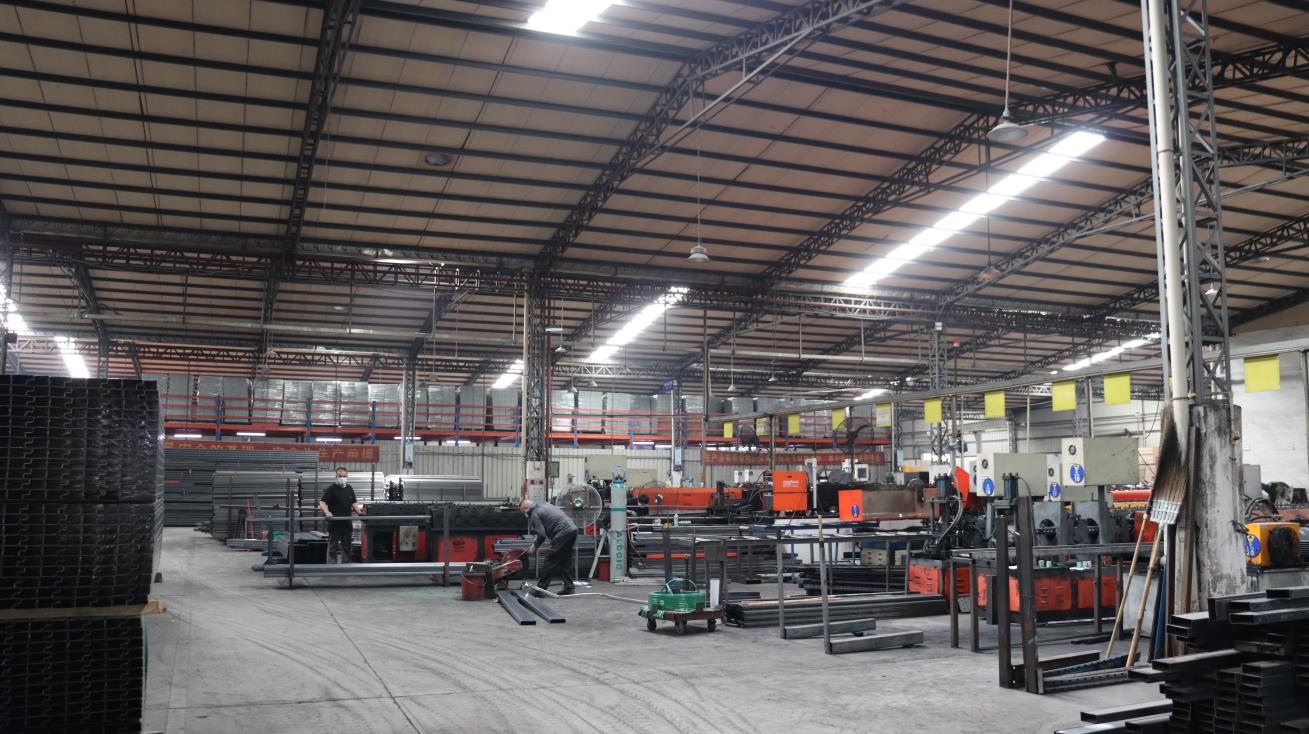
Roll Forming
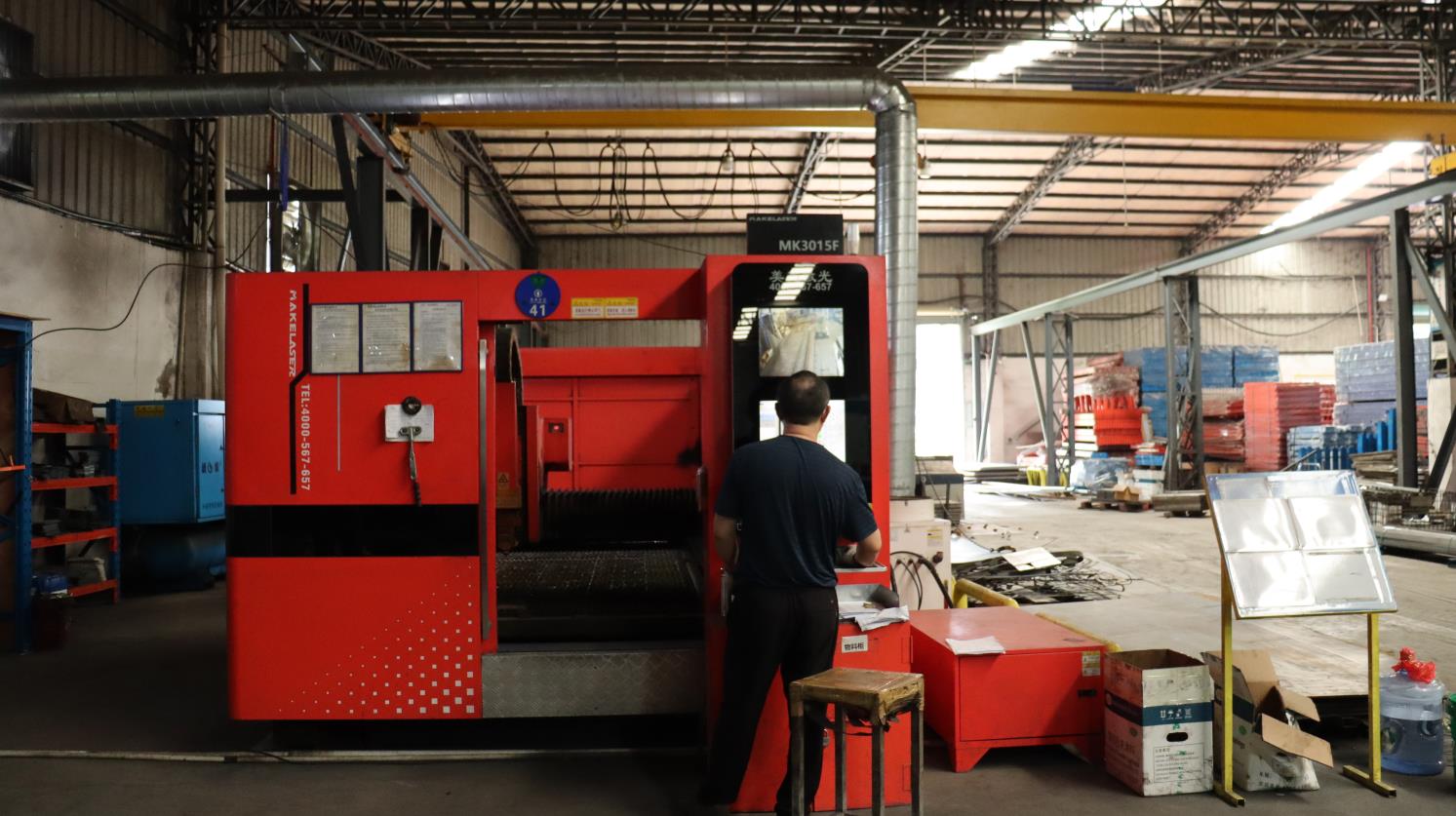
Cutting
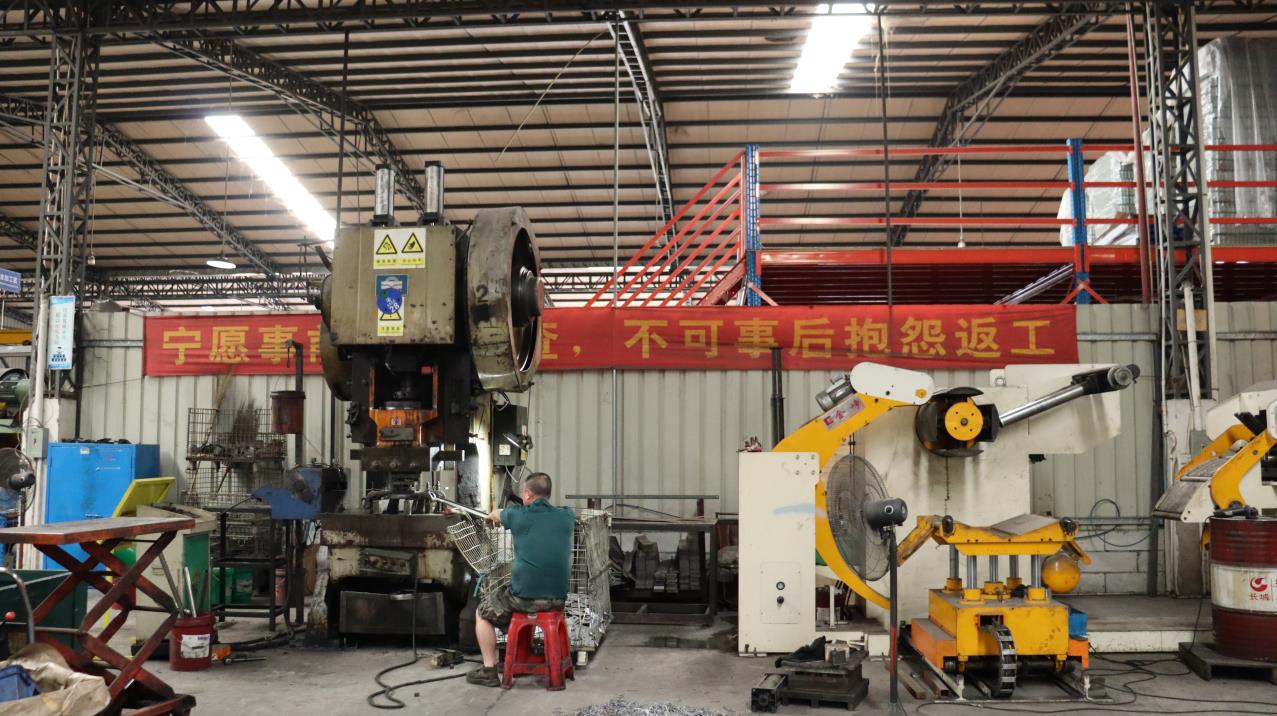
Stamping
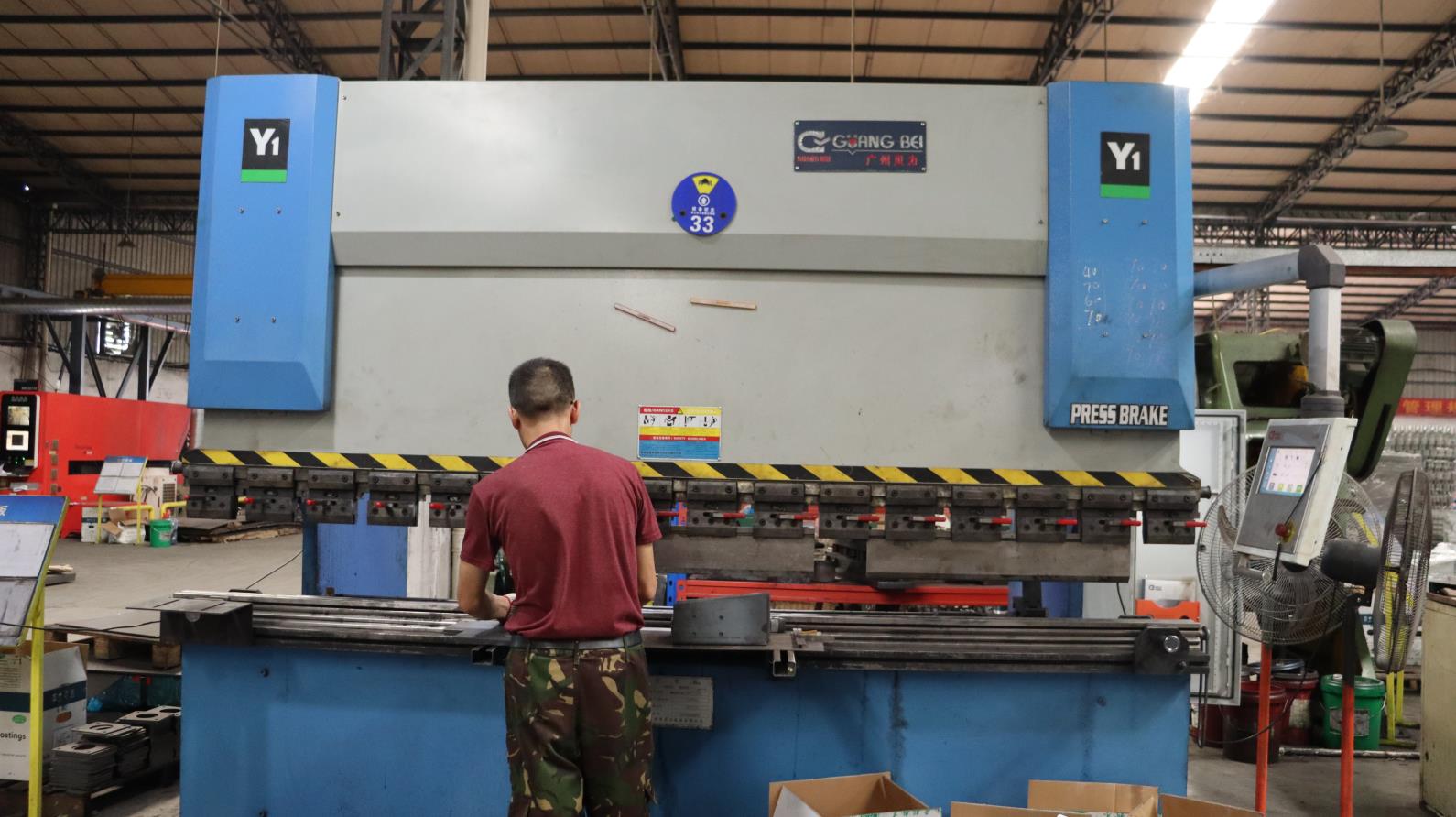
Bending
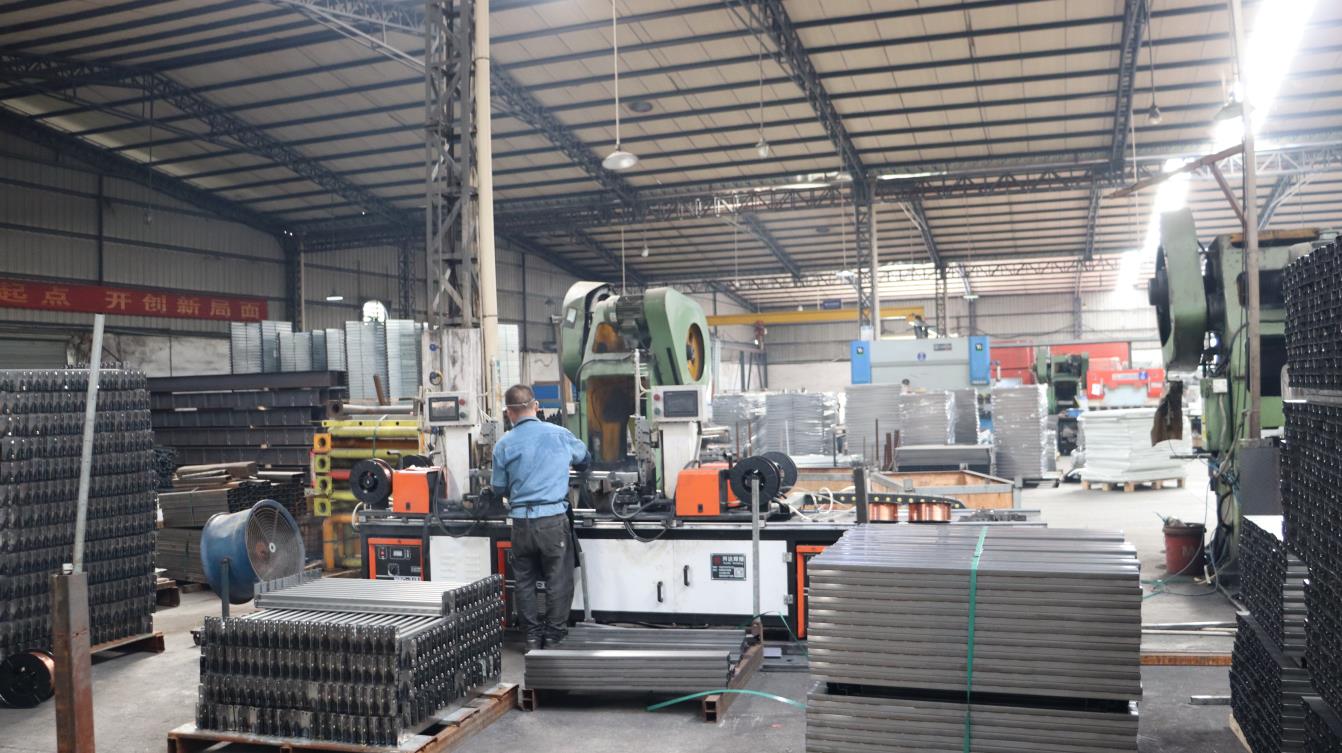
Welding
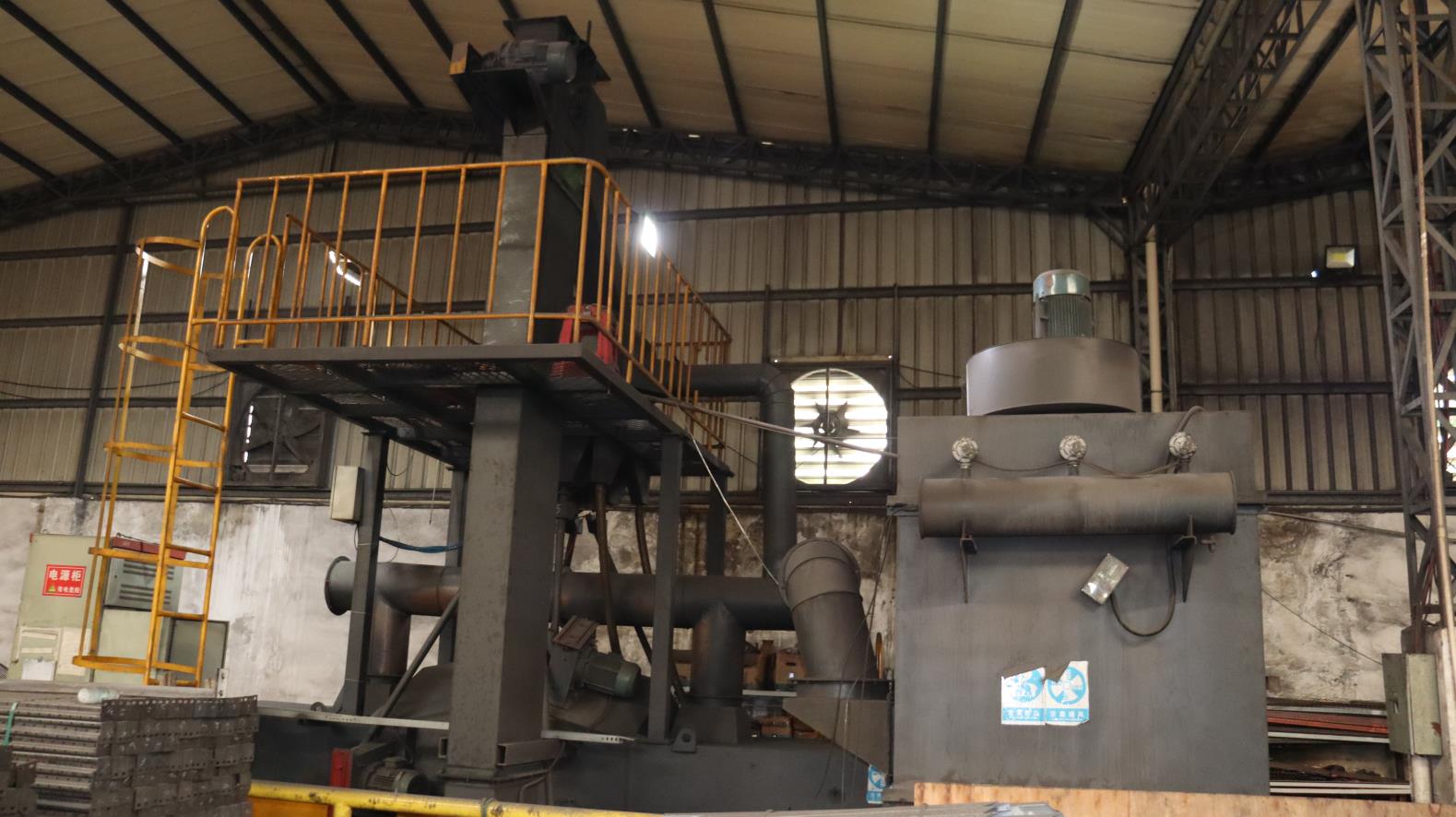
Polish
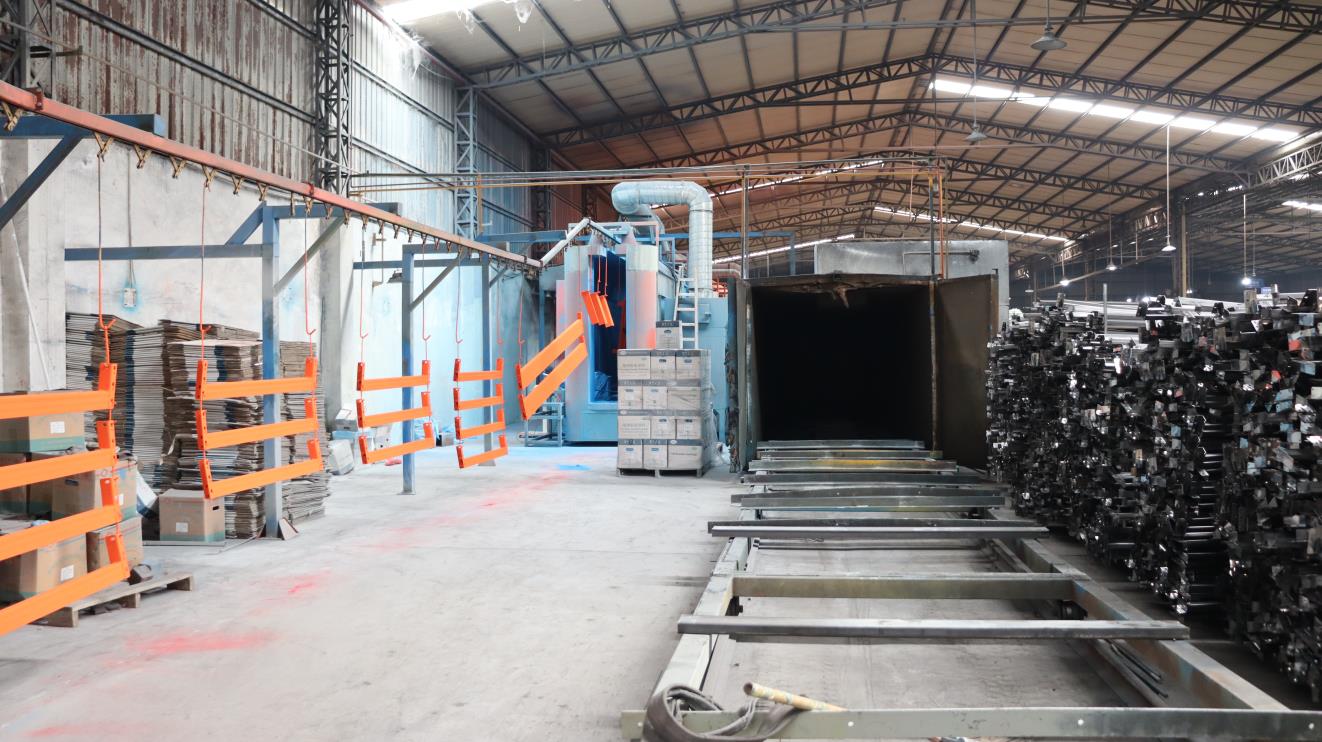
Painting
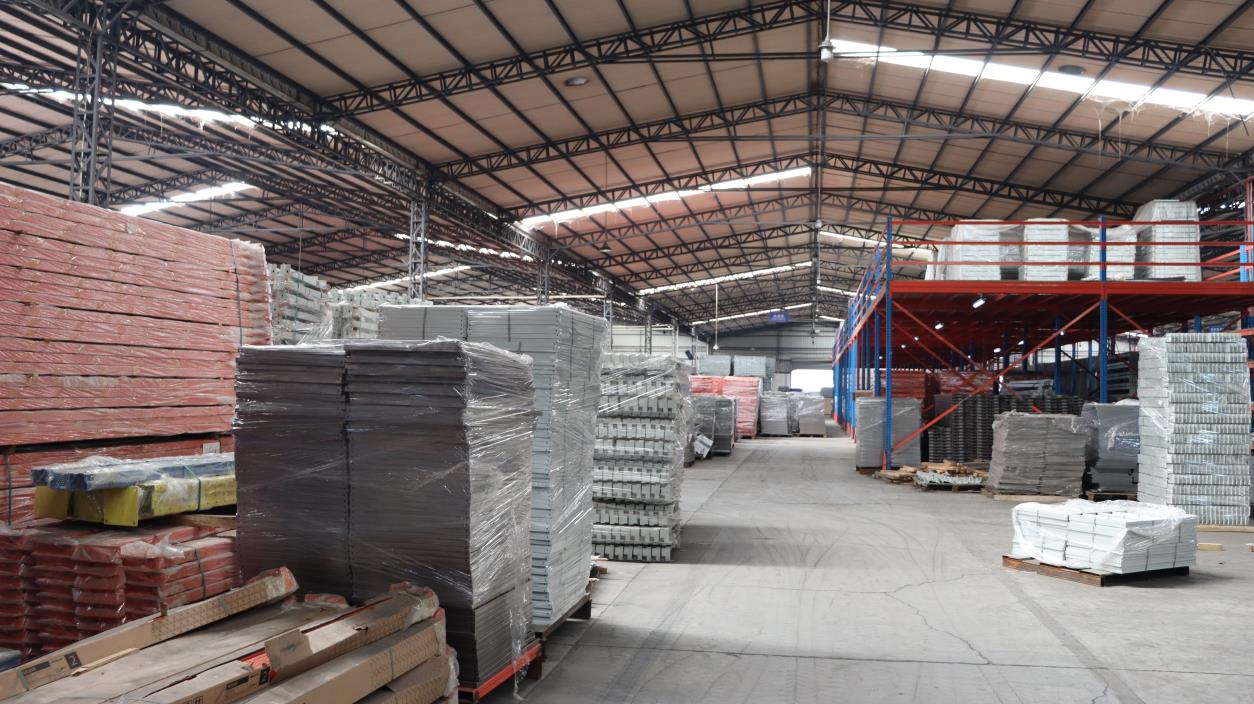
Warehouse
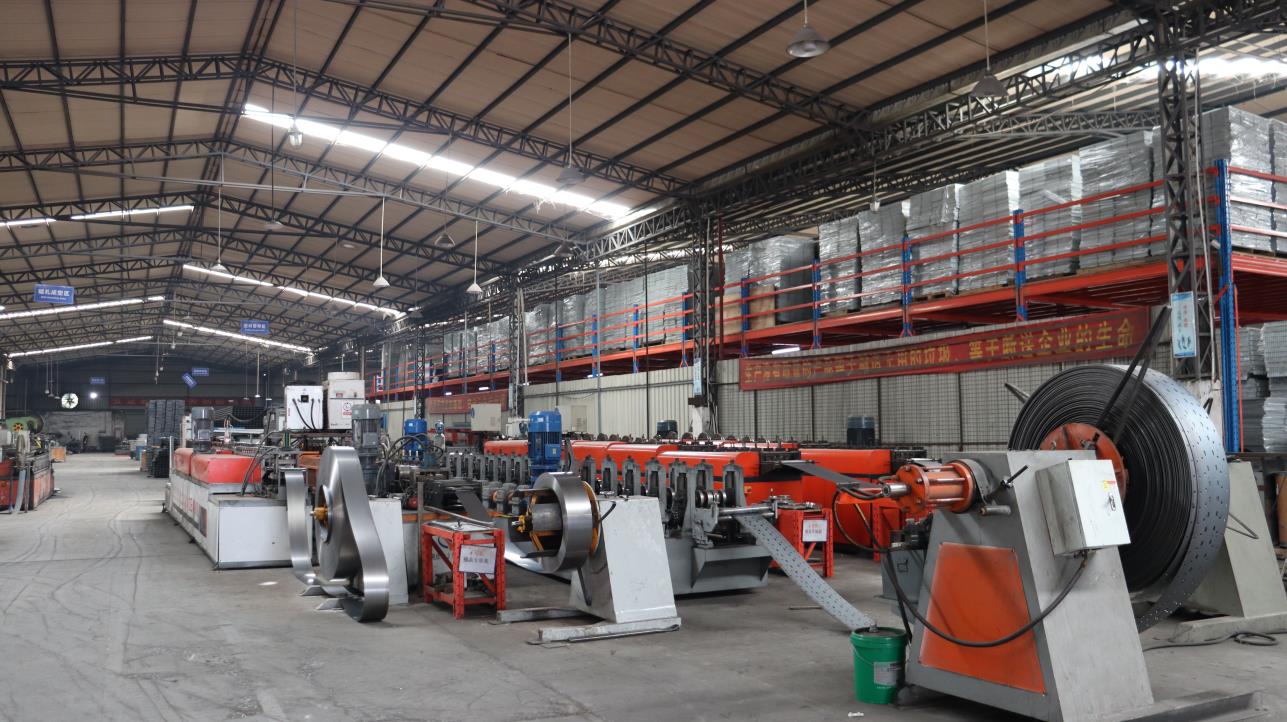
Rolling Machine
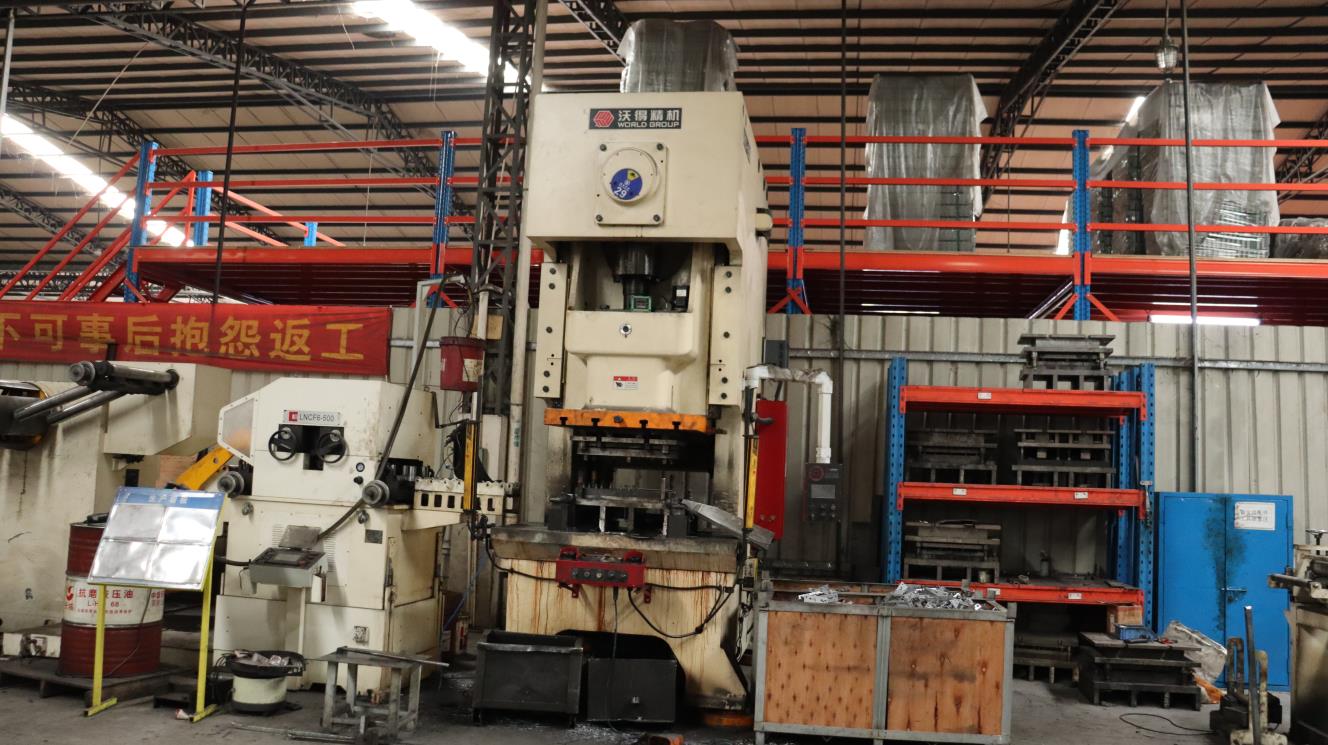
Punching Machine
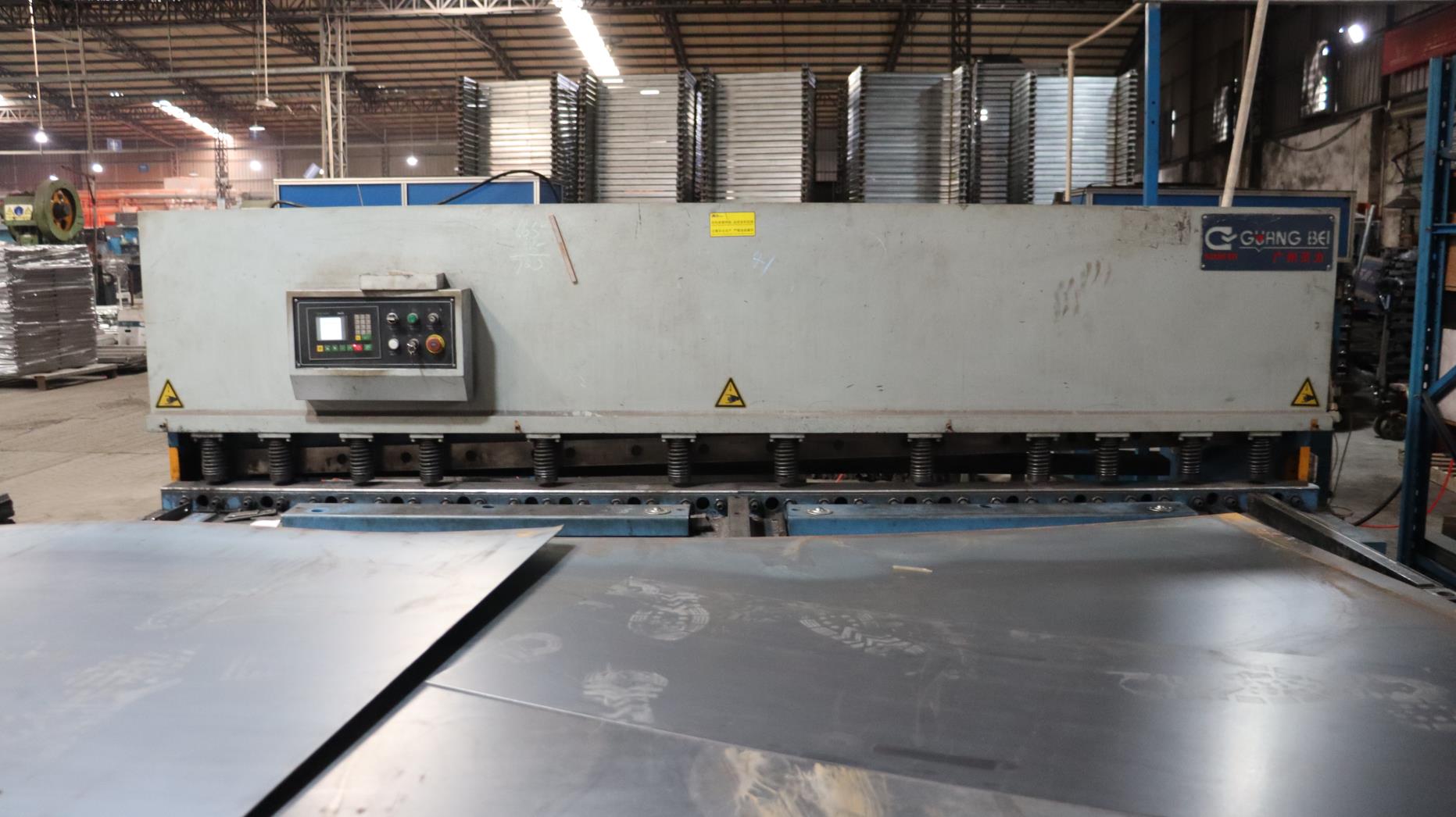
Plate Shearing Machine
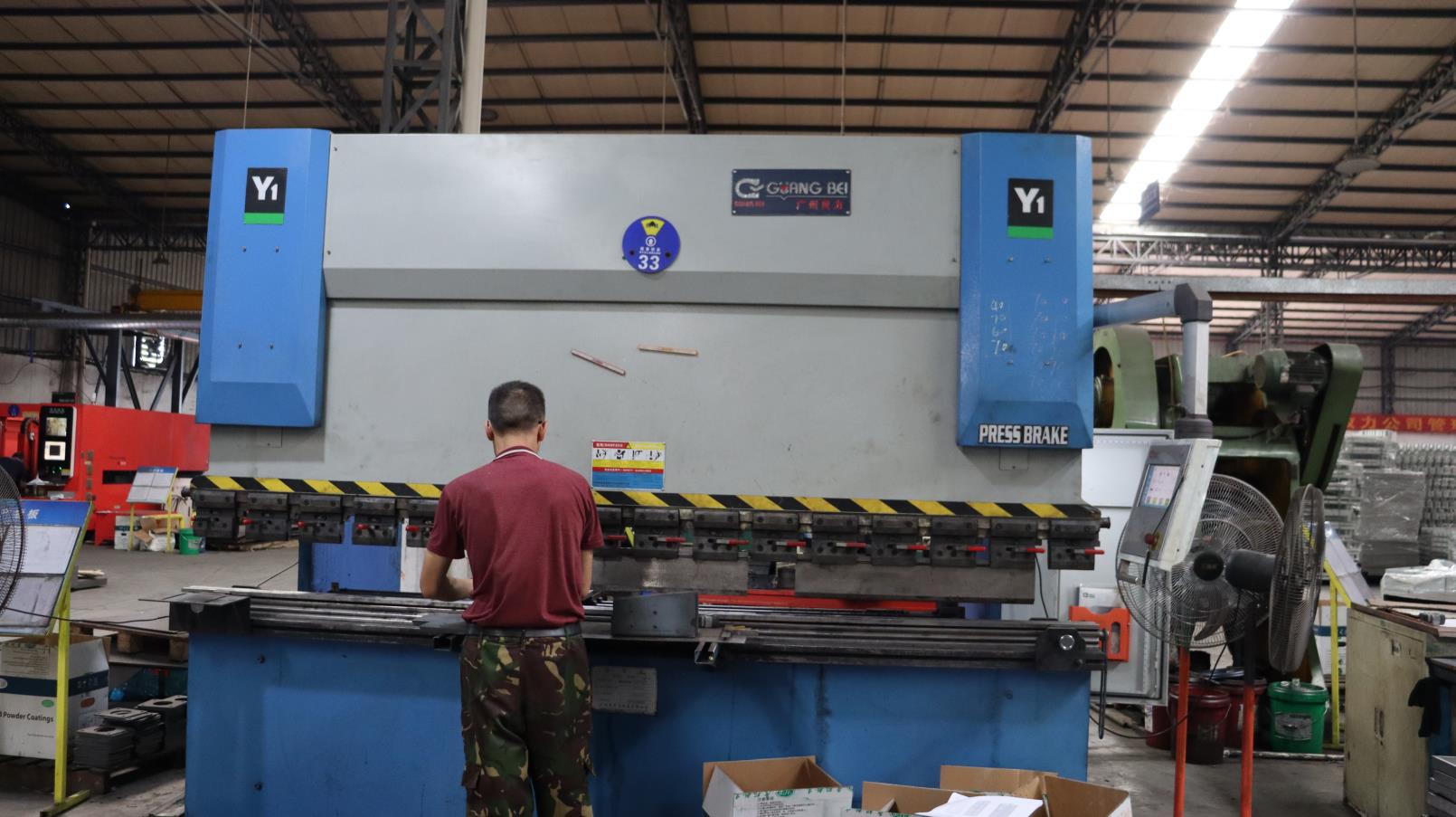
Bending Machine
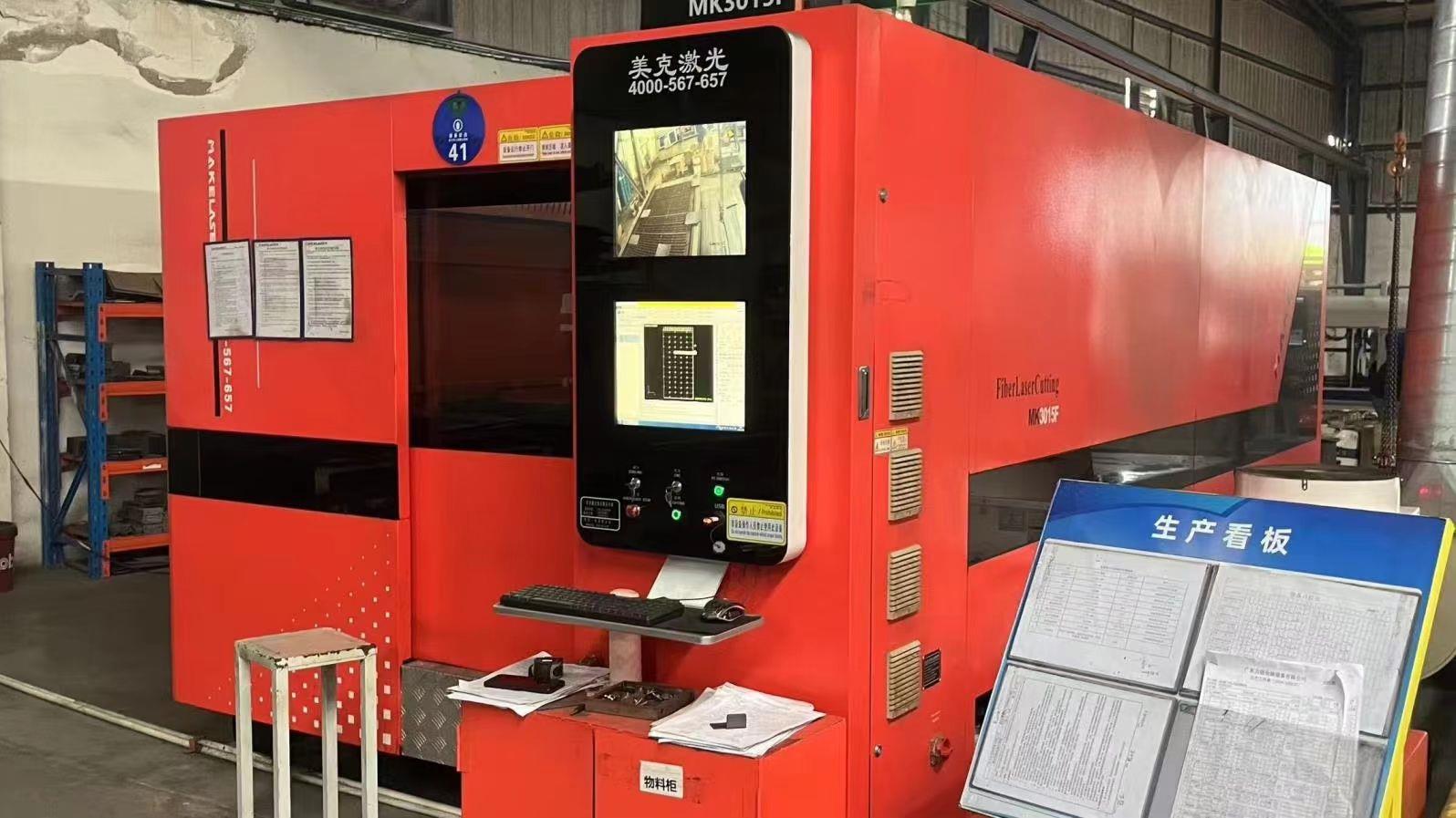
Laser Cutting Machine
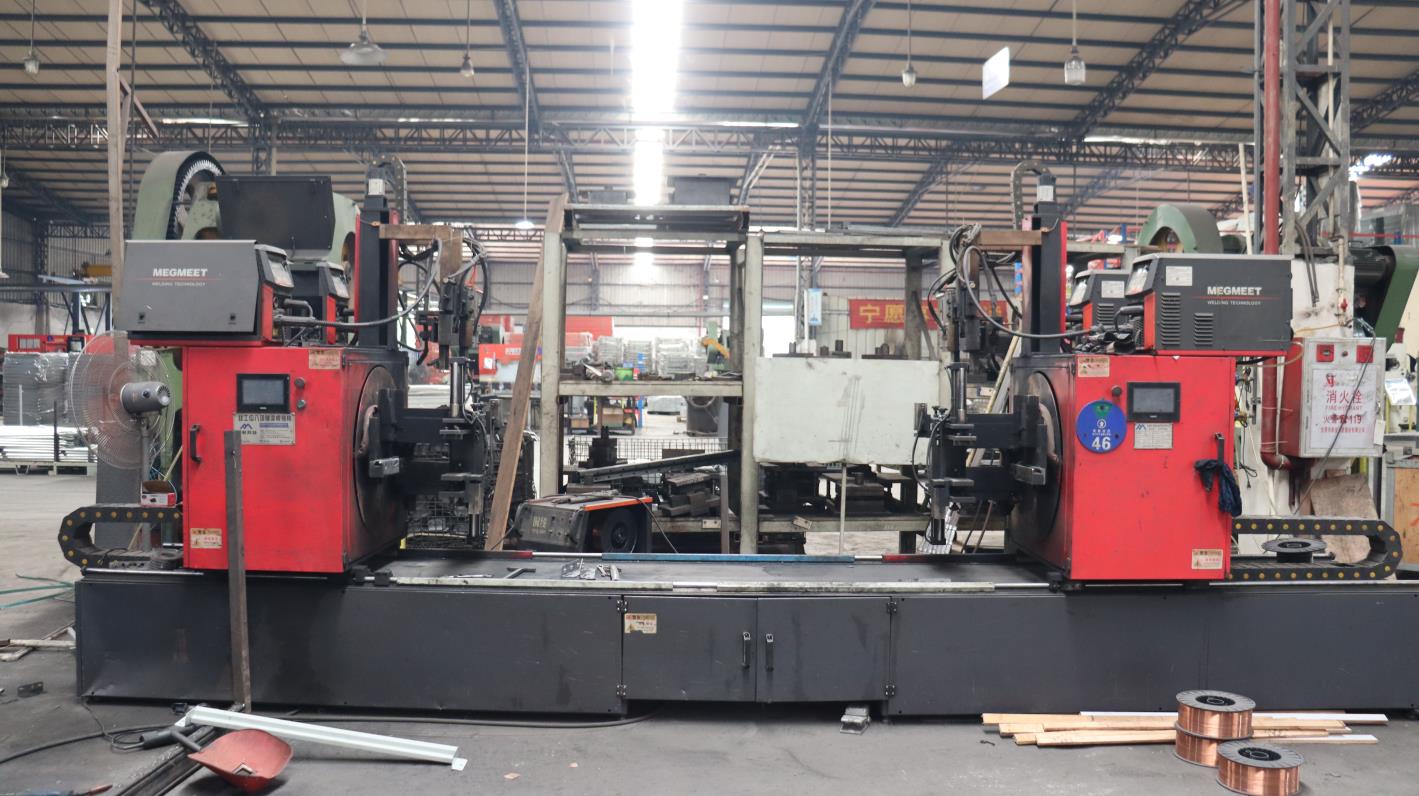
Welding Machine
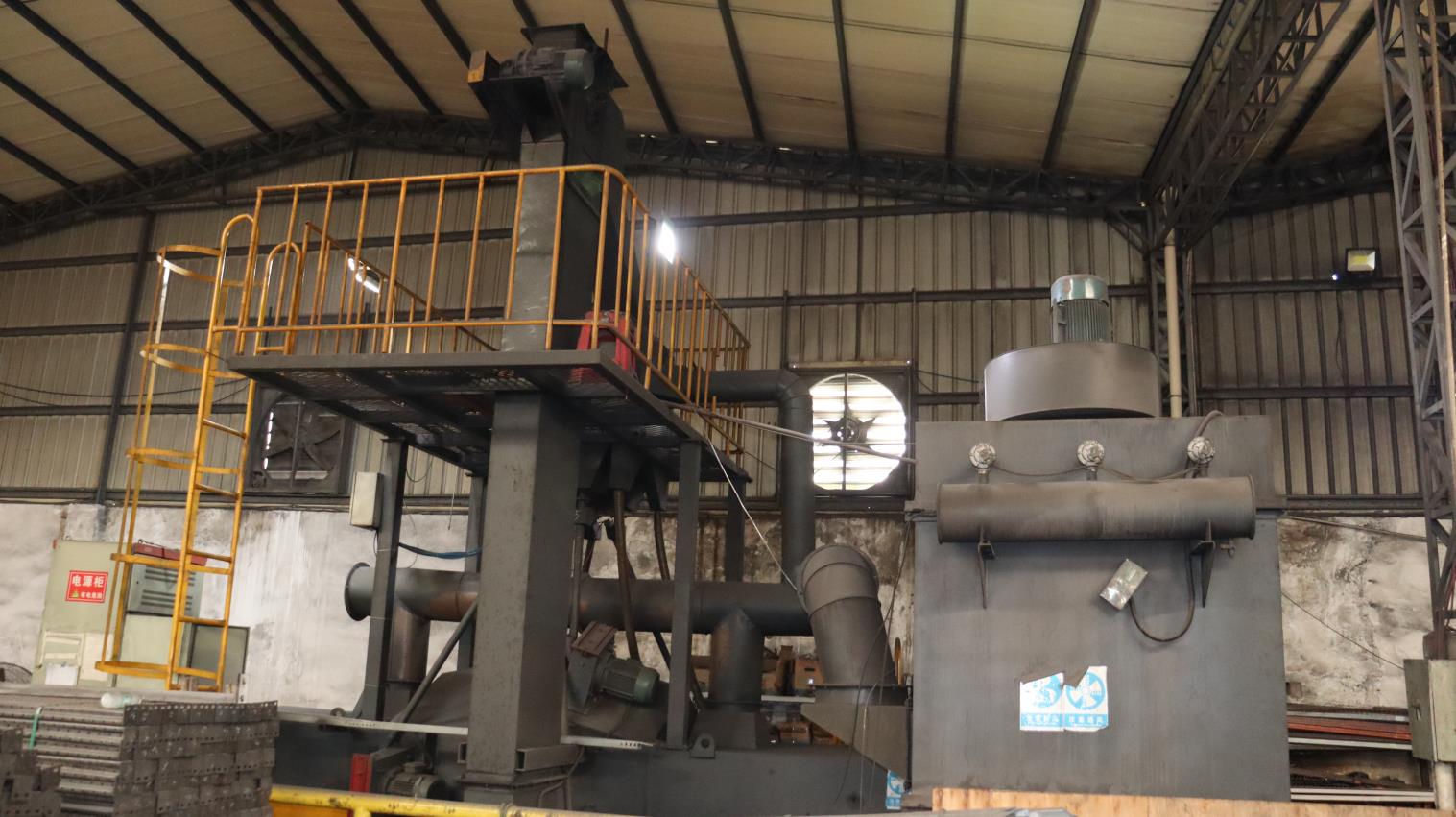
Polish Machine
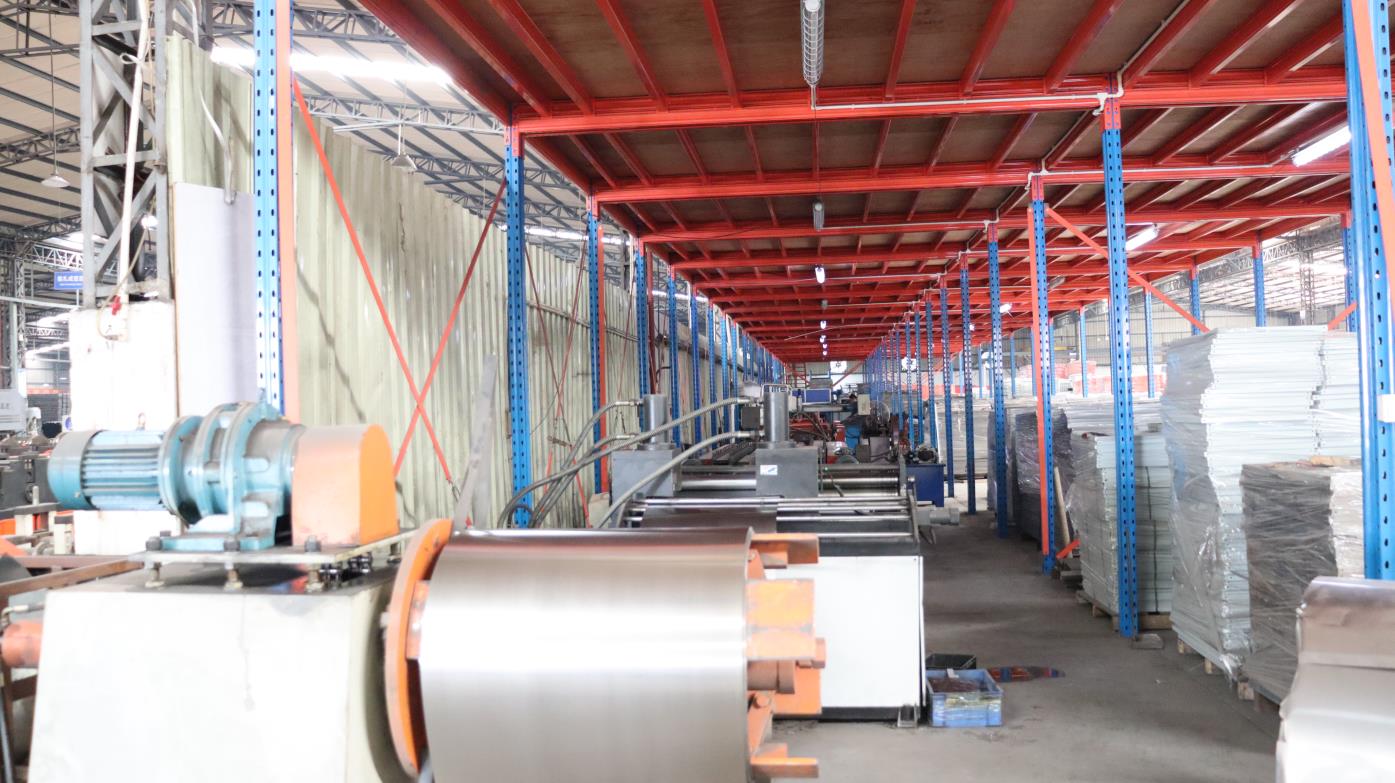
Light Frame Forming Line
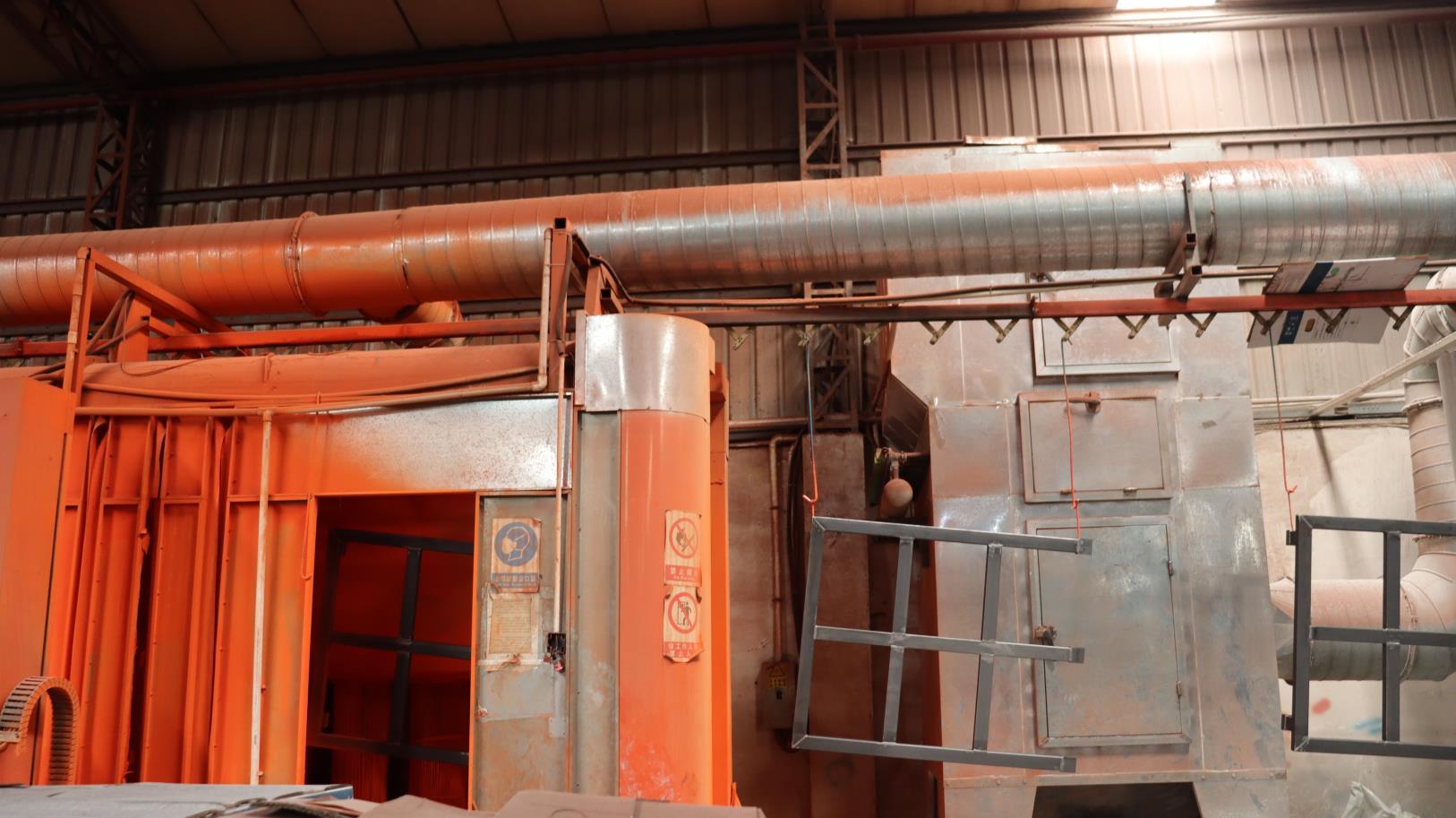
Automatic Spraying Line
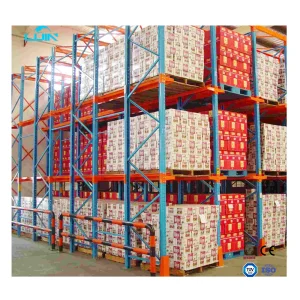
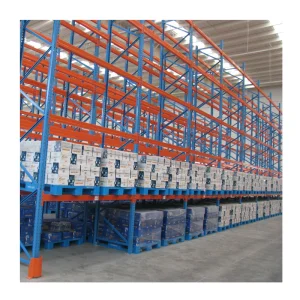
Every commercial facility presents unique load distributions and workflows. High-bay distribution warehouses utilizing AGVs require strict dimensional tolerances to prevent machine collisions. Cold chain environments require specialized steel formulations that resist brittle fractures at sub-zero temperatures. At Lijin, we configure comprehensive, macro-level structural systems that integrate with complex logistics networks:
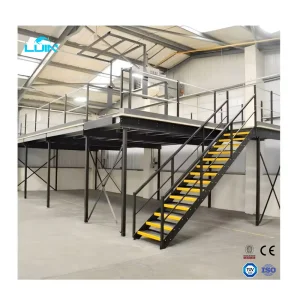
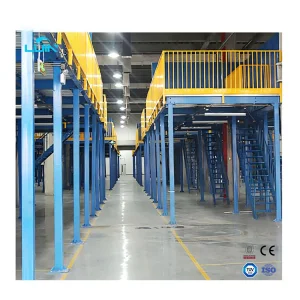
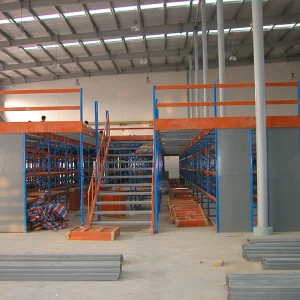
By implementing steel structure platforms, we create new workspace, packing zones, or offices above active storage spaces. These systems are designed with high-grade I-beams and load columns, handling loads up to 2,000 kg/m² with minimal deflection.
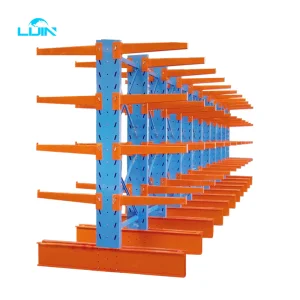
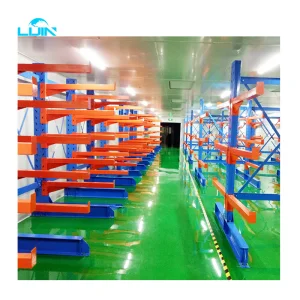
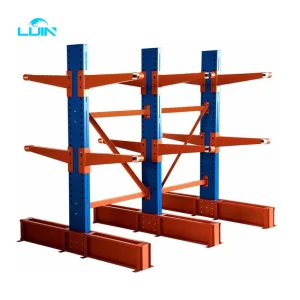
Designed specifically for long, bulky materials like steel rebars, timber, and PVC pipes. Our double-sided and single-sided adjustable cantilever arms utilize tapered columns to eliminate front obstructions, streamlining forklift access.
Automotive facilities demand highly organized, heavy-load structures. Lijin's customizable mobile and static tire racks preserve rubber integrity through curved supports while maintaining excellent space efficiency.
Operating a global warehouse racking supply chain requires careful attention to regional building codes. Racks installed in California must comply with strict seismic rules, while systems installed in Germany must align with European DIN standards. Failing to meet these local codes can lead to regulatory delays, insurance issues, or structural risks.
Lijin mitigates these risks by providing engineering documentation and structural calculation reports based on localized installation criteria. Every batch of steel undergoes rigorous material testing before rolling. During production, our QA team uses ultrasonic non-destructive testing and laser measuring to ensure weld penetration and dimensional accuracy. We also provide clear, step-by-step layout drawings and engineering guidance to simplify installation and ensure compliance with local building inspections.
The next generation of logistics systems relies on automation and green technology. Our R&D roadmap focused on developing hybrid racking components that seamlessly integrate with Automated Storage and Retrieval Systems (ASRS) and autonomous shuttle carts. This design requires upright deflection tolerances to remain below L/1000—a level of precision achieved only through automated roll-forming and laser-guided punching lines.
Environmental sustainability is another key driver in modern manufacturing. Lijin is proud to implement green initiatives throughout our production process. By using non-toxic, TGIC-free powder coatings on our automatic spraying lines, we reduce hazardous air emissions while maintaining excellent resistance to corrosion and wear. Additionally, our high-precision nesting software optimizes sheet metal cutting, reducing raw material waste to less than 1.5%.
Dynamic analysis assesses how racking systems respond to external forces, such as forklift impacts or seismic activity. Unlike static calculations that assume constant loads, dynamic testing simulates real-world stress. For cantilever systems, this means calculating the twist on the column when arms are loaded unevenly. For mezzanine structures, it involves assessing vibrational frequencies caused by moving workers and light equipment. We use finite element analysis (FEA) to simulate these forces, designing column connections that distribute stress safely to the concrete floor.
The choice between Q235B and Q345B steel alloys depends on the required yield strength and load capacity. Q235B steel, with a yield strength of 235 MPa, is highly ductile and easy to form, making it ideal for standard pallet racks, light shelving, and light mezzanine frames. Q345B has a higher yield strength of 345 MPa, providing greater load capacity. We use Q345B for high-stress components, including heavy-duty mezzanine columns, structural I-beams, and long cantilever arms. This approach ensures maximum strength while optimizing the overall weight of the structure.
Pre-treatment is key to preventing rust and ensuring the durability of the powder coating. At Lijin, we use a multi-stage pre-treatment process: degreasing, acid pickling to remove scale, and phosphating to create a micro-textured surface. This surface texture ensures strong adhesion of the electrostatic powder coat. Racks pre-treated this way resist scratches, impacts, and chemicals, and perform reliably in demanding warehouse environments, including cold storage and high-humidity facilities.
Supported by 28 R&D engineers, Lijin offers comprehensive engineering and design services for large OEM/ODM projects. Clients provide their warehouse CAD drawings, ceiling heights, floor load ratings, forklift specifications, and product profiles. Our team then creates detailed 3D layouts, performs load simulations, and runs seismic analyses. We adjust beam lengths, upright configurations, and support spans to maximize storage density while maintaining safe clearances, delivering a fully integrated layout solution.
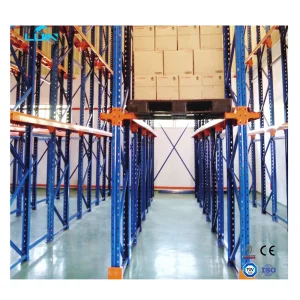
 Lijin Racking