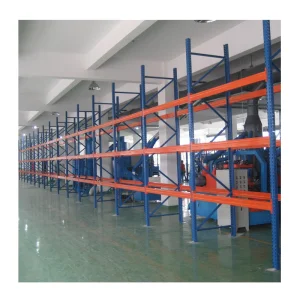
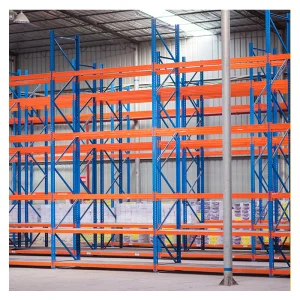
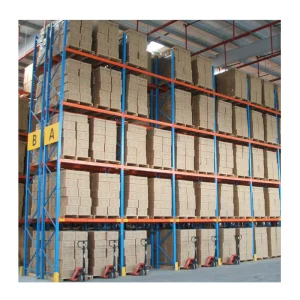
Engineered to maximize vertical storage, improve picking accessibility, and withstand intense material handling configurations.
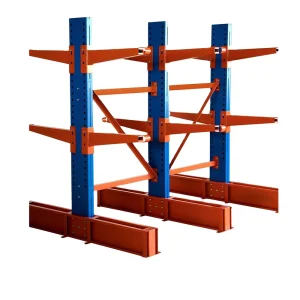
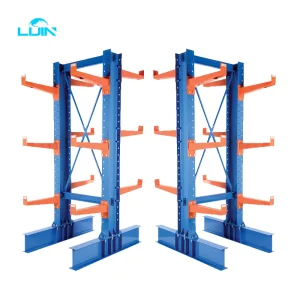
As global supply chains shift toward high-velocity fulfillment, micro-fulfillment centers, and third-party logistics (3PL) models, warehouse floor space has transformed from a cost center into a strategic lever. At the heart of this physical infrastructure sits the selective racking system. Offering 100% selectivity and immediate access to every pallet position, selective racking remains the industry standard for high-SKU diversity storage.
However, purchasing decisions have grown increasingly technical. Procurement executives must balance dynamic weight load requirements, seismic zone calculations, steel structural grades, and corrosion resistance standards. This comprehensive technical whitepaper explores the operational capabilities, manufacturing processes, and structural engineering advantages of sourcing selective racking solutions from leading Chinese producers.
Established in 2015, Shenzhen Lijin Storage Equipment Co., Ltd. is a global leader in designing, fabricating, and distributing heavy-duty warehouse racking systems. Over the past 12 years of industry experience and 8 years of direct global exporting, we have scaled our production to align with standard criteria across North America, Europe, the Middle East, and Asia.
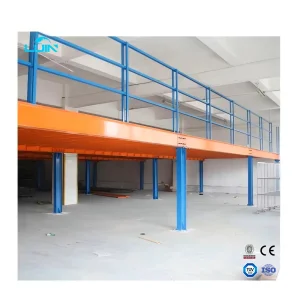
By integrating advanced metallurgy with automatic cold-forming manufacturing lines, Lijin creates systems that boast high load capacity, dynamic stability, and corrosion-resistant finishes. We specialize in bespoke industrial systems ranging from selective pallet racks, heavy-duty cantilever racks, and mezzanine floors, to multi-tier shelving assemblies.
"With a modern facility of over 35,000 m², our operational focus remains on engineering safety, structural integrity, and custom spatial configuration."
A comprehensive walkthrough of our automated production stages, raw material handling, and custom forming machinery.
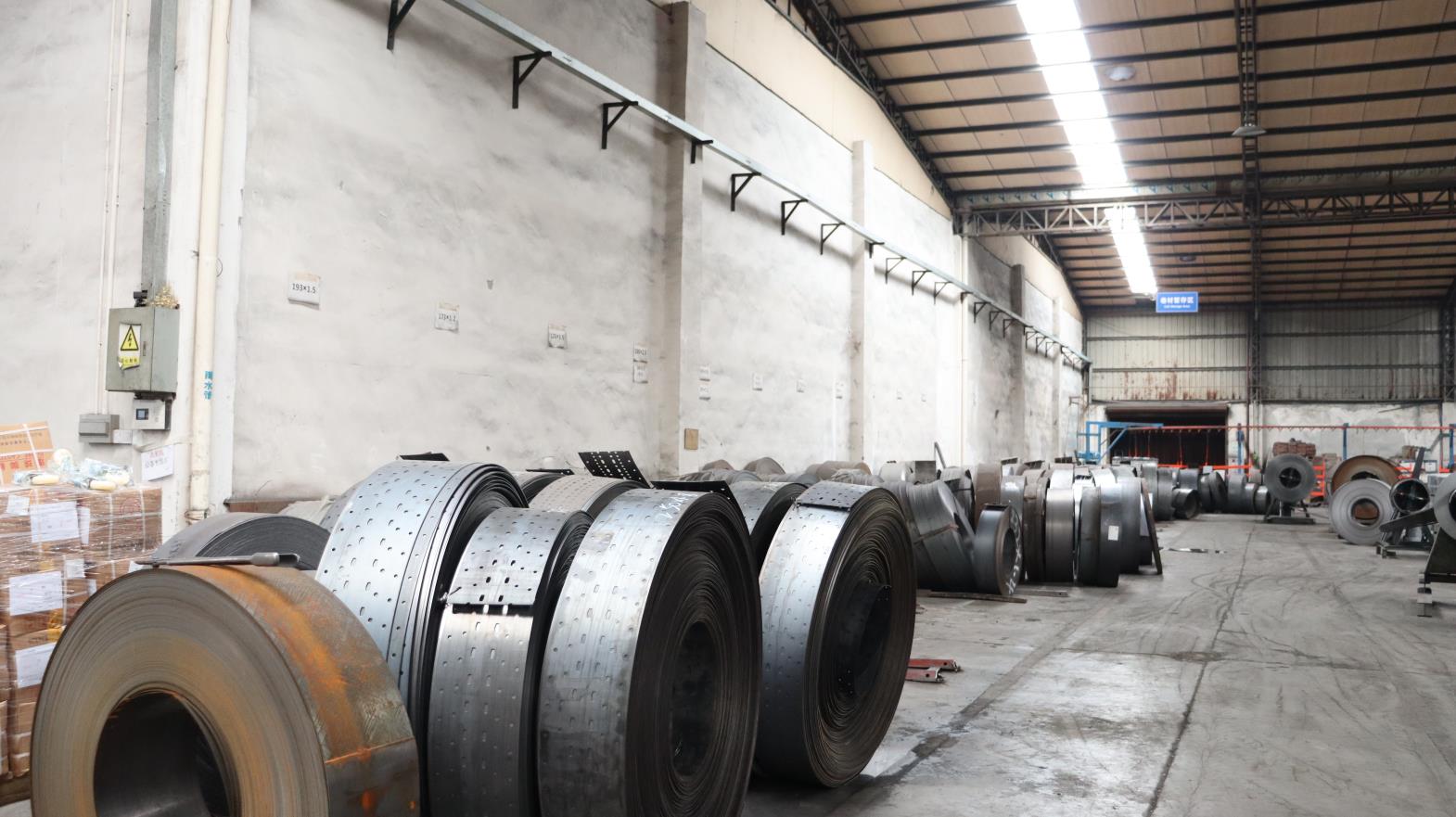
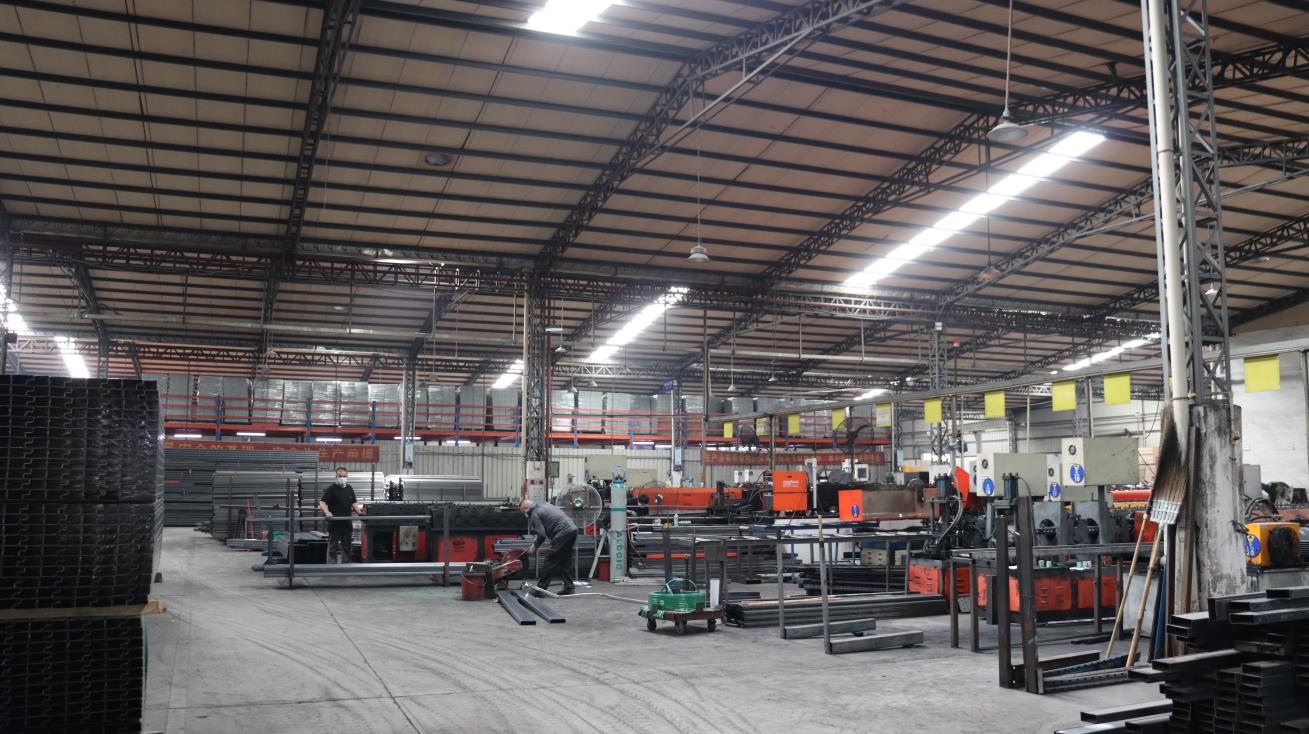
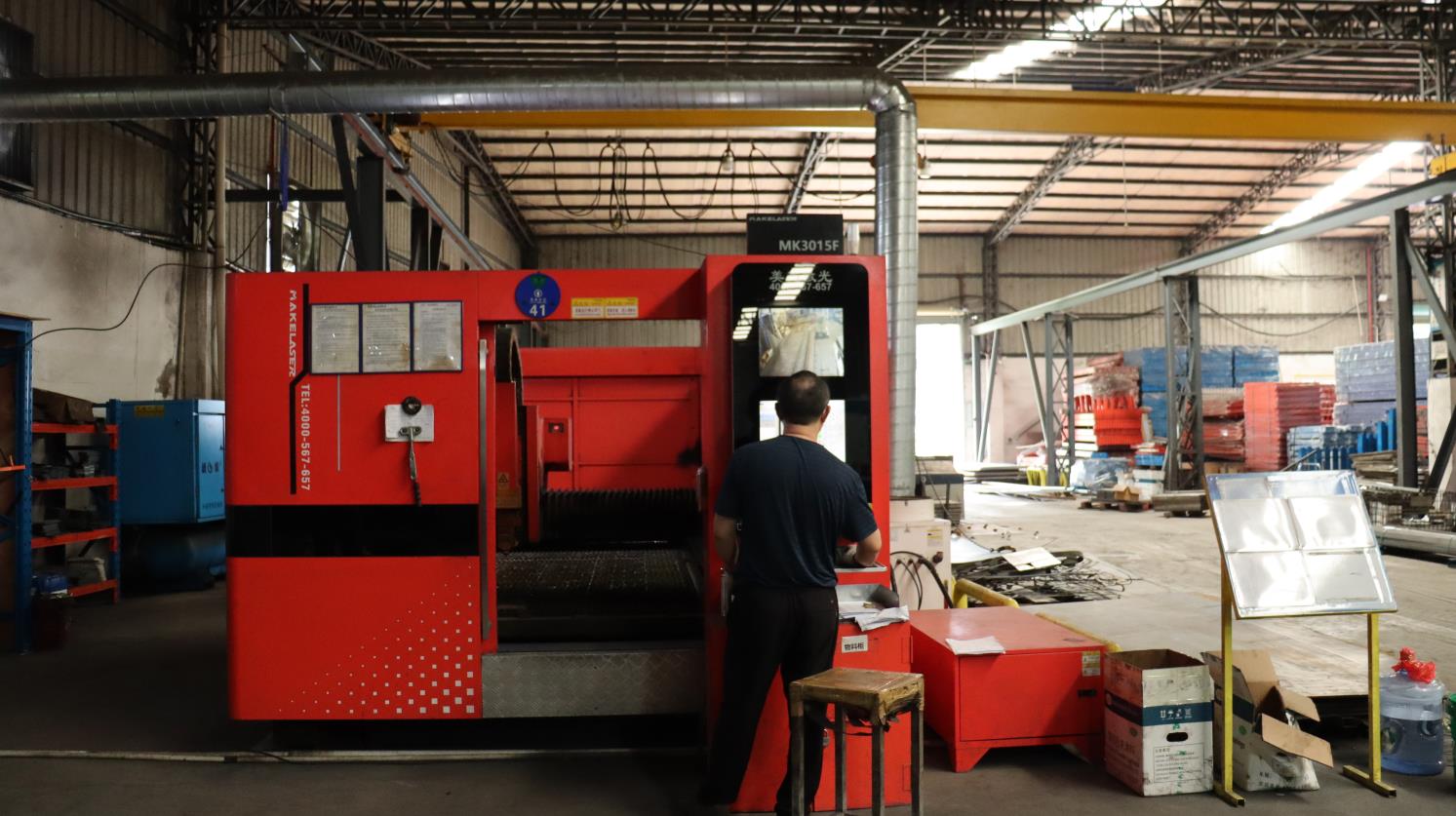
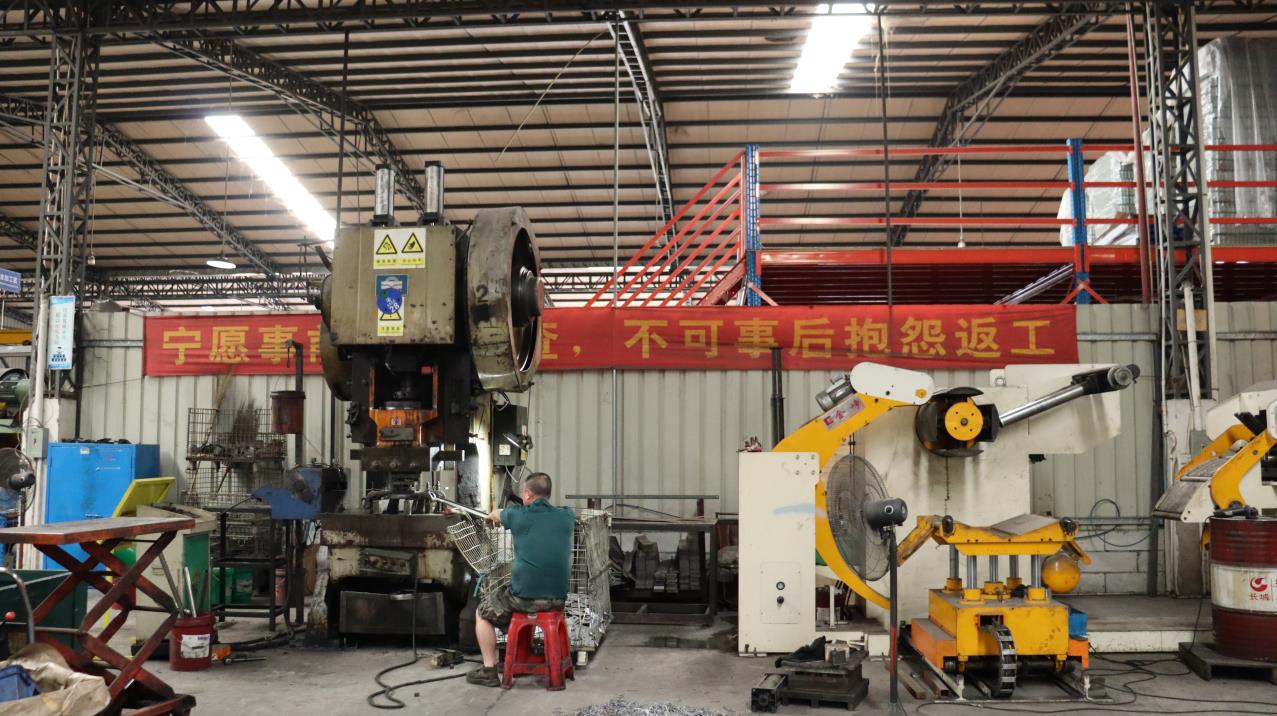
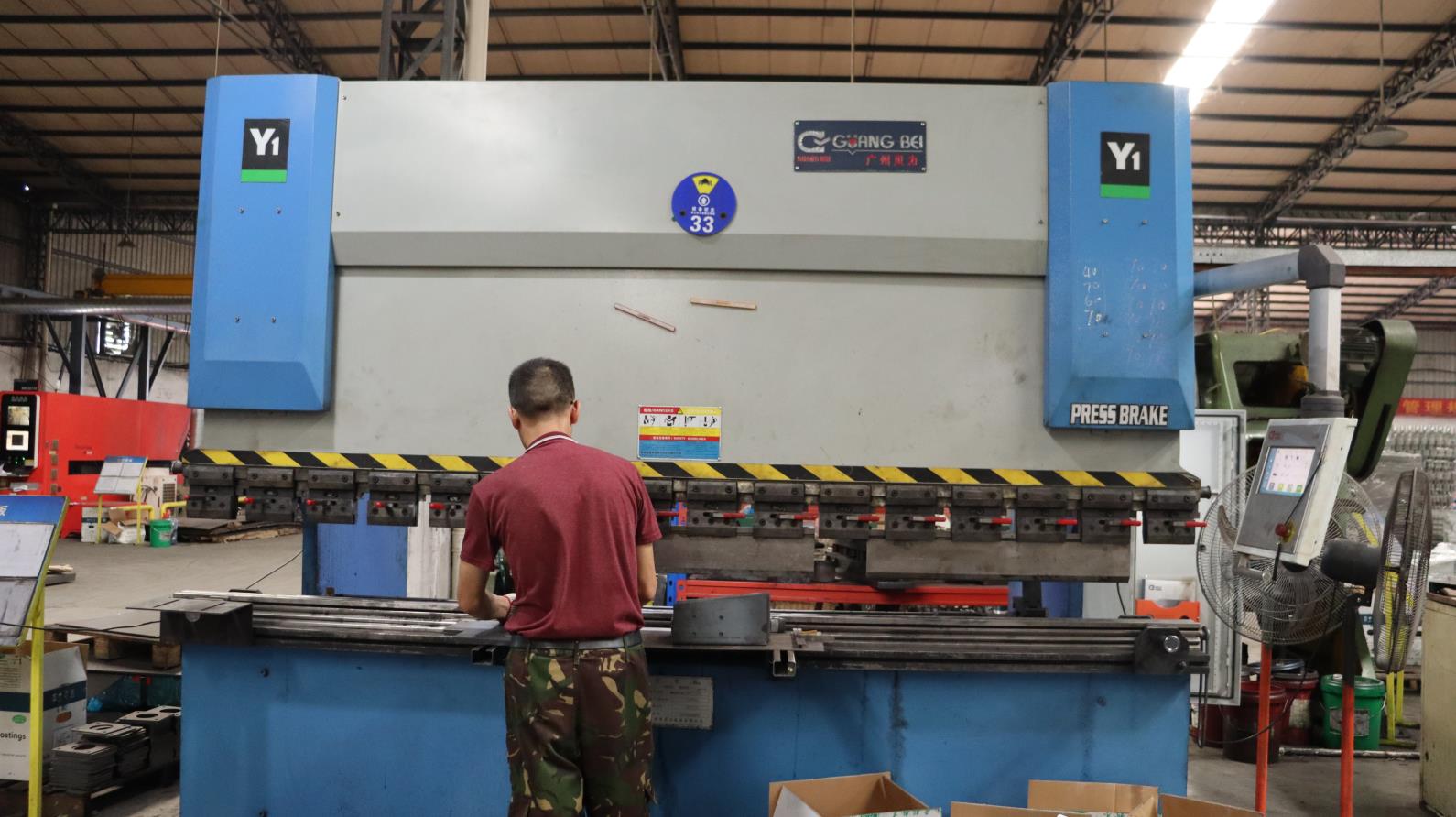
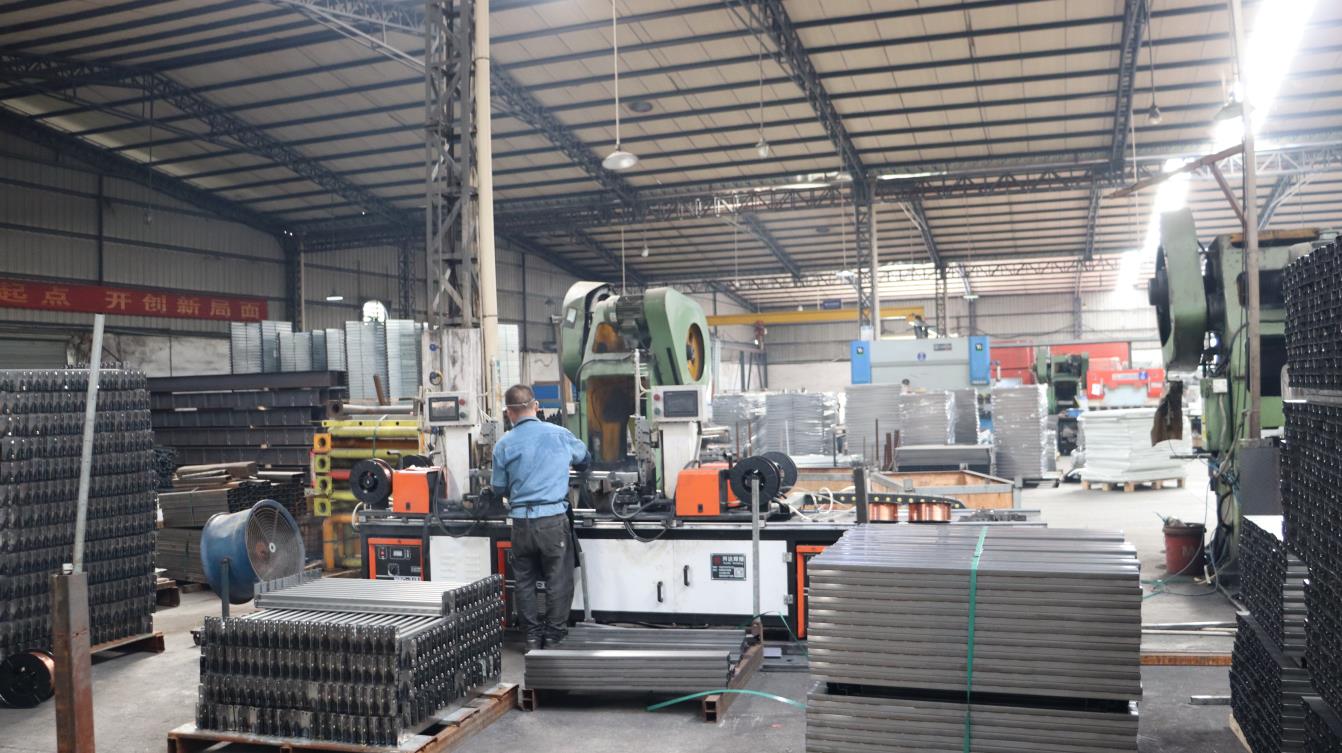
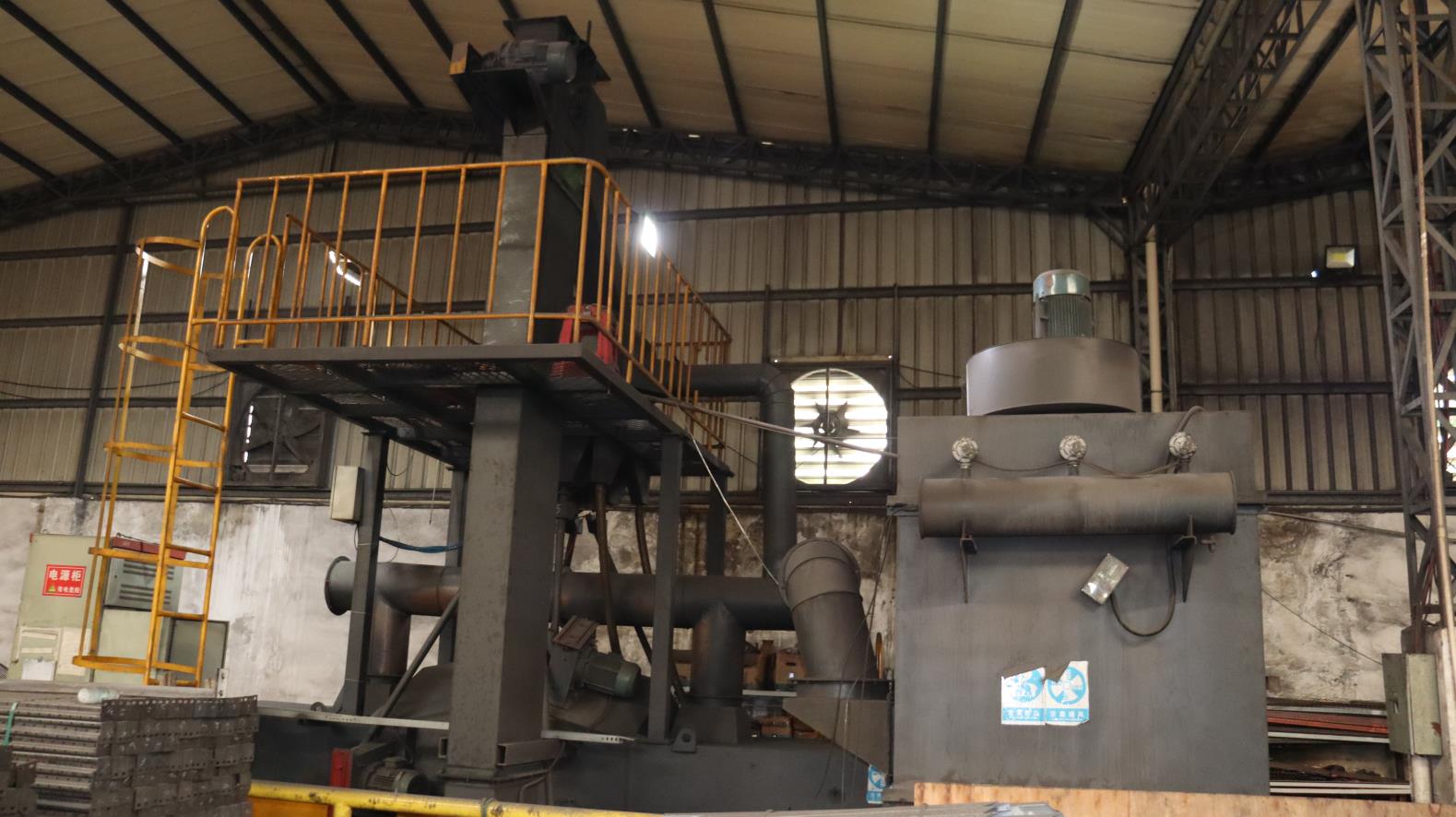
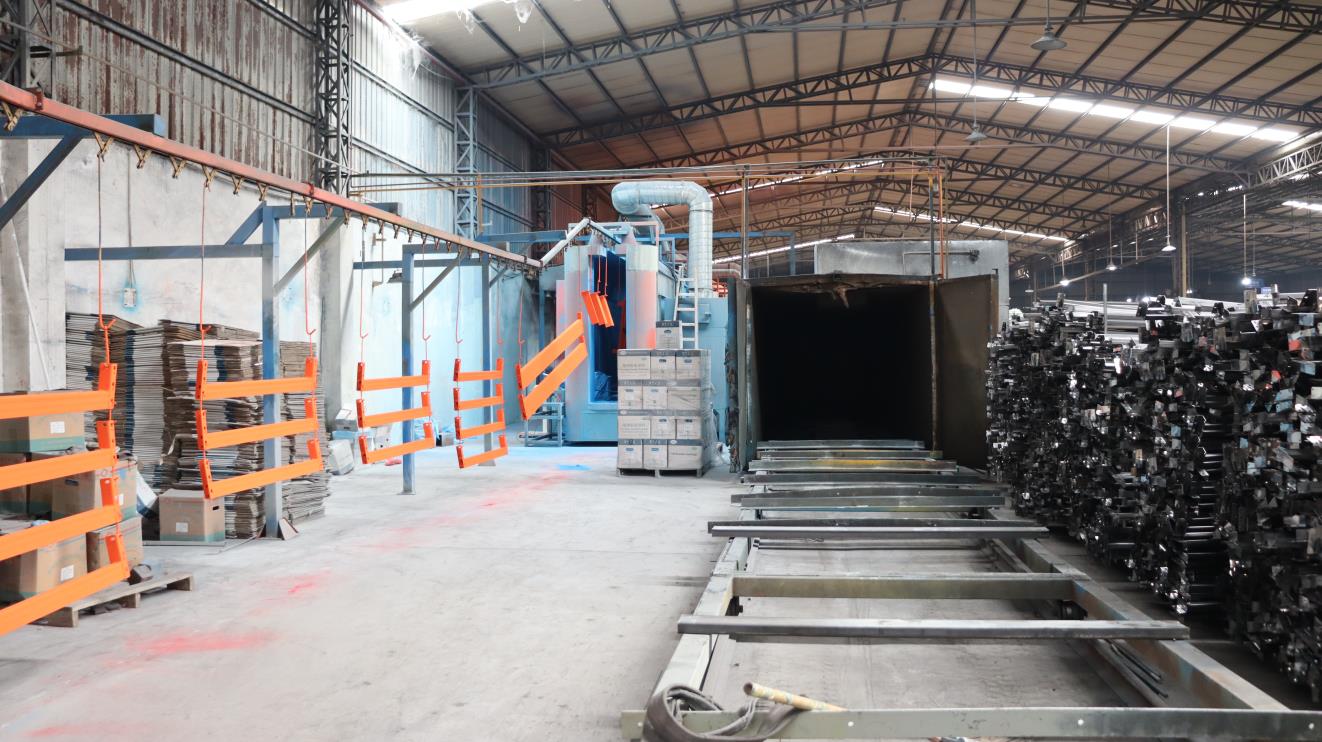
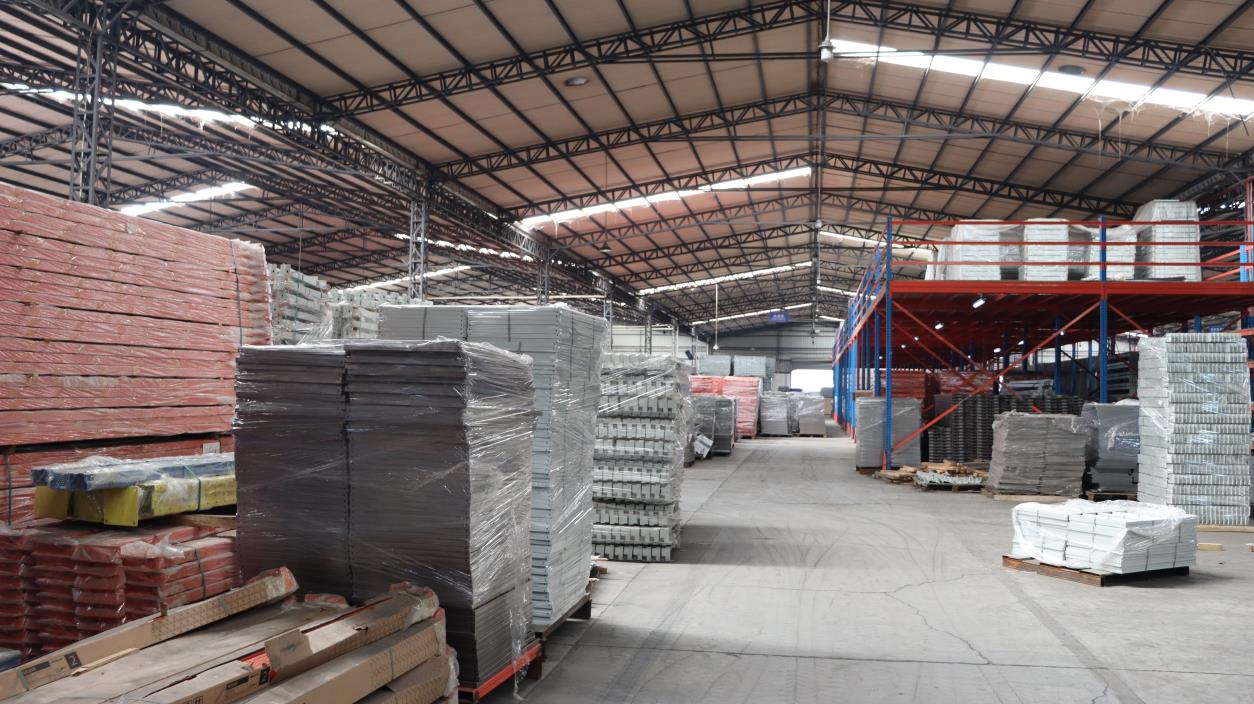
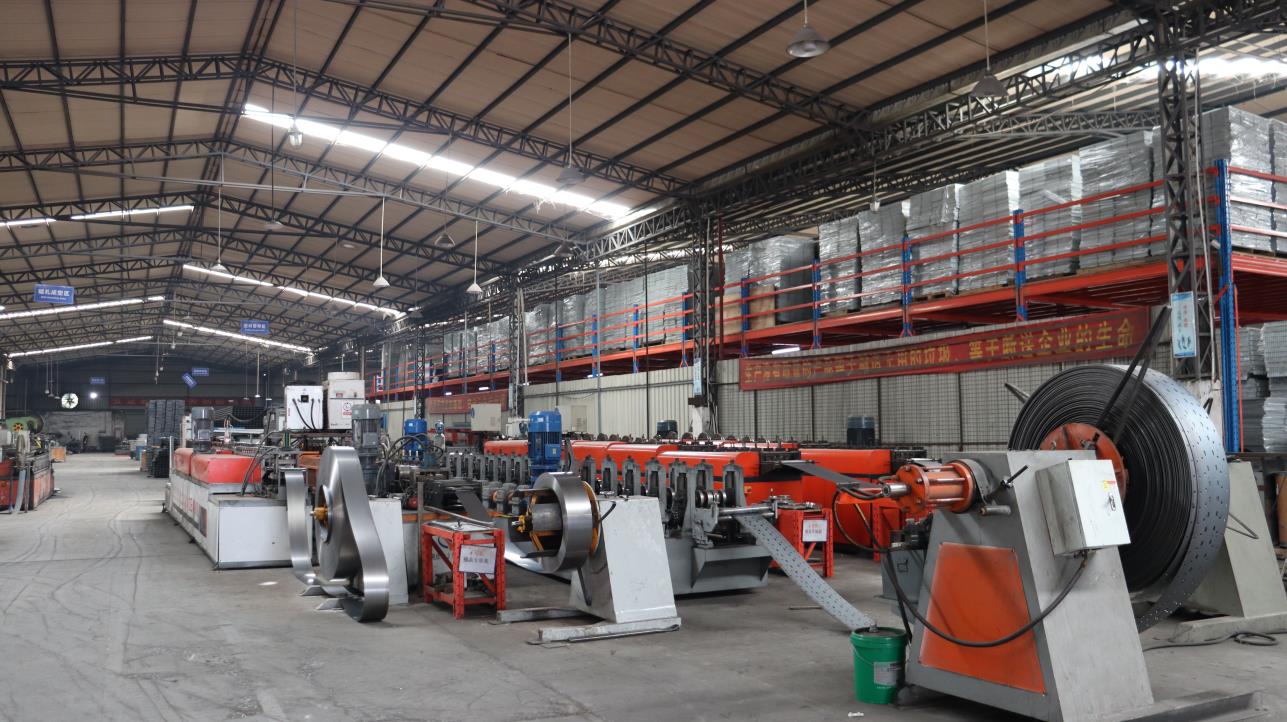
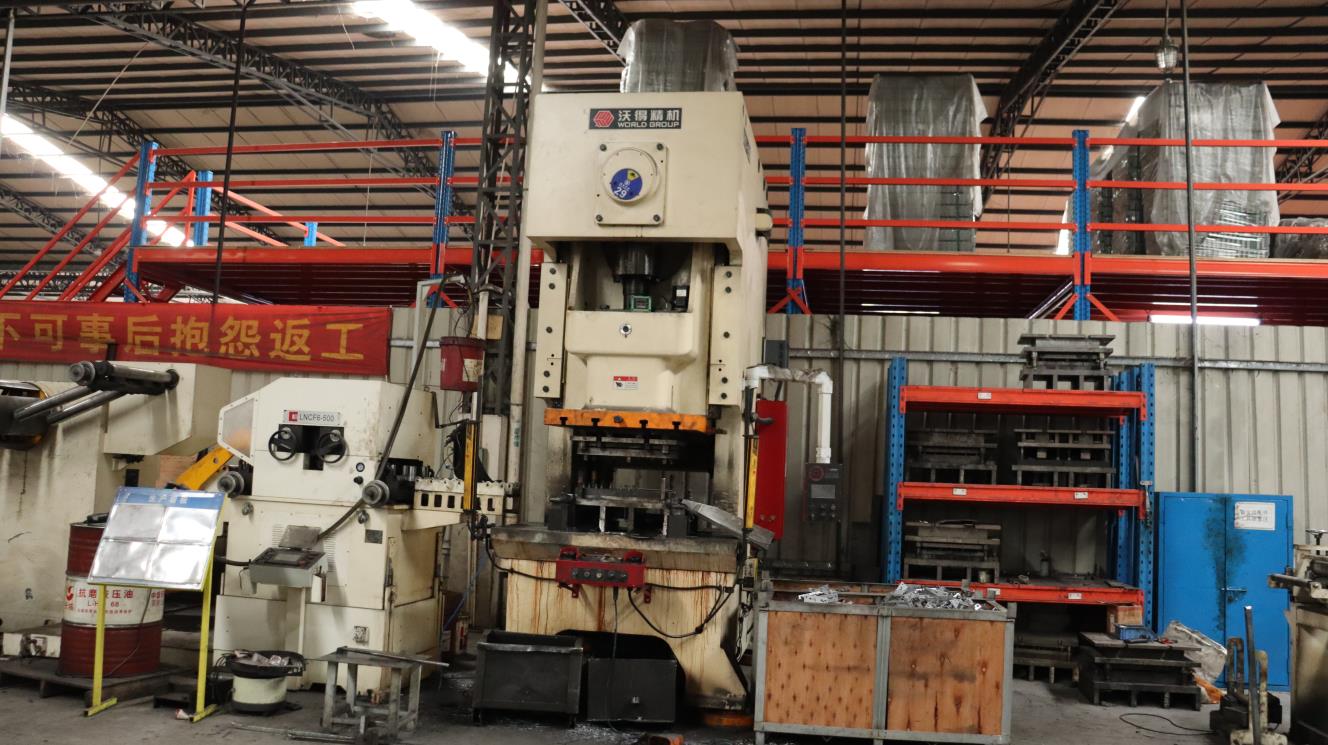
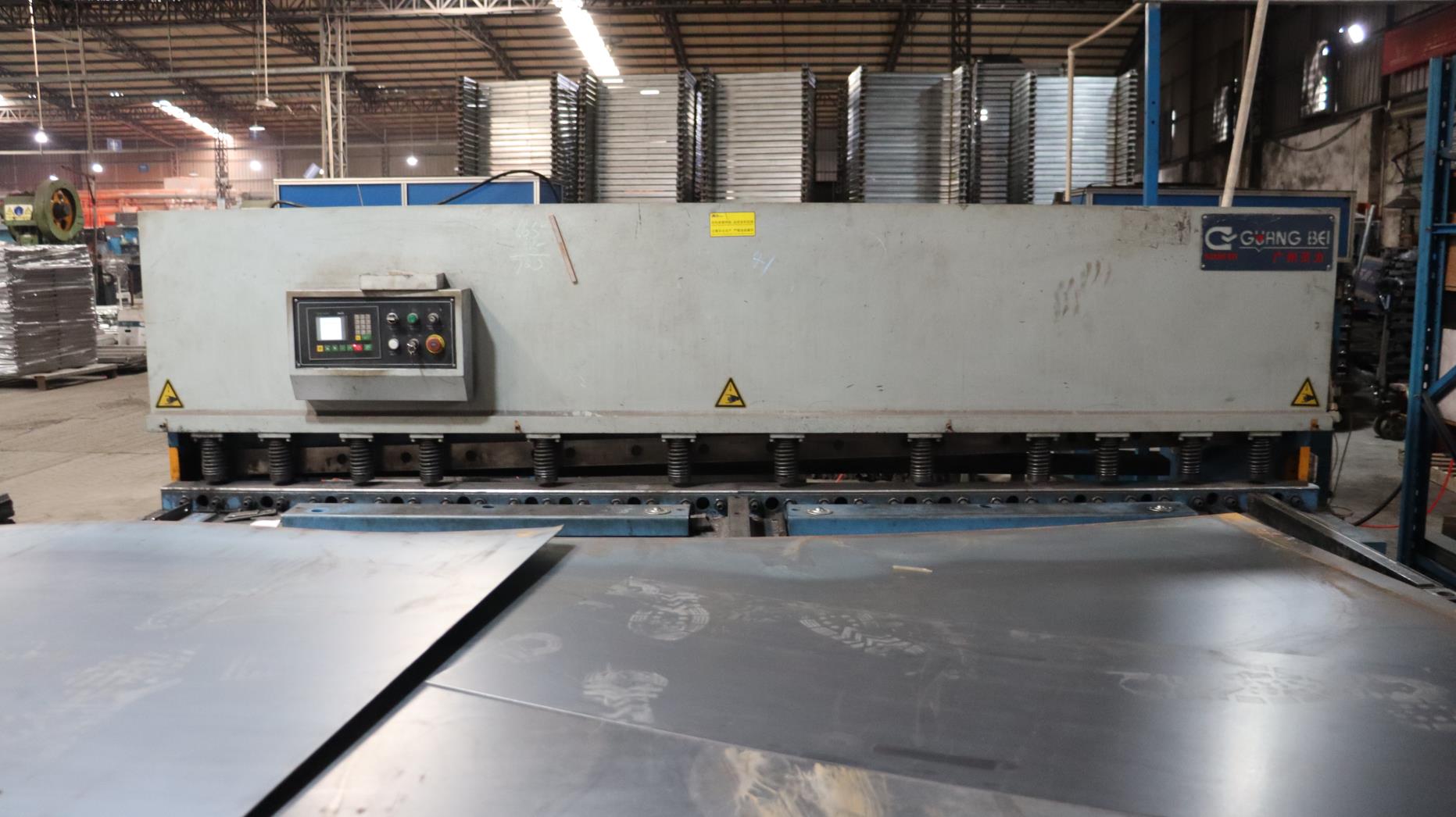
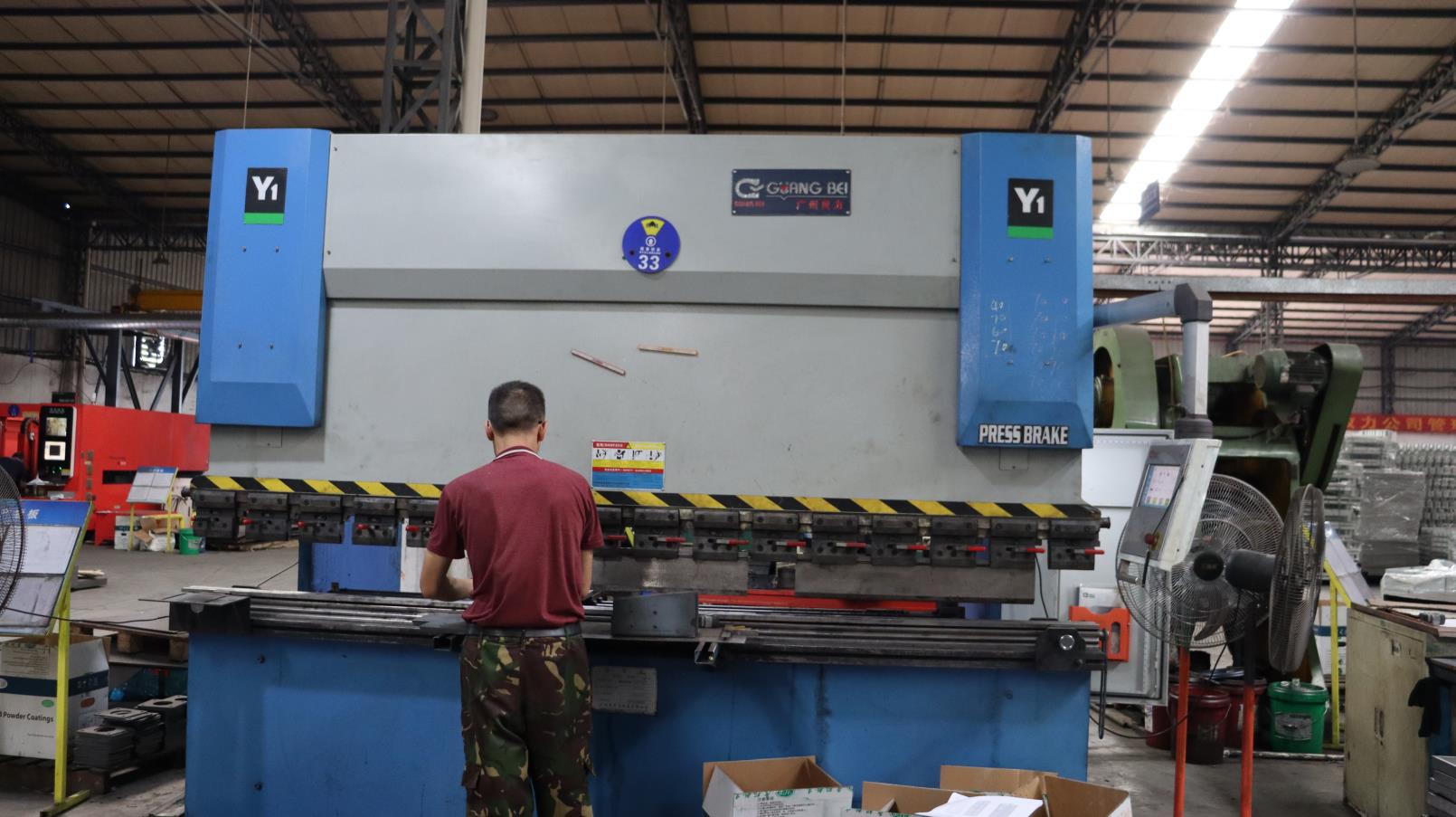
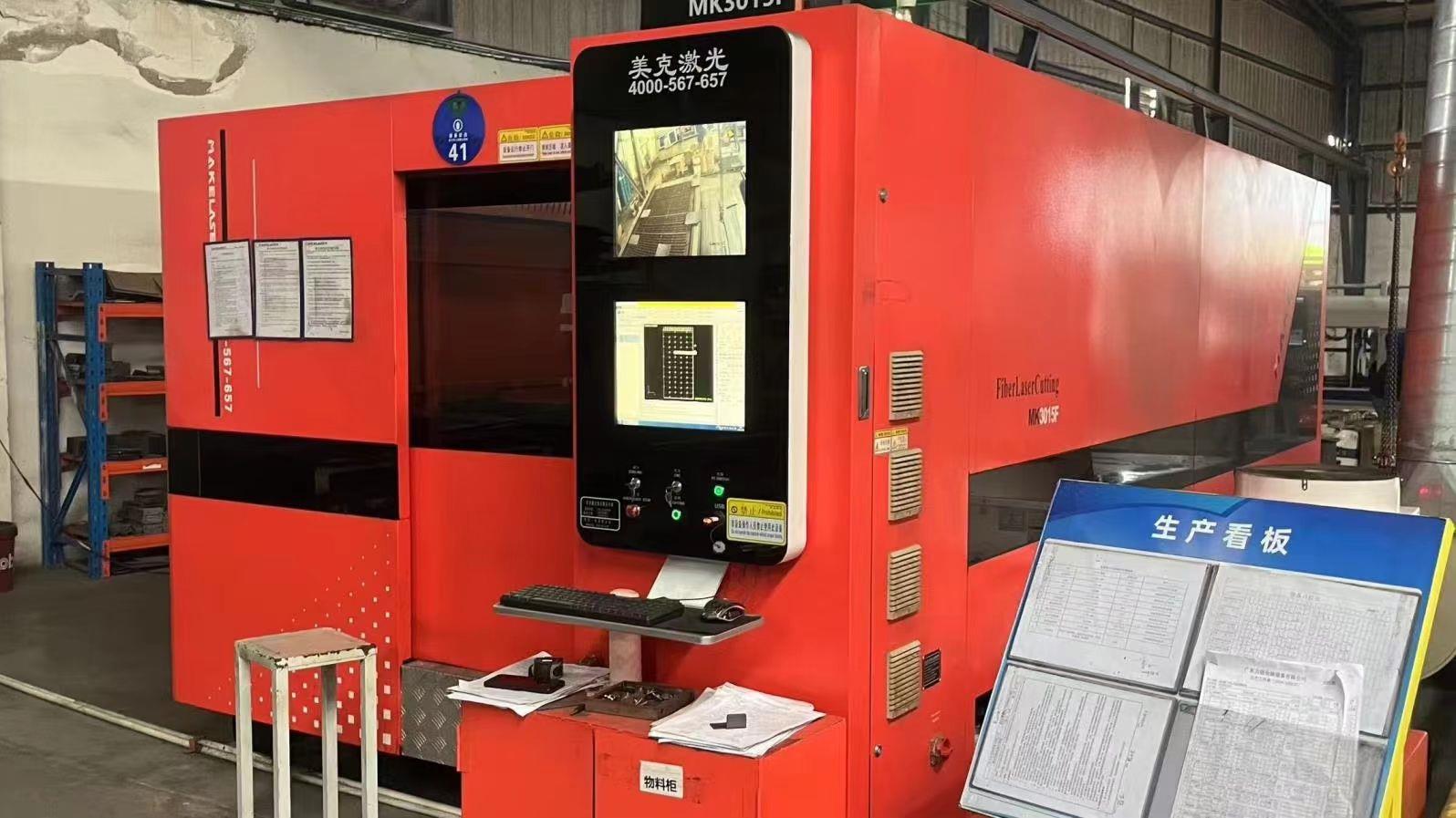
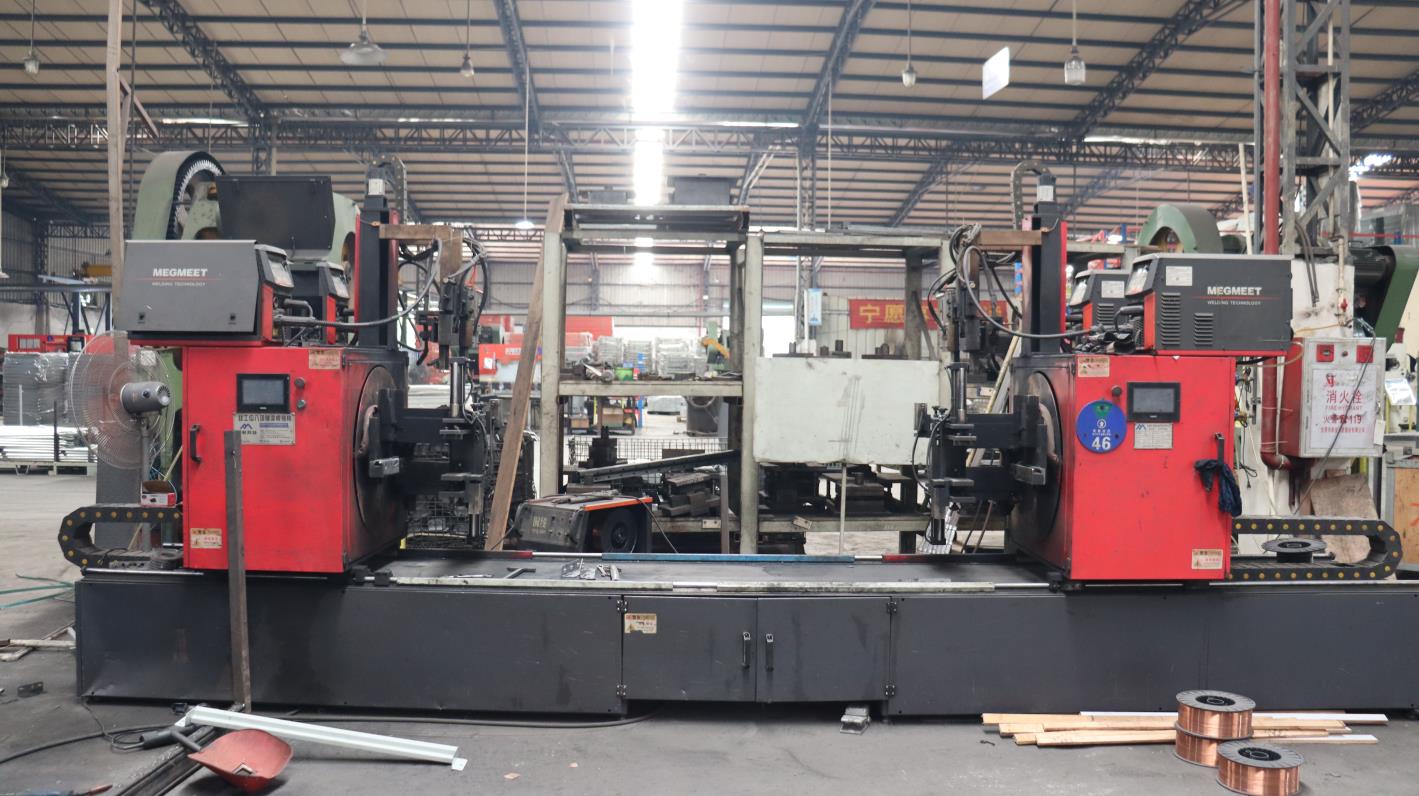
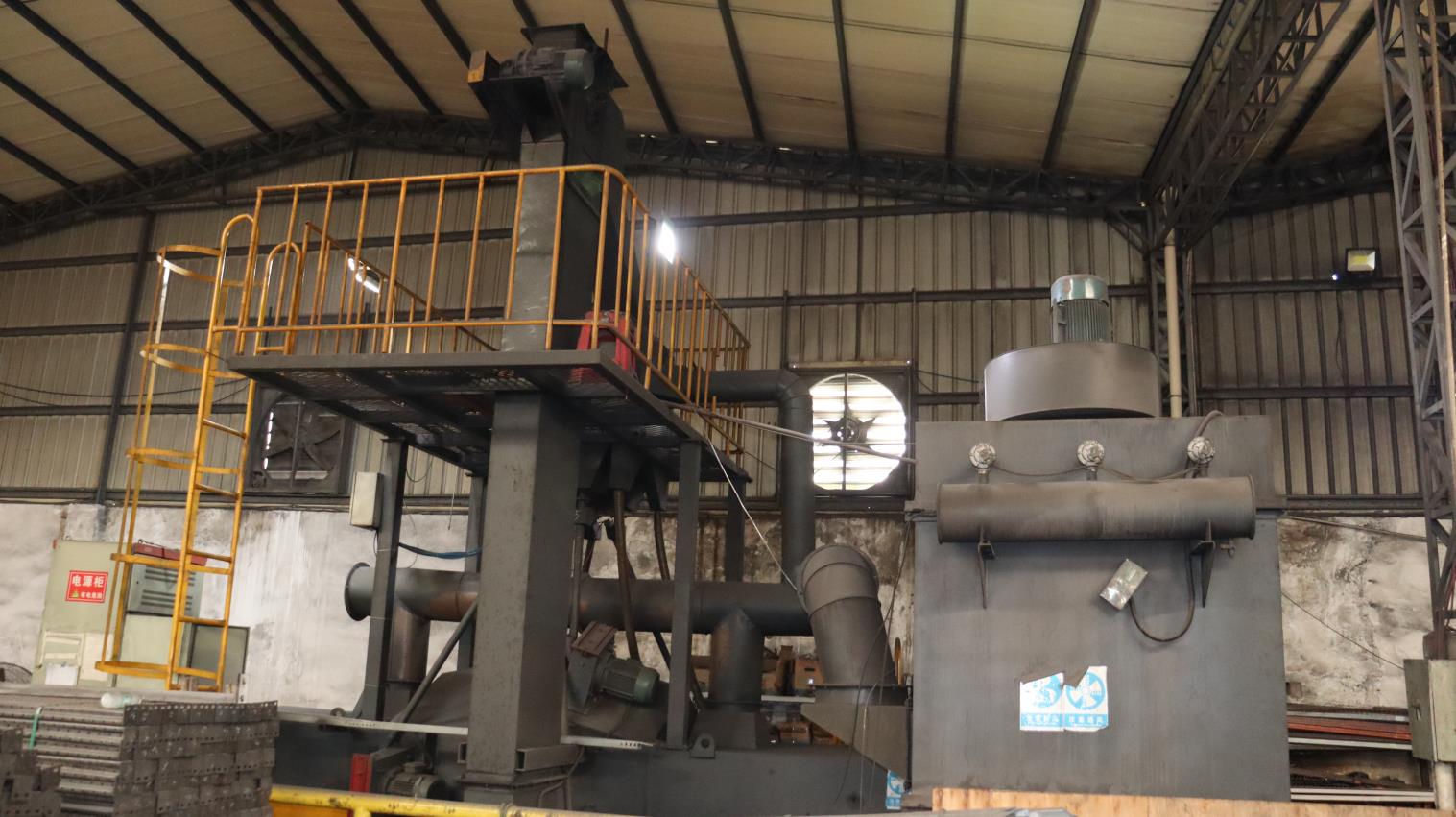
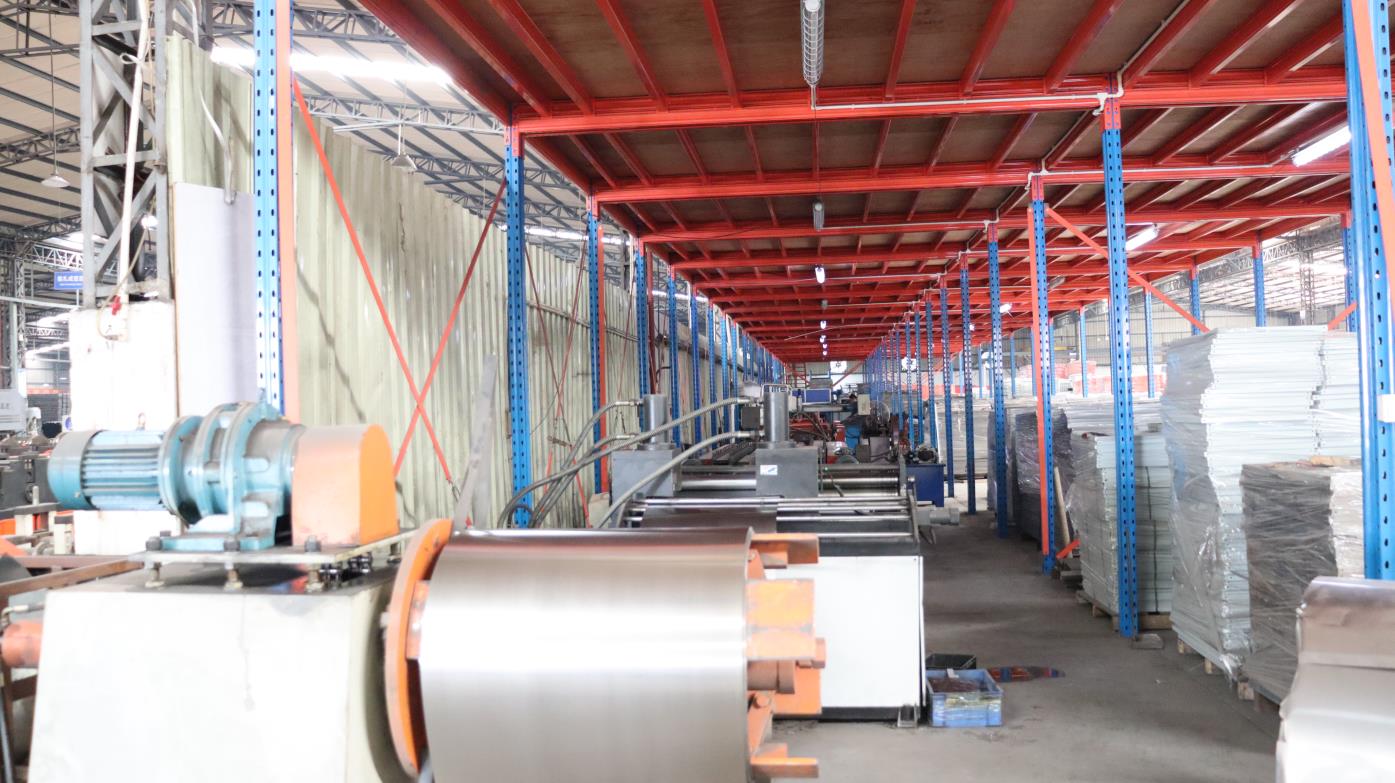
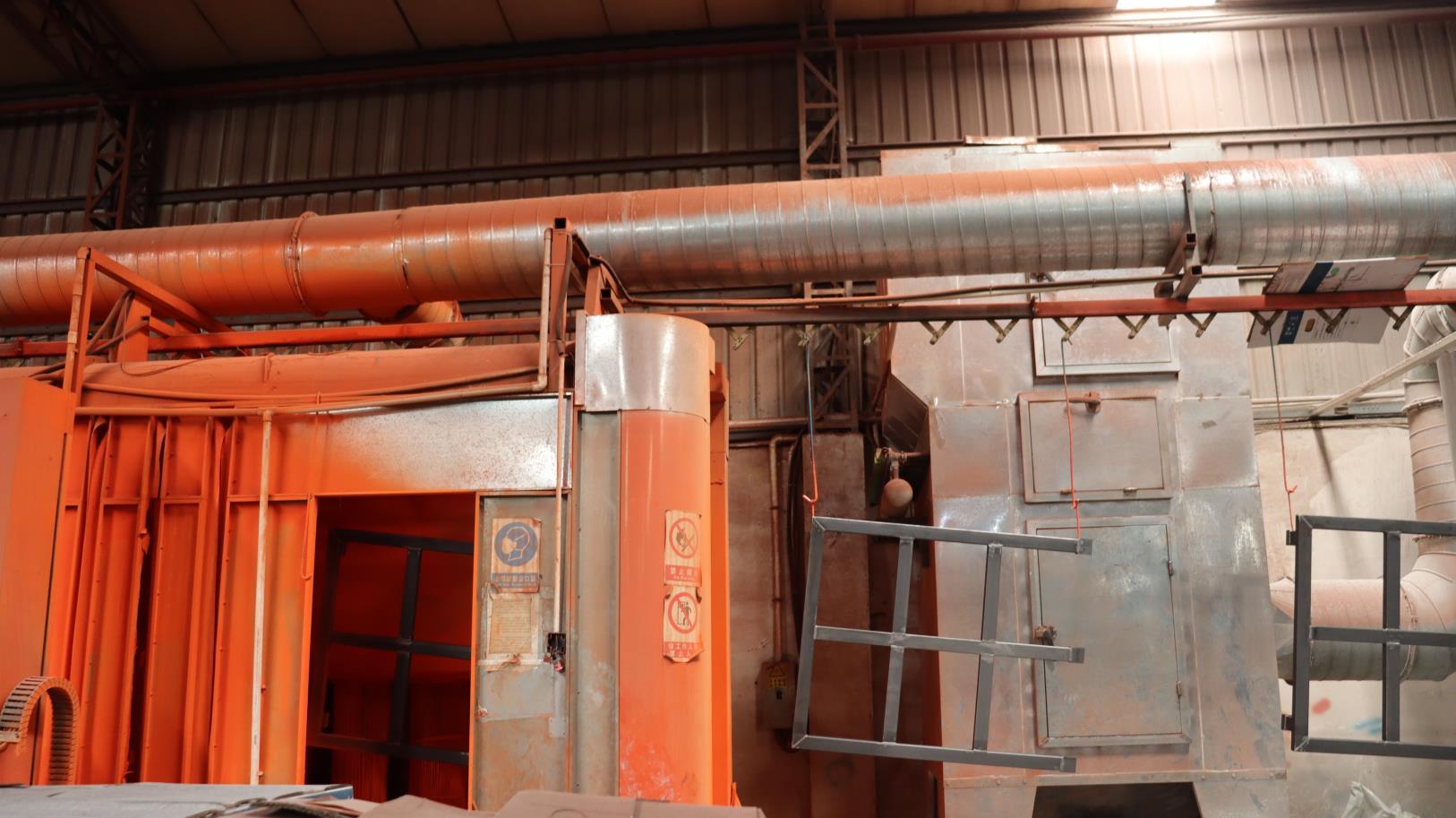
Strategic advantages that balance economic efficiency, metallurgical excellence, and advanced automation.
Access to premium Chinese structural steel grades, primarily Q235B and Q355B (equivalent to ASTM A36 and ASTM A572 Grade 50), offering superior yield strength and load deflection properties.
Highly automated, multi-stage cold-roll forming machinery ensures high dimensional stability, avoiding micro-fractures along profile edges and maximizing structural load capacities.
Proximity to steel mills, surface treatment chemical suppliers, and direct deep-water shipping ports like Shenzhen, Ningbo, and Shanghai keeps logistics costs and lead times minimized.
The transition toward intelligent warehousing, seismic resilience, and green supply chain initiatives.
Standard selective racking systems are increasingly configured to serve as the structural framework for Automated Storage and Retrieval Systems (AS/RS). Frame heights are scaling past 20 meters, demanding extreme engineering tolerances. Modern systems are also engineered to interface with radio shuttle platforms, transforming standard static storage into dynamic high-density solutions.
As warehouses expand in seismic-prone zones, finite element analysis (FEA) has become mandatory. Structural columns must feature wider footplates, stronger anchor bolts, and specialized bracing profiles. Chinese factories now utilize structural software to simulate earthquake activity, guaranteeing safe deflection boundaries.
Environmental regulations are changing manufacturing processes. Automated electrostatic powder coating lines now use heavy-metal-free epoxy resin powders, cured at high temperatures to emit zero VOCs. This green transition ensures that the racking is both environmentally friendly and resistant to mechanical impacts and chemical corrosion.
Leading suppliers now offer complete steel mill test certificates (MTC) for every batch, confirming raw chemical compositions (carbon, silicon, manganese) and mechanical properties (tensile strength, yield strength, elongation percentage). This transparent verification process helps buyers trace quality back to the original steel melt.
Adapting selective and industrial racking configurations to meet demanding sector-specific needs.
Designed for environments down to -30°C. Using high-ductility Q355D steel avoids low-temperature embrittlement. Equipped with high-durability zinc-rich coatings or hot-dip galvanized finishes to resist continuous condensation cycles.
Built for fast-changing inventory profiles. Incorporates boltless teardrop or box beam systems with adjustable 50mm increments. This layout accommodates pallets of varying heights and dimensions without requiring structural alterations.
Designed to handle heavy components, heavy injection molds, and motor blocks. Leverages reinforced structural components, mold racks, and mezzanine floor systems to hold over 3,000kg per level safely.
Critical metrics purchasing managers must audit before finalizing contracts with offshore racking manufacturers.
| Evaluation Parameters | Minimum Industry Standards | Shenzhen Lijin Verified Specifications |
|---|---|---|
| Steel Grade Material | Q235B / Q355B (Mild Carbon Steel) | High-strength Q235B & Q355B with mill certificates for chemical traceability |
| Deflection Limit Ratio | L/200 (under maximum safe uniform load) | L/240 or tighter to ensure beam rigidity and prevent automated crane errors |
| Welding Quality Control | AWS D1.1 / EN ISO 3834 compliance | Robotic welding lines with ultrasonic testing on frame joints |
| Surface Finishing | Powder coating thickness 60 - 80 microns | Acoustic electrostatic powder coating, thickness >85 microns, salt spray tested for 500+ hours |
| Manufacturing Tolerance | ± 1.5mm vertical height variations | Precision laser cutting ensuring structural variations below ± 0.5mm |
Before bulk shipping, physical load testing should verify frame capacities. High-tonnage hydraulic presses verify ultimate capacity, checking safety margins (usually 1.5 to 1.8 times the working load limit).
Racking components can suffer damage during ocean transit. Ensure columns and beams are bundled with bubble wrap and secured using high-tensile steel strapping on reinforced timber pallets.
Expert answers addressing the technical, structural, and logistics aspects of heavy-duty industrial storage racks.
Maximize your warehouse capacity, organize heavy tooling, and protect inventory with our heavy-duty steel options.
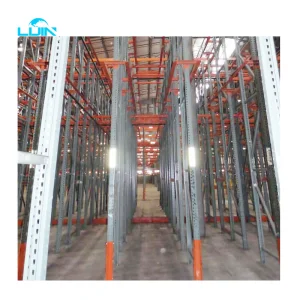
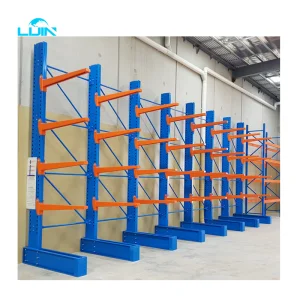
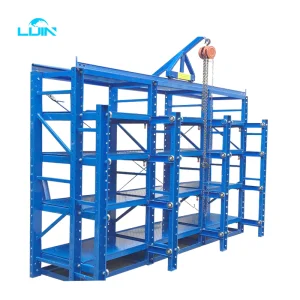
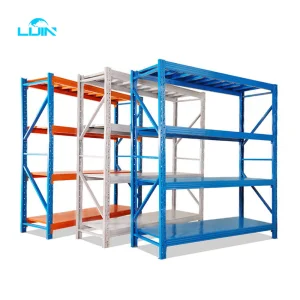
 Lijin Racking