Analyzing the macro trends transforming factory floors, micro-fulfillment layouts, and distribution facilities across international corridors.
In modern industrial logistics, the concept of static warehouse space has become obsolete. Organizations are shifting toward rapid, dynamic space optimization designed around SKU velocity and unit-load metrics. In particular, the demand for high-quality light-duty racking and medium-duty longspan shelving has surged. This increase is driven by the explosive growth of global e-commerce, the rise of localized micro-fulfillment hubs, and the pressure on automotive and electronics assembly floors to achieve absolute efficiency. Selecting the correct racking systems is no longer a matter of choosing metal shelving; it is a critical engineering decision that dictates structural durability, labor throughput, and overall plant safety.
Leading Chinese exporters and manufacturers, with Shenzhen Lijin Storage Equipment Co., Ltd. at the forefront, have pioneered this transition. They merge raw steel manufacturing power with precision cold-rolling engineering. For structural engineers, procurement executives, and logistical consultants, this whitepaper details the structural dynamics, material properties, and supply chain capacities required to select the optimal industrial shelving architectures.
Explore our premium grade heavy-duty, medium-duty, and structural shelving systems designed for rigorous industrial environments.
A benchmark manufacturer of heavy-duty, medium-duty and high-performance industrial shelving platforms globally.
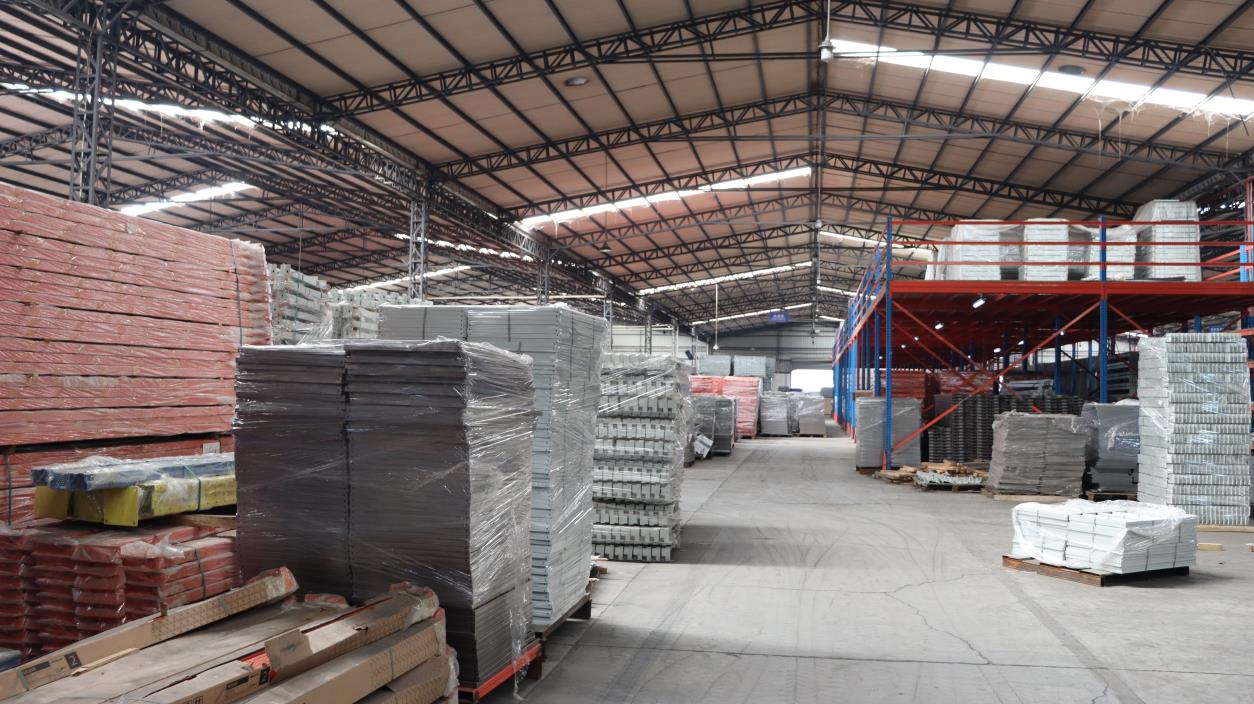
Founded in 2015, Shenzhen Lijin Storage Equipment Co., Ltd. is a leading enterprise specializing in the design, manufacturing, and global distribution of heavy-duty warehouse racking systems, automated storage solutions, and industrial shelving. Spanning a state-of-the-art facility of 35,000 m², we have developed into a trusted global supply chain partner with over 8 years of direct export experience and more than 12 years of deep industry expertise. Driven by continuous innovation and quality, our global revenue reached USD 22 million last year.
Our operation is built on deep structural engineering expertise and a thorough understanding of intralogistical performance. We serve large-scale logistics hubs, commercial distributors, third-party logistics (3PL) providers, and industrial equipment wholesalers across North America, Western Europe, Southeast Asia, and the Middle East. With an agile manufacturing workflow and custom structural modeling, Shenzhen Lijin ensures every square meter of your facility delivers maximum storage potential.
How light-duty and medium-duty shelving units adapt to specialized commercial, medical, and industrial sector requirements.
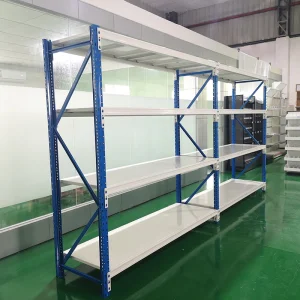
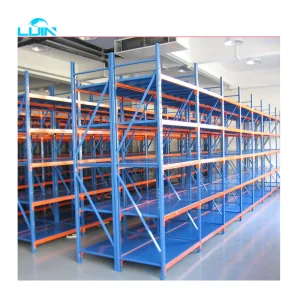
Optimized for high-velocity manual order picking operations. With modular partitions, dynamic SKU bin storage, and heights tailored for human workers or AMR integrations, these racks maximize throughput in pick-and-pack corridors.
Designed using sanitary food-grade stainless steels or hot-dip galvanized finishes. Anti-microbial coatings and open wire-mesh decking ensure optimal laminar airflow, preventing ice accumulation and meeting hygiene guidelines.
Engineered to support heavy sub-assemblies, tooling matrices, and raw components. Perfect for automotive parts storage or electronics component assembly, with gravity-fed carton flow rails to ensure first-in, first-out (FIFO) inventory control.
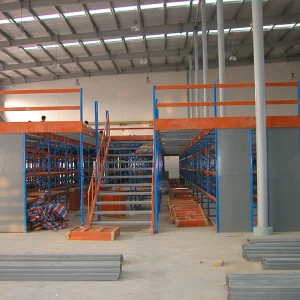
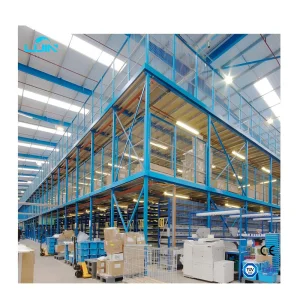
"Integrating dynamic light-to-medium longspan racking into multi-tier mezzanine floors increases volumetric warehouse space efficiency by up to 250% compared to traditional single-tier floor layouts."
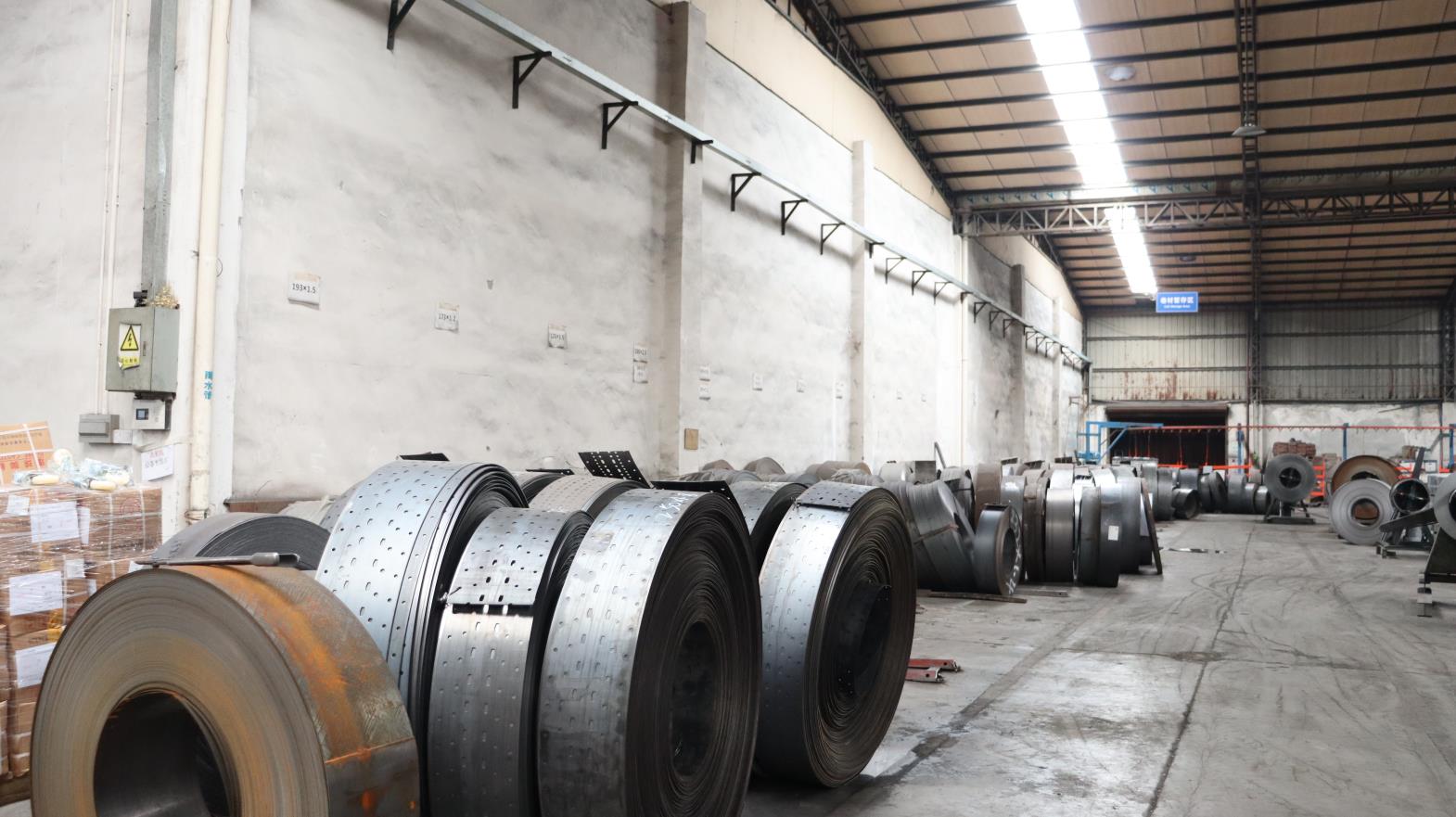
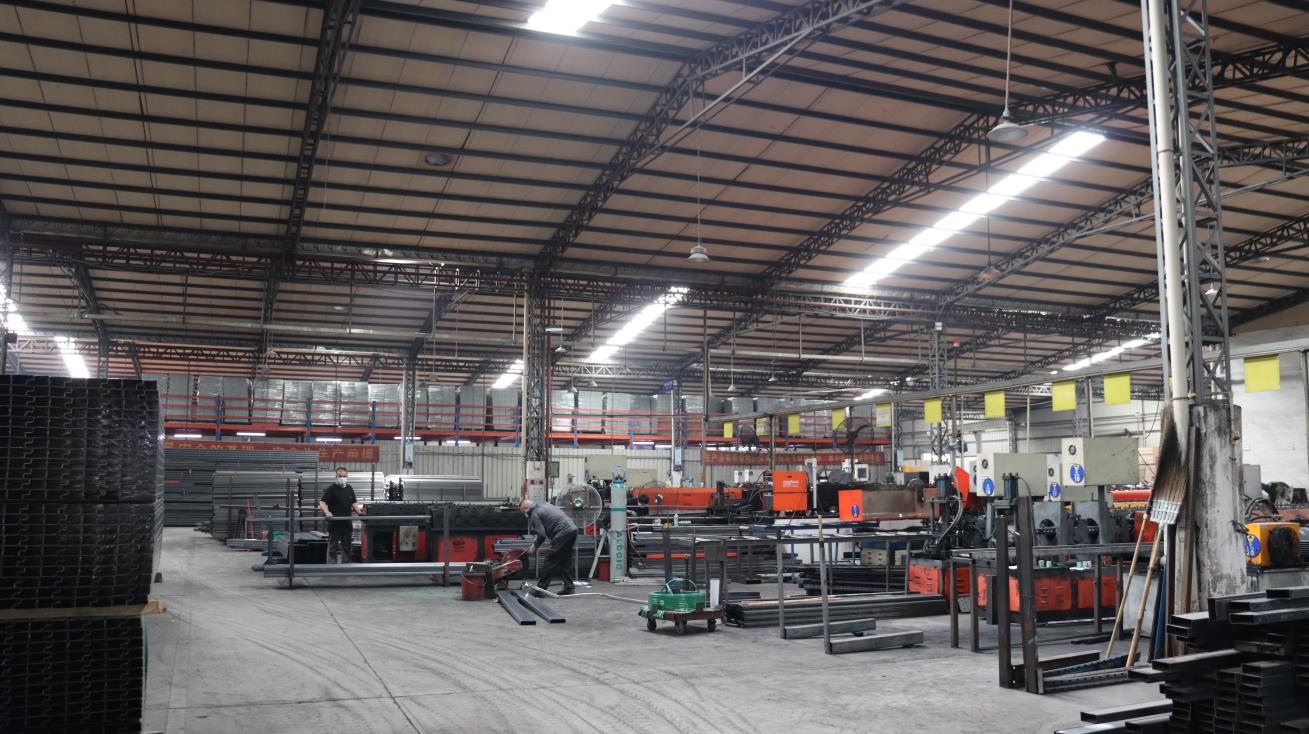
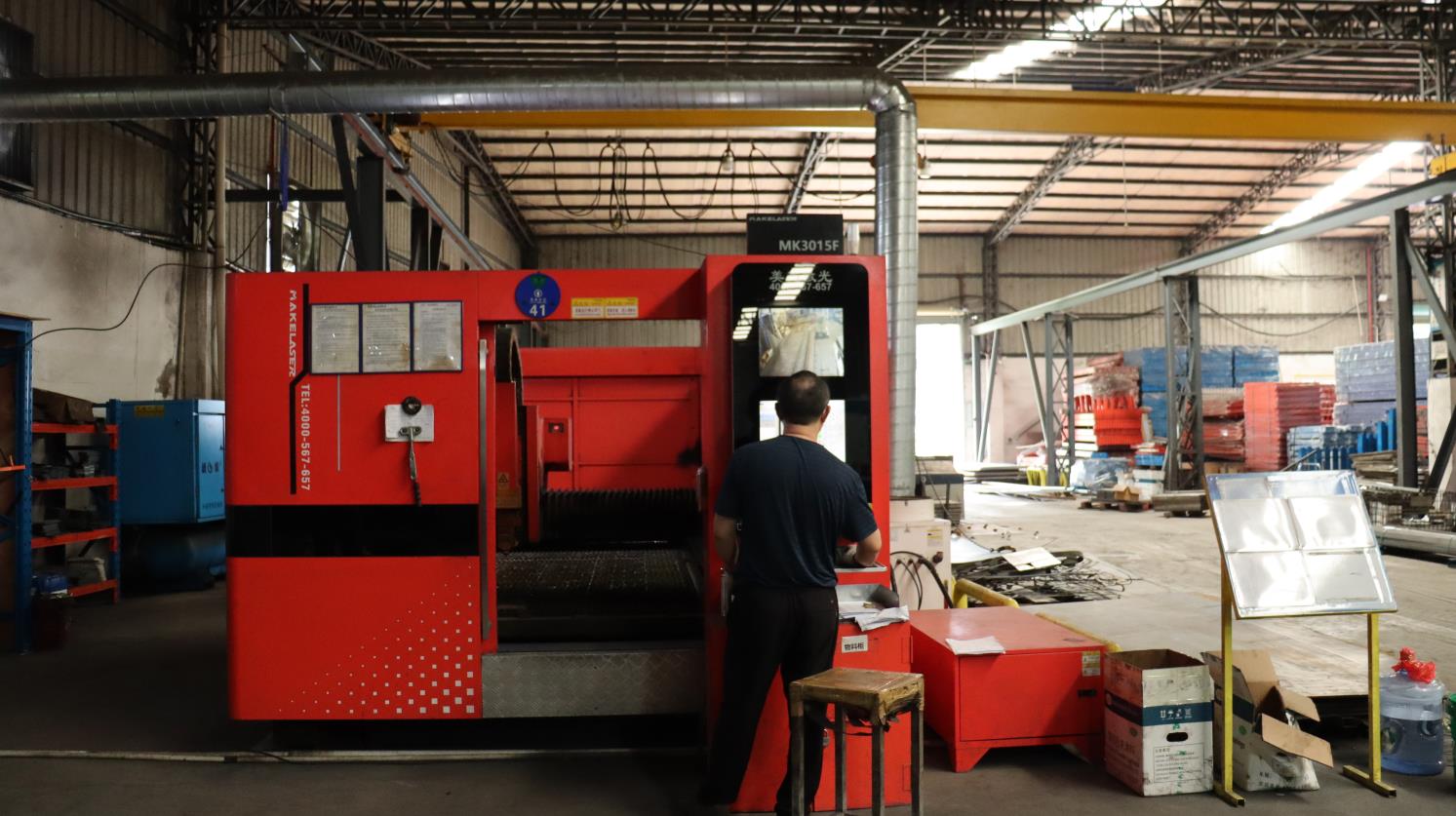
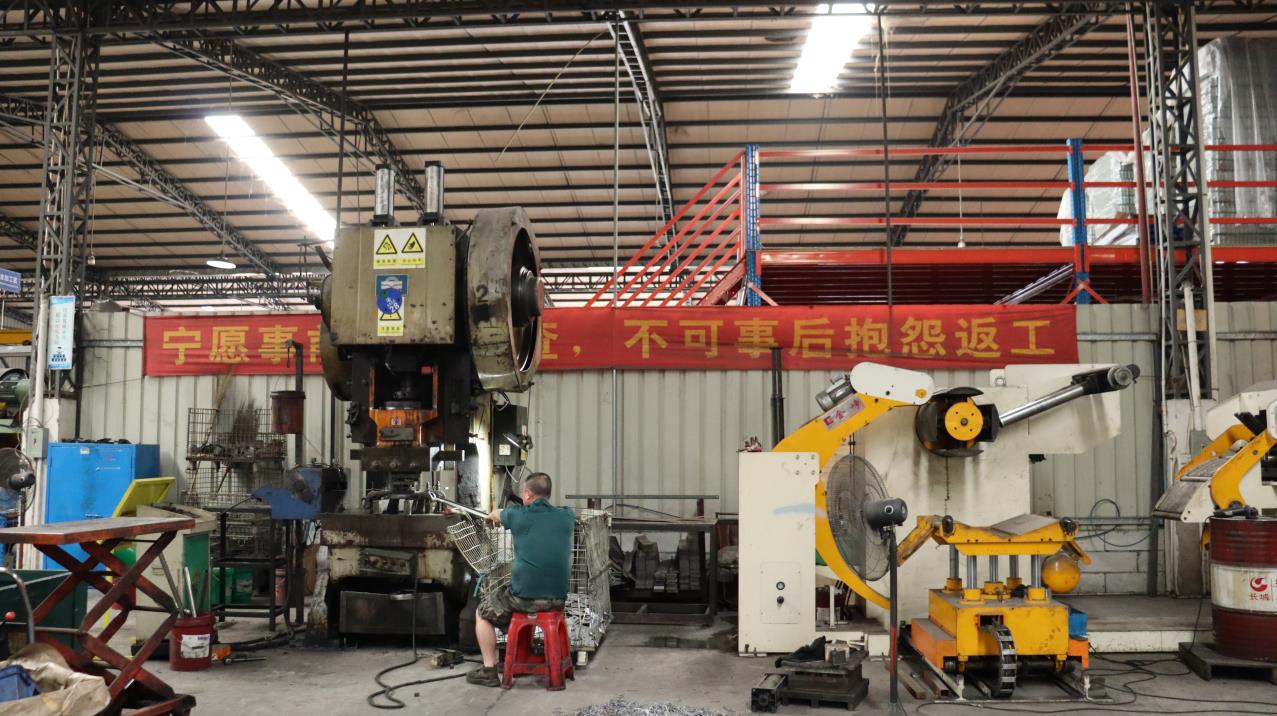
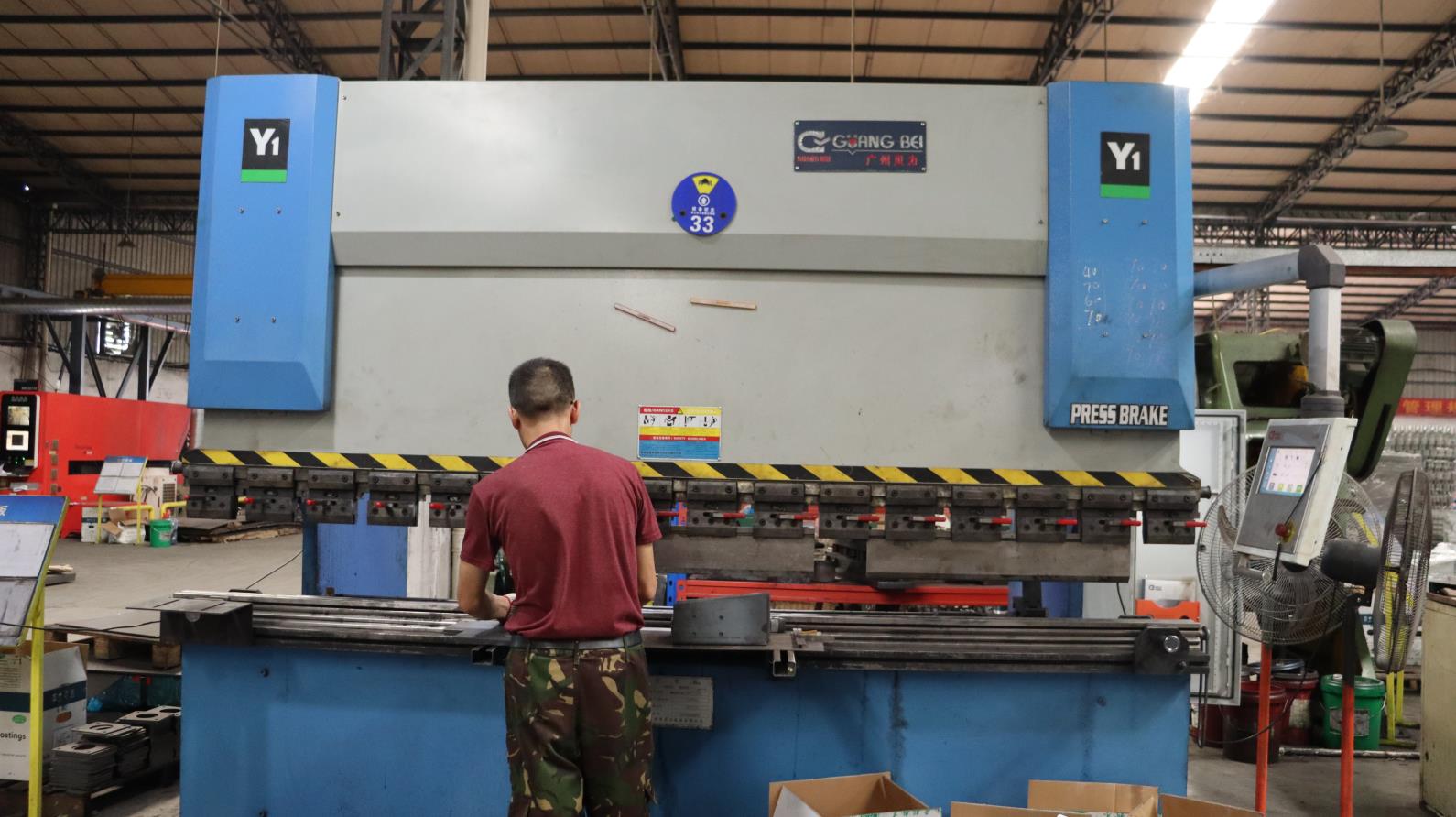
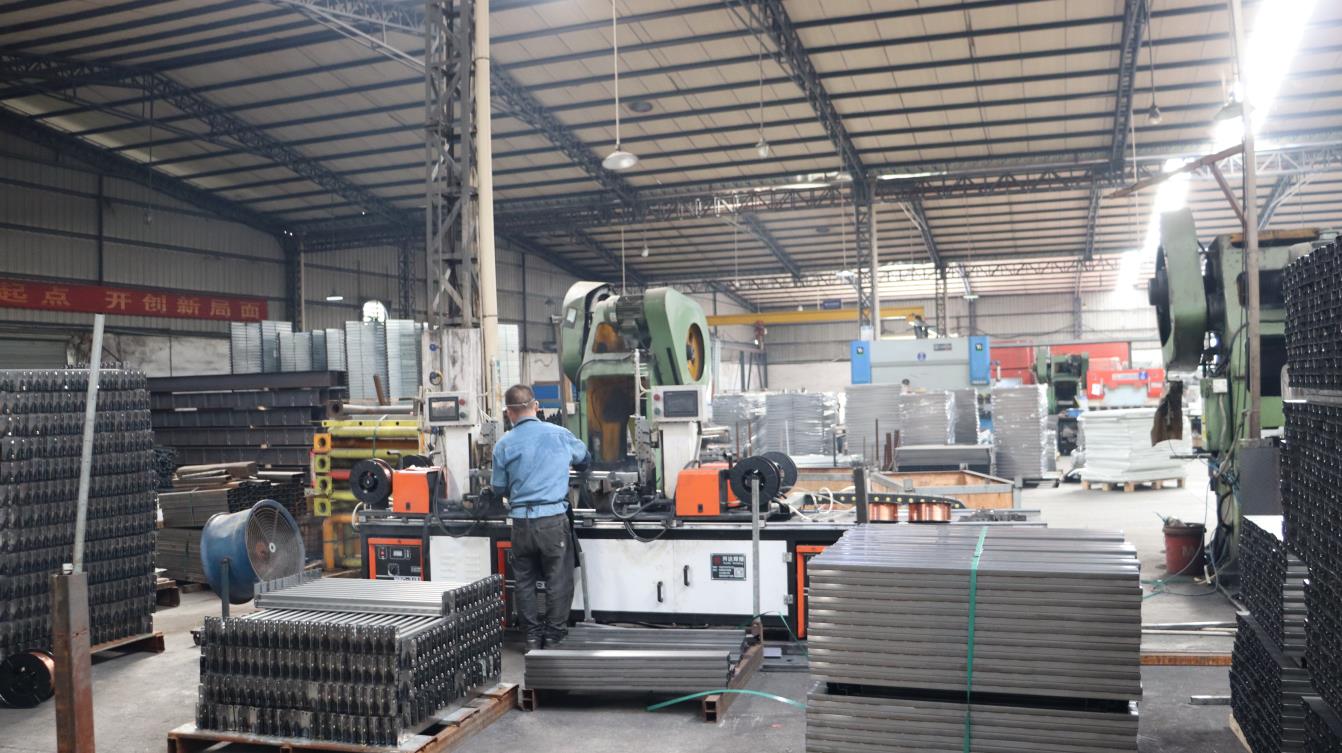
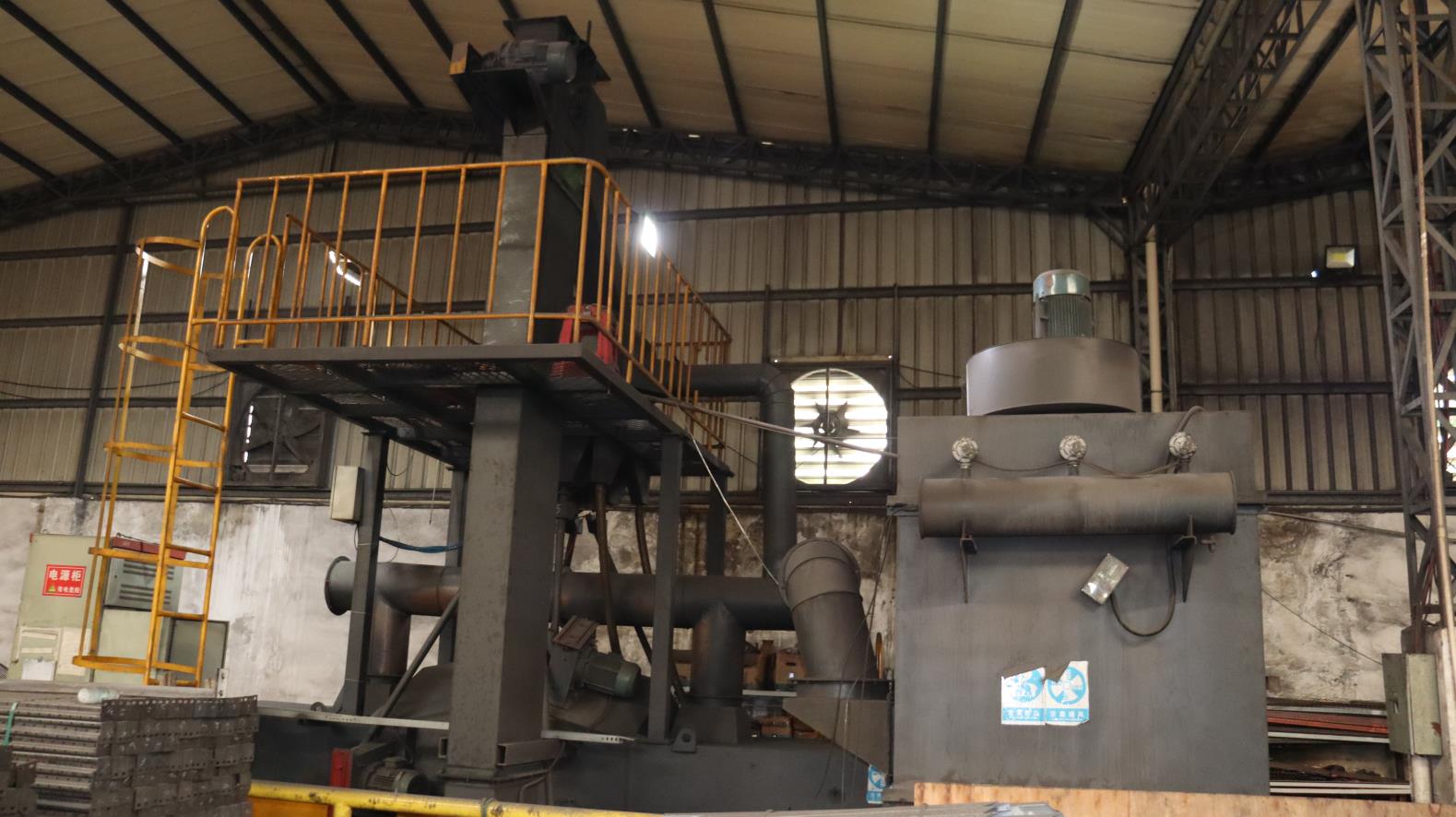
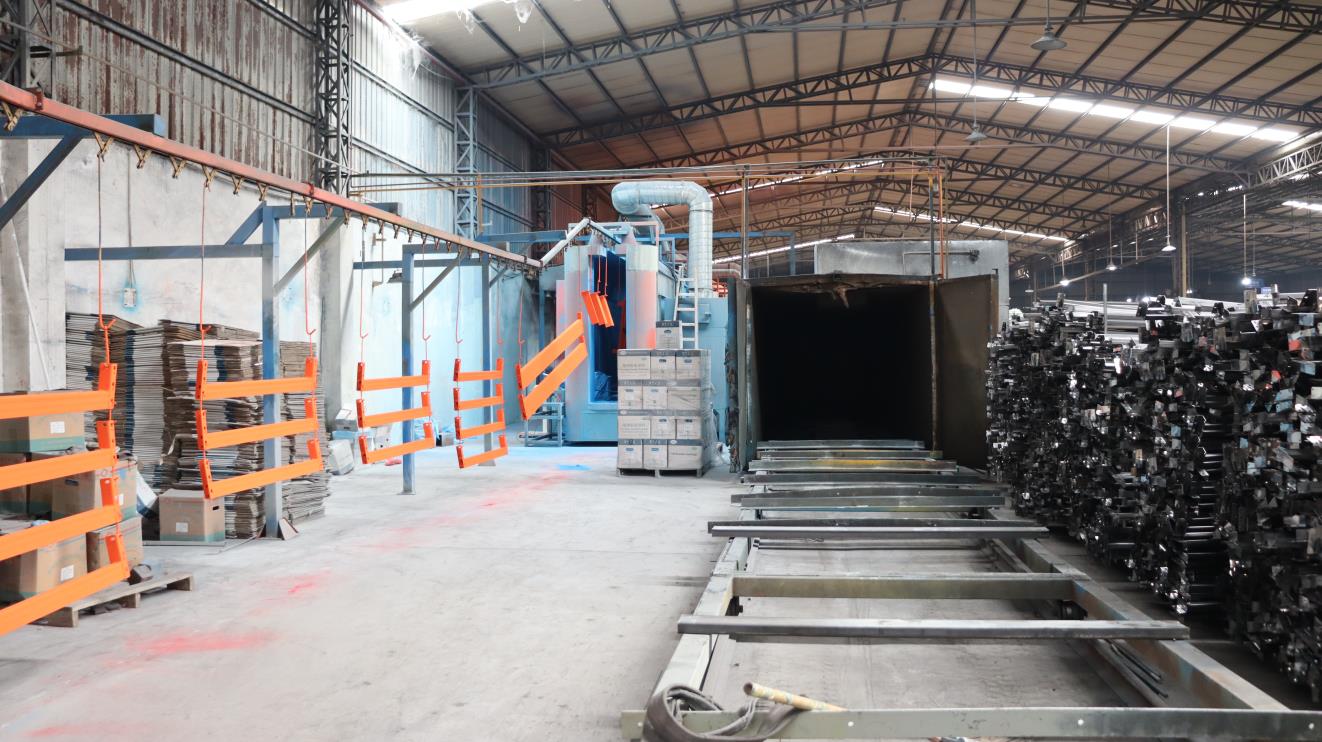
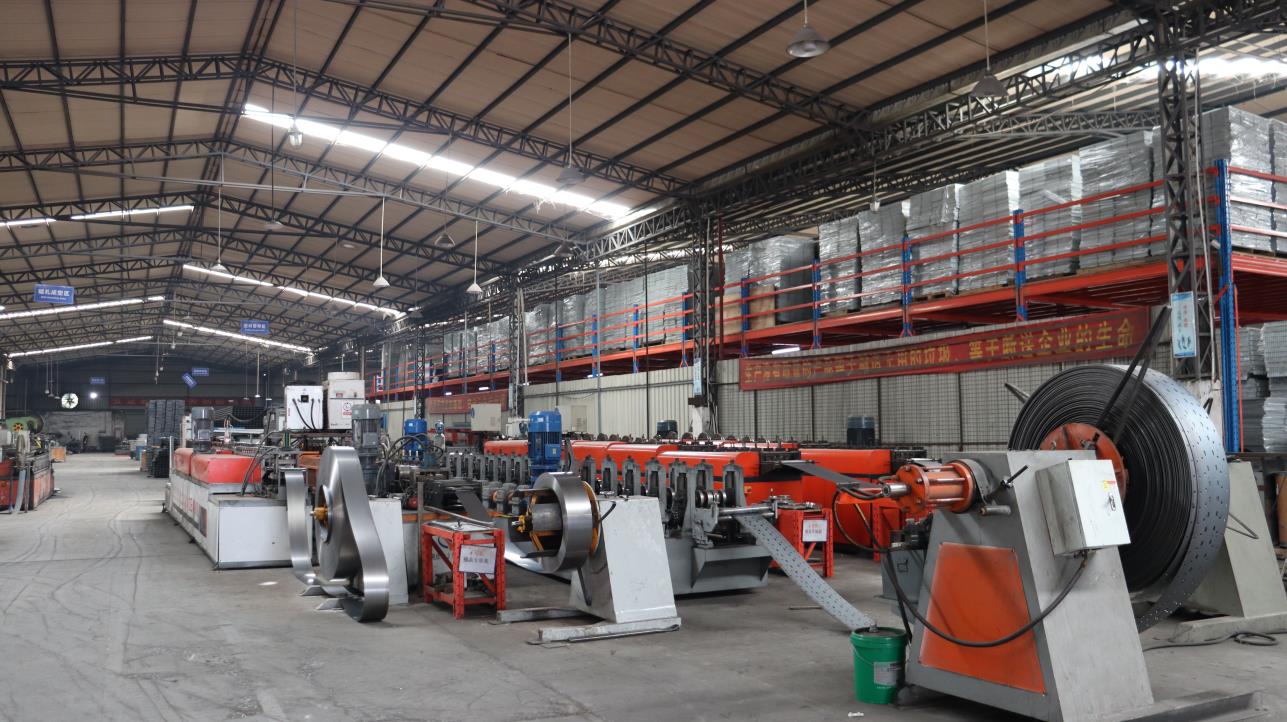
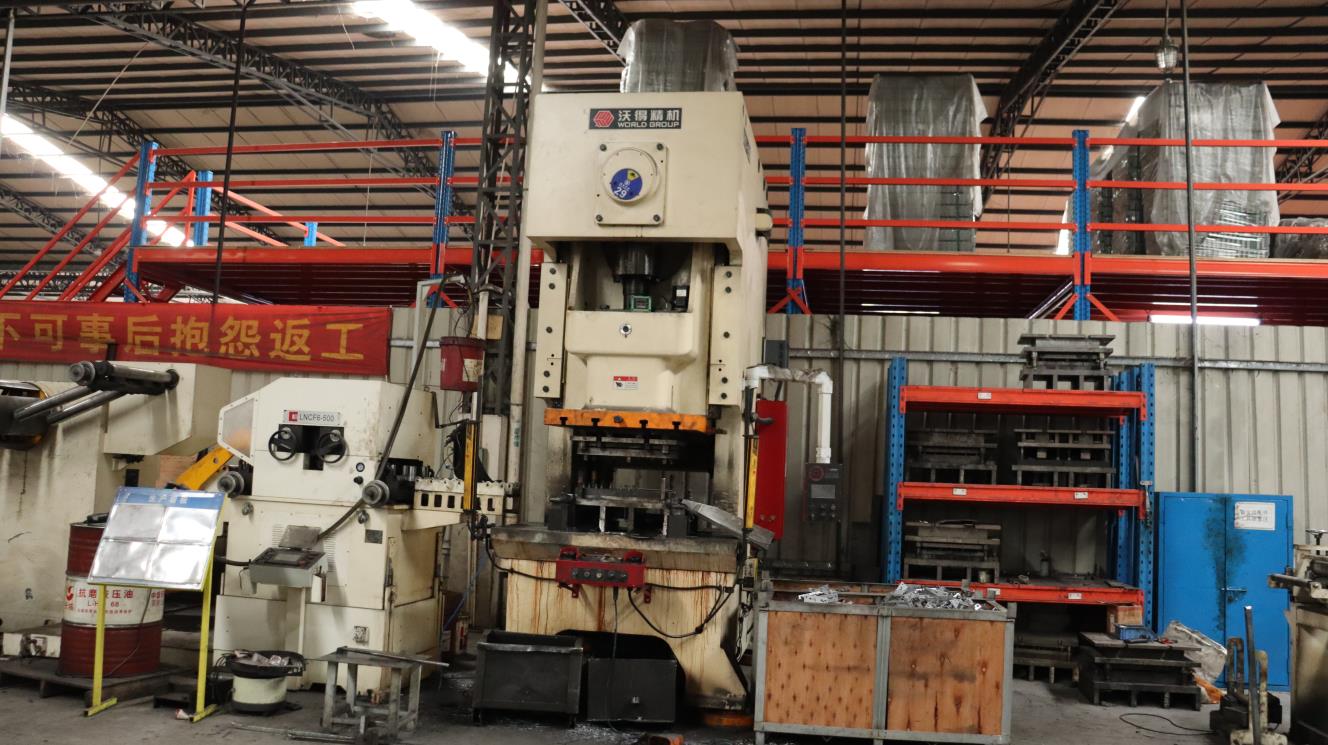
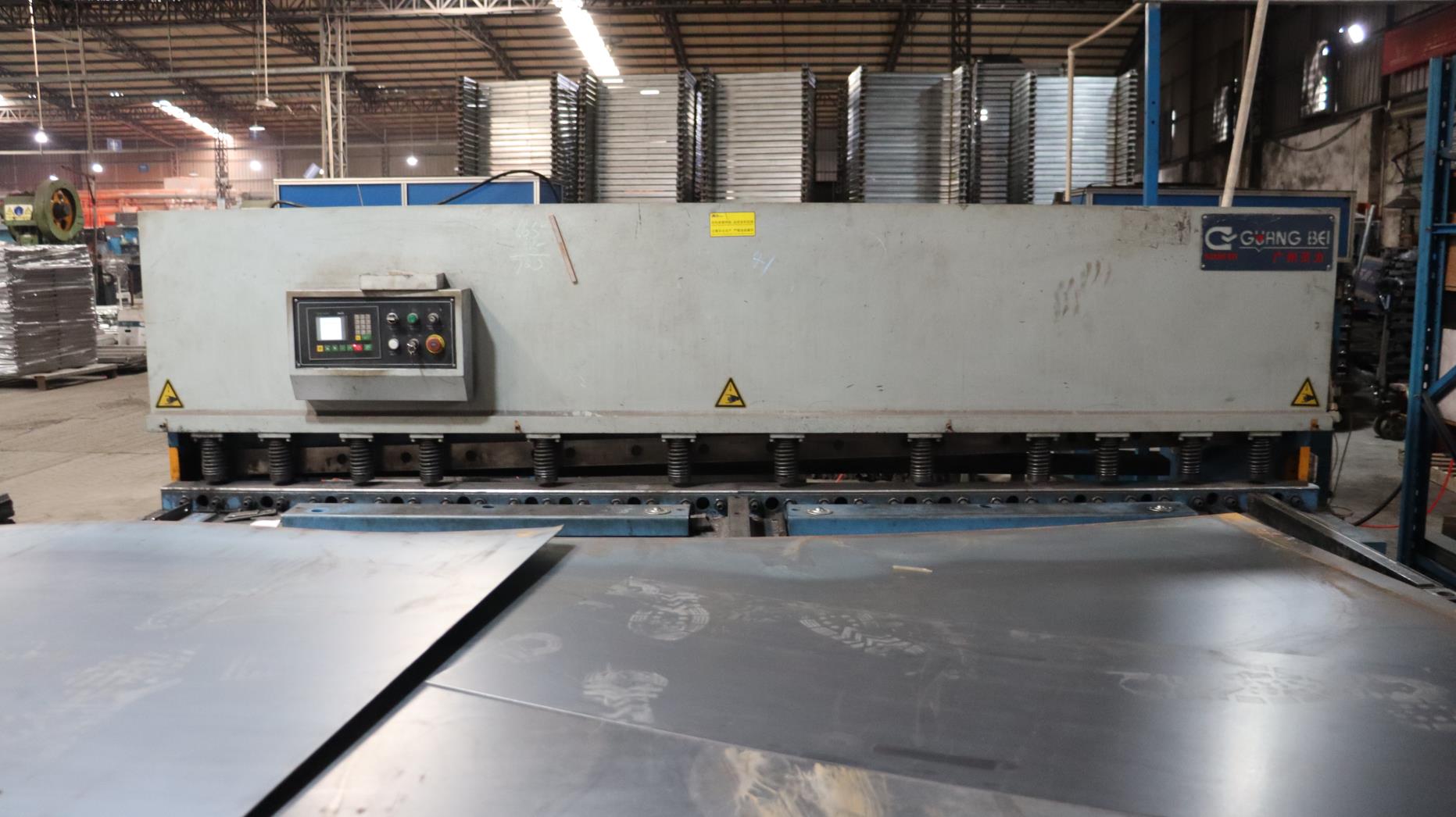
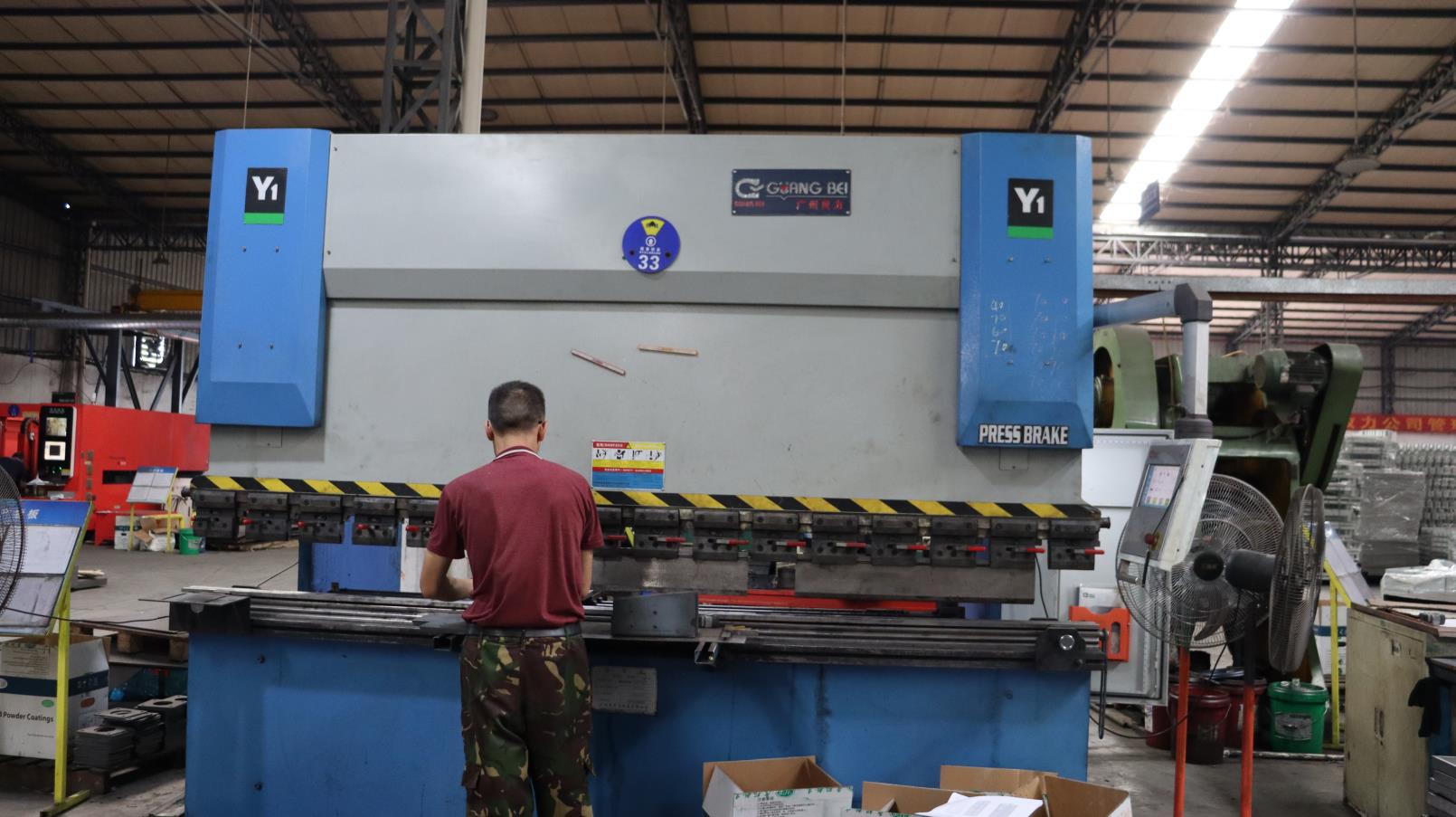
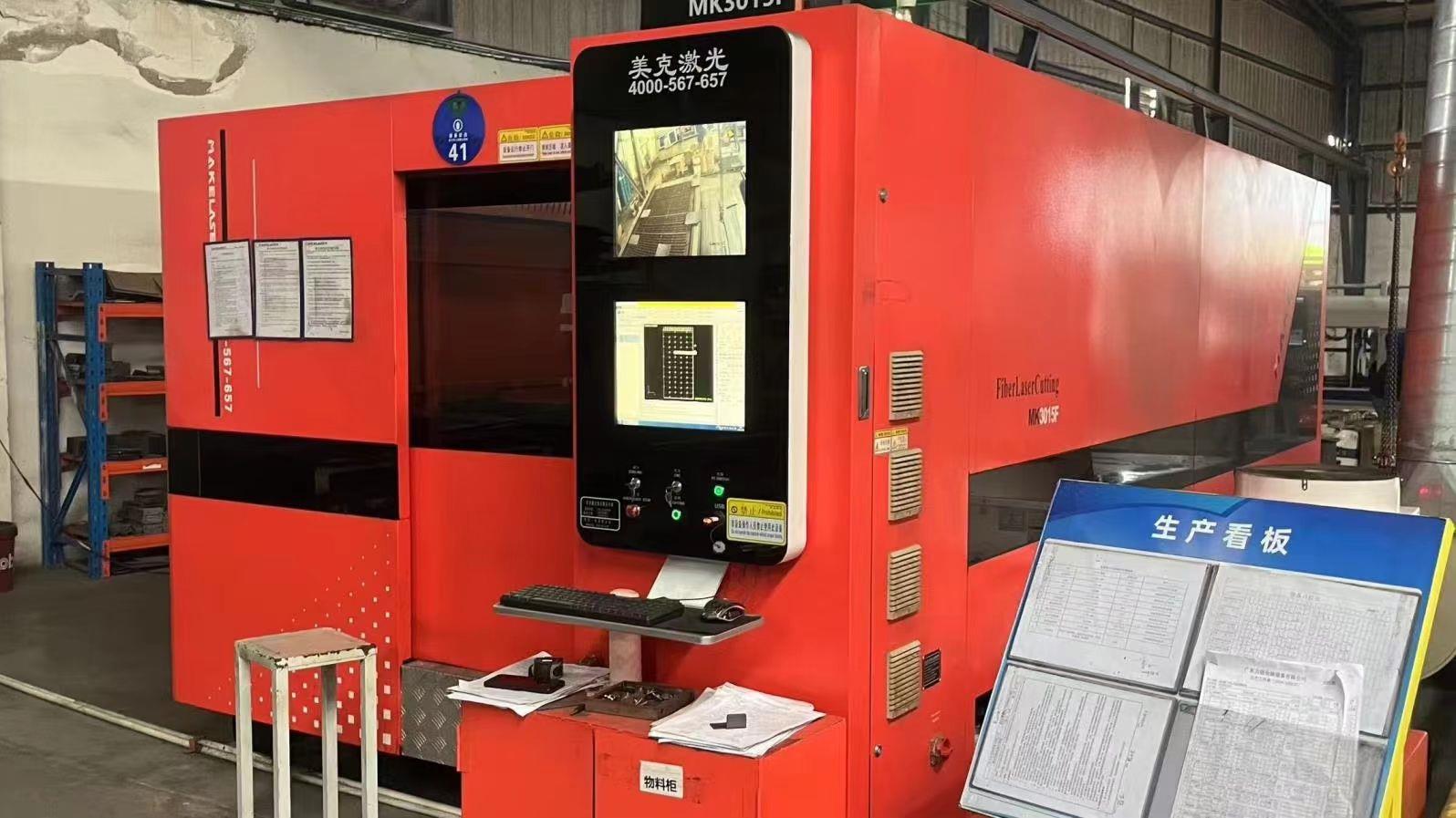
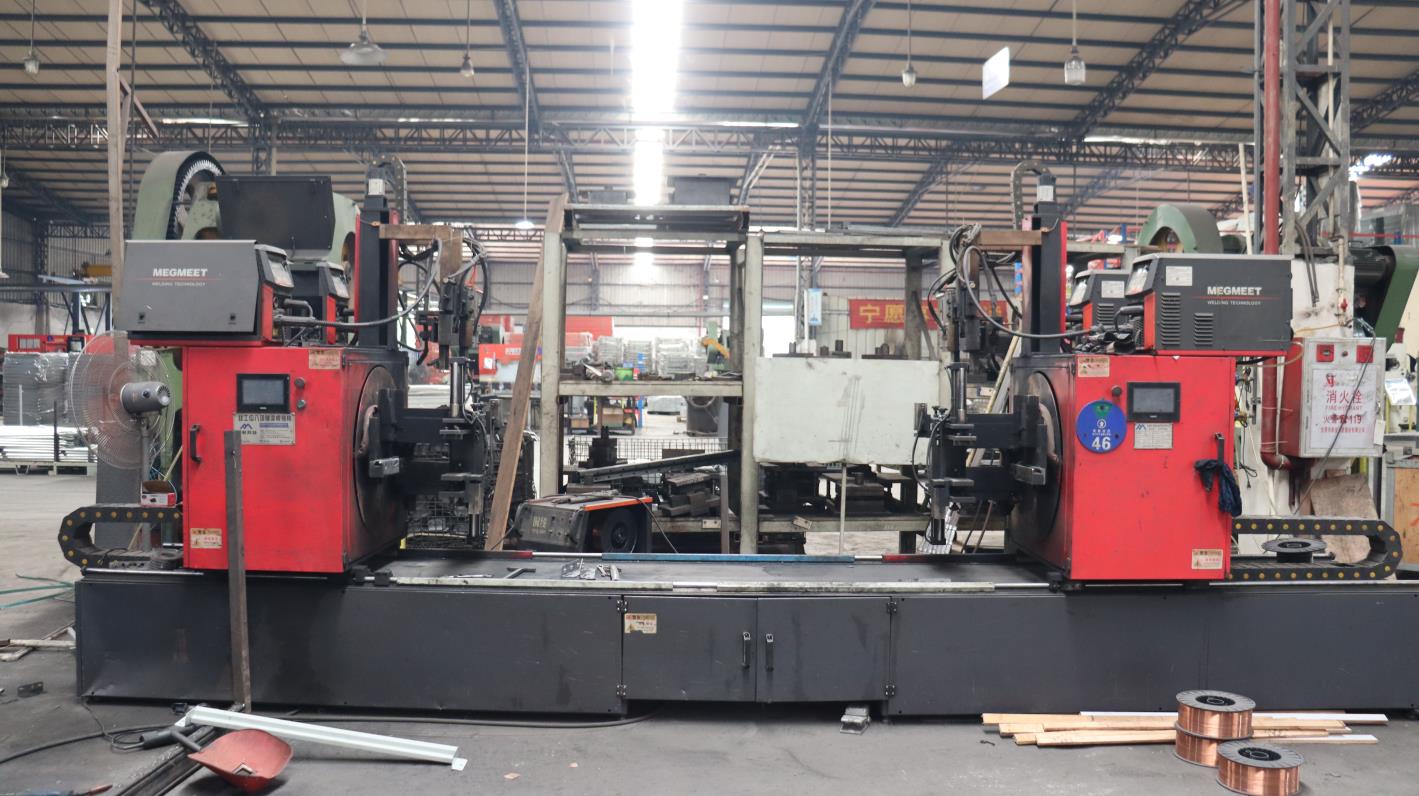
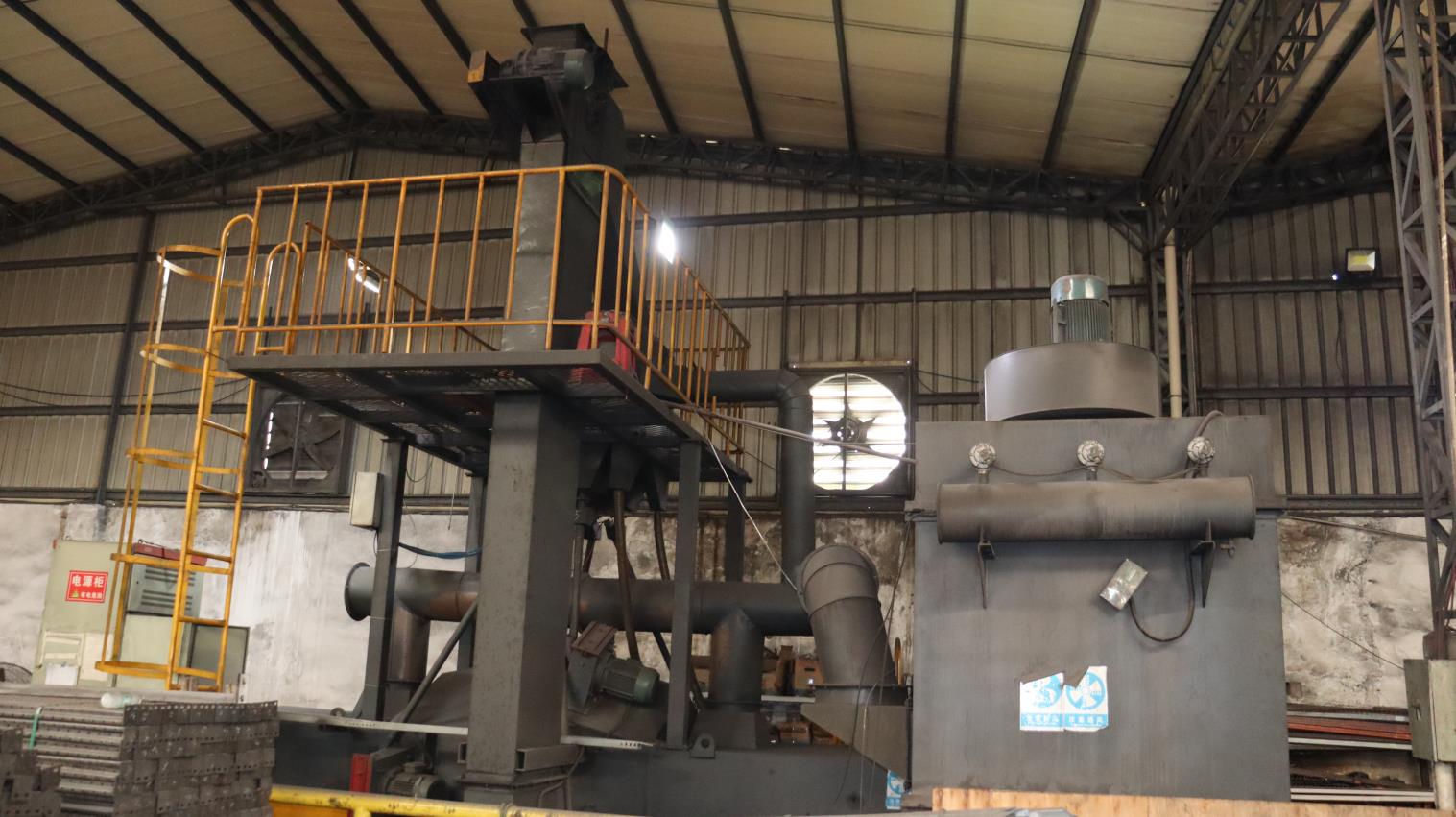
A step-by-step tour through Shenzhen Lijin's advanced roll-forming, tooling, and surface treatment facilities.
Quality control at Shenzhen Lijin is not a final checklist; it is built into our entire production flow. Our engineering team of 35 dedicated QC professionals uses advanced testing equipment at every stage. We employ ultrasonic non-destructive testing to verify weld integrity, laser-guided dimensional checks to ensure tight tolerances, and heavy-load static testing rigs to guarantee load-bearing capacity under pressure. This rigorous testing ensures all components meet European FEM and American RMI safety and structural performance requirements.
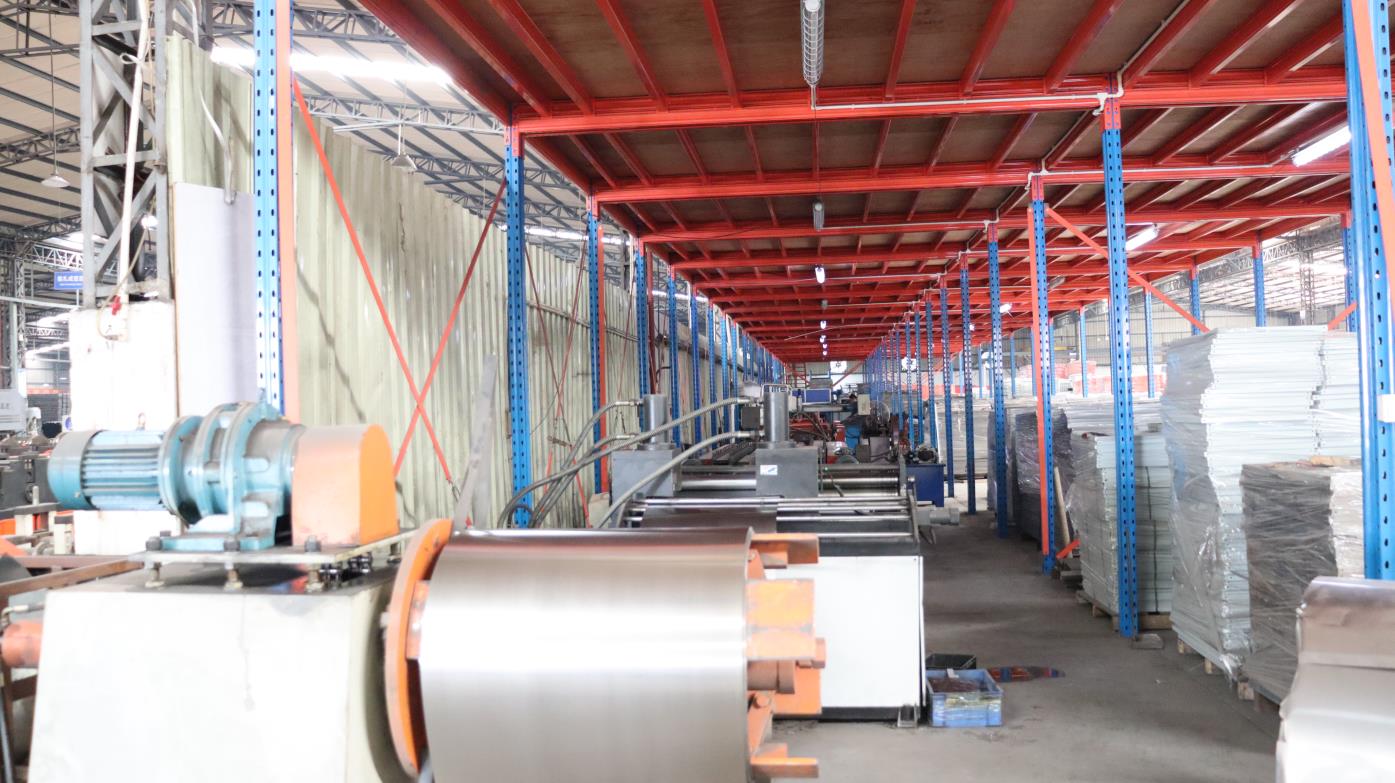
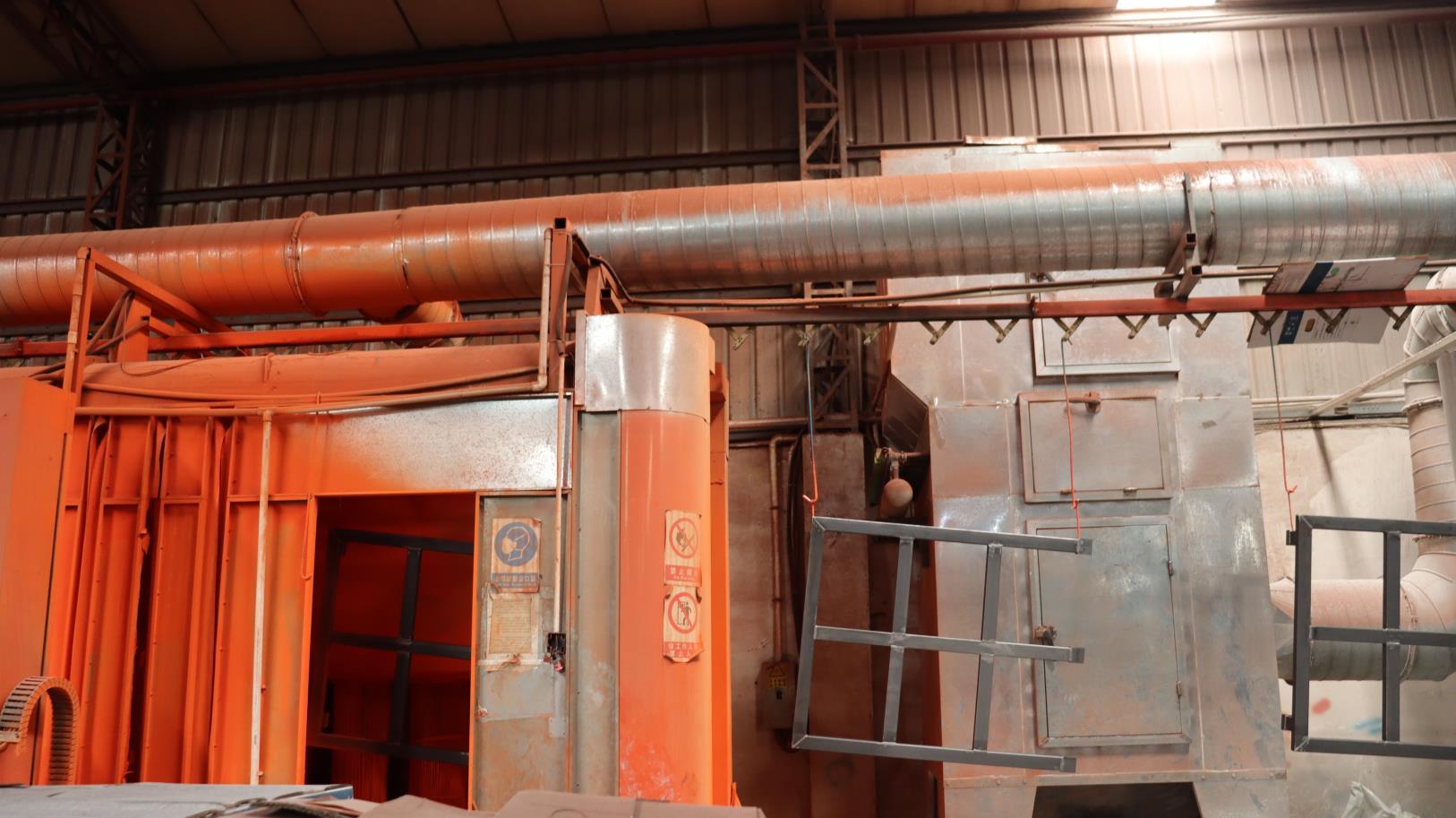
Exploring how light-duty and medium-duty racking systems are integrating with automated tech and smart hardware.
The next generation of industrial shelving systems is characterized by smart, integrated features. Modern warehouses require racking systems that can seamlessly interface with automated technology. Shenzhen Lijin's product development roadmap focuses on three main engineering areas:
By designing shelving systems with future automation in mind, Shenzhen Lijin helps partners protect their logistics infrastructure investments against shifting market trends.
Ensuring compliance with local building codes, custom requirements, and structural safety parameters across international borders.
A global storage installation requires strict compliance with local construction and fire regulations. In the United States, structural rack components must comply with the Rack Manufacturers Institute (RMI) MH16.1 standard. In Europe, the EN 15512 standard governs structural design parameters. Additionally, highly active seismic zones (like parts of California, Japan, and Italy) require specific engineering calculations. These regulations demand rigorous dynamic testing to verify that shelving units can withstand seismic activity.
Shenzhen Lijin's engineering department supports global clients by providing 3D CAD modeling, structural finite element analysis (FEA), and detailed calculation documents. We ensure every unit meets the building code requirements of the destination country. Additionally, our experienced export logistics department manages multimodal shipping, customs clearances, and coordinates with local certified contractors to ensure seamless on-site installation.
Answers to common technical, structural, and procurement questions about industrial light-to-medium duty racking systems.
Complementary material handling systems, steel platforms, and specialized storage containers to complete your facility.
 Lijin Racking