Engineered to maximize footprint efficiency and seismic stability under high-load dynamics.
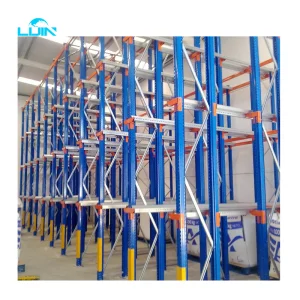
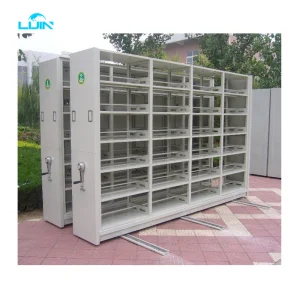
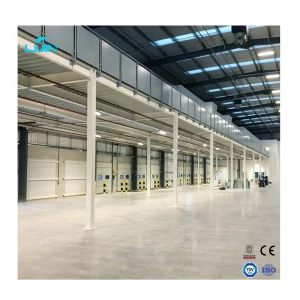
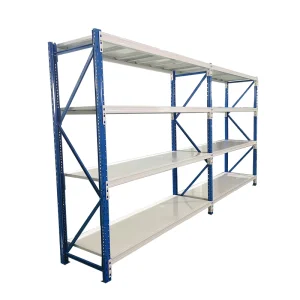
A technical examination of material durability, mechanical optimization, and structural calculations.
Modern industrial operations require materials that exceed standard carbon steel specifications. By pairing high-strength structural steel profiles with composite deck boards, fiberglass-reinforced composites (FRP), or specialty wire deckings, our systems handle extreme load distributions. This composite structural balance suppresses material fatigue and minimizes deflection levels in high-rack designs.
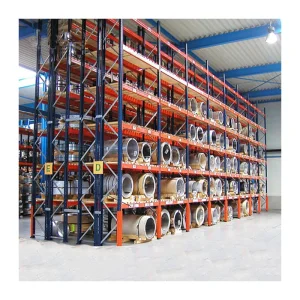
Utilizing high-tensile material properties allows us to design upright profiles with thinner cross-sections that retain superior load capacity. This approach minimizes system deadweight while maximizing dynamic safety parameters. Our storage configurations optimize space ratios for logistics systems, heavy cantilever loads, and multi-tier mezzanine floors.
All load-bearing profiles are finished with specialized thermosetting epoxy-polyester coatings, cured at 200°C. This forms a protective layer resistant to moisture, physical impacts, and acidic/alkaline compounds. For specialized deployments, such as cold-chain facilities or hazardous material handling, we integrate hot-dip galvanized and clean composite materials.
Leveraging downstream integration, raw material positioning, and state-of-the-art production infrastructure.
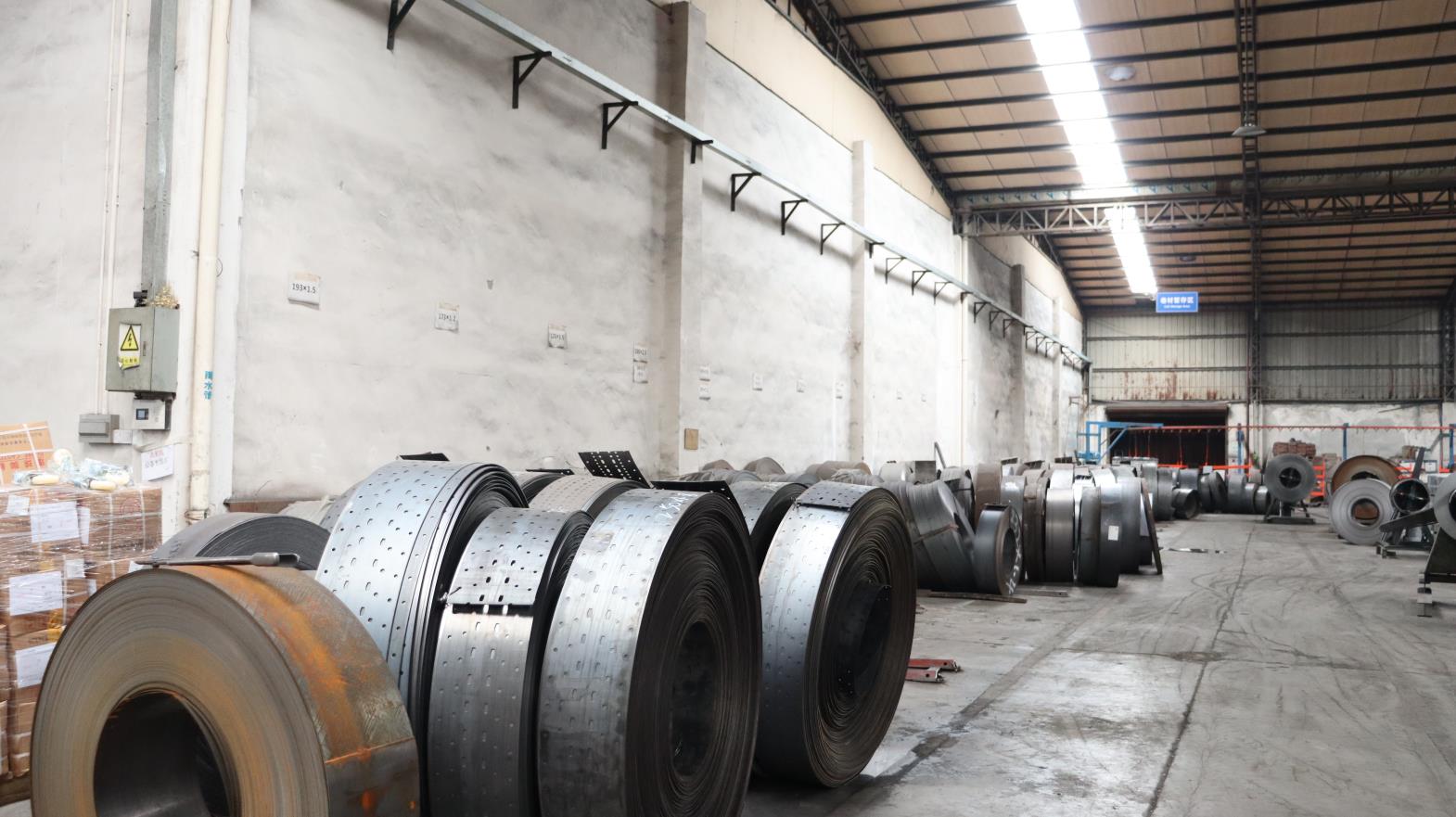
Located in the center of China's primary industrial zone, we maintain deep integrations with major national steel mills. This ensures consistent access to premium grade steels (such as Q235B, Q355B, and high-strength micro-alloyed variations). Direct sourcing shields our clients from volatile spot-market fluctuations and guarantees uniform material characteristics, batch after batch.
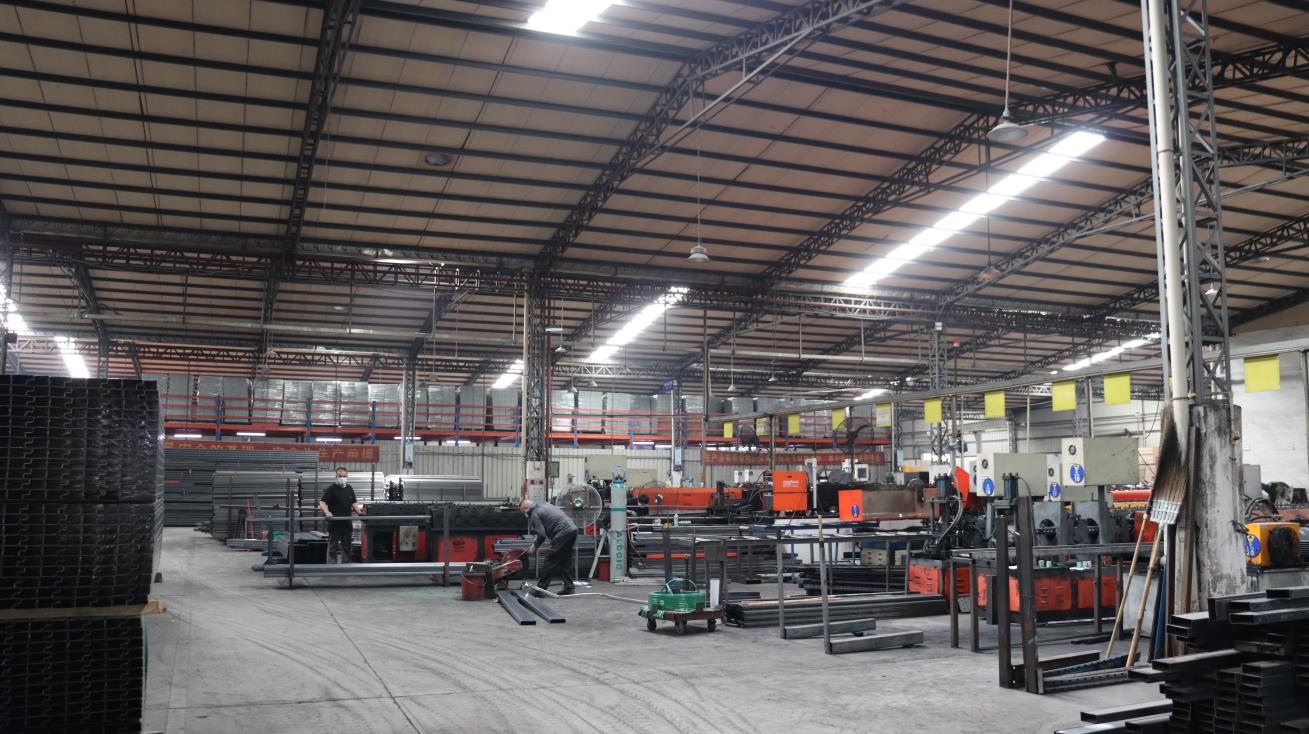
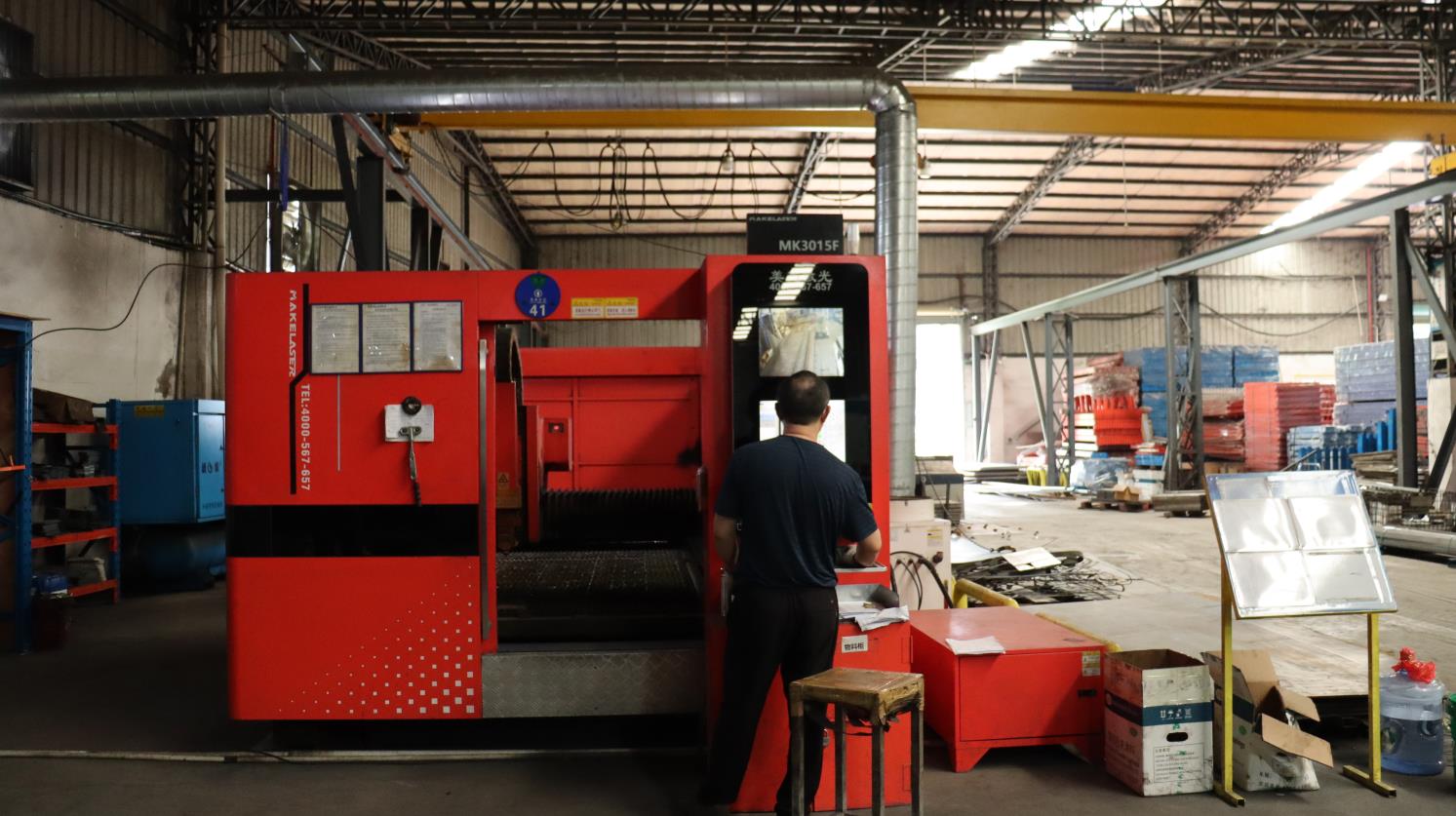
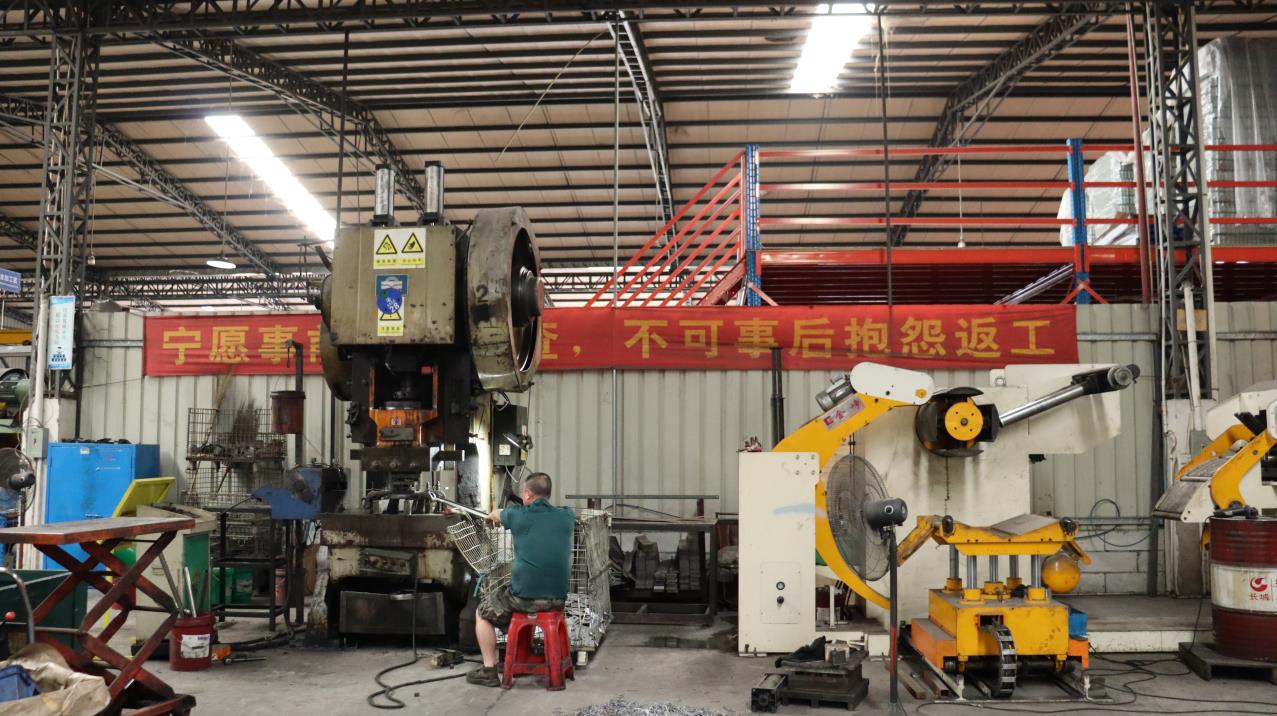
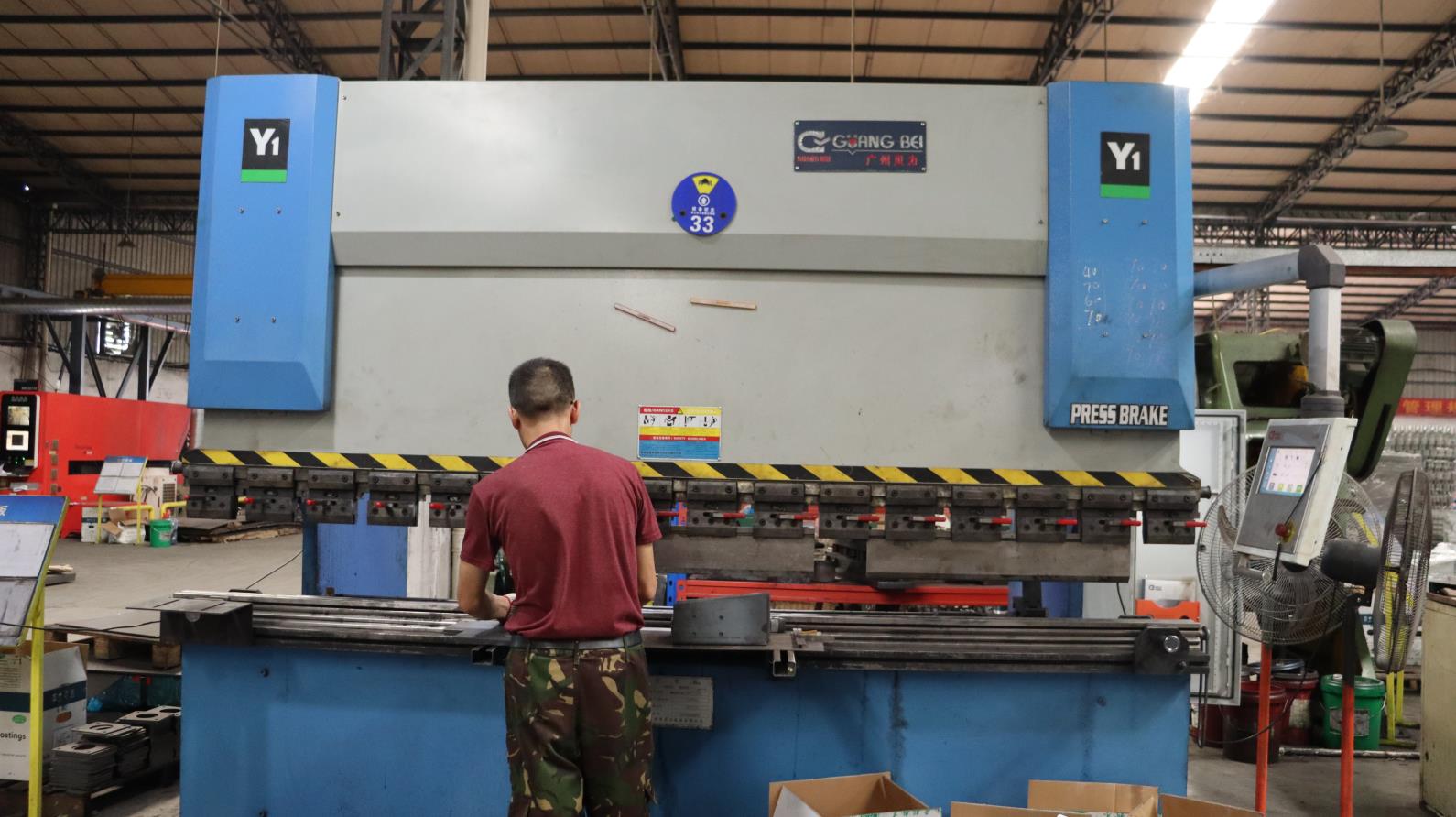
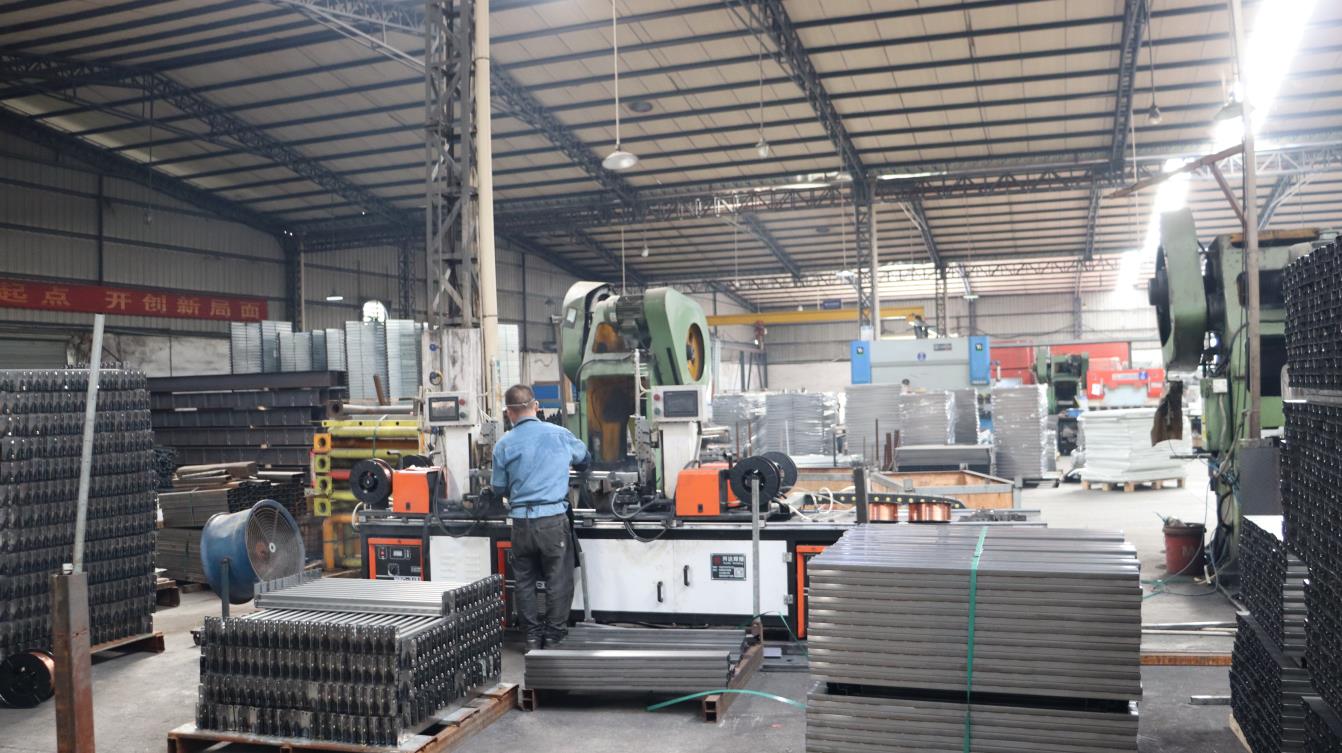
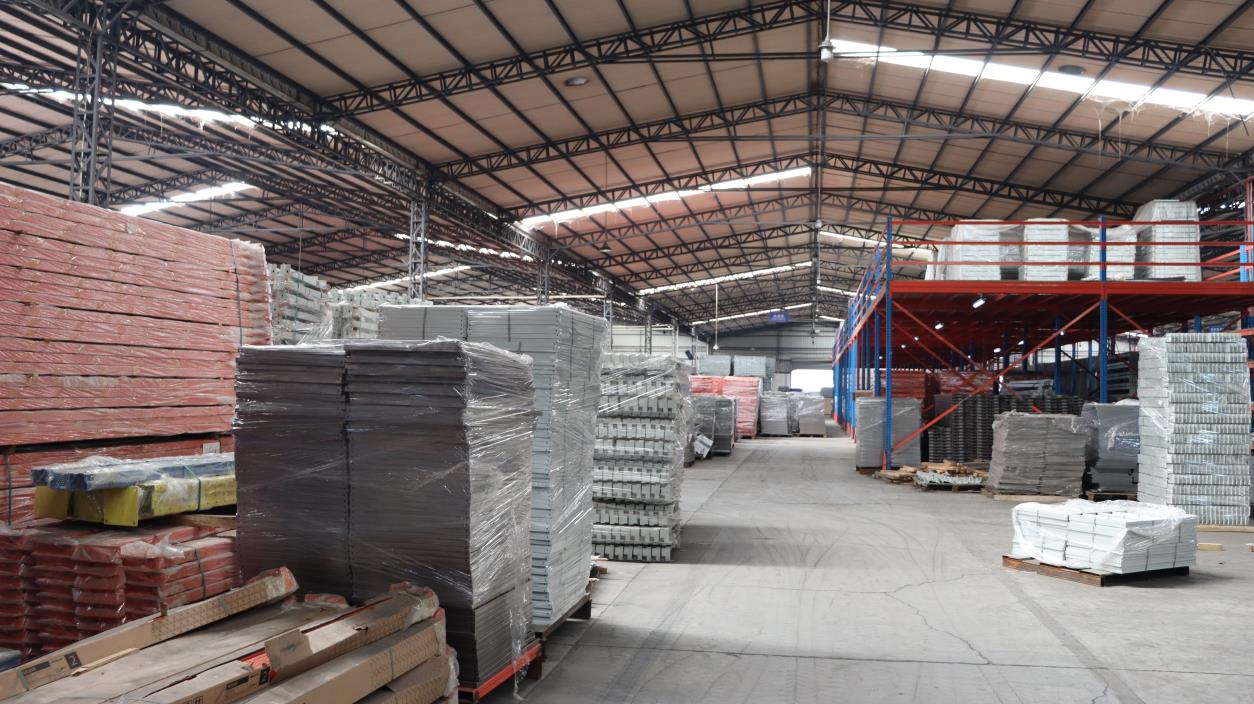
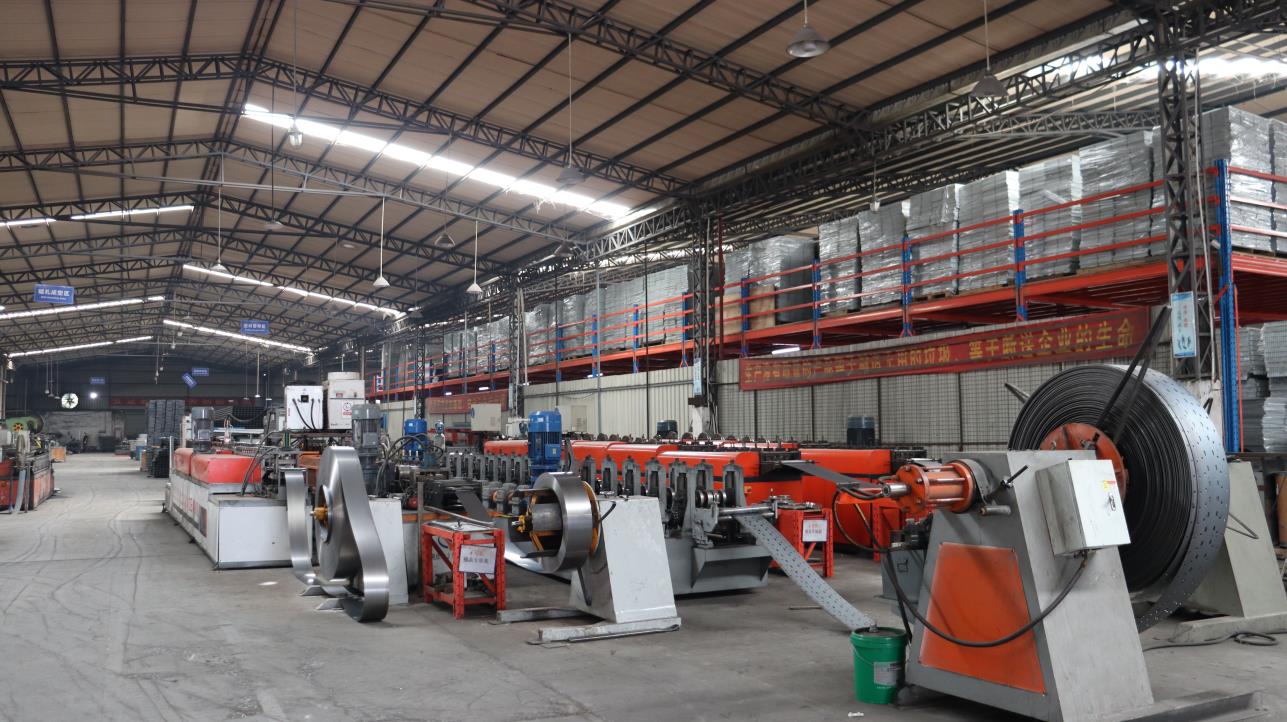
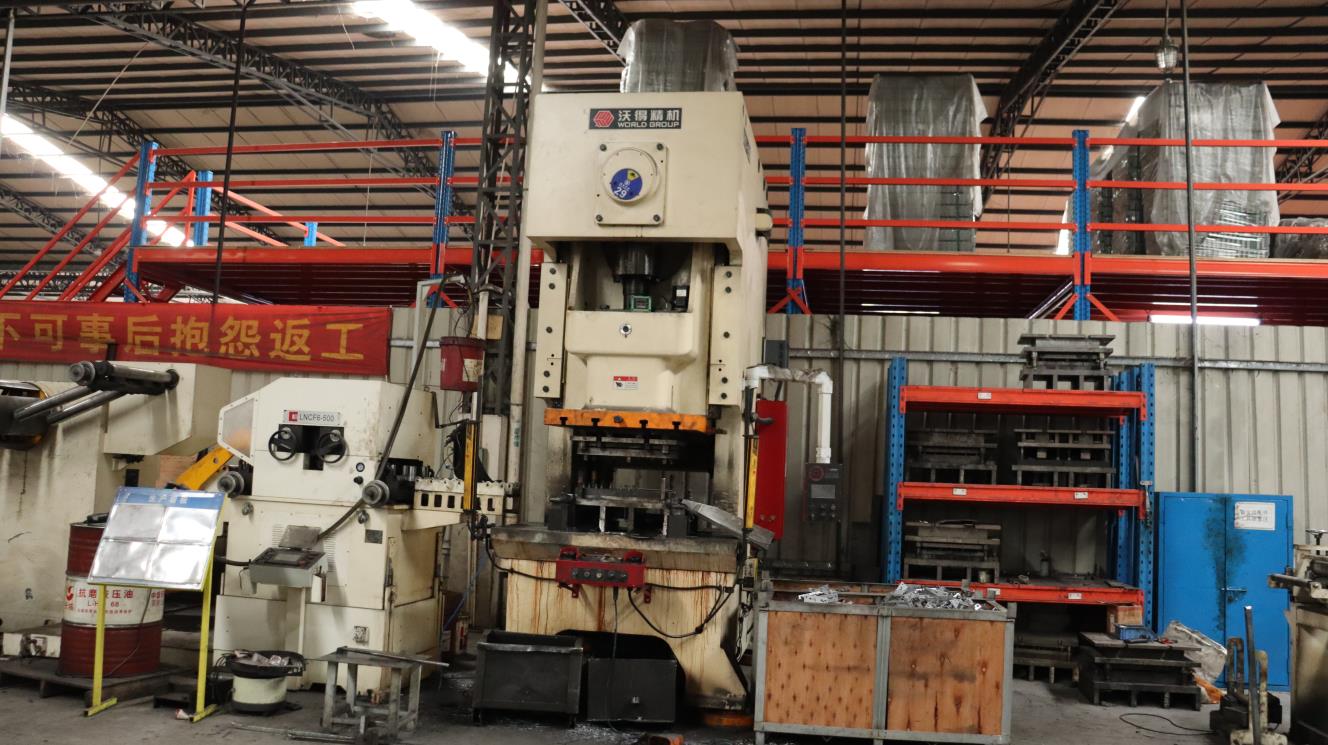
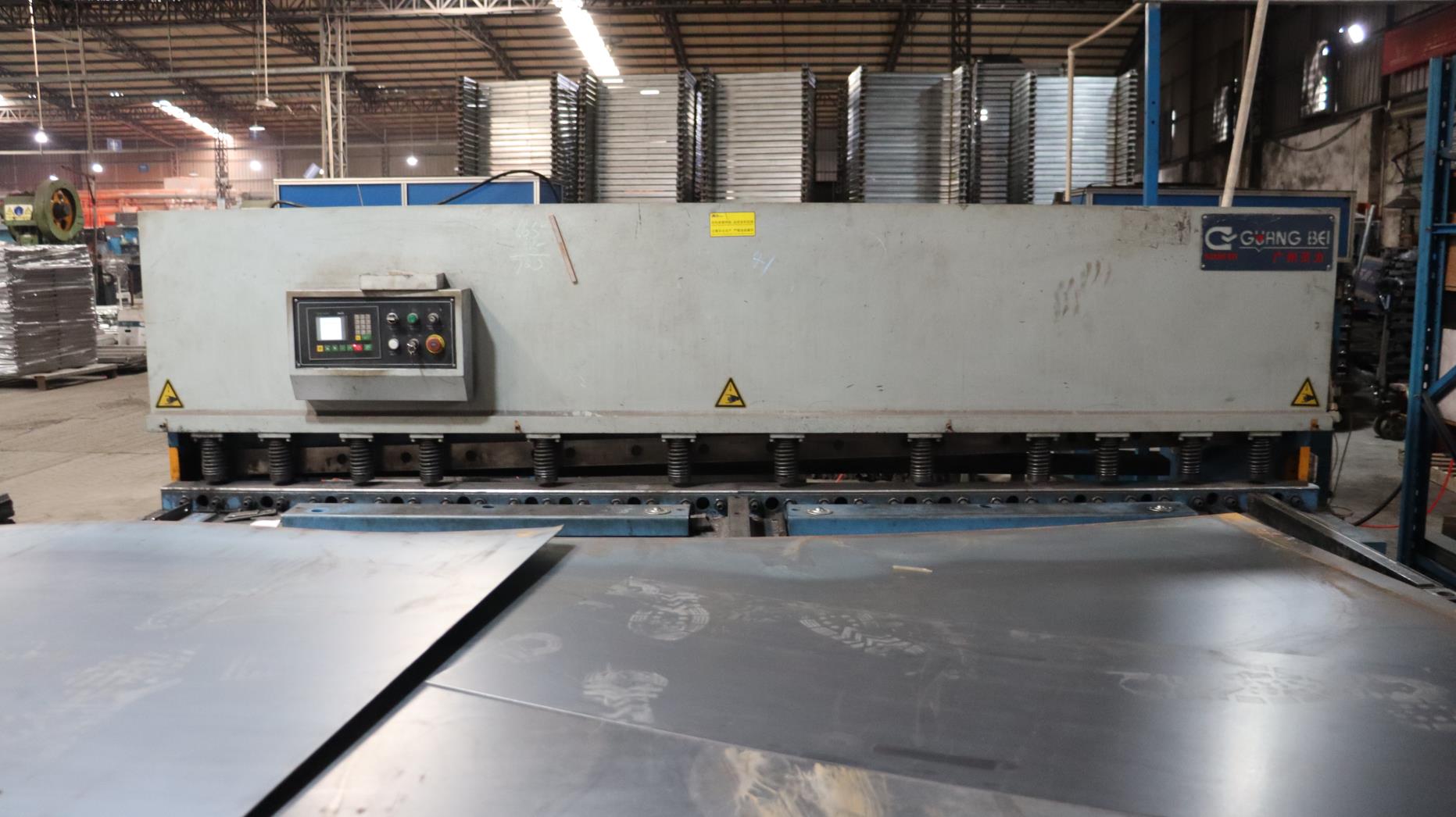
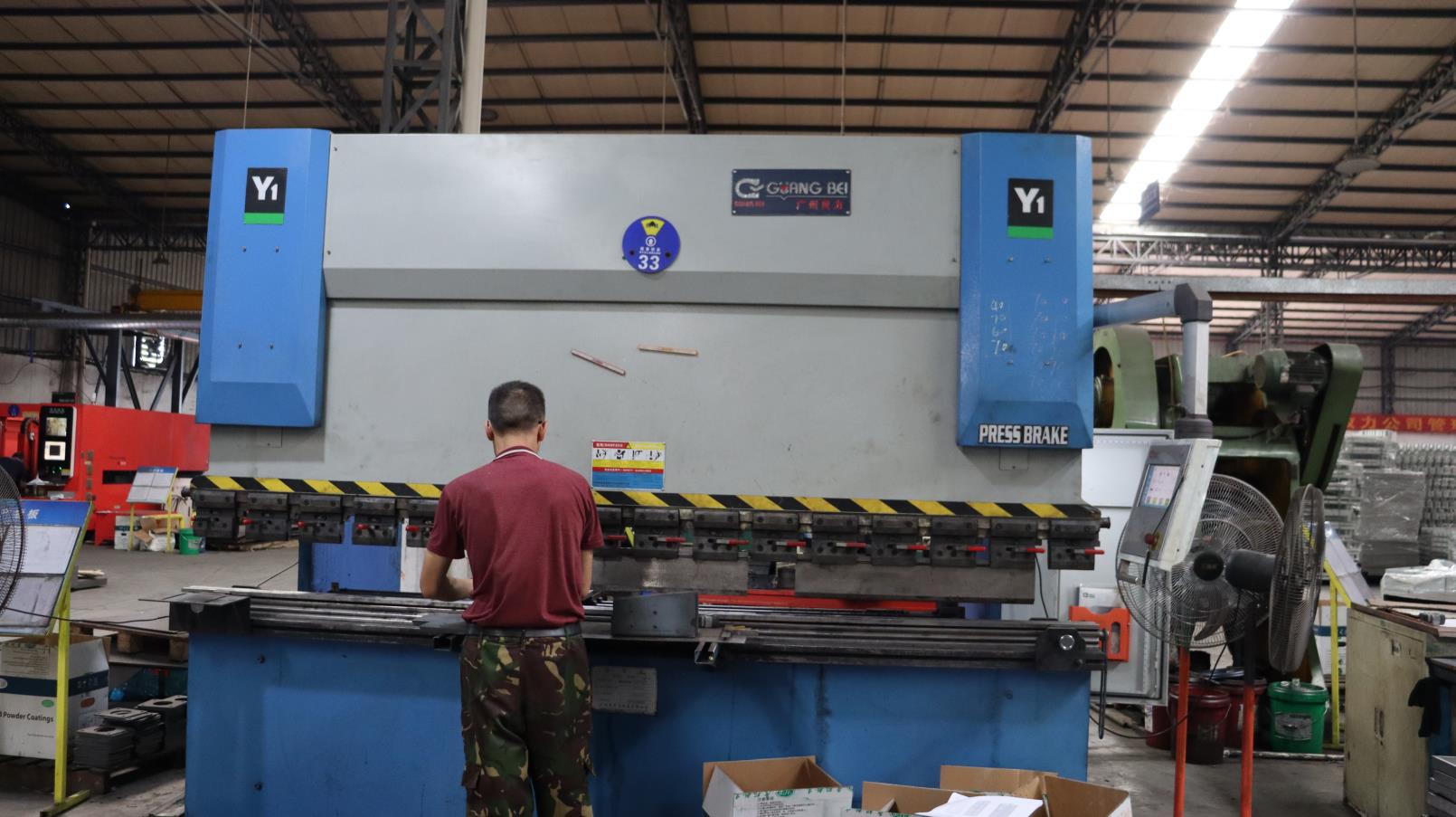
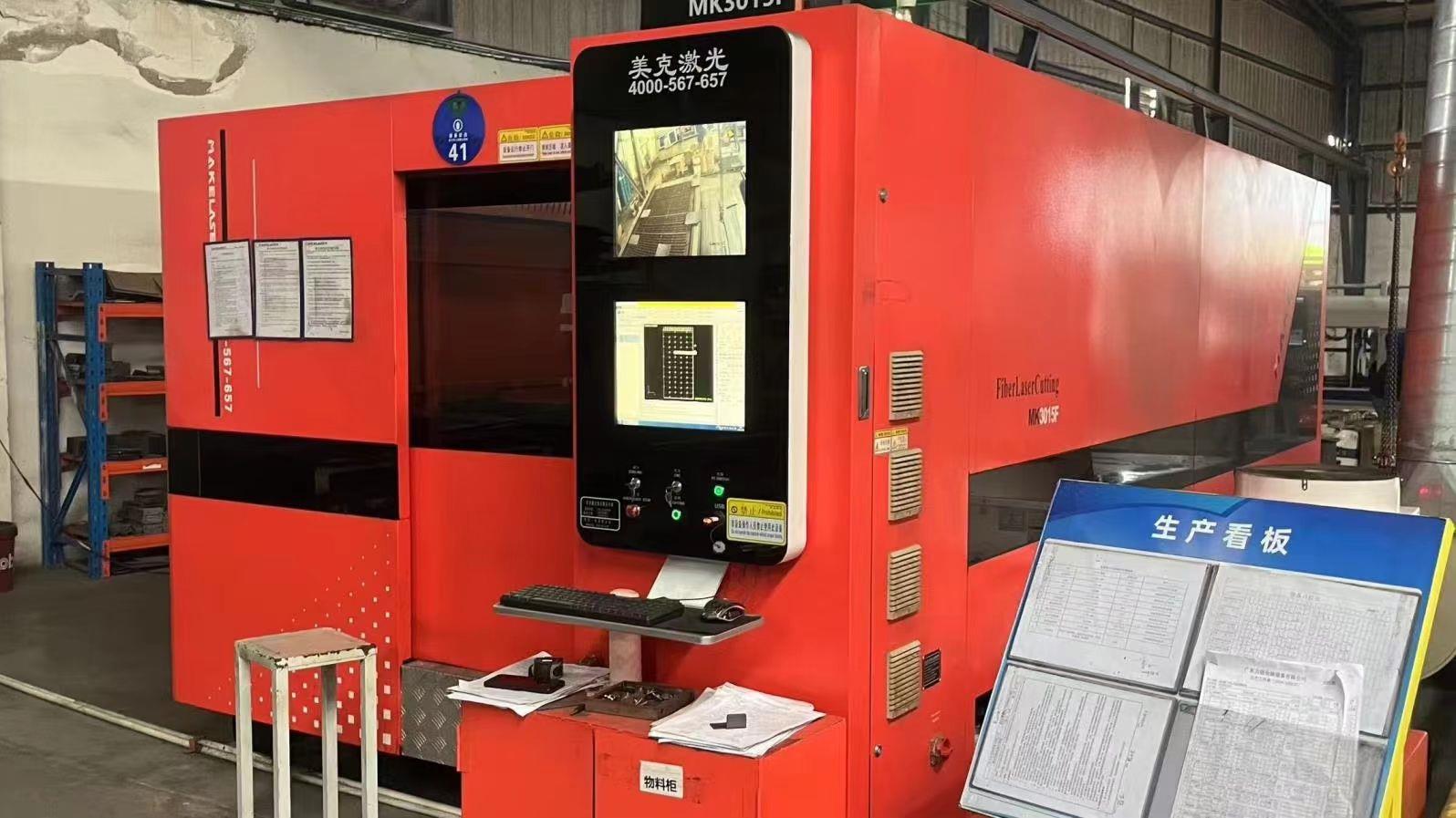
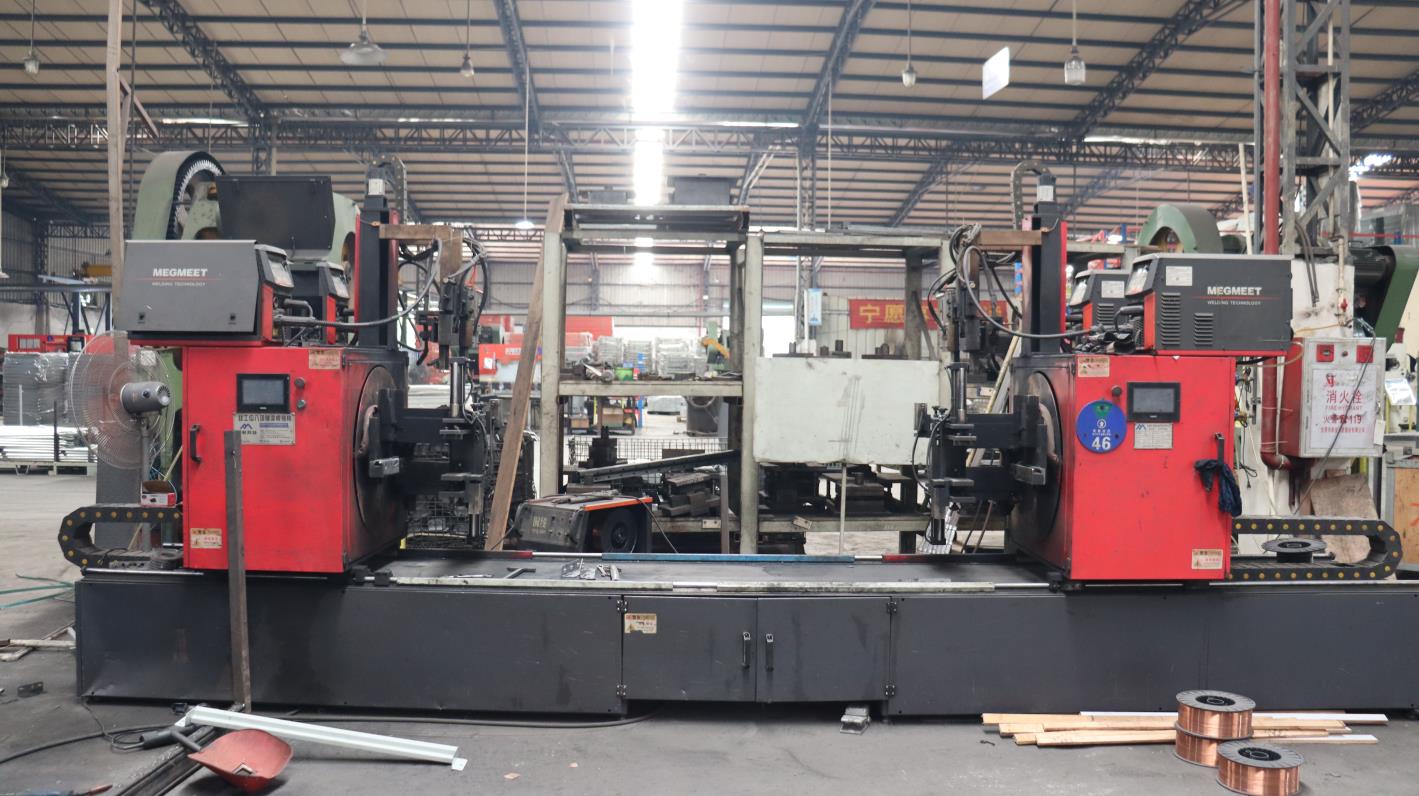
Our 35,000 m² factory operates automated lines including laser profile cutters, rolling mills, hydraulic stamping bays, and robotic welding cells. Automated processing reduces production errors, ensuring that hole pitches, slot alignments, and interlocking tab metrics conform to tight sub-millimeter tolerances.
Our facility in Shenzhen is located near major international container ports (Yantian, Shekou, Nanshan). This positioning streamlines shipping workflows, reduces overland transit times, and allows for flexible FOB, CIF, or DDP delivery options. We optimize container packing layouts to minimize shipping costs and prevent transit damage.
| Manufacturing Stage | Technological Implementation | Tolerances / Specifications | Quality Checkpoint |
|---|---|---|---|
| Raw Material Prep | Uncoiling & Levelling of high-tensile steel sheets | Thickness variation < 0.05 mm | Chemical spectrum analysis & Yield point verification |
| Roll Forming | Multi-station precision profile cold rolling mills | Length deviation < 1.0 mm per 10m frame | Laser caliper alignment validation |
| Robotic Welding | Pulse MIG/MAG welding with coordinate positioners | Weld penetration > 95% of wall thickness | Ultrasonic weld integrity check (UT testing) |
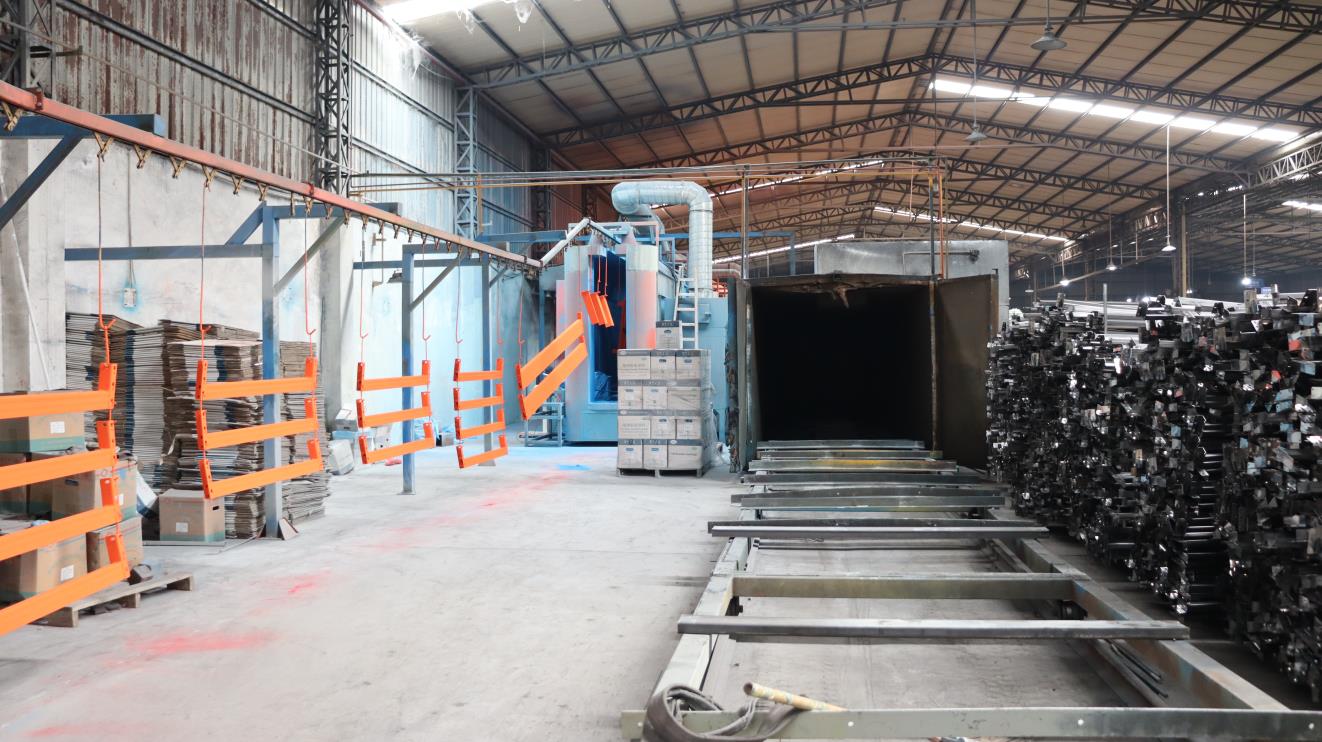
| Surface Finish | Electrostatic powder spray with automatic curing tunnel | Coating layer thickness: 60 - 90 microns | Cross-cut adhesion test & impact resilience |
Meeting regional structural requirements, seismic factors, and safety protocols.
Our systems meet the Rack Manufacturers Institute (RMI) MH16.1 specifications and ANSI standards. We calculate frame capacities to accommodate localized load patterns, including dynamic impact allocations for forklift impacts, baseplate load distribution, and floor-anchoring criteria for seismically active zones.
For European projects, we design storage systems to comply with EN 15512 and FEM 10.2.02 guidelines. These standards require rigorous ultimate-limit-state testing of frame connectors, upright components, and base plates to verify safety factors against structural bucking and shear failure.
Our structural platforms and racking configurations comply with AS 4084 specifications for steel storage racking in Australia and New Zealand. Our engineering covers wind load evaluations for outdoor structural mezzanines and dynamic factors for high-bay operations.
Procuring warehouse racking internationally can present challenges around component compatibility, regulatory compliance, and ocean logistics risks. Shenzhen Lijin manages these risks through comprehensive project management services:
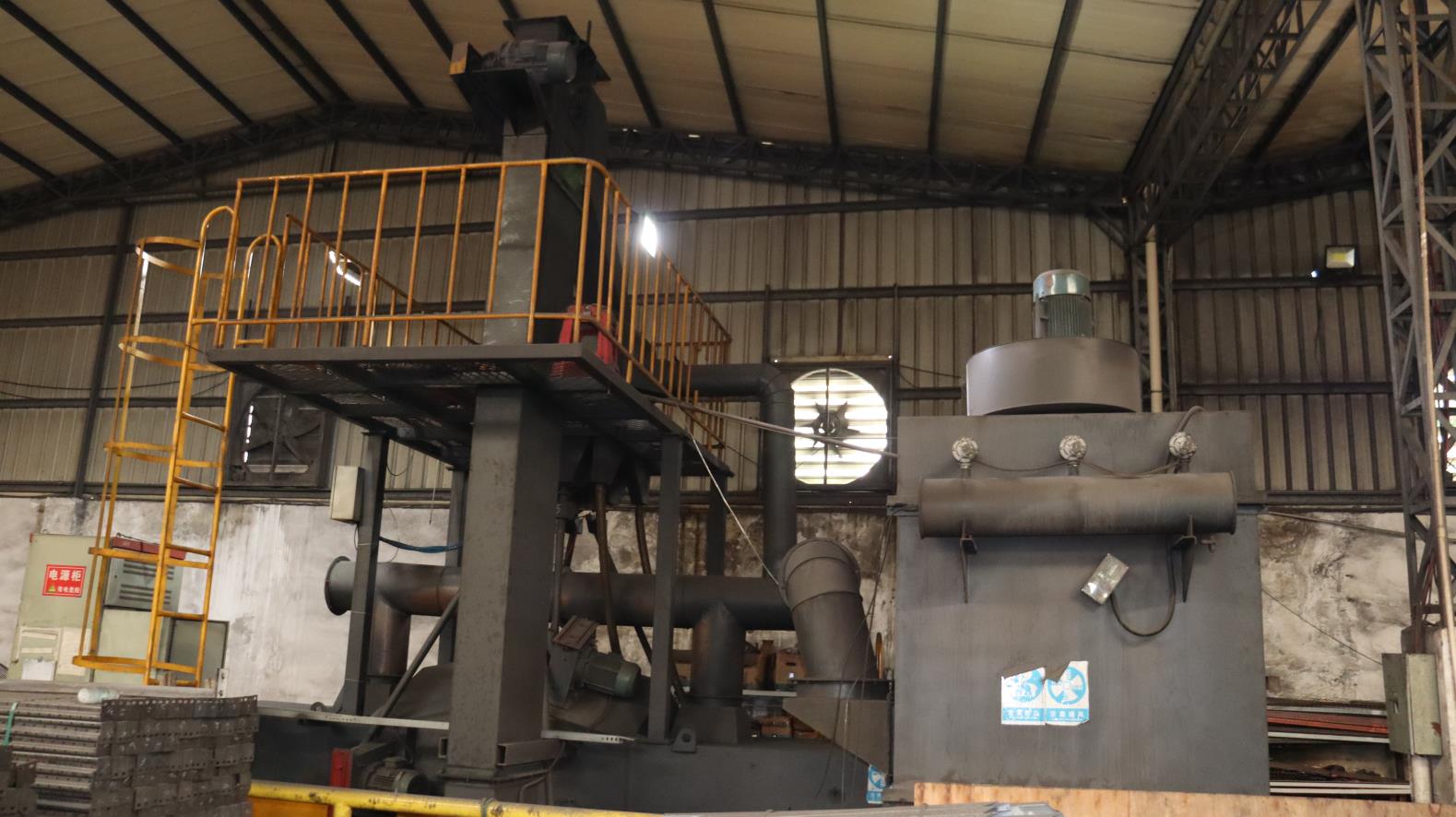
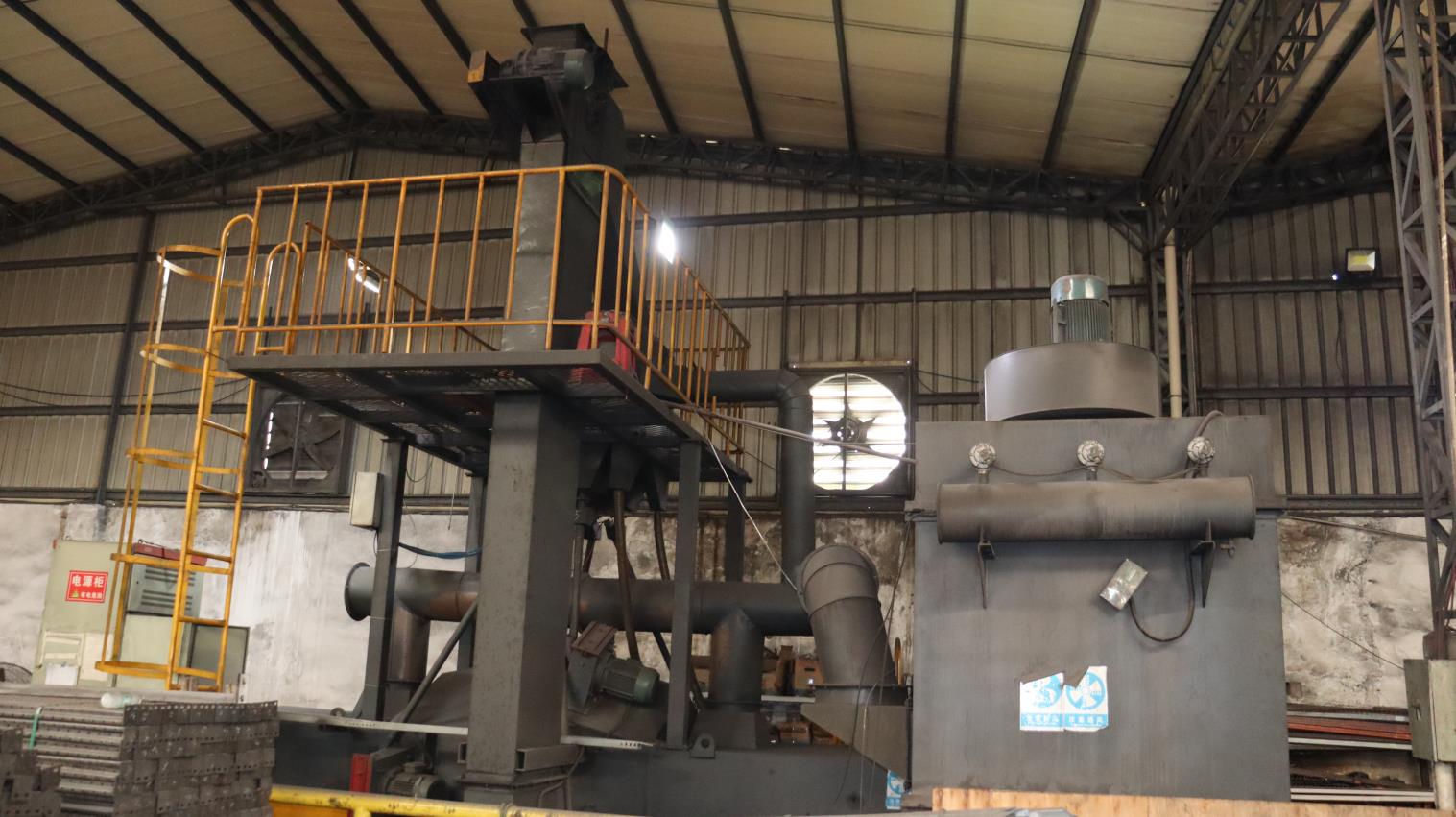
Our production facilities utilize automated equipment to ensure consistent dimensional accuracy and structural integrity.
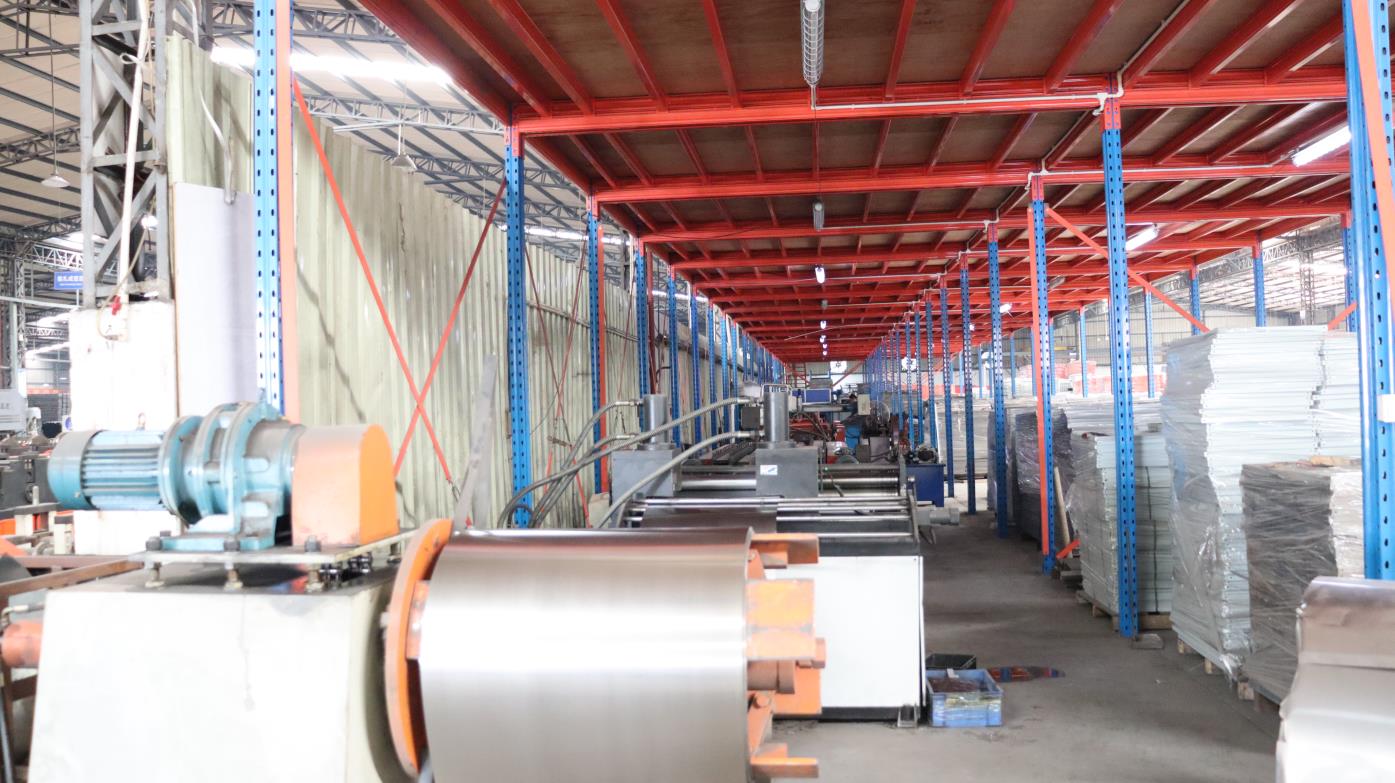
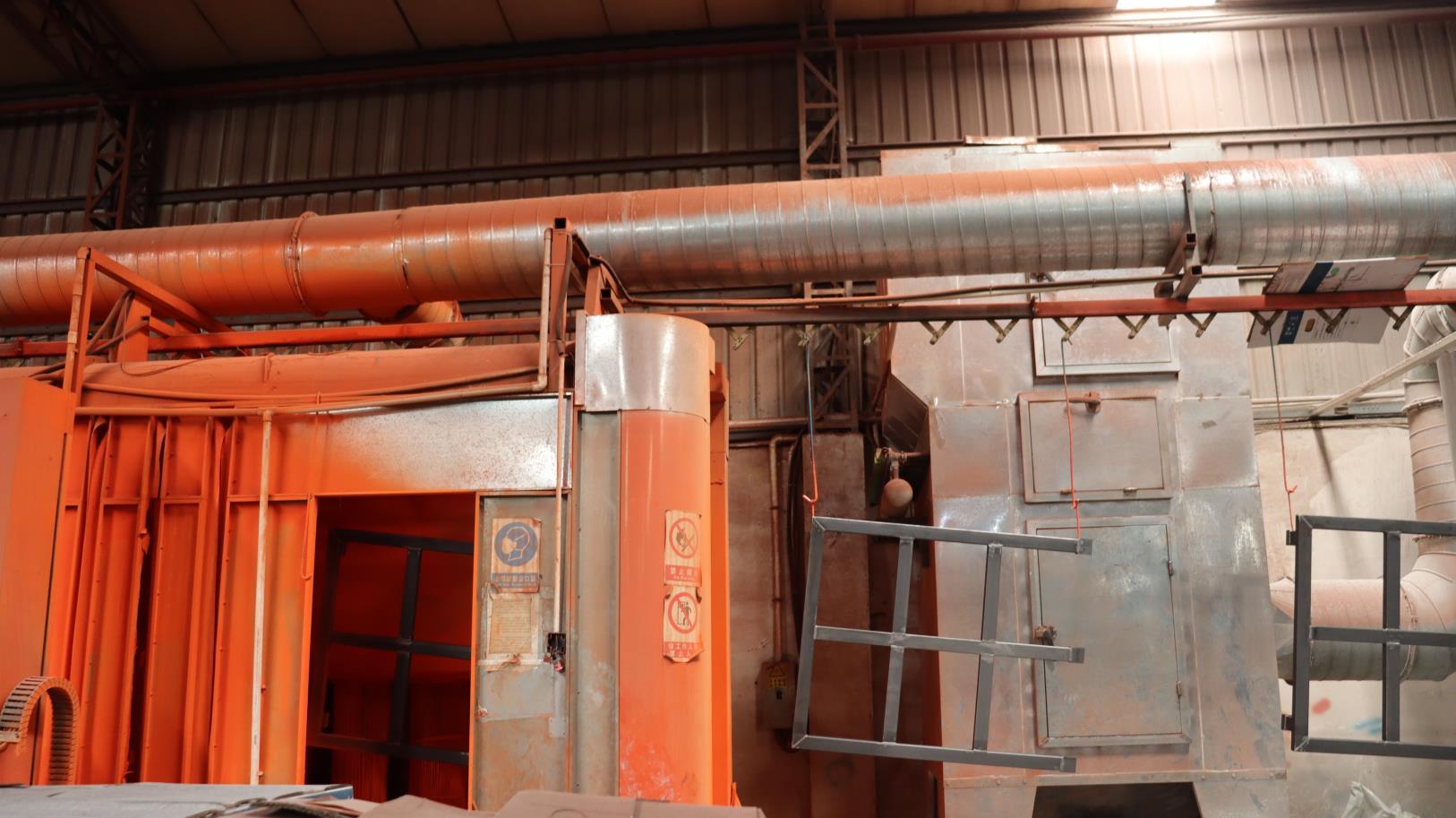
How modern warehouses integrate automation, smart sensors, and advanced composite materials.
Modern distribution centers are shifting away from traditional static shelving systems. Modern layouts require seamless integration with Automated Storage and Retrieval Systems (AS/RS), automated guided vehicles (AGVs), and autonomous mobile robots (AMRs). This transition requires tight dimensional tolerances and level racking systems to ensure smooth automated operations.
With global demand for frozen food and biopharmaceuticals increasing, cold-storage facilities face challenges from sub-zero environments. Traditional carbon steels can become brittle at low temperatures. We address this by utilizing low-temperature carbon steels alongside composite and hot-dip galvanized finishes to maintain load capacity under sub-zero conditions.
Industrial developers prioritize modular configurations that can be disassembled, reconfigured, or expanded with minimal scrap material. This adaptability supports sustainable operations by extending the service life of warehouse racking structures as storage needs change.
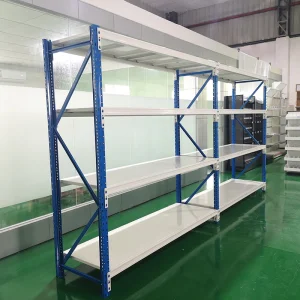
Requires high versatility and adjustable beam configurations. Adjustable longspan and heavy-duty pallet racking adapt to changing product dimensions and packaging styles.
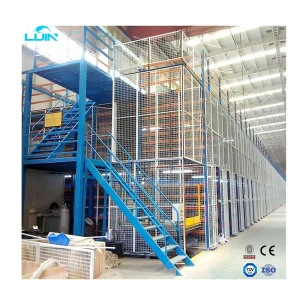
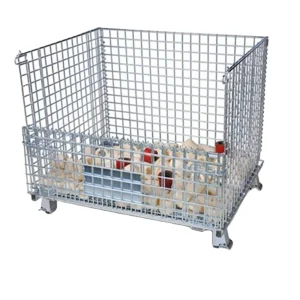
Leverages collapsible storage cages and heavy-duty structural platforms. This approach protects odd-shaped, high-weight components while supporting multi-level stackability.
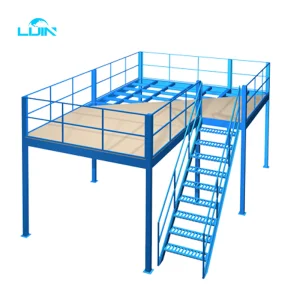
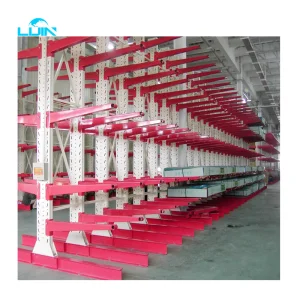
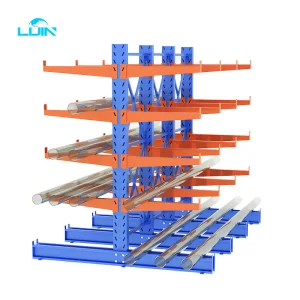
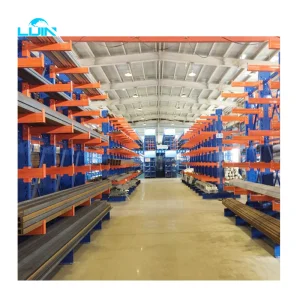
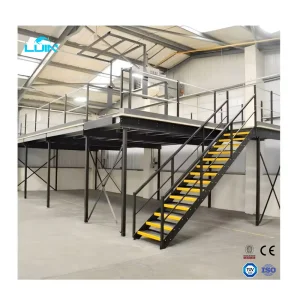
Employs structural steel mezzanines and cantilever systems. These designs support heavy manufacturing dies and steel pipe structures while maintaining floor-space access.
Technical guidance on load capacities, manufacturing processes, and import-export requirements.
Our composite racking systems combine high-strength structural carbon steel (specifically grades Q235B and Q355B) for the main structural components—such as upright profiles and box beams—with alternative materials for the decking and load interfaces. Decking options include wire mesh, composite wood panels, and fiberglass-reinforced polymers (FRP). This combination optimizes the weight-to-load ratio and provides chemical and moisture resistance.
We analyze structural safety using Finite Element Analysis (FEA) to simulate wind and seismic activity. We apply parameters from regional building codes, such as the Uniform Building Code (UBC) or Eurocode 8. Based on these simulations, we optimize structural components by using wider baseplates, dual floor-anchors, thicker column profiles, and reinforcing cross-bracing configurations.
Our quality control processes include incoming raw material testing (mill cert validation, yield strength verification), laser thickness measurements during cold roll forming, ultrasonic weld testing to verify weld integrity, and coating thickness checks using magnetic gauges. Every production batch is tracked from raw material coil through to final palletizing.
We work with international logistics providers to manage ocean container space. Racking parts are bundled, nested, and wrapped in protective layers to reduce shifting in transit. We provide comprehensive shipping documentation, including packing lists with weight specifications, material declarations, and certificates of origin to facilitate customs clearance.
Standard lead times range from 20 to 30 days depending on project scale, profile specifications, and powder coating requirements. Custom components or complex structural mezzanines requiring structural testing may add 1 to 2 weeks to the initial planning and fabrication phases.
Engineered for high load capacities and long-span requirements.
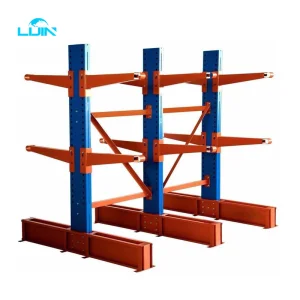
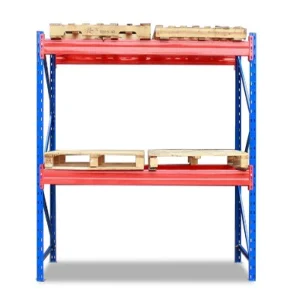
 Lijin Racking