Engineered to maximize warehouse storage density, operational efficiency, and structural safety parameters.
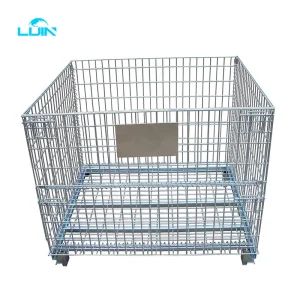
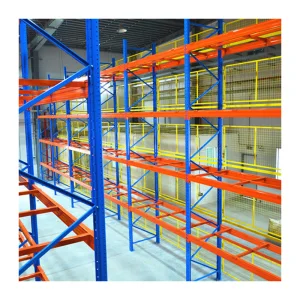
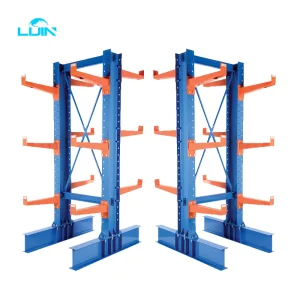
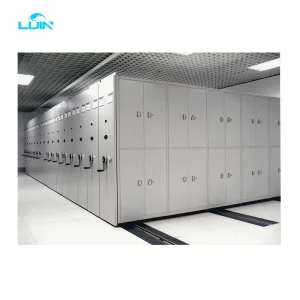
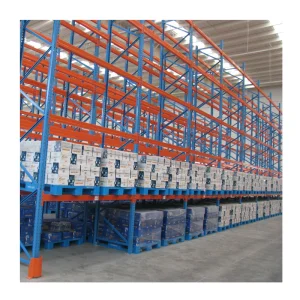
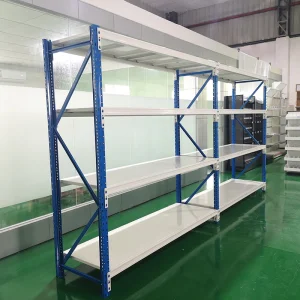
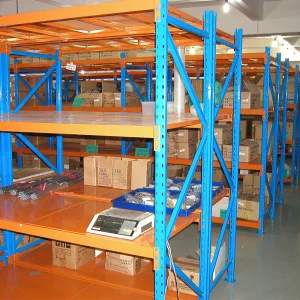
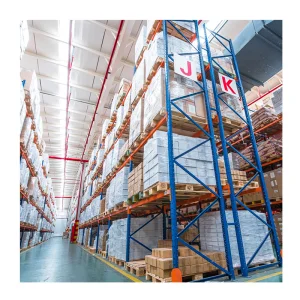
A premier industrial manufacturing enterprise specializing in advanced heavy-duty workstation racks and intelligent storage solutions.
Established in 2015, Shenzhen Lijin Storage Equipment Co., Ltd. has consolidated its position as a top-tier manufacturer of industrial racking and workstation solutions. We focus on heavy-duty warehouse storage systems, automated storage configurations, and robust logistics infrastructure designed for complex modern distribution centers. With an export footprint spanning over 8 years, our manufacturing and engineering compliance conforms strictly to world-class standards including RMI (Rack Manufacturers Institute) and FEM guidelines.
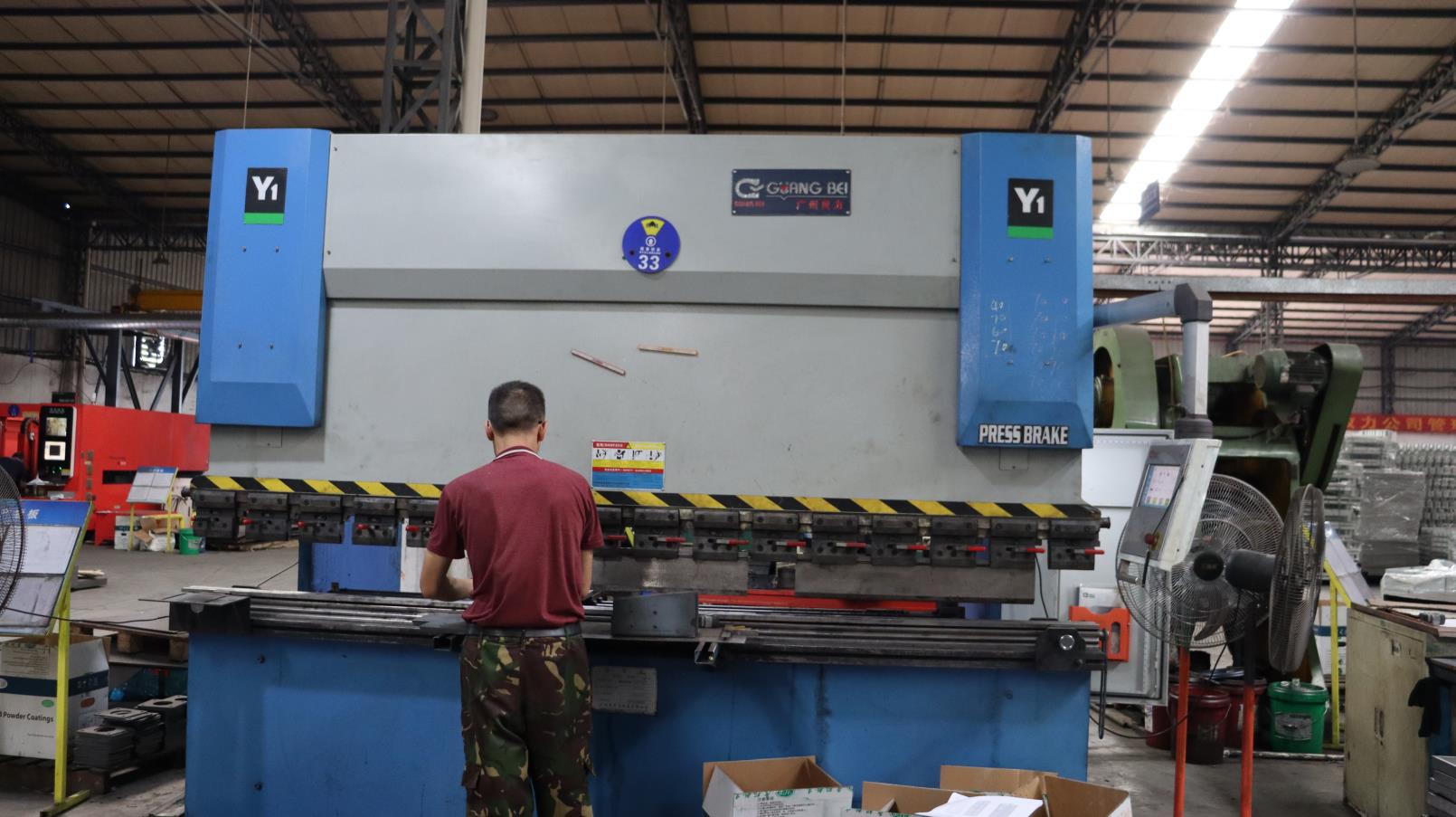
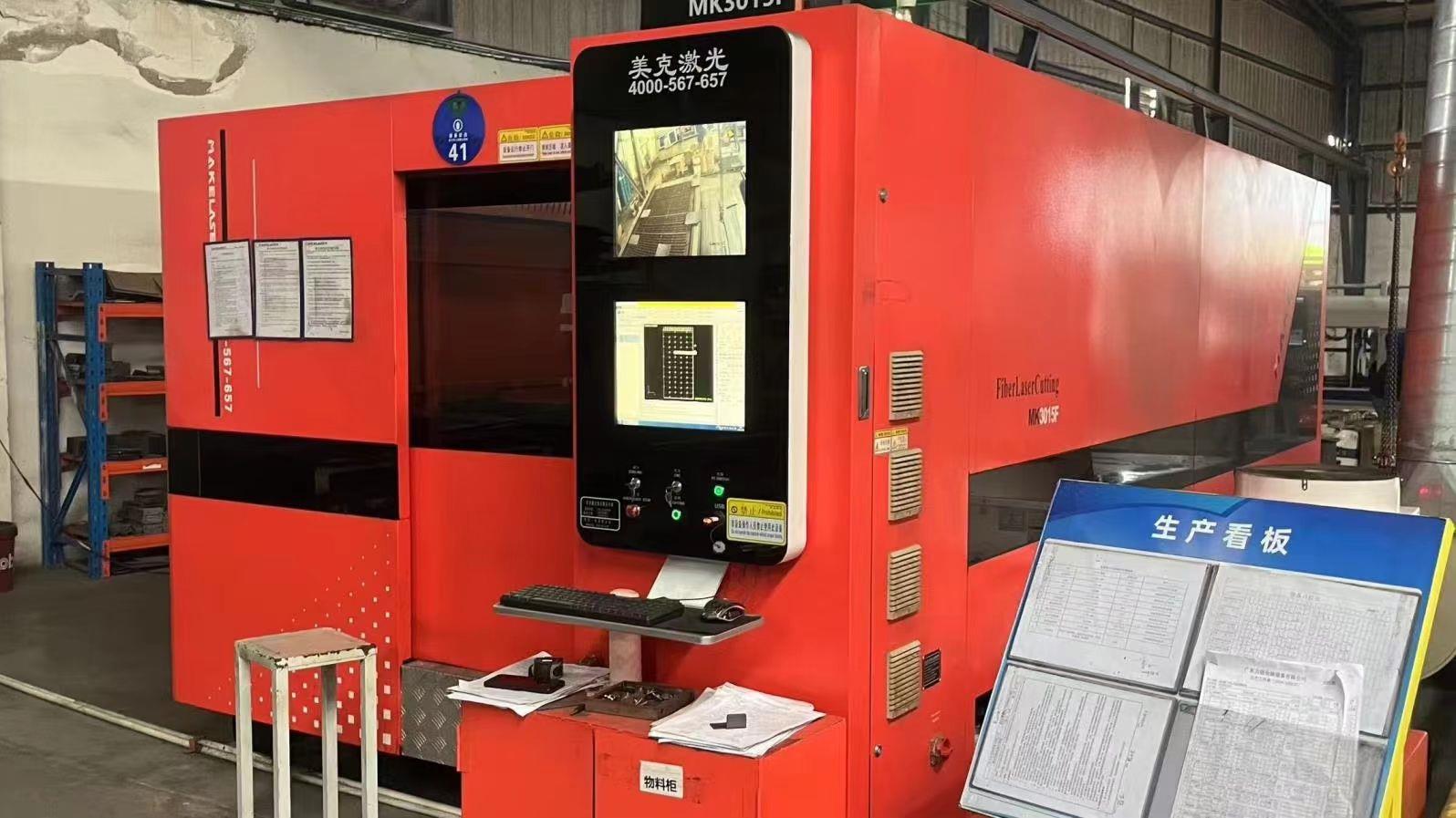
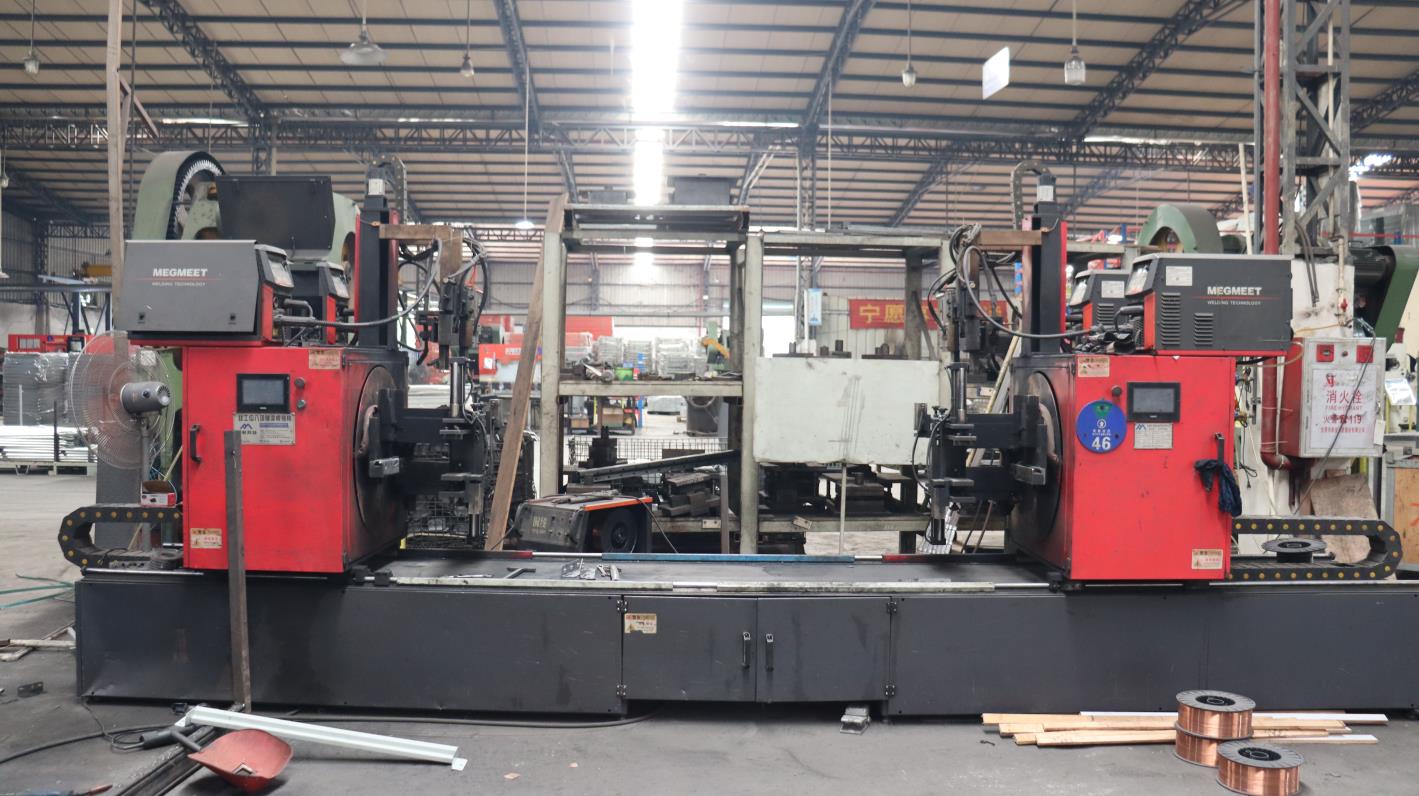
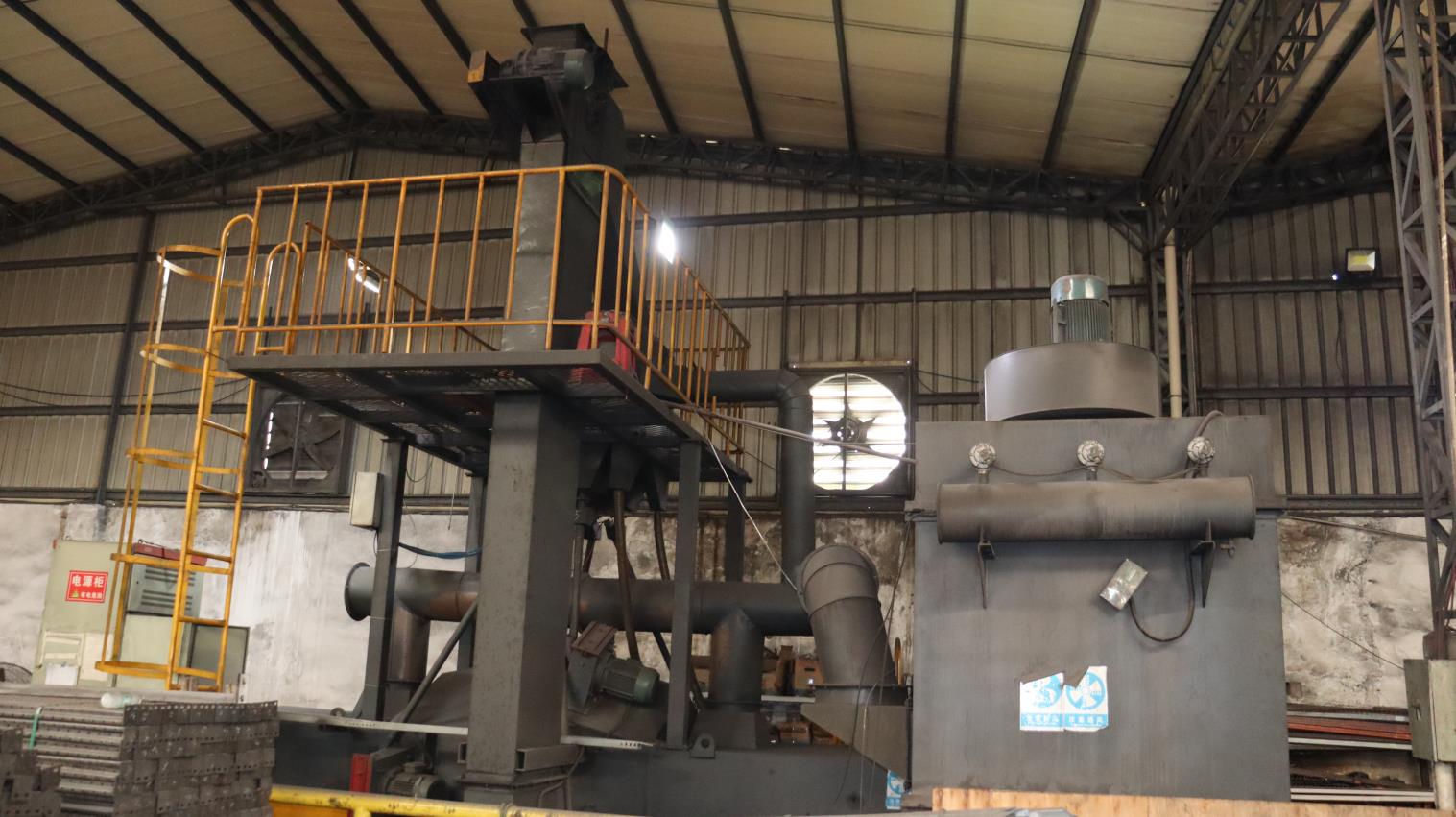
Our massive 35,000 m² facility features state-of-the-art automated manufacturing lines. From automated slitting, high-precision roll-forming, computerized structural punch stamping, to robotic welding, and automated thermosetting electrostatic powder coating. This end-to-end integration ensures our workstation racks deliver extreme mechanical load integrity and dimensional precision required for structural engineering excellence.
Exploring the shift toward modularity, structural seismic compliance, and advanced automation interfaces in logistics environments.
Modern distribution hubs demand custom workstation racks that can adapt dynamically to fluctuating inventories. High-density storage requires tight tolerances to interface seamlessly with AS/RS systems and manual picking procedures.
International procurement departments prioritize structural safety compliance under extreme physical stresses. Adherence to EN 15512 and RMI specifications guarantees structural integrity under seismic dynamics and shock loading.
Eco-friendly surface treatments such as zero-VOC powder coating and advanced hot-dip galvanization ensure maximum longevity in diverse microclimates, preventing micro-crack propagation and structural rust damage.
Observe the precise industrial steps involved in turning raw steel components into heavy-duty industrial storage racks.
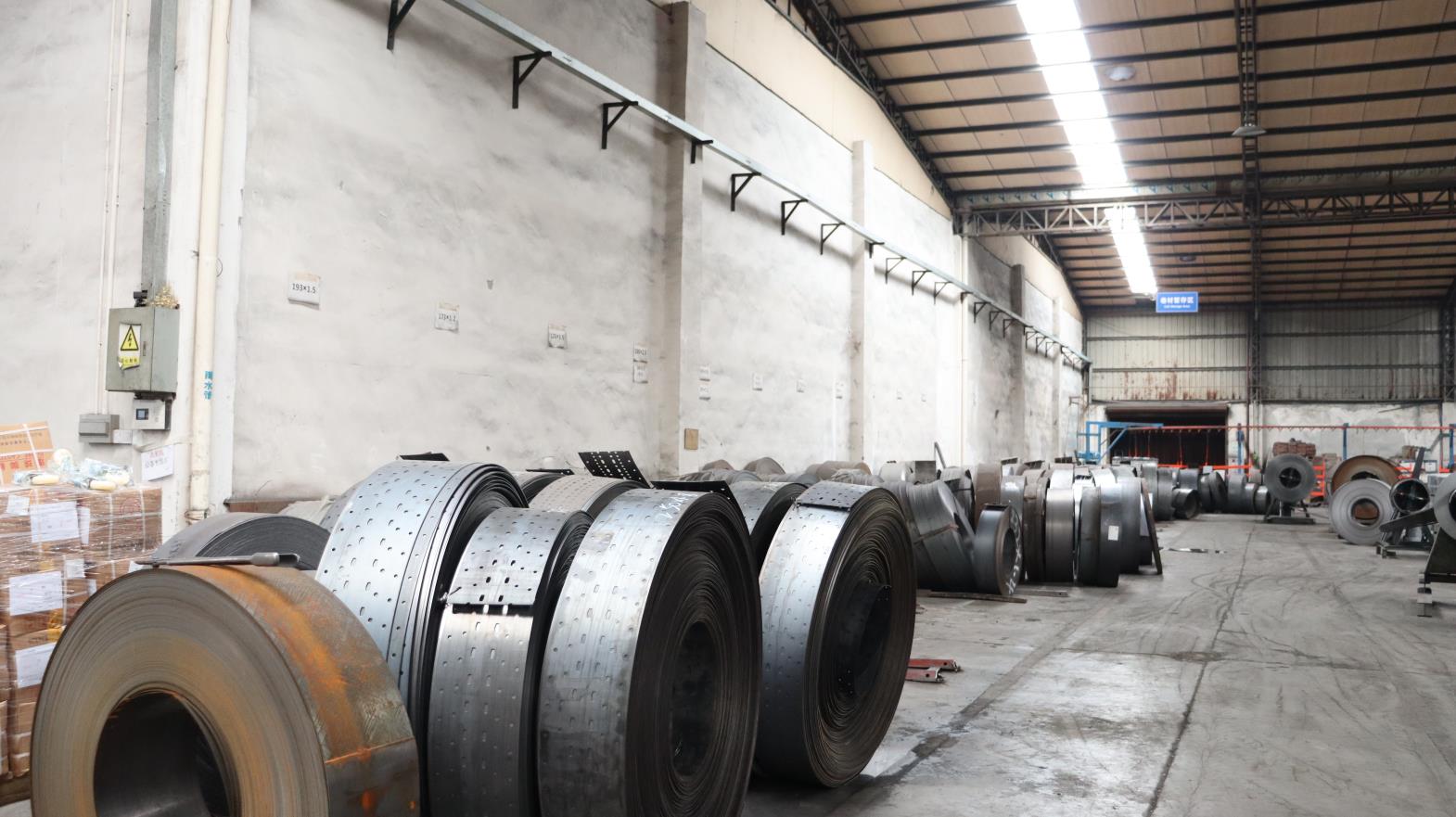
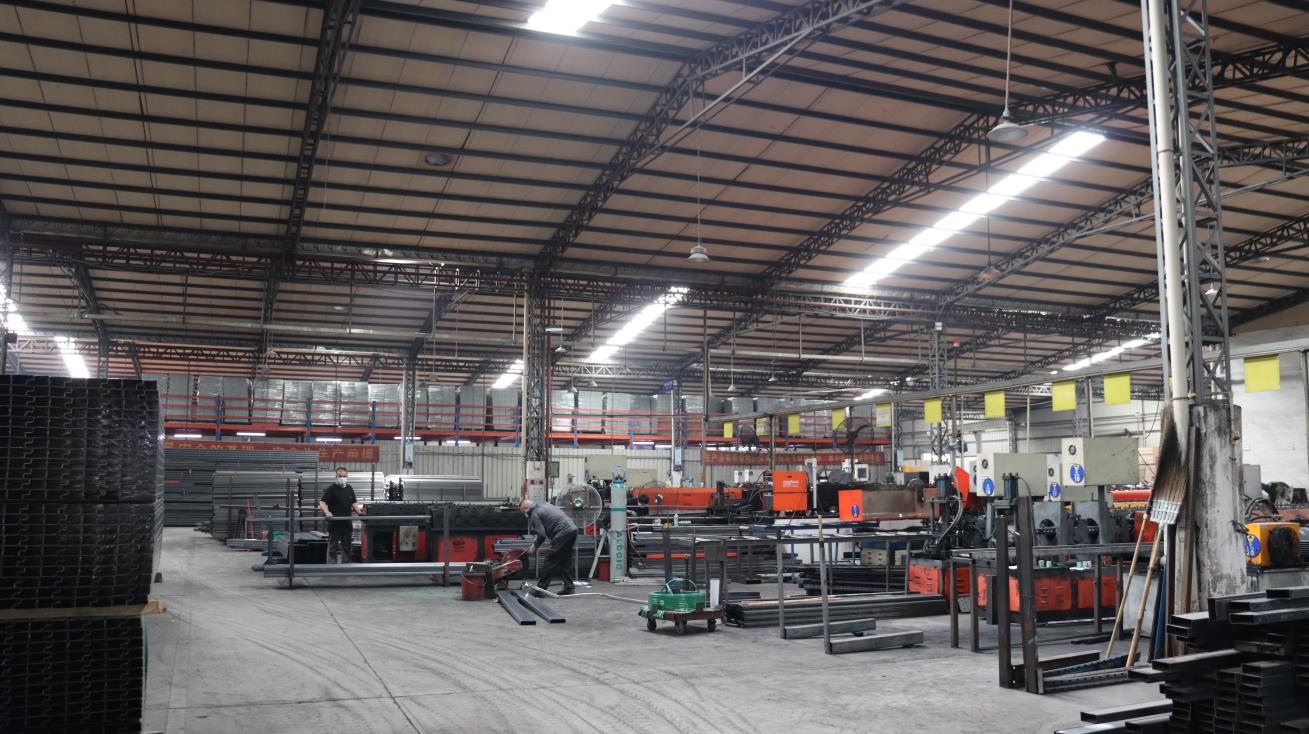
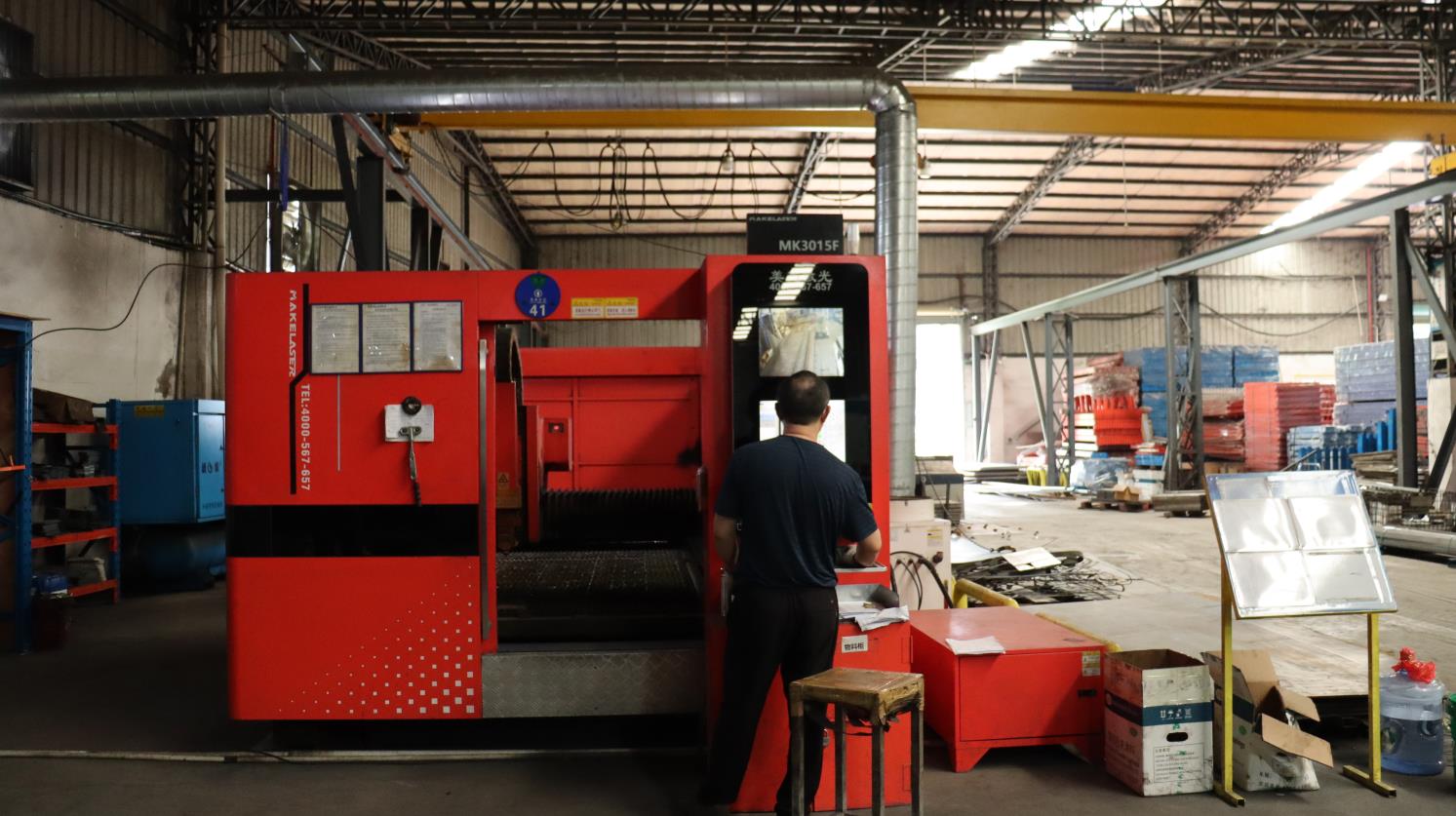
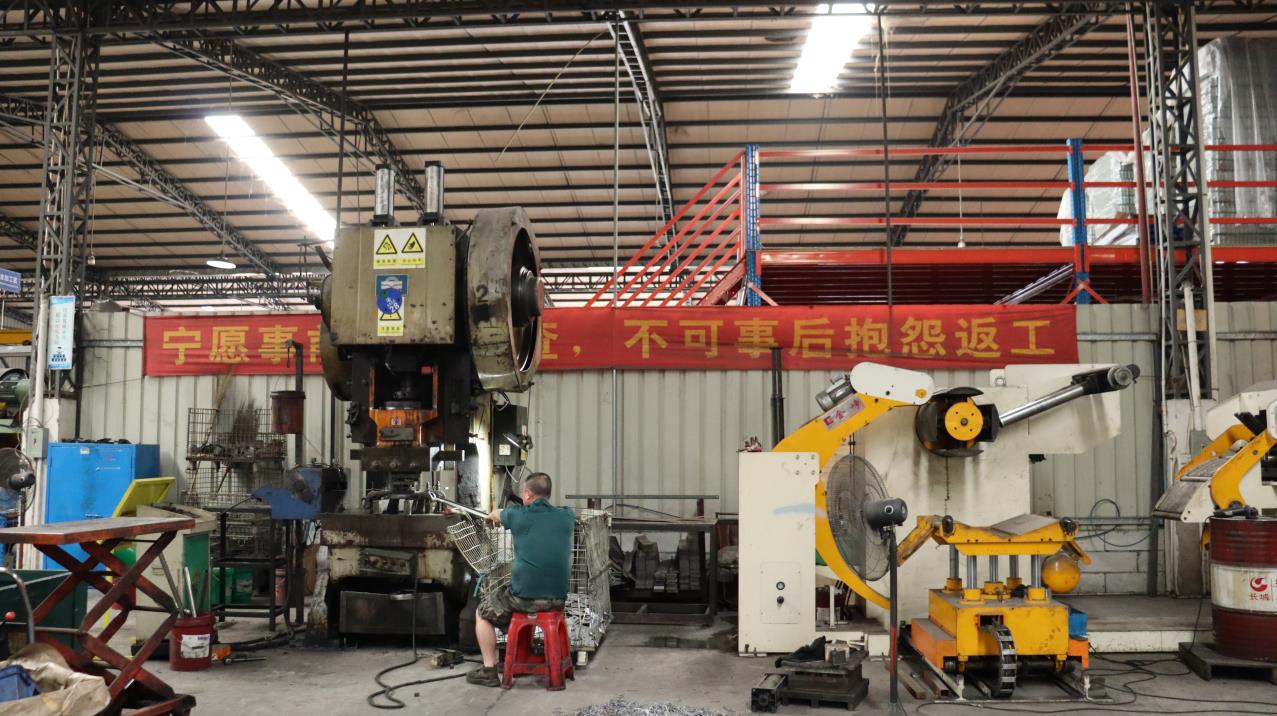
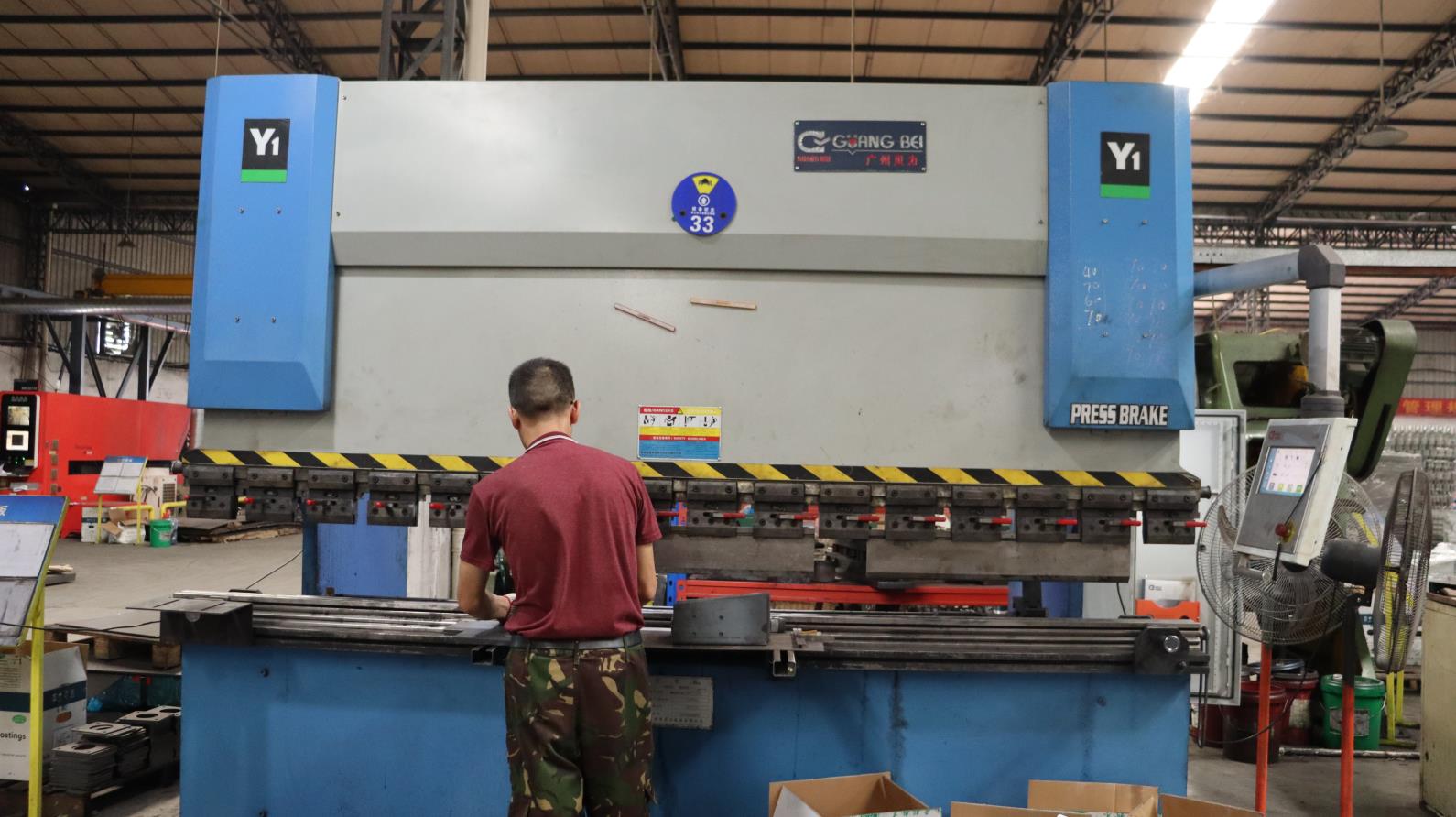
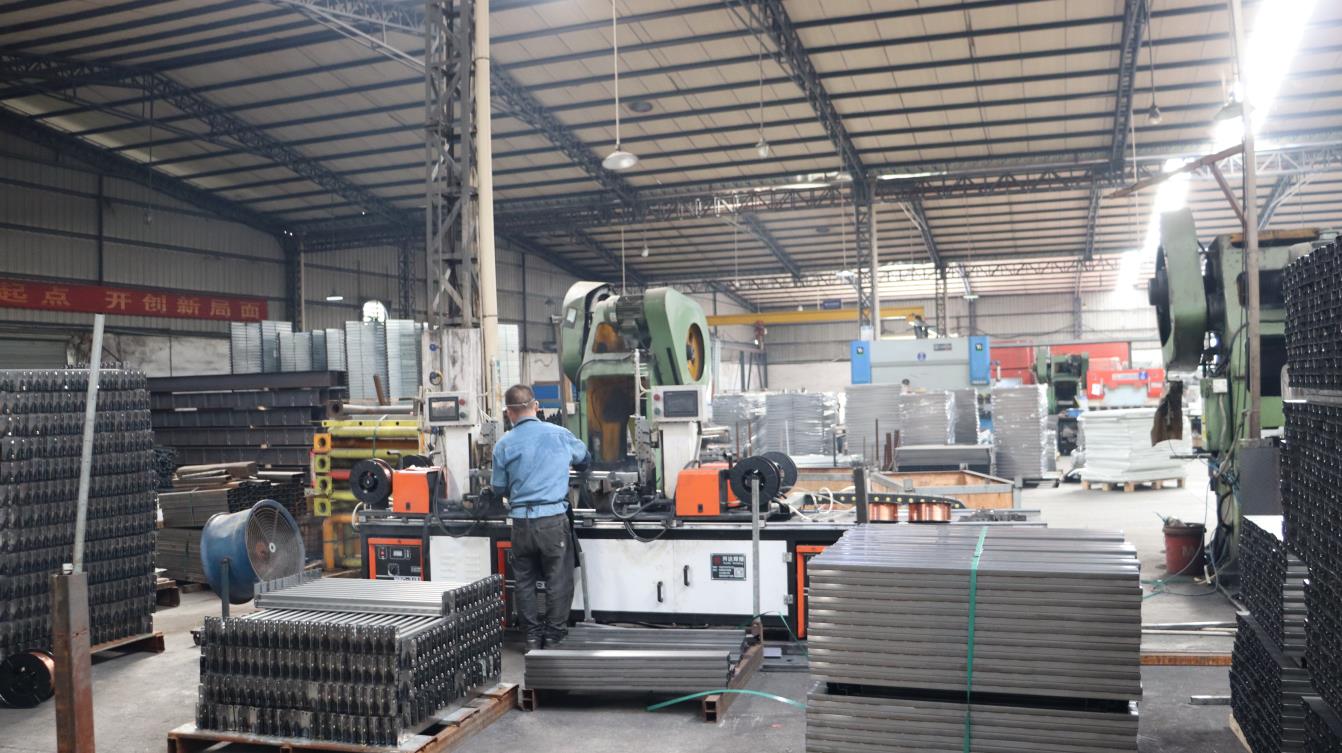
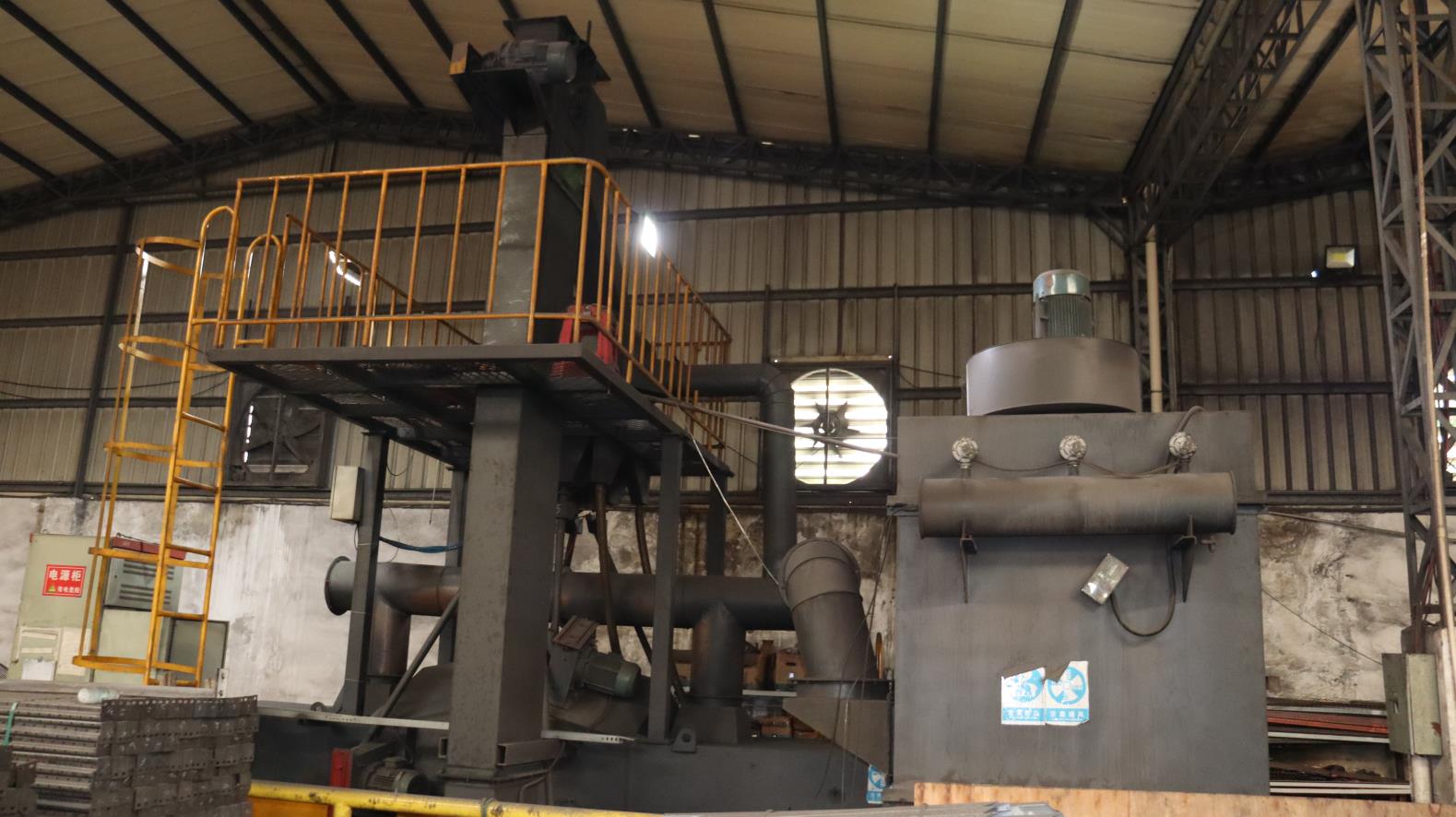
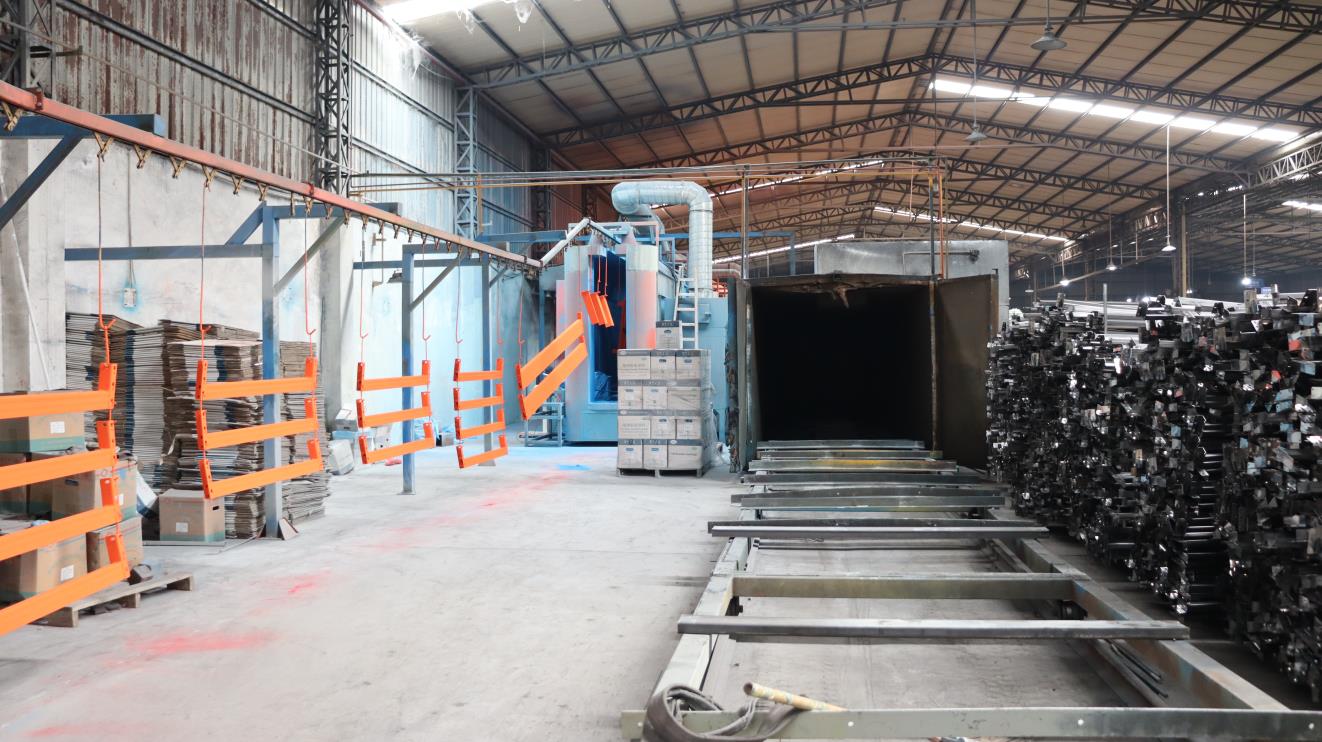
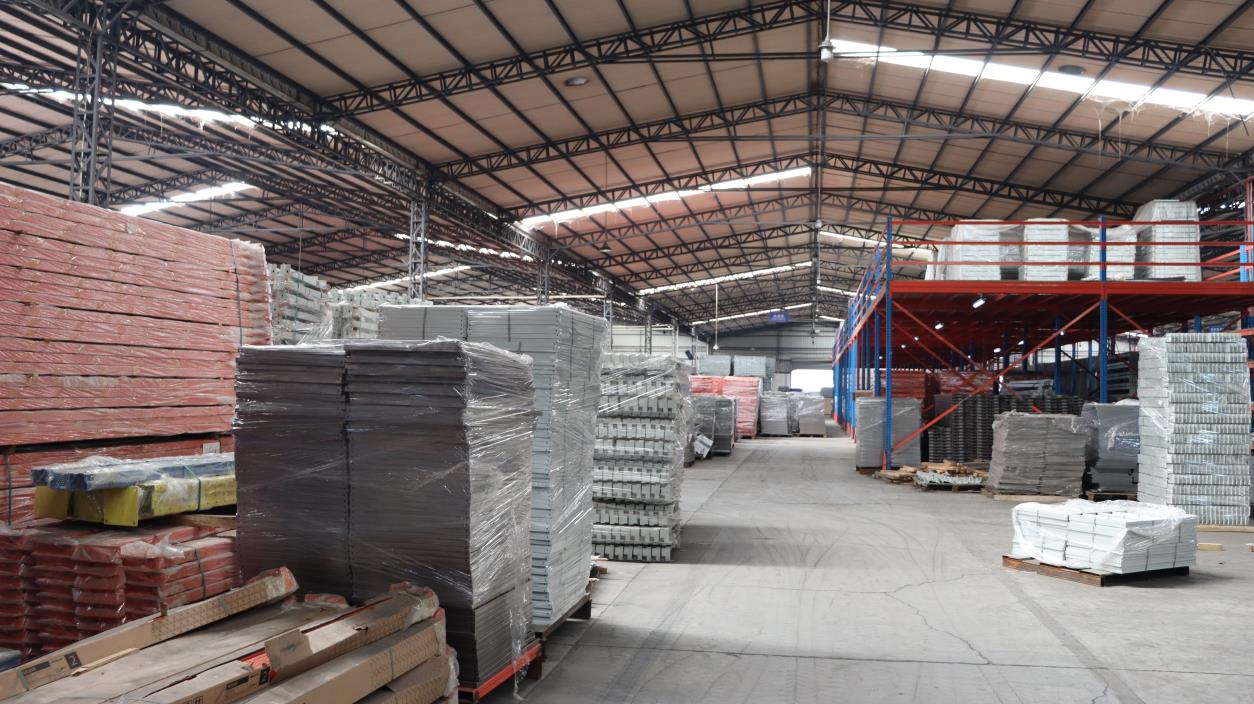
Continuous investment in industrial machinery translates to structural consistency, swift production speed, and competitive wholesale pricing.
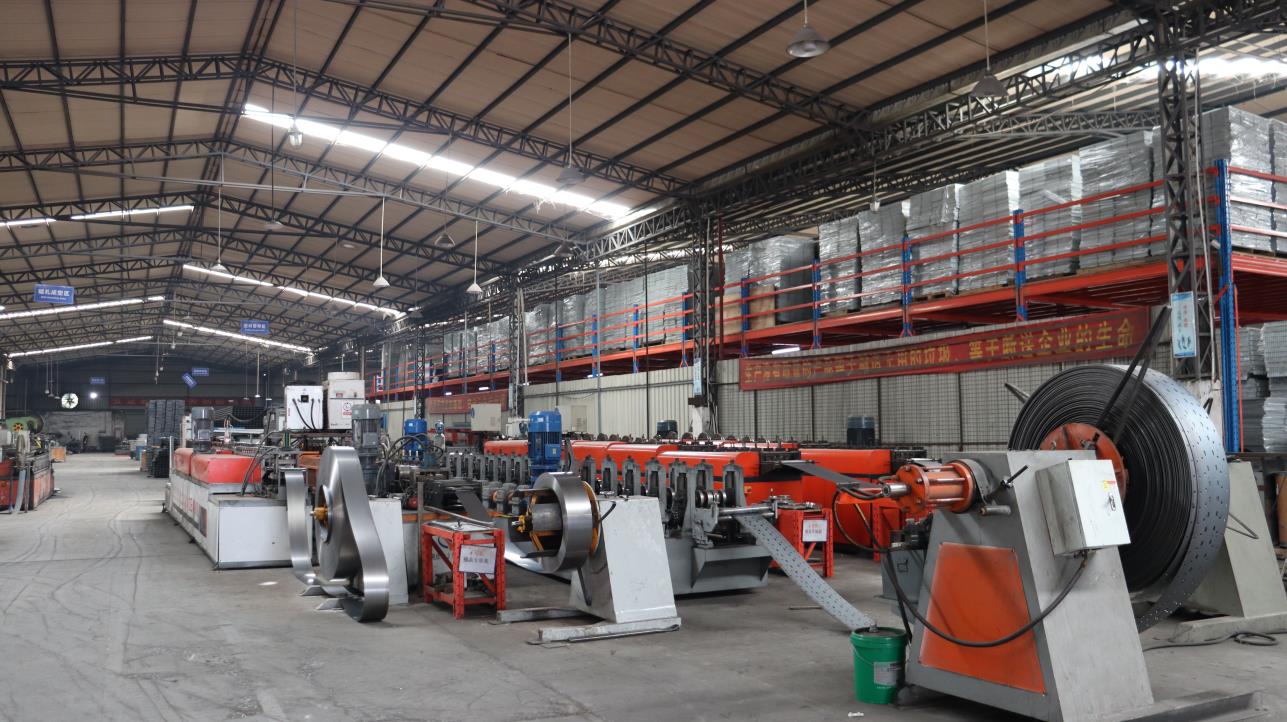
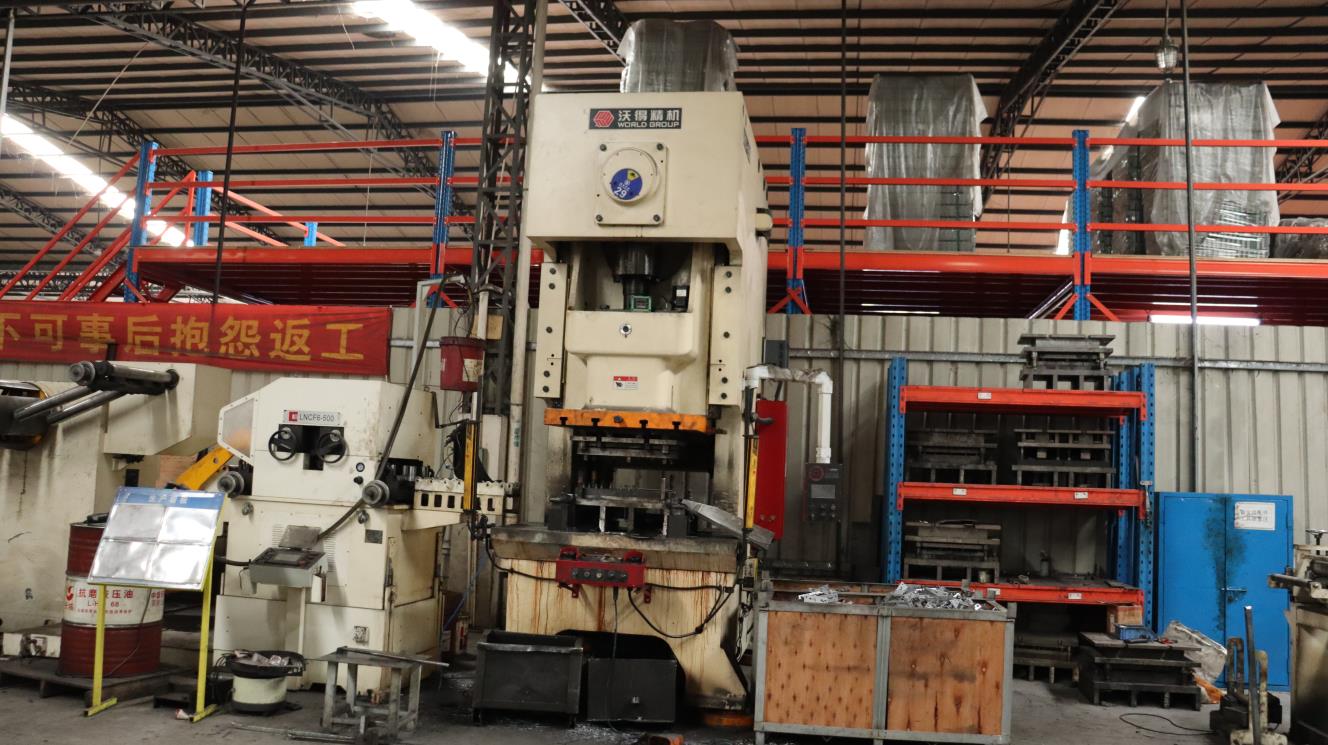
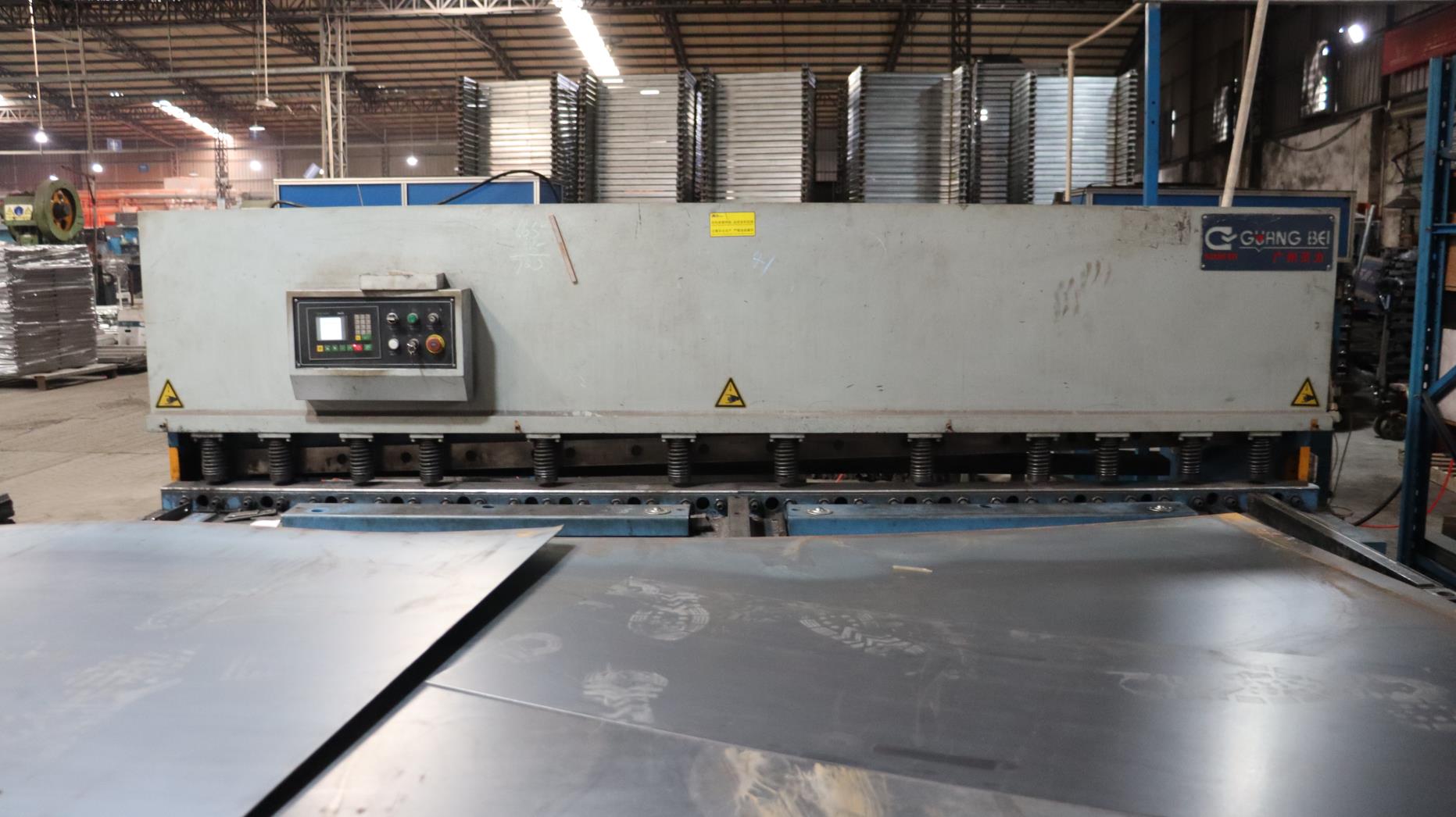
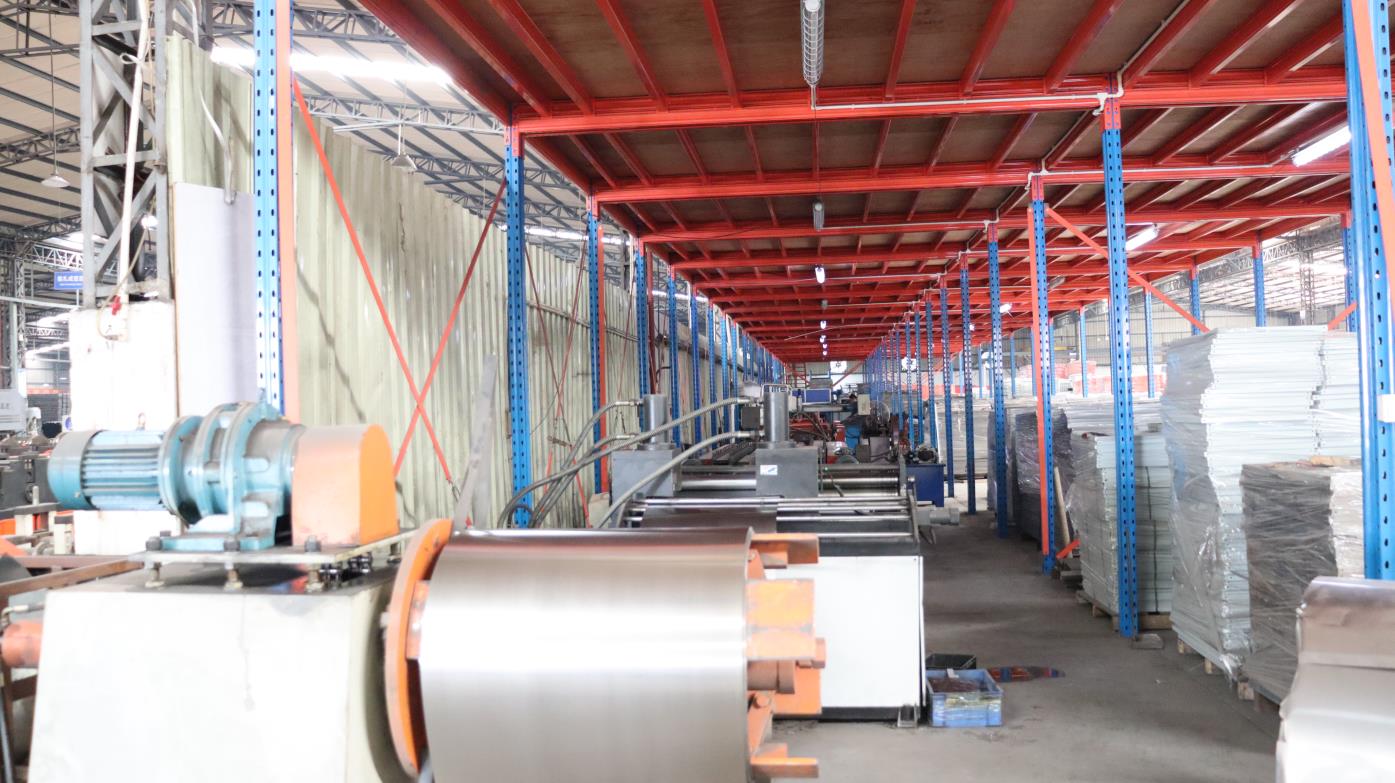
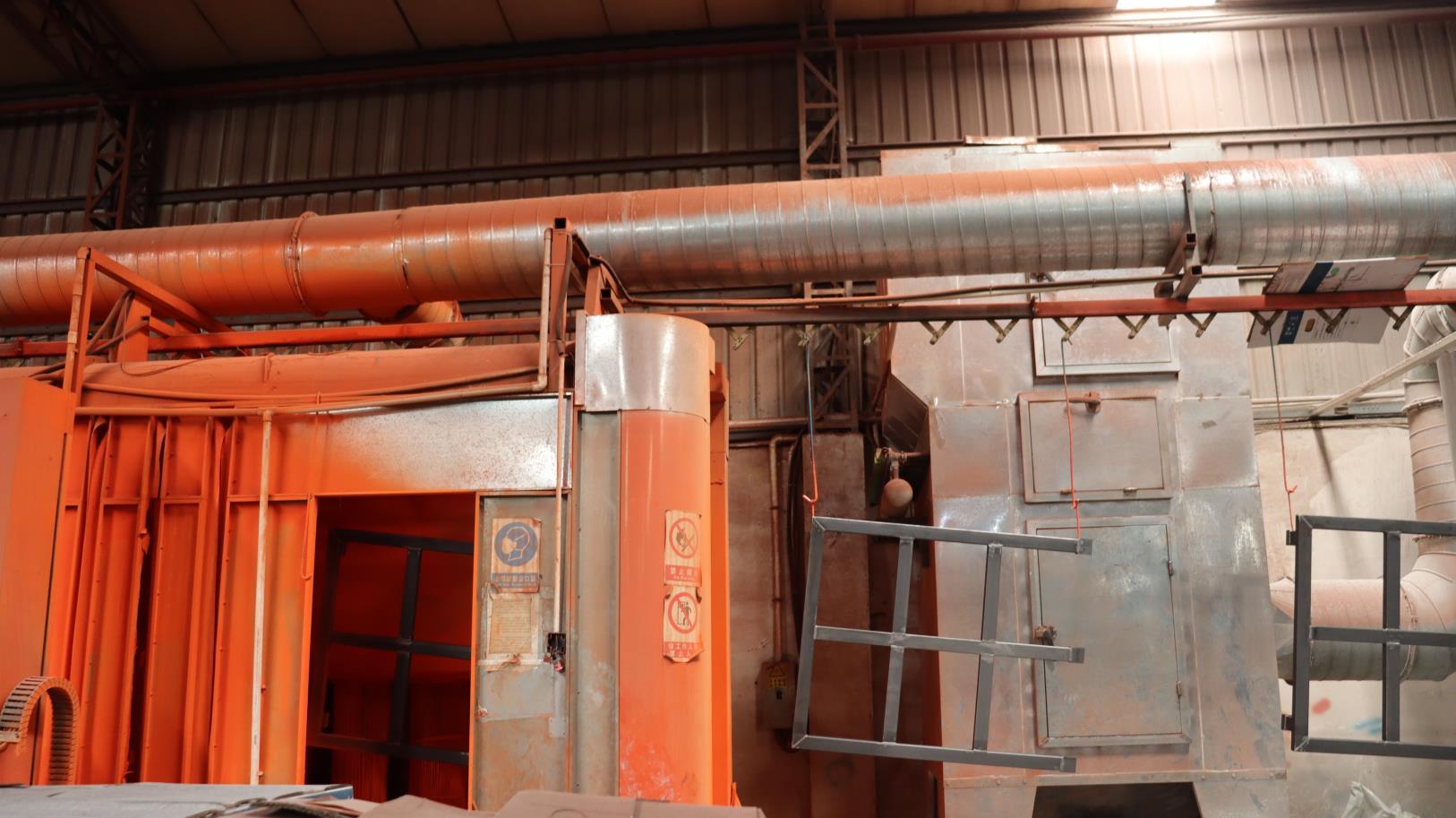
When selecting a workstation rack manufacturer, procurement officers and structural engineers must evaluate key physical and mechanical parameters to verify structural capacity under loading conditions. Structural integrity is heavily dependent on raw material quality, steel chemistry, and manufacturing methods. Standard structural properties include:
| Engineering Parameter | Standard Specification | Industrial Verification Method |
|---|---|---|
| Steel Chemical Formulation | Q235B, Q355B (Equivalent to ASTM A36 / A572 Grade 50) | Chemical composition spectroscopy & mill certification checks |
| Yield Strength limit | 235 MPa to 355 MPa (Minimum threshold) | Tensile stress validation in certified laboratories |
| Electrostatic Paint Coating | 60 to 90 microns (Epoxy Powder Coating) | Magnetic induction dry film gauge profiling |
| Deflection Criteria | L/200 (According to FEM standards) | Point-load laser dimensional deflection tracking |
The choice of raw materials directly determines the maximum load carrying capacities. Q235B is optimal for standard duty shelving, whereas structural heavy-duty installations rely on high-tensile strength Q355B steel profiles. Mill certifications are verified for each raw material coil batch, verifying carbon, silicon, and manganese percentages to guarantee elastic deformation margins and structural safety.
Corrosion leads to early material fatigue and failure of the rack structures over time. Our automatic spraying lines apply high-grade polyurethane epoxy powder paints followed by high-temperature curing. For high-humidity warehousing, cold storage facilities, or dynamic industrial workstation layouts, hot-dip galvanized finishes ensure lifetime structural safety against moisture and oxidation.
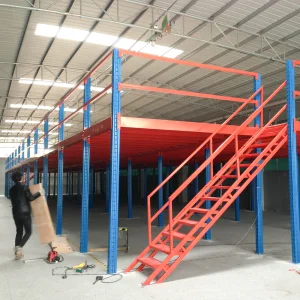
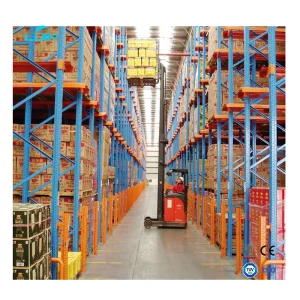
Modern distribution complexes require dynamic configurations that combine high-density pallet storage with manual order preparation platforms. By analyzing operational layout requirements, we help optimize total facility utilization with our custom structural configurations:
Our quality verification starts before production runs begin. Material batches undergo incoming steel validation, micro-structural weld penetration analysis, and load-limit deformation mapping. A dedicated team of 35 internal QC technicians operates in coordination with global testing authorities like SGS and TÜV Rheinland to verify structural load ratings. This rigorous process ensures compliance with international standards such as EN 15512, AS4084, and ISO 9001:2015, ensuring hassle-free logistics custom clearings and structural compliance approvals worldwide.
The industrial warehousing market is modernizing, moving away from static steel structures toward dynamic and automated systems. Over the next five years, the integration of Automated Guided Vehicles (AGVs) and Autonomous Mobile Robots (AMRs) will change the design requirements of heavy-duty workstation racks. We are currently focusing our R&D work on the following developments:
1. Dynamic AGV Interfaces: Future racking layouts will rely on tight dimensional tolerances (under 1mm margins) to guarantee obstacle-free robot navigation and accurate item retrieval.
2. Smart Racking (IoT Sensors): Integrating strain gauge micro-sensors into support beams to provide real-time weight loading diagnostics and structural fatigue warnings directly to the warehouse control system.
3. Eco-Friendly Manufacturing: Re-engineering manufacturing lines to minimize environmental impact by reusing heat energy from curing ovens and reducing total energy consumption across all roll-forming lines.
Expert engineering insights regarding product safety, shipping logistics, and custom system layout designs.
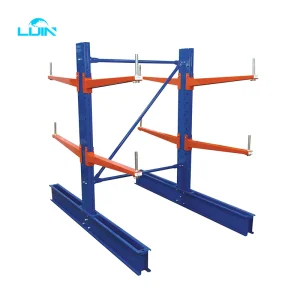
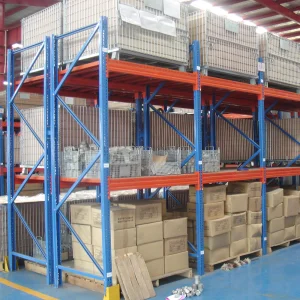
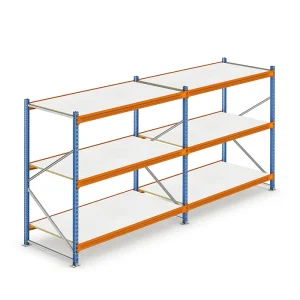
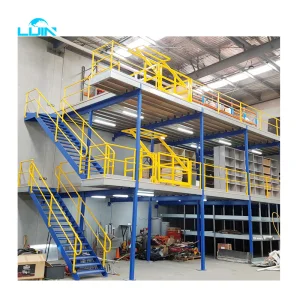
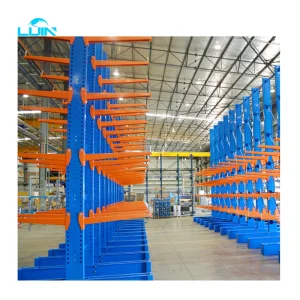
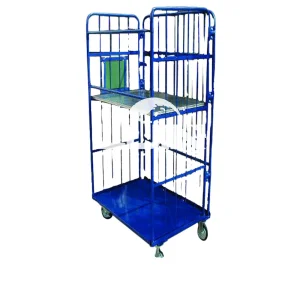
Review our specialized systems designed for warehouse storage, long products, dynamic stock movement, and high-density environments.
 Lijin Racking